[Insight]James Dyson_제임스다이슨 Details
Intro

From IT to art, finance, business, and beyond.
The top experts of each sector are converging here, at Coloso,
to bring you inspiration and wisdom you can't find anywhere else.
James Dyson's Values

One Day, He Asked, “Why Haven’t Vacuum Cleaners Improved in Smell and Suction Power?”
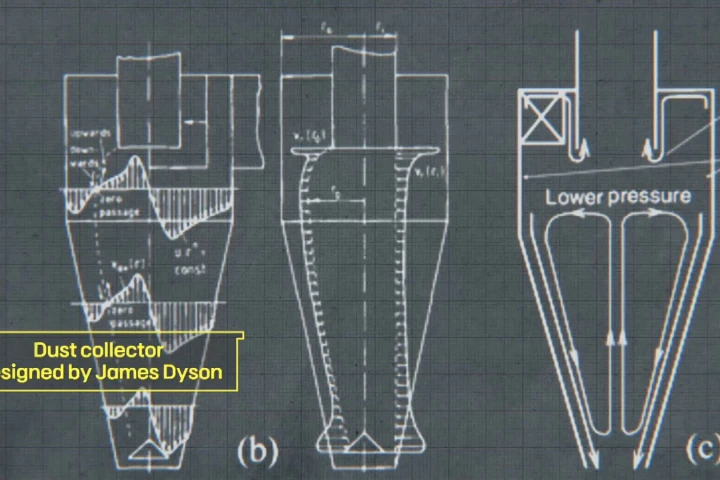
This class starts with James Dyson asking "why?" about an everyday problem. It takes you through how he found the answer in a huge cyclone at a timber yard he visited by chance, and his journey from making 5,127 prototypes and an equal number of failures to inventing a "dust bag-free vacuum cleaner" that amazed the world.

This story is not about developing a product; It is a story of a great innovator whose ways of thinking and philosophy allowed him to turn inconvenience into inspiration, failure into data, and ideas into reality.
Class Preview
Still Not Sure?
Check Out James Dyson's Class Preview!
2. The Process of Innovation: The Vacuum Cleaner That Amazed the World
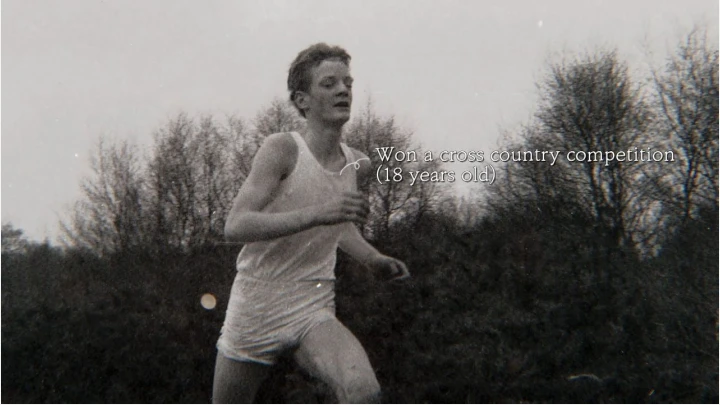
- The philosophy of running: Increasing your speed and finding a breakthrough when you can't find a solution and want to give up.
- The process of believing in your idea and discovering other sales channels when people refuse to buy your product because it is different from conventional ones.
- Failures lead to improvement and new solutions. How can you learn from, overcome, and move past failures?
- The process of believing in your idea and discovering other sales channels when people refuse to buy your product because it is different from conventional ones.
- Failures lead to improvement and new solutions. How can you learn from, overcome, and move past failures?
*The subtitles in this preview video are auto-translated. Please note that some content may not be accurately translated.
**Associated content is subject to change without prior notice.
Recommendation
Who Should Take This Class?
Highlights
Class Highlights
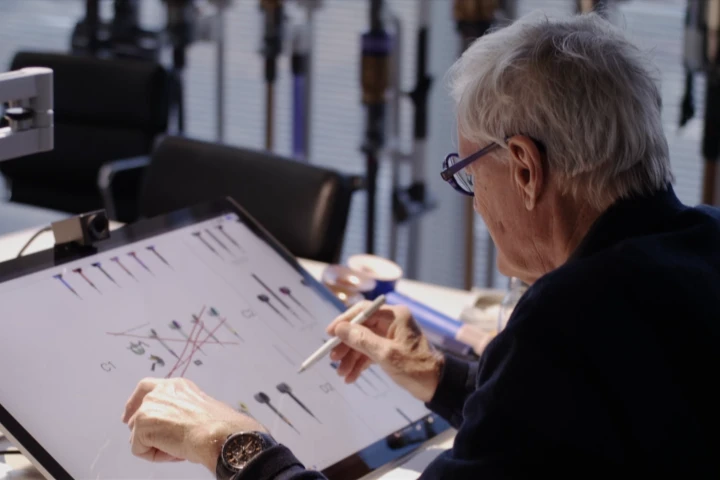
"An Inventor's Perspective" for Solving Problems
Learn how to discover a new opportunity by delving into the essence of a problem, instead of dismissing it as a daily inconvenience. Through the practice of thinking like an inventor, you will uncover hidden clues for innovation in everyday life.
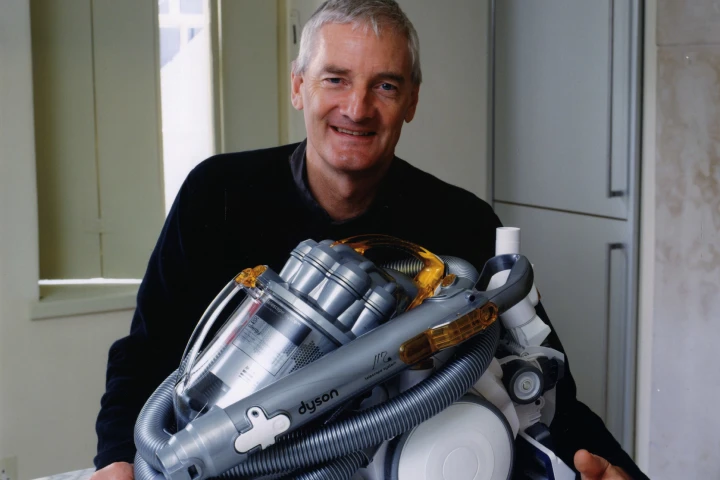
"The Essence of Engineering" for Bringing Ideas to Life
Explore the core design philosophy of Dyson, which lets the technology and function, not just styling, determine the product's form. Discover how your ideas can evolve from mere imagination into products that change the world.
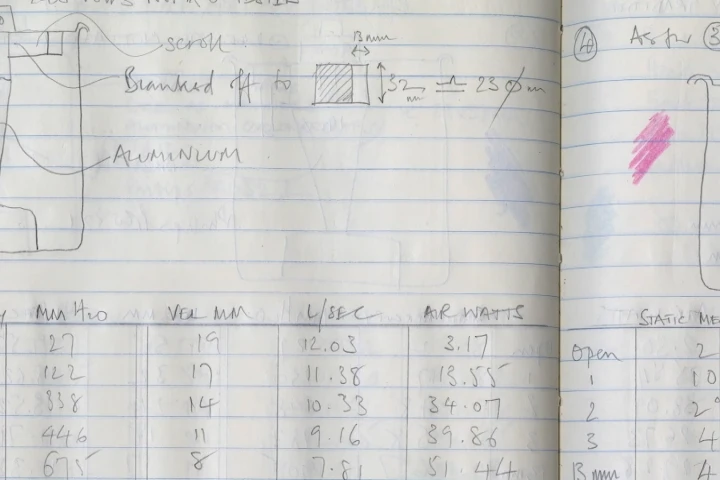
"Innovation Tactics" That Turn Failure into Assets
Study Dyson's relentless experimental spirit and know-how, which allowed him to view thousands of failures as pathways to success and find even better solutions through them. By understanding his approach to failure, you'll see why he became an unmatched innovator.
Philosophy
James Dyson's Philosophy
-
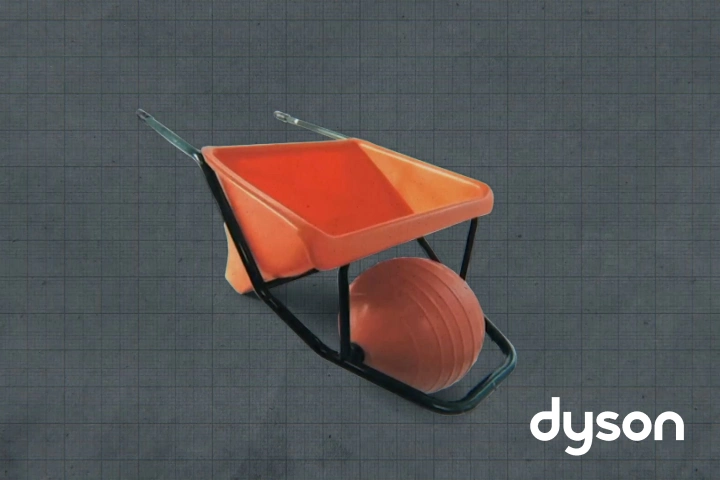
 The Problem Lies in Everyday Life.Innovation does not start from grand places. James Dyson's says that everyday inconveniences and frustrations that everyone simply bears with, whether it be a wheelbarrow stuck in the mud or the unpleasant smell of a vacuum cleaner, are the best starting point for innovators.
 -
 Failure Equals Data.James Dyson made 5,127 prototypes. Whenever he felt like giving up, he reminded himself of his experience of running, which taught him that "success awaits those who push themselves through the pain barrier." For him, failure is a precious piece of data that tells him "this doesn't work," an opportunity that teaches you more than success does.
-
 Technology Determines Design."A product's technology determines its appearance." Dyson rejects superficial designs that are all about packaging the finished product nicely. His philosophy of design is to expose the key function and technology of the product, focusing on the essence, not what is trendy.
 -
 From Technology to Products: Reverse Your Thinking.Dyson does not make products to target a specific market. He starts with developing an interesting, world-changing "technology" with a long-term perspective, then thinks about the "product" that puts the technology to full use. Just like how the high-speed motor he developed 25 years ago led to the development of vacuum cleaners and hair dryers, his creation of a new market starts with technology.
Instructor
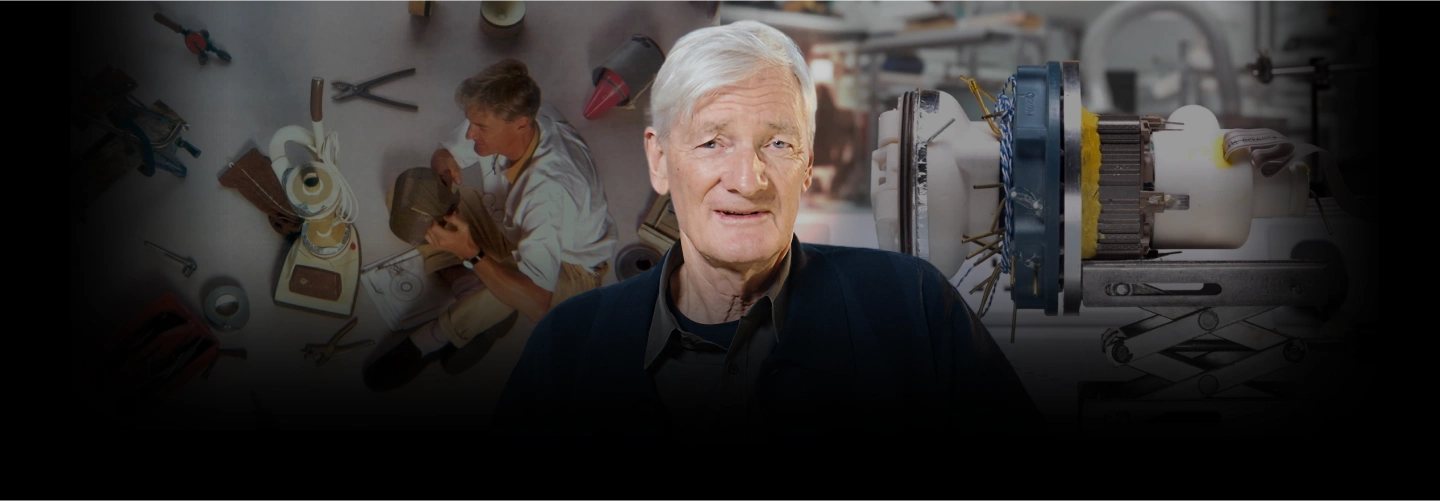
James Dyson

James Dyson
“My name is James Dyson. I am an inventor, industrial designer, and founder of Dyson."”
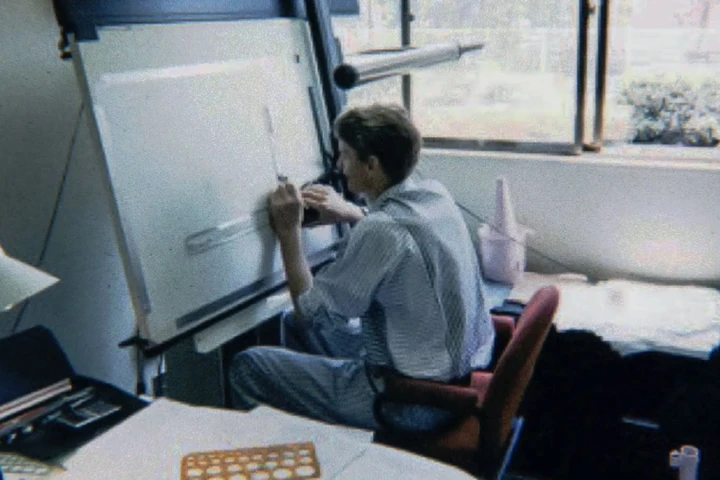
This class introduces him as the "21st century Edison and Britain's greatest living innovator." After studying at Gresham's School and the Byam Shaw School of Art, he majored in architecture at the Royal College of Art, where he was inspired by radical engineers like Buckminster Fuller. While he was a student, Dyson designed a high-speed landing craft and achieved an astonishing success of selling it in 50 countries around the globe. However, his other invention, a wheelbarrow called the Ballbarrow, was a commercial failure that led to his dismissal. And all this failure and success made him who he is today.


James Dyson
Founder of Dyson
Projects & Awards
[Projects & Awards]
- Majored in industrial design at the Royal College of Art, UK
- Invented the Sea Truck, a high-speed landing craft (1970)
- Invented the Ballbarrow, a modified wheelbarrow (1973)
- Invented a vacuum cleaner without a dust bag (1983)
- Founded Dyson (1992)
- Appointed Commander of the Order of the British Empire (CBE) (1998)
- Appointed Knight Bachelor (2007)
- Appointed to the Order of Merit (OM) (2016)
Class Details
You'll Learn
#1. Overcoming Failures with the Philosophy of "Running"
When you run in a race, there comes a point where you feel so exhausted and just want to stop. And when you feel you want to slow down or stop, so do the others. In other words, the desire to slow down is your cue to pick up the pace. That's how you find a breakthrough. If you give up because you can't see a way out, you'll end up just like the others.

#2. The Valuable Lesson Learned from the First Failure, the Ballbarrow
The Ballbarrow, which had balls in place of wheels so it didn't get stuck in the mud, overcame the shortcoming of traditional wheelbarrows but failed to achieve commercial success. Although it had a high market share, it was too low-priced to make a profit. As a result, I was fired by the company. This failure, however, taught me a precious lesson: Products that feature a new technology must be sold at profitable prices. Otherwise, they can't succeed.

#3. Korean Students' Invention That Proved the Value of Engineering
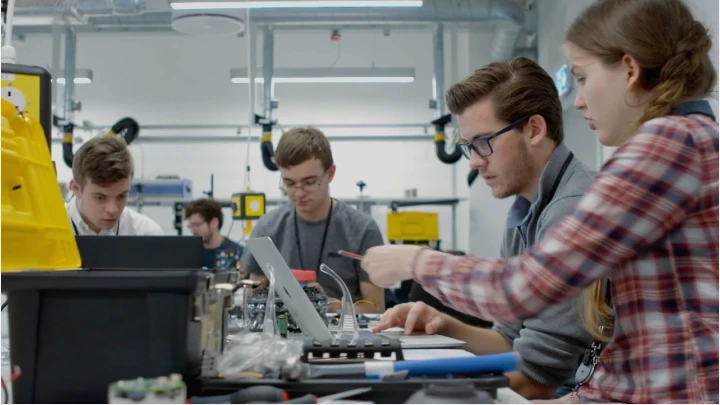
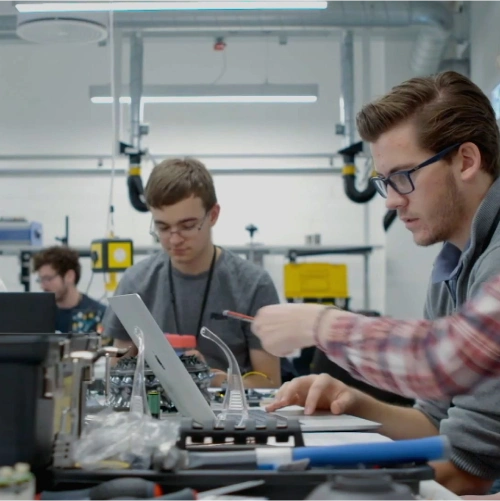
At the James Dyson Award, a remarkable invention was presented by South Korean students. They saw how people had to follow around patients to hold their IV packs in disaster scenes, and developed a technology that infuses IV fluids using air pressure, instead of gravity. Unlike others, these students felt this inconvenience was "strange, unnecessary, and dangerous." And they found a remarkable solution.
- Unlimited Access
- Best Price
Buy now, get unlimited access.
undefined undefined (UTC-7) Special offer ends soon.
This special offer ends soon.
Buy now and save!

Question.01
What is your main source of inspiration for invention?
I find inspiration in frustrating aspects of products that I or others use, or in everyday inconveniences. When a product doesn't work, wastes resources, or feels heavy, I start to think about "how I can improve this."
Question.02
What is your secret to not giving up, even after countless failures?
When I run, there comes a point where I just want to stop. But I know that my rivals must want to stop, too. If you pick up the pace at this moment, you can find a breakthrough. The same applies to invention. You have to push yourself through the pain barrier while everyone else is giving up.
Question.03
What does "good design" mean to Dyson?
Design is not a superficial concept that is only about decorations and appearances. Exposing the function and technology of a product, or the technology itself, determines the design. Even if a product doesn't look good, you'll continue using it as long as it offers good performance. Beautifully designed products with poor functionality, however, will eventually be hated by the user.