illustrator,kiri_KR Details
Intro

Now in Your Language, Only on Coloso!
Learn from Korea's Top Master Creatives
-
Original-World Character Design
-
Complete Creative Pipeline
-
Industry-Level Techniques
Class Intro
Illustrator, kiri
"It’s time to give life to the characters that have only existed in your mind."
Bring Your Ideas to Life with a Practical Guide to Character Illustration
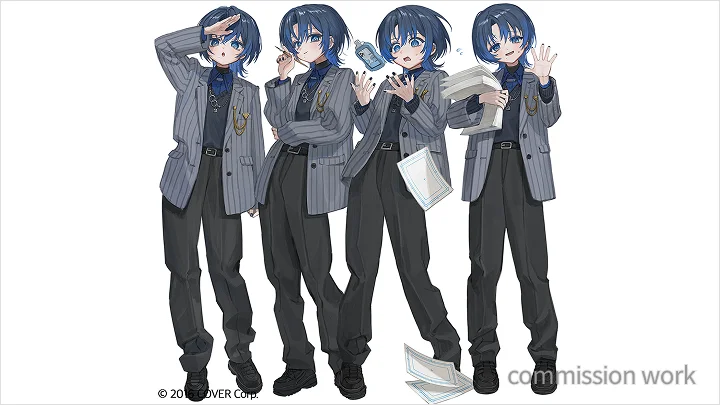
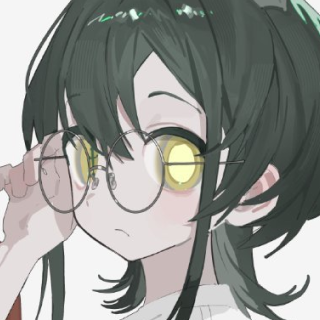
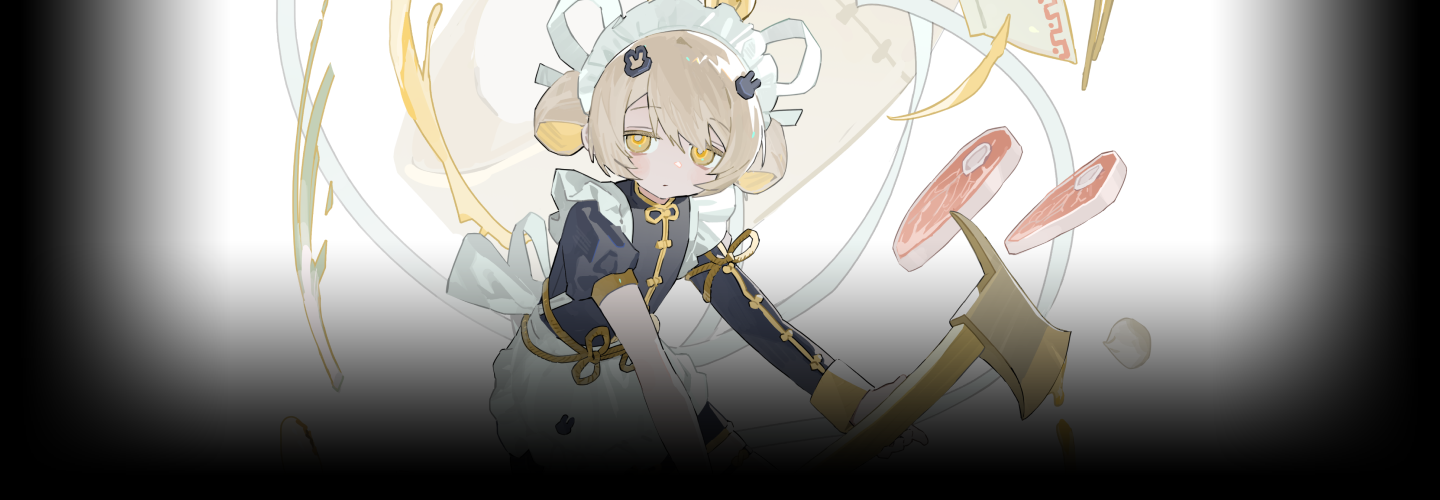
Ever struggled to organize vague ideas in your head even after searching through endless references? Meet kiri, a creative guide who turns uncertainty into clarity. In this hands-on character illustration class, kiri shares real lessons, mistakes, and applicable theory, helping you immediately apply practical tips to your own artwork.
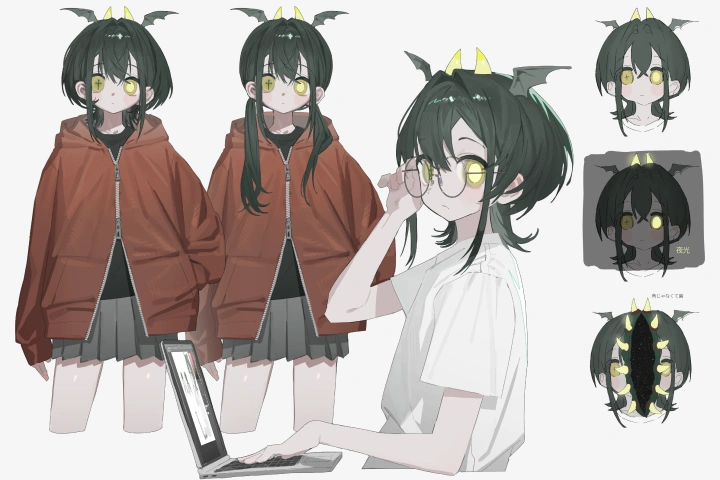
A once vague original universe and character concepts can now be organized with clarity through the core principles of readability and visual impact. Go beyond theory and strengthen your character design and illustration skills while building your own creative process from the ground up.
The step by step practical creation class by kiri is now open.
Class Preview
Still Not Sure?
Check Out kiri's Class Preview!
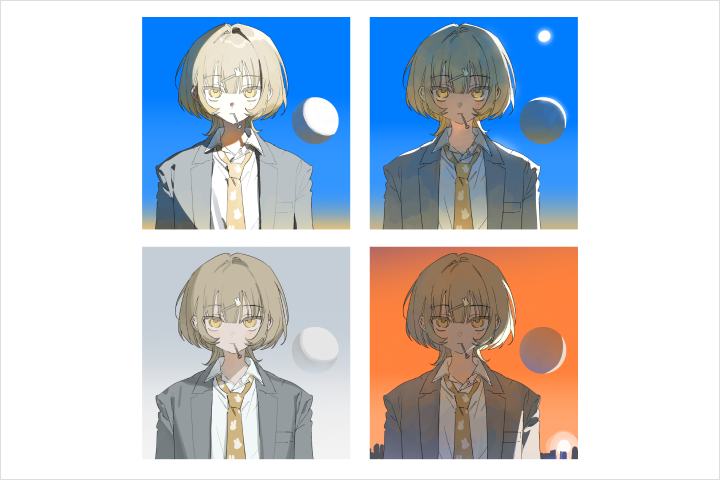
16. Building Mood with Light
- Ambient light & scattering around objects
- Reflected light between facing surfaces
- Mood variations through environmental lighting
- Reflected light between facing surfaces
- Mood variations through environmental lighting
Class Perks
Special Gift from kiri
-
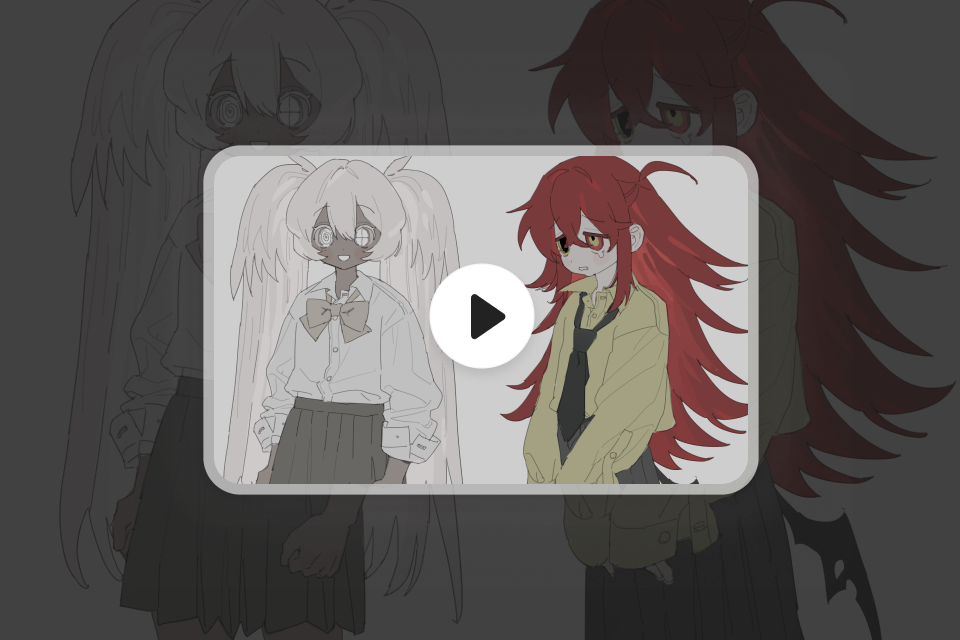 Unlimited Access to 25 Chapterson building your own universe
 -
 Original Files for 4 Hands-on Exerciseson mastering theory and skills with kiri (.psd)
 -
 A 15-Page Course Summaryto solidify your skills
Recommendation
Who Should Take This Class?
Aspiring illustrators struggling with materializing their ideas
Illustrators stuck in repetitive copying without learning how to apply references effectively
Illustrators seeking to develop a unique style and mood and establish a personal creative workflow
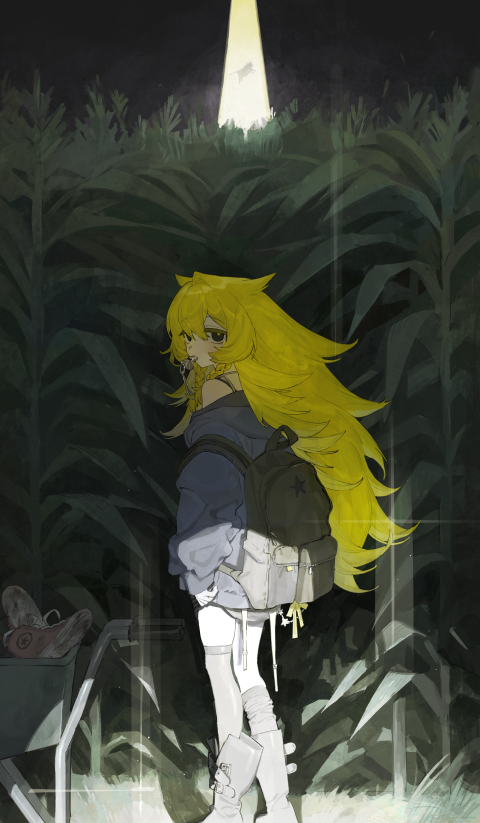
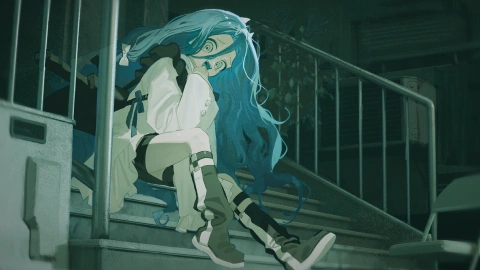
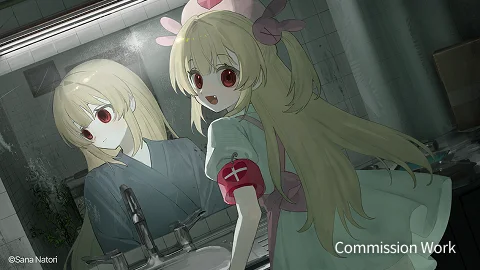
Expert Illustrator kiri's Portfolio
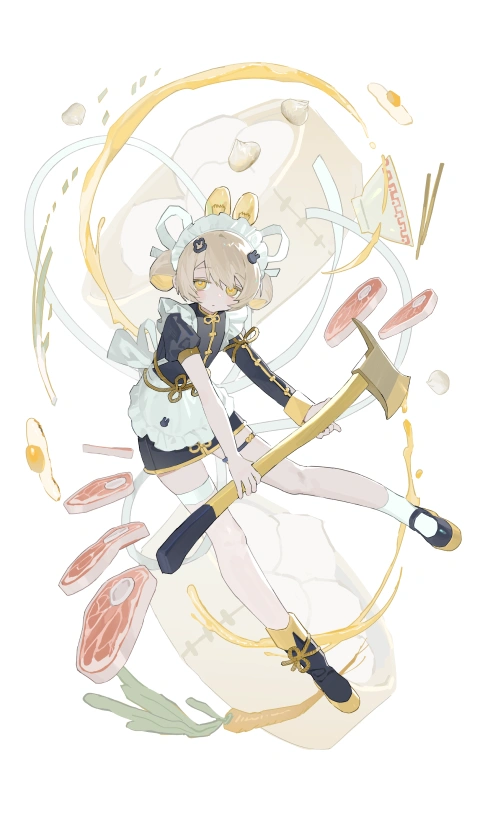
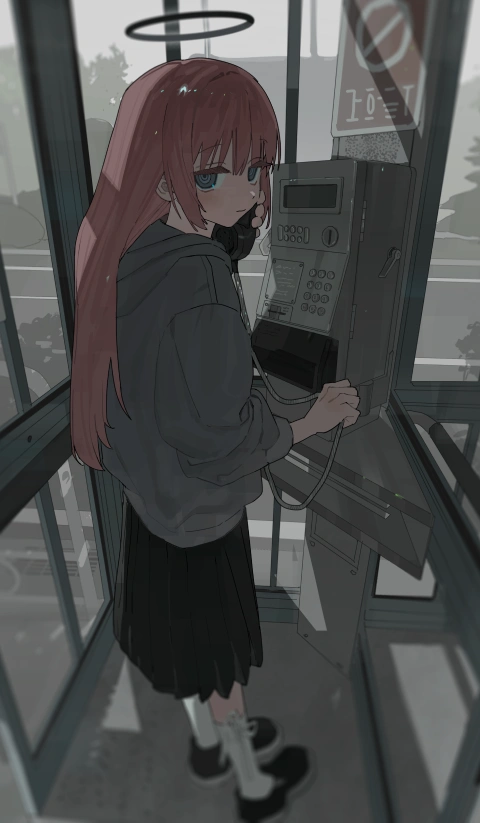
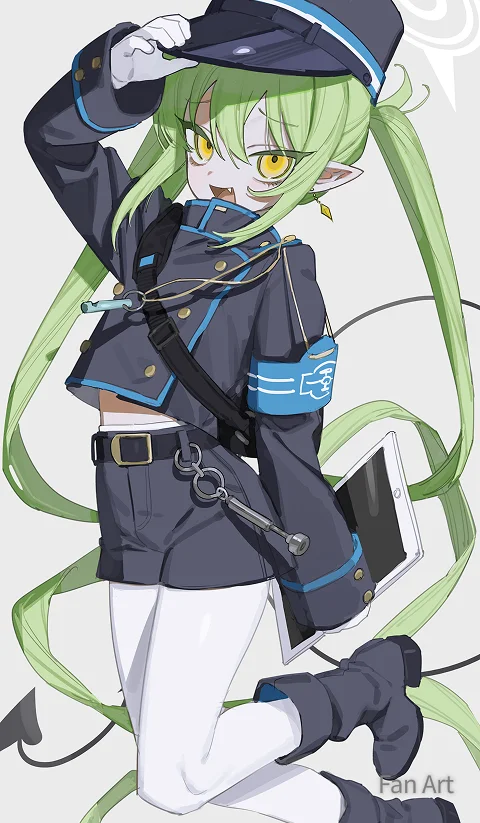
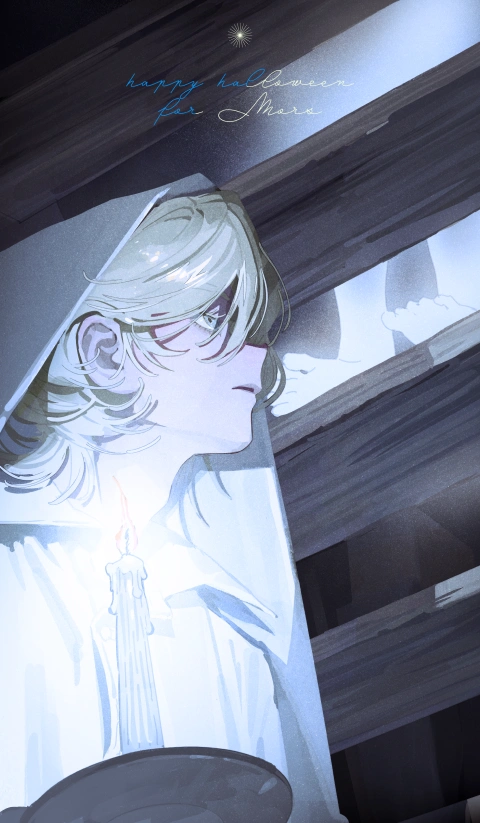
Why Take This Class?
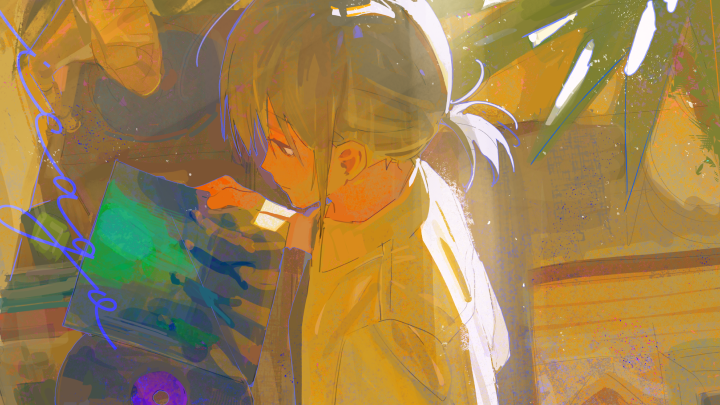
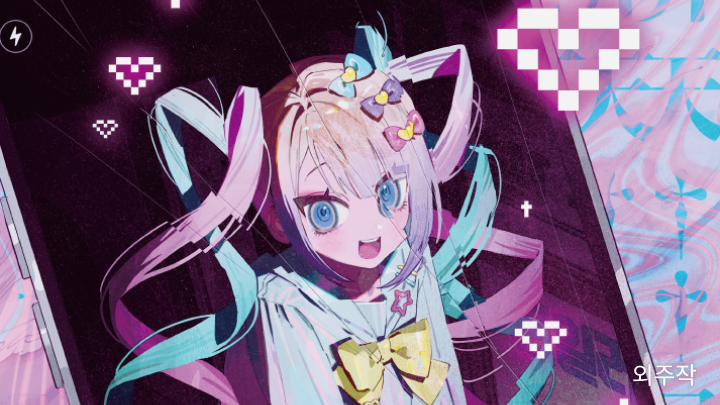
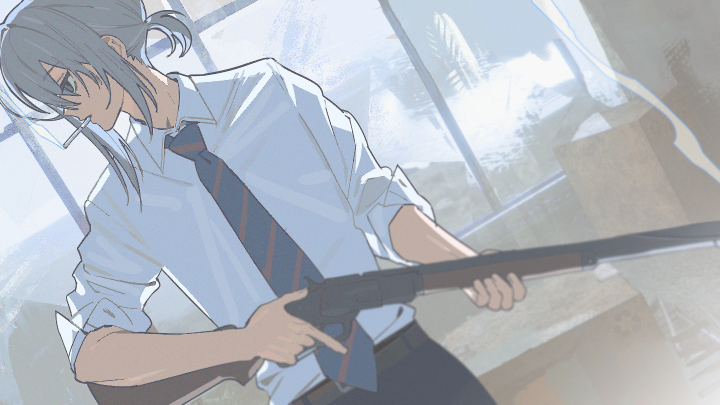
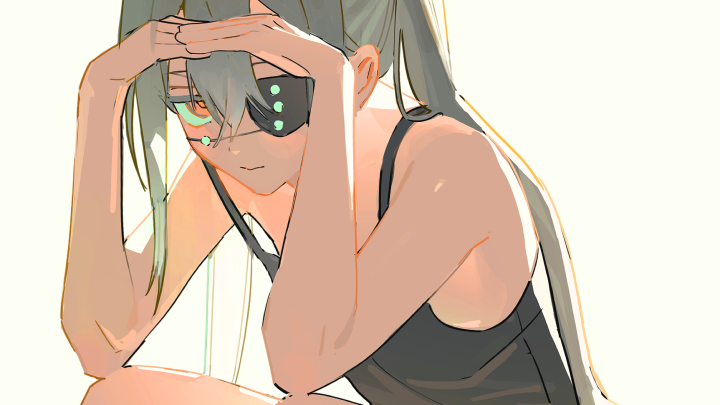
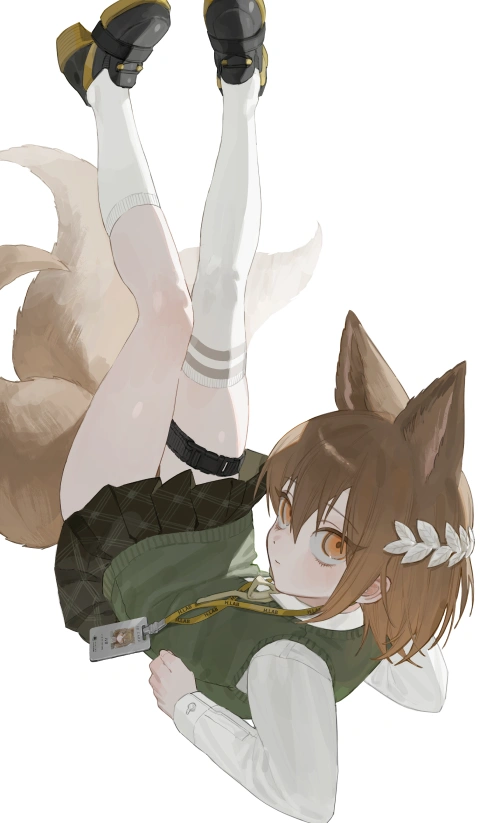
kiri, known for her sold-out classes at Propic Academy, is finally to reveal her process of creating unique, original characters loved by everyone, for the first time online. Find out how she creates thin, delicate line art and lucid color with low saturation, as well as her ideation and reference analysis techniques and tips for maximizing characters' charms, disclosed exclusively on Coloso.
How can you create illustrations and figure out the ideal art style on your own? Learn the well-grounded creative theory developed by kiri through trial and error, then apply it in practice. Discover the kind of illustration you truly want to produce with a character creation process that fully reflects your style with kiri now.
Get Ready for the Real-World
kiri's Step-by-Step Character Design & Illustration Creation Process
Part 1. Designing Characters with Clarity
-
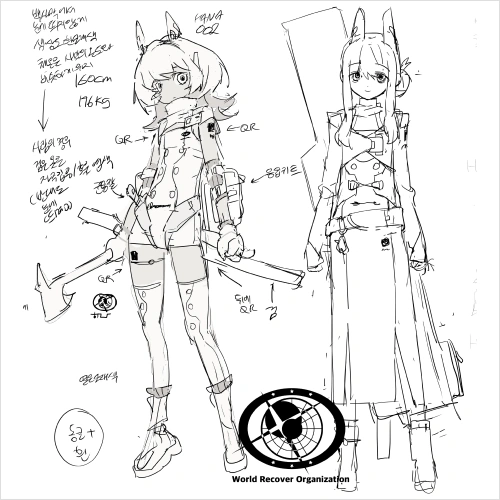 Developing Character Concepts
 -
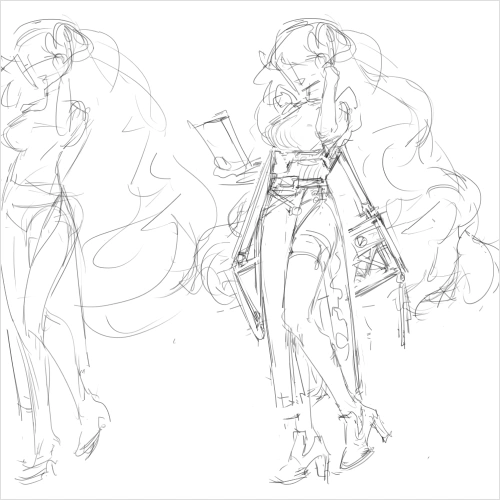 Clothing Design
-
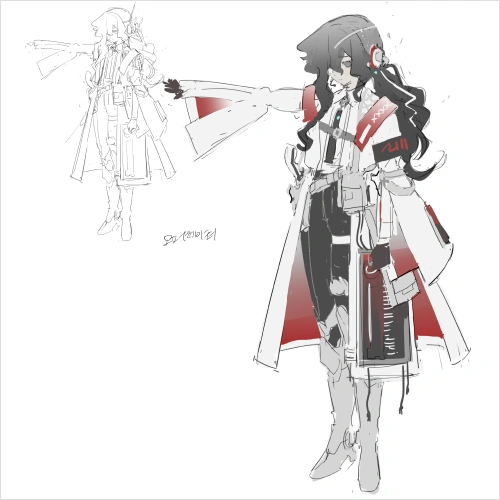 [Common Mistakes] Defining Concepts
 -
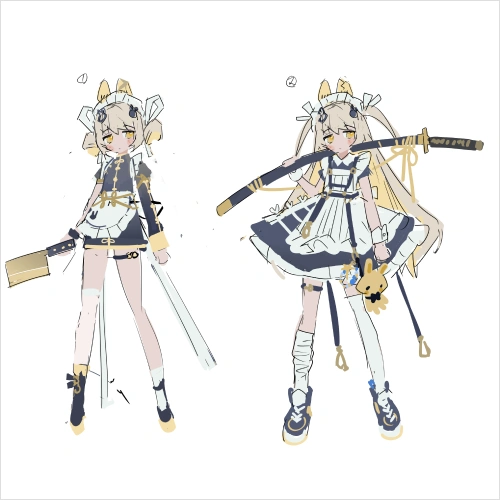 [Common Mistakes] Costume Drawing
Part 2. Practical Stylization
-
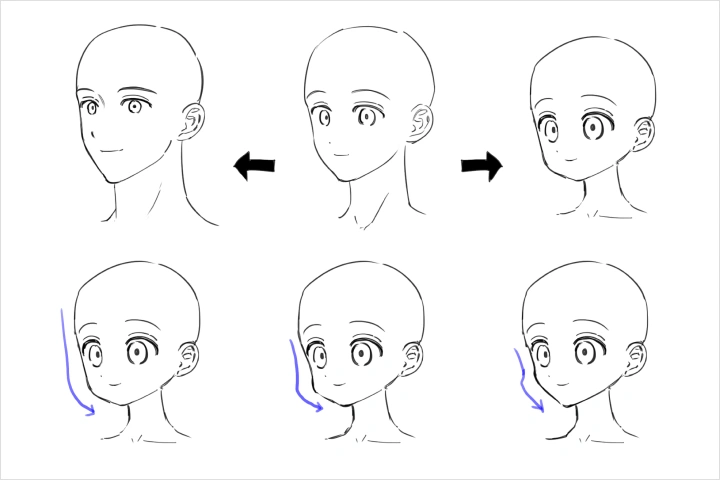
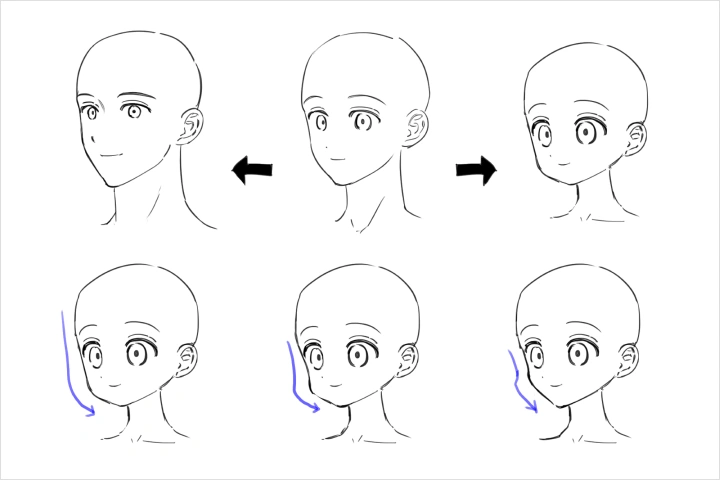 Face Stylization
 -
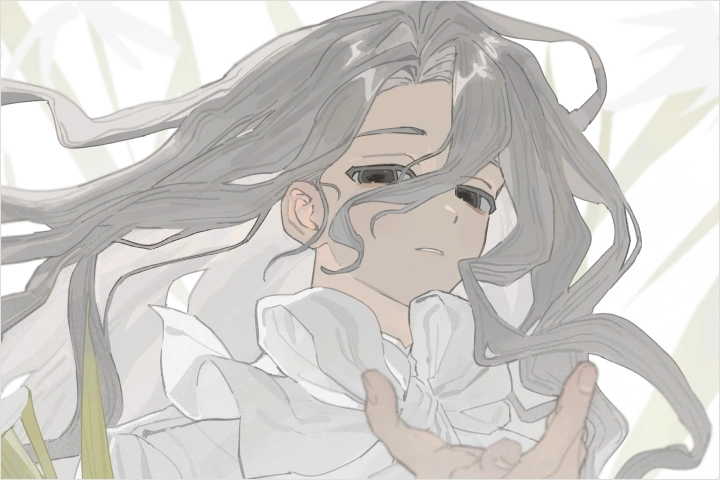 Hair Stylization
 -
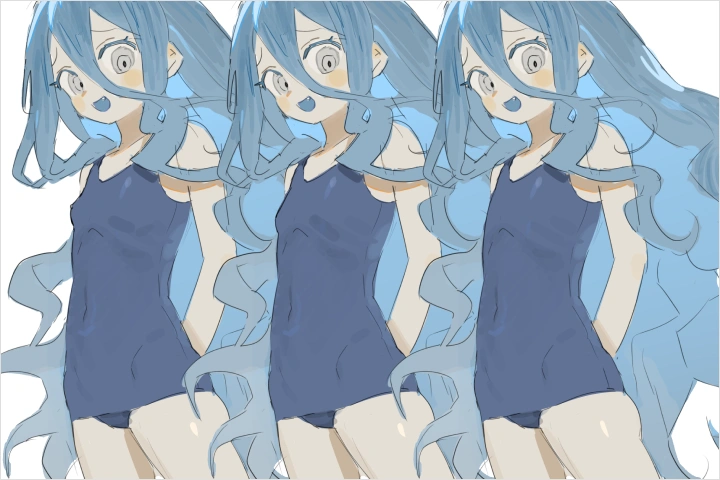 Body Figure Stylization
Part 3. Creating a Visual Flow with a Layout
-
 Utilizing References
 -
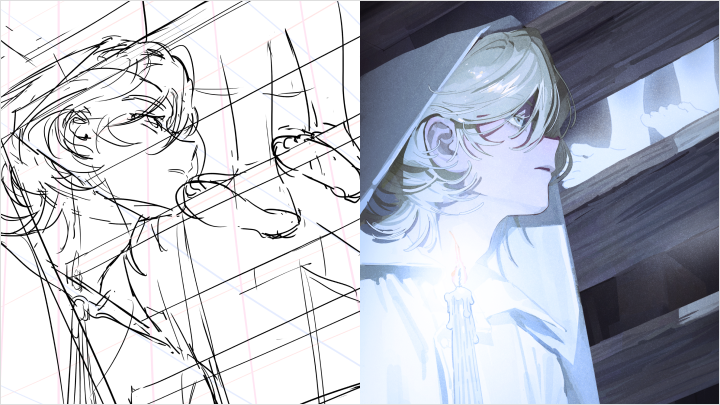
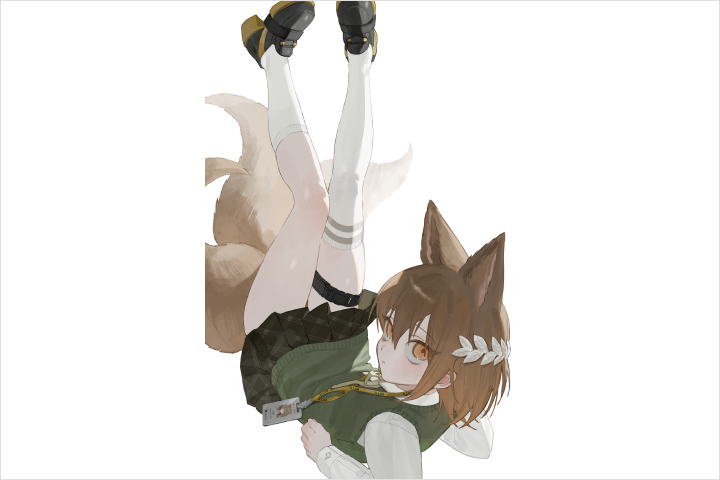 Thumbnail Design: Overall Layout
-
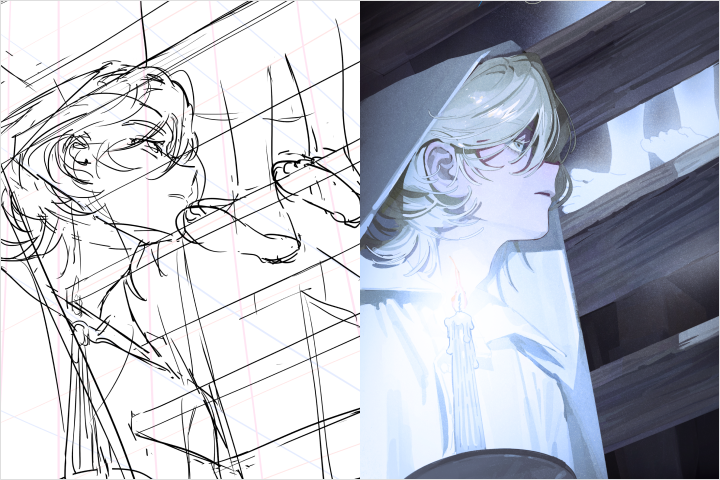 Thumbnail Design: Narrative
 -
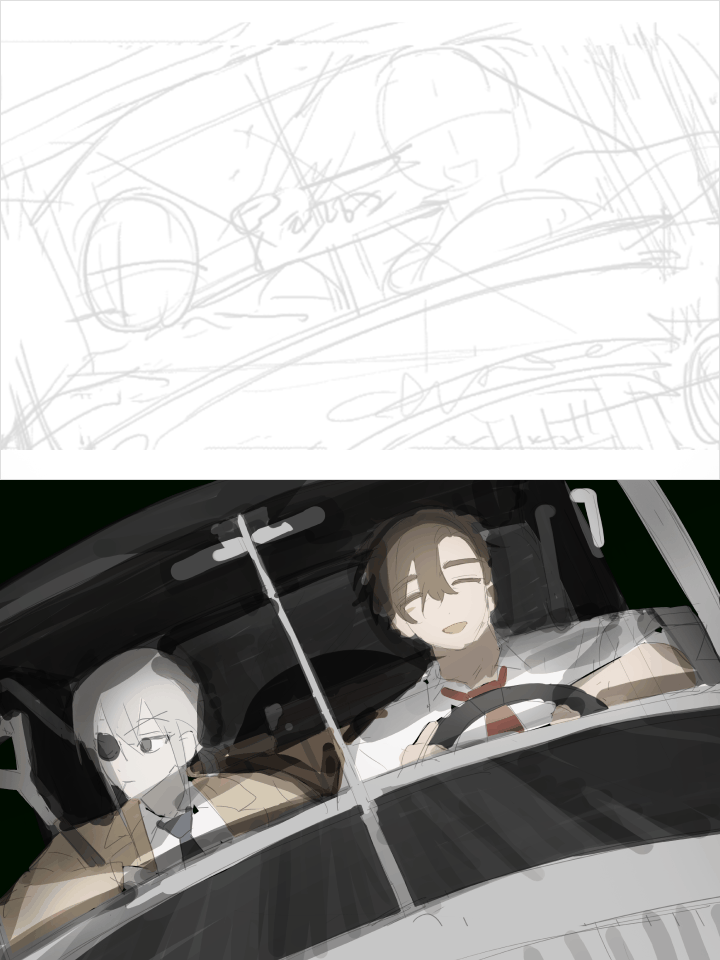 From Thumbnail to Rough Sketch
Part 4. Enhancing Color and Light Through Contrast
-
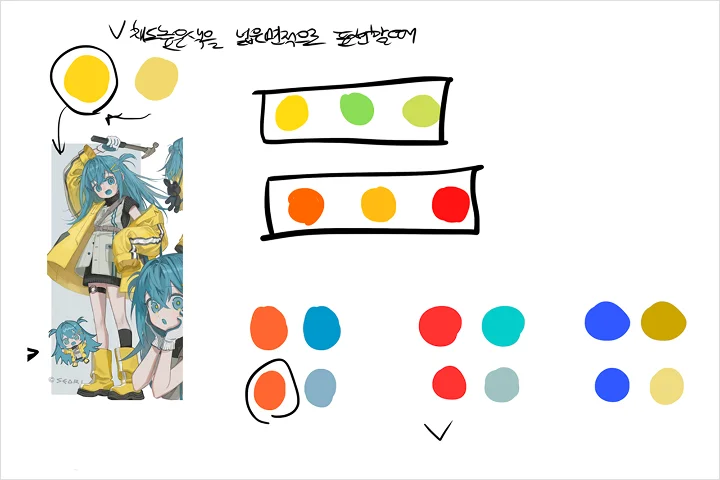 Balancing Color Arrangement
 -
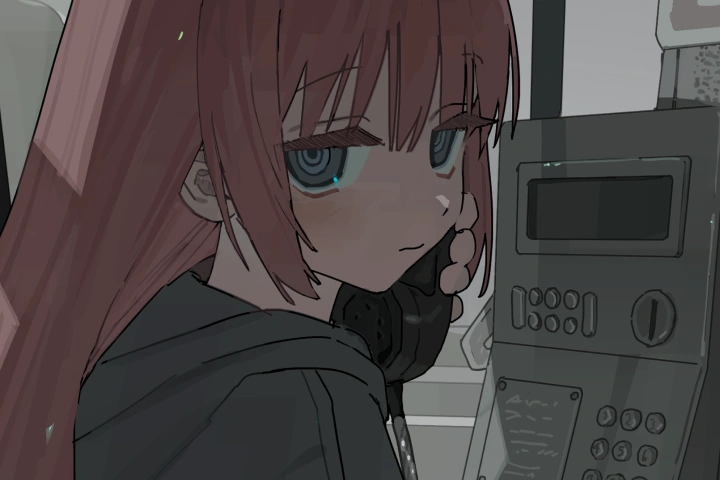 Practical Coloring Exercise
-
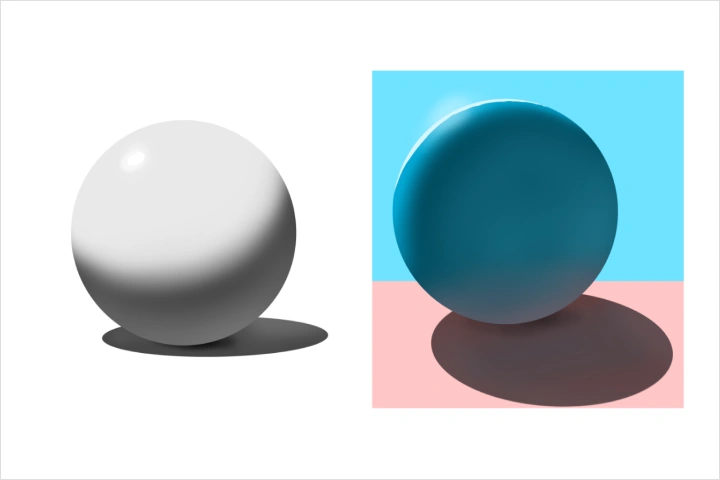 Basic Light Theory
 -
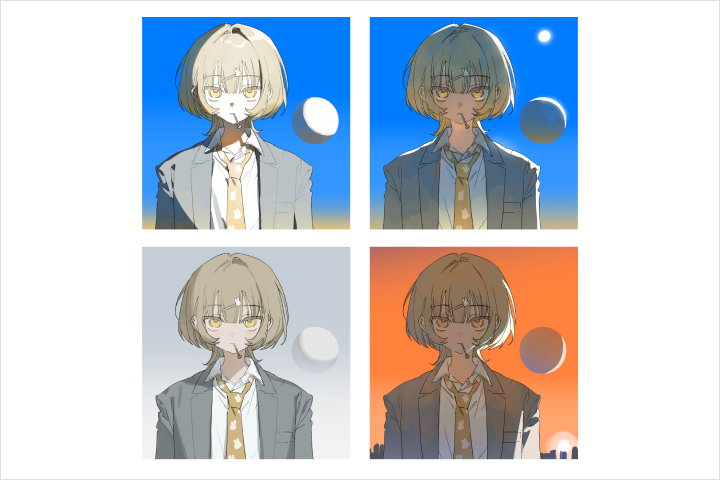 Mood: Reflected Light & Scattered Light
 -
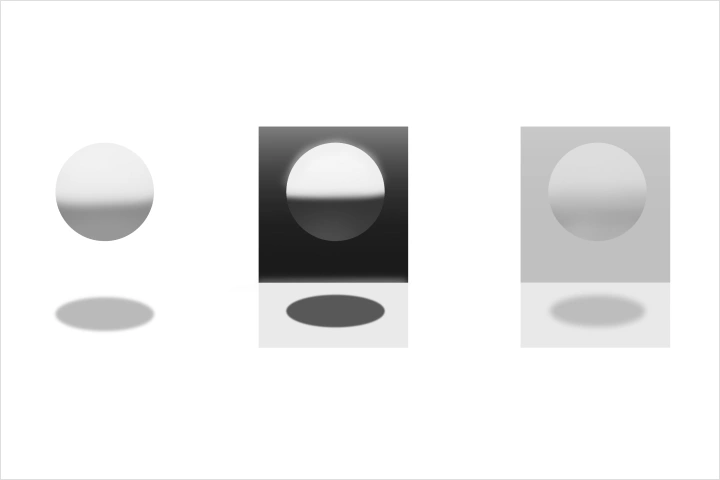 Mood: Light Contrast
Part 5. Detailed Retouching
-
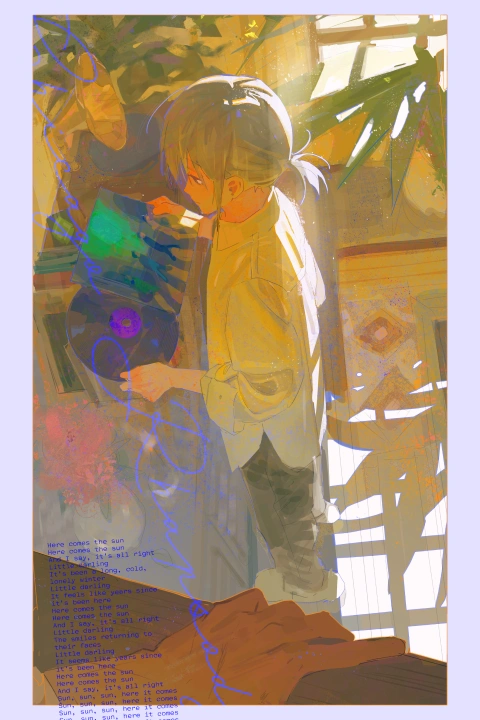 Color Tone, Contrast, Saturation
 -
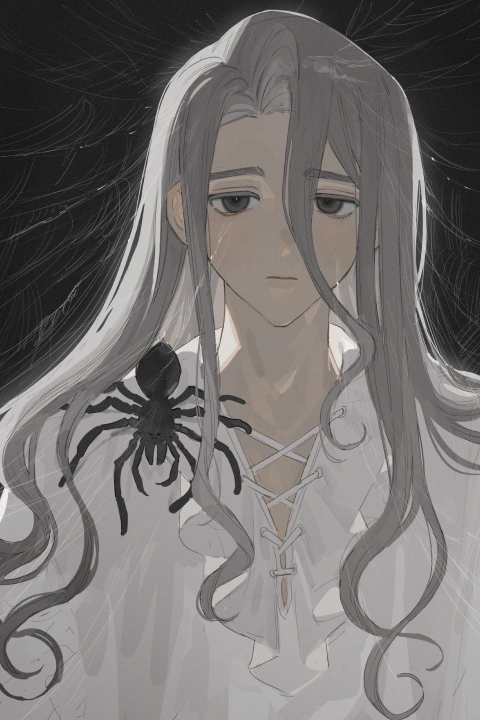 Emphasizing the Subject
 -
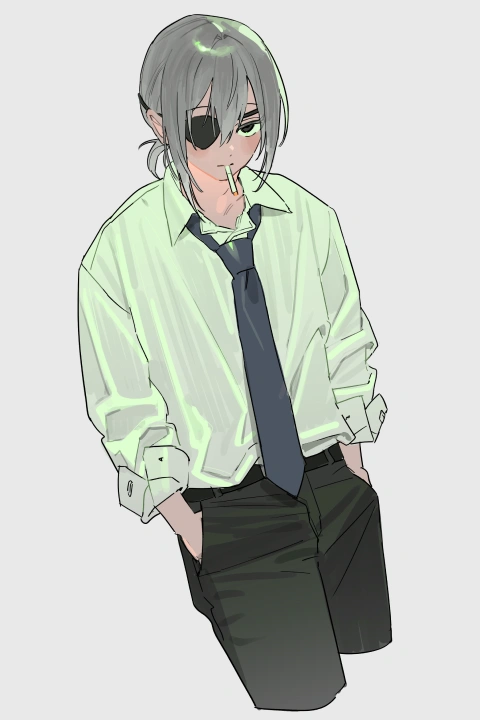 Retouching Practice
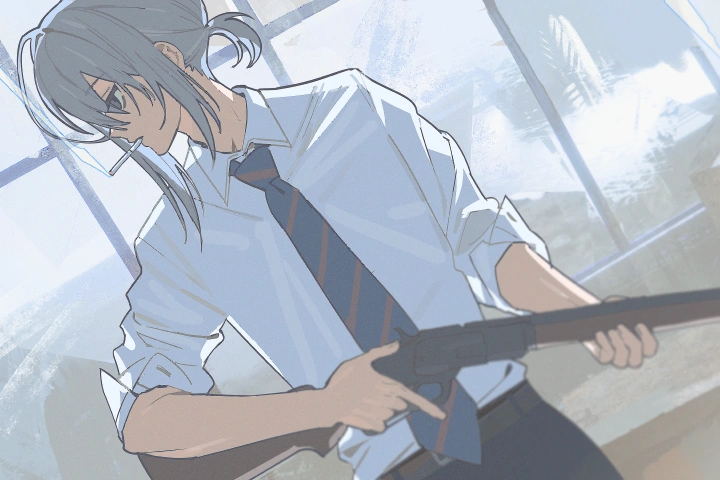
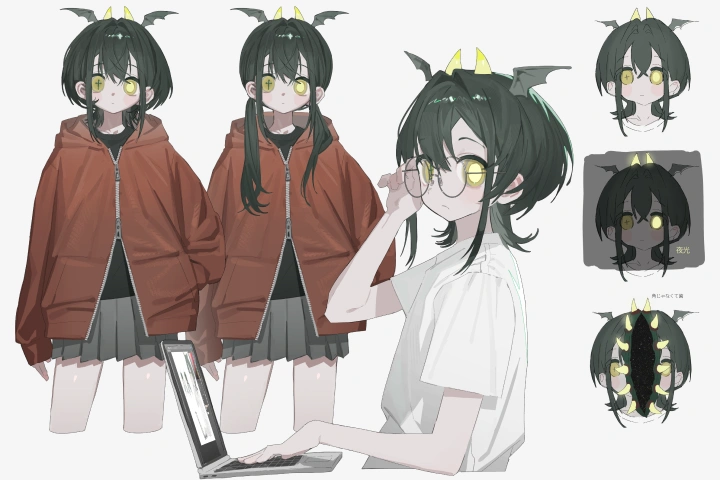
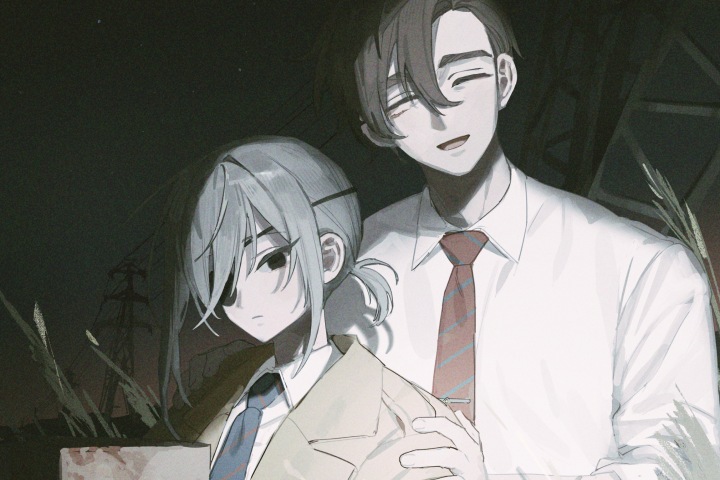
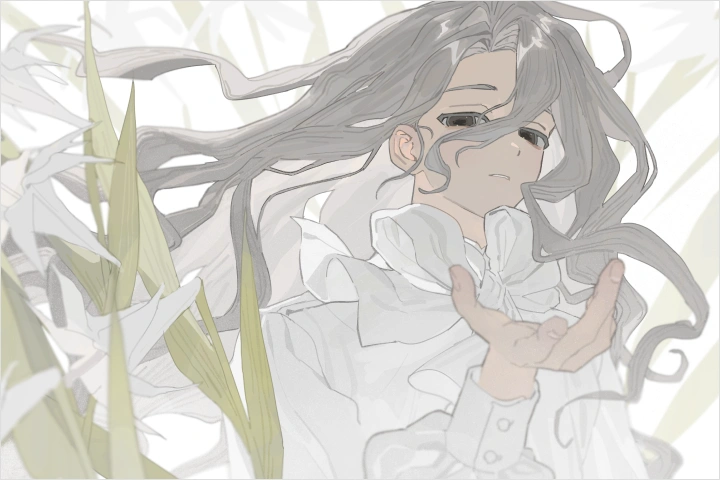
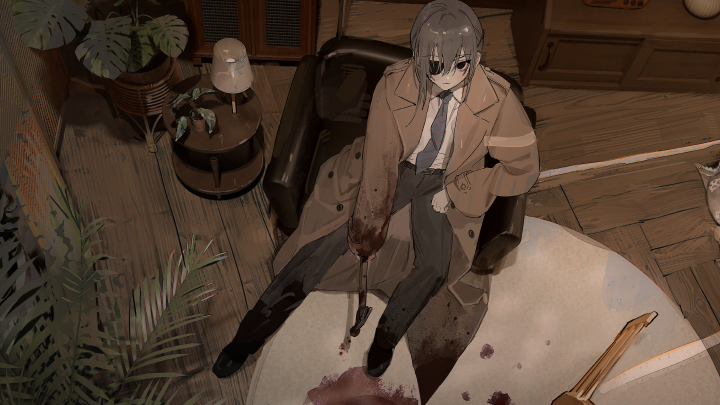
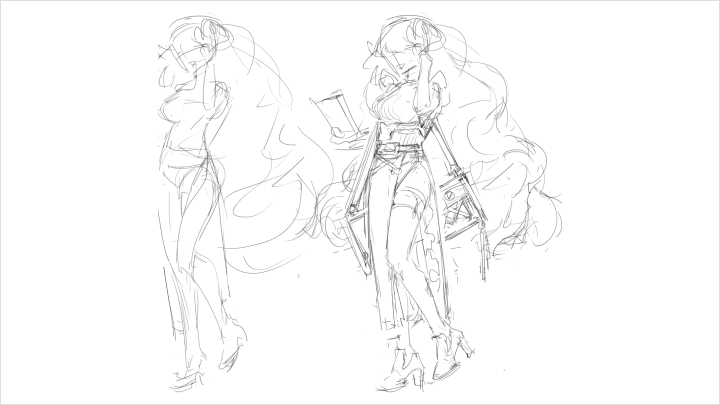
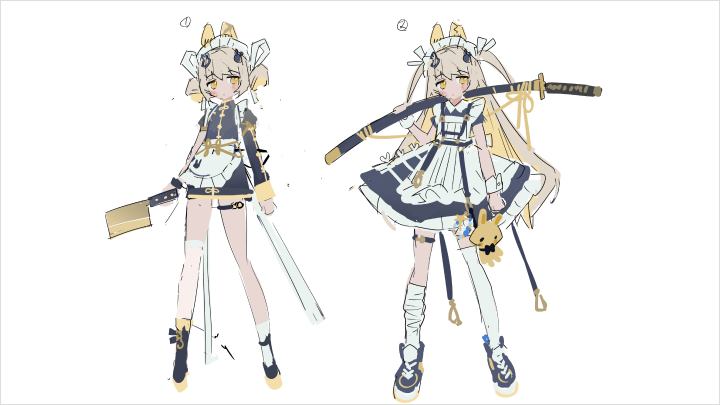
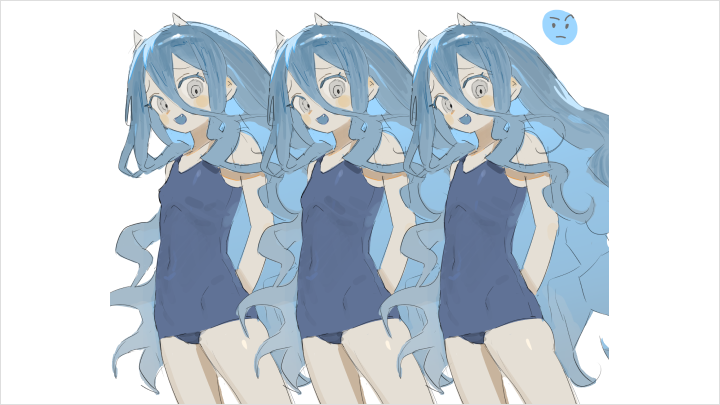
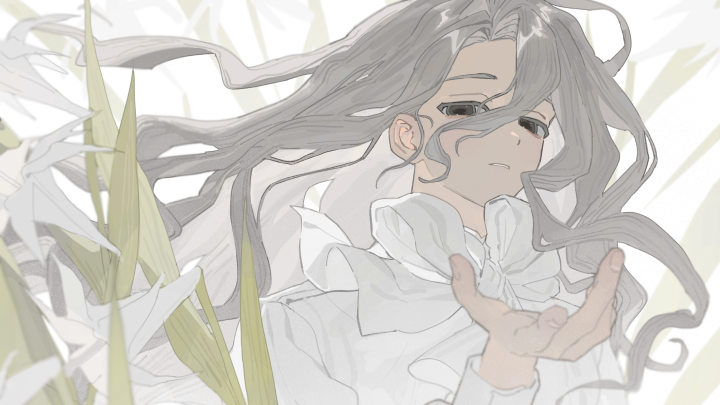
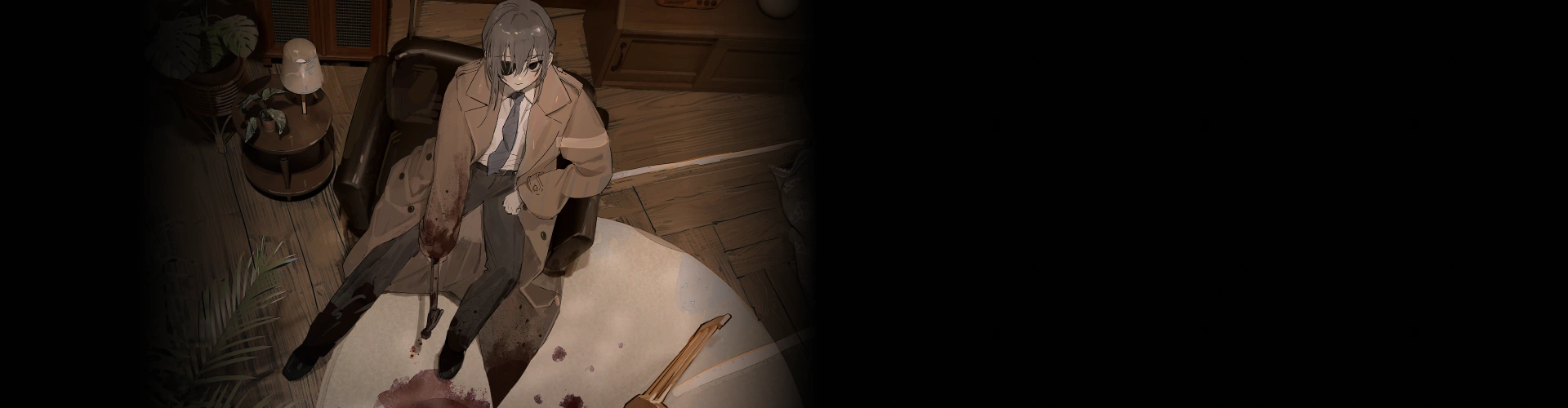
*The above images are sample images for a better understanding.
Highlights
Class Highlights
Building Your Own Solid Creative Process From Fundamentals to Real Application
Go beyond simple imitation and create original characters that truly represent your style, allowing you to showcase them with confidence. Design characters filled with your personal taste and establish a strong creative workflow that can be directly applied to real production. Instead of relying on vague intuition, learn structured theory and develop polished, high-quality character illustrations.
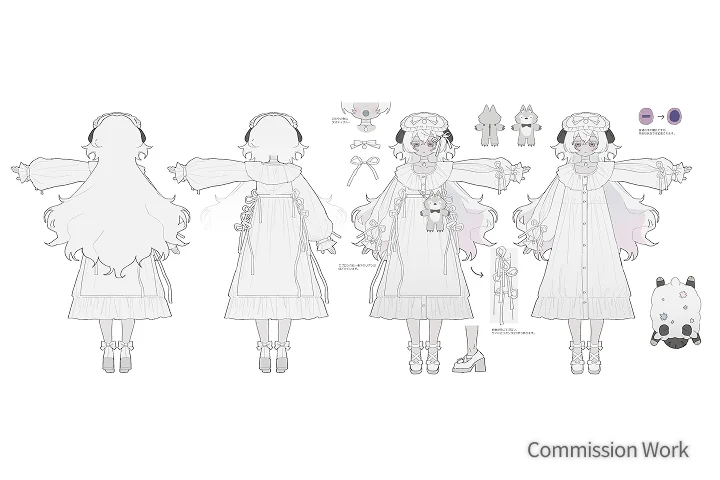
Anime-Style Stylization You Can Control with Theory & Intention
Master anime-style stylization with a fully structured approach based on intention and theory. Learn kiri’s concept of the “minimum unit” and follow step-by-step breakdowns of facial features, hair, the human body, and objects. Build your distinctive art style with dimensional, consistent stylization that stands out.
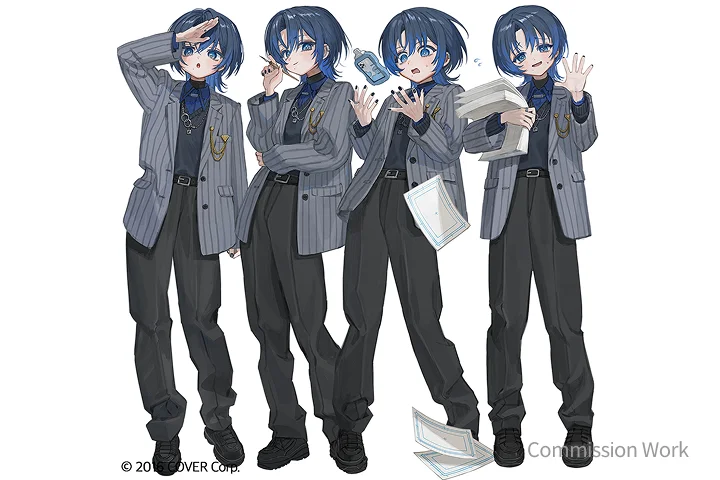
Highlight Your Character Illustrations to Match Your Creative Vision
Develop layout and composition skills that clearly convey narrative, character traits, and emotional intent. Use layout, placement, lighting, and color to emphasize key elements and deliver your intended message with clarity. Bring out the fullest expression of atmosphere and create illustrations with strong visual impact and focus.