Illustrator,SungmooHeo_허성무3 Details
Intro
Class Intro
Illustrator Sungmoo Heo
I'll share my signature techniques, from using perspective to create a sense of space to methods for adding depth to lines and planes.
Delve into the Aesthetics of
Monochrome Illustrations
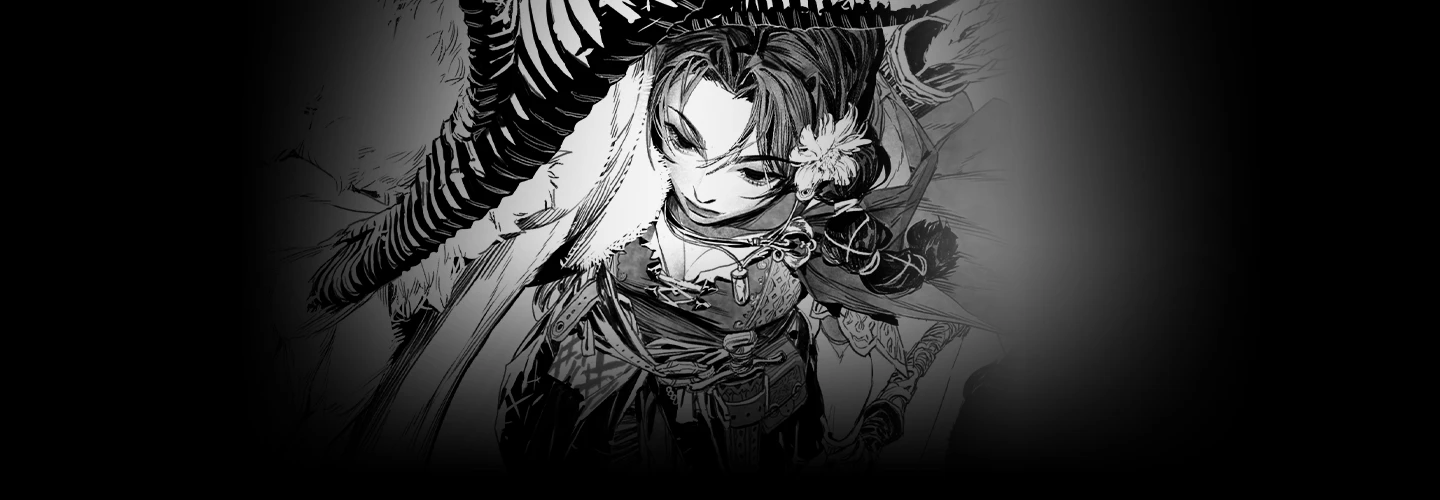
Let's now shift our focus entirely to lines and planes, the core elements of drawing. Renowned illustrator Sungmoo Heo will dive deep into the art of black-and-white illustrations, covering everything from achieving a hand-drawn aesthetic in line art to creating a compelling sense of three-dimensionality on paper.
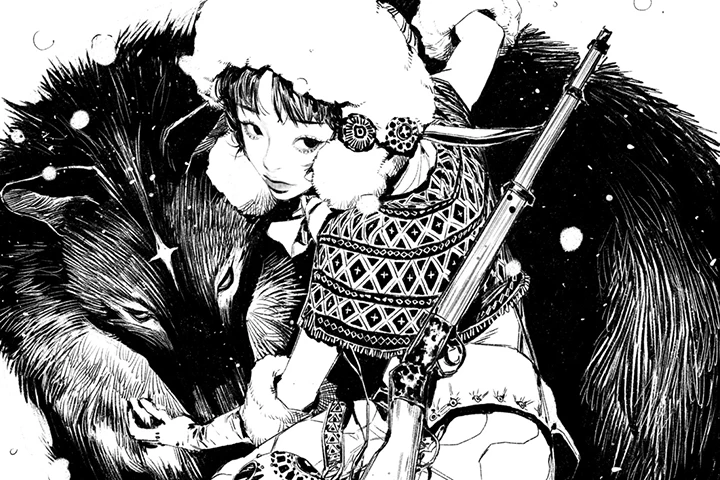
Through a series of class exercises and materials, you'll develop a strong foundation in essential skills for adding depth to your drawings, including line art, shading, and perspective. Delve into the aesthetics of lines, gaining practical tips for crafting diverse and captivating compositions.
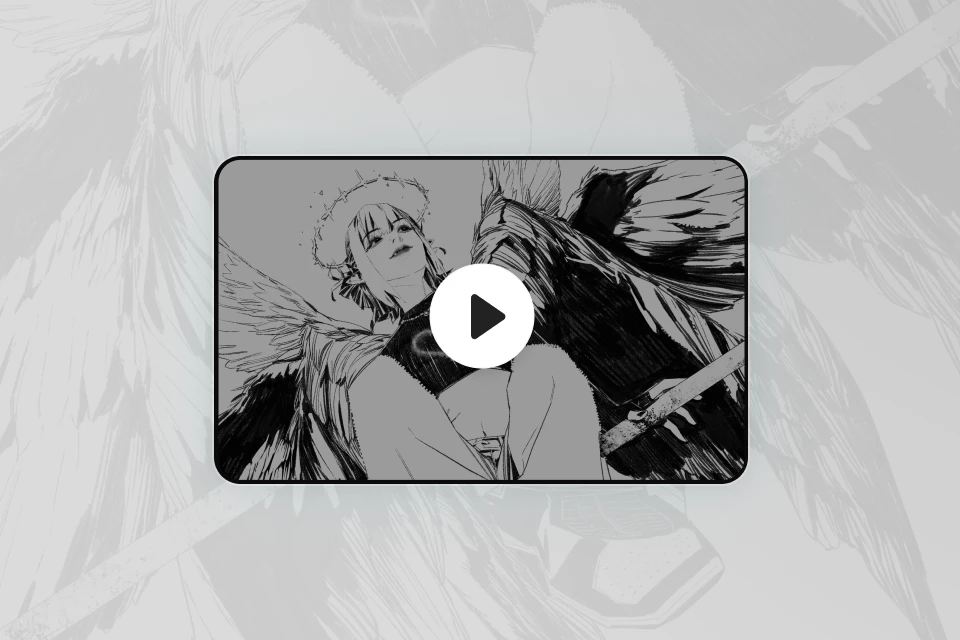
Class Preview
Still Not Sure?
Check Out Sungmoo Heo's Class Preview!
2. Properly Understanding Lines and Pen Pressure
- How to grip tools for effortless line variation
- The importance of mastering pen pressure
- Different types of pen pressure and their applications
- Practical examples of utilizing pen pressure effectively
- The importance of mastering pen pressure
- Different types of pen pressure and their applications
- Practical examples of utilizing pen pressure effectively
*The Korean language content in this class preview is translated into English in the class videos.
**The subtitles in this preview video are auto-translated. Please note that some content may not be accurately translated.
***Associated content is subject to change without prior notice.
Class Perks
Get These Coloso Exclusives
-
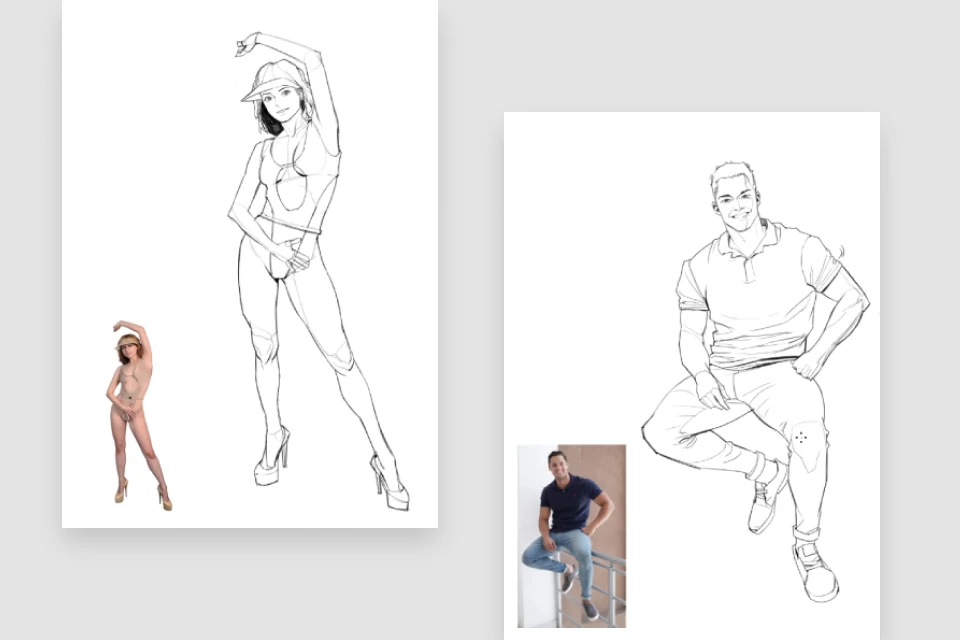
Templates & Reference Materials for Depth of Lines and Planes -
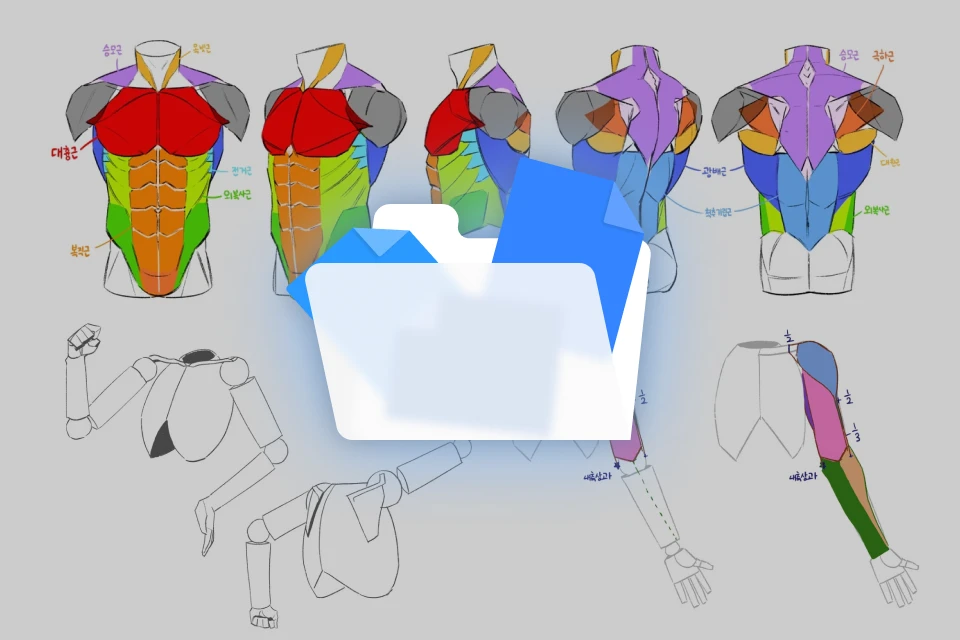
Materials for Geometrizing the Human Body, Forms and Textures -
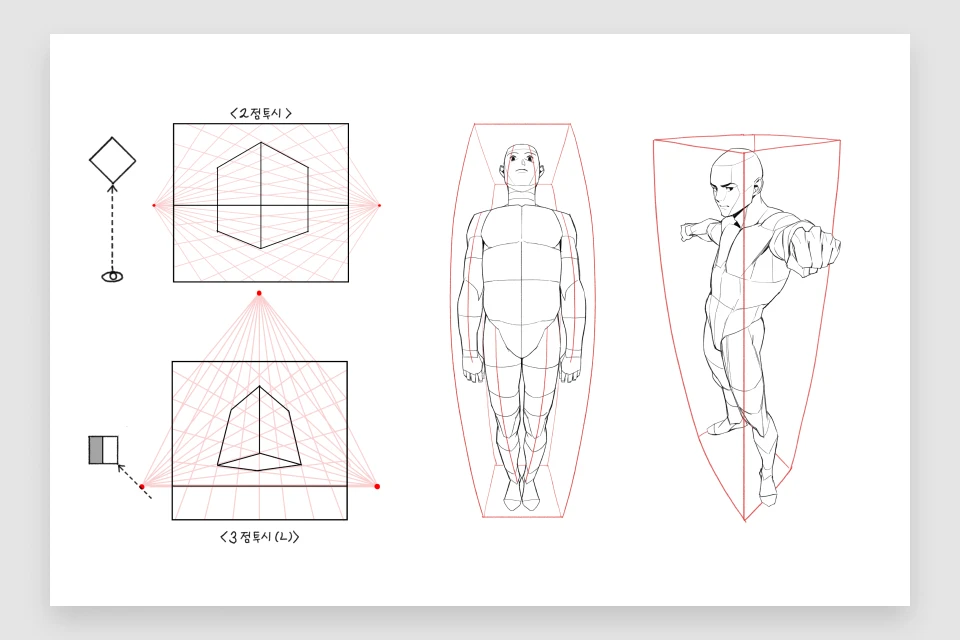
Exercises in 1, 2, 3 Point & Forced Perspectives
-
A Step-by-Step 21-Chapter Curriculum That Covers All Essential Elements -
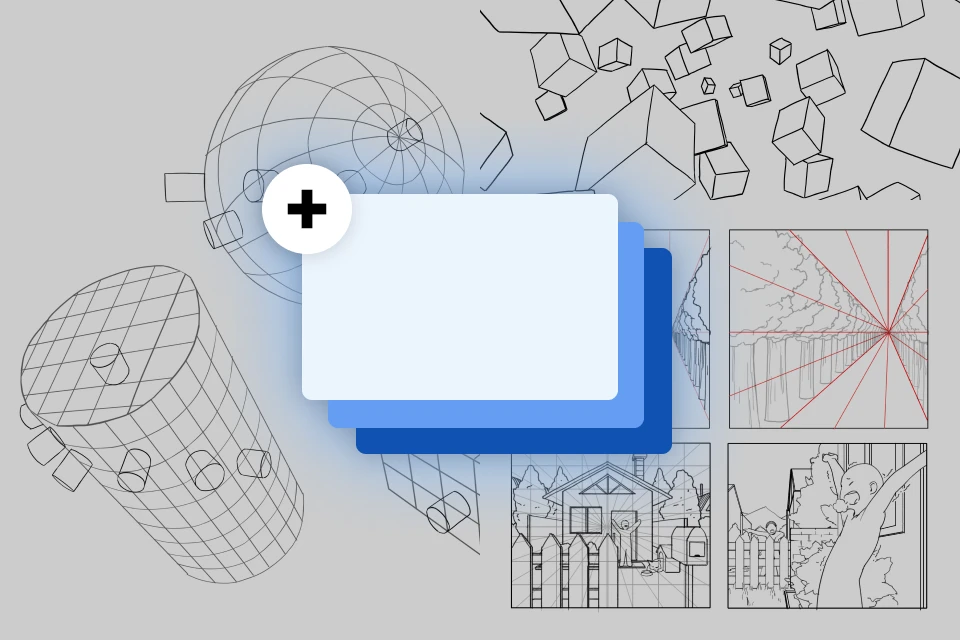
Exercises for Creating Space in Illustrations -
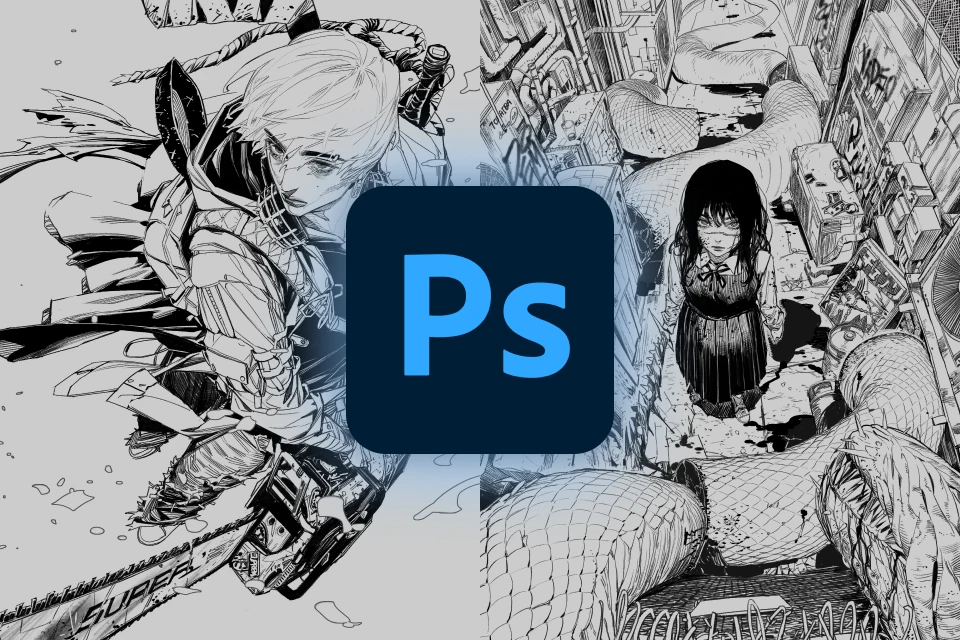
2 Original PSD Files of Monochrome Illustrations
Recommendation
Who Should Take This Class?
Is your artwork looking flat and uninspired? For learners aiming to enhance three-dimensionality and reach an intermediate level, compare Sungmoo Heo’s three Coloso classes.
Does your artwork look fine but lack originality? Ideal for aspiring professionals who want to develop a unique and captivating art style.
Studying on your own but unsure what to improve? Perfect for those who want to build real skills by mastering the basics.
Comparison of Sungmoo Heo’s 3 Classes
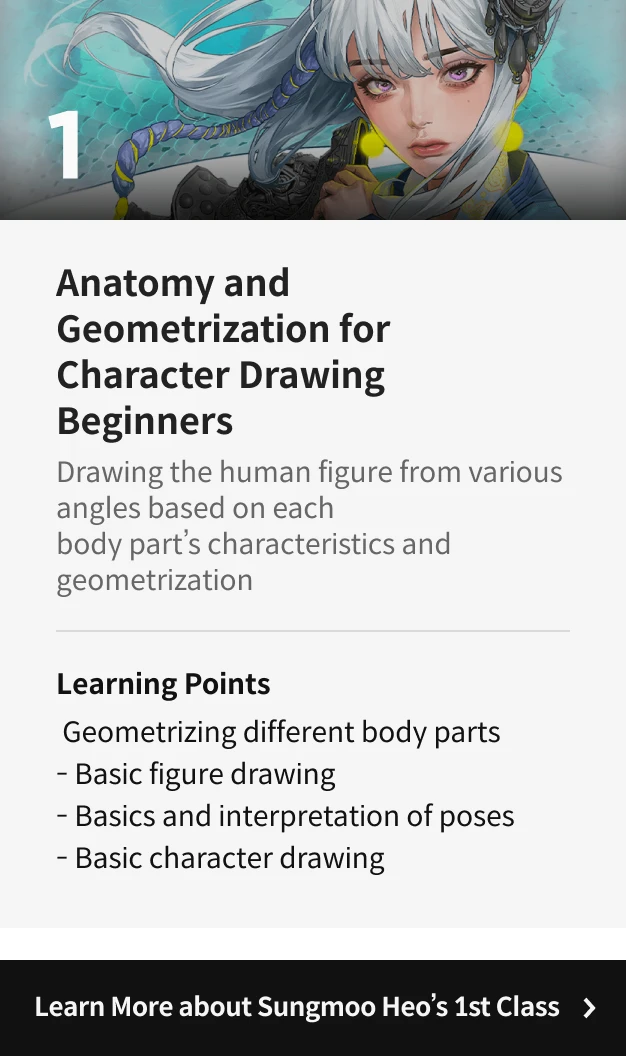
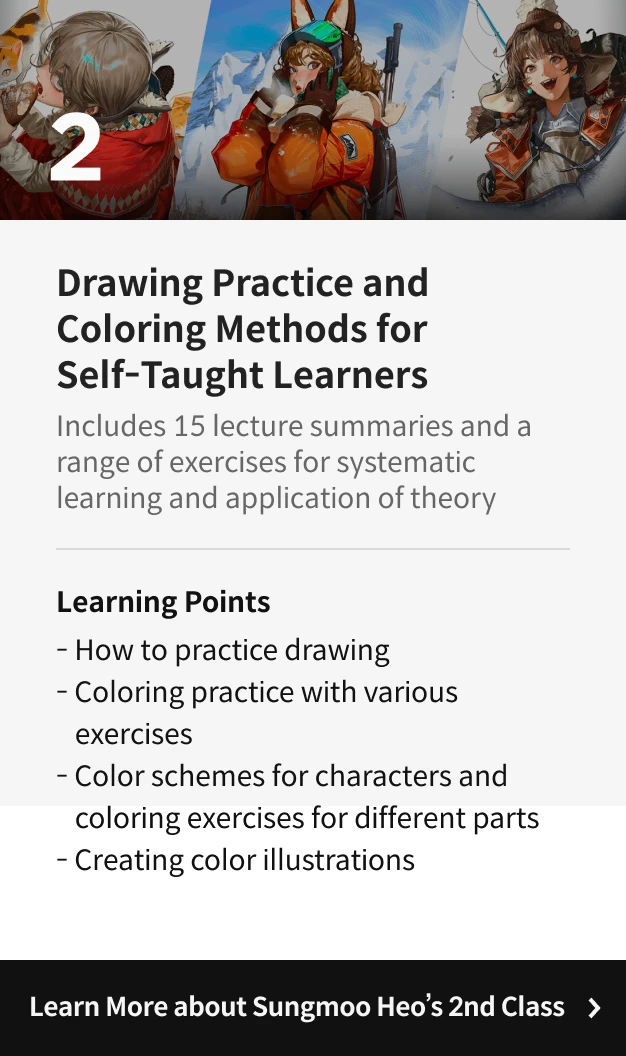
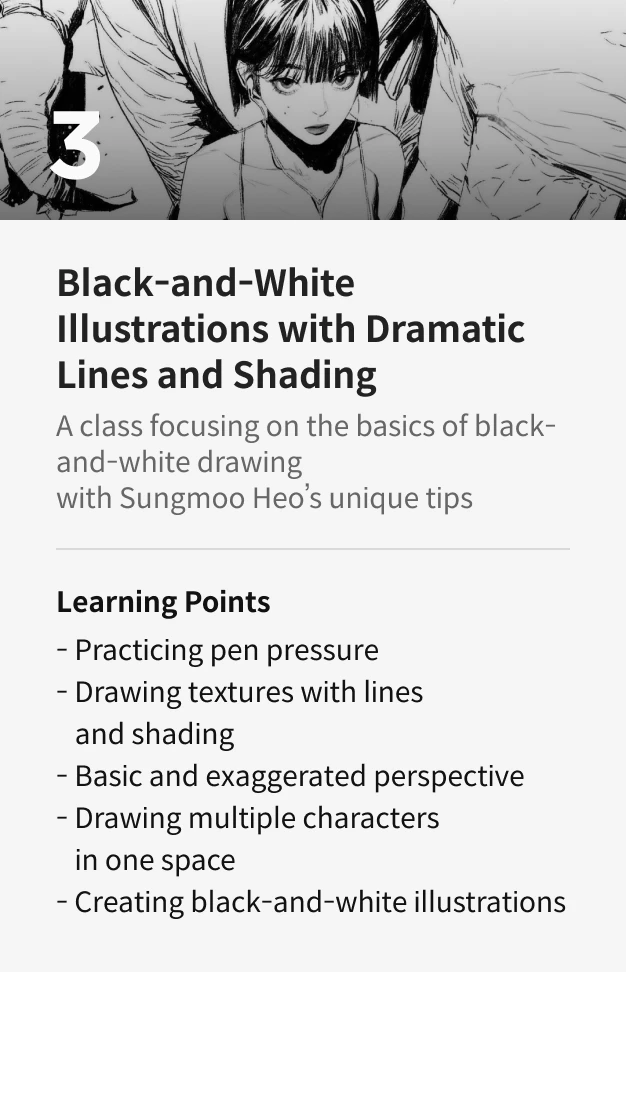
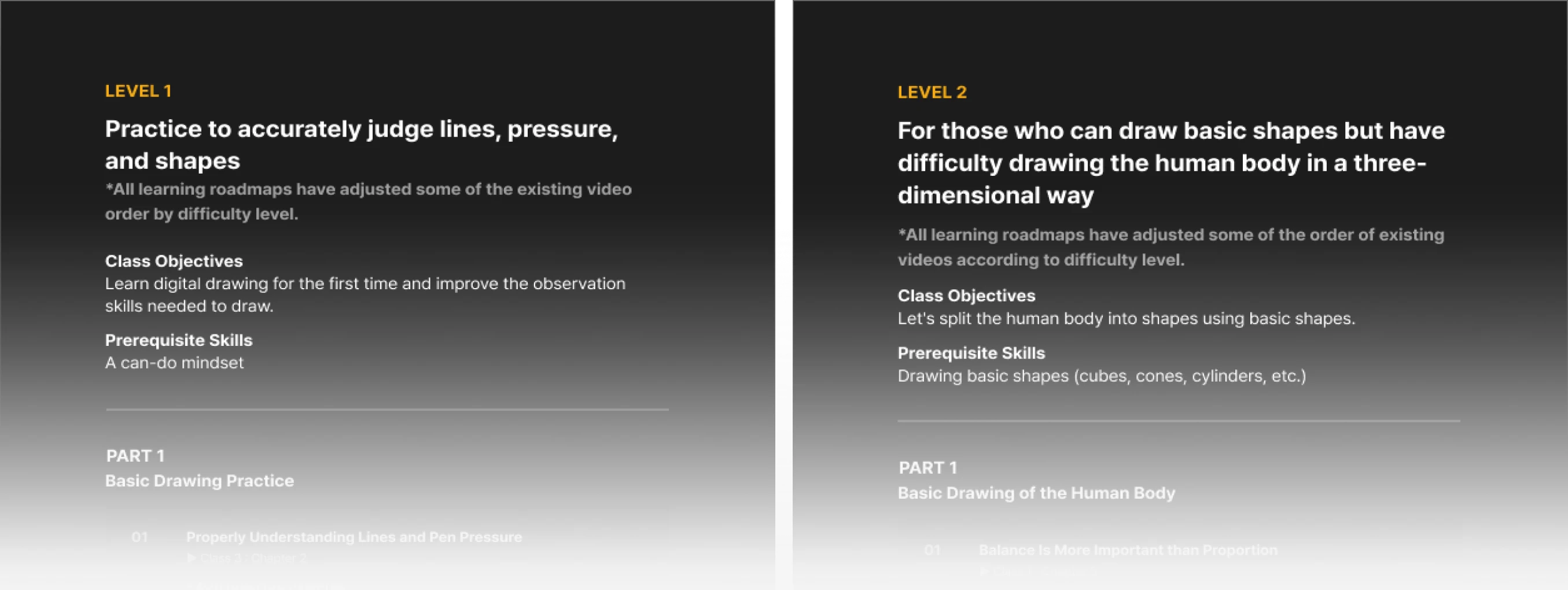
A Study Roadmap for Learners Who Purchased All 3 Classes
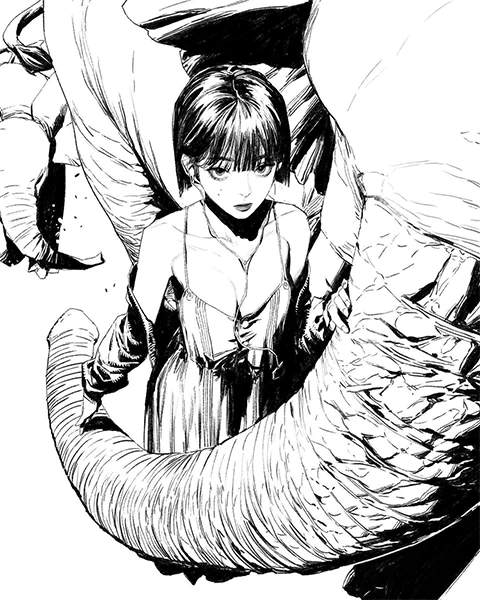
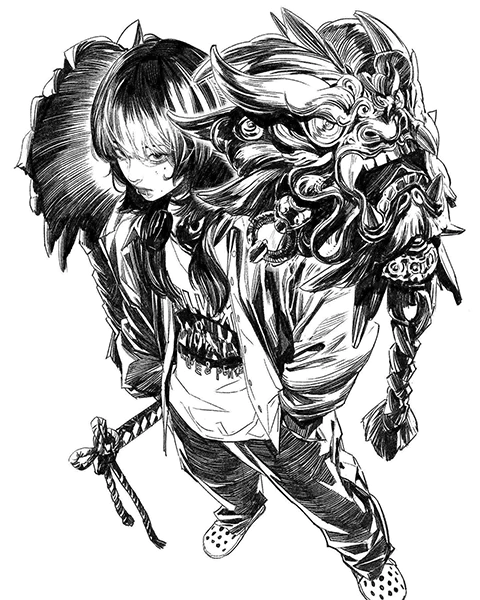
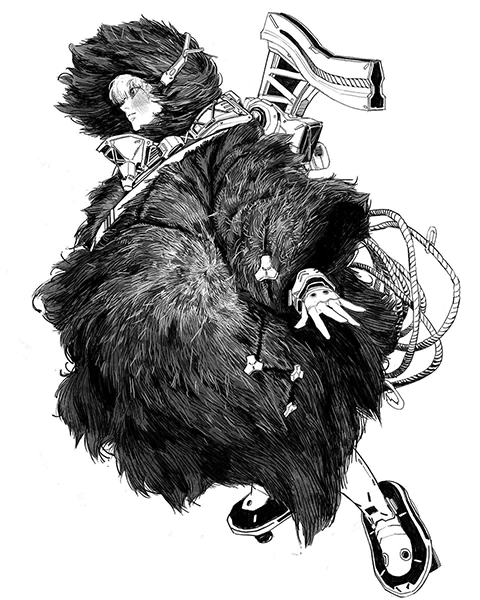
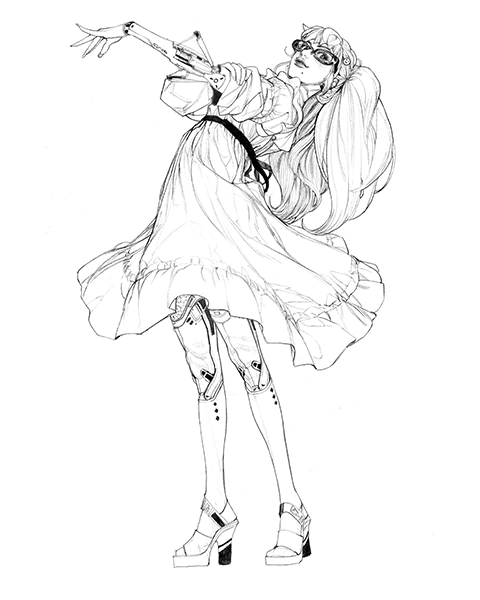
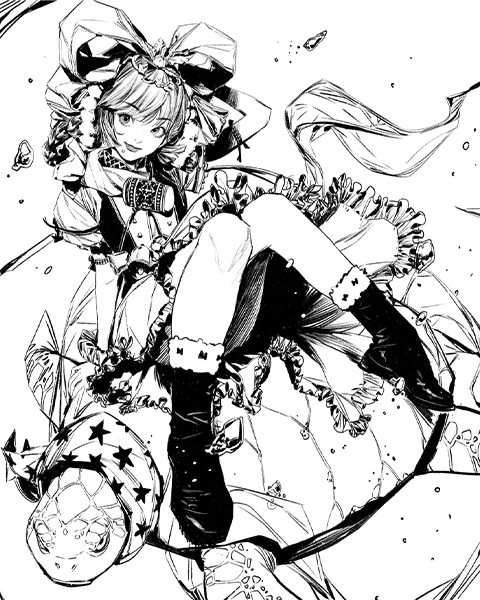
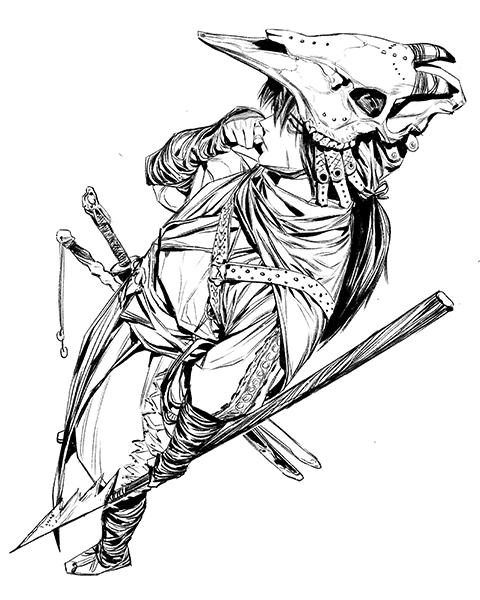
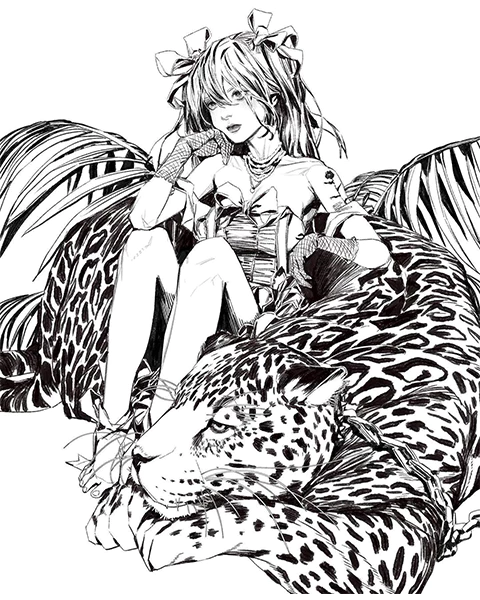
Expert Sungmoo Heo's Portfolio
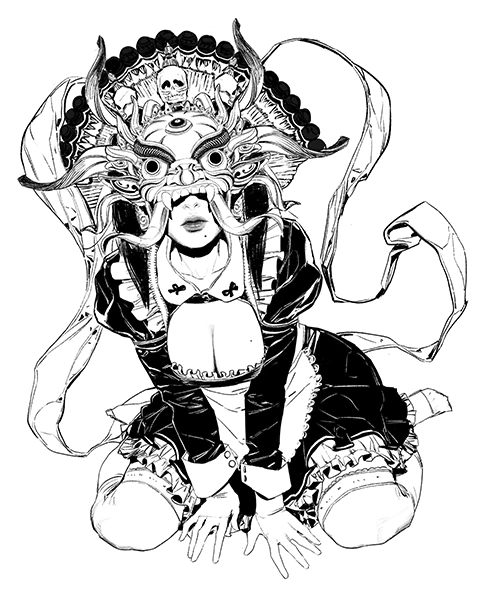
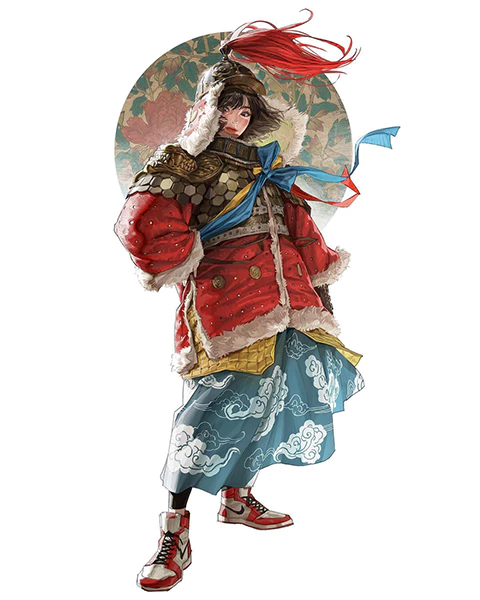
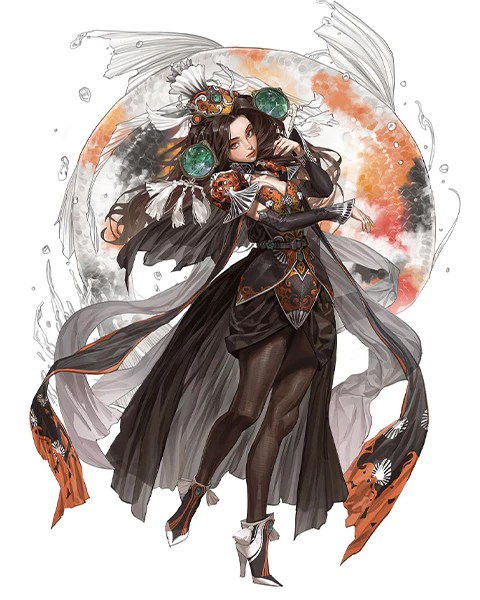
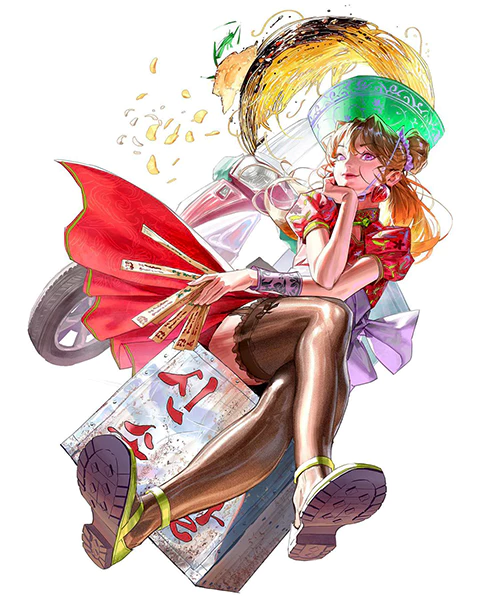
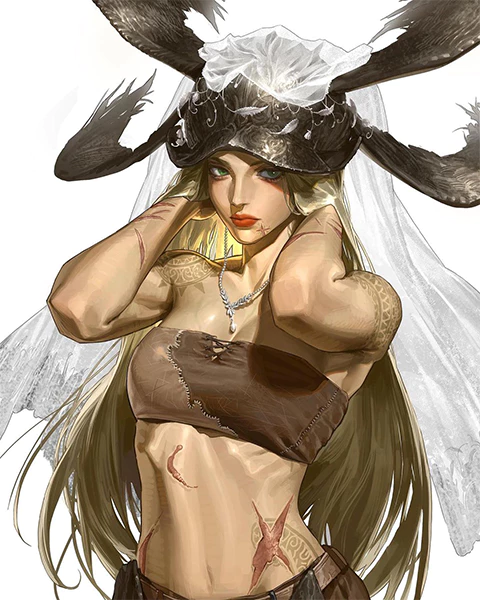
Why Take This Class?
Want to create beautiful lines, master spatial depth, and craft unique compositions? Sungmoo Heo has prepared an exceptional class to elevate your artistic skills and ignite your creativity.
Looking for a shortcut to creating stunning black-and-white illustrations with depth? This is your chance to discover your unique style with lines and planes, and to develop the skills and techniques that will elevate your artistic journey.
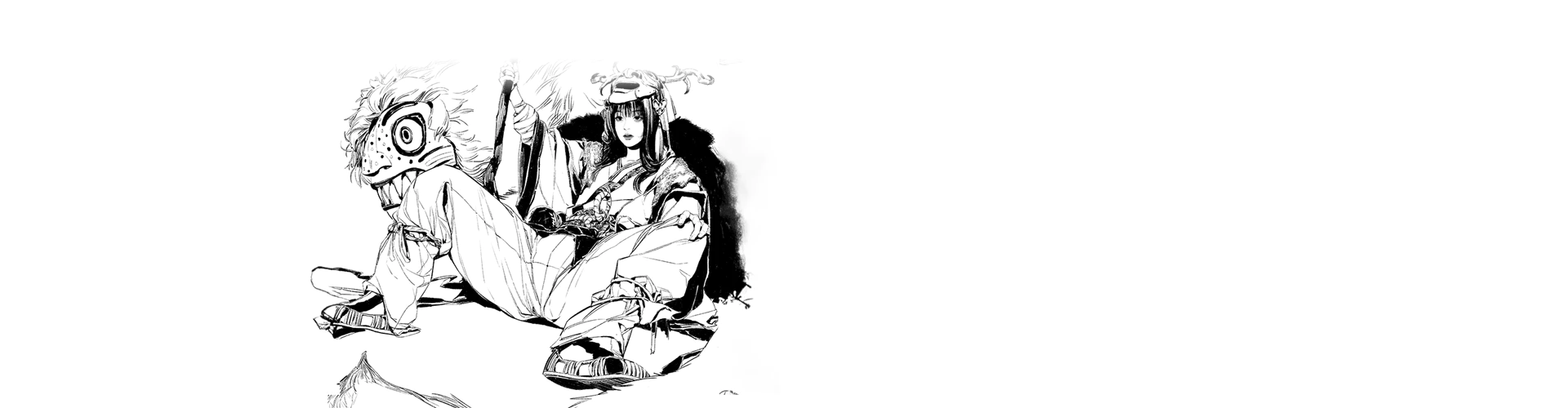
9 Class Exercises
-
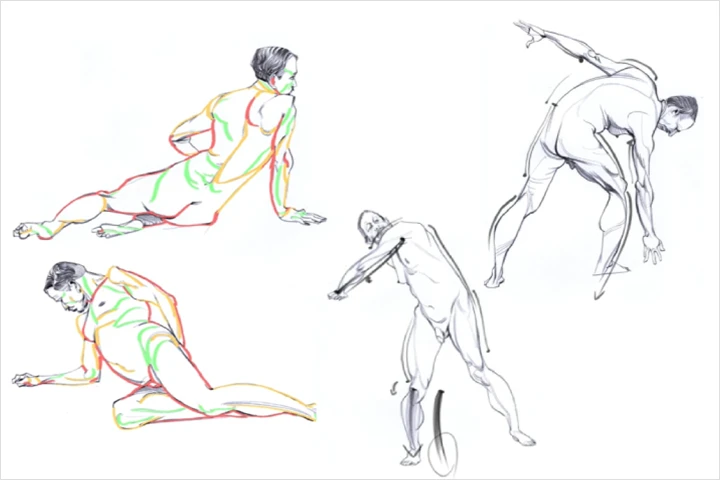 Types of Effective Pen Pressure and Their Application
 -
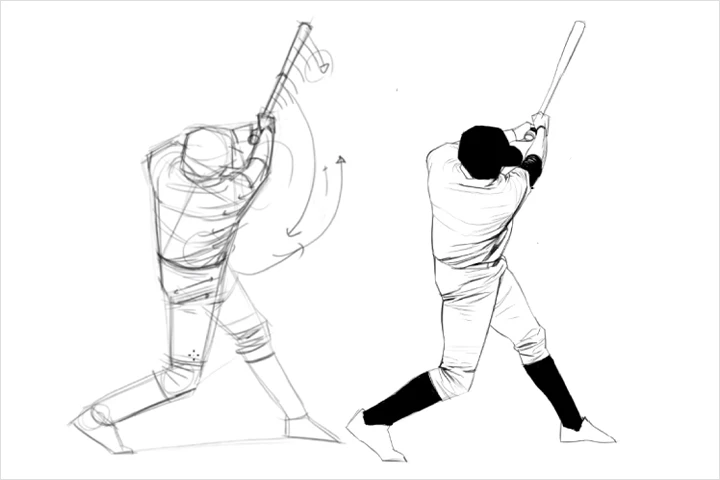 Expressing Weight and Speed with Lines
 -
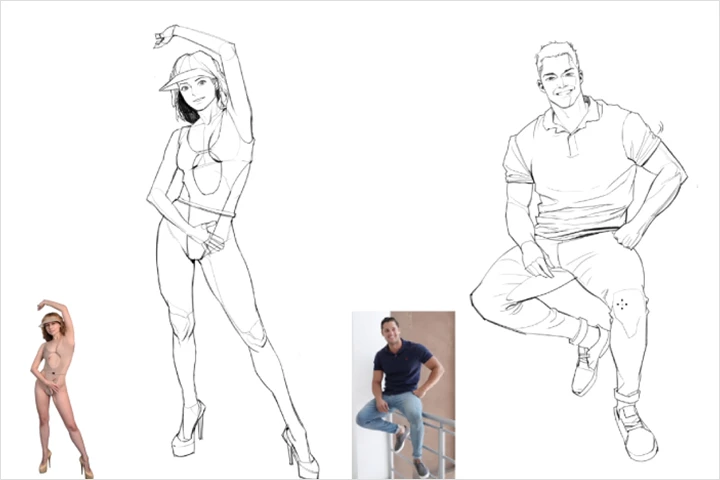 Practice Methods to Improve Your Sense of Form
-
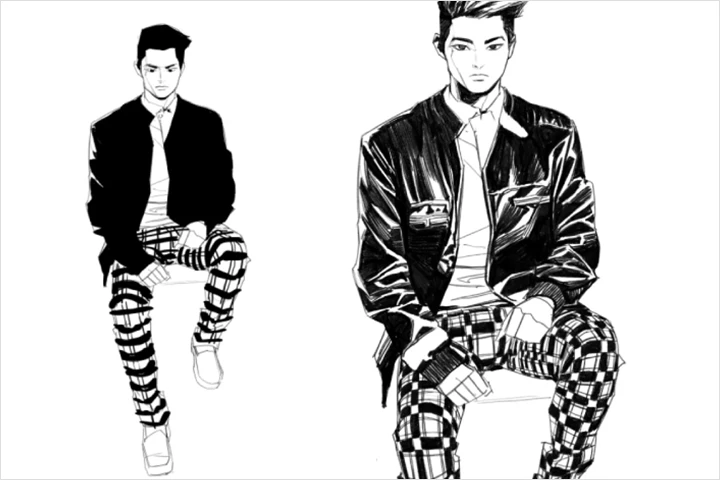 How to Enrich Planes and Shading
 -
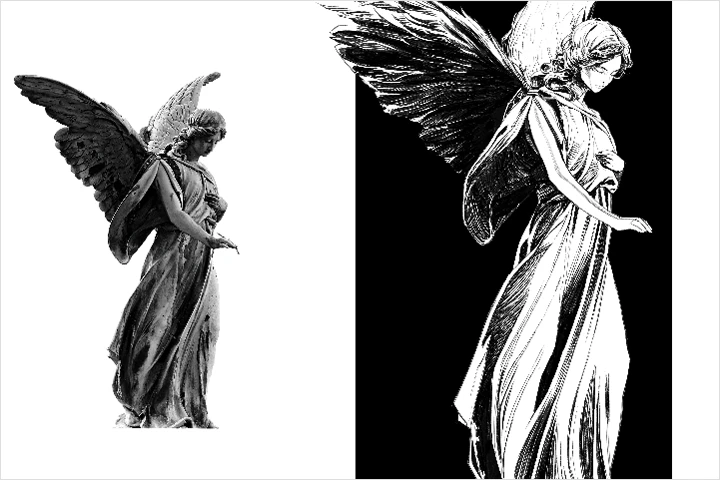 Copying Practice for Black-and-White Illustrations
 -
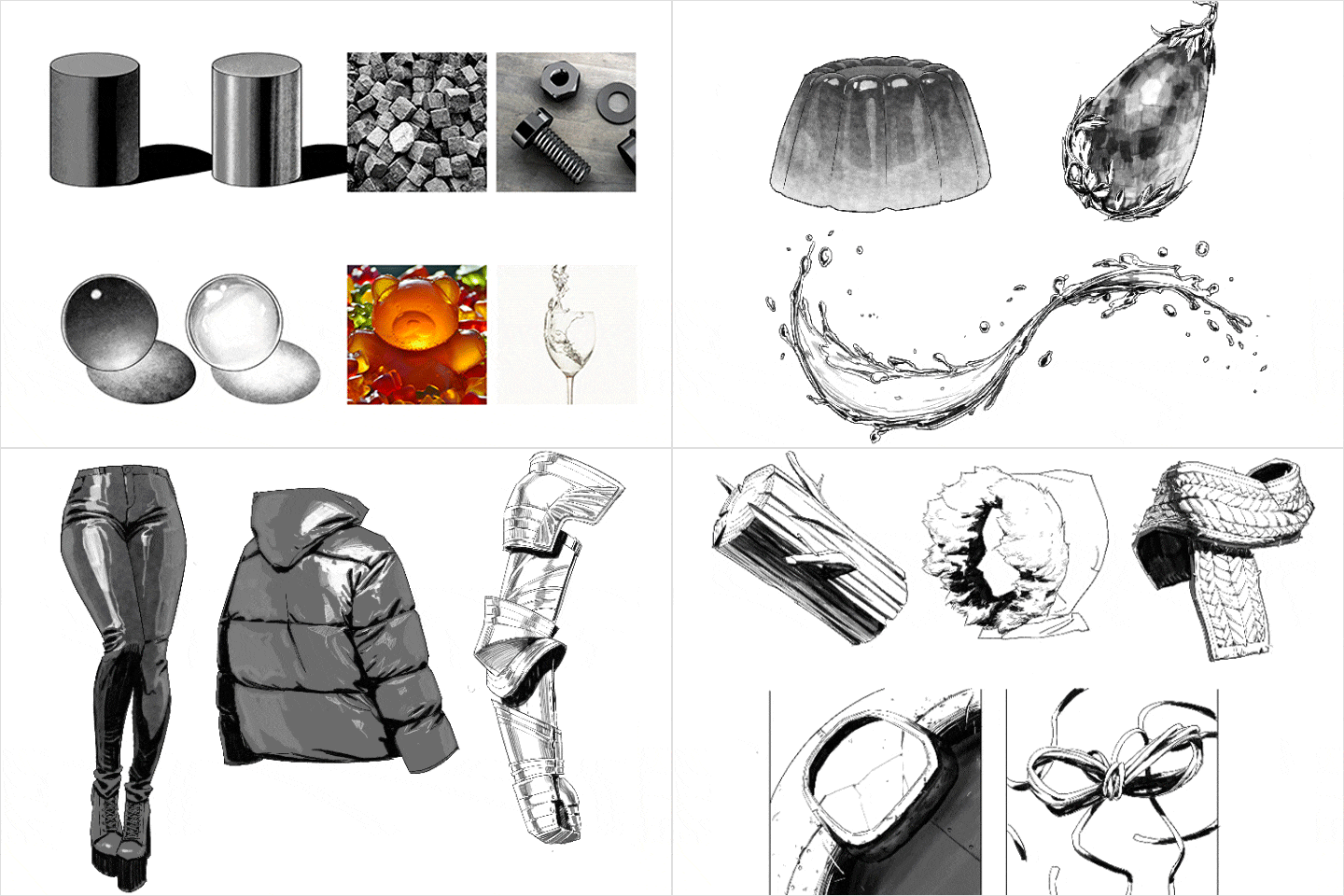 Drawing Various Textures in Black and White
-
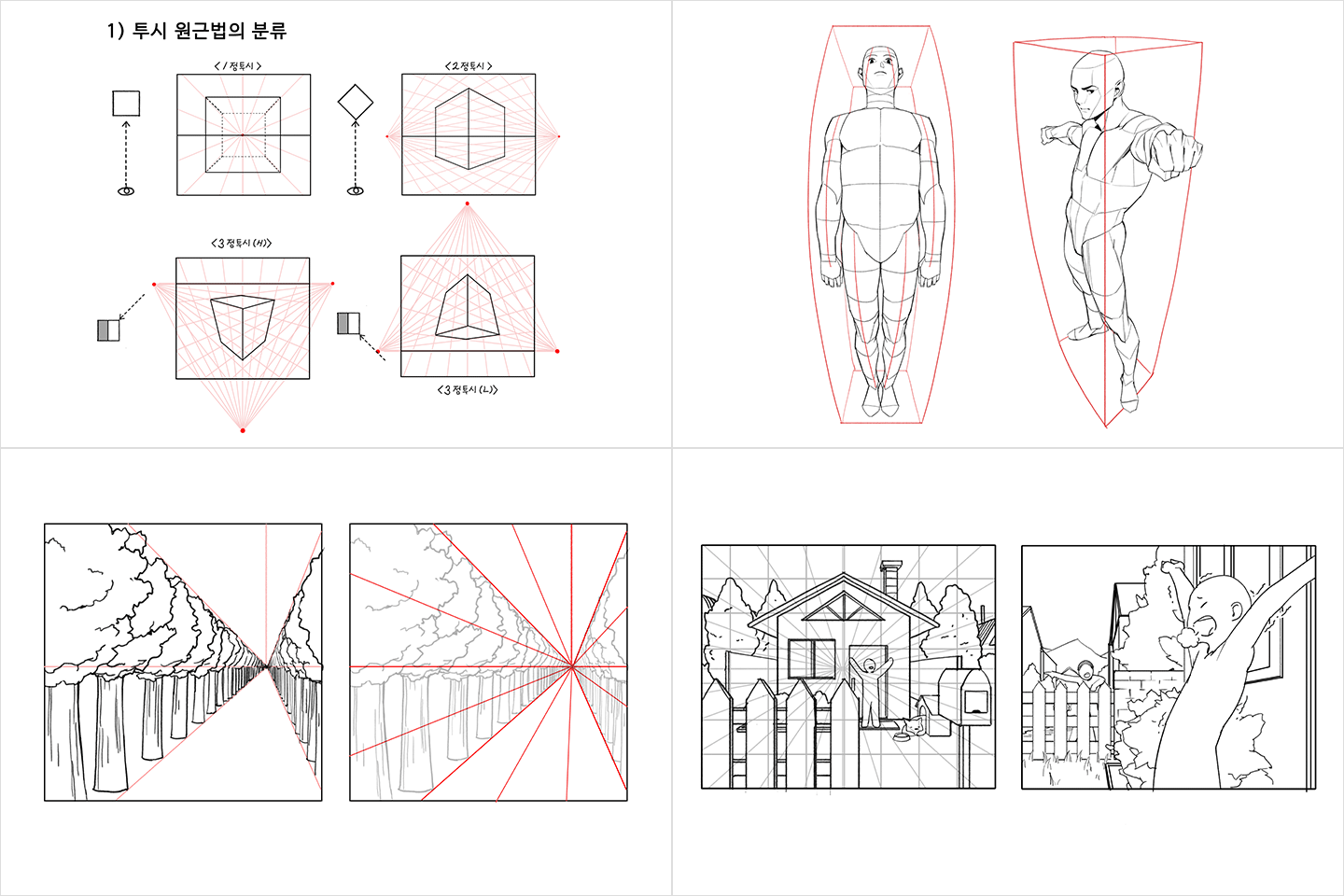 Drawing Spaces While Applying Perspective
 -
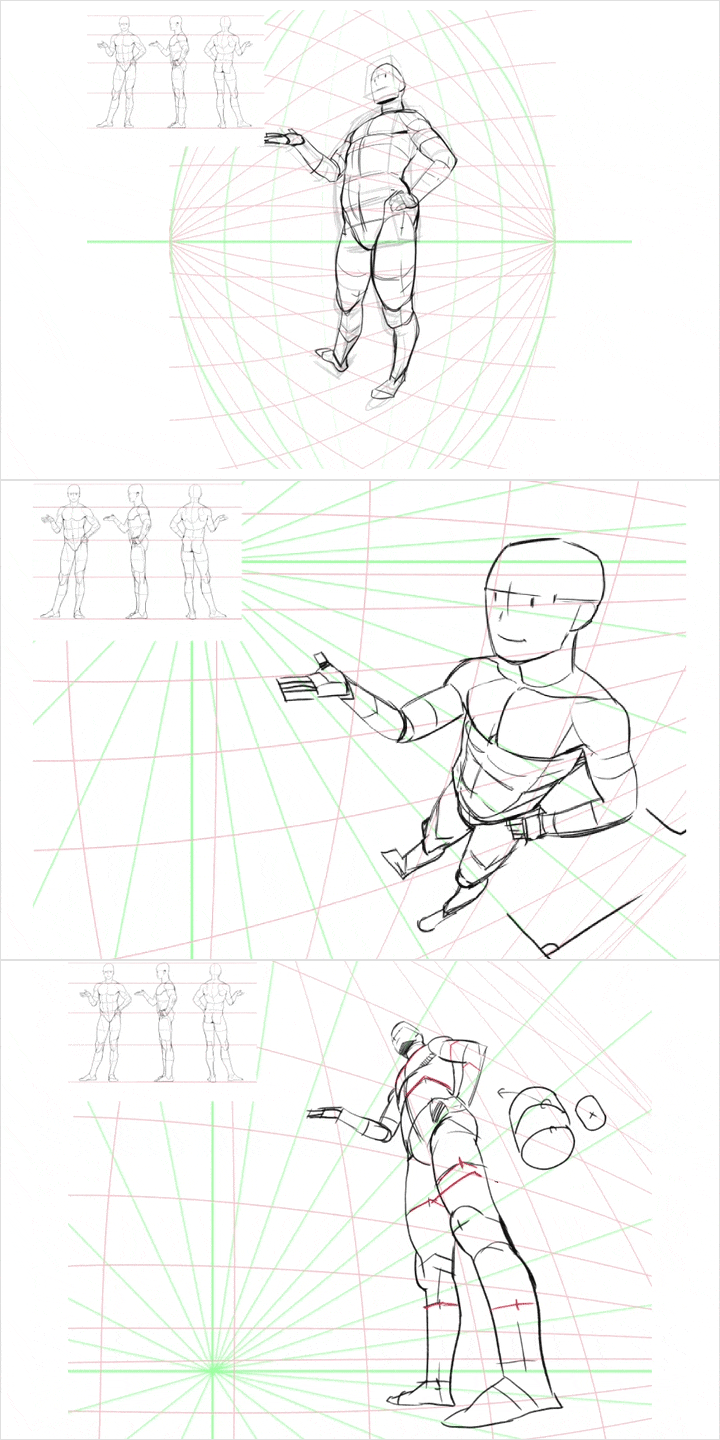 Drawing Geometrized Characters in Forced Perspective
 -
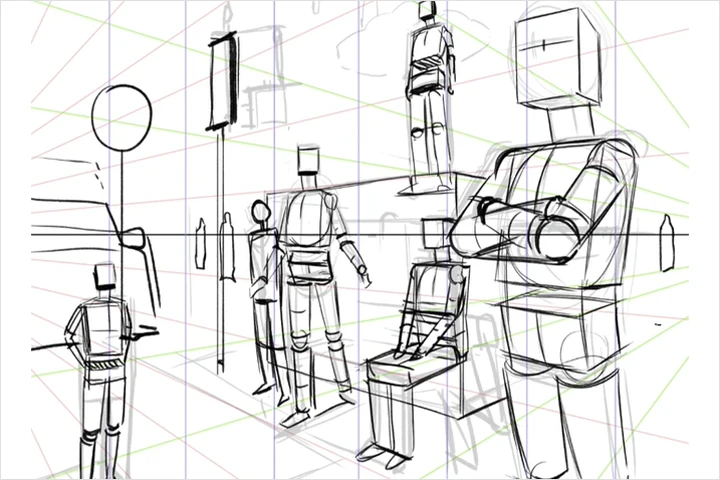 Drawing Multiple Geometrized Characters in One Space
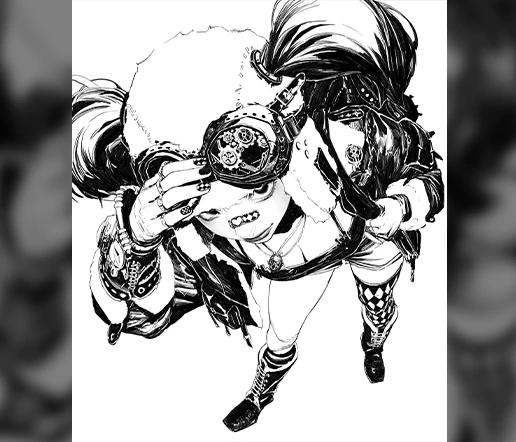
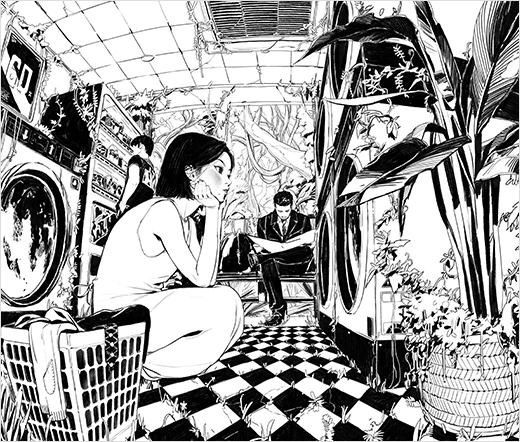
Final Results: Two Monochrome Illustrations
*These exercises and artworks are from the actual class curriculum.
Instructor
Illustrator
Sungmoo Heo
Hello, I'm Sungmoo Heo. I teach at the concept art academy "Arteum" and work as a freelance illustrator on various projects. In this class, I’ll share my widely praised techniques for monochrome and perspective drawing.
Drawing is much like a blacksmith refining a weapon through repeated polishing. Building on my first and second classes—where we explored figure drawing fundamentals and self-study techniques—this third class will teach you advanced methods to give your drawings a more polished and refined appearance.


Illustrator,
Sungmoo Heo
[Current]
Freelance Illustrator
Instructor at Arteum Academy
Projects & Awards
[Participated Projects]
2023: Illustrator for webtoon The Live
2022: Promotional illustration for Elden Ring
2021: Costume concept art for PUBG: New State
2021: Illustration for Legend of the Cryptids
2020: Cover illustrator for web novels
2019: Writer of Girls Drawing
Highlights
Class Highlights
Adjust the Depth of Lines and Planes with Refined Intensity Adjustment
Learn the intricate technique for black-and-white drawings, the basis of all artworks, and discover ways to create depth beyond the restriction of color. Work with various line weights, overlapping lines, black and white planes, and so on to experience firsthand the process of breathing new life into your illustration.
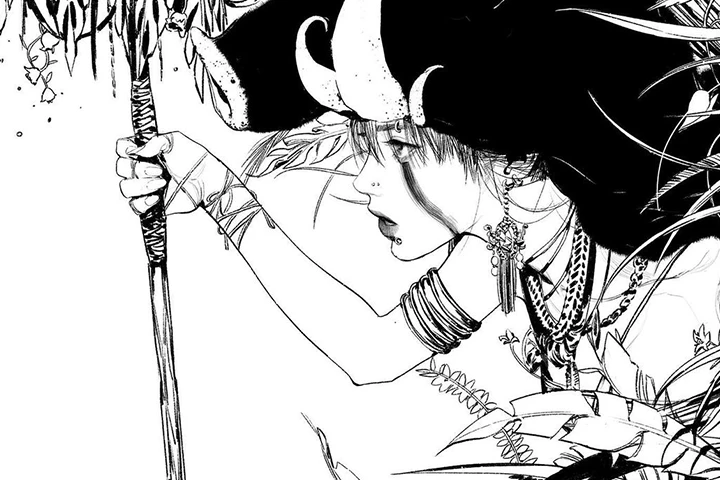
Figure Drawing Skills for Creative Composition and Bold Perspective
Explore the keys to perspective and geometrization so you can create dynamic compositions that suit specific settings. Sungmoo Heo will share his tips for practicing a range of poses in everyday life, making the difficult concept of composition easier than ever.
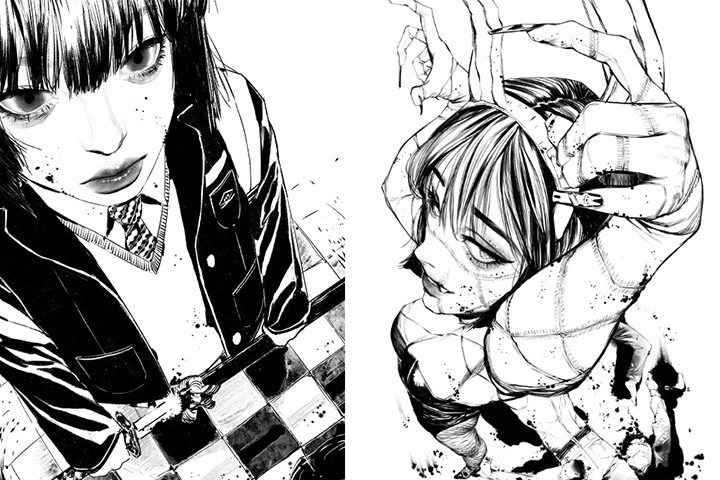
Take Your Skills and Illustrations to the Next Level
An effective use of shading and textures makes a black-and-white illustration look powerful and impressive instead of incomplete. Follow a real-world workflow while working on various exercises in which you’ll practice pen pressure adjustment and copying other works, allowing you to improve your skills quickly and effectively.
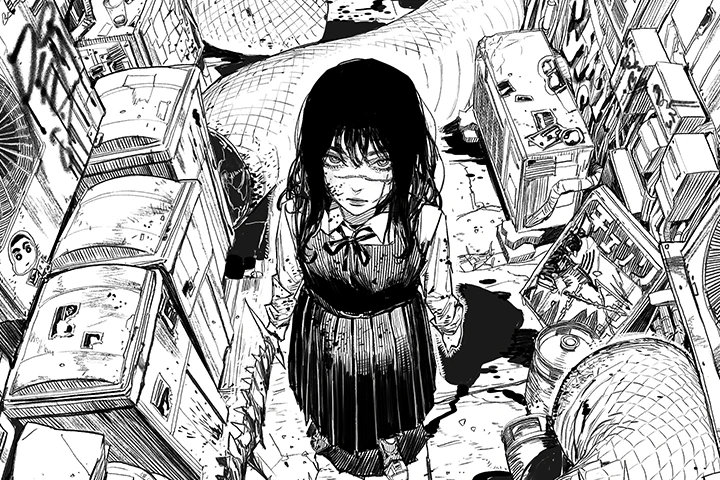
Class Details
You'll Learn
-
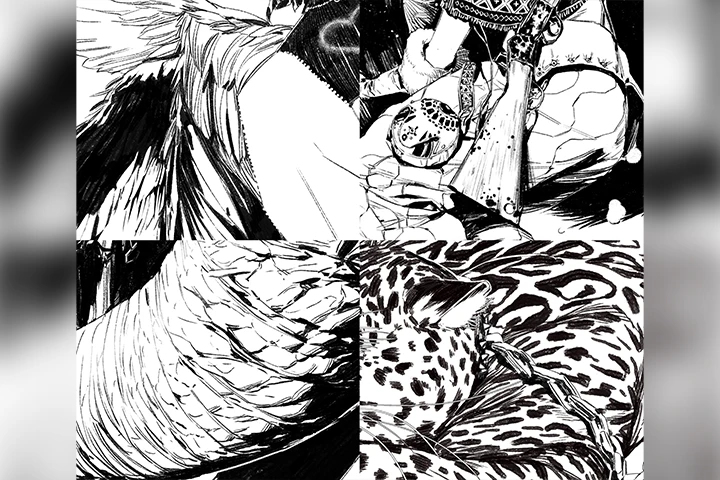 Basic Line Art Skills for a Solid Monochromatic LookHigh-quality line art plays a crucial role in creating illustrations that appear to be hand-drawn. Master various line art techniques that involve weight, overlapping lines, and brushstrokes so you can adjust the amount of contrast in an illustration without using color.
 -
 Interpretation and Observation Skills That Make Contrast Easy to UnderstandLearn effective ways to create contrast using intensity adjustments, lines, and black-and-white colors. You will practice how to interpret a reference in black and white while taking into account lighting, texture, and contrast, thereby improving your artistic sense and understanding of 3D shapes.
 -
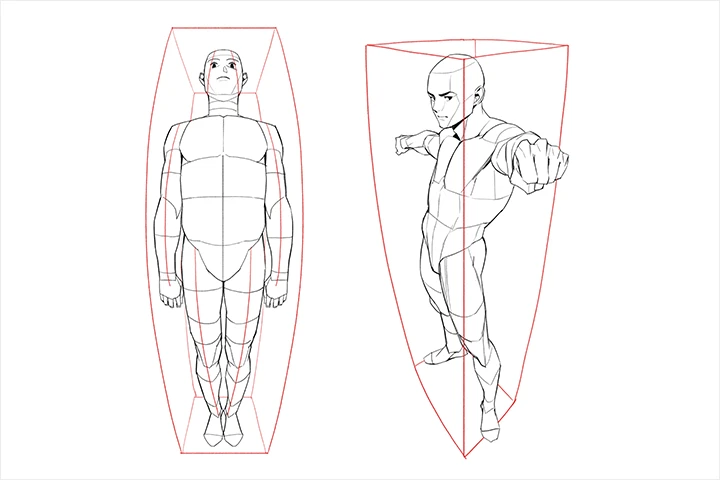 Basics and Application of Perspective DrawingLearn how to draw basic elements like stairs, tiles, and cylinders in one-, two-, and three-point perspectives. You will repeatedly practice perspective drawing by placing geometrized characters at various angles in a space.
-
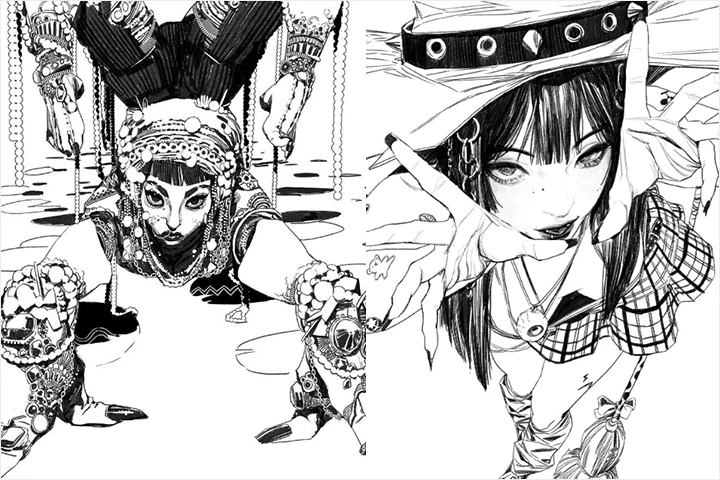 Dramatic Composition with Forced PerspectiveLook at character poses from three different views and apply forced perspective to learn how to adjust the intensity of an image’s composition. This will allow you to go beyond a flat illustration and freely create the composition you want.
 -
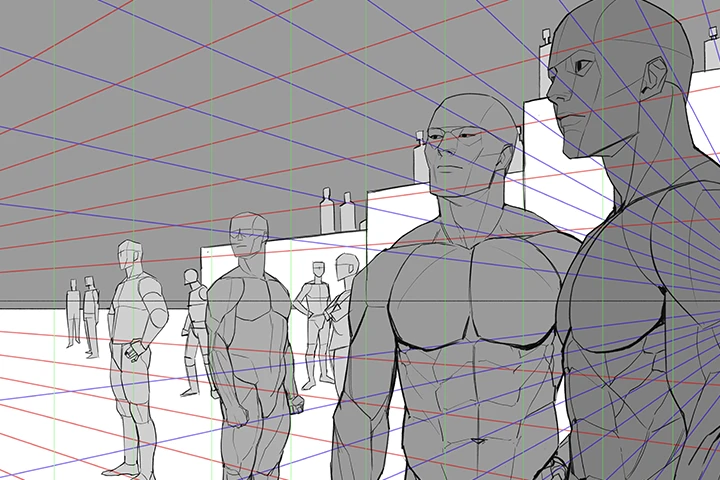 Creating Spaces That Feature Multiple CharactersLearn what to consider when drawing multiple characters on the same screen, as well as how to rescale them by adjusting the camera angle to depict multiple elements simultaneously.
 -
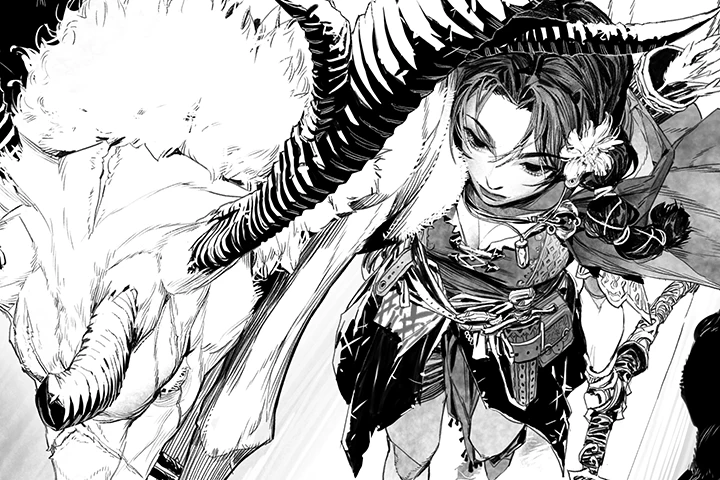 Completing High-Quality Monochrome Illustrations with a Sense of DepthLearn how to turn your ideas into drawings by taking into account form, composition, and persuasiveness. This stage involves studying the entire process of creating a full illustration at your own pace so that you can draw unique works on your own.
- Unlimited Access
- Best Price
Buy now, get unlimited access.
10/19 (Mon) (UTC-7) Special offer ends soon.
This special offer ends soon.
Buy now and save!
Curriculum
Curriculum
In-Depth Look
SECTION 01. Orientation: About Monochrome Drawings
01. Orientation
- The characteristics of black-and-white illustrations
- The charm of black-and-white illustrations
02. Properly Understanding Lines and Pen Pressure
- How to grip tools to effortlessly create various lines
- Why you need to master adjusting pen pressure
- Types of pen pressure and their application
- Examples of using pen pressure
03. Using Various Lines
- Using lines to create high-quality line art
- The effect of line weight and overlapping lines
- Expressing weight, strength, and speed of lines
- Other types of line expression
- Copying other works by actively using line weight and expression
04. Enhancing Your Sense of Form
- What is sense of form?
- Drawings that lack form vs. drawing with strong forms
- Important points in developing a sense of form
- Sketching practice while checking the form
05. Creating Rich-Looking Planes and Shading
- Three basic tones that make shading easy
- Using high and low contrast in a black-and-white illustration
- Expressing various kinds of shading with lines and black-and-white tones
- Other ways to draw planes
- Creating black-and-white drawings based on references
06. Copying Practice for Black-and-White Illustrations
- Sketching while checking the form
- Designing shading with contrast in mind
- Various ways to express planes
- Self-evaluation
07. Creating Various Black-and-White Textures
- Principles and types of textures
- Tips for drawing in black and white
- Drawing various objects with planes, shading, and textures in mind
SECTION 02. Understanding and Applying Perspective
08. Understanding Perspective Drawing
- What is perspective drawing?
- Vanishing points and eye level
- Types of perspective drawing
- Errors in perspective drawing
- Interpreting references
09. Basic Exercises on Perspective Drawing
- Drawing spaces in one-, two-, and three-point perspectives
- Drawing stairs, tiles, and cylinders in perspective
- Drawing complicated planes based on perspective principles
- Things to note when drawing in perspective
10. Drawing Basic Character Movements
- Drawing a character as shapes in one- and two-point perspectives
(Drawing various angles and poses, including standing, sitting, and 3/4 profile)
11. Drawing Characters in Three-Point Perspective
- Drawing a character as shapes at high and low angles with three-point perspective
(Drawing various angles and poses, including standing, sitting, and 3/4 profile)
12. Drawing the Clothing of Characters Performing Basic Movements
- Refining a geometrized character and drawing clothes on it
SECTION 03. Advanced Composition Using Perspective
13. Understanding Forced Perspective
- What is forced perspective?
- Camera lens and our angle of view
- Tips for drawing characters in forced perspective
- Exploring four- and five-point perspectives and panoramic composition
- Errors in drawing with forced perspective
14. Drawing Characters in Forced Perspective
- Applying forced perspective to a specific pose
- Tips for adjusting the degree of forced perspective
15. Drawing Multiple Characters in One Space
- Things to note when drawing multiple characters in perspective
- Drawing multiple characters in a space
SECTION 04. Creating Line Art Illustrations 1
16. Line Art Illustration 1 Drawing Process: Thumbnail
- Sketching a thumbnail based on your idea
17. Line Art Illustration 1 Drawing Process: Drawing Rough Lines
- Drawing rough lines
- Checking the composition and persuasiveness before working on thickness
18. Line Art Illustration 1 Drawing Process: Drawing Detailed Lines
- Cleaning and finishing up rough lines
SECTION 05. Creating Line Art Illustrations 2
19. Line Art Illustration 2 Drawing Process: Thumbnail
- Sketching a thumbnail based on your idea
20. Line Art Illustration 2 Drawing Process: Drawing Rough Lines
- Drawing rough lines
- Checking your composition plan
21. Line Art Illustration 2 Drawing Process: Drawing Detailed Lines
- Cleaning and finishing up rough lines
*The release date of this class, curriculum images, and associated content can be changed without prior notice.
** Class videos may be seperated for a more streamlined viewing experience
Interview with
Illustrator Sungmoo Heo

Question.01
What is the purpose or key takeaway of this class?
I always focus on the joy of drawing, and I'm constantly researching ways to enjoy the charm of drawing even when using only black and white. So, I'd like to share the tips I've gained from exploring black-and-white illustrations as a genre, rather than as unfinished drawings. If a drawing is to feel valuable, it should “resonate” with the viewer, which is where the fundamental skills come into play. That’s why I’ll help you lay the foundation for drawing, which includes a sense of space and depth, figure drawing, and composition.
Question.02
What distinguishes this class from others?
This class mainly focuses on illustrations drawn with black-and-white lines and planes. It explains the keys to creating drawings that are colorless yet eye-catching. You’ll also learn the basics of perspective drawing, which many students struggle with, as well as how to apply it to create drawings with a stronger sense of space. This process is applicable to not only black-and-white illustrations, but also webtoons, comic books, and so on, allowing you to master the basics of various forms of art.
Question.03
What benefit does this class have for learners?
This class explores my special drawing techniques, which many people have asked about, as well as how to create a sense of space with perspective drawing in an easy-to-understand manner. Instead of simply explaining drawing techniques, it will provide new insight into your creative process. You will not only be able to build a strong foundation but also develop the ability to create black-and-white illustrations in your own style.
Required Programs
This course will use
- Photoshop CC
Please purchase and install these program(s) for an optimized chapter experience.
*These programs and/or materials will not be provided with the chapter.