
Illustrator,BangkuAn_안병구 Details
Intro
Class Intro
Illustrator, Bangku An
“Drawing and coloring tricks to express
imaginary concepts as if they exist in real life,
you can learn for a lifetime with a single chapter.”
*This trailer features dubbing in English. Please note that the course videos are not dubbed.
Bringing Imagination to Life: Mastering Drawing and Color for Lifelike Character Expression
Do you want to draw a character that looks as if they truly exist, just as you imagined them?
Your drawings that feel awkward no matter how you draw them, you can greatly improve the quality with just one chapter.
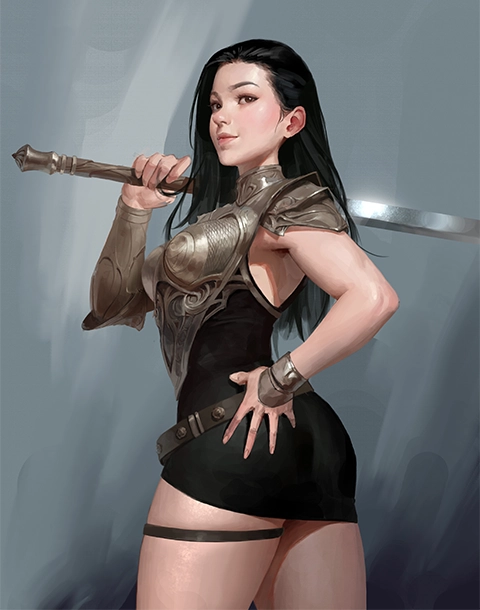
From realistic representations of light and dark to a formulaic sense of space, realistic coloring expressions, and the Planning-Sketching-Drawing-Coloring process, learn how to create a realistic character all in one go to depict them exactly as you intend.
Even an illustrator with zero drawing knowledge can complete realistic character illustrations using practical know-how from our speakers and a solid curriculum of 23 sessions. There are PSD files specially provided for every chapter to bring to life the details that you haven’t been able to depict for a long time.
Even an illustrator with zero drawing knowledge can complete realistic character illustrations using practical know-how from our speakers and a solid curriculum of 23 sessions. There are PSD files specially provided for every chapter to bring to life the details that you haven’t been able to depict for a long time.
Recommendation
Who Should Take This Class?
Those who want to learn human body fundamentals and realistic expressions all at once
Those who want to formally learn the key aspects of perspective and spatiality critical to realistic expression
Those who don’t know how to start and finish a quality realistic character
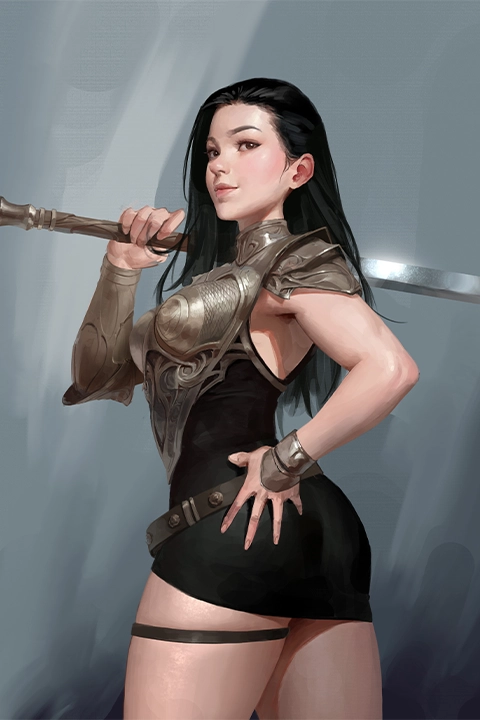
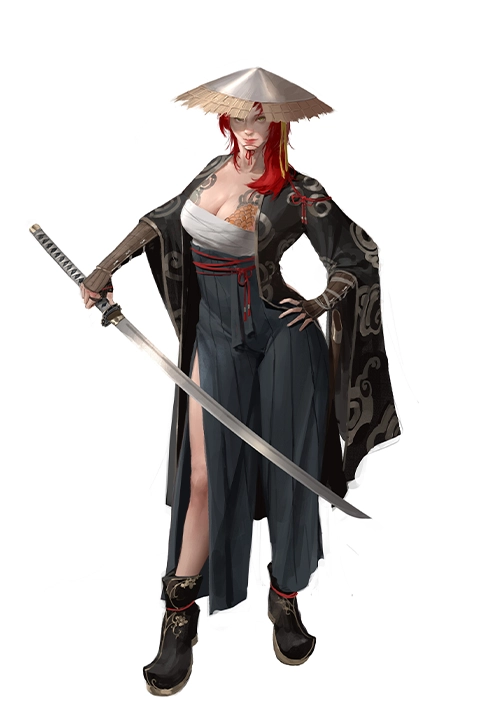
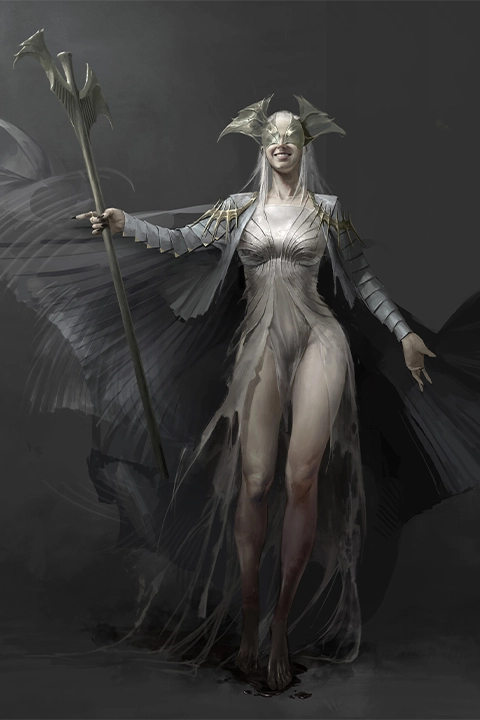
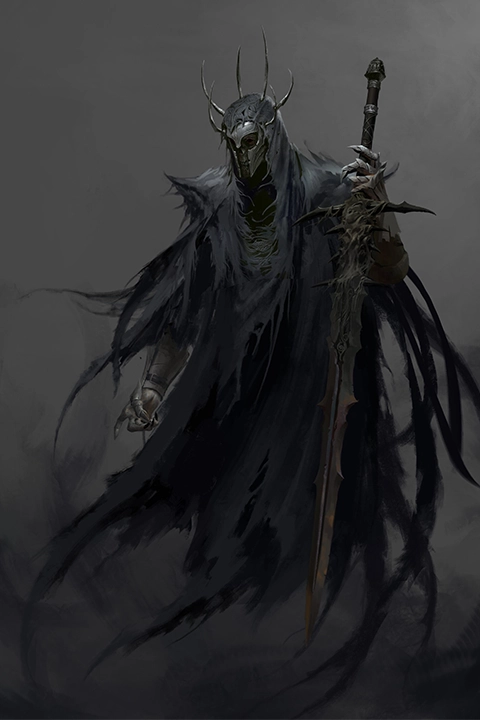
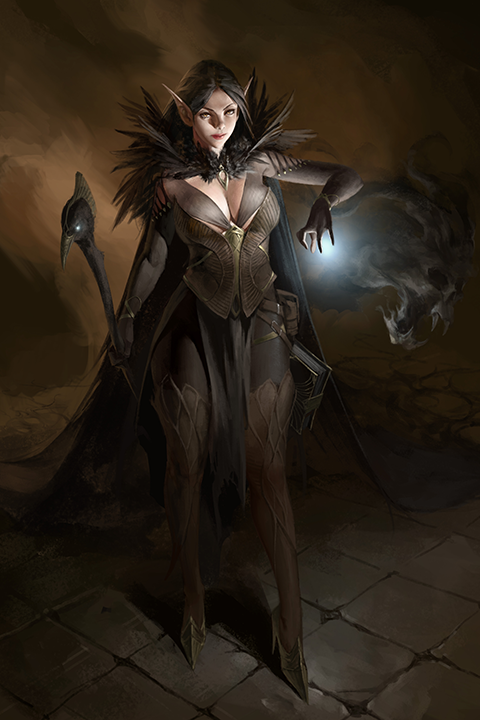
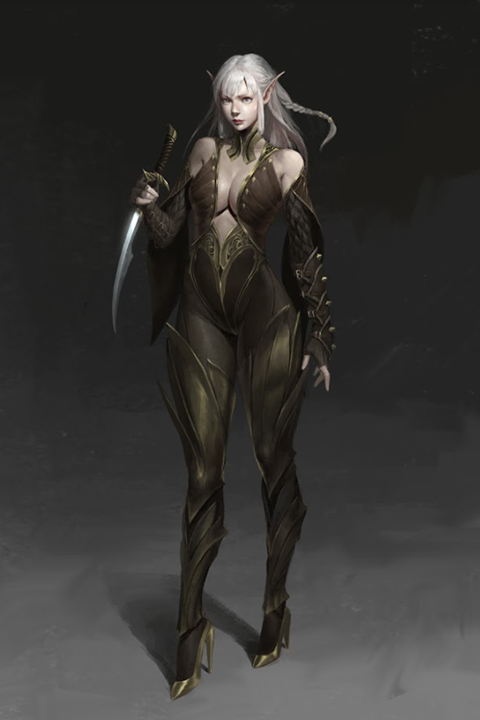
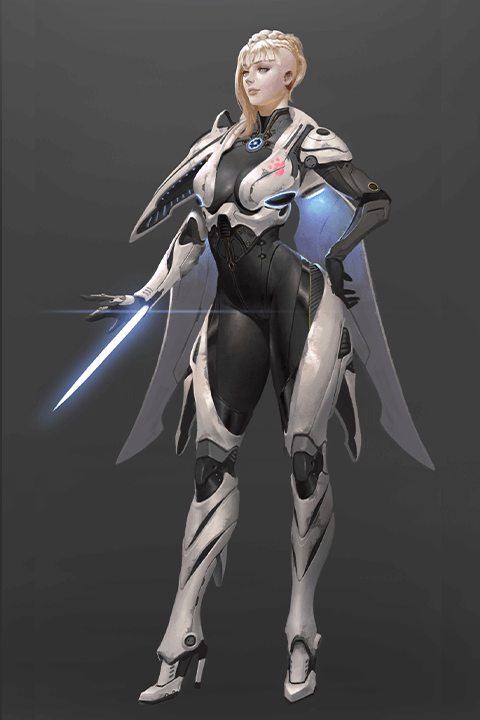
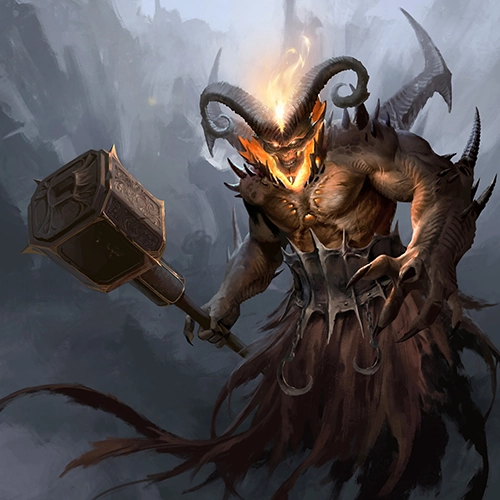
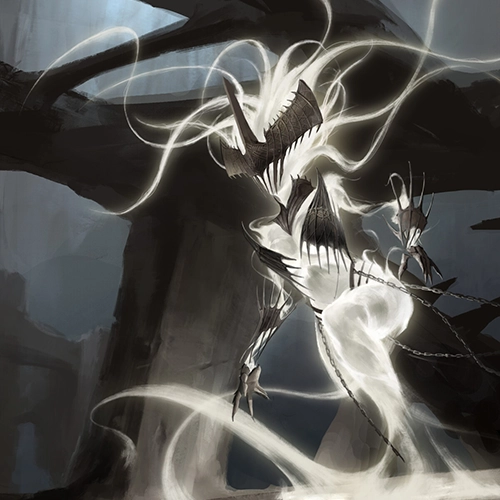
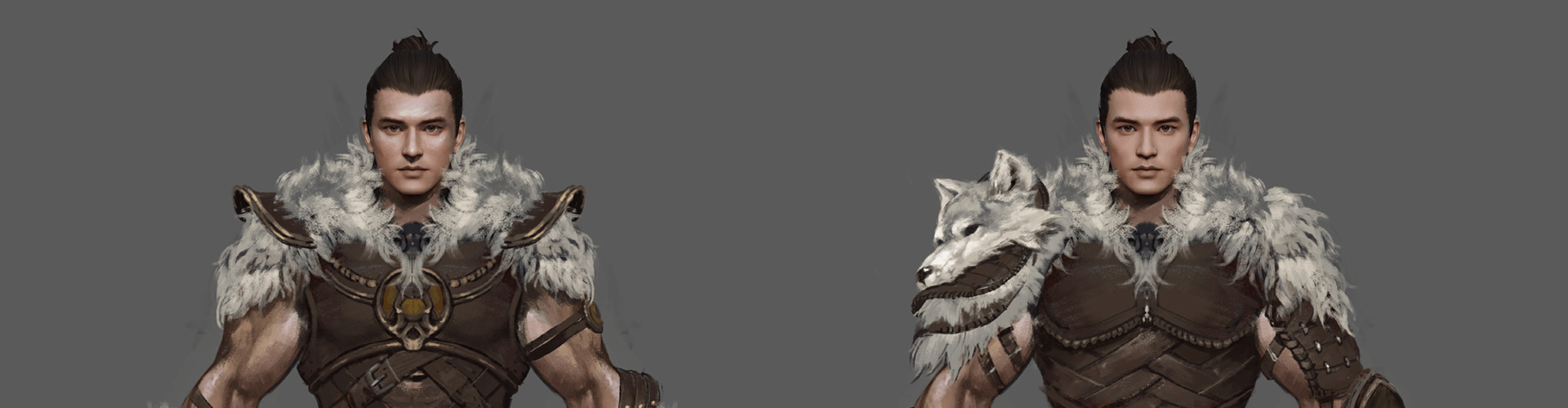
Expert Illustrator Bangku An's Portfolio
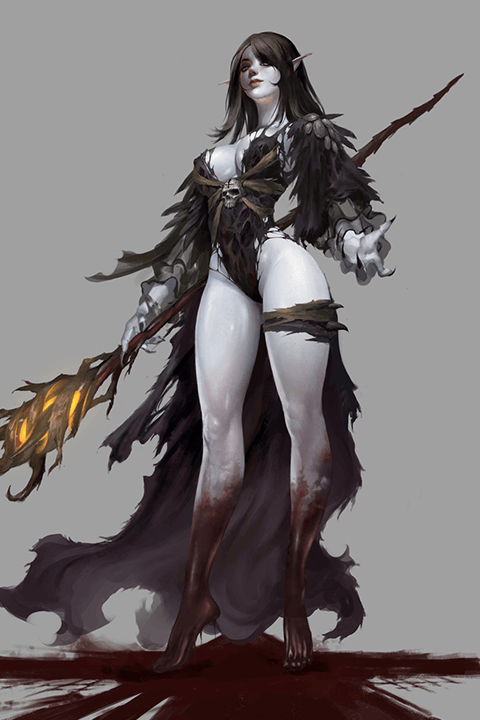
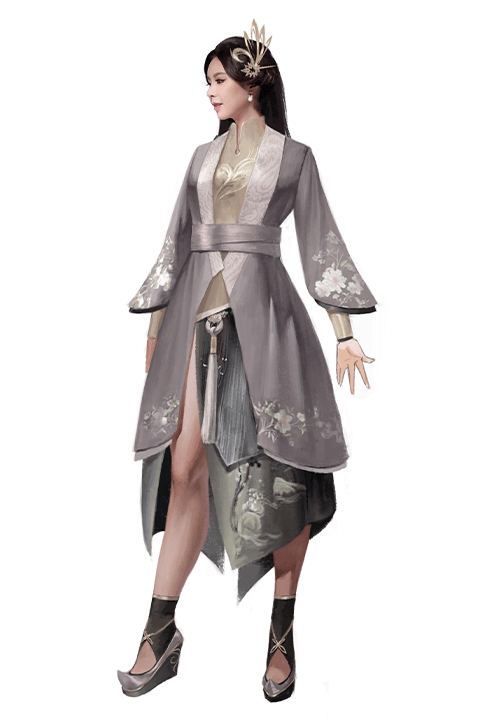
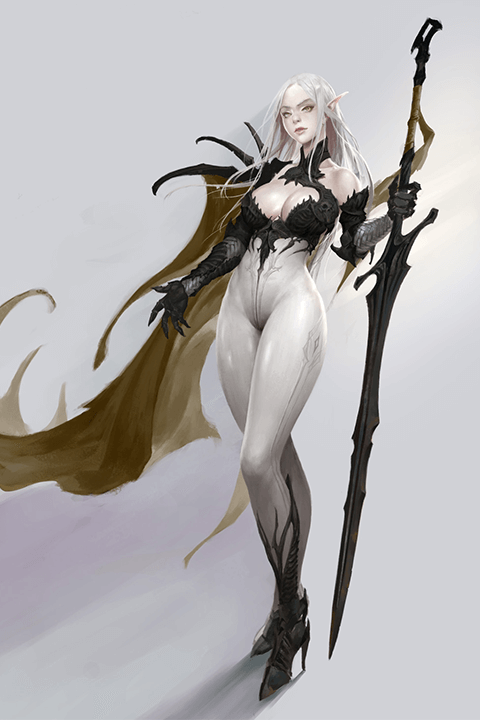
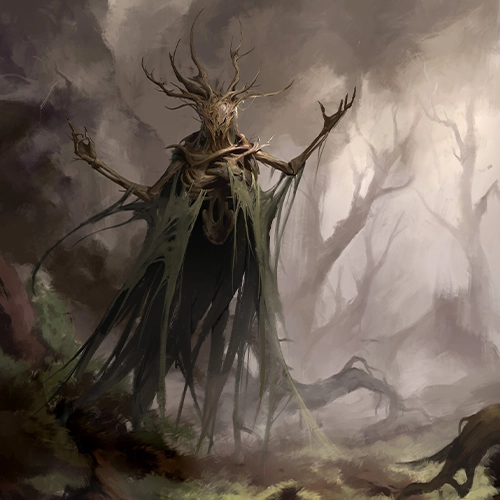

Why Take This Class?
Unlike stylized illustrations, realistic characters have to consider realistic factors from the real world. As such, it’s essential to understand the fundamental theories such as light, contrast, and coloring.
In this course, you’ll learn the theory of light, contrast, vanishing points, and spatiality in an easy-to-follow, beginner-friendly way and then work through the process of creating a realistic character with natural coloring techniques.
Get the step-by-step curriculum for crafting realistic character illustrations on Coloso today.
8 Class Exercises
-
 Principles of Contrast and Light
 -
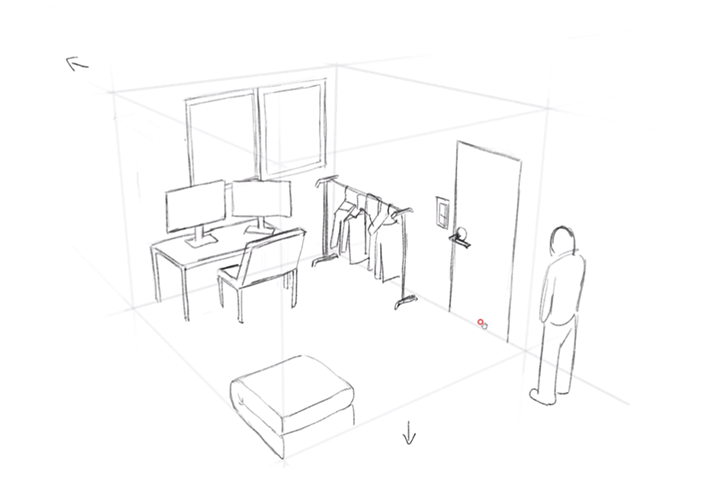 Vanishing Point and Sense of Space Formulas
 -
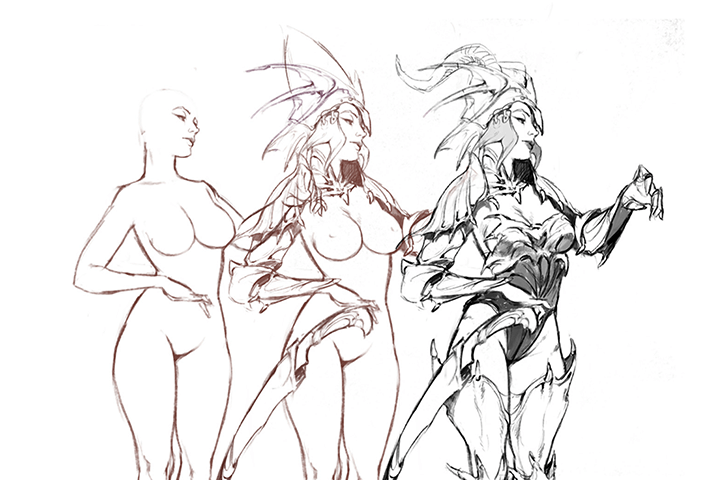 Sketching with a Sense of Mass
 -
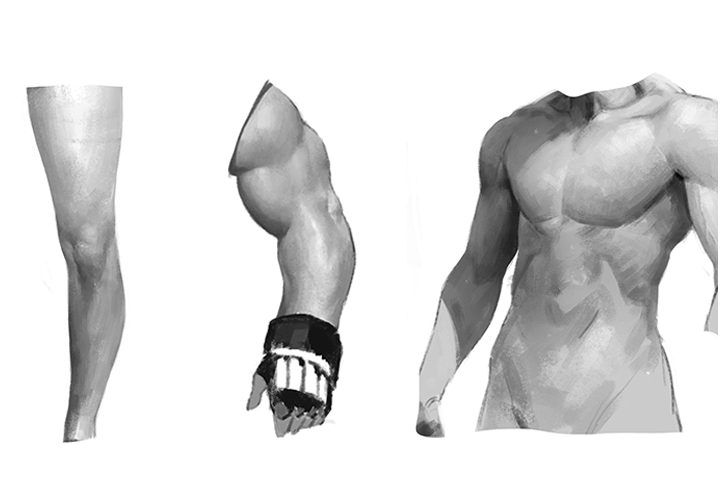 Understanding and Expressing Realistic Structures
-
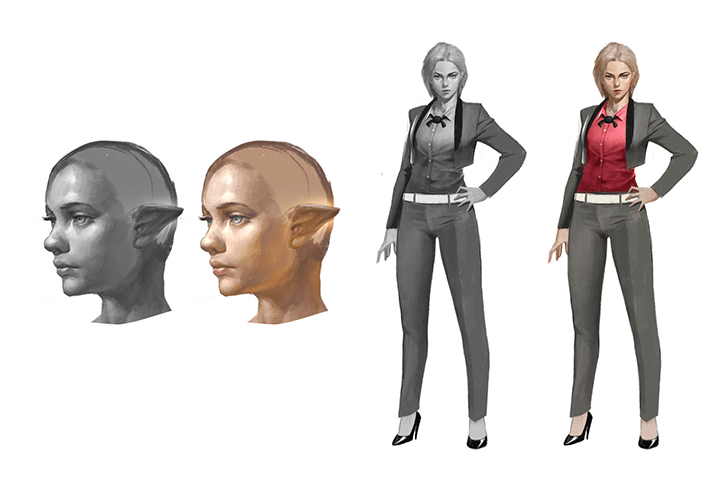 Realistic Coloring Know-How – Glazing
 -
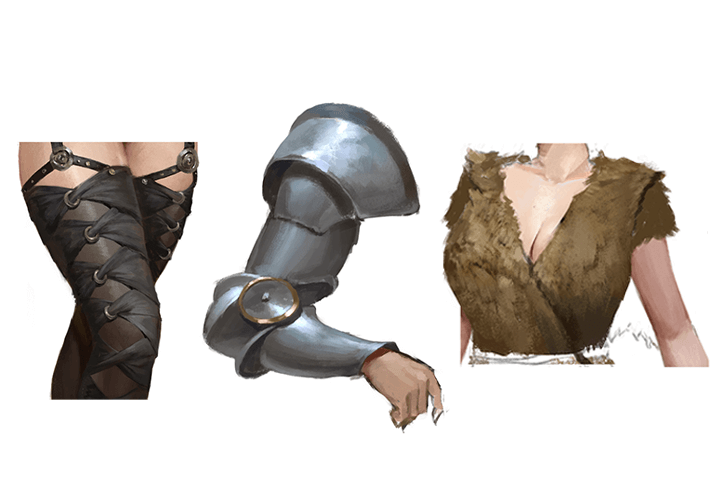 Expressing the Main Texture of Realistic Colors
 -
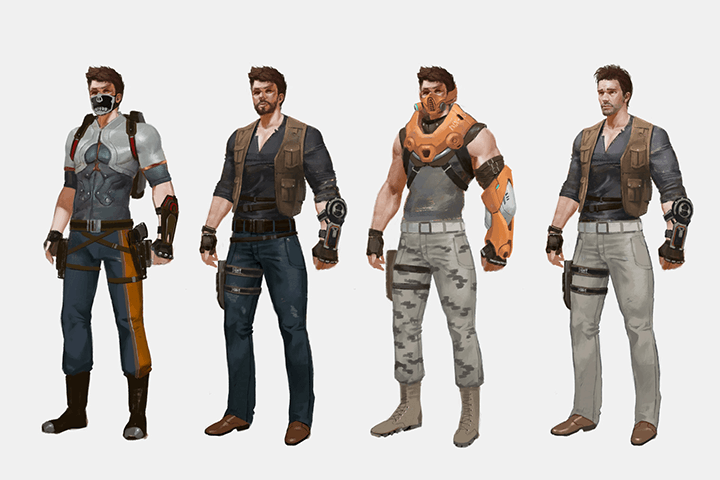 Setting a Design Direction
 -
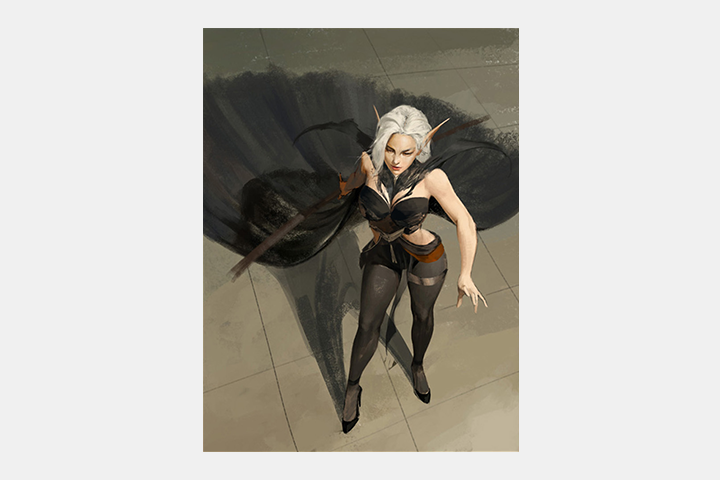 Complete Realistic Characters
Instructor
Illustrator
Bangku An
Hi, I’m Bangku An, an illustrator.
I’ve been in the gaming industry for about 14 years as a concept artist who worked on projects like Superstring and MIR4 and outsourced Black Desert work.
I’ve also built my career by teaching conceptual classes at Dream Factory for about two years and by doing numerous online and offline tutoring sessions.
Many beginner illustrators are intimidated by realistic characters, which is why they haven’t mastered the art of drawing them yet.
I’ll share all the theories behind drawing realistic characters as well as my own formulas for creating lifelike textures, natural coloring techniques, and an easy way to develop a sense of space to help you get your realistic characters right from start to finish.

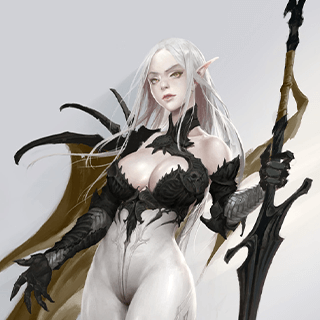
Illustrator Bangku An
[Current]
Illustrator
Projects & Awards
NC - Senior Character Concept Artist
Pearl Abyss - Outsourced Black Desert Character Concept Art
WEMADE - MIR4 Character Concept Art
Factorial Games - Superstring Character Concept Art
Factorial Games - Participated in the Lost Kingdom Project
Dream Factory Instructor
Highlights
Class Highlights
Empowering Beginners: A Comprehensive Guide to Illustration
Even if you have no drawing experience, you can start with the basic theory of illustration and learn the step-by-step techniques of sketching, drawing, and coloring to create a realistic character illustration.
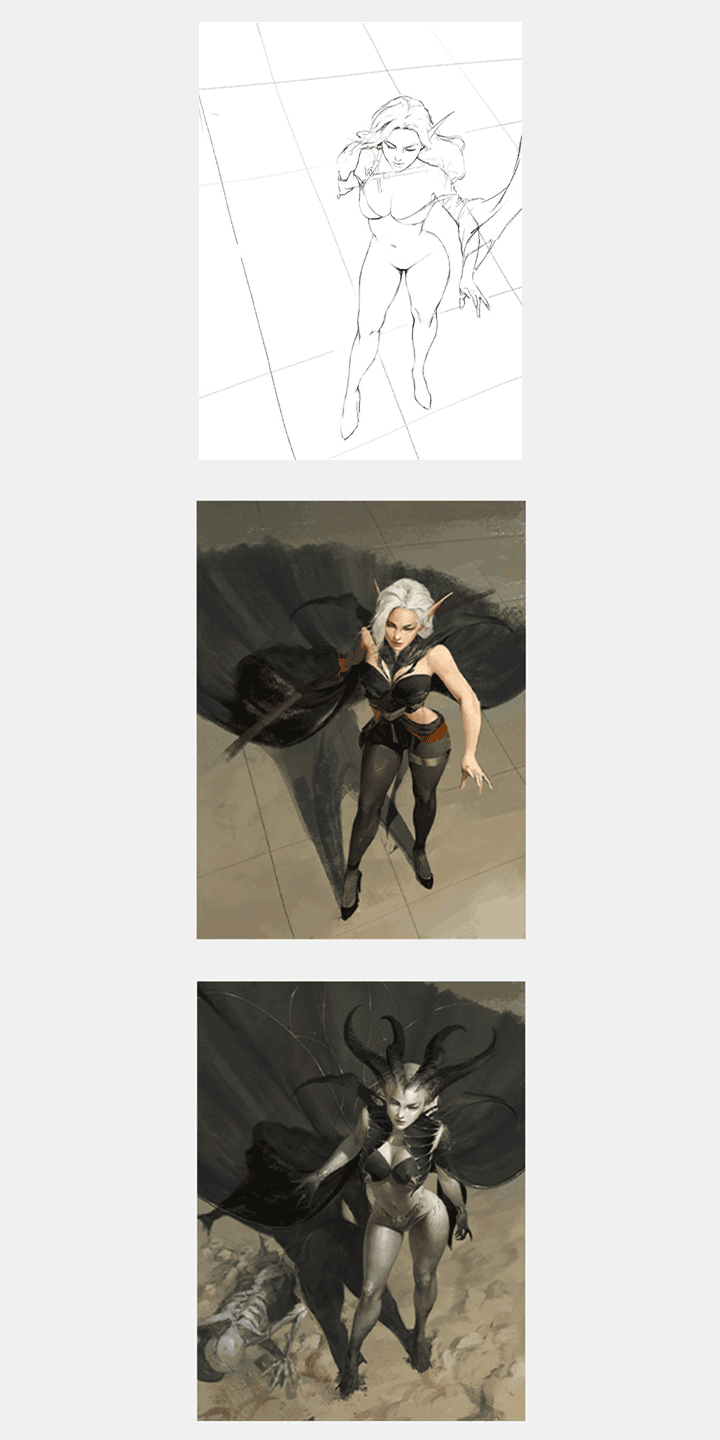
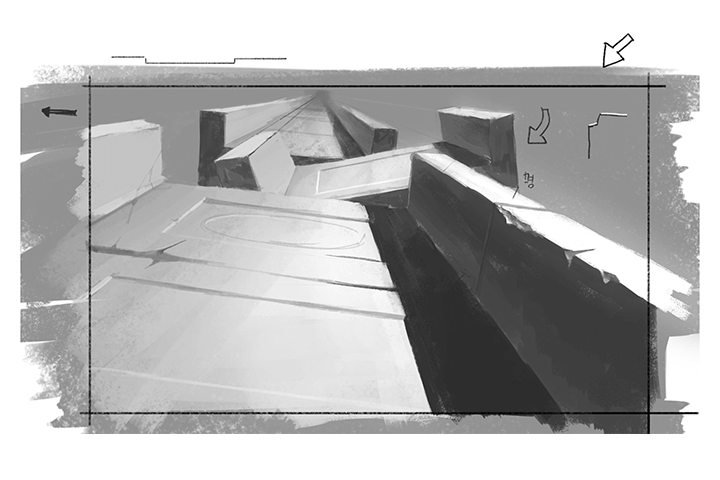
Mastering Realistic Stereoscopic Principles: Simplified Formulae
All characters exist in a single space, even if they are imaginary. Learn about perspective and vanishing points, and how to use the formula for vanishing points to easily understand and create a sense of space without distortion.
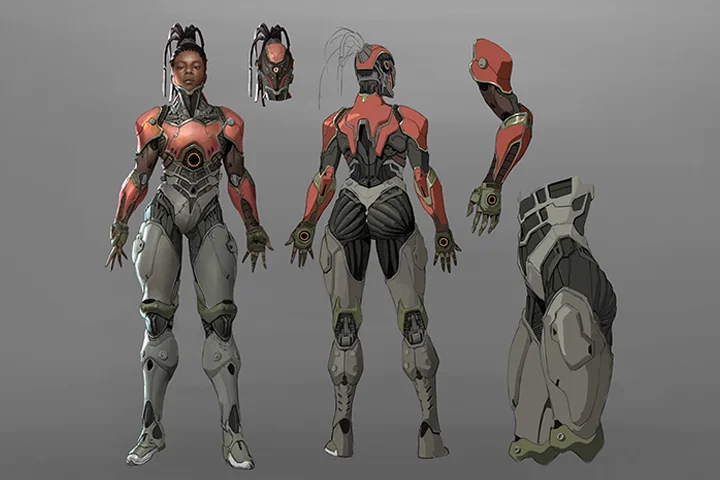
Unlocking Realism: Masterful Coloring Techniques
To quickly master realistic coloring expressions, we use glazing techniques and understand light and dark to color our characters. You’ll also learn the crucial materialization techniques that beginners should know to improve the quality of their illustrations.
Class Details
You'll Learn
-
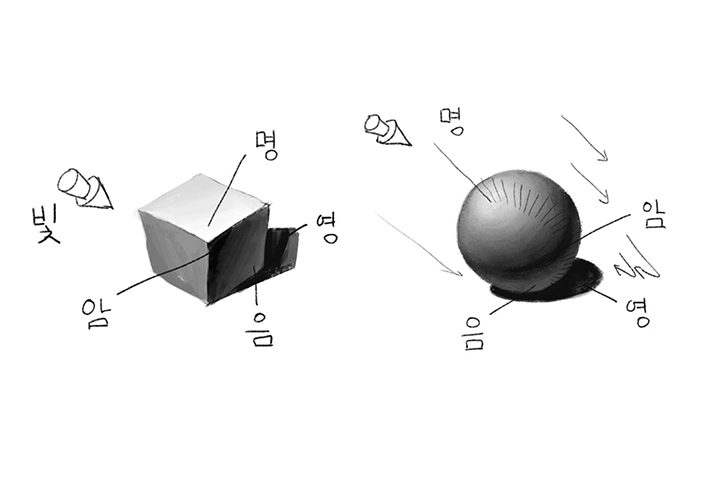
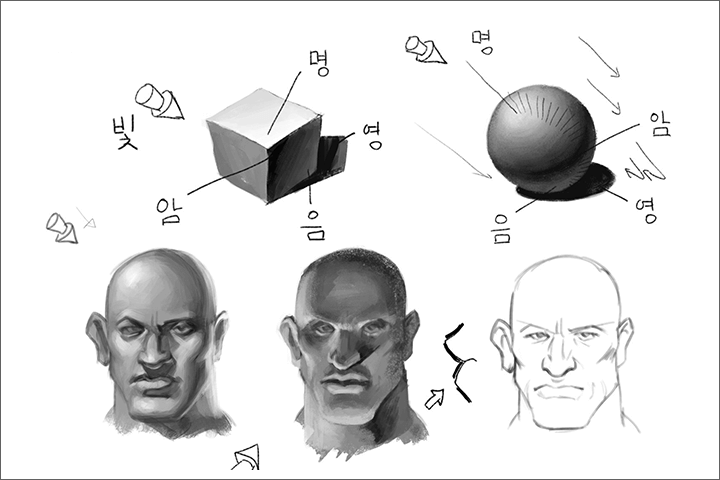 Basic Principles of Realistic Expression: Light and Dark ContrasttBecause light and dark exist in the real world, you need to have realistic knowledge of contrast for realistic painting. Learn how light is applied to simple to complex shapes.
 -
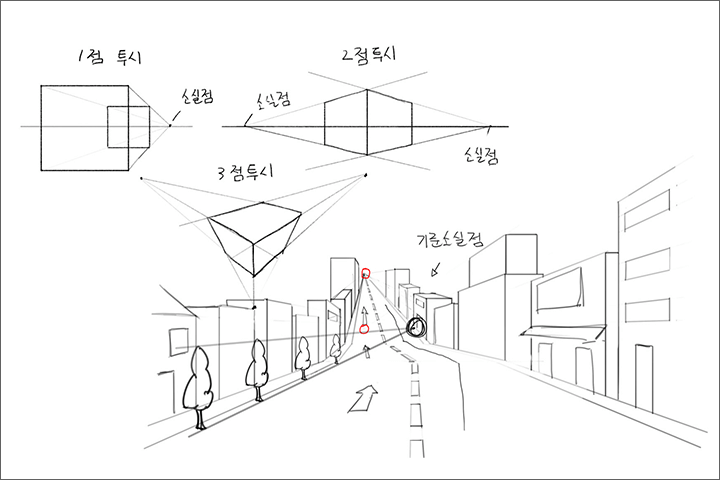 Learn Empathic Expressions with FormulasThere are physical laws in the real world that can be formalized and applied to drawings. Learn how to simplify perspective and vanishing points to create a three-dimensional sense of space and apply it to a character.
 -
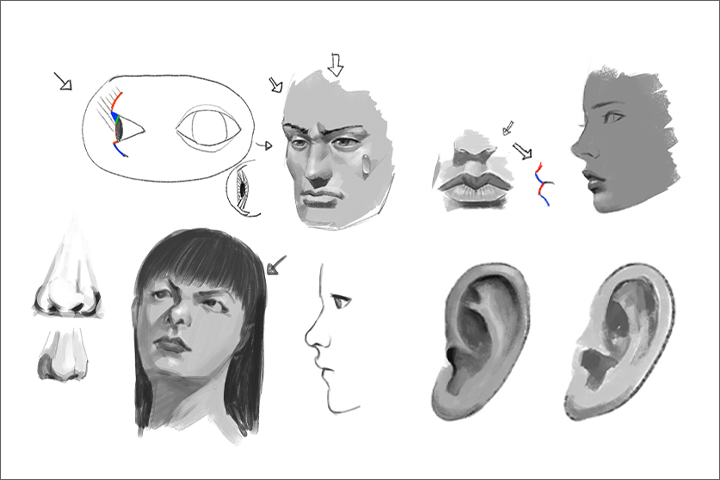 Learn the Core Structure of the Human BodyBecause realistic expressions depict the human body realistically, we’ll take a look at the most important facial structures—eyes, nose, mouth, and ears—one by one, as well as the structure and expression of the upper and lower body.
-
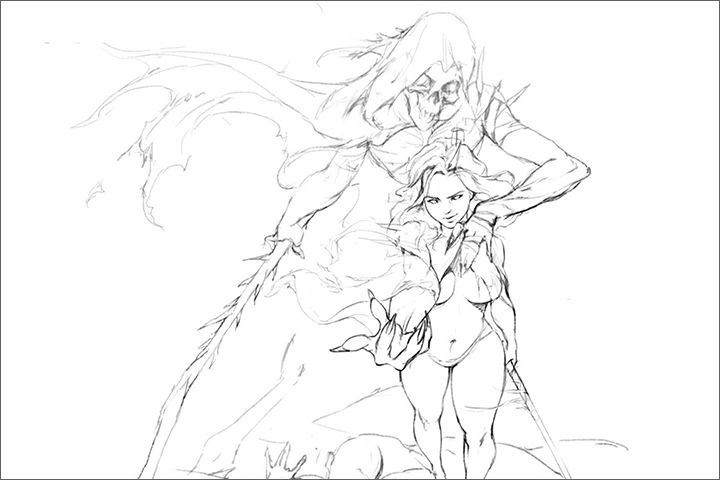 Sketching with a Sense of MassIf you don’t incorporate a sense of mass in the sketching stage, subsequent coloring will be difficult and may not result in a realistic representation. As such, you’ll learn to sketch out a plan for the drawing you want to complete.
 -
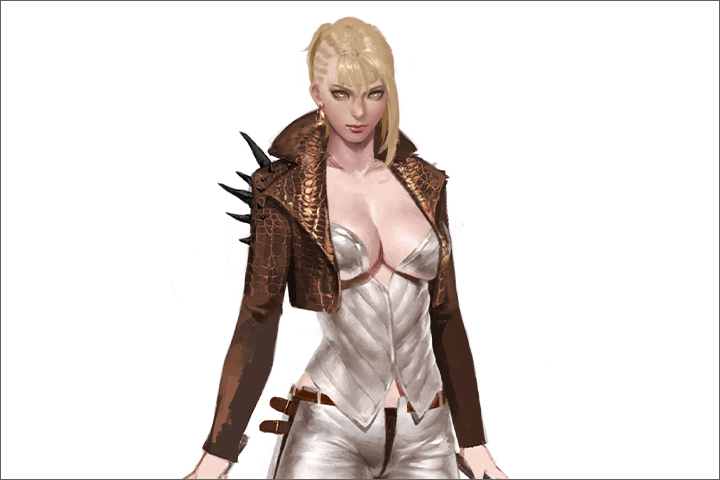 A Realistic and Natural Way of ColoringBecause clothing has color and textural characteristics, such as wrinkles, that distinguish it from the body, you’ll learn how to color the human body and clothing for realistic and natural expressions.
 -
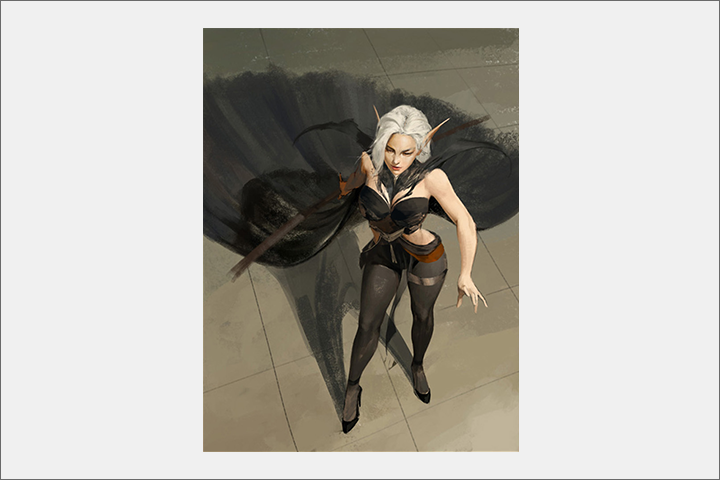 Perfecting Realistic Character IllustrationsApply what you’ve learned to produce a quality photorealistic character illustration, reflect on what good design looks like, and assess where you want to go from here.
- Unlimited Access
- Best Price
Buy now, get unlimited access.
12/31 (Sat) (UTC-7) Special offer ends soon.
This special offer ends soon.
Buy now and save!
Curriculum
Curriculum
In-Depth Look
SECTION 01. Intro
01. Introduce the lesson and set strong goals
- Present a study guide for beginners
- Author introduction
- How to lay out and utilize course curriculum
- A comprehensive understanding of realism
SECTION 02. Contrast and Sketching for Realistic Expressions
02. Finishing the key aspects of light and darkness
- Understanding light through simple shapes (circles, squares, etc.)
- Understanding light through complex shapes (like the direction of facial light)
03. Finishing the key aspects of the sense of space
- Where and how vanishing points occur
04. Spatiality also has a basic formula.
- Try expressing space with vanishing points.
- Small rooms, stairs, offices
05. Finishing faces with realistic expressions 1
- Core anatomy knowledge for realistic expressions
- Face (overall facial proportions and expression)
- Eye and eyeball shapes and expressions
- Nose structure and expression
06. Finishing faces with realistic expressions 2
- Understanding the anatomy of the lips and ears
- Practice the expressions of the lips and ears
07. Ending the body of realistic representations 1
- Understanding the structures of the arms and legs
- Practice the expressions of the arms and legs
08. Ending the body of realistic representations 2
- Understanding the structure of the torso
- Practice the expressions of the torso
SECTION 03. Understanding and Practicing Realistic Drawing – Drawing
09. Sketching realistic expressions
- Understanding and approaching sketching
- The sense of mass should be reflected from the sketch.
10. The sense of mass also has a basic formula.
- Plan a drawing with just the sketch, and try grabbing a chunk of it.
11. The sense of mass is important for realistic expressions.
- Sketch out the details of a character’s outfit and express the design according to the volume in detail.
12. In the end, realistic characters exist in space.
- Try placing characters in a space at different angles
SECTION 04. Understanding and Practicing Realistic Painting – Coloring
13. Realistic coloring know-how – Glazing
- Expressing ambivalence using glazing (Face)
- Expression ambivalence using glazing (Full body)
14. Finish coloring the face
- Dense coloring for realistic expressions
- Understanding rimless and line (sketch) coloring
- Dense coloring (Face)
15. Finish coloring the torso
- Why coloring doesn’t show personality
- Why torso coloring is unnatural
- Full-body coloring
16. Finish coloring the outfit
- Why costume expressions don’t look natural
- Putting an outfit over a body
17. Finishing the realistic materials core – Skin
- Bright and dark expressions in skin reacting to light
- Different colorations of skin
- Representing the softness of a woman’s skin texture
18. Finish the essentials of common material expressions
- Understanding material expression in realism
- Cloth, leather material expression
- Steel material expression
19. Other common material expressions
- Texture expressions of various animal skins and other materials
- Watery skin texture
- Rough, scarred skin texture
20. Studying design
- The logic of what good design is
- What is a good design for real practice
SECTION 05. Realistic Portfolio Image Exercises
21. Character illustration complete! – Planning and sketching
- Hands-on, step-by-step character creation using knowledge from the lecture
22. Character illustration complete! – Drawing
- Hands-on, step-by-step character creation using knowledge from the lecture
23. Character illustration complete! – Coloring and finishing
- Hands-on, step-by-step character creation using knowledge from the lecture
* The release date of this class, curriculum images, and associated content can be changed without prior notice.
** Class videos may be separated for a more streamlined viewing experience
Interview with
Illustrator Bangku An

Question.01
What are your strengths/differences
as an illustrator?
Throughout my time in the industry, I’ve worked on many art genres, both realistic and stylized, but my main focus has been on the realistic style. I think they do a great job of making imaginary things seem real to a large audience. They also have the knowledge to represent realistic styles so that they can handle different painting styles with a touch of stylization.
Question.02
What is the most important part of clothing coloring?
I think coloring is vital so that the idea of “this is clothing that goes over our body” feels natural. It wouldn’t make sense if we were wearing clothes and armor, and they looked to blend with our skin. Beginners often have a harder time representing these areas, as well as the wrinkles of clothes and the shape of armor.
Question.03
What difficulties do prospective students encounter?
Many of you have tons of ideas, conceptual ambitions, and characters and worlds you want to portray, but they’re all floating around vaguely in your head, and you’re not really able to draw them the way you want. You might be having trouble drawing a character that doesn’t look like a real person and doesn’t have any sense of light and dark, despite the fact that you’ve made them light and dark.
Question.04
What kind of help would this class provide the students?
We’ll guide you from drawing characters, or anything else, that doesn’t look the way you envision it and feels awkward to mastering basics like contrast and spatiality so that you can create realistic expressions. We’ll also work together to create a realistic character, from sketching to drawing, coloring, and finishing.
Required Programs
This course will use Adobe Photoshop CC. Please purchase and install these program(s) for an optimized course experience.
*These programs and/or materials will not be provided with the course.
Recommended
Recommended Class
Like this class?
Then check these out!