ComicArtist,HiroshiFukuda_후쿠다히로시_福田宏 Details
Intro
Class Intro
Comic Artist, Hiroshi Fukuda
Learn how to draw realistic action comics from a veteran comic artist.
Create Incredible Action Comics
Through Careful Storytelling Techniques
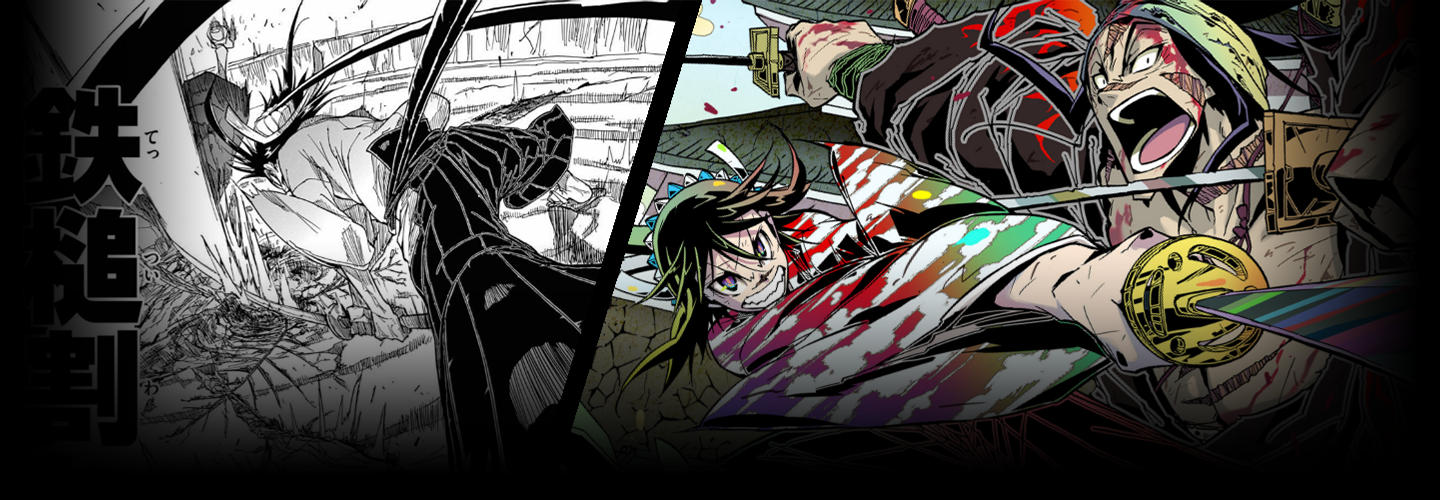
Comic artist Hiroshi Fukuda has an extensive career of more than 14 years, during which he created many manga serials, including his masterpiece Joujuu Senjin!! Mushibugyo, and others that have been adapted into anime.
Learn from a step-by-step lecture about the key aspects of comic production, including storylines, character creation, frame layout, and action scenes. You’ll also pick up essential points to create a captivating narrative.
Learn from a step-by-step lecture about the key aspects of comic production, including storylines, character creation, frame layout, and action scenes. You’ll also pick up essential points to create a captivating narrative.
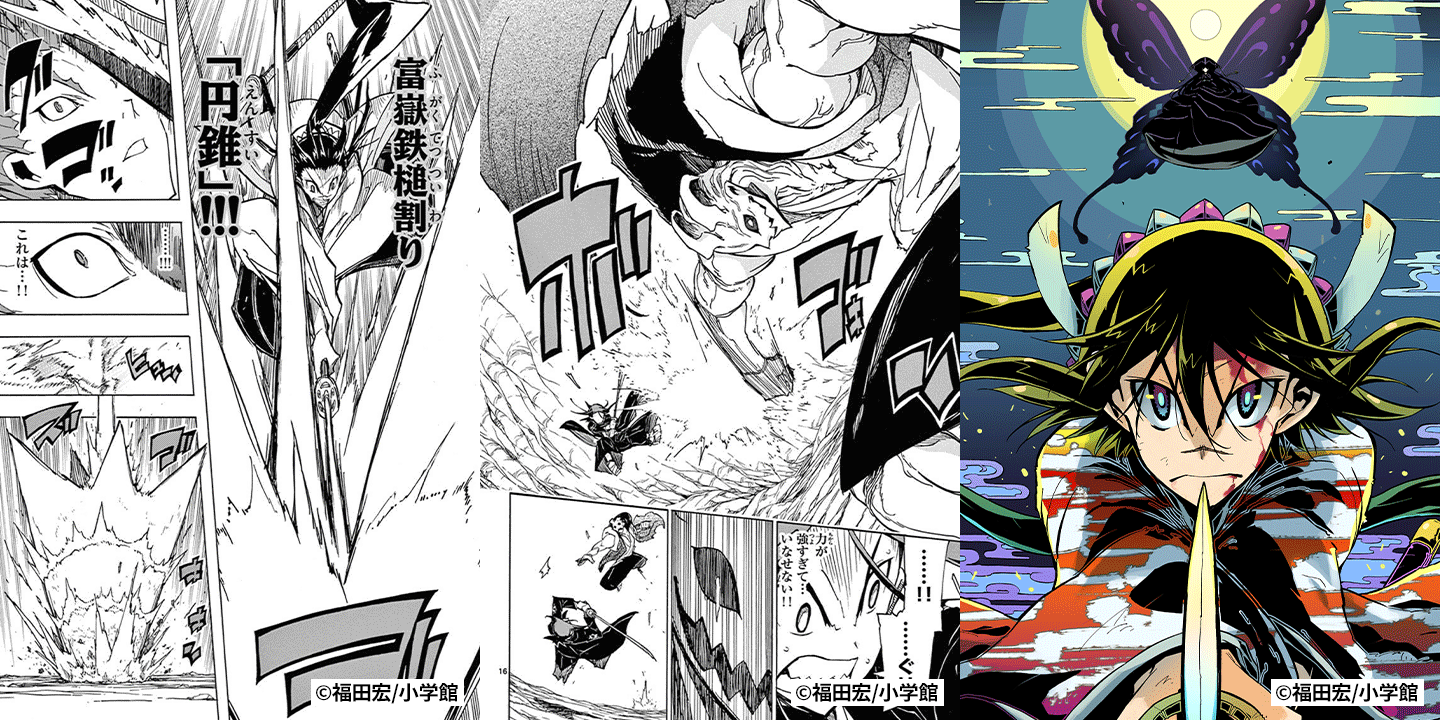
Go into detail about the roles of plot and story, how to create a story, and how to split frames for easy reading, using a 32-page storyboard prepared for this class.
Develop practical skills essential for creating action, such as knowledge of composition, and perspective to guide the reader's eye, dynamic brushstroke techniques, how to draw sound effects, and making characters’ movements come to life. Experience his comic expertise at Coloso!
Develop practical skills essential for creating action, such as knowledge of composition, and perspective to guide the reader's eye, dynamic brushstroke techniques, how to draw sound effects, and making characters’ movements come to life. Experience his comic expertise at Coloso!
Class Perks
Get These Coloso Exclusives
-
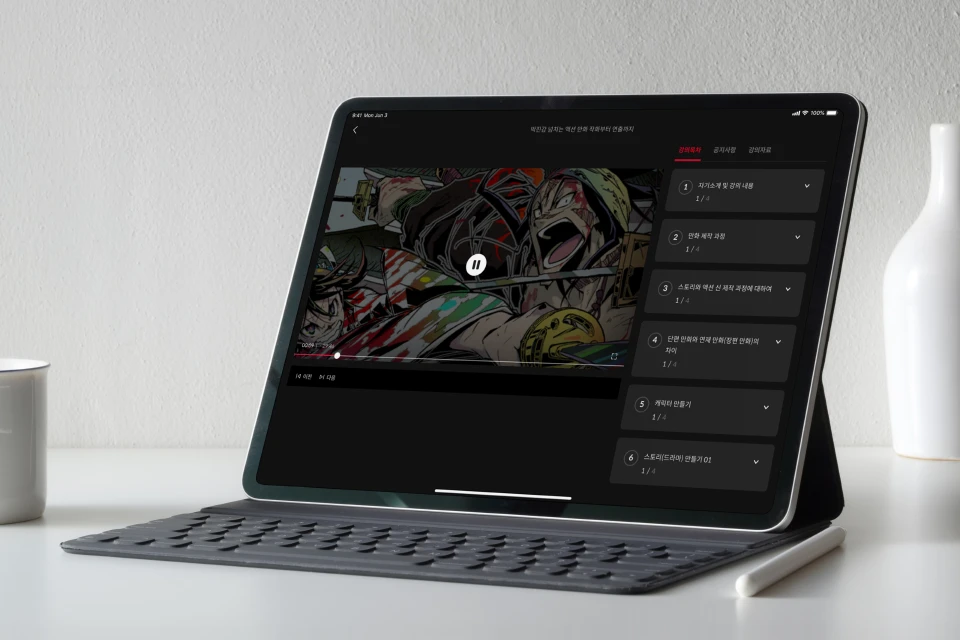
Unlimited Access to All 21 Classes -
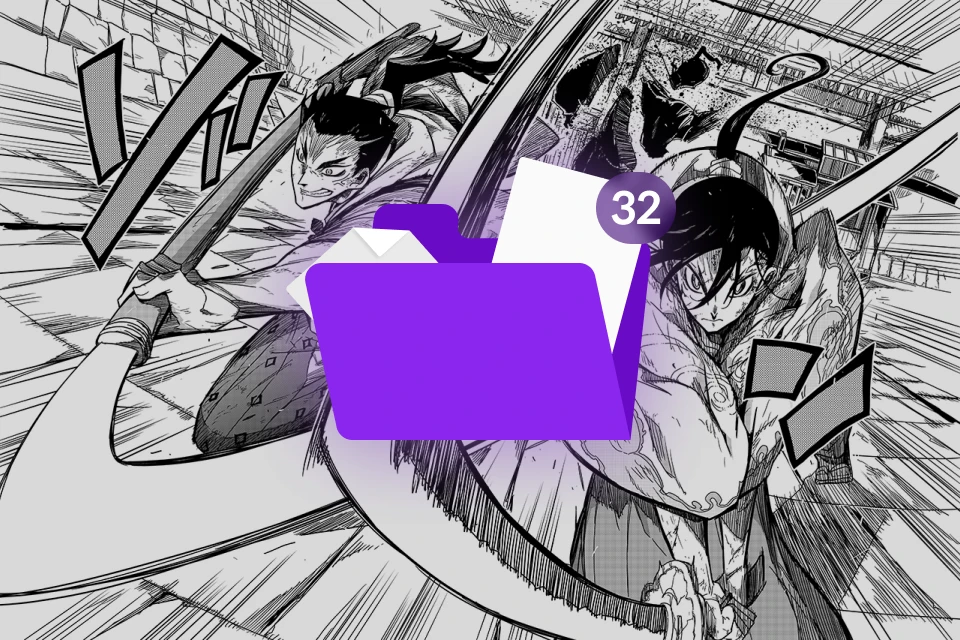
Material Files Used in Class Exercises -
Sample Reference Files
Class Material Details
-
 Storyboard files to practice drawing comic storylines- 2 Sample storyboard files (.pdf)
 -
 Reference files from a comic episode- 50+ sample pages from a comic (.jpg)
Expert Comic Artist Hiroshi Fukuda's Portfolio
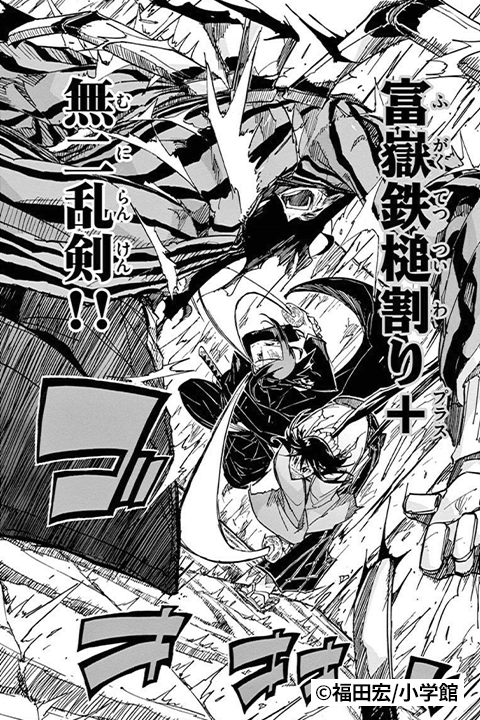
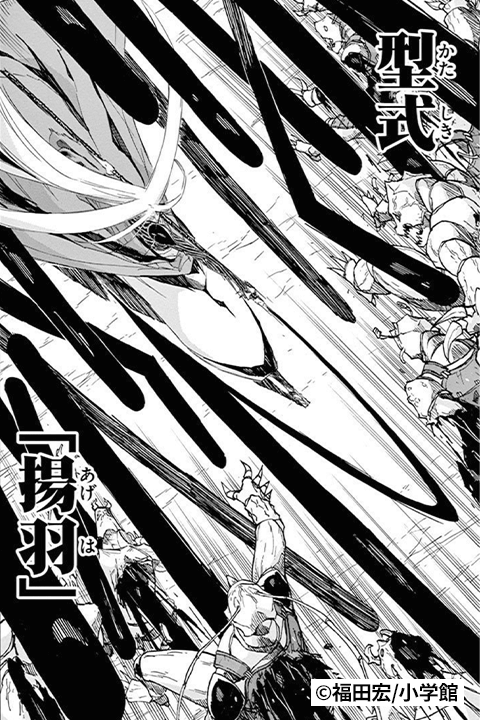
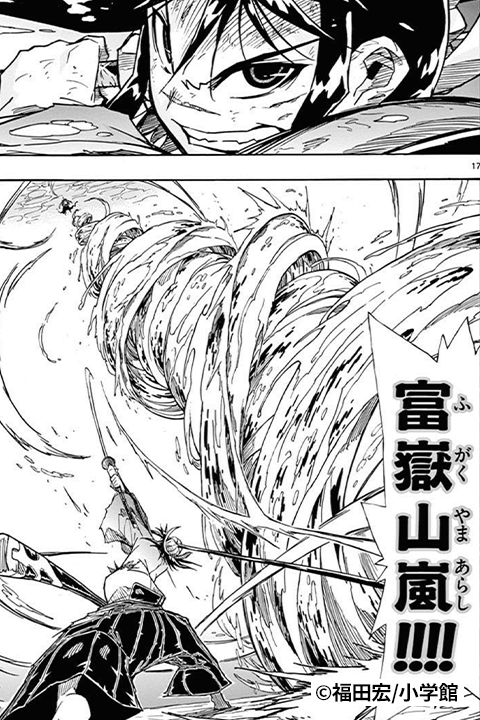
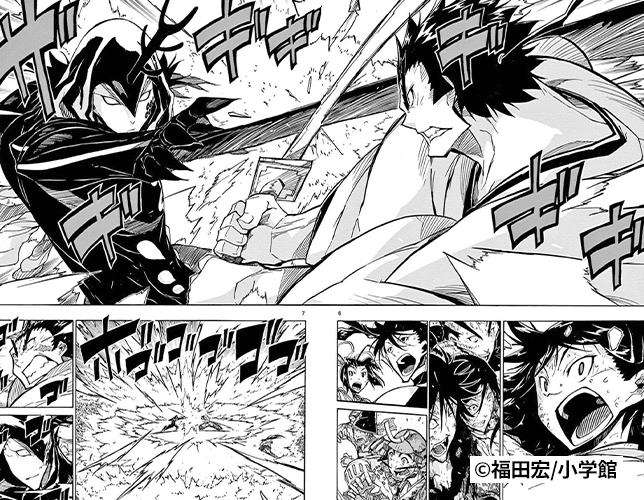
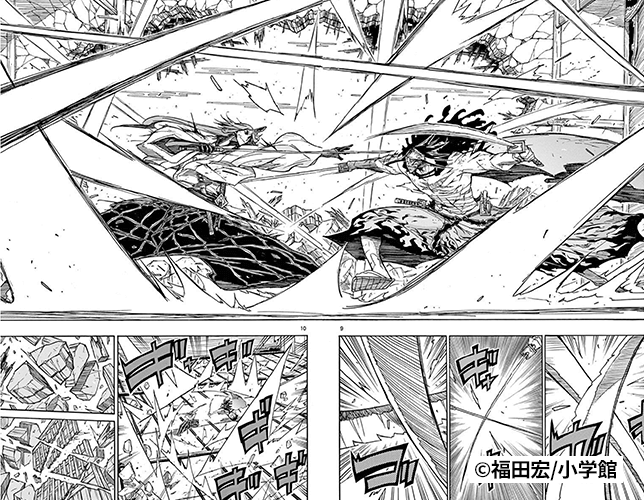
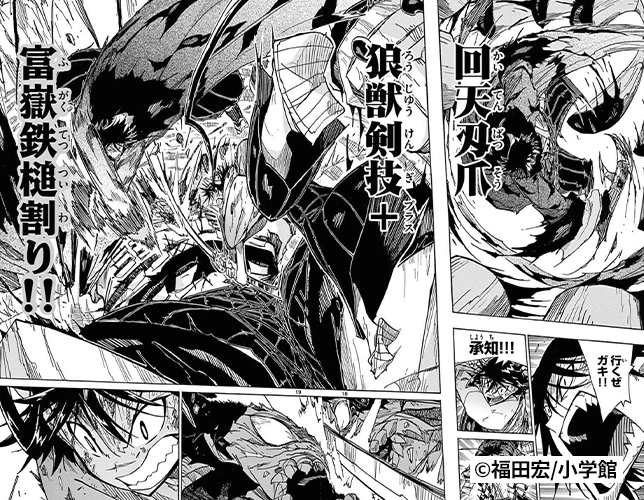
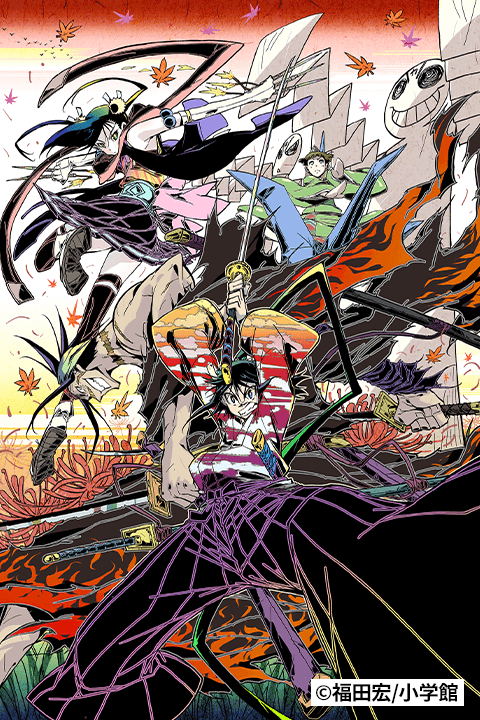
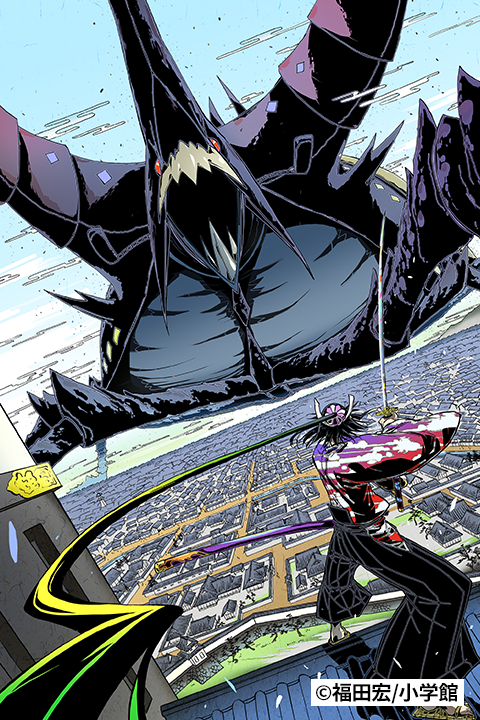
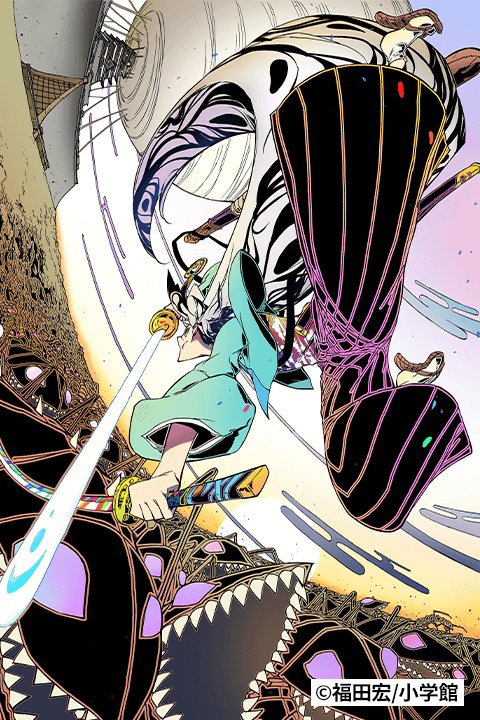
8 Class Exercises
-
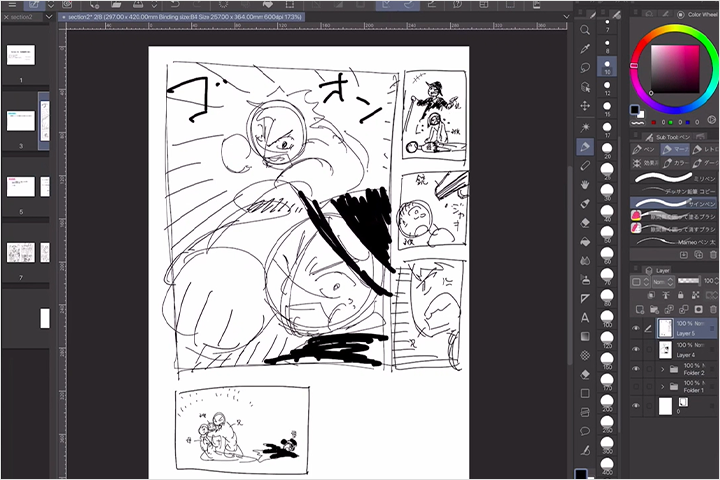 Understanding plot and storyboard
 -
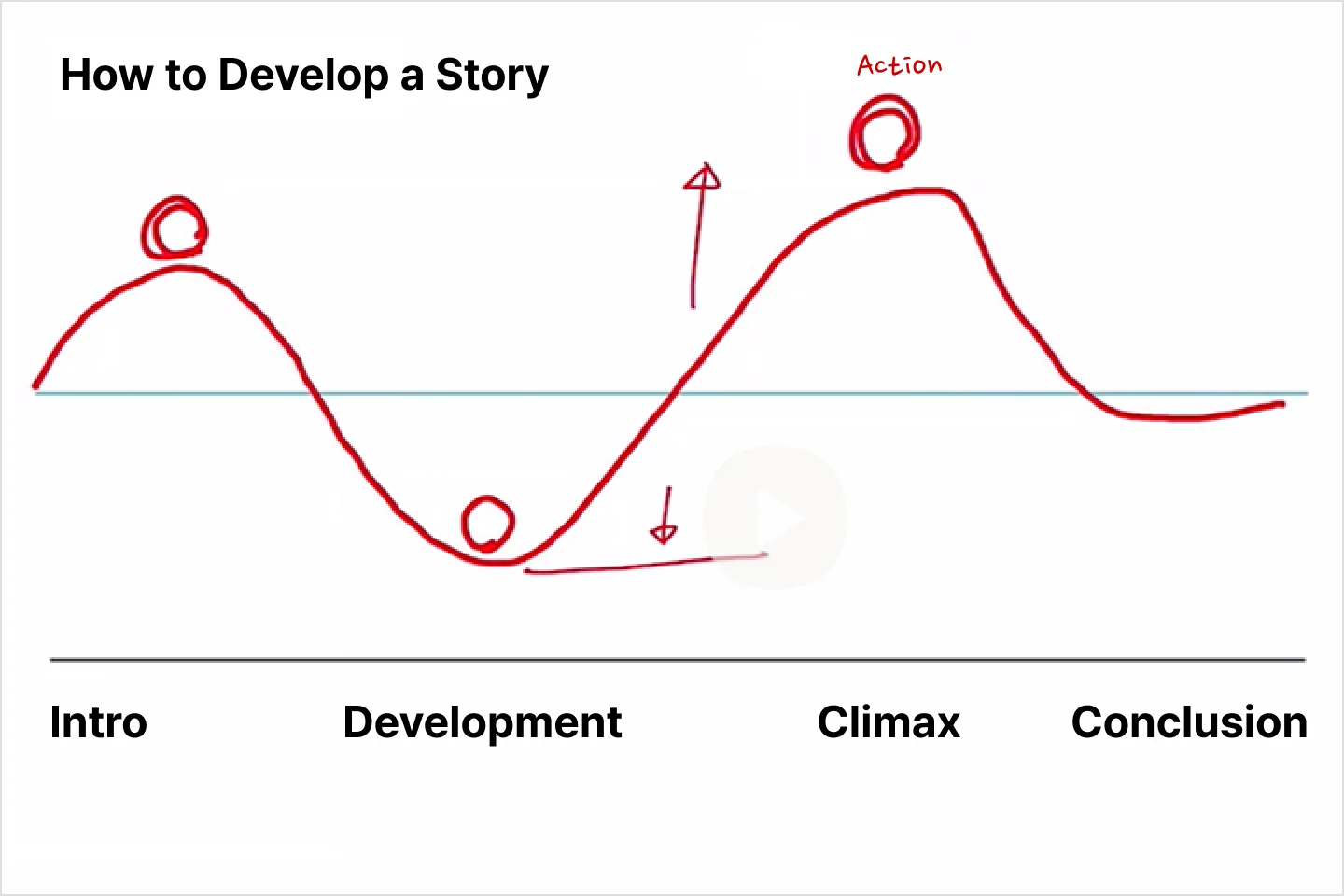 Story creation
 -
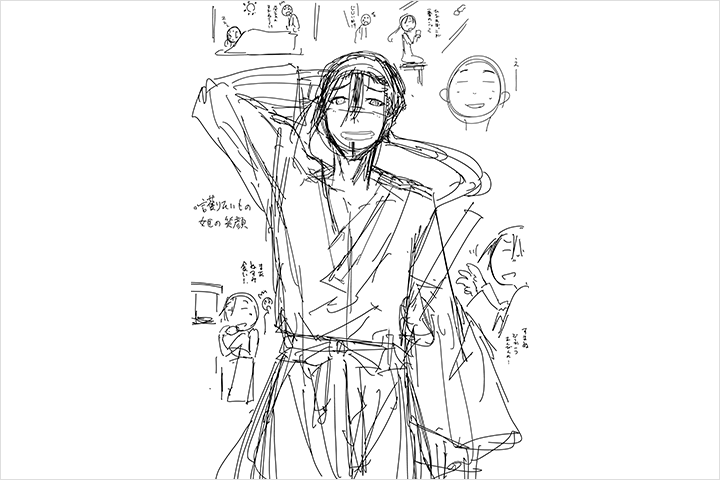 Character design
 -
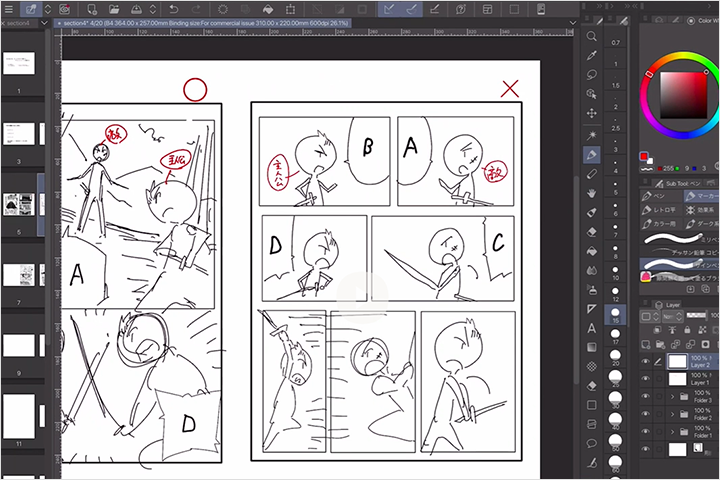 How to divide panels to draw action comics
-
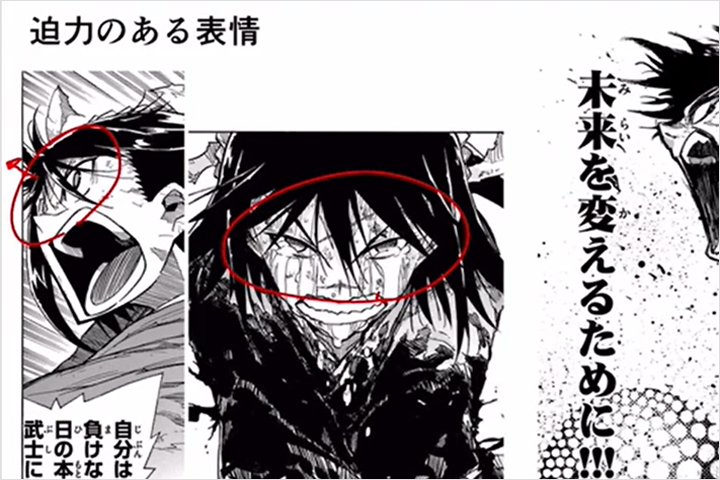 Dynamic facial expressions
 -
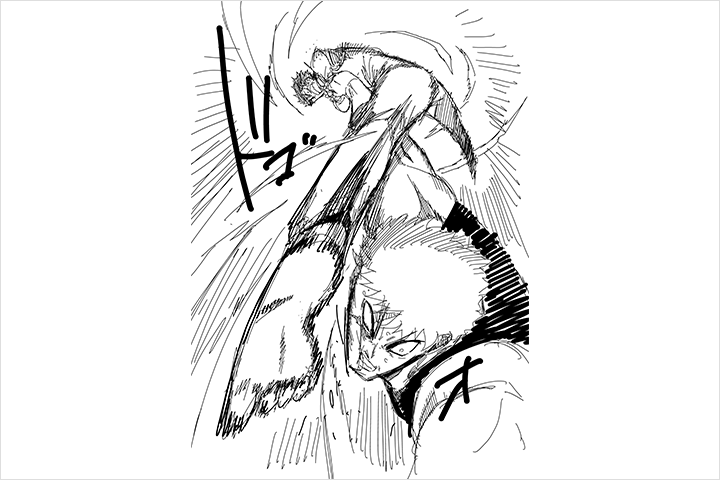 Action scene production
 -
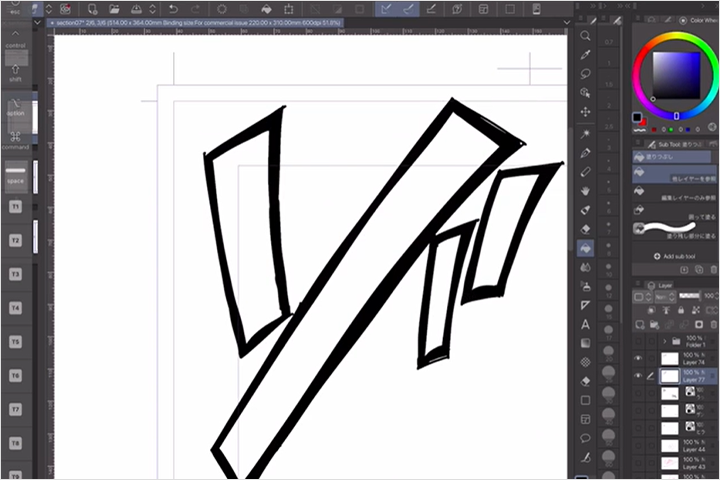 How to draw sound effects
 -
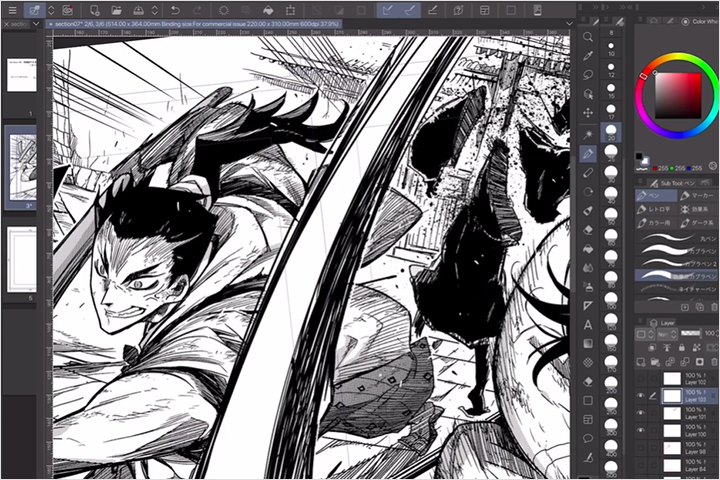 Finishing touches with white
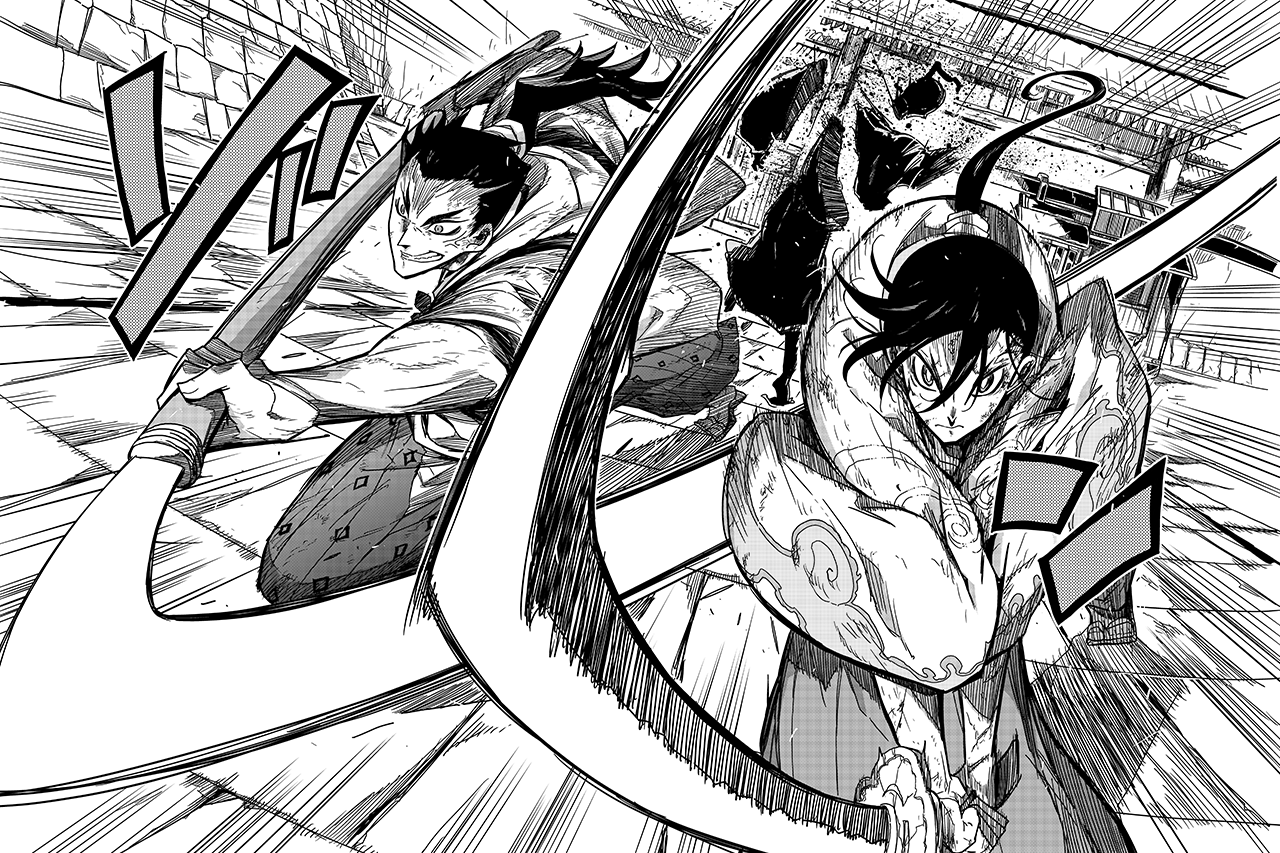
Final completed work
Instructor
Comic Artist
Hiroshi Fukuda
Hello, everyone. I’m Hiroshi Fukuda, a Comic Artist. I actually didn't intend to become a comic artist at first.
After failing in my previous job, I decided to explore a career on my own, which led me to pursue comics.
Under the guidance of Kazuhiro Fujita, I trained for seven years and became the fifth chief assistant for Karakuri Circus.
In 2009, my serial Mushibugyo debuted in Weekly Shonen Sunday Super.
It was later relaunched in Weekly Shonen Sunday in 2011 as Joujuu Senjin!! Mushibugyo, and spanned 32 volumes.
Mushibugyo was adapted into an anime in 2013.
In 2018, I began the serial 5-fungo no Sekai in Weekly Shonen Sunday, which was completed in seven volumes.
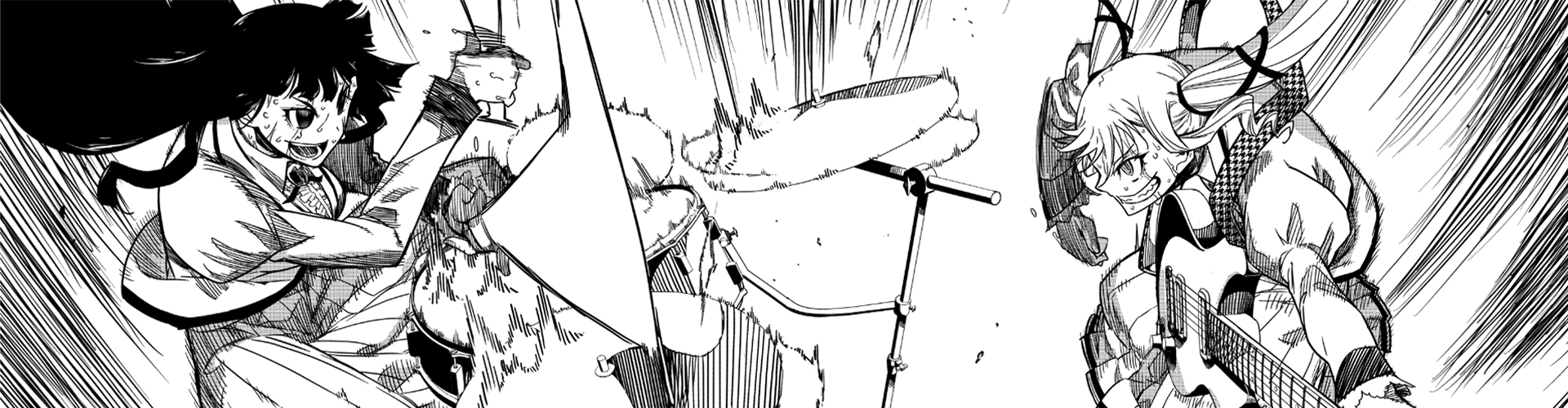
My latest work, Rock Is a Lady's Modesty, has been running in Young Animal since 2022.
My comics are known for their easy-to-read, energetic action scenes, intense drama, cool guys and cute girls, and giant enemies.
I have prepared this class to share my knowledge and techniques with you.
I hope you enjoy it.
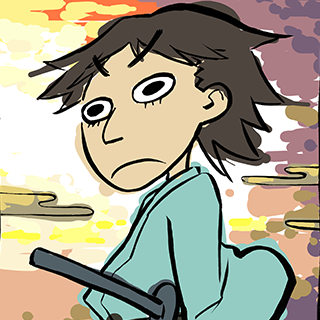
Comic Artist,
Hiroshi Fukuda
[Current]
Comic Artist
Projects & Awards
2022 Young Animal: Rock is a Lady's Modesty serialization begins
2018 Weekly Shonen Sunday: 5-fungo no Sekai serialization begins (seven volumes)
2013 Joju Senjin‼ Mushibugyo made into an anime
2011 Weekly Shonen Sunday: Joju Senjin‼Mushibugyo serialization begins (32 volumes)
2009 Weekly Shonen Sunday: Mushibugyo serialization begins (three volumes)
Highlights
Class Highlights
Create Engaging Action Scenes That Grab Readers’ Attention
To develop a captivating composition, it is essential to consider the reader’s perspective rather than solely focusing on your own artistic vision. By utilizing perspective to guide the reader's gaze in accordance with your intent, you can develop a dynamic composition. Hiroshi Fukuda is a renowned expert in drawing powerful comics, and he’ll demonstrate how to create a rough sketch of an action scene.
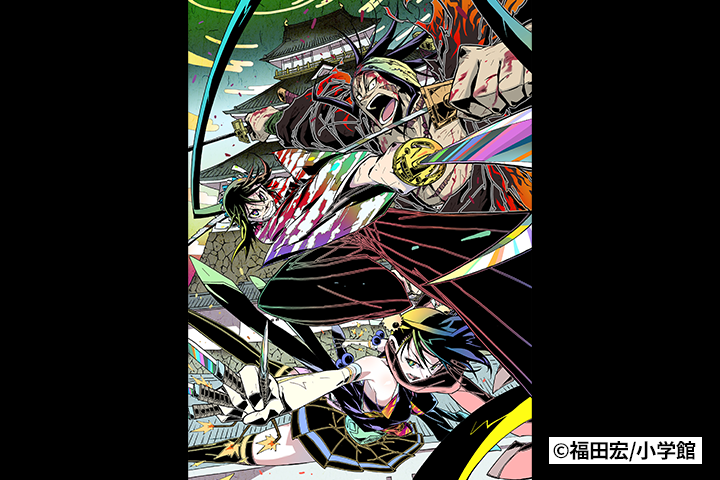
The Secrets to Compelling, Easy-to-Read Stories
To create stories that draw your audience in, it is crucial to understand what moves them emotionally. In this class, you’ll learn how to enhance your storytelling abilities and create narratives that resonate with your readers. Begin by learning the key elements of a good story, including the drama required for storytelling and how to improve the accuracy of your tales. Additionally, you’ll be introduced to the concept of story composition and development and learn how to create a sense of anticipation using an example comic strip.
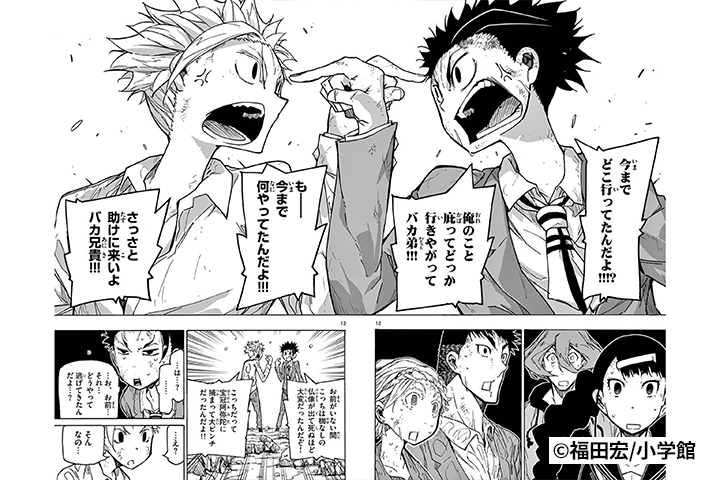
Character Creation With a 32-Page Storyboard
Learn how to create an appealing main character through hands-on study. You’ll start by using a plot created for the class and produce a 32-page storyboard, which is equivalent to one comic episode. During this process, you can further explore character images and action scenes, helping you acquire skills necessary for creating engaging comics.
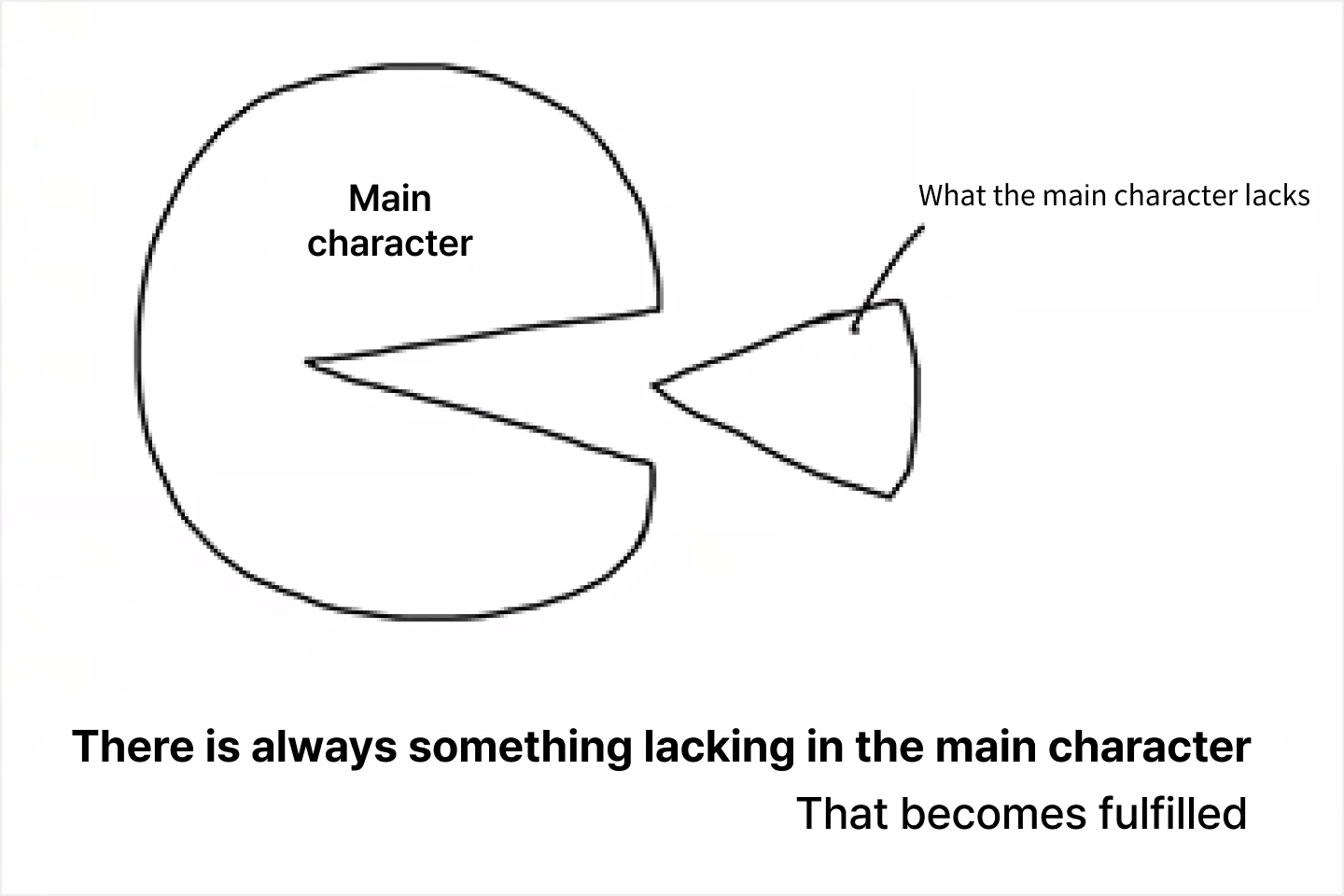
Class Details
You'll Learn
-
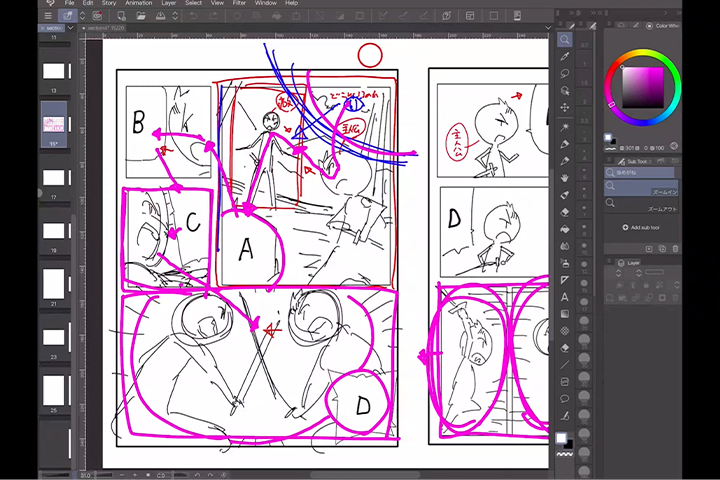 Important Elements of Panel LayoutWhen dividing a comic into panels, it's crucial to select a suitable layout that ensures readers can easily follow the story. A layout that is easy to read helps to involve the reader in the story by accurately conveying the pace of the narrative. To achieve this, you’ll be shown how to deal with tempo, camera angles, image framing, and other essential techniques.
 -
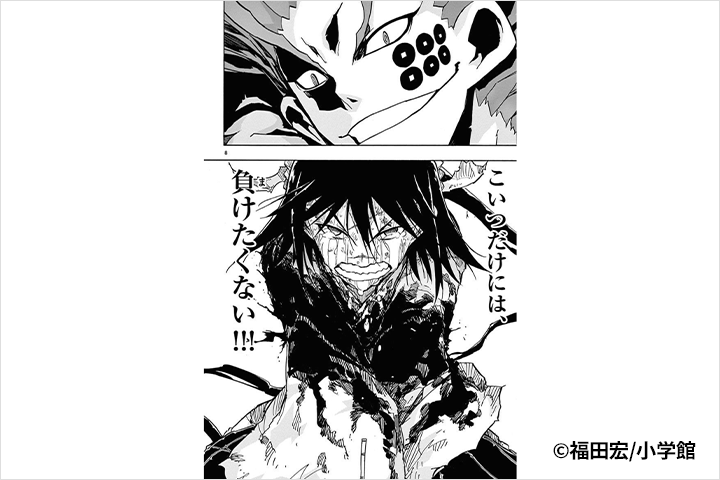 How to Create a Character That Readers LoveIn order to create engaging comics, it is essential to have appealing characters. You’ll learn by studying popular characters and examining what makes them likable and well-developed. You will also delve deeper into your own characters and create effective designs for them.
 -
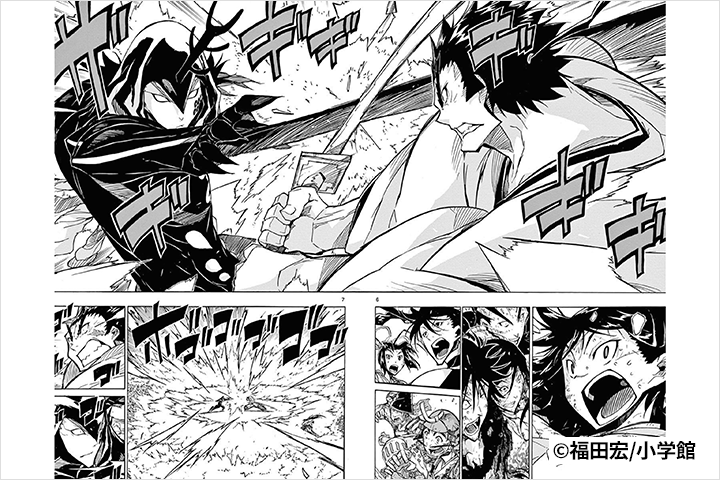 Creating a Plot That Connects to the Theme of the WorkCreating a plot is the foundation of comic production. This class will help you see why plot creation is important and explains the key elements of plot in a simple and easy-to-understand manner. You will also get a chance to enhance your knowledge of the process by writing captivating plots that showcase action-packed scenes.
-
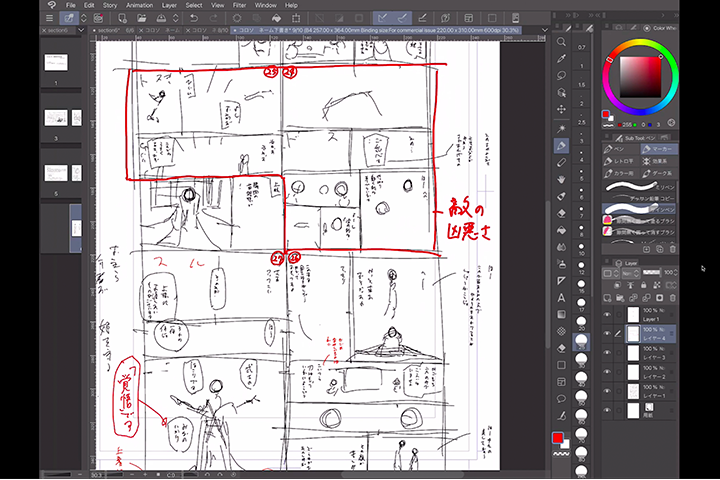 Make a One-Episode, 32-Page StoryboardThe section will begin by defining what a storyboard is, and then explain why it is significant. Next, you will be guided through the process of creating an effective storyboard for your plot. After that, you can examine the 32-page storyboard that Hiroshi Fukuda designed specially for this Coloso class. Analyze the action sequences in detail and see how to structure images, choose a point of view, and convey action scenes effectively.
 -
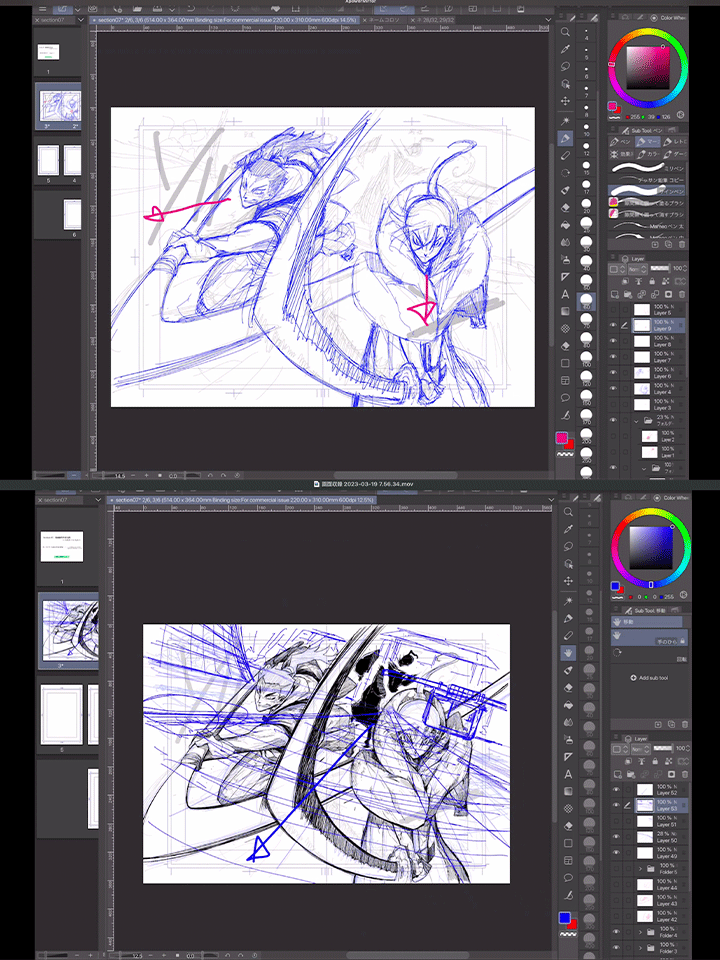 Techniques for Drafting Dynamic PagesIf you want to give your character a sense of movement, it's important to give your art energy and not tighten up while drawing. In this class, you'll learn how to draw lines to make the story more realistic, how to position characters, and how to use perspective to create a sense of space. You'll also learn how to create backgrounds that will make your characters stand out.
 -
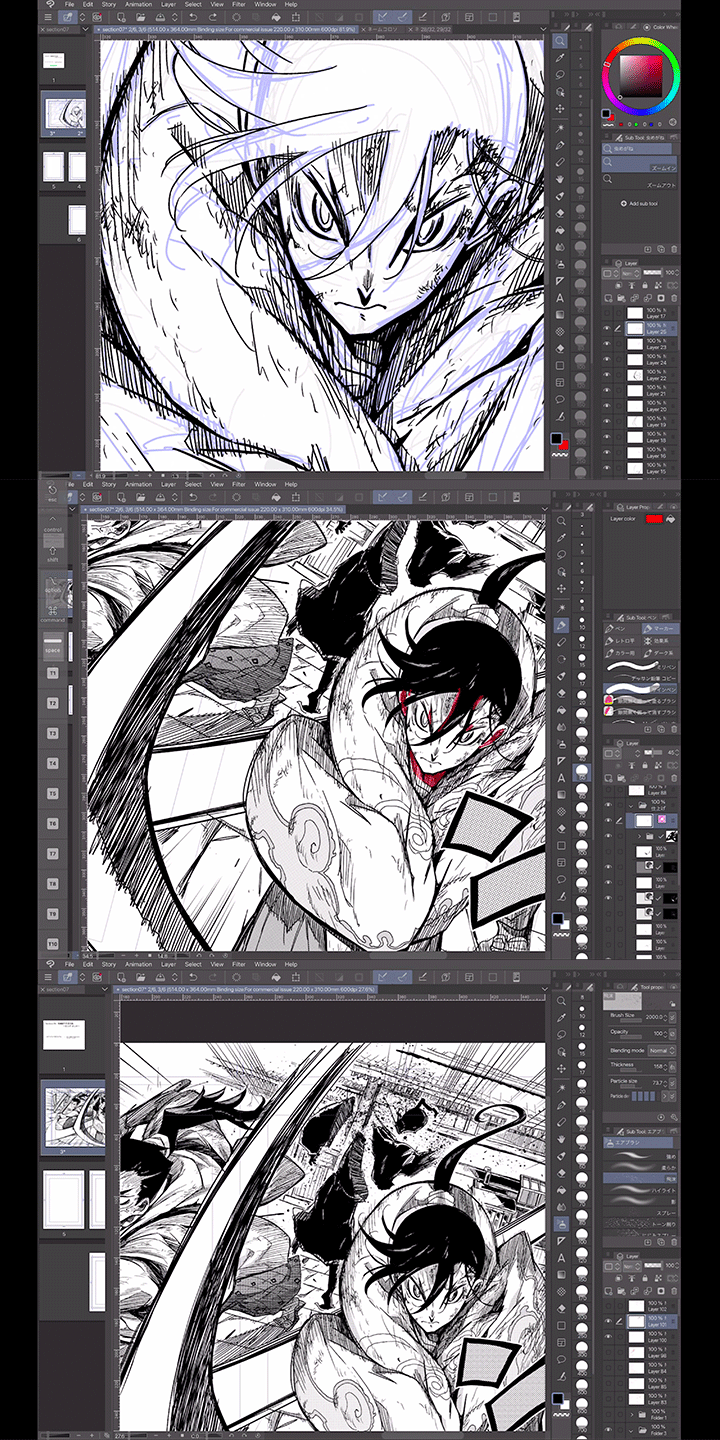 Step-by-Step Demonstrations from Inking a Pencil Sketch to FinishingIn a black and white comic, it's important to establish a distinct world using only line and text. You’ll experience creating unique comic expressions, from inking a pencil sketch of the characters to drawing sound effects to using speed lines and screentone. Finally, you’ll learn how to use a white brush to depict the flow of air and dust.
- Unlimited Access
- Best Price
Buy now, get unlimited access.
10/26 (Mon) (UTC-7) Special offer ends soon.
This special offer ends soon.
Buy now and save!
Curriculum
Curriculum
In-Depth Look
SECTION 01. About the Class
01. Introduction and Class Overview
- Class objectives and plan
- Self Introduction
- Life as a professional comic artist
SECTION 02. Comic Production Workflow
02. Comic Production Workflow
- About the types of comics taught in this class
- The seven steps in the comic production process
- Story development
03. The Process of Story and Action Scene Creation
- About the plot
- About storyboards
04. Differences Between Short Story Comics and Long-Form Serial Comics
- Different approaches to storytelling
SECTION 03. How to Create a Character-Centered Story
05. Character Creation
- The importance of characters in comics
- How to create a character (internal)
- Character modeling (external)
06. Story (Drama) Creation: Part 1
- What is a story that attracts people?
- Thinking about drama
07. Story (Drama) Creation: Part 2
- Consider details from the overall story creation
SECTION 04. Frame Layout and Action Scenes in the Storyboard
08. How to Create Frame Layouts and Storyboards
- Make a story from the plot and divide the frames
- How to divide panels to draw action comics
- Frame layout and guiding the reader’s gaze
09. How to Draw Action Scenes With Impact
- Creating a composition utilizing the frames
- Dynamic facial expressions
- Demonstration
SECTION 05. Practice and Production - Story Development, Character Creation, Plot
10. Story Development
- Direction of the story and output
11. Create a Character
- How to make the protagonist attractive
12. Writing a Plot
- Things to consider when writing a plot
- How to get readers to like the protagonist
- Thinking about theme and text that make the comic unique
SECTION 06. Practice and Production - Storyboard
13. Drafting Storyboards and Character Exploration
- Understand and confirm the overall flow
- Understanding the characters
14. Understanding Composition and Developing a Storyboard
- Adding final touches to make the story more engaging
- Being aware of the reader’s gaze and the tempo
SECTION 07. Practice and Production - Sketching and Inking
15. Things to Remember When Writing
- Keeping it lively
16. Inking a Pencil Sketch of the Characters
- Creating a world with lines
- Concerning the amount of detail
17. Using Backgrounds to Make the Most of the Character
- Perspective
- Addition and subtraction
SECTION 08. Practice and Production - Finishing and Summary
18. Outline and Filled-in Sound Effect Text
- How to draw sound effects
- Controlling the tempo using filled-in text for sound effects
19. Using Action Lines and Screentone
- Explanation of the effect of action lines (speed lines)
- Explanation of screentone
20. Finishing With White
- Enhancements, atmosphere, and dynamism
21. Summary
- Review and extra information
- A thank-you to viewers
*The release date of this class, curriculum images, and associated content can be changed without prior notice.
** Class videos may be seperated for a more streamlined viewing experience
Interview with
Comic Artist, Hiroshi Fukuda

Question.01
What are the strengths of this class, and what sets it apart from other classes?
I have a reputation for being able to draw intense action comics with thoughtful drama, and I hope I am able to convey my methods and logic. I made a 32-page story for this class to teach you how to write emotional, engaging action. It aims to evoke tears, laughter, anger, and ultimately hope, bringing readers closer to the characters. I believe that the special feature of this class is that it delivers a large volume of difficult-to-teach subjects. I had never drawn until I was 18 years old. I wasn’t talented or good at drawing, but my debut work lasted until volume 32 and was finally made into an animated TV series. I believe this is because I had the opportunity to learn for seven years as an assistant under Kazuhiro Fujita, author of Ushio and Tora, before debuting as a comic artist, and also because I had the passion to never give up drawing what I love. I made this class to help those who struggle with drawing comics.
Question.02
For those who are studying this field and considering taking this class, what do you believe is the most challenging aspect of the class? Furthermore, how will this class assist them in overcoming such challenges?
I created this course for those who feel like they can’t draw cool-looking action scenes, struggle to write good storylines, or don’t know how to make readers connect with their characters. I believe that all of these problems can be solved if you can visualize what you like. Not knowing where to start makes this hard. In the class, I’ll help you visualize what you like, and then dig even deeper. We’ll pin down your preferences and see how to incorporate them into your work. I’ll also carefully explain the logic of each assignment and help you keep up your motivation to draw.
Question.03
Do you have a message for prospective students?
I hadn’t drawn pictures or comics since I was a child, and I wasn’t a natural at it. But at 19, I pursued my dream of becoming a comic artist. I've completed two long-term serials, even though I struggled along the way. I understand that some people may feel discouraged and think that they can’t draw well, or that comics are difficult to finish and impossible to make a living from. I have experienced these feelings myself. But I hope that this class will encourage you to enjoy drawing comics, help you come up with ideas, and have more confidence in your ability. I might not be the best at conveying things, but I put all my heart into it. When I first started, I thought it was impossible for me to become a comic artist, but I had no other choice (laughs.) I was at a point where I had to make a living from comics. With the support of my mentor, Kazuhiro Fujita, and the people around me, as well as my love for comics, I was able to look forward and not give up. I had a dream that I wanted to realize with comics. I wanted to draw interesting comics like my favorite works and move the hearts of people who read them, like when I read comics as a child. If you have a love for comics and the techniques to express it, you can become a comic artist. That’s what I think, at least. I hope that this class will help you express what you love in comics.
Required Programs
This course will use
- CLIP STUDIO PAINT EX
Please purchase and install these program(s) for an optimized chapter experience.
*These programs and/or materials will not be provided with the chapter.
*Although it is possible to complete the class using the PRO version, we recommend the EX version to ensure a seamless learning experience.

Recommended
Recommended Class
Like this class?
Then check these out!