Coloso.

Search Input

Practical Tips to Kickstart Your Anime Production Journey

2D AnimatorHuang HsiangLin
  • Now Available


รายละเอียดคลาส

  • Now Available
  • ระดับพื้นฐาน
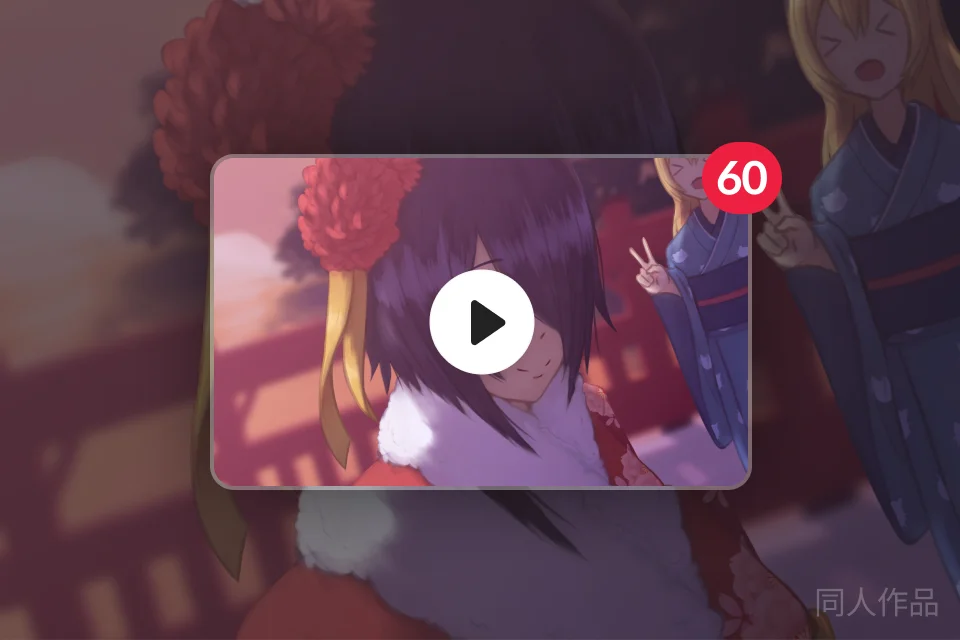
  • รวม 60 วิดีโอ, 32ชั่วโมง 21นาที
  • ภาษาจีนตัวย่อ
  • ภาษาอังกฤษ [เล่นโดยอัตโนมัติ]
  • -


[Dictionary]2danimator,huanghsianglin_ZH Details

รายละเอียดคลาส
สิ่งที่คุณจะได้เรียน

From Still Images to Moving Scenes

Learn the key principles that turn static illustrations into living, moving scenes. Through timing, rhythm, and posing, understand how professional animators design motion that feels natural and expressive.

Designing Characters That Move Naturally

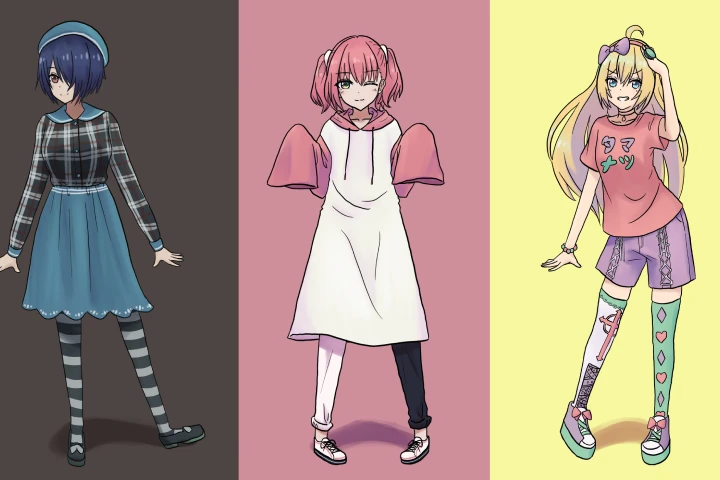
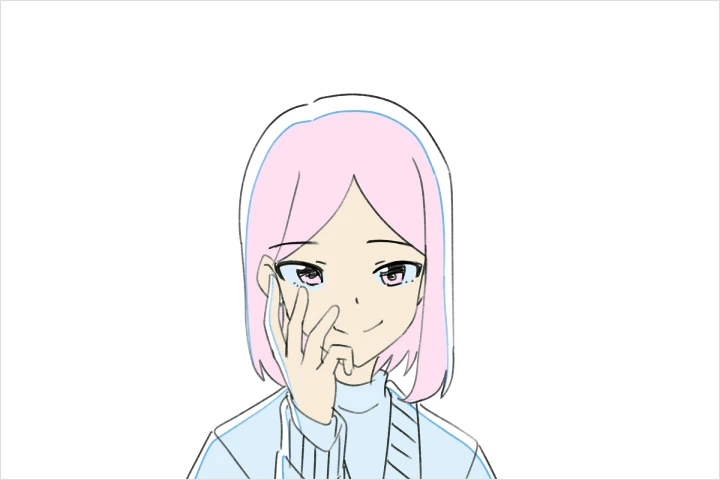
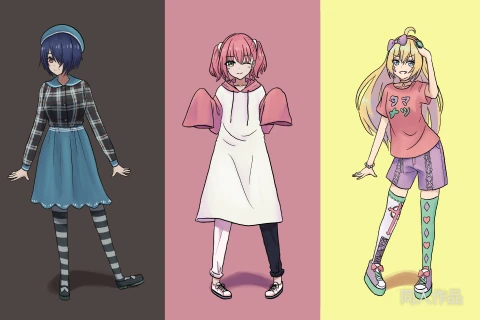
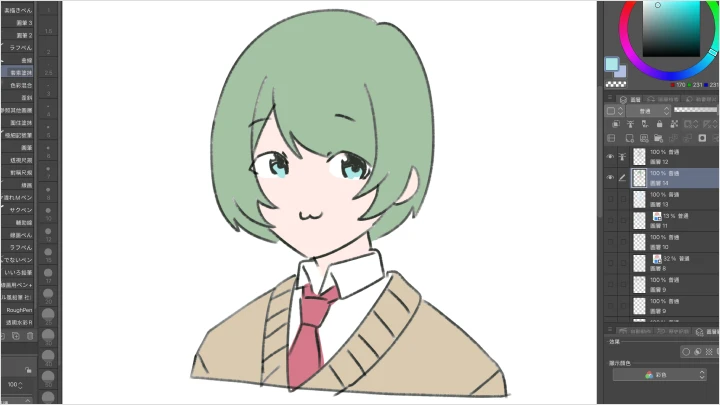
Build a foundation for movement-friendly characters with simplified drawing techniques. From facial proportions and body balance to gesture design, learn how to create characters that look natural both when still and in motion.

Expressive Details for Animation

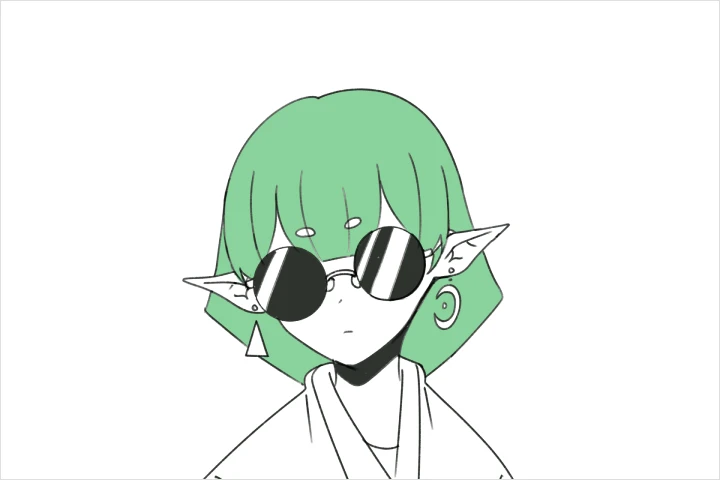
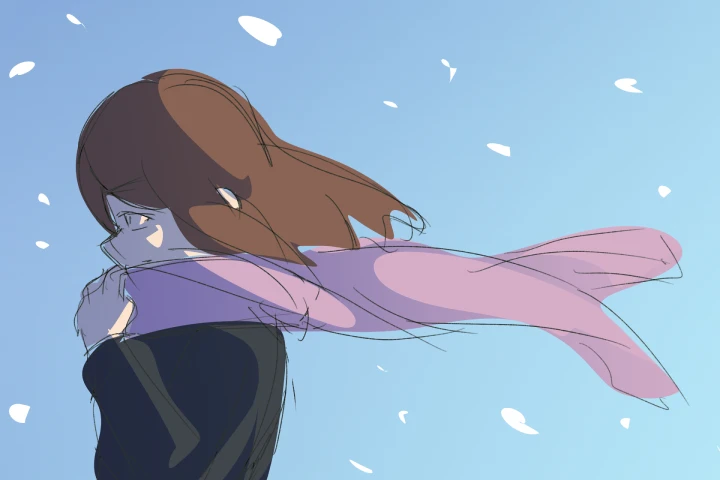
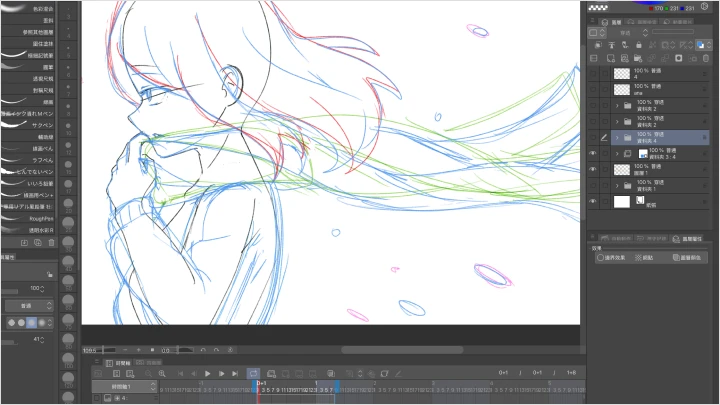
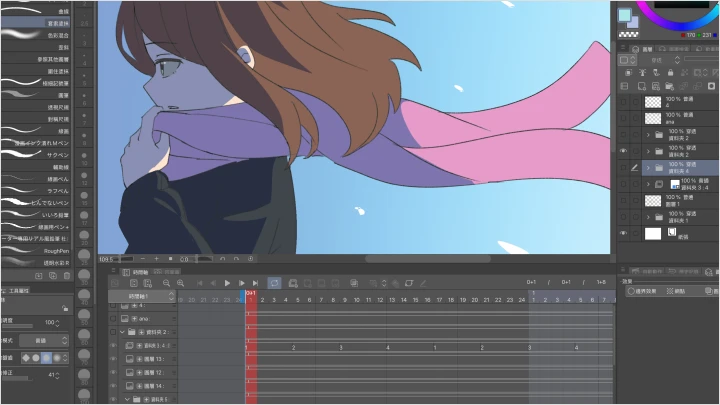
Go beyond basic shapes to express life through subtle movement. Master how to draw hair, fabric, and accessories that flow convincingly — preserving detail and personality even when the character moves.

Composing Scenes with an Animator’s Mindset

Learn how to think like an animator when building a single shot. From the first sketch to final composition, discover how framing, flow, and camera perspective create cinematic storytelling in your work.

<p><strong>Color and Light in Japanese Animation Style</strong></p>

Color and Light in Japanese Animation Style

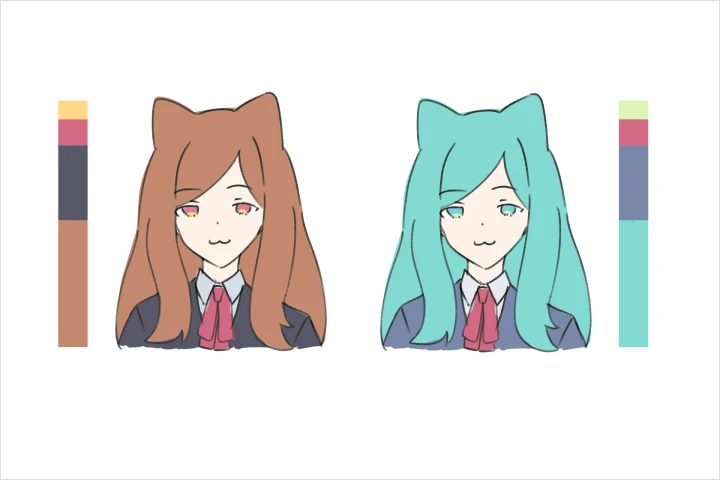
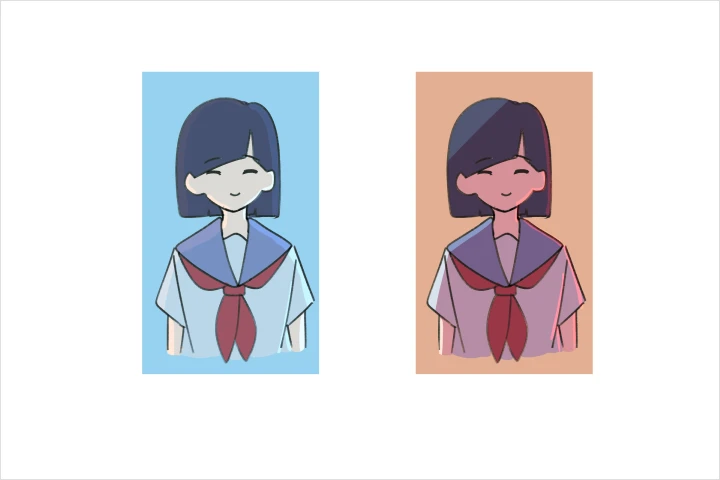
Understand the coloring logic behind the clarity and atmosphere of Japanese anime. Learn to control contrast, reflected light, and shading while using Clip Studio Paint to achieve clean and vivid color designs.

<p><strong>From Sketch to Completion: Your First Short Animation</strong></p>

From Sketch to Completion: Your First Short Animation

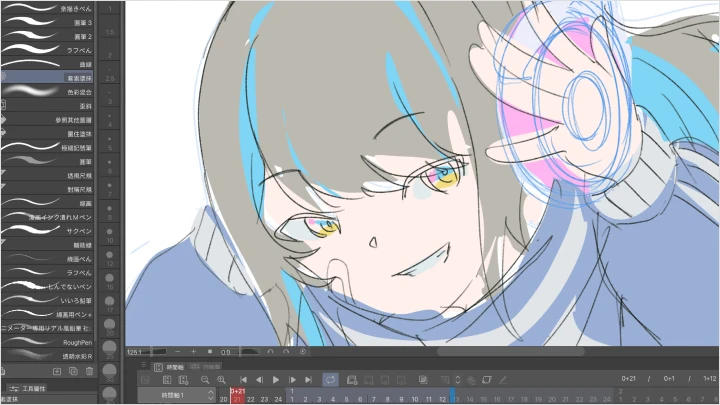
Follow the full animation production pipeline from line art to coloring and effects. By the end of the course, you’ll complete your first short animation — a portfolio-ready piece to share with the world.

แผนการเรียน
รายละเอียดหลักสูตร

Release (Ch. 1 - Ch. 60) : 2026. 03. 05. (UTC-8)

**Class release dates and content are subject to change without prior notice

English subtitles and translated materials will be provided within 60 days of the class release date.
※ Schedule may change due to production circumstances.

  • Section 01
    Preliminary Work
    curriculum_2danimator_huanghsianglin_zh01_1x.webp
    • 01. Self-introduction and Course Overview- Instructor background and selected works - What you’ll learn and how the course is structured

    • 02. Common Software and Drawing Equipment- Why I use specific software and tools - Common devices and their pros/cons

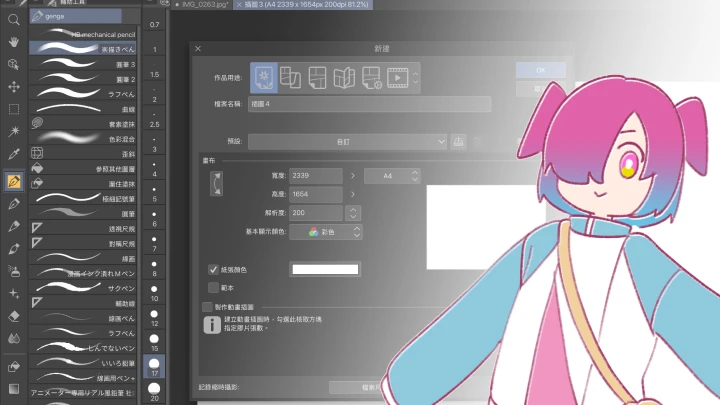
    • 03. CSP Brushes and Settings- Creating and selecting suitable CSP brushes - Explanation of CSP setup and interface layout

  • Section 02
    Anime Character Basics
    curriculum_2danimator_huanghsianglin_zh02_1_1x.webp
    curriculum_2danimator_huanghsianglin_zh02_2_1x.webp
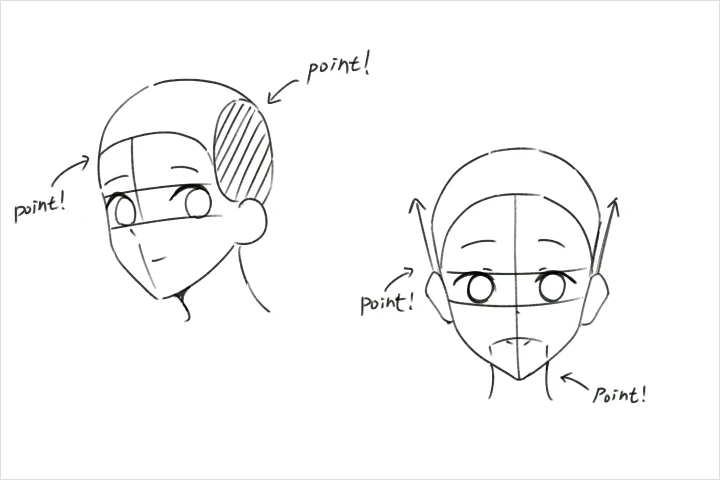
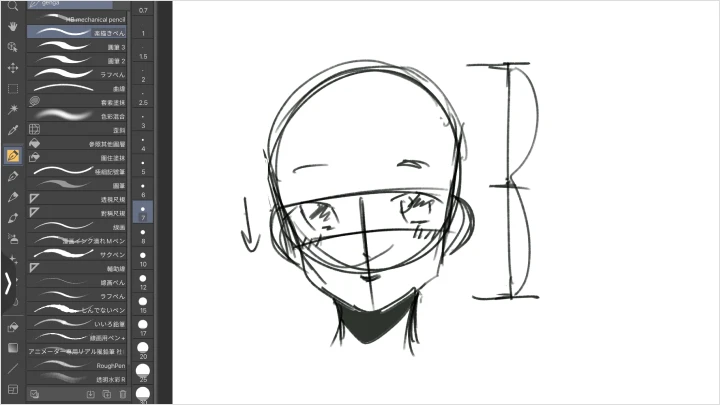
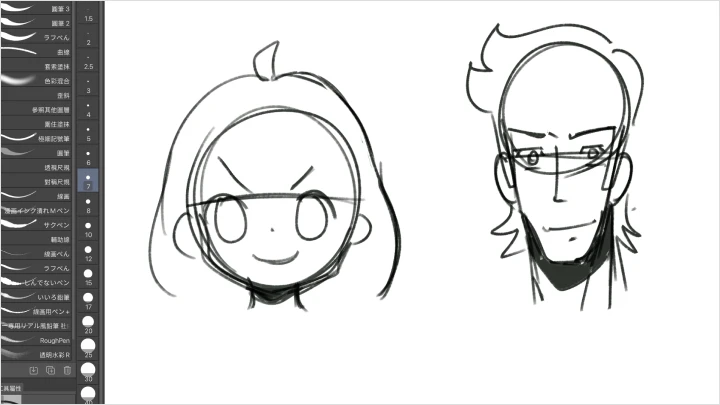
    • 04. Head Structure- Core head construction - Simplifying lines for an anime look - Basic head movement ranges

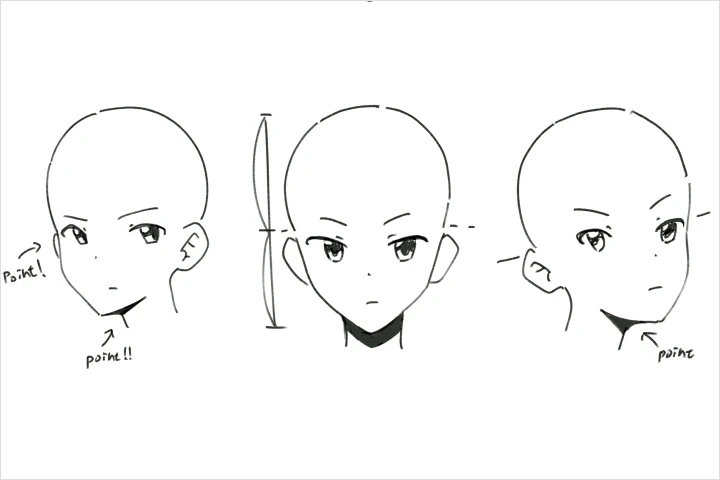
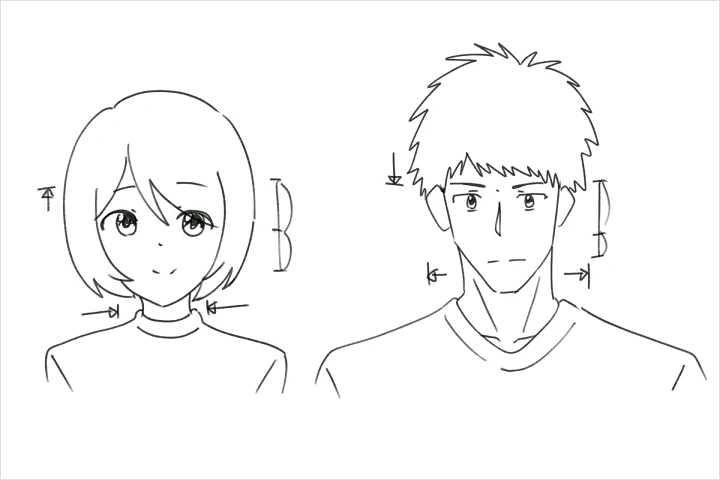
    • 05. Facial Proportions- Standard facial ratios - Common anime facial variations - Linking features to personality

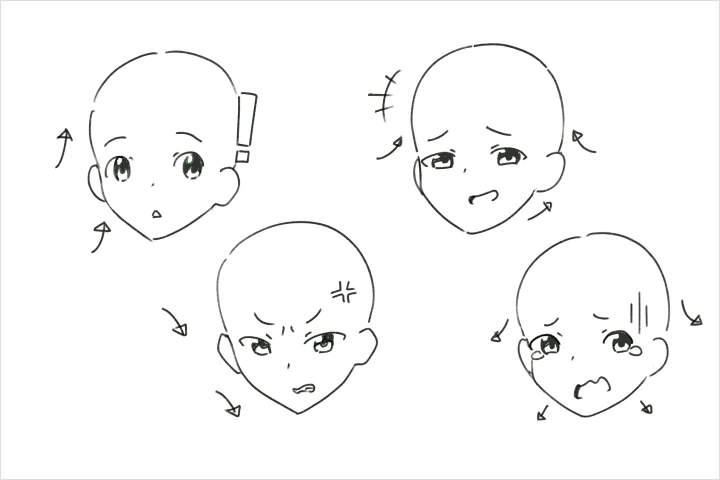
    • 06. Expressions- How features combine to create expression - Using positive/negative emotions - Fun “exaggerated” expression tips

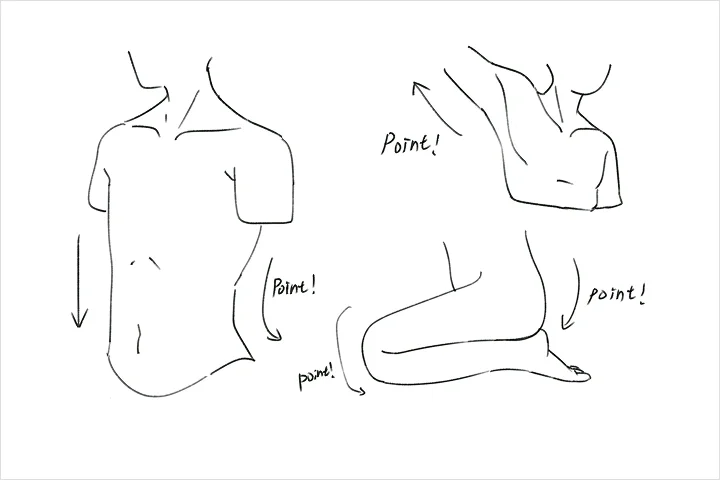
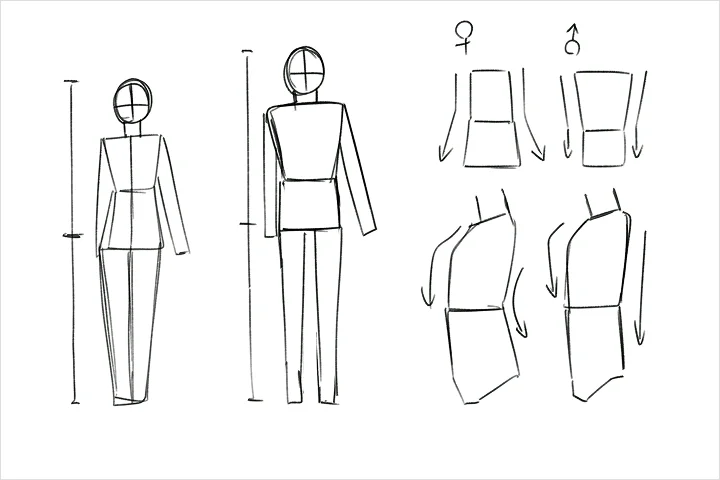
    • 07. Body Anatomy- Essential anatomy for beginners - Simplifying forms in an anime style - Key male/female differences

    • 08. Body Proportions- Proportion relationships by body part - Measuring and adjusting proportions

    • 09. Proportion & Drawing Style- Adjusting proportions for different styles - Using stylized proportions intentionally

    • 10. Male-Audience Style (Moe)- Common cute character ratios - Core “moe” elements and expression cues

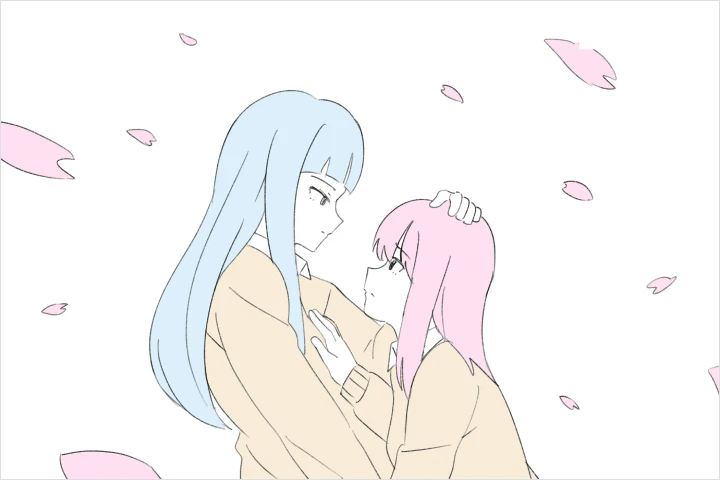
    • 11. Female-Audience Style (Shōjo)- Typical shōjo character proportions - Performance/staging conventions in shōjo

    • 12. Animation - Blink- Where the key drawings go in a blink - Frame count and timing basics

    • 13. Animation - Lip Sync- Building mouth shapes for dialogue - Practical lip-sync thinking for beginners

  • Section 03
    Character Design
    curriculum_2danimator_huanghsianglin_zh03_1_1x.webp
    curriculum_2danimator_huanghsianglin_zh03_2_1x.webp
    curriculum_2danimator_huanghsianglin_zh03_3_1x.webp
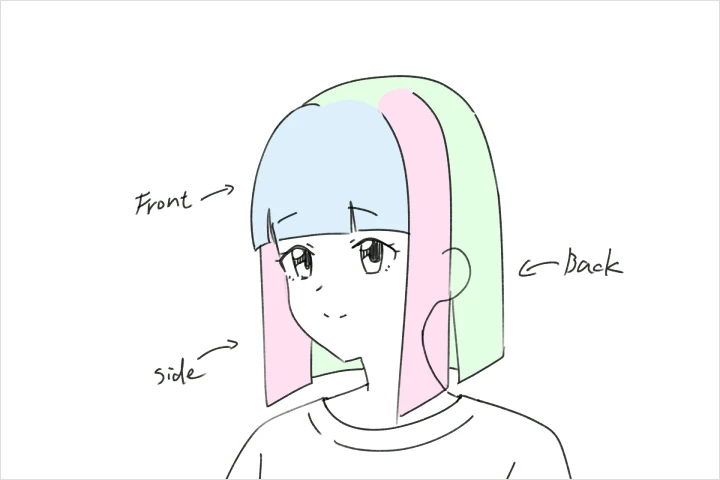
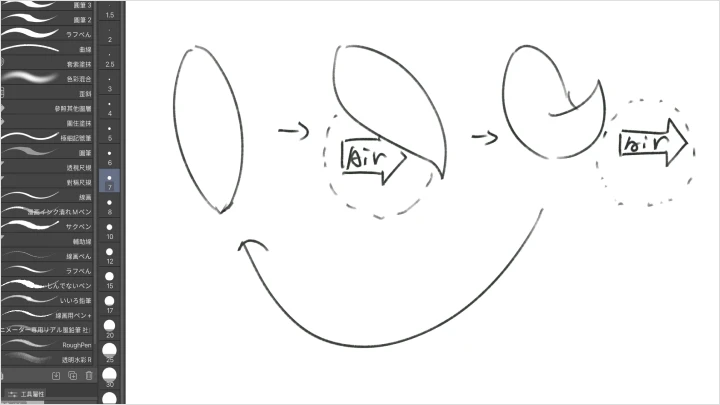
    • 14. Hair Structure- Breaking hairstyles into clear sections - Typical shapes by region (bangs, sides, back)

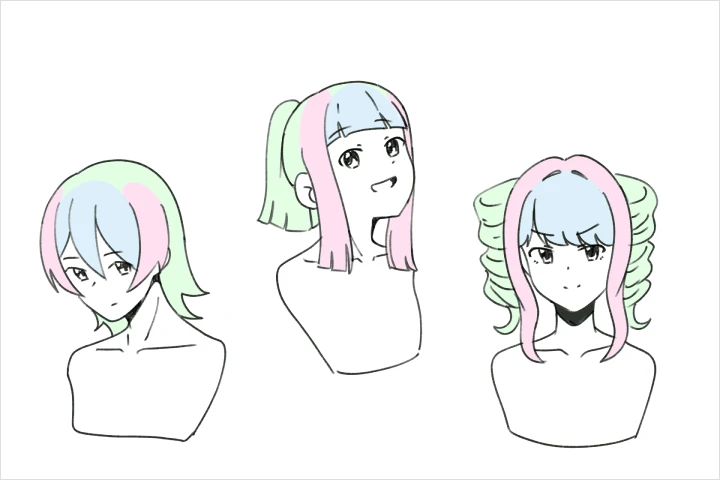
    • 15. Common Hairstyles and Combinations- How hairstyles convey personality - Popular combinations and their nuances

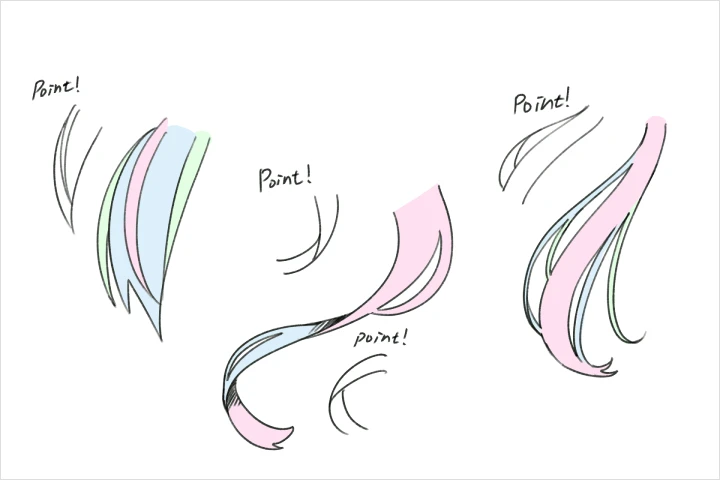
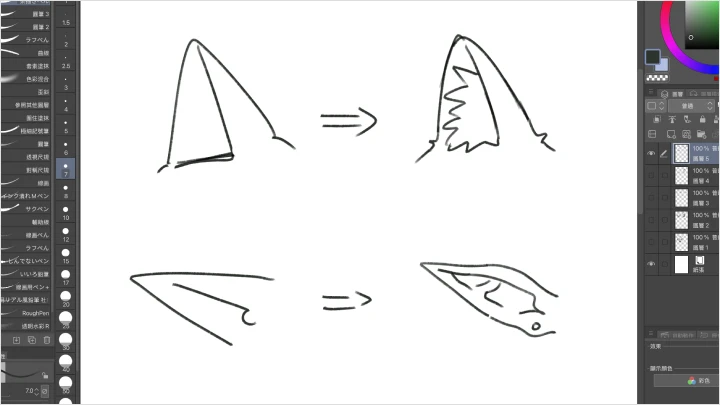
    • 16. Hair Pieces and Hair Strands- Block-in (hair masses) and adding strands - Increasing visual information with flyaways - Handling special hairstyles

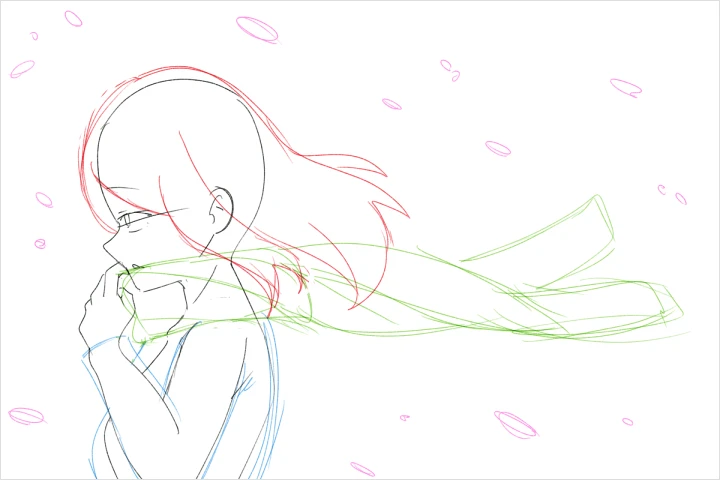
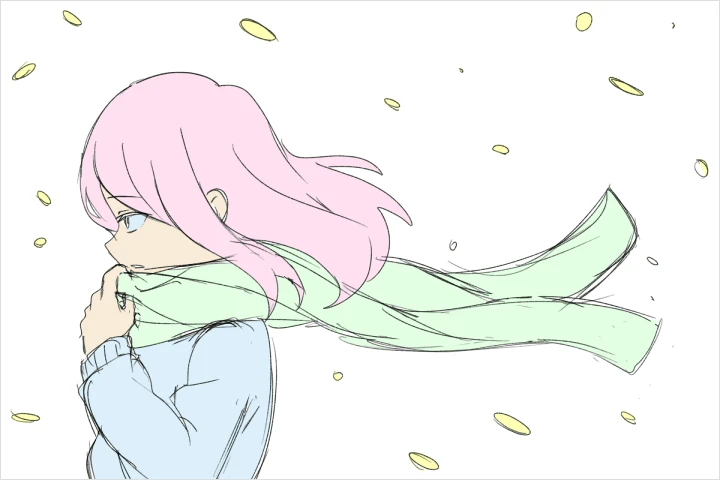
    • 17. Animation - Hair Movement: Basics- Understand the principles of hair dynamics - Learn how to animate hair swaying in strong wind

    • 18. Animation - Hair Movement: Advanced- Fundamentals of hair dynamics - Fast/strong-wind sways

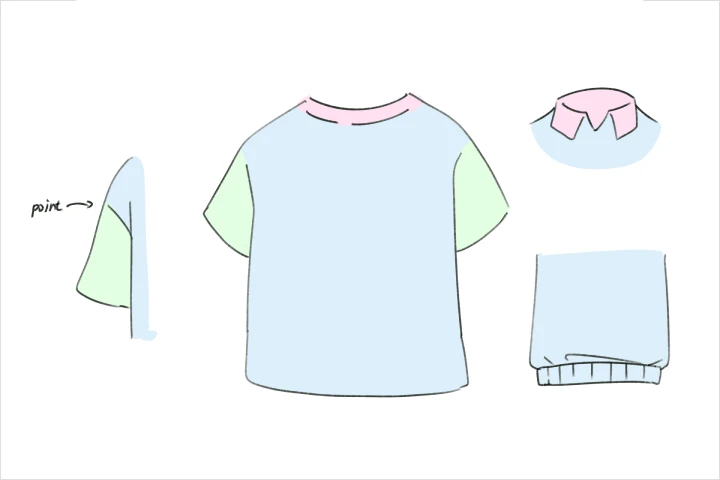
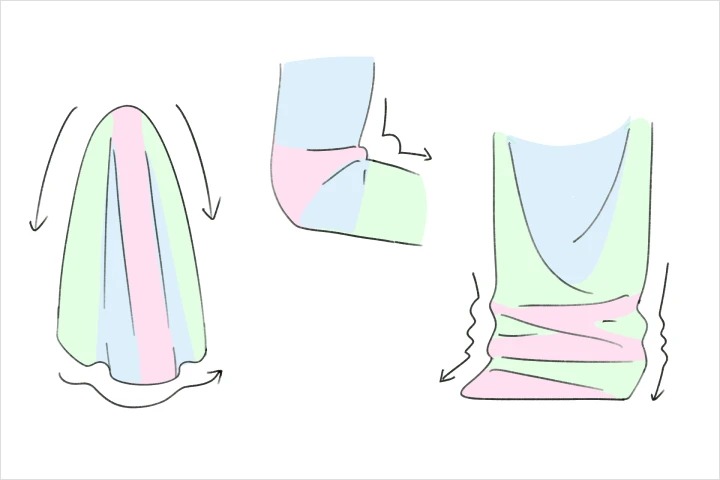
    • 19. Clothing Structure- Nuances of slow, soft motion - Wave motion (offset) drawing

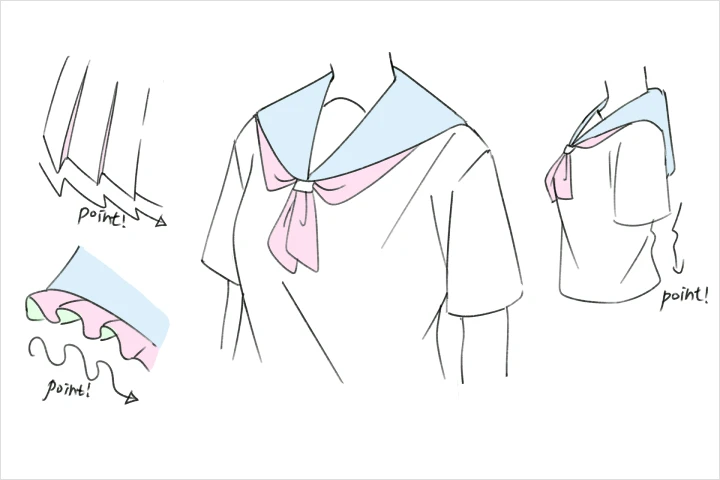
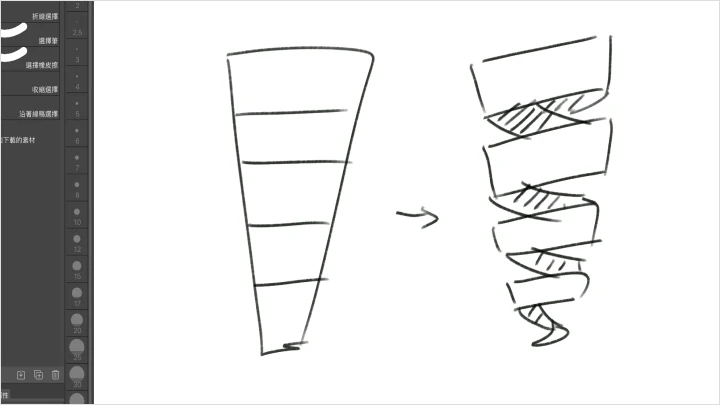
    • 20. Types of Folds- Three main fold types (pipe, zigzag, spiral) - Mixing folds in practice

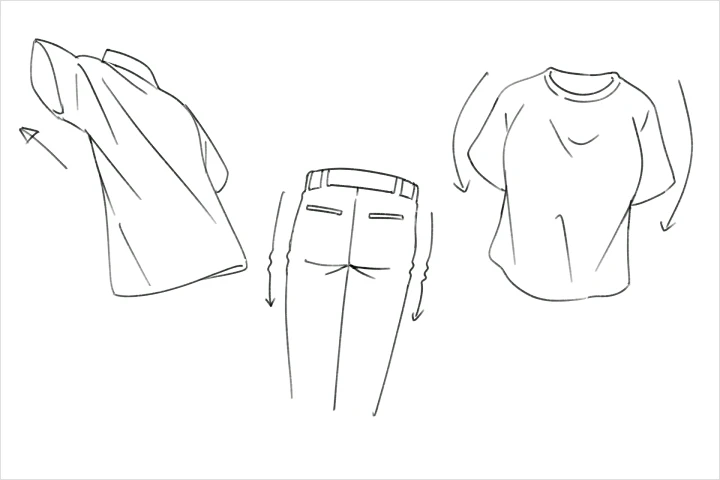
    • 21. Clothes and Folds- How fabric type affects folds - Must-know folds for specific garments

    • 22. Folds and Body- Using folds to imply hidden anatomy - How folds influence viewer perception

    • 23. Accessories and Props- Adding accessories to signal attributes - Using small props to add story

    • 24. Animation - Clothing Movement: Theory- Wind vs. cloth: core relationships - Basic principles of cloth dynamics

    • 25. Animation - Clothing Movement: Application- Body–cloth interaction in motion - Looping skirts and cycle tricks

  • Section 04
    Action and Composition
    curriculum_2danimator_huanghsianglin_zh04_1_1x.webp
    curriculum_2danimator_huanghsianglin_zh04_2_1x.webp
    curriculum_2danimator_huanghsianglin_zh04_3_1x.webp
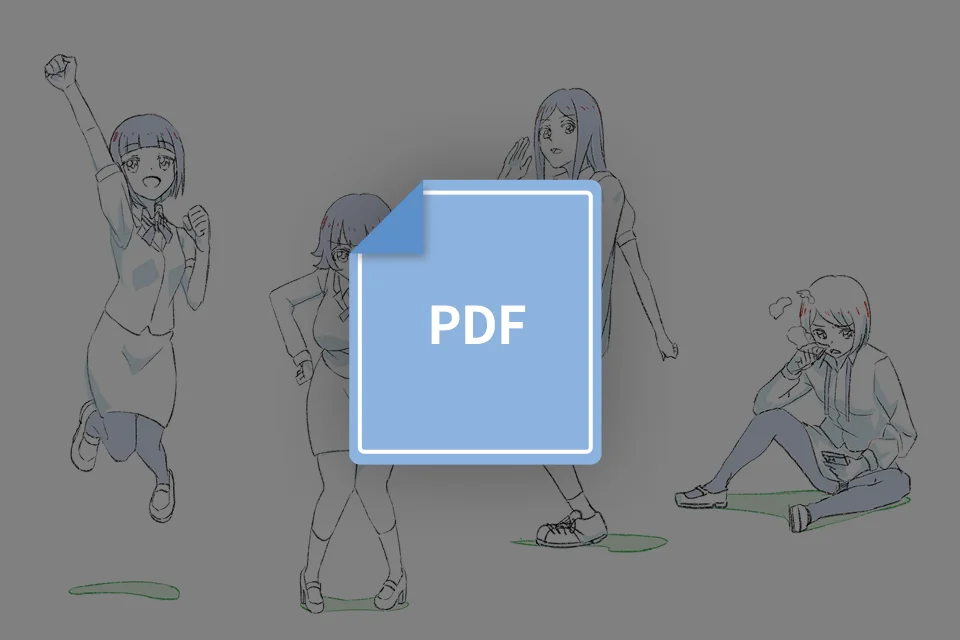
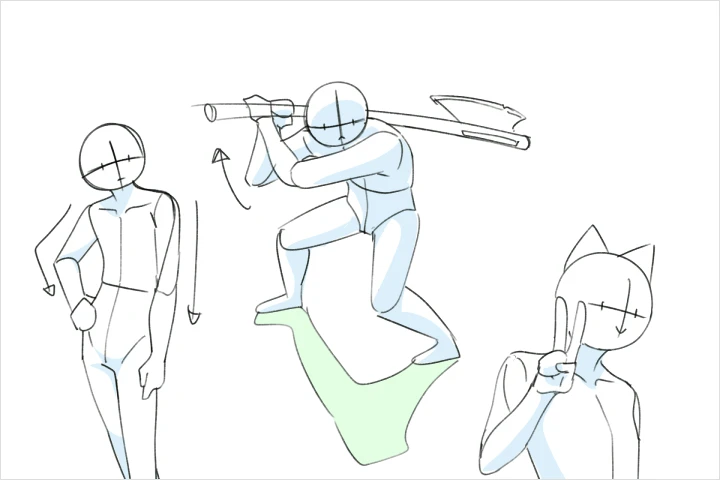
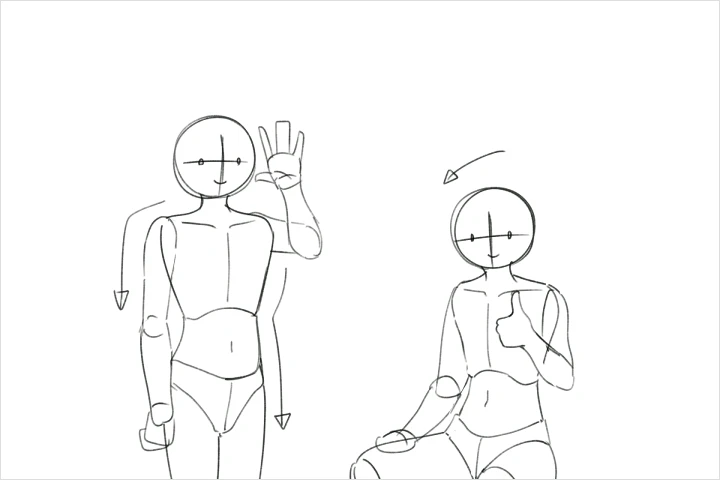
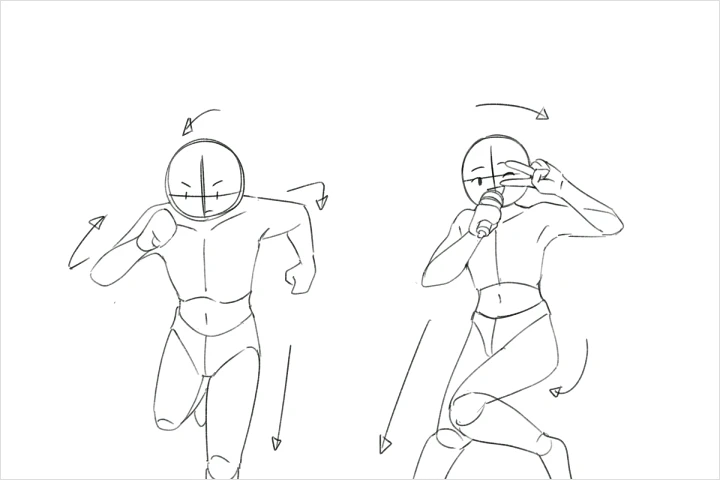
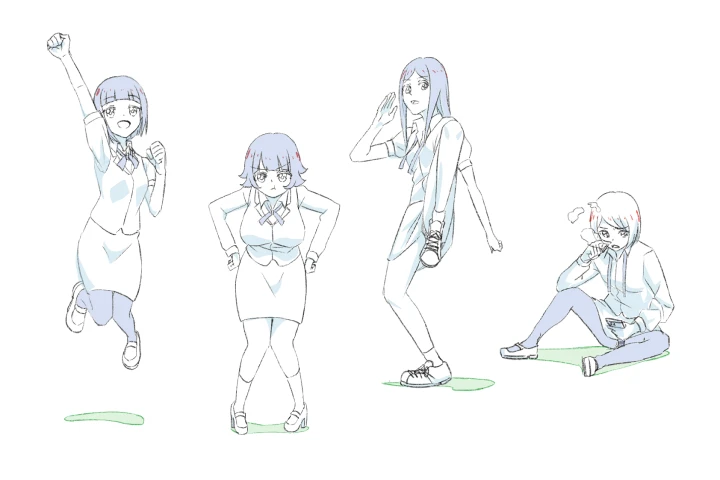
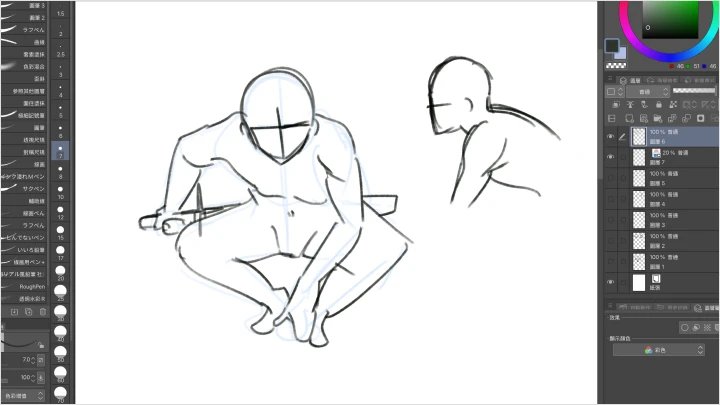
    • 26. Skeleton and Pose Draft- Common pose block-ins and when to use them - Why roughs and “skeletons” matter

    • 27. Static Poses- Drawing standing/sitting and other common poses - How static poses support character read

    • 28. Dynamic Poses- Larger, motion-rich actions - Matching big actions to personality

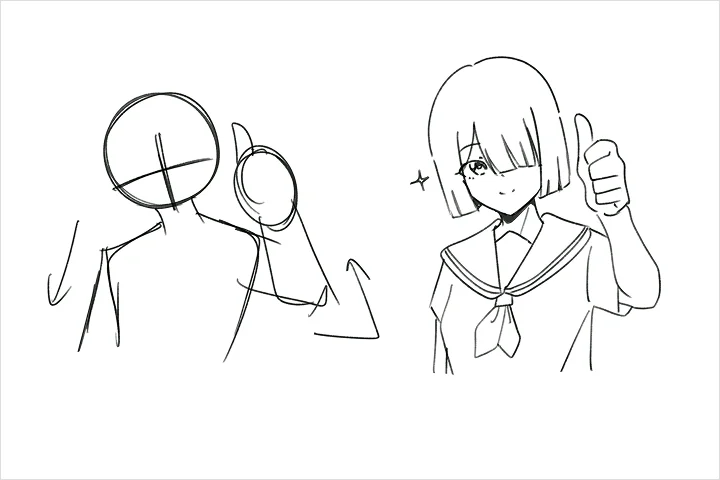
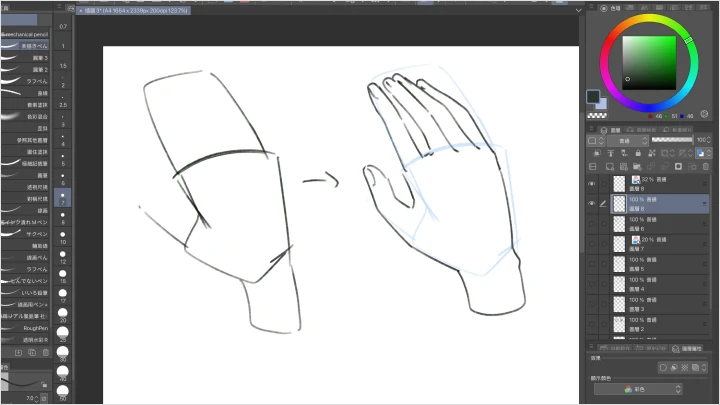
    • 29. Animation - Hand- Hand structure and “acting” with hands - Using hands to push emotion

    • 30. Animation - Expression- Feature movement and ranges - Using body cues beyond the face

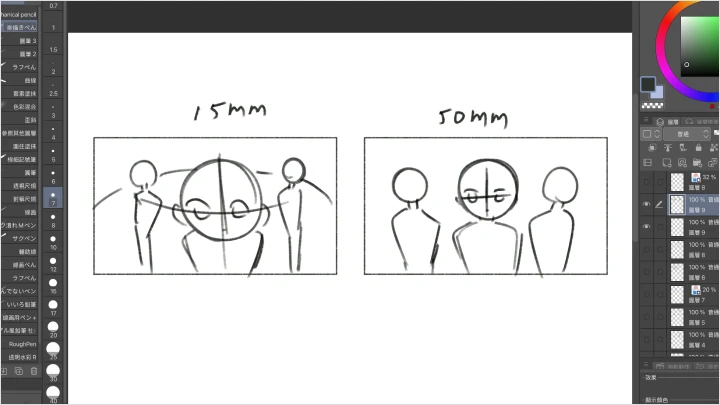
    • 31. Camera Focal Length- What changes with focal length - How lens choice affects characters

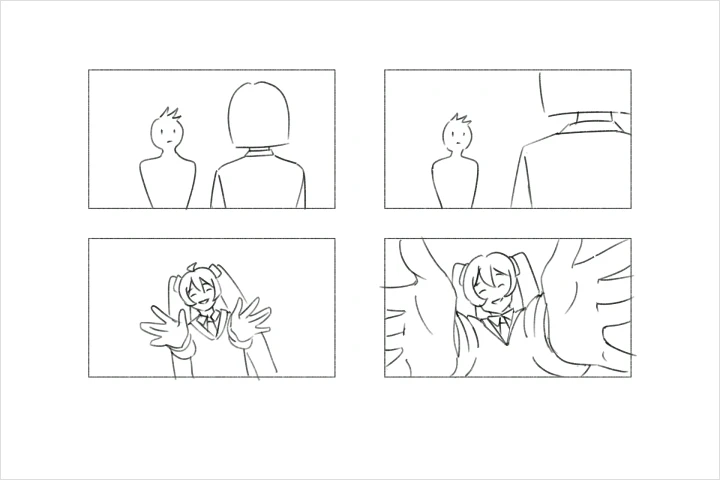
    • 32. Composition and Camera Language- Composition’s impact on illustration - What “camera language” means - Adding a cinematic story feel

    • 33. Composition - Wide Angle- Drawing wide-angle perspective - When to use it and key cautions

    • 34. Composition - Telephoto- Telephoto vs. wide-angle differences - Flatness and narrative use-cases

    • 35. Composition - Dual Character- Placing multiple characters clearly - Keeping proportions consistent together

  • Section 05
    Light and Color
    curriculum_2danimator_huanghsianglin_zh05_1_1x.webp
    curriculum_2danimator_huanghsianglin_zh05_2_1x.webp
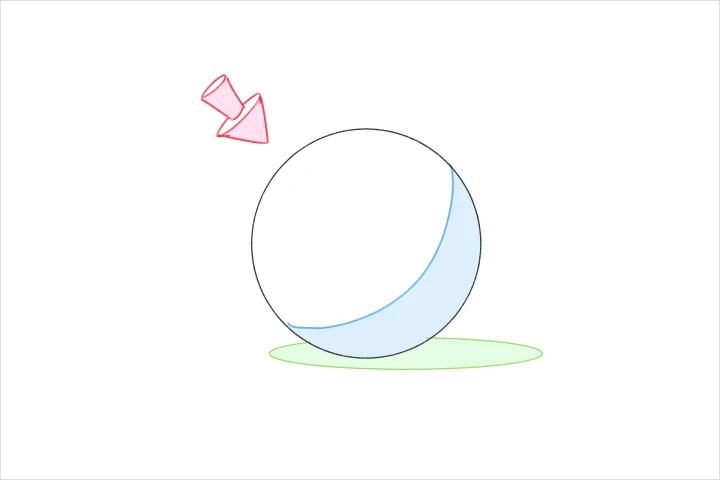
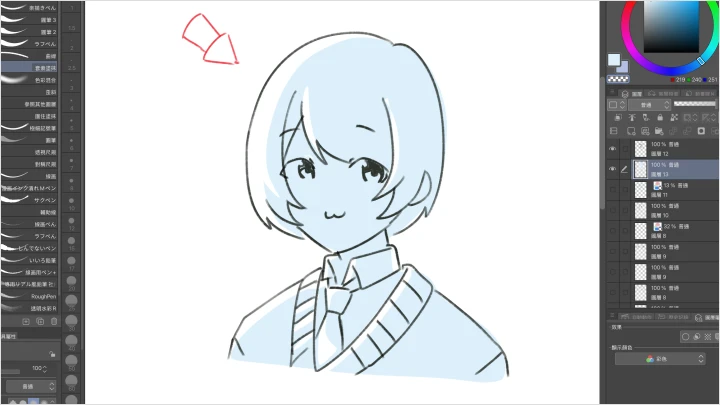
    • 36. Shadows and Shading- “Shade” vs. “shadow” in practice - Simplifying shadows for anime clarity

    • 37. Reflected Light and Diffused Light- What they are and when they appear - Quick rendering techniques

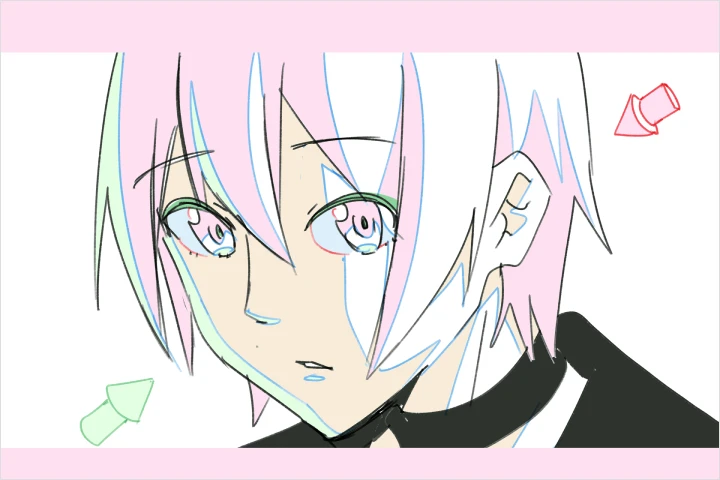
    • 38. Highlights and Backlighting- Using highlights to add volume - Fast backlight workflows

    • 39. Color - Local color- Choosing colors and building palettes - Common pitfalls: why contrast matters

    • 40. Color - Contrast Control- Achieving vivid, clean “anime” color - Designing appeal through contrast

    • 41. Color - Light and Environment- Bright, clean anime lighting with contrast logic - Adding ambient with reflected/diffused light

    • 42. Animation - Lighting- Shadows from moving light sources - Shadow travel and form readability

  • Section 06
    Drawing process
    curriculum_2danimator_huanghsianglin_zh06_1_1x.webp
    curriculum_2danimator_huanghsianglin_zh06_2_1x.webp
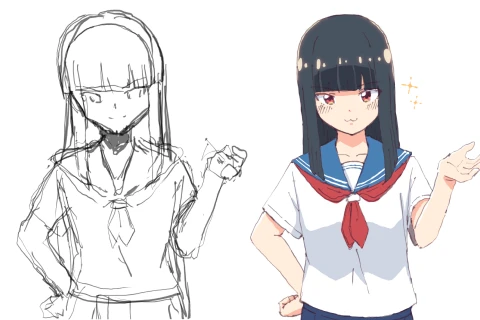
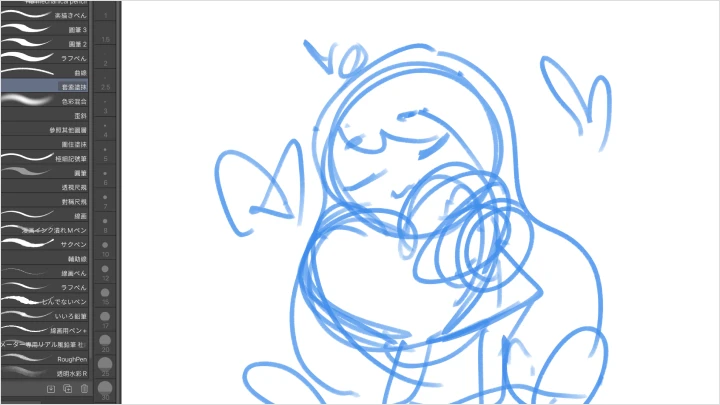
    • 43. Line Drawing - Atmosphere Draft- Fast brush studies toward the final full-color key image - Exploring options through self-proposals/variants - Bold compositions to boost visibility

    • 44. Line Drawing - Motion Draft- Fixing anatomy with a proper pose “skeleton” - Blocking silhouettes with outer contours - Simple light/shadow for quick volume

    • 45. Line Drawing - Character Draft- Cleaning lines for the next stage - Tuning character details for the target look - Micro-adjustments to clarify acting

    • 46. Line Drawing - Key Frame Draft- Establish clean and readable lines for the next clean-up stage. - Adjust character details to achieve the desired look. - Refine movement to make the character’s acting clearer.

    • 47. Line Drawing - Clean-up and Detailing- Organize by “clarify” and “select” (keep vs. drop) - Add selective line refinements to increase information

    • 48. Coloring - Local Color- Base palette and local colors - How color choices affect personality and context

    • 49. Coloring - Lighting- Using effect layers to raise finish quality - Simple FX that make images pop

    • 50. Coloring - Post-processing and Effects- Using effect layers to raise finish quality - Simple FX that make images pop

  • Section 07
    Production of works
    curriculum_2danimator_huanghsianglin_zh07_1_1x.webp
    curriculum_2danimator_huanghsianglin_zh07_2_1x.webp
    • 51. Animation example - Anime-style Bishoujo: Line Drawing- Proportions and design cues for “bishōjo” styles - Pose/composition choices and fast anime coloring

    • 52. Animation example - Anime-style Bishoujo: Coloring- Adding anime-style lighting for finish - Enhance the quality by adding anime-style lighting and shading

    • 53. Animation example - Cute child: Line Drawing- Learn how to draw cute children - Low-age vs. SD (super-deformed) differences

    • 54. Animation example - Cute Child: Coloring- Learn to color in a cute watercolor style - Explanation of how to use watercolor in animation

    • 55. Animation example - Chibi SD Characters: Line Drawing- Fun acting of SD characters - How to switch drawing styles

    • 56. Animation example - Chibi SD Characters: Coloring- Western-style flat coloring design - Enhance a sense of 3D without lighting and shadows

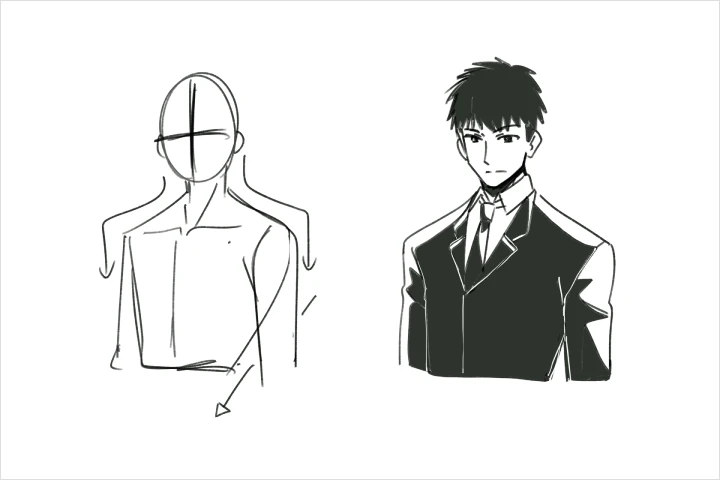
    • 57. Animation example - Male character: Line Drawing- Differences between male-oriented designs and female-oriented designs - Ratios and features for “handsome” reads - Pointing out common mistakes and small details to watch out for

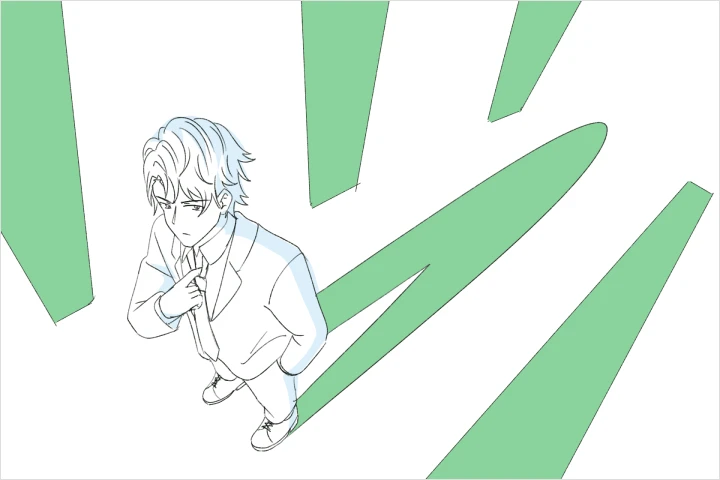
    • 58. Animation example - Male Character: Coloring- Learn to create cool animations with a strong black-and-white style - Learn how to depict a suit using only light and shadow

    • 59. Animation example - Hands and Food: Line Drawing- Draw hand gestures and hand body expressions - Understanding methods for handling close-up detail - Learn how to handle food in animation

    • 60. Animation example - Hands and Food: Coloring- Use high-saturation coloring commonly seen in anime - Use simple post-production techniques to make the visuals more vibrant

ข้อมูลเกี่ยวกับเครื่องมือที่ใช้ในคลาส

This course will use Clip Studio Paint
Please purchase and install these program(s) for an optimized chapter experience.

*These programs and/or materials will not be provided with the chapter.

program-2danimator-dolman-jp-clipstudiopaint.webp
คลาสแนะนำ

ข้อควรระวัง

- This product provides access to the video lectures online (Excluding products categorized as Assets). - Under certain circumstances, discounts may end early or be extended without prior notice. - For pre-ordered courses, the content and the lecture videos will be released sequentially according to the schedule. The Course Start Date will be set to the release date of the first lecture video. - You will gain immediate access to the course through My Page upon completing registration and payment. Total Course Duration: - The Standard Access (Paid access) period lasts for the first 15 days and Unlimited Free Access period will begin from the 16th day. Both the Standard and Unlimited Free Access periods offer the equal viewing experience to the content. - Course Start Date: The estimation of the Course Start Date will be based on the completion date of the payment. Immediate access to the lecture videos will be granted through My Page. (For pre-ordered courses, the start date will be the release date of the first lecture video.) - In case the course start date is postponed due to extenuating circumstances on Coloso’s end, the start date will be adjusted accordingly.
*Please note that certain aspects of this course, including the release date, curriculum images, and associated content, are subject to change without prior notification.
*Would you like to learn more about our refund policy? Please check ▶ here
*Please check our ▶ FAQ for Copyright and Proprietary Rights, User-Generated Content, Security, and Violation information.
*保留未事前告知而更改本網頁資訊的權利
*欲進一步瞭解退款政策的細節,請由 ▶ 此處確認。
*請至 ▶FAQ頁面查看有關版權及所有權、使用者製作內容、資料安全及違反等相關資訊。
*Tenga en cuenta que la información de esta página está sujeta a cambios sin previo aviso.
* ¿Le gustaría saber más sobre nuestra política de reembolso? Por favor, compruebe ▶ aquí
*Por favor, compruebe nuestras ▶ FAQ para los derechos de autor y derechos de propiedad, contenido generado por el usuario, seguridad e información de violación.
- This product is strictly prohibited to resell, redistribute, steal, or transfer. - The original images and simple edited images of this product cannot be transferred, distributed, or sold. - This product can be refunded only before the class video is released. - You can find this product on [My Class] > [Class Materials]