illustrator,yanggae_양개KR Details
Intro

Now in Your Language, Only on Coloso!
Learn from Korea's Top Master Creatives
-
 Pro-Level Artist Guidance
 -
 Texture & Material Expression
 -
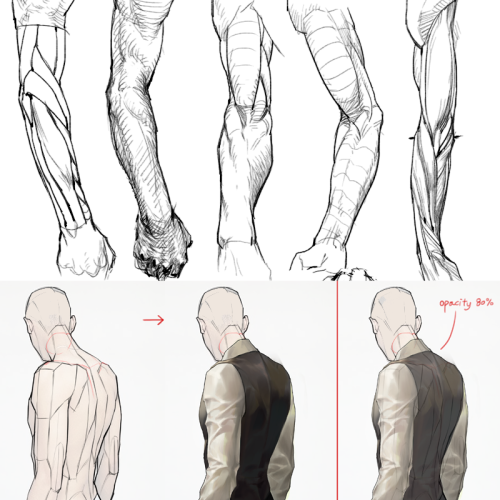
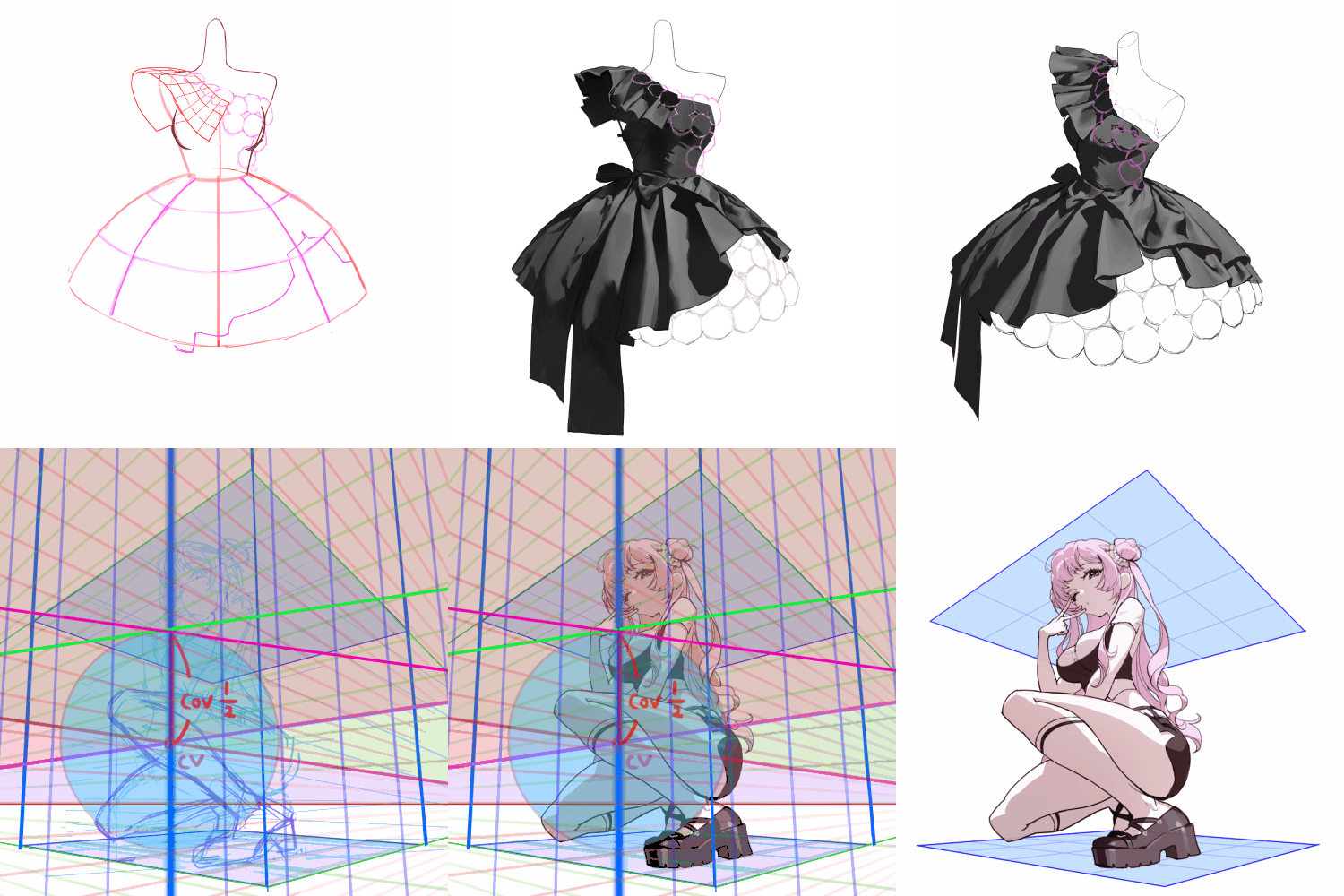
 Volume & Spatial Understanding
A Top Instructor’s Guide to Solid Depth & Clean Coloring
"If you understand the theory but your drawing still looks flat, this course is for you.
YANGGAE, a top-tier instructor active across various fields with a unique stylistic approach clearly breaks down the core principles of dimensionality that intermediate artists struggle with most. Learn practical, step-by-step form buyilding techniques that connect foundational thoery to real illustrations."

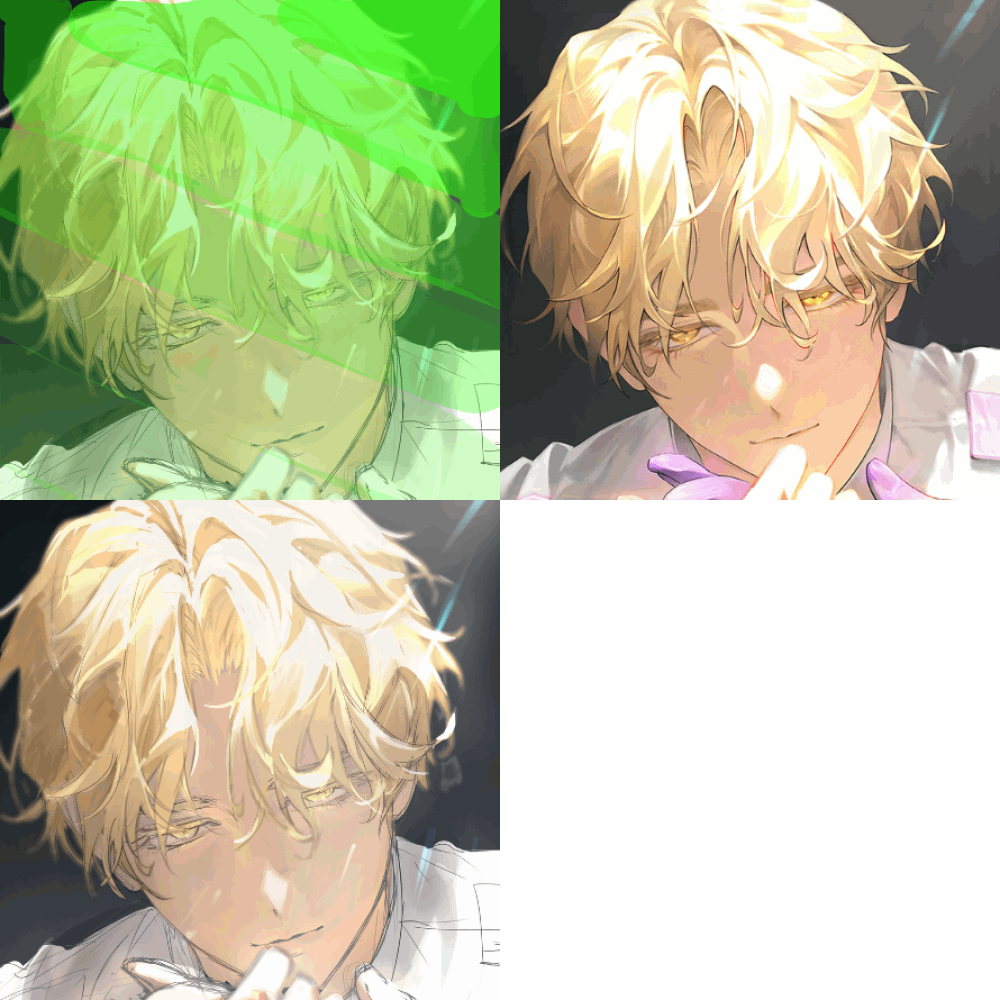
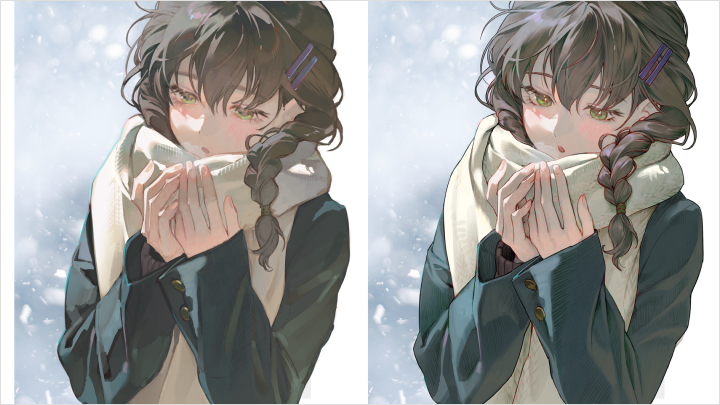
Learn how to master today’s trending clear and transparent coloring with this complete moisture-rendering guide. Move beyond muddy colors and discover how to build luminous, clean hues on solid structure through exercises in color interaction, material expression, and tone control. From dewy, moisture-rich coloring to commercial-grade character rendering, this course delivers the essential techniques for high-quality dimensionality and coloring that stand out in professional commissions.
Class Perks
Special Gift from YANGGAE
-
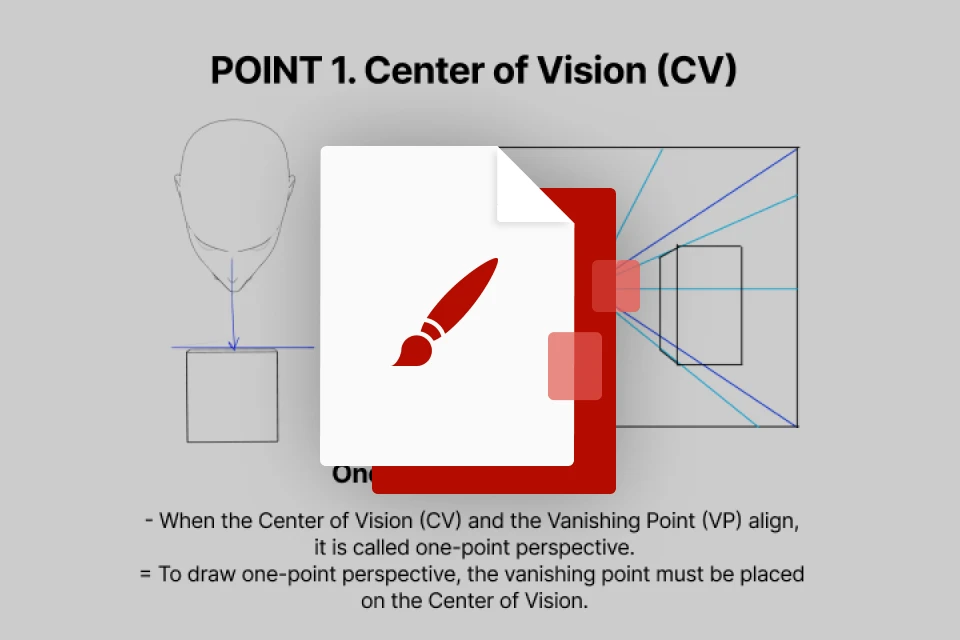 Commercial-level Rendering and Coloring QualityPractice Examples Included
 -
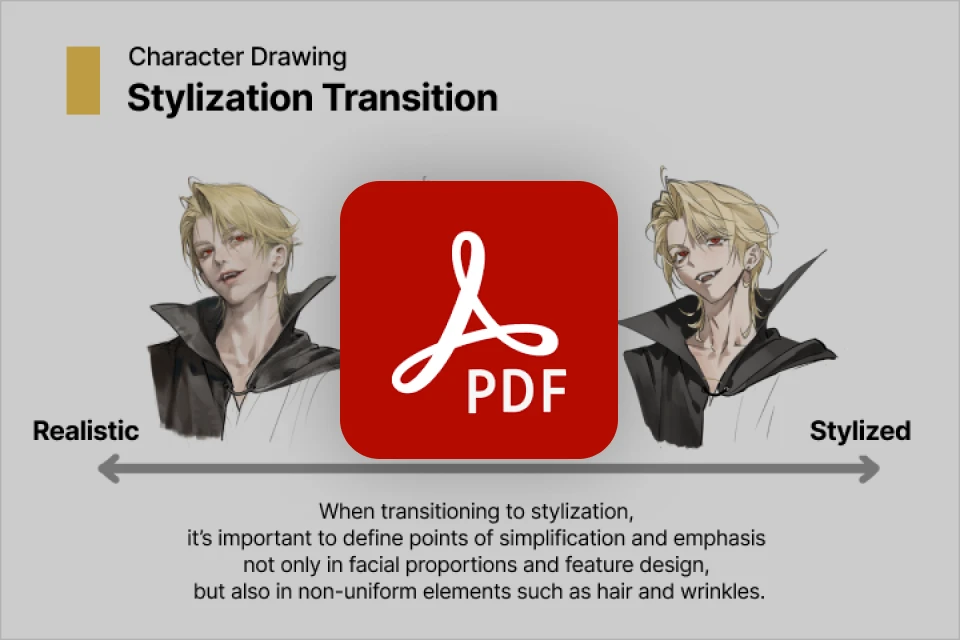 YANGGAE's Style-Diversification Know-howsClass Material PDFs Included
 -
 Transparent Moisture Coloringwith 5 Custom Brushes (.abr)
Recommendation
Who should take this class?
Artists who want to learn trendy coloring styles such as clear coloring and moisture rendering
Aspiring professional illustrators facing a creative plateau while preparing to become a freelancer
Anyone interested in the art techniques of YANGGAE, a top-tier instructor
Expert Illustrator YANGGAE's Portfolio









Why Take This Class?
If you’ve been captivated by the dewy, transparent coloring style loved for its luminous light and color but struggled to find clear, reliable guidance, this class is for you. From the fundamentals of dewy coloring to color structure and real-world application, you’ll learn a systematic approach to coloring techniques you can actually use in commercial illustration. You’ll master today’s most in-demand trends, including moisture-based layering and color balance, and bring clarity and vibrancy to your work.
This class also helps you develop a commercial mindset beyond technique. From creating marketable character structures and eye-catching value contrast to material-specific coloring strategies, you’ll learn what makes artwork truly sell. Depth, lighting, and clean coloring are brought together in one cohesive flow, leading all the way to hands-on practice for commercial character illustration. Discover YANGGAE's proven, commission-winning illustration methods designed for real-world success.

Get Ready for the Real-World
Practical Commercial Illustration with Clean, Trendy Coloring
Part 1. A Guide to Building Dimensional Form
-
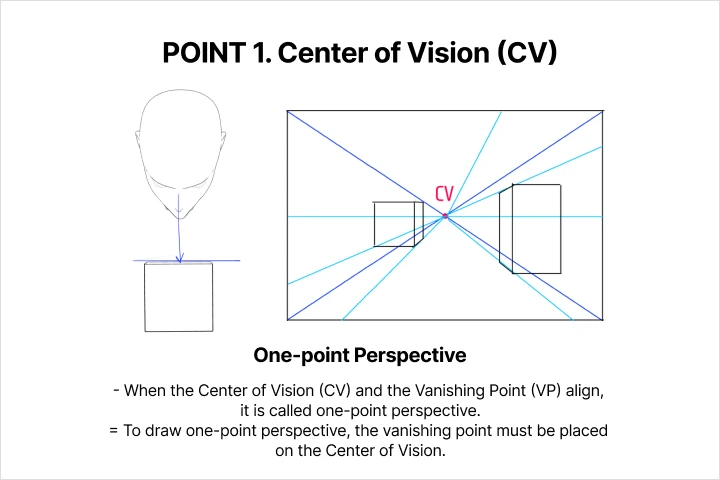 Perspective and Depth
 -
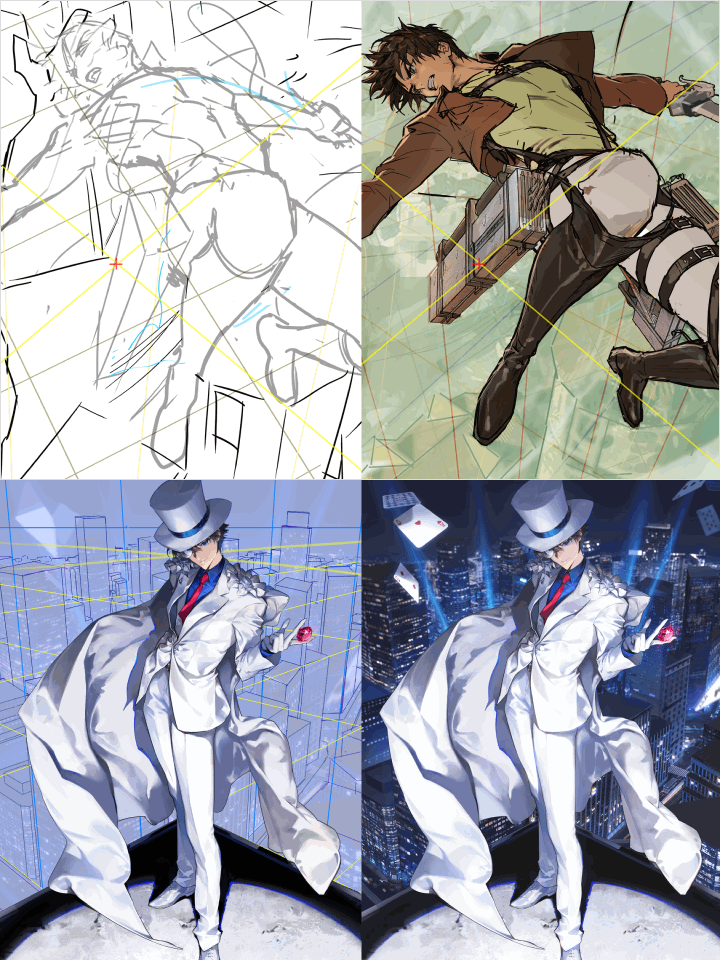 Camera Angles and Composition for Scene Illustration
 -
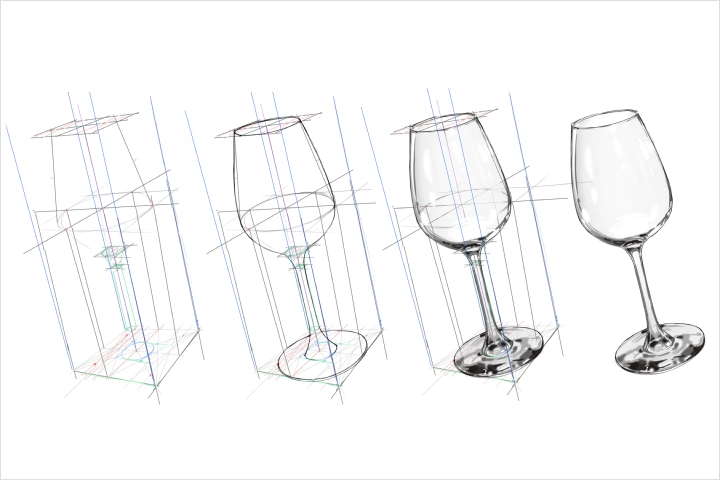 Applying Basic Shapes and Construction Techniques
Part 2. Commercial Character Drawing
-
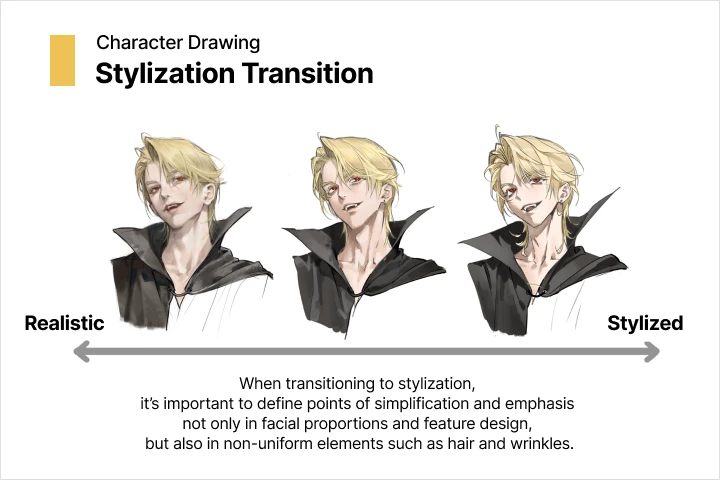 Transforming Realistic References into Stylized Designs
 -
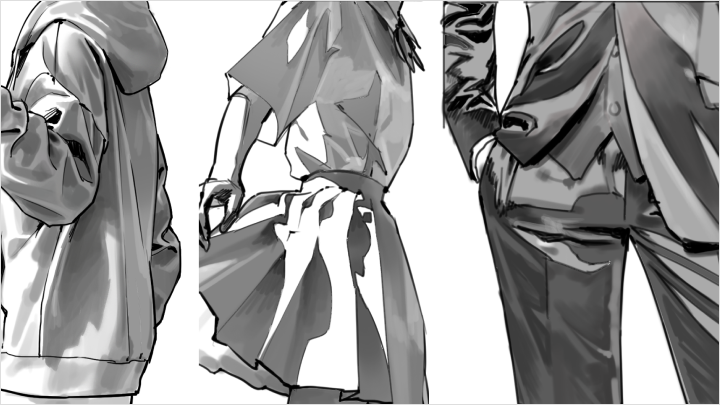
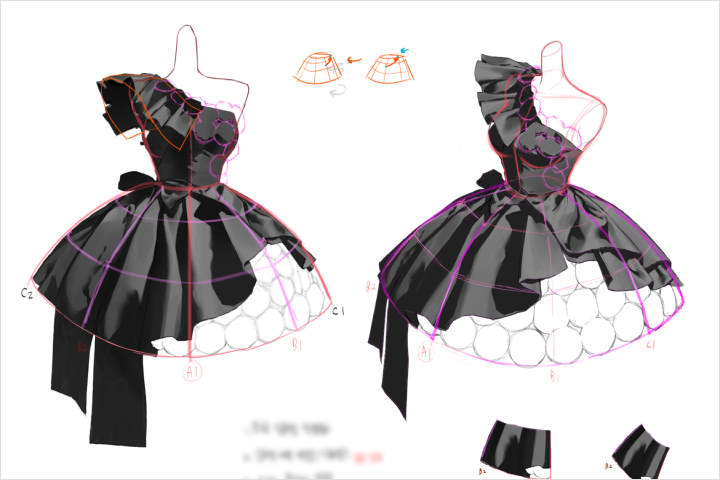 Clothing Structure and Key Reference Points
 -
Understanding Hair Structure Through Head Construction
Part 3. Light and Shadow
-
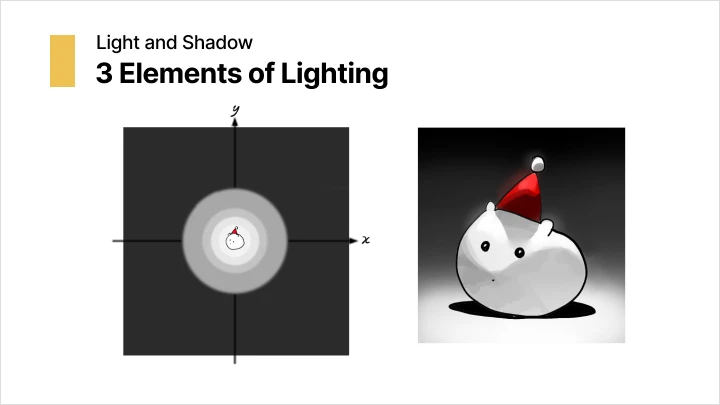
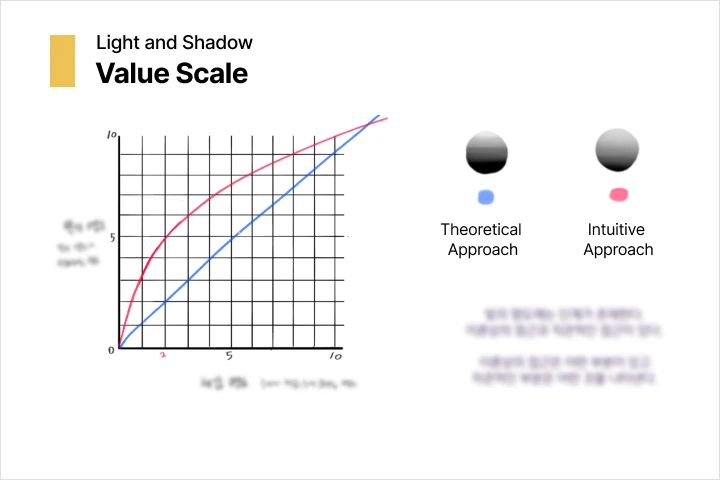 The Principles of Light in Photo-Realistic Illustration
 -
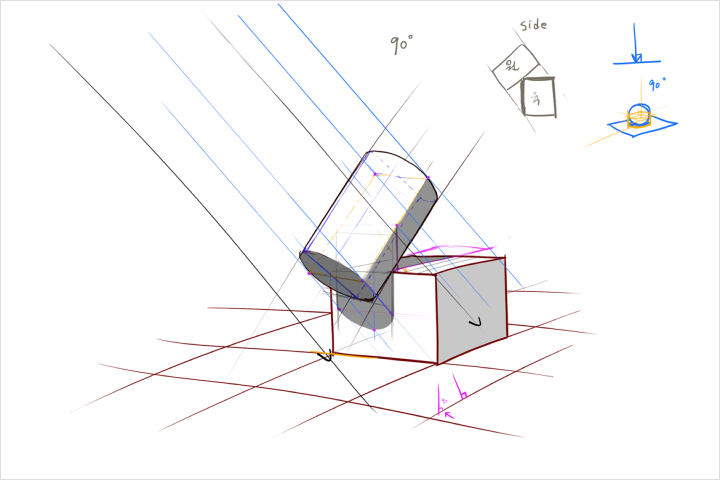 How to Calculate Cast Shadows
 -
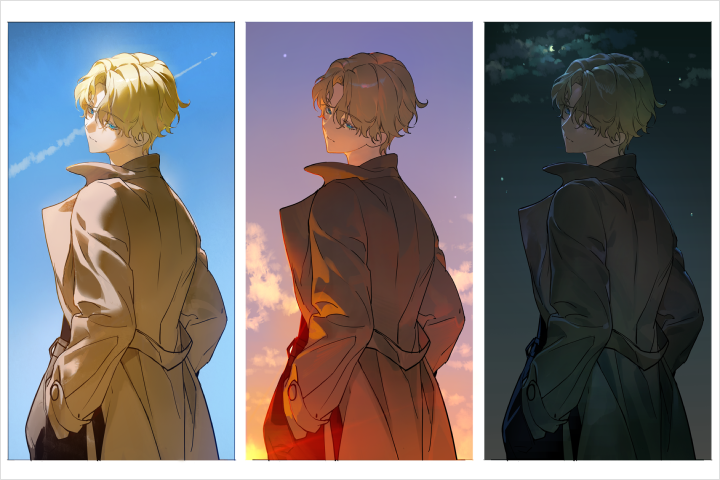 Types of Rendering for Different Lighting Scenarios
Part 4. Clean, Trendy Coloring and Moisture-Based Layering
-
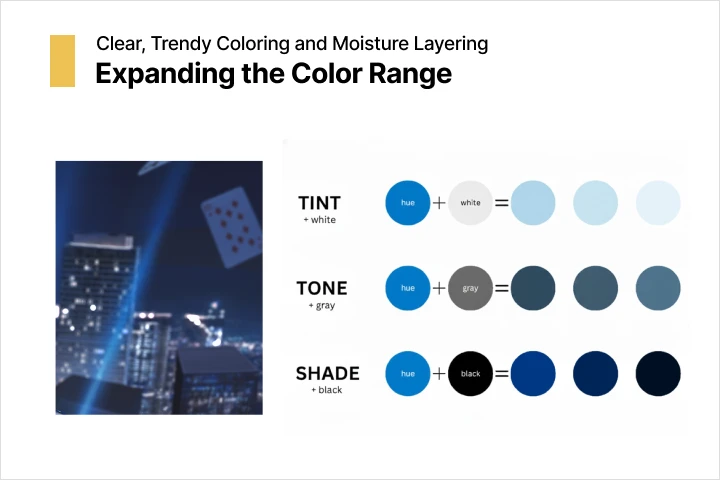 Expanding Your Color Range
 -
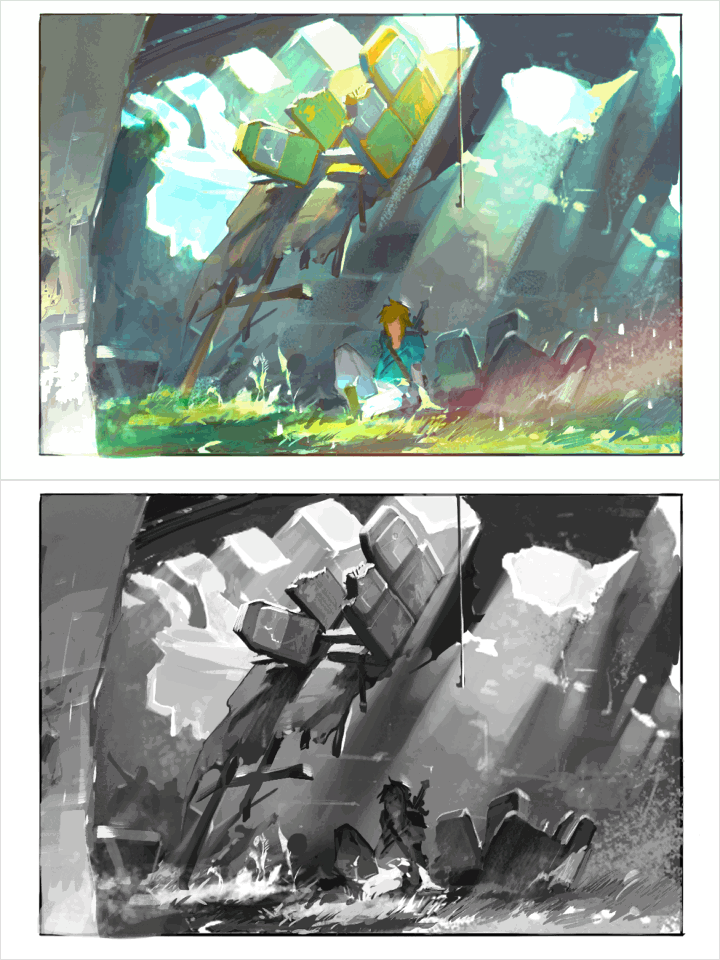 Principles of Moisture-Based Layering
 -
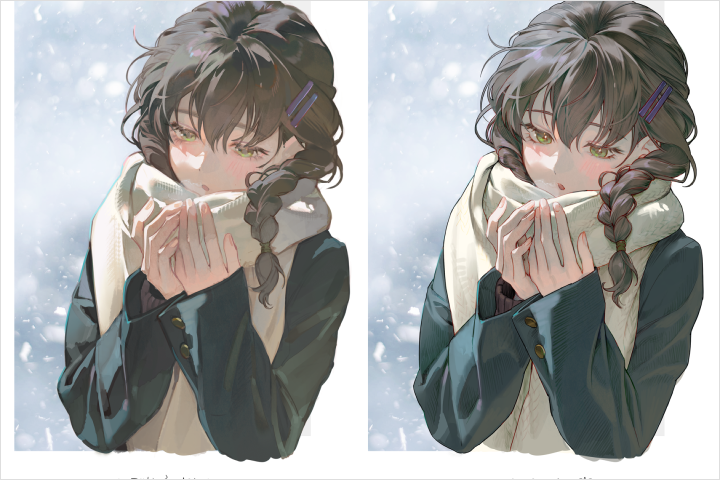 Expanding and Developing Your Style
Part 5. Material Rendering That Connects Visual and Tactile Sensation
-
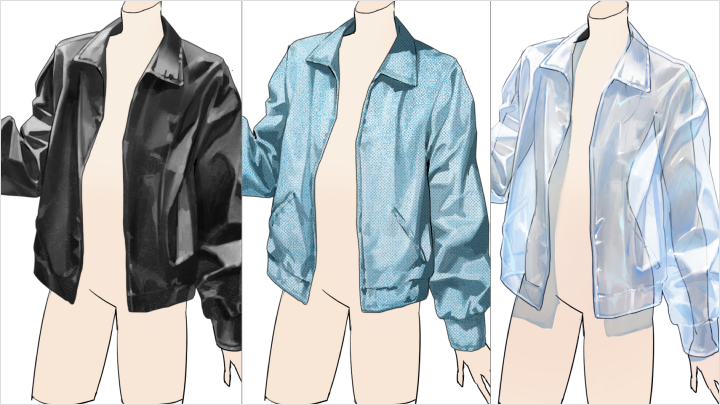
Rendering Materials on Objects
-
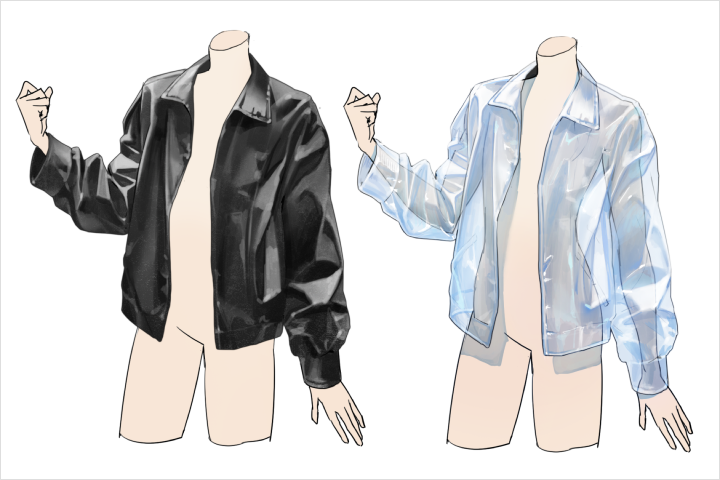 Rendering Materials in Clothing
Final Product

*The above images are sample images for a better understanding.
Student Reviews
Class Reviews from YANGGAE’s Previous Students
-
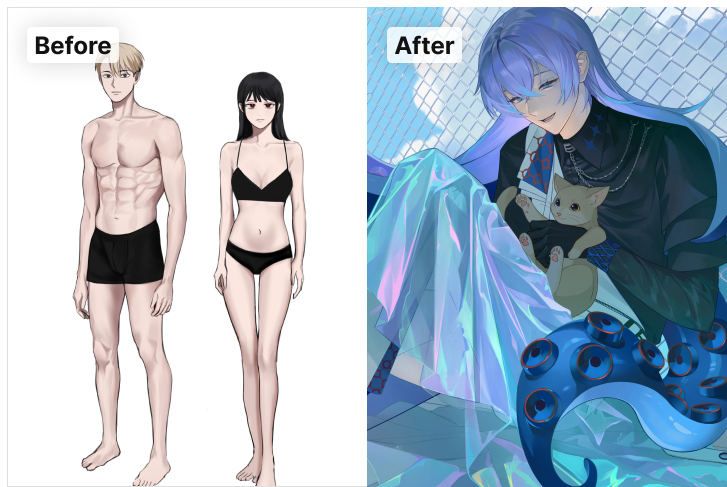 Student A
When I was self-studying, I always felt something was lacking in my drawings, but I never knew exactly what to fix or how to improve, so I constantly felt lost. Through YANGGAE's class, I was able to clearly understand the fundamentals as well as the specific areas where my work was falling short. Among the many strengths of the course, the best part was learning the exact reasons why my drawings looked somewhat off and how to theoretically improve them to make them more appealing. She also recommends various study methods tailored to each student’s foundational balance, and her guidance is extremely systematic. As the classes progressed, my observational skills improved significantly, and I felt I was building the ability to complete illustrations on my own. I highly recommend this course to anyone who wants to develop the ability to draw independently or find an efficient study method that truly suits them.
-
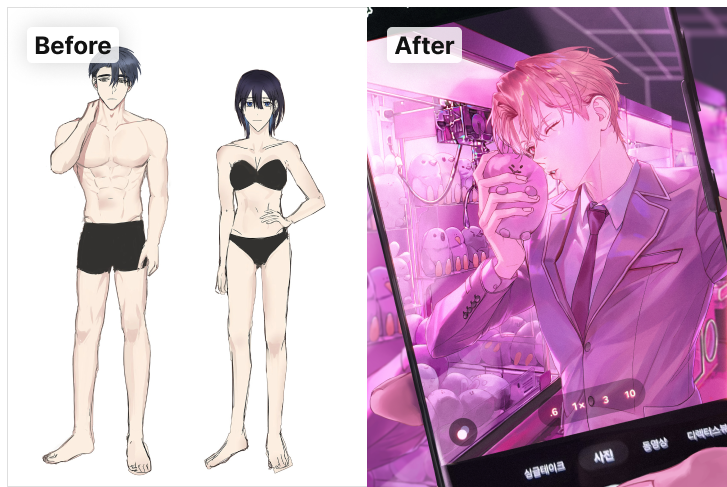 Student B
Even though I had almost no formal experience studying illustration, this class taught me that drawing is not about intuition alone but about applying solid theory in the right way. I also learned practical tips for refining stiff drawings into natural and appealing results, which I could apply immediately to real illustration work. Because the lessons connect theory directly with hands on practice, studying felt engaging and enjoyable, allowing me to learn a great deal efficiently.
-
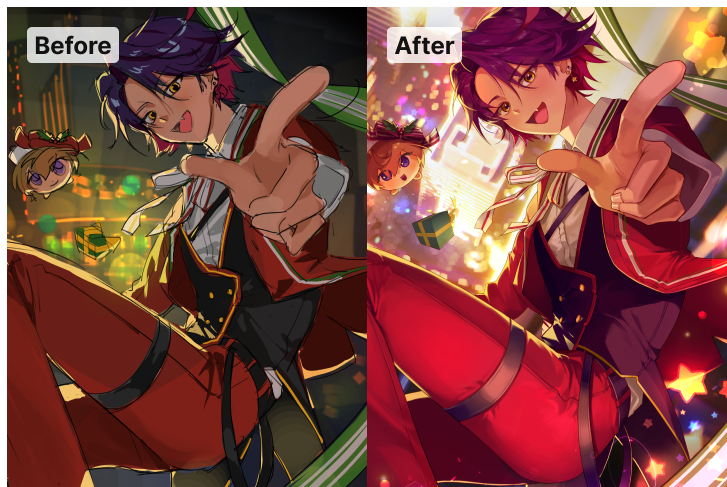 Student C
YANGGAE provides clear direction based on a wide range of theories, helping you analyze your work objectively and develop it further. She explains concepts you may think you already know in a deeper, more comprehensive way, and she goes beyond simple explanation by preparing structured examples and assignments. This makes it easy to apply what you’ve learned directly to your drawings. Thanks to her extensive experience and solid theoretical foundation, I’ve felt myself improving each time I complete a piece, gradually filling in the gaps in my skills. If applying theory to practical illustration feels challenging for you, I highly recommend taking YANGGAE’s class.
-
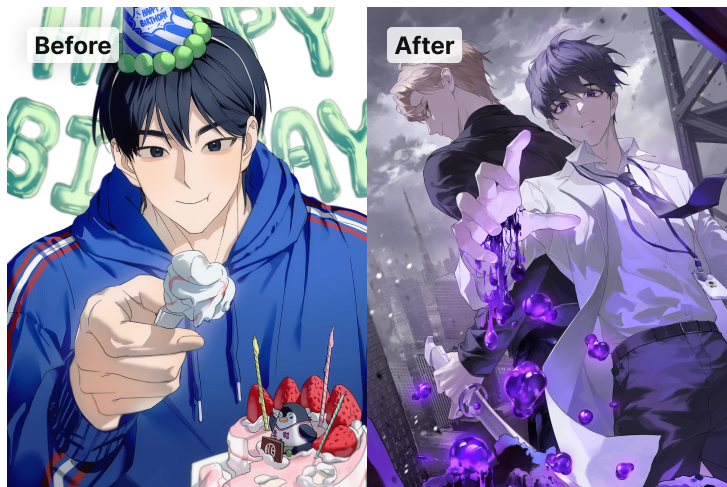 Student D
Before taking this class, I lacked confidence in drawing on my own. Through YANGGAE’s lessons, I learned how to calmly bring a drawing to completion, along with study tips that truly support the finishing process. Thanks to that, completing illustrations feels much less difficult than before. Studying with the instructor allowed me to slowly build fundamentals and learn valuable theory and practical tips on light, backgrounds, and color. I felt incredibly fortunate to gain so much, and it has been a huge help even when I draw on my own. I'm always grateful.
-
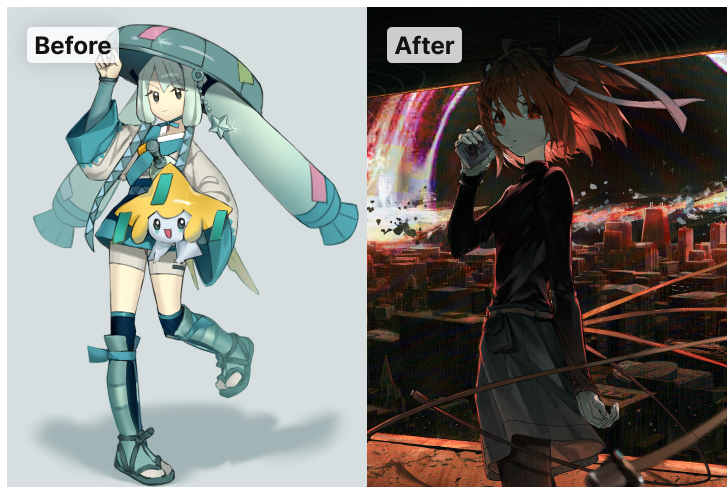 Student E
The more I drew, the more overwhelming and difficult it felt to become a true artist. I actually planned to take YANGGAE’s class as my last one and give up on illustration as a career altogether. Somehow, though, I ended up becoming a long term student and holding on to that path instead. Thank you for such a great class. I may be slow, but I will keep growing and improving as a student.
-
Student F
I tend to draw in a style that’s somewhat removed from what’s typically considered “commercial,” but this class guided me toward a more trendy direction without losing my original strengths. Rather than asking for changes without explanation, the instructor clearly explained why certain adjustments were needed, grounding every piece of feedback in solid theory. As a result, I was able to apply those improvements not only to the reviewed artwork but also to future pieces. Learning to analyze my work from a theoretical perspective helped me consistently achieve better results. I highly recommend this class to anyone who wants more than surface-level feedback and is looking for clear direction, theory, and effective study methods.
-
Student G
I was unsure what kind of study I needed to improve my art, but this class helped clarify the right input and output for each student step by step. Rather than just teaching techniques, the instructor focuses on helping you understand why things should be drawn a certain way, allowing you to build your own direction as an artist. What stood out most was the balance between detailed feedback and enough space for students to think and experiment on their own. With thoughtful guidance throughout the process, I was able to grow more independently. I strongly recommend this class to anyone who wants professional feedback while still developing their own unique style through hands-on practice.
Highlights
Class Highlights
A Practical Guide to Three Dimensional Form Across Semi Realistic and Casual Styles
Learn how to enhance depth and visual credibility in your illustrations. Identify the causes of flat looking artwork and build solid form using perspective, construction, and camera angles. Train your eye to structure characters and objects with convincing volume from any viewpoint.

Clean and Transparent Coloring with Trend Driven Moisture Layering Techniques
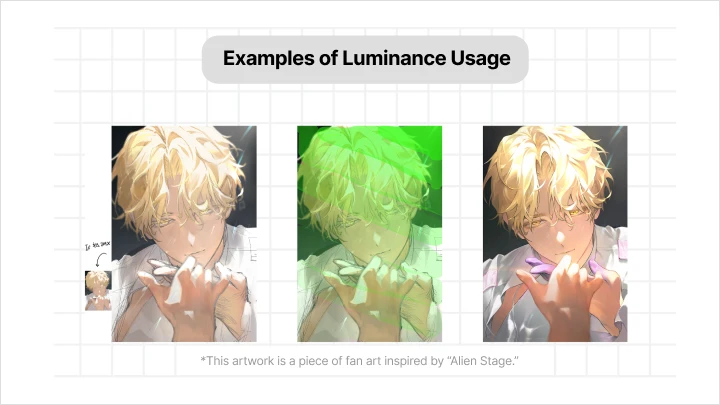
Develop a clear and luminous coloring style through water layering principles. Learn how to balance saturation and value while applying scientifically grounded color and lighting concepts. Create intentional mood and tone across casual and semi realistic styles with greater control.

Professional Level Detail and Rendering for Commercial Illustration
Build illustrations that meet commercial standards through structured practice and detail driven workflows. Learn how to render materials such as metal, glass, knit, and silk using light based principles including Fresnel effects and subsurface scattering. Understand rendering types and apply complex lighting setups to create clear, high quality results.