illustrator,lika_리카KR Details
Intro

Now in Your Language, Only on Coloso!
Learn from Korea's Top Master Creatives
-
 Master Handsome Male Characters
 -
 Full Workflow from Sketch to Finish
 -
 Amateur to Professional Output
Class Intro
Illustrator, lika
"Learn the secrets behind my 3-year journey from amateur to professional male character illustrator!"
From Amateur to Pro in Just 3 Years!
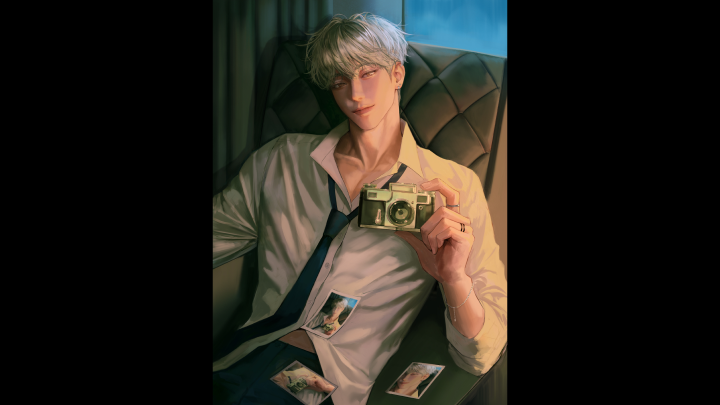
Master lika's Male Character Drawing and Coloring
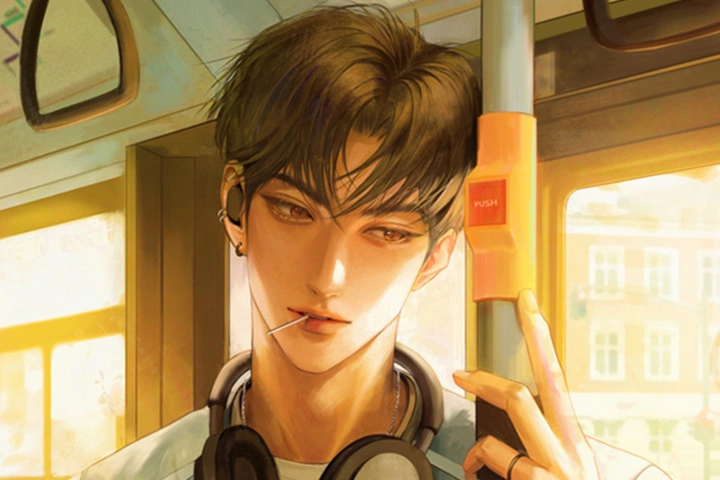
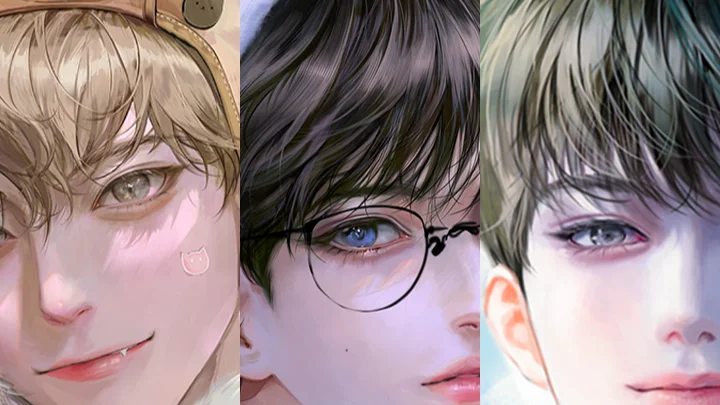
From a hobbyist to a professional illustrator in just three years, lika shares her complete know-how for creating universally appealing male characters. Learn what makes a male character truly handsome through logic and structure, not guesswork, and bring your characters to life with detailed, high-quality coloring and beautiful color schemes to capture any desired mood.
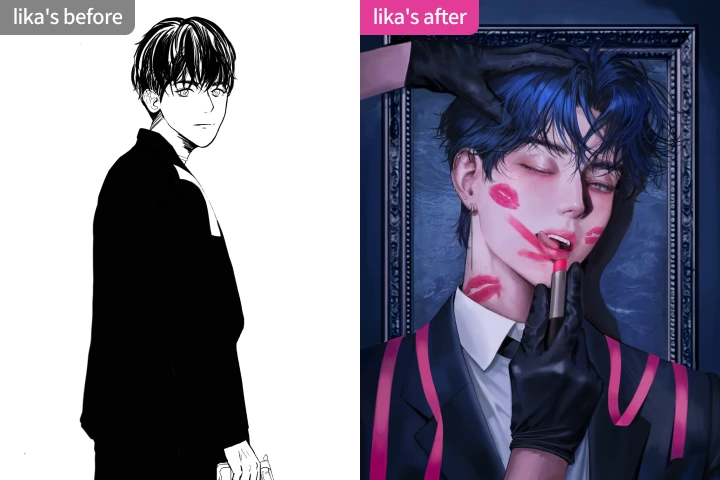
If your male characters often feel lacking in detail or quality no matter how much you practice, this class is for you. Join 120K-subscriber YouTuber lika as she reveals the secrets she developed entirely on her own. From planning to final touch-ups, master the drawing structures and coloring techniques for likable male characters, and take your skills all the way to a professional debut!
Class Perks
Special Gift from lika
-
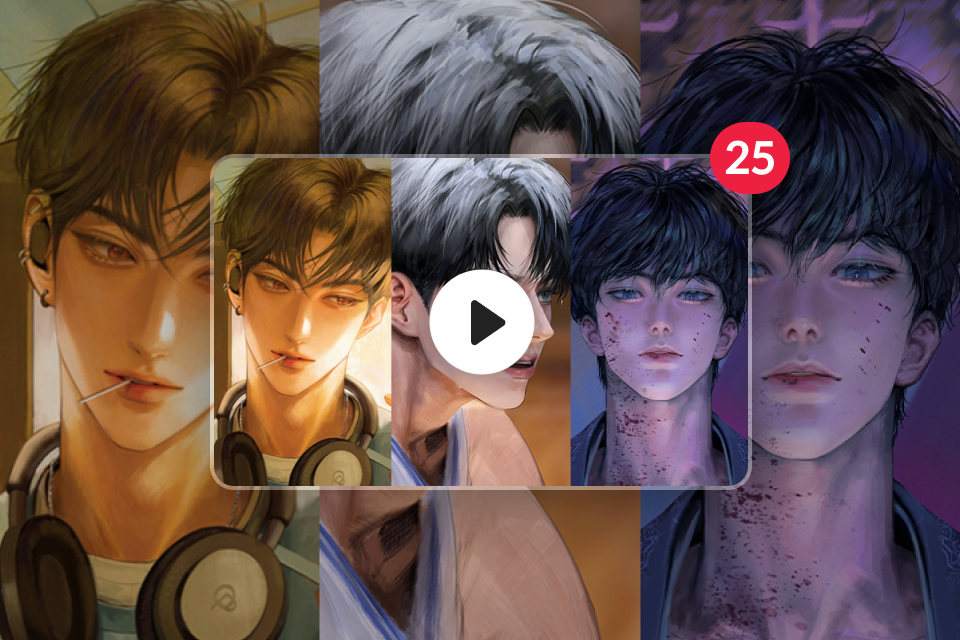 Unlimited Access to 25 ChaptersMaster male character drawing and web novel covers
 -
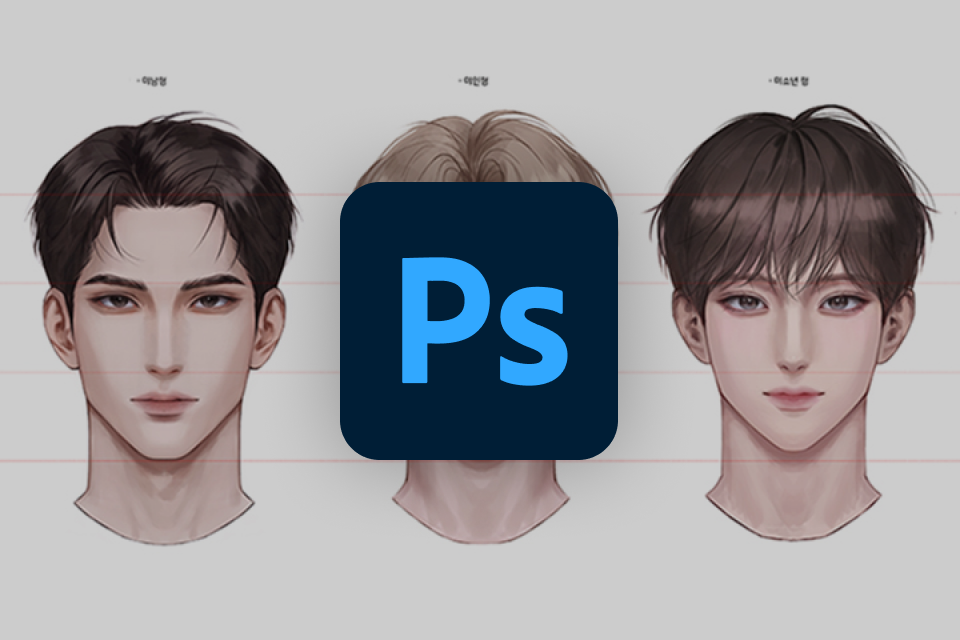 Original Practice Example Files (.psd)Key techniques for handsome, appleaing male faces
 -
 Brush ListDetailed, high-quality coloring
Class Material Details
-
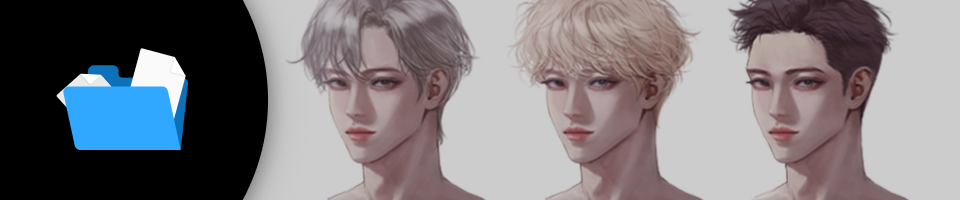 Practice Example Files (.psd)- Lighting study for head shading
- Basic shape construction practice
- Eye coloring practice
- Hair coloring practice
- Mood and atmosphere creation practice -
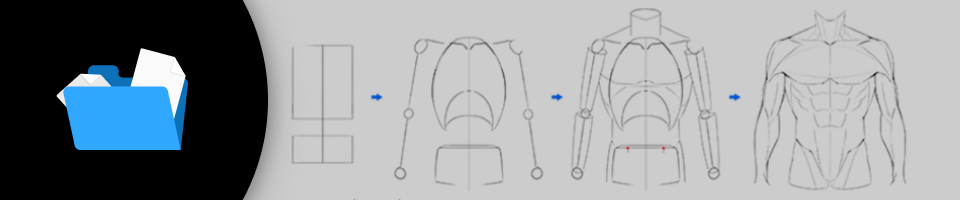 Class Material Files (.psd)- Understanding male face proportions
- Character style changes according to deformed proportions
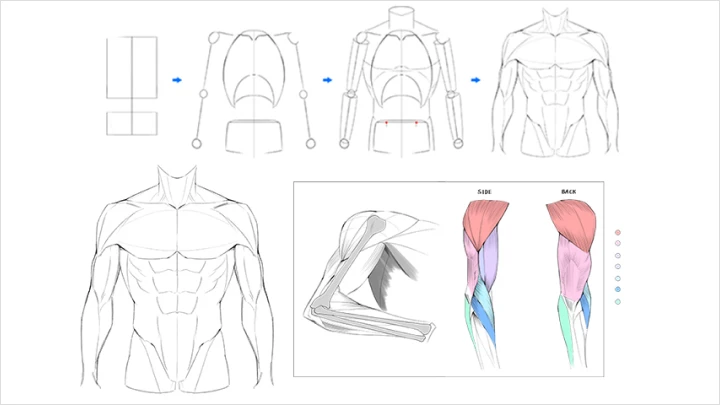
- Basic male body shape construction
- Study of eye, nose, and mouth shapes
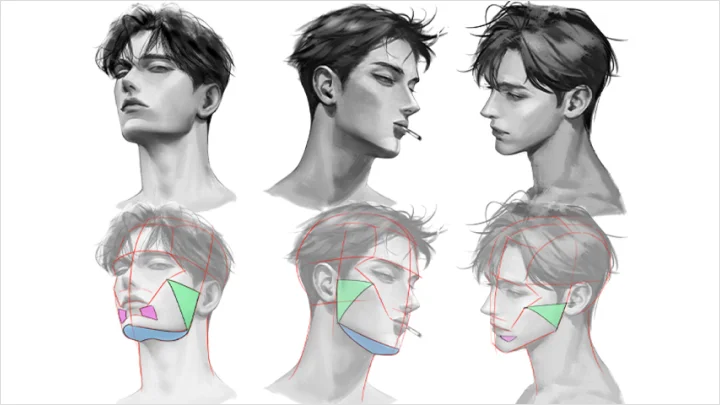
- Study of jawline, neck, collarbone, and hands
- Impression changes based on hairstyle
- Expression details
- Creating male characters with various impressions
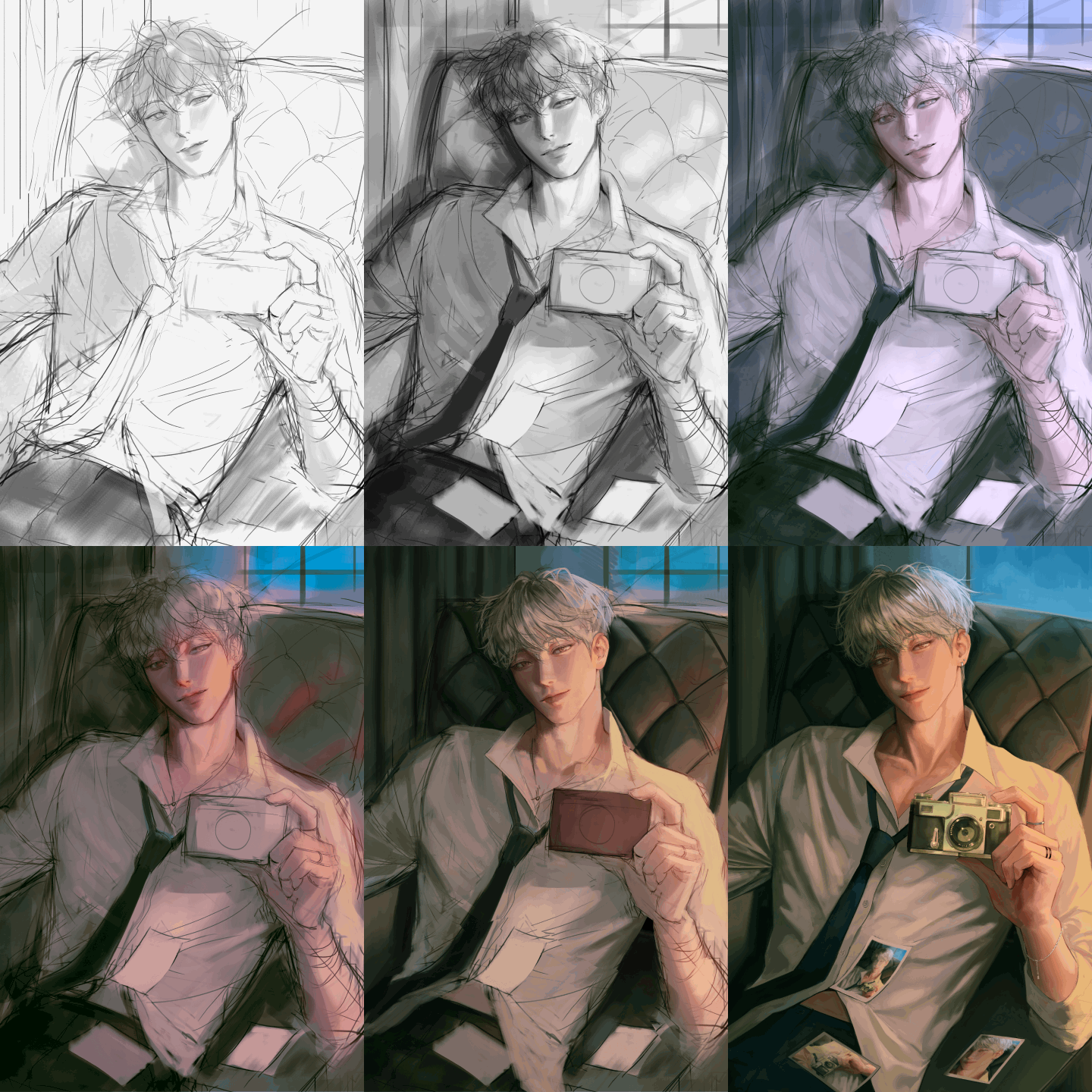
- Understanding the coloring process
- Types and density of textures
- Understanding brushes and coloring tools
- Techniques for lively and detailed skin rendering
- Detailed eye coloring techniques
- Detailed hair coloring techniques
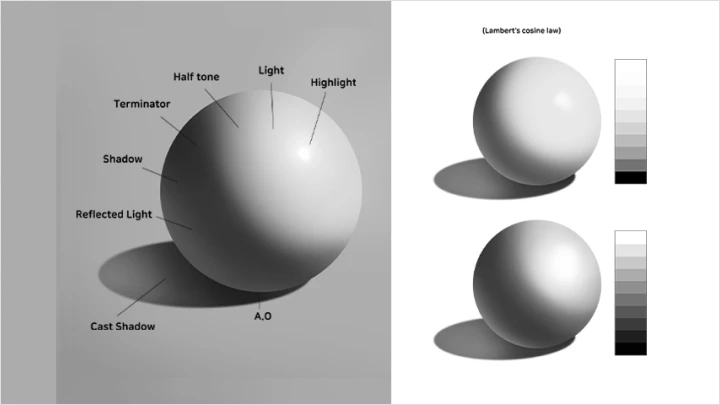
- Fundamentals of light and shadow
- Developing a sense of color combinations
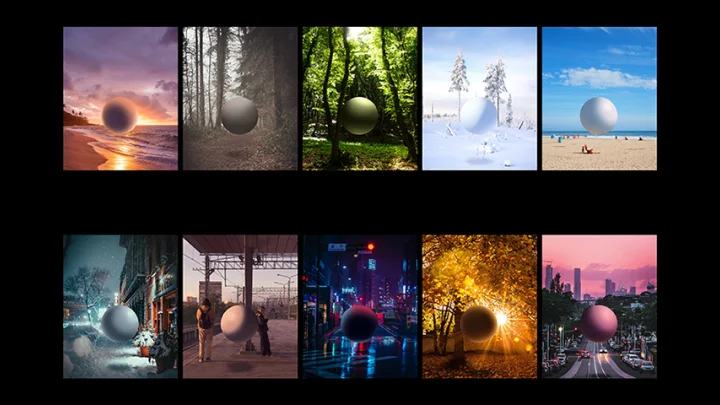
- Creating time-of-day and mood with color
- Color grading using adjustment layers
- Mood and atmosphere rendering -
 Demonstration Files (.psd)- How to explore and utilize reference materials
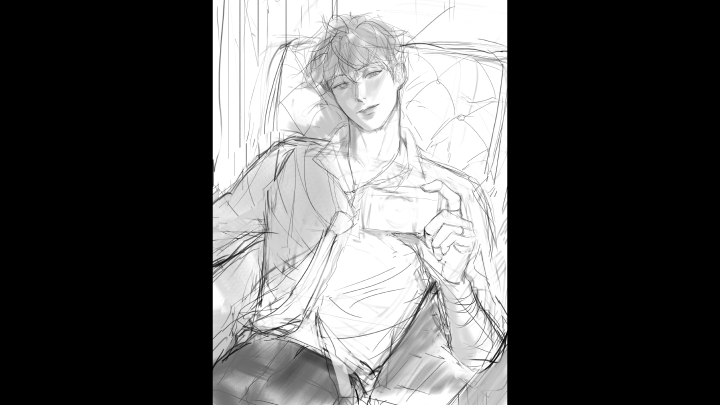
- Summary files of the process from concept planning to completion
Recommendation
Who should take this class?
Self-learners who want to create male characters filled with their own personal style
Illustrators aiming to complete male character illustrations at a professional, commercial level
Illustrators who want to master expressive coloring and mood creation
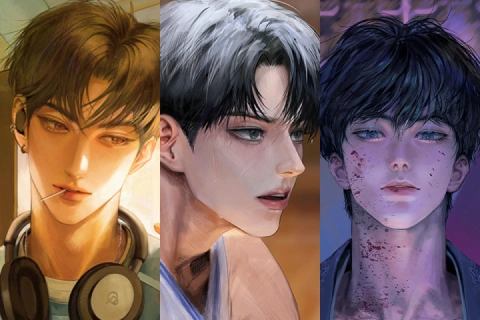
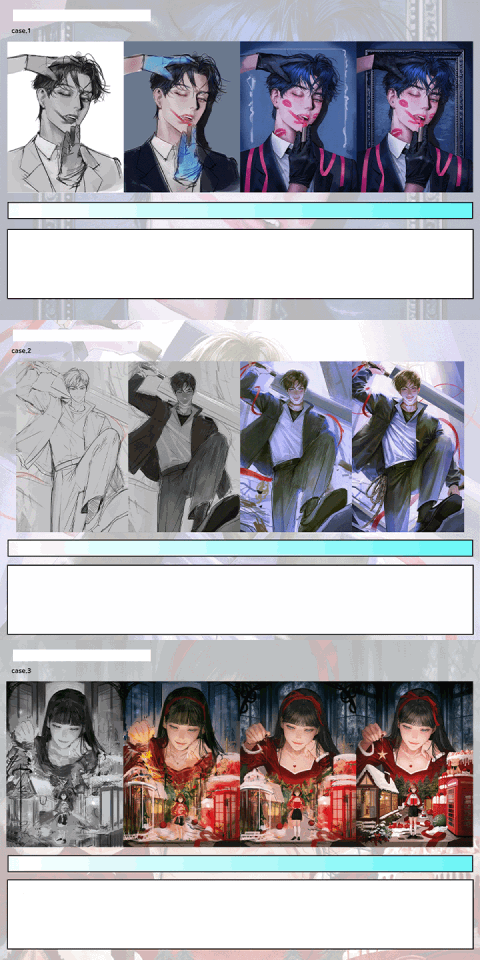
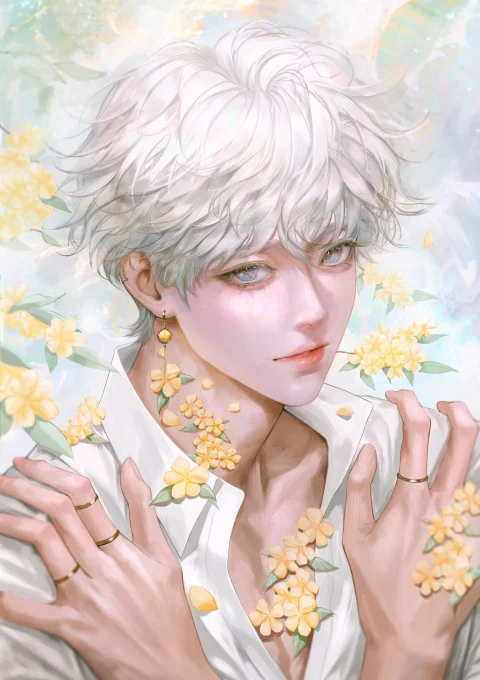
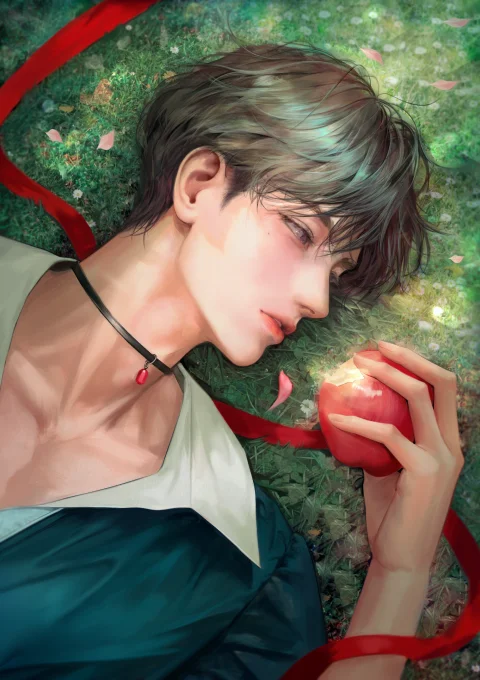
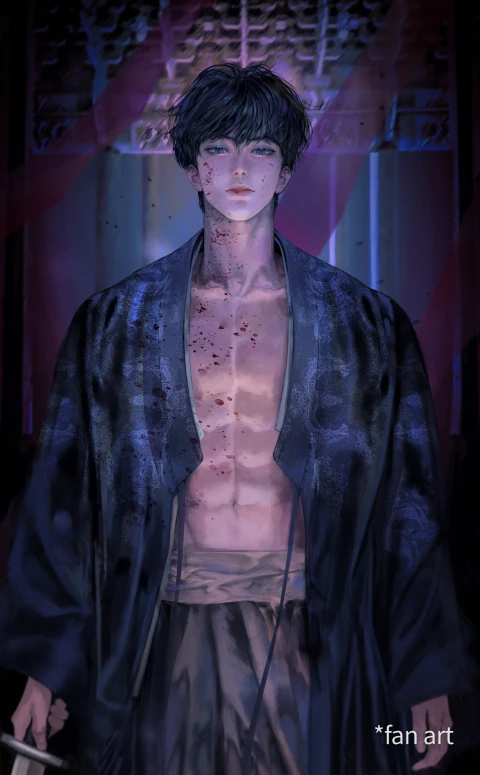
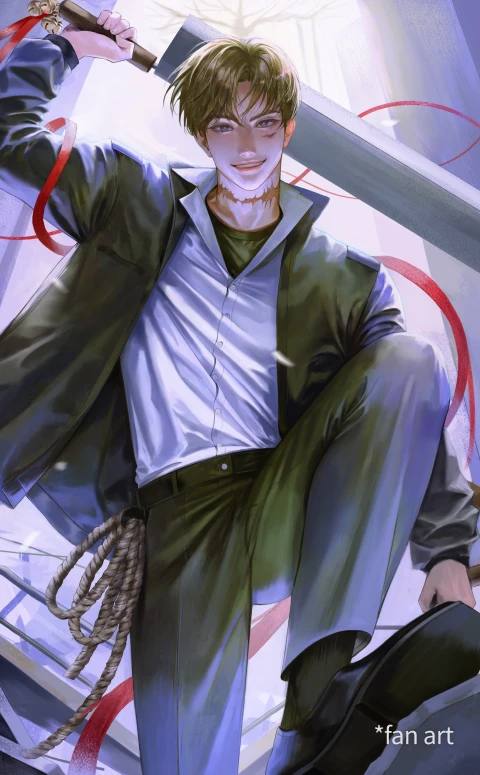
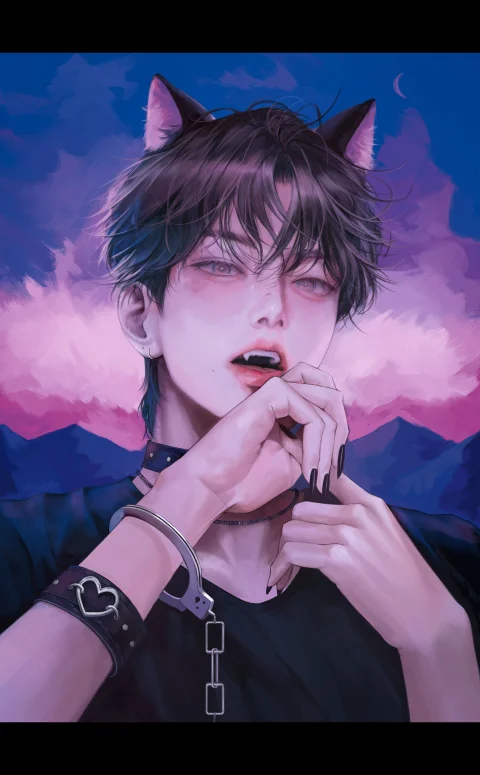
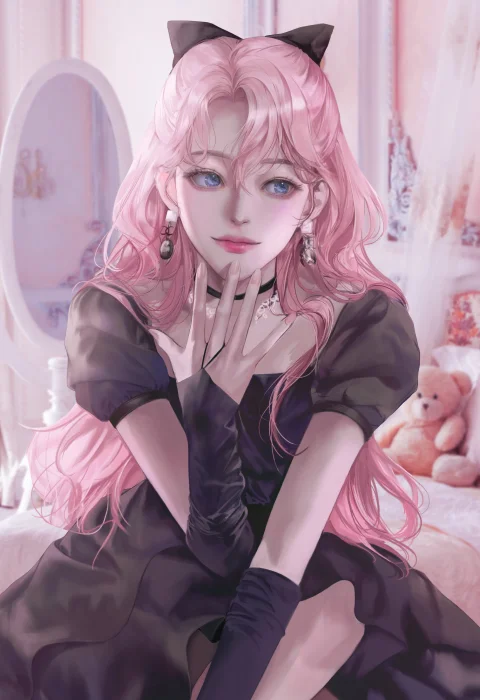
Expert Illustrator lika's Portfolio


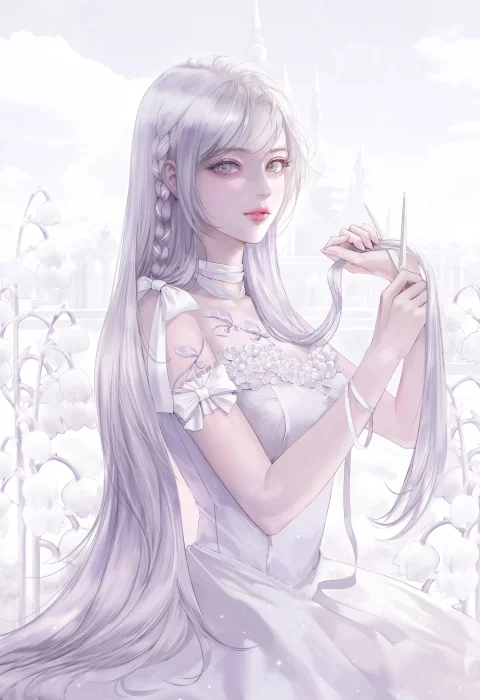
Why Take This Class?
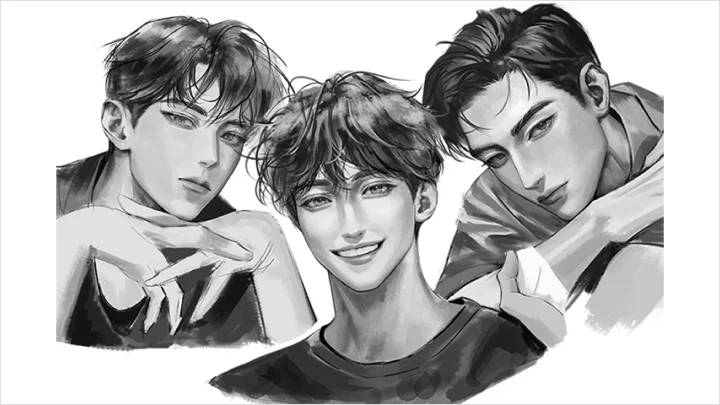
Learn the techniques that make male character illustrations work in actual commercial projects. Experience lika’s process for creating male character-centered web novel cover illustrations. You will explore how to bring out a character’s personality by considering expressions, impressions and overall mood while mastering professional-level coloring techniques that weave storytelling directly into your artwork.
Discover the winning formula for creating truly handsome male characters, knowledge that is hard to gain on your own. lika breaks down the structural drawing principles and techniques that enhance the persuasiveness of your art. Express any type of impression from cold to warm personalities and design natural color schemes and atmospheric moods. Get lika’s self-study guide to mastering male character illustration today.

Get Ready for the Real-World
Complete Handsome Male Character Drawing from Planning to Final Touch-Ups
Part 1. Building the Basics: Face and Body Structure
-
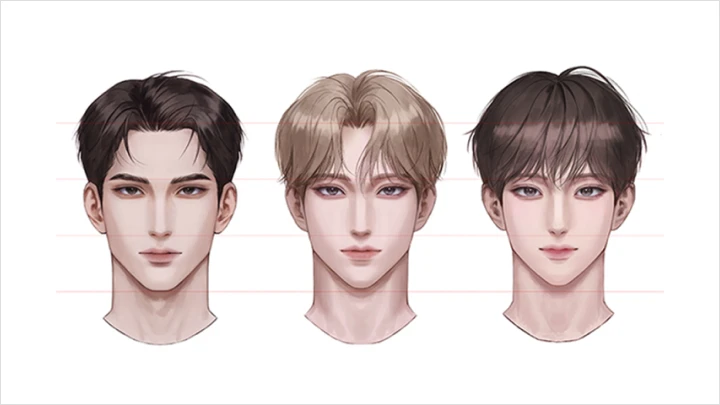
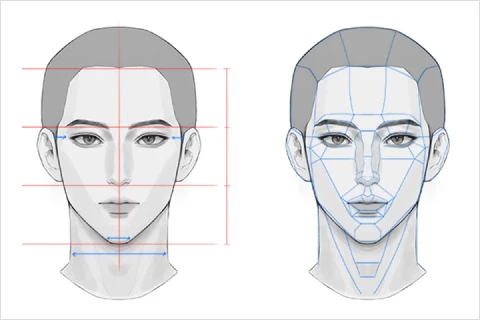 Male Face Proportion Guide
 -
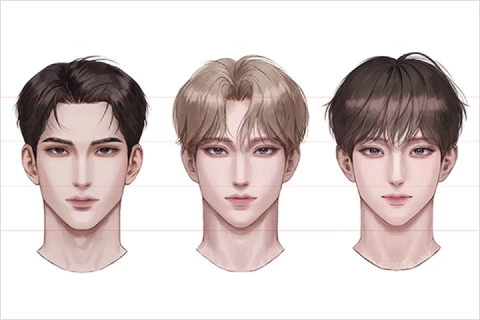 Features of Handsome, Pretty-boy, and Youthful Male Characters
 -
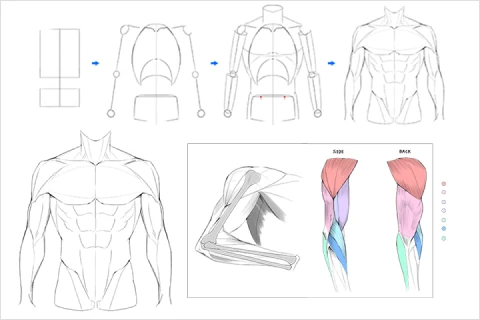 Body Shape Construction and Arm Muscle Anatomy
Part 2. The Essentials of a Handsome Male Character
-
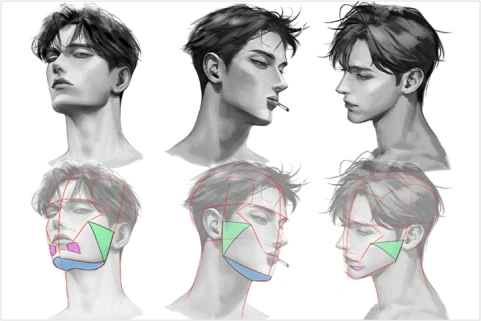 Understanding Facial Structures That Create a Handsome Look
 -
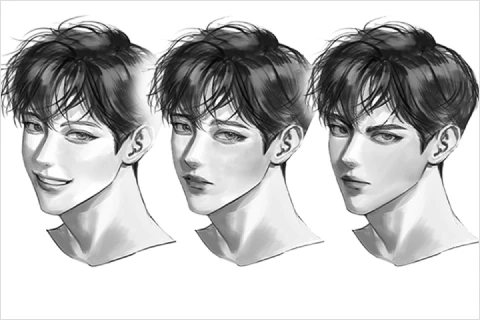 Expressing Emotions
 -
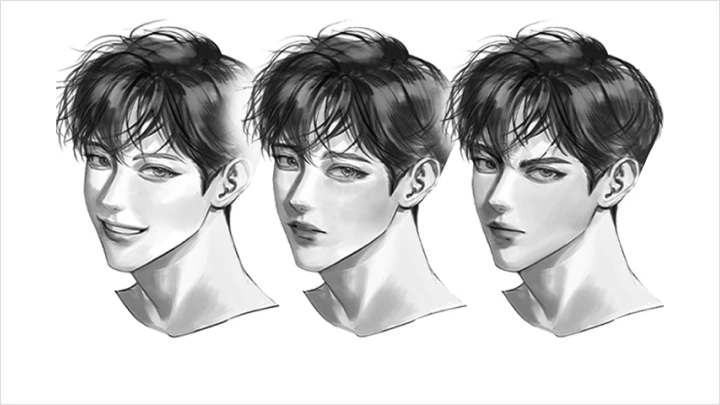
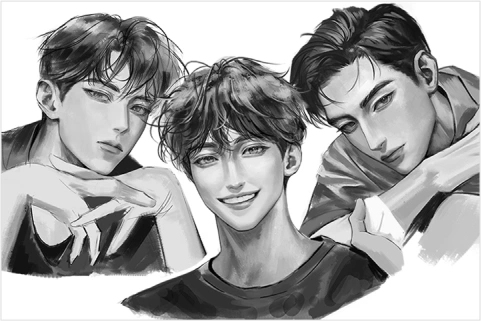 Drawing a Variety of Impressions
 -
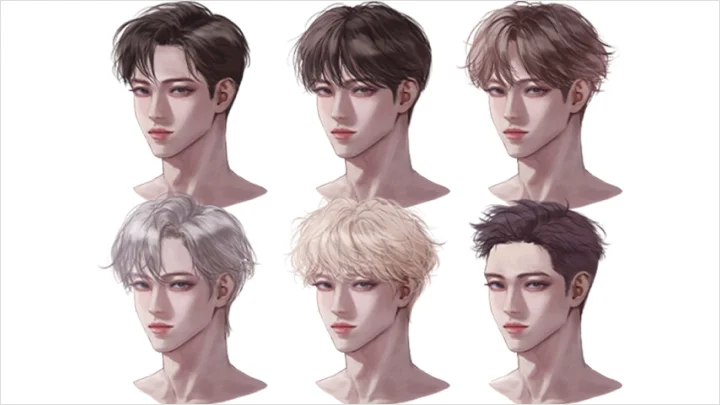
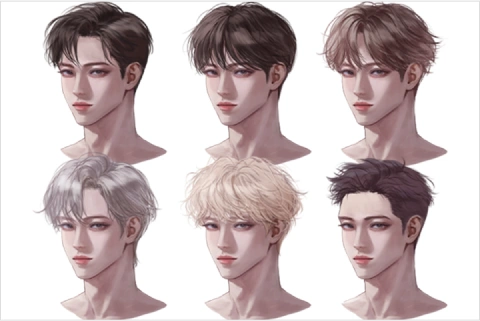 Changing Impressions Through Hairstyle
Part 3. Techniques for Increasing Coloring Density
-
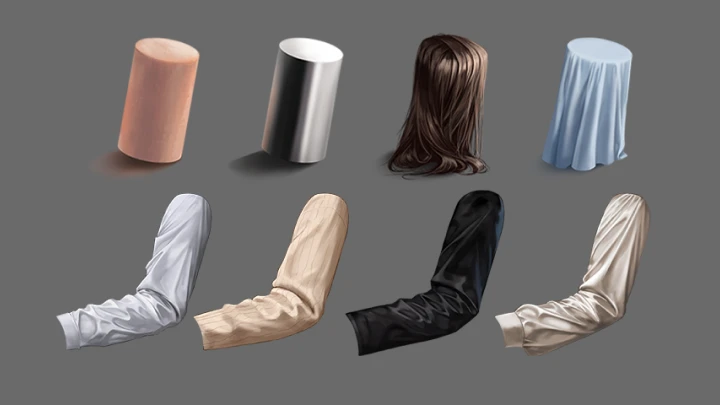
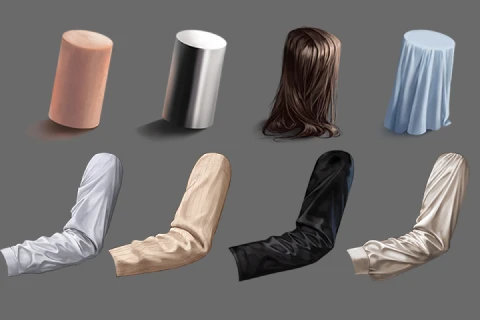 Types of Textures and Density Expression
 -
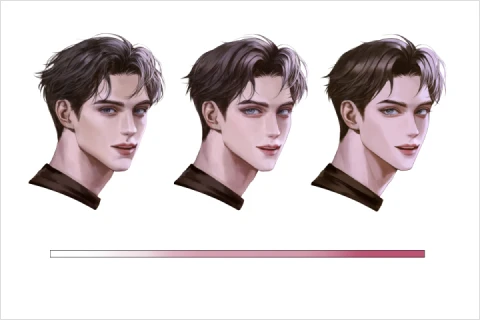
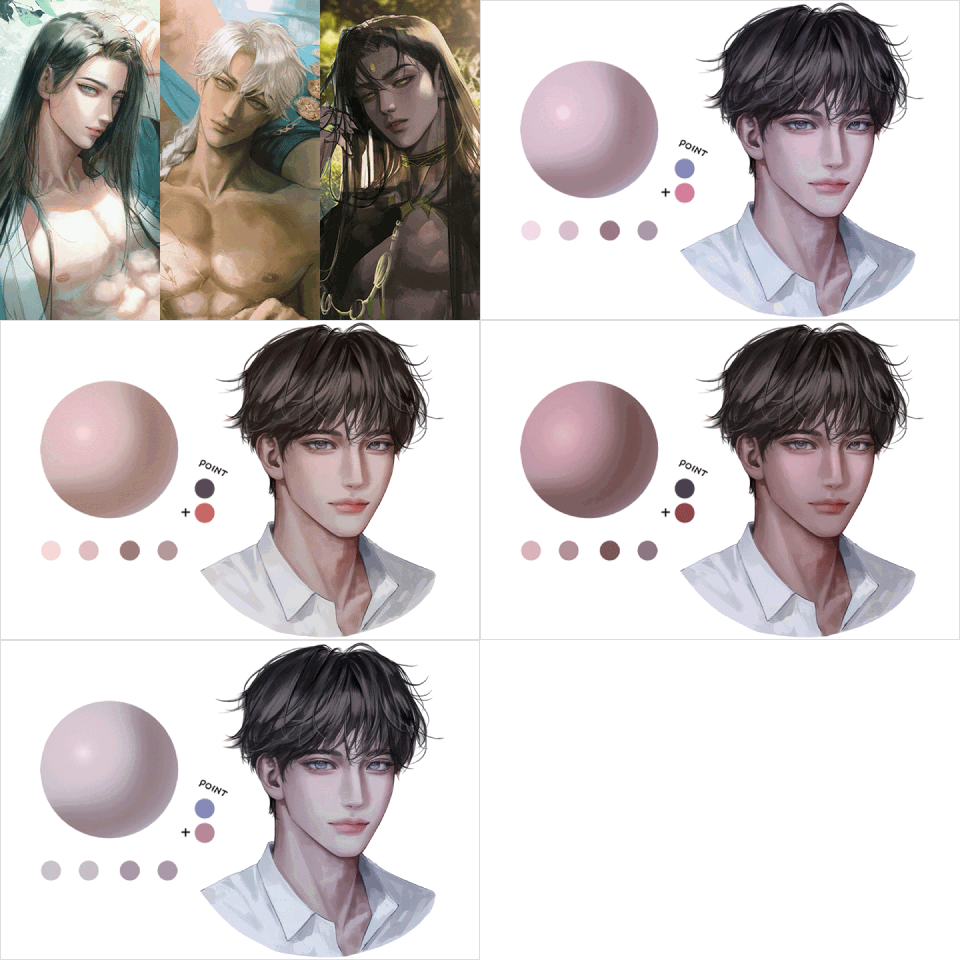 Expressing a Variety of Skin Tones
 -
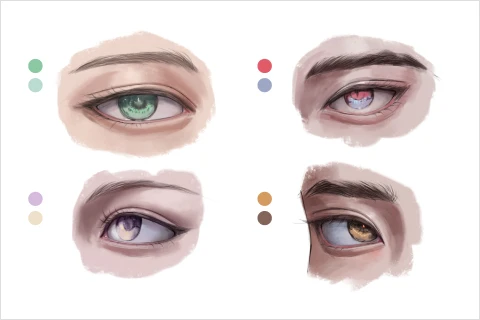 High-Density Eye Rendering Techniques
 -
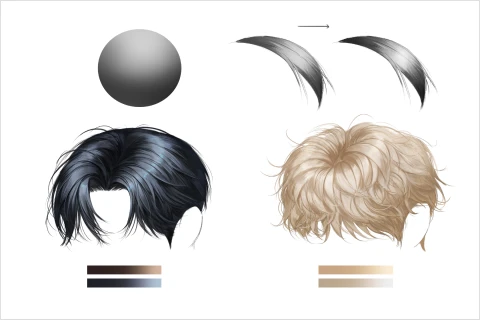 Detailed Hair Rendering Techniques
Part 4. Creating Beautiful Light and Color
-
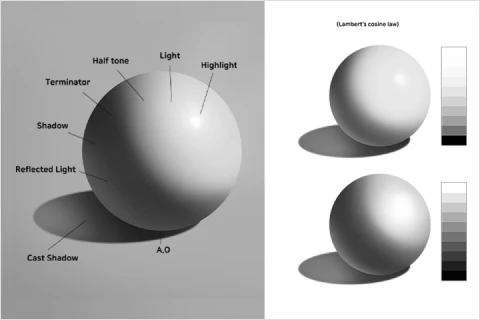 Basic Principles of Light and Shadow
 -
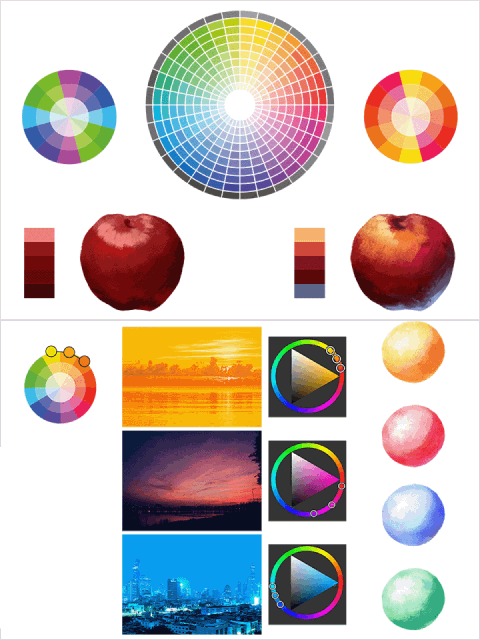 Developing a Sense of Color Combinations
-
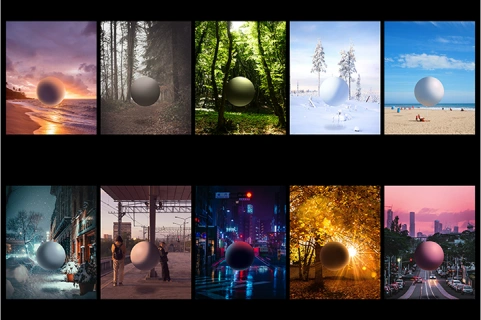 Techniques for Harmonious Backgrounds and Object Rendering
 -
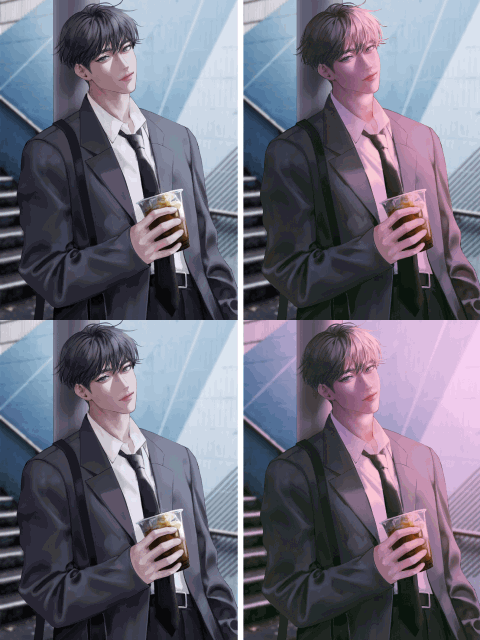 Using Adjustment Layers for Color Effects
Final Product
Student Review
lika's Class Reviews
-
 Student A
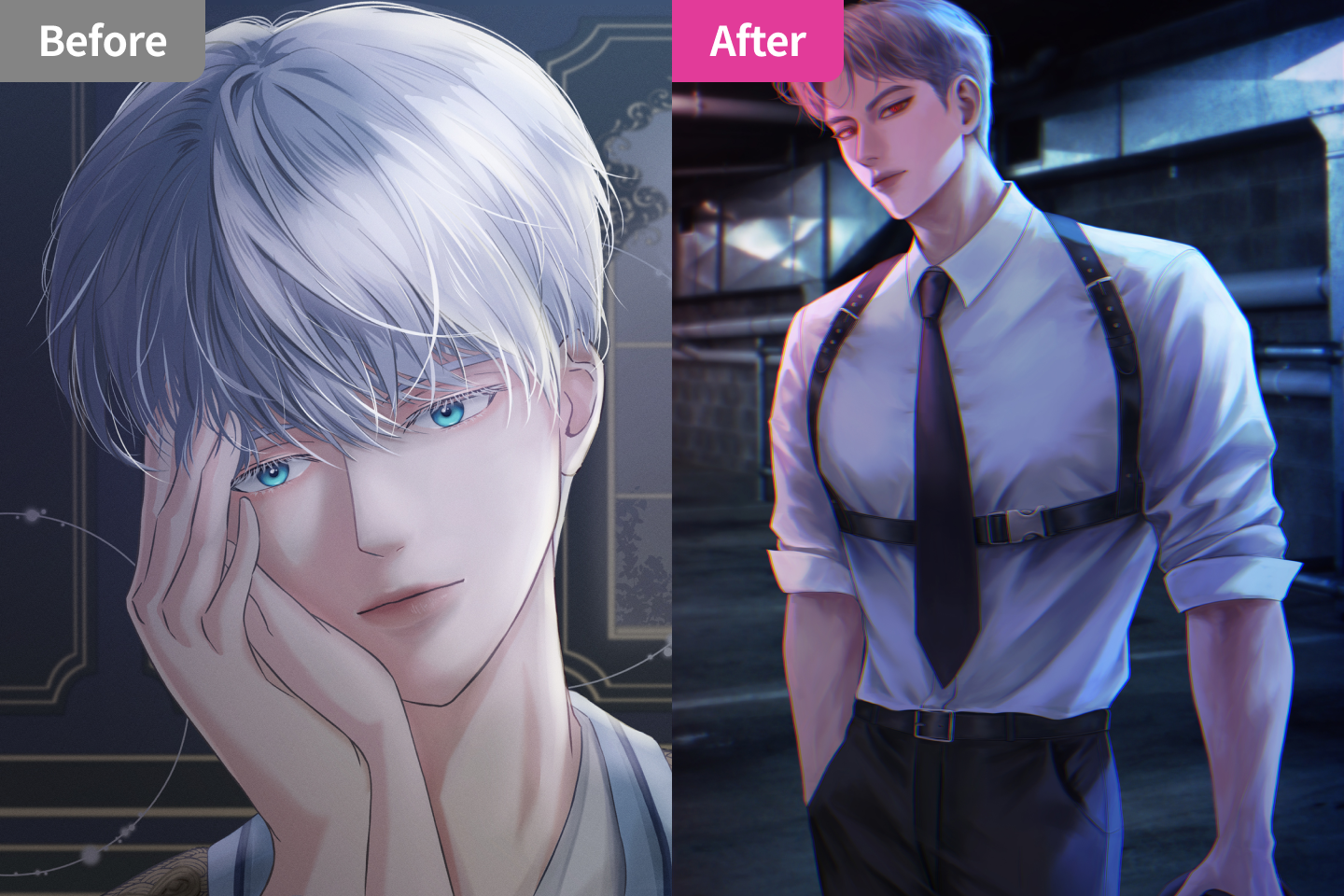
Through this class, I developed the habit of completing projects to the end, even if they took a long time, and experienced the satisfaction and improvement in detail upon finishing my artwork. My skills improved quickly, allowing me to create illustrations that matched the desired look. I was able to strengthen my abilities across various areas such as color, anatomy, facial features, hair, and composition. I also received detailed, specific feedback on challenging parts and learned effective study methods. This helped me discover strengths I hadn’t noticed before and understand how to make the most of them, while resolving confusion about my drawing style, especially between semi-realistic and casual styles.
-
 Student B
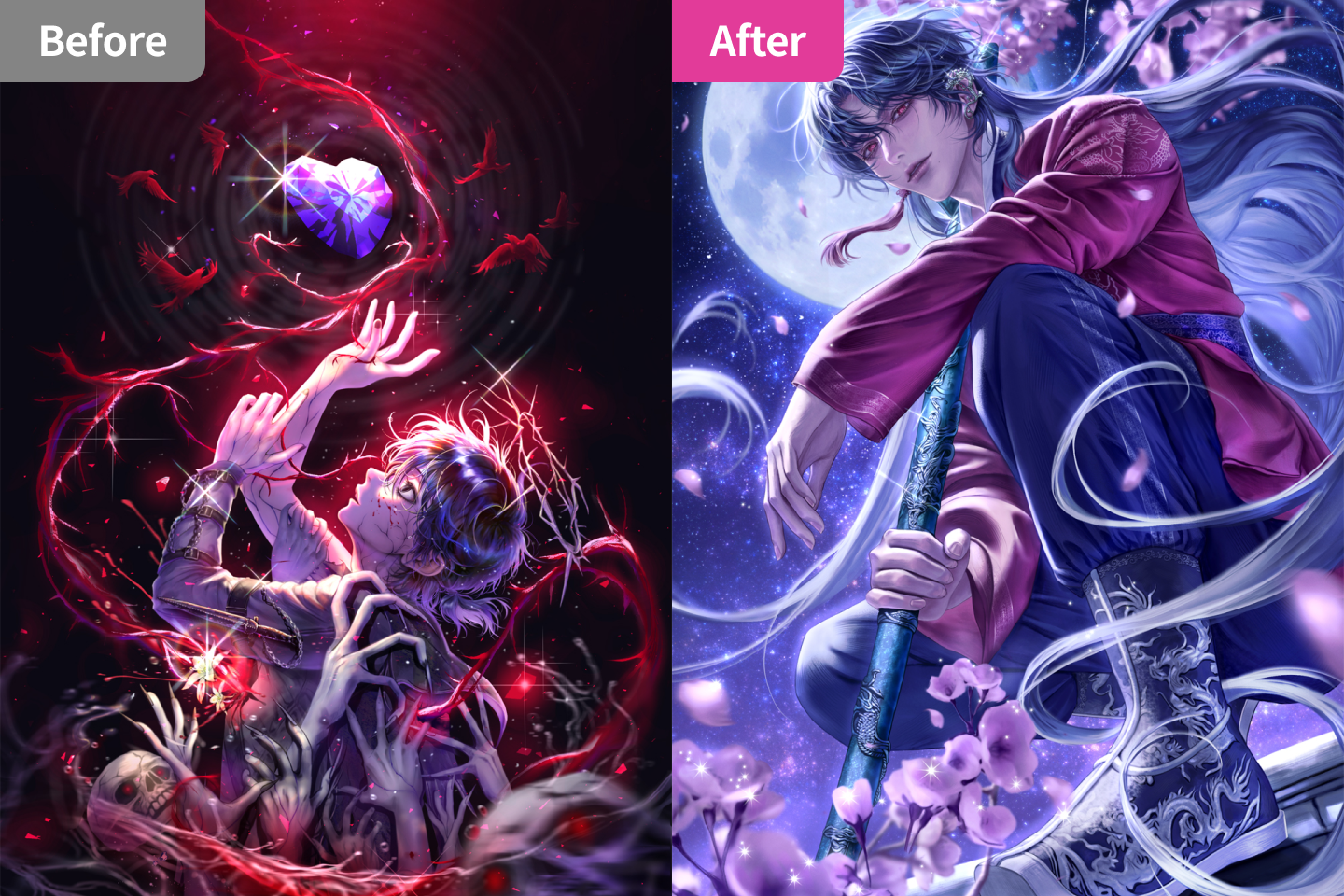
Thanks to the clear identification of my strengths and weaknesses, I knew exactly which areas to focus on and was able to grow quickly. lika provided high-quality feedback on everything from small questions to abstract concepts, making the class extremely useful. I appreciated learning both practical skills and theory, and because the instruction focuses on areas to improve, there is plenty to learn regardless of your current skill level.
-
 Student C
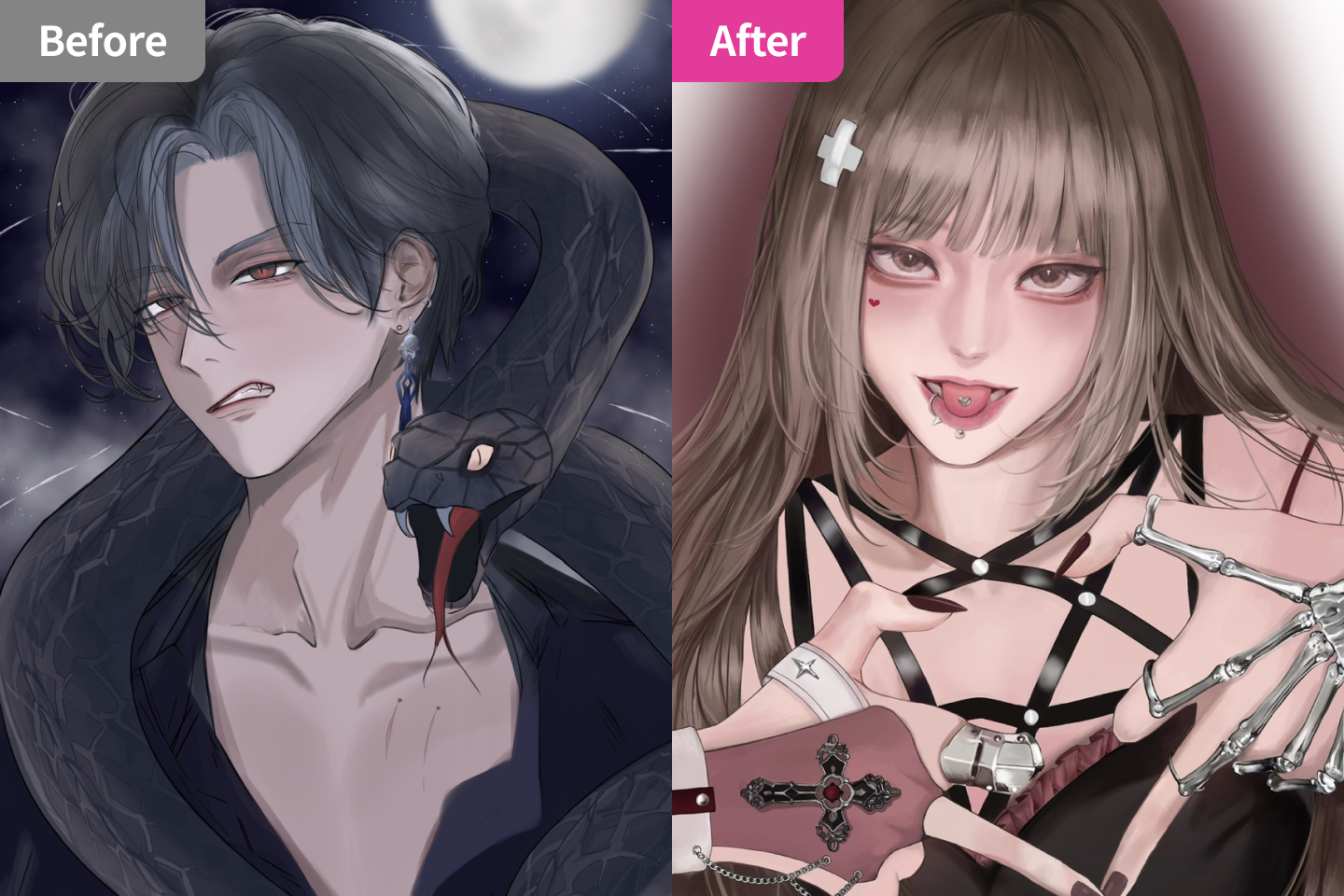
When I hit the limits of self-study while transitioning from a casual to a semi-realistic style, I was fortunate to take lika’s class. She covered everything from basic body proportions and composition to color and lighting that suit the scene, which allowed me to complete my first truly satisfying illustration and noticeably improve my skills. She explains the structure and features of handsome faces in an easy-to-understand way and generously shares tips to express characters beautifully without compromising your own style. I highly recommend this class to anyone struggling with color rendering or wanting to create attractive male characters in their own style.
-
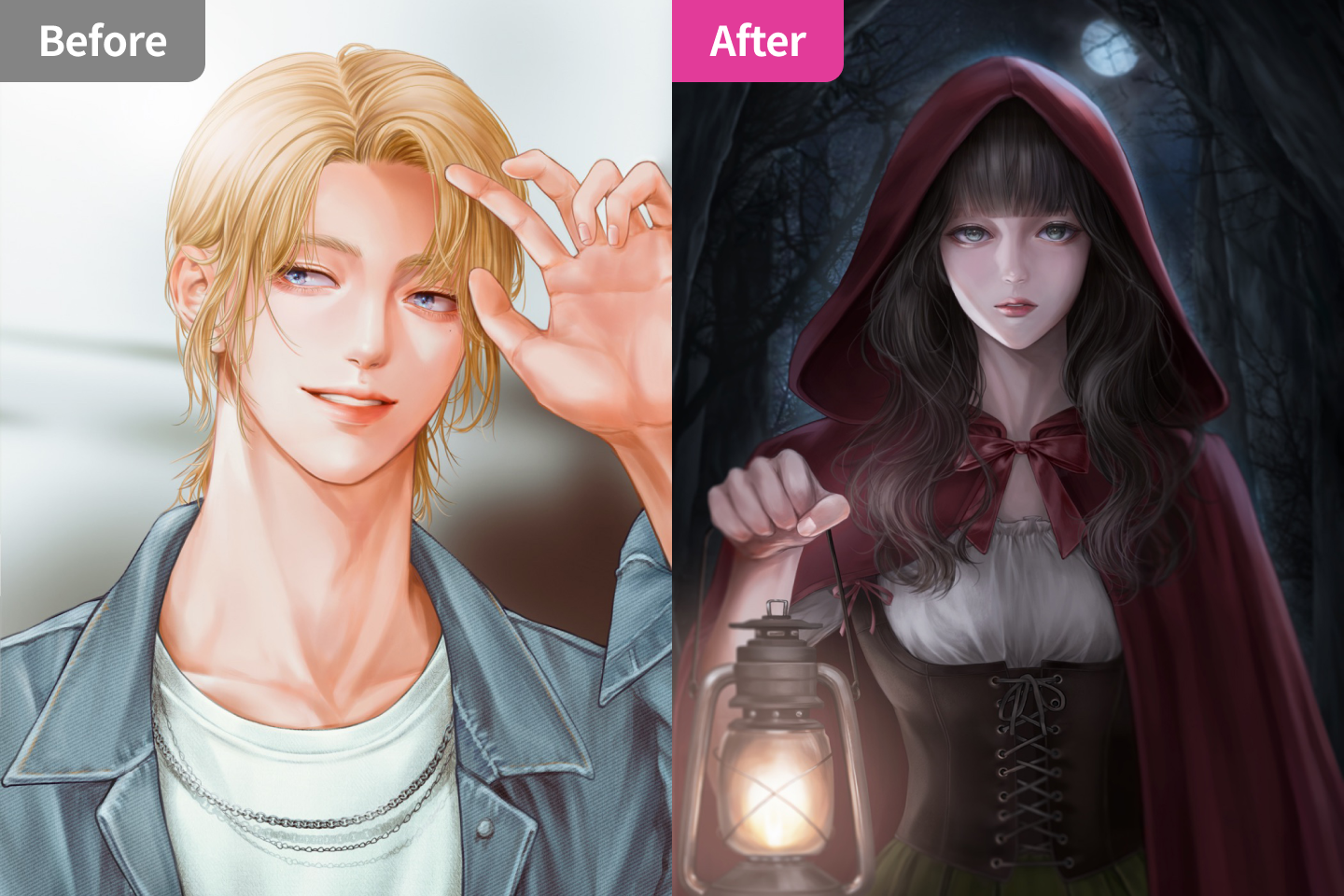 Student D
I enrolled in lika’s class wanting to improve the quality of my illustrations and draw more appealing characters. Before the class, I often drew without much planning, but Lika clearly explained the key points and techniques for drawing handsome faces, which helped me a lot. Through this class, I realized that even small differences in facial details can greatly change the result. I especially recommend this class to anyone who struggles with expressing character faces effectively.
Highlights
Class Highlights
No More Relying on Instinct! Design Handsome Male Characters with Structure and Logic
Discover the secrets to creating character illustrations that intuitively feel “handsome.” Go beyond simply copying references and learn to understand facial and body structures while designing characters that reflect your own personal style. Build foundational skills for creating appealing male characters, mastering essential principles and sculpting sensibilities to develop your unique artistic style.
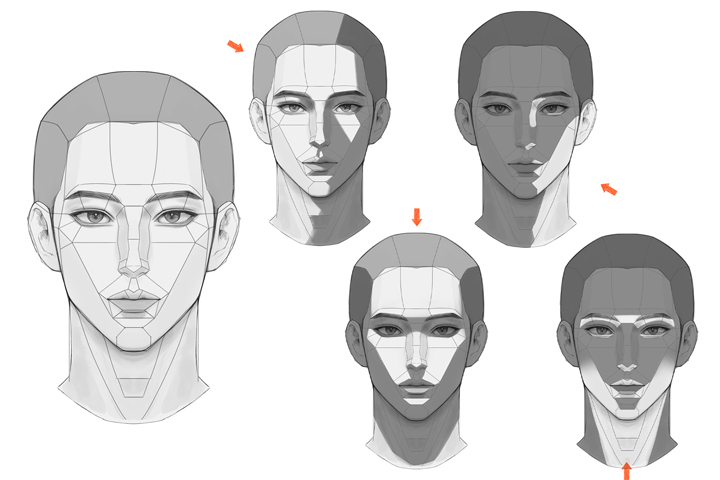
Practical Techniques for Expressing Any Personality or Impression in Male Characters

Tired of drawing the same face over and over? Learn how to distinguish and express different impressions and personalities, from cold, stoic types to warm, puppy-like or strong, rugged characters. Combine facial proportions, details, and expressions to create dimensional, lifelike impressions. Go beyond simply drawing attractive faces and imbue your characters with diverse moods and emotions.
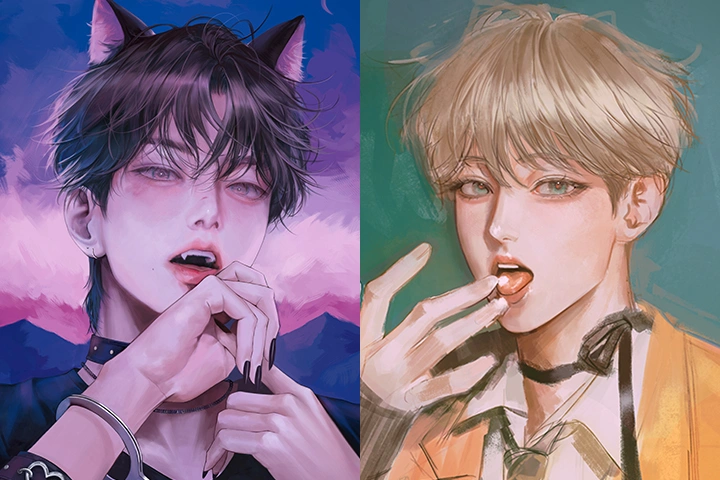
Boost Persuasiveness! Coloring Techniques That Bring Mood and Emotion to Life
Unlock the secrets to creating illustrations full of emotion through color and lighting. Learn lighting direction, color composition, contrast, and other performance-focused coloring techniques. Develop the ability to visually convey intended emotions and find key coloring points to naturally and effectively express your character’s story and desired atmosphere.