artdirector,rogerhom Details
Intro
Class Intro
Art Director, Roger Hom
"Great storyboarding is the key to making your ideas bounce from page to screen..."
Where Storyboarding Meets World-Building
Step into professional storyboarding and learn how cinematic narratives are built.
Roger Hom is an Art Director, Concept Artist, and Story Artist who has created cinematic worlds and visual campaigns for Apple, Meta, FX, Bethesda, Ubisoft, Bungie, and other leading studios. With a background in architecture, concept design, and storytelling, he teaches storyboarding as both a narrative tool and a vehicle for world-building.
Roger Hom is an Art Director, Concept Artist, and Story Artist who has created cinematic worlds and visual campaigns for Apple, Meta, FX, Bethesda, Ubisoft, Bungie, and other leading studios. With a background in architecture, concept design, and storytelling, he teaches storyboarding as both a narrative tool and a vehicle for world-building.
In this class, students will learn to storyboard the way working professionals do—fast, clear, and idea-driven. Instead of working from generic prompts, they will step into Roger’s original IP, Stockyard, using real concept art as their production “client deck.” They will complete two interconnected assignments, a commercial and a game trailer, structured to reflect real film and game pipelines.
By the end of the course, students will be equipped to create storyboards that do more than visualize scenes. They will define worlds, deepen stories, and help drive the creative decisions of an entire production team.
By the end of the course, students will be equipped to create storyboards that do more than visualize scenes. They will define worlds, deepen stories, and help drive the creative decisions of an entire production team.
Class Preview
Still Not Sure?
Check Out Roger Hom's Class Preview!
Chapter 13: Putting the Rules to Practice
1. Identifying key story moments, creating thumbnails and alternates, and incorporating director feedback
2. Demonstrating the full process from thumbnail to final polished frame in a 15-minute live demo
2. Demonstrating the full process from thumbnail to final polished frame in a 15-minute live demo
Class Perks
Special Gift from Roger Hom
-
 Storyboard Templates
 -
 Perspective Grid System
 -
 Camera Direction Graphics
-
 Photoshop Preferences
 -
 Folder Directory Setup
 -
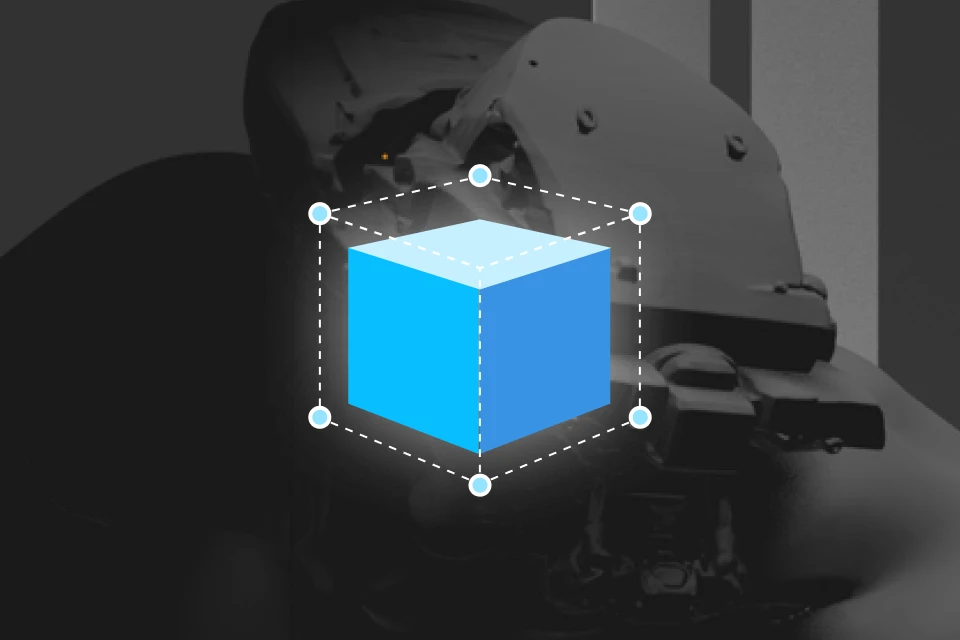 3D Stockyard Character
Class Material Details
-
 Production-Ready Templates- Templates that cover nearly every storyboard job, from commercials and game trailers to social content
- Formatted for easy letter-size printing to bring on set or share with directors, crews, scouts, and clients -
 Perspective Grid System- Roger’s custom grid system for quickly building clean 1-, 2-, and 3-point perspectives
 -
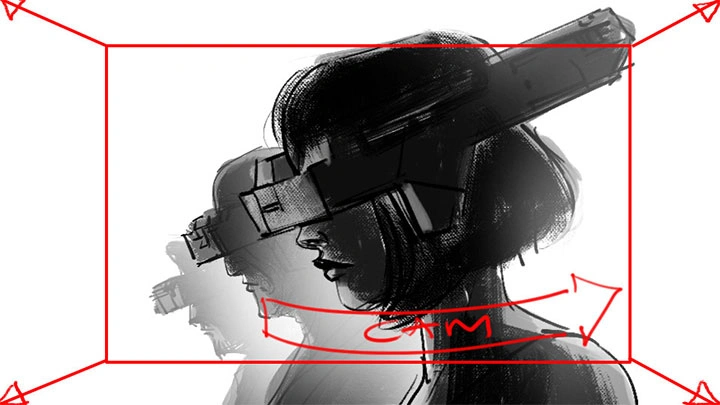
 Camera Movement Tools- Camera direction arrows and graphics that make it easy to plan, visualize, and communicate almost any camera move
-
 Workflow & Efficiency Toolkit- Roger’s keyboard shortcuts, black-and-white value workflow, and Photoshop workspace, all optimized for clarity, speed, and production efficiency
 -
 Bulletproof Organization System- A streamlined setup designed to keep artists organized when multiple deadlines stack up, ideal for maintaining consistency under production pressure
 -
 3D Stockyard Character- A licensed 3D character from Roger’s Stockyard world provided exclusively for course assignments
- Not be used commercially or shared outside the class
Recommendation
Who should take this class?
Beginner artists who want a grounded introduction to drawing and mark-making. The class revisits essential fundamentals to help develop clear, intentional visual communication.
Experienced artists, such as concept artists, illustrators, motion designers, and 3D artists, who want to expand their skill set and approach storyboarding as a natural extension of their existing practice.
Directors, creative leads, and filmmakers who collaborate with story artists and want hands-on experience shaping sequences themselves. Many renowned filmmakers sketch their own boards not for perfection, but to communicate clearly.
Expert Art Director Roger Hom's Portfolio

Why Take This Class?
This course teaches students to storyboard like professionals, giving them the tools and mindset to bring cinematic ideas to life. Using Roger Hom’s original IP, Stockyard, learners will apply storyboarding skills within a cohesive, concept-driven universe. They will master the core visual fundamentals of sequential storytelling, including composition, value, shape language, lighting, and edge control, and develop the ability to design shots that communicate narrative, mood, gameplay, and spatial logic while thinking like directors and production designers, expanding beyond illustration alone.
Students will gain hands-on experience with industry-standard tools such as Photoshop, 3D workflows, and InDesign, learning how to produce efficient, production-ready storyboards. Beyond drawing scenes, the class emphasizes the role of storyboards in world-building and guiding creative teams, preparing students to contribute meaningfully to every stage of a production pipeline.
By the end of the course, learners will be equipped to create storyboards that do more than depict events—they will define worlds, strengthen stories, and help drive the creative vision of an entire project.

Get Ready for the Real-World
19 Class Exercises
-
Goal Setting- Identify what you want to accomplish, as a filmmaker, traditional artist, or 3D artist
- Clear goals help you focus on the skills you want to grow as an artist -
Storyboards and Their Purpose- Focus on shots that moved or surprised you from your favorite films
- Analyze how storyboards shaped those moments and identify what inspires your work -
 A Director's Mindset- Select frames showcasing different focal lengths, shot types, and camera angles
- Ask why choices were made and what each communicates, training your eye for storytelling
-
Photoshop for Storyboarding- Get to know Roger’s workspace, actions, and shortcuts through quick sketches
- Experiment with brushes and rapid sketching to develop confident, clear mark-making -
Story Frame Management- Visualize the commercial and game-trailer scripts using simple shapes and stick figures
- Build frames in PSDs, review in Bridge, and assemble in InDesign while iterating -
Storyboard Types- Gather and examine references from different types of storyboards
- Choose a workflow (loose, tonal, or hybrid) based on what best serves the project
-
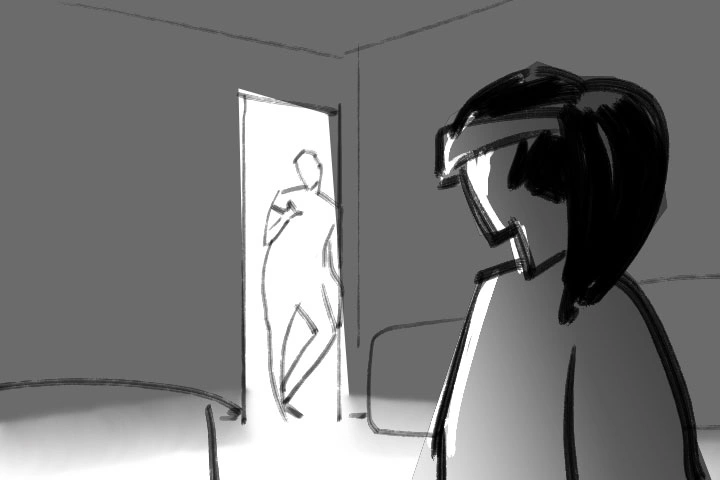 Needs of a Commercial- Analyze three commercials you love and redraw your favorite shots with simple shapes, values, and composition
- Focus on clarity and core ideas over polish -
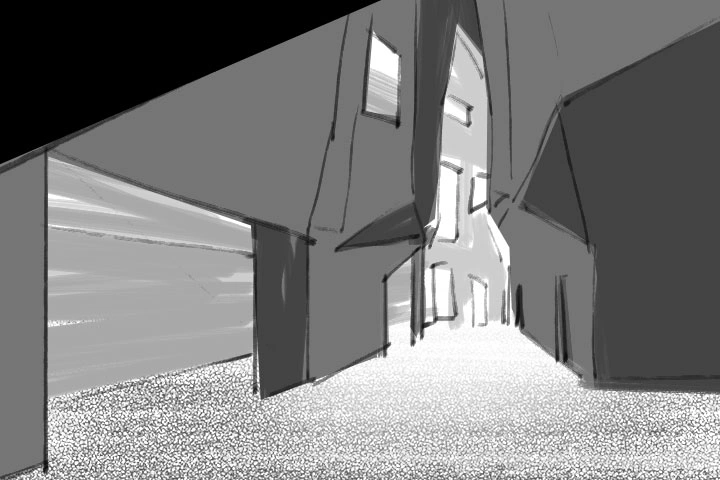 Reference Gathering- Match the visual language of your world, considering factors like architecture, lighting, materials, and mood
- Strong references keep storyboards cohesive, intentional, and believable -
 Drawing Efficiency- Study artists you admire and simplify their shapes, values, and framing
- Redraw three images to practice clear, efficient visual storytelling
-
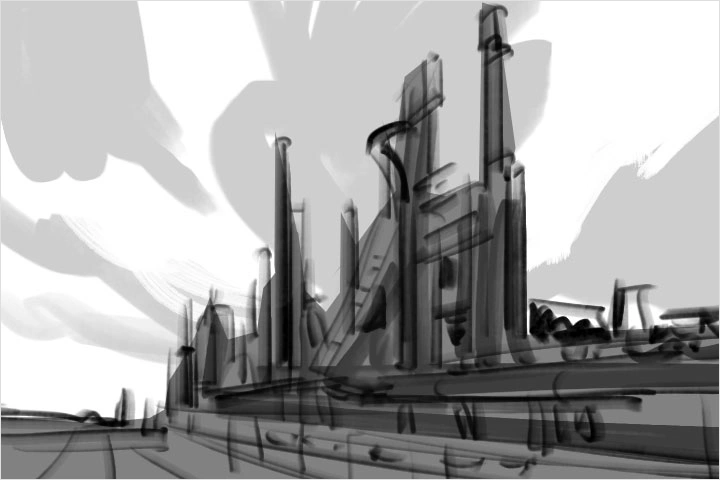 Use of Perspective- Overlay grids on photo references of interiors and exteriors
- Draw over images and reimagine layouts to control space for storytelling -
Line of Action- Storyboard a multi-character scene and experiment with crossing the line of action
- Observe how spatial clarity and emotional dynamics shift -
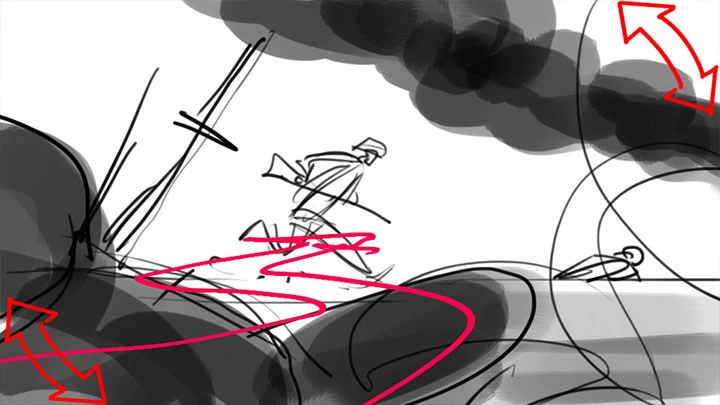
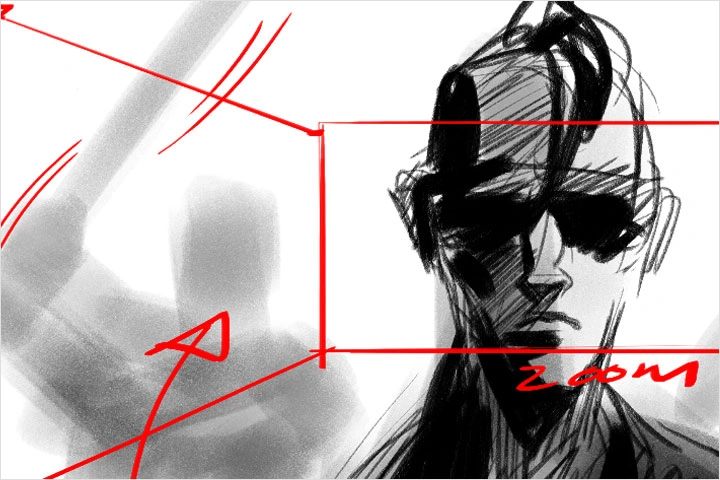 Camera Techniques- Add camera arrows to clarify moves, character motion, and shifts in attention
- Treat them as choreography notes that clarify each shot’s motion and intent
-
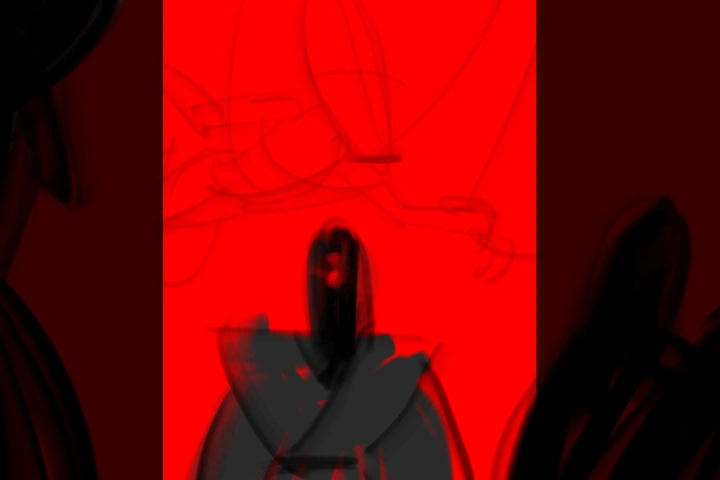 Learning Application- Select key story moments and create three versions: loose, tonal, and hybrid
- Build versatility for real production needs with varying fidelity requirements -
Video Game Cinematics- Study game cinematics for emotion, gameplay, atmosphere, or world-building
- Redraw favorite shots in simplified forms to create reference boards for your trailer -
3D in Storyboarding- Block out scenes with simple 3D shapes to define scale, space, and staging
- Experiment with different focal lengths and shot types to explore cinematic storytelling
-
 Storyboarding with 2D & 3D- Use 3D block-ins for key moments, create Grease Pencil thumbnails, and refine in Photoshop
- Merge 3D precision with 2D speed and clarity -
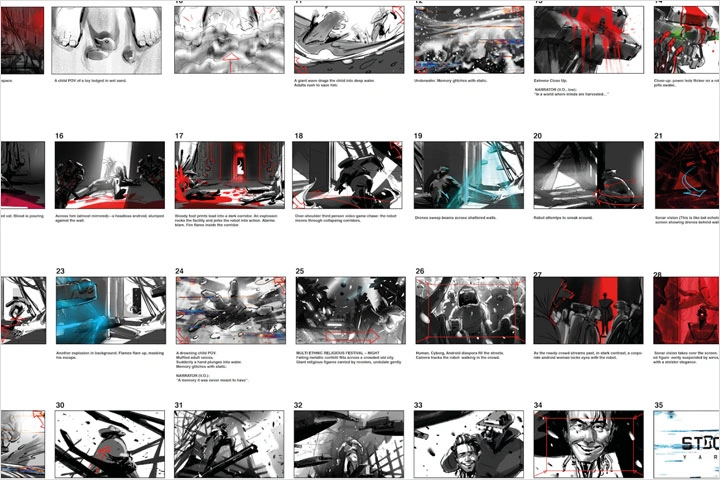 Final Review and Revisions- Compare your boards to reference work, add alternate angles and notes, and revise until sequences are clear and production-ready
- Create boards that help directors visualize ideas -
 Professional Practice- Share your work, network, and stay curious about others’ creations
- Stay curious, as opportunities come through visibility and collaboration -
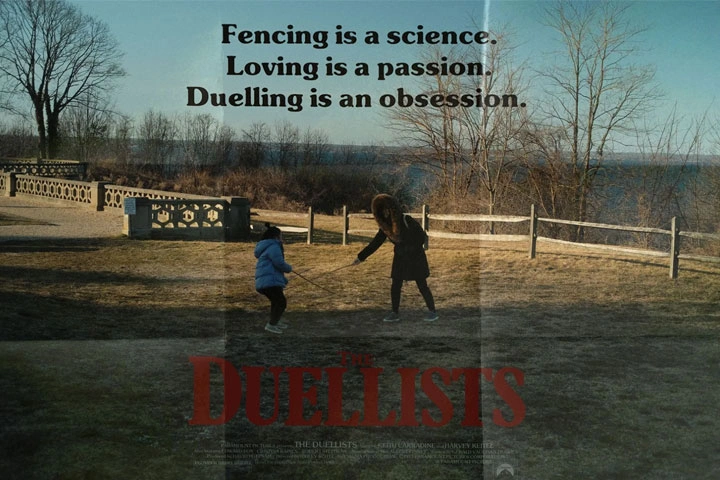 An Artist's Journey- Keep drawing, watching, and playing
- Let real-life experiences inspire creativity and continue developing your storytelling skills
Final Product Example(s)
-
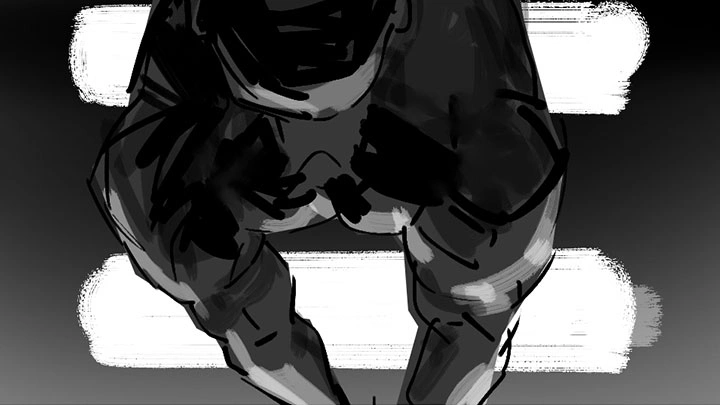
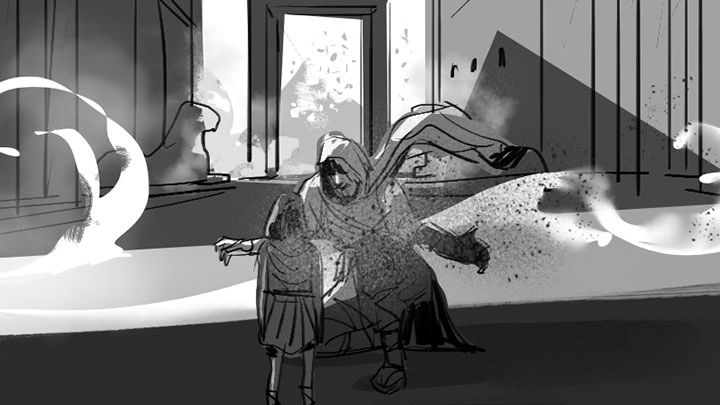
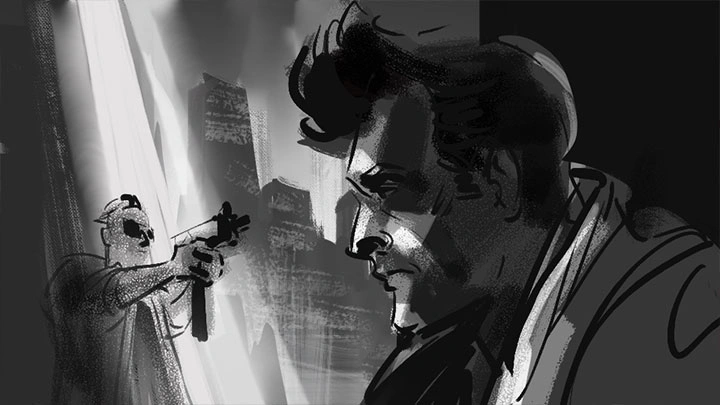
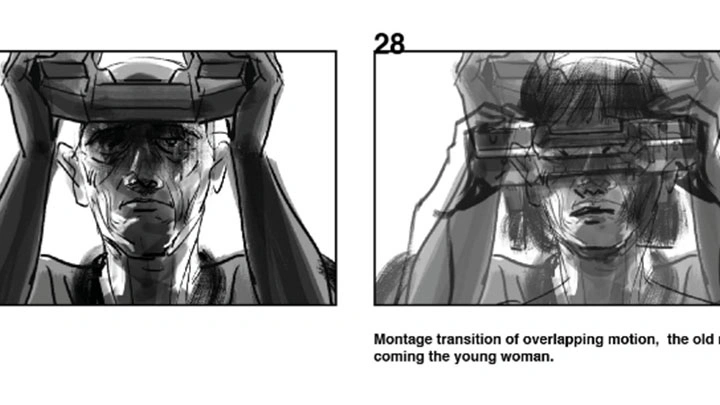
Commercial StoryboardThis commercial showcases Stockyard, a product from Roger's IP, crafted like a real ad with precise timing and a clear brand promise. Each shot reveals more of the surrounding universe, transforming the product into both a storytelling device and a piece of immersive world-building.
-
Game Trailer StoryboardSet in the world of Stockyard, this game trailer follows the structure of a real cinematic trailer to tease gameplay while hinting at a larger universe filled with exploration, danger, and intrigue. It offers both a promise and a glimpse of the world players will soon inhabit.
Highlights
Class Highlights
Drawing Efficiently
Use shape, value, line, and composition to create marks that serve the story. Focus on reducing unnecessary complexity while suggesting the depth and richness of the world.
World Building
Go beyond depicting camera setups to communicate the narrative’s underlying concepts. Convey ideas not written in the script through design, composition, and staging—thinking like both a director and a production designer.
Drawing as Design
Unlike traditional drawing, which is often judged on rendering quality, storyboards are evaluated on their ability to solve design and storytelling problems. This includes camera motivation, spatial logic, lighting and mood, actor and camera placement, and practical production considerations. Storyboarding is about making intentional decisions, not decoration.