[Academy]academy,raum_라움_KR Details
Intro

Now in Your Language, Only on Coloso!
Learn from Korea's Top Master Creatives
-
 Build rock-solid illustration fundamentals
-
 Learn RAUM Academy’s proven methods
-
 Practice, review, and grow at your own pace
A Masterbook of Illustration from Top-Tier Academy RAUM!
From figure construction and sketching to line work, color variations, and detailed rendering-build solid illustration fundamentals with RAUM’s tutorials, practice exercises, and self-feedback methods you can revisit anytime. Experience RAUM’s complete, start-to-finish curriculum for creating high-quality illustrations, now available on Coloso.

Where should you begin when learning to draw? If you’ve been unsure about your fundamentals or lost without a clear learning roadmap, this class will solve those worries all at once. Introducing the Drawing & Coloring Basics Class-created by RAUM, Korea’s top illustration academy, built from years of real consultations with students and a deep understanding of their struggles.
Class Perks
Get These Coloso Exclusives
-
 Strong Fundamentals and ApplicationOriginal PSDs and Examples
 -
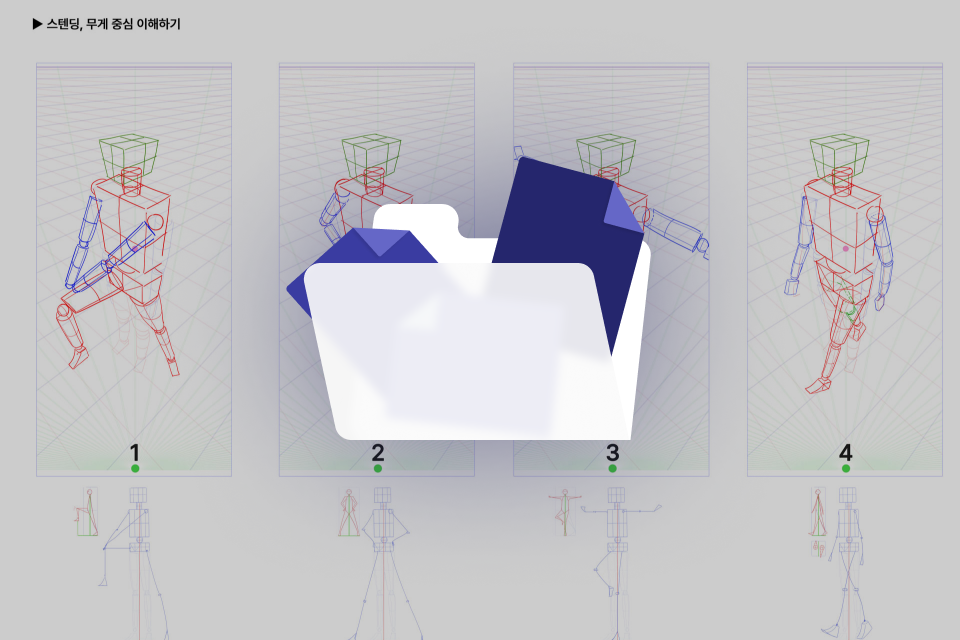 Guide your Personal Learning PathRaum Basic Tutorial Kit
 -
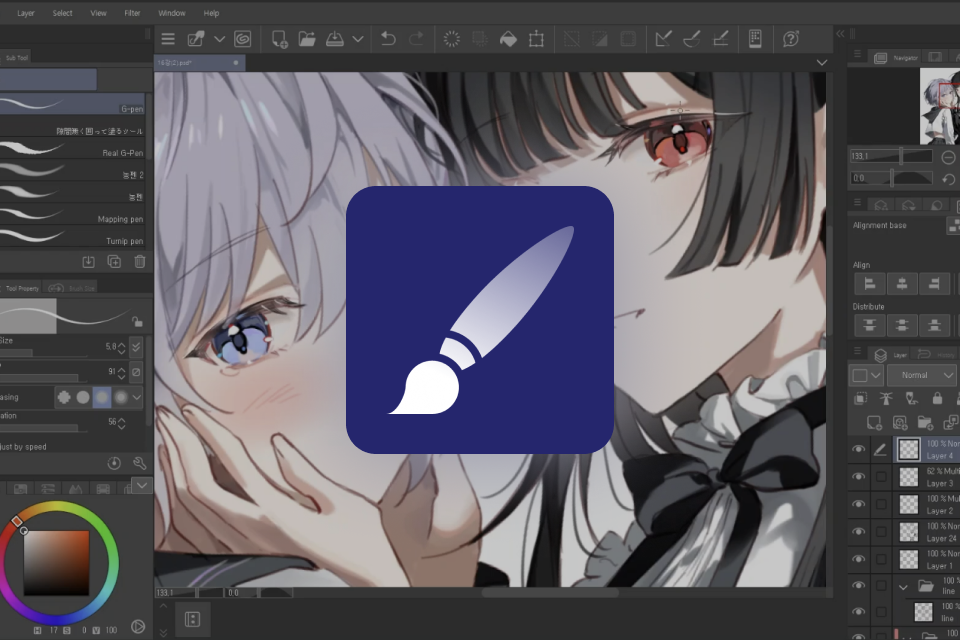 Step by Step Drawing & Coloring SkillsOriginal Practice Files
Class Material Details
-

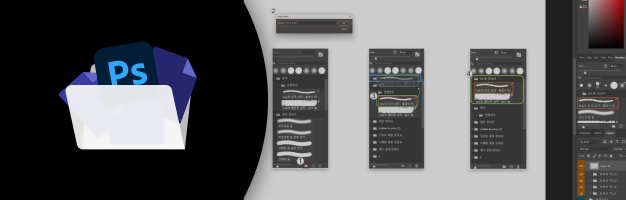 Theory Examples for Consistent Review- Geometric human anatomy by body part (upper body, lower body, head, hands).psd
- Human body geometry & perspective.psd
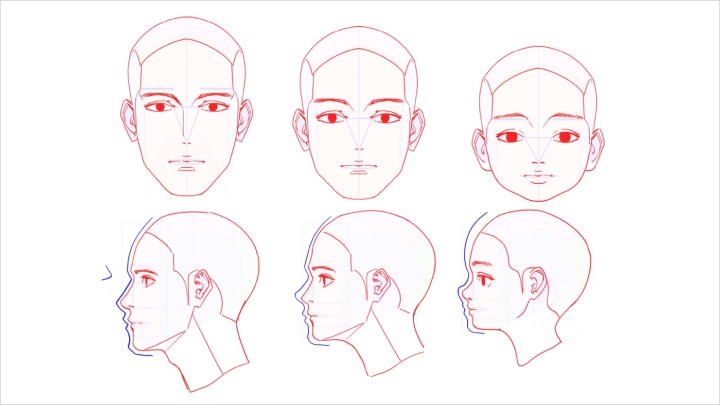
- Basic face deformation formulas.psd
- Hair drawing formulas.psd
- Clothing drawing formulas.psd
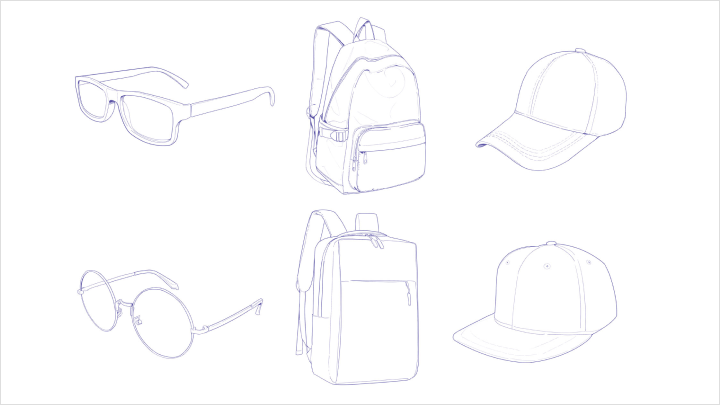
- Object drawing formulas.psd
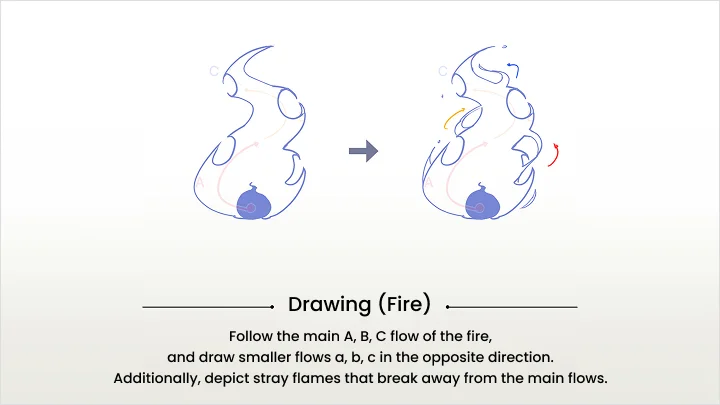
- Effect expression techniques.psd -
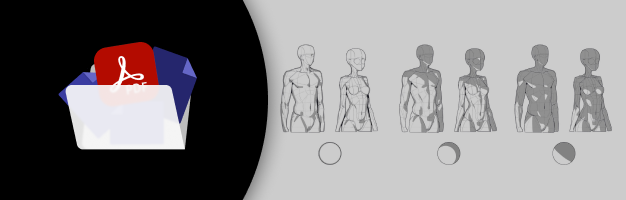 Basic Tutorial Kit for Completing the Fundamentals- PDF guide on basic theory for figure drawing
- 20+ PDF guides on drawing tips and using Photoshop tools

- Reference images and tips for eye coloring -
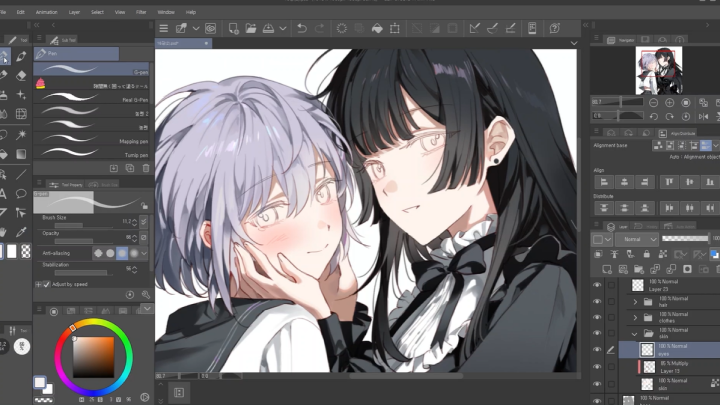
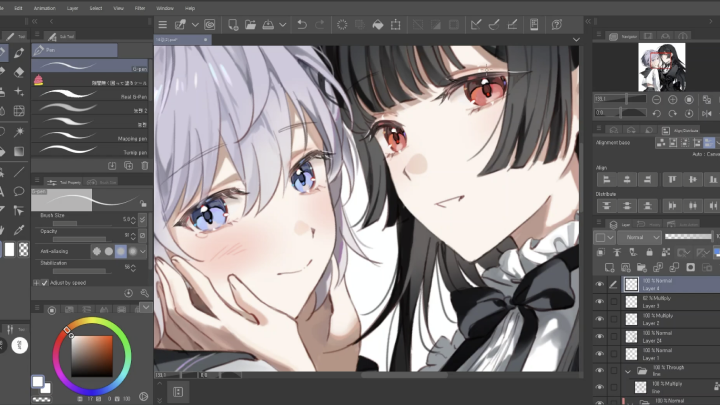
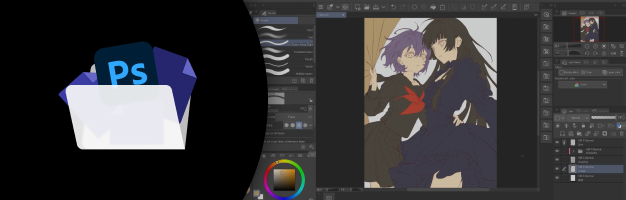 Practice Example Source Files for Skill Improvement- Original project file for eye coloring demonstration (.psd)
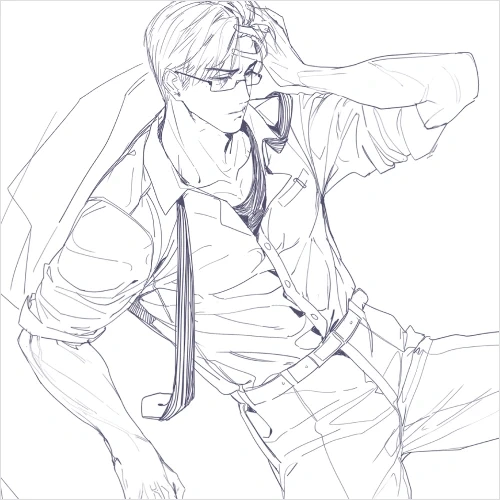
- Original project file of a professional illustration by JaeB (.psd)

- Original project file of a professional illustration by pong (.psd)
Recommendation
Who should take this class?
Illustration beginners looking to build a strong foundation
Those who want to fill skill gaps and improve quickly
Individuals seeking a structured learning path through self-assessment
Expert Illustrators pong & JaeB's Portfolio
Illustrator pong's Portfolio




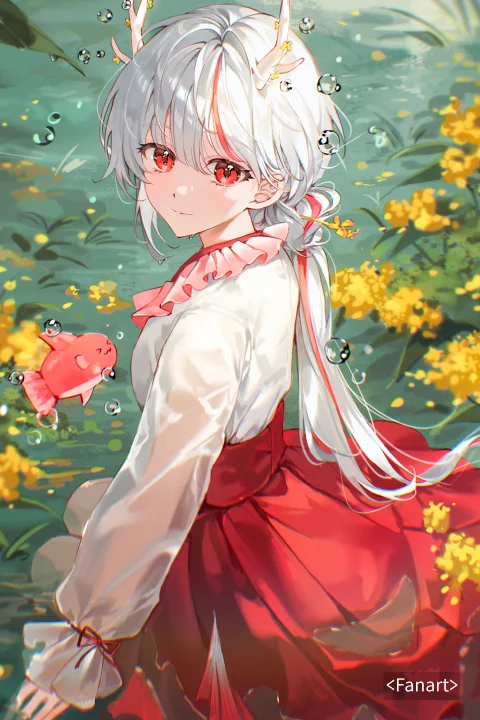

Illustrator JaeB's Portfolio






Why Take This Class?
If you’ve found yourself stuck at the same stage no matter how many classes you take, it’s time to rebuild your fundamentals from the ground up. This is your foundational illustration reset-designed for real, lasting growth. Based on countless students’ struggles gathered over years of teaching, RAUM Academy brings you a comprehensive set of methods that make drawing easier to understand for everyone.
Not vague tips, but a clear and structured step-by-step practice curriculum. Master all the essential skills you need to complete two charming character illustrations-within a single course. For anyone seeking the most reliable path to growth in drawing and coloring, RAUM Academy delivers the solution.
Get Ready for the Real-World
10+ Class Exercises
Part 1: Introduction to Figure Block-In
-
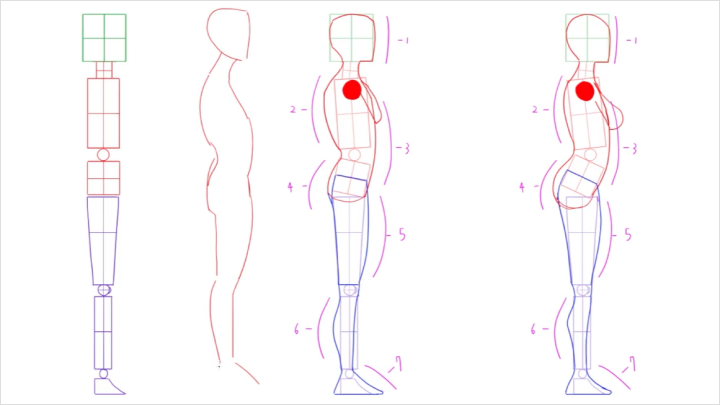
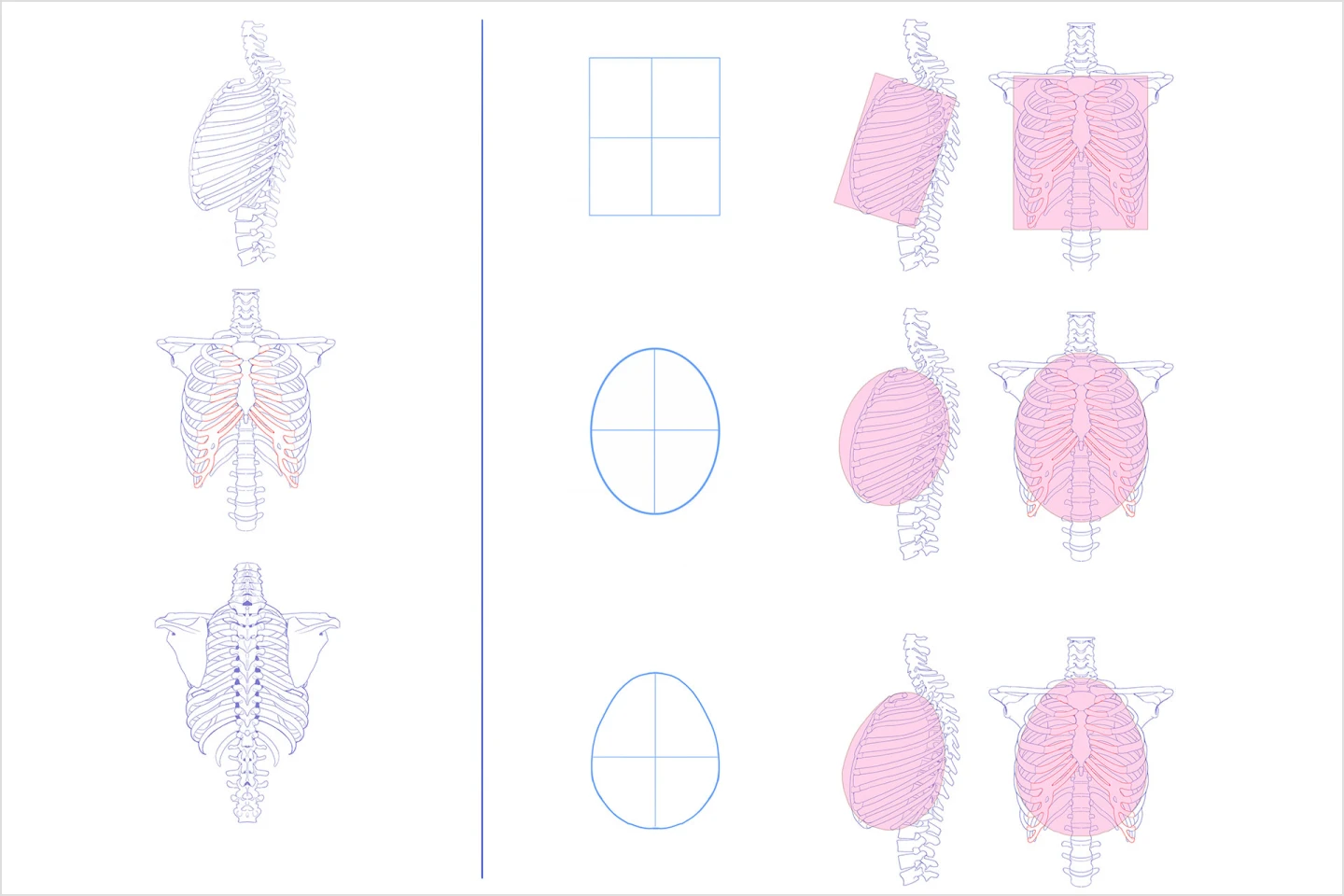 Upper Body
 -
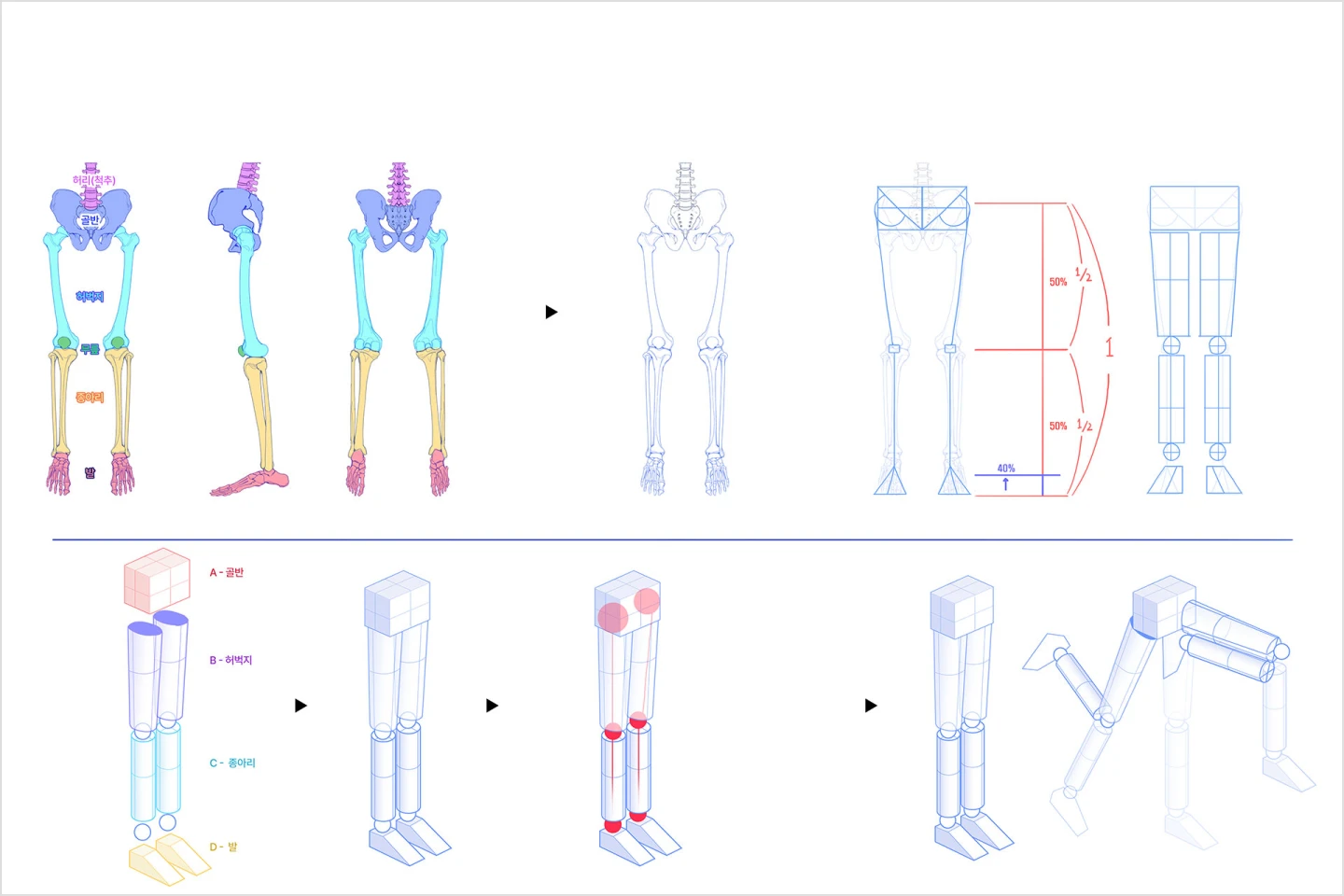 Lower Body
 -
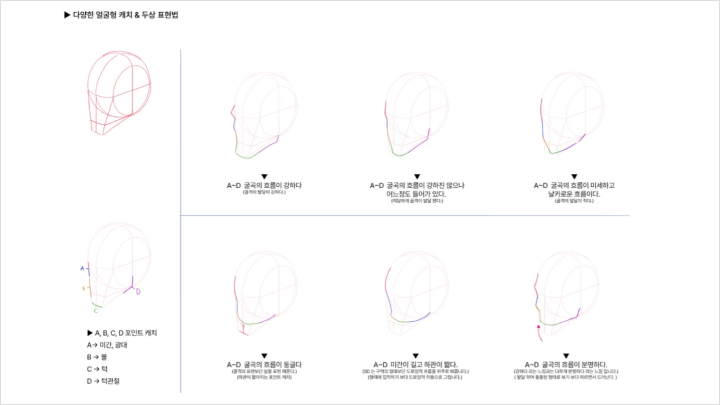
Head
-
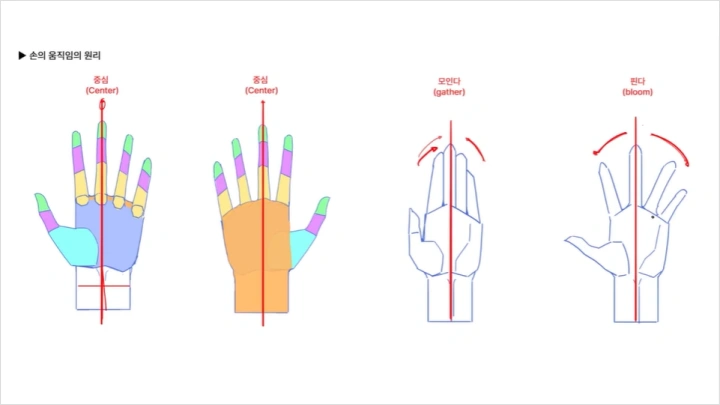
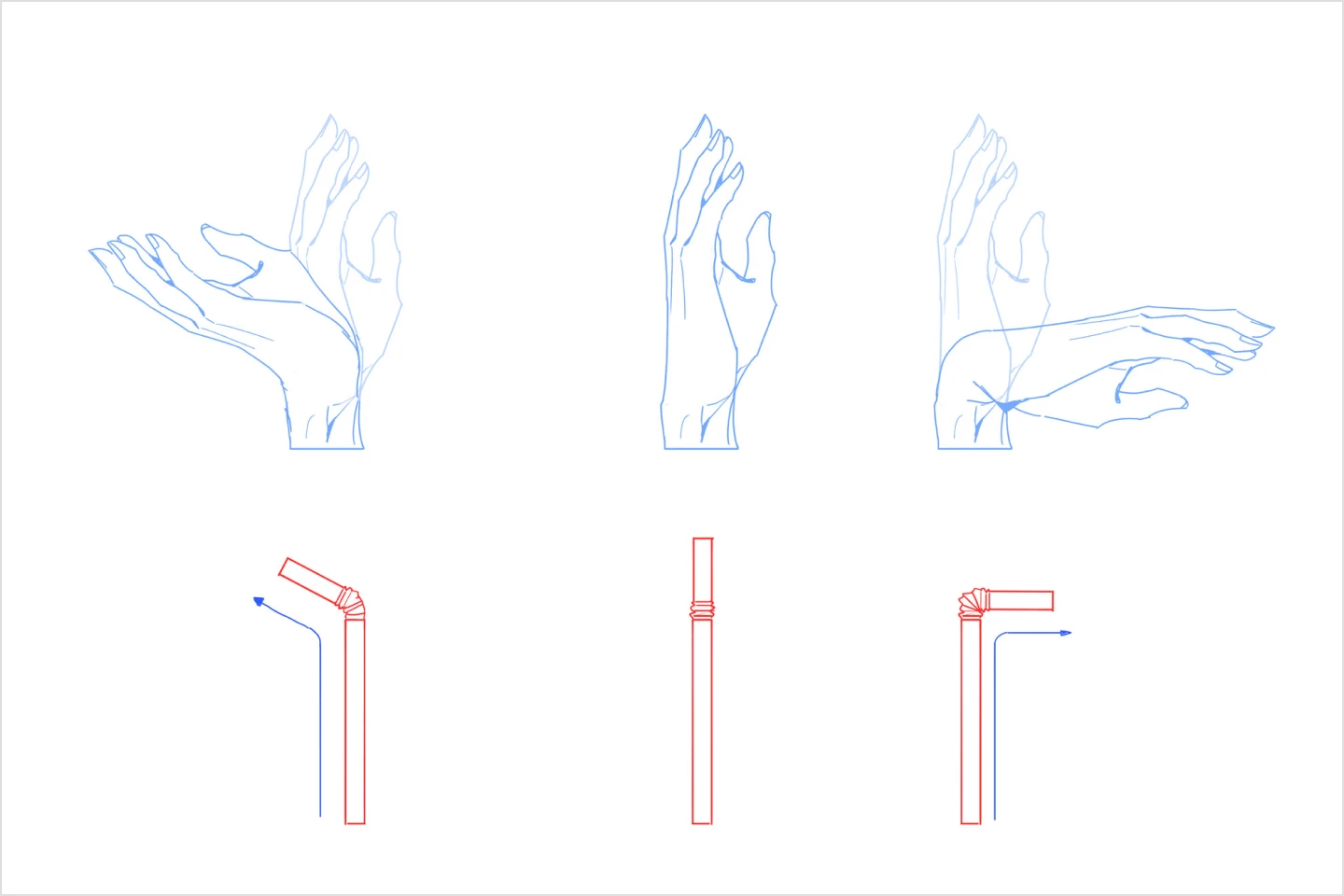 Hand
Hand
Part 2: Fundamentals
-
Perspective Basics
-
Body Stylization
-
 From Shapes to Figure Drawing
 -
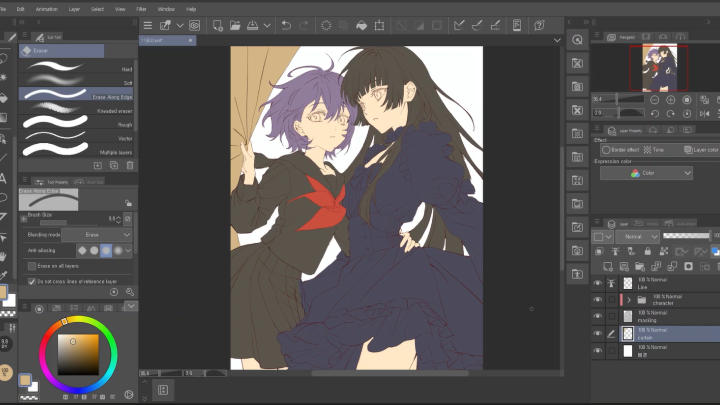
 Base Coloring / Masking
Part 3: Face & Hair
-
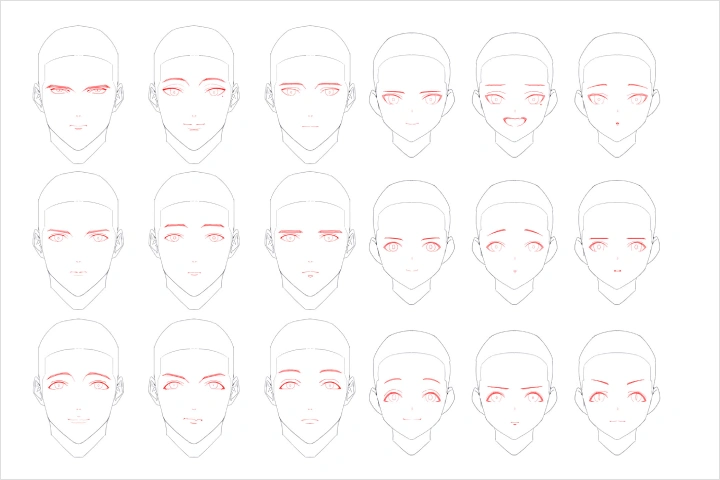 Face Design
 -
 Hair Drawing Techniques
-
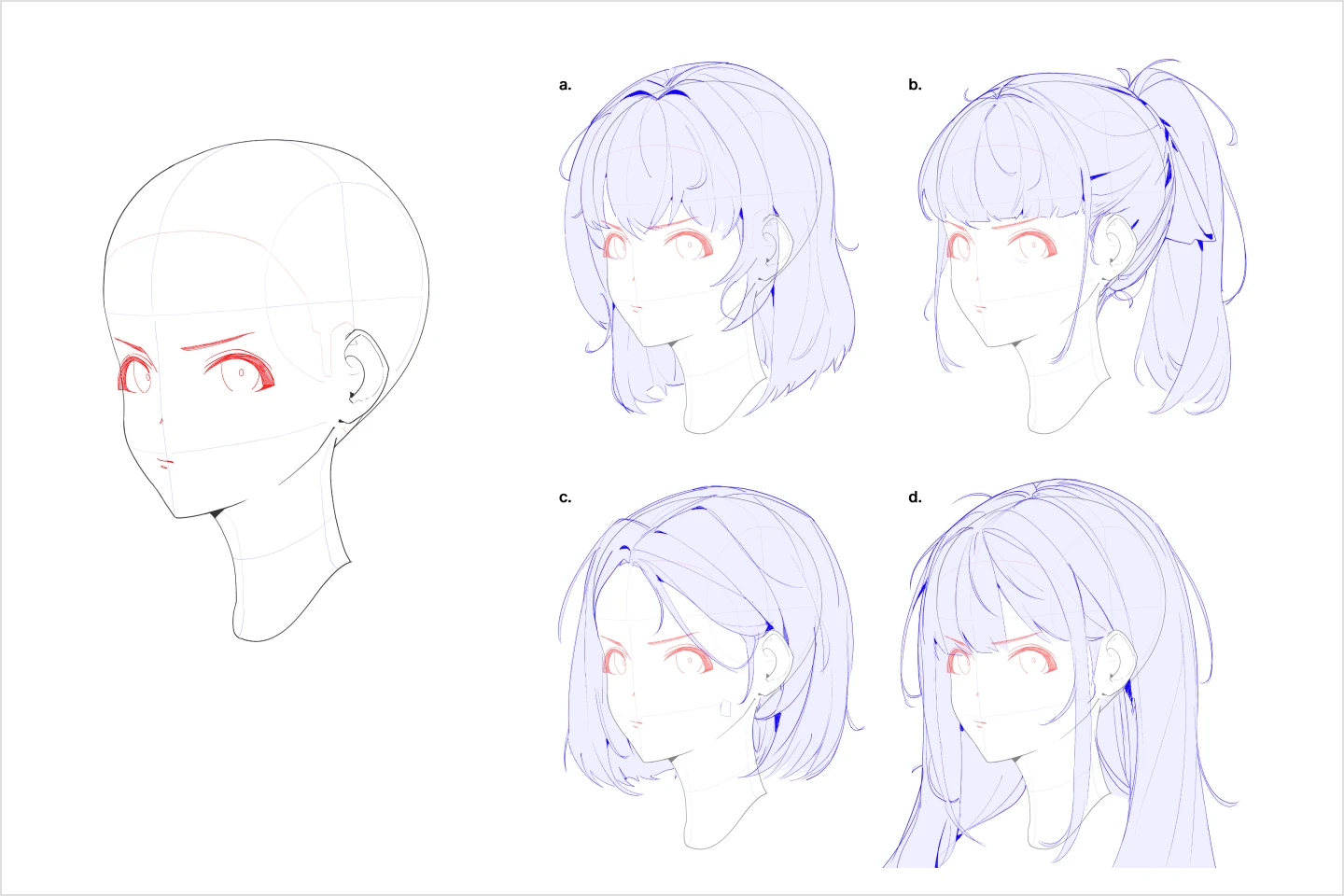 Character Drawing by Personality 01
 -
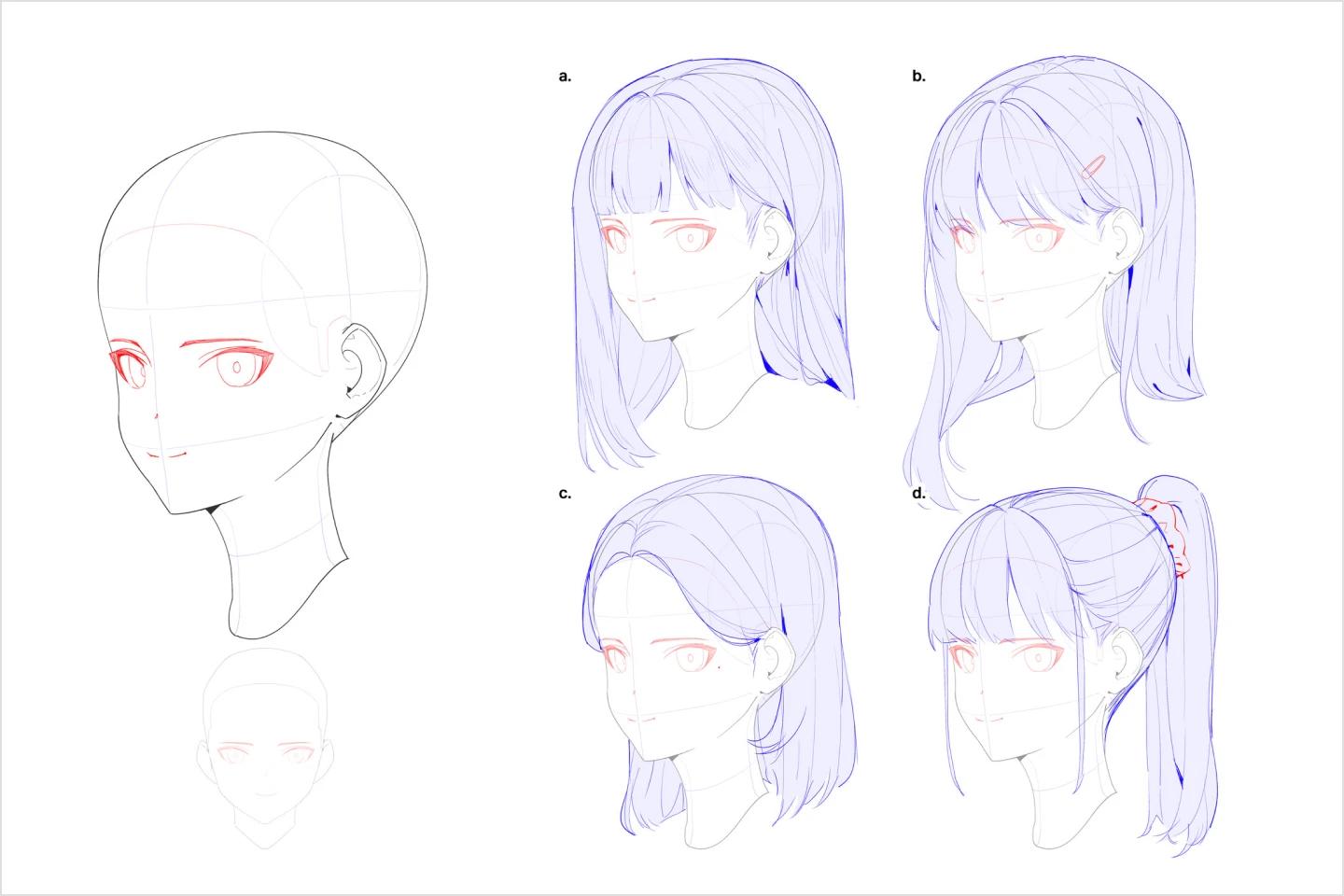 Character Drawing by Personality 02
 -
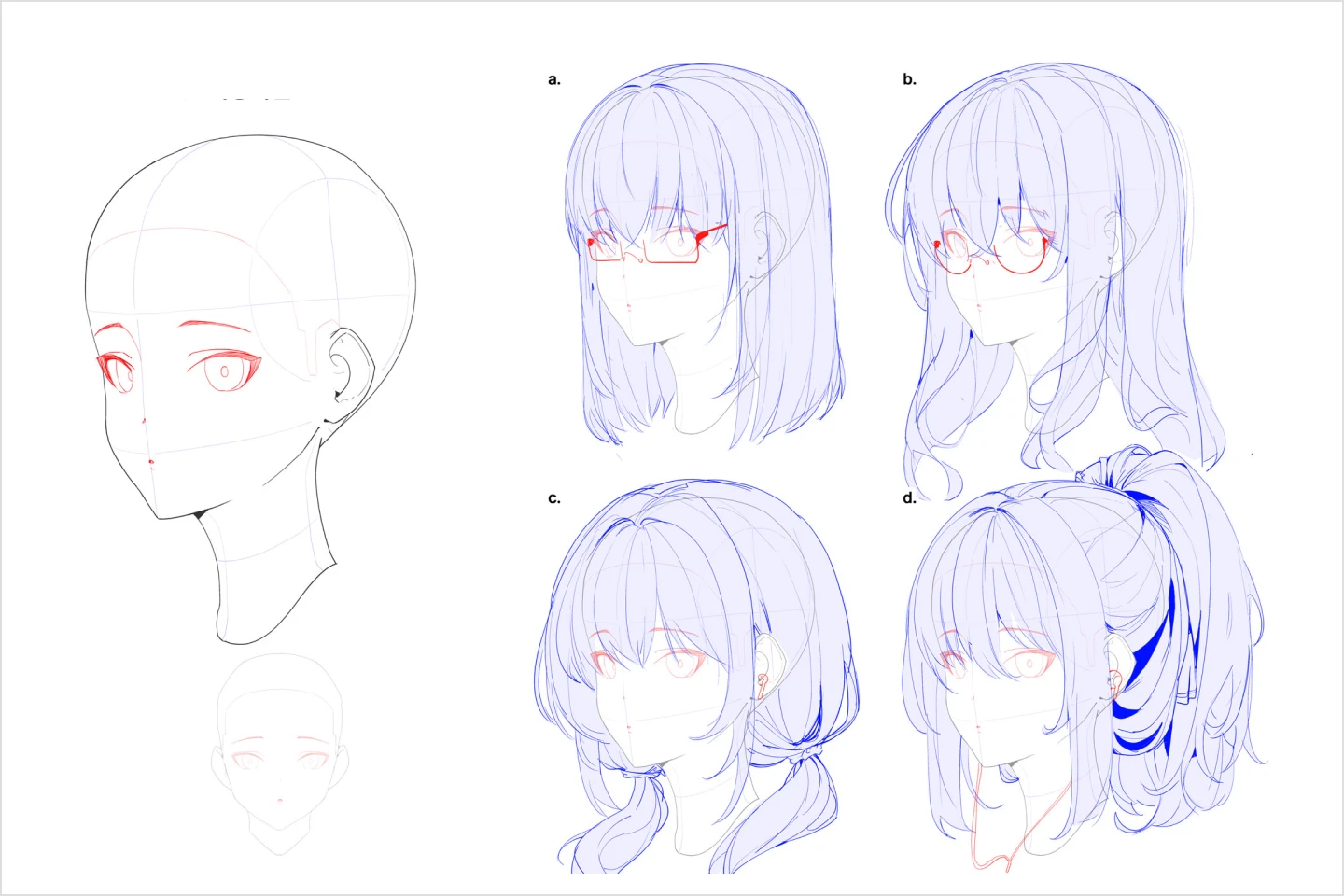 Character Drawing by Personality 03
-
 Techniques for Beautiful Eyes
 -
 Skin Rendering & Coloring
 -
 Hair Coloring
Part 4: Clothing
-
 Shading Techniques for Fabrics
 -
 Texture Rendering by Clothing Type 01
-
 Texture Rendering by Clothing Type 02
 -
 Texture Rendering by Clothing Type 03
Part 5: Objects
-
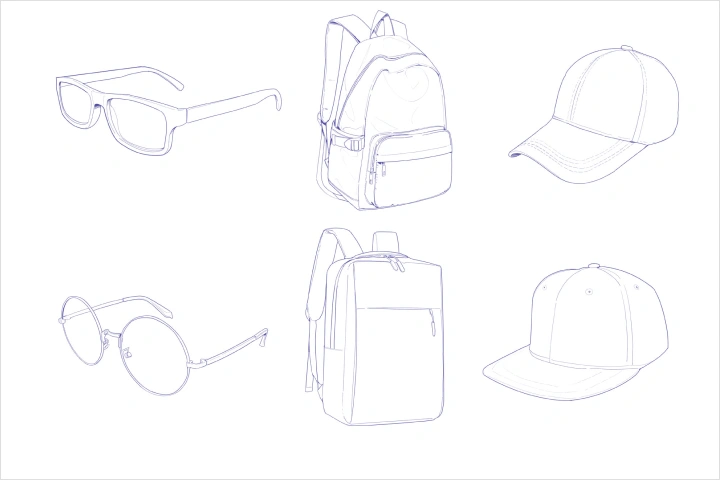 Everyday Item Drawing
 -
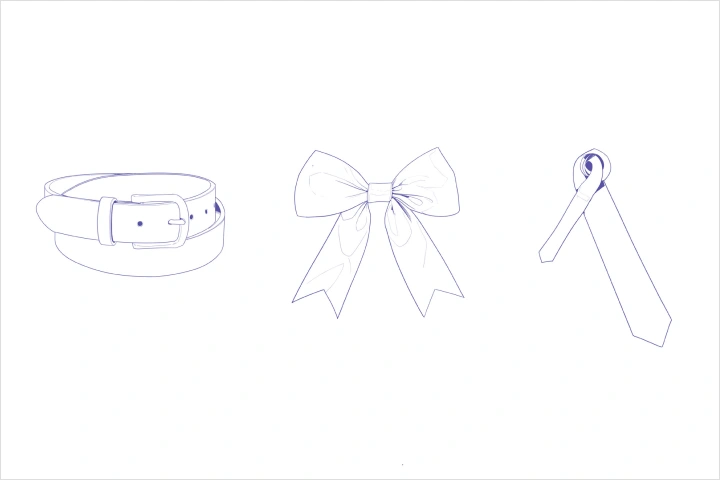 Modern Clothing
 -
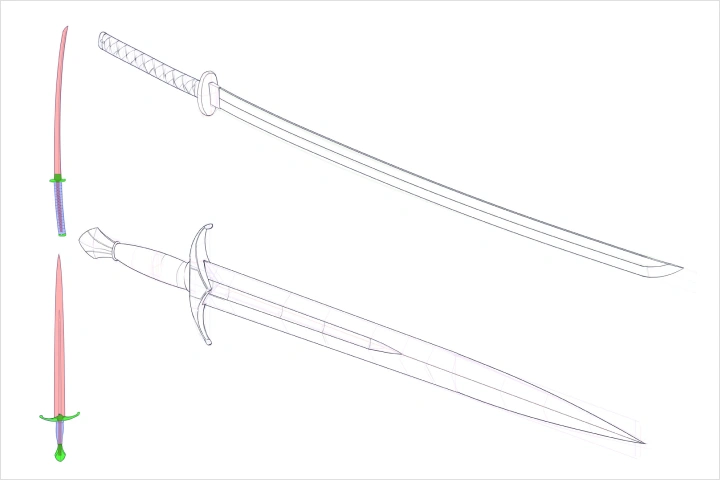 Weapons
-
 Texture Rendering: Metal
 -
 Texture Rendering: Plastic
Part 6: Effects
-
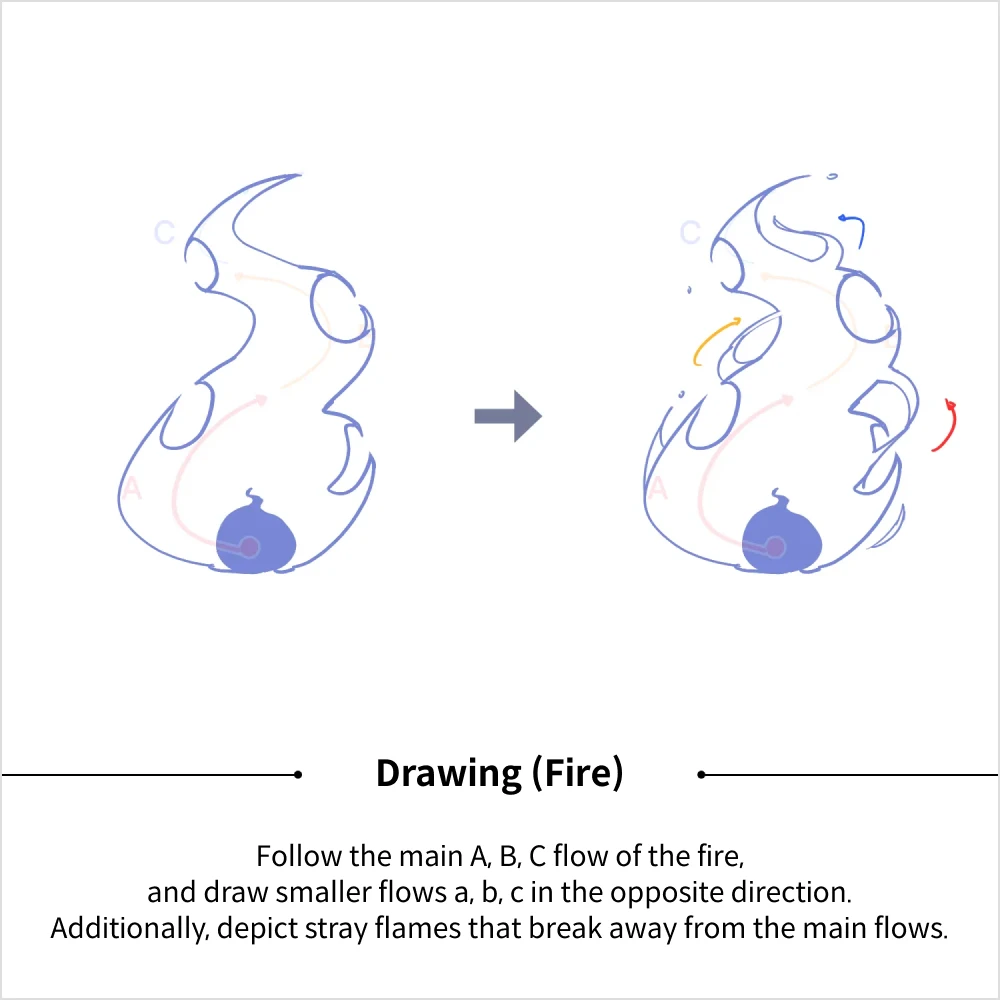 Weapon Effects: Fire & Staff
 -
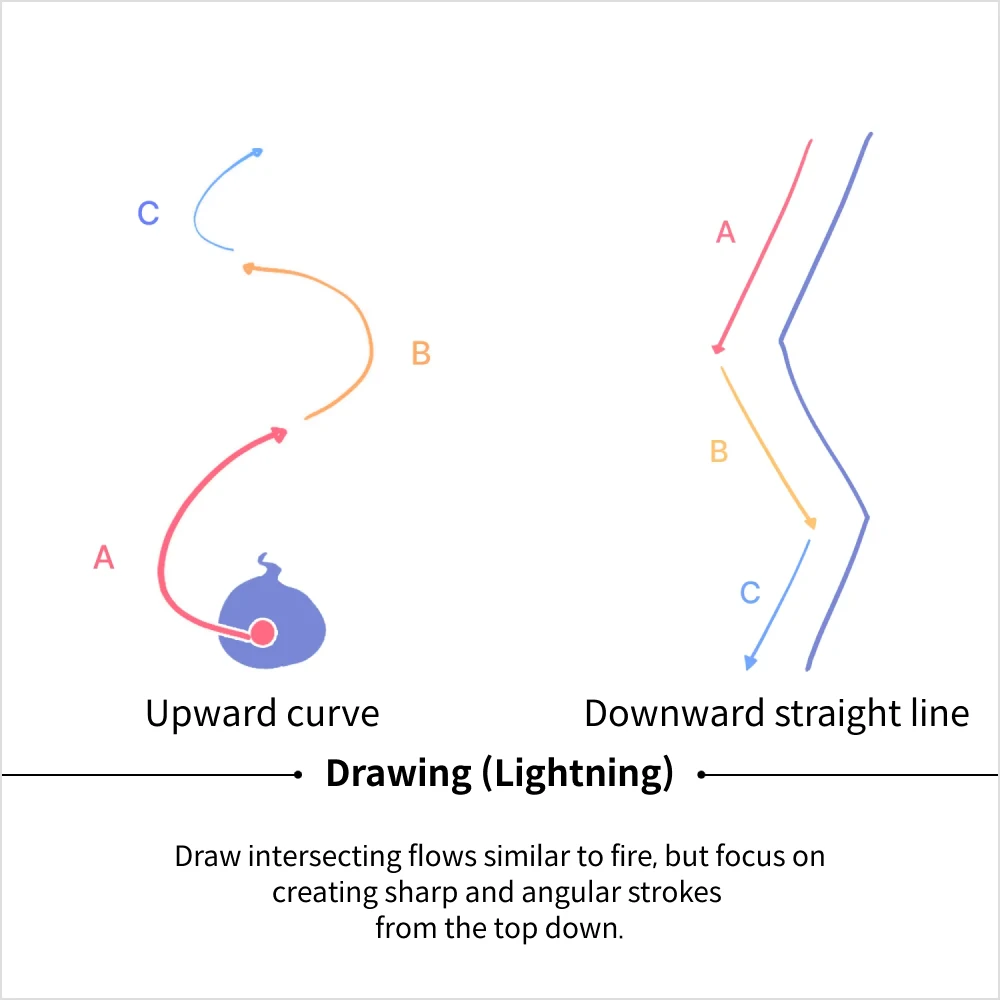 Weapon Effects: Lightning & Hammer
Part 7: Environment
-
 Environmental Drawing by Time of Day
 -
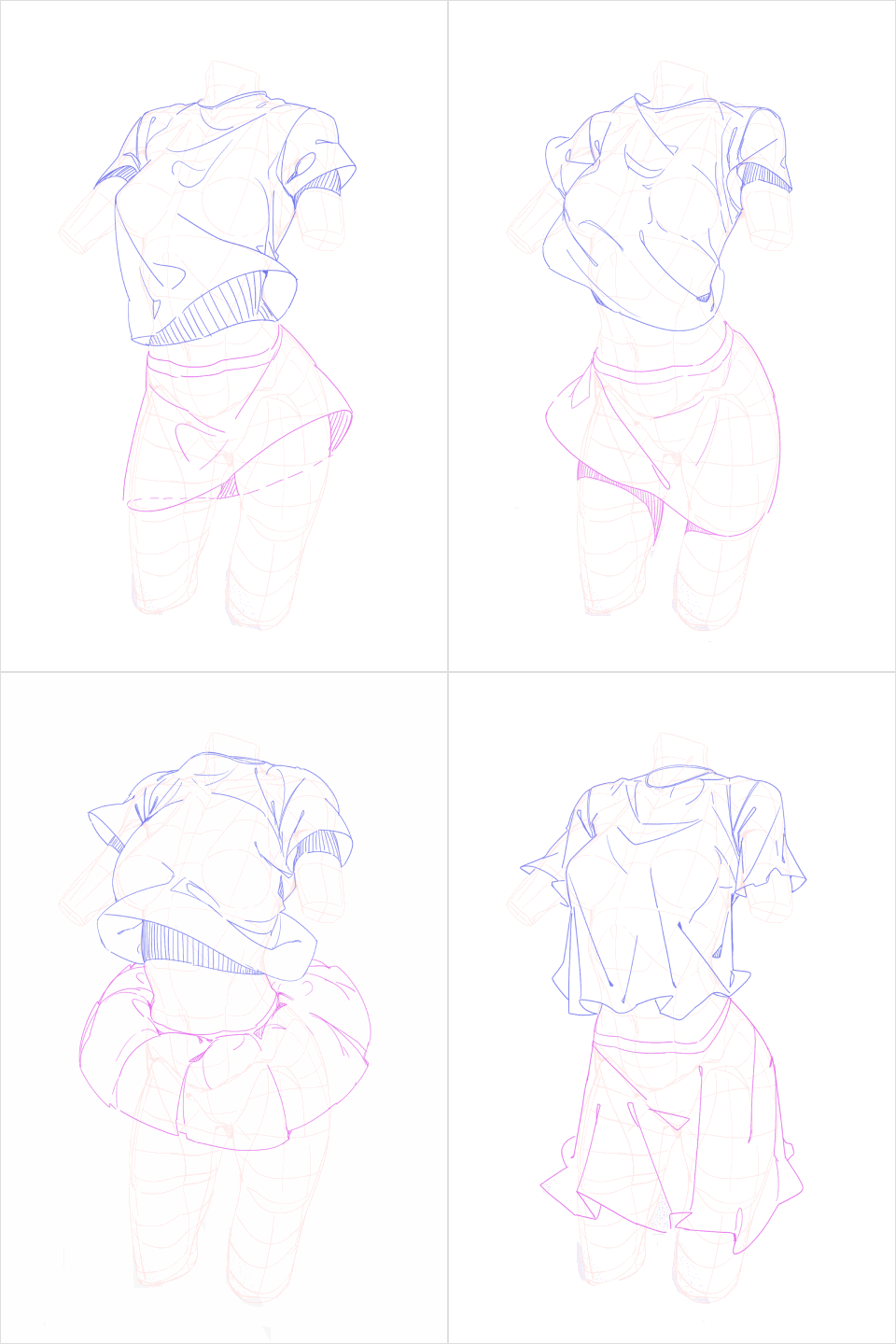 Special Situation Drawing
-
 Character Coloring by Environment
 -
 Character Coloring in Indoor Settings
Part 8: A to Z Practice

Final Illustration with JaeB

Final Illustration with pong
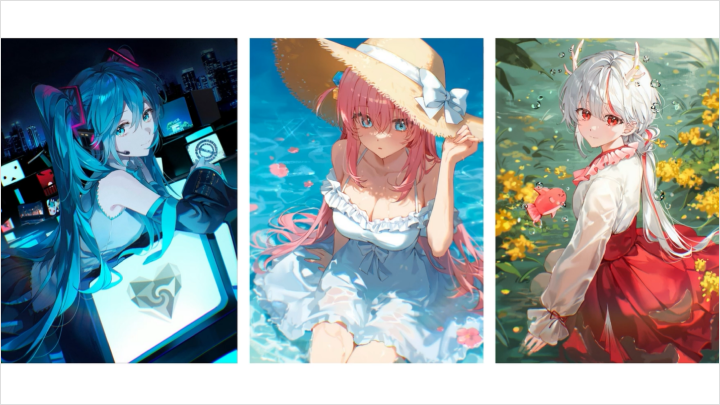
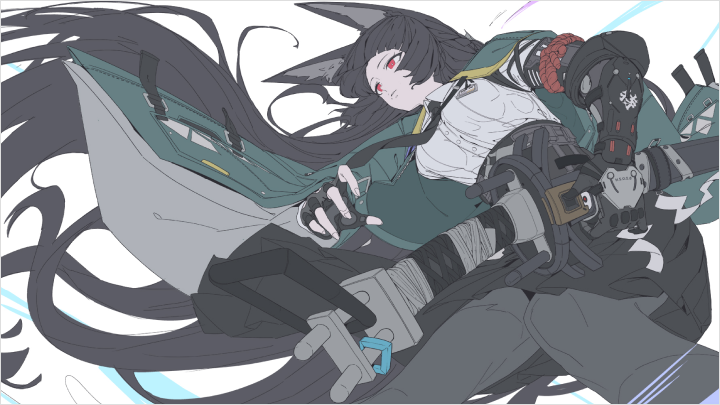
*The above images are sample images for a better understanding.
Student Reviews
Class Recommended By Raum Academy's Students
-
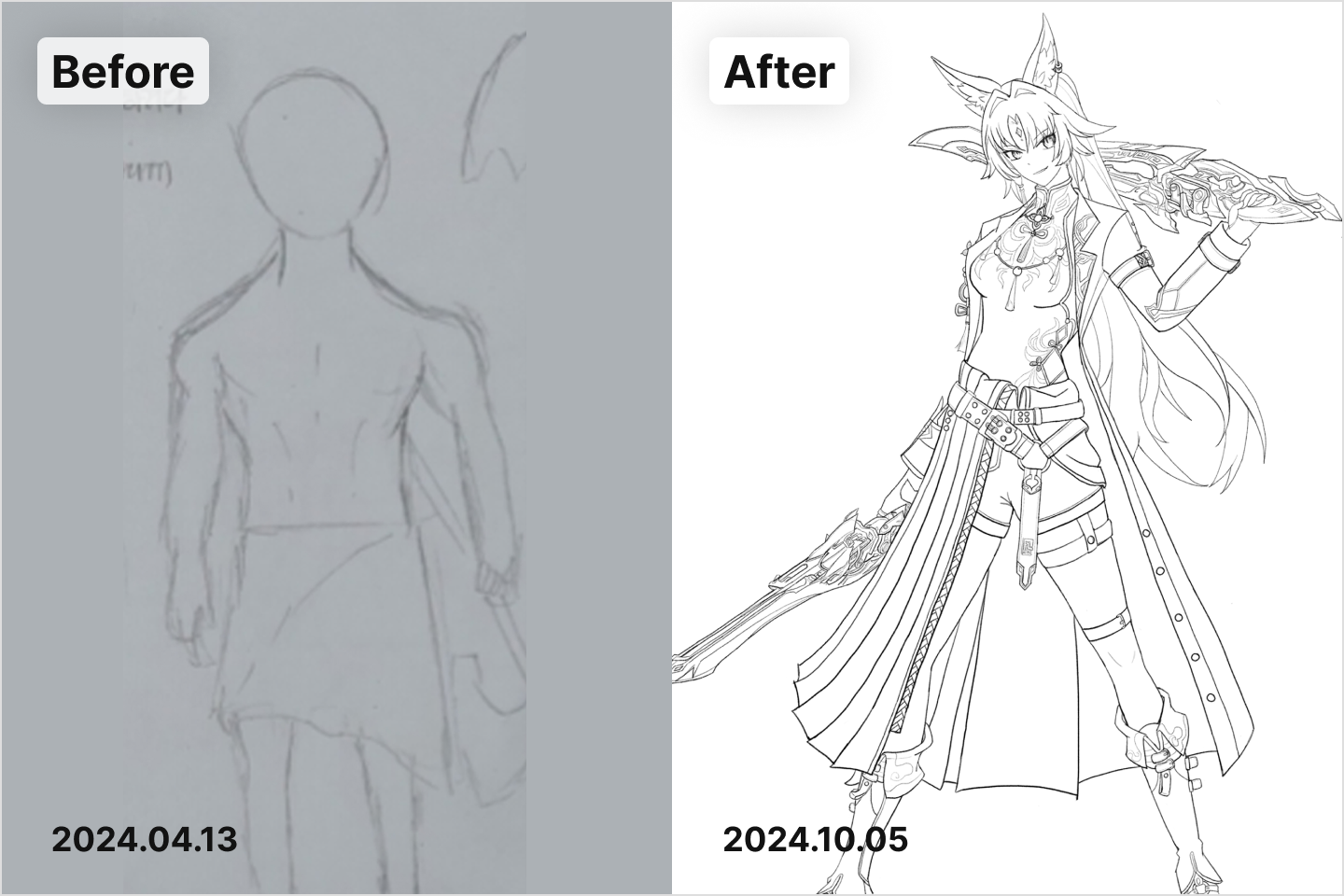
Student AThe instructor’s class is especially effective at breaking through obstacles in drawing. Before taking the class, I couldn’t even draw a single person, but through the lessons, I gradually developed my observational skills, learned to control line weight, and gained a solid understanding of human proportions and structure. Now, I can confidently draw full-body characters. I highly recommend this class to anyone who wants to properly learn the fundamentals of drawing, create attractive lines, or overcome the uncertainty of asking themselves, “Is this right?” or “Why does my drawing look awkward?” each time they draw.
-
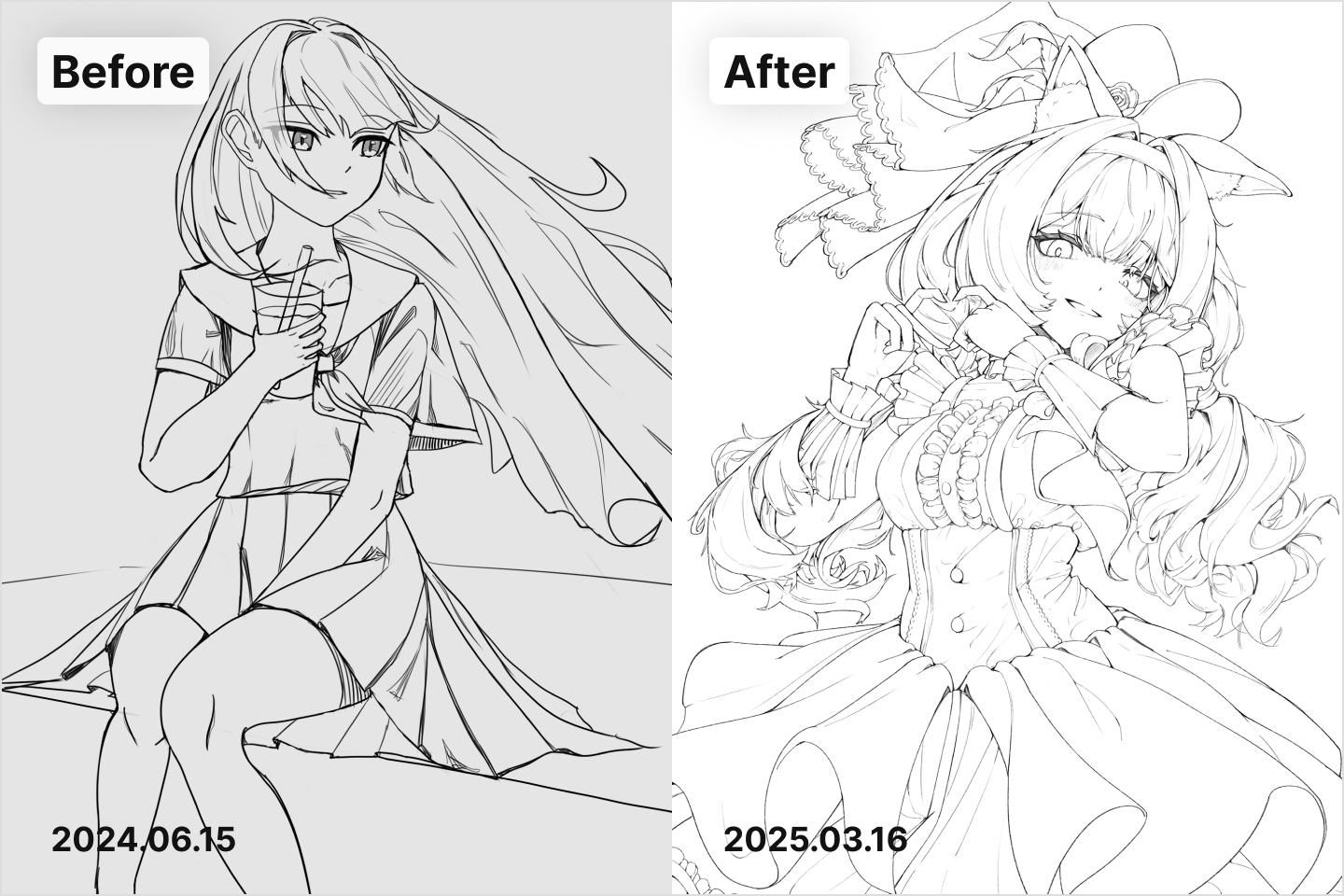
Student BThe instructor’s class allowed me to systematically learn how to express the human body naturally and attractively, starting from the fundamentals - a skill I previously lacked. Thanks to the visual materials created by the instructor, even complex anatomical structures were easy to understand. The feedback and suggested practice methods for areas I was struggling with were extremely helpful. As a result, the quality of my illustrations has improved, and I’m now able to create more compelling and polished artwork.
Highlights
Class Highlights
Drawing & Coloring Masterclass – 50 Sessions of Overwhelming Volume
Not just a one-time lecture – a curriculum you can revisit anytime you feel uncertain! From perspective and shape-based mechanisms for depicting subjects, to essential composition techniques, and the real-world workflows of pong and JaeB. Break the boundaries of expression and grow stronger with this all-in-one drawing & coloring class.
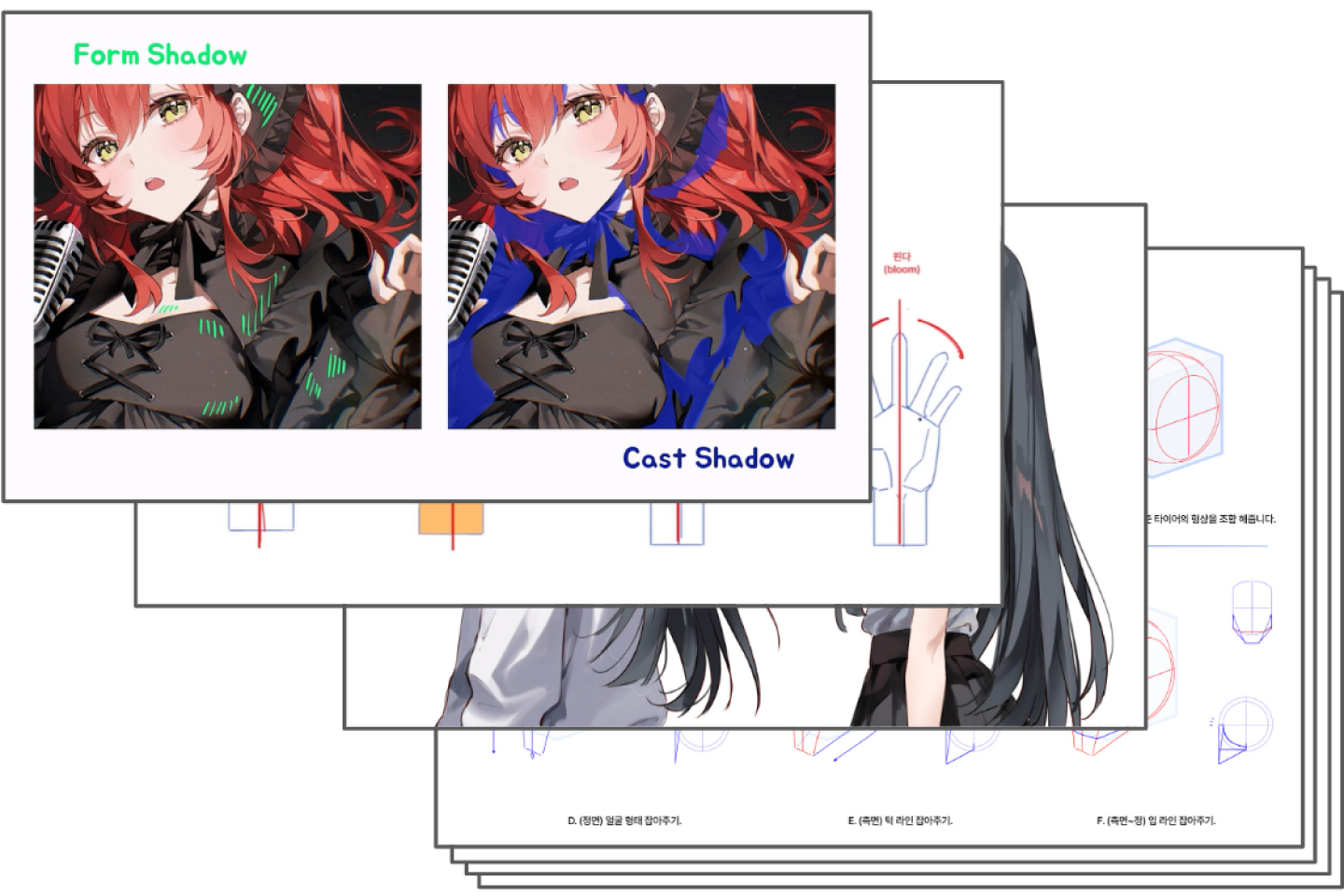
Step-by-Step Practice from Zero – Complete 30 Exercises & 2 Final Illustrations
If you’ve been stuck endlessly studying theory, this is for you! This practice-focused curriculum lets self-taught artists learn without giving up. Apply the theory you’ve learned immediately in practice, go through 30 step-by-step exercises, and complete 2 character illustration projects to quickly develop your own skills.

Tutorial Kit for Faster and More Effective Growth
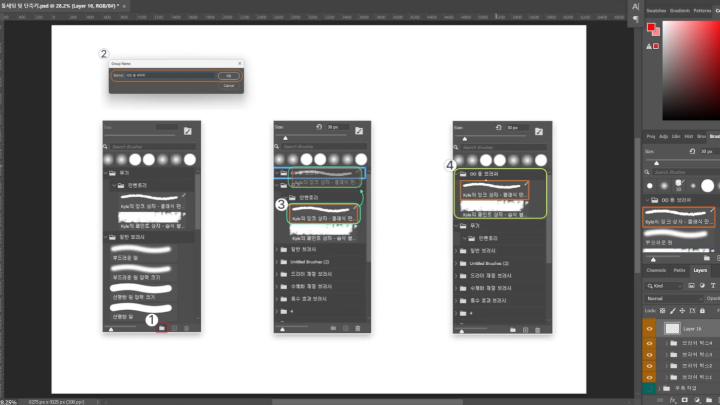
Not sure where you currently stand in your skills? Meet Raum’s tutorial kit, designed to make practice examples easy to understand. Learn essential fundamentals that every beginner illustrator should master – basic drawing exercises, tool usage, and more. Progress step by step through simple, structured exercises and grow your skills steadily.
Roadmap
Raum Academy Drawing & Coloring Roadmap





Instructor
Illustrator
RAUM
Hello! We are RAUM Academy, a community of artists creating together across both online and offline spaces. RAUM collaborates with top-tier illustrators active in a wide range of fields - from game concept art and cover illustrations to character illustration.
This class is designed for beginners through intermediate learners, gathering the most common questions we hear and addressing them with versatile examples and in-depth explanations. With a practical curriculum you can apply directly to real projects, our goal is to help each student naturally strengthen their creative skills. We hope this course becomes an opportunity for you to break past the limits of expression and enjoy drawing artworks you can truly be proud of.


Illustrator pong
[Current]
Freelance Illustrator
Instructor at Raum Academy
[Participated Projects]
Illustration for Shirayuki Hina 1st Single “Hana”
Virtual character design and illustration for Sandbox Gyehwa
Illustration for 2024 HoYoFair [Tide & Seek]
Promotional illustrations for Zenless Zone Zero and Wuthering Waves
Numerous cover song illustrations for VShojo, VLUP, CHARON UNIVERSE, and more

Illustrator JaeB
[Current]
Instructor, JaeB Class, Raum Academy
Instructor, Basic Drawing Class, Raum Academy
Interview with
Illustrator, Academy Raum
Question.01
What do you consider your strengths in your work?
pong: I’ve never formally studied art, so I’ve experienced many trial-and-error moments while learning on my own. Because I’ve actively researched the theories necessary for character illustration, I believe I can help self-taught artists find their direction. Also, I’ve developed efficient workflows by fully utilizing digital tools, and I want to help students complete their illustrations more effectively using these processes.
JaeB: I always think about the “why” behind what I draw. Rather than relying solely on intuition, I focus on reasoning and validity, building a solid theoretical foundation. I’ve explored various knowledge about the human body and organized it so it’s easy to understand. I hope this knowledge can help you as much as it has helped me, and serve as the first stepping stone to developing your own unique style.
JaeB: I always think about the “why” behind what I draw. Rather than relying solely on intuition, I focus on reasoning and validity, building a solid theoretical foundation. I’ve explored various knowledge about the human body and organized it so it’s easy to understand. I hope this knowledge can help you as much as it has helped me, and serve as the first stepping stone to developing your own unique style.
Question.02
How do your personal strengths reflect in the course curriculum?
pong: I introduce both useful art theory for illustration and essential digital drawing tools that beginners can easily handle. Through various drawing demonstrations, students can learn the skills needed for character illustration. Additionally, by completing a full character illustration, students will experience the finishing process to elevate the overall quality of their work.
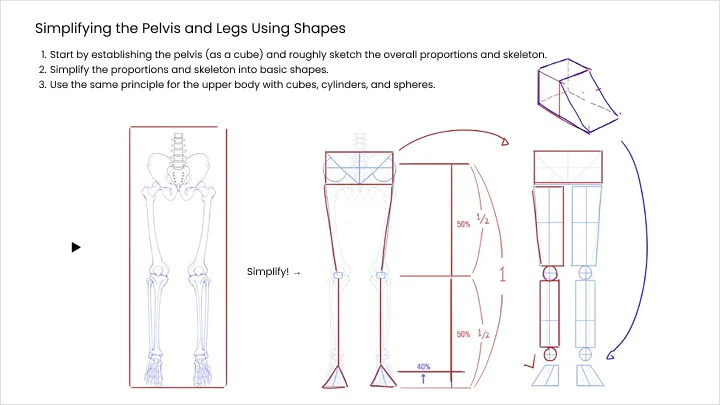
JaeB: In this course, I organized the approach to character drawing using simple shapes that are familiar in everyday life: cubes, cylinders, and spheres. I show how to apply these forms to understanding the human body, using drawing skills, and building up from basic, easy three-dimensional shapes. This allows students to add, integrate, and amplify their own style within familiar forms.
JaeB: In this course, I organized the approach to character drawing using simple shapes that are familiar in everyday life: cubes, cylinders, and spheres. I show how to apply these forms to understanding the human body, using drawing skills, and building up from basic, easy three-dimensional shapes. This allows students to add, integrate, and amplify their own style within familiar forms.
Question.03
What is the purpose of this course and what sets it apart?
pong: Even if you lack experience with art theory or digital illustration, the goal is to help you complete a fully realized, attractive character illustration. Studying alone can easily lead to losing direction. This course guides students through the theories used in creating a complete illustration and helps set a clear path for future study and skill development.
JaeB: There’s no such thing as someone who can’t draw—they just don’t know how yet. This is the core idea of my course. My goal is to teach students how to draw and shift their perspective when drawing. Just as people don’t run at birth, learning to draw is a process. The course focuses on beginners or those who haven’t drawn in a long time, emphasizing simple and easy-to-understand methods rather than overwhelming concepts.
JaeB: There’s no such thing as someone who can’t draw—they just don’t know how yet. This is the core idea of my course. My goal is to teach students how to draw and shift their perspective when drawing. Just as people don’t run at birth, learning to draw is a process. The course focuses on beginners or those who haven’t drawn in a long time, emphasizing simple and easy-to-understand methods rather than overwhelming concepts.
Question.04
Any final words for your students or fellow creators?
pong: I believe studying art isn’t about something grand—it’s about consistently drawing what you love. I hope this course can serve as a guide for those who are learning on their own.
JaeB: When you first start drawing, all you see are beautiful, impressive illustrations. This can create a sense of gap between your own work and the works you admire. But there’s no need to envy those who started far ahead. Step by step, you will reach the same point. I hope this class helps you take that first step toward creating more diverse and enjoyable illustrations and expressing your ideas directly.
JaeB: When you first start drawing, all you see are beautiful, impressive illustrations. This can create a sense of gap between your own work and the works you admire. But there’s no need to envy those who started far ahead. Step by step, you will reach the same point. I hope this class helps you take that first step toward creating more diverse and enjoyable illustrations and expressing your ideas directly.