Explore the Composing
Know-How on Flawless Media
Production with Kidoo Kim,
a Master of the
Korean Animation
Storyboard Industry
StoryboardArtist,KidooKim_스토리보드 아티스트 김기두 Details
Class introduction
Class Intro
Storyboard Artist, Kidoo Kim
“The storyboard is always your last key to perfection! Here's a treasure trove of necessary basics for those who dream of producing animation. Dive into 17 real-life exercises, spanning from the production process of series animation to the art of composing skills, including composition, positioning, and camera work.”
A storyboard is more than just a planning stage for your animations; it serves as a valuable tool for both directors and producers. For directors, it provides a source of inspiration and ideas, while for producers, it offers detailed instructions on layout and timing. Just like a 'production manual' that sets the right path for your entire work, you can only create sound animation productions with a structured storyboard.
Kidoo Kim is a storyboard artist with 32 years of animation experience, working on various films both at home and abroad: from Marvel and DC to Detective Conan and Dungeon & Fighter! She will teach you all the secrets of storyboard writing and the entire animation production process — you'll have never seen anything like it.
Kidoo Kim is a storyboard artist with 32 years of animation experience, working on various films both at home and abroad: from Marvel and DC to Detective Conan and Dungeon & Fighter! She will teach you all the secrets of storyboard writing and the entire animation production process — you'll have never seen anything like it.
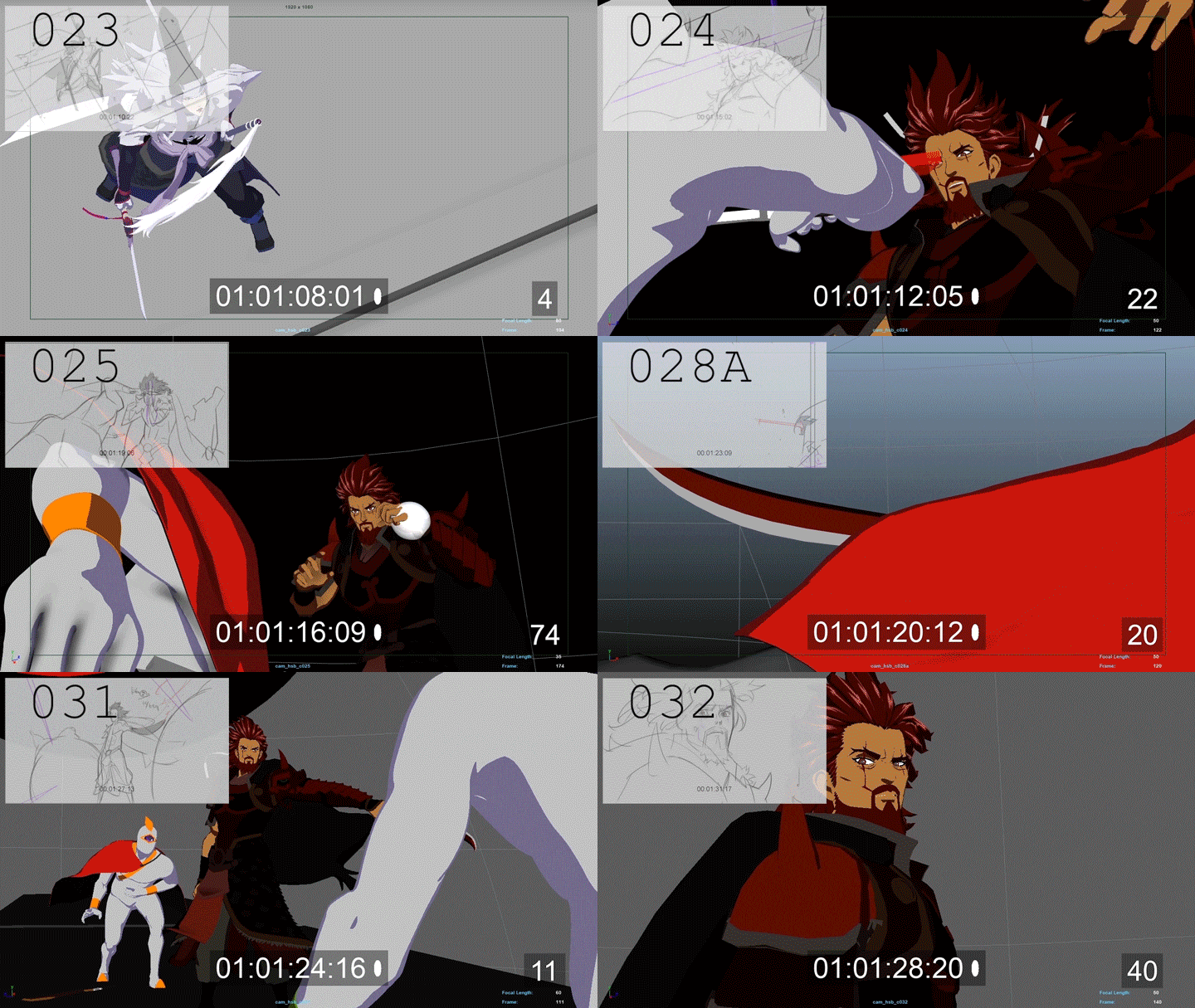
Take advantage of learning the step-by-step fundamentals of animation and the exclusive pre-production and animatic(rough cut) process! Through 17 all-inclusive exercises, gain experience directing and storyboarding film animations.
Korea's No. 1 animation director and storyboard artist, Kidoo Kim! Take a look at her exceptional writing and practical skills, only in Coloso.
Korea's No. 1 animation director and storyboard artist, Kidoo Kim! Take a look at her exceptional writing and practical skills, only in Coloso.
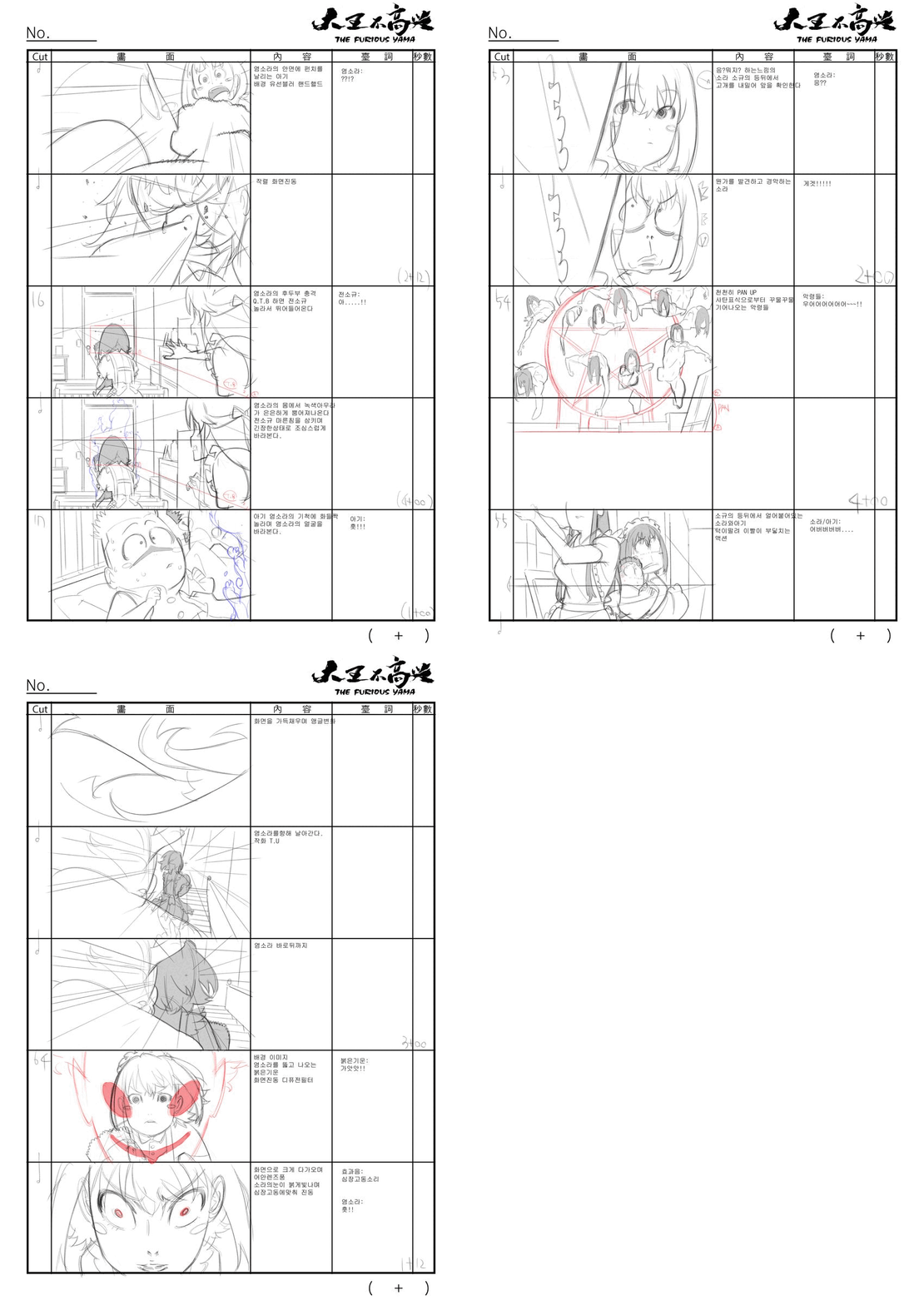
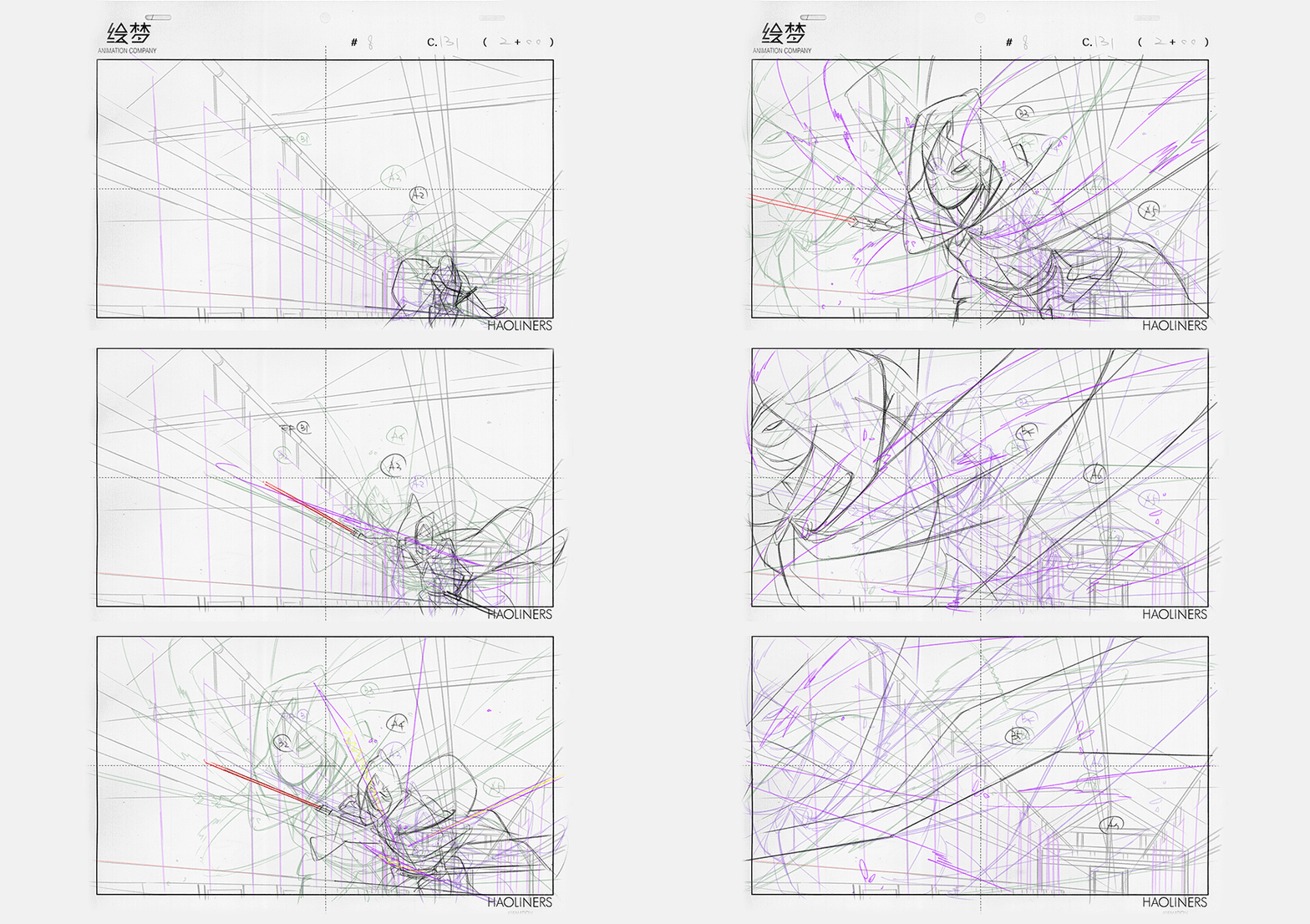
Expert Storyboard Artist Kidoo Kim's Portfolio
Dungeon & Fighter
Storyboard, Production, Layout, Key Animation
Fairies Albums
Storyboard, Production, Layout, Key Animation
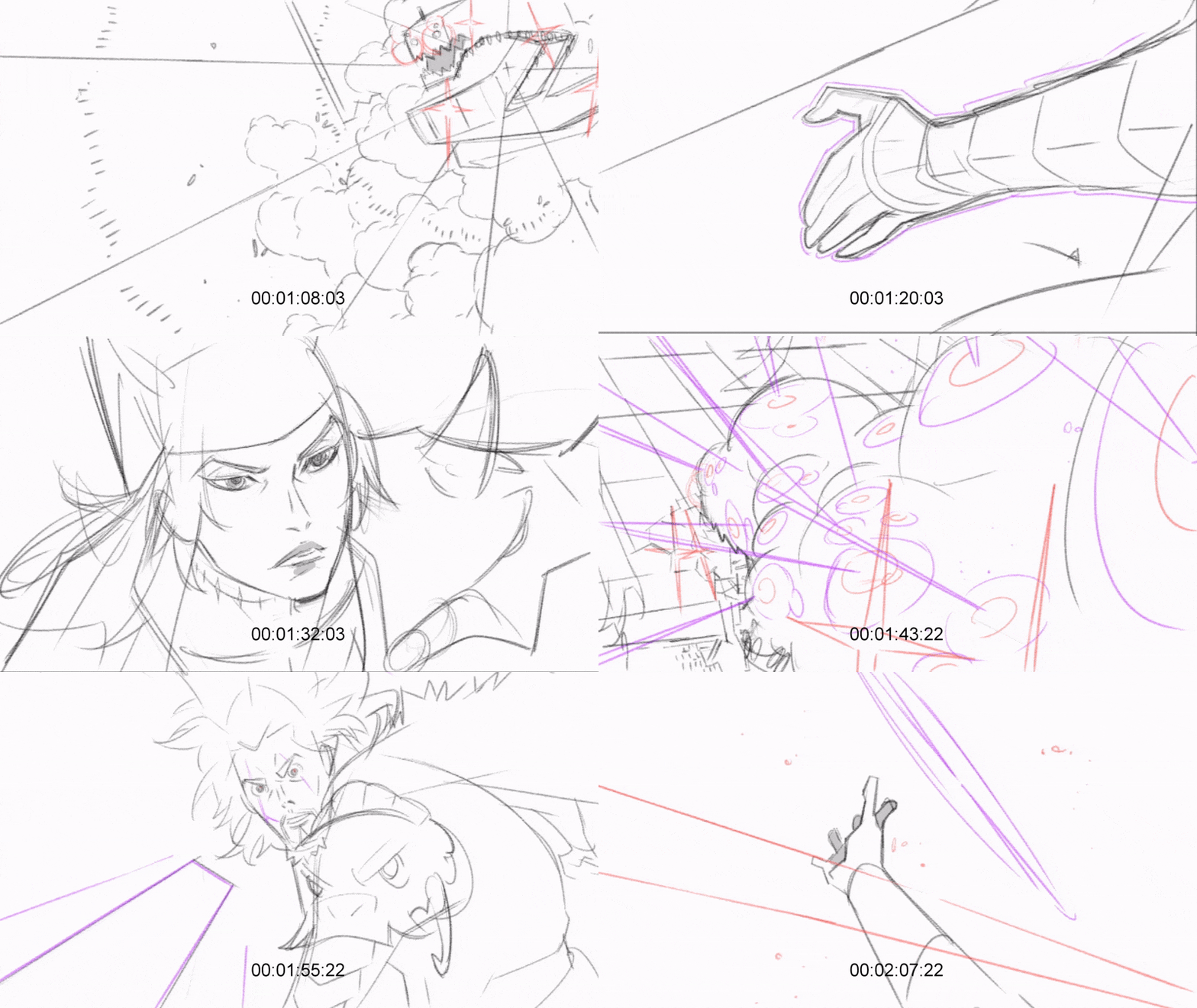
Demon War of Hwangsanbeol
Self-Production
-
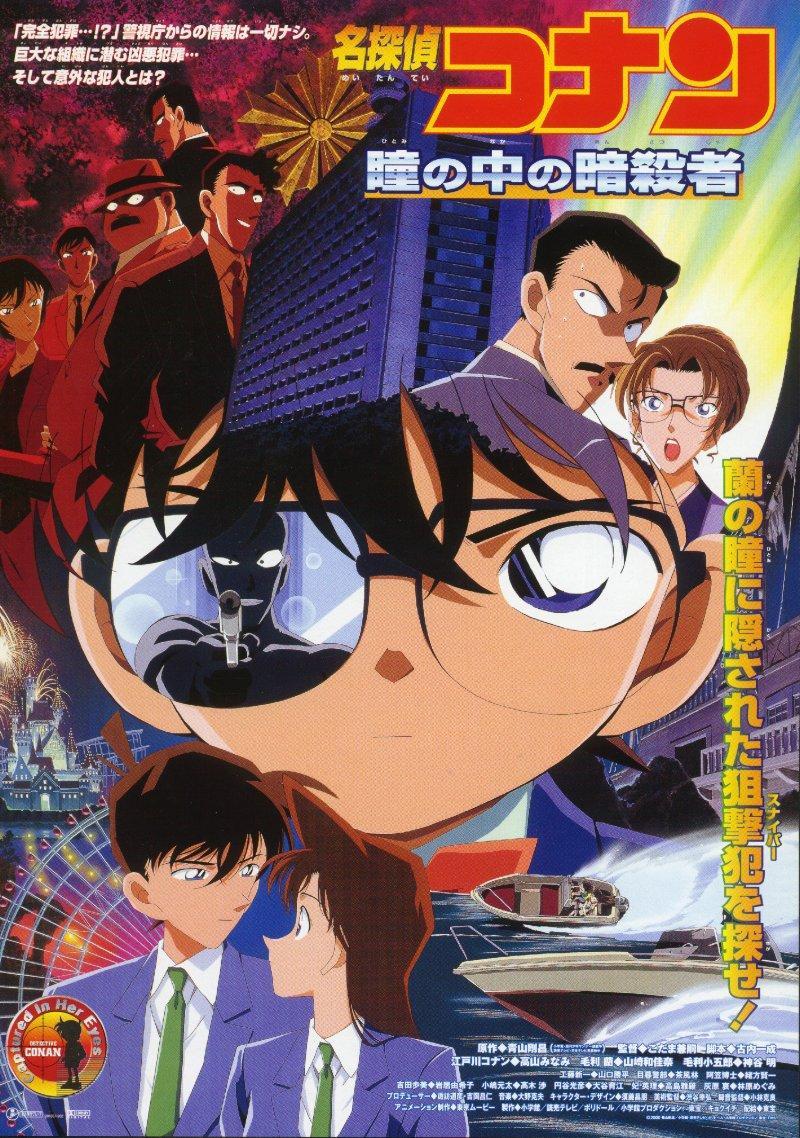 Detective Conan Movie 4: Captured in Her EyesLayout, Key Animation
 -
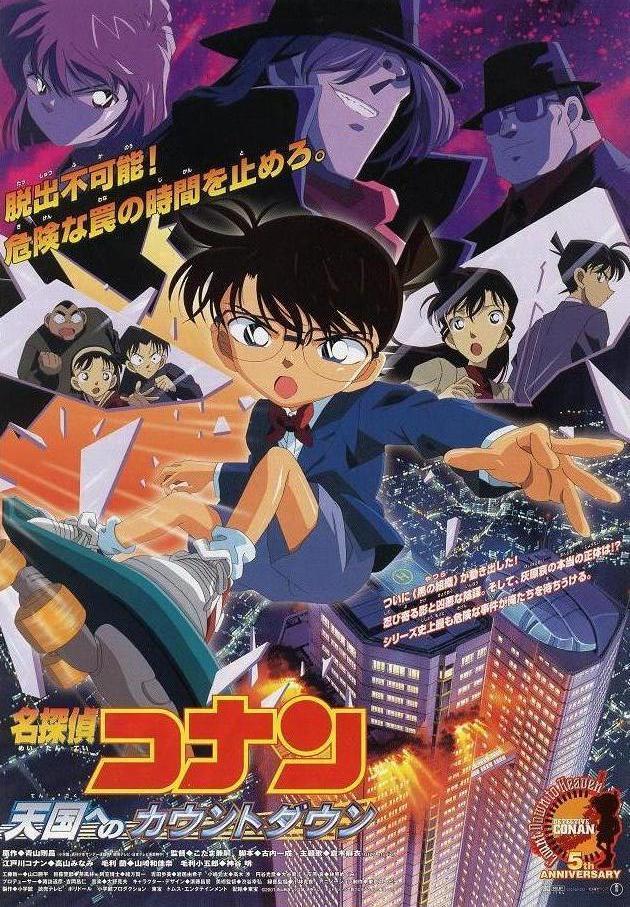 Detective Conan Movie 5: Countdown to HeavenLayout, Key Animation
Why Take This Class?
The pre-production stage determines the entire story universe: it is the most essential stage in creating your stories, even before the main production, where you bring your story to life. This stage is also the foremost crucial process for animators, coming before anything.
However, there are too few professional storyboard artists in Korea compared to Japan or the United States, which leads to the fact that not many experts are available to teach 'pre-production'.
Expanding the basis for storyboard artists in Korea, Director Kidoo Kim reveals her outstanding film animation storyboard writing and practical skills for the first time, in Coloso.
In this lecture, you will grasp key animation skills and thoroughly understand every part of film animation. Examine the storyboard components, such as layout and timeline, one by one, and even develop an understanding of the rough cut production process.
If you dream of producing high-quality animations, don't miss it.

17 Class Exercises
Part 01. Animation Series Production Process
-
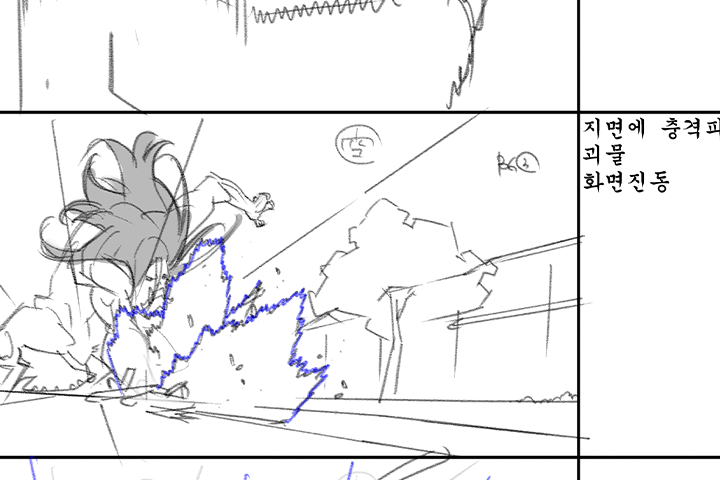 Production Process of Animation Films
 -
 Value of Planning
 -
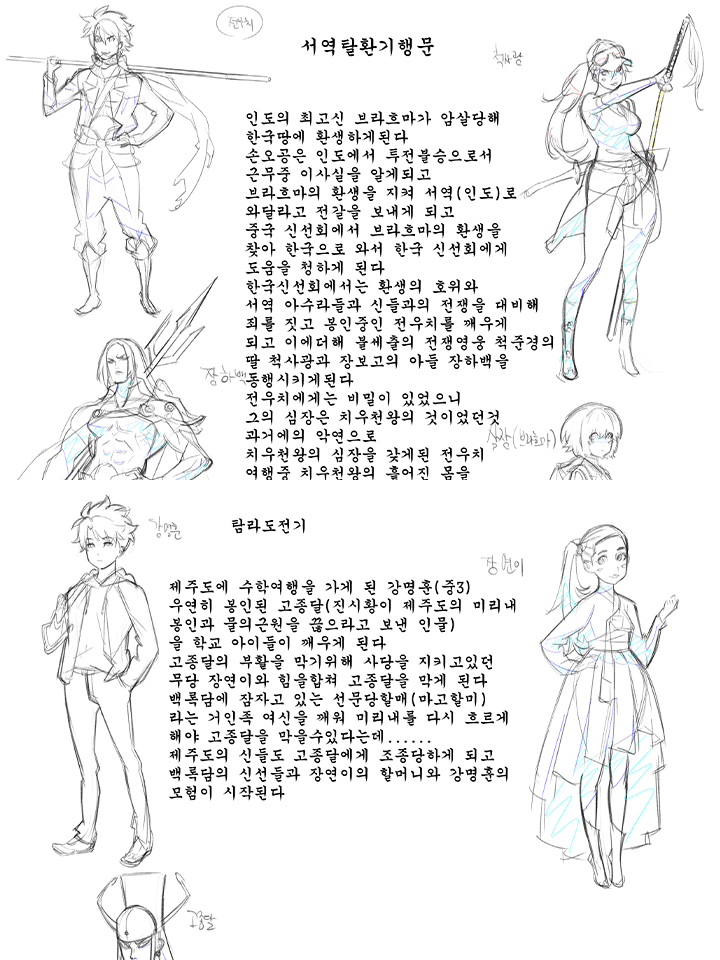
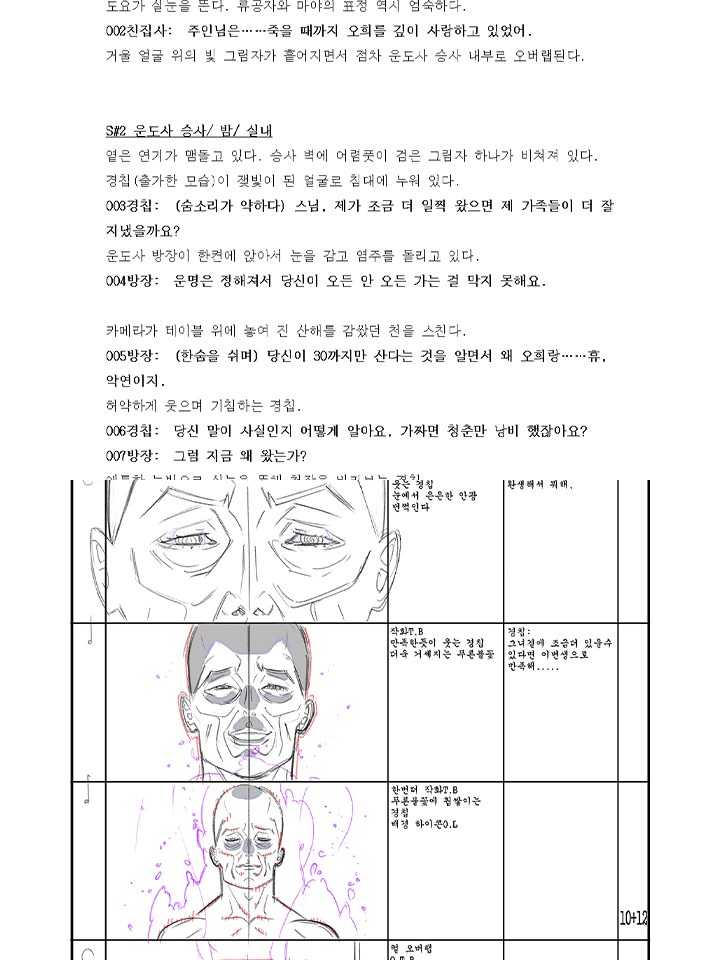 Working on Scenario
-
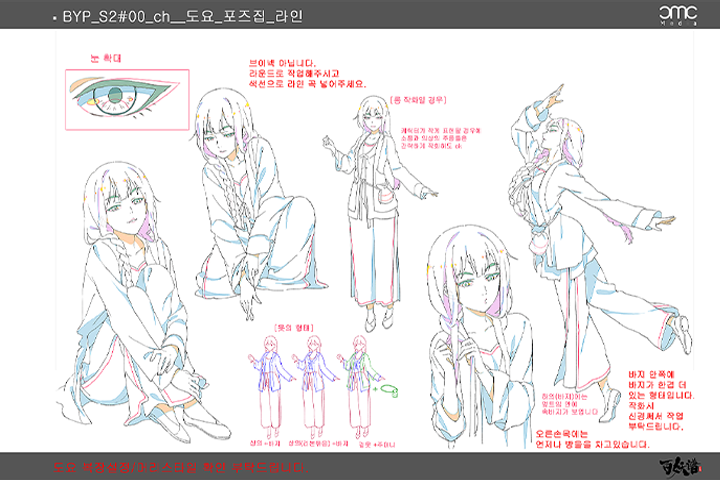 Character Designs
 -
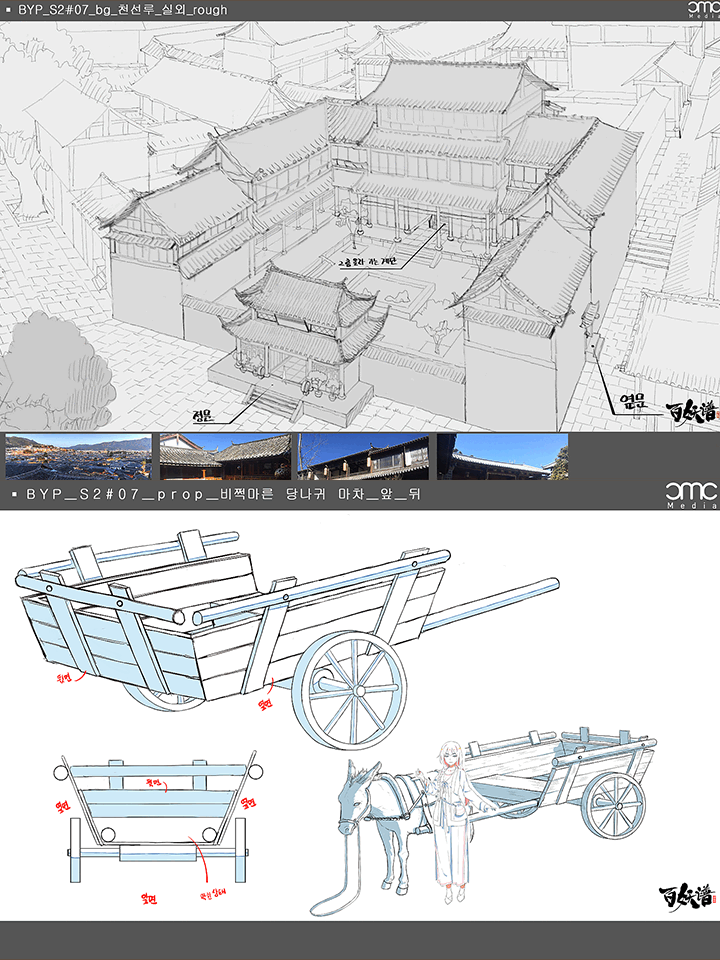 Background and Setting Props
Part 02. Illustrating Storyboards
-
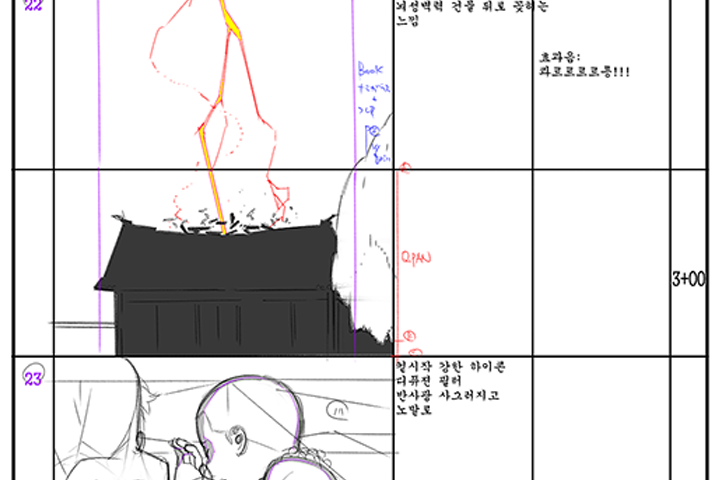 Basics of Writing Storyboards
 -
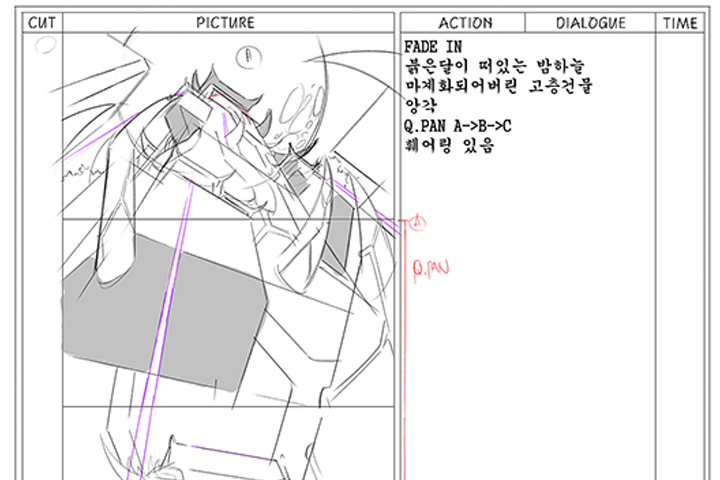 3 Lines for Your Storyboard
 -
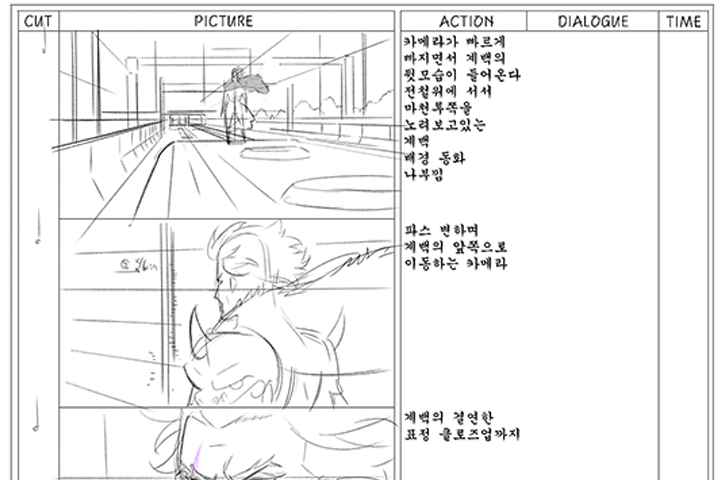 Compositions and Positioning
-
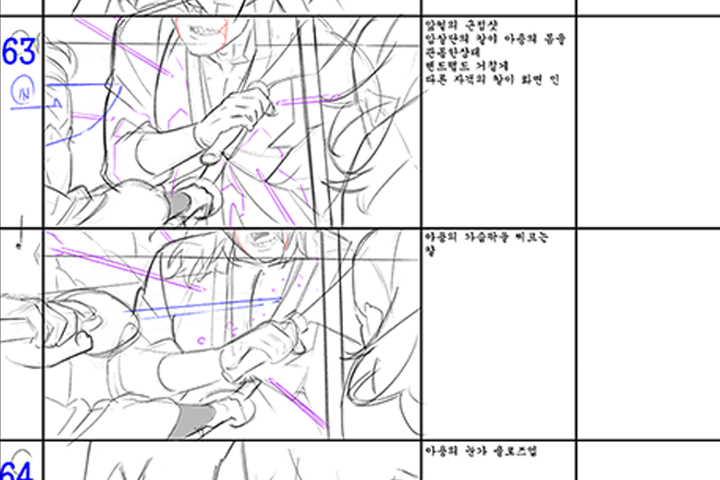 Camera Work and Follow Path
 -
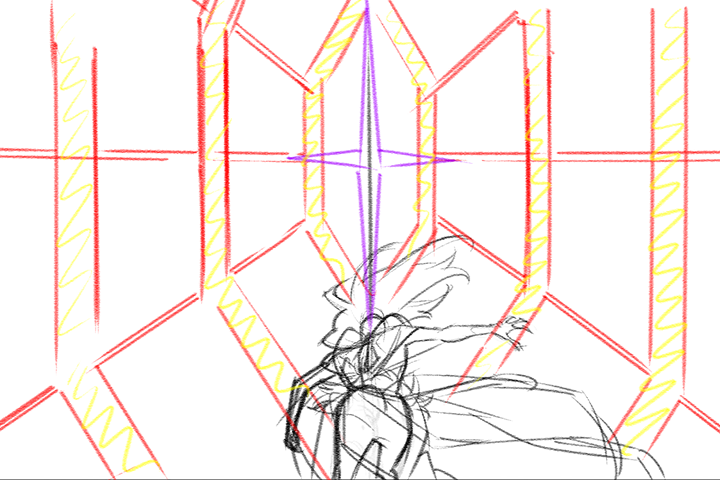 Estimated Animation Flow
 -
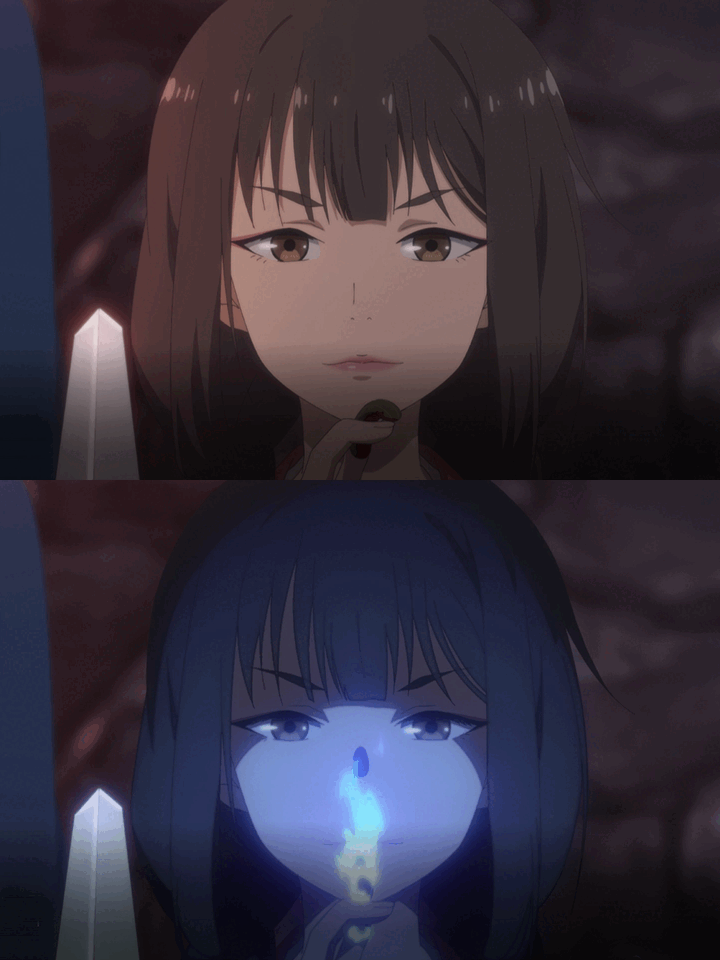 Time Extension and Cut Down
-
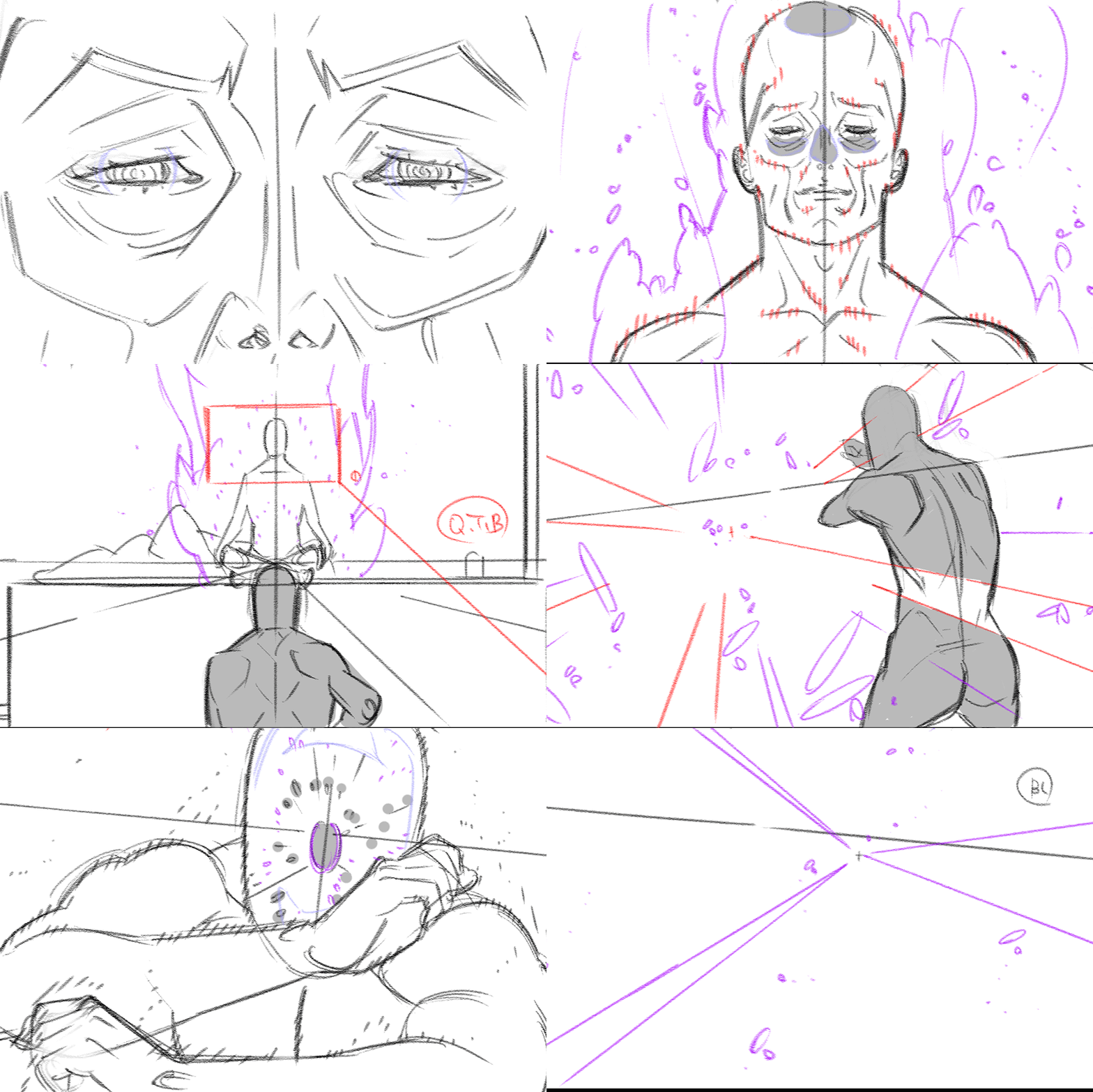 Camera Effects
 -
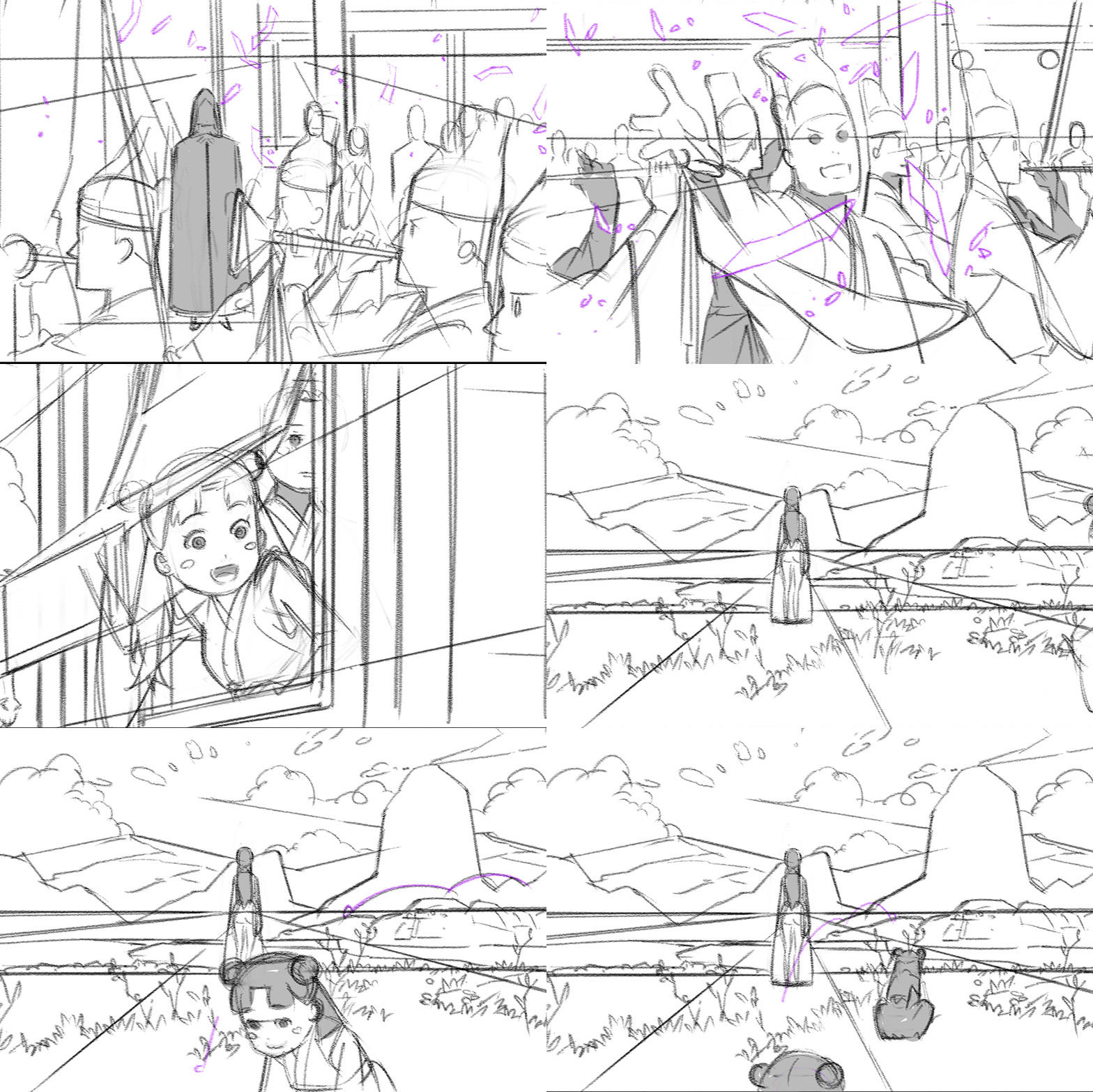 Visualizing Daily-Life Scenes
 -
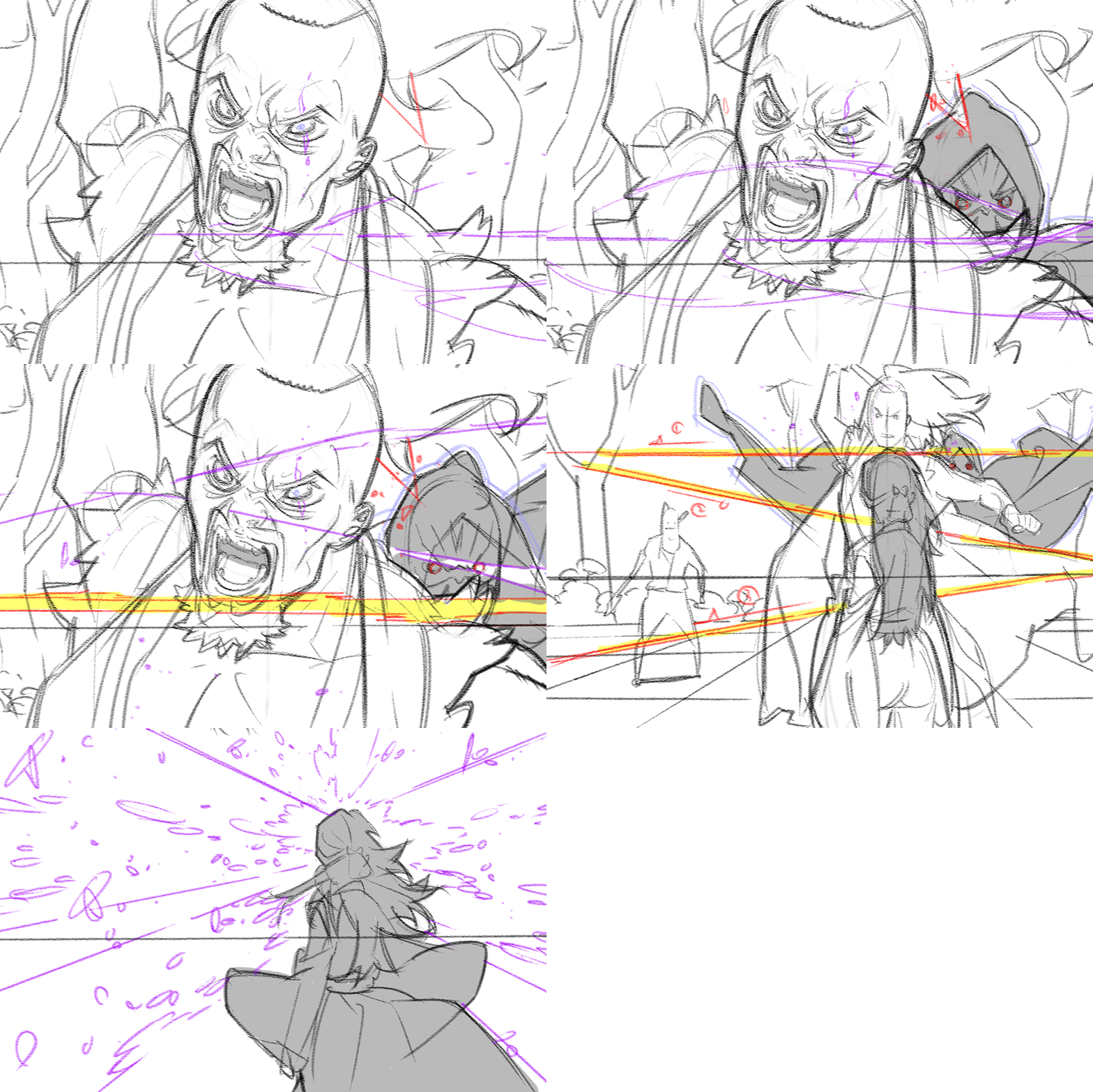 Structuring Action Scenes
Part 03. Layouts & Key Animations
-
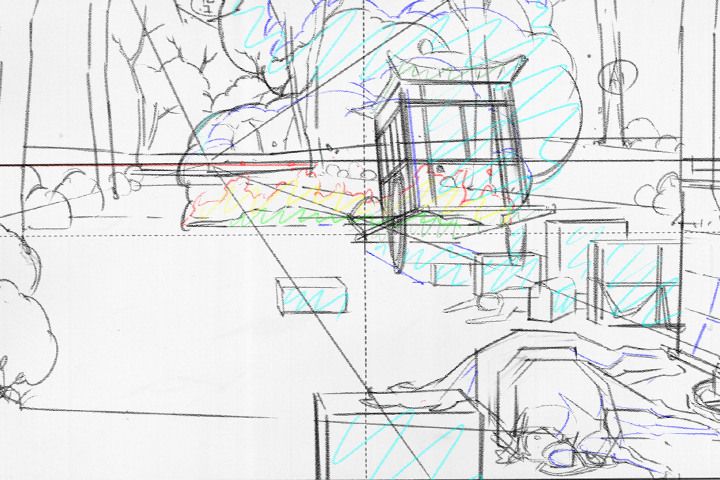 Layout
 -
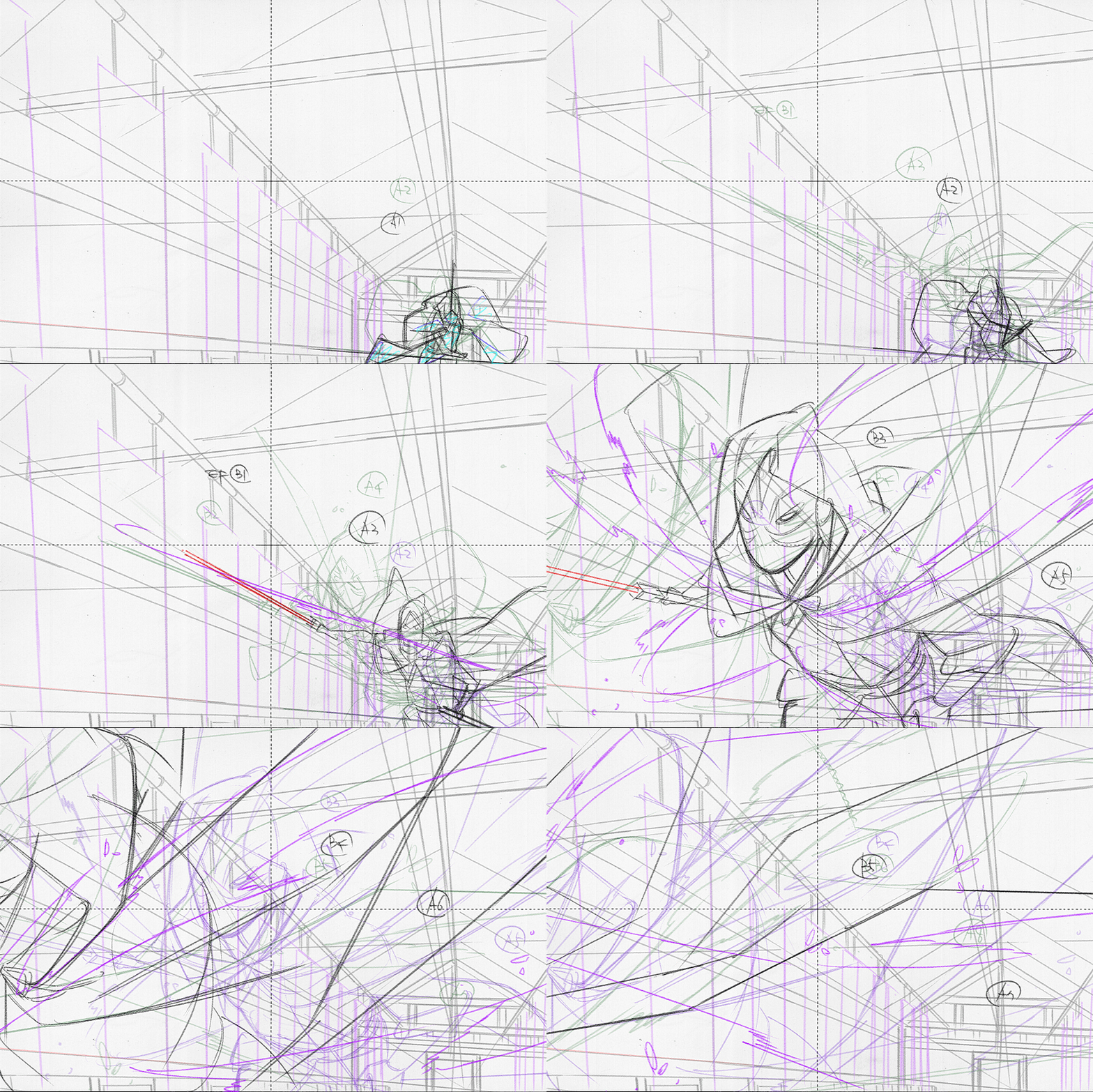 Key Animation
 -
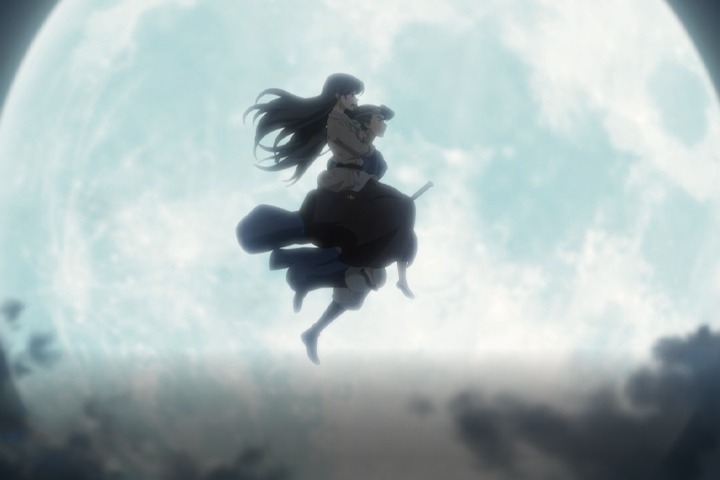 Special Effects, Background, and Color
All copyrights related to the animation 'Fairies Albums' used throughout the class belong to Bilibili Co., Ltd.
* Unauthorized sharing and distribution of class videos/materials online or offline may be subject to legal sanctions.
Recommended by Seonyoung Jang, CEO of ‘Studio PPURI’ — an aspiring 2D animation studio for all those rising stars in the industry!
Whether you're intrigued by 2D animation, interested in production, or eager to familiarize yourself with the industry's terminology and work methods, this course is the best choice!
Kidoo Kim is a director who has worked actively as a storyboarder and producer in various animations! She will be the best person to teach storyboarding skills so you can immediately reflect on your practical work.
I hope this class of Kidoo Kim will help you learn how to do your animation work more swiftly.

Speaker introduction
Storyboard Artist
Kidoo Kim
Hello, I am a director and storyboard artist, Kidoo Kim!
When I first entered the animation field, I started off as an inbetweener. After a while, I became in charge of key animation layouts and had the opportunity to move to Japan to work with famous directors on many well-known animation films, including 'Detective Conan.' Building on these diverse experiences, I have had the opportunity to manage various roles in the animation industry in Korea — from animation director to storyboard artist, and even as a producer.
In this class, I will share every bit of know-how I have accumulated over the past 32 years with you. By understanding the animation production process and experiencing the entire storyboard writing procedure through various examples, you will be able to express your thoughts 120%, and become an eye-catching storyboard artist recognized by directors and producers worldwide.

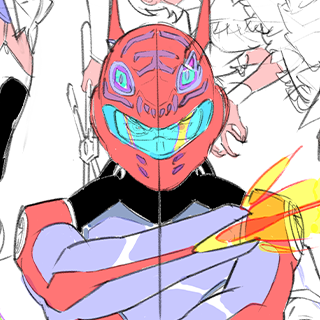
Storyboard Artist, Kidoo Kim
[Current]
STUDIO SHOE Director
Projects & Awards
[Experience]
China) Bilibili
Korea) CMC media
China) HAOLINERS
US) WARNER BROS
Korea) D.R MOI
Japan) SUNRISE ANIMATION
Japan) MADHOUSE
Korea) D.R MOVIE
Japan) TOKYO MOVIE
Japan) A.I.C PRO
Korea) SAMWON MOVIE
Korea) ACOM ANIMATION
Korea) SEOUL MOVIE
Korea) Magma Productions
[Participated Projects]
<UNDECEMBER> Game Trailer
Movie of <Shinbi's Haunted House> (2022)
<Demon War of Hwangsanbeol> - Original
<Fairies Albums>
<The Furious Yama>
<Ultimate Spider-Man> (TV series)
<Young Justice> (TV Series)
<The Animatrix>
<Dungeon & Fighter> (Prey - Isys Teaser)
<Janggeum's Dream>
<Detective Conan Movie 4: Captured in Her Eyes>
<Detective Conan Movie 5: Countdown to Heaven> and more
class features
Class Highlights
Understand the Overall Process for Animation Film Production
The storyboard accounts for almost 70% of the film creation process! In fact, the quality of the animation is determined at the 'ideation stage' while working on storyboards. Let's examine the overall animation duration and proper narrative flow, as well as each work process of special effects, filming, background settings, color, and layout.
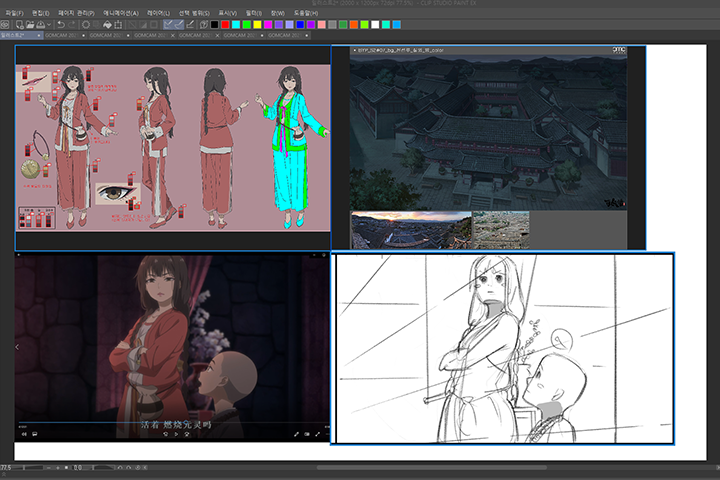
Animation Production through Professional Storyboard Writing Demonstrations
Still have your head in the clouds with the same, nonpractical theory classes you know of too much? This class is prepared with genuine hands-on tips and tricks of a professional storyboard artist! After you have discovered all the animation production methods based solely on your idea with real writing demonstrations of a professional, you will master the ways of producing dynamic character productions and creating immersive stories.
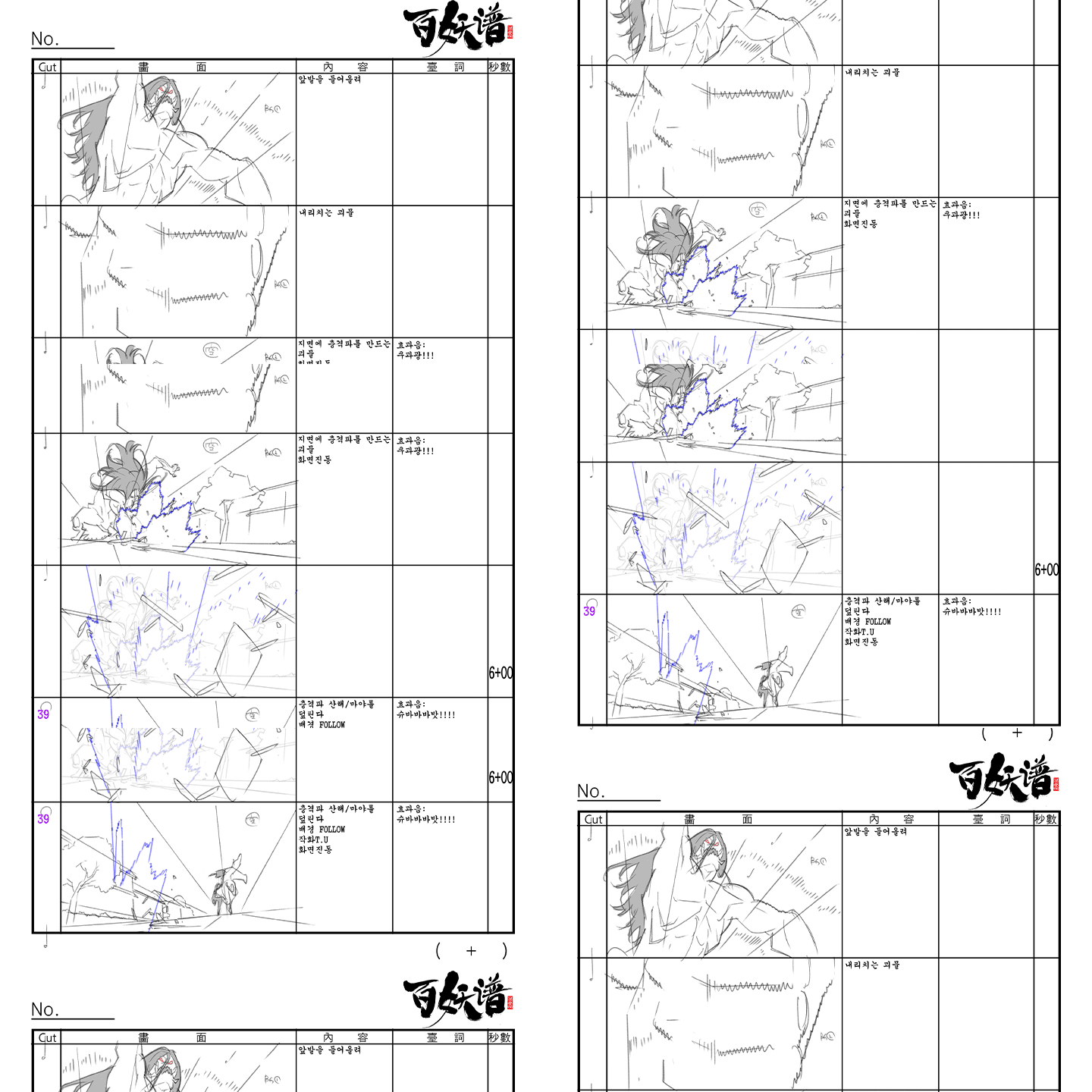
A Professional with over 30 Years of Experience: Practical Know-How from a Real-Life Storyboard Artist!
Beyond Korea to China, the United States, and even Japan! Artist Kidoo Kim, who has a history of global collaboration — will be sharing with you the know-how based on film series and movie animation experience she has been growing as an elite professional.
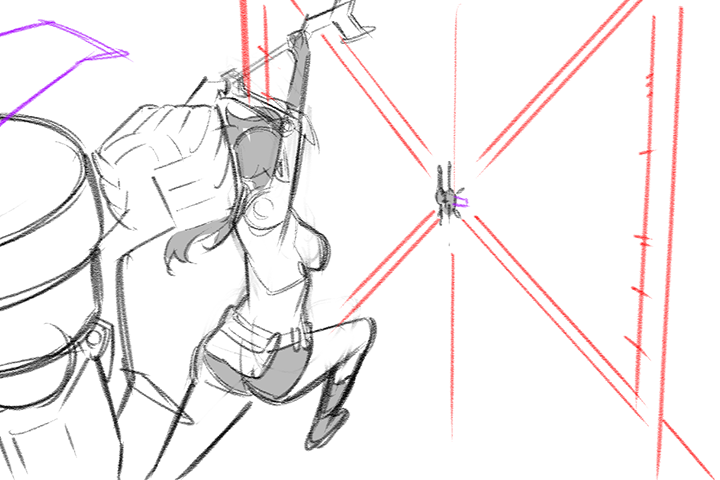
Class Details
You'll Learn
-
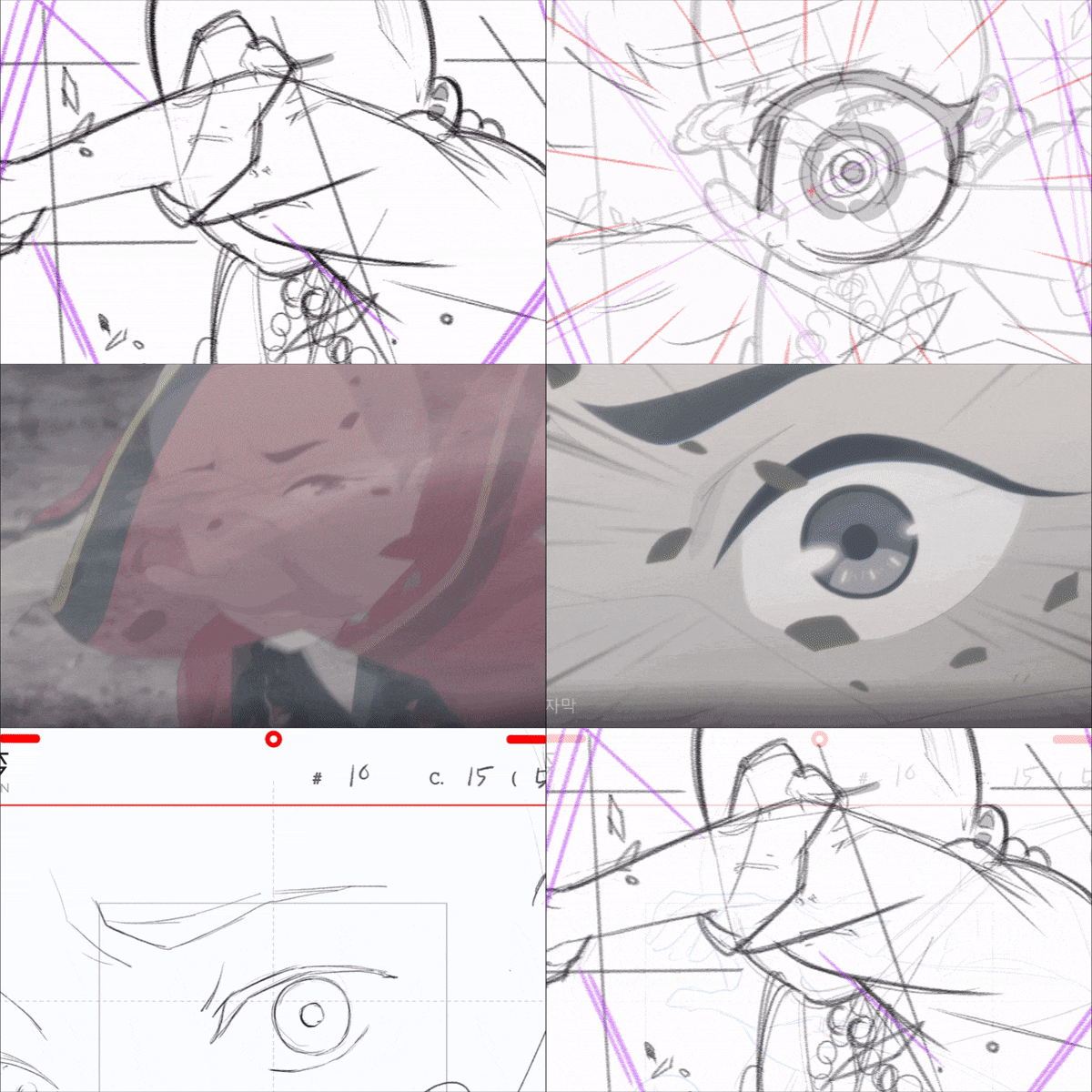 Understanding the Animation Production ProcessStart comprehending the process from planning a series animation to producing the final film, and identify the understanding and the importance of each animation stage of production.
 -
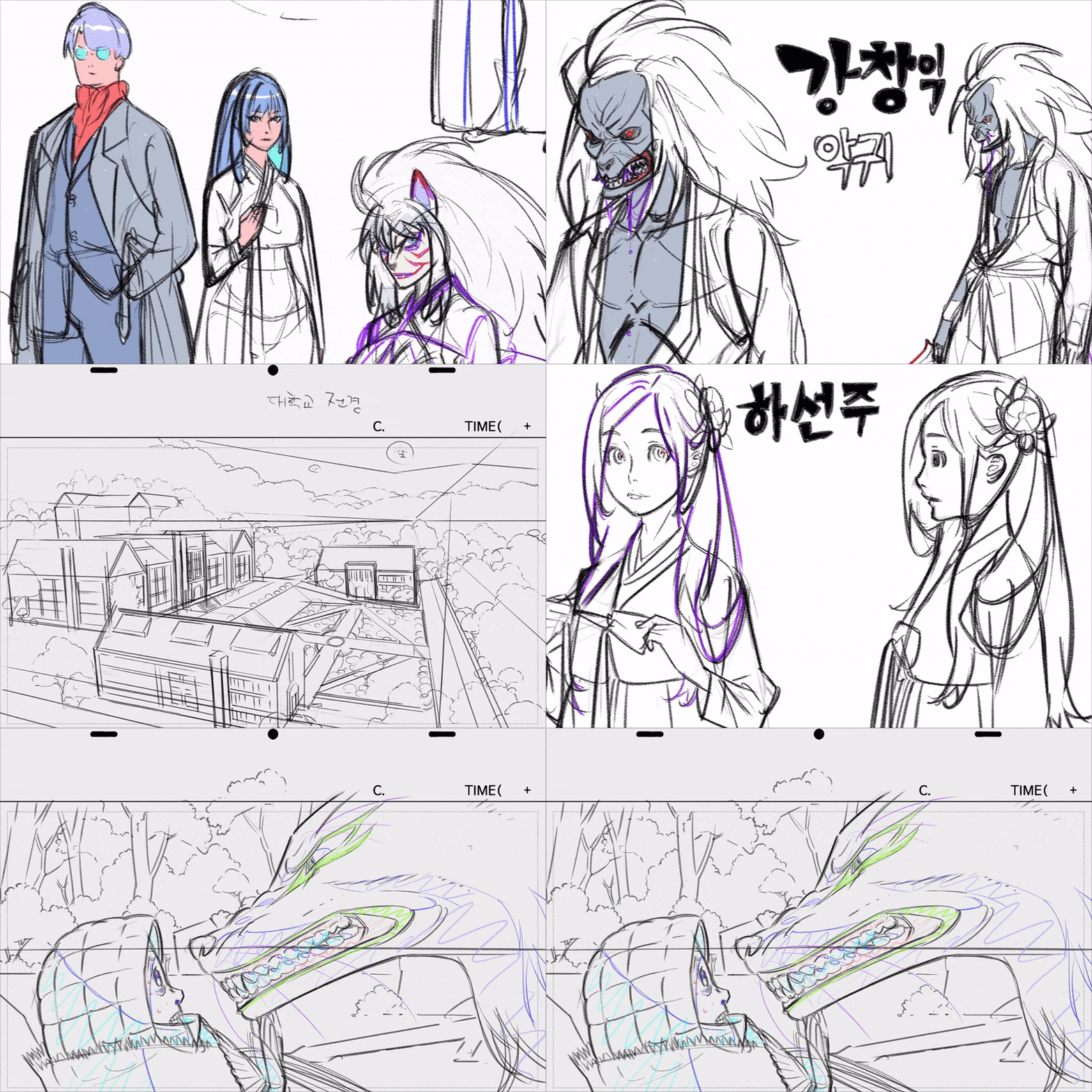 Pre-production Stage Builds the Story UniverseAcquire all the knowledge you need to create a single animation, from character settings to scenario writing, background, prop settings, and more!
 -
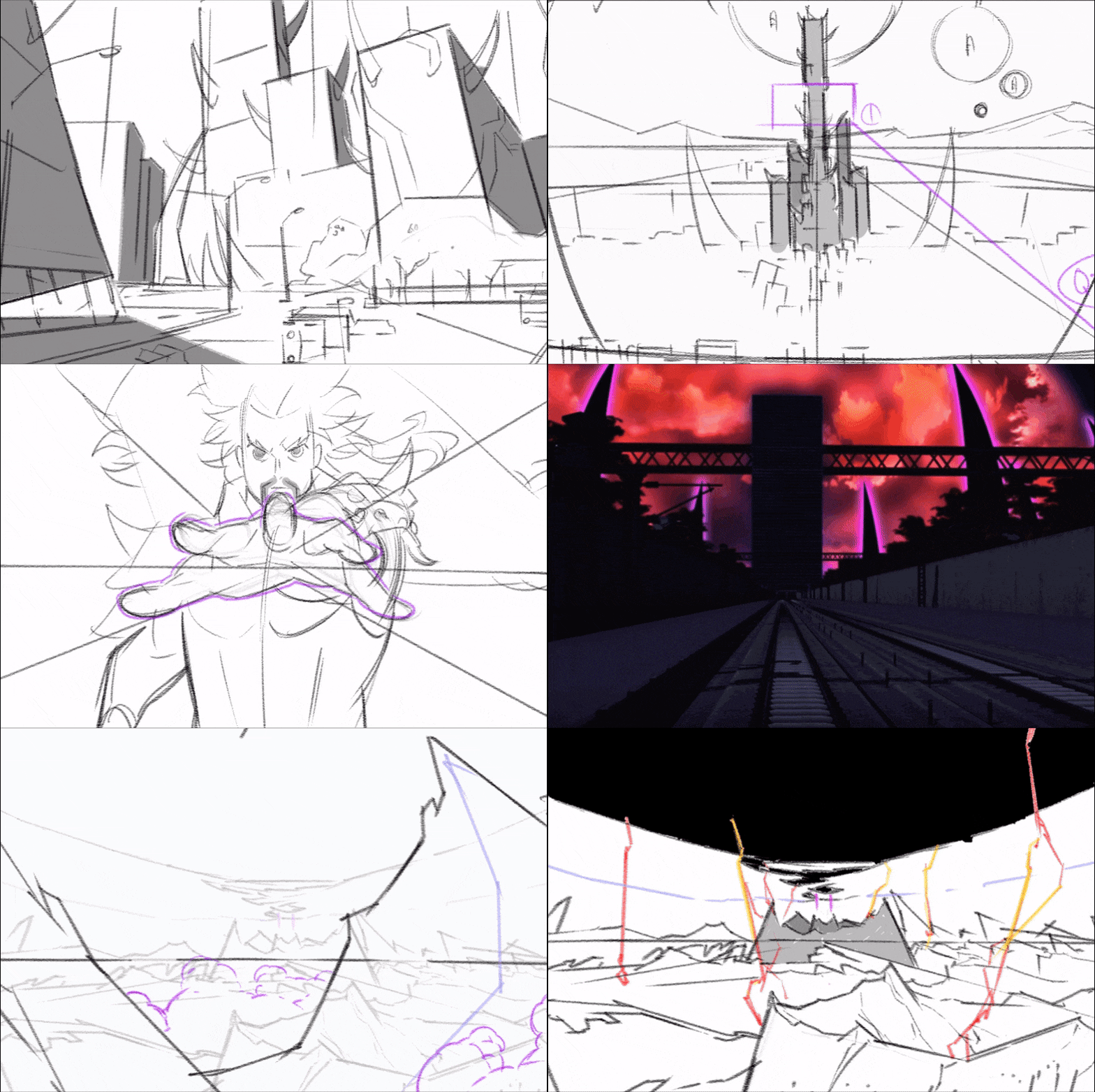 Studying the General Layout for Storyboard WritingGain clear instructions on various components required for screen composition, such as short & long distance close-ups, tips on using lenses properly, and familiarizing yourself with background shooting methods such as FOOT LIGHTS!
-
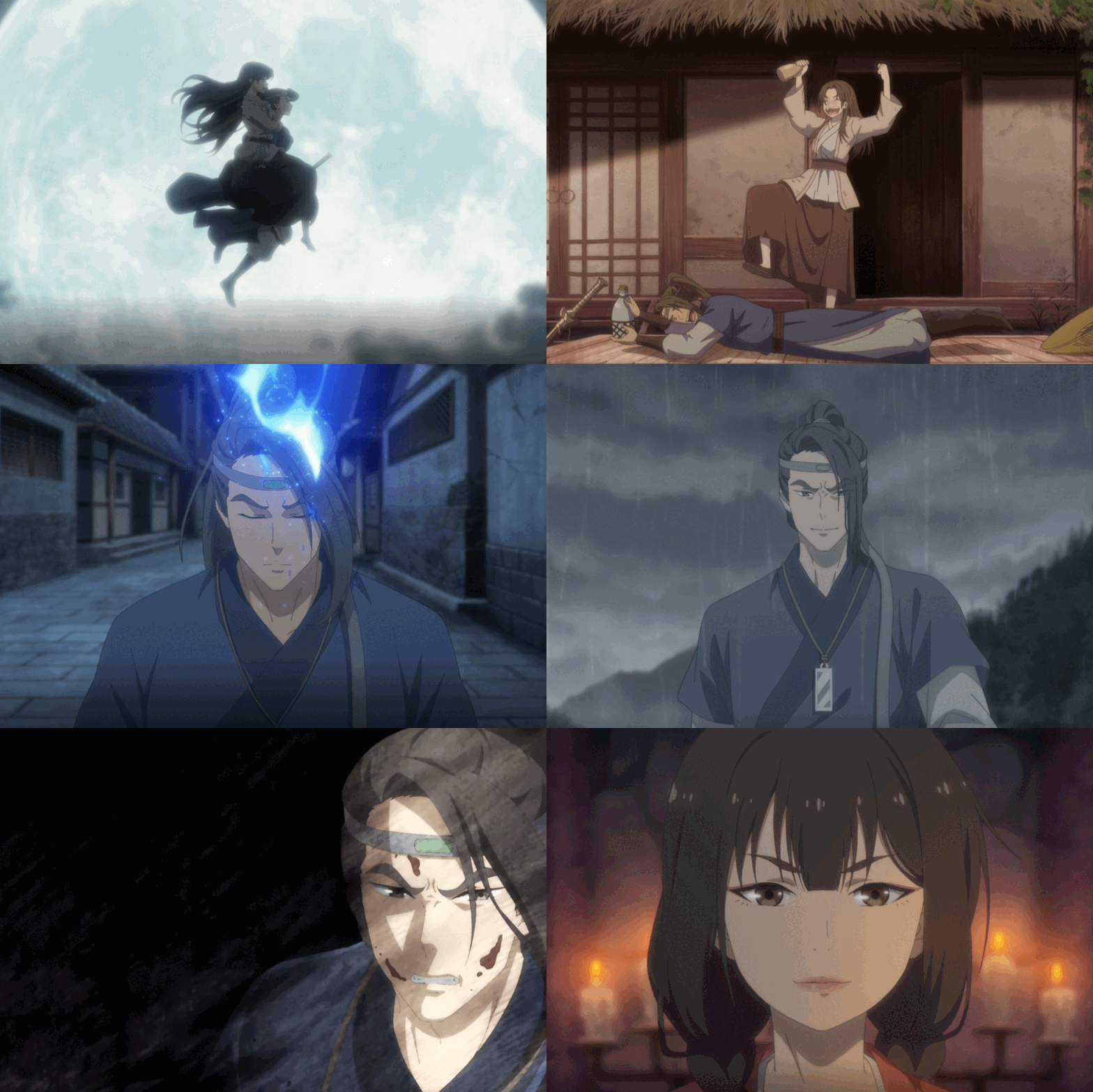 Easy Cut Distribution Techniques Based on Time Flow and Scene SettingLiven up your characters by mastering time and scene adjustments inside storyboards! Focus on distributing time accordingly for an intriguing narrative flow, stretching or shortening the duration depending on interest, and comprehending key screen transition techniques.
 -
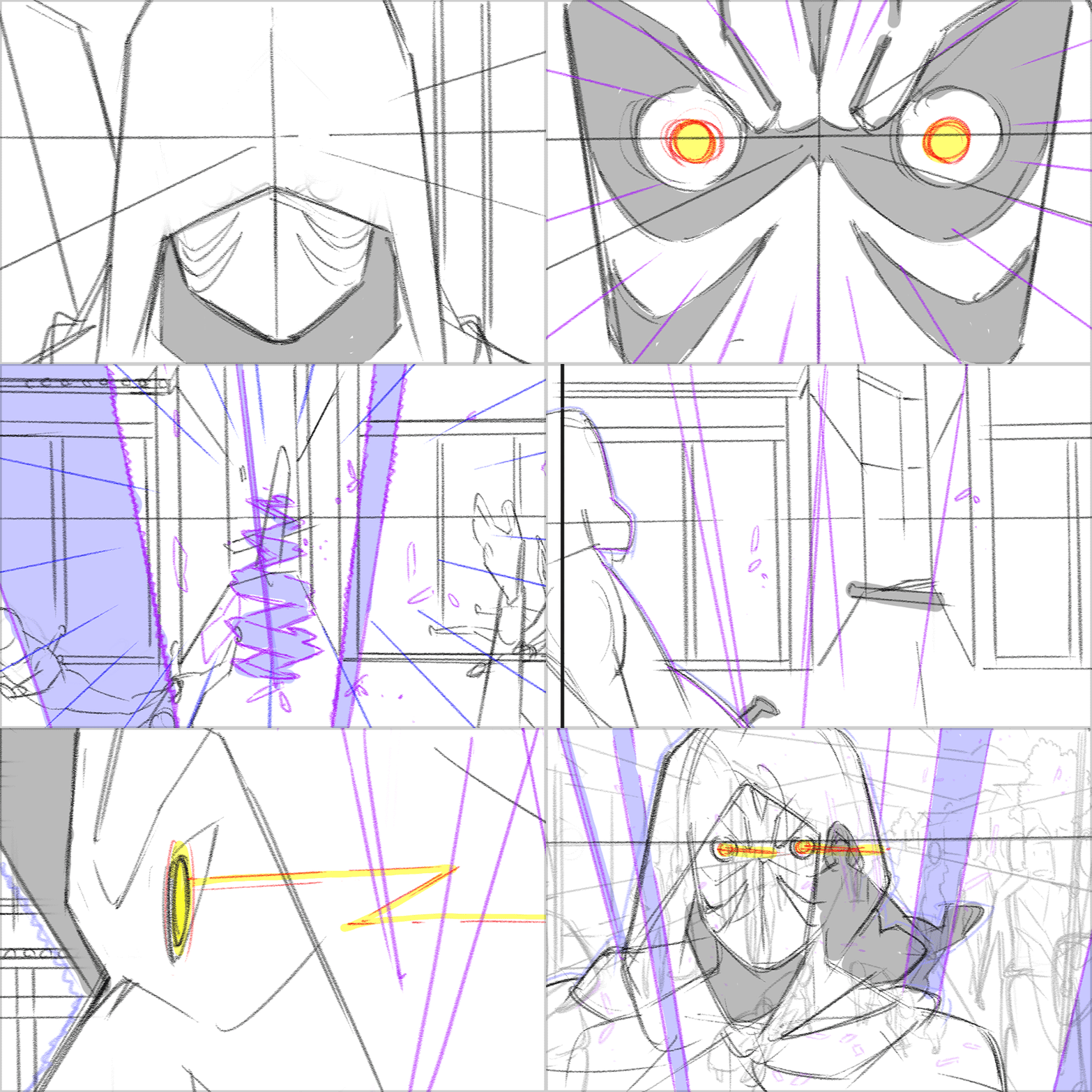 Understanding Details for Dynamic Action Scene ProductionKeep the rhythm up in your action scenes with cut distributions, and learn how to ideally express the essentials of action scenes in speed, tension, and impact! Also, check out the differences between one-to-one and one-to-many actions and develop some tricks for setting up screen composition.
 -
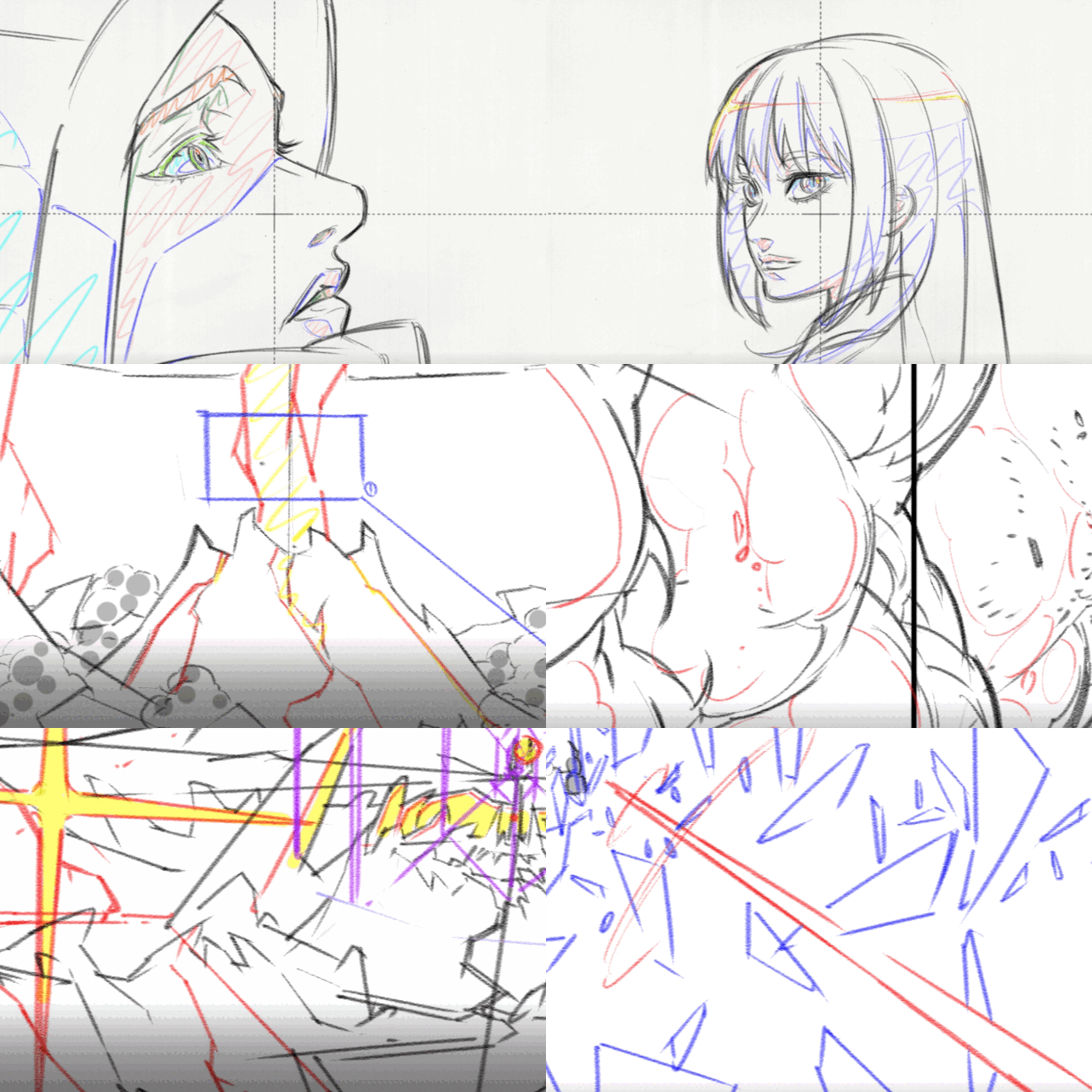 Familiarizing Yourself with Exciting Animatics (Rough Cut)With the set time already sorted out to organize the narrative flow of the animation, you can establish a plan for task distribution and staff recruitment. This five-minute trailer, available only at Coloso, will help you become thoroughly familiar with the animatic process more smoothly than ever.
curriculum
Curriculum
In-Depth Look
SECTION 01. Series Animation Production Process
01. Creating a Series Animation: From Planning to Final Visualization
- Examine the overall animation production procedure
02. Start from a Planning Sheet
- Why do we need a proper planning?
- Components and characteristics of a planning sheet
- Description of exercises throughout the class
*Reference files related to the exercises are provided - a full story, scenario, image board, and character settings
03. Writing Down Your Own Scenarios
- Is scenario necessary?
- Scenario requirements
- Learning animation scenario expressions
04. Working on Character Concepting
- Things you need for character conception
- Requirements for working on character set up
05. Setting up Background Props
- How to arrange props in background
- Setting up Process: Background & props
SECTION 02. Storyboard Writing Skills
06. Basics of Storyboard Writing
- What is a storyboard?
- Animations vs Live-action videos
- Animation storyboard expression techniques
- Training methods for storyboard artists
07. Eye-Level and Image Line
- Three essential lines you need in a storyboard
- What and How: Eye-level
- What and How: Image lines
- What and How: Perspective lines
08. Composition and Placement
- What and How: Composition in video production
- Correlation between placement selection and movement paths
- Using image lines based on placement & importance of screen transitions
09. Camera Work and Follow Path
- Animation expression
- Understanding of space
- Tips on camera follow paths
- How does animation cameras work?
- Camera work terminology, effects, and operation method
10. Directionality inside Animations
- Need for directionality in video production
- Correlation between image lines and directionality
- Importance of directional flow in animation production
11. Time Extension or Cut Down
- Concept of time in video production
- We need time control!
- Tools you can use to adjust time
- What and How: Time extension
- What and How: Reducing time
12. Special Effects in Cameras
- Studying camera work terminology
- Evolution of animation cameras
- Camera work and production
- How to show effective camera works
13. Method Reveal: Daily-Life Scenes
- You REALLY need daily life scenes!
- View differences and camera usage
- Creating compositions as everyday life scenes
14. Method Reveal: Action Scenes
- Understanding action scenes
- Dynamic scene composition
- Camera work and follow path
- Showing speed in your actions
- Adding background music, sound effects, and more!
15. Understanding of Action Scene Production
- Understanding through real-life work demonstrations on action scenes
SECTION 03. Layout & Key Animation
16. One-to-Many Action Scenes
- Production methods of one-to-many action scenes
- Examining scene distributions
- Camera work and follow path
- Drawing an impressive composition
17. Moving on to Layout Work
- Focus on eye-level!
- Vanishing point & perspective line
- Composition of animation layouts
- Terminology and how-to
- Understanding storyboards for layout later
18. Wrap-up Key Animation: Adjusting Animation and Camera Timing (Part 1)
- Understanding key animations
- Adjusting Timing: Animations
- Adjusting Timing: Cameras
19. Wrap-up Key Animation: Afterwork (Part 2)
- Finalizing With: Inbetween, color, background, camera work
- Example demonstration
SECTION 04. Final Words (With a Little Bit of Animatics!)
20. Short Tips on Animatics
- Final animatic revealed!
- Summary of overall class content
Interview with
Storyboard Artist, Kidoo Kim

Question.01
Who would you recommend this class to?
Who would you recommend this class to?
In this class, we will cover the real film animation production process, how to write an outstanding storyboard with commercial value, and then move on to the fun and exciting key animation production! Therefore, I recommend this lecture to those passionate about 2D animation, seeing it as a potential avenue for personal growth or professional development..
Question.02
Why is the pre-production stage important when creating an animation?
Why is the pre-production stage important when creating an animation?
Pre-production is the stage where the story of your imagination starts to bloom. The world in which the characters live, the world's system, where the story is headed, and even so, endings — these are all created in the pre-production stage and beautifully expressed in the main production. I can indeed say that the pre-production stage in the animation creation process accounts for a significant portion of whether the work would be a success, or a failure. Come on and unfold your idea into a whole creative masterpiece!
Question.03
Please tell us if you have any unique points or strengths in the planning/production process.
Please tell us if you have any unique points or strengths in the planning/production process.
My strengths include my international experience, collaborating with esteemed Japanese directors, and contributing to personal projects in the United States, China, and Korea. This experience has honed my adaptability and prepared me for almost any role, from character designer to animation director and even key animator. My extensive tenure as an action-based animation director has further enhanced my skills in crafting immersive and dramatic narratives — which has become one of my strongest powers in this industry.
Question.04
How do you perceive the 2D animation market?
How do you perceive the 2D animation market?
It is said that 2D animations may disappear with the impactful emergence of 3D animation and live-action movies as they continue to grow, but 2D clearly has its own strengths. I believe that more and more opportunities will arise as various supply chains emerge and demand for content increases.
Required Programs
This course will use CLIP STUDIO 1.11.4 and HARMONY STORYBOARD PRO 20. Please install these program(s) for an optimized chapter experience.
*Lower versions can also be used for CLIP STUDIO 1.11.4.
*HARMONY STORYBOARD PRO 20 is used in lecture demonstrations and is not required.
*These programs and/or materials will not be provided with the chapter.