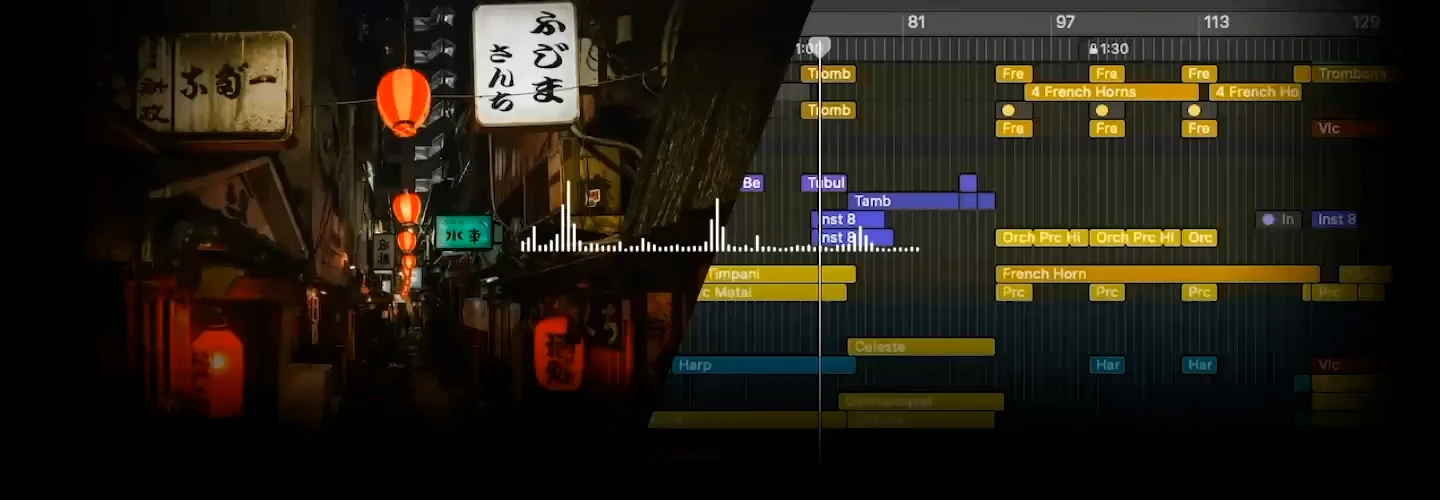
musiccomposer,ryanleach Details
Intro
Class Intro
Music Composer , Ryan Leach
"Create your own anime-style orchestral film score from scratch, including playing your own instruments with plugins!"
Composing Light, Wind, and Wonder, Like You Have A Cheat Code.
Most orchestral and film music courses assume you already read music, understand theory, or work on paper before moving into a DAW.
This class removes those barriers entirely. It is built for people who want to make orchestral music but feel stuck because they “never learned theory,” “can’t read notation,” or don’t know where to start.
This class removes those barriers entirely. It is built for people who want to make orchestral music but feel stuck because they “never learned theory,” “can’t read notation,” or don’t know where to start.


Everything is taught visually and practically inside the DAW, using MIDI and sound, not sheet music.
Instead of overwhelming beginners with full chords, scales, and orchestral scores right away.
By working with strict limitations at first and gradually expanding them, you learn why musical ideas work, not just what to copy. This makes the learning process feel intuitive, creative, and surprisingly accessible, even if you’ve never composed before.
By working with strict limitations at first and gradually expanding them, you learn why musical ideas work, not just what to copy. This makes the learning process feel intuitive, creative, and surprisingly accessible, even if you’ve never composed before.
Class Preview
Still Not Sure?
Check Out Ryan Leach's Class Preview!

Chapter 13. Supporting Melody With a Single Pitch
1. What pitch to choose
2. Pedal tones
3. Tonic pedal
4. Dominant pedal
2. Pedal tones
3. Tonic pedal
4. Dominant pedal
Class Perks
Special Gift from Ryan Leach
-
Final Project Files
-
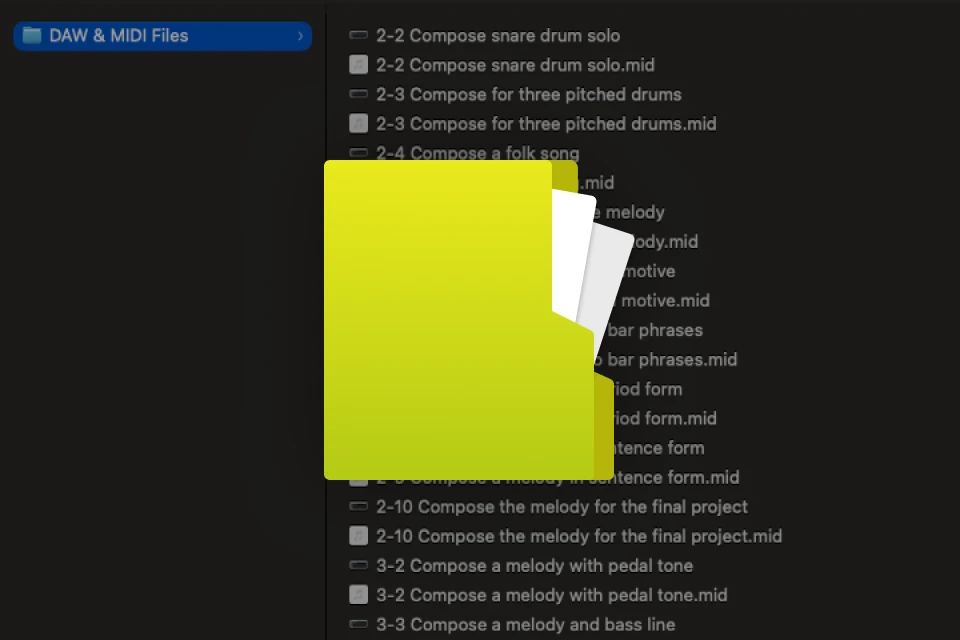 DAW & MIDI Files
 -
 Reference Sheets
-
 Harmony Kit
 -
Texture Kit
-
 Style Analysis PDF
-
 Reference Tracks
 -
 Composer's Checklist
 -
 Next Step
Class Material Details
-
 DAW Session and MIDI Files-The full Logic session for the
-Demo files
-Final Project orchestral composition
-MIDI files that you can drop into the DAW or notation software of your choice for deeper analysis and experimentation. -
 Chapter-by-Chapter DAW & MIDI Files-Logic and MIDI files for each stage of the course
-From basic melodies to chord progressions
-Entire arrangements -
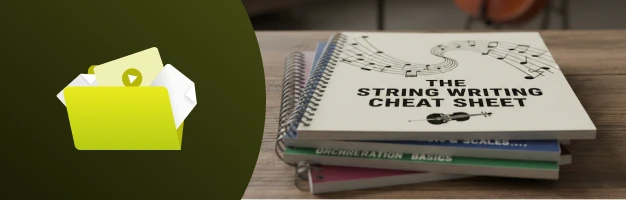
 Reference Sheets- The String Writing Cheat Sheet
- The Woodwind Writing Cheat Sheet
- The Brass Writing Cheat Sheet
- The Percussion Writing Cheat Sheet
-
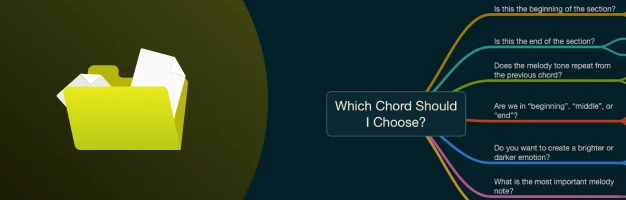 Harmony DecisionA guide to help you choose/mb which chord to use to best support your melody or musical ideas.
 -
 Chord to Texture- A collection of MIDI files to inspire different rhythmic ideas and textures.
(Simply replace the pitches with the pitches in your chord progression and you'll be on your way to a full arrangement.) -
 Studio Ghibli Music Style Analysis PDFWhat makes music feel "Ghibli"?
-Characteristic traits of Studio Ghibli style music
-How you can incorporate those elements into your own work.
-
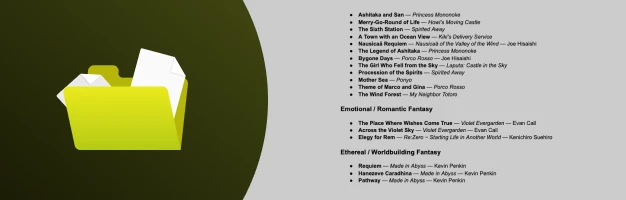
 Recommended ListeningA "best of the best" guide for orchestral anime style music, from Studio Ghibli and beyond.
 -
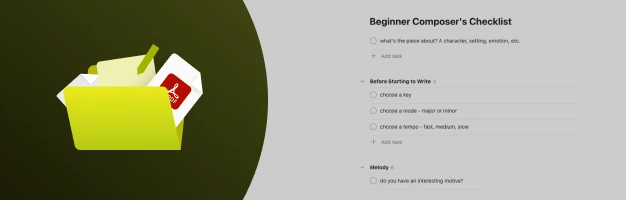
 Beginner Composer's ChecklistFrom writing a satisfying melody to making sure your arrangement is full and interesting sounding, there can be a lot to remember.
Use this checklist to help you keep track of all the little details you learned about in the course so you can spend more time writing music and less time worrying that you forgot about something. -
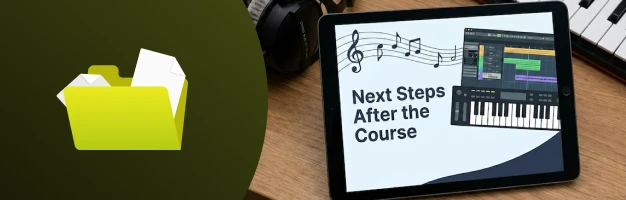
 Next Steps After the CourseYou're off to a fantastic start, but you know that there's still a lot out there to learn.
This guide will introduce you to -Further topics of study, like -Counterpoints -Romantic harmony
and much more, so that you can choose the best path forward to continue your growth as a composer and musician.
Recommendation
Who should take this class?
Musicians
Who have always wanted to create their own music
but don't know where to start.
Aspring Composers
Who never know how to take their
compositions beyond a 4-8 bar loop or
how to get better at writing music.
Creative People
Who are comfortable with digital tools
and want to create music for their own
games and projects.
Expert Music Composer Ryan Leach 's Portfolio
Key to Anime & J-POP Music
C Major into Anime Harmony
Zelda’s New Theme
Why You Feel Nostalgia
Armenian Animation - Ara's Flight
Writing Transitions
Harmonic Rhythm Explained
"Layers" An Animated Short about climbing past struggles in life
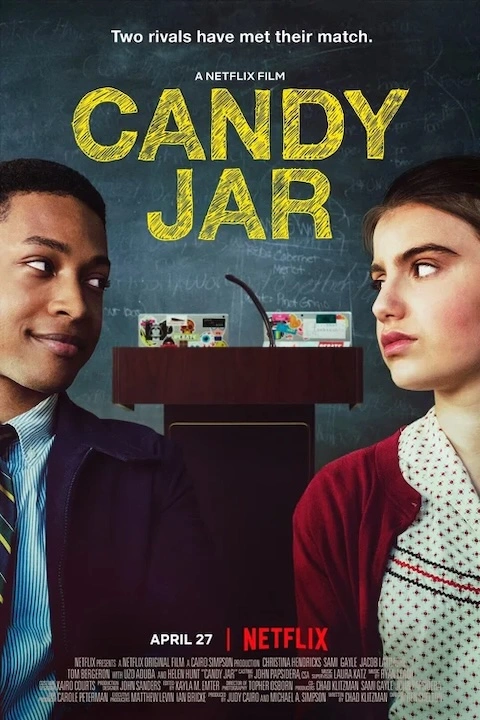

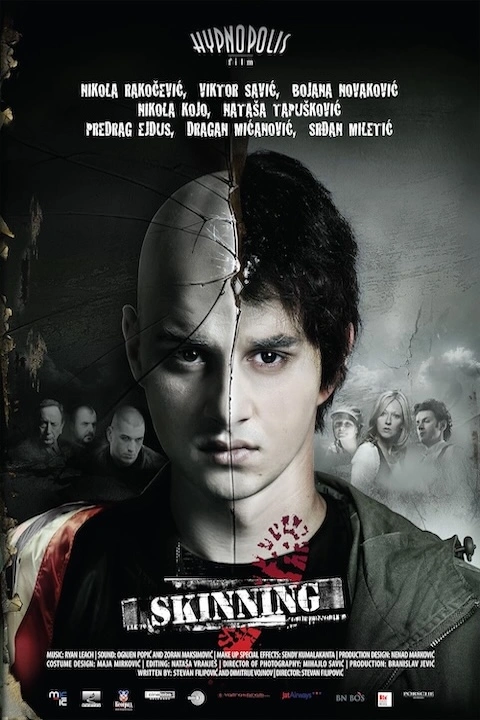

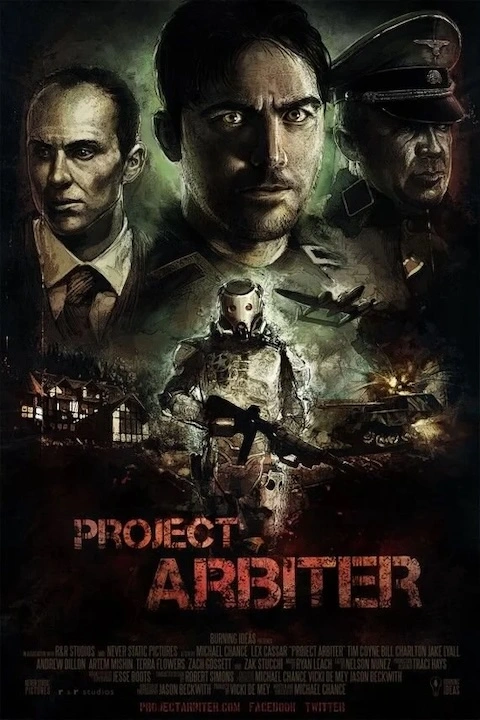


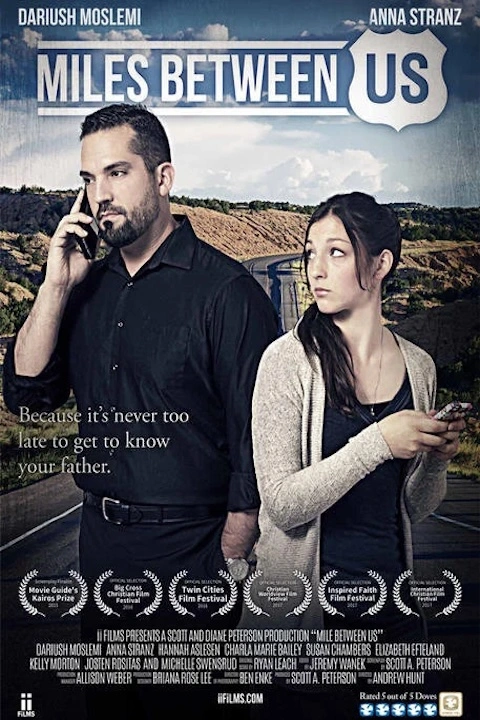
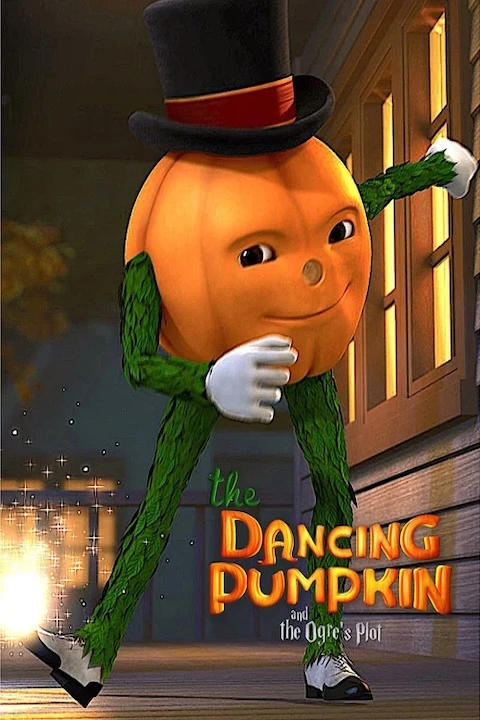
Ryan Leach's Discography

Why Take This Class?
Picture a quiet morning scene. Sunlight slowly stretches across a small town, and a breeze moves gently through open fields. A simple melody begins to rise, soft and unassuming. In this class, you’ll learn how to take a small musical idea like that and patiently grow it into a full orchestral piece filled with warmth, color, and feeling, inspired by the emotional storytelling of classic Japanese animated films.
Ryan Leach guides you step by step, showing how even the simplest phrase can hold depth, movement, and meaning.
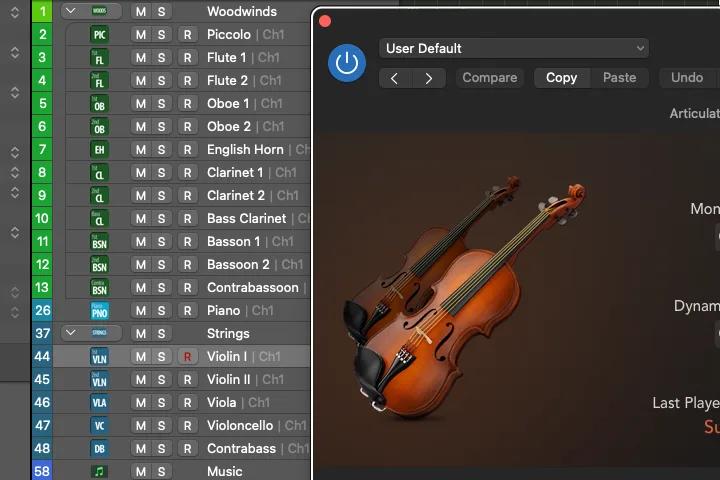
Making Ghibli-inspired orchestral music entirely inside a DAW, without using traditional music notation or requiring any prior music theory knowledge.
This course builds gradually and naturally. You’ll learn how to shape melodies that feel honest, support them with harmony that deepens emotion, and use arrangement and orchestration to bring everything to life. By the end, you will have created your own complete piece from the ground up, music that feels cinematic, heartfelt, and uniquely yours.

Get Ready for the Real-World
27 Class Exercises
-
 Compose snare drum solo
 -
 Compose for three pitched drums
 -
 Compose a folk song
-
 Compose an expressive melody
 -
 Compose with a repeated motive
 -
 Compose with clear two bar phrases
-
 Compose a melody in period form
 -
 Compose a melody in sentence form
 -
 Compose the melody for the final project
-
 Compose a melody with pedal tone
 -
 Compose a melody and bass line
 -
 Compose a melody, bass line, and add chords in-between
-
 Compose a melody, bass line, and add 7th chords
 -
 Compose harmony for the final project
 -
 Arrange piece for contrasting and similar colors
-
 Add movement and energy to your arrangement
 -
Add extra flair and spice to your arrangement
-
 Build the piece out into a longer composition
-
Add additional sections to your composition
-
Arrange the composition for the final project
-
 Orchestrate piece for strings
-
 Orchestrate piece for woodwinds, and again for strings with woodwinds
 -
 Orchestrate piece for brass, and again for strings, woodwinds and brass
 -
 Orchestrate piece for percussion ensemble, and again for full orchestra
-
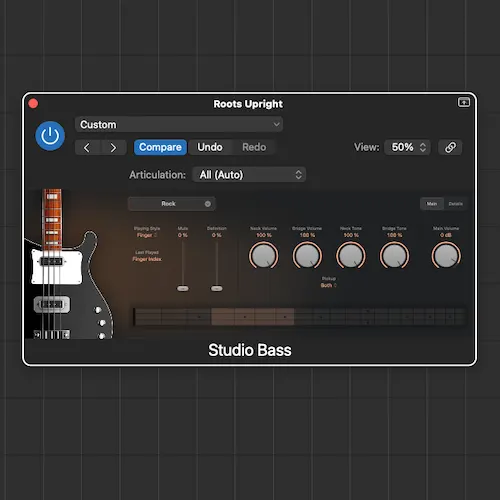 Orchestrate piece for “other” colors, and again for full orchestra with extra colors
 -
 Orchestrate the composition for the final project
 -
 Compose final project
Final Product Example(s)
-
A Complete Orchestral Composition in a DAW
-
 A Complete Orchestral Composition in a DAW ver 2
 -
 A Complete Orchestral Composition in a DAW ver 3
 -
 A Complete Orchestral Composition in a DAW ver 4






*The above images are sample images for a better understanding.
Highlights
Class Highlights
How to Write a Melody
Writing a great melody takes more than just using the right scale. You'll learn how to use the "active steps" of a melody, how to balance tension and resolution, and how two simple formulas will mean you never have writer's block again.

How to Use Chords & Harmony
Designed for beginners with no prior music theory knowledge, you'll learn how to support your melody with rich harmonies, the simple steps to build chords, and most importantly how to choose the right chords every time.

How to Arrange & Orchestrate For Different Instruments
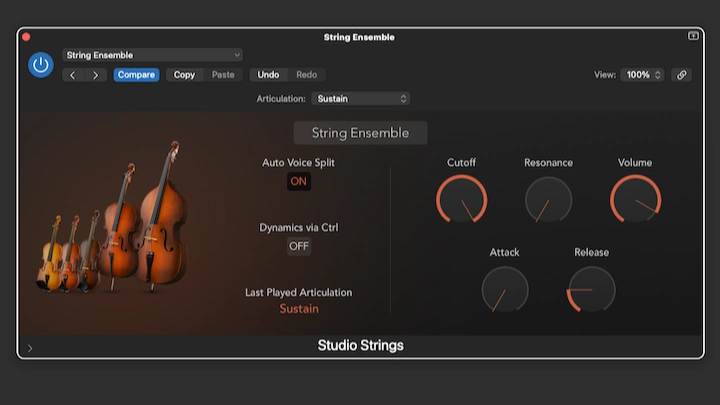
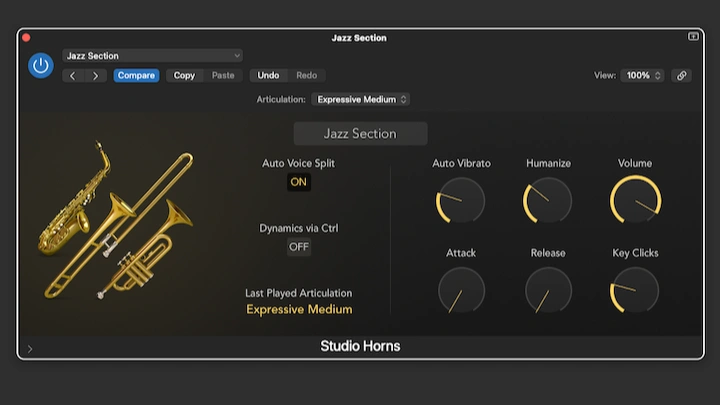
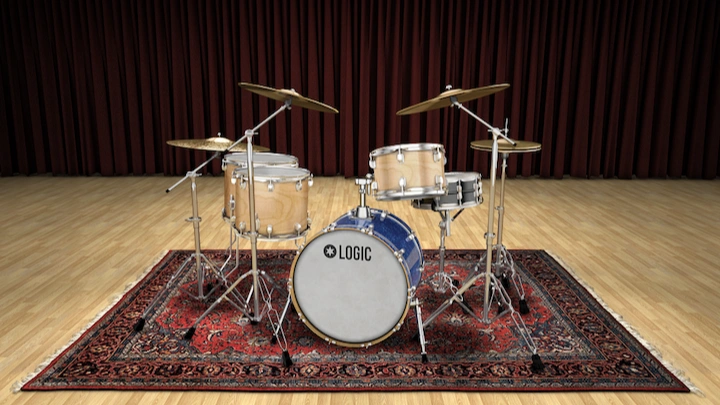
Great music is about more than just the notes; you also have to arrange and perform those notes in a way that supports your music in the best possible way! Learn about accompaniment patterns, arranging skills, and the basics of using orchestral instruments.