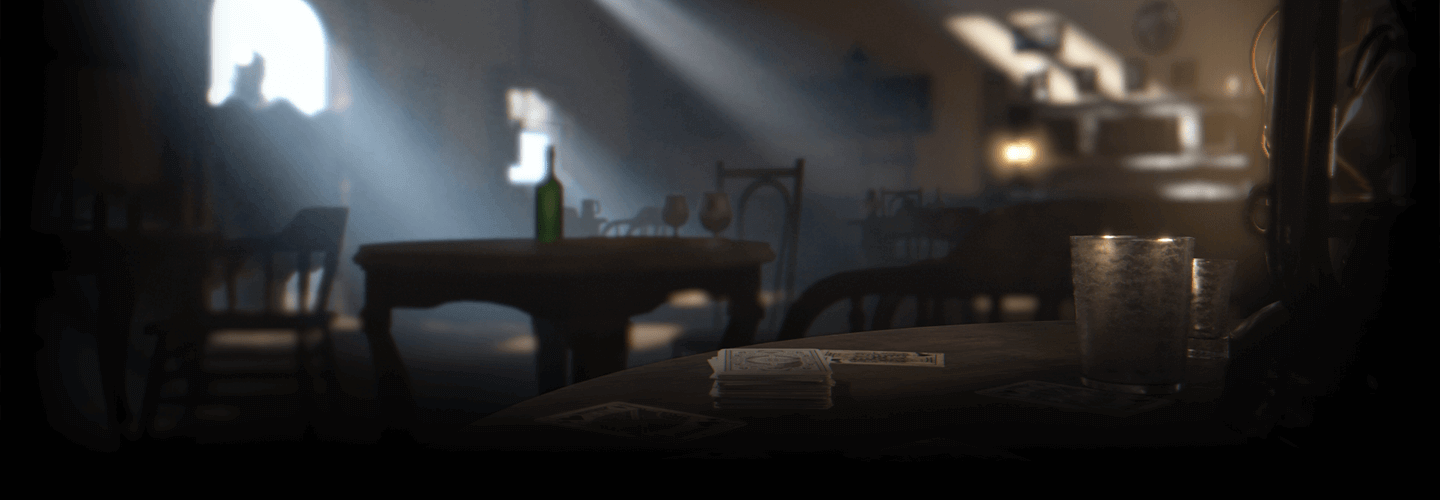
3DLightingArtist,JuditNavarro Details
Intro
3D Lighting Artist, Judit Navarro
"Get ready to take on 3D lighting—
a crucial part of any visual representation."
Hone your lighting skills by learning the fundamentals of creating appealing lighting and setting up master lighting. Then composite your shots to bring your entire scene together.
3D Lighting Artist Judit Navarro's Profile & Portfolio
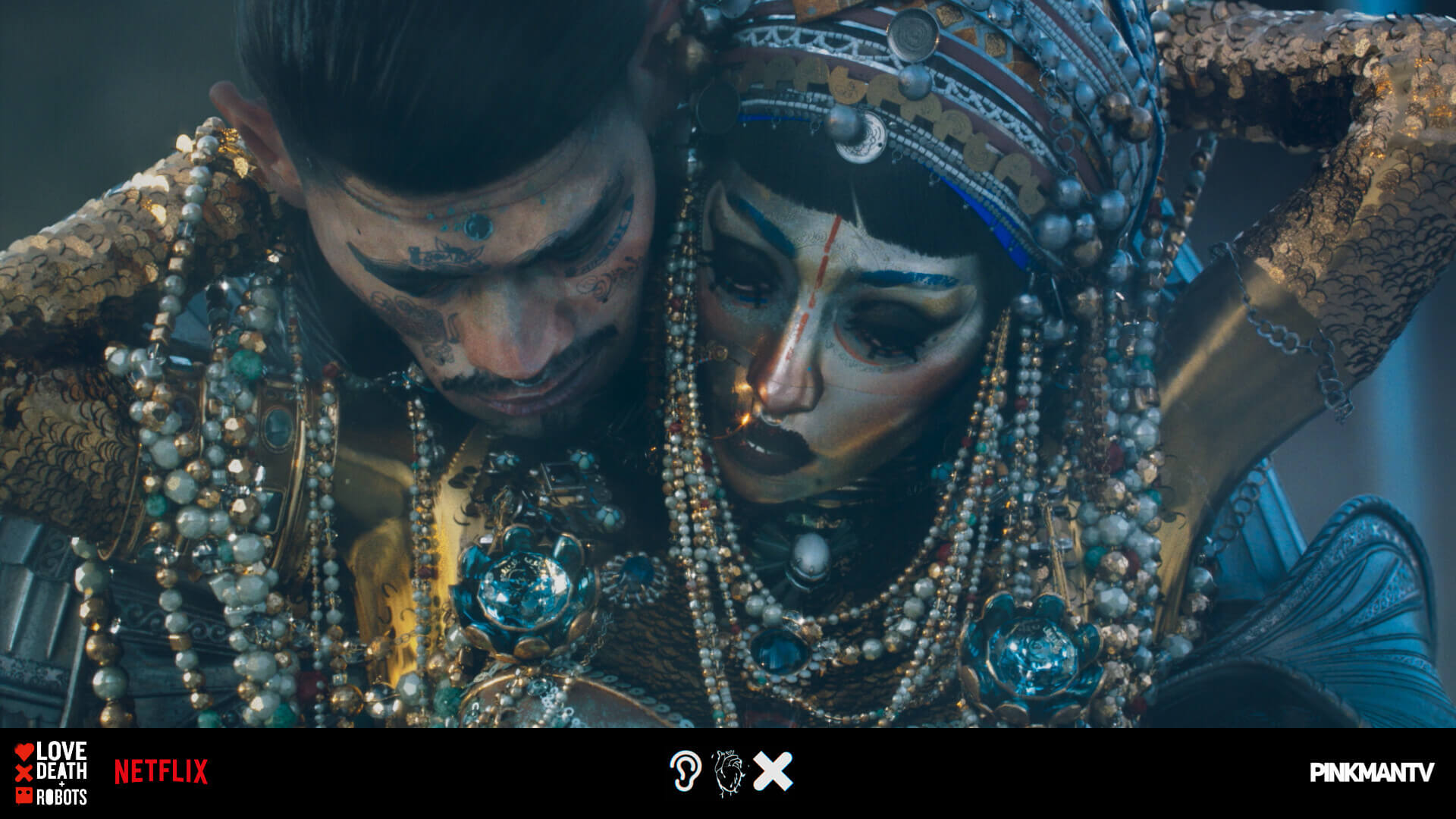
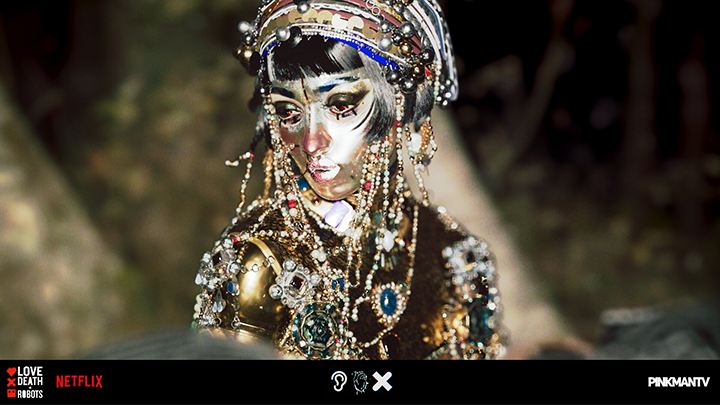
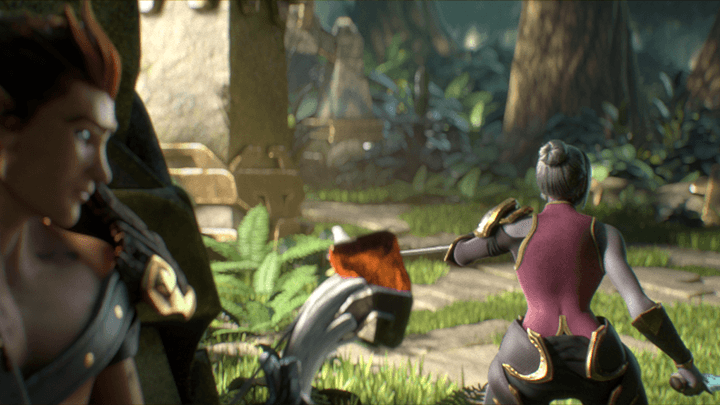
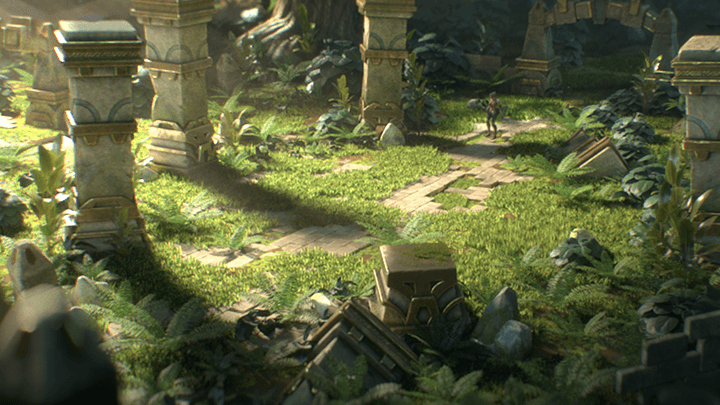
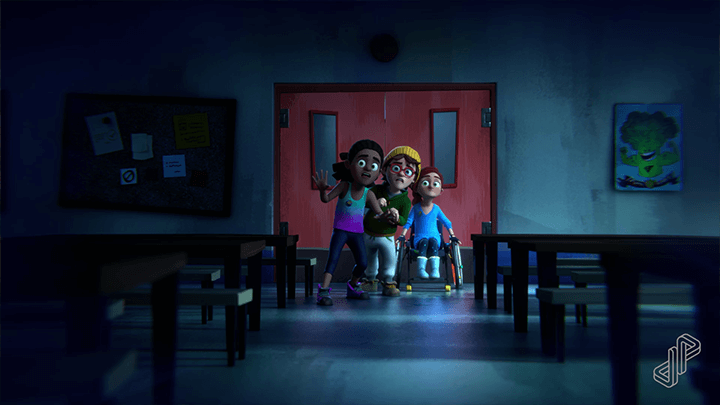
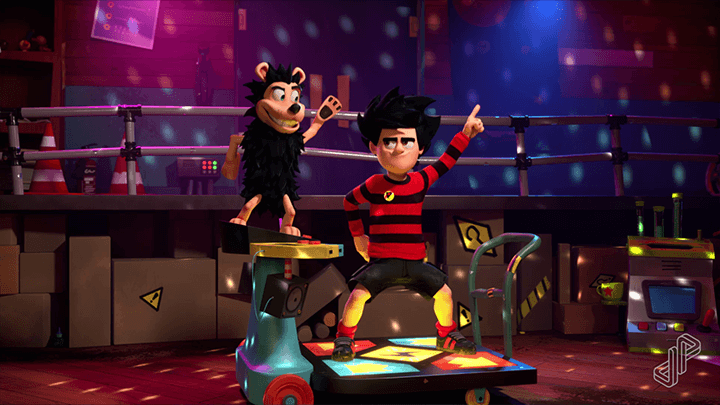
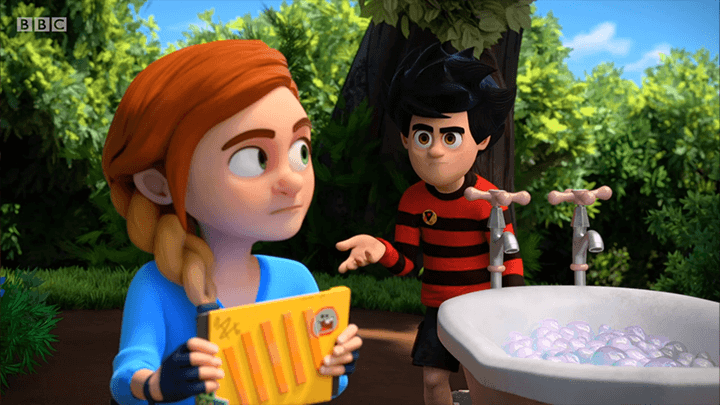
*Judit Navarro contributed exclusively to the lighting of the portfolio images above
Instructor
3D Lighting Artist
Judit Navarro
Hello everyone! My name is Judit Navarro.
I'm more than happy to take part in guiding students
who wish to become better artists and hone
their skills through Coloso.
My journey began while studying 3D Animation & VFX
in 2015 at La Salle University in Barcelona.
There, I learned the entire process: from scratch
up to post-production.
I tried everything—
natural drawing, storyboarding, storytelling, texturing,
lighting, compositing, etc. That experience helped me
acquire a generalist background with an inclination for
lighting and grooming, which became my specialization.
Fortunately, I was able to work with studios in London.
I worked at Jellyfish Pictures & Blue-Zoo Animation Studio.
During my time in those studios, I did compositing work
for a TV animation series using Maya and Nuke.
I also had the unforgettable opportunity
of working with Pinkman.TV as part of the lighting team
for Jibaro from the series Love, Death + Robots Vol 3.
I'm currently a Key Groom Artist at MPC,
and I wish to share my experience along with
the skills I've gathered working at different studios
with you throughout this class.
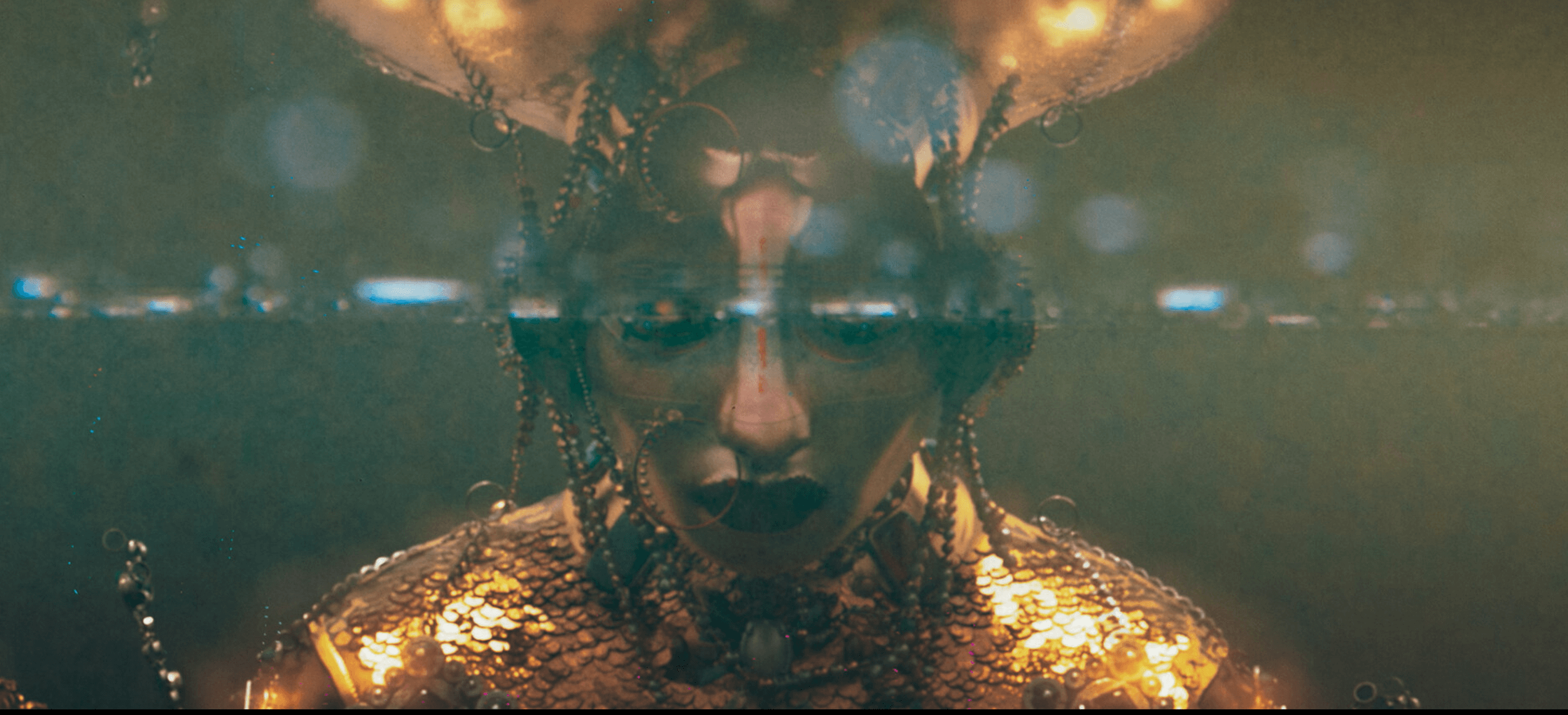

3D Lighting Artist,
Judit Navarro
[Current]
Key Grooming Artist at MPC
[Previous]
Lighting Artist at Pinkman.TV
Lighting & Compositing Artist at Blue-Zoo Animation Studio
Junior Lighting Artist at Jellyfish Pictures
Recognizable
Projects & Awards
[Projects]
Nope
Dennis & Gnasher: Unleashed!
Love, Death + Robots ¨Jibaro¨ - Emmy Award Winner
Highlights
Class Highlights
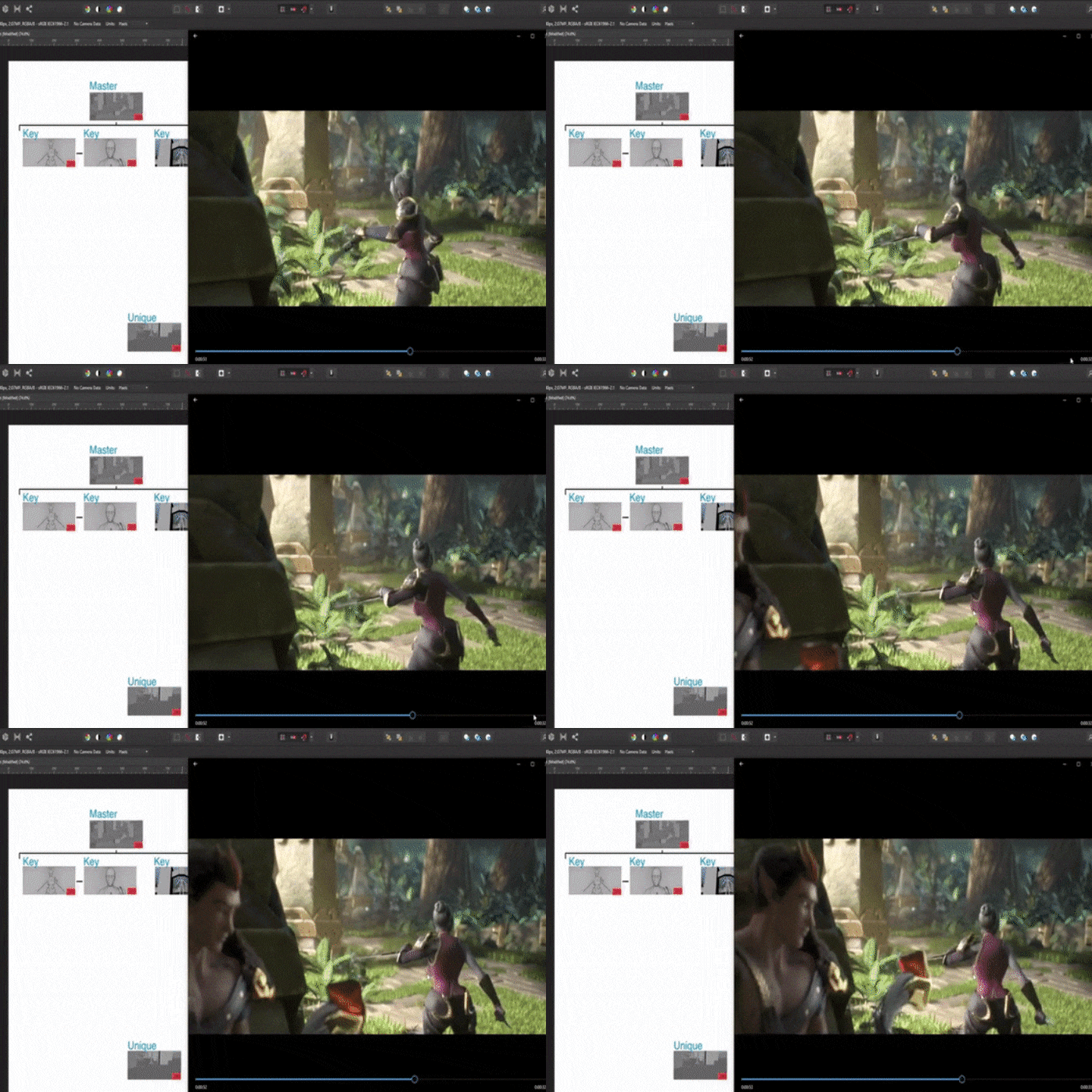
Create Appealing Lighting
The theories you'll learn in this class will serve you in creating scenes and shots in Maya or any other tool you decide to use in the future. However, this class is not just about theories and techniques: it's also about implementing lighting that captures the feeling you want to convey within your scene. If you plan to create your own project one day, whether it's a cinematic scene, game, or commercial, having knowledge of lighting will lead to results that surpass expectations.
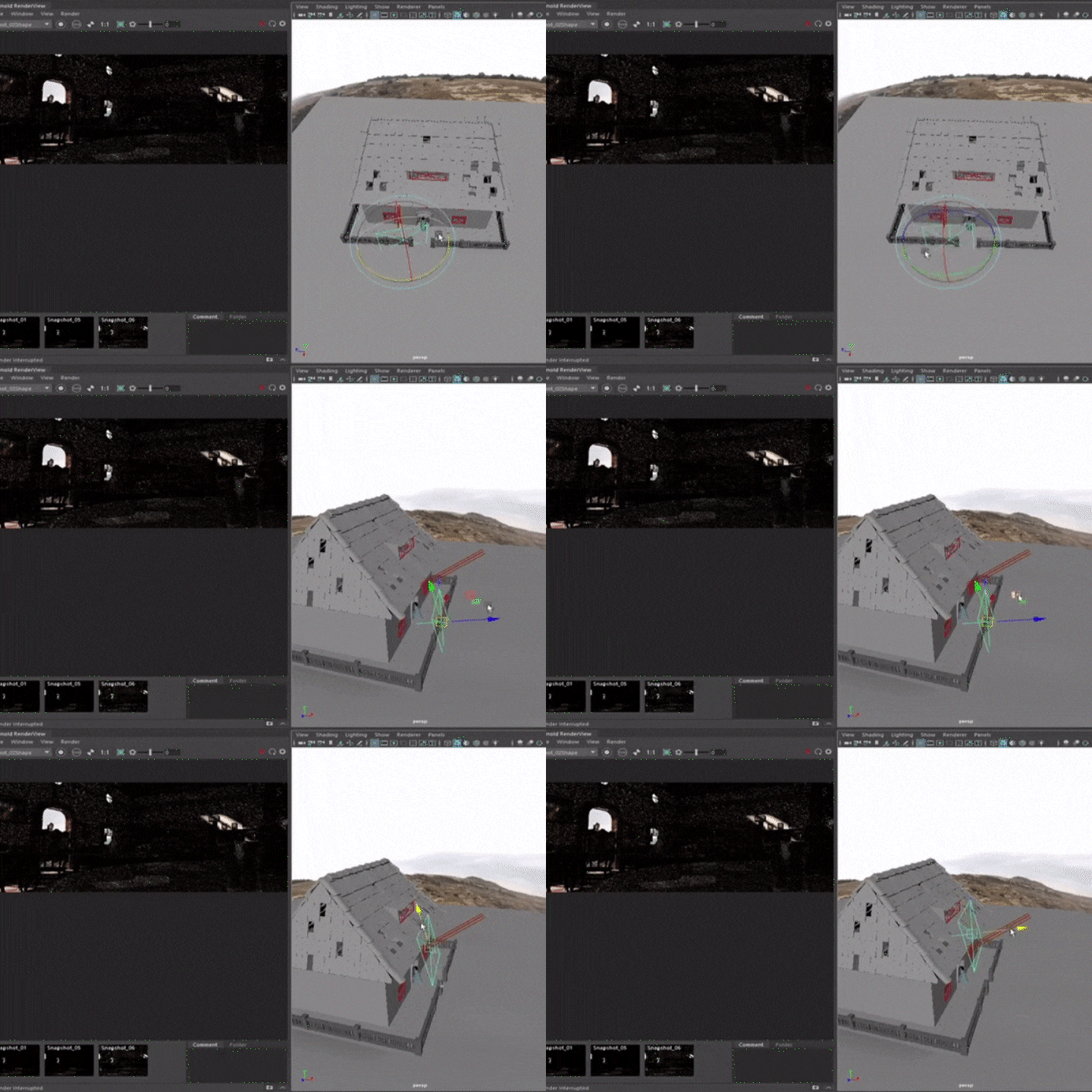
Build Master Lighting
Master Lighting establishes a sequence, and it's one of the biggest factors when it comes to creating realistic or surreal scenes. By learning to implement Master Lighting and setting up the lights for an entire scene, we can easily maintain continuity when lighting the rest of the shots and do it more efficiently. This would include choosing the correct position, color, intensity, and direction of the lights. It's one of the most important techniques used by all major film industries.
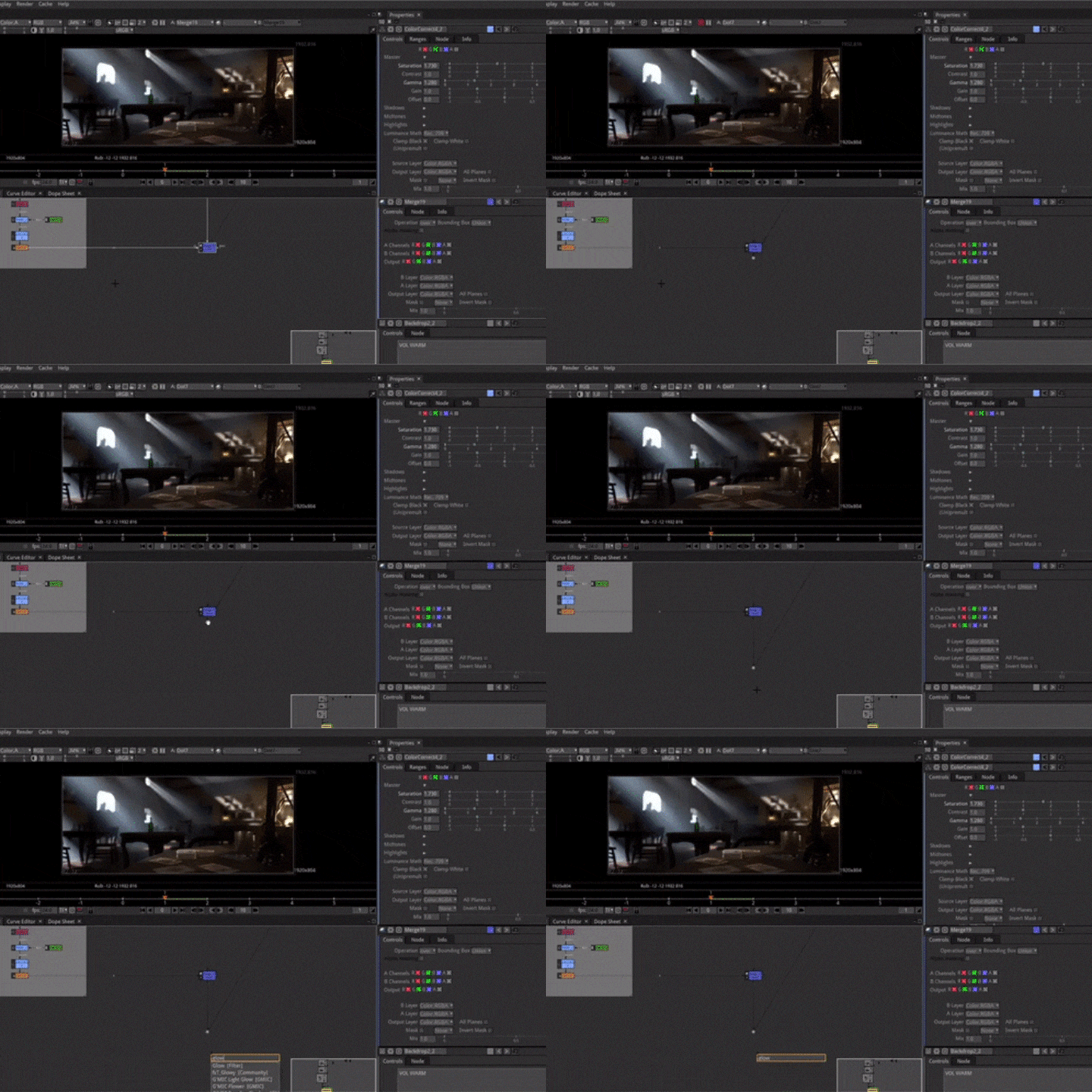
Discover How to Composite Shots
Composition is definitely one of the crucial parts of creating outstanding scenes. I'll show you how to work with a free powerful open-source compositor named "Natron." I purposely chose this software instead of Nuke to show you that you can create great scenes even with a substitute tool that you can easily find online. You will also learn how to give those final details to your lighting by working with AOVs, Z Pass, and Grade node to enrich every shot and make your entire scene come together.
- Unlimited Access
- Best Price
Buy now, get unlimited access.
12/31 (Sat) (UTC-7) Special offer ends soon.
This special offer ends soon.
Buy now and save!
Curriculum
Curriculum
In-depth Look
SECTION 01. OT
1. Introduction
- Introducing your instructor
- A quick overview of the class
- Software we are going to use
SECTION 02. Basic Lighting Theory
2. Basic Lighting Theory, Color, and Composition
- Lighting
- Color
- Composition
SECTION 03. Arnold & Basics
3. Arnold Basics: Lights
- Introducing Arnold Renderer
- Basic light source
- Basic features and its UI
4. Arnold Basics: Assets & Shaders
- Project set up
- How to create a shader in Arnold
- Modify the shader
SECTION 04. Lighting Scene
5. What's a Master Shot?
- Master shot
- Outliner: keeping everything tidy
- References
- HDRI
6. Master Lighting
- Cameras
- Setting up the first lights
- Overall lighting of the scene
7. Shot Lighting
- Lighting for each individual shot
- Volumetric
- How to use Light Filters
8. Render Layers and Render Settings
- Set up render layers
- Light groups and AOVs
- Rendering and Render Settings
SECTION 05. Compositing
9. Compositing
- Setting the Natron template
- Working with AOVs, Z Pass, and Grade node
- How to composite shots
- Final touches
*The curriculum images, and associated content can be changed without prior notice.
*This class uses "Western Kitbashes" created by IIF #Munkhjin Otgonbayar.
6 Class Exercises
-
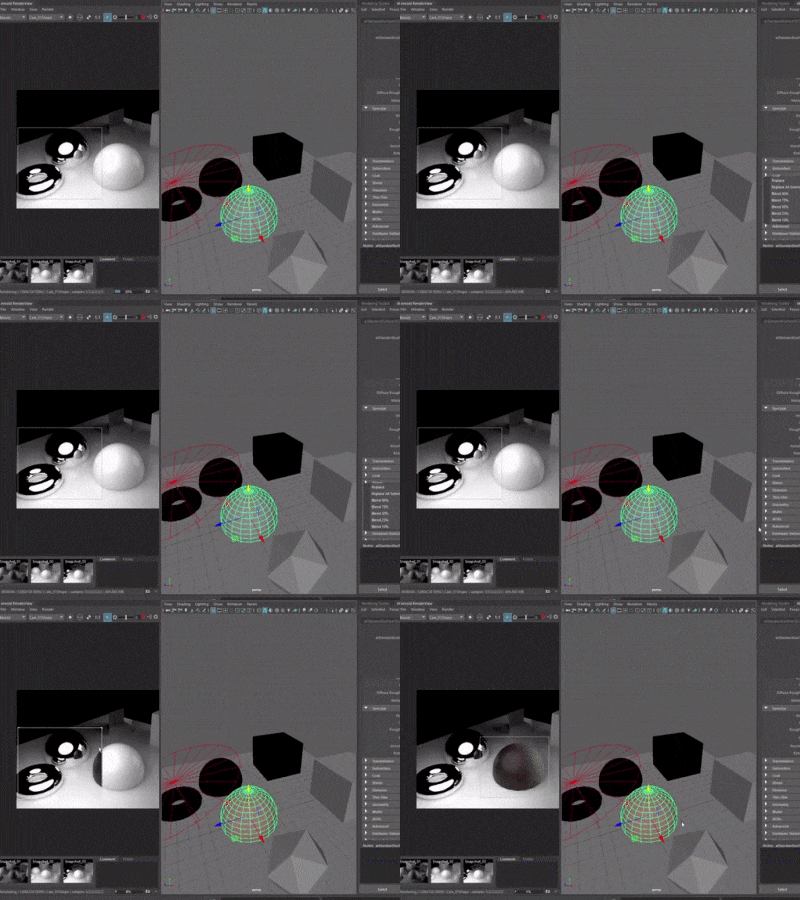 Arnold Basics: Lights
 -
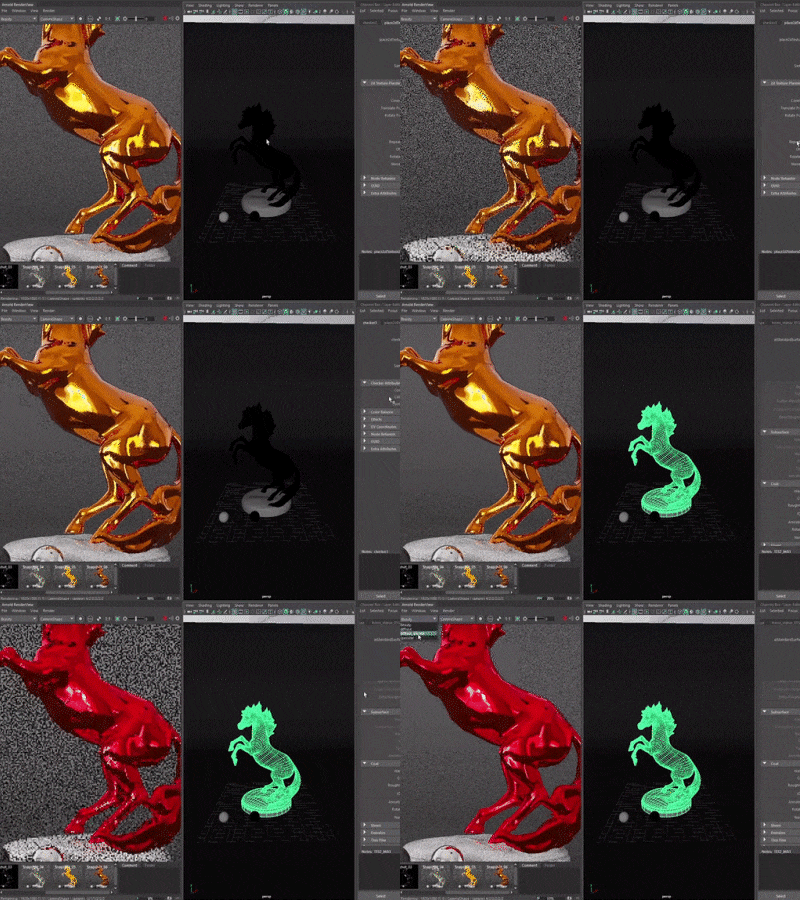 Arnold Basics: Shaders
 -
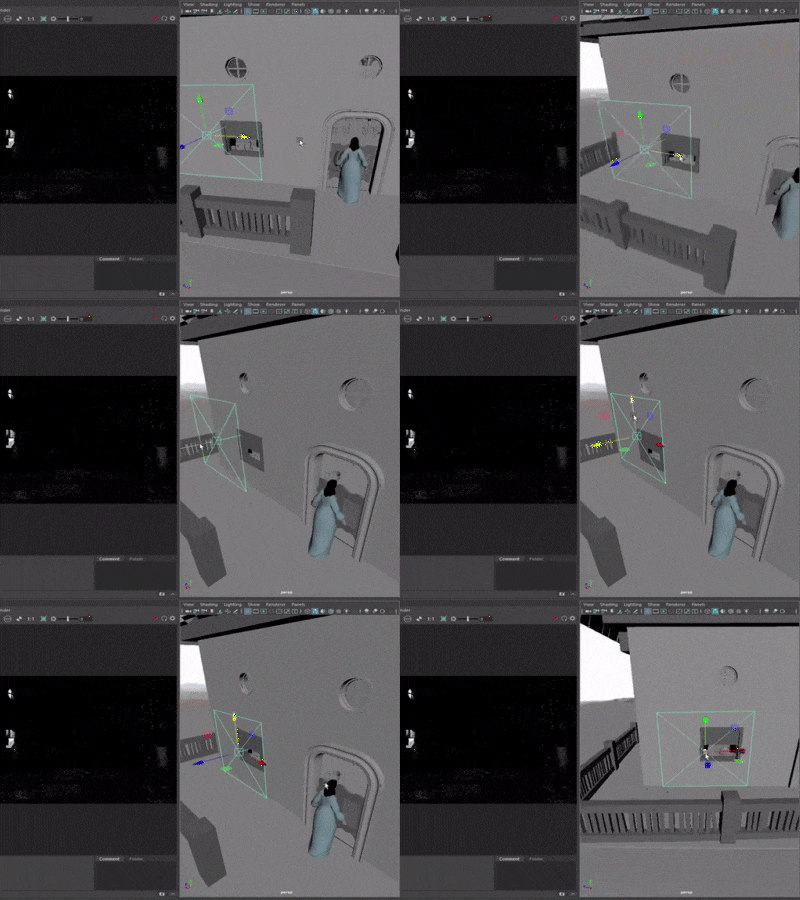 Master Lighting
-
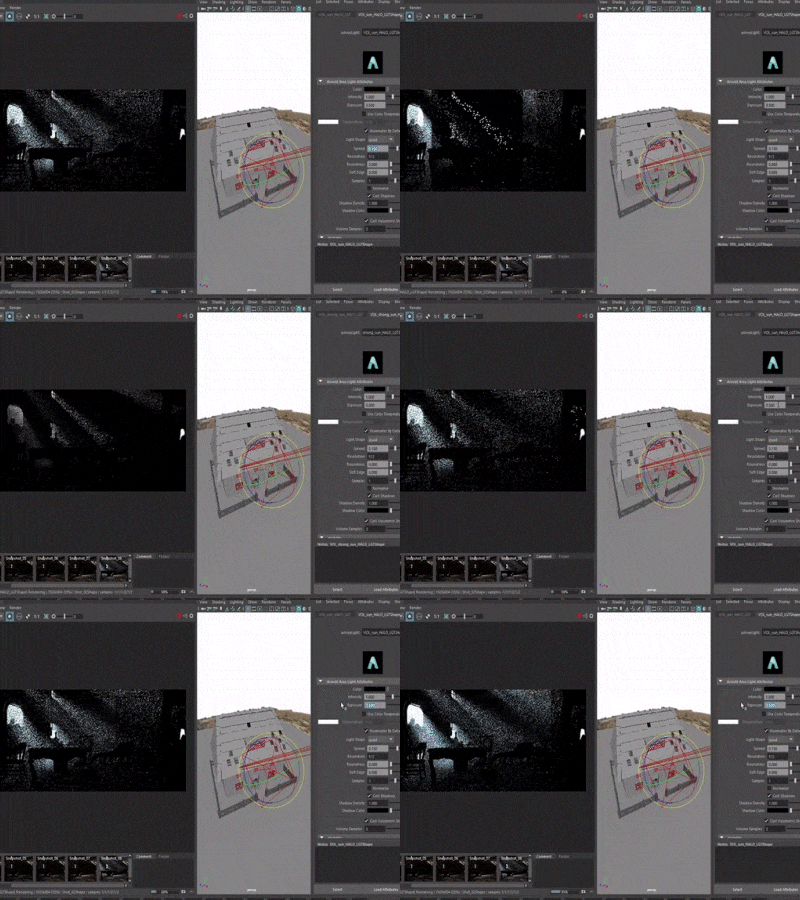 Shot Lighting
 -
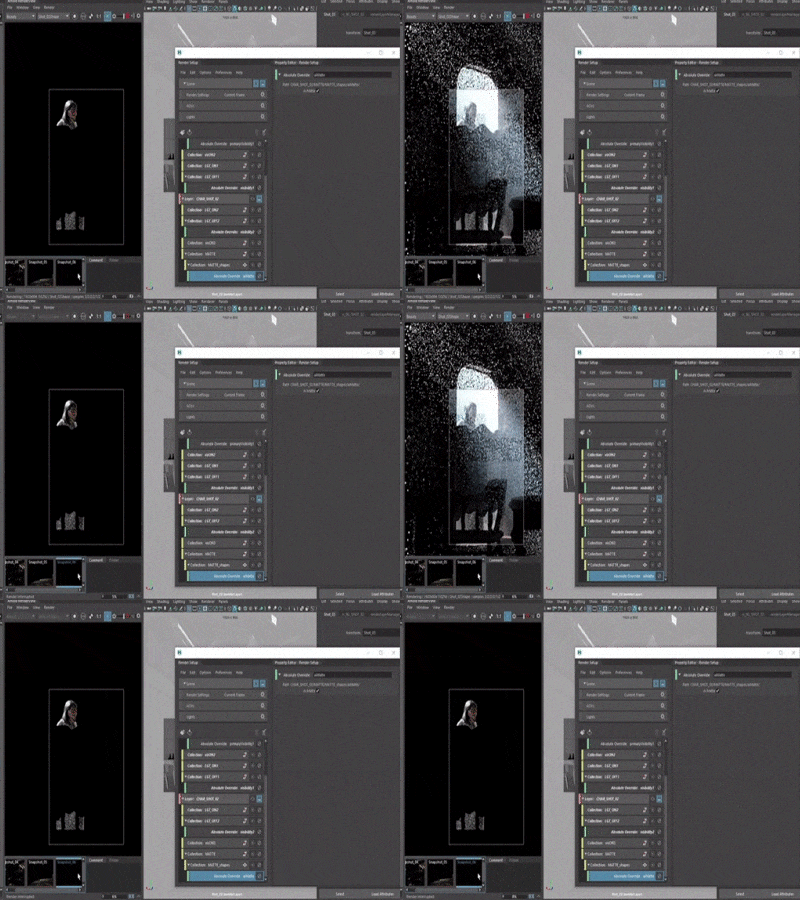 Render Layers
 -
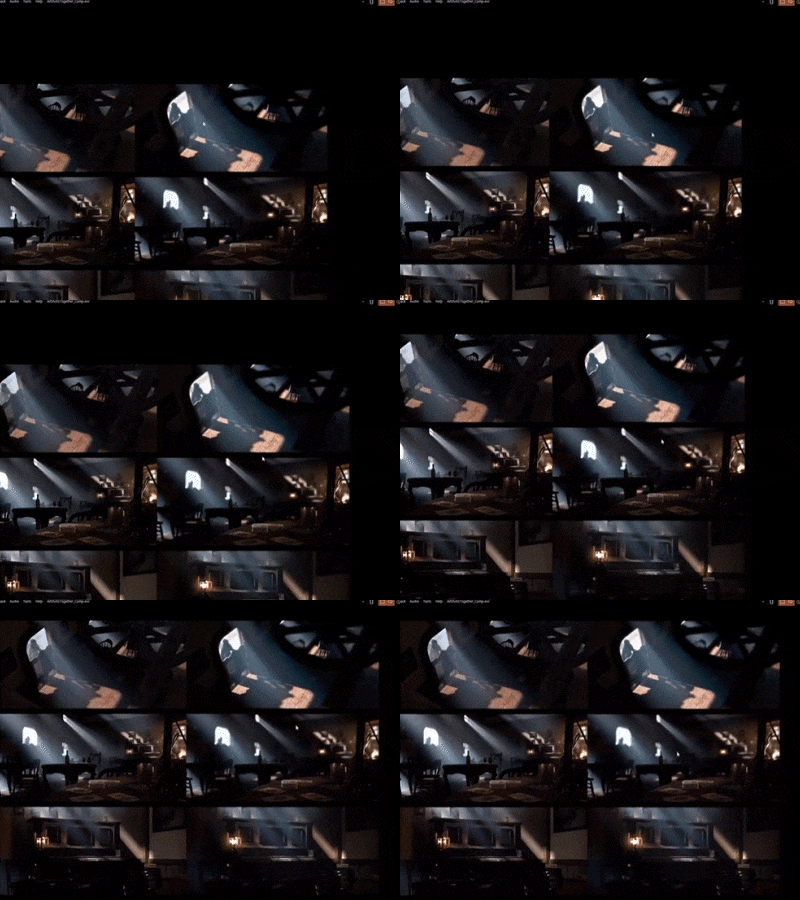 Compositing
Interview
With Expert 3D Lighting Artist
Judit Navarro

Question.01
Is there a specific reason why you chose this specific topic/themes?
Is there a specific reason why you chose this specific topic/themes?
3D lighting is a crucial part of any visual representation since, without lighting, it's hard for a scene to be visually enjoyable or satisfying. I believe that to be a great 3D artist, it is necessary to learn the basics of lighting, as it's a core skill within the industry. The lighting methods I cover will help you understand lights and how to improve your work, whether you're already a working artist or new to 3D. I will also focus on teaching Master Lighting, a technique we use in the industry to establish a sequence for the team. This will help you create the general mood of a sequence so your team can have a base for maintaining light continuity.
Question.02
What makes your class different
from other classes?
What makes your class different
from other classes?
I believe this class is unique because it's built upon the strong foundation I've gathered since my University years. The years I spent intensively learning have taught me many fundamental aspects of 3D. I believe that makes me a good guide for those looking to hone their skills and improve themselves to find better positions at bigger studios or those with a goal of becoming a professional artist. Most lighting classes online aren't as thorough or comprehensive regarding Master Lighting—I want my class to serve as that guide to Master Lighting for students: from theory to the final render. I will show you step-by-step how to create Master Lighting, keep the continuity between shots, and push the final results with compositing techniques.
Question.03
What would be the most important takeaway from your class?
What would be the most important takeaway from your class?
The most important takeaway from this class is the very foundation of lighting and creating Master Lighting for a sequence. This includes, learning how materials in a scene react to light and the consistency between different shots throughout a sequence. After taking this class, you will be able to create Master Lighting and obtain a basic understanding of lighting, color, and compositing, not only from a technical standpoint, but also from an artistic aspect. Through this class, you'll be able to experience a the work I do daily as a lighting artist, and I hope this class serves as a guide that motivates you to achieve your goals in the art industry.
Required Programs
This course will use Maya 2020, Arnold Renderer, and Natron.
Please purchase and install these program(s) for an optimized lecture experience.
*These programs and/or materials will not be provided with the lecture.
Recommended
Recommended Classes
Like this class?
Then check these out!