illustrator,mieoi Details
Intro
Infuse Your Illustrations with Movement and Life
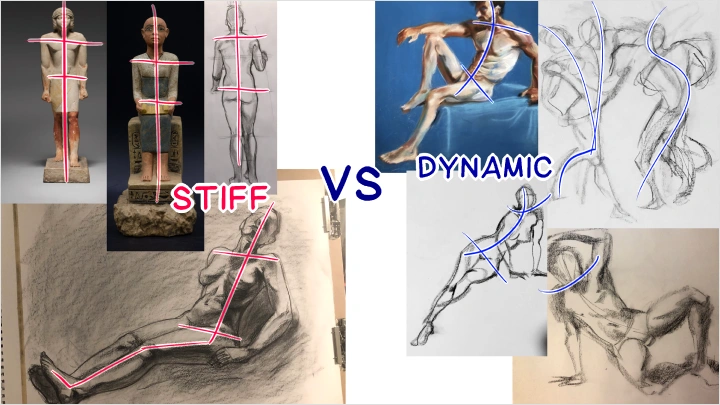
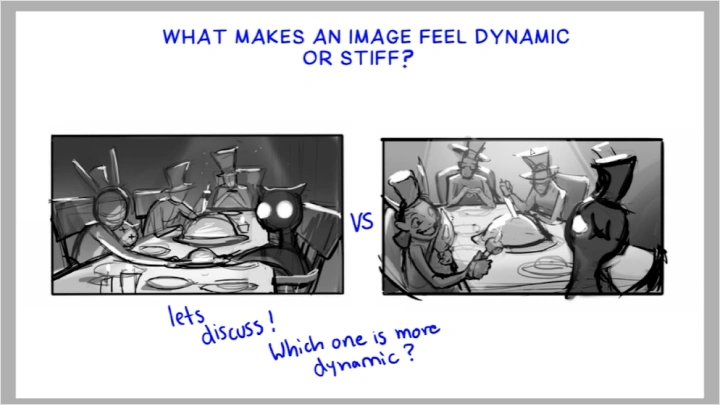
What if your illustrations didn’t feel stiff or overly cautious, but instead carried the same energy, emotion, and impact as the scenes that first inspired you to draw?
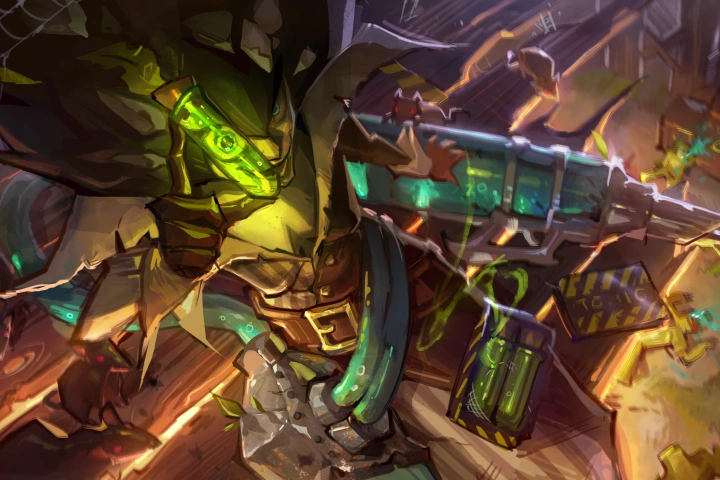
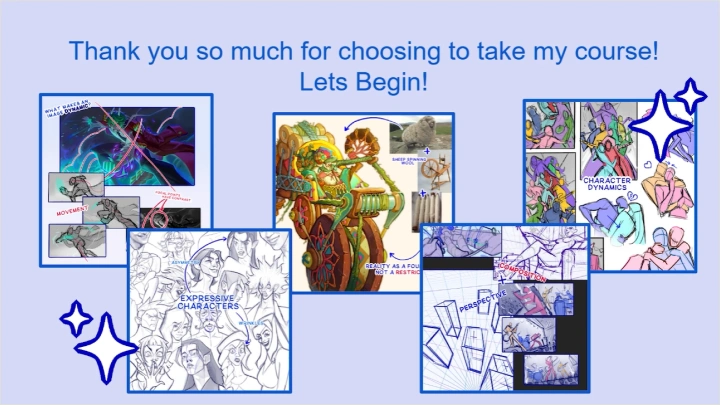
Led by Brandi (M.ieoi), a character artist and illustrator working across games and publishing, this class breaks down the process of transforming static images into dynamic, story-driven illustrations full of life. You’ll explore how fundamentals like composition, perspective, lighting, and character acting work together, not as separate, rigid rules, but as flexible tools you can combine and push to create stronger visual impact.
Through practical, guided exercises alongside the instructor, you’ll move beyond playing it safe and learn how to make intentional, bold choices in your work. By the end, you’ll create more compelling and engaging illustrations while building the confidence to take your ideas further, so your work feels more alive, memorable, and true to your creative voice, and reconnects you with the sense of human connection that makes art meaningful.
Through practical, guided exercises alongside the instructor, you’ll move beyond playing it safe and learn how to make intentional, bold choices in your work. By the end, you’ll create more compelling and engaging illustrations while building the confidence to take your ideas further, so your work feels more alive, memorable, and true to your creative voice, and reconnects you with the sense of human connection that makes art meaningful.
Class Preview
Still Not Sure?
Check Out M.ieoi's Class Preview!
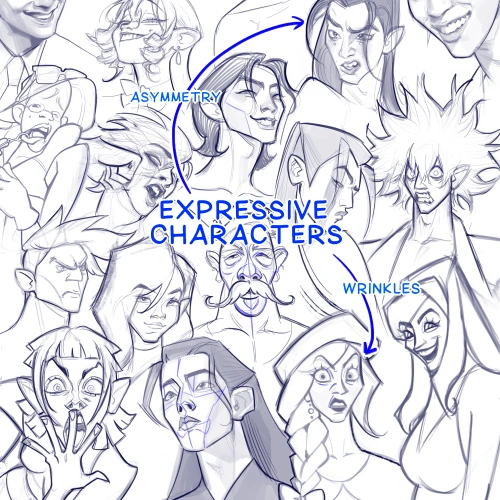
Chapter 21. Asymmetry and Natural Expression
1. Understand how asymmetry and subtle imperfections enhance realism and expression
2. Learn how natural irregularities prevent stiffness and create more believable character
2. Learn how natural irregularities prevent stiffness and create more believable character
Class Perks
Special Gift from M.ieoi
-
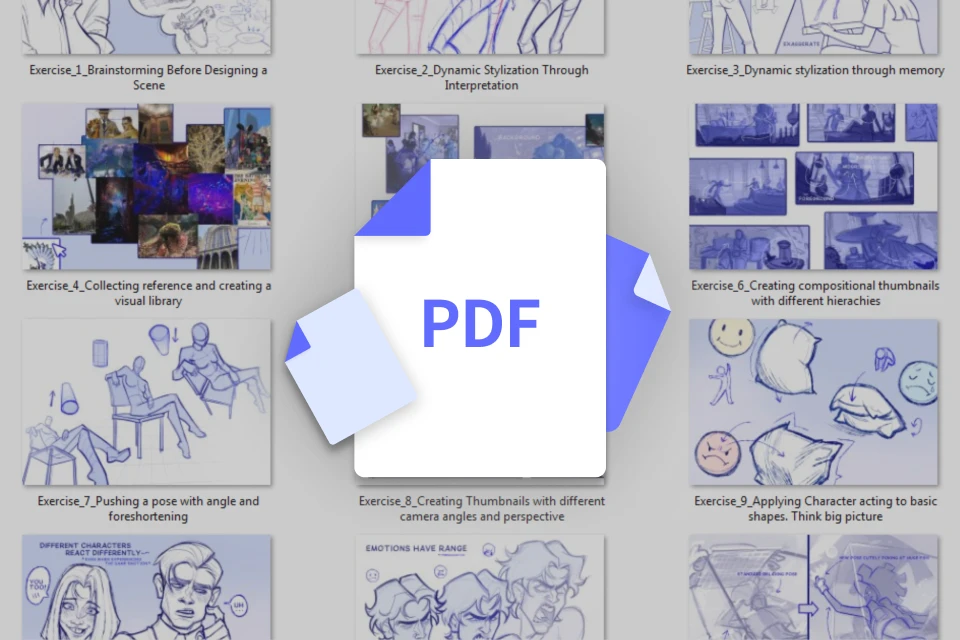 Class Slides and Exercises- PDF slides covering key concepts and theory from each lesson
- Downloadable exercise images to follow along and practice at your own pace -
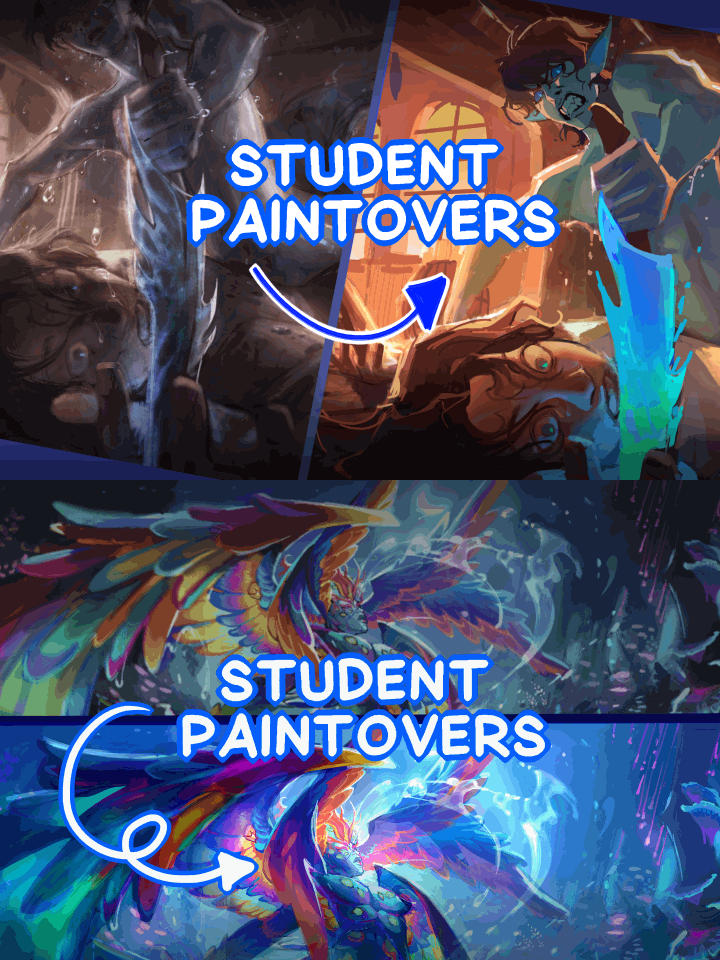
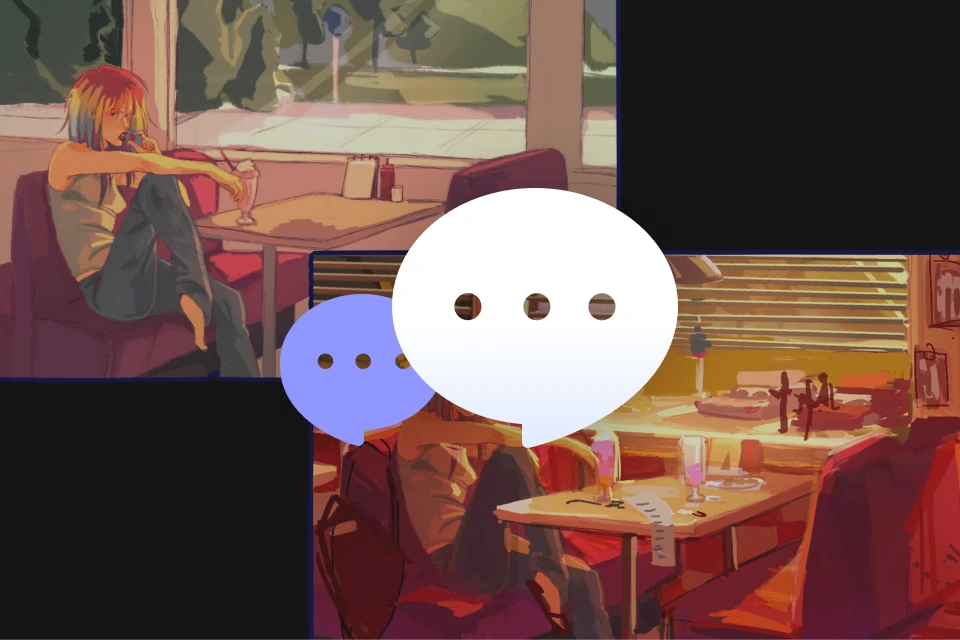 Student Paintover Feedback- First 20 students and 10 selected by raffle will have the opportunity to receive personalized feedback and a paintover on their final product
- Refine your final product with direct, actionable guidance from the instructor -
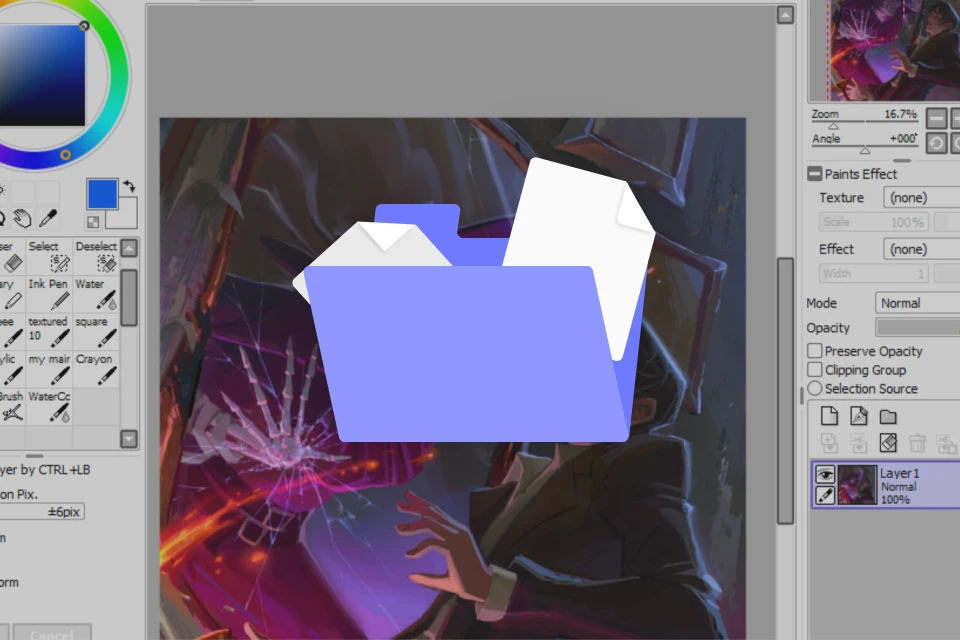 In-Class Working Files- Full-resolution PNG files of all in-class demonstrations and final illustrations
- Review each stage of the process up close and study how the final result comes together
[Special Notice: Student Paintover Feedback Pass Update]
Due to high demand, we have updated our pass distribution scheme.
- First-Come, First-Served (20 Passes) : [SOLD OUT]
- Raffle Event: An additional 10 passes will be distributed via a lucky draw
Winner Announcement:.
All selected students, additional raffle winners, will be notified individually via email.
Recommendation
Who should take this class?
Beginner Artists
Who are early in their creative journey and want to understand how fundamentals like composition and lighting come together to create stronger, more engaging illustrations, while building a solid foundation to grow with confidence.
Intermediate Artists
Who have a solid foundation but feel their work is missing that final push. This class helps you move beyond technical execution by focusing on bold creative decisions that bring more energy, personality, and flair to your work.
Artists Looking to Reignite Their Passion
Who feel creatively stagnant or overly focused on technical study, and want to reconnect with what made drawing exciting. This class encourages a more intuitive and expressive approach, helping you rediscover your creative voice and create work that feels dynamic, personal, and fulfilling.
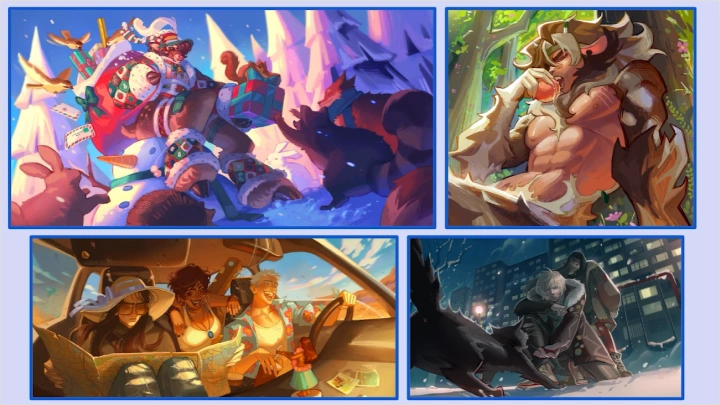
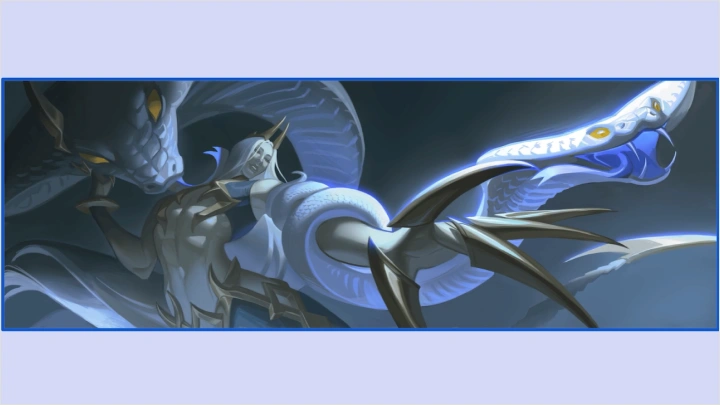
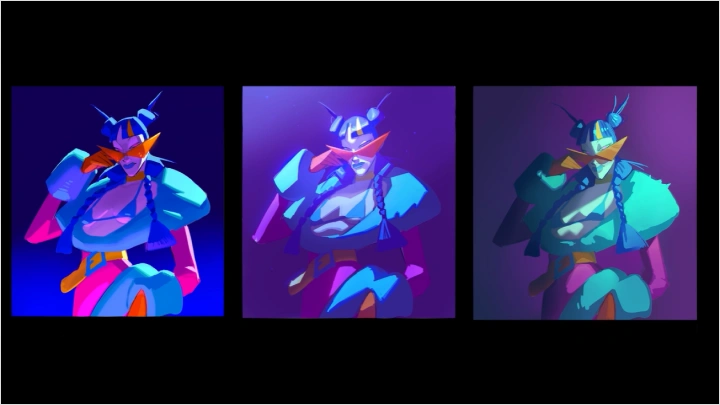
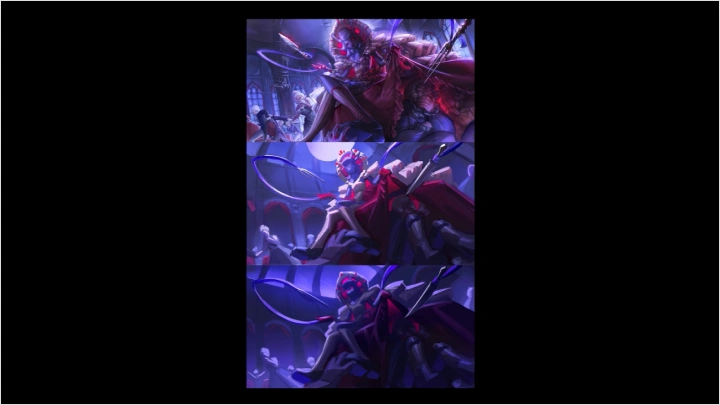
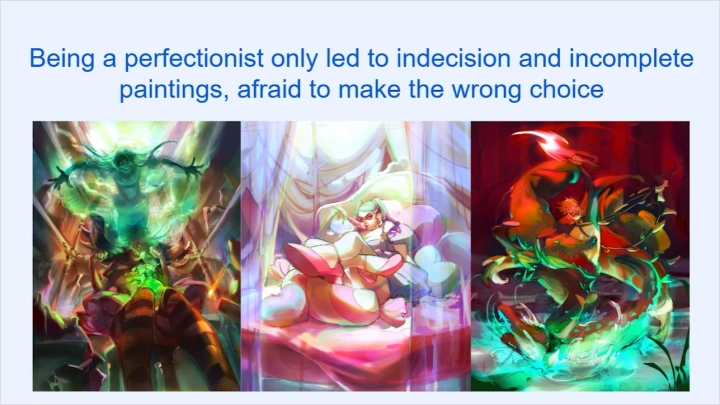
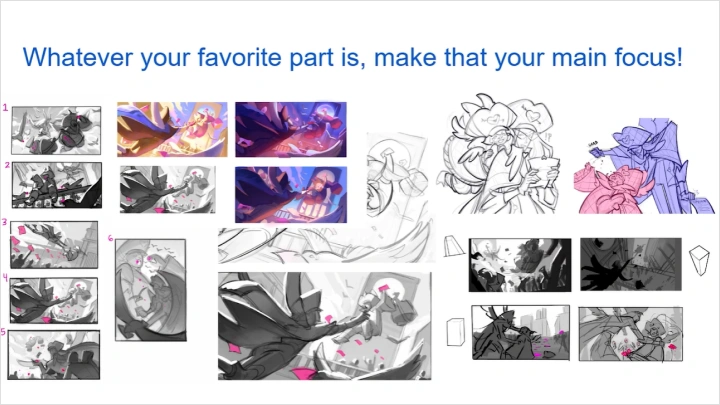
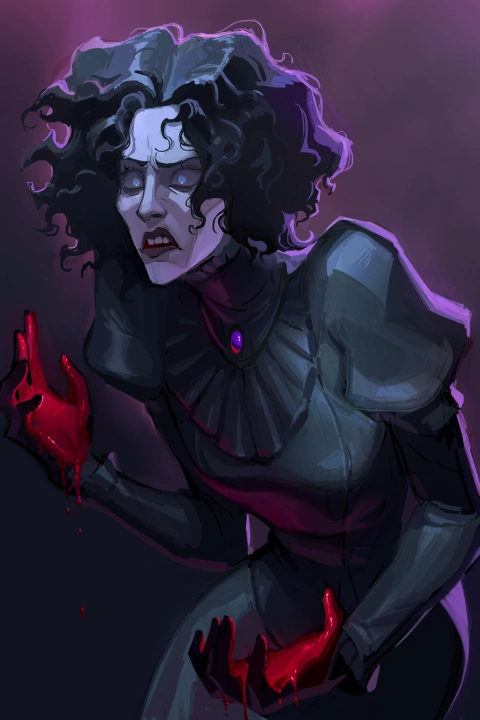
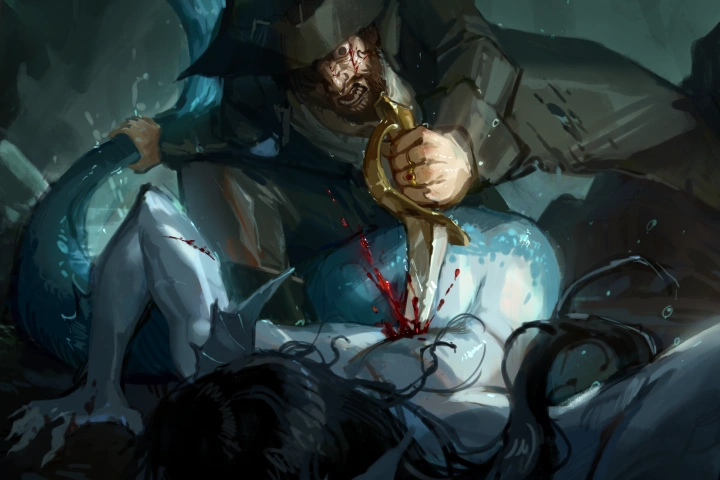
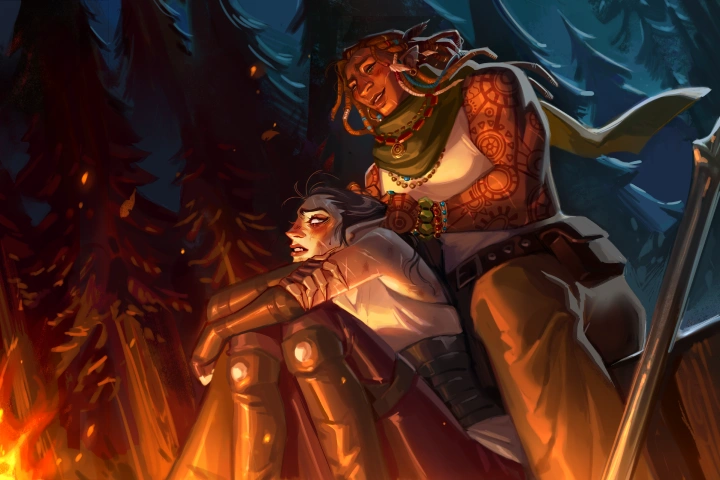
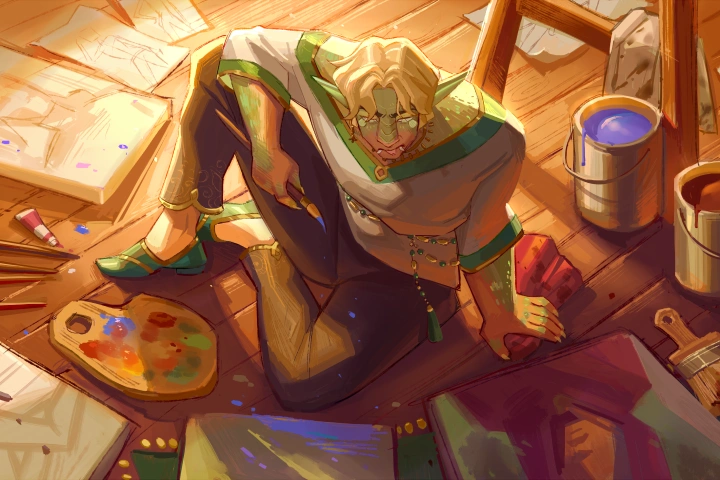
Expert Illustrator M.ieoi's Portfolio

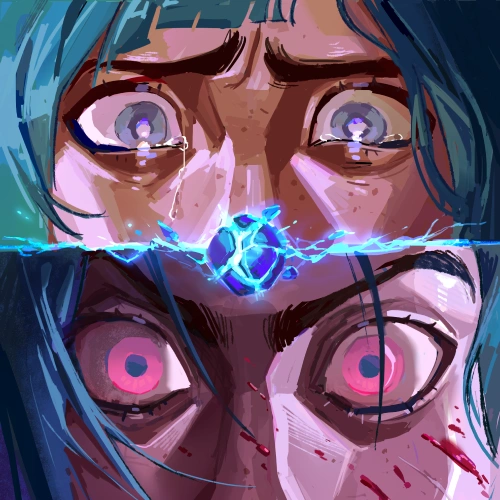
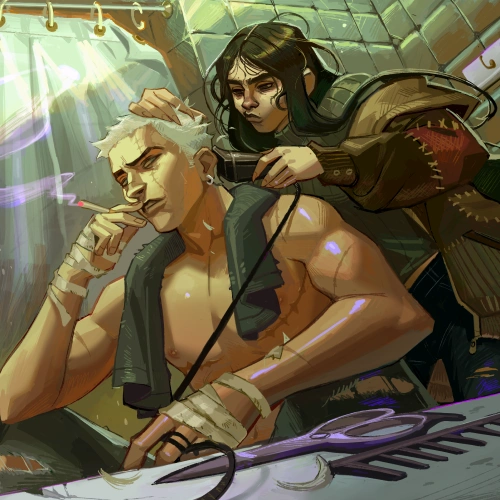

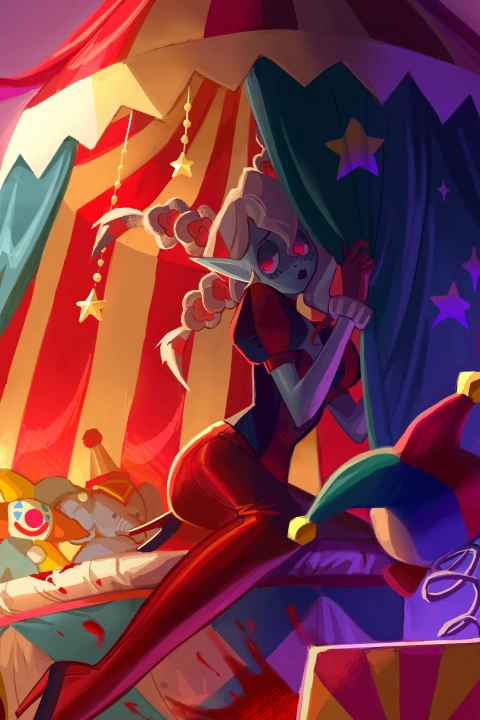
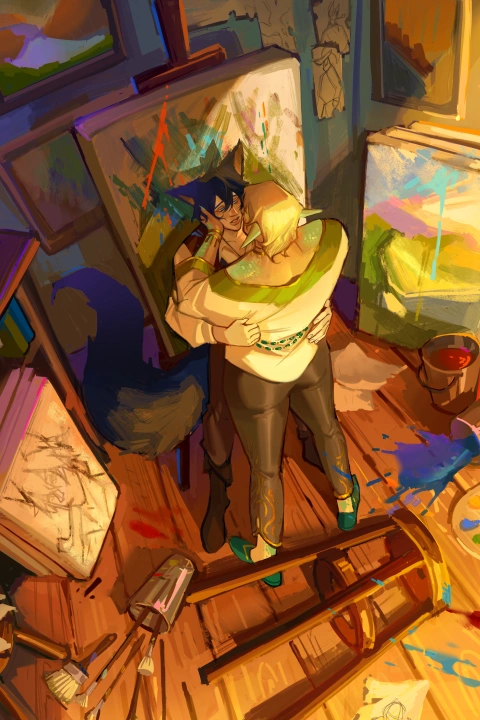




Why Take This Class?
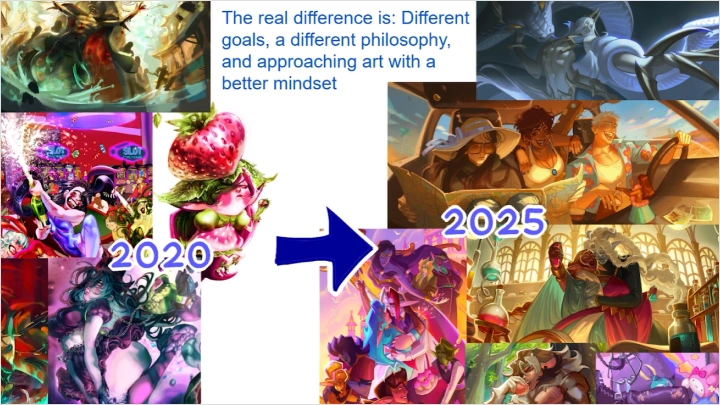
Move Beyond the “Study Forever” Loop, Create with Impact
Many artists spend a long time focusing on fundamentals, working hard to improve, but still feel like their work lacks energy or impact. It can be difficult to know how to take what you’ve learned and turn it into something that feels truly expressive and alive.
This class offers a different way to approach that transition. Instead of treating fundamentals like composition, perspective, anatomy, lighting, and character acting as rules that must be perfected first, you’ll learn how to use them together as a flexible visual language. By combining and interpreting these elements, you’ll begin to create illustrations that feel more dynamic, intentional, and engaging.
Designed for artists who want to move beyond technical study and into more expressive work, this class helps you build the confidence to make bolder creative decisions at your own pace. With a focus on storytelling, character acting, and visual energy, you’ll learn how to create illustrations that feel more immersive, memorable, and true to your own artistic voice.

Get Ready for the Real-World
19 Class Exercises
-
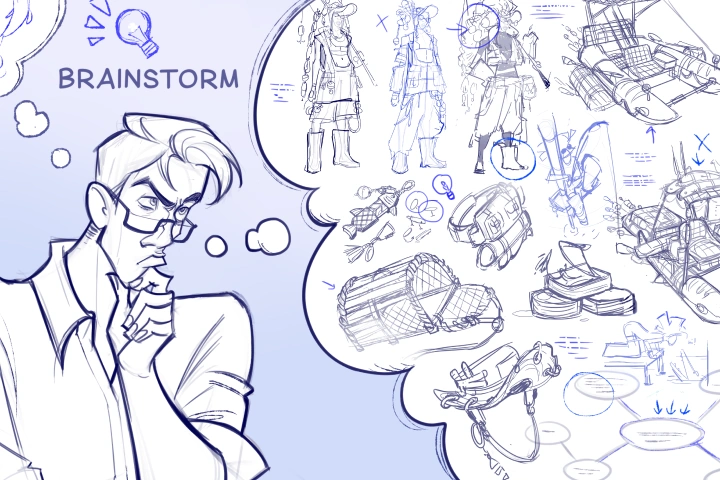 Defining Your Illustration Concept- Define your concept by deciding where the dynamism will come from, posing, lighting, composition, or perspective.
 -
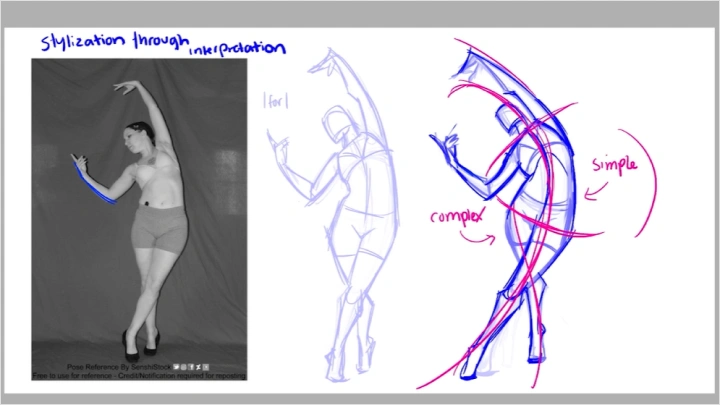
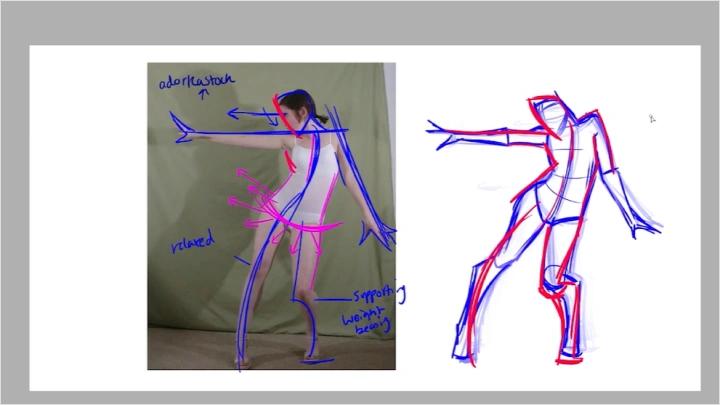
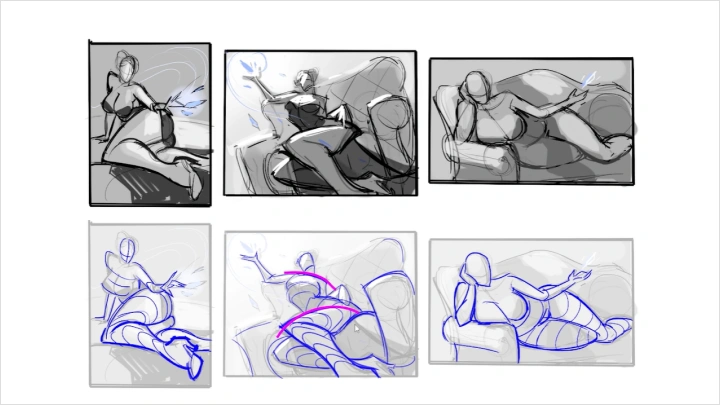
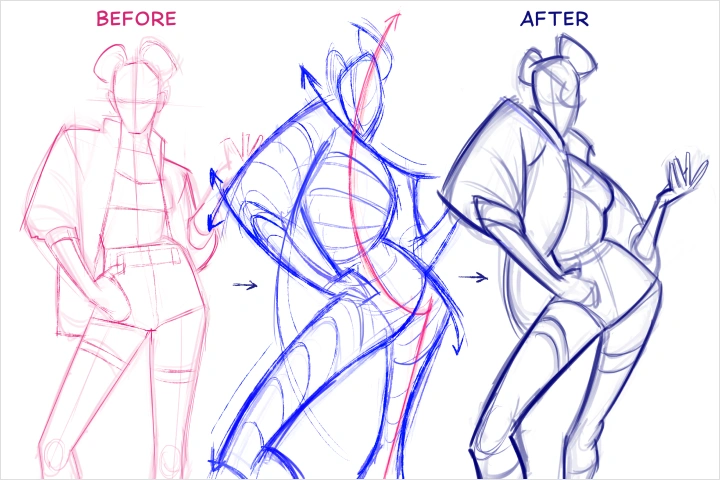 From Reference to Interpretation- Start with a pose reference, then reinterpret it by exaggerating key elements to create a more dynamic result.
 -
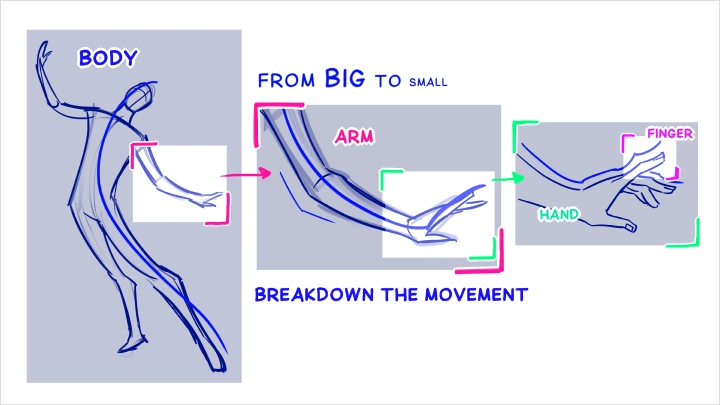
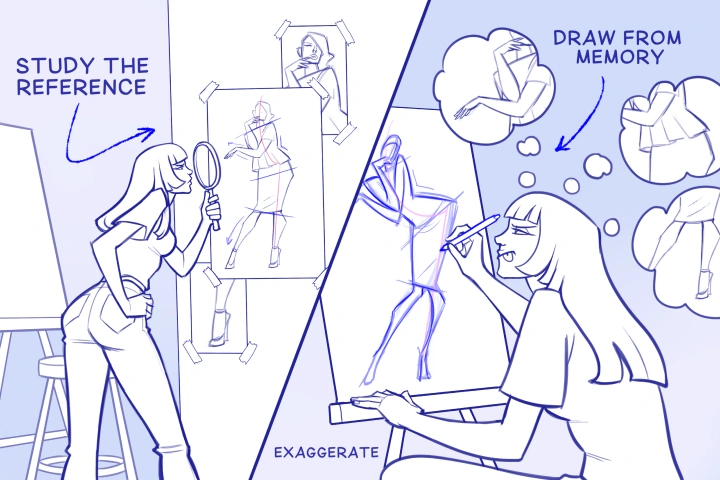 Memory-Driven Pose Study- Study a reference briefly, then redraw it from memory while emphasizing what stood out.
 -
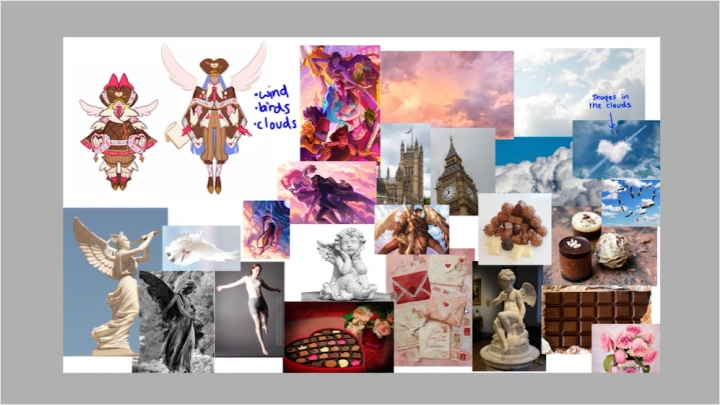
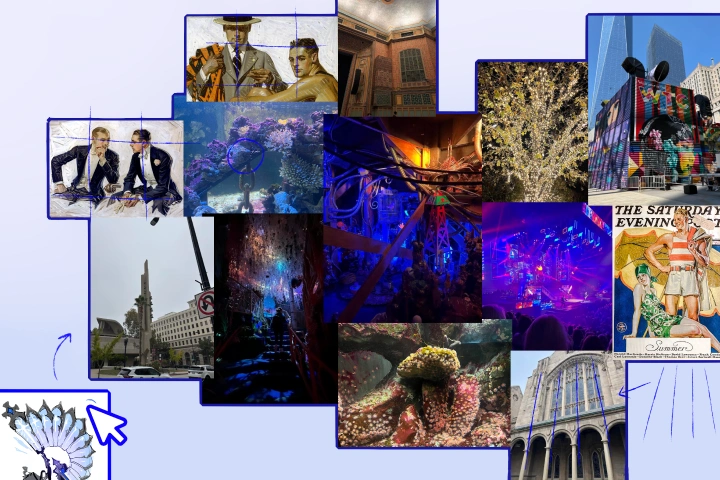 Building Your Visual Reference Library- Create a reference board that captures mood, energy, and key visual ideas for your piece.
-
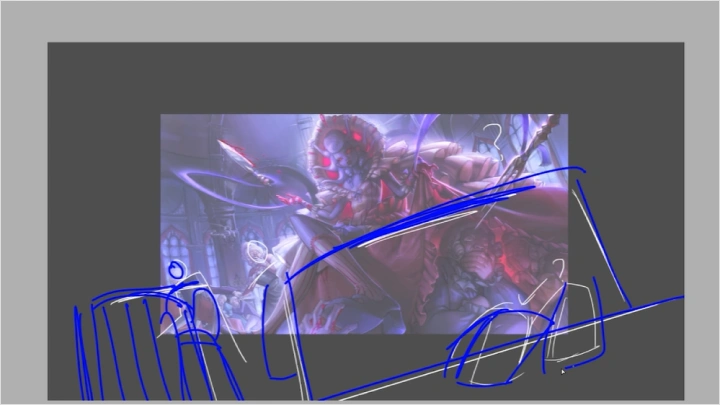
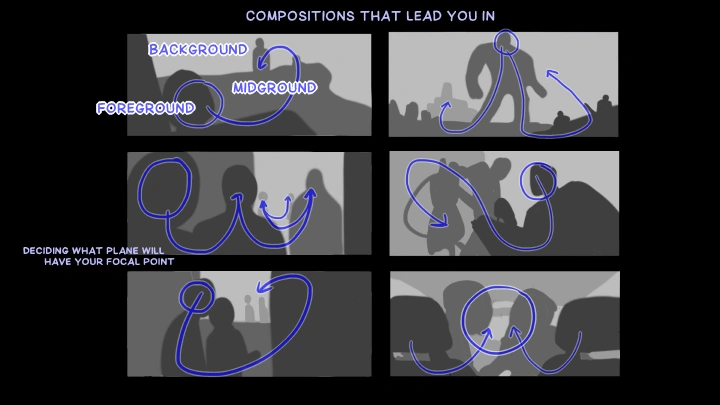
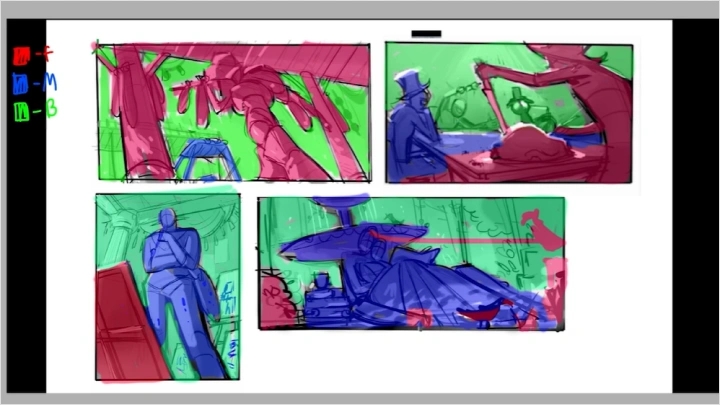
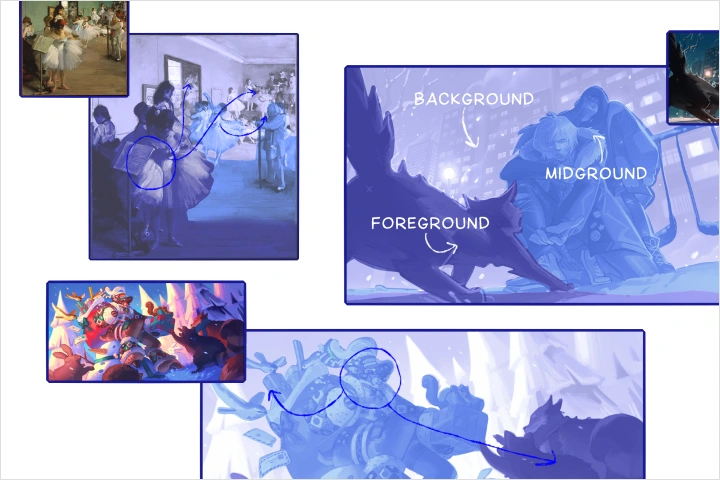 Compositional Hierarchy Study- Study how different compositions guide the viewer’s eye across the scene.
 -
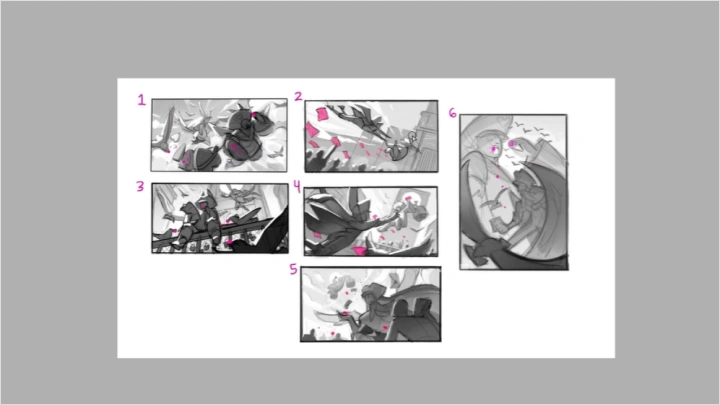
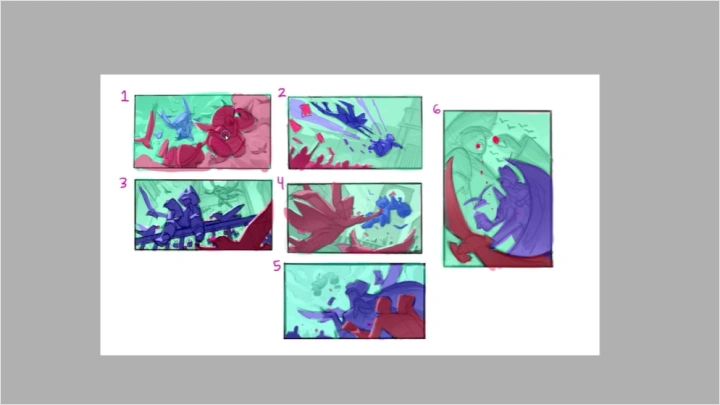
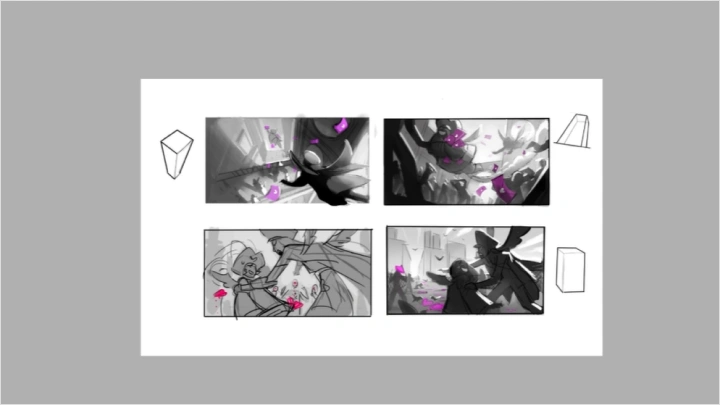
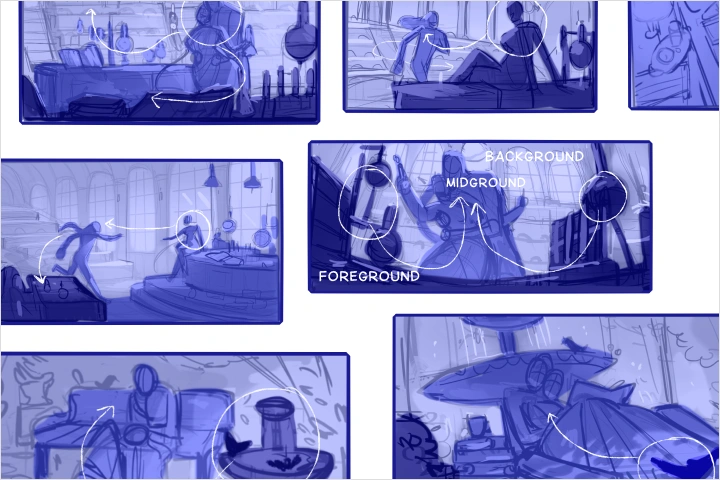 Compositional Thumbnails- Create multiple thumbnails with different visual flows to test composition and clarity.
 -
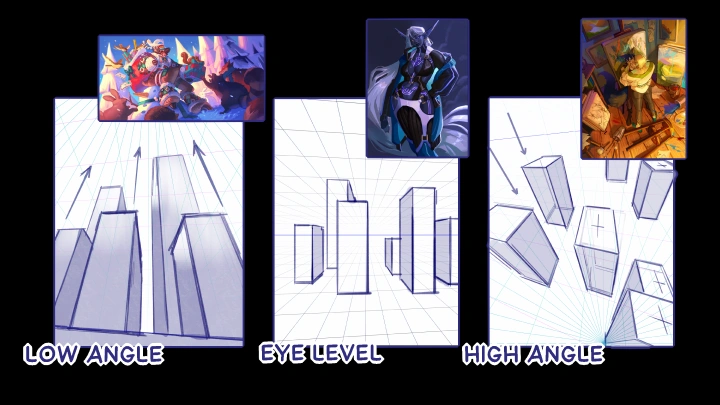
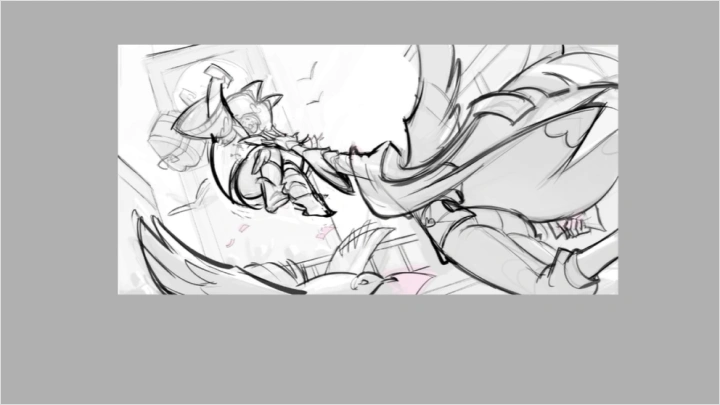
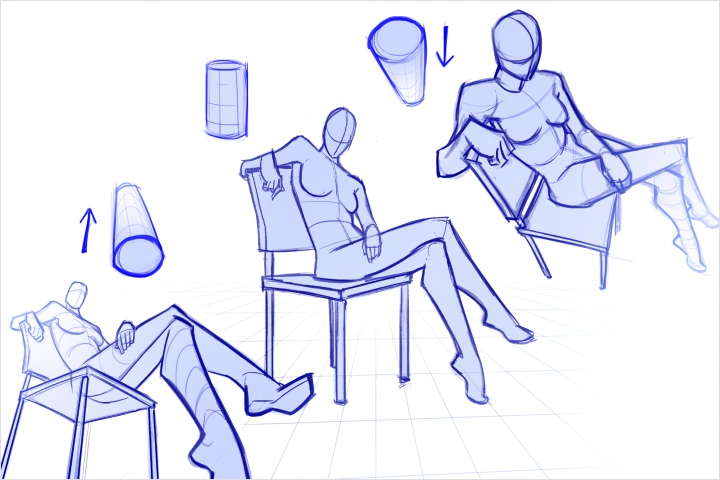 Enhancing Poses with Perspective- Draw a pose in a neutral view, then push it using different angles and foreshortening.
-
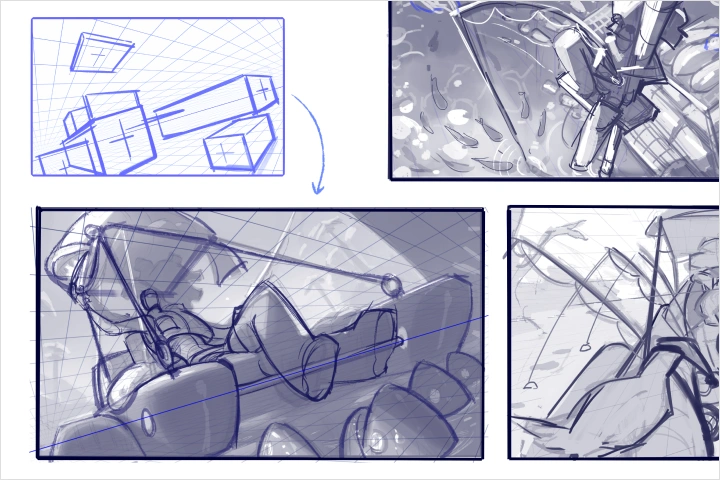 Thumbnail Variations- Create thumbnails using low, high, and centered angles to explore visual impact.
 -
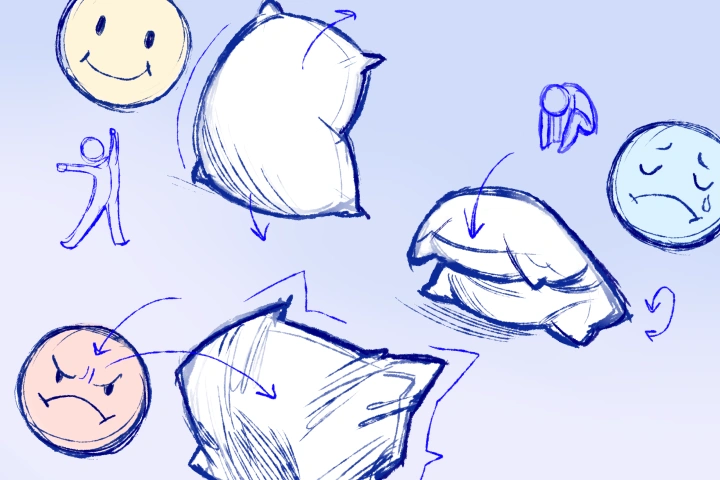 Emotion Through Simple Forms- Use simple shapes or objects to convey a range of emotions through gesture.
 -
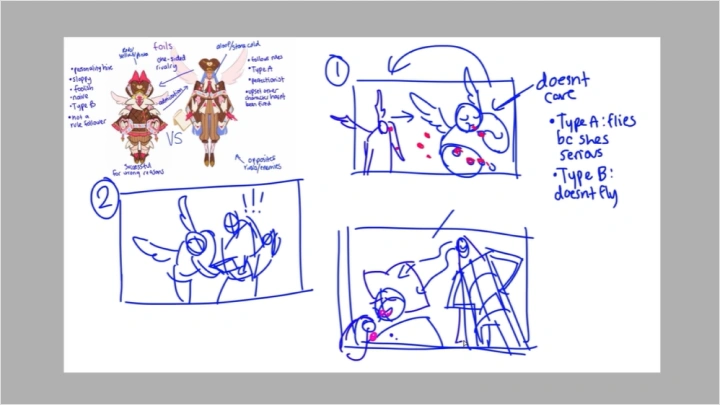
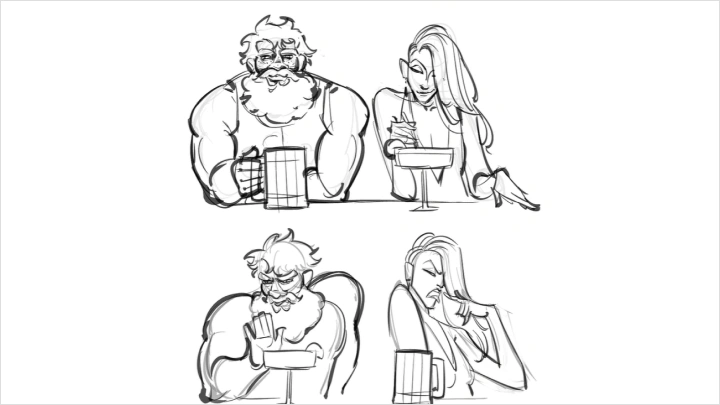
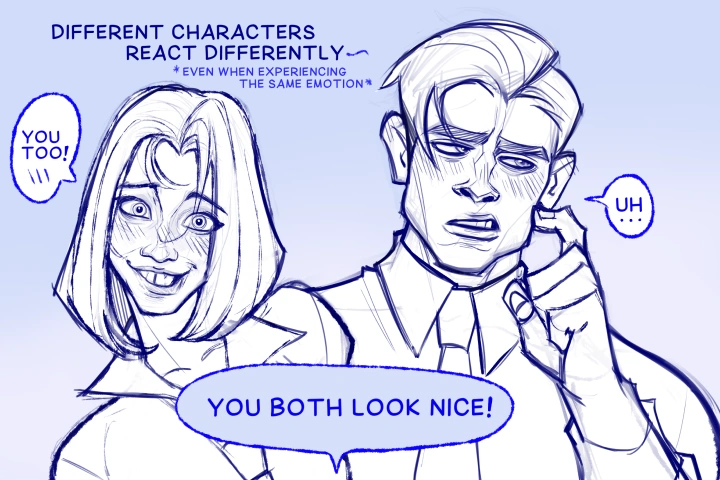 Personality-Based Acting Study- Draw two characters with different personalities expressing the same emotion.
-
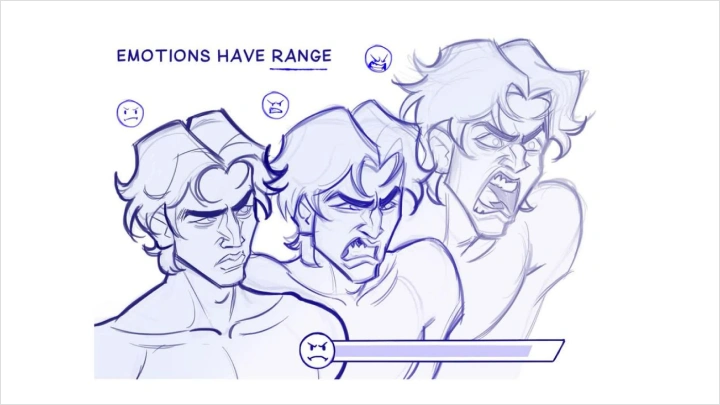
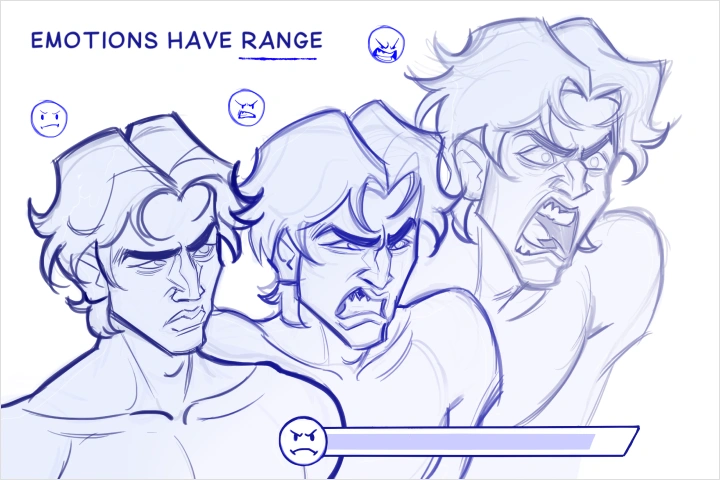 Emotion Intensity Study- Draw one emotion at different intensity levels to explore subtle versus exaggerated acting.
 -
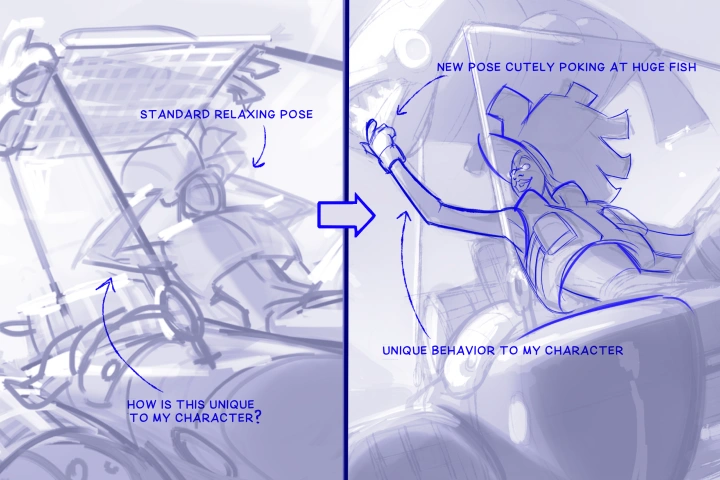 Strengthening Character Acting- Refine your chosen thumbnail by strengthening gestures and expressions.
 -
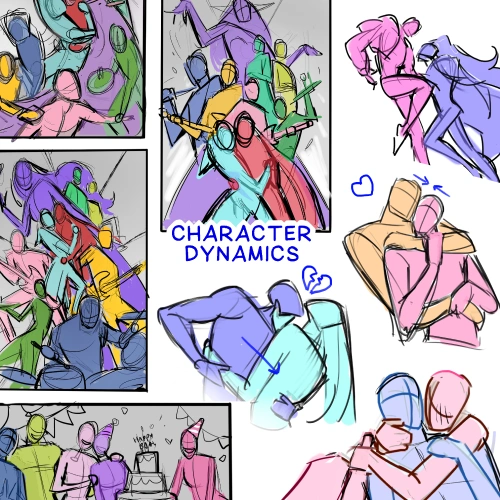
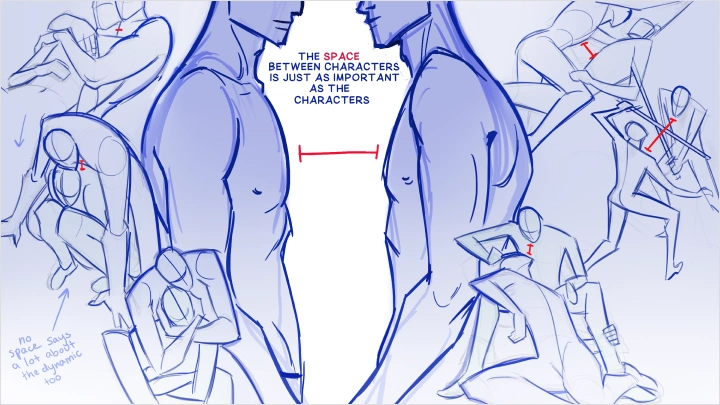
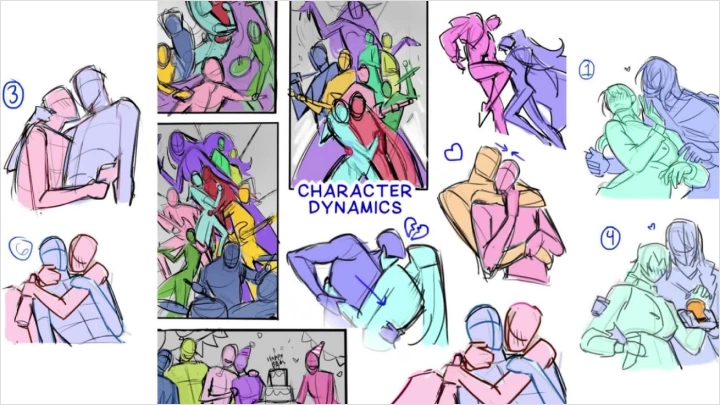
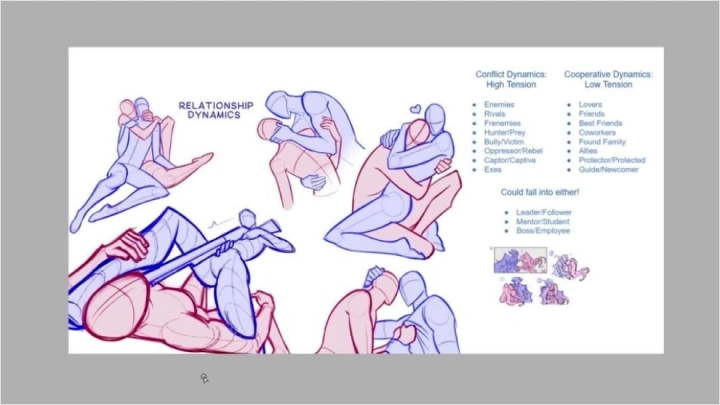
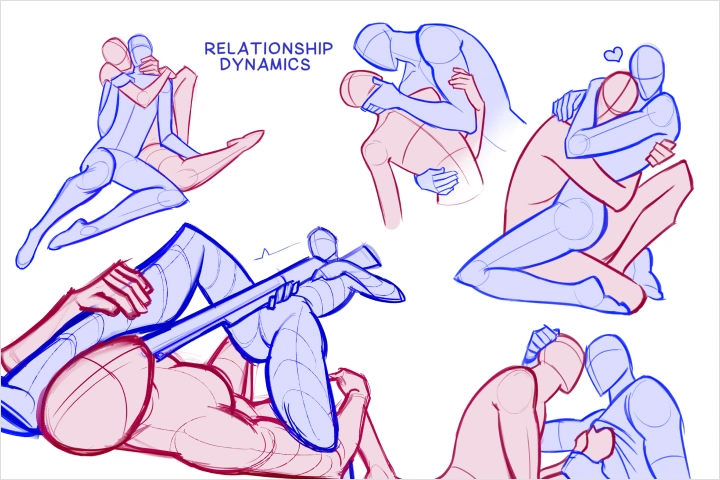 Visualizing Character Relationships- Draw different character dynamics to explore how posing conveys relationships.
-
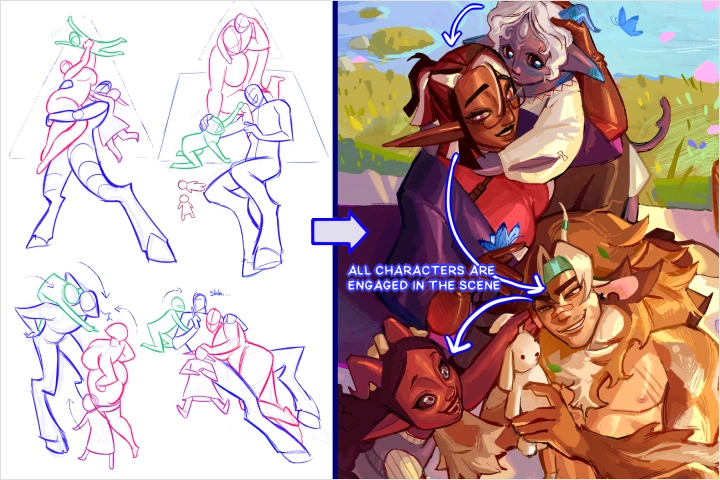 Applying Relationship Dynamics- Adjust your composition to reflect character relationships through spacing and interaction.
 -
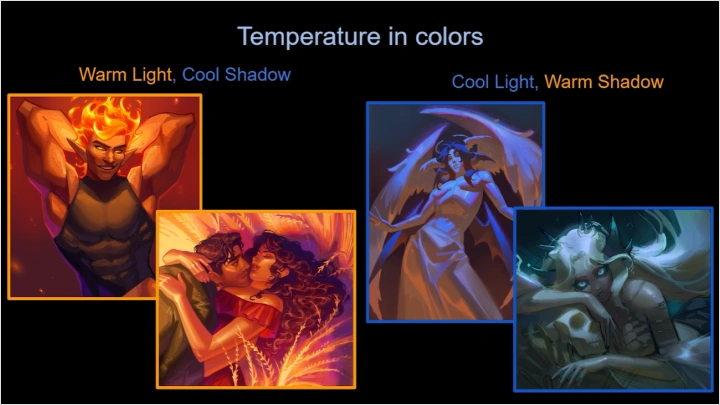
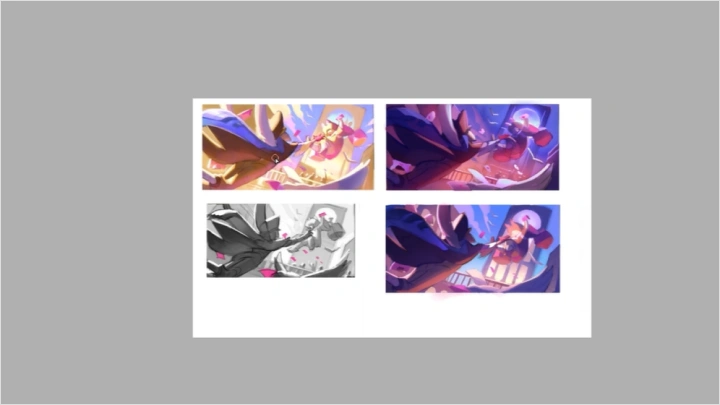
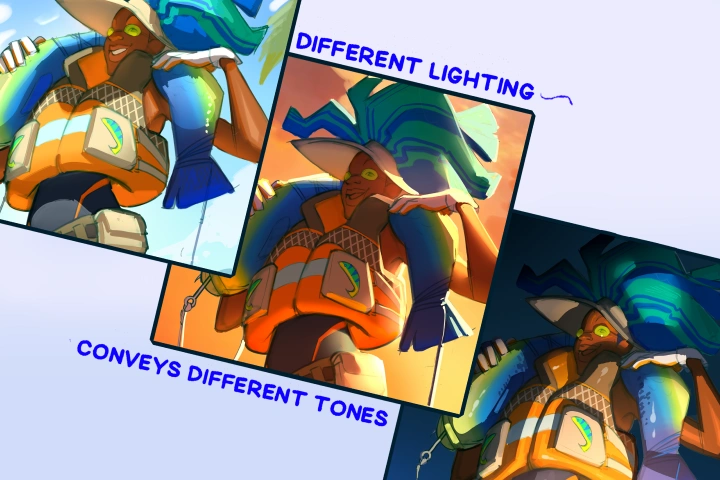 Lighting Mood Exploration- Apply three different lighting setups to the same scene to explore mood changes.
 -
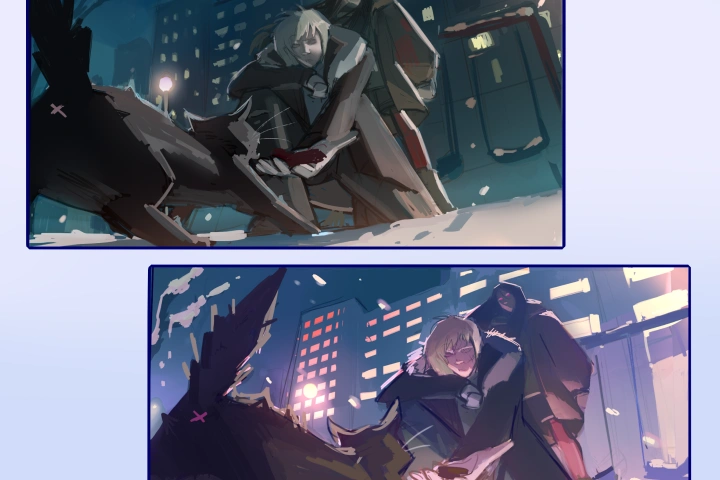 Introducing Lighting and Color to Your Scene- Start rendering your thumbnail by applying lighting and color.
-
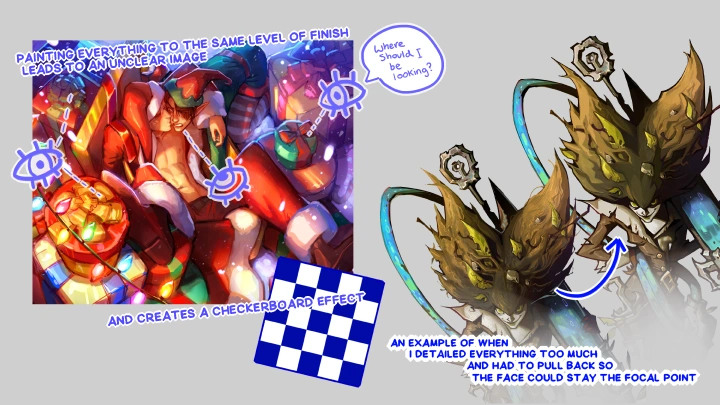
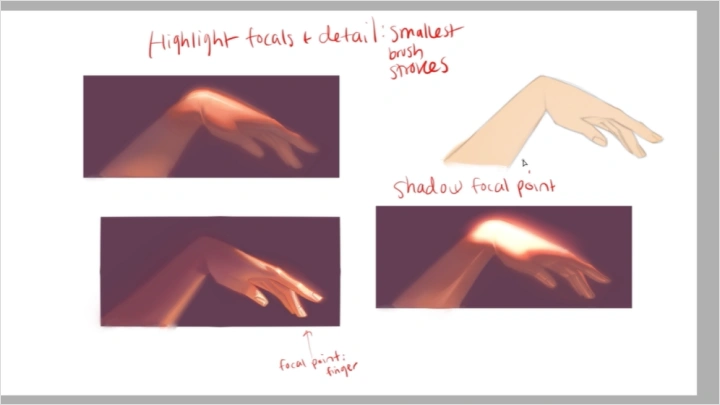
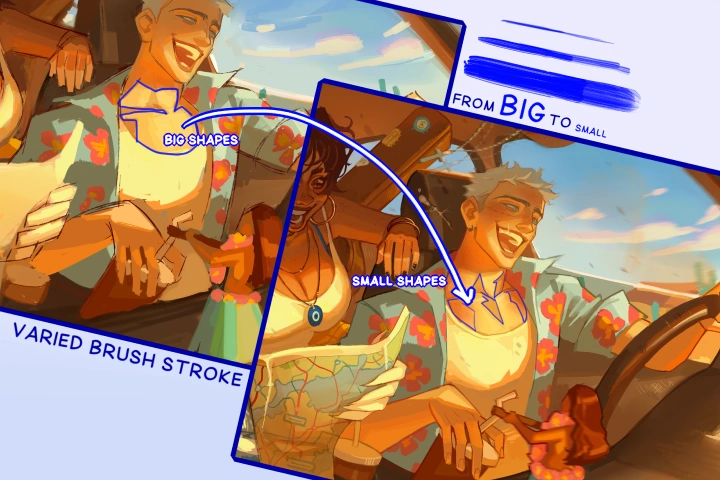 Controlling Focus Through Rendering- Render one area with more detail to guide the viewer’s focus.
 -
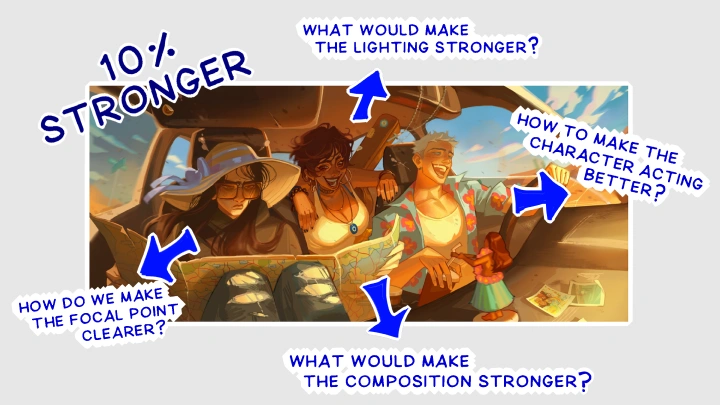
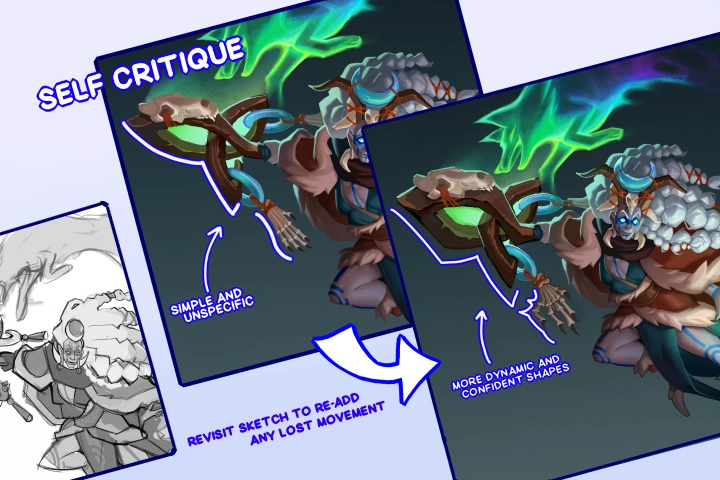 Final Critique (10% Improvement)- Review your piece and apply small adjustments to strengthen clarity and impact.
 -
Final Rendering and Polish- Finish rendering your illustration by refining final details to strengthen clarity and overall impact.
Final Products
-
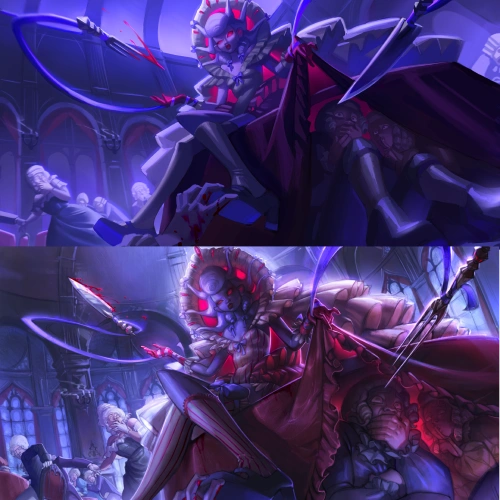 A Reworked Illustration
 -
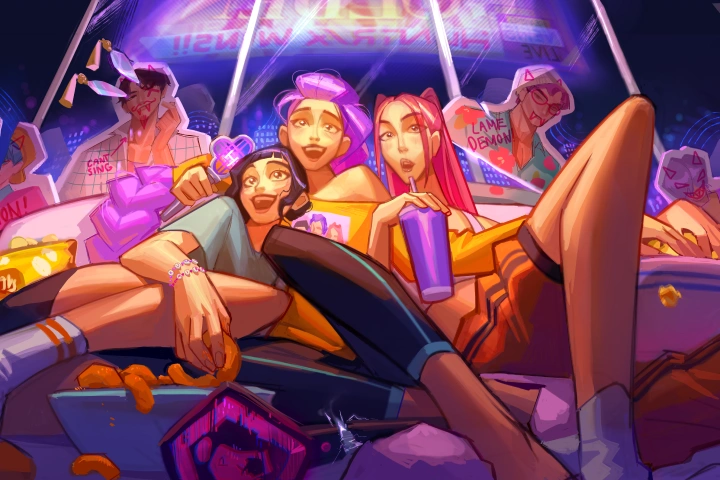
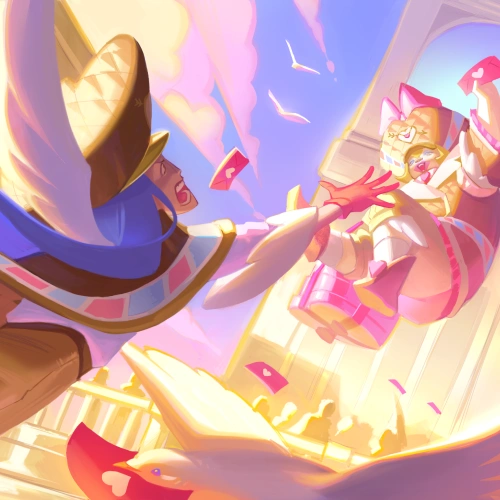 Multi-Character Dynamic Illustration
Highlights
Class Highlights
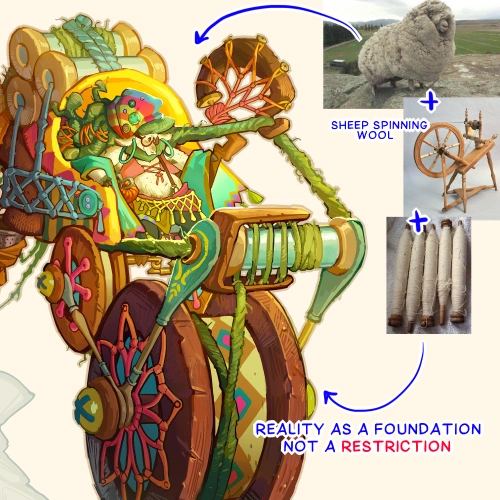
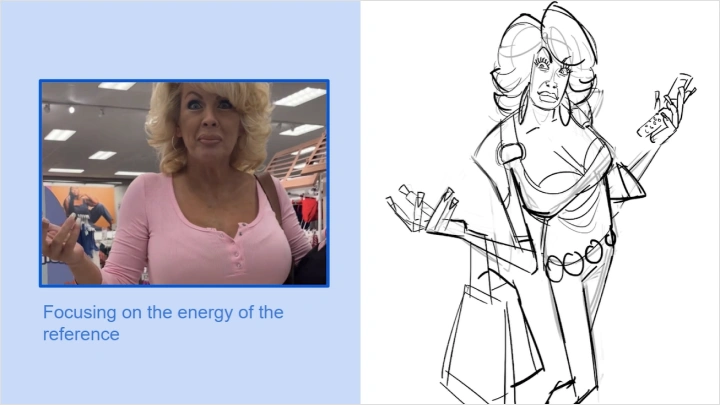
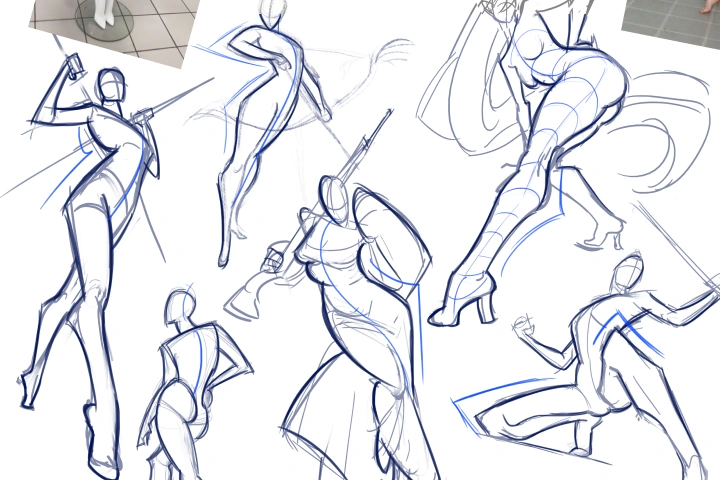
Using Reference Without Being Restricted
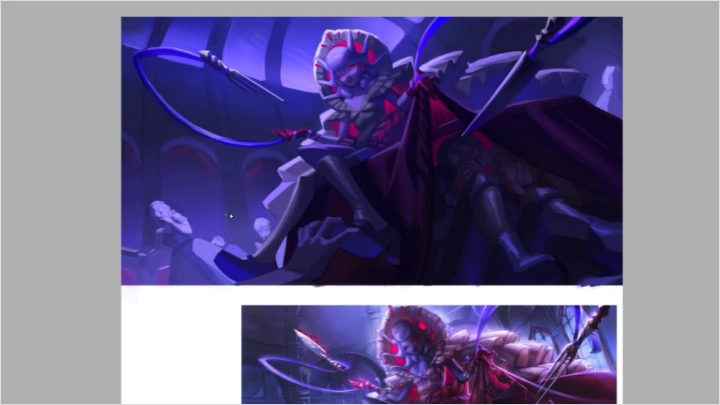
Learn how to study and internalize reference instead of copying it directly. By focusing on tone, energy, and intent, you’ll reinterpret poses and scenes in ways that better support your story and create more dynamic illustrations.
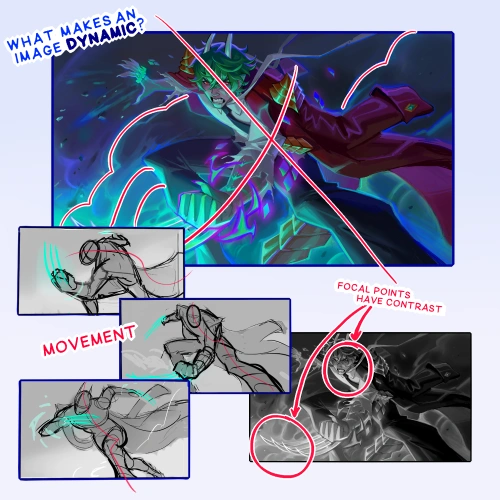
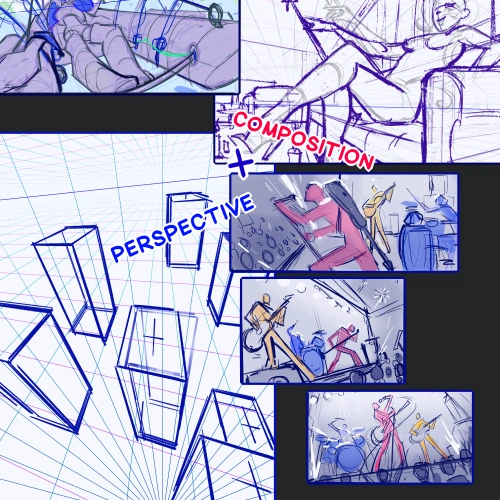
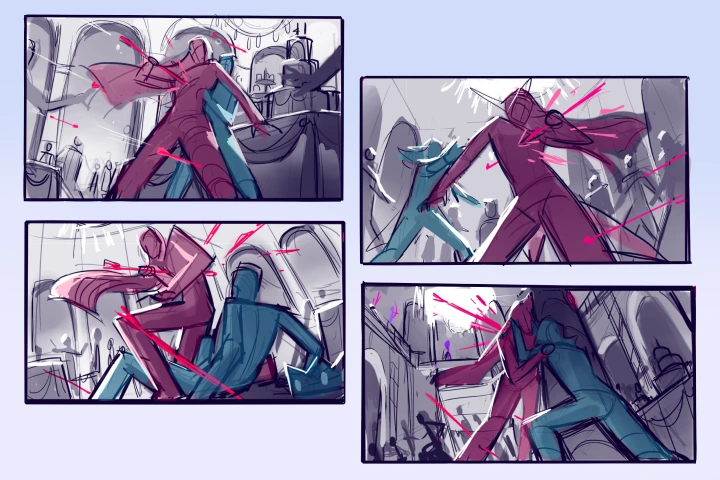
Dynamic Storytelling Through Composition and Acting
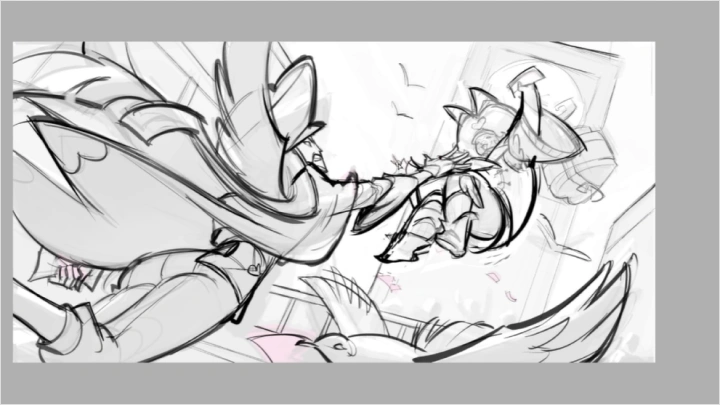
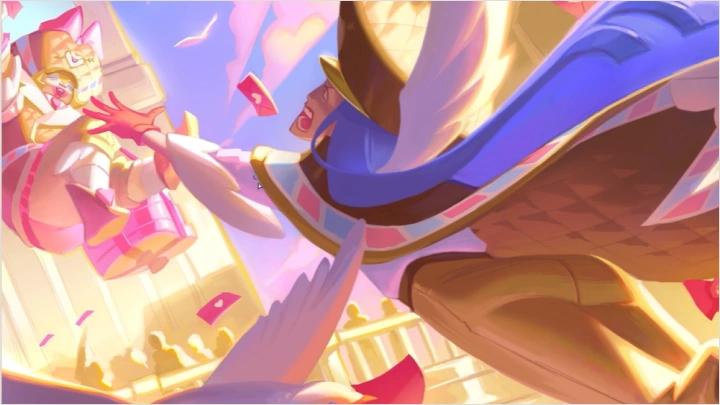
Understand how composition, camera angles, perspective, and character acting work together to guide the viewer’s eye and convey emotion. Turn static images into scenes that feel cinematic, expressive, and full of movement.
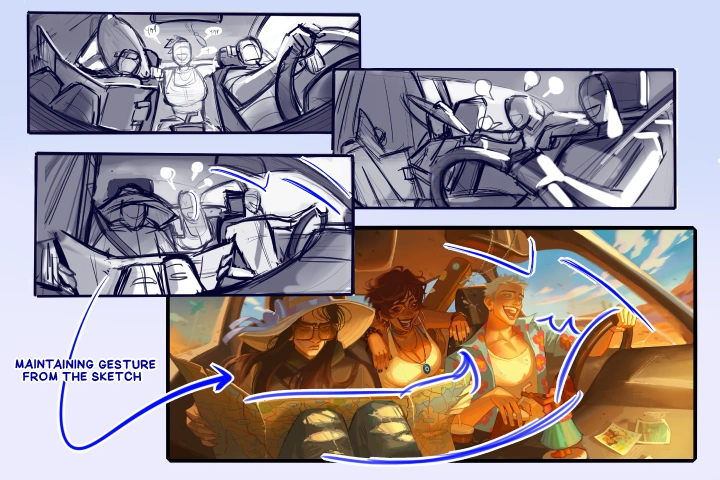
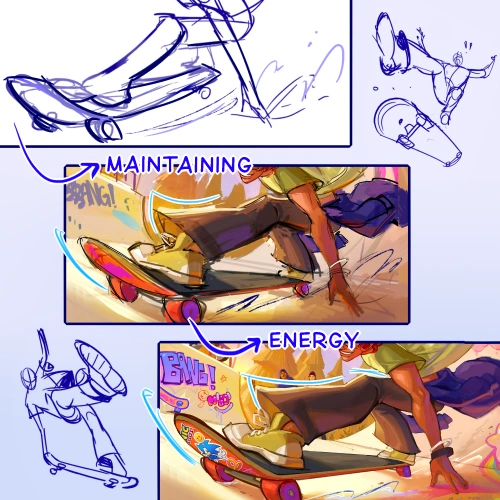
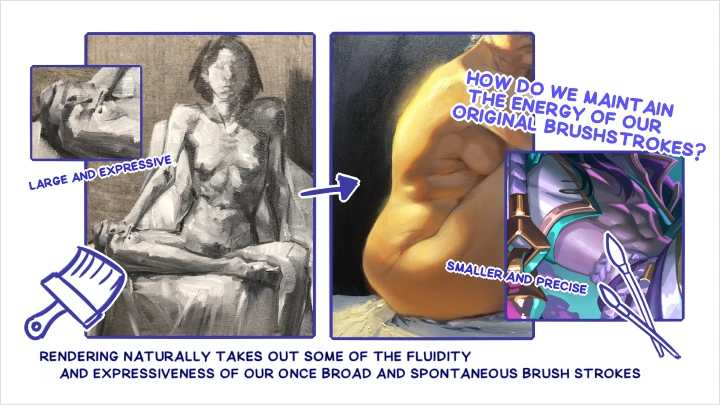
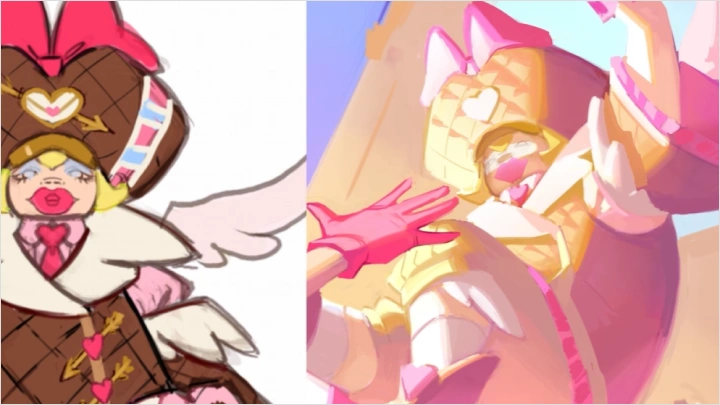
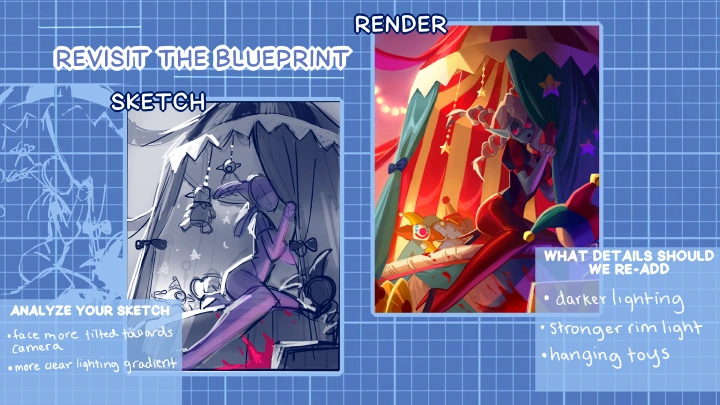
Maintaining Energy from Sketch to Final Render
Learn how to preserve the energy of your initial sketch throughout the entire process. Identify where illustrations lose dynamism during rendering and apply techniques to keep your final piece lively, intentional, and impactful.