일러스트레이터 다백 Details
Intro
Class Intro
Illustrator DABAEK
Use these all-purpose composition techniques that can serve as lifelong tools and find the solutions to all your questions.
Revealing the Secrets To
Unique Composition And
Expression Techniques!
Do you find yourself stuck in the same pattern every time and can’t seem to add something new to your expression? Say goodbye to that frustration with one of the most popular instructors in PROPIC, the one who draws full waitlists often stretching a year in length: DABAEK!
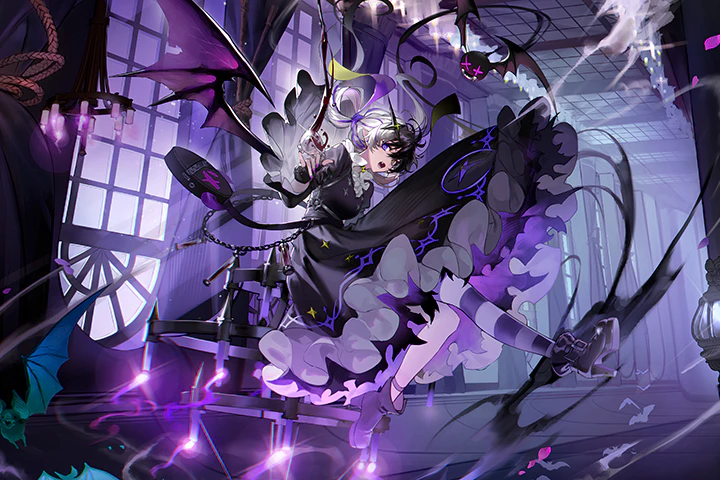
DABAEK’s insights can help you sort through the jumble of compositional and perspective theories in your head and give you tips for eye-catching and engaging character and screen compositions you can use in a wide range of projects.
From the core theories of composition, perspective, and lighting to positioning figures and objects according to your intentions and building density! You’ll learn all about DABAEK’s illustration composition techniques that were honed over time through distinguished projects, ready to be used throughout your lifetime.
From the core theories of composition, perspective, and lighting to positioning figures and objects according to your intentions and building density! You’ll learn all about DABAEK’s illustration composition techniques that were honed over time through distinguished projects, ready to be used throughout your lifetime.
Thai subtitles will be available starting March 30, 2026.
Class Perks
Get These Coloso Exclusives
-

Unlimited Access to 37+ Hrs & 33 Chapters of Content -
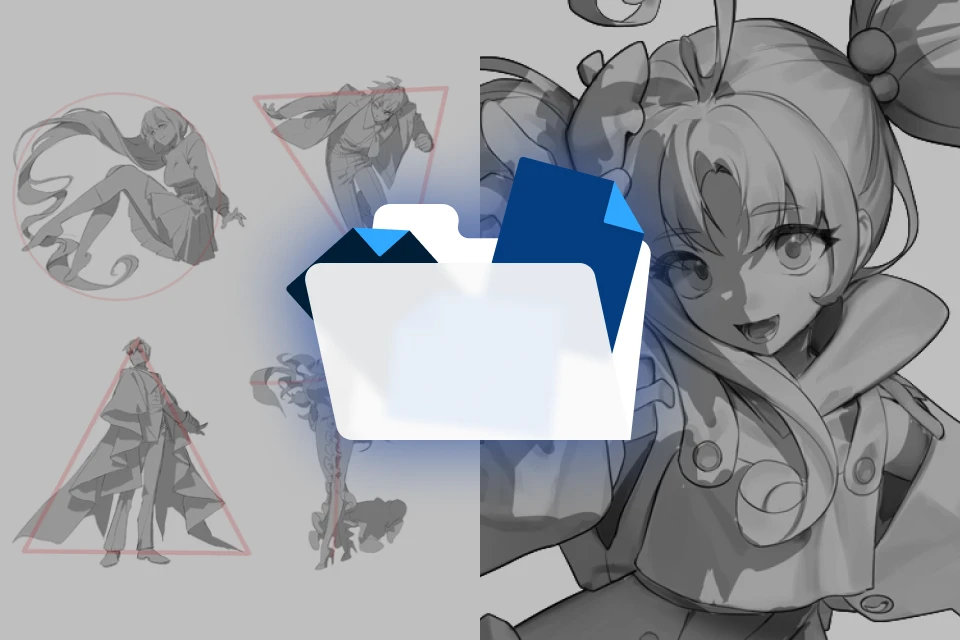
A total of 47 level-up files provided -
3 types of demonstration illustrations
Class Material Details
-
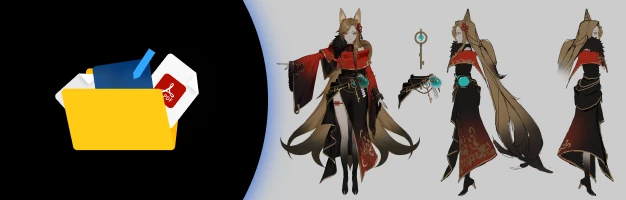 Study Material Files Used in Class Exercises1. Five Practical Theory Tutorial PDFs
(Light and Color, Color Scheme and Coloring, Perspective, and Composition)
2. Twenty Practice Examples
- A range of composition exercise frames
- Image files with merge capabilities
- 1/2/3 point guidelines for perspective
- Source file within the perspective line
- Original file on the perspective line
- Original lighting file based on the location
- The initial lighting file based on the time zone
- Practice color scheme file with divided layers
(includes line art and a color combination layer)
- Practice file for color changes utilizing lessons 7 & 8
- Two types of practice layer files for cell coloring and general line art coloring
- Three-sided female character original body
- Front work file with parts separated
- 5 examples of web novel proposals in 3 genres
- Differences and examples of 1 & 2 person compositions
- Theory & examples on gaze processing between characters -
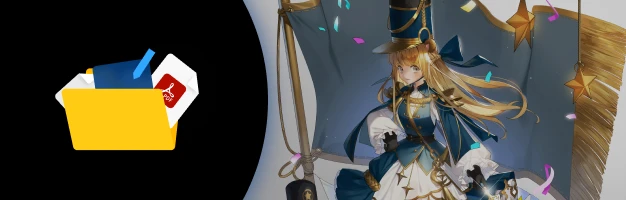 Self-Practice Assignments, Decoration Materials & Brush List3. Twenty Self-Practice Tasks
- 5 types of composition practice files
- 5 types of perspective practice files
- 3 types of people/object placement practice files
- 4 types of lighting and shadow practice files
- 3 types of color combination practice files
4. Two Types of Source Files (Decoration Material & Brush List)
- List of decoration materials that can be used for illustration editing
- Brush tool recommendations and information according to coloring method pdf -
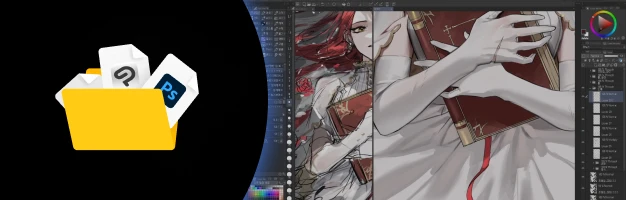 Completed Illustration Progress Step-by-Step File- Original PSD that shows the entire process of character drawing
- Original clip/psd containing the entire portrait illustration process
- Original clip/psd containing the entire web novel cover process
Recommendation
Who Should Take This Class?
Aspiring artists who are interested in character design but don't know where to start.
Students who have a lot of creative experience and are preparing for their debut and portfolio as a professional.
Illustrators who want to learn screen composition and arrangement from an open perspective through various works.
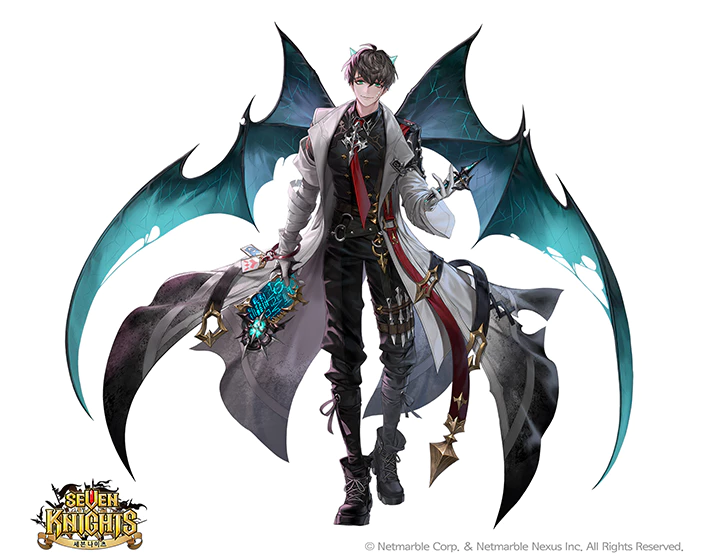
Expert Illustrator DABAEK's Portfolio
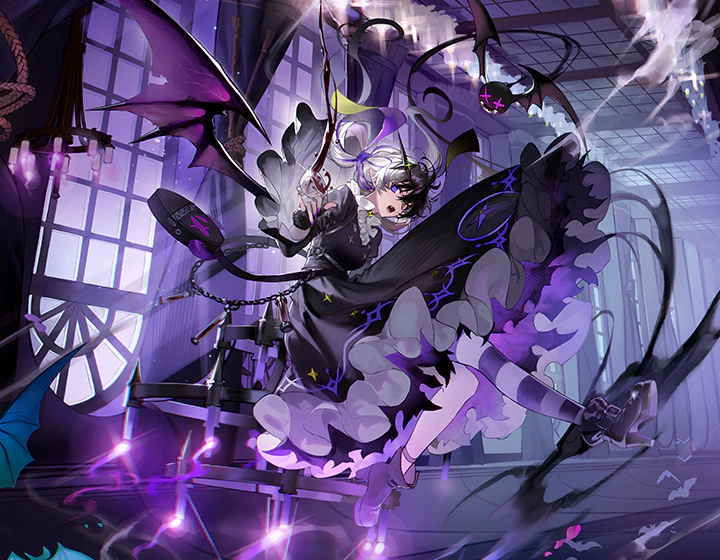
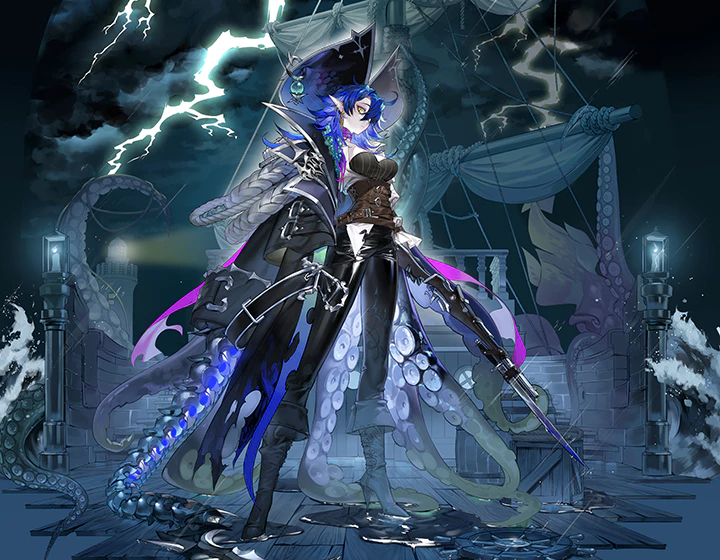
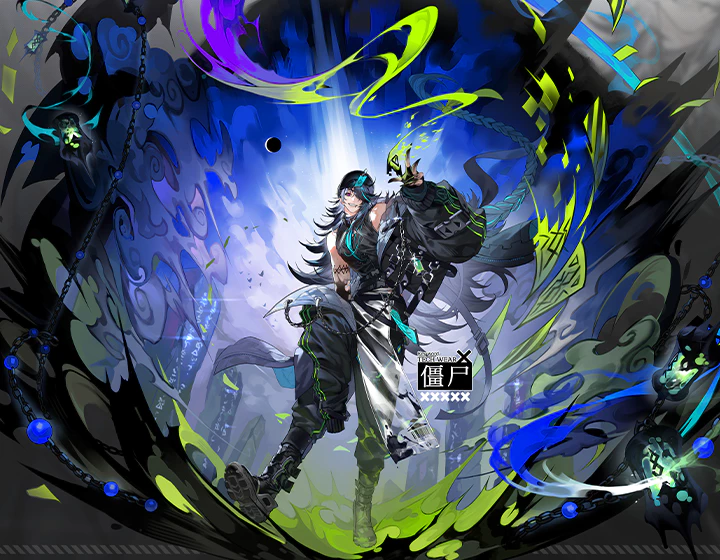
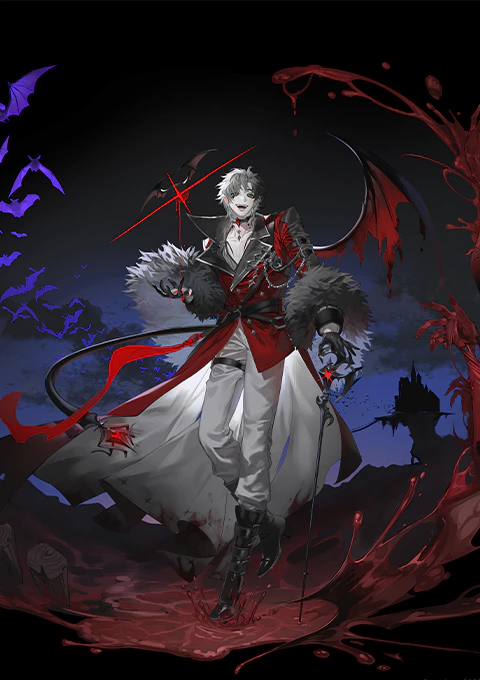
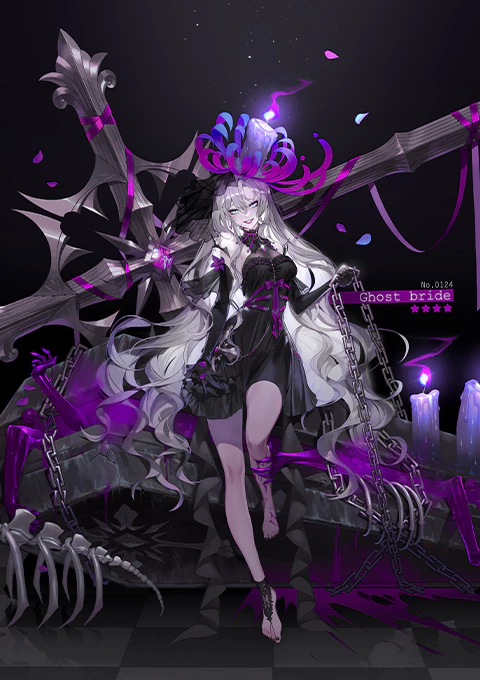
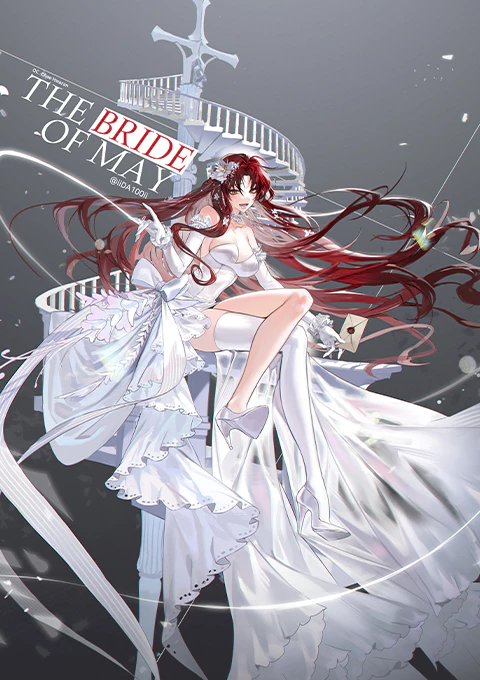
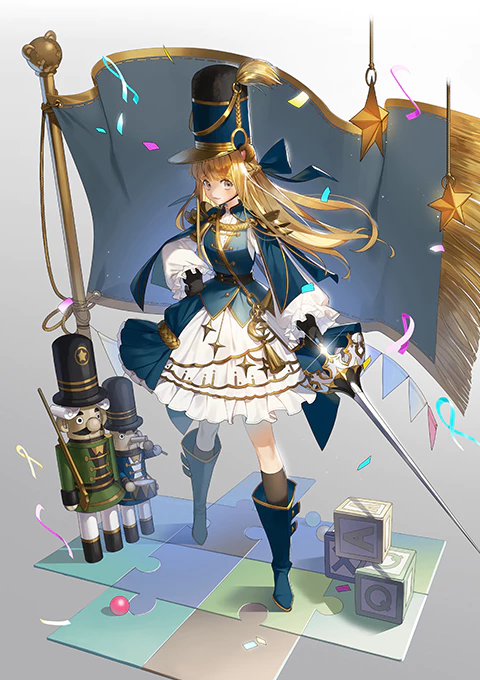
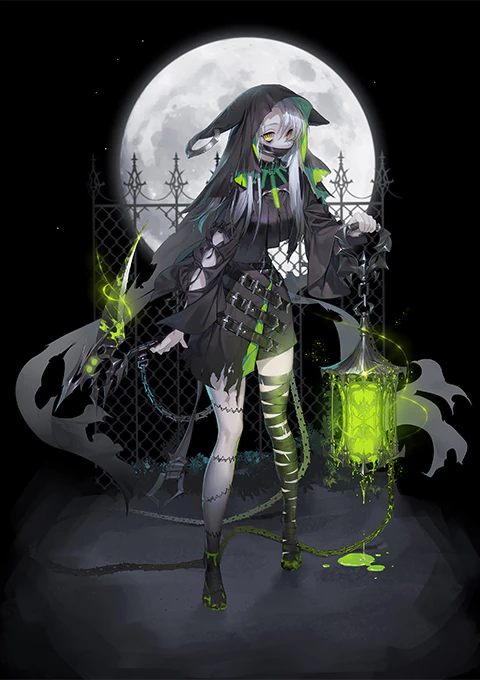
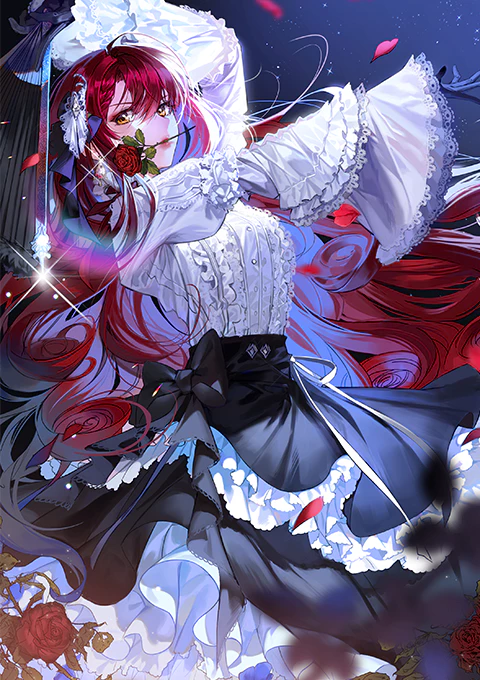
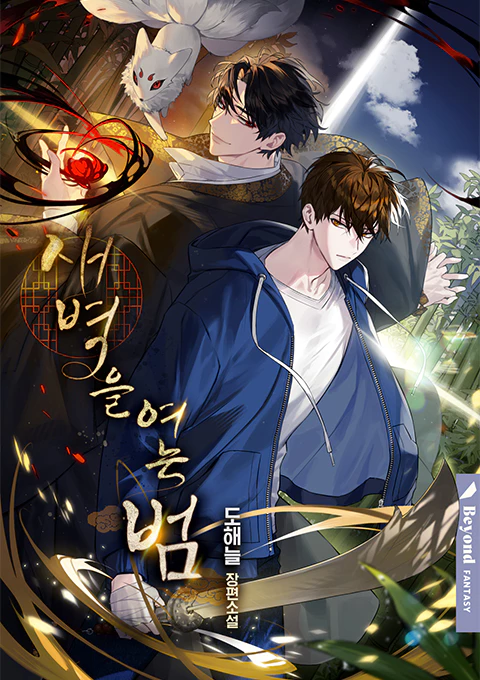
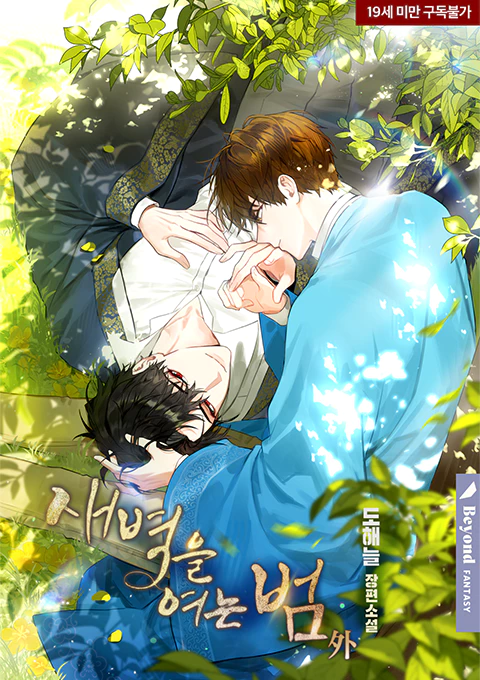
Why Take This Class?
If you can't seem to get out of monotonous compositions and patterns, consider taking this class. From understanding the fundamentals of composition and framing to freely expressing different perspectives, lights, and colors, you’ll learn how to use novel framing and composition techniques you can apply to a wide range of work, from static to dynamic characters.
Learn the steps to creating original artwork, including character design, portrait illustrations, and web fiction covers. This class will take you through different characters, compositions, and expressions to show you how to plan for your drawing, as well as how to apply the theories you’ve learned in practice and experience their effects on screen. Build your capacity as an illustrator, from setting up your composition according to your intent to tips on emphasizing your character’s unique charms!

9+ Class Exercises
-
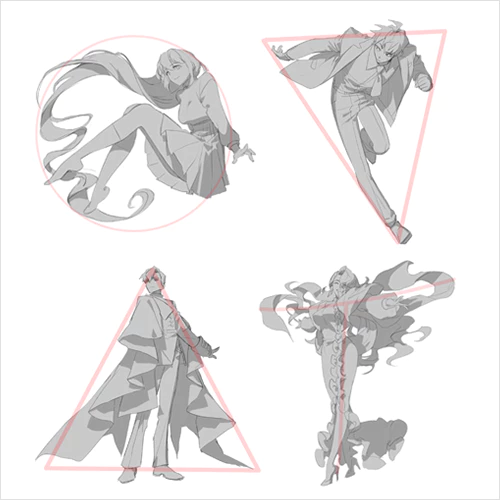 Choosing Your Composition Based on the Drawing Type
 -
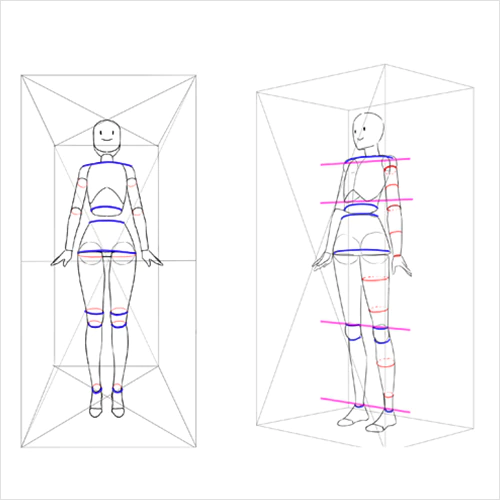 Placing the Human Figure in Perspective
 -
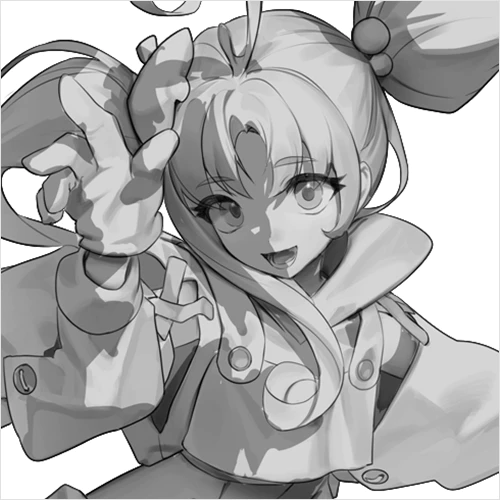 Practicing Lighting
-
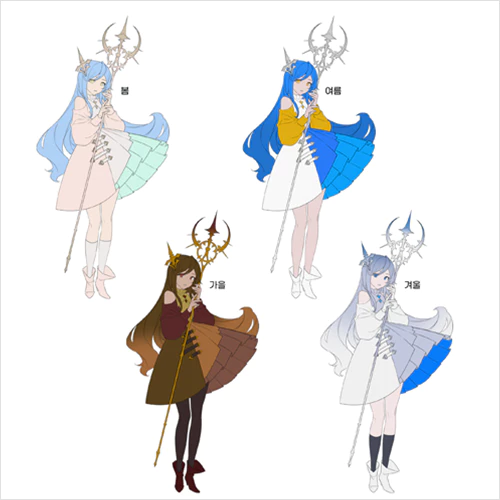 Practicing Optimal Coloring According to Concept
 -
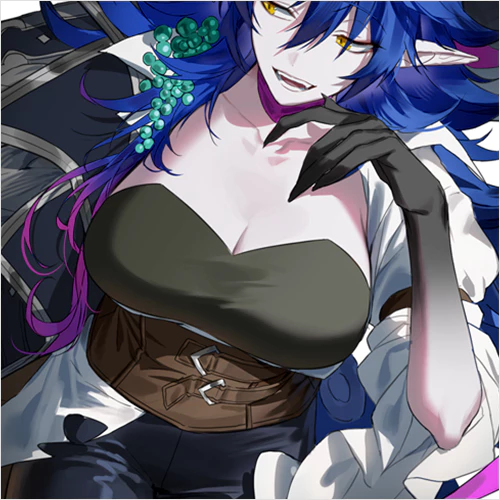 Elevating the Details of Your Cel Shading
 -
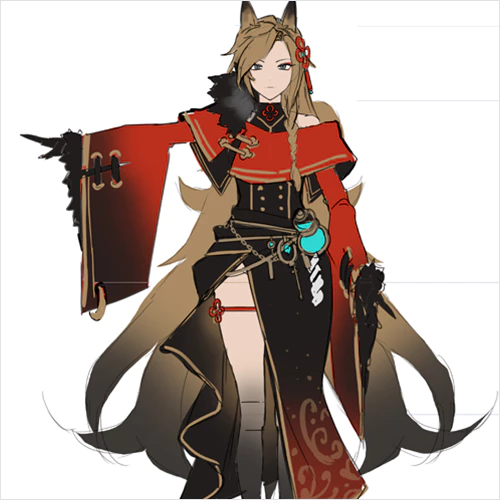 Realizing Your Character Drawing According to the Blueprint
-
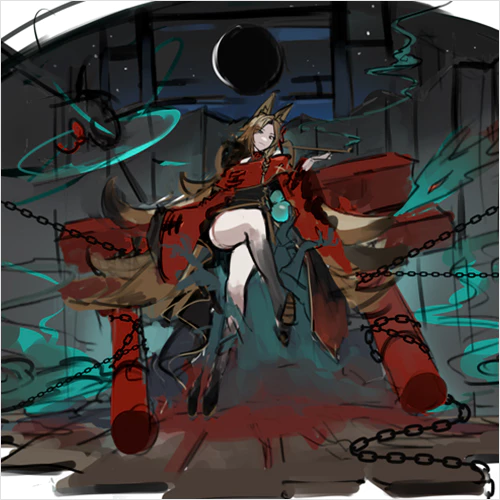 Composing the Figure & Background For a Standing Illustration
 -
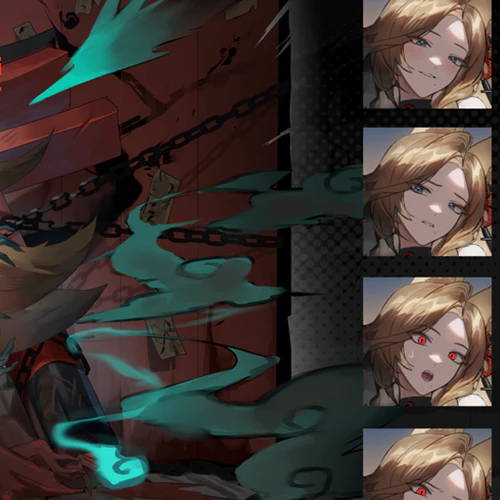 Placing Expressions and Editing Design On an Illustration
 -
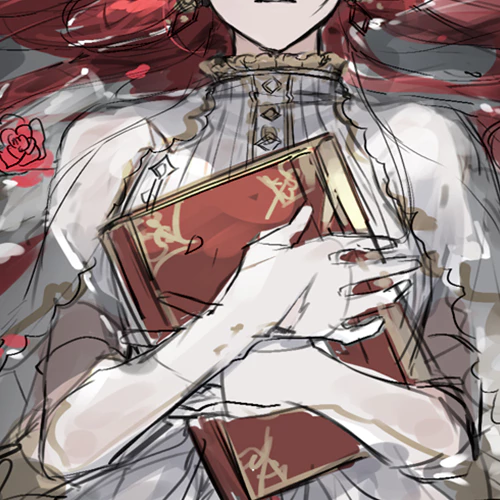 Working on the Web Fiction Cover Art Based on the Blueprint
Final Work
Illustration: 3 Different Types
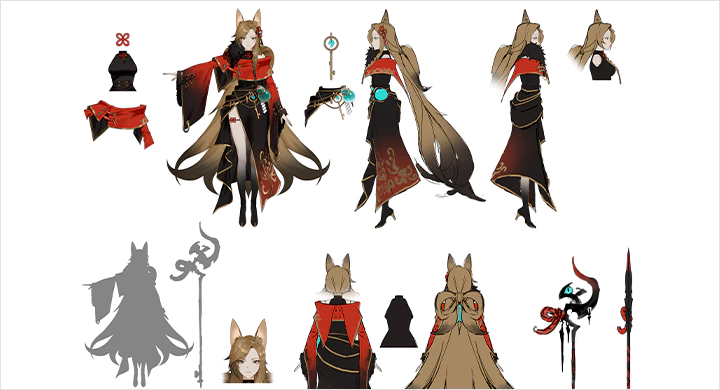
Character Drawing
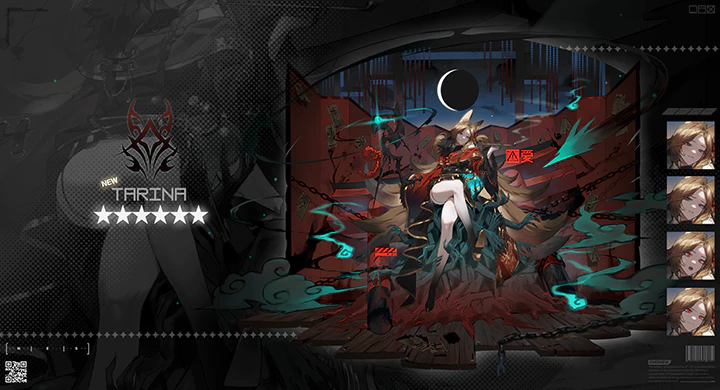
Character Standing Illustration
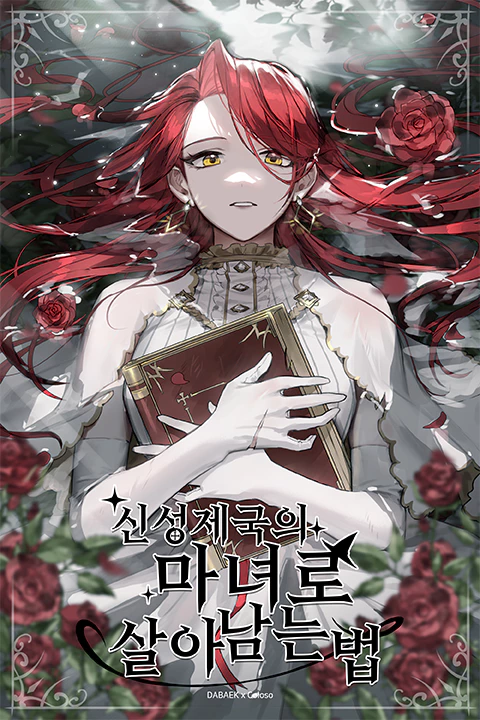
Web Fiction Cover Art Illustration
Student Reviews
Reviews of Actual Students
-
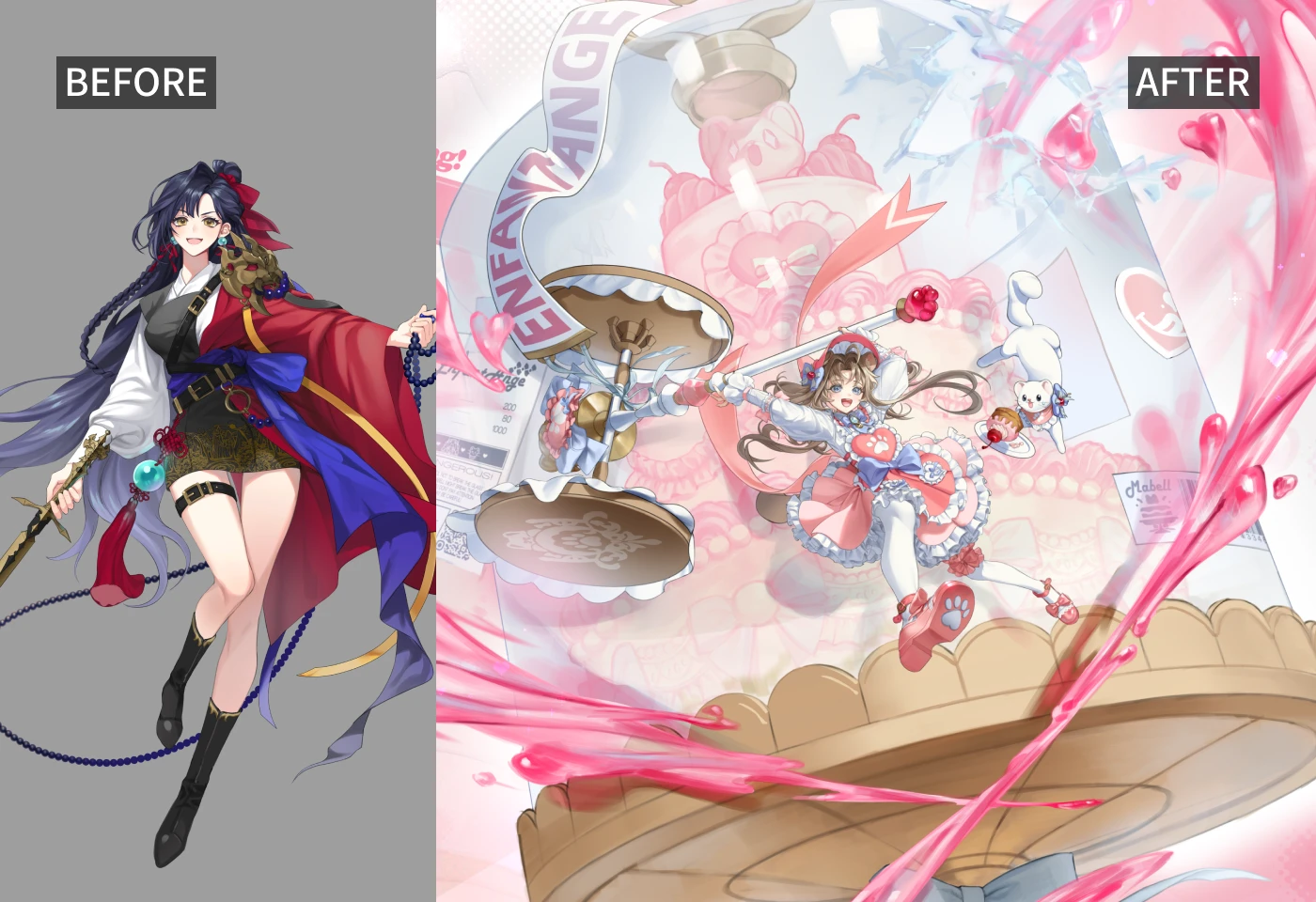 Yesol ParkUp until this point, I had mostly been drawing solo illustrations. DABAEK’s class taught me things that are difficult to identify and study on my own, such as screen composition, arranging, and perspectives. Furthermore, DABAEK helped me find a better direction considering the stylistic features of my art style. I believe the class will be extremely beneficial to both beginners and those who have been drawing for some time but have been unable to progress to the next level.
 -
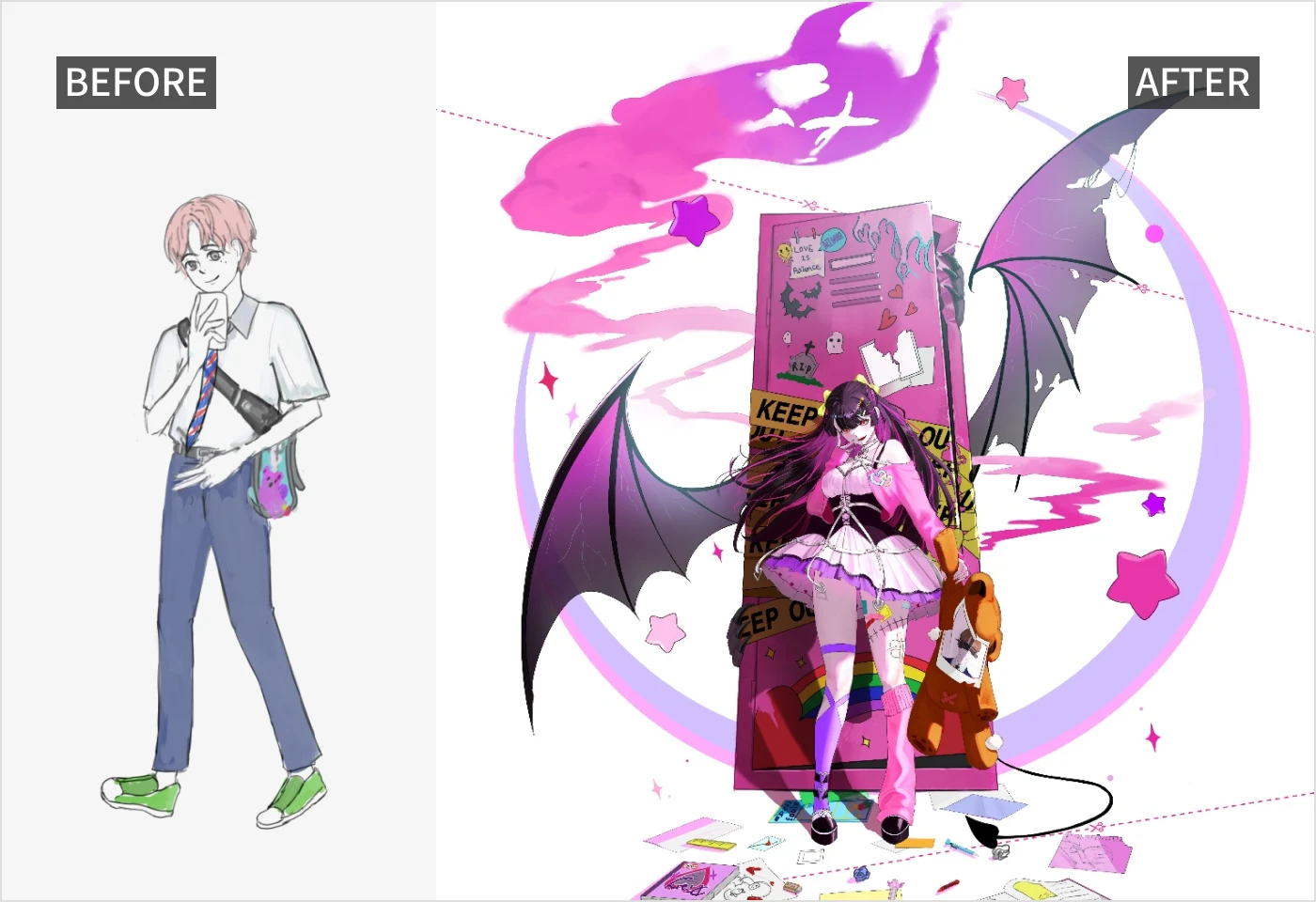 Eunji YiI didn’t even know how to draw a picture when I began. DABAEK’s class teaches you how to consider the elements that make up a painting and position them effectively to create an appealing image in a very attentive manner. DABAEK also provides helpful tips and explanations that go into detail about things that I missed and how I could go about addressing them. The class has given me the power to draw people’s attention to my drawings using eye-catching methods and ways to make my characters stand out!
 -
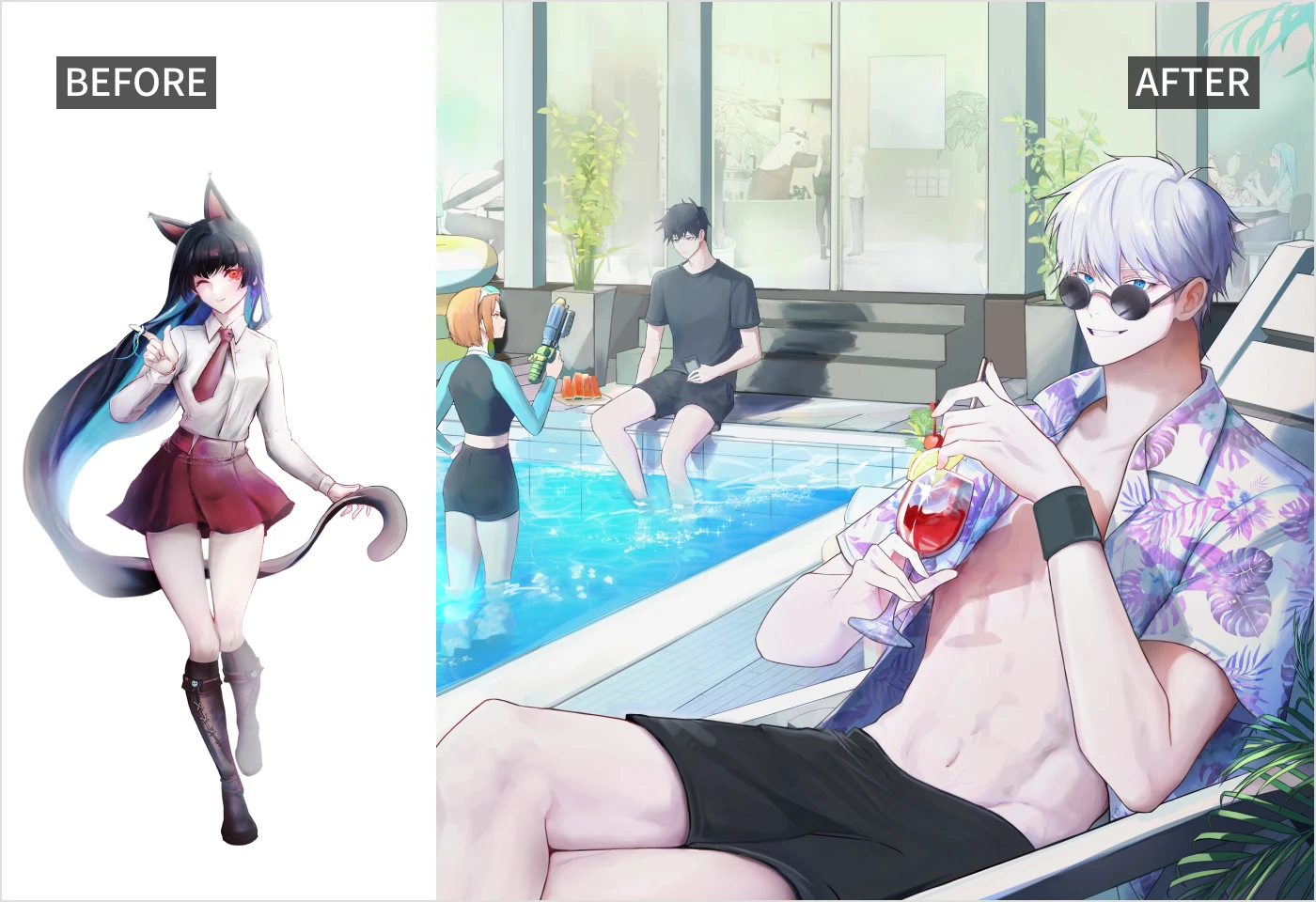 Soyeon YiEven though I knew the theory, I was concerned about applying it and completing the picture with it. This class taught me how to easily apply the theory and gave me the confidence to find and fix problems on my own. I used to get frustrated with drawing because I wasn't making any headway. It's now fun for me again. From discovering the character's charms to creating an eye-catching illustration, planning projects based on genre and concept, and making the most of your time
Instructor
Illustrator
DABAEK
Hello. I'm DABAEK, a character artist and illustrator.
Using my game development background, I'm now working as a freelancer and instructor not only in my original field of gaming, but also in areas such as creating web fiction cover art and illustrations, and even handling some VTuber illustration work that involves part separations.
Drawing might be difficult to begin with. It can be difficult at times to start and finish what's in your head. Since there are many different areas within the broad field of illustration, this class will provide aspiring professionals with some of the methods and strategies used in each field's daily operations. Along with providing step-by-step instructions to improve the quality of your work, it will also help you set a clear direction and plan for it.


Illustrator, DABAEK
[Current]
Propic Instructor
Freelance Character Artist / Illustrator
Projects & Awards
[Outsourced Work]
Seven Knights portrait illustration
Seven Knights character drawing
Seven Knights Idle Adventure illustration
Immortal Soul: Black Survival illustration
Eternal Return illustration / character drawing
Tales Runner illustration
[Projects]
2023 RIDI Books I’m a Suspicious but Strong Potion Merchant cover illustration
2023 RIDI Books The Tiger that Opens the Morning cover illustration
2022 RIDI Books The 2nd Regressor Wants to Live cover illustration
2021 RIDI Books Technical Time-Out cover illustration
2021 NAVER Web Novel That Villain’s Life, I’ll Live It Once cover illustration
and other web fiction covers and illustration work
Featured in pixiv’s ARTISTS IN KOREA artbook
Highlights
Class Highlights
Learn All-Purpose Composition and Expression Techniques for All Situations
Learn the techniques you can utilize across various contexts. Learn to use color schemes and keywords to highlight characters in drawings, use overall effects, position backgrounds and people in portrait illustrations, and use genre and character placements in cover illustrations.
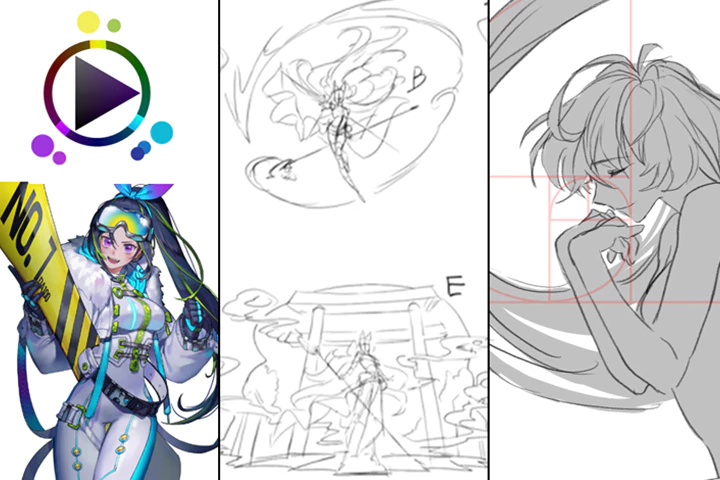
Form Your Own Guidelines to Ensure the Quality of Your Figures and Objects
Having your own guidelines for arranging objects or subjects makes it easier to start a drawing and helps set up your characters in different compositions, angles, and poses. Whether it’s a standing character or a full-screen illustration, arranging the elements in the drawing according to your intent develops the ability to bring your imagination to life, regardless of size or type.
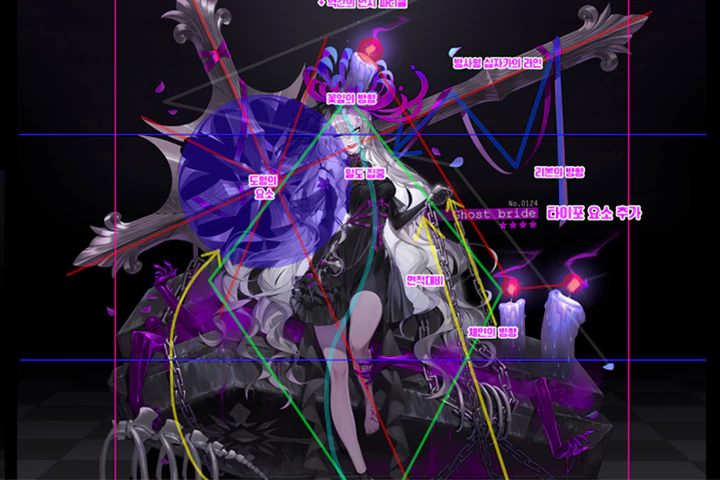
Everything from Drawing and Standing Illustrations to Web Fiction Cover Art
We’ll go through every step of the process, providing examples and highlighting essential details. This guidance helps if you’re considering a career in illustration but have limited information about what each job entails or how it works. Start your journey to become a pro illustrator across all genres and fields!
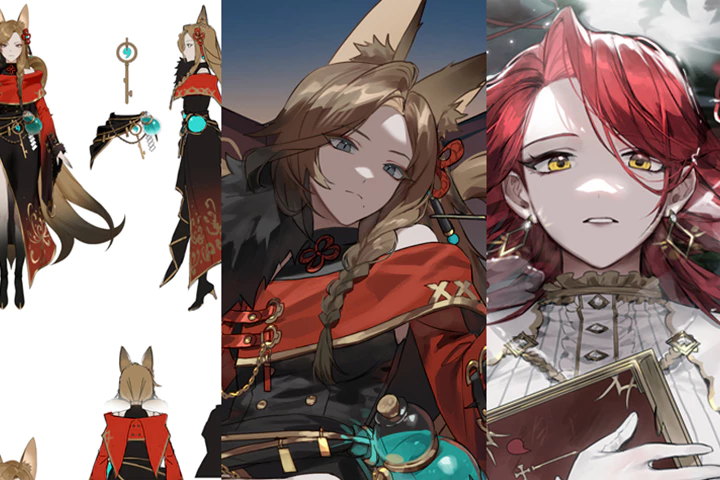
Class Details
You'll Learn
-
 Conceptualize Different Compositions Using Shapes and SegmentationLearn how to fill a blank canvas by arranging different shapes and segmentation. Use the exercises to practice aligning the image files to guides.
 -
 Learn about Different Color Schemes That Fit Your IntentLearn and apply different color schemes that can bring out the best of your character’s concept and personality. From using color contrast for emphasis to drawing the beholder’s gaze, learn all about the art of coloring for each purpose and area.
 -
 Creating Characters with StoriesUse the mind map to create characters with compelling stories and work with blueprint sheets that you can apply to practical work. Furthermore, learn how to color each part and explore composition methods that you can use with different sheets.
-
 Arranging Backgrounds and Effects for Your CharacterLearn how to combine backgrounds, props, and effects to highlight your character. Discover different points in composition-setting to effectively showcase your character’s clothing, personality, and ambience in a standing illustration.
 -
 Adding Design Elements and the Final EditWith composition and framing theory in mind, add design decorations to the standing illustration to create an improved version. Work on different expressions, typeface, and character logos.
 -
 Setting Compositions Aligning With Web Fiction Genres and SettingUse one plan to develop three compositions that go with the web fiction genre. Use the various sample plans to learn about the composition and ambience for each genre, objects that commonly feature in the illustration, and expressions you can use to elevate your results.
- Unlimited Access
- Best Price
Buy now, get unlimited access.
09/21 (Mon) (UTC-7) Special offer ends soon.
This special offer ends soon.
Buy now and save!
Curriculum
Curriculum
In-Depth Look
Thai subtitles will be available starting March 30, 2026.
SECTION 01. Intro
01. Things to Learn in This Chapter
- Simple introduction
- The chapter’s direction
- Differences and things to watch out for in character drawing, web fiction cover art, and portrait illustration
02. Clip Studio Paint or Photoshop? What to Use?
- Differences between Clip Studio Paint and Photoshop
- Tools often used in working
- Quality of life (QoL) and hidden functions!
- Learning about layer properties
SECTION 02. Basics of Composition
03. What is Composition?
- The importance of composition
- Points, lines, and surfaces
- Proportions and flowing
04. Best Ways to Introduce Your Work or Highlight Your Character
- If you are scared of a blank canvas: Basic arrangement and segmentation
- Approaching/analyzing through shapes
- How to emphasize your subject
SECTION 03. Arranging Characters within a Space
05. Basics of Perspective Theory
- Guidelines for 1, 2, 3-point perspectives
- Perspectives are about coexistence.
06. Arrange the Characters
- Arranging characters within a space
- Simple methods to find the center of gravity for each pose
SECTION 04. Before Starting with the Drawing: Light and Colors
07. Basic Color Theory
- How colors are recognized
- Color/saturation/brightness
- Things to watch out for in coloring
08. Basic Shadows Created by Objects
- Basic light and shadow on objects and floors
- Learning about types of light sources and their differences
- Ambient light and aerial perspective
09. Different Types of Light and Shadow
- Changes in shadow according to light source location
- Expressing changes in time and situation via layers
- Cast Shadow function and warning
SECTION 05. How to Draw the Gaze and Emphasize Characters with Coloring
10. Easy and Diverse Coloring Styles
- On different types of coloring
- How to add stability to coloring
- Coloring using achromatic colors
11. Coloring Intent Is Crucial Too!
- Coloring that considers character personality and setting
- Using contrast to emphasize color schemes
- Creating weight via coloring
- Use coloring to draw the beholder’s gaze
- Things to watch out for when coloring
- Why does my character look unfocused?
12. Coloring Techniques and Brush Types
- Coloring and brush methods for different types of drawing (cel shading, standard line drawing coloring)
SECTION 06. Character Drawing: How to Emphasize the Character Using Colors or Keywords
13. Building Your Character 1
- Mind map and brainstorming
- What to watch out for when combining keywords
- Silhouettes according to character personality and role
- Establishing character concept after choosing the keywords
14. Building Your Character 2
- Character variation
- Elevating the details after choosing the final concept
15. Important Aspects of Character Drawing
- Understanding dimensions and blueprints
- Points to look out for
- Transferring your final draft onto a blueprint
- Use Photoshop’s functions
- Side view and asymmetry
16. Working On the Blueprint: Front View
- Front view composition in drawing
- Parts separation, line drawing, and coloring
17. Coloring and Composition in Character Drawing
- Cleanly coloring each part
- How to use the Cast Shadow function
- Compositions you can use in sheets
SECTION 07. Portrait Illustration: General Effects, Arranging Backgrounds & Figures, Effective Drawing
18. Things to Watch Out for in Composition
- Setting the pose with the character’s costume in mind
- Different poses for different personalities
- Setting screen composition according to intent and ambience
- The sense of distance between the beholder and the object
- Things to watch out for when creating large-scale illustrations
19. Working on Thumbnails with Composition in Mind
- Setting the type of illustration
- Creating a suitable pose after analyzing the character drawing
- Applying character silhouettes to shapes
- Adding effects that utilize composition theory
20. Choosing the Lighting and Mood for Your Concept
- Light setting according to the situation/intent
- Color setting according to the time of day
- How far should you go with your rough drawing?
21. Using Thick and Thin Lines in Line Drawing
- About frequently used brushes
- Line drawing with thick and thin lines in mind
22. Coloring the First Layer
- Organizing coloring layers
- Using the Lasso Tool for lighting and shadow
23. How to Build Your Illustration’s Quality & Density 1
- Changing the colors in your line drawing
- Reflected light and highlight
- Methods of expression according to the types of effect
- Adding background elements
24. How to Build Your Illustration’s Quality & Density 2
- Refining coloring while modifying shapes
- Expressing objects
- When the image appears incomplete
25. Editing and Expression
- Use the points, lines, and surfaces!
- Editing with different layers
- Using the aerial perspective
- Final checks
26. Final Illustration Editing and Design
- Differences in editing landscape and portrait illustration
- Adding additional facial expressions of joy/sadness/shock/anger
- Things to watch out for when adding the typeface
- Editing design with composition theory in mind
- Adding the character logo
- Final checks and completing the illustration
SECTION 08. Web Fiction Cover Art: How to Use Genre & Character Placement in Cover Art
27. Analyzing Character Plan and Working On Character Concept
- Differences between 1 and 2-figure compositions and examples (theory and example)
- Gaze between characters (theory and example)
- Coming up with different character concepts according to different ambience
- Things to keep in mind when arranging
28. Color Rough Drawing and Detail Sketch
- Arranging colors according to the web fiction’s keywords
- Setting the lighting for ambience
- Cleaning up your detail sketch
29. Working on Line Drawing
- Working on complex forms using layer properties
30. Coloring the First Layer & Adding Lighting
- Coloring the first layer with the ambience in mind
- How to add highlights and background lighting
31. How to Build Your Illustration’s Density
- Using different brushes to express texture
- Cleaning up the line drawing and details
32. Editing and Expression
- Adjustment Layer in Photoshop & Clip Studio Paint
- Utilizing the Gradient Map
- Adding effects aligning with lighting
- Adjusting the total balance to emphasize your character
- Adding an example title and frame and finishing up the drawing
SECTION 09. Outro
33. Wrapping Up the Class
- A light overview of good tools that you can use
- Things you can do to overcome artist’s block
- Directionality in learning drawing, inputs, and outputs
- Wrapping up the class
Interview with
Illustrator, DABAEK

Question.01
What do you think is your unique strength in your work?
I work on a variety of projects across different genres. Each game project or genre of fiction that I work on has a preferred art style, and I think my strength is being able to adapt to that and utilize diverse compositional styles in my work. My class teaches the participants how to plan their work for different genres and concepts and create eye-catching illustrations in a way that can be understood easily, from the theory to how the theory is applied in practical work through examples.
Question.02
How did your class reflect that unique strength that you mentioned earlier?
By working on character drawings, portrait illustrations, and web fiction cover art drawings, the participants will learn how to apply the theories they have learned in practice and arrange the composition of the screen for each work. I also recommended the class for those who want to work with drawing but find it difficult to decide because they don’t know what the actual work is like or what kind of work is more to their liking.
Question.03
How does studying the composition and arrangement of different works help with drawing?
While the direction of your work may vary, the theory of composition is universal and can be applied to any drawing. As they say, the first step is the hardest, and I think that if you find a blank canvas daunting, the theory of composition can help you get started.
Required Programs
This course will use
- Photoshop CC
- Clip Studio Paint
Please purchase and install these program(s) for an optimized chapter experience.
*These programs and/or materials will not be provided with the chapter.

Recommended
Recommended Class
Like this class?
Then check these out!