Illustrator,Chyan_챤2 Details
Intro
Class Intro
Illustrator, Chyan
Do you want to know the key to developing your own coloring skills? Join this anime-style coloring class and learn how to create pure, innocent eyes, clear, transparent skin, and much more!
Discover Chyan's Coveted Coloring Techniques for Stunning Illustrations
Illustrator Chyan’s class has attracted over 22K learners from all over the world! After numerous requests for a second class, he now shares his up-to-date coloring expertise, focusing on creating bright and transparent looks. You will not only learn what coloring style fits your art best but also new ways to level up your skills.
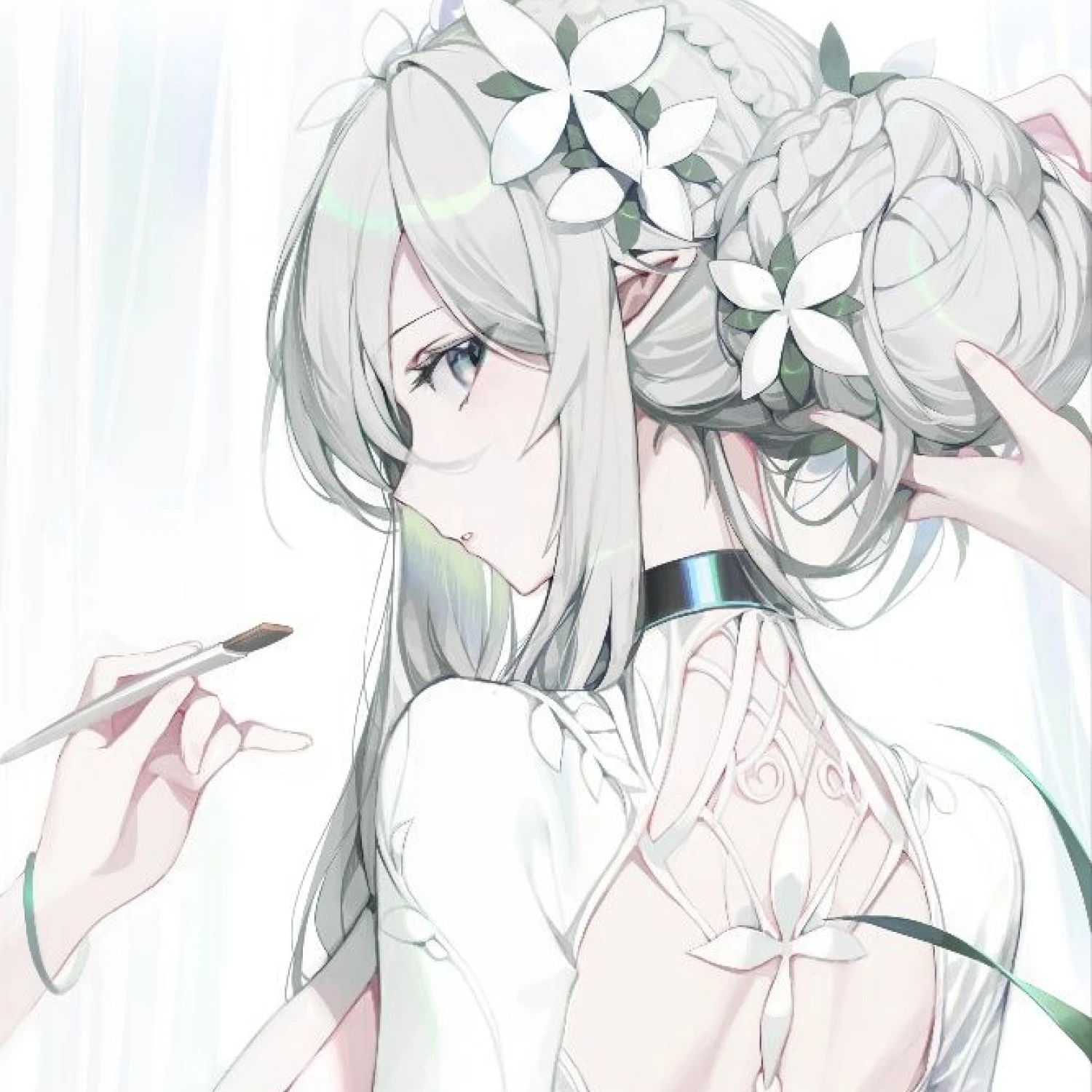
If you color an illustration exactly based on real-world colors, it is bound to look old-fashioned or not up to current trends. Find out how to create beautiful colors for your illustration by stylizing colors in 2 to 3 stages based on images and using the mouse, brushes, and strokes. This coloring class by Chyan is the only class that guides you to awaken your coloring sensibilities and take a bold approach to create eye-catching illustrations.
Class Perks
Get These Coloso Exclusives
-
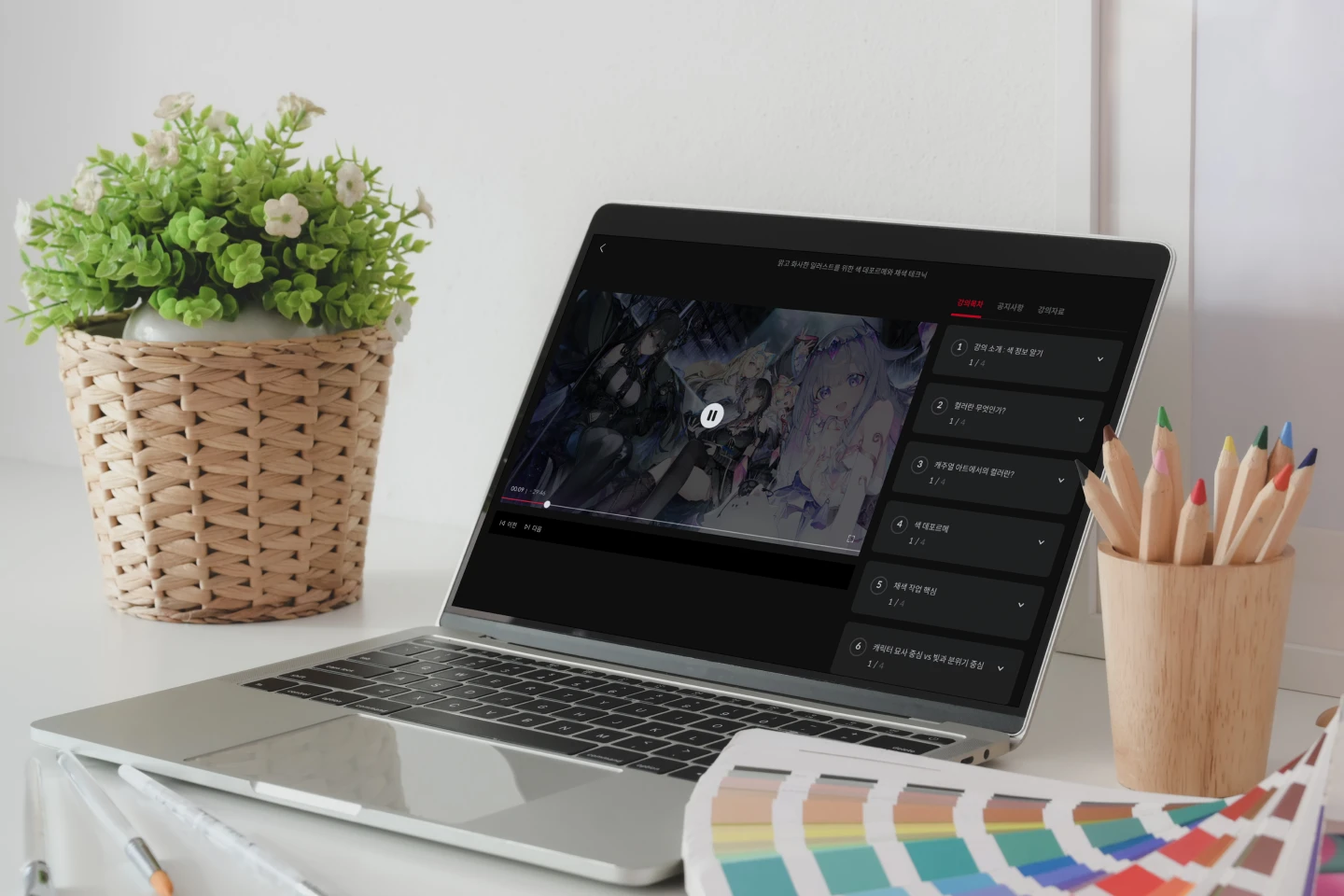 Learn a Wide Range of Coloring Skills for Anime-Style Illustrationswith Unlimited Access to 20 Chapters
 -
 Color Wheels, Spatial Colors, and Coloring Layer Samples8 Materials and Samples for Coloring Exercises
 -
 Learn and Practice Skills Stage by Stagewith 9 PSD Files for Each Stage of Exercises
Recommendation
Who Should Take This Class?
Beginners Who Want to Learn
Smooth Coloring
without Leaving Brush Strokes
Beginners Who Have Good Drawing Skills but Struggle with the Difficulties of Coloring
Intermediate-Level Learners Who Feel Their Coloring Looks Thick and Drab When Layered and Need Chyan’s Coloring Expertise
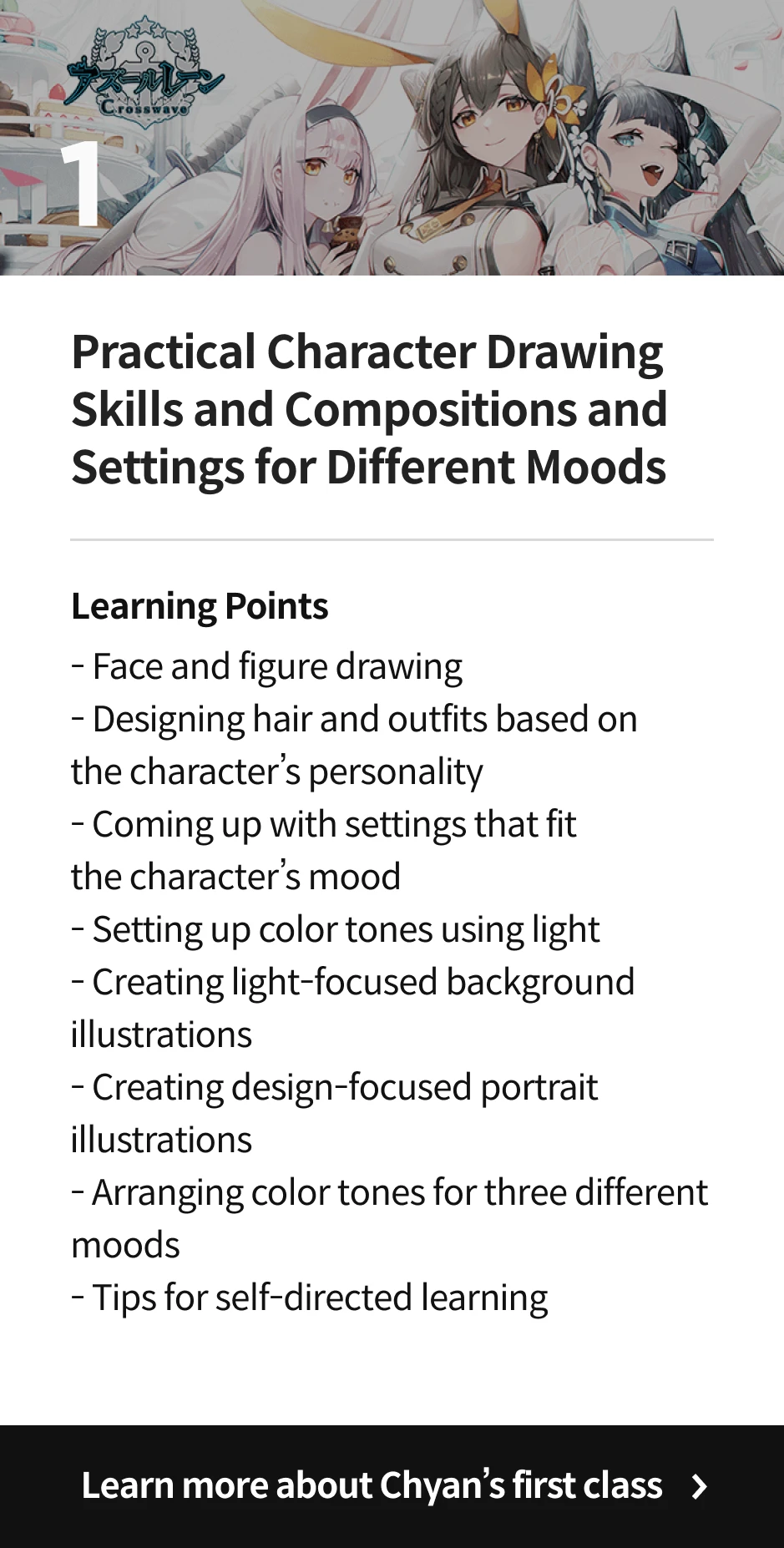
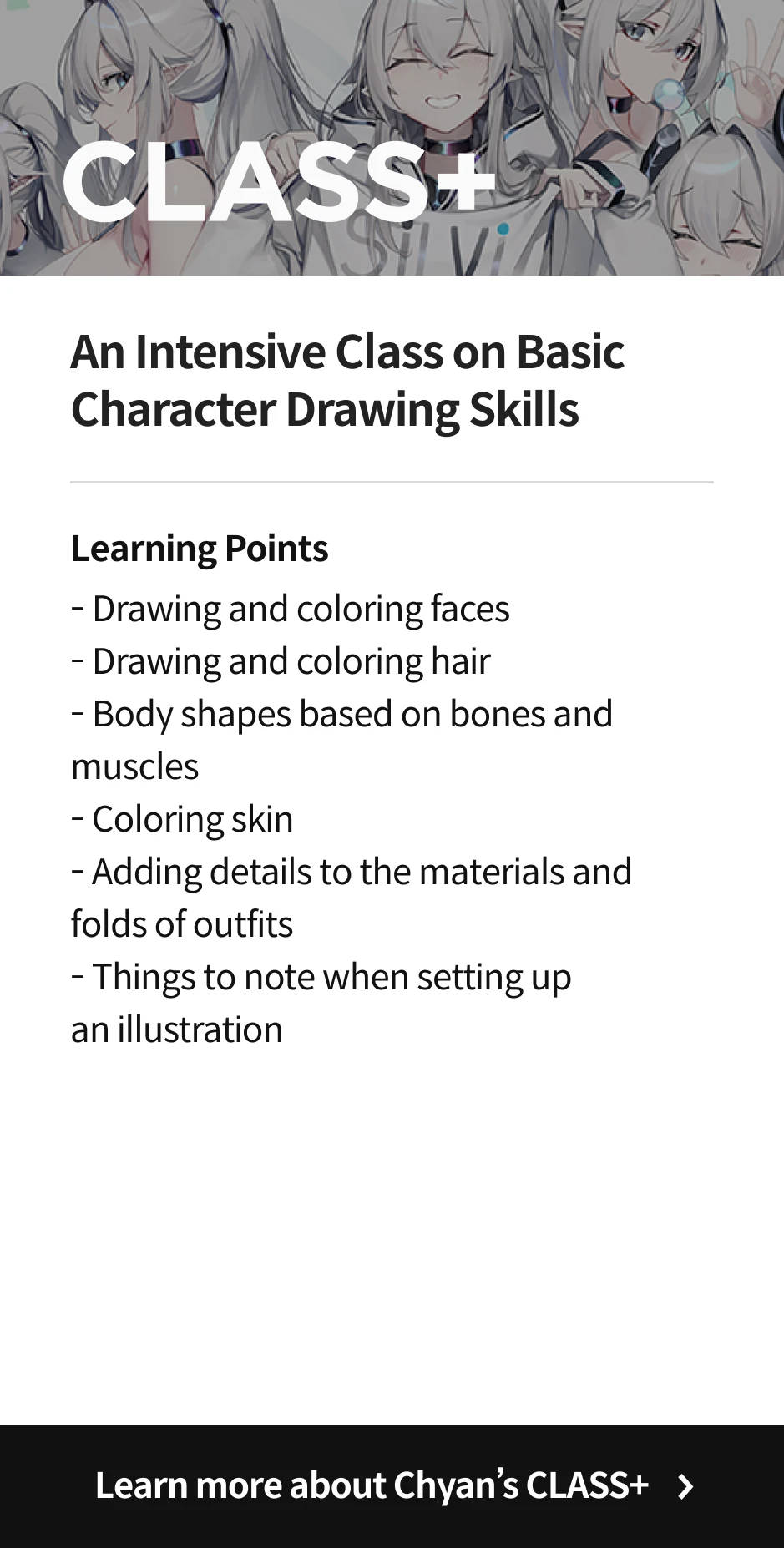
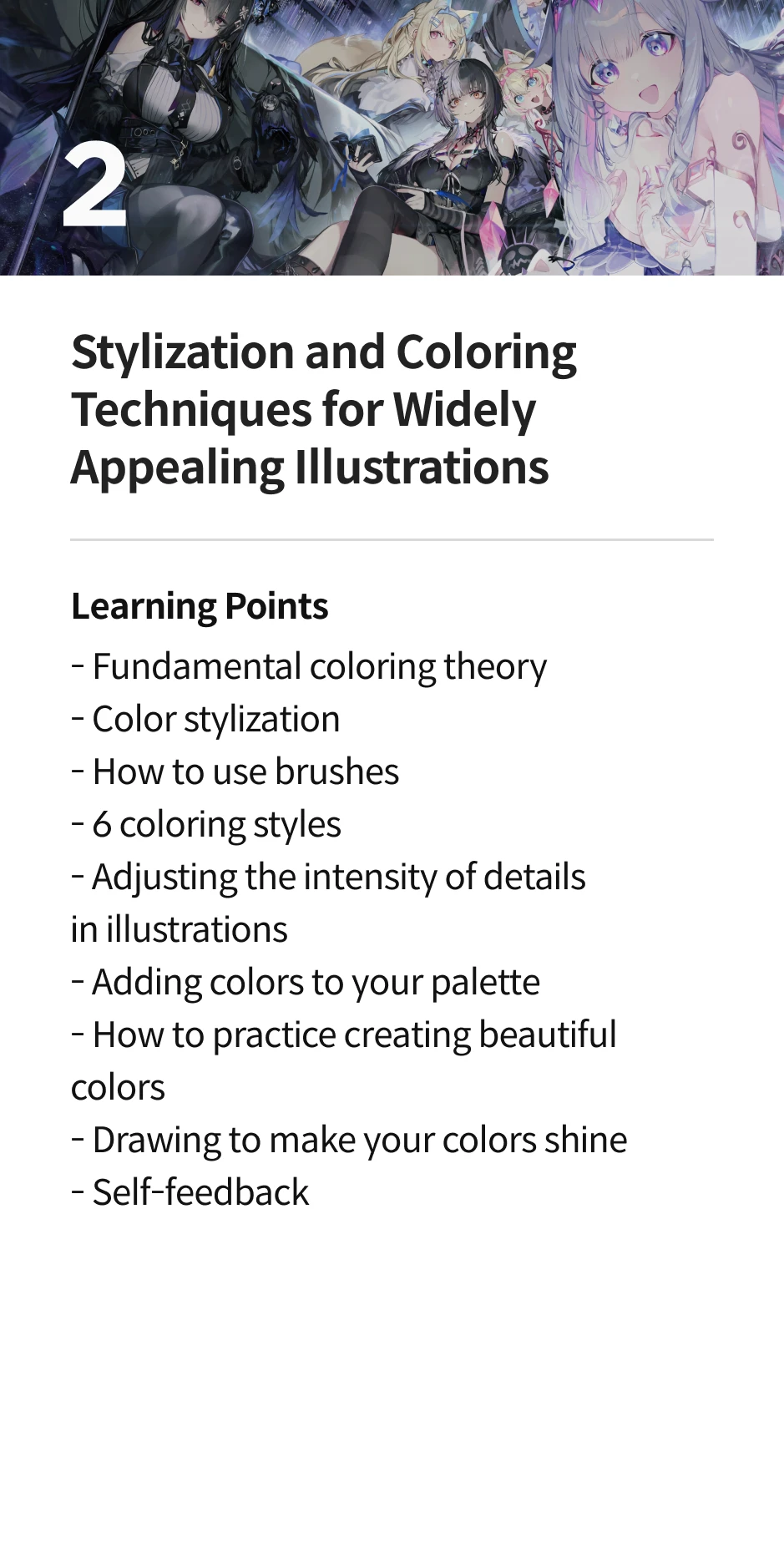
Comparison with Chyan’s
First Class, Second Class, and CLASS+
Expert Illustrator Chyan's Portfolio

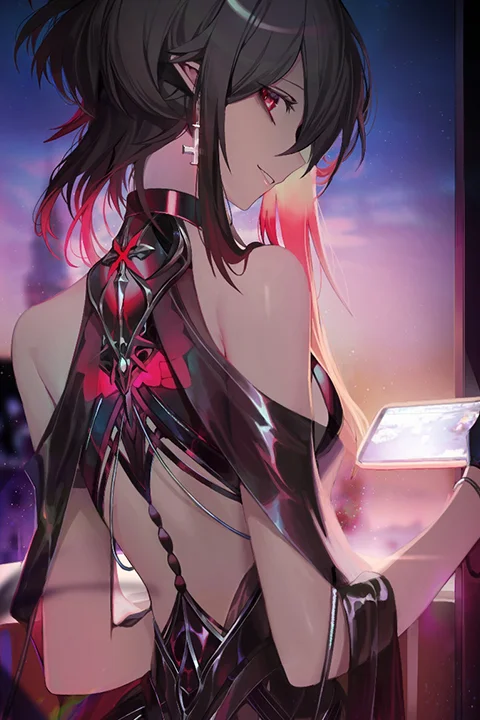
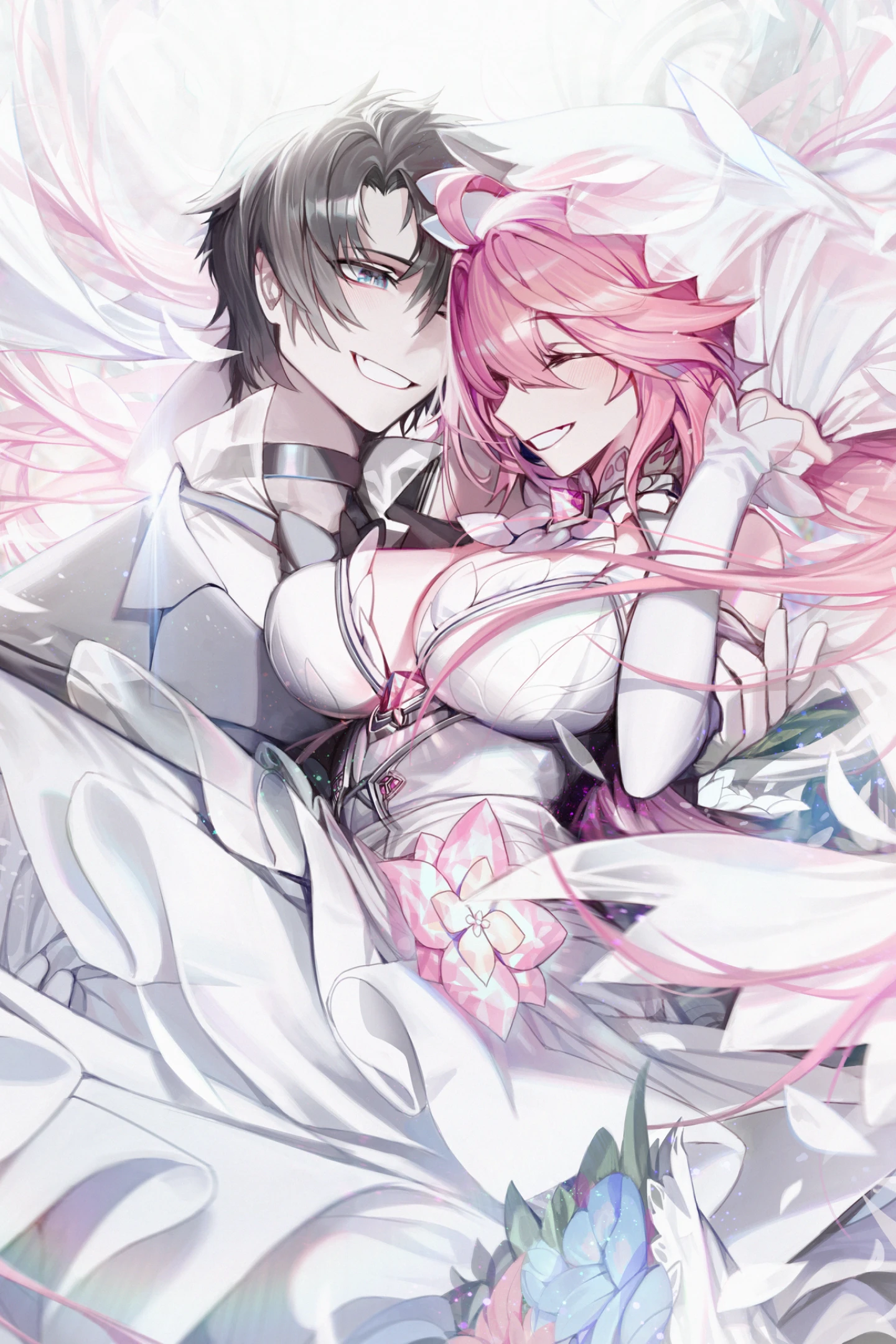
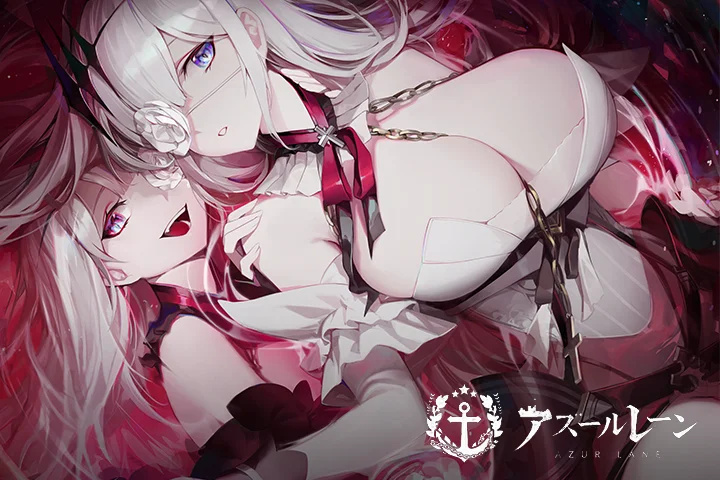
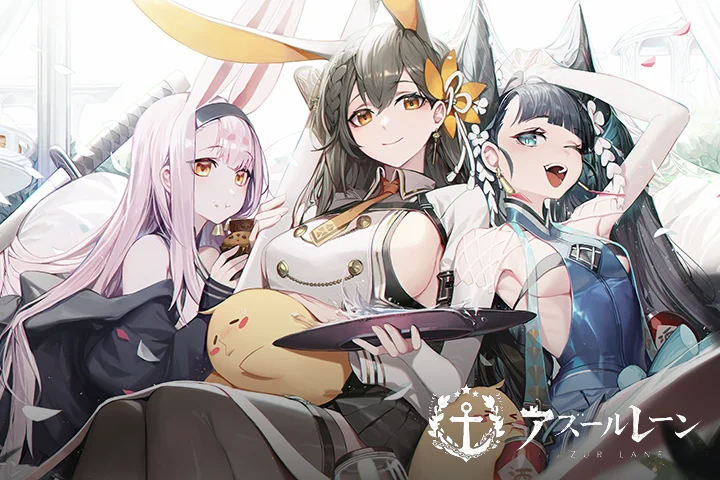
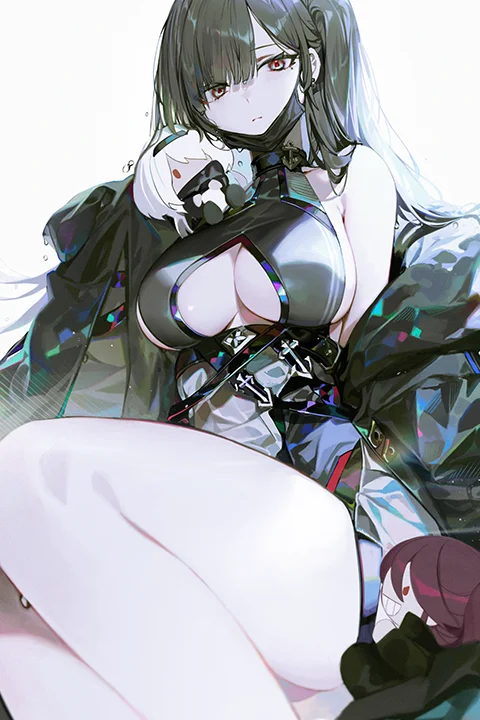
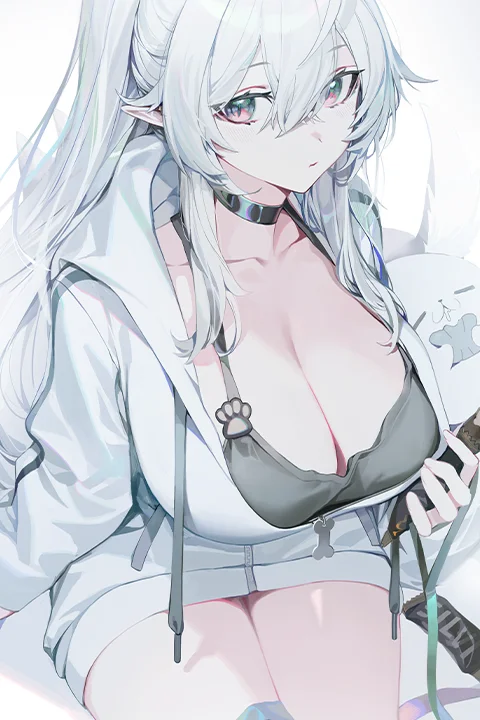
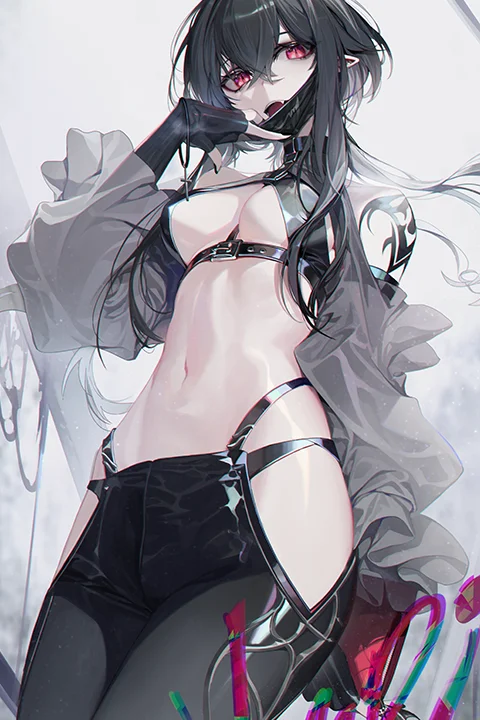
The Key to Overcoming Your Coloring Weaknesses
This class solely focuses on coloring rather than dipping into numerous topics. Chyan finally shares his secrets to creating pure, innocent eyes and clear, translucent skin, as well as how to work on the skills you want to improve, so you can learn to enjoy the difficult coloring process and produce satisfying results.
With exercises divided into stages, you will learn to analyze and compare 6 coloring styles that focus on the elements of color, work on brushstrokes, broaden your coloring range, and achieve a sense of balance. All the while, you'll be figuring out your favorite coloring style and the techniques that suit it. Discover the next-level coloring expertise that Chyan has gained over multiple years of trying various styles, exclusively revealed in this intensive coloring class.

Get Ready for the Real-World
9 Class Exercises
Part 1. Developing Color Observation Skills
-
 Overview of Key Theories for Bright,
Beautiful Coloring -
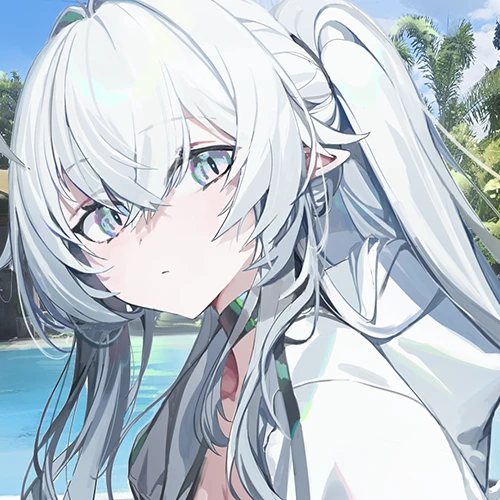 Stylizing Real-World Colors to Fit the Anime Style
 -
 Skills Required for Great Coloring and How to Work on Them
Part 2. How to Use Colors in Anime-Style Illustrations
-
 How to Practice Stylizing Colors of the Face, Eye, Hair, and Other Parts
 -
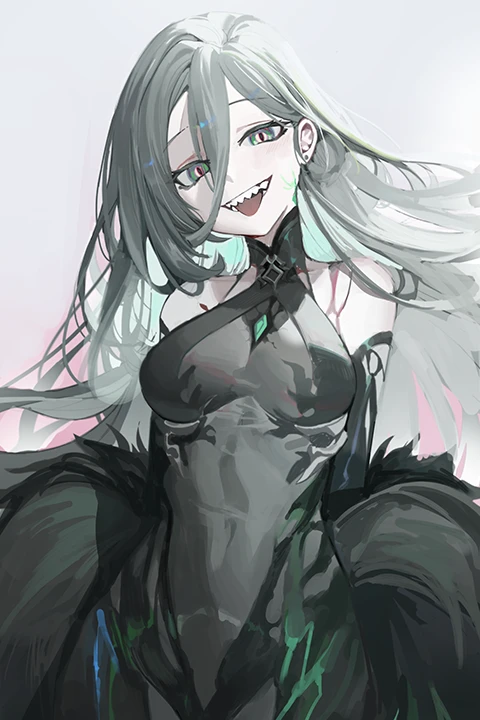 Adding Details for Smoother Skin
 -
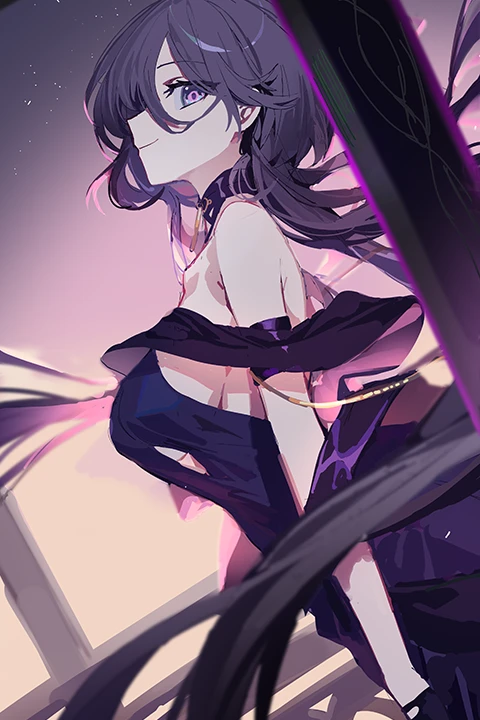 Adjusting the Intensity of Colors for More Appealing Illustrations
Part 3. Application in Real Illustrations
-
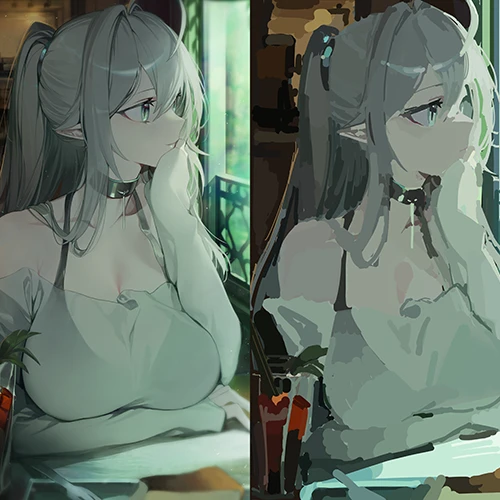 Combining Colors to Set up a Mood
 -
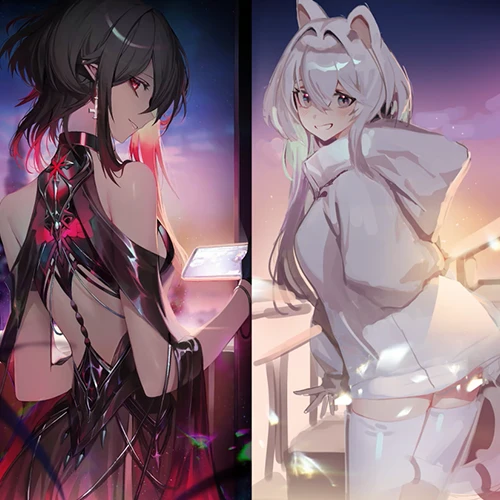 Creating a Realistic Look with Lighting
 -
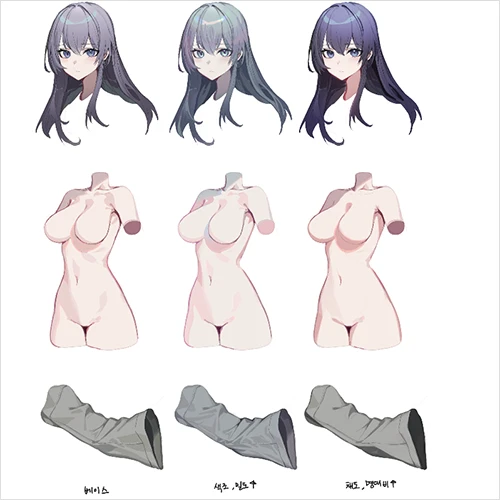 Examples of Self-Evaluation That Improves Your Weaknesses
*The images above are samples to help understand the content of this class.
The two final artworks are to be updated before the release of the videos.
Instructor
Illustrator
Chyan
Hello everyone, I'm Illustrator Chyan, and I'm thrilled to welcome you to my second Coloso class. Currently, I'm immersed in the vibrant world of 2D concept art as part of the talented team at Manjuu. Unlike our previous journey together, which delved into compositions and settings, this class is all about unlocking the magic of coloring.
Throughout our time together, we'll delve deep into the realms of coloring theory, helping you unearth your unique artistic voice while minimizing weaknesses and amplifying strengths. My aim is to empower you to become a trailblazer in your illustrations, guiding them with confidence and creativity. Every ounce of my coloring expertise is woven into this class, and I'm excited for the transformative journey ahead. Let's embark on this colorful adventure together!


Illustrator Chyan
[Current]
2D concept artist at Manjuu
[Former]
Instructor at Propic Academy
Recognizable Projects & Awards
[Projects]
Eternal Return
Azur Lane
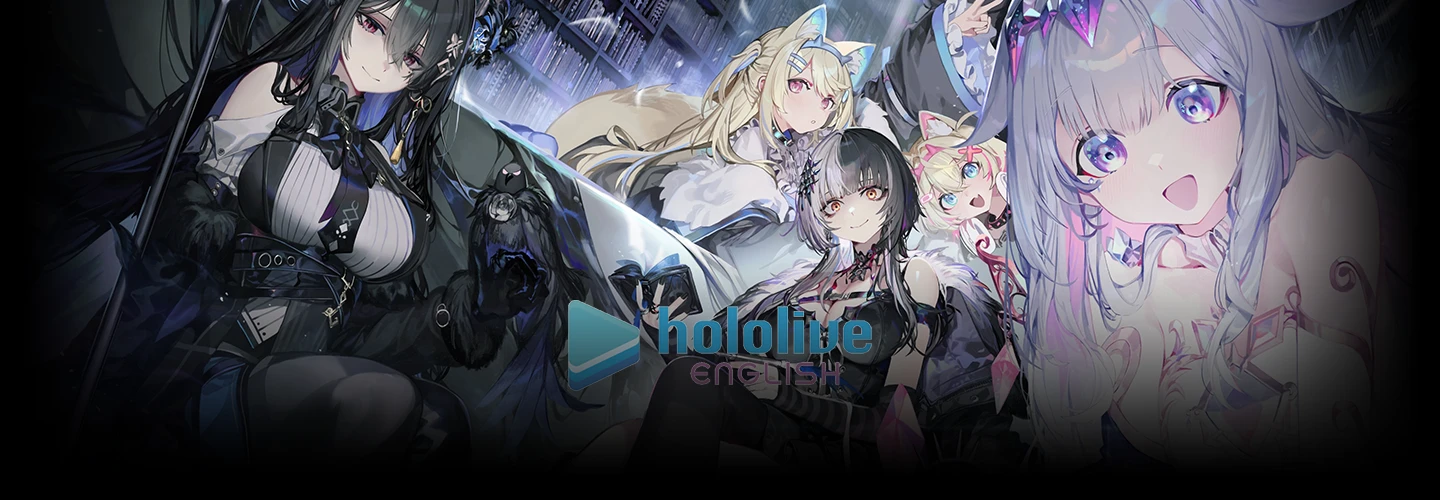
Promotional illustrations for hololive English
Neural Cloud
And commissioned illustrations for many other games and novels
Highlights
Class Highlight
Master Stylization to Broaden Your Coloring Range
What makes an anime art style appealing is the artist’s subjective interpretation and recreation of real-world objects. Learn a systematic roadmap for color stylization, from using image references to setting up palettes. Based on the understanding of color, you can showcase the purpose of the illustration in a clear manner and make it look more lifelike.
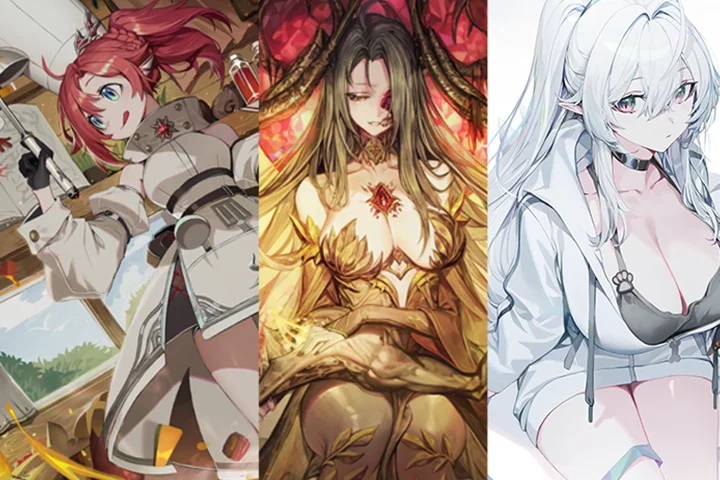
All about Brush Techniques, the Key to Smoother Coloring
This class offers solutions for those who struggle with pen pressure settings or feel their coloring doesn’t look smooth. It guides you from the basic use of brushes to adjusting brushstrokes for more refined coloring. Find out how to create smooth coloring like in animated films by using only a mouse, even without complicated techniques.
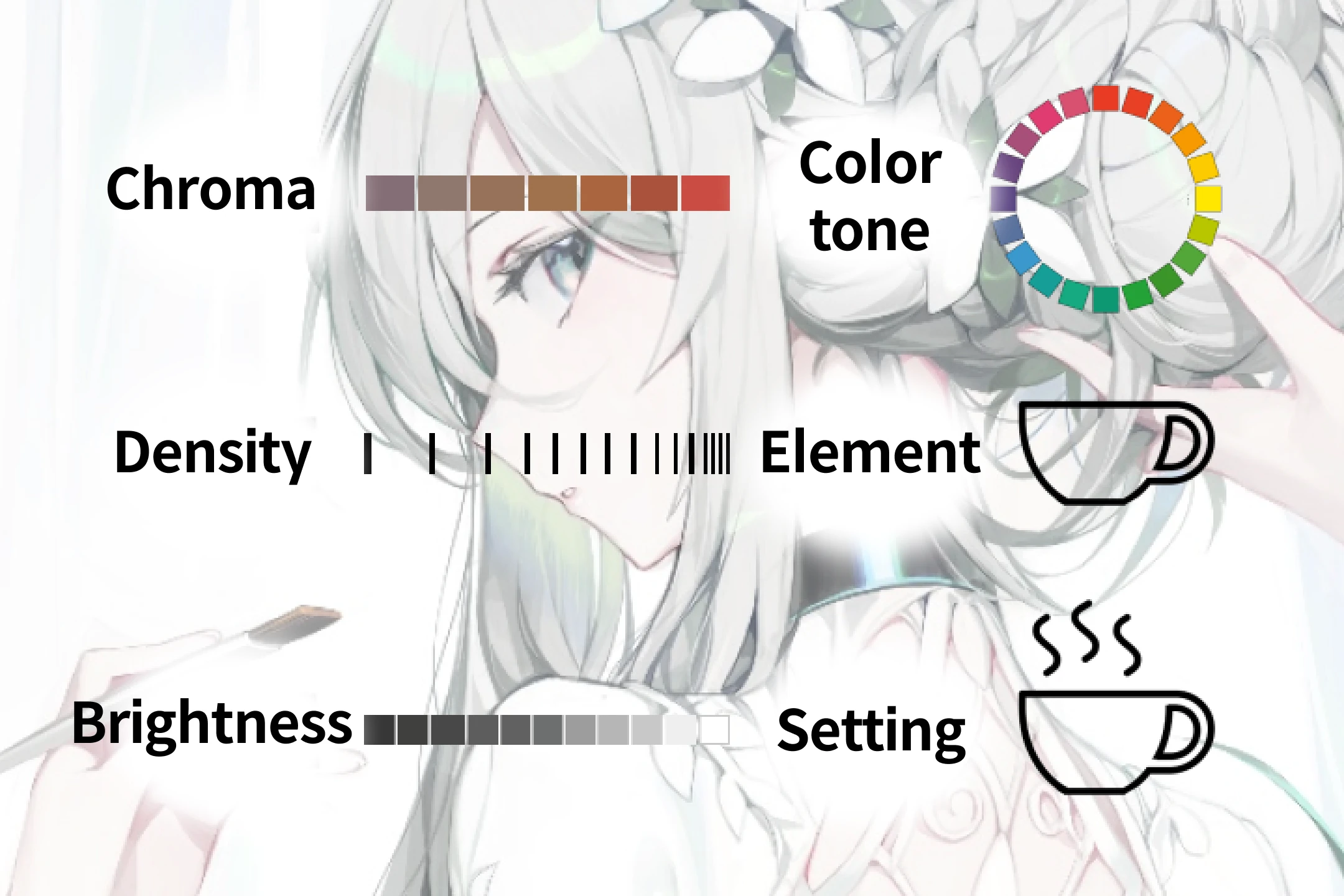
Discover the Work Process of a Globally Successful Illustrator
Explore various coloring styles that Chyan has categorized throughout his long career as a professional illustrator and instructor, learning about their characteristics and differences and building your artistic identity. Through various sample PSD files, you’ll be able to improve your practical skills and level up your overall coloring ability, learning how to utilize adjacent colors, color skin without leaving brushstrokes, and adjust the intensity of each part of the drawing.
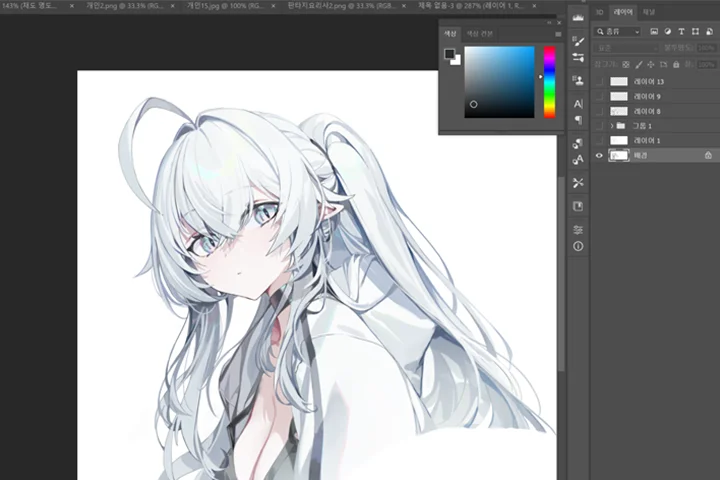
Class Details
You'll Learn
-
 Begin the Journey to Improve Your Coloring SensibilitiesThis class helps you realize that coloring is not simply “guesswork,” but a measurable technique. From the basic knowledge necessary for working with colors to broadening your color range, explore theories and exercises in a step-by-step, repetitive process to master coloring techniques.
 -
 Discover Your Own Art through Various Coloring StylesLearn the coloring process by dividing it into different aspects, such as adding details to characters, lighting, moods, drawing, coloring, 2D, and 3D. Once you’ve explored their pros and cons, you will build an accurate understanding of your current level and ultimate goal.
 -
 Advanced Techniques for Adjusting the Intensity of Specific PartsFamiliarize yourself with concepts that are especially important in coloring, such as working with lighting and illusions. Chyan will also share key techniques for breathing life into a character in depth, including adding a uniquely transparent tone to the skin by adjusting its intensity in detail.
-
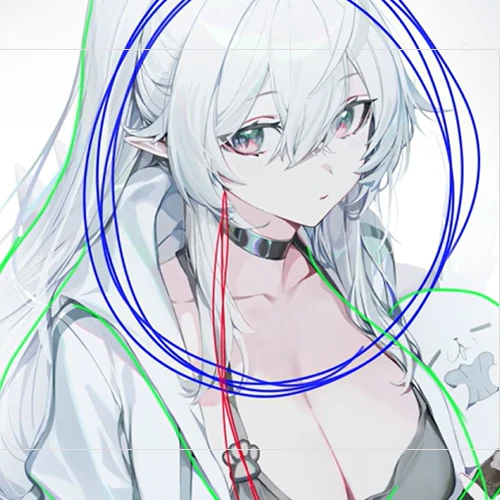 Systematic Practice Methods for Creating Beautiful ColorsDiscover ways to practice using various elements of coloring step by step to achieve the perfect quality. You will first identify your strengths and weaknesses, then learn about different cases to develop plans for obtaining coloring techniques that suit your style.
 -
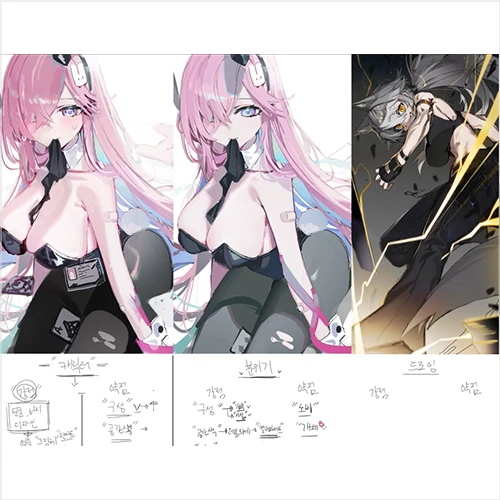 Drawing Techniques for More Quality ColoringThe way you use colors is not the only factor that affects the coloring process. Learn how to take a systematic approach to illustration by taking into account the coloring process, starting from the drawing stage, so you can create even more appealing art.
 -
 Self-Objectification and Growth through Self-EvaluationEvaluate your finished illustration to develop skills for observing illustrations. You will objectively analyze your own artwork and identify what you should continuously work on.
- Unlimited Access
- Best Price
Buy now, get unlimited access.
10/05 (Mon) (UTC-7) Special offer ends soon.
This special offer ends soon.
Buy now and save!
Curriculum
Curriculum
In-Depth Look
SECTION 01. [Observation] Developing a discerning eye for drawings
01. Introduction, and what is 'information'?
- Greetings
- Coloring is not just a sense
- What is 'information' in coloring?
- Utilizing information through eye examples
2. Definition of color, and its pitfalls
- Color wheel, complementary colors, analogous colors, brightness, hue explanation
- Difference between color and light: How the eye perceives objects
- Optical illusions caused by color
- Advance/retreat colors, expand/contract colors
- Impaired perception due to surrounding colors
- How to avoid pitfalls
3. Applying 'imagery' of color in drawings
- Difference between actual colors and personal memory, 'imagery'
4. Practical process of creating reality through drawings
- Intensity of art, food seasoning, musical tempo, and the 'strength' of drawings
- Why intensity is important
- Importance of total information quantity
- Viewing from afar, yet still up close
- Analyzing the intensity of drawings
5. Understanding another aspect of drawings: 'Tone'
- What is 'tone'?
- Why tone is important
- What constitutes good tone arrangement?
- Extra: Relationship between coloring and design
SECTION 1.5. Coloring techniques for future practice
6. Creating color drafts even with a mouse
- Explanation of overall coloring process
- Reasons for recommendation
- Timing utilizing the sense of touch
SECTION 2. [Understanding] Coloring techniques in stylized drawings
7. What is color in stylized drawings?
- How to 'skillfully' color
- What kind of illustrator do I want to be?
- Various classifications of stylized drawings
8. Focus on character depiction
- Illustrations with 'characters' as the theme
- Method A for bringing realism
- Utilizing 'sexy'
- Application of corresponding coloring techniques
9. Focus on light and atmosphere
- Illustrations that compete with 'mood'
- Method B for bringing realism
- Balancing between character and atmosphere
- Application of corresponding coloring techniques
10. Focus on drawing
- How to make my 'drawing' a strength
- The toughest challenge! 'Capturing depiction'
- Revealing personality in restrained coloring
- Application of corresponding coloring techniques
11. Focus on coloring
- How to make my 'coloring' a strength
- Still, drawing is essential
- Color coordination, lighting, everything that can be depicted
- Application of corresponding coloring techniques
12. Focus on flatness
- Pros and cons of 'flat' drawings
- Difference between visibility and readability
- Depth is not always necessary
- Application of corresponding coloring techniques
13. Focus on depth
- Pros and cons of 'deep' drawings
- How we perceive perspective
- Making drawings three-dimensional
- Application of corresponding coloring techniques
SECTION 03. [Practice] Studying to fill weaknesses
14. What kind of study is necessary for coloring?
- Reviewing the components of coloring once again
- What it means to study something
- Classification of study methods based on weaknesses
- Filling weaknesses vs. enhancing strengths
15. Eye training
- Eye training through color imitation
- Using a spoid
- Tips for actual study sessions
16. Color composition practice
- Analyzing and deconstructing 'drawings'
- Why 'analysis' is never difficult
- Becoming a solid illustrator
17. Realistic depiction practice
- Training for depicting faces, skin, and clothing
- Simply working hard on depiction isn't always beneficial
- The dilemma of many illustrators: What is 'personality'?
SECTION 04. [Real Work] Coloring process of Illustrator Chan's illustrations
18. Illustrations with multiple characters
- How to become an instructor like Chan
- Illustrations you'll encounter in real work
- Approaching the solution
- From color coordination to coloring drafts
19. Real work coloring process
- Why we want to learn 'coloring techniques'
- Criterion for completion
- From depiction to completion
20. Summary and conclusion
- Condensed summary of the lecture content
- How to study with enjoyment
- Defining success on my own terms
*The release date of this class, curriculum images, and associated content can be changed without prior notice.
** Class videos may be seperated for a more streamlined viewing experience
Interview with
Illustrator Chyan

Question.01
What do you consider your strengths when you work?
Many learners struggle with coloring because they believe it has to do with the senses. This class will show them a more systematic, theoretical approach to coloring. My work process is mainly based on my obsession with standardizing and theorizing the abstract realm of art. With over five years of experience as an instructor, I’ve turned various challenges faced by many illustrators into a form of data, which allows me to offer more optimal solutions than before. Using the data I’ve acquired, I’m going to help learners discover and fully develop their own color tone and style.
Question.02
How are those strengths integrated into this class curriculum?
This class focuses on dividing illustrations into two aspects and understanding their characteristics, strengths, and weaknesses so learners can apply them to the concepts in their own art. I’ve categorized illustrations based on the experiences I’ve gained working as an artist and propose in-depth solutions for each category in ways that are relevant to most illustrators.
Question.03
What is the purpose behind this class, and what do you think sets it apart from others?
This class centers on helping you figure out your taste, goals, strengths, and weaknesses in detail so you can make full use of them, even without prior knowledge of coloring or drawing skills. My goal was to fill the class with content everyone needs and can follow using the approach of “illustrations that can be drawn only with a mouse.” I also discuss my brushstrokes and color tones in detail, since many people have shown interest in my art style.
Question.04
Please leave a message for future
students and aspiring creators.
students and aspiring creators.
This class takes a different approach to standardized theory classes. It focuses on real-world challenges learners face during the illustration process, sharing knowledge and techniques directly applicable in practice. Consequently, they’ll be able to find answers to questions like “Why doesn’t my artwork look good enough?” and “Why does this artist’s work look nice?” This class will provide solutions for any coloring difficulties learners may face on their journey to become illustrators. I hope it offers a lot of guidance to everyone.
Required Programs
This course will use Adobe Photoshop CC.
Please purchase and install the latest versions of the programs for an optimized course experience.
*These programs and/or materials will not be provided with the course.
Recommended
Recommended Class
Like this class?
Then check these out!