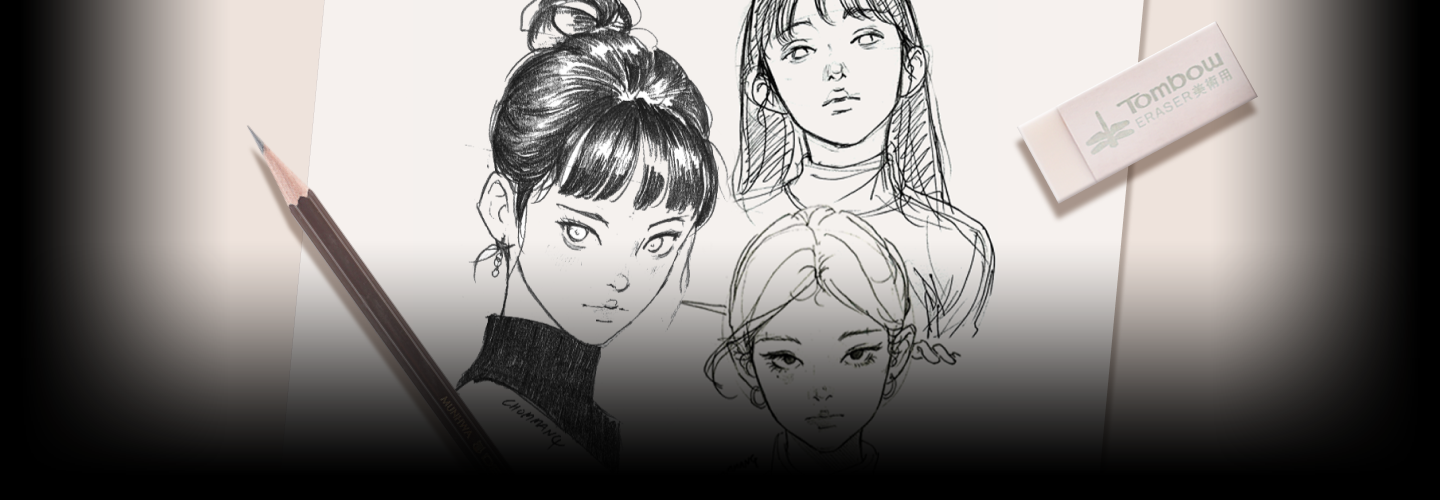
illustrator_chommang_조맹ML Details

Now in Your Language, Only on Coloso!
Learn from Korea's Top Master Creatives
-
 Works with Pencil & Tablet
 -
 Creator with 2.13M Subscribers
 -
 Strong Structure, Stable Drawings
Class Intro
Illustrator, Chommang
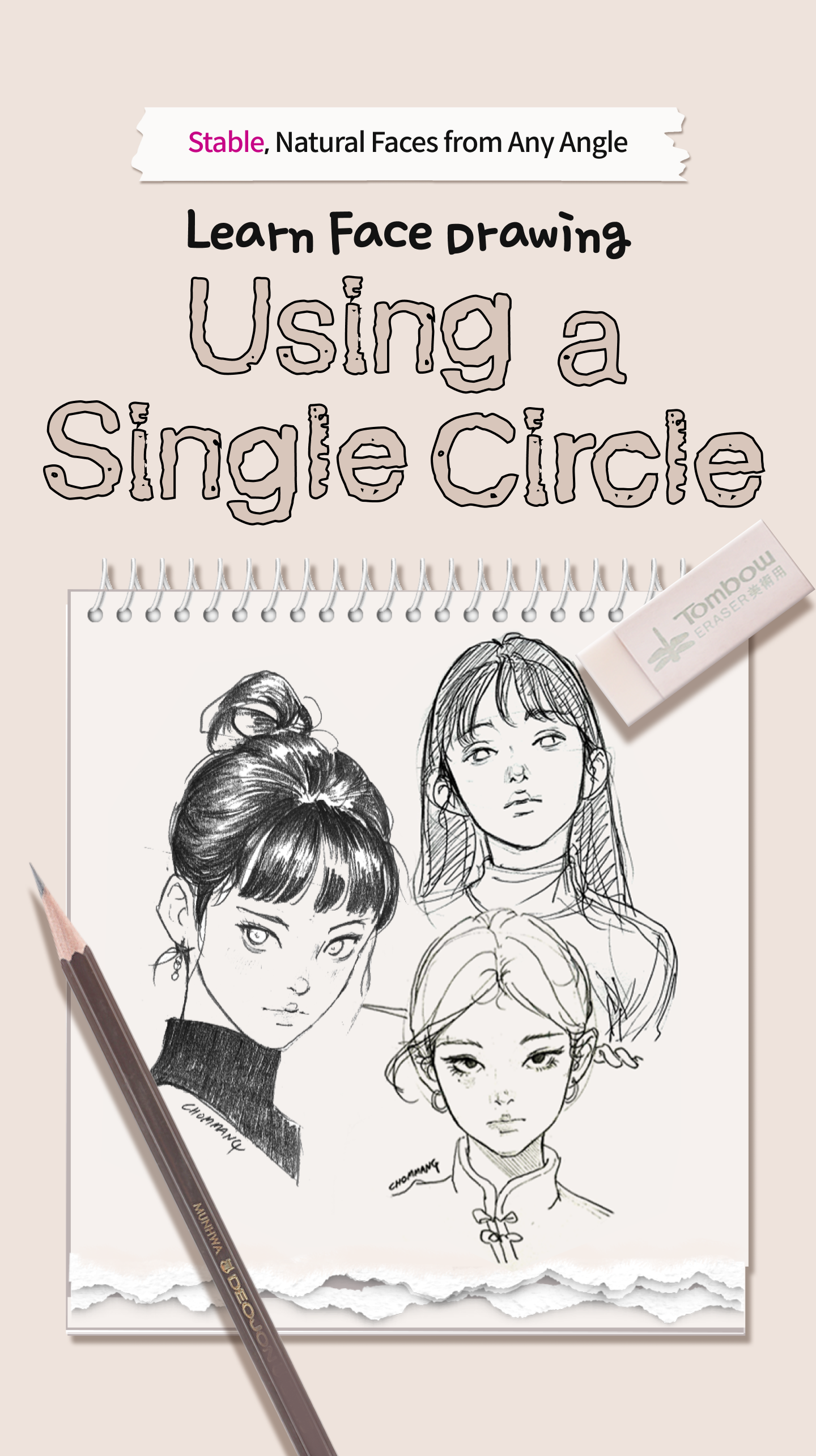
Class Preview
Still Not Sure?
Check Out Chommang's Class Preview!
Class Perks
Special Gift from Chommang
-
 Unlimited Access to 19 Class Videosincluding “Drawing Faces with a Single Circle” by Illustrator Chommang
 -
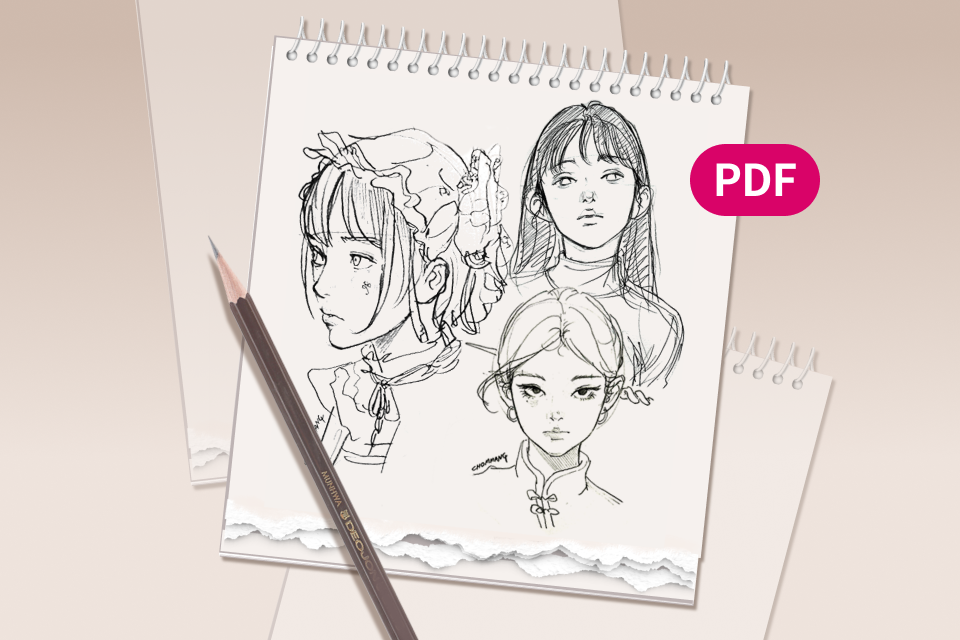 1 Face-Drawing Practice Workbook (PDF)that lets you draw along with the class
 -
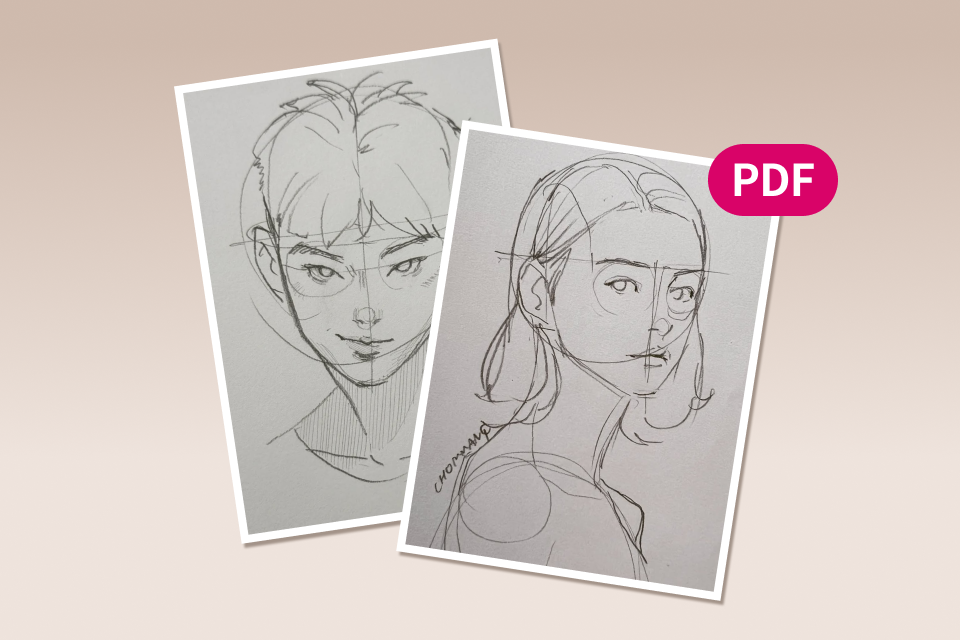 2 Facial Structure Practice (PDF)designed to deepen your understanding of facial structure
New to drawing? Don’t worry.
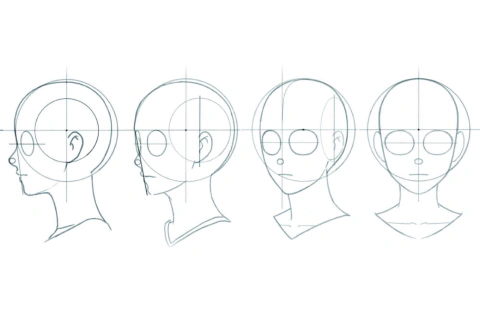
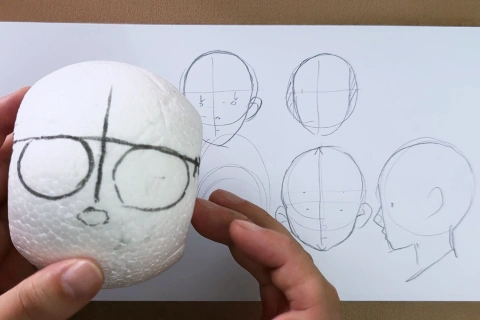
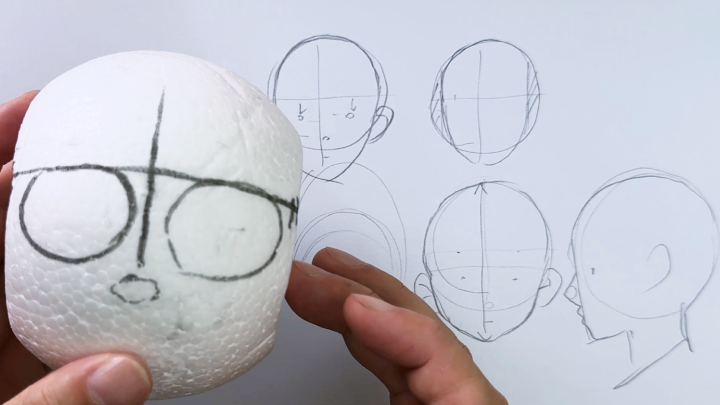
Just draw a circle,
then some vertical and horizontal lines.
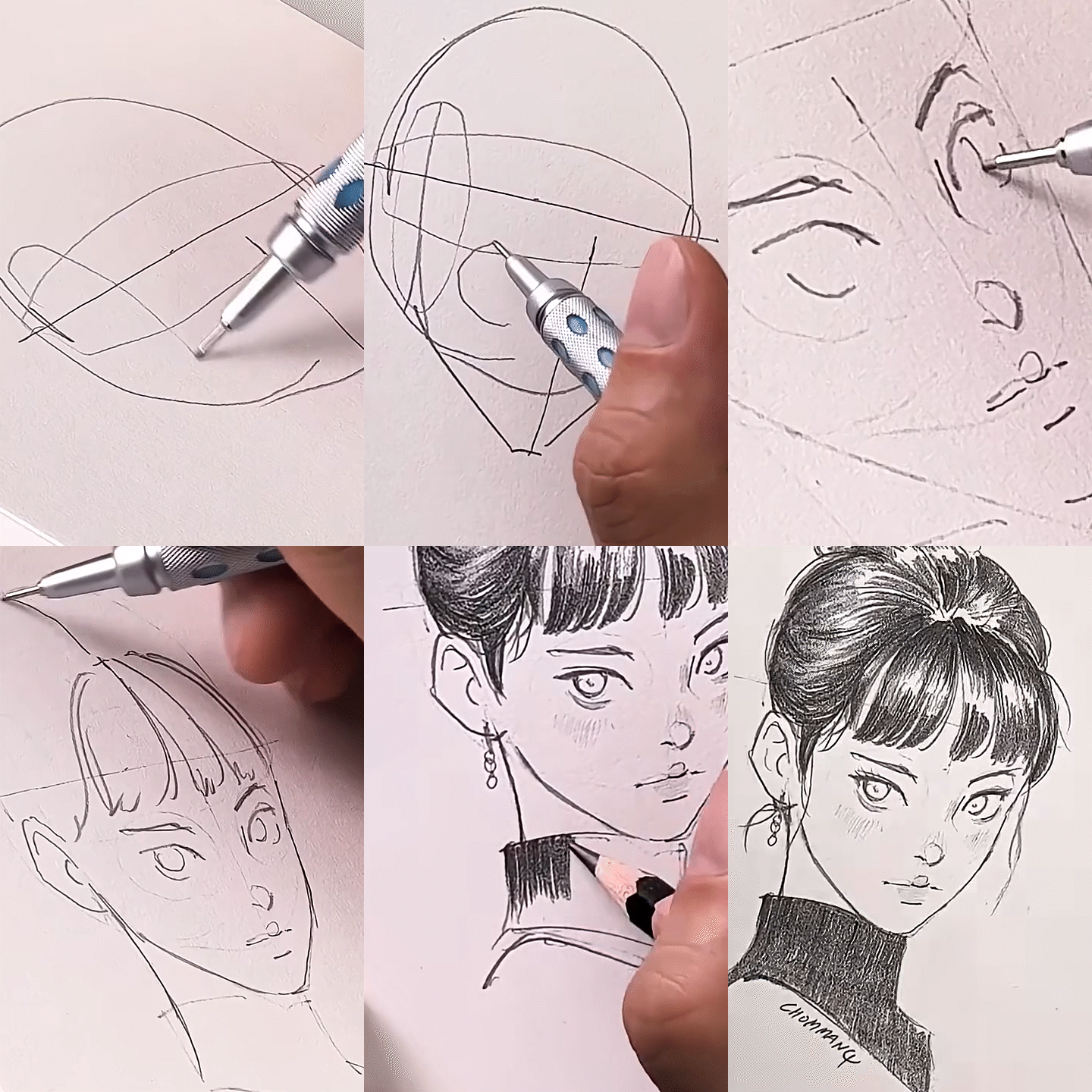
It only takes one minute
to draw a face!
*The above images are sample images for a better understanding.
Beginners welcome!
A Beginner-Friendly Curriculum
That Starts with a Single Circle
-
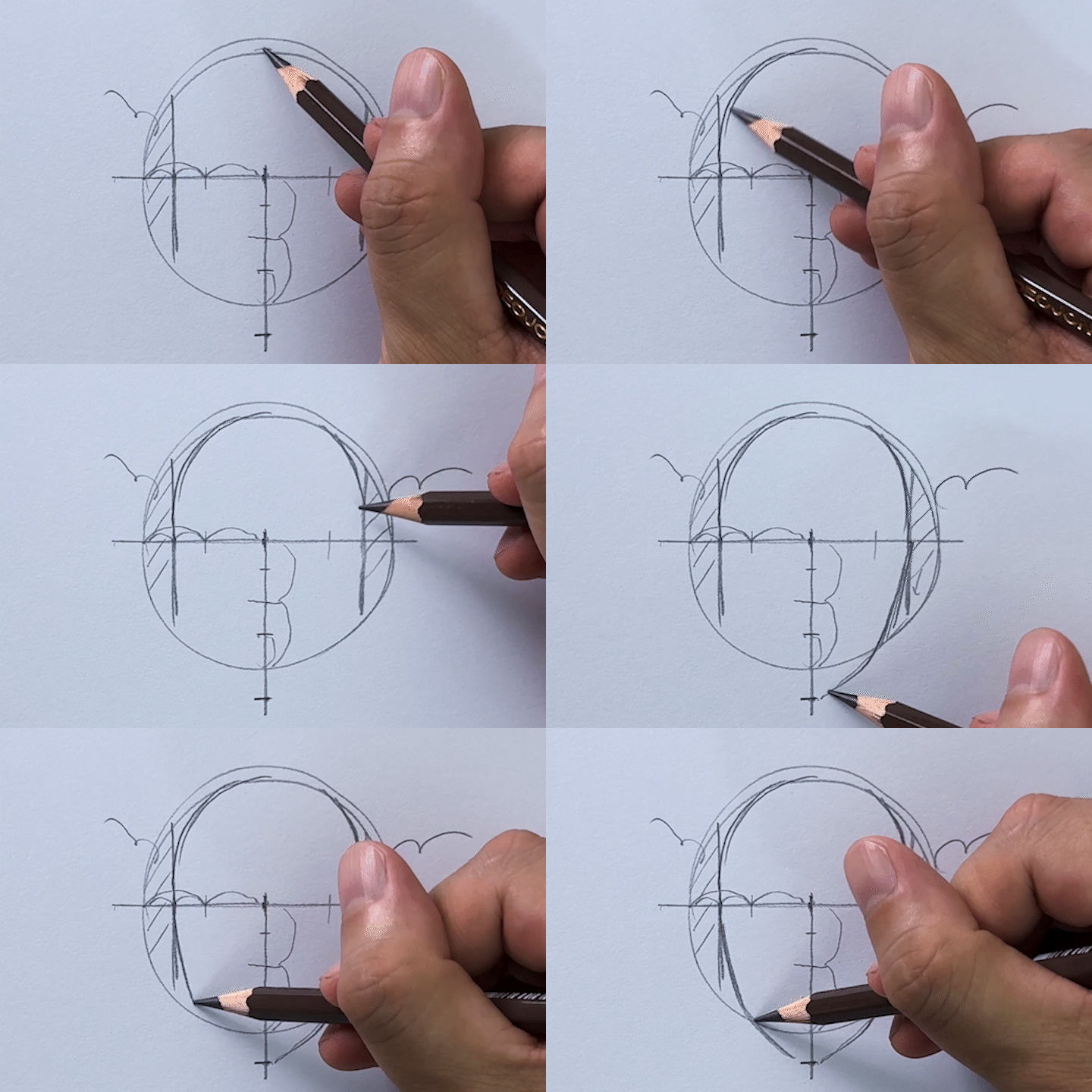 01
01
Face Drawing with Lines and Circles
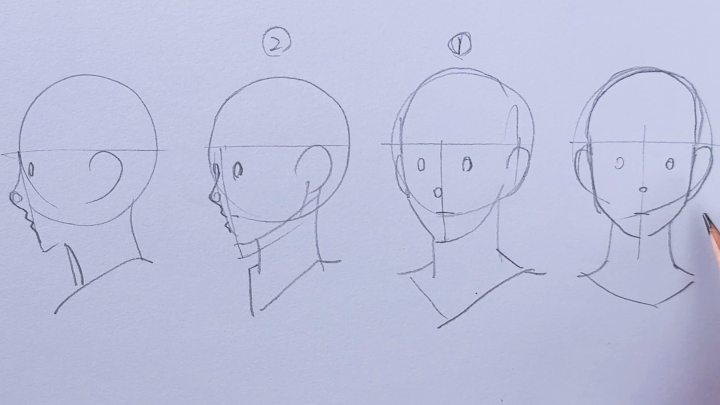
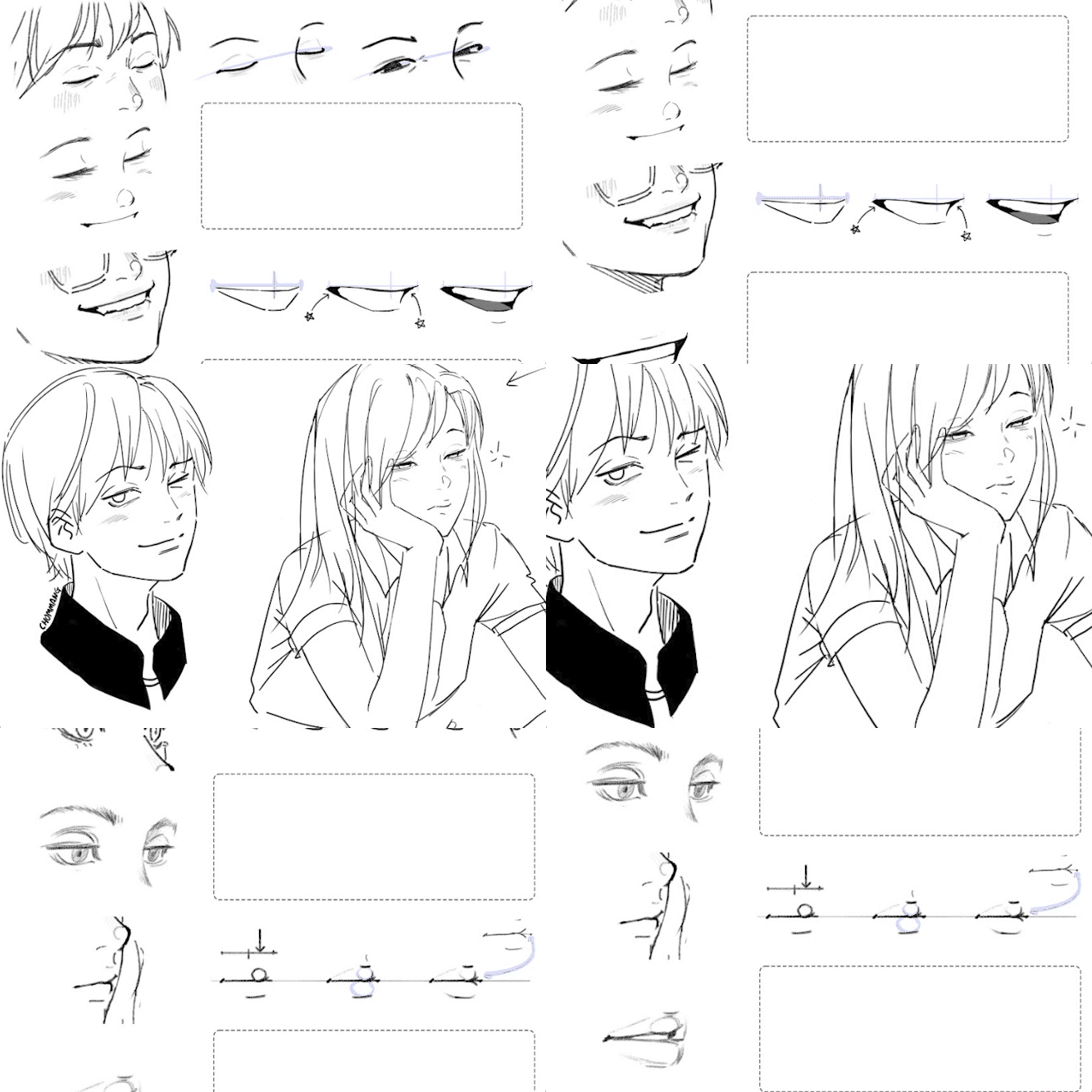
Practice drawing the front and side views of the face,
starting with basic lines and shapes! -
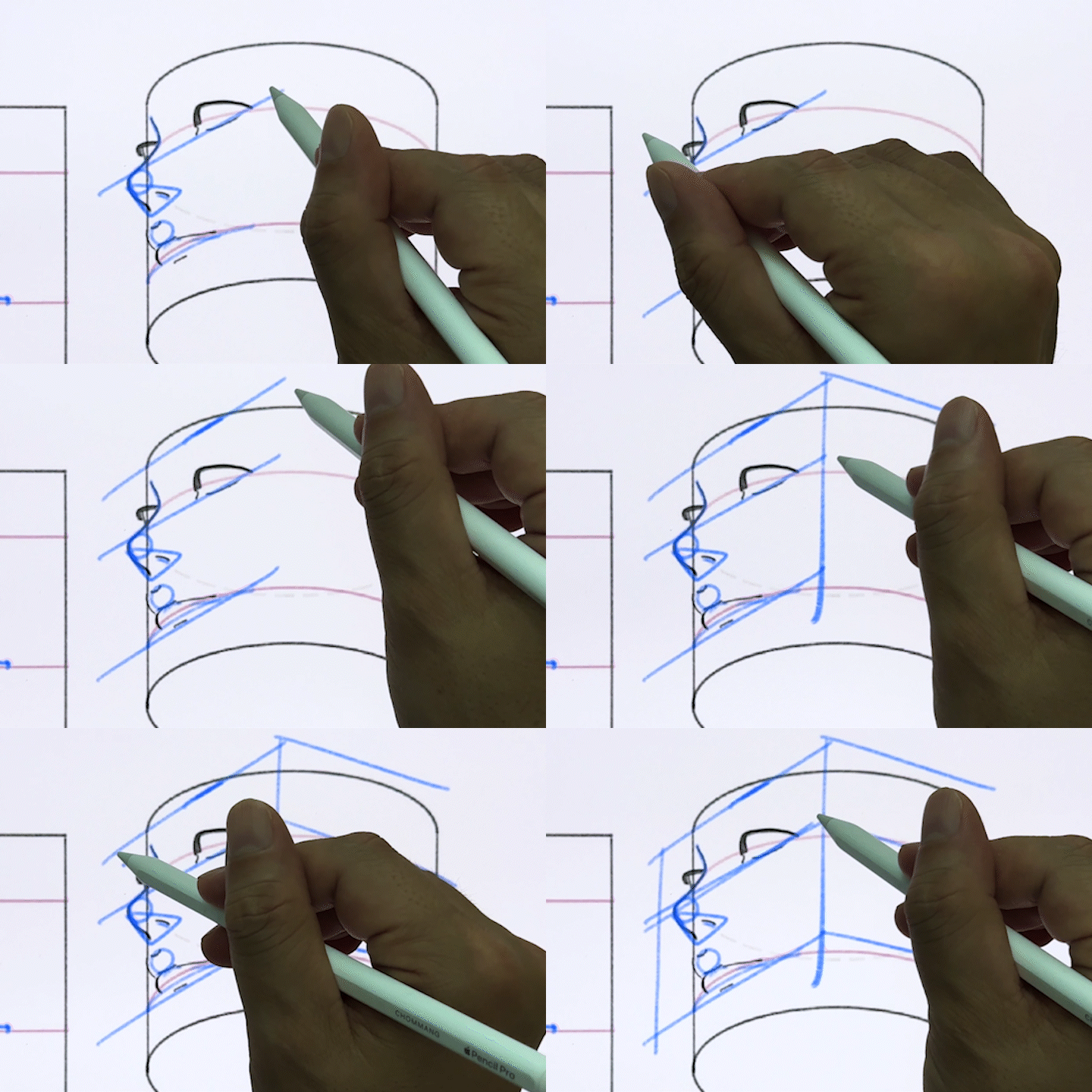 02
02
Drawing Different Views of the Face
Learn drawing the face, eye, nose, and mouth from various angles,
including from above and below! -
 03
03
Practice & Repetition in Various Styles
Practice 28 different drawing styles
based on what you learned!
Meet a step-by-step guide
to face drawing for
absolute beginners!
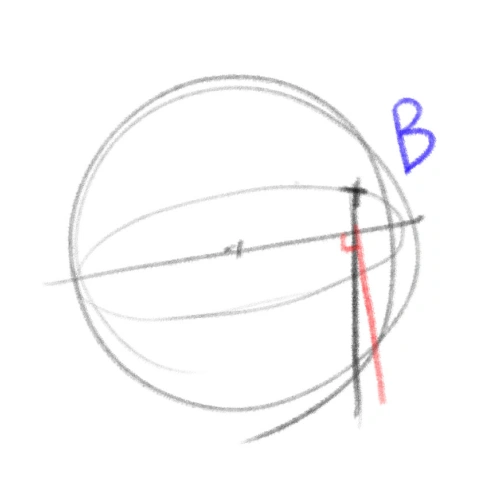
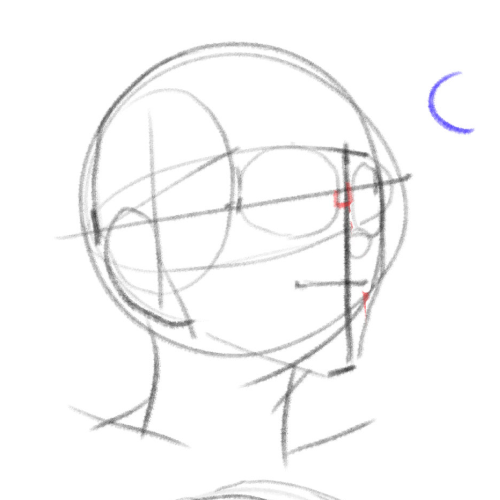
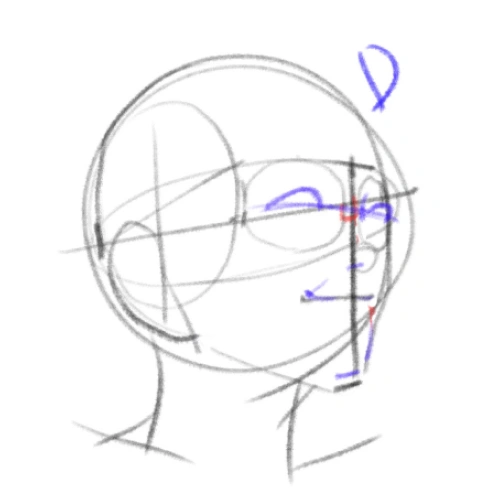
Scared of blank paper?
Drawing can feel overwhelming,
so all you need to do is
follow the process step by step.
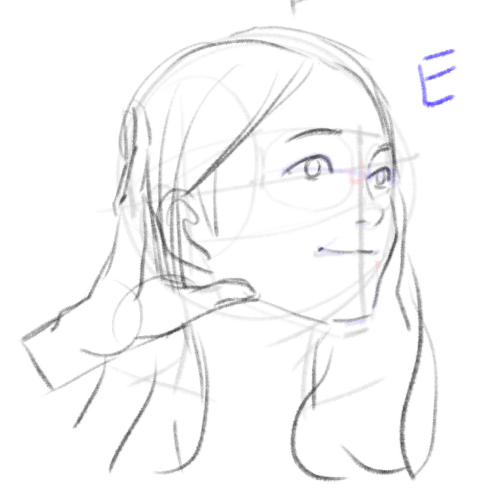

As you follow these steps,
you’ll soon find yourself
drawing the face
of the person or character you want
more skillfully than ever!
Recommendation
Who should take this class?
Learners who want to draw faces more skillfully
Learners who want to draw faces from a variety of angles, not just in fragments
Learners who are interested in fan art or character drawing
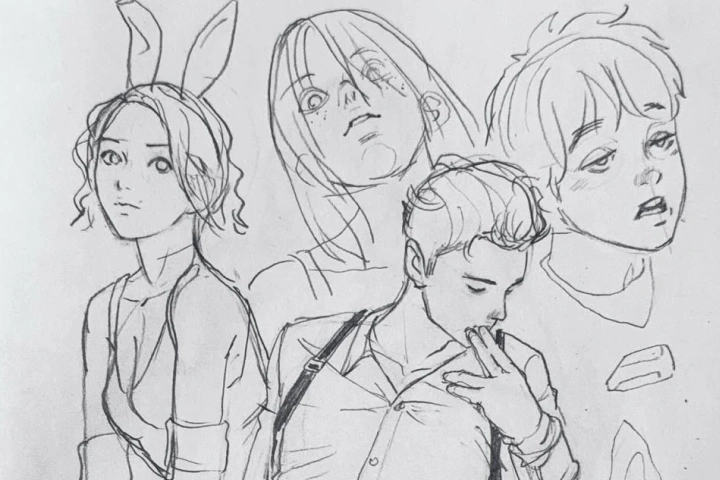
Expert Illustrator Chommang's Portfolio
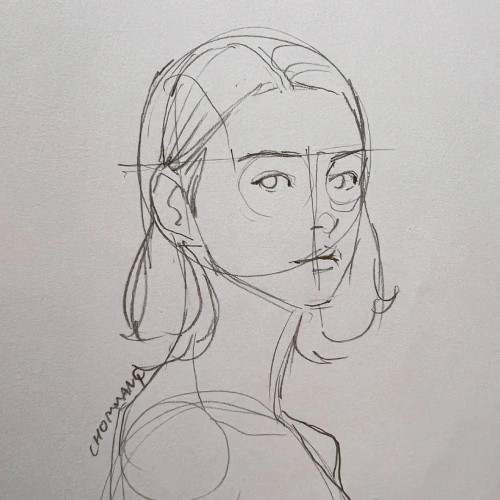
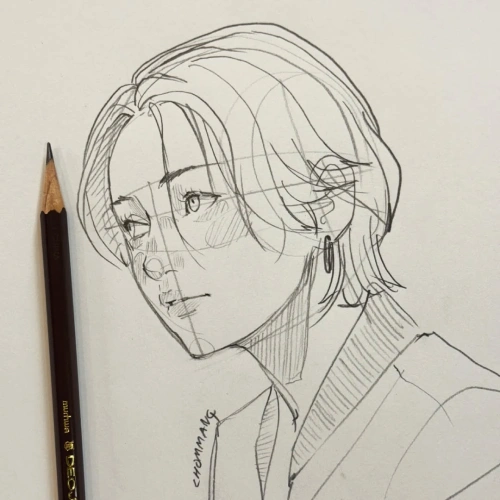
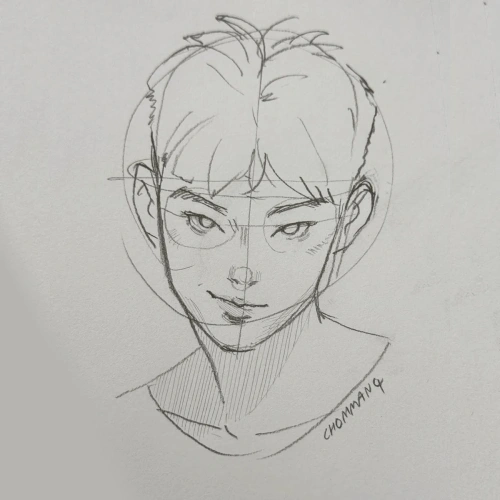
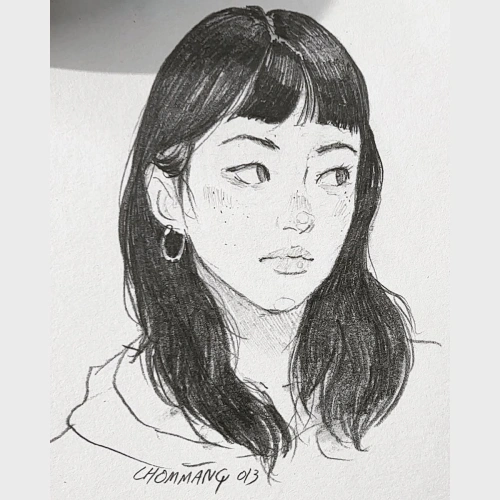
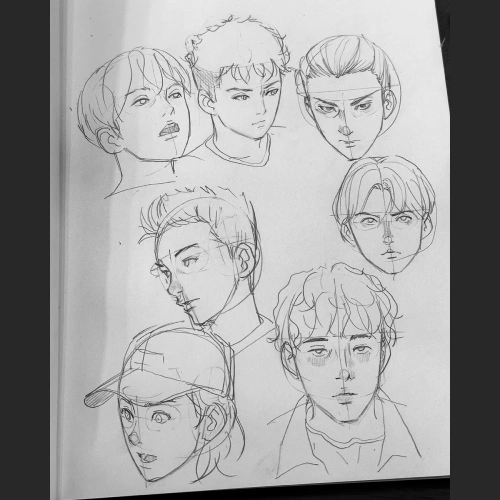
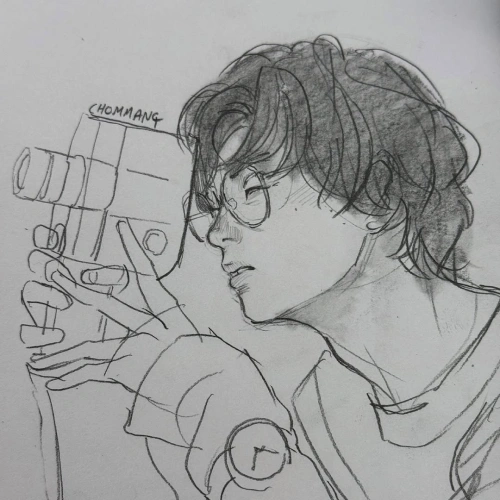

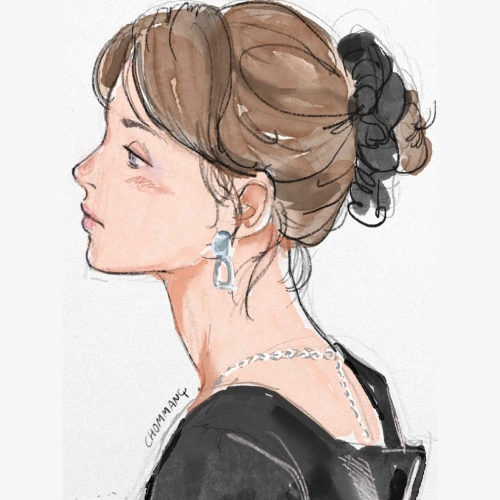


* This Portfolio includes fanart.
Preview
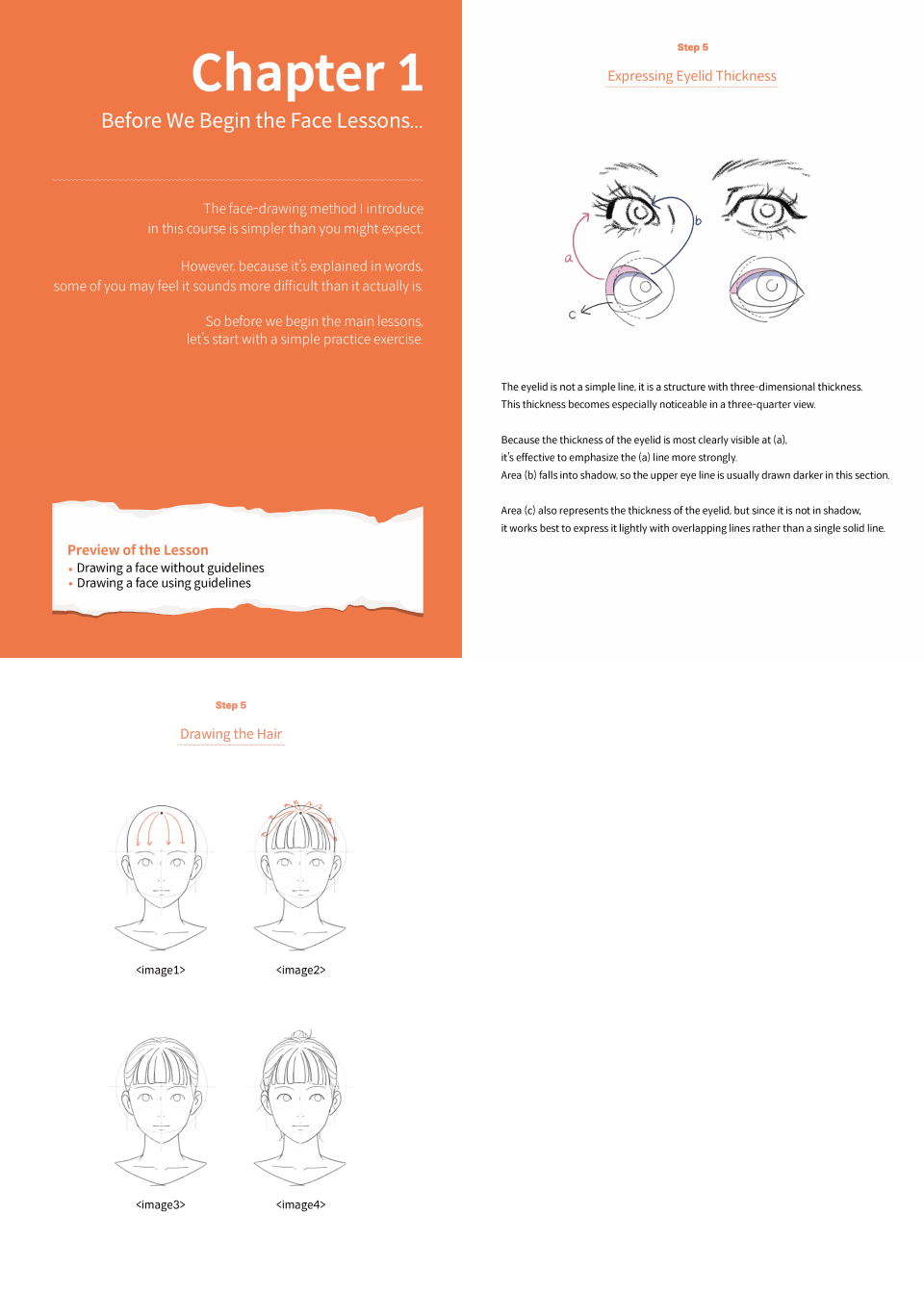
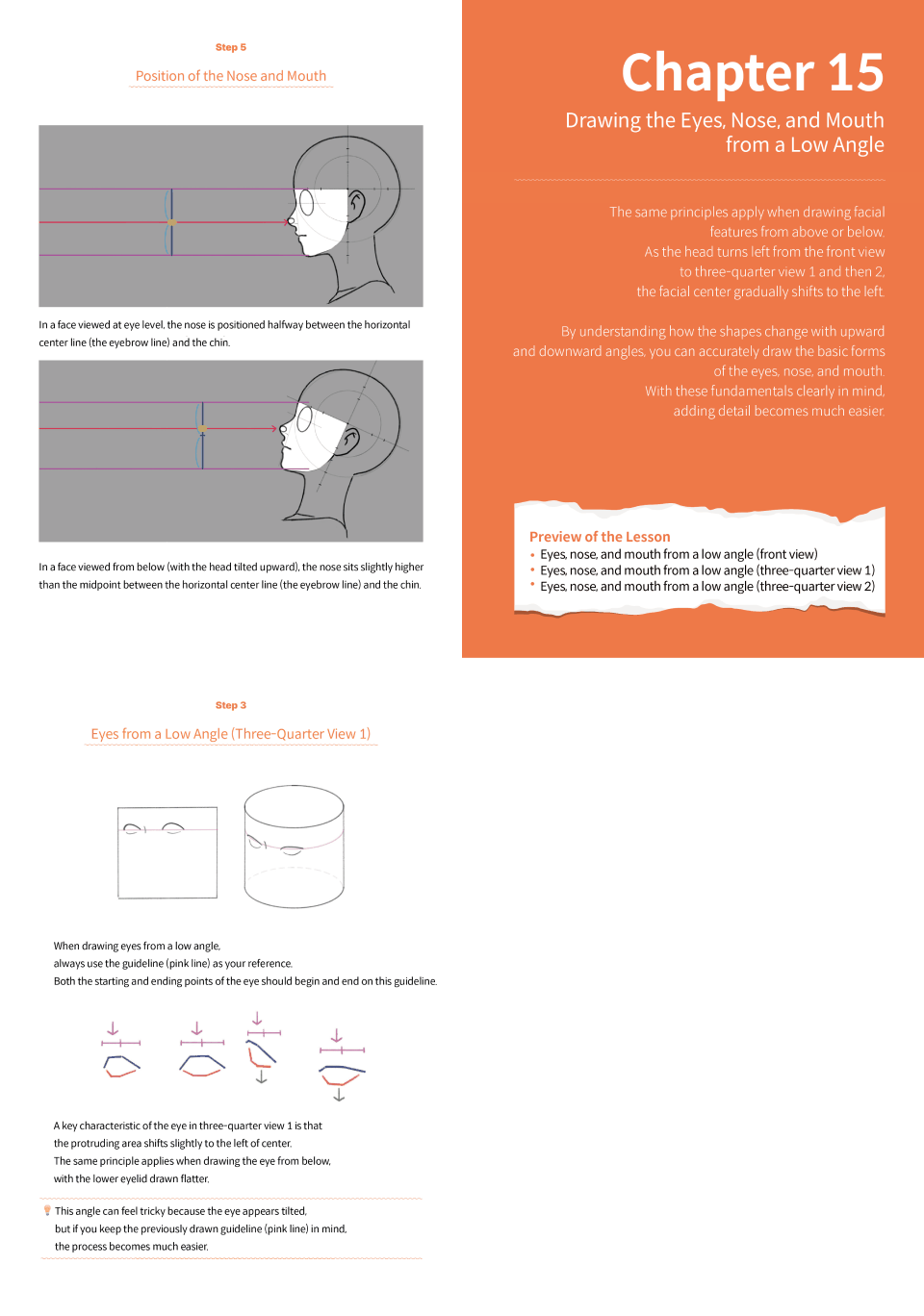
A Sneak Peek at the Workbook!
Class Highlights
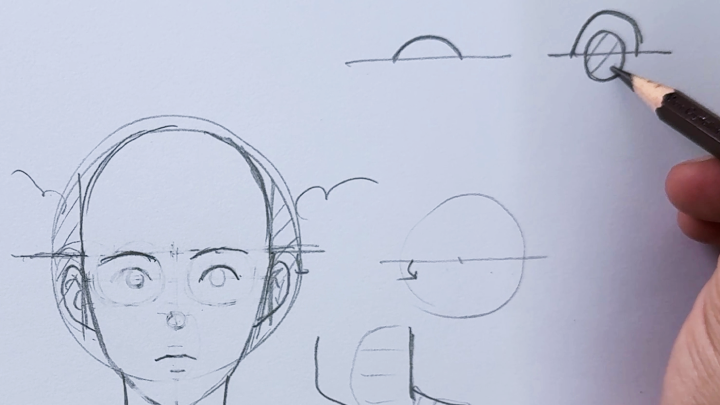
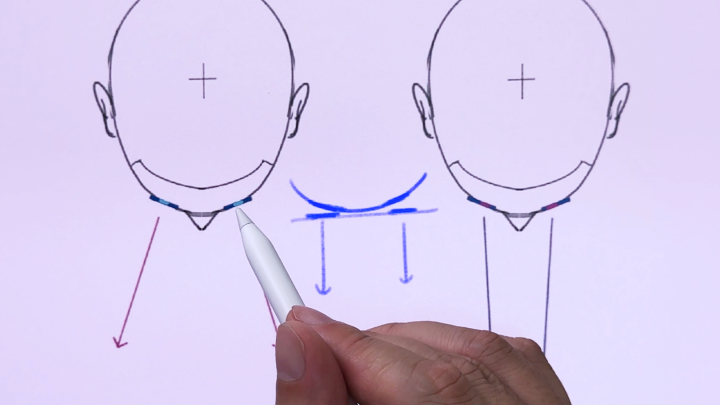
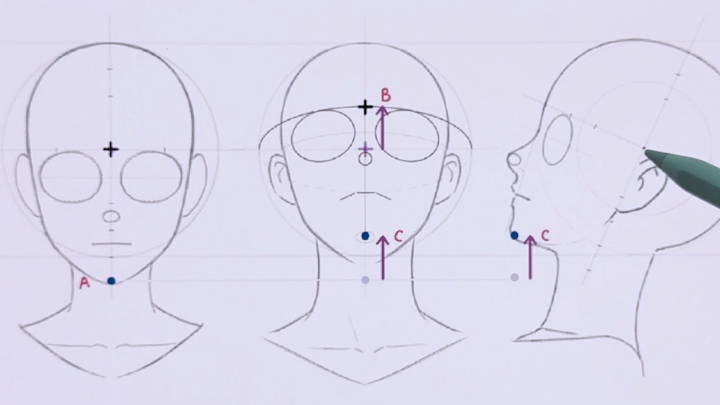
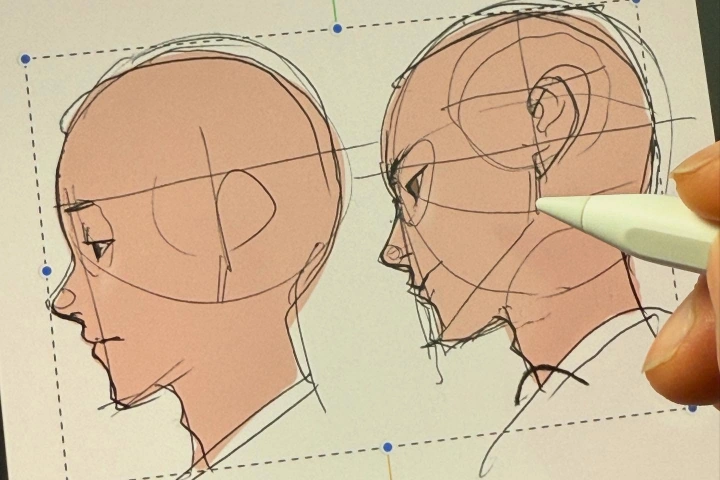
Understanding Facial Shapes & Proportions Before Features
What’s more important than just depicting facial features is to set your own standards for facial shapes and proportions so you can draw faces that look balanced from all angles. Using centerlines and guidelines, gain a structural understanding of the relative position of each element, breaking the habit of relying on your intuition. This will allow you to establish a drawing process for all styles, which you can apply to different views and types of characters.
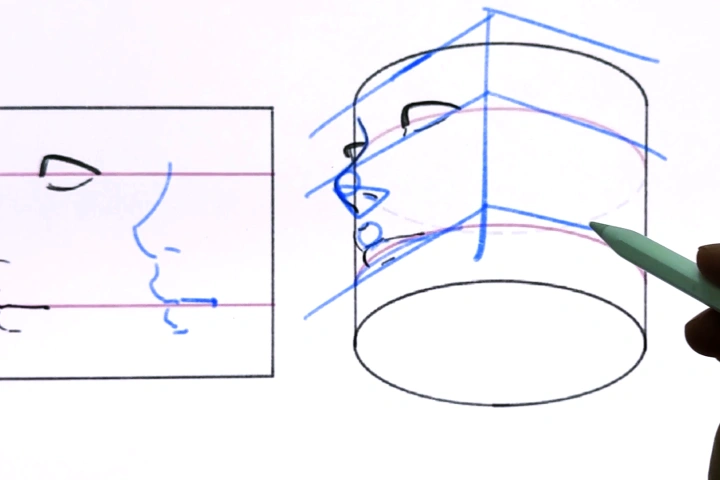
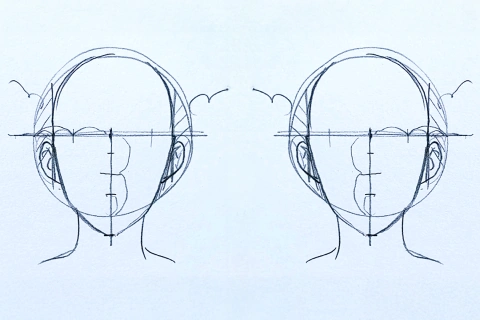
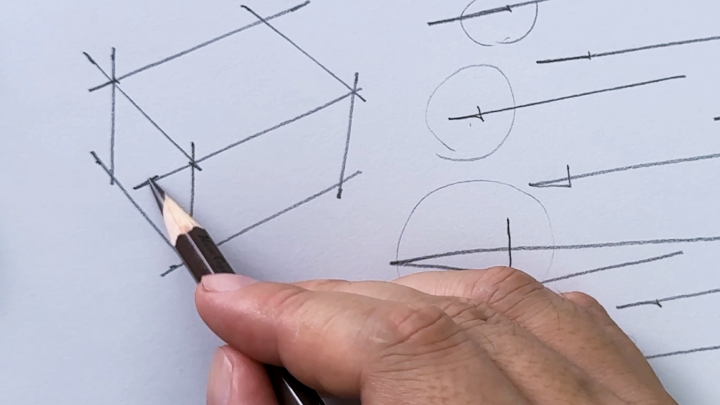
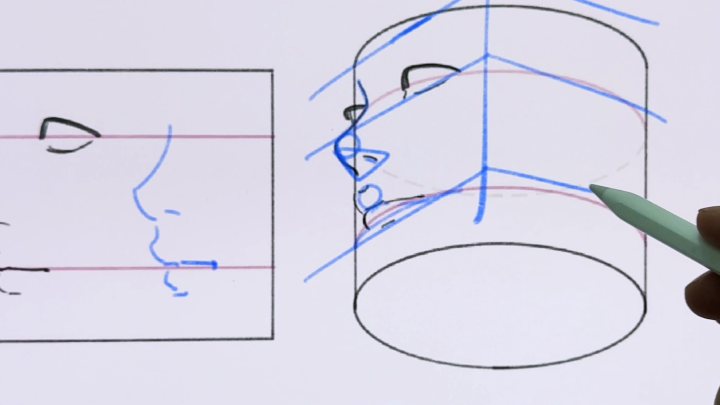
Practicing Basic Face Drawing Skills Using Lines, Circles, and Centerlines
You can’t master face drawing without practicing the basic techniques. Practice repeatedly with steady lines, precise circles, and centerlines to build a foundation for understanding the face structurally rather than by intuition. Once you master these basic skills, you can create balanced drawings regardless of the angle or amount of detail, which will also dramatically improve your learning efficiency.
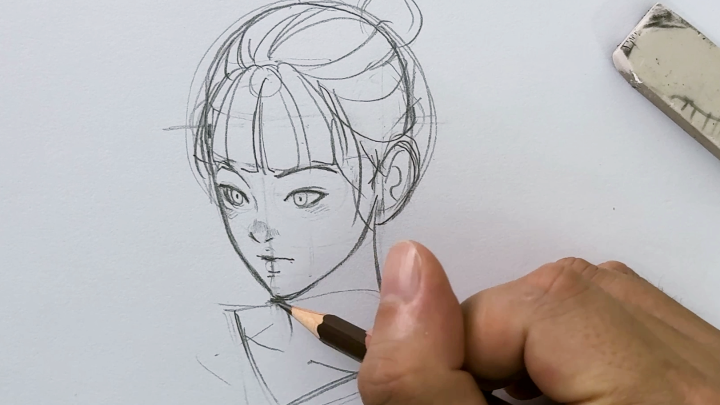
Modifying Male and Female Faces, Applying Manga Style, and Developing Your Own Style
Once you understand the basic facial structure, you can use it as a basic frame to play around with the different characteristics of male and female faces. Plus, explore the key points to note when simplifying or exaggerating realistic facial proportions to create manga-style faces, grasping ways to apply the same principle to multiple styles. Ultimately, you’ll be able to build a unique style that reflects your taste and purpose of drawing, instead of simply replicating other works.