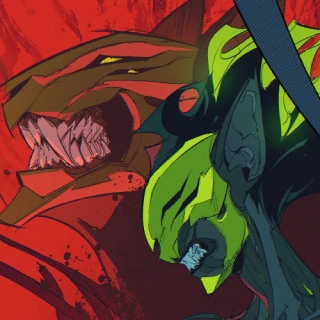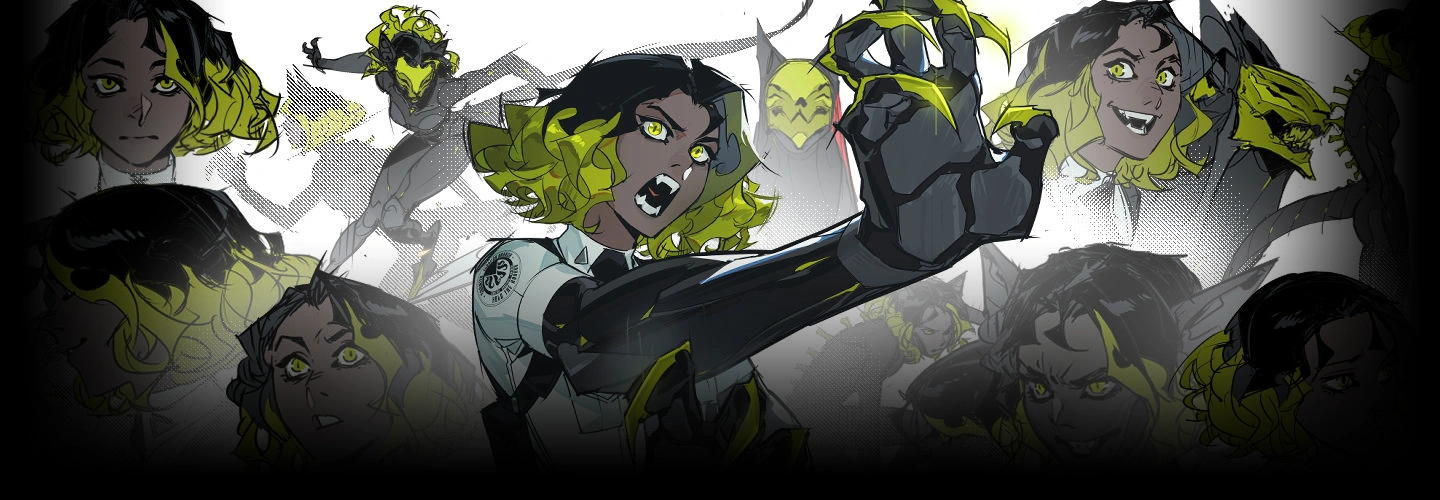
conceptartist,polluxery Details
Intro
Class Intro
Concept artist, Polluxery
"Turn your scattered ideas into unforgettable characters through step-by-step exercises tailored to your level!"
Break the Mold: Design Characters with Story and Appeal
Turn raw inspiration into characters that feel alive, memorable, and rooted in a world before they say a single word.
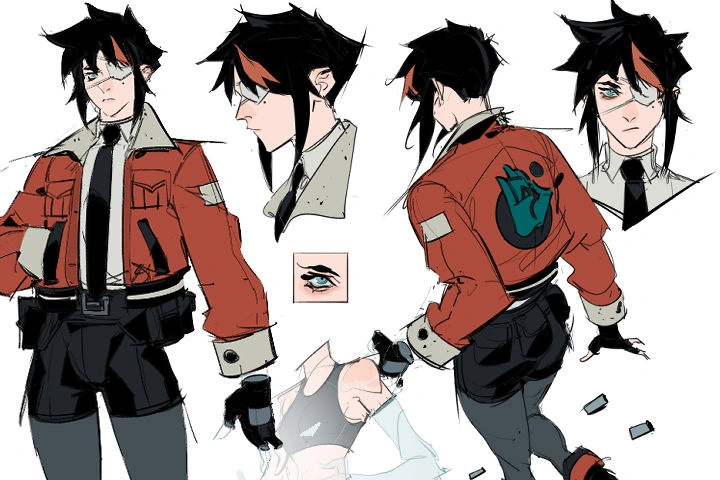
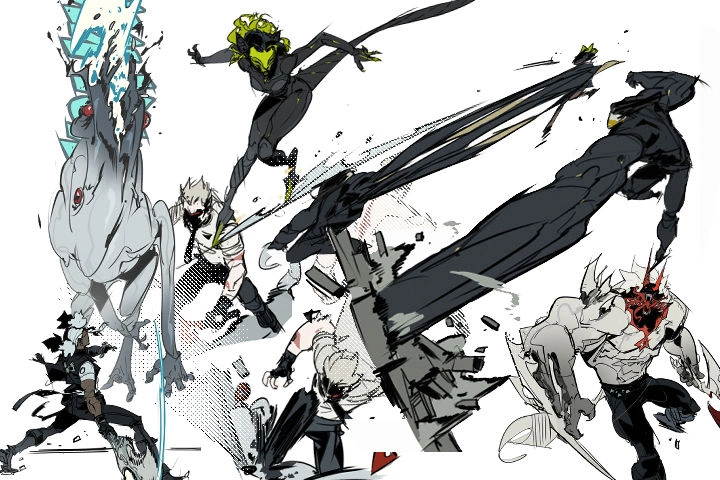
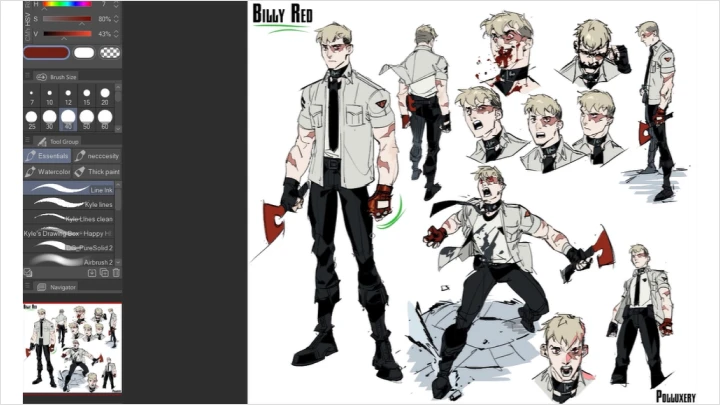
In this beginner-friendly class, self-taught character concept artist Polluxery shares how he builds story-driven characters with appeal, energy, and personality. Drawing from personal work, comics, and studio projects, he shows how setting, power fantasy, and visual inspiration can turn your own taste into designs that feel connected to a larger world.
You’ll take control of your artistic voice by learning how to weave personal inspiration and rich story settings into clearer character choices. Instead of stopping at a standalone drawing, you’ll move from fundamentals to an original character, then shape that design into a character sheet and apply it within a comic page. By the end, you’ll leave with a character that carries your inspirations with stronger intention, visual appeal, and a story that leaves an impression.
You’ll take control of your artistic voice by learning how to weave personal inspiration and rich story settings into clearer character choices. Instead of stopping at a standalone drawing, you’ll move from fundamentals to an original character, then shape that design into a character sheet and apply it within a comic page. By the end, you’ll leave with a character that carries your inspirations with stronger intention, visual appeal, and a story that leaves an impression.
Class Preview
Still Not Sure?
Check Out Polluxery's Class Preview!
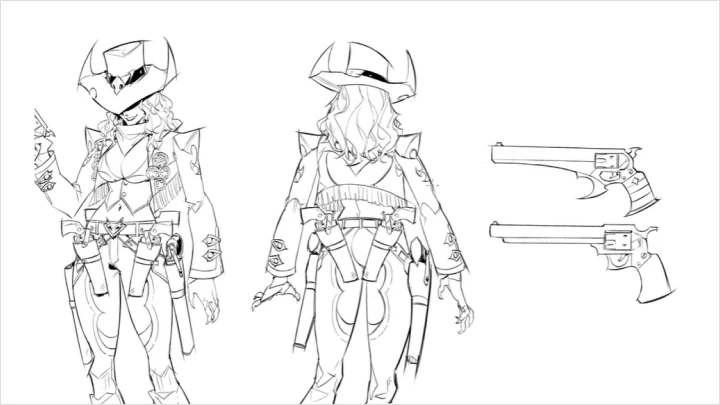
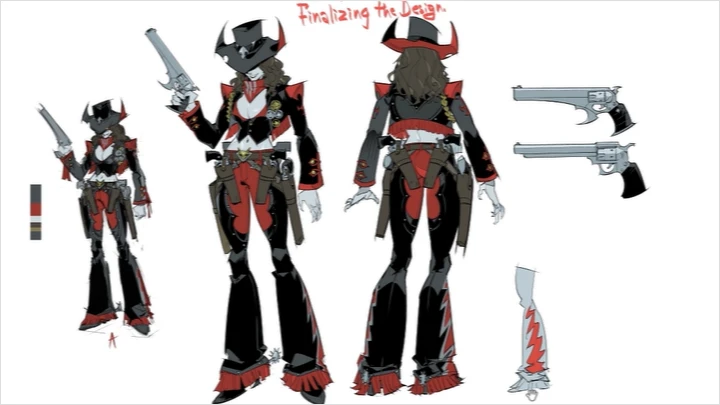
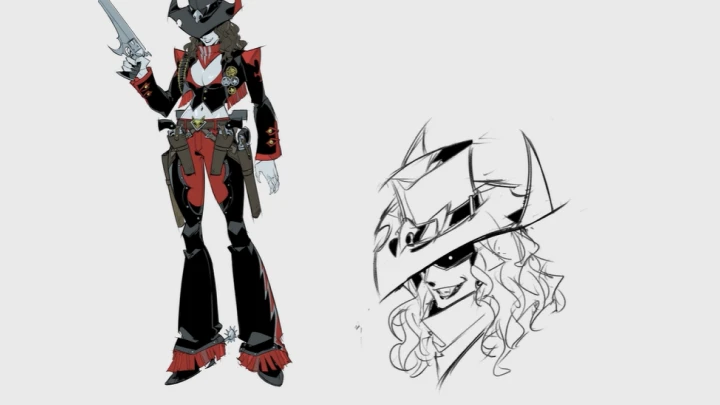
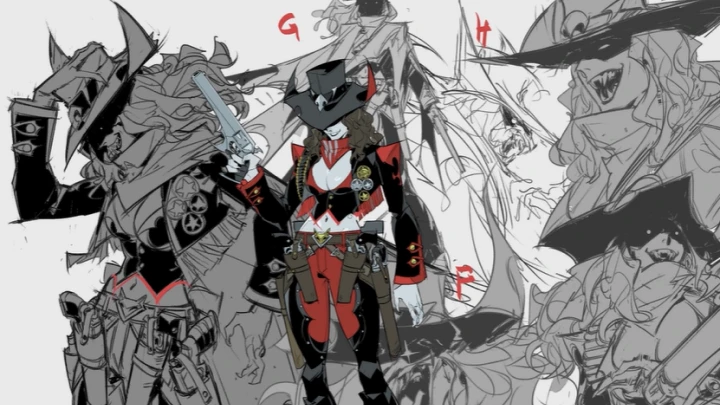
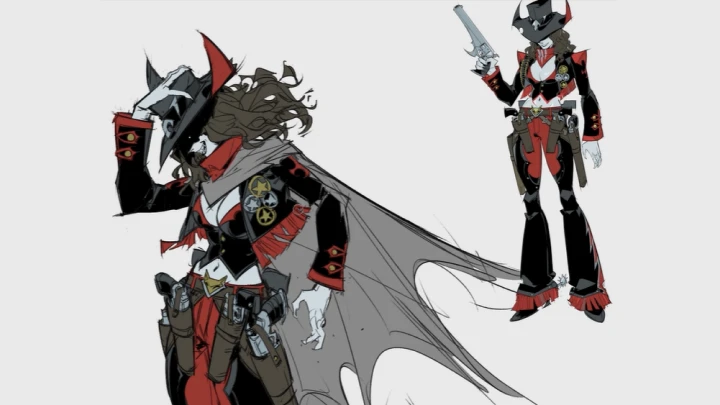
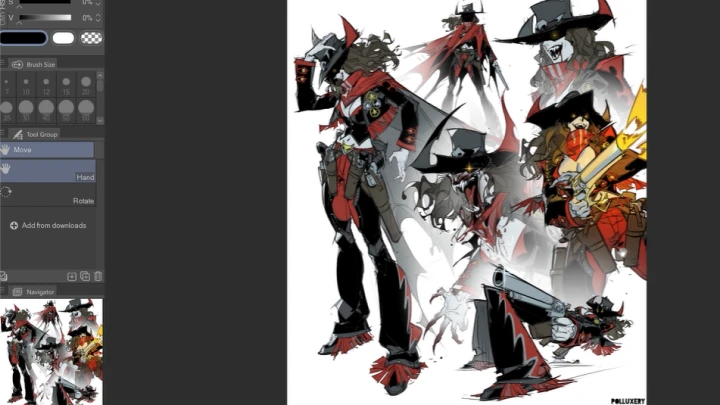
Chapter 16. Finalizing a character concept
1. Bring your character concept into a more finished design.
2. Explore how polishing, rendering, and readability adjustments can strengthen the final result.
2. Explore how polishing, rendering, and readability adjustments can strengthen the final result.
Class Perks
Special Gift from Polluxery
-
 Artist Brush PackDraw With the Brushes Used in Class
 -
 Downloadable Working FilesOpen the Layers Behind the Process
 -
 Comic Process VideosStudy the Process at Your Own Pace
Class Material Details
-
 Sketch, Line Art, and Texture Brushes- Includes the instructor’s sketch brush, line art brush, 2 comic line art brushes, and 2 textured brushes
- Follow along with class demos and explore a similar drawing feel using the brushes shown throughout the course
- Provided as an ABR file -
 Layered CSP Class Files- Explore the class working files to see how the instructor builds drawings from sketch to cleanup
- Explore the layer structure, editable details, and process decisions behind character designs, character sheets, and comic page application
- Provided in Clip Studio Paint format -
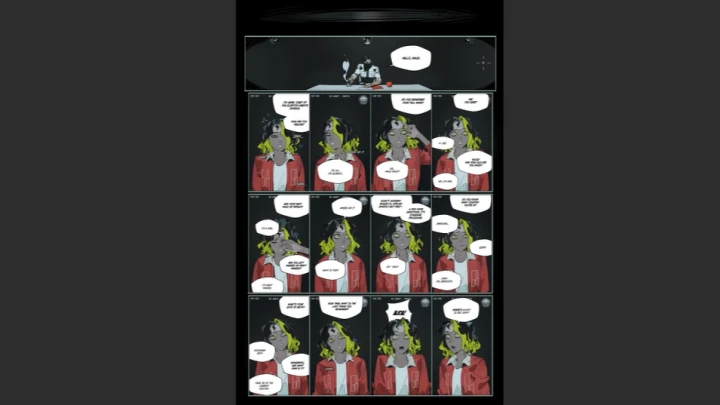
 Comic Page Process Videos- Includes at least 4 additional videos that support the bonus comic page chapter
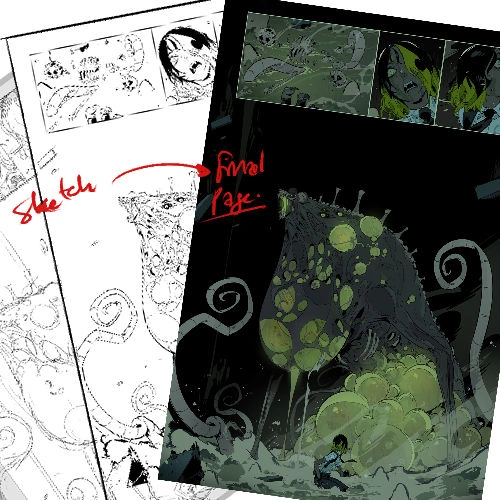
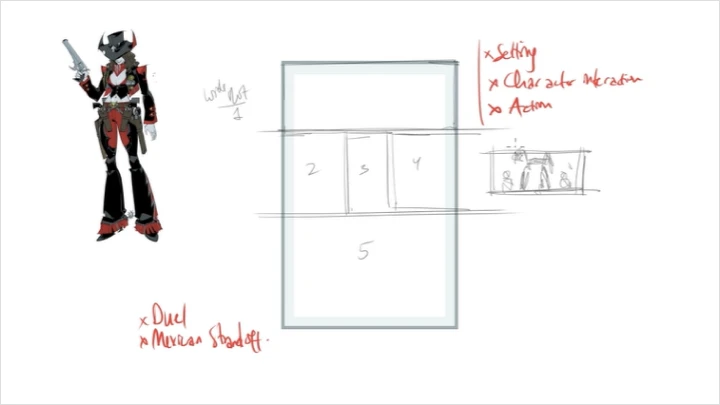
- Follow the workflow from arranging panels and sketching a comic page to comic line art, color, lettering, and SFX
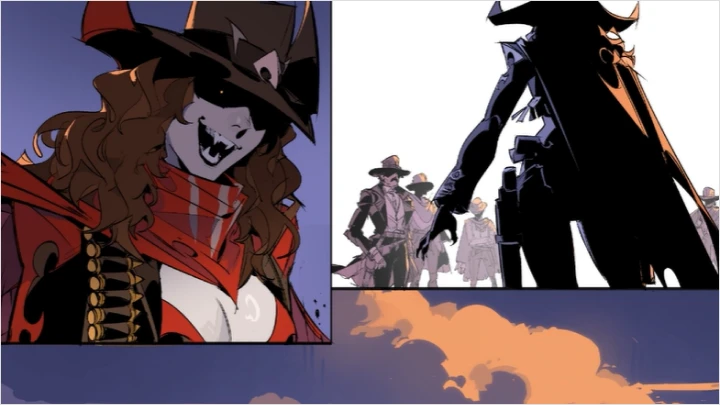
- See how a character design can be applied to a comic page and brought into a story scene within its world
Special Notice
Polluxery Live Paintover Feedback Event
Students who purchase the class
within the first 30 days of Early Bird
will be eligible for a special raffle event
Raffle Event
6 students will be selected
Feedback Format
Approximately 10 minutes of live paintover feedback
per student
Feedback Content
Focused paintovers and practical notes on specific areas
that could be improved
6 students will be selected
Feedback Format
Approximately 10 minutes of live paintover feedback
per student
Feedback Content
Focused paintovers and practical notes on specific areas
that could be improved
Winner Announcement
Selected students will be notified individually via email
Selected students will be notified individually via email
Secure your class early for a chance to receive
direct live feedback from Polluxery!
Recommendation
Who should take this class?
Aspiring Character Designers and Concept Artists who know the basics of drawing and want to apply anatomy, posing, silhouette, and color more intentionally to character design.
Artists Building More Appealing, Dynamic Characters who want to further stylize their designs, strengthen character appeal, and add more energy, personality, and movement.
Story-Driven Creators who want to design original characters that feel more connected to setting, narrative, and power fantasy.
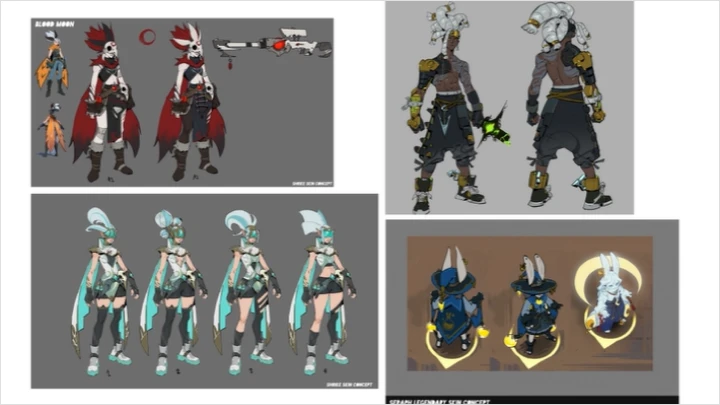
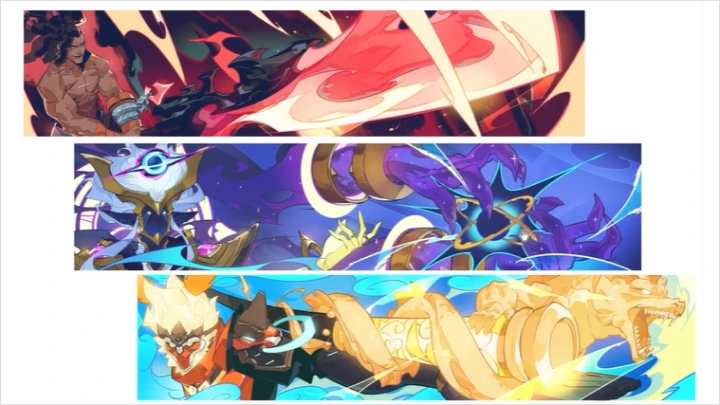
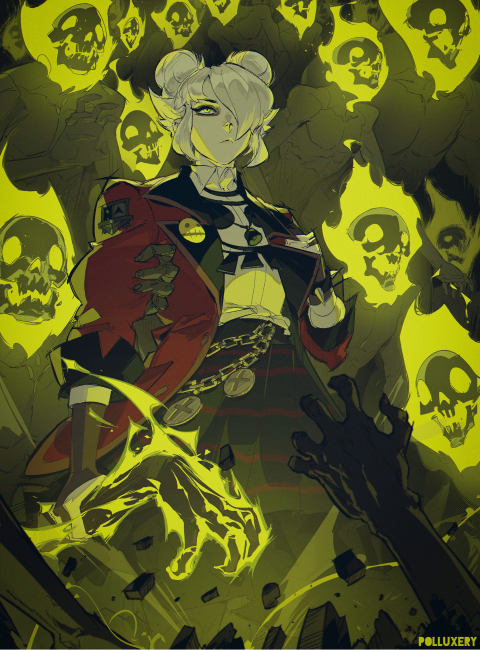
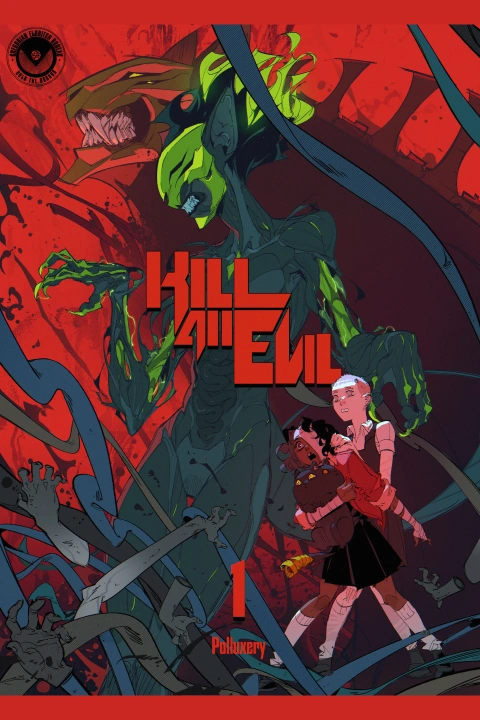
Expert Concept artist Polluxery's Portfolio
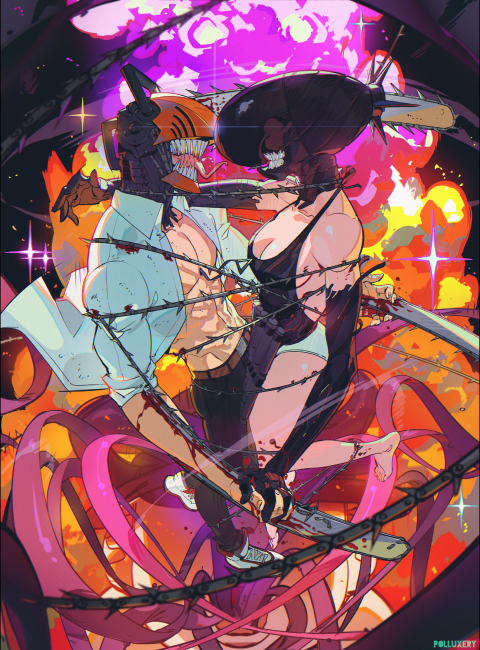
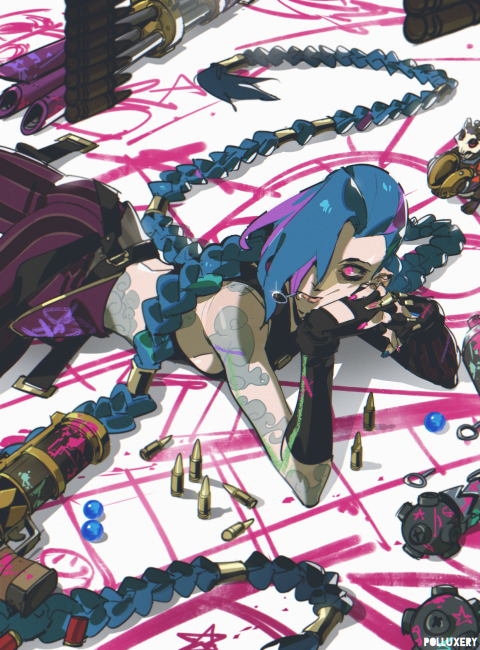
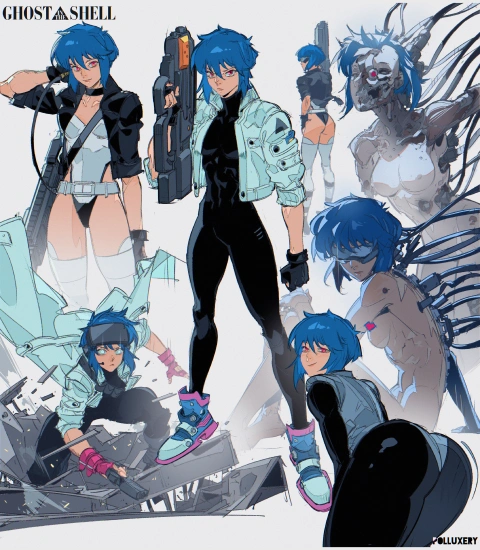
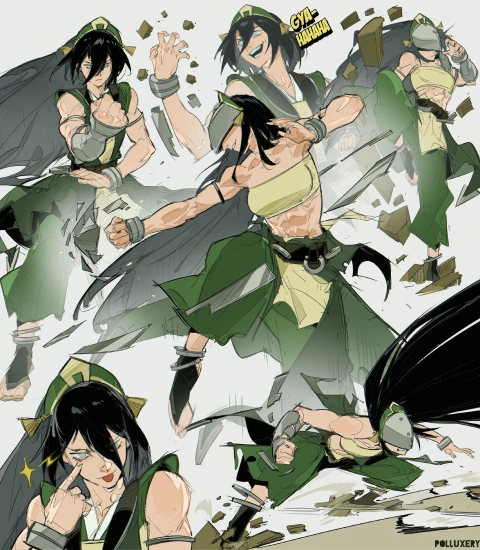
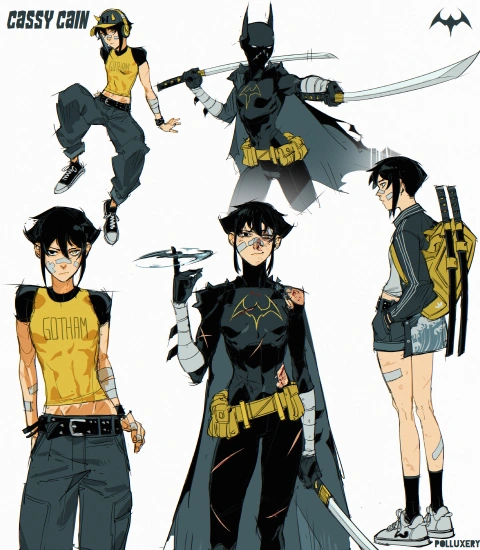
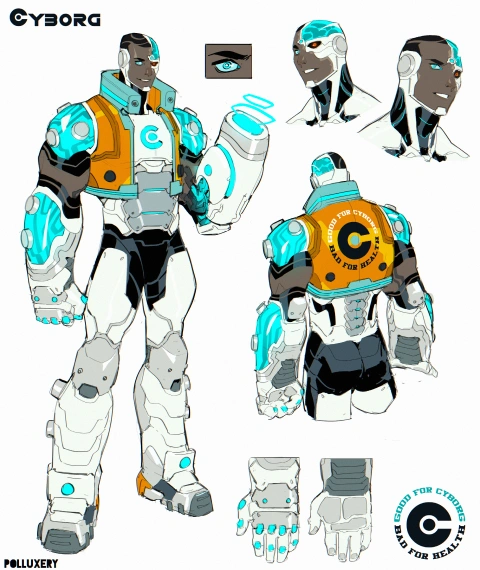
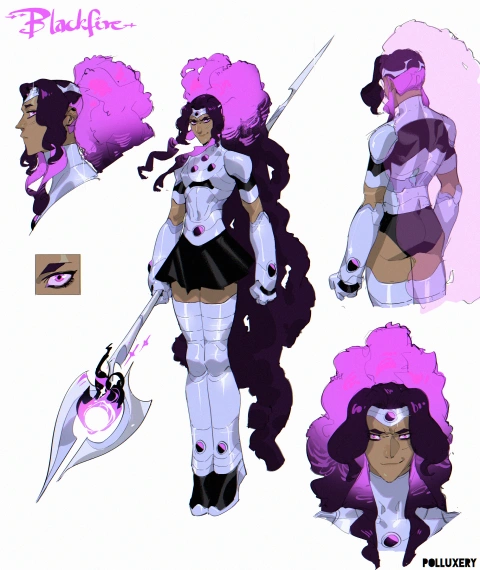
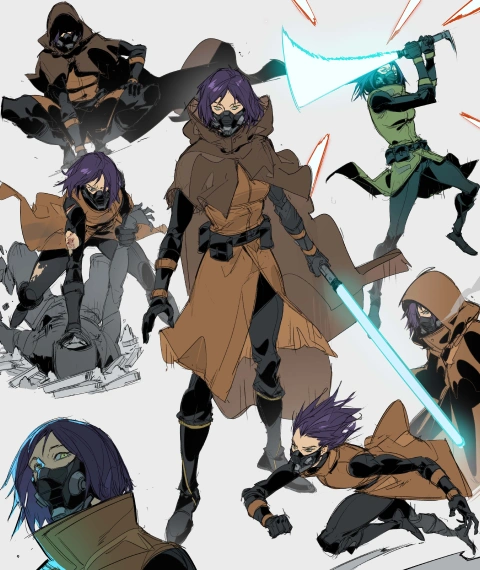
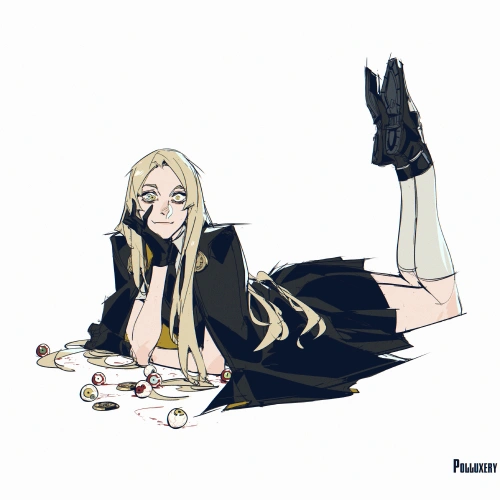
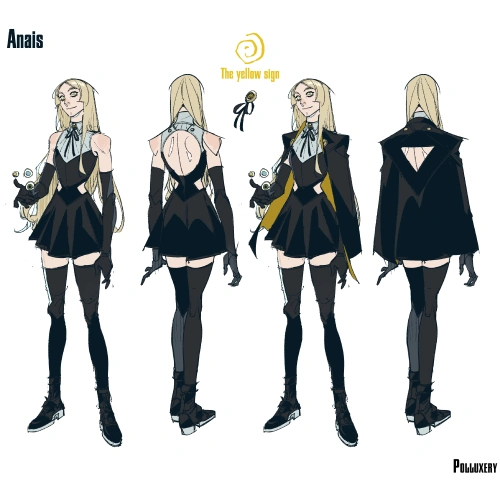
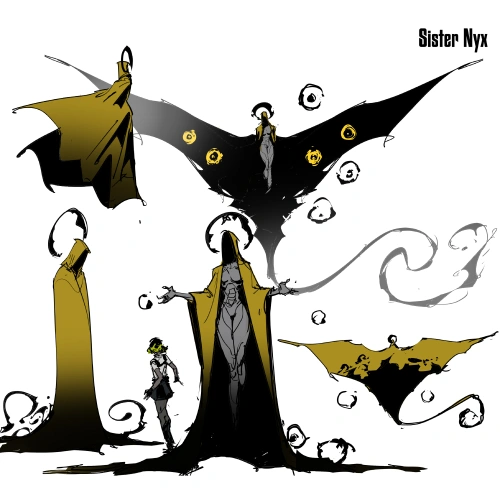
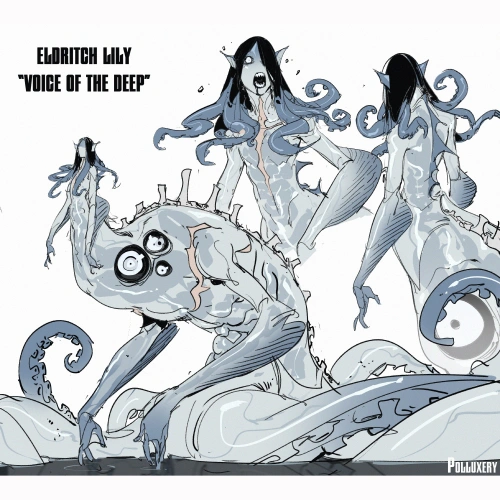
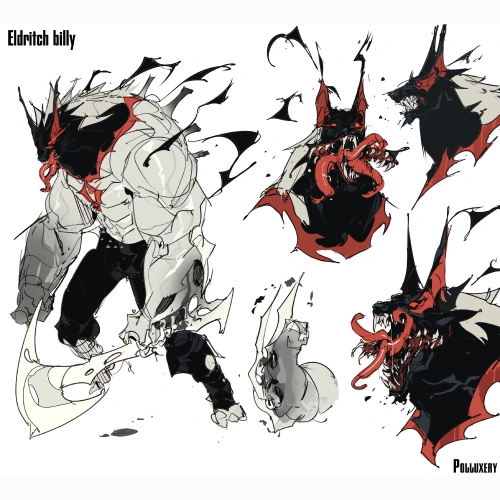
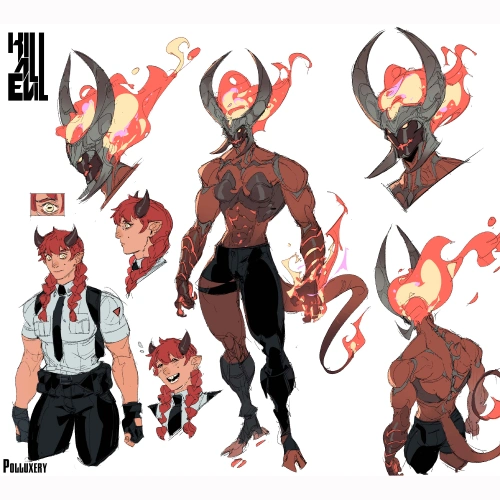
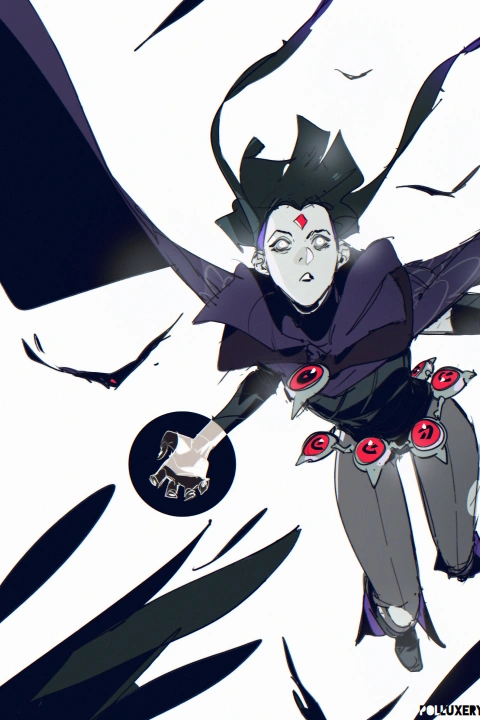
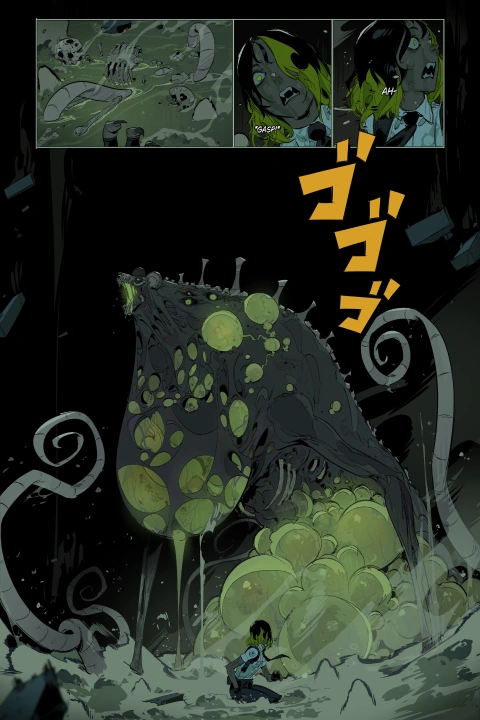

Why Take This Class?
Learn the Design Logic Behind Memorable Characters
A strong character design needs more than detail. It needs a visual logic that makes each choice feel intentional.
Polluxery’s approach comes from developing personal IP, making comics, and working on game and animation projects. In this class, he breaks down how different visual mediums can sharpen your character design choices: the bold silhouettes and instant readability often seen in games, the streamlined clarity of animation, and the expressive stylization of comics and manga.
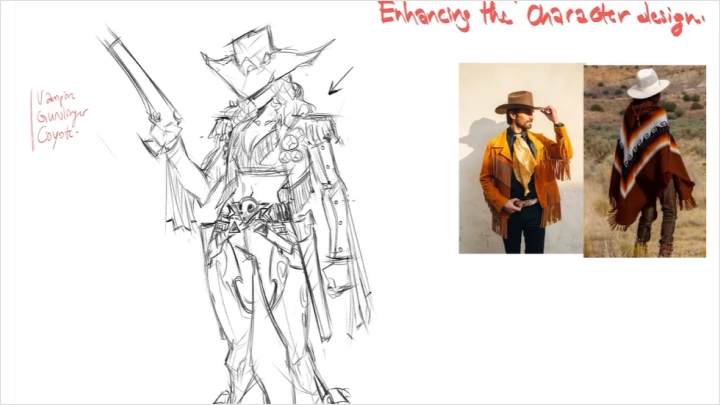
Instead of treating inspiration as a moodboard or something to copy, you’ll learn how to study why a design works and translate that understanding into your own characters. Through anatomy, body types, expressions, dynamic poses, color, setting, and power fantasy, you’ll build a more practical way to create characters with stronger appeal and clearer visual identity.
This class helps you turn scattered references, personal taste, and story ideas into design decisions you can actually use. Whether you are building a personal project, designing original characters, or shaping a character for a larger world, you’ll learn how to create designs that feel more cohesive, expressive, and visually impactful.

Get Ready for the Real-World
24 Class Exercises
Part 01. Build Character Foundations
-
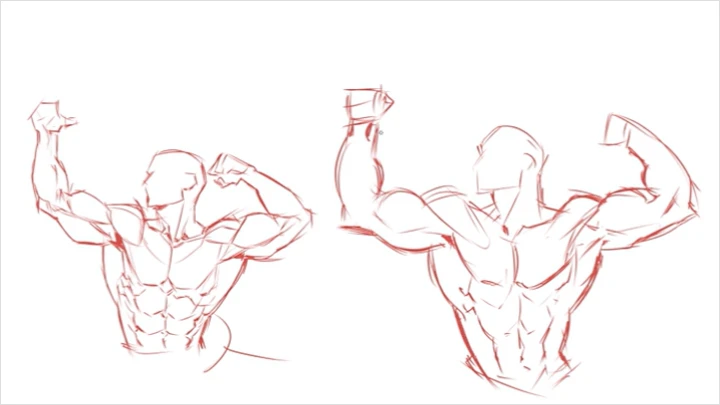
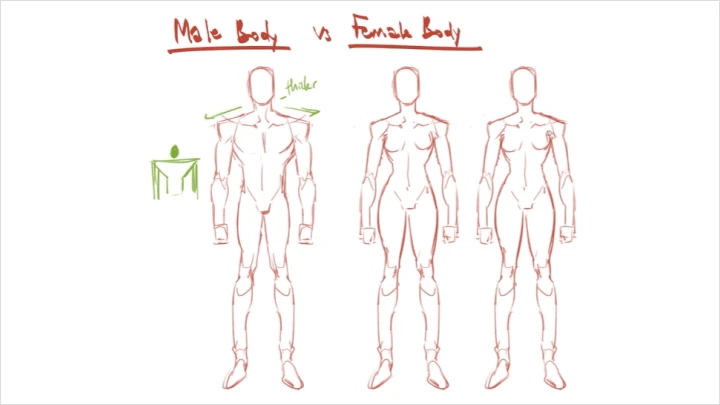
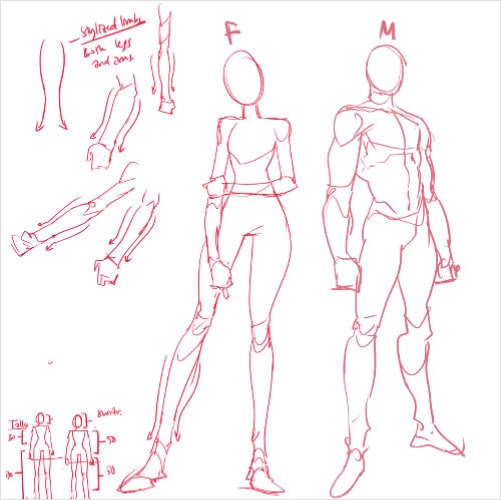 Body Type StudyBeginner: Draw 1 female and 1 male body type to study how proportion shapes a character’s impression.
Basic: Draw 2 female and 2 male body types with varied proportions to expand your character range. -
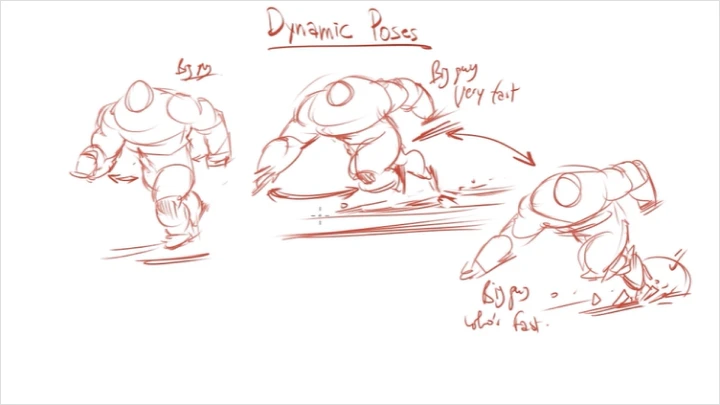
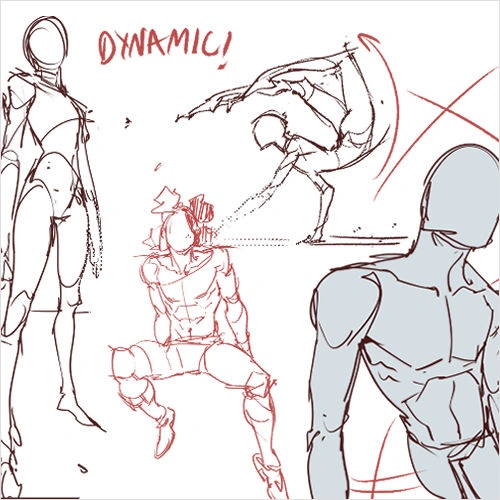 Dynamic Pose PracticeBeginner: Draw 2 dynamic static poses and 2 motion poses to practice character energy.
Basic: Draw 5 dynamic static poses and 5 motion poses to push movement, attitude, and gesture. -
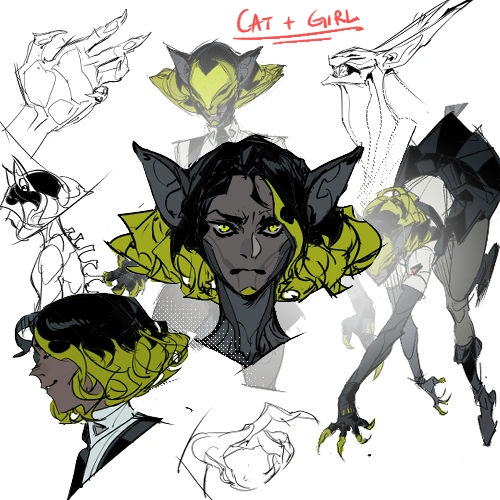
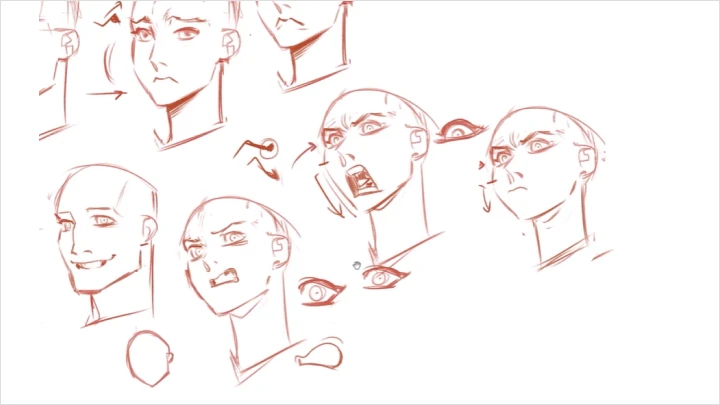
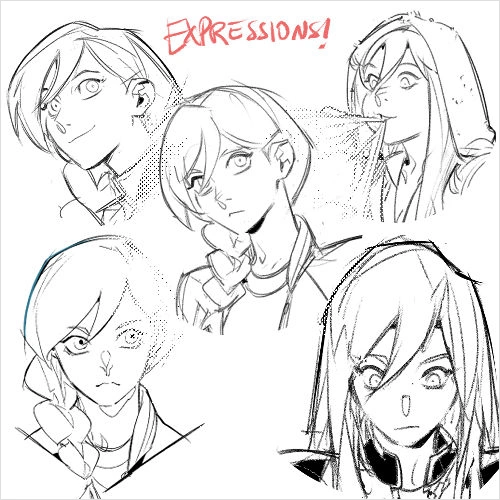 Expression RangeBeginner: Draw 3 expressions with varied head poses to build a stronger emotional range.
Basic: Draw 5 expressions with varied head poses to explore more personality and facial variation.
Part 02. Explore Character Appeal and Story
-
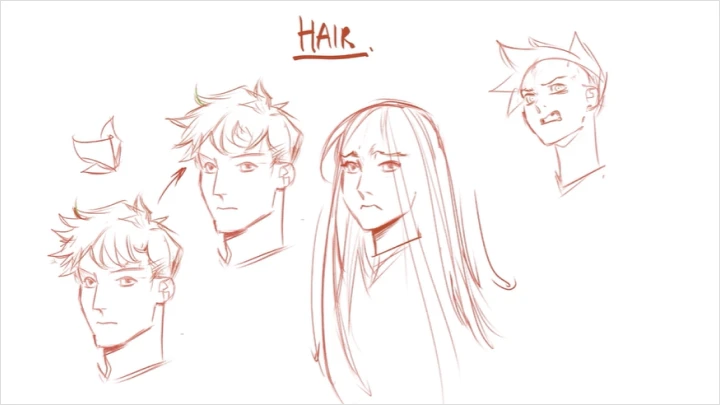
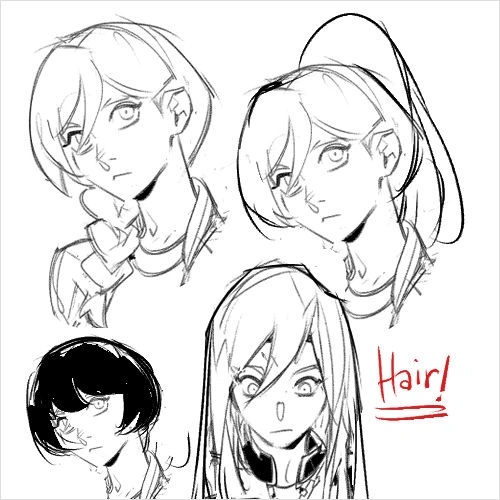 Hairstyle VariationsBeginner: Create 3 hairstyle options for 1 character to explore personality through hair shape and flow.
Basic: Create 5 hairstyle options for 1 character to test a wider range of visual identities. -
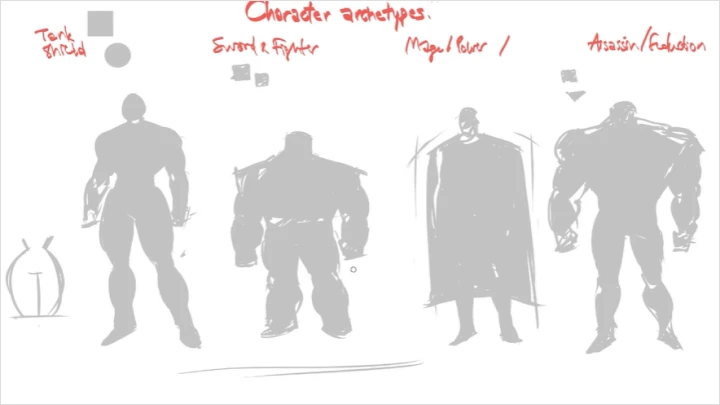
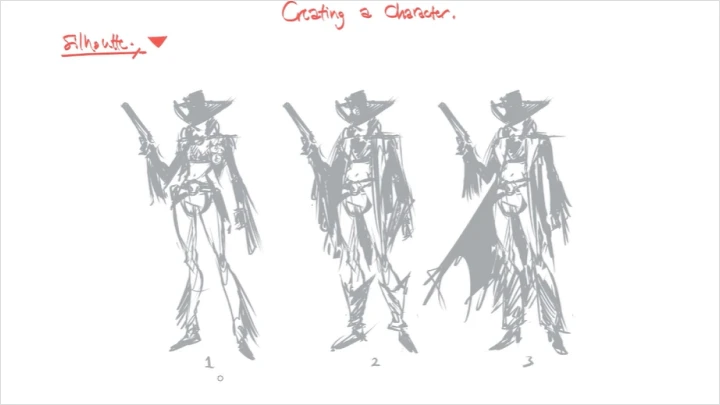
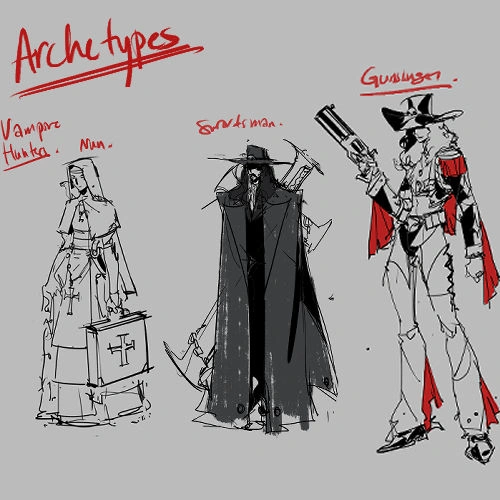 Archetype SilhouettesBeginner: Create 3 silhouettes based on 1 archetype to practice clear character readability.
Basic: Create 5 silhouettes based on 1 archetype to push shape language and first impression. -
 Story Setting InspirationGather references for a story setting and use them as the foundation for your character’s visual direction.
Part 03. From Inspiration to Original Character
-
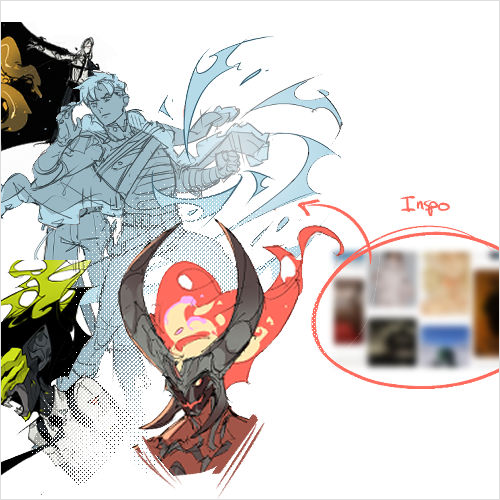 Character Story & Power FantasyCreate a narrative background and power fantasy that gives your character a stronger sense of purpose.
 -
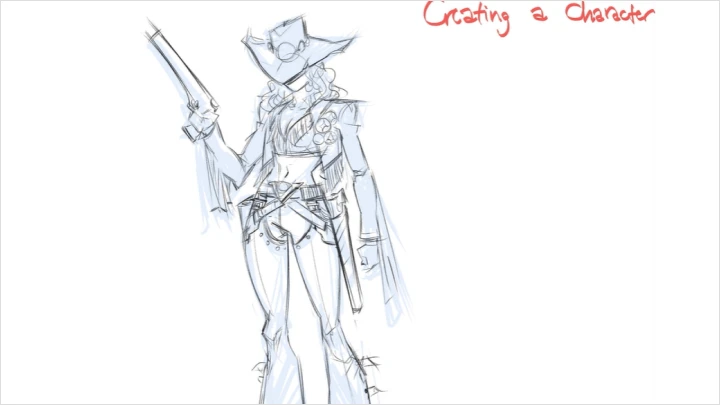
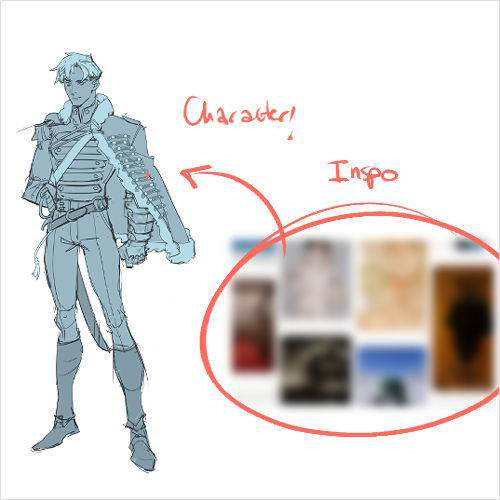 Original Character ConceptTurn your references, story ideas, and personal taste into an original character concept.
 -
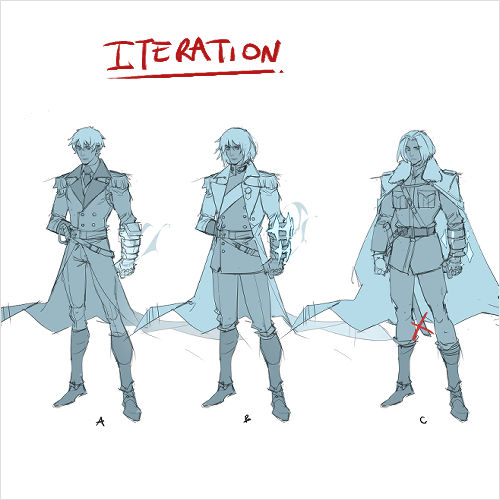 Character IterationsBeginner: Create 2 iterations of your character idea to explore stronger design directions.
Basic: Create 3 iterations of your character idea to push the concept, appeal, and visual clarity further.
-
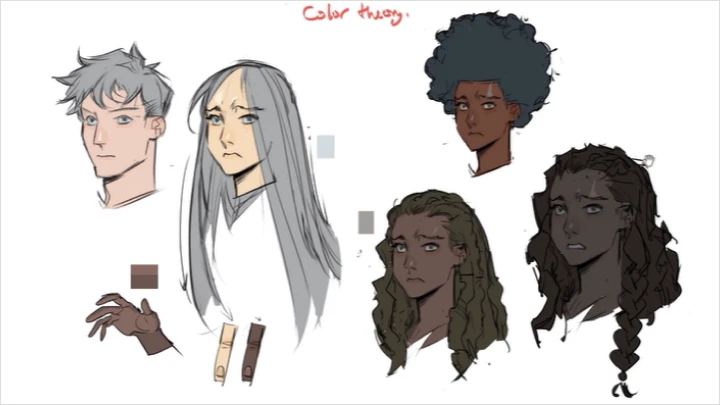
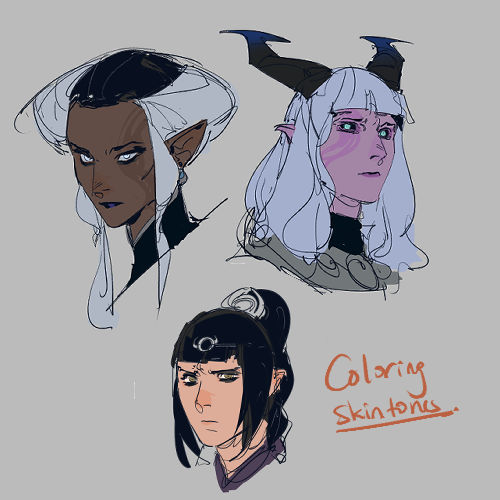 Color & Skin Tone StudyBeginner: Color 3 previous exercises using varied skin tones to explore character appeal through color.
Basic: Color 5 previous exercises using varied skin tones to test broader palette and skin tone variation. -
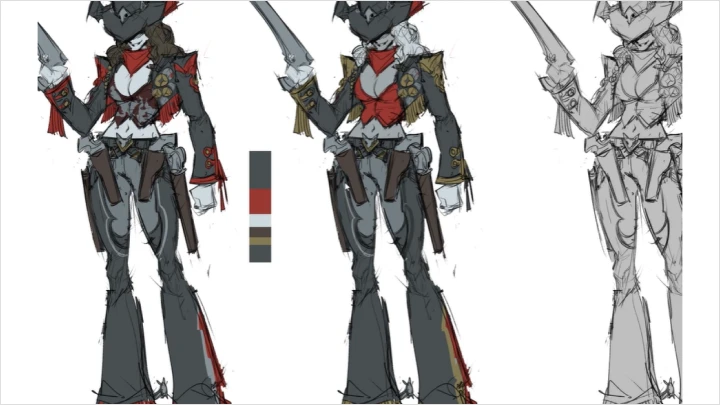
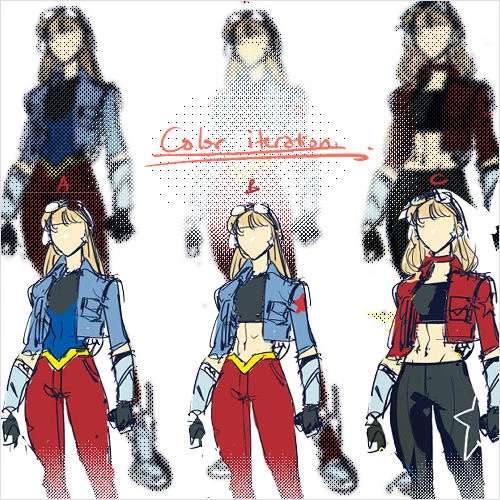 Color Concept ExplorationBeginner: Create 2 color concepts for your character to test mood and readability.
Basic: Create 3 color concepts for your character to compare stronger palette directions. -
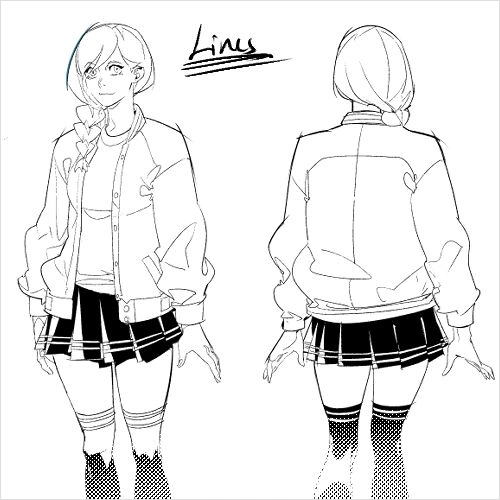 Clean Line ArtCreate clean line art for your character concept while preserving the energy of the original sketch.
-
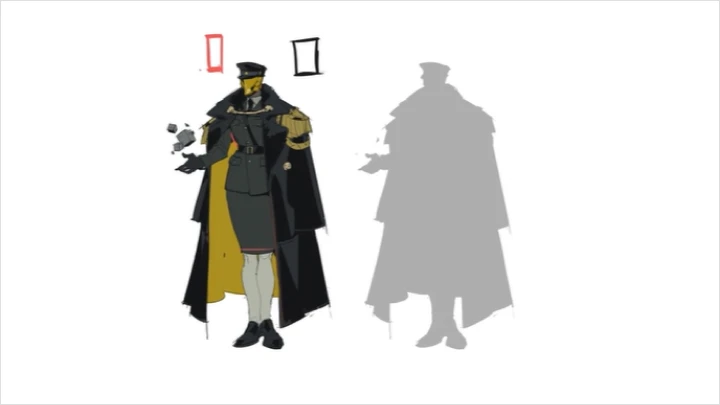
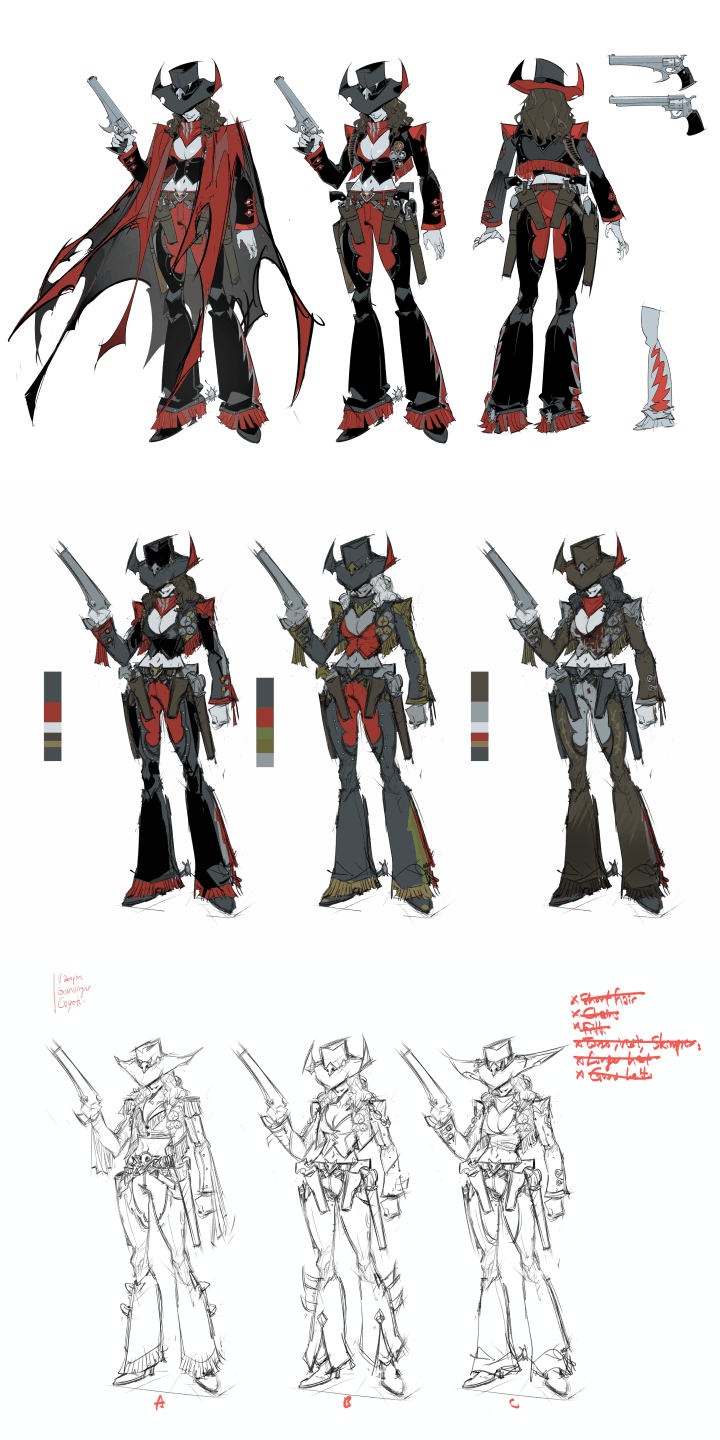
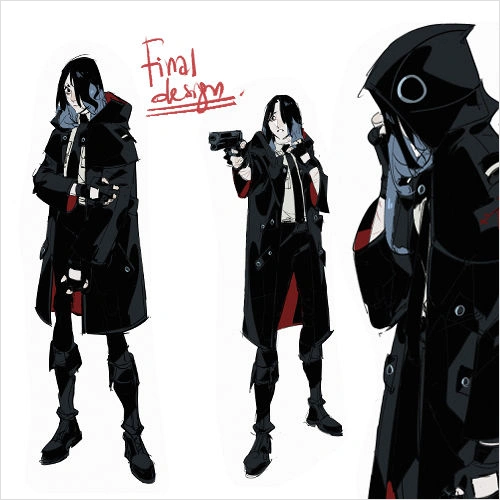 Final Character DesignFinalize your character design through polish, rendering, and readability adjustments.
 -
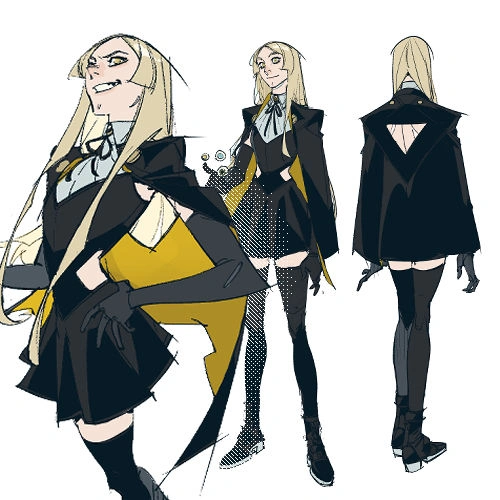
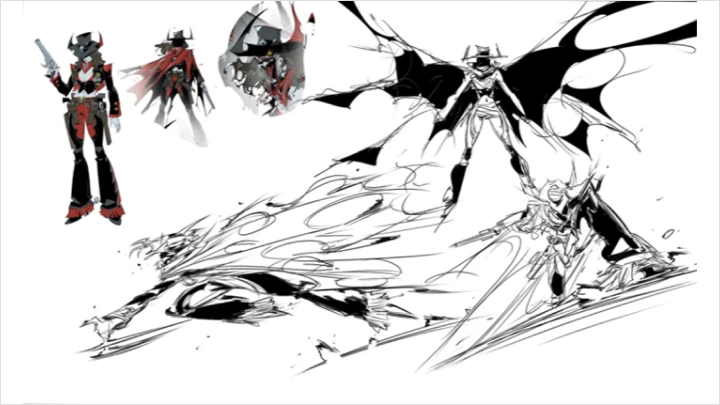
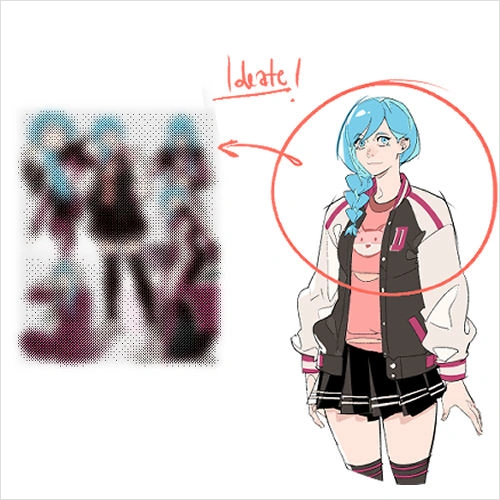 Character Sheet PlanningIdeate the key elements you want to include in your character sheet to better present your design.
 -
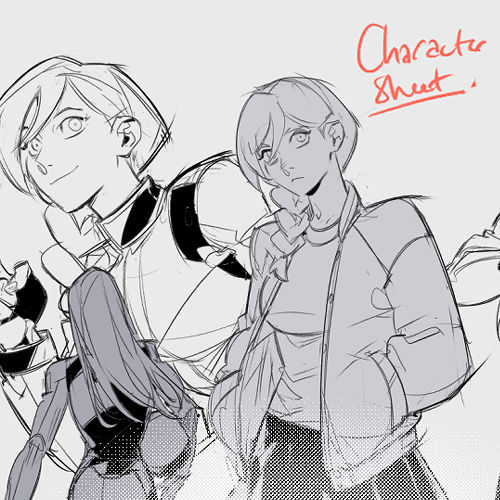 Character Sheet DesignBeginner: Sketch ideas that showcase your character’s key design points.
Basic: Create a character sheet that presents your character’s design, personality, and visual direction.
Part 04. Push Your Concept Further
-
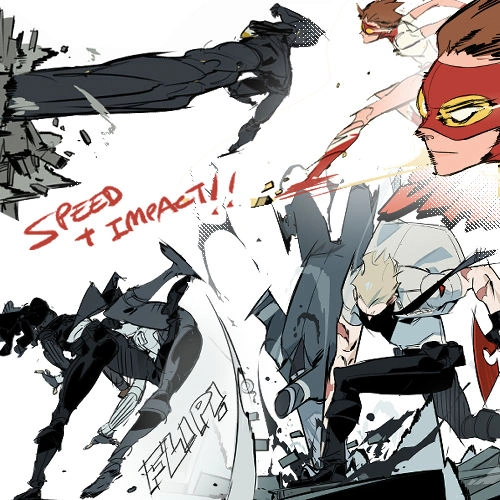
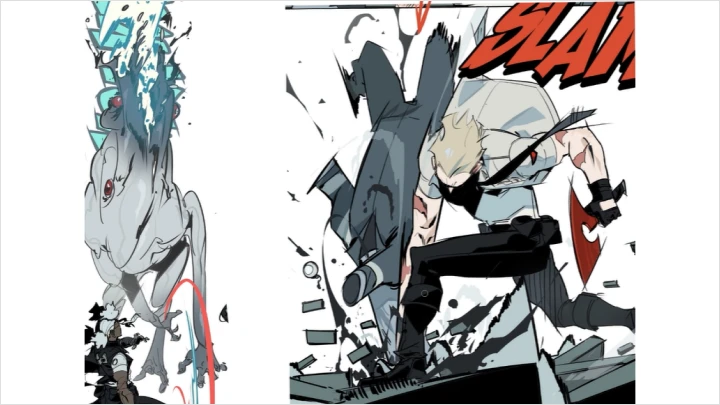
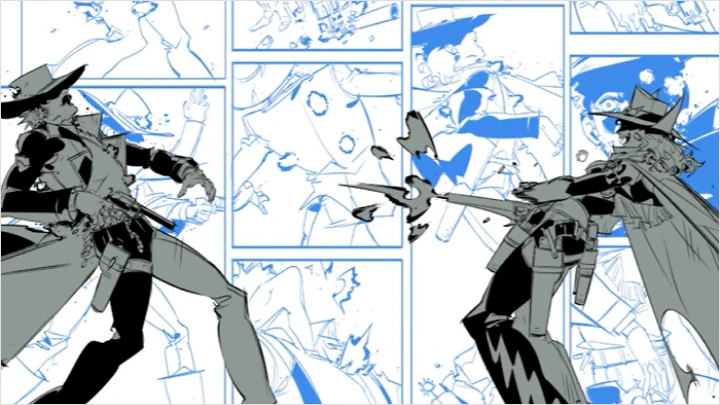
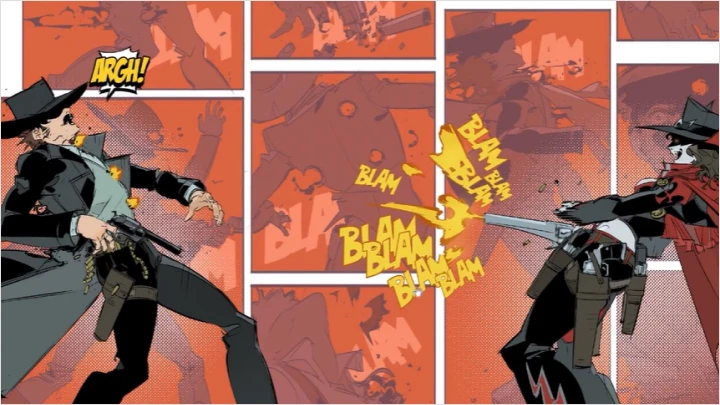
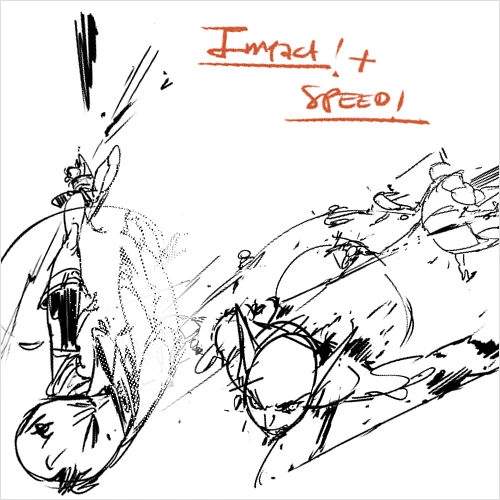 Fight Scene ImpactBeginner: Draw 1 fight sequence between 2 characters to practice action and impact.
Basic: Draw 2 fight sequences between 2 characters to push movement, force, and interaction. -
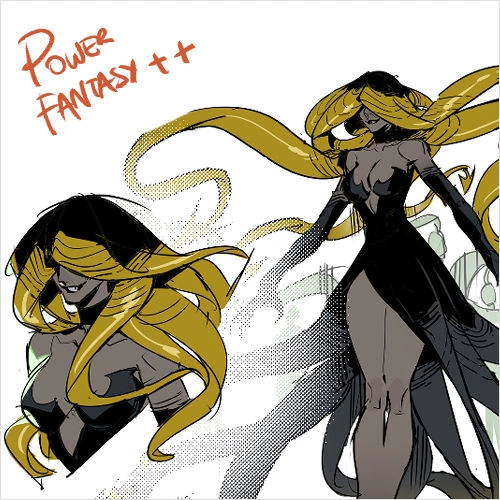 Character Appeal AuditAnalyze the strongest points of your character design and identify what makes the character visually memorable.
 -
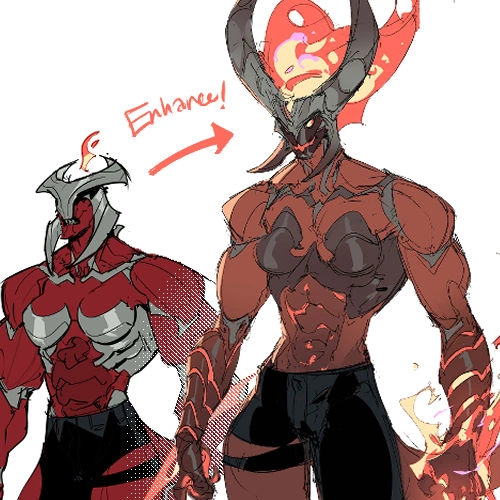
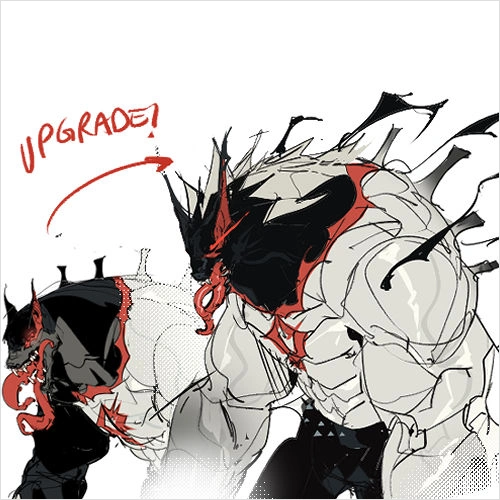 Design UpdateBeginner: Update 1 element of your character design to strengthen the overall concept.
Basic: Update at least 3 elements of your character design to push the concept with more intention. -
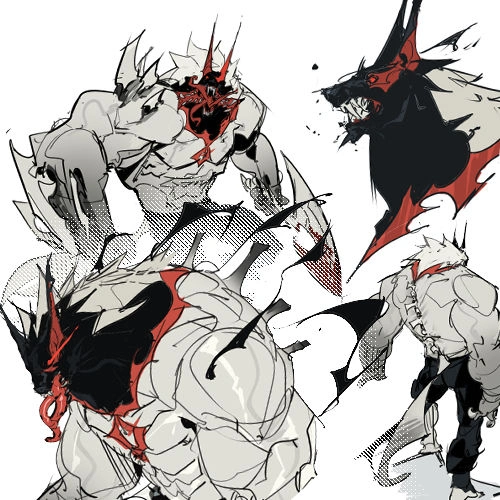
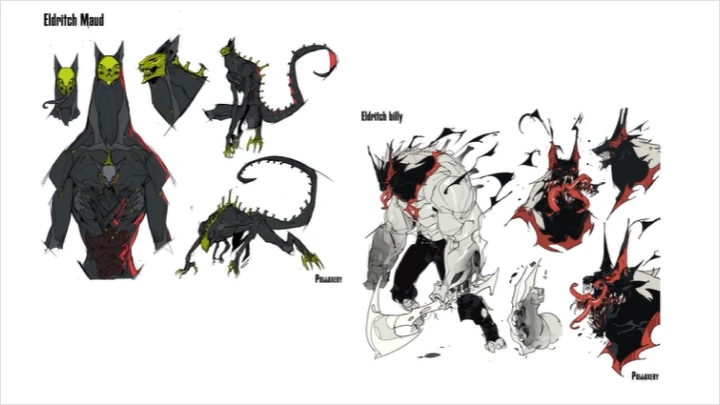
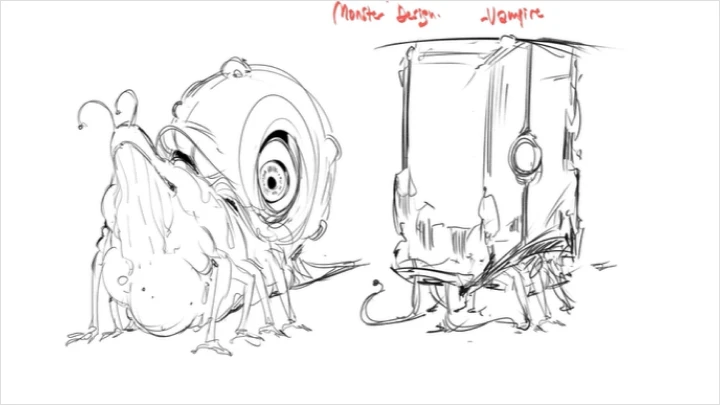
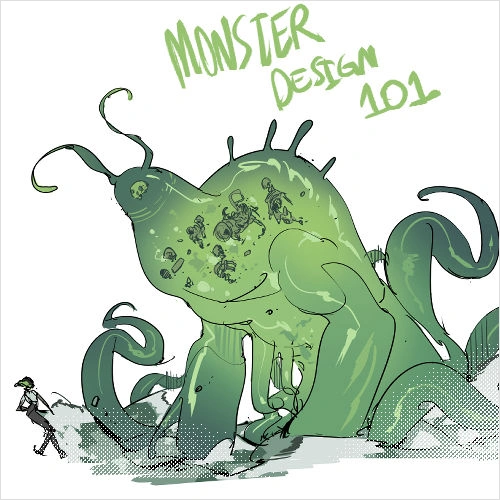 Monster DesignBeginner: Design 1 monster connected to your character’s setting.
Basic: Design 2 monsters, 1 large and 1 small, to expand the world around your character.
Part 05. Bonus Application: Bring Your Character Into Comics
-
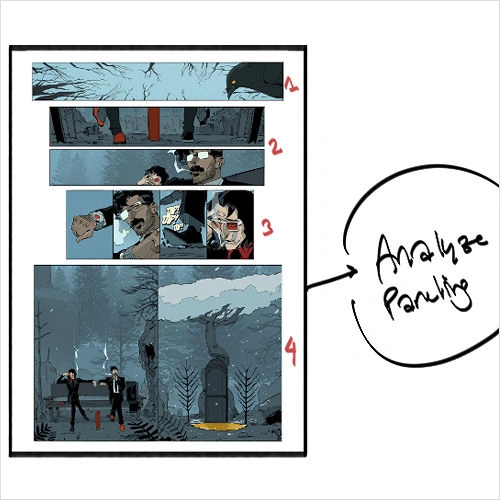 Comic Panel StudyAnalyze how your favorite comics use paneling, reading order, and flow to guide the viewer through a page.
 -
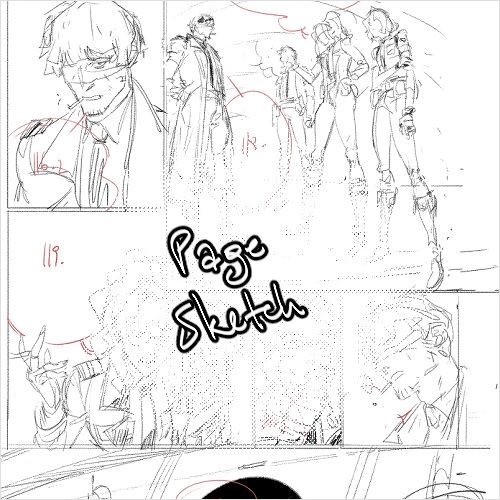 Comic Scene SketchBeginner: Create a 3-panel sketch featuring your character in a story moment.
Basic: Create a 1-page sketch comic featuring your character in a fuller scene. -
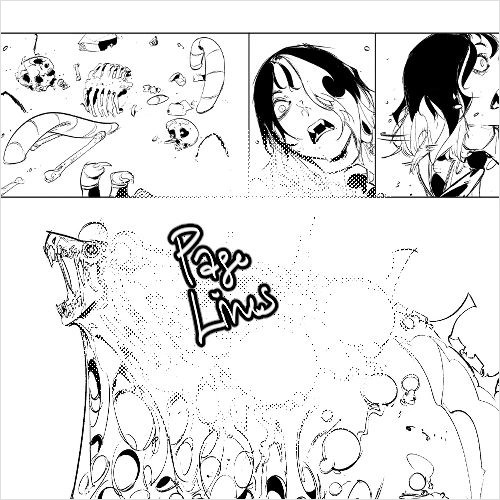 Comic Line ArtBeginner: Add line art to your sketch panels while keeping the action clear.
Basic: Add line art to your sketch comic page while supporting character acting and readability. -
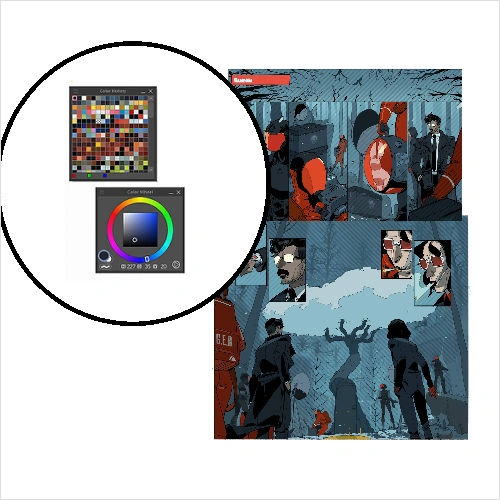 Comic Color TestBeginner: Create a color test for 1 panel to explore mood and atmosphere.
Basic: Create a color test for your comic page to build a clearer visual direction. -
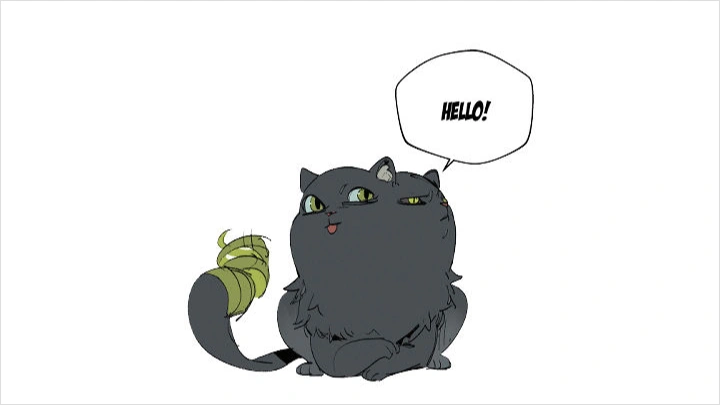
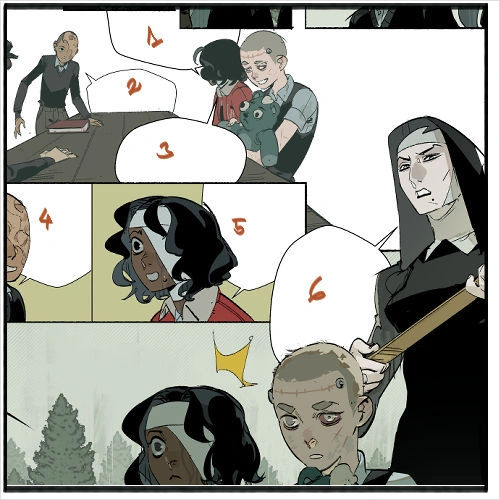 Lettering & SFXBeginner:Apply speech bubbles and SFX to your panels to support pacing and action.
Basic: Apply speech bubbles and SFX to your comic page to complete the storytelling flow.
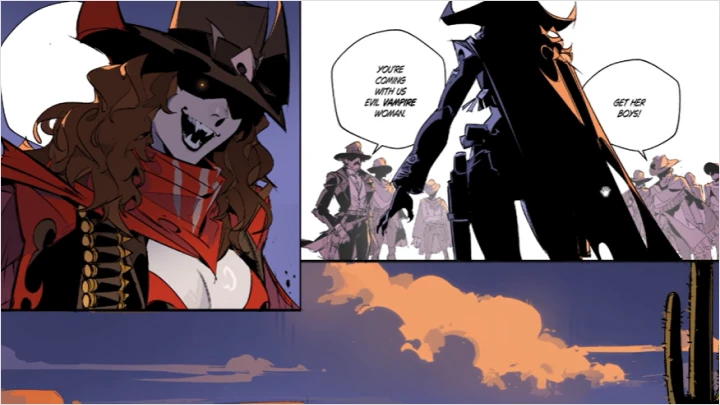
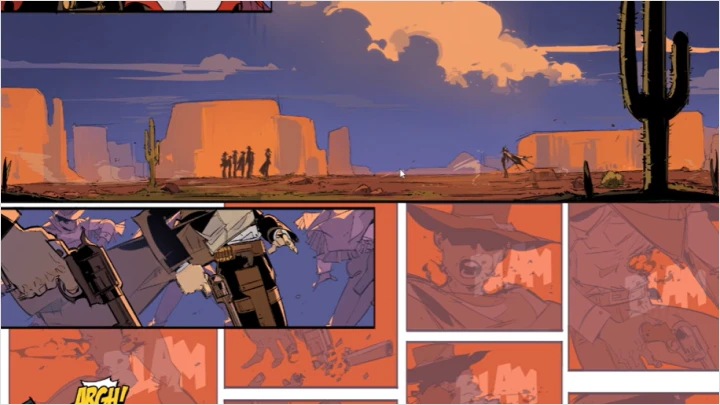
*The above images are sample images for a better understanding.
Final Products
-
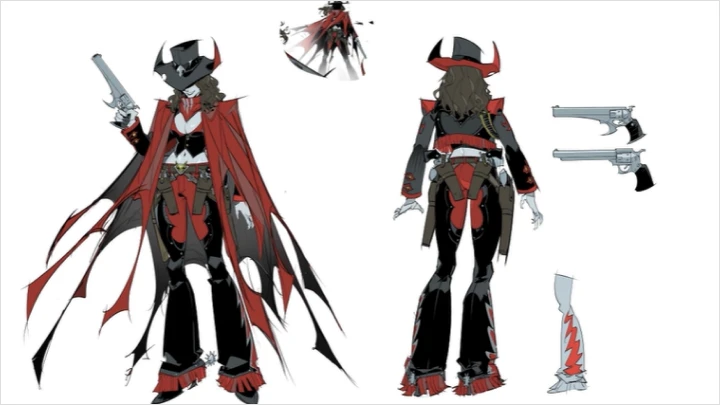
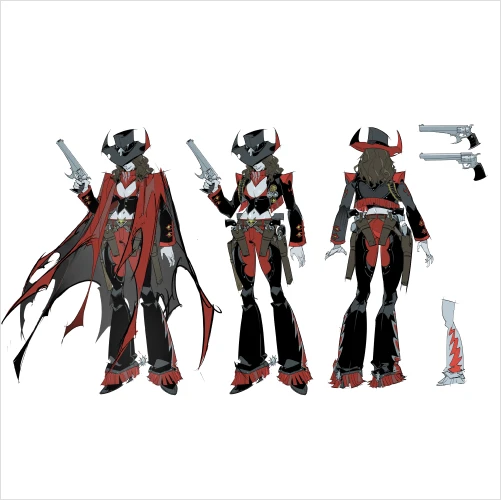 Character Design
 -
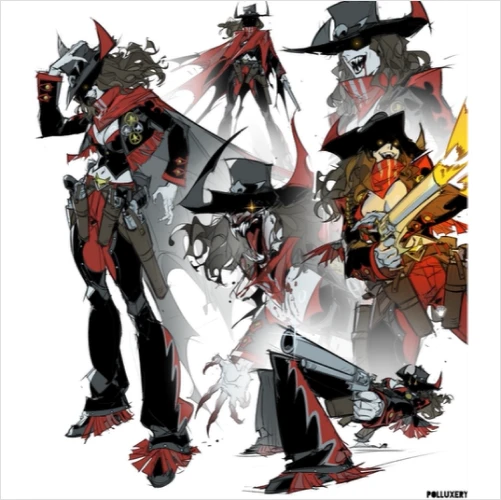 Character Sheet
 -
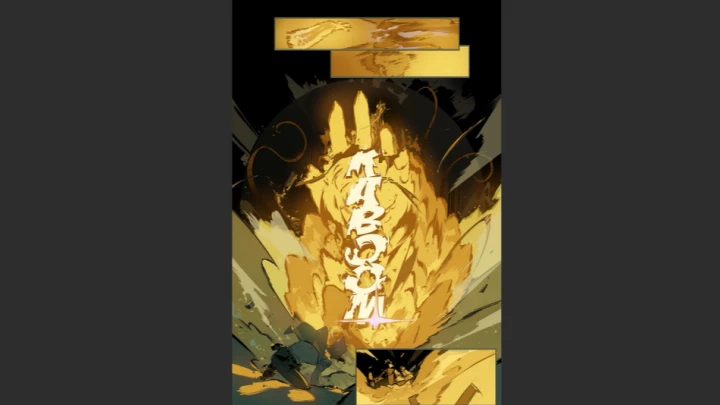
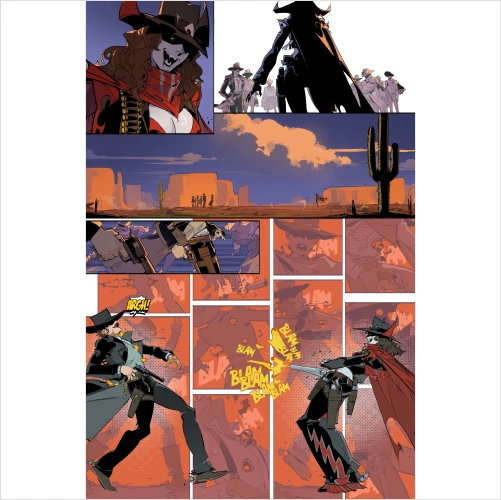 Comic Page
Highlights
Class Highlights
Narrative-Focused Character Design
Use worldbuilding, setting, and story context to shape your character’s design. Build a consistent visual language that makes your character feel like they naturally belong in their world.
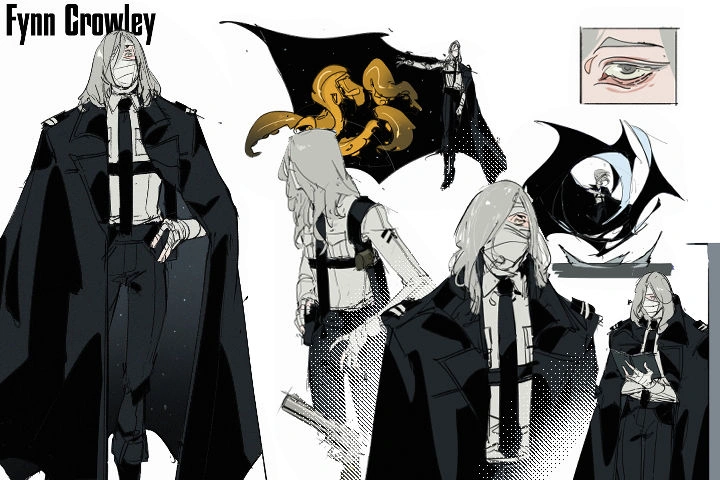
Enhancing Character Appeal
Identify what makes a character visually memorable, then refine their shape, silhouette, proportions, and design choices to push that appeal further.
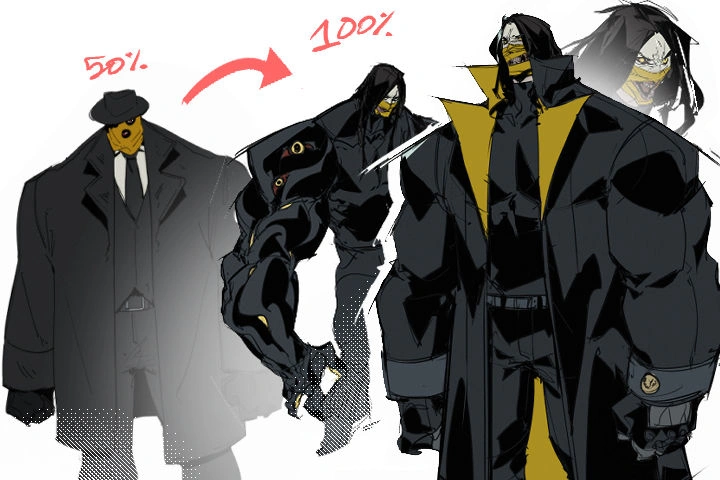
Giving Your Drawings Energy
Add energy, momentum, and impact to your drawings so poses, gestures, and action moments feel more dynamic on the page.