3danimator,dahongkim_김다홍KR Details
Intro

Don’t miss out, enroll now!
Enrollment closes in
0
d
0
h
0
m
0
s
2026-07-05T23:59

Now in Your Language, Only on Coloso!
Learn from Top Creative Experts Worldwide
-
 Biomechanics-Driven Animation
 -
 Functional Anatomy for Motion
 -
 Production-Ready Workflow
Game Animation Guide: Driven by Principles, Not Instinct
A hands-on curriculum that trains you to create animation based on clear, logical criteria rather than imitation. Break down the physics behind sense of weight, reaction and counteraction, and impact feedback, and experience what a difference those principles make in real motion. From 3Ds Max Biped exercises to building a portfolio in Unreal Sequencer: sharpen your animation instincts by bridging theory and practice at every step.

A curriculum for developing a structural understanding of the principles behind movement in game animation and sharpening your design instincts. Dive deep into character motion through core physics concepts including mass, inertia, center of gravity, and muscle mechanics. Follow a step-by-step guide that takes you from understanding and logically recreating movement to applying it directly in your own work.
Class Perks
Special Gift from Dahong Kim
-
 Unlimited Access to 28 ChaptersPractical animation process: driven by principles
 -
 Achieve Standout, High-Quality AnimationPhysical plausibility and structural design
 -
 Free Modeling Resources & Content TipsFor developing your movement design instincts
-
 Ready-to-Use 3Ds Max Production FilesFrom Biped setup to motion analysis
 -
 Reference Analysis Templates for Organized LearningFrom reference analysis to structural breakdown
 -
 Full-Class PDF Materials ProvidedFor comprehensive review of theory and practice
Recommendation
Who should take this class?
Aspiring animators seeking clear standards for a high-quality portfolio
Junior animators wanting to switch from instinct to logical motion design
Lead animators seeking to articulate motion with clear, persuasive logic
Why Take This Class?
Stop struggling with movement problems that instinct alone can't solve, and start breaking them down through structure. Go beyond tutorials that rush you into portfolio work and actually ask: "Why should this move this way?" Learn to analyze live-action reference frame by frame, interpret it in a game-ready style, and internalize a way of thinking about character motion design.
If you've ever felt that a motion looked off but couldn't figure out why, this is for you. Master concrete, practical criteria you can apply directly to real feedback: Center of Gravity shifts, follow-through and reaction reads, joint rotation angles, and more. Go beyond example demonstrations and elevate your analytical eye, so you can diagnose your own work and refine it with precision.
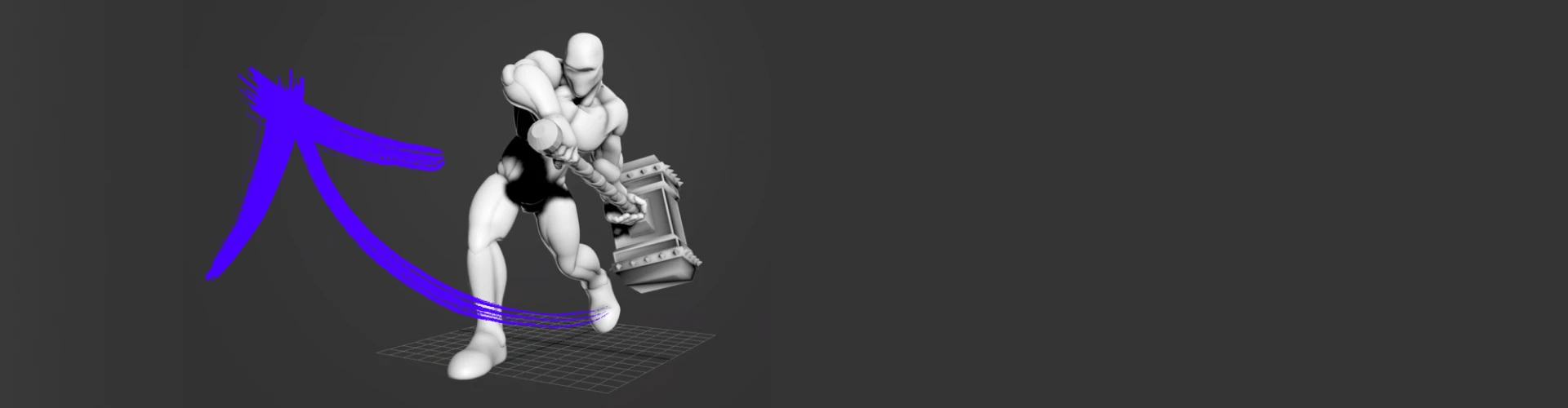
Get Ready for the Real-World
In-Game Character Motion Design: Anatomy & Biomechanics Workflow
Part 1. Before & After: A Biomechanics Breakdown
Through Before & After exercises structured like a real production feedback process,
you'll learn a workflow of assessment, revision, and application.
*Additional exercises are covered in the class.
-
 Before: Attack with No Sense of Weight
 -
 After: Attack with a Satisfying Sense of Weight
-
 Before: Fast but Weak Attack
 -
 After: Fast and Powerful Attack
-
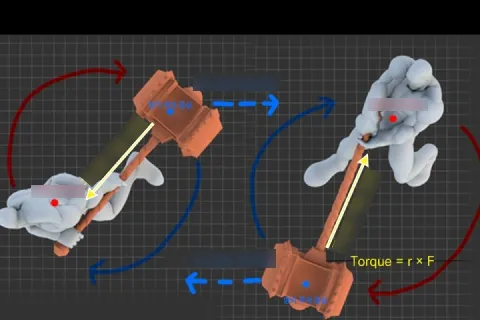
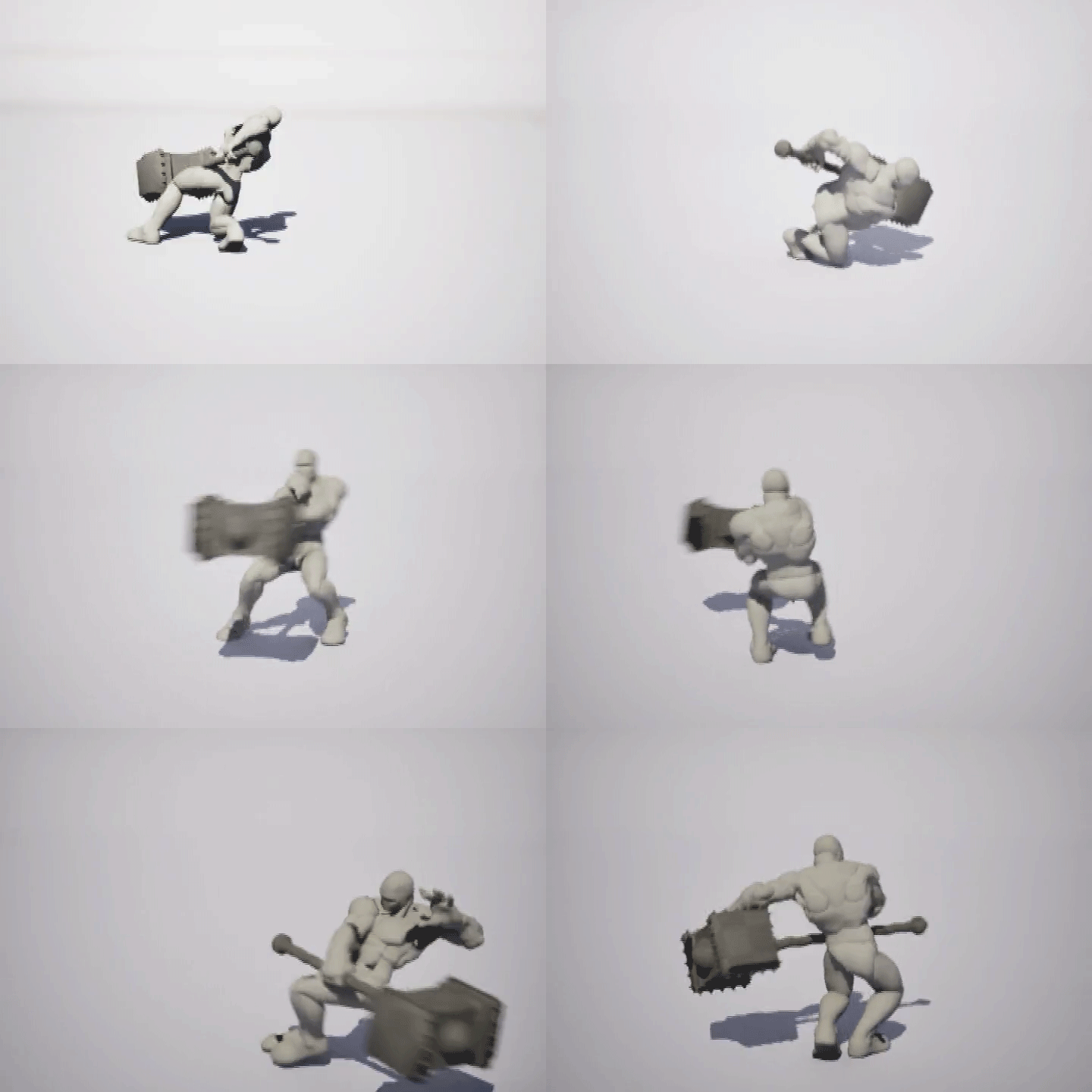 Before: Whirlwind with Insufficient Rotational Force
 -
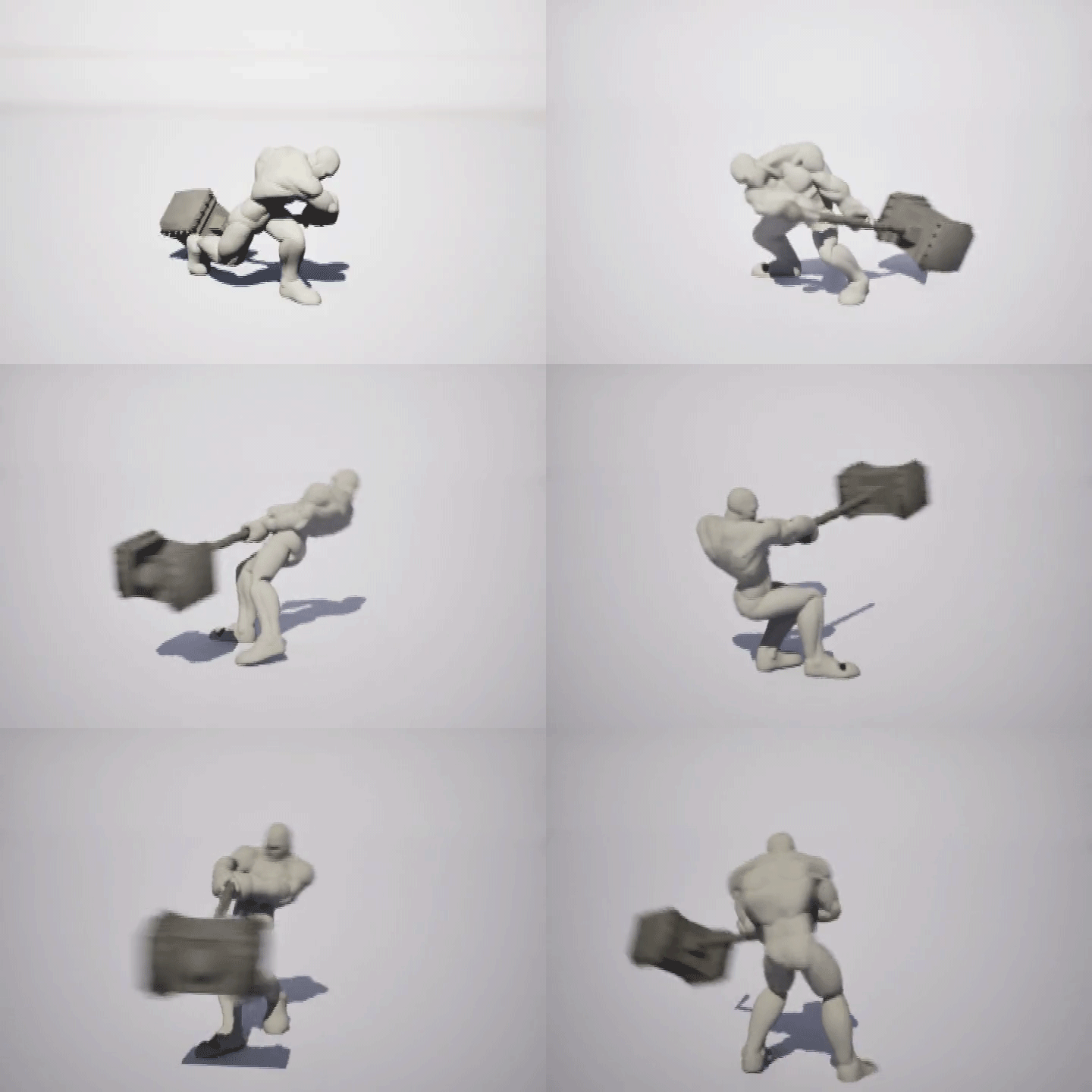 After: Whirlwind with a Convincing Sense of Rotational Force
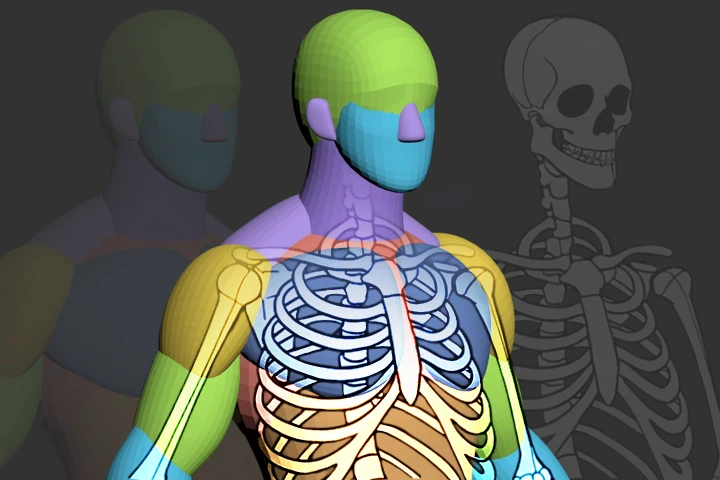
Part 2. Understanding Functional Anatomy
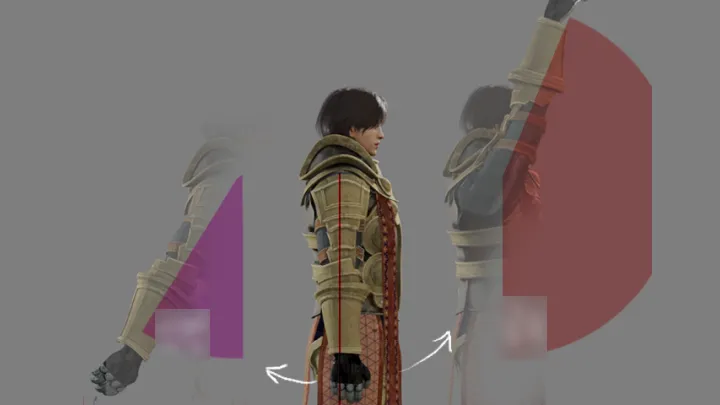
Learn the key differences between live action and animation through human anatomy,

then apply your understanding to pose dynamic sports movements.
-
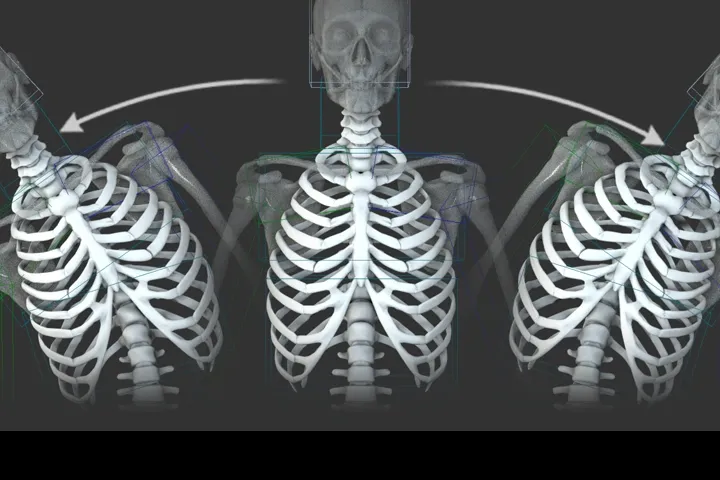 Range of Motion
 -
 Joint Types and Rotation
 -
Key Muscles and Their Functions
Part 3. Animation Exercises
Learn the core principles of biomechanics including mass, inertia, acceleration, and counteraction
to understand the reasoning behind motion and create physically plausible movement.
-
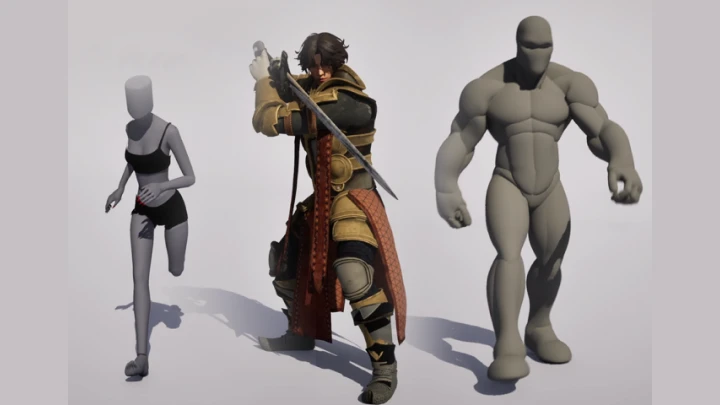
 Basic: Walk
 -
 Applied: Adult Female Walk
 -
 Applied: Heavy Male Walk
-
 Basic: Run
 -
 Applied: Adult Female Run
 -
 Applied: Skipping Run
-
 Death
Death -

 Combo Attack
Part 4. Cinematic Sequence Production

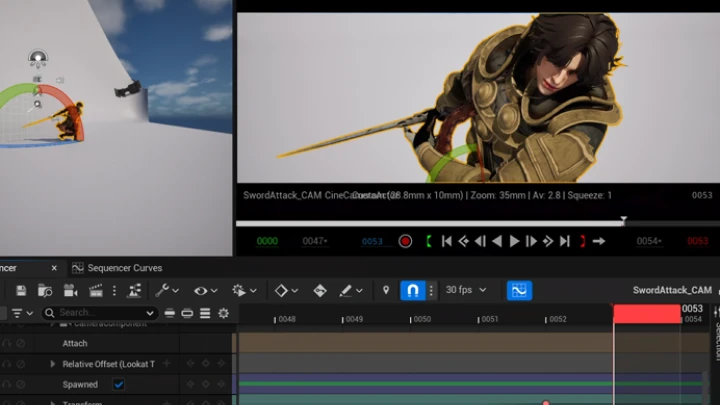
Walk through the full scene production process: placing characters and cameras in Sequencer, all the way through to rendering.

Production Process
TESTIMONIALS
Why Industry Professionals Recommend Dahong Kim's Class
-
 Jaewon Choi
Cinematic Team Lead / NetmarbleWorking alongside Dahong, I found it nearly impossible to spot anything awkward in her animation, built as it is on a deeply refined knowledge base. Through this class, I'm confident you'll absorb the theoretical knowledge and industry know-how Dahong has built up over the years, and take your animation quality to the next level.
-
 Dohyun Lee
Animation Team Lead / Lionheart StudioHaving worked with Dahong for a long time, what stood out was how deeply she thinks through every animation she designs. On actual projects, I often saw her dig relentlessly into the fundamentals to make character movement more convincing, and that attitude always impressed me. This class reflects that approach well. I'd confidently recommend it to any aspiring animator looking to build a solid foundation.
-
 Anonymous
Animator / NetmarbleShe was the person who helped me sort out everything I found most overwhelming as a new hire. She always explained not just how to animate, but why a character needs to move that way, and I learned so much from that. I'm confident this class will be a huge help in production as well.
-
 Anonymous (Private Lesson Student)
AnimatorThis class doesn't just show you what a pose looks like, it explains the biomechanical reasoning behind why that pose and movement come about in the first place, giving you a much deeper understanding of motion. I think even working professionals would benefit from taking it, as it would help sharpen their understanding of the work and raise the quality of their output.
-
 Ollie Kim (Nickname)
Animator / A Major Game StudioWorking alongside Dahong, what stood out was that she never relies on instinct alone. She always grounds her work in the structure and principles of animation, staying true to the fundamentals. Watching her lead the team with clear direction and an efficient approach, I learned so much. Getting to work with someone this exceptional was truly a privilege.
-
 Hyeonghwan Ryu
Former AD / GREPGAMESMy former colleague Dahong is a veteran with exceptional skills in the areas that matter most for expressing character movement: silhouette and a keen sense of motion timing. I was always impressed by how quickly she could lock onto the motion nuance of the character at hand and bring it to life. While most animators work primarily from instinct, what set Dahong apart was how she layered in biomechanics and meticulous character analysis on top of that. This class will zero in on the core fundamentals that aspiring animators tend to overlook, and I believe it will serve as an excellent benchmark for junior animators preparing their portfolios as well.
-
 Yejin Jeong (Private Lesson Student)
AnimatorAs I was preparing to become a 3D animator, the question I always had was: ""Why should this move this way?"" At the academies I attended, we'd breeze past the principles and jump straight into portfolio work, so when I got stuck, I had a hard time figuring out why on my own. But after taking Dahong's biomechanics and functional anatomy classes, I gained the ability to analyze movement logically and work through problems myself. Making lots of clips is of course important, but knowing why you're making each motion is the real shortcut to becoming a competitive animator. I'd strongly recommend this class to anyone who wants to build a solid foundation.
Highlights
Class Highlights
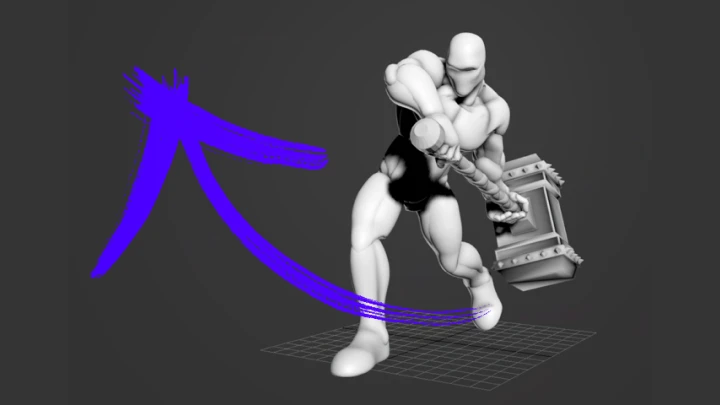
Biomechanics-Driven Impact: Crafting Weighty, Grounded Hits
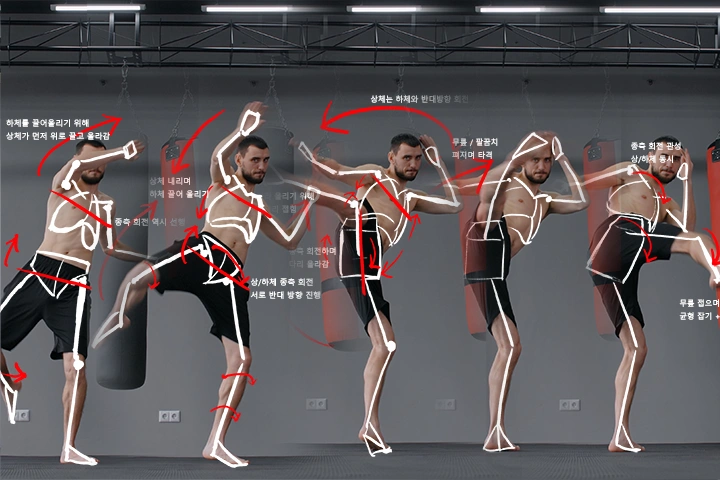

The key to creating impact that's fast without feeling light. Learn how to build a convincing sense of weight through core biomechanics concepts including mass, acceleration, and counteraction. Analyze the structure of real sports movements and attack animations with precision, and practice crafting hits that land with real impact.

Convincing Posing and Rigging Through Functional Anatomy

Awkward skeletons are a standards problem, not a setup problem. From Biped setup to skin weighting, learn a solid, structured approach to rigging grounded in functional anatomy. Learn how to design rigging around anatomical range of motion and create pose compositions that feel natural and appealing.
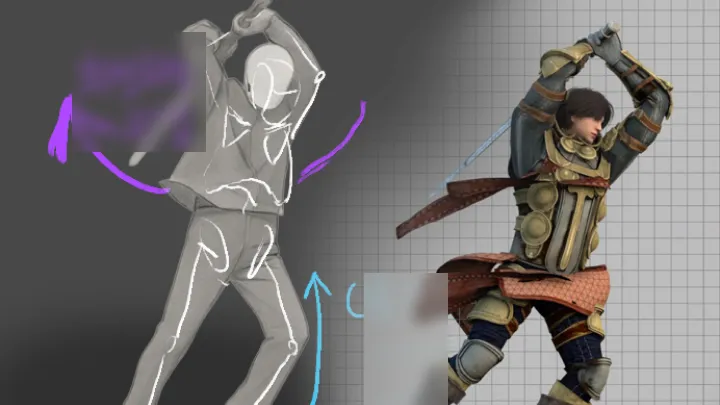
Level Up Your Clips: A Guide to Live-Action Reference Analysis
Grow into a professional animator who can explain the principles behind every motion. Analyze live-action reference through biomechanics and anatomy, examining the kinetic chain, range of motion, and muscle mechanics. Develop a creative eye that goes beyond imitation and raise the overall quality of your work.