2danimator,garai Details
Intro
Class Intro
2D Animator, Garai
"If your animation feels stiff & moves unnaturally, let's master all aspects of spacing & timing to give your project that buttery-smooth motion!"
Stiff Animation? Master Timing and Spacing!
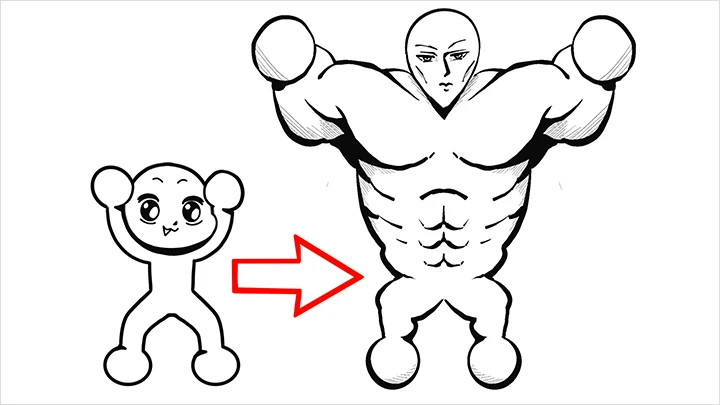
Ever feel like your animation looks correct but still feels stiff? The poses are there, the drawings look fine, yet the motion just doesn’t flow. More often than not, the problem isn’t drawing skill. It’s timing and spacing.
In this course, you’ll learn how small adjustments in timing, spacing, and weight can completely transform the feel of your animation. What once looked rigid and mechanical can suddenly become fluid, rhythmic, and alive.
In this course, you’ll learn how small adjustments in timing, spacing, and weight can completely transform the feel of your animation. What once looked rigid and mechanical can suddenly become fluid, rhythmic, and alive.
Guided by Garai, known for expressive motion and dynamic camera work, you’ll break down how frame-by-frame animation gains its sense of flow. Through hands-on exercises, you’ll explore how subtle changes between frames create movement that feels natural, intentional, and emotionally engaging.
You’ll also learn practical workflows and production techniques used in professional animation industry, helping you move beyond isolated exercises and apply these skills to fully realized scenes.
If you’ve ever wondered why some animations feel effortlessly smooth while others feel stiff, this course will give you the tools to understand and control the difference.
You’ll also learn practical workflows and production techniques used in professional animation industry, helping you move beyond isolated exercises and apply these skills to fully realized scenes.
If you’ve ever wondered why some animations feel effortlessly smooth while others feel stiff, this course will give you the tools to understand and control the difference.
Class Preview
Still Not Sure?
Check Out Garai's Class Preview!
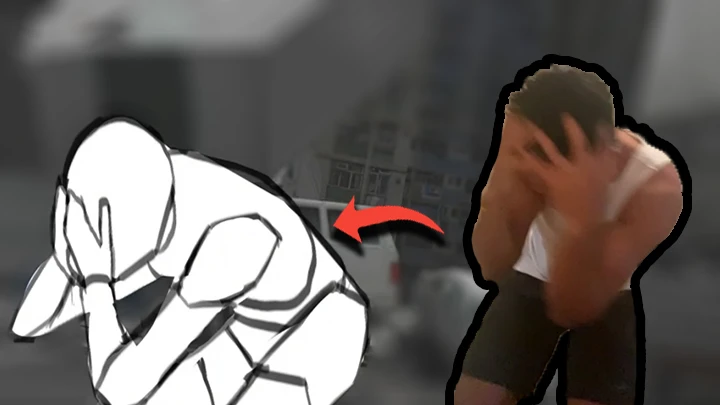
Chapter 02. Good Drawings, Bad Motion
1. Explore why strong drawings can still result in weak animation
2. Identify common visual issues caused by poor timing and pacing
2. Identify common visual issues caused by poor timing and pacing
Class Perks
Special Gift from Garai
-
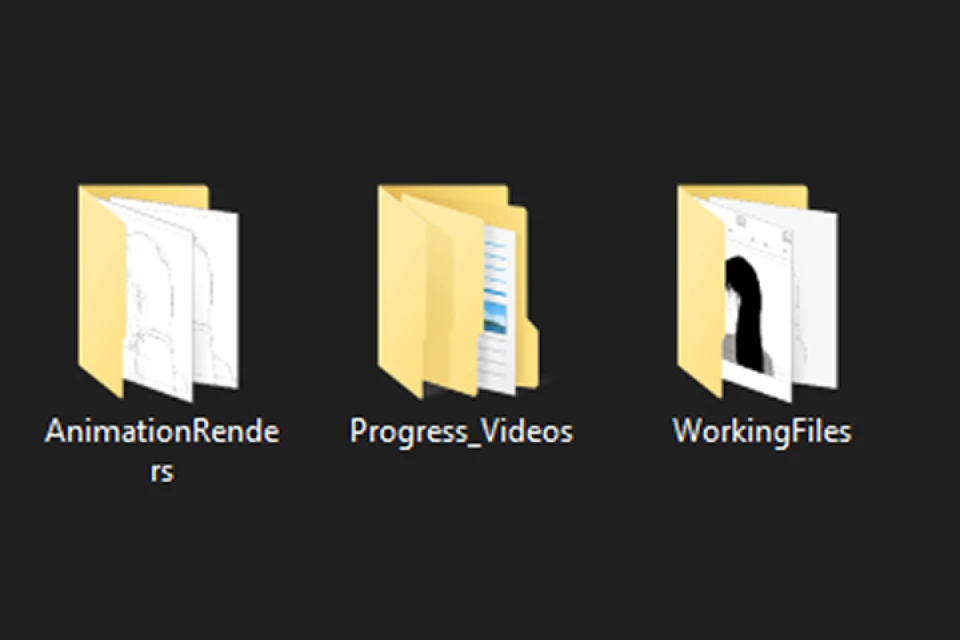 Final Animation Work File
 -
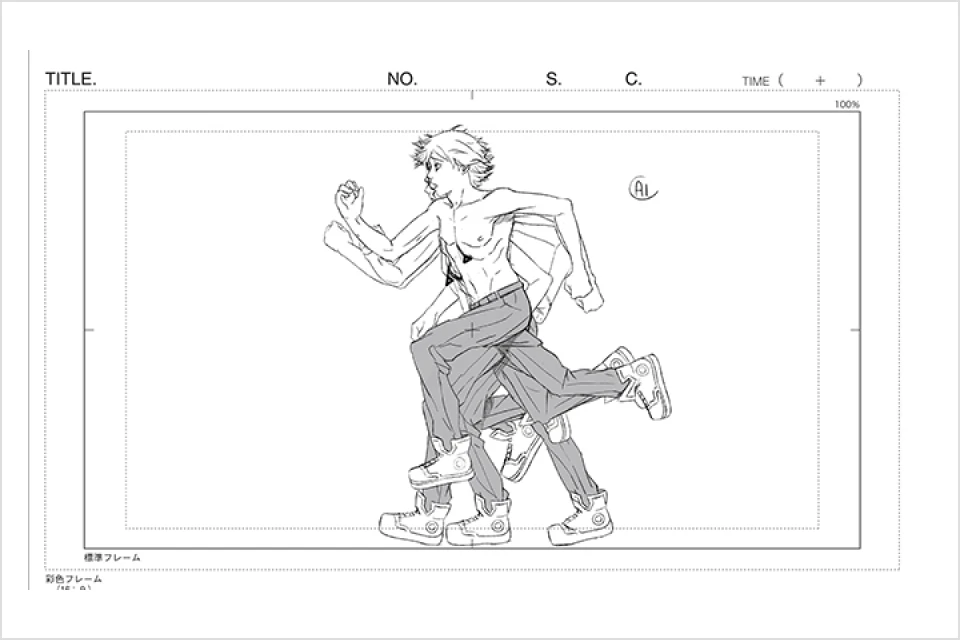 Motion Reference Pack
 -
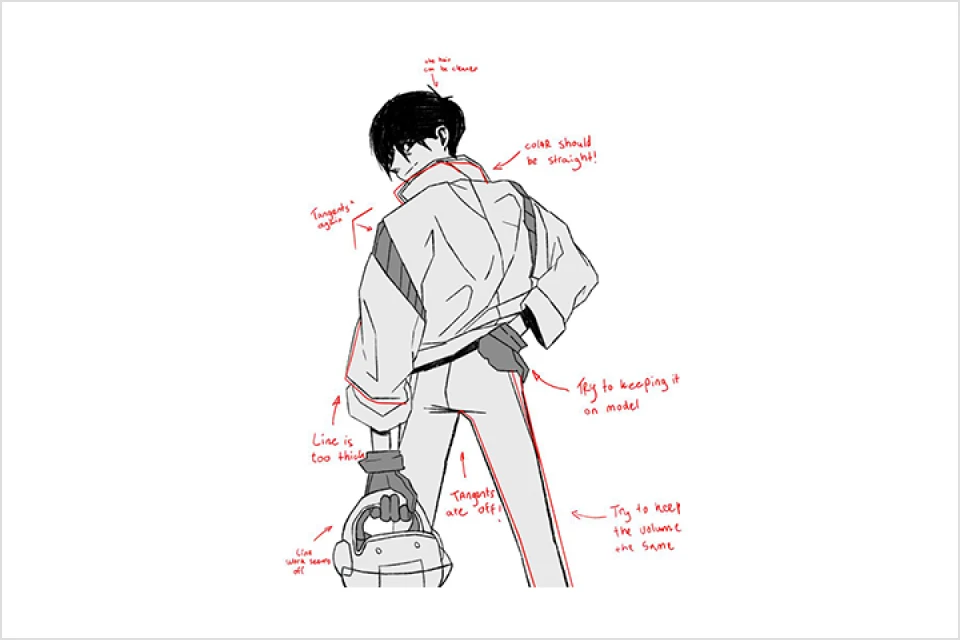 Professional Standard Self Critique Checklist
 -
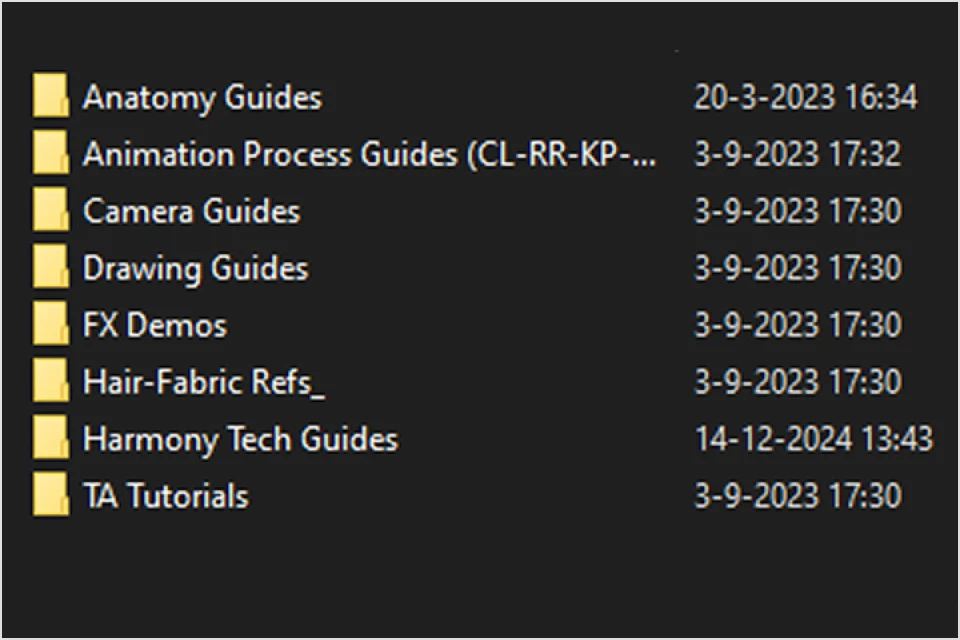 Animator Resource Guide
 -
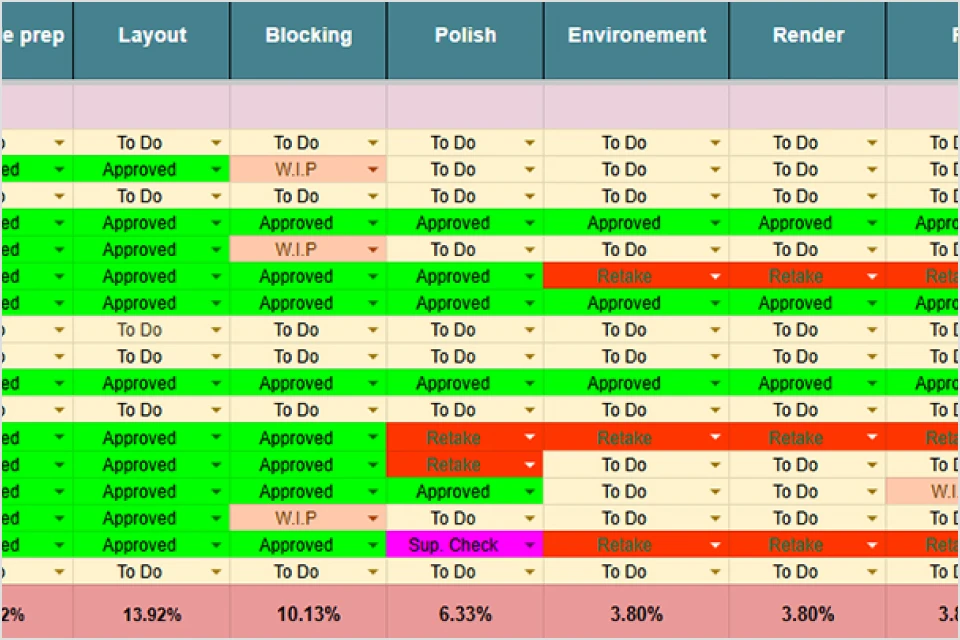 Professional Animation Workflow Guide
Class Material Details
-
 Master Animation File- A complete CSP project file containing the planning, rough, refined, and final animation stages used to create the final animation
 -
 Motion Study Pack- A curated set of reference clips and images used during the course to study timing, acting, and motion
 -
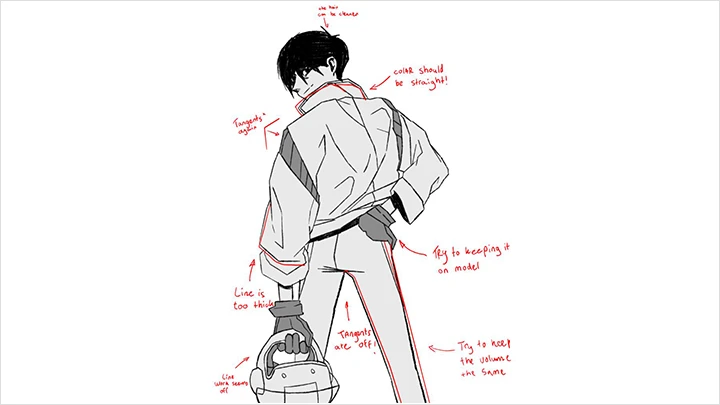
 Industry-Level Review Checklist- A checklist to self-evaluate timing, spacing, clarity, and polish
 -
 Animator’s Reference Handbook- A curated PDF of the tools, websites, communities, and job resources Garai used when finding animation work
- Includes portfolio platforms, studio directories, reference sites, and practical tips for navigating the animation industry -
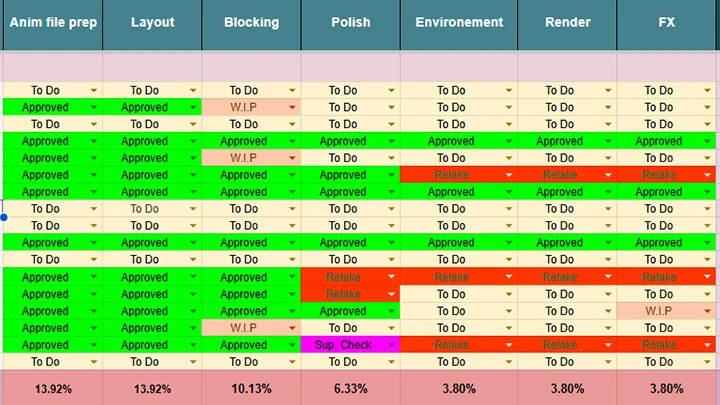
 Industry Animation Pipeline Guide- A breakdown of how professional animation projects are structured
- Includes examples of production pipelines, feedback workflows, and common documentation used in animation projects
Recommendation
Who should take this class?
Illustrators who are exploring to transition into animation industry
Aspiring 2D Animators who wants to make their animation fluid and smooth
Animators preparing a portfolio for studio or freelance opportunities
Expert 2D Animator Garai's Portfolio
Monkie Kid: Season 4
The King & The Thief
Quokka's Wild Life

* This Portfolio includes fanart and client works.
Why Take This Class?
Great animation isn’t just about drawing well. It’s rather about understanding motion. In this class, you’ll learn how animators think when shaping movement, from making confident decisions in the rough stage to refining animation without losing energy and clarity.
Along the way, you’ll also follow workflows commonly used in production environments, helping you translate fundamental animation principles into scenes that feel purposeful and complete.
By the end of the class, you’ll complete a short 2D animation shot of your own. From planning and reference to rough animation, refinement, and final polish, you’ll follow a clear step-by-step process used by professional animators.
Get Ready for the Real-World
19 Class Exercises
-
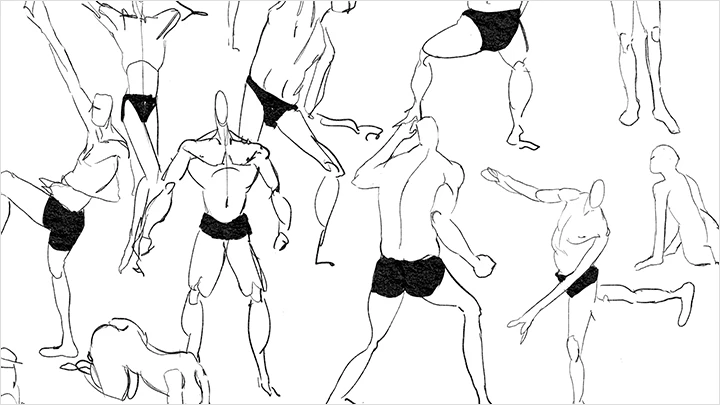
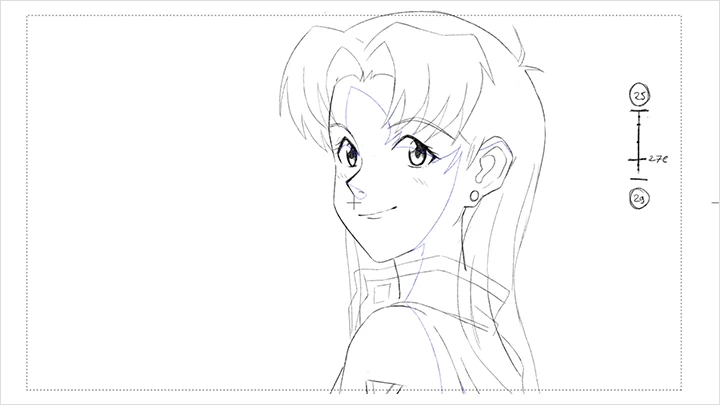
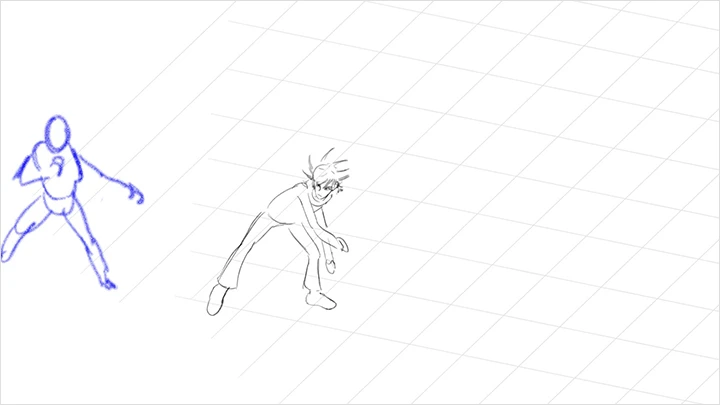
Gesture Drawings- Create a series of quick gesture drawings.
- Analyze why certain poses feel more dynamic and readable than others. -
Timing, Pacing, and Rhythm Analysis- Identify why an animation feels off.
- List at least three issues related to timing, pacing, or rhythm. -
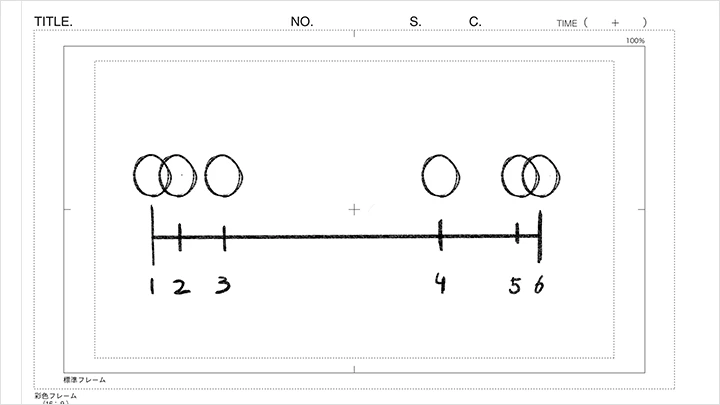
Spacing and Weight Study- Animate a simple bouncing ball or pendulum.
- Focus on spacing to understand how it affects the sense of weight.
-
Pose Clarity Study- Design poses with a focus on clarity and intention.
- Prioritize readable silhouettes over cleanliness of poses. -
Keys and Breakdowns Practice- Start by establishing strong key poses.
- Add one or two breakdowns to clarify the motion. -
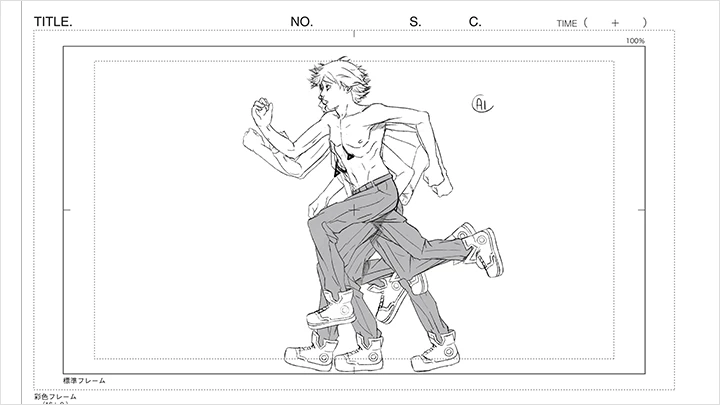
Rough Animation Pass- Focus only on rough animation.
- Concentrate on timing and motion rather than cleanup.
-
Three Mistakes Correction- Review your animation and identify three issues.
- Correct common problems such as stiffness, floatiness, or off-model drawings. -
Self-Critique Checklist- Evaluate your animation using a structured checklist.
- Check clarity, spacing, arcs, volume consistency, and rhythm. -
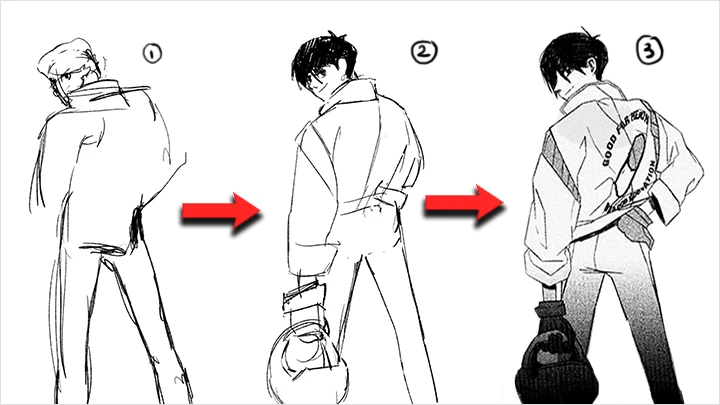
Refinement Pass- Refine the animation while maintaining its original energy.
- Improve spacing, timing, and keep volumes consistent.
-
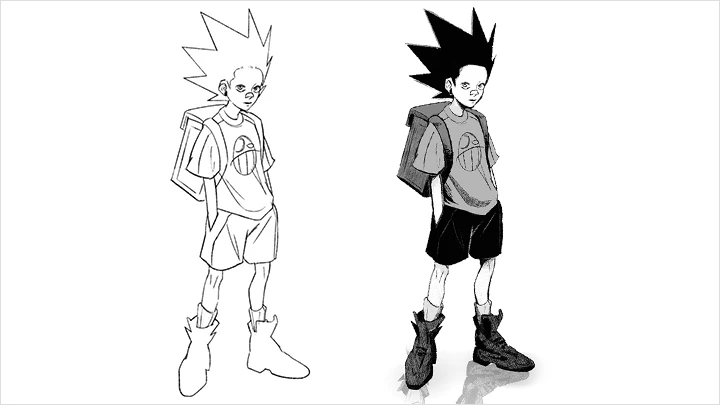
Clean Line Pass- Clean up the animation without stiffening the motion.
- Preserve the timing and energy established in the rough pass. -
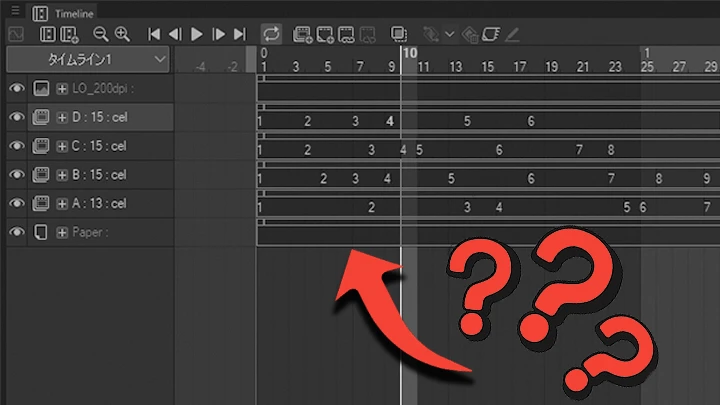
Timing Accent Test- Create two versions of the same animation.
- Compare a snappy timing version with a smoother one. -
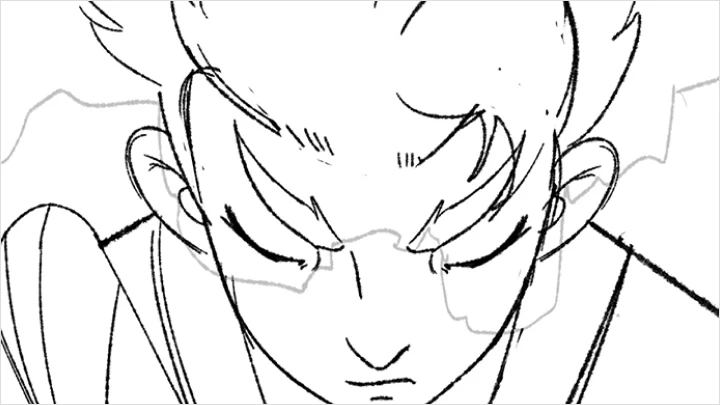
Acting Pass- Add subtle facial motion such as eyes, brows, and micro-movements.
- Introduce emotion without over-animating the shot.
-
Reference Pack and Timing Plan- Gather visual references for your shot.
- Define the key beats and timing plan before animating. -
Final Rough Pass Submission- Submit the completed rough animation.
- Focus on clear timing, motion, and shot readability. -
Final Polish Pass Submission- Refine and polish the animation.
- Prepare the shot for final presentation.
-
Final Export and Portfolio Presentation- Export the animation using proper settings.
- Present the shot professionally for portfolio use. -
Workflow Planning- Choose your primary animation software.
- Evaluate why it best supports your workflow and goals. -
Animation Roadmap Planning- Outline your next learning steps as an animator.
- Plan a development roadmap for the next 6–9 months. -
Portfolio Shot Planning- Plan three animation shots for your portfolio.
- Choose ideas that highlight motion, clarity, and performance.
Final Product Example
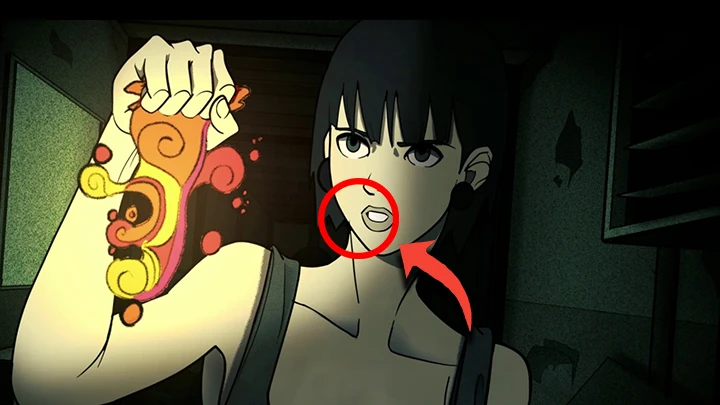
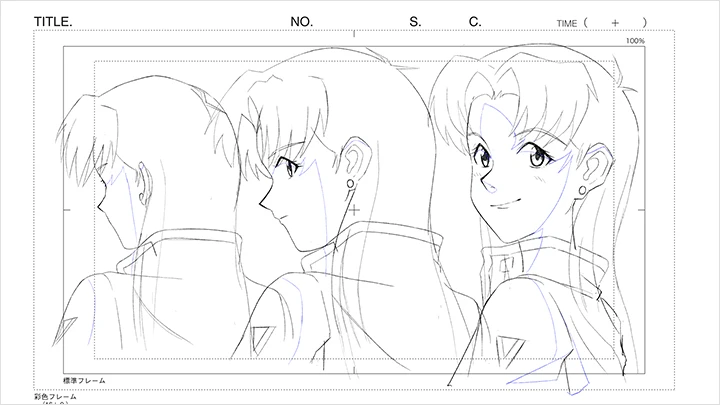
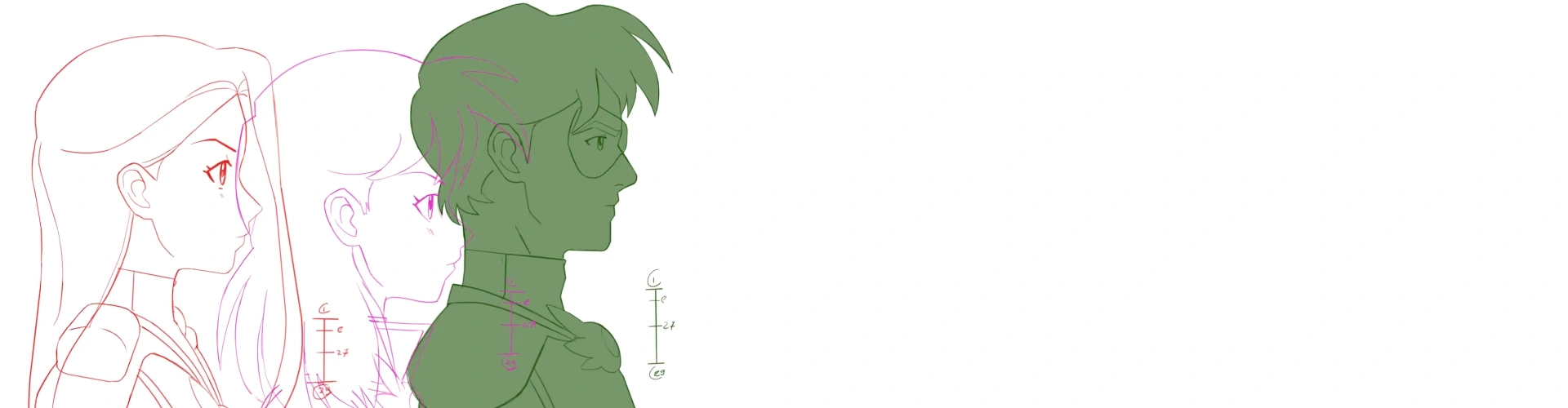
Original Anime Style Cinematic Shot
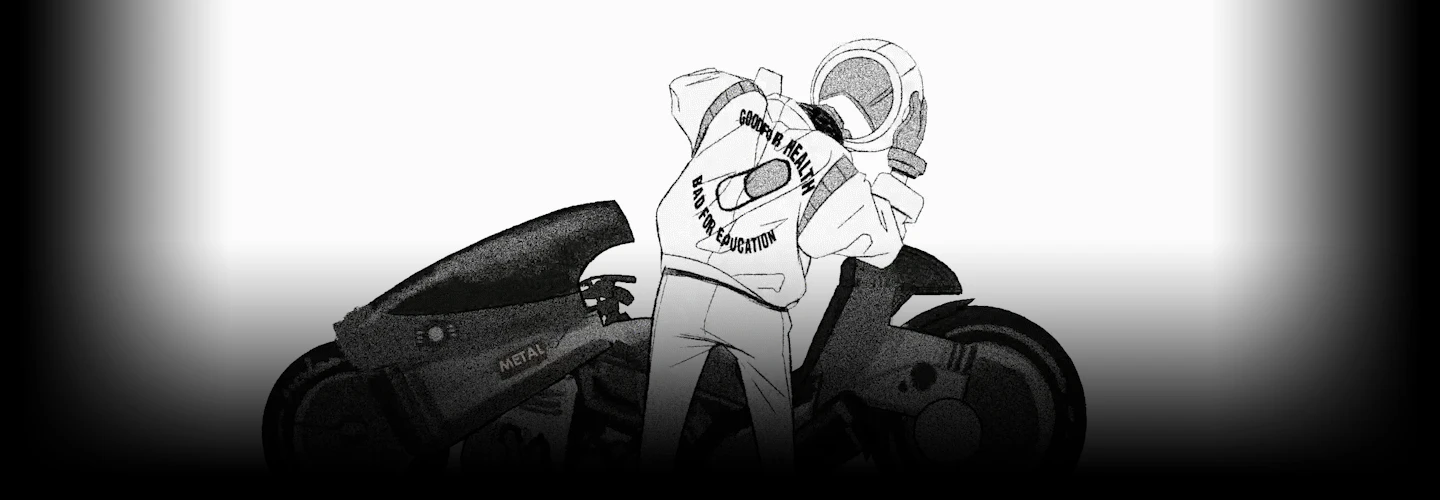
Complete a short, original 2D animation shot focusing on timing, pacing, acting, and clarity.
The project is built step by step throughout the class, from planning and rough animation to refinement and final polish.
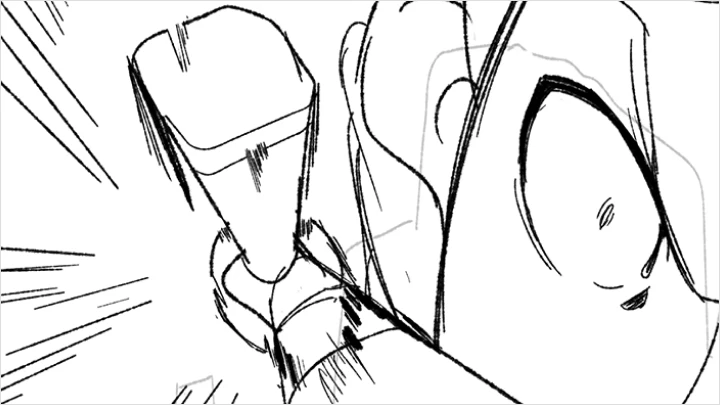
*The above images are sample images for a better understanding.
Highlights
Class Highlights
Stylized Motion with Purpose
Learn how to shape motion with intention so your animation feels expressive, natural, and full of life. Through a deeper understanding of timing, spacing, and weight, you’ll discover how subtle adjustments can transform stiff movement into fluid and engaging animation.
Professional Workflow
Follow the workflow professional animators use to build a shot from rough exploration to final polish. You’ll learn how to plan efficiently, refine motion without losing energy, and structure your animation process in a production-friendly way.
Industry-Ready Thinking
Develop the decision-making skills animators rely on in real production environments. By learning how to evaluate motion, interpret feedback, and approach animation systematically, you’ll build a mindset that applies across different tools, pipelines, and creative workflows.