Details
บทนำ
แนะนำคลาส
Illustrator, Neg
เคล็ดลับในการสร้าง illustration ที่น่าทึ่งและเต็มไปด้วยบรรยากาศ
เรียนรู้ Composition แสงและเงา และการลงสี เพื่อสร้าง illustration ต้นฉบับที่มีเอกลักษณ์
คลาสนี้จะอธิบายอย่างละเอียด ตั้งแต่พื้นฐานของ illustration เช่น กายวิภาคมนุษย์และ perspective drawing ไปจนถึงสิ่งที่จำเป็นในการสร้างผลงานที่สะดุดตา ผ่านการควบคุมแสง สี composition และ background ด้วยเทคนิคและเคล็ดลับเฉพาะตัว Illustrator Neg จะอธิบายพื้นฐานต่างๆ อย่างเข้าใจง่าย รวมถึงการใช้เครื่องมือ การใช้ layer อย่างมีประสิทธิภาพ เทคนิคการวาด figure แบบรวดเร็วอย่างมีประสิทธิภาพ และข้อดีของการใช้ภาพถ่าย
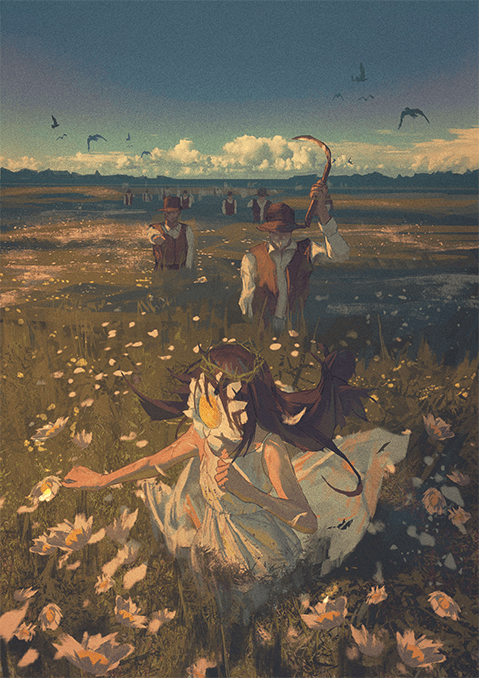
ผ่านตัวอย่างต่างๆ คุณจะได้วิเคราะห์องค์ประกอบที่ทำให้ illustration ดูน่าสนใจ เช่น lighting composition โทน และสีหลักของภาพ นอกจากนี้ คุณยังจะได้ศึกษารายละเอียดเกี่ยวกับวิธีใช้องค์ประกอบเหล่านี้ใน illustration ผ่านวิดีโอผลงานก่อนหน้า เรียนรู้ workflow การสร้าง illustration ตั้งแต่ sketch แรกไปจนถึงขั้นตอนเก็บรายละเอียดสุดท้าย เพื่อสร้าง illustration ระดับมืออาชีพที่เต็มไปด้วยบรรยากาศในสไตล์ของคุณเอง มีเฉพาะบน Coloso เท่านั้น
ของแถมในคลาส
รับสิทธิพิเศษเฉพาะจาก Coloso
-
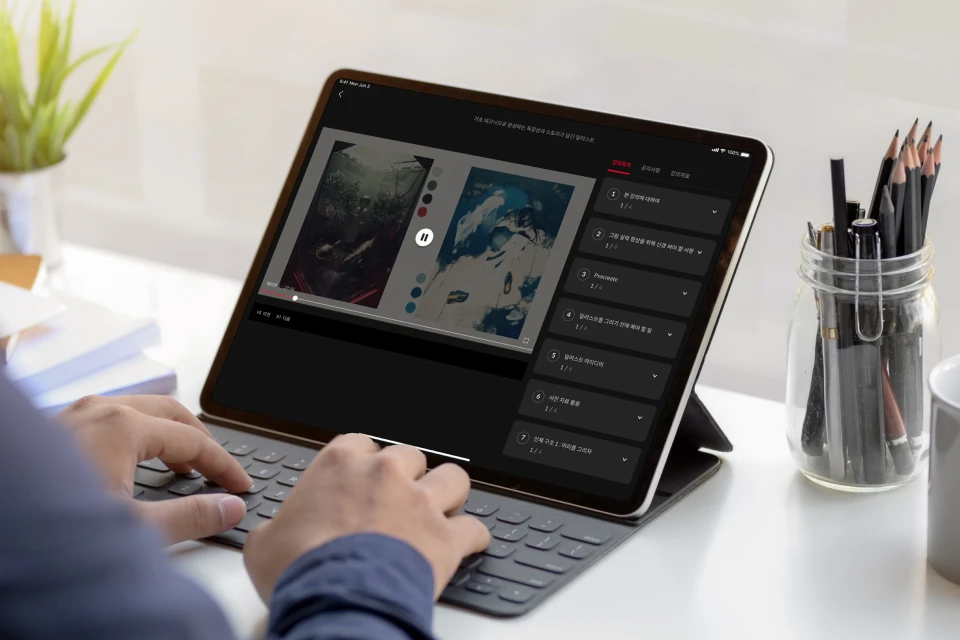 ดูคลาสทั้งหมด 26 บทเรียนได้ไม่จำกัดเวลา
 -
 ไฟล์สื่อการเรียนที่ใช้ในแบบฝึกหัดภายในคลาส
 -
 ไฟล์ illustration ที่เสร็จสมบูรณ์
รายละเอียดไฟล์ประกอบคลาส
-
 ไฟล์ reference ที่มีประโยชน์- ไฟล์วิดีโอ 6 ไฟล์ของ workflow การสร้าง illustration (.mov/.mp4)
 -
 ไฟล์ illustration สำเร็จรูปที่มีประโยชน์- ไฟล์โปรเจกต์ illustration 1 ไฟล์ (.psd)
พอร์ตโฟลิโอของ Illustrator Neg
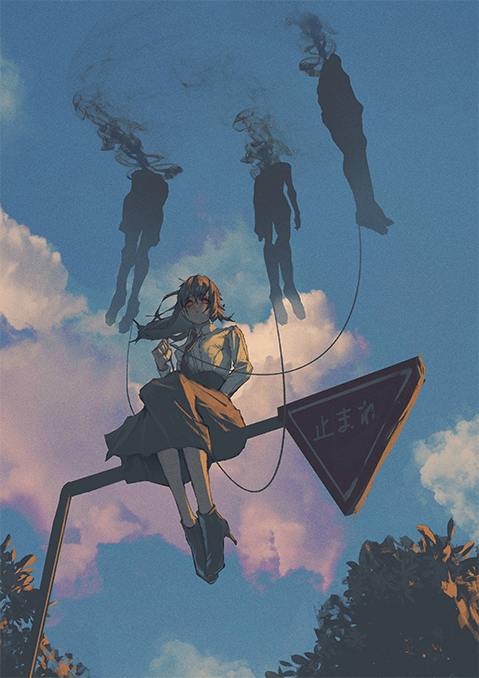
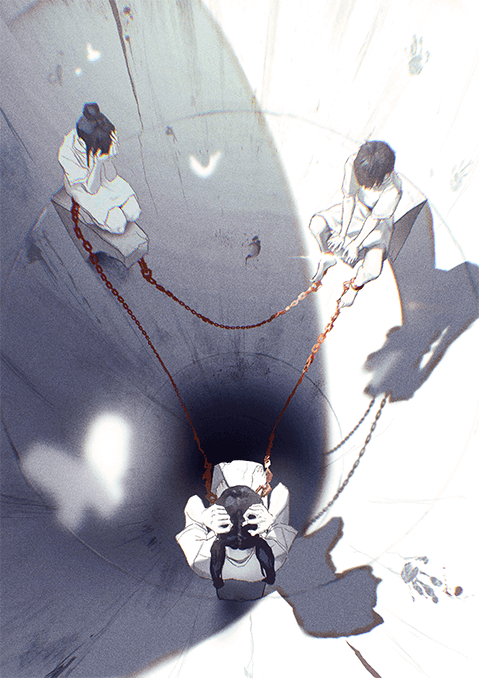
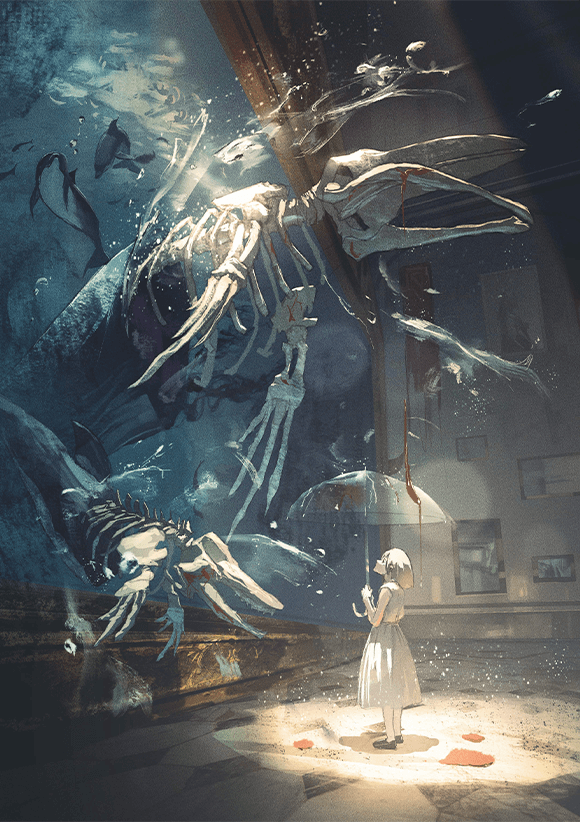
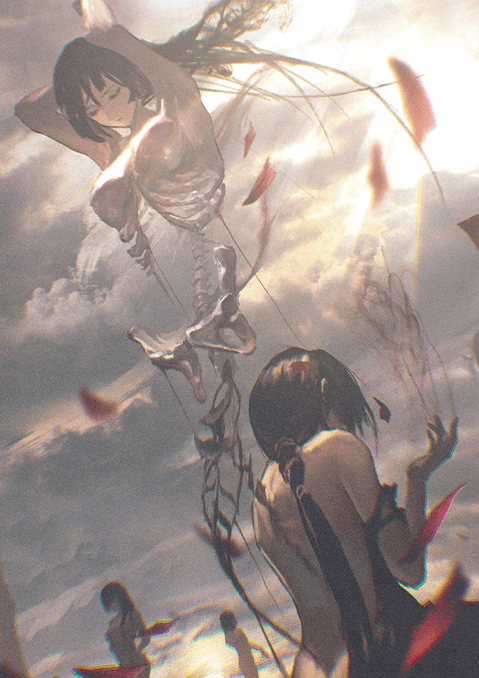
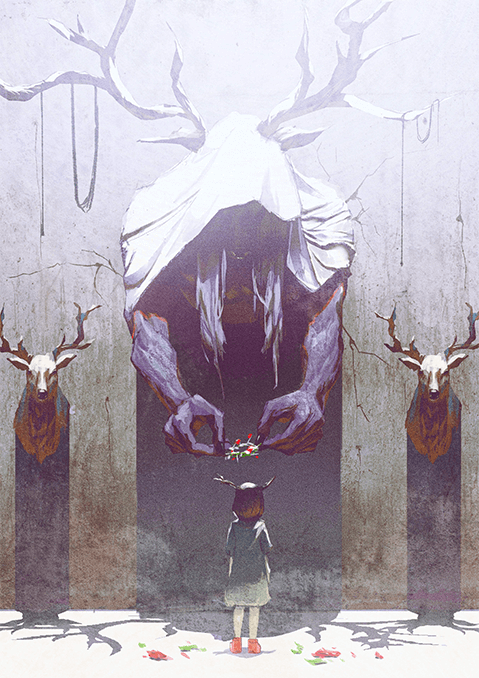
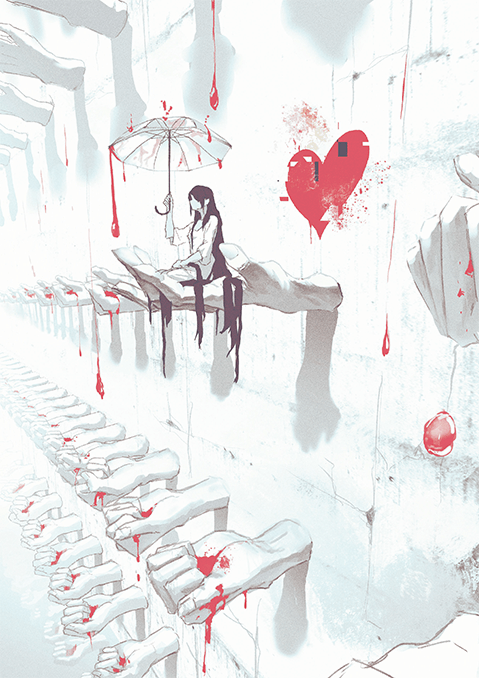
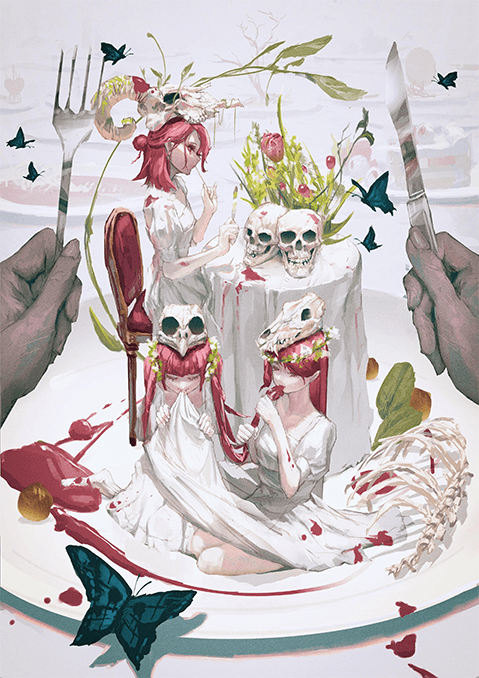
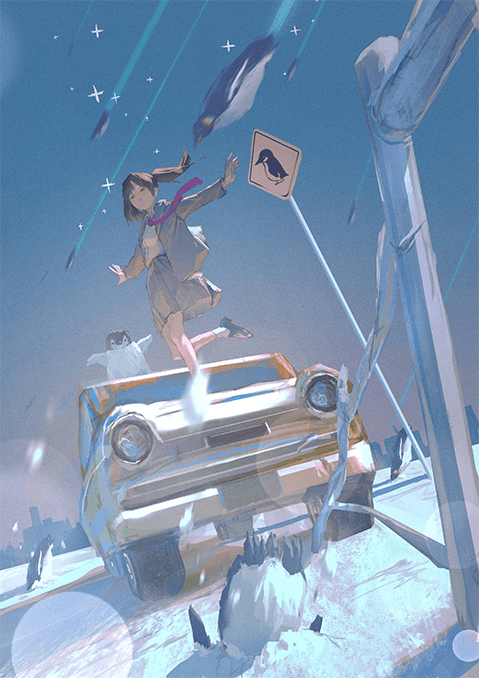
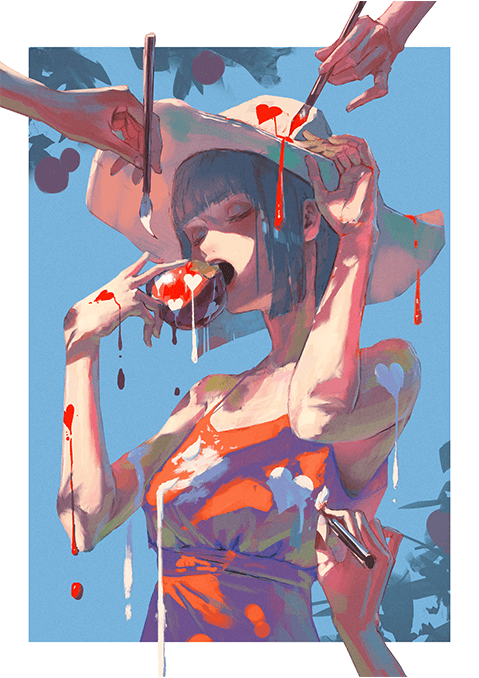
แบบฝึกหัด 9 บทเรียน
-
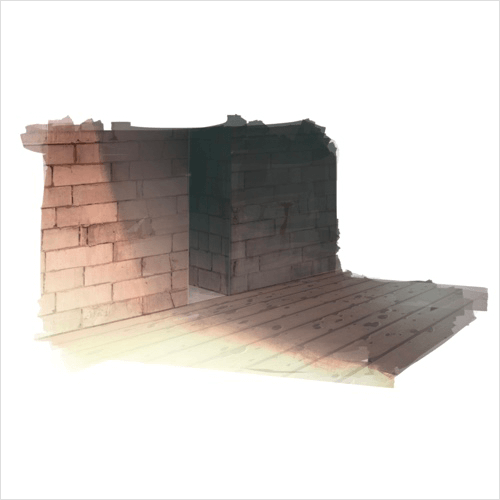 การใช้รูปภาพ
 -
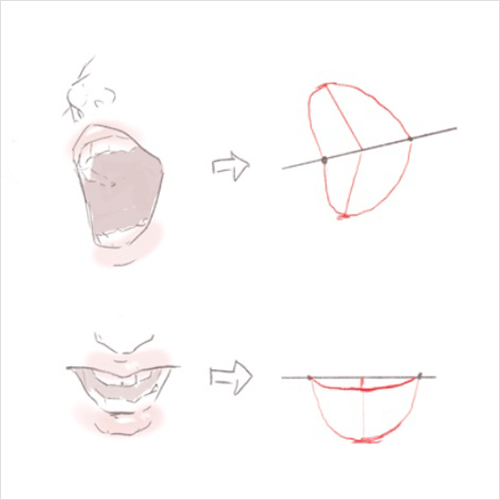 องค์ประกอบบนใบหน้าจากหลากหลายมุมมอง
 -
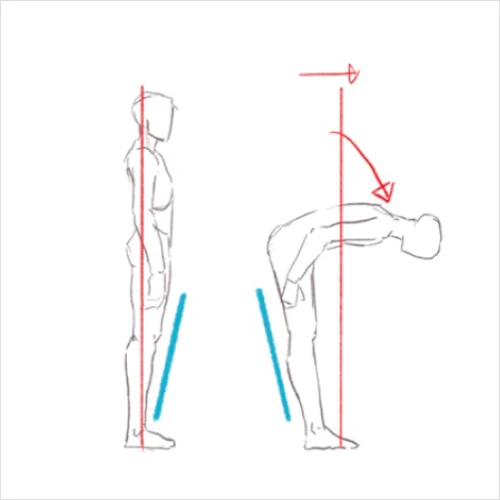 โครงสร้างพื้นฐานของร่างกาย
-
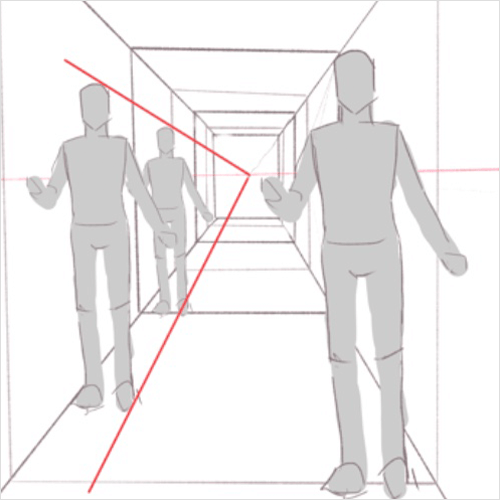 การใช้ perspective drawing
 -
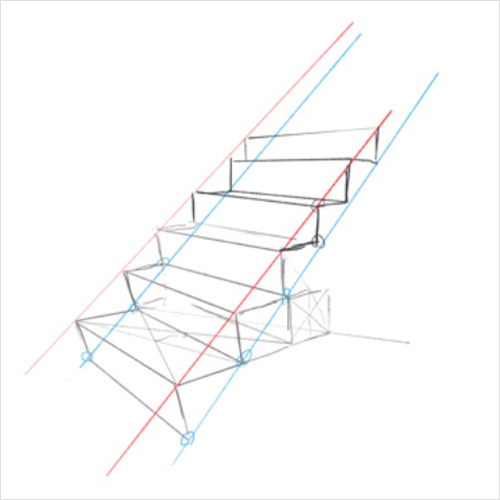 การถ่ายทอดความเป็นสามมิติผ่าน perspective drawing
 -
 การทำความเข้าใจแสง
-
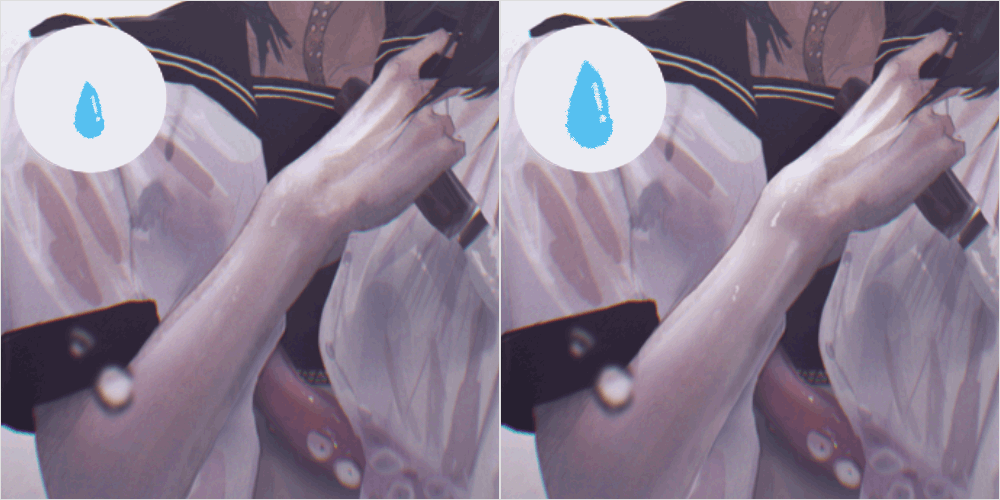 การแสดงพื้นผิวผ่านการสะท้อนแสง
 -
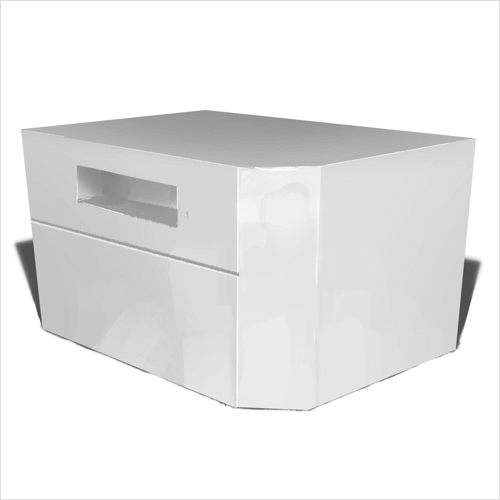 การสร้างความเป็นสามมิติด้วยแสงและเงา
 -
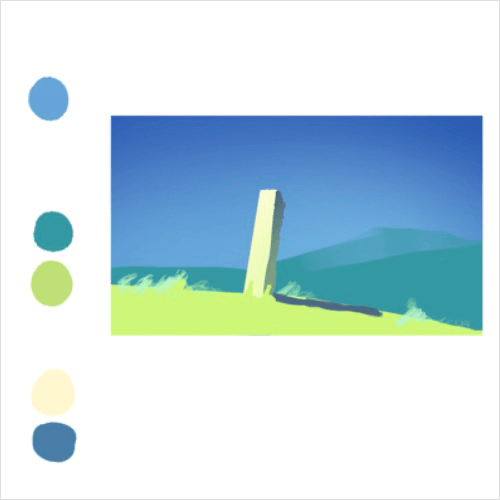 วิธีเลือกใช้สี
ผู้สอน
Illustrator
Neg
สวัสดี ฉันคือ Neg เป็น Illustrator ฉันเริ่มวาด illustration หลังจากเรียนจบมหาวิทยาลัยทันที
ฉันศึกษาด้วยตัวเองมาเป็นเวลา 5 ปี และปัจจุบันทำงานเป็น freelance illustrator โดยวาดงานบน iPad สิ่งที่ฉันอยากเน้นคือ แม้ว่าคุณจะเริ่มวาด illustration ตอนโตแล้ว คุณก็สามารถพัฒนาได้อย่างแน่นอน หากคุณจดจำเทคนิคของฉันไว้ แม้ว่าคุณจะใช้เพียง iPad ในการวาดก็ตาม

Illustrator Neg
[ปัจจุบัน]
Illustrator
ไฮไลต์
จุดเด่นของคลาส
เรียนรู้ทักษะสำคัญในการสร้าง illustration จากทฤษฎีพื้นฐาน
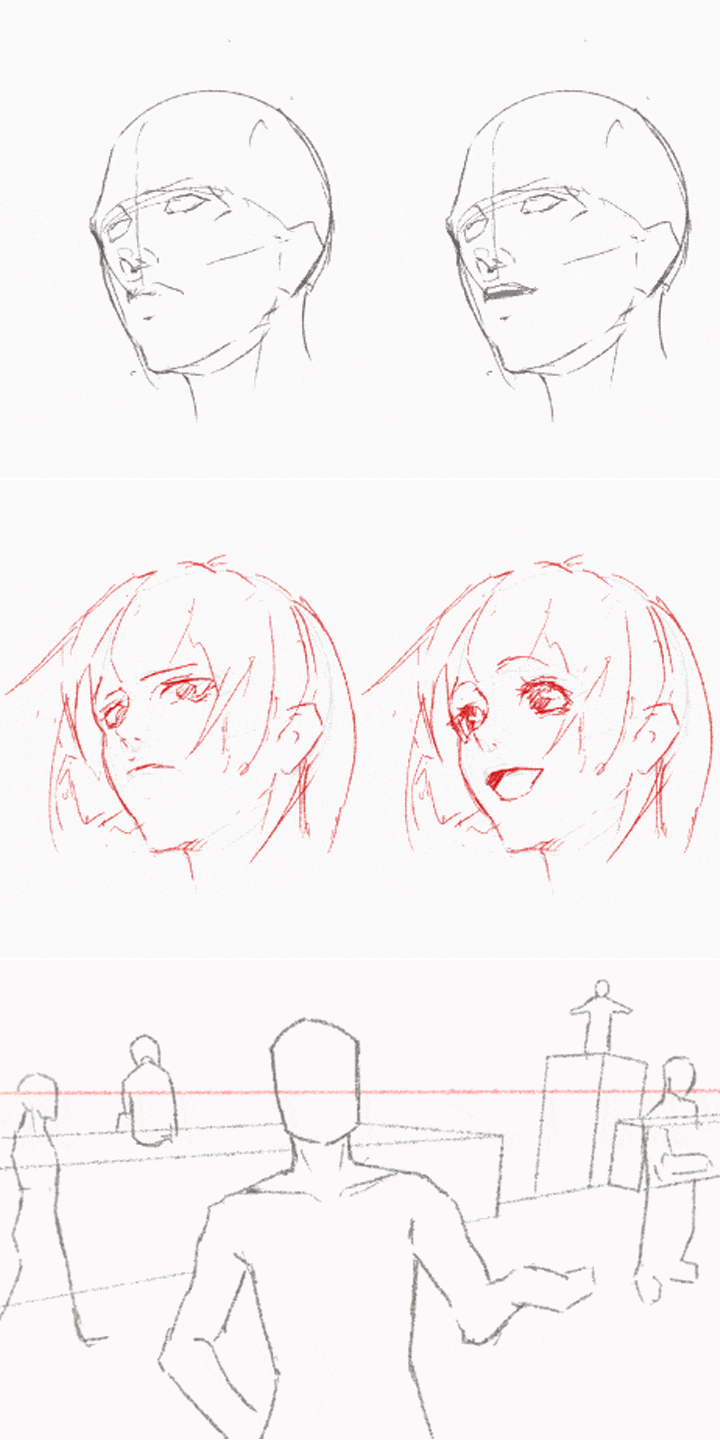
คุณจะได้พัฒนาความเข้าใจเกี่ยวกับ figure drawing และ perspective รวมถึงเข้าใจอย่างชัดเจนว่า texture และ shading ถูกสร้างขึ้นอย่างไร เรียนรู้ความรู้พื้นฐานที่จำเป็นสำหรับการวาดคนและ background ให้เชี่ยวชาญ
วิธีดึงดูดสายตาผู้ชมในผลงานของคุณ
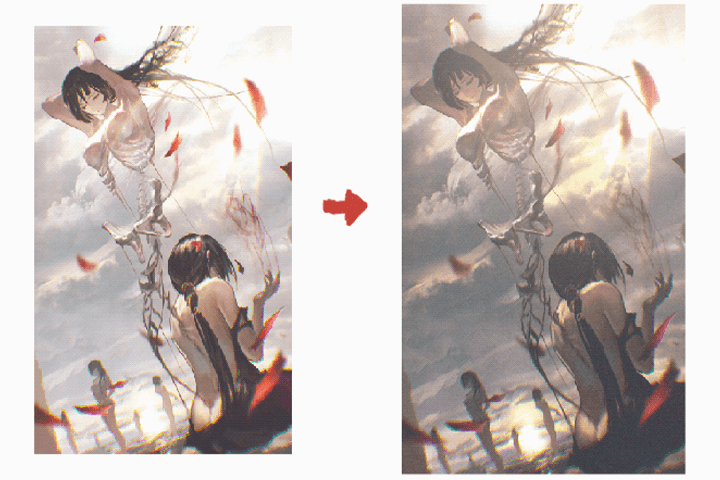
ในการสร้าง illustration ที่สะดุดตา คุณจำเป็นต้องควบคุม composition lighting และสีหลักของภาพ ศึกษาอย่างละเอียดเกี่ยวกับผลลัพธ์ของมุมกล้อง แสง และสี ที่ช่วยทำให้ภาพวาดของคุณโดดเด่น พร้อมพัฒนาทักษะพื้นฐานที่จำเป็นต่อการสร้างภาพให้สมบูรณ์
วิธีวาด Background ที่ช่วยยกระดับ illustration ของคุณ
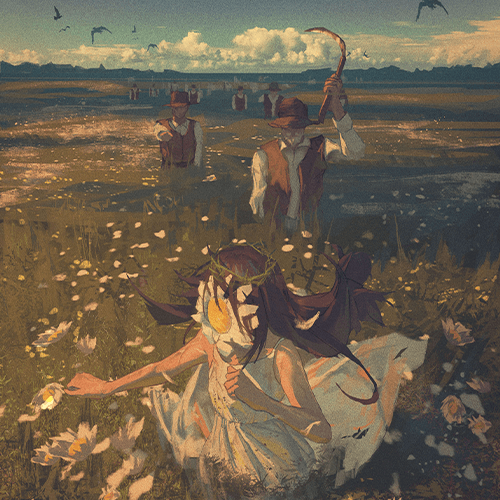
เรียนรู้เทคนิคที่สามารถทำตามได้ง่าย แม้สำหรับผู้ที่ไม่มั่นใจในการวาด background Illustrator Neg จะสอนวิธีวาด background ผ่านการประยุกต์ใช้ perspective และการสร้าง form สามมิติด้วยแสงและเงา จากนั้นเรียนรู้วิธีใช้ภาพถ่ายใน background เพื่อสร้างผลงานที่น่าทึ่งยิ่งขึ้น

รายละเอียดคลาส
สิ่งที่คุณจะได้เรียน
-
 แนวคิดกับแรงบันดาลใจและการเอาชนะปัญหาหลักของศิลปินไอเดียไม่ได้เกิดจากแรงบันดาลใจล้วนๆ เสมอไป แต่เกิดจากการนำสิ่งที่เคยเห็นมาก่อนมาผสมผสานกัน ระหว่างการดูผลงานเก่าๆ Illustrator Neg จะอธิบาย workflow ในการคิดไอเดีย รวมถึง composition และ motif ที่มีอิทธิพลต่อผลงานของเขา พร้อมสาธิตกระบวนการต่อยอดและขยายไอเดียของคุณ
 -
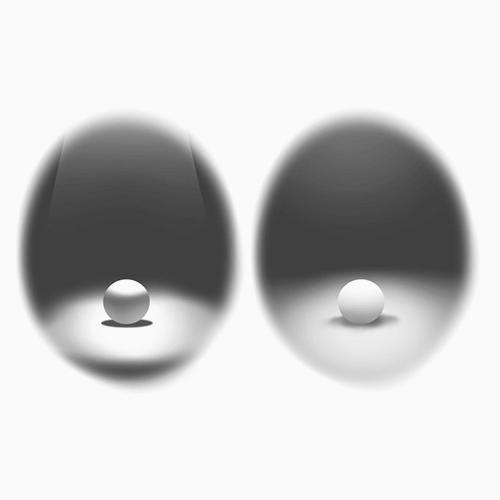 ตั้งแต่การเข้าใจแสง ไปจนถึงการเพิ่ม Texture และ Shadingคุณจะได้เรียนรู้เกี่ยวกับคุณสมบัติของแสง ประเภทของแหล่งกำเนิดแสง และการสะท้อนแสง เมื่อคุณเข้าใจว่าทำไม texture ของวัตถุต่างๆ ถึงมีลักษณะเช่นนั้น คุณจะสามารถวาดโลหะ ผิวน้ำ และวัตถุที่ดูเปียกได้อย่างสมจริง นอกจากนี้ คุณยังจะได้เรียนรู้วิธีทำ shading เพื่อสร้าง form สามมิติของวัตถุอย่างถูกต้อง
 -
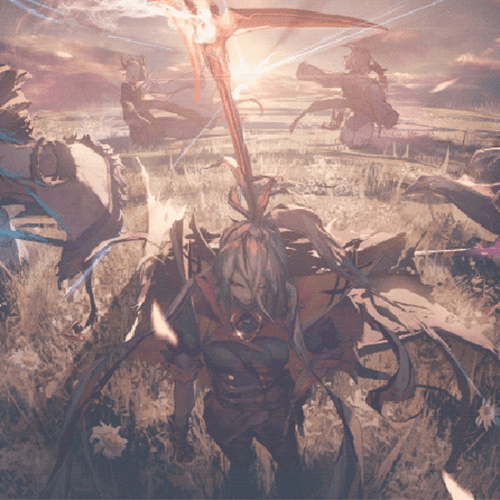 วิธีสร้าง Composition ที่ใช้งานได้จริงฉันจะอธิบายเรื่อง composition อย่างละเอียด เพราะความเข้าใจในเรื่องนี้สามารถช่วยพัฒนางานวาดของคุณได้มาก ฉันจะเริ่มจากการอธิบายแนวทางในการคิด composition จากนั้นจะแสดงผลลัพธ์ของมุมกล้องแต่ละแบบ และหลังจากนั้นคุณจะได้ฝึกนำสิ่งที่เรียนรู้ไปประยุกต์ใช้กับ illustration ของตัวเอง
-
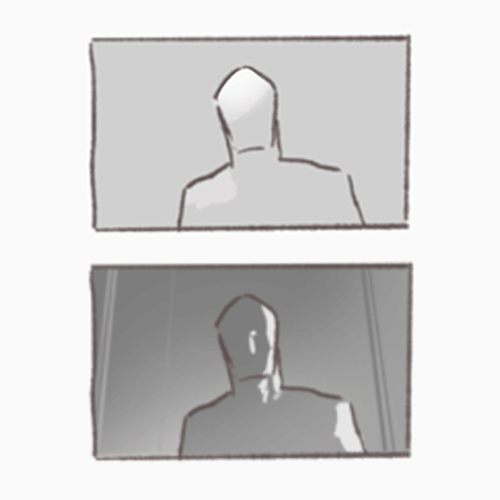 ใช้ Lighting เพื่อควบคุมสายตาผู้ชมและบรรยากาศเรียนรู้อย่างละเอียดเกี่ยวกับวิธีควบคุมสิ่งที่ผู้ชมมองเห็น ผ่าน lighting และผลกระทบของแสง นอกจากนี้ ในแบบฝึกหัดเชิงปฏิบัติ Illustrator Neg จะสาธิตการใช้ lighting เพื่อสร้างภาพวาดที่มีบรรยากาศและสามารถดึงดูดผู้ชมได้
 -
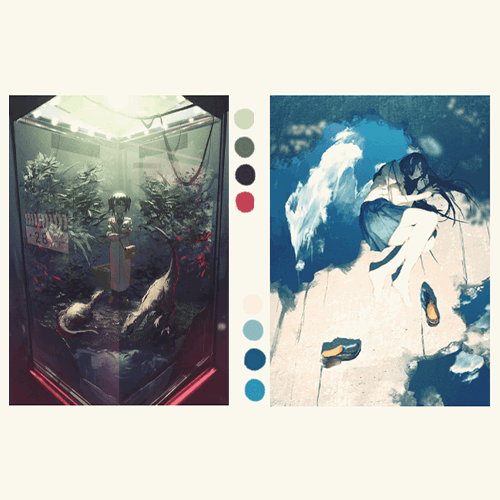 ใช้โทนและสีหลักของภาพเพื่อเปลี่ยนอารมณ์ของ Illustrationโทนและสีหลักของภาพส่งผลอย่างมากต่อความรู้สึกที่ illustration ถ่ายทอดออกมา เรียนรู้การวิเคราะห์อารมณ์ของสี ผ่านความเข้าใจเกี่ยวกับสีหลักของภาพ และดูวิธีใช้งานโทนและสีหลักจริงๆ ผ่าน workflow การวาดจริง
 -
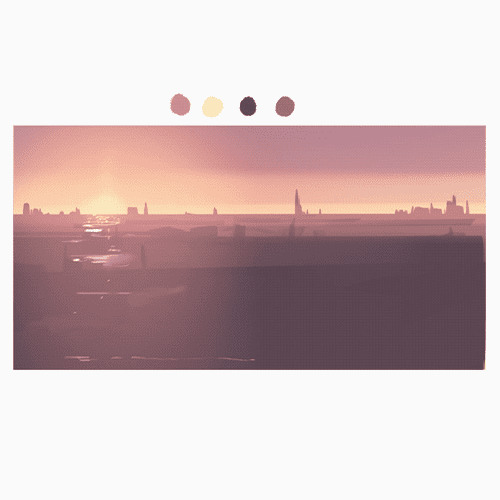 ใช้ภาพถ่ายเพื่อพัฒนาคุณภาพของผลงานผ่านตัวอย่างต่างๆ คุณจะได้เรียนรู้ข้อดีของการใช้ภาพถ่าย ซึ่งช่วยเพิ่มคุณภาพของผลงานและทำให้ workflow มีประสิทธิภาพมากขึ้น นอกจากนี้ คุณยังจะได้เรียนรู้วิธีผสานภาพถ่ายเข้ากับ illustration เพื่อสร้าง background ที่สมจริงมากยิ่งขึ้น
- Unlimited Access
- Best Price
Buy now, get unlimited access.
09/14 (Mon) (UTC-7) Special offer ends soon.
This special offer ends soon.
Buy now and save!
หลักสูตร
แผนการเรียน
รายละเอียดหลักสูตร
SECTION 01 บทนำ
01. เกี่ยวกับคลาส
- การแนะนำตัว
- สิ่งที่คุณจะได้รับจากคลาสนี้
- คลาสนี้เหมาะสำหรับใคร
02. สิ่งที่ควรรู้เพื่อพัฒนางานวาดของคุณ
- ควรเริ่มต้นจากตรงไหน
- Illustration ของฉันเปลี่ยนแปลงอย่างไรตลอด 5 ปีที่ผ่านมา
- เครื่องมือที่แนะนำ
03. Procreate
- เหตุผลที่ฉันวาดภาพโดยใช้ iPad
- การตั้งค่าทั่วไป
- วิธีใช้ layer
SECTION 02 ก่อนเริ่มวาด Illustration
04. เตรียมตัวก่อนเริ่มวาด Illustration
- Reference
- ไอเดีย
- การ sketch
05. ไอเดียสำหรับ Illustration
- การคิดไอเดีย
06. การใช้รูปภาพ
- ข้อดีของการใช้รูปภาพ
- วิธีผสานภาพถ่ายเข้ากับ illustration
SECTION 03 วิธีวาด Figure มนุษย์
07. กายวิภาคมนุษย์ 1 : การวาดศีรษะ
- การเข้าใจโครงสร้างกระดูก
- ลองวาดศีรษะกัน
08. กายวิภาคมนุษย์ 2 : การวาดร่างกาย
- วาด base body
- สัดส่วนของร่างกายมนุษย์
SECTION 04 Perspective Drawing
09. การเข้าใจพื้นที่แบบ 3D 1 : Perspective Drawing คืออะไร?
- ระดับสายตาและจุด vanishing point
- Perspective drawing
- ลองจัดวางคนหลายคนในพื้นที่เดียวกัน
10. การเข้าใจพื้นที่แบบ 3D 2 : การวาดวัตถุ 3D ด้วย Perspective
- การวาดวัตถุ 3D
11. แบบฝึกหัดและ Fisheye Perspective
- ตัวอย่างและแบบฝึกหัดที่ใช้ perspective drawing
- Fisheye perspective และจำนวน vanishing point
SECTION 05 แสงและสี
12. แสง 1 : แหล่งกำเนิดแสงและวัตถุ
- คุณสมบัติของแสง
- Hard light และ soft light
- ประเภทของแหล่งกำเนิดแสง
13. แสง 2 : พื้นผิวเรียบและหยาบ
- Diffuse reflection
- Specular reflection
- Fresnel reflection
14. แสง 3 : การสร้างความเป็นสามมิติด้วยแสงและเงา
- พื้นผิวและมุมตกกระทบของแสง
- เงา
- กฎ cosine ของ Lambert
15. สีและการลงสี
- วิธีเลือกใช้สี
- ความสัมพันธ์ระหว่างแสงและสี
SECTION 06 การสร้าง Illustration ที่ใช้งานได้จริง
16. องค์ประกอบที่ดึงดูดสายตาผู้ชม
- อะไรที่ทำให้ภาพวาดดูน่าสนใจ?
- ลองคิดว่าทำไมคุณถึงชอบมัน
- องค์ประกอบของภาพวาดที่ประสบความสำเร็จ
17. องค์ประกอบที่ 1 : Composition
- แนวทางในการคิด composition
- ผลลัพธ์ของมุมกล้อง
- แบบฝึกหัด
18. องค์ประกอบที่ 2: การจัดแสง
- การนำสายตาผู้ชม
- ผลกระทบของแสง
19. องค์ประกอบที่ 3 : โทนและสีหลักของภาพ
- สีหลักของภาพคืออะไร?
- อารมณ์ที่เกิดจากสี
- แบบฝึกหัด
20. เอฟเฟกต์ที่ช่วยพัฒนาภาพวาด
- การเข้าใจปรากฏการณ์ทางกายภาพ
- สภาพอากาศ
- แสง
- มุมมอง
21. วิธีวาด Background
- ใช้ภาพถ่ายให้เกิดประโยชน์
- การสาธิต
22. การปรับแต่งสี
- ขั้นตอนเก็บรายละเอียดสุดท้ายของ illustration
- เอฟเฟกต์และการใช้งานของฟังก์ชันปรับแต่งแต่ละประเภท
SECTION 07 workflow การสร้าง Illustration
23. การสังเกตและการฝึกฝนเพื่อพัฒนา
- วิธีพัฒนาทักษะอย่างมีประสิทธิภาพ
- สิ่งที่คุณควรได้รับจากการ sketch อย่างรวดเร็ว
- การสังเกต
- เกี่ยวกับ reference
24. workflow การวาด Illustration ของฉัน
- แนะนำและอธิบายแต่ละขั้นตอนของ workflow
25. การอธิบาย Making-of Video
- อธิบาย workflow การสร้าง illustration ที่เลือกมา
SECTION 08 โบนัสคอนเทนต์
26. Illustrator และโซเชียลมีเดีย
- ข้อดีของการใช้โซเชียลมีเดีย
- ภาพวาดที่ viral กับภาพวาดที่ไม่ viral
*วันเปิดตัวคลาส รูปภาพประกอบหลักสูตรและเนื้อหาที่เกี่ยวข้องอาจมีการเปลี่ยนแปลงโดยไม่ต้องแจ้งล่วงหน้า
** วิดีโอคลาสอาจถูกแยกออกเพื่อให้รับชมได้สะดวกยิ่งขึ้น
บทสัมภาษณ์กับ
Illustrator Neg

Question.01
จุดแข็งเฉพาะตัวของคุณในฐานะผู้สอนคืออะไร?
ฉันชอบสร้าง illustration ที่สามารถเล่าเรื่องได้ คอร์สนี้จะอธิบายพื้นฐานของการวาดคนและ background รวมถึงให้คำแนะนำเชิงปฏิบัติเกี่ยวกับการใช้ภาพถ่ายและการพัฒนาภาพวาด เพื่อให้ผลงานของคุณสามารถเล่าเรื่องได้เช่นกัน แทนที่จะโฟกัสเพียงด้านใดด้านหนึ่ง ฉันได้รวบรวมทักษะหลากหลายที่ฉันใช้จริงเวลาวาดภาพเอาไว้ในคอร์สนี้ นอกจากนี้ ฉันยังจะแชร์วิดีโอ workflow ของ illustration ก่อนหน้าบางส่วน พร้อมอธิบายแนวคิดและวิธีคิดของฉันในช่วงเวลาที่สร้างผลงานเหล่านั้น
Question.02
คุณเคยเจอปัญหาอะไรระหว่างการศึกษาและคุณก้าวข้ามมันได้อย่างไร?
หนึ่งในความท้าทายของฉันคือการหาวิธีเอาชนะช่วงที่ทักษะพัฒนาไม่ไปไหน ฉันพยายามแก้ปัญหานี้ด้วยการพัฒนาความสามารถในการสังเกต ว่าส่วนไหนในภาพวาดของฉันที่ต้องแก้ไข และค้นหาว่าฉันควรมีความรู้หรือทักษะอะไรเพิ่มเติม เพื่อที่จะทำเช่นนั้น แค่การวาดสิ่งที่อยากวาดอย่างเดียวไม่เพียงพอ ฉันจำเป็นต้องเรียนรู้เกี่ยวกับกายวิภาคและโลกทางกายภาพด้วย
Question.03
สิ่งที่ท้าทายที่สุดสำหรับผู้เรียนในสายนี้คืออะไรและคอร์สนี้ช่วยแก้ปัญหาเหล่านั้นได้อย่างไร?
หากคุณเป็นผู้เริ่มต้นและยังไม่แน่ใจว่าควรเรียนอะไร ฉันเชื่อว่าคอร์สนี้จะสอนสิ่งหลากหลายที่คุณจำเป็นต้องรู้ในอนาคต ในทางกลับกัน ฉันคิดว่าคอร์สนี้จะช่วยให้ศิลปินระดับ intermediate มองเห็นว่าสิ่งใดกำลังขาดหายไปในภาพวาดของพวกเขา หากคุณสามารถวาดคนได้ในระดับหนึ่งแล้ว แต่ยังรู้สึกว่ามีบางอย่างขาดไปเมื่อวาด background คุณจะสามารถเข้าใจสาเหตุของปัญหา และเรียนรู้สิ่งที่จำเป็นต้องรู้เพื่อแก้ไขมันได้
Question.04
คุณมีข้อความอะไรที่จะฝากถึงนักเรียนที่สนใจสมัครเรียนบ้างไหม?
มีหลายคนที่สนใจการวาดภาพ แต่มีไม่กี่คนที่ลงลึกไปถึงขั้นศึกษามันอย่างจริงจัง ฉันคิดว่าการทำแบบนั้นต้องใช้ความกล้าพอสมควร การพัฒนาทักษะการวาดต้องใช้เวลา แต่คุณจะพัฒนาได้เร็วขึ้น หากเข้าใจว่าควรให้ความสำคัญกับอะไรในการเรียนรู้ของตัวเอง คอร์สนี้อัดแน่นไปด้วยข้อมูลที่ฉันค้นพบว่าจำเป็น ตลอดช่วง 5 ปีแห่งการลองผิดลองถูกของฉัน ฉันเองก็เริ่มวาดภาพตอนโต และไม่มีใครสอนฉันวาด ฉันอยากสนับสนุนผู้คนที่อาจกำลังเผชิญกับสิ่งเดียวกัน และรู้สึกหลงทางว่าจะเรียนวาดภาพอย่างไรดี
โปรแกรมที่ใช้
คลาสนี้จะใช้
- Procreate
โปรดซื้อและติดตั้งโปรแกรมนี้เพื่อประสบการณ์การเรียนที่ดีที่สุด
*โปรแกรมและ/หรือสื่อการสอนเหล่านี้ไม่ได้รวมมาในคลาส
ที่แนะนำ
คลาสแนะนำ
คลาสแนะนำที่คุณไม่ควรพลาด