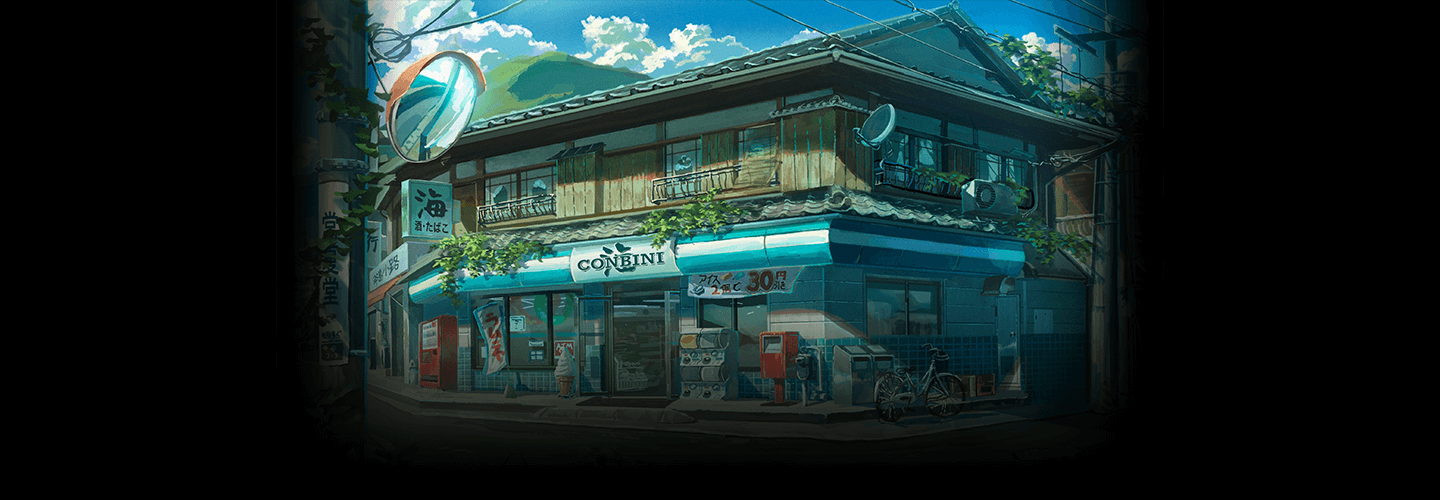
[Shortform]Illustrator,Luc Details
Intro
Illustrator, Luc
Master the art of drawing atmospheric anime-style backgrounds with immersive perspectives.
Do you want to make captivating backgrounds that embody ambiance and emotion within a scene?
Learn how to understand visual flow so you can incorporate angles and ratios to frame your backgrounds and use perspective grids.
Do you want to make captivating backgrounds that embody ambiance and emotion within a scene?
Learn how to understand visual flow so you can incorporate angles and ratios to frame your backgrounds and use perspective grids.
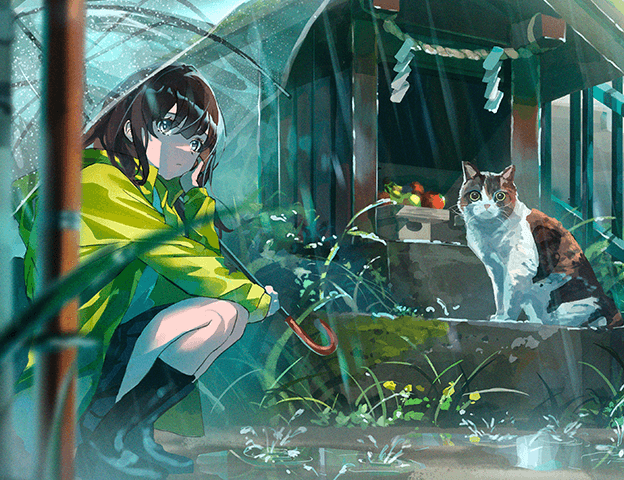
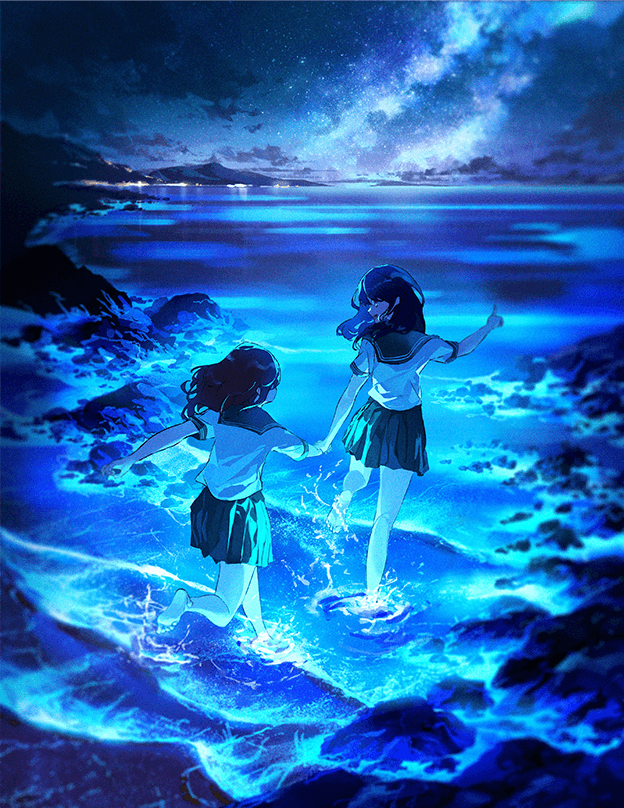
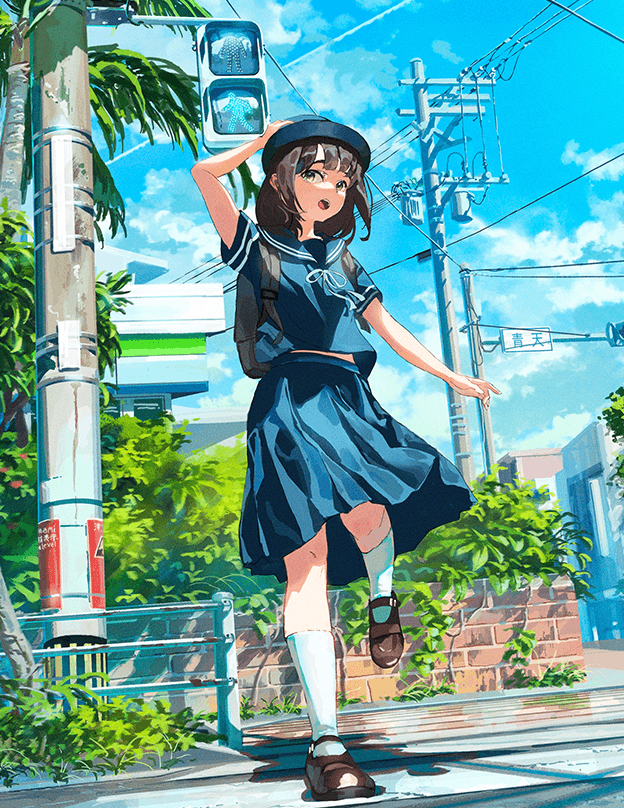
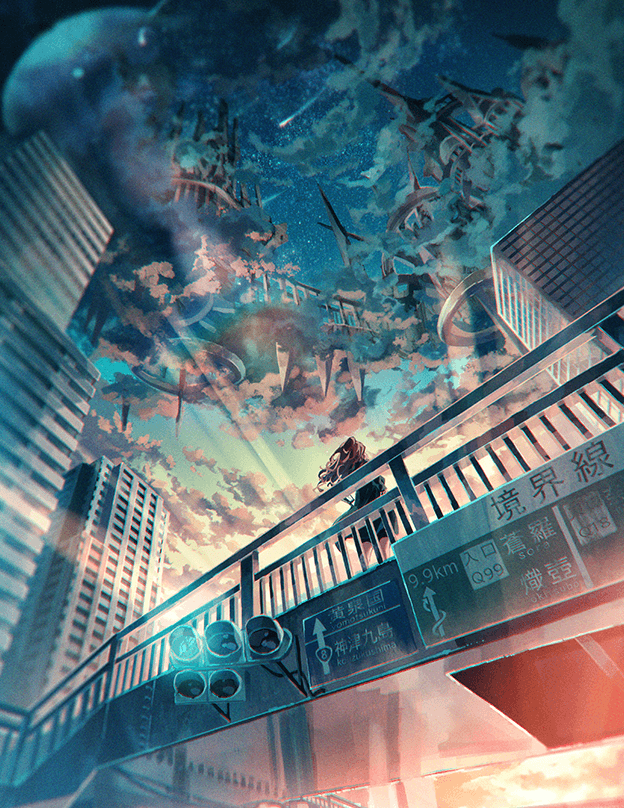
Expert Illustrator Luc's Portfolio
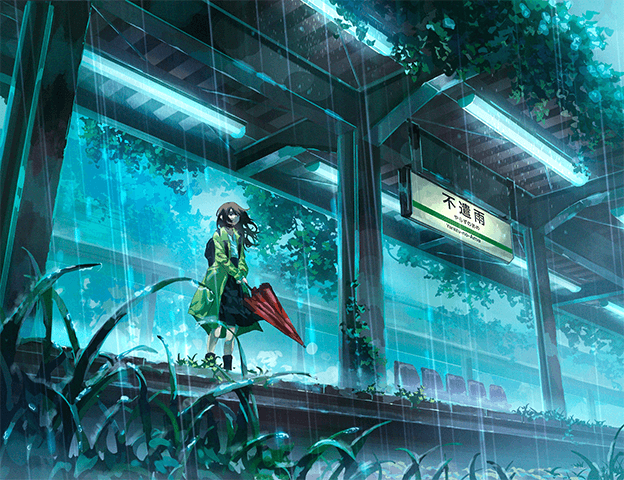
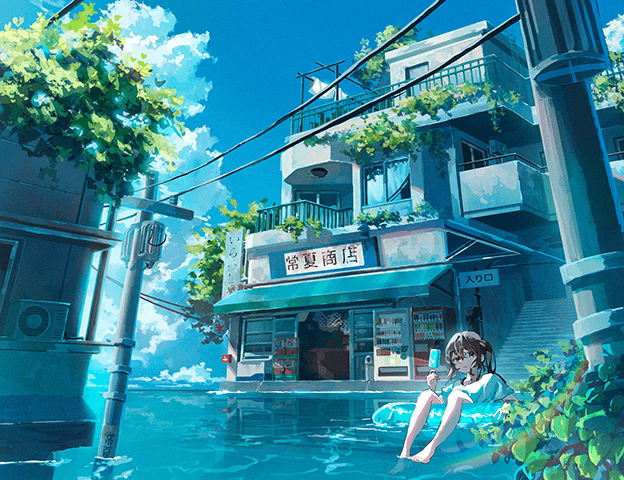
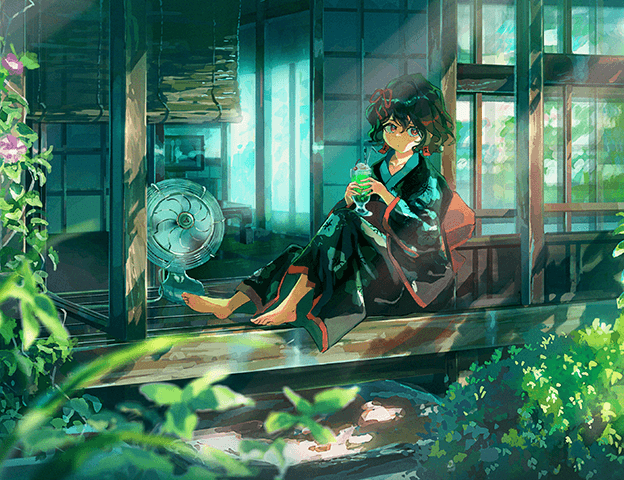
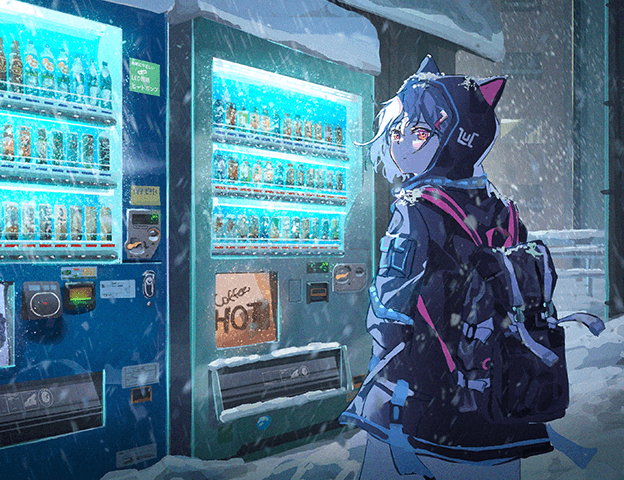
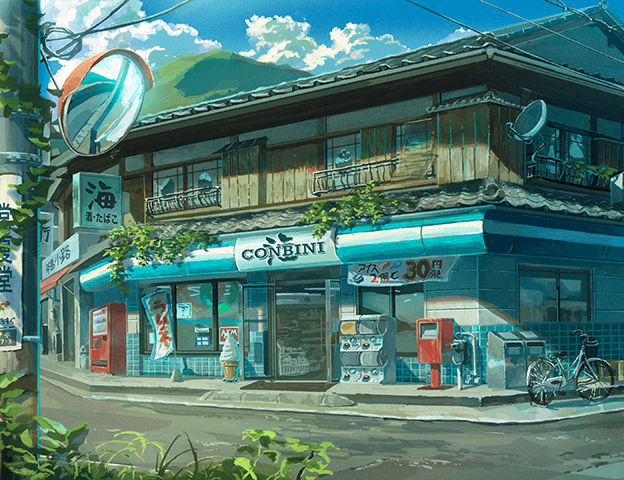
Instructor
Illustrator
Luc
Hello, I am Luc, a freelance illustrator.
A lot of my current work consists of background illustrations.
My objective and specialty have always been to create artwork that makes you "feel" the atmosphere. That may include everything from the location's temperature, weather, emotion, or sounds heard from the scene.
In 2020, I immersed myself in the world of illustration and the joy of creating. I experimented with countless techniques and elements for two years while surpassing formidable difficulties and trying to find areas I wanted to specialize in.
That being said, I am still somewhat new to the illustration journey. But there's nothing wrong with that. That means I still remember how I spent my days as a beginner and deeply relate to those who have also just started their journey.
I believe there are a lot of beginners facing the same difficulties and trials I once dealt with. So I have decided to share my discoveries and insights with those who currently stand where I once stood to guide and nourish their will to create.
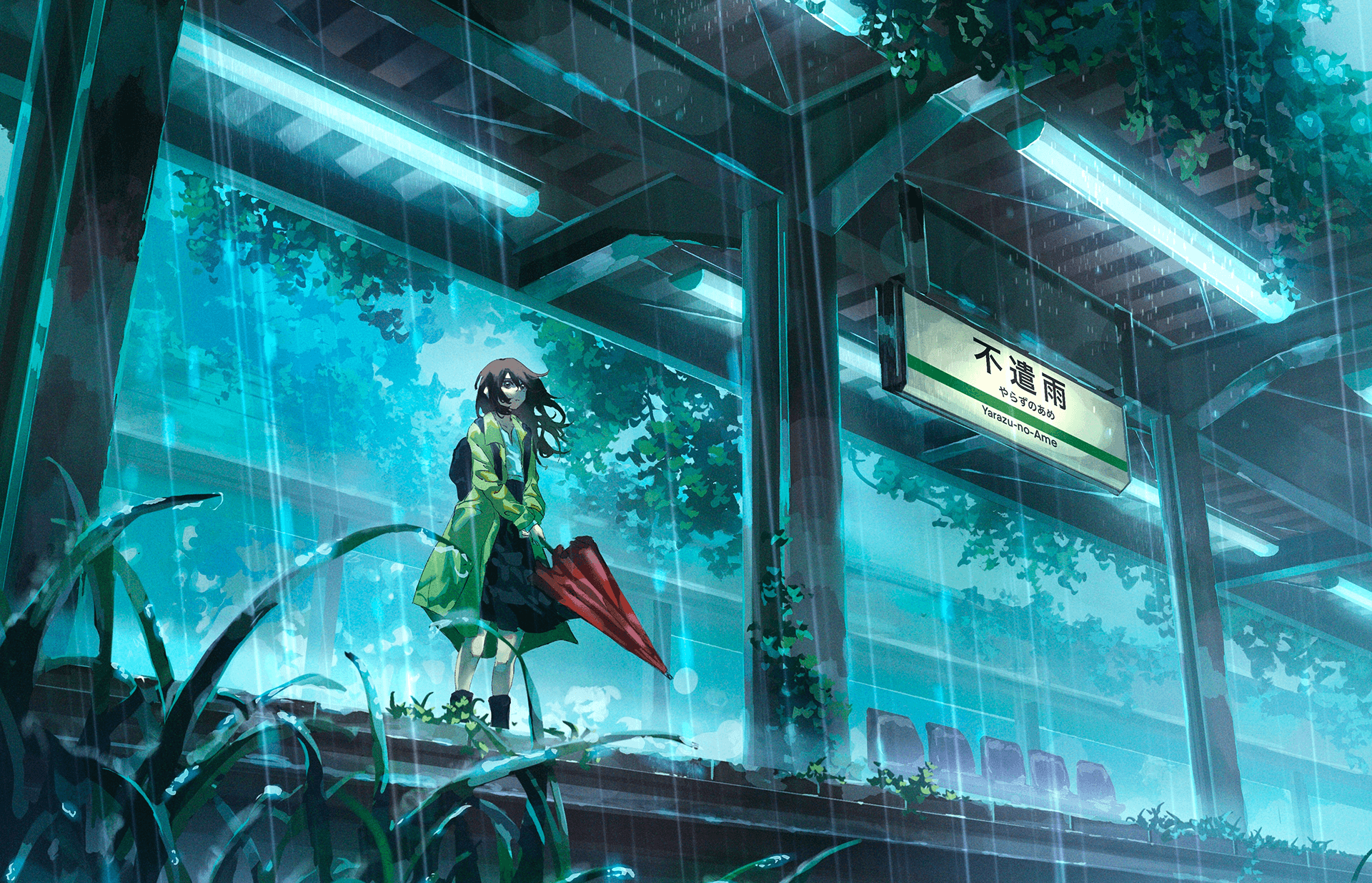
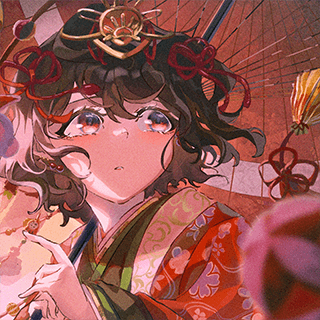
Illustrator Luc
[Current]
Freelance Background Illustrator
Recognizable Projects & Awards
[Notable]
Grand Prize Winner of CALPICO® Package Contest (2021)
Highlights
Class Highlights
Learn the Logic Behind Composing Artwork
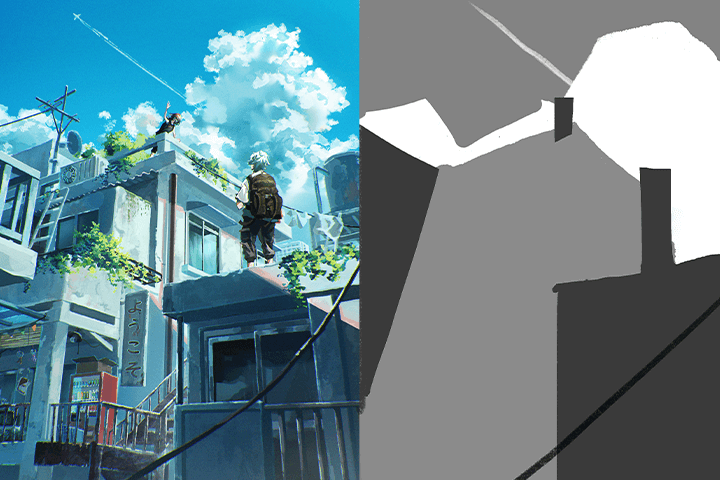
Your main goal when creating artwork is to show what you intended to show. Every placement has a reason and plays a role within the artwork that helps guide the audience's vision smoothly, so their eyes move throughout the artwork the way you planned.
Take Control of Your Perspective
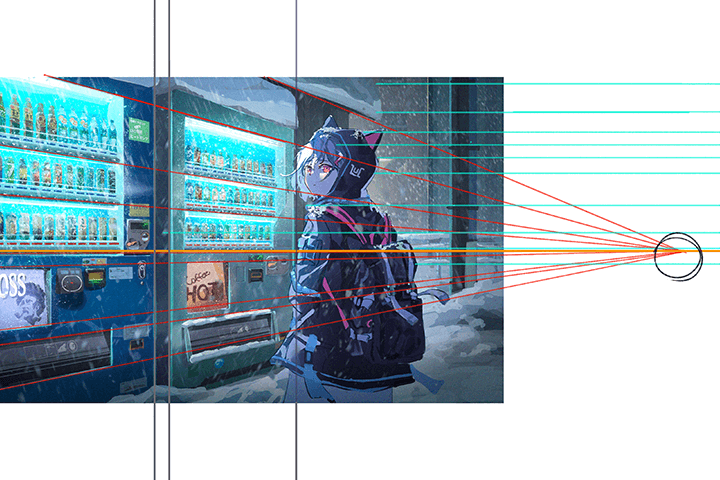
Understand the gimmicks of perspective and apply them to your artwork. The ideal goal is to undo any bias or misunderstandings that people may have towards perspective drawings and use them to their full advantage with more freedom.
Layout With Leeway
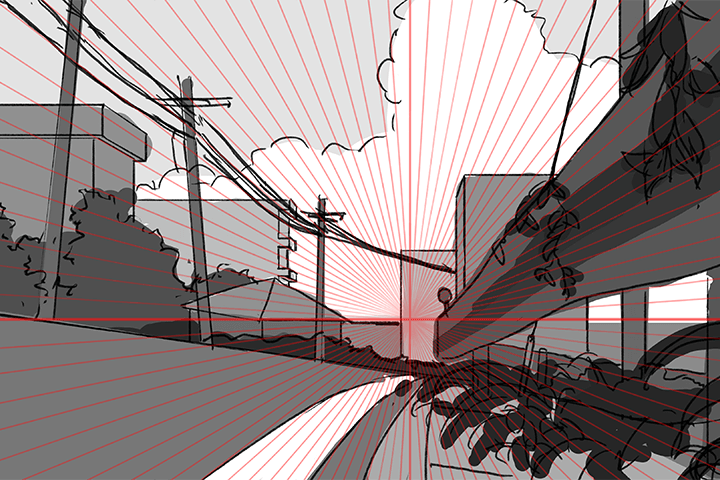
Learn how to freely compose illustrations the way you intend them to look. Draw with freedom, and apply the appropriate fundamentals only for necessary areas. Your drawings will have the visual flow you want.
- Unlimited Access
- Best Price
Buy now, get unlimited access.
12/31 (Sat) (UTC-7) Special offer ends soon.
This special offer ends soon.
Buy now and save!
Curriculum
Curriculum
In-Depth Look
SECTION 01. OT
1. Orientation
- Introducing your instructor
- What you will learn
- Helpful websites and software programs
SECTION 02. Composition
2. Object Placement
- Determine where the drawing's "focal point" is located
- Using lines and objects to direct attention to a focal point
- Creating empty spaces with a purpose
- Rhythmic object placements
3. Different Composition Guides
- Rule of Thirds
- Center composition
- Golden ratio
4. Frames and Orientation
- Vertical and horizontal frames
- Edges and borders
- Ways to frame your drawings
SECTION 03. Perspective
5. Perspective is simpler than you think!
- What is eye level
- What is a vanishing point
- Determine the perspective lines
- Finding the right perspective for your drawing
6. Perspective Variations
- Multiple"point" perspectives
- Vertical angles
- Field of view: wide-angle or telephoto?
SECTION 04. Layout
7. Creating Space
- Zigzag arrangement
- Three-layer composition
- Overlaps and obstruction
8. How to Utilize Perspective When Creating an Illustration
- How to use perspective grids in Photoshop
- How to use perspective grids in Procreate
- When to obey/defy perspective rules
** The curriculum images, and associated content can be changed without prior notice.
2 Class Exercises
-
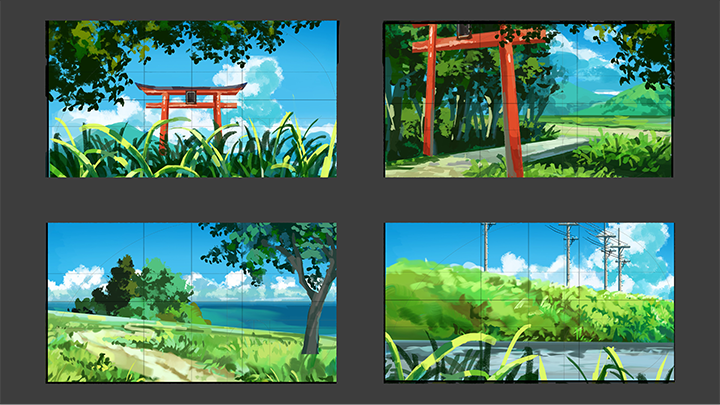 Building your background
 -
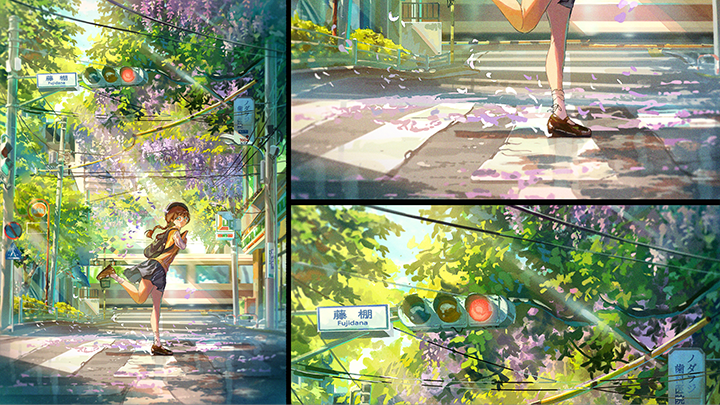 Find ways to frame
Interview with
Illustrator, Luc

Question.01
Is there a specific reason why you chose this specific topic/themes?
I feel that a lot of artists react negatively when they hear the word "backgrounds" as it sounds like a difficult task. And a lot of learning material is filled with complicated jargon like perspective that may leave newcomers confused and aren't sure where to start. From my observation, people tend to stick to drawing characters more, and it's a popular area to focus on: to those people, backgrounds come second, so it naturally becomes a less familiar subject. I was the opposite: my attention went to backgrounds and environments instead, which has brought me insights that I can share to provide familiarity to the subject.
Question.02
What are some "go-to" or "must-have" tools in your industry, and why?
The most obvious tools include painting software and drawing devices, and I recommend an iPad and Procreate combo for beginners who are aren't sure where to start. This is the easiest combo to get started with since it's highly accessible. Must-haves are artbooks and gallery books of your favorite artists or movies that you can reference and get inspired by. Basically, anything that brings you the heat and passion to create is a worthwhile tool. If you can be motivated and driven to draw it is essential.
Question.03
What do you think is the most important trait(s) to success in your industry?
Never-ending curiosity. Artists are a small mix of all careers. When drawing buildings, you're a mini architect, when drawing cars, you're an automotive designer. The more you draw, the more knowledge you stockpile. Your discoveries and research can be an inspiration to your creations and the push of persuasiveness that brings your drawing to life. It is your curiosity and greed for knowledge that make your work truly yours. It's also important not to rush results. Those who took it slow and steady while making lots of detours will have more strengths and weapons to work with than those who walked a straight path and only seek to do the right thing.
Required Programs
Required Programs This course will use Photoshop.
Please purchase and install these program(s) for an optimized lecture experience.
*These programs and/or materials will not be provided with the lecture.
Recommended
Recommended Class
Like this class?
Then check these out!