Illustrator,Mogoon_모군 Details
Intro
Class Intro
Illustrator, Mogoon
"I am going to teach you art fundamentals and how to implement them as we draw stylized characters."
Class Preview
Still Not Sure?
Check Out Mogoon's Class Preview!
Chapter 13.
Light and Color 2: Diffused Reflection 1
1. Lambert’s cosine law
2. How to draw a shadow with depth
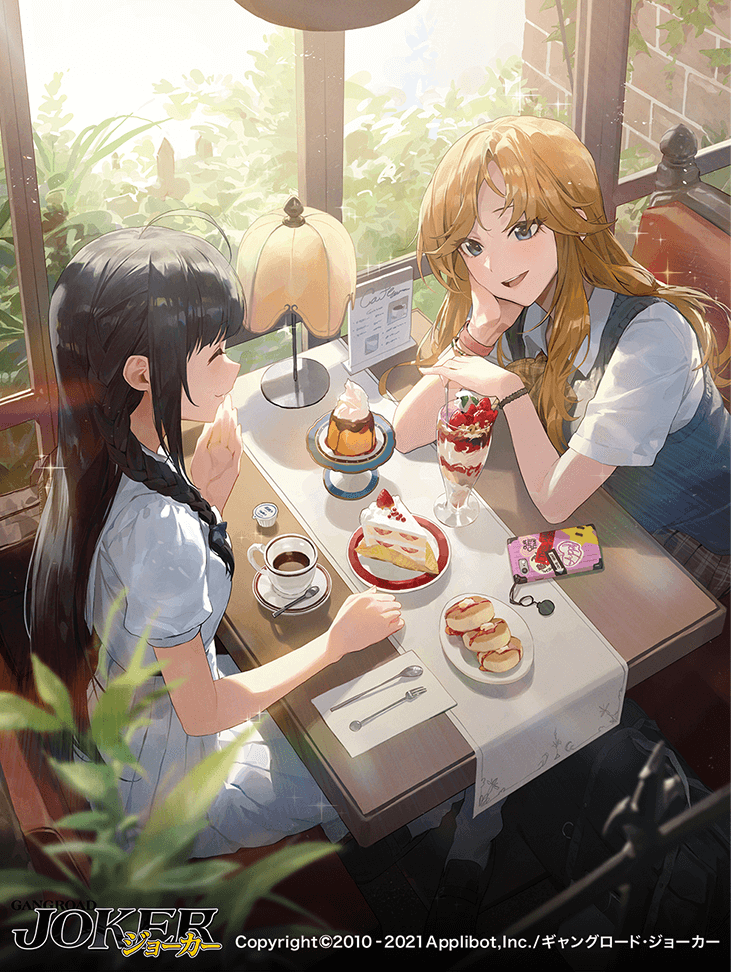
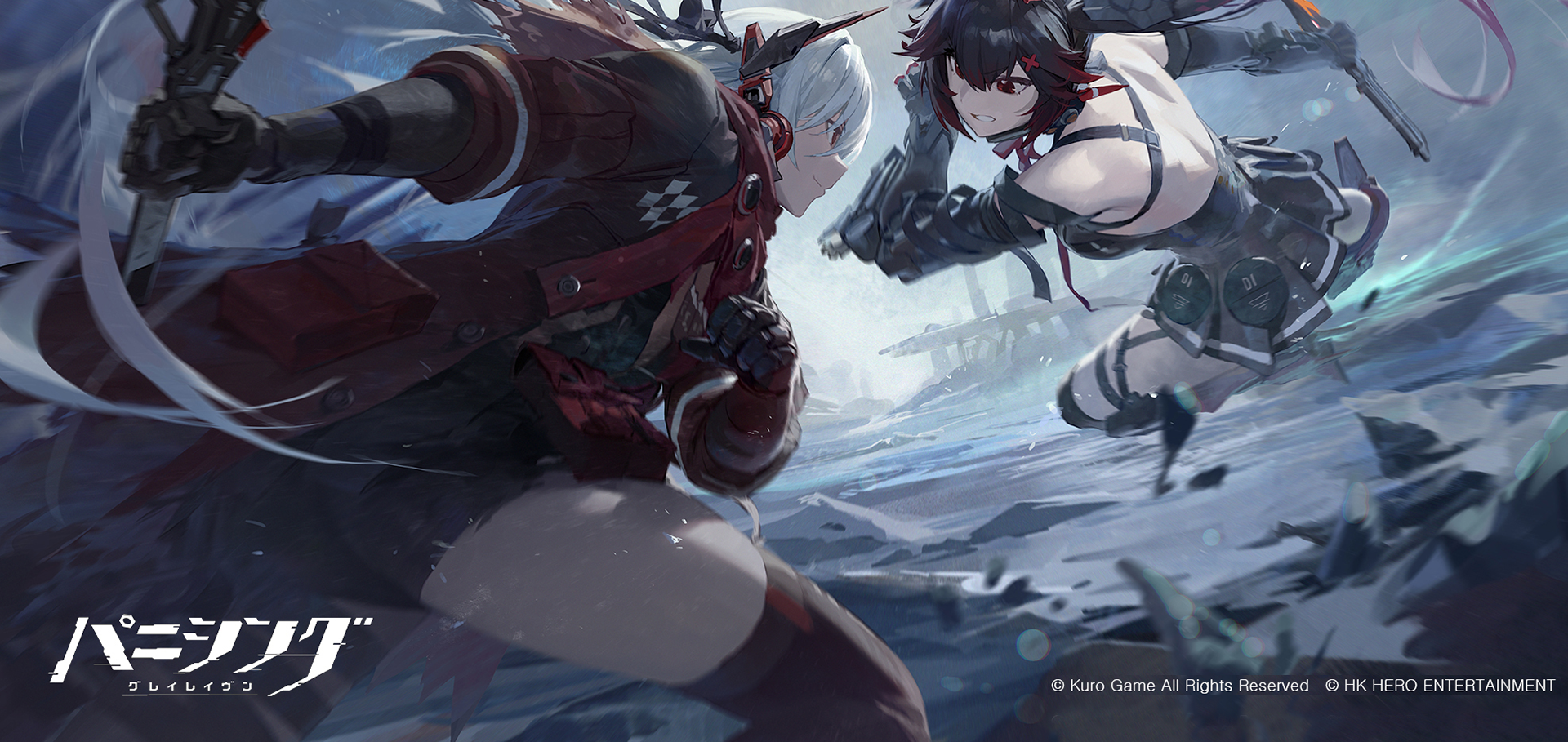
Learn the techniques developed by Mogoon through his experience creating video game artwork for Girls' Frontline and Azur Lane, and official artwork for Netmarble and NetEase Games to efficiently complete stylized character work!
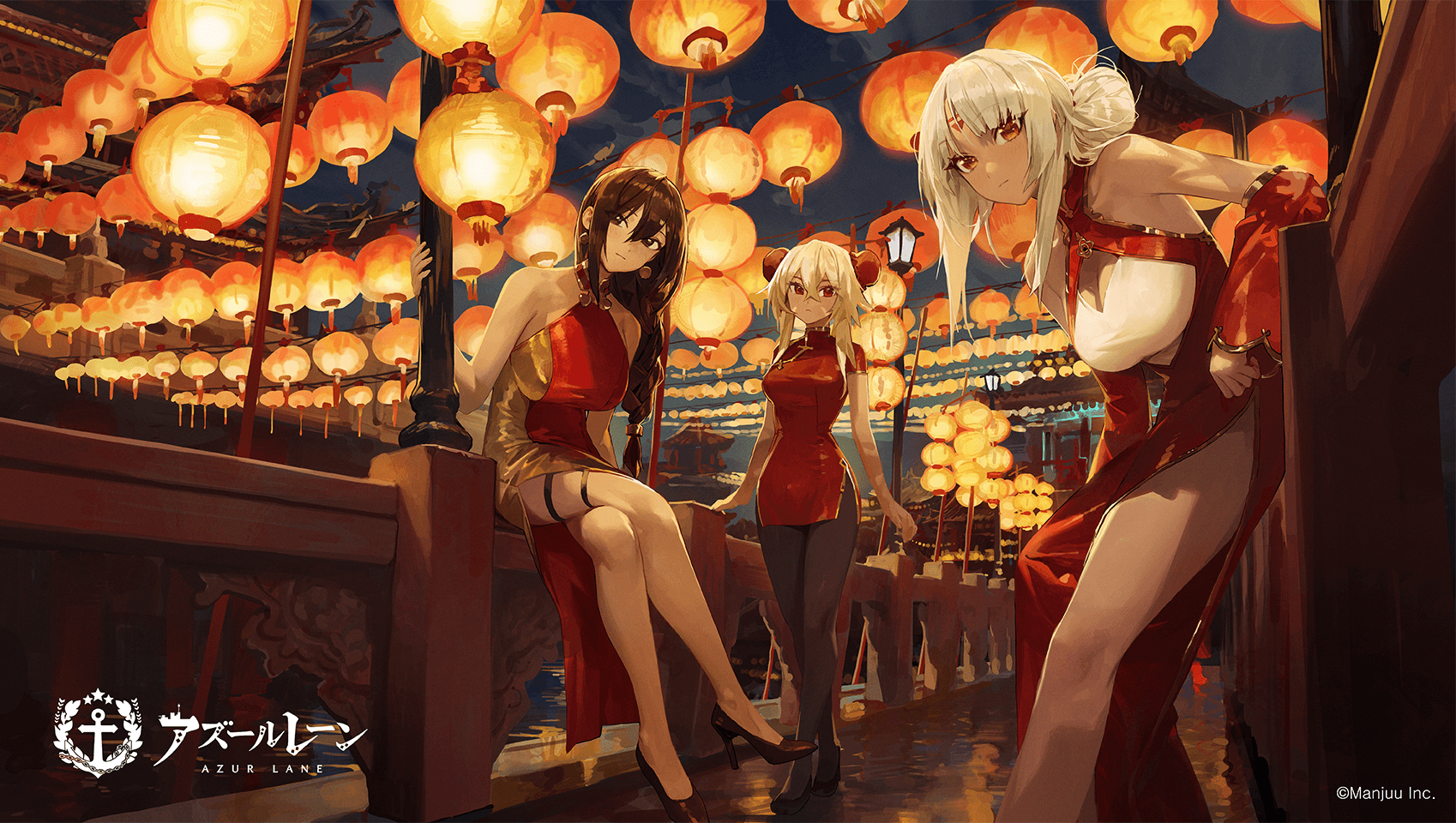
Expert Illustrator Mogoon's Portfolio
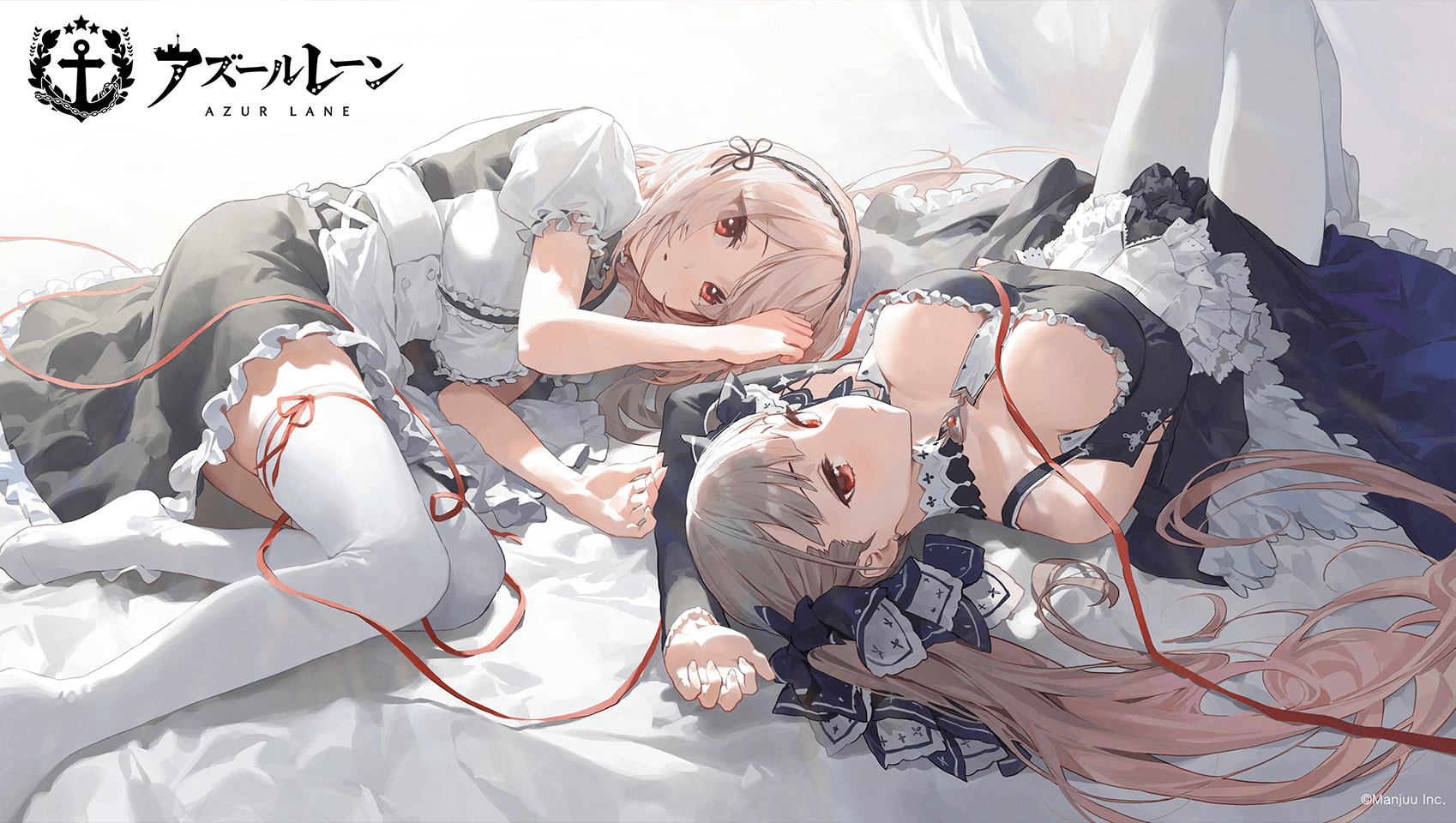
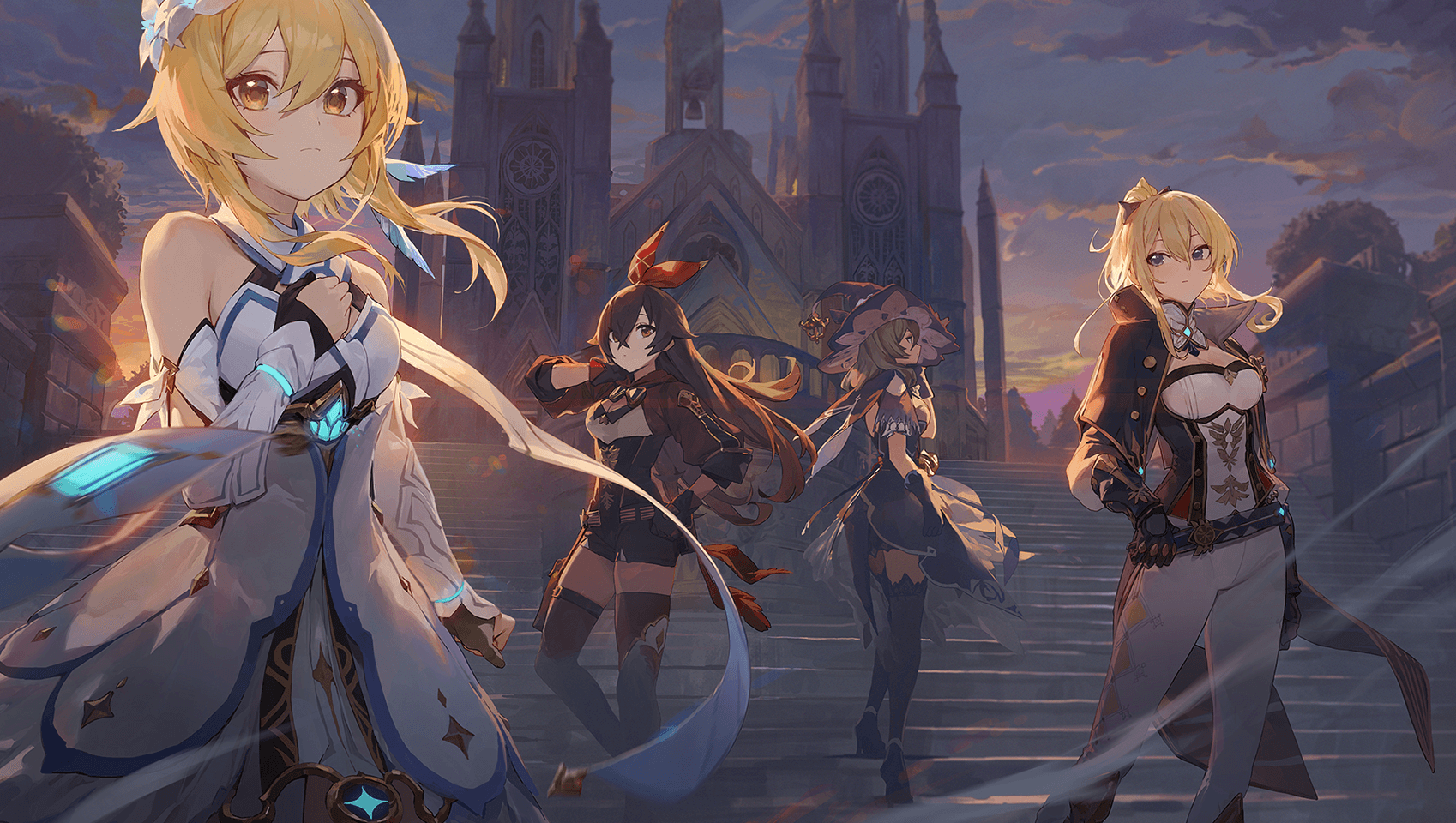
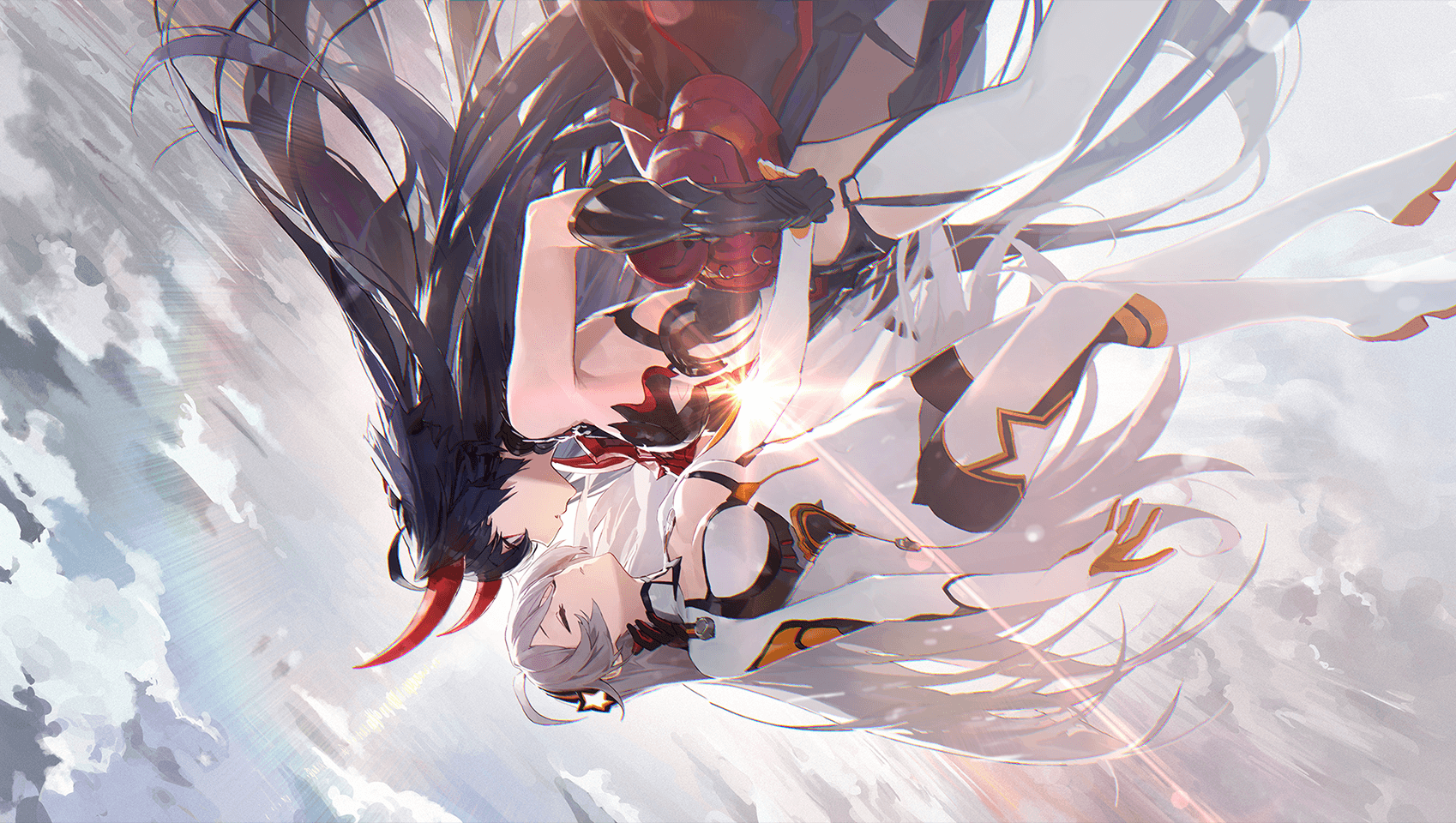
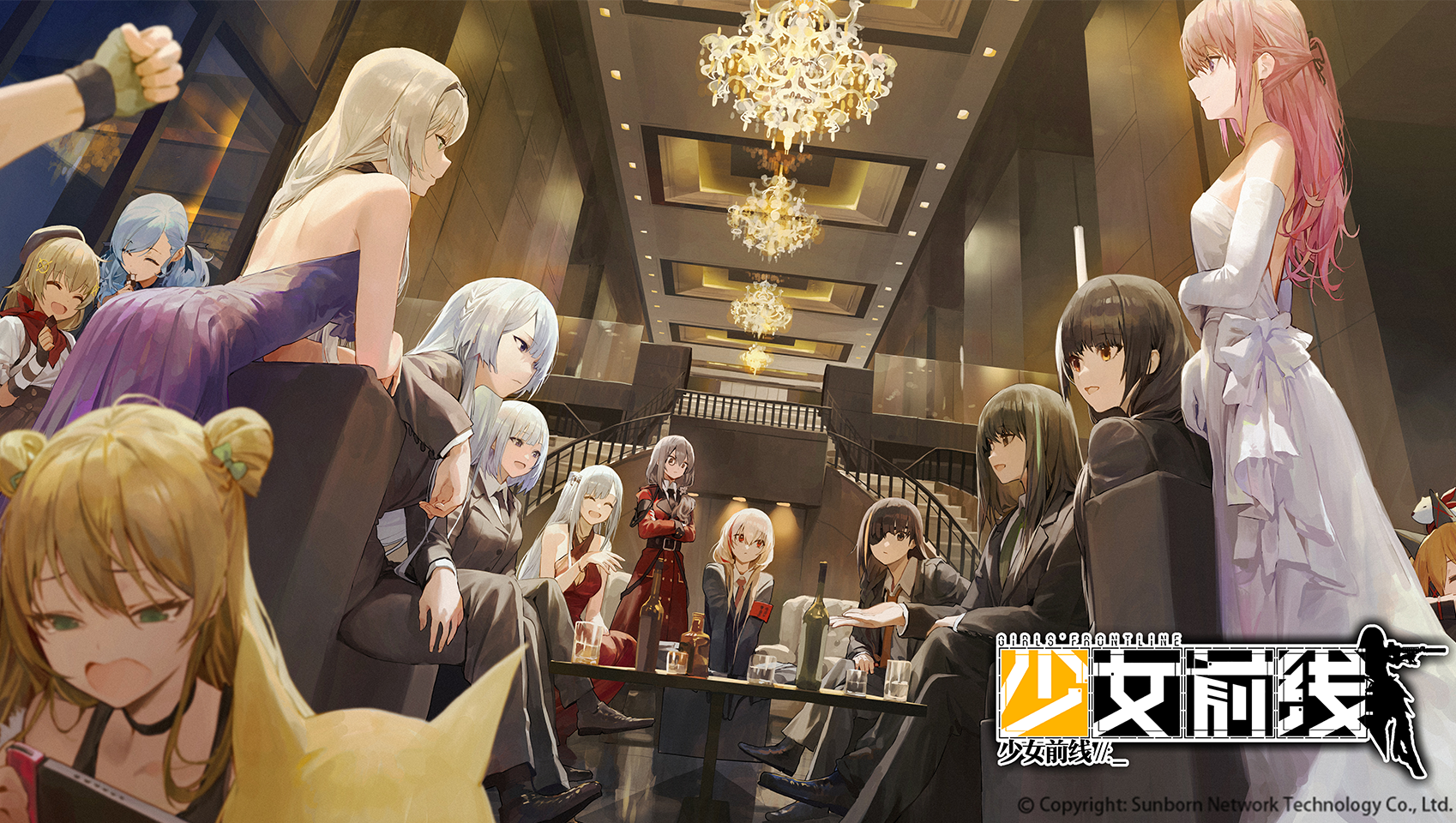
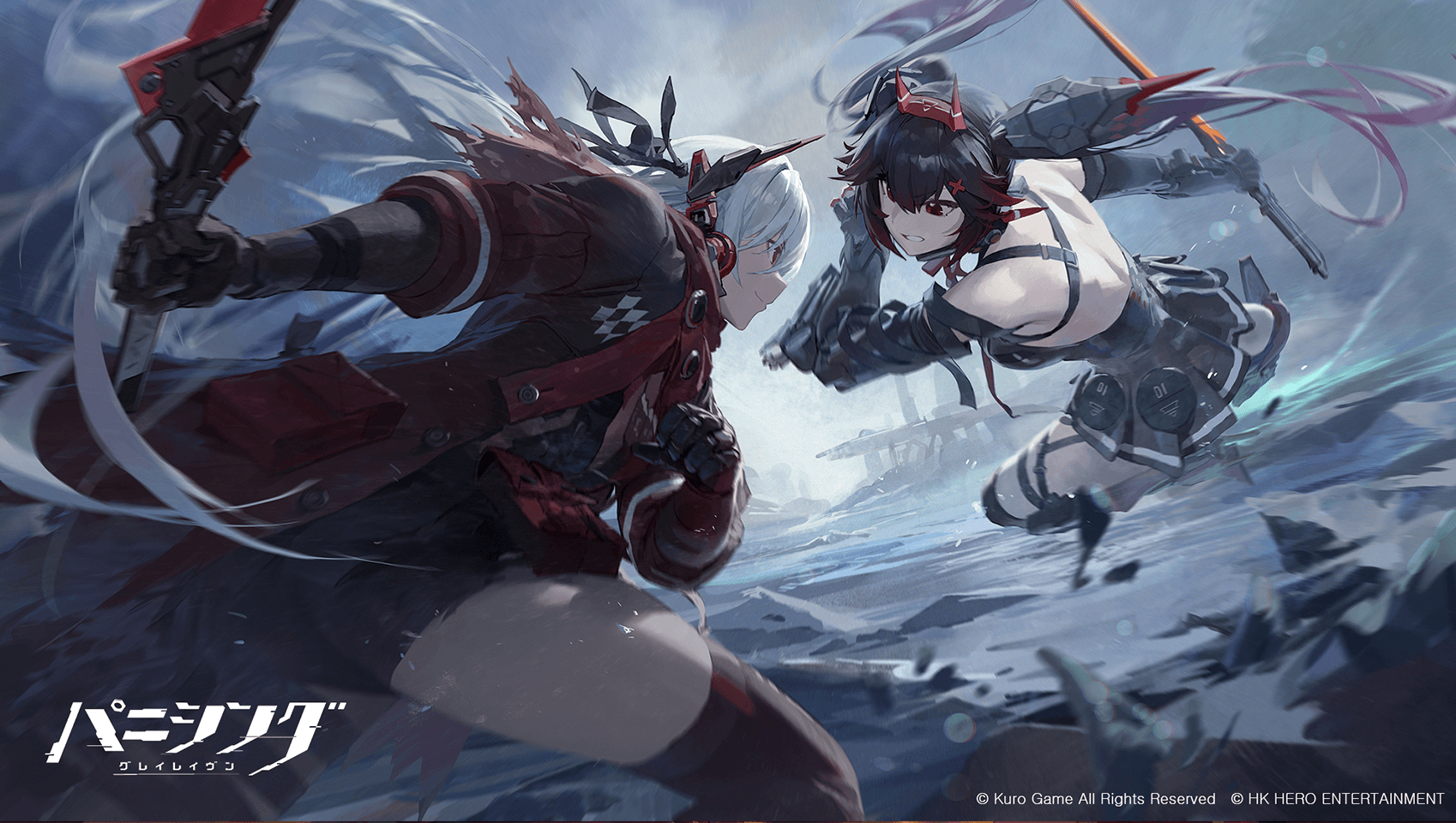
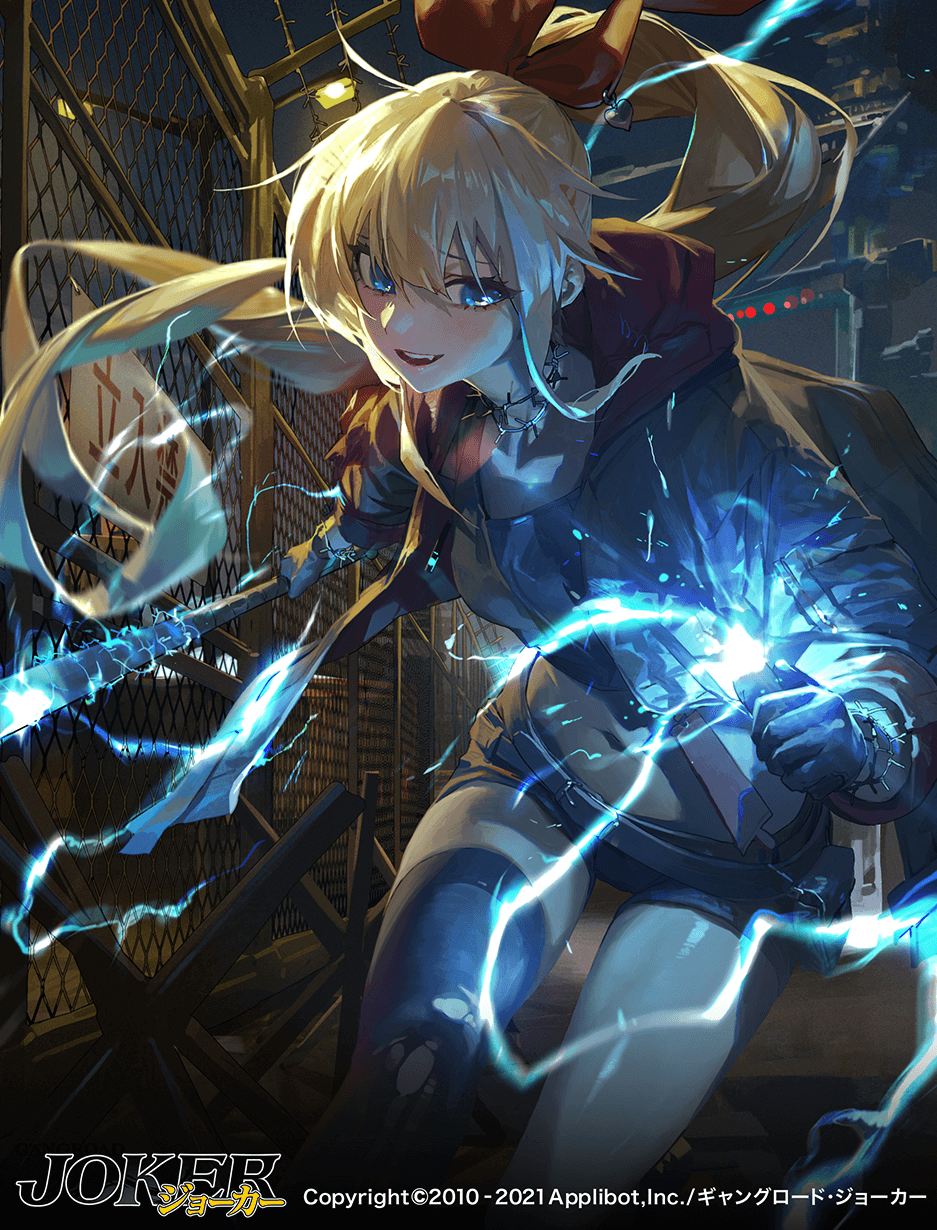
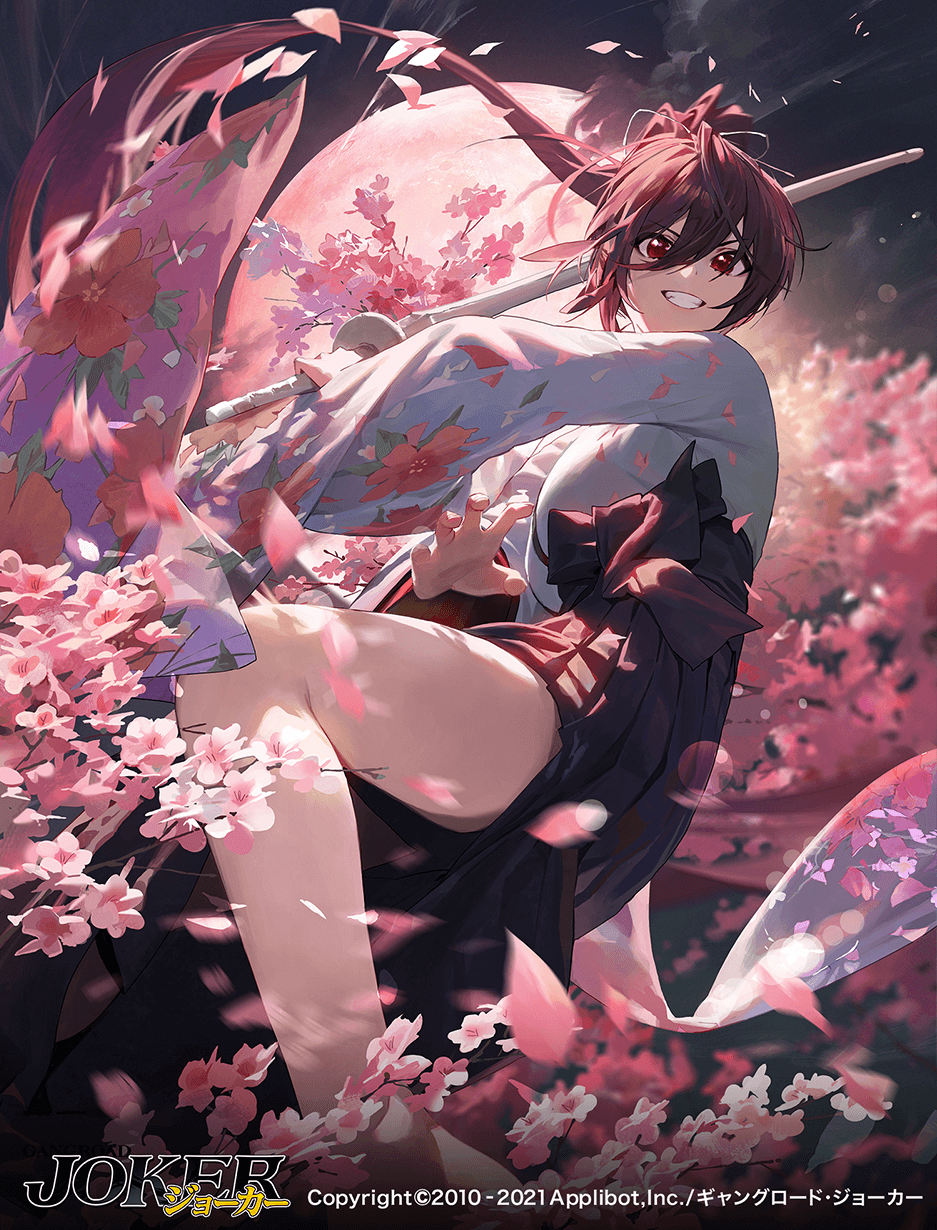
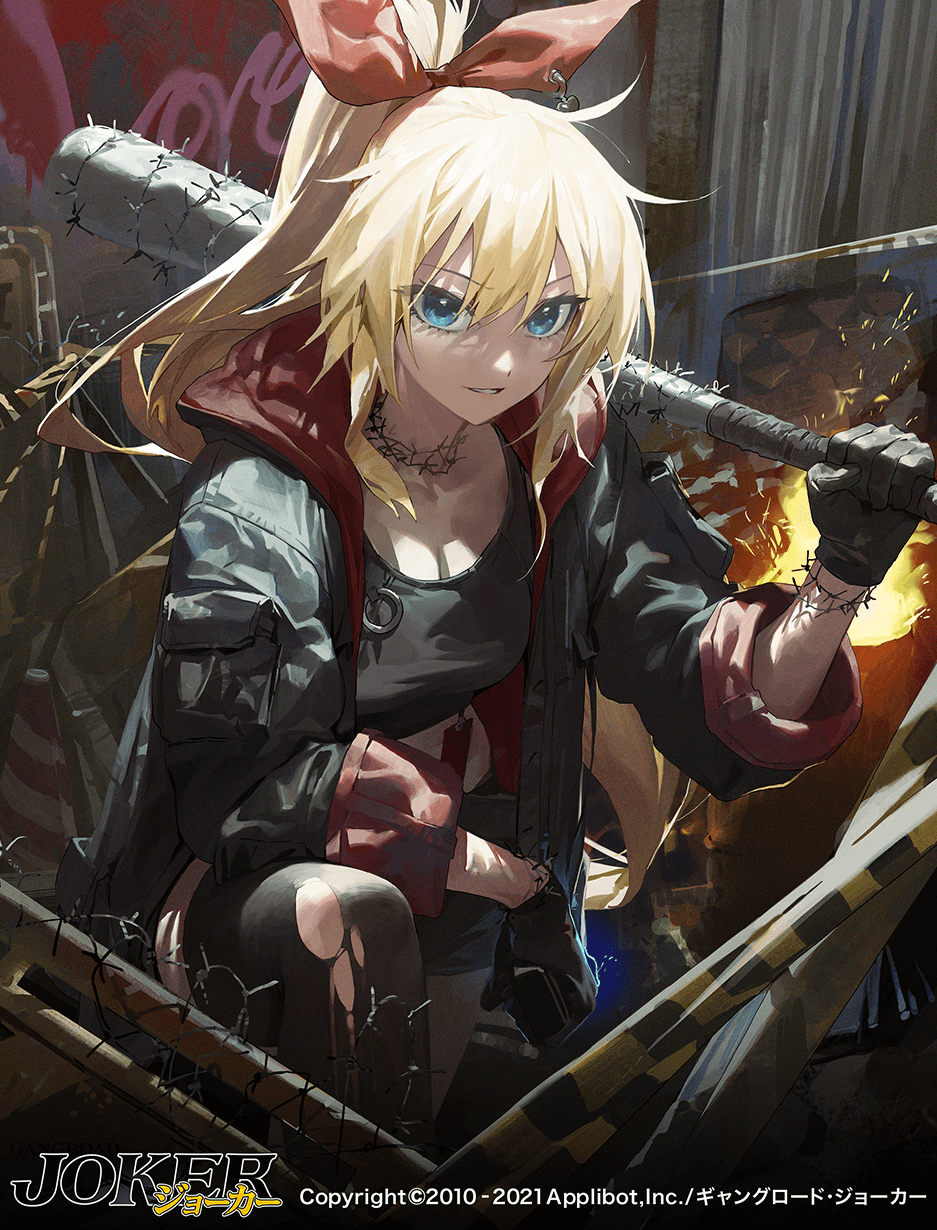
Instructor
Illustrator
Mogoon
Hello, I am Illustrator Mogoon.
I am an artist that specializes in stylized character art and I have been communicating with a large number of fans through my Twitch streams and as an in-person art instructor.
I drew numerous illustrationsas a freelancer, and withthe knowledge and techniquesI have built, created this online class.
With this class, I am going to teach you the fundamentals of art and how to implement them as we create stylized character drawings together.
My class can help you find the answers to learning how to make good illustrations, and how to draw quickly and efficiently.
If you're curious about the techniques I use to create the high-quality character art loved by my fans, please take my class.
Illustrator,
Mogoon
[Current]
Freelance Illustrator
Recognizable
Projects & Awards
[Video Games]
Netmarble - Nights Chronicle (Character Art)
Artery Gear (Artwork)
NetEase Games- Artwork for Games such as Onmyoji, Eternal City, etc.
[Novels]
Murim Girls' Academy
0.0000001% Demon Lord
Complete 1 Stylized Character
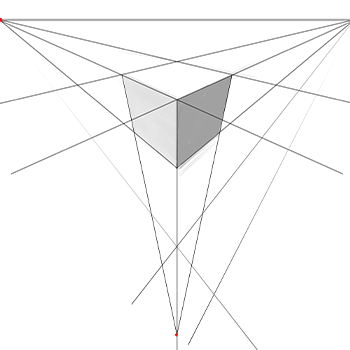
Understanding Space
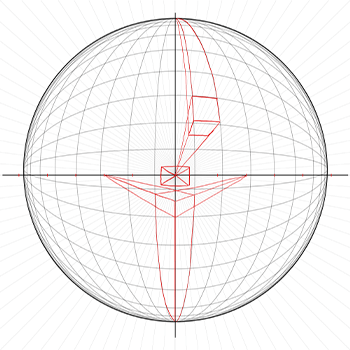
Understanding Perspective
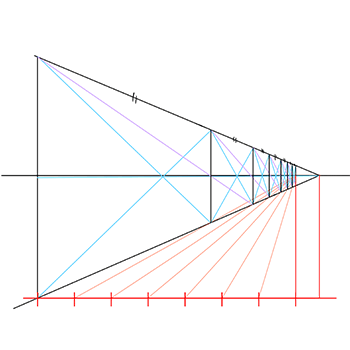
Perspective Techniques
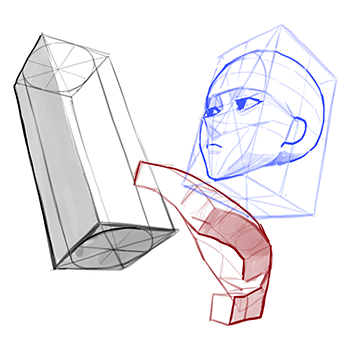
Understanding Basic Shapes
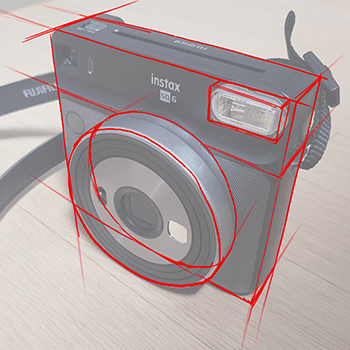
Shaping Objects
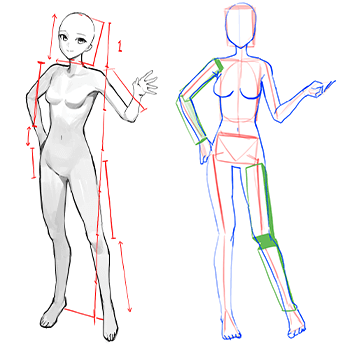
Human Body Stylization & Shaping
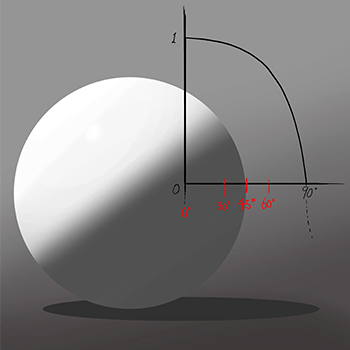
Diffused Reflection
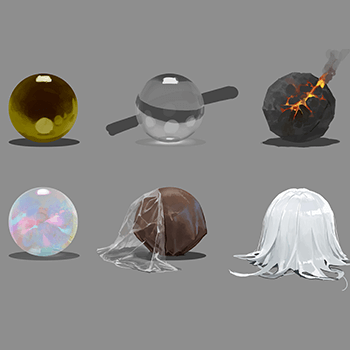
Drawing Textures
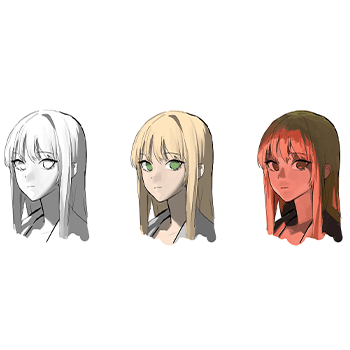
Implementing Art Fundamentals
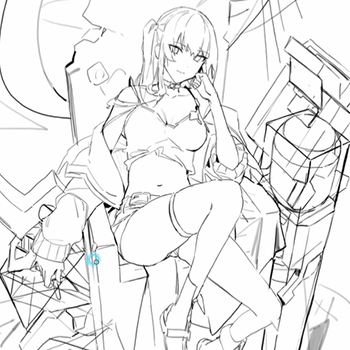
Lineart Techniques
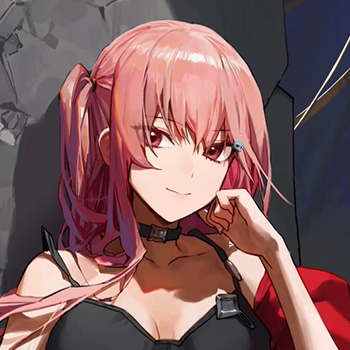
Adding Details with Coloring
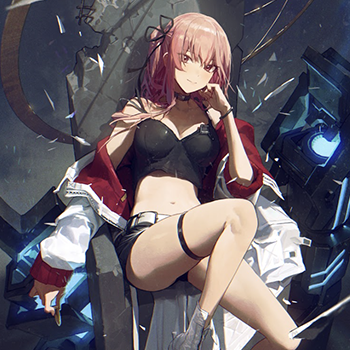
Complete Illustration
Highlights
Class Highlights
Learn From an Illustrator with 1M+ Followers
Obtain drawing skills straight from an artist who's worked on a variety of illustrations and videogame artwork for Netmarble and NetEase.
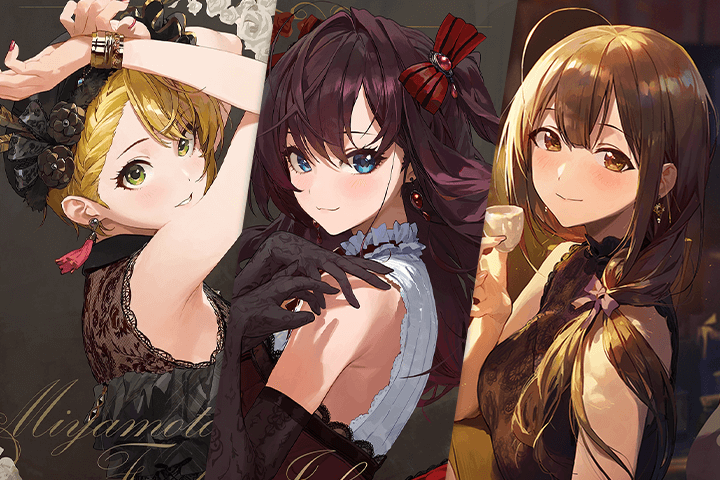
Art Fundamentals From Basics to Implementation
Learn art fundamentals such as space perception, perspective, shapes, light and color and implement the core ideas from each chapter to your own character.
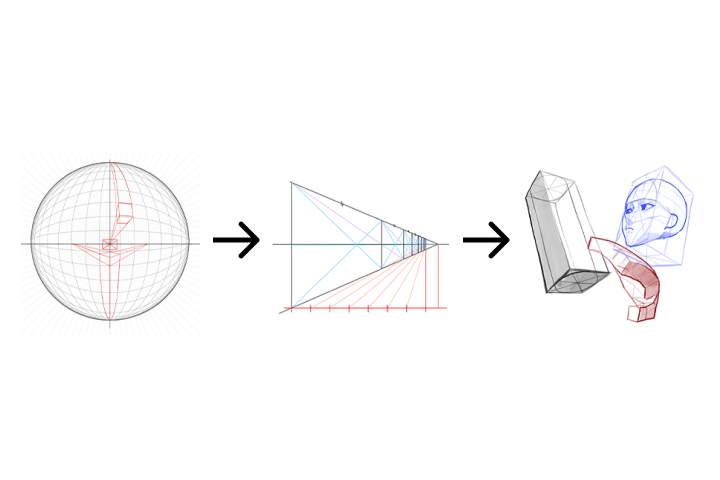
Tips and Techniques For Creating Stylized Character Art
Throughout this class, you will create one complete stylized character that is continuously improved upon as you progress.
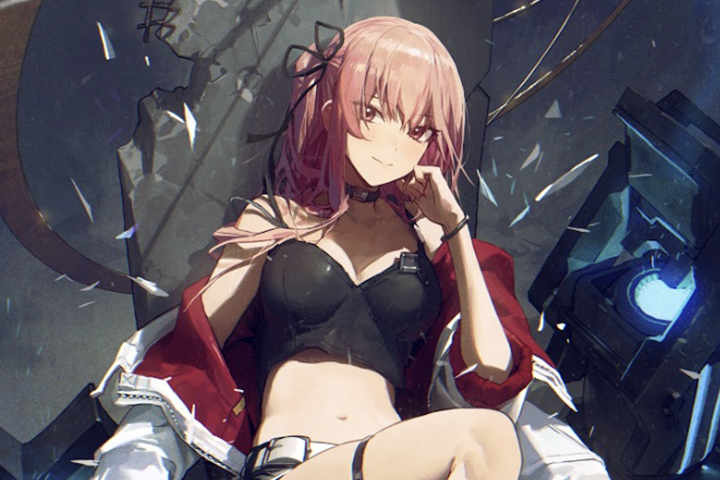
Class Details
You'll Learn
-
 Commercial Art & Planning a DrawingBefore the actual drawing stage, you'll be provided with an understanding of commercial art and how to logically plan a drawing.
 -
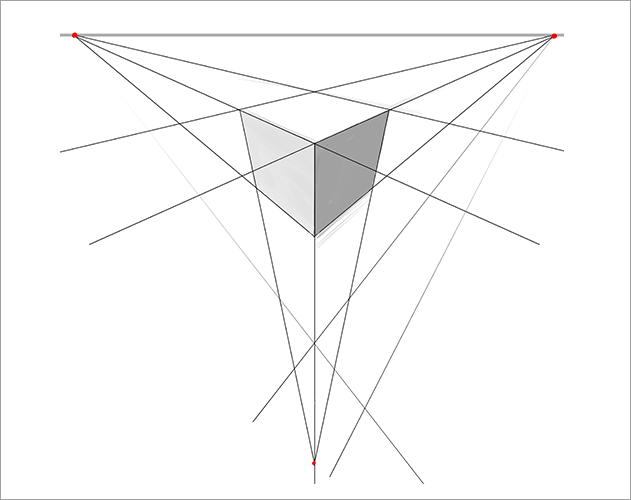 Basic Art Fundamentals: Space and Perspective BootcampWe will start with understanding the portrayal of space using cubes and learn basic perspective techniques that you can implement in your drawing process such as 1-point, 2-point, and 3-point perspective.
 -
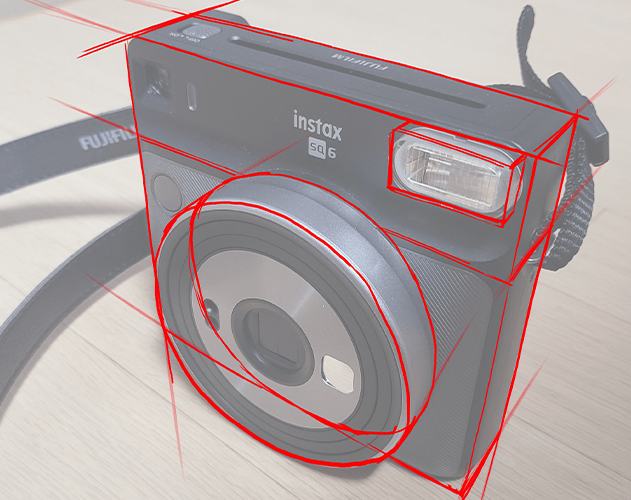 Basic Shapes Through Drawing Objects and ShapesWith a basic understanding of shapes, you will learn how to logically analyze an unfamiliar shape and practice object shaping and drawing basic shapes.
-
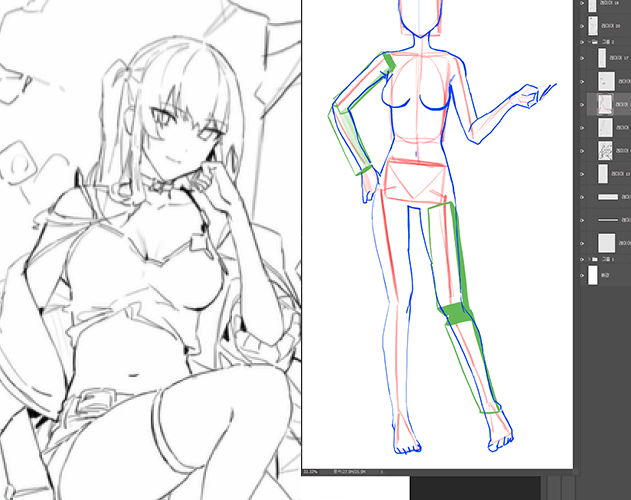 Breaking Down the Human Body into Shapes with a Stylized Art StyleAfter studying body proportions and stylization, we will draw the human body using basic shapes with the shaping technique.
 -
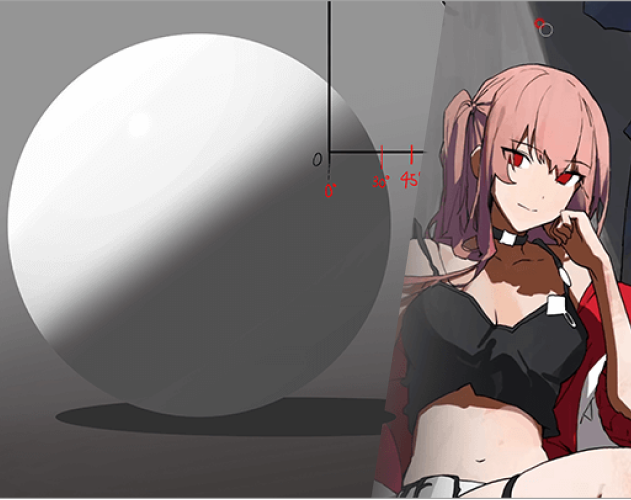 Using Various Lights and Colors and Stylized Color ExpressionsThrough various examples on reflections, refractions, shadows, and stylized colors, we will thoroughly go through the fundamentals of light and color.
 -
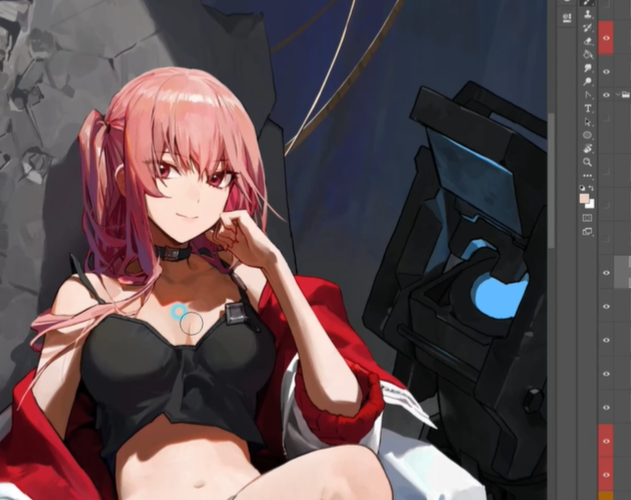 The Integral Work Process to Apply Art Fundamentals in HarmonyNot only will you learn how to use various art fundamentals in harmony such as space, perspective, shapification, light and colors, you will also learn Mogoon's unique method of efficiently using references.
*Shown Images are examples to give a better understanding of this class.
- Unlimited Access
- Best Price
Buy now, get unlimited access.
08/31 (Mon) (UTC-7) Special offer ends soon.
This special offer ends soon.
Buy now and save!
Curriculum
Curriculum
In-Depth Look
SECTION 01. What is a Good Drawing?
01. Understanding Commercial Art
- Knowing is half the battle, what are we doing?
- Perspectives on commercial art
- Making a universally acceptable definition
- Understanding the Japanese illustration industry
02. What is a Good Drawing?
- What is a good drawing?
- How drawings change depending on the target
- Understanding the thoughts of the spectator
- The objective matters most
03. Logically Planning an Illustration
- The importance of planning
- Choosing the theme and material
- Composition sketch
- Contemplating the process-before working on the details
SECTION 02. Why Do We Draw This Way? Fundamentals 1: Space
04. Space 1: Perspective
- What is space?
- The cube
- Why do we have to study perspective?
05. Space 2: Basic Perspective
- How to draw in perspective
- 1, 2, and 3-point perspective
- 4, and 5-point perspective
06. Space 3: Perspective Techniques
- How to easily draw perspectives
- Measuring perspective (angle, length)
- Perspective techniques
- Applying those techniques
SECTION 03. Why Do We Draw This Way? Fundamentals 2: Shapes
07. Shapes 1: Shape and Volume
- What are the basics of shapes?
- Cylinders and spheres
- Shaping methods
08. Shapes 2: Drawing Faces
- Facial structure
- Face shape
- Face stylization
09. Shapes 3: Human Body Overview
- Body proportions
- Body structure
- Body stylization
10. Shapes 4: Shaping the Human Body
- Shaping the human body
- Drawing the human body with shapes
- From shapes to the human body
11. More Shapes: Lineart
- Lineart techniques
SECTION 04. Why Do We Draw This Way? Fundamentals 3: Light and Color
12. Light and Color 1: Light
- What is light? Understanding light
- Properties of light: Reflection and refraction
- Diffused and specular reflection
13. Light and Color 2: Diffused Reflection 1
- Lambert’s cosine law
- How to draw a shadow with depth
14. Light and Color 3: Diffused Reflection 2
- Reflected light, ambient occlusion
- Drawing texture with diffused reflection
15. Light and Color 4: Specular Reflection and Refraction
- Flat, concave, & convex surface
- Refraction
16. Light and Color 5: Combining Colors
- Local colors and the color of light
- Combining colors
17. Light and Color 6: Expressive Colors
- Color expression
- Color stylization
SECTION 05. Why Do We Draw This Way? Fundamentals 4: Integral Thinking
18. Mixing it Up
- Drawing space, shapes, and light (balance)
19. Adding the Finishing Touches
- Combining theories to make edits
SECTION 06. Preventing Drawing Slumps
20. Self-Evaluating: The Eye-Hand-Brain Theory
- What do we draw with?
- Setting up art study progression
21. Combining Theory and Instincts
- Theory alone leads to stiff drawings
- Instinct alone leads to inconsistent drawings
- Combining theory and instincts
22. How to Efficiently Use References
- Using references efficiently
- Analyzing the resolution of references
23. Message to Everybody who Wants to Start Drawing
- Final words
Bonus 1: In-depth Coloring Insights
- An additional look into facial expressions
Bonus 2: Texture Variety
- An additional look into different textures
Interview with
Illustrator Mogoon

Question.01
What are the Prospects of Stylized Character Art?
The illustration industry is growing. Unlike the past, people aren't reluctant to buy drawings. Especially since stylized art satisfies a wide variety of needs. One thing you should keep in mind is to stay balanced. It is important not to draw an overly detailed face that fits a more realistic art style, but stylized characters are still humans, so you must avoid poses that can be perceived as uncomfortable or awkward.
Question.02
What Do You Think Is the Most Important Principle for Drawing Illustrations?
I think it's important to set a standard. Standards can mean a lot of things. It could be your objective, and it could be your balancing point. By suggesting a definitive standard to the subjective activity that is art, we can make it easily accessible to everybody. I am going to be teaching you art fundamentals with a more theoretical approach to help you set a basic frame of standards, and go through every step of creating complete stylized character art.
Question.03
What Would You Describe as Your Unique Differentiating Strength?
Most people draw alone. If you work alone for a long time, you will have a hard time objectively self-evaluating your work. I use a distinctive diagnosis method and thought process to get the most objective view of my work, and I use a systematic approach that leads to improvement. With this class, What I'm teaching is not just a simple technique, but rather a method you can continuously use in your future drawing journey.
Required Programs
This course will use Wacom Intuos and Adobe Photoshop CC.
Please purchase and install the latest versions of the programs for an optimized lecture experience.
*These programs and/or materials will not be provided with the lecture.