illustrator, hide3_JP Details
Intro

Now in Your Language, Only on Coloso!
Learn from Top Creative Experts Worldwide
-
 Illustrator with 830K Followers
 -
 Step-by-Step Detail Training
 -
 Refined Anime Art Workflow
Class Intro
Illustrator, hide
"Go beyond basic drawing and learn practical skills to create more compelling characters using clothing details, lighting, and composition."
Master Character Detailing with hide
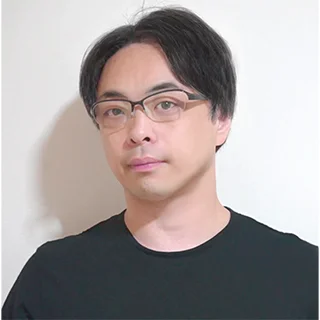
hide is a freelance animator and illustrator who has long been a leading figure in the Japanese animation industry, having contributed to the creation of countless concept art for everything from hit series like One Piece, Attack on Titan, and JoJo’s Bizarre Adventure to highly anticipated new releases.
With his series earning outstanding reviews and popularity on Coloso, hide returns with Part 3 to go beyond fundamental drawing skills and cover practical techniques for making characters more compelling through clothing detail, lighting, and composition.
With his series earning outstanding reviews and popularity on Coloso, hide returns with Part 3 to go beyond fundamental drawing skills and cover practical techniques for making characters more compelling through clothing detail, lighting, and composition.
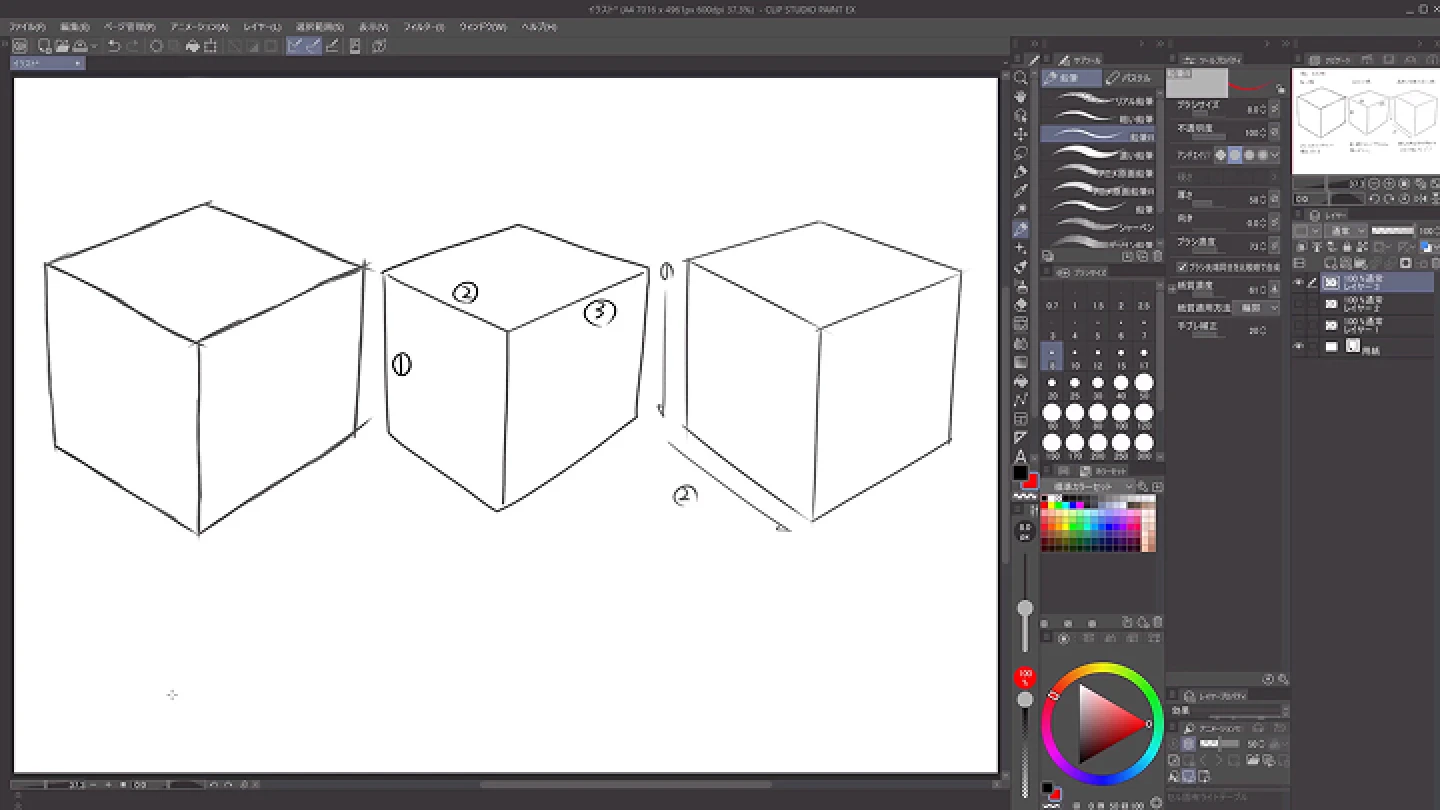
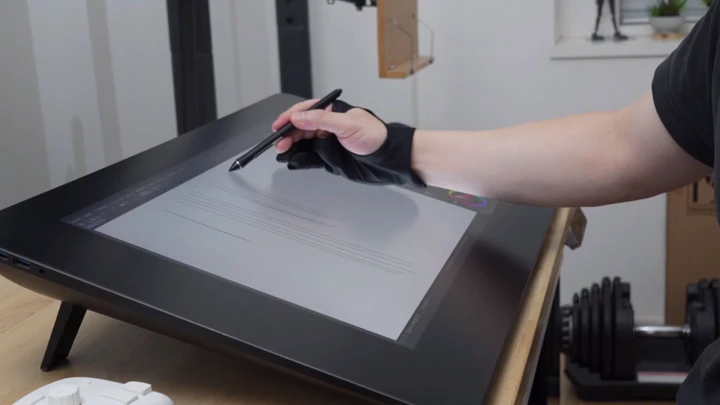
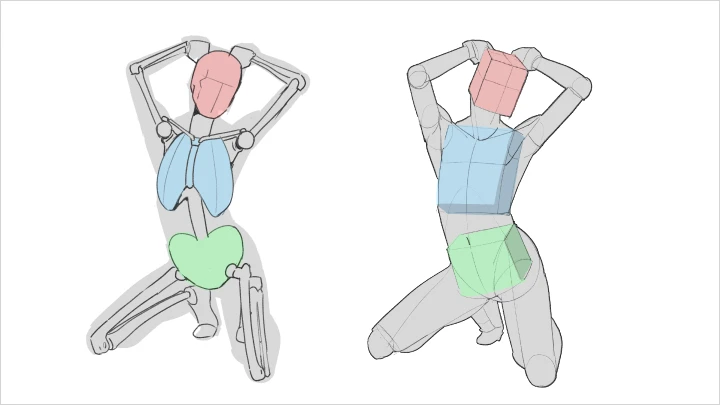
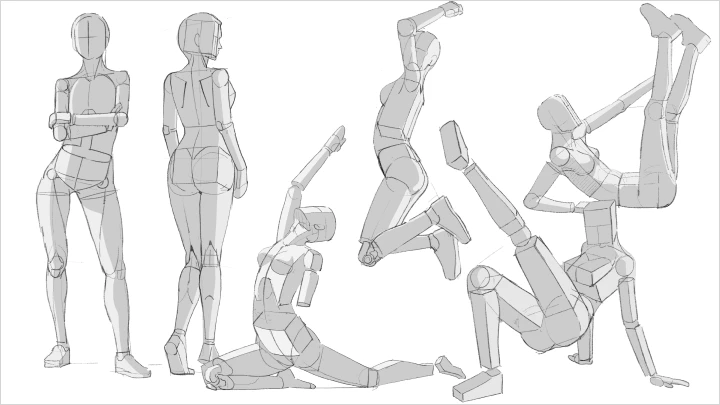
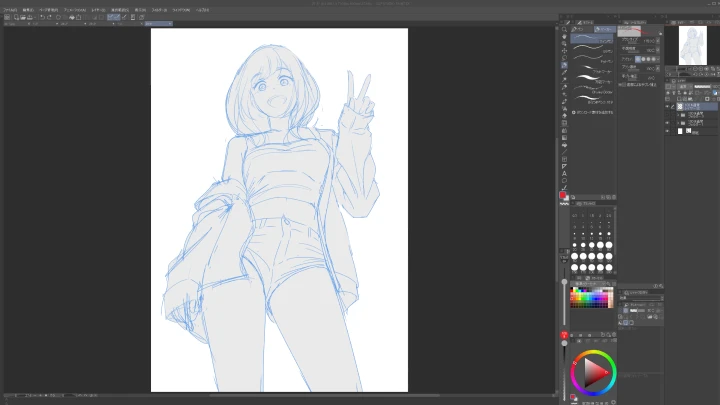
First, you’ll set up an efficient workspace, then learn perspective and simplification techniques for drawing the human body in three dimensions, laying the foundation for stable full-body depictions.
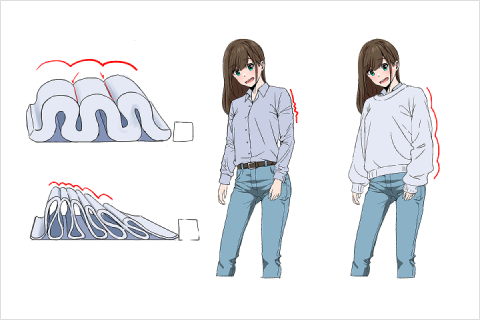
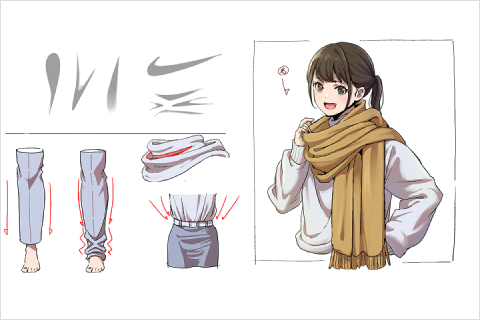
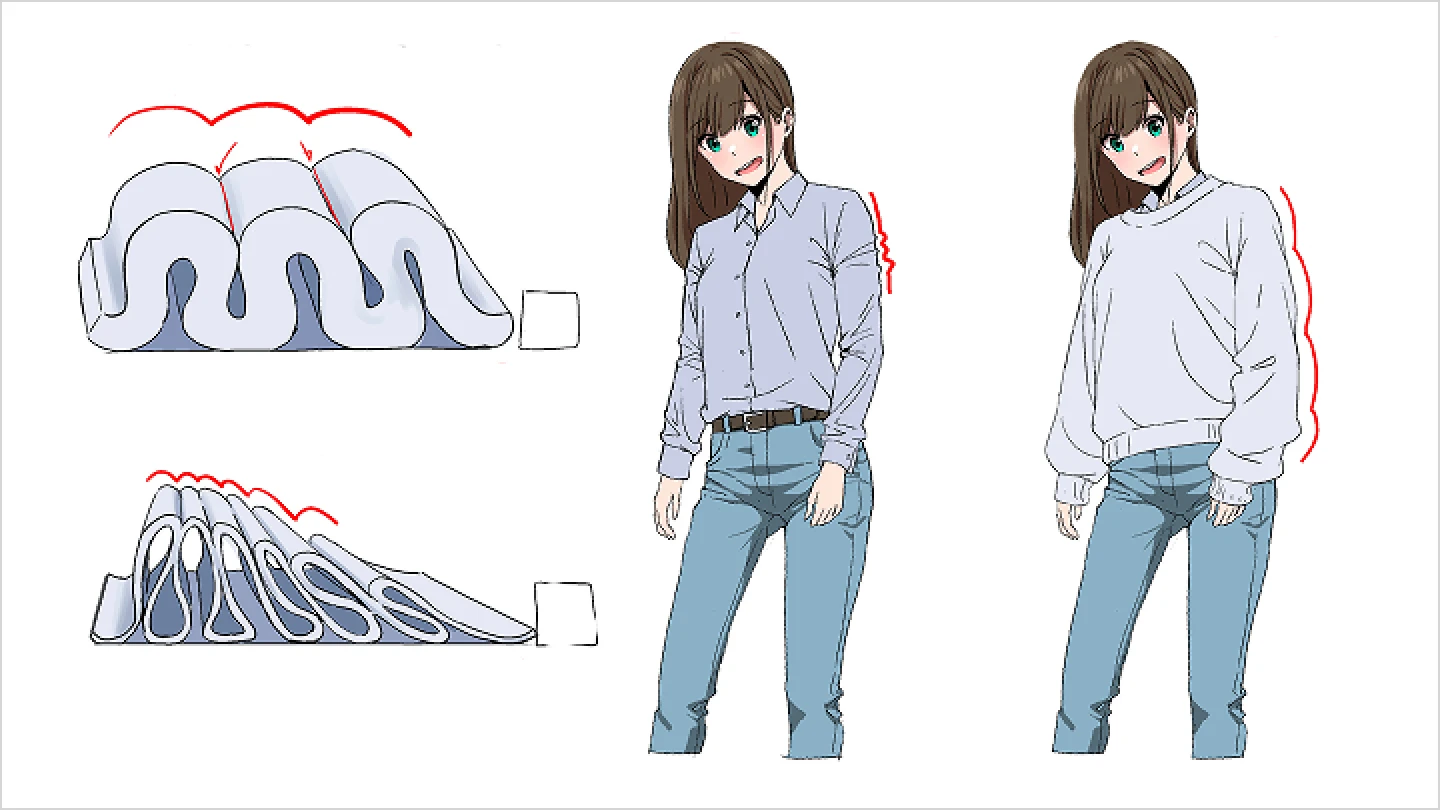
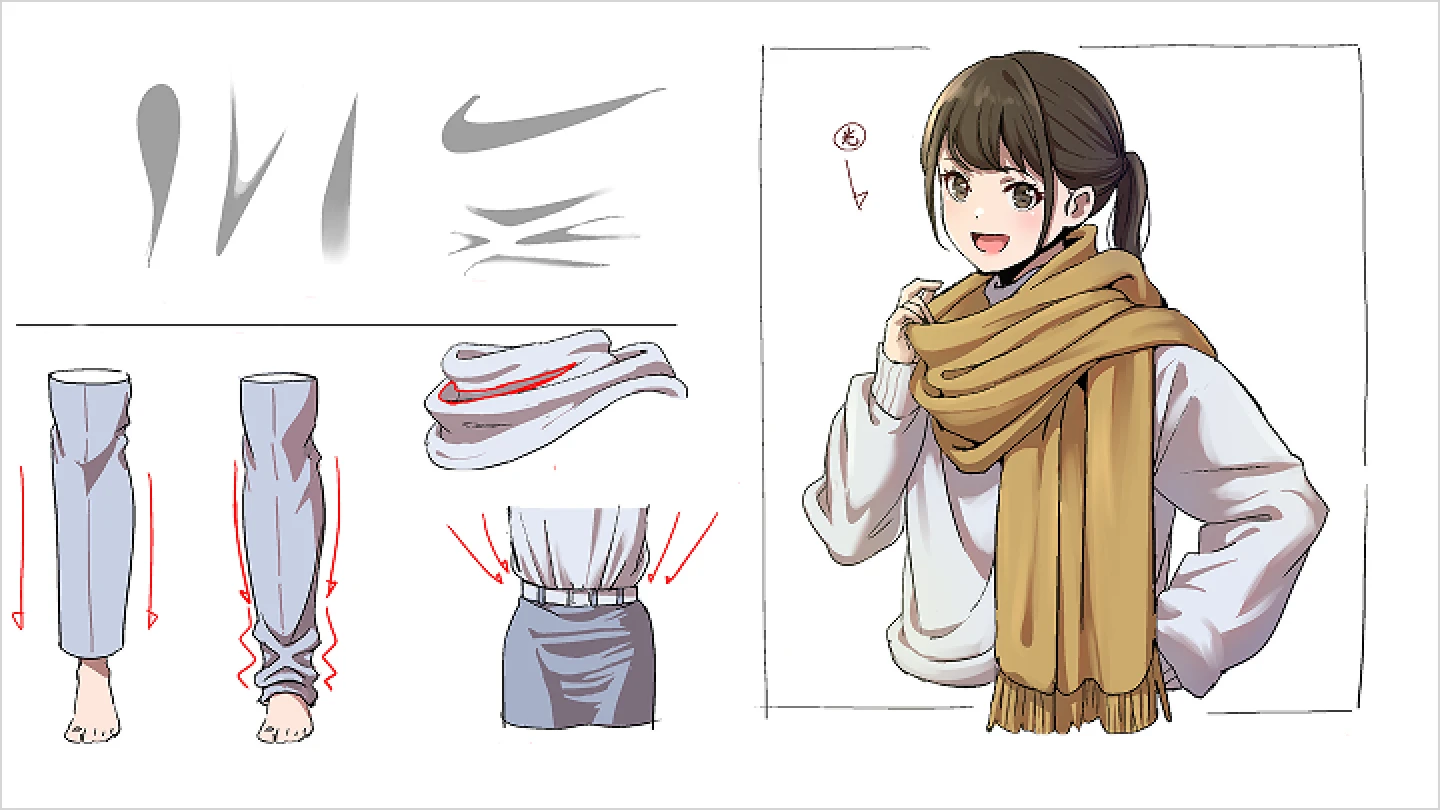
Next, you’ll systematically learn the structure of clothing and the rules of fabric draping, which are essential to effective outfit rendering. By mastering five draping patterns and how they vary according to body type, develop the ability to render detailed expressions applicable to any outfit.
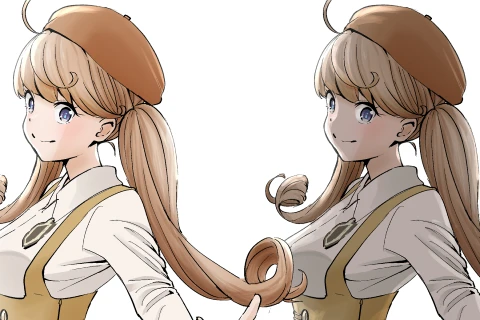
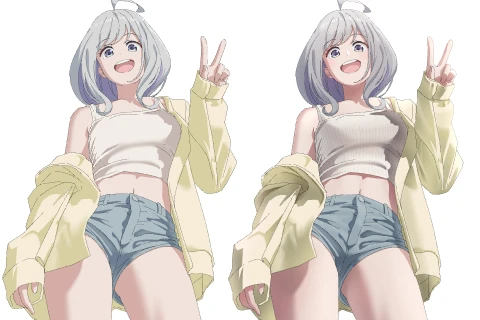
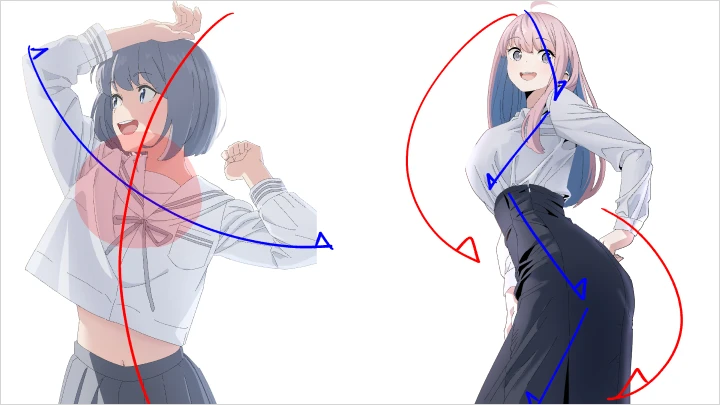
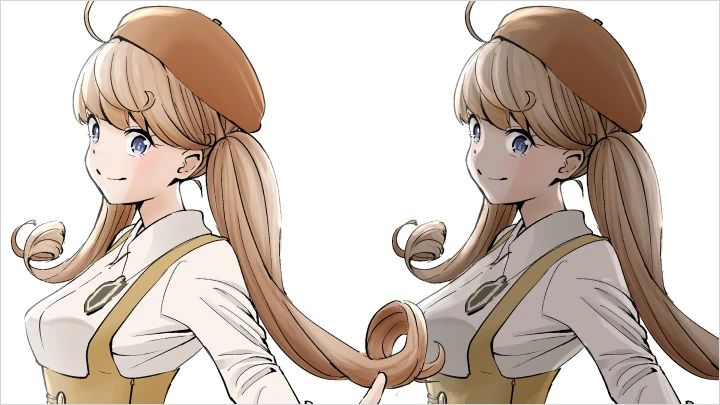
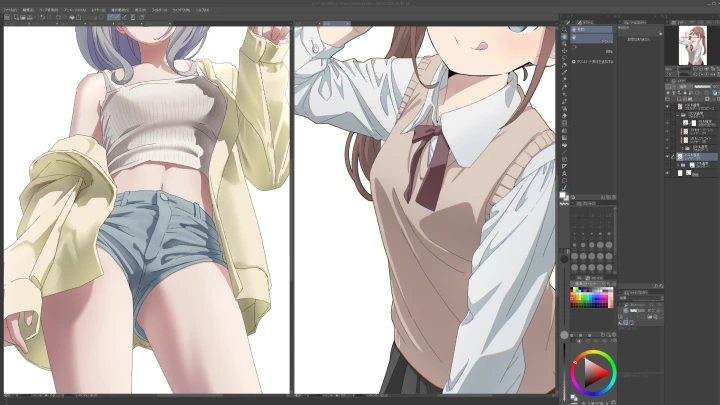
Finally, learn techniques for making your illustrations fun. I’ll teach you captivating techniques, including composition, emotional expression through posing, and lighting. Learn finishing techniques that maximize a character’s appeal using nothing more than simple cel shaded coloring.
Experience detail enhancement skills on Coloso, learned from professional animators, that will enable you to draw any outfit.
Next, you’ll systematically learn the structure of clothing and the rules of fabric draping, which are essential to effective outfit rendering. By mastering five draping patterns and how they vary according to body type, develop the ability to render detailed expressions applicable to any outfit.
Finally, learn techniques for making your illustrations fun. I’ll teach you captivating techniques, including composition, emotional expression through posing, and lighting. Learn finishing techniques that maximize a character’s appeal using nothing more than simple cel shaded coloring.
Experience detail enhancement skills on Coloso, learned from professional animators, that will enable you to draw any outfit.
Class Perks
Special Gift from hide
-
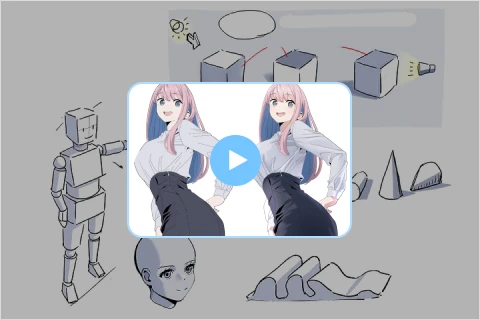 Unlimited Access to 21 Chapterspacked with hide’s professional illustration techniques
 -
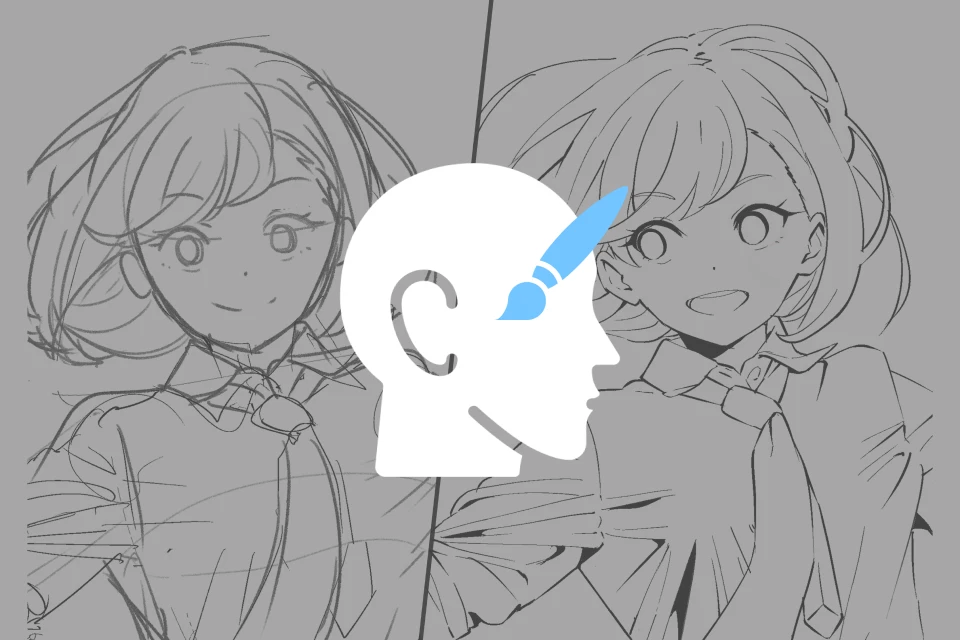 Rich, Practical Examplesto create appealing characters
 -
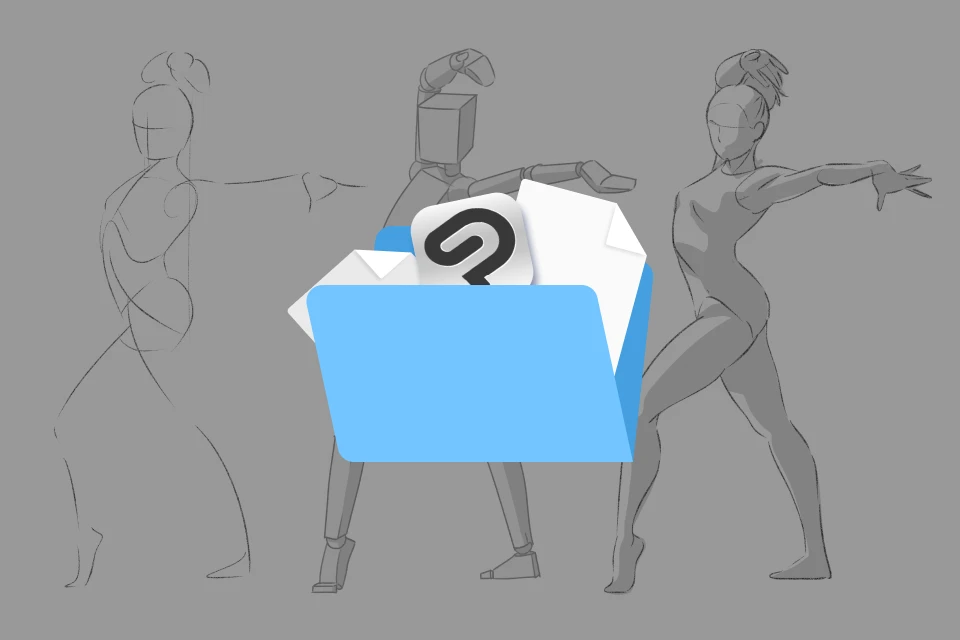 Downloadable Practice Filesused in the course for hands-on practice
Class Material Details
-
 Practice Illustration Files (Clip Studio & PDF)- Illustration files used for hands-on practice
 -
 Exercise Materials (Clip Studio & PDF Files)- Figure drawing fundamentals
- Clothing folds practice sheets
- Real examples of drawing clothing
- Pose and composition examples
- Lighting and shadow reference examples
Recommendation
Who should take this class?
Beginners looking to build a strong foundation in figure drawing and anatomy
Artists who struggle with clothing and want to master clothing folds and outfit details
Creators aiming to make their characters more dynamic through composition, lighting, and posing
Illustrator
hide’s Course Series
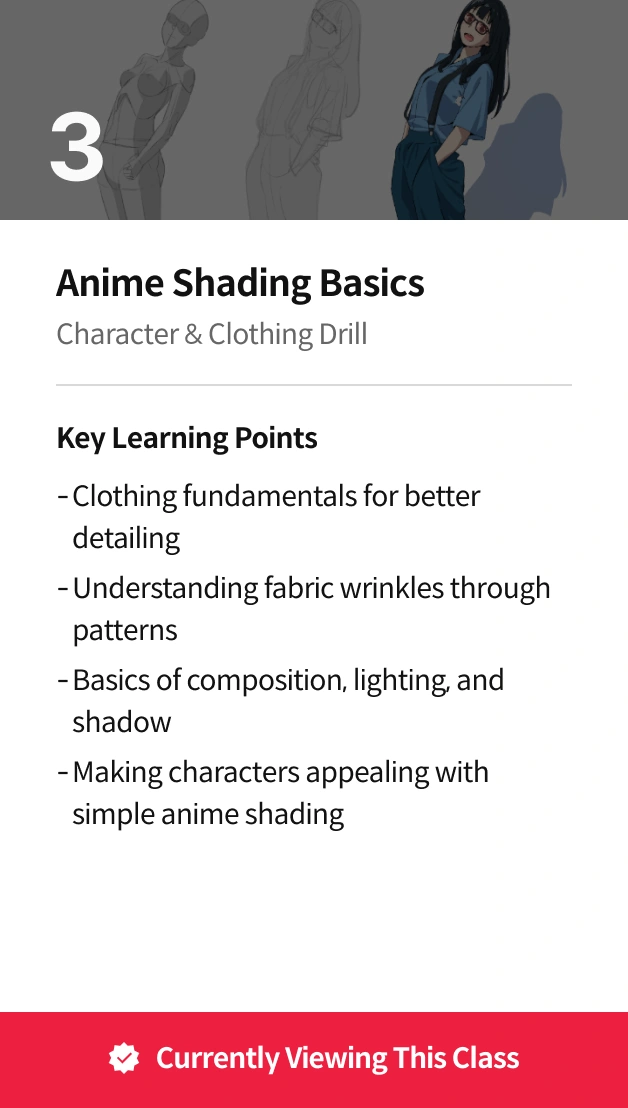
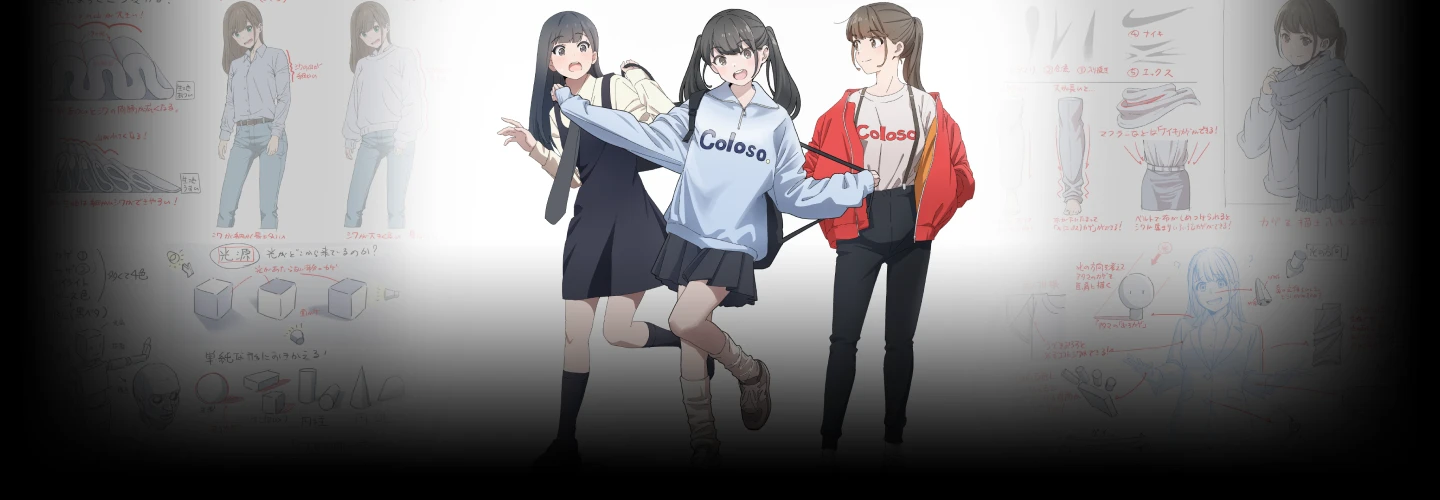
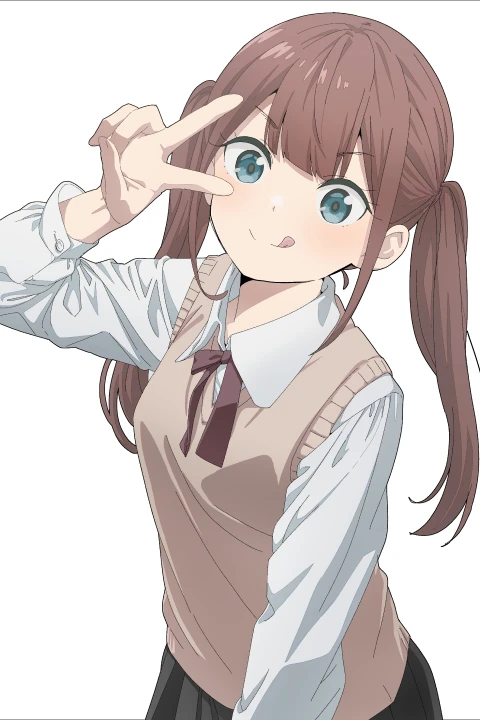
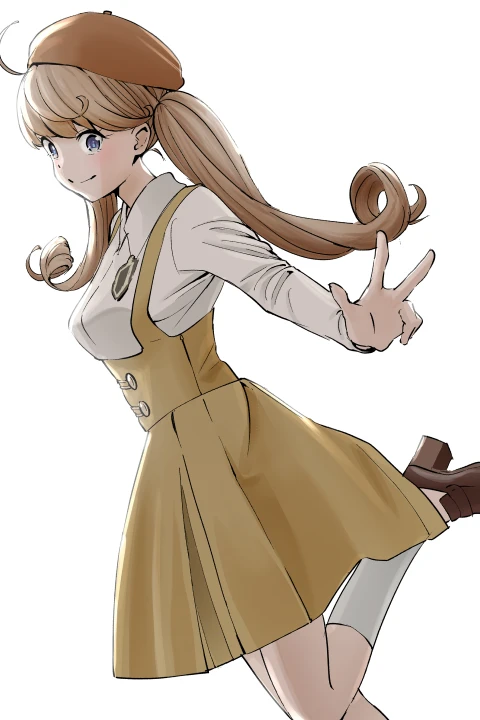
Expert Illustrator hide's Portfolio
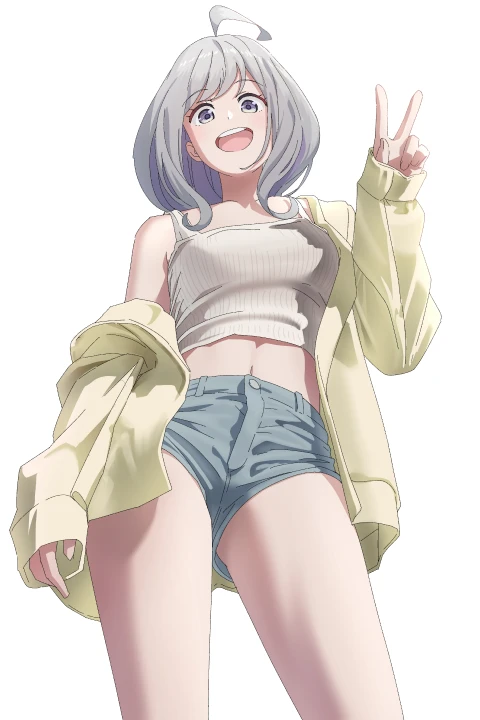
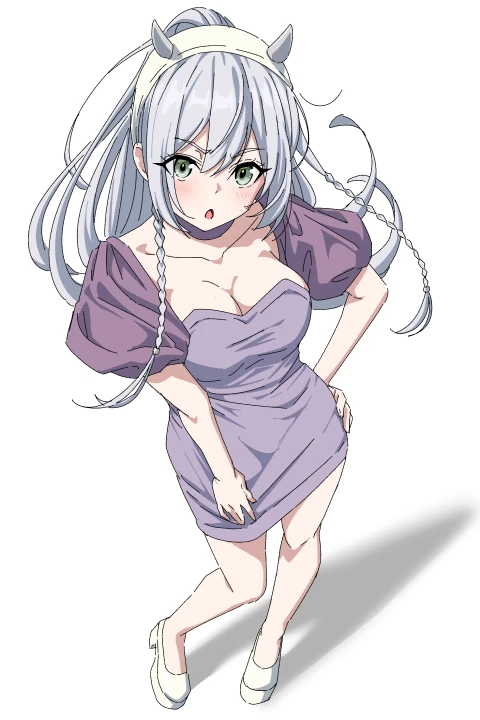
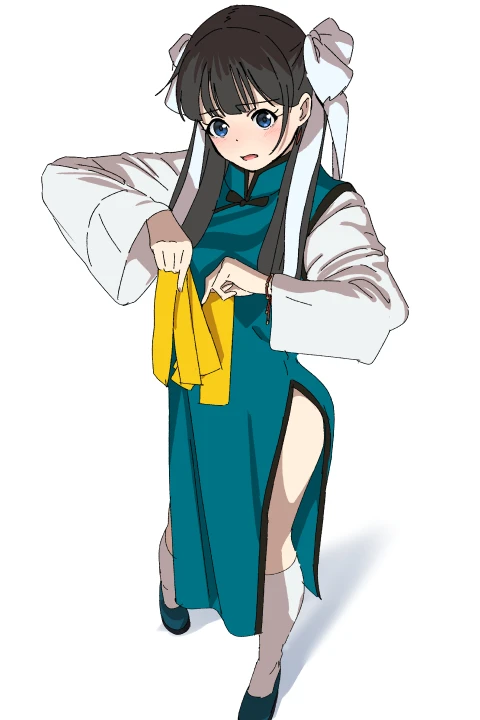
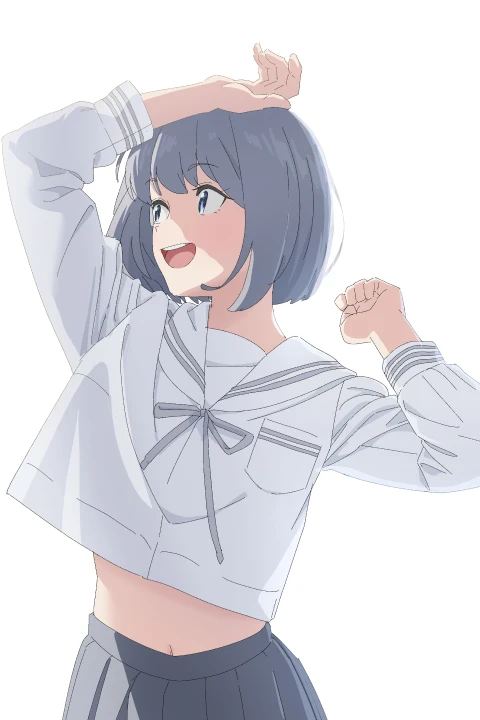
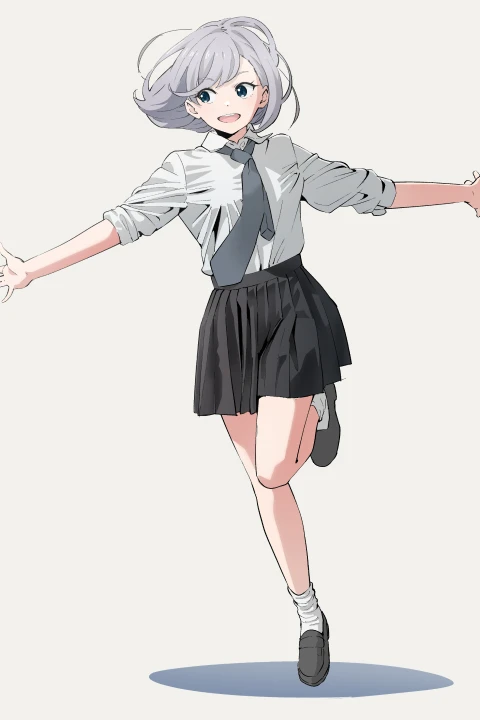
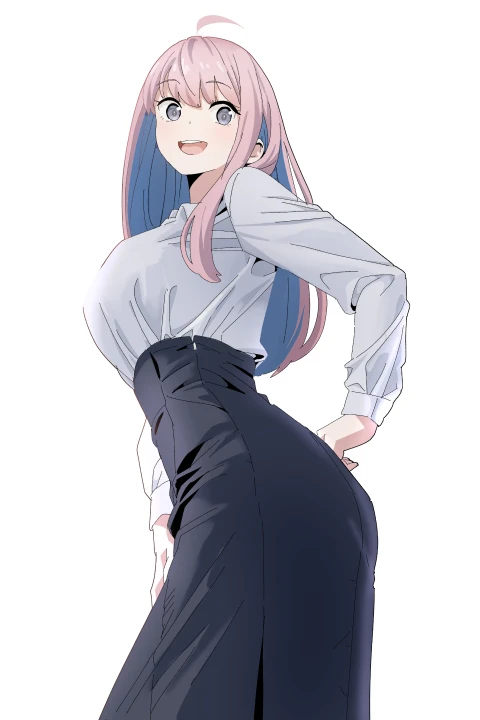
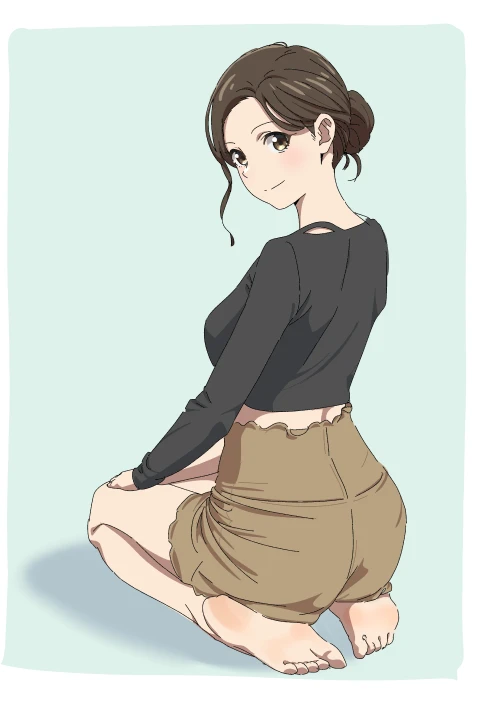
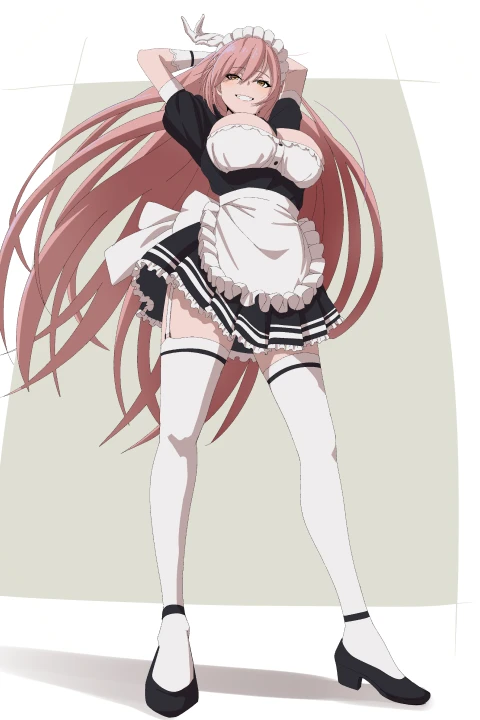
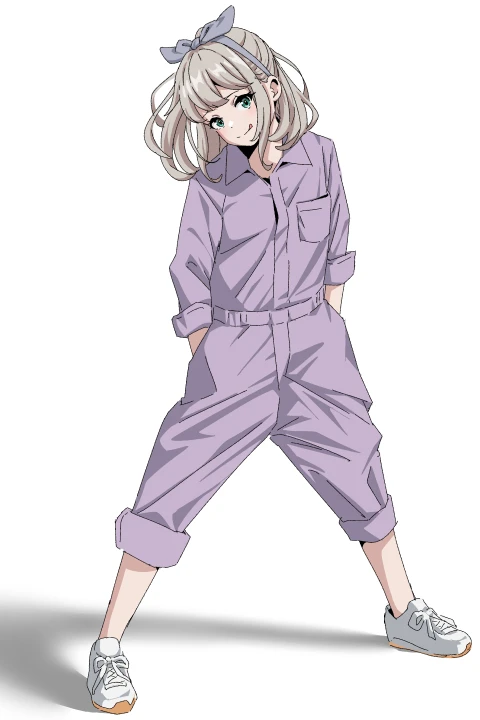
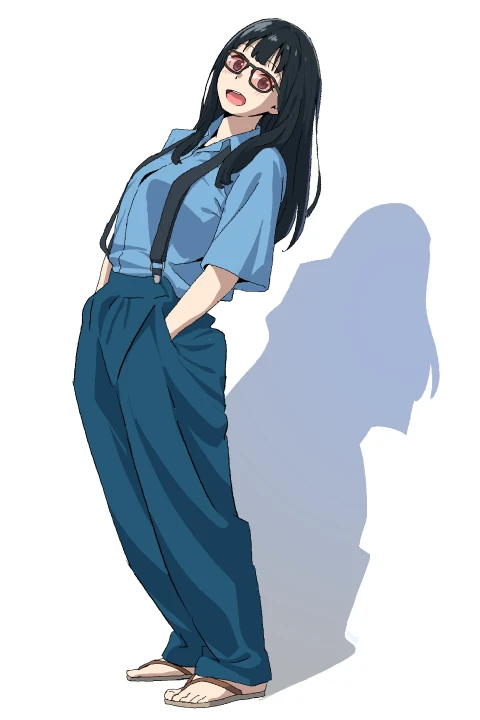
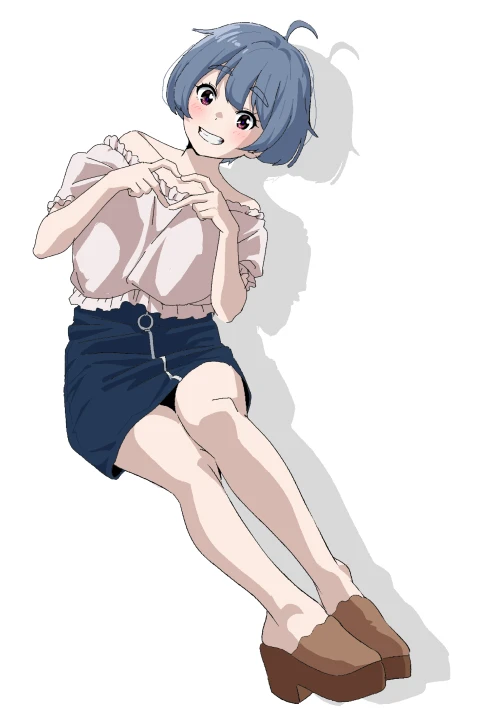
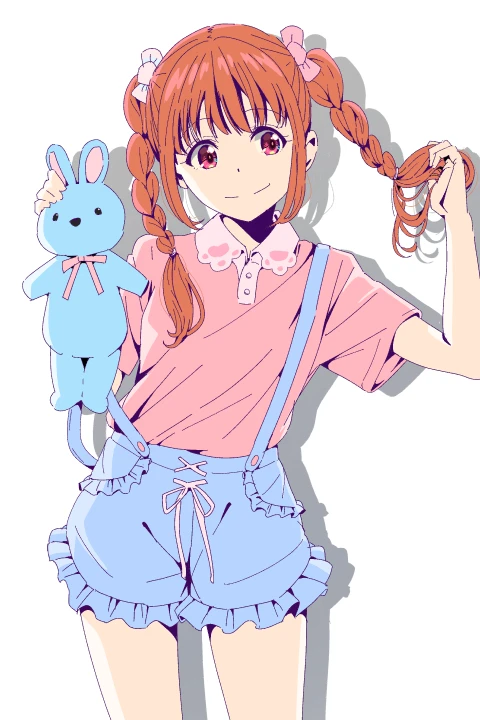
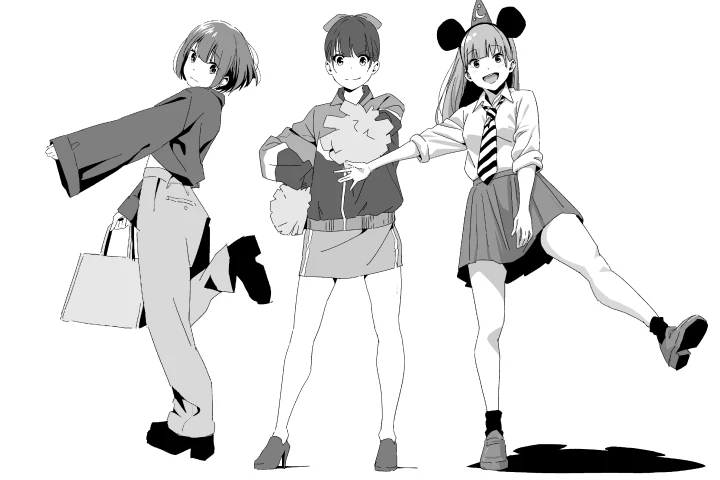
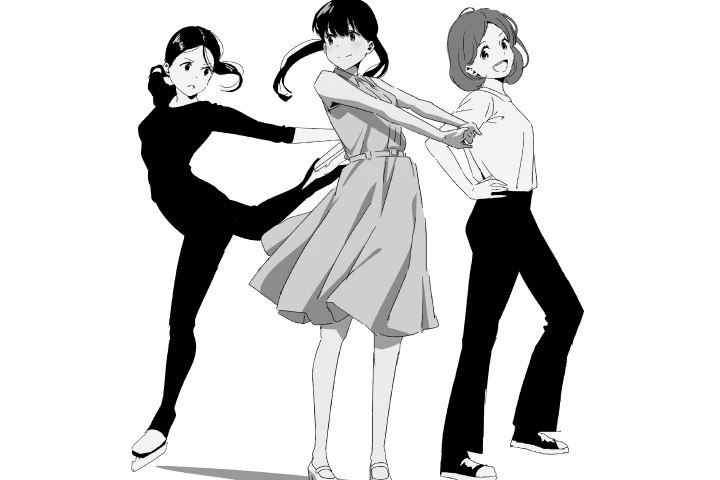
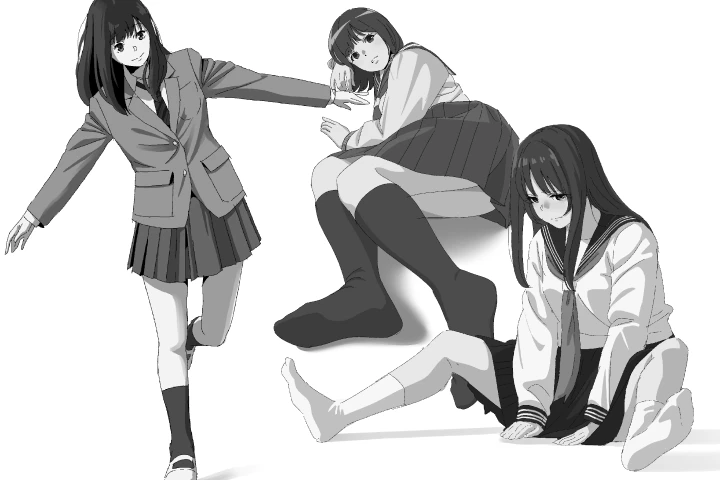
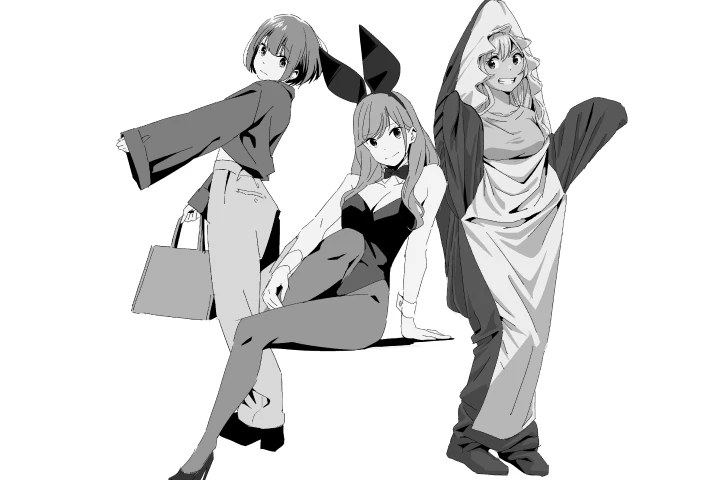
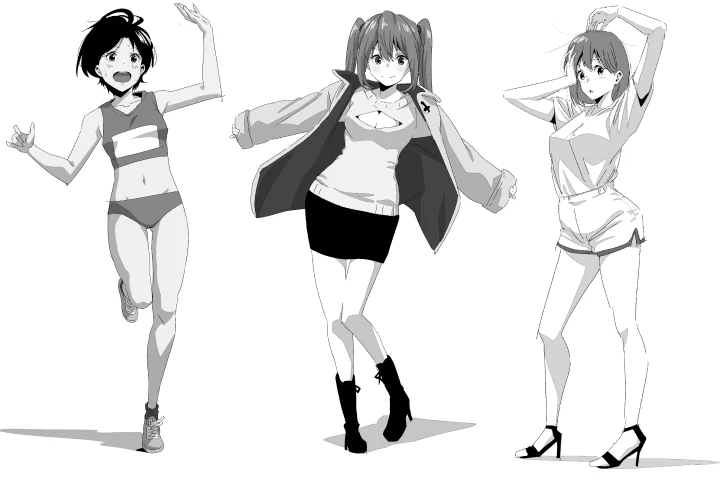
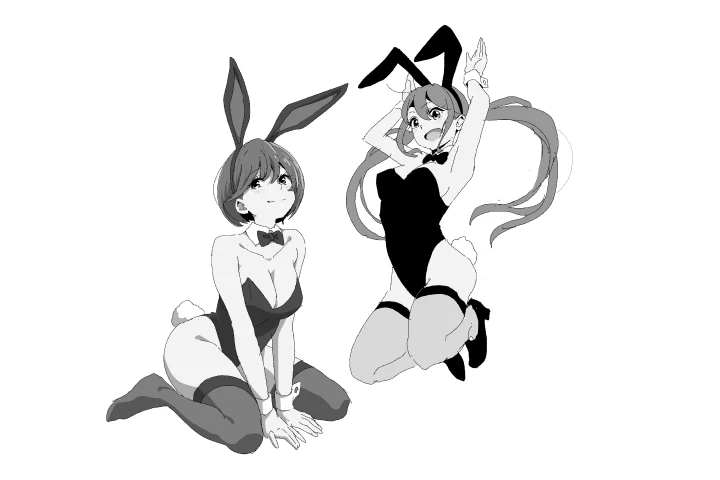
Why Take This Class?
This class helps you build a strong foundation in character drawing, from understanding the human body to confidently drawing clothing and folds. By breaking down complex forms into simple, learnable patterns, you’ll be able to approach full-body illustrations with greater clarity and control.
Beyond technique, learn how to make your work more engaging through composition, lighting, and posing. With practical exercises and real examples, you’ll gain the skills to turn simple drawings into more polished and visually compelling characters.

Get Ready for the Real-World
The Complete Guide to Character Drawing & Detailing
-
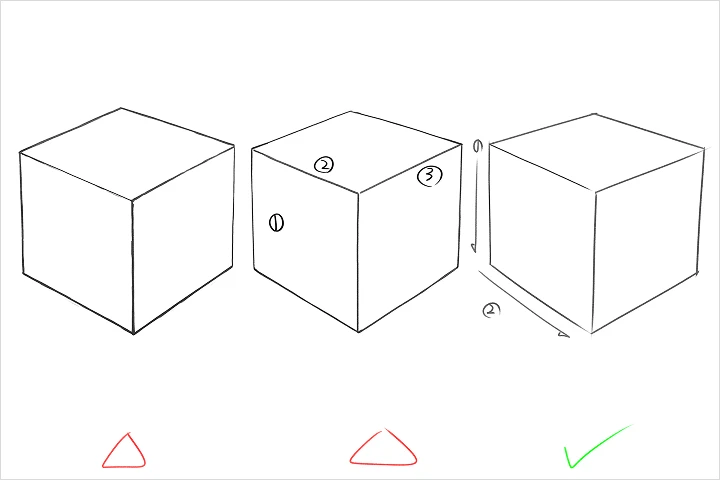 What to Know for Efficient Drawing
 -
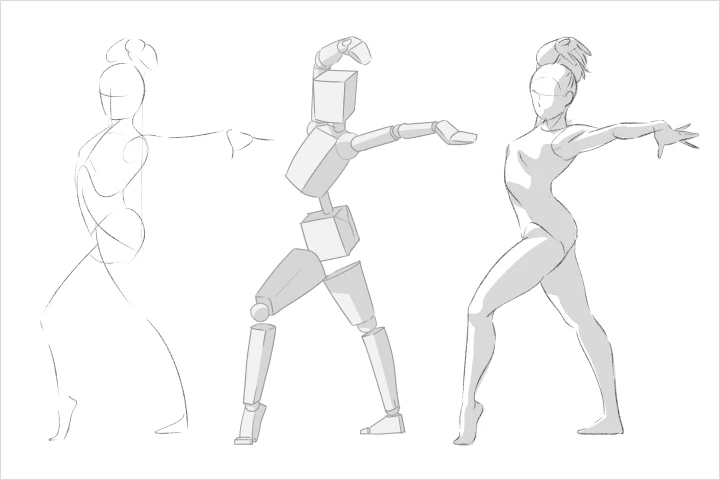 Drawing the Human Body with 3D Awareness
 -
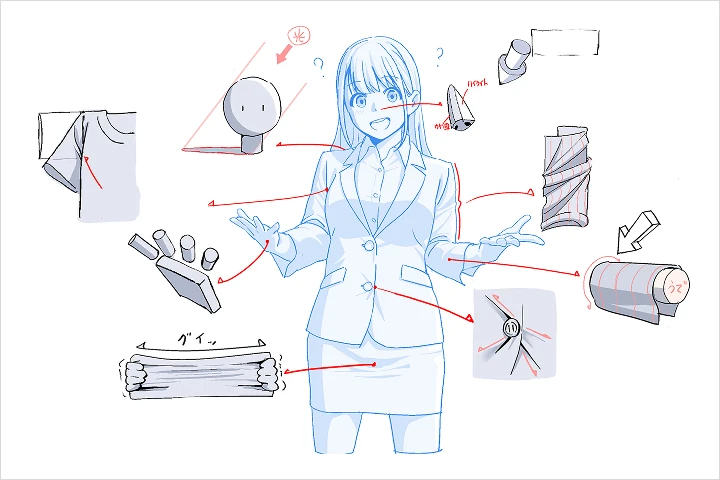 Fundamentals of Drawing Clothing
-
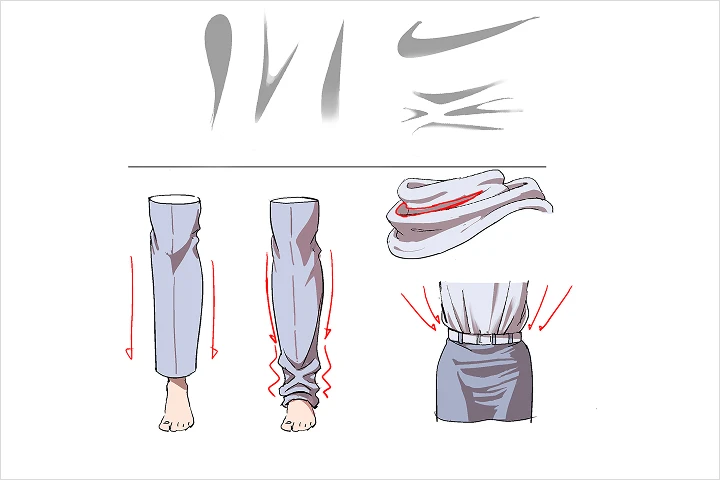 5 Key Clothing Fold Patterns
 -
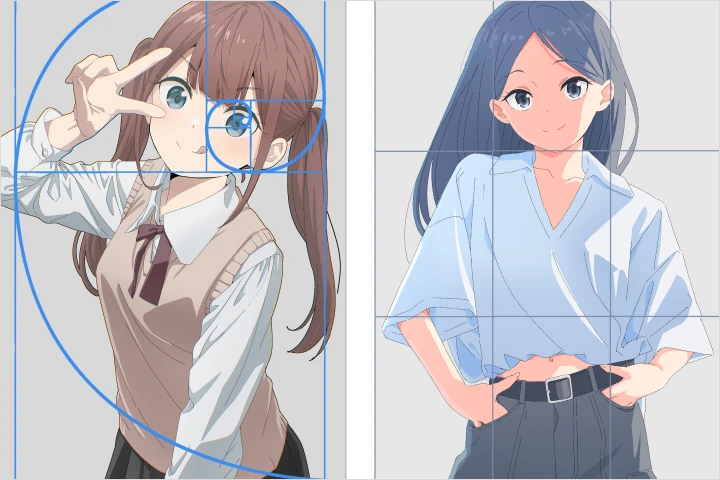 Basics of Composition & Visual Thinking
 -
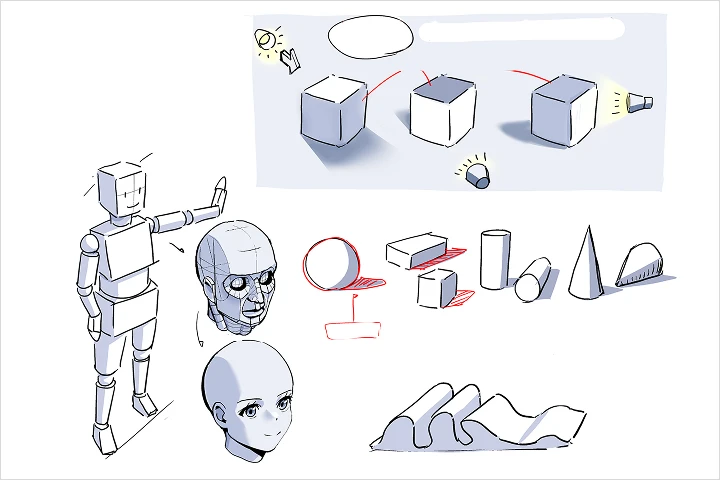 Using Light and Shadow for Impact
-
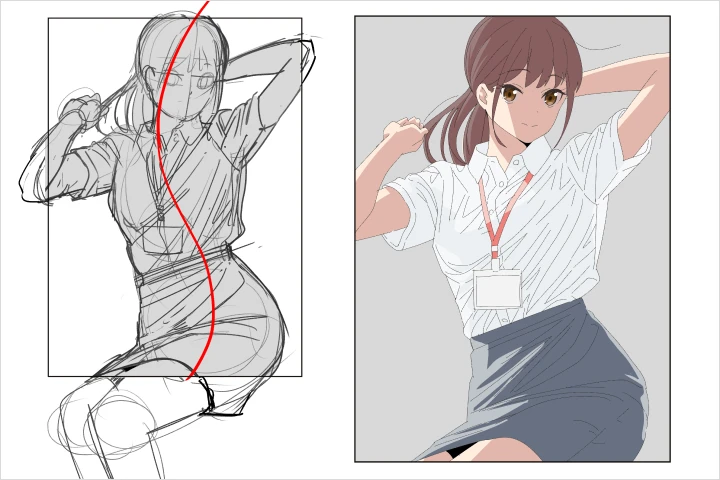 Tips for Bringing Ideas onto Paper
 -
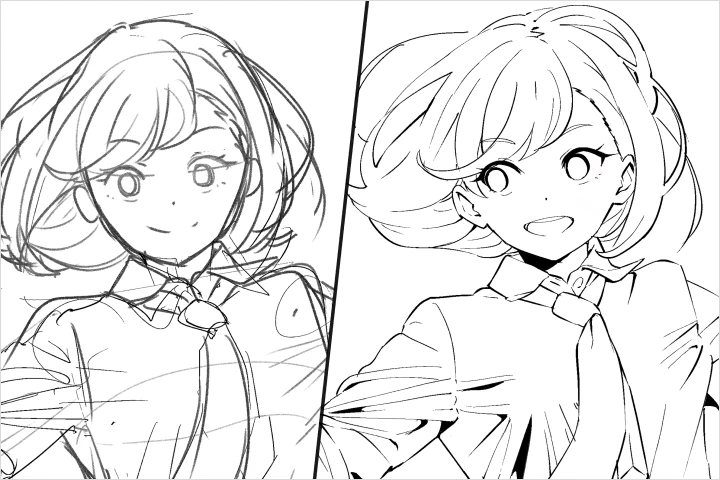 Sketching & Line Art Essentials
 -
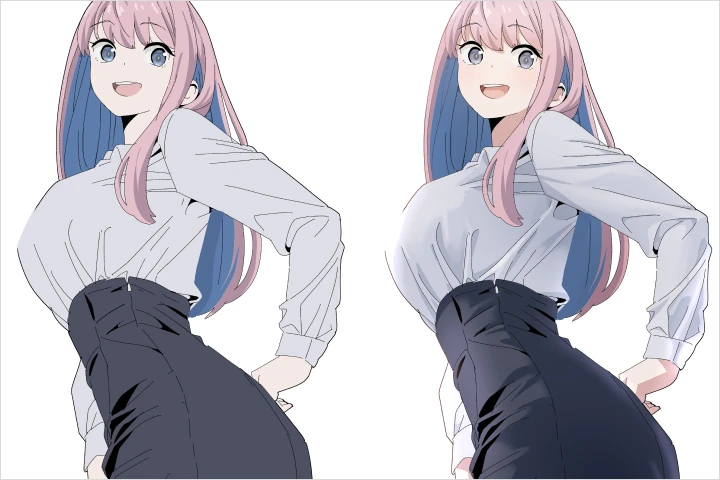 Finishing with Anime-Style Shading
*The above images are sample images for a better understanding.
Highlights
Class Highlights
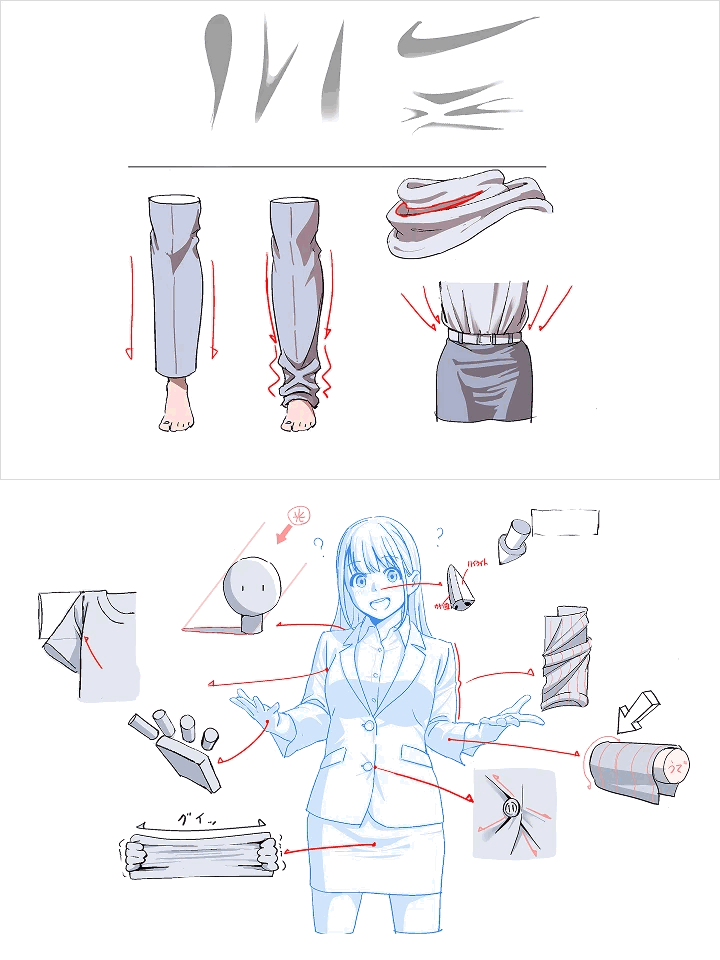
Draw Any Outfit with Confidence: Fundamentals of Clothing & Folds
Clothing folds are one of the most challenging aspects of character illustration. In this class, you'll learn the fundamentals of composition, such as framing, posing, and lighting, that make illustrations appealing, without focusing solely on technical skills.
Turn “Ordinary” into “Striking”: The Art of Character Presentation
Even well-drawn illustrations can feel lacking without strong visual direction. This course goes beyond technique, teaching the fundamentals of composition, posing, and lighting to make your characters truly stand out and feel engaging.
Create Depth with Simple Anime Shading
While anime-style shading is beginner-friendly, it can often look flat. Learn how to elevate your work with simple yet effective techniques that add depth and realism, allowing you to create more compelling and visually appealing characters.