[enrolltounlock]Webtoonist,Saemmi_웹툰작가 샘미 Details
Class introduction
Class Intro
Webtoonist, Saemmi
"Explore the unique elements and directing techniques of various genres, from romance with a focus on characters' emotions, to fantasy showcasing an unknown world, and martial arts featuring high-level action production.”
Learn to Transform Any Text or Story into a Comic Storyboard, Right Here!
From ideas floating around in your head to popular web novel stories, recreate them in the form of comics.
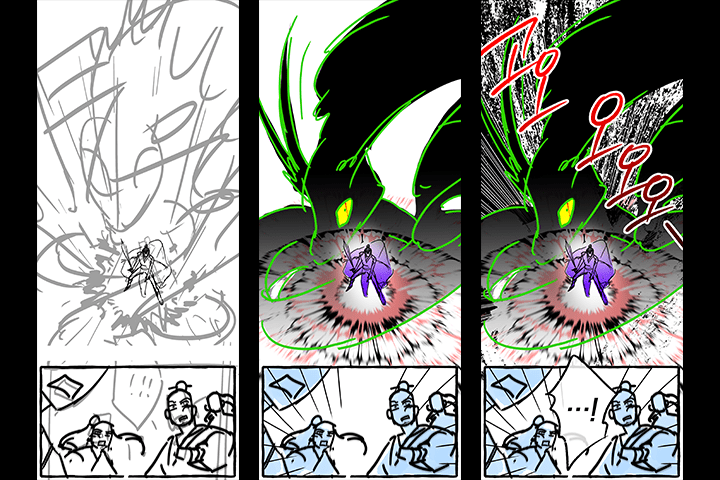
From understanding each serialization platform/field such as webtoons, published comics, and novel comics, to basic grammar for directing, characteristics of the three representative genres, how to use background and space, adaptation, and final storyboard completion!
Check out all the basic theories and practical skills needed to become a competent writer at Coloso.
Check out all the basic theories and practical skills needed to become a competent writer at Coloso.
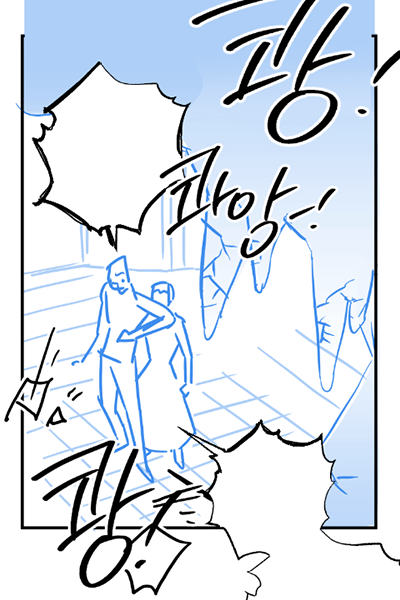
Expert Webtoonist Saemmi's Portfolio
Why Take This Class?
Are you curious about the secrets of Saemmi, the storyboard writer for Season 2 of <The White Writer Became a Bastard>, a mega hit with 50 million cumulative views?
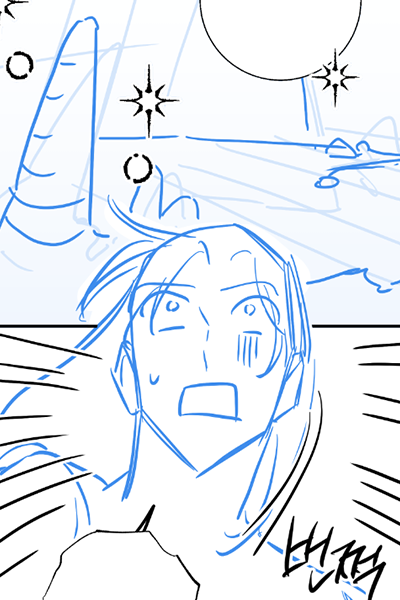
In this class, you can learn a wealth of practical know-how that combines knowledge from your major and practical trial and error, such as how to compose a variety of screens, comics directing theories for each genre, and how to write an adapted storyboard in a form that is perfect for webtoons/published comics.
Meet a practical webtoon class that covers everything from the basics to advanced aspects of easy-to-read adaptation/storyboard directing.
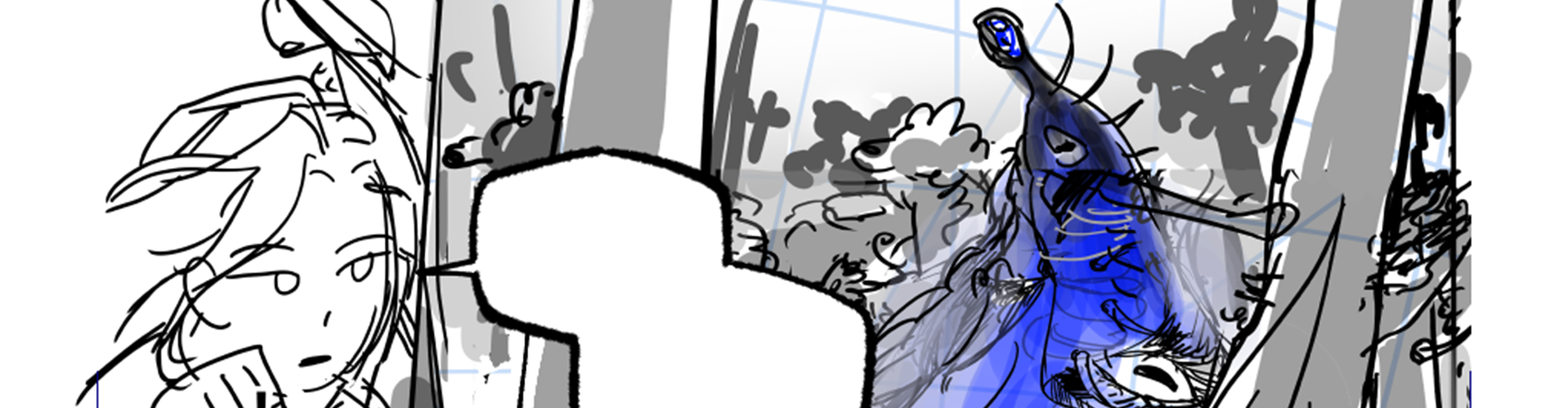
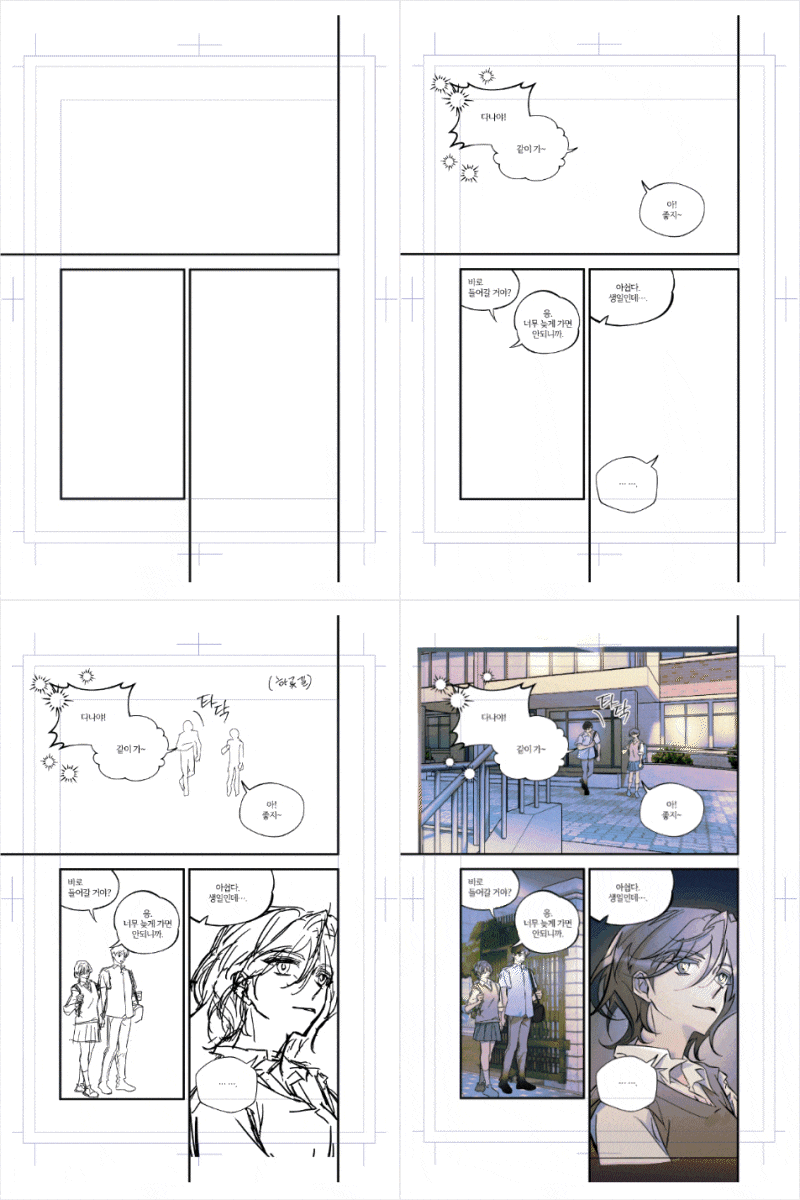
5+ Class Exercises
-
 Basic Components of Comics
 -
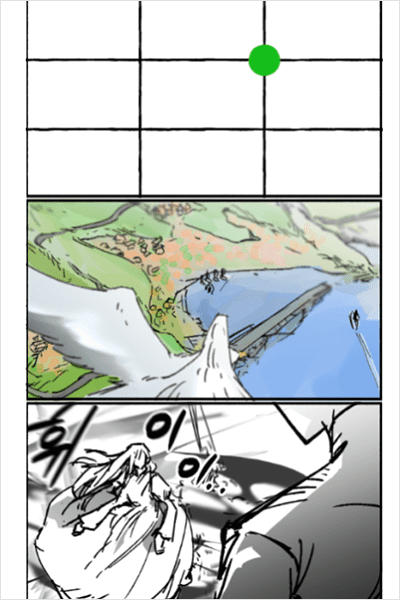 Learn Screen Composition through
Cinematic Directing
-
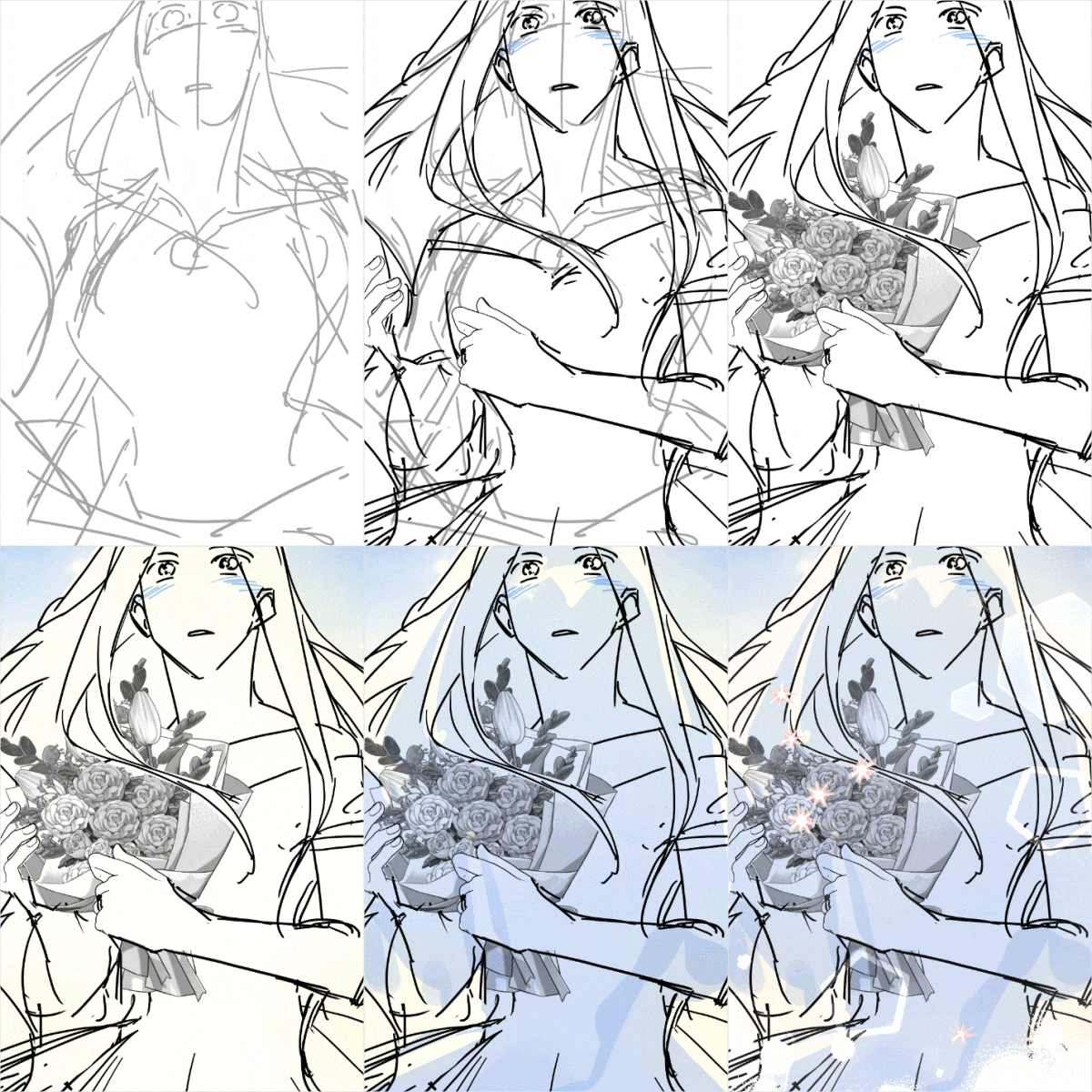 Genre Characteristics and Production 01: Romance
 -
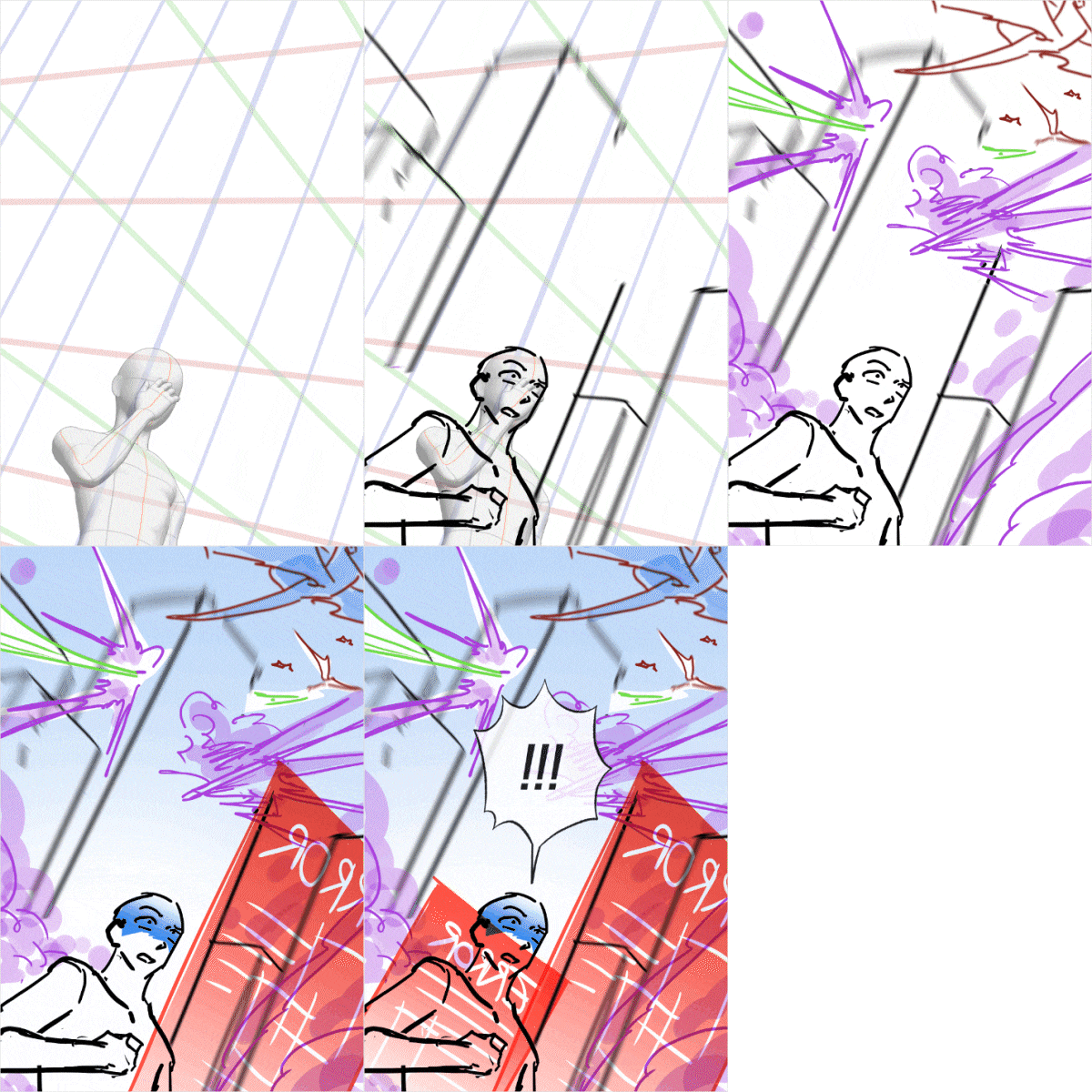 Genre Characteristics and Direction 02: Fantasy
 -
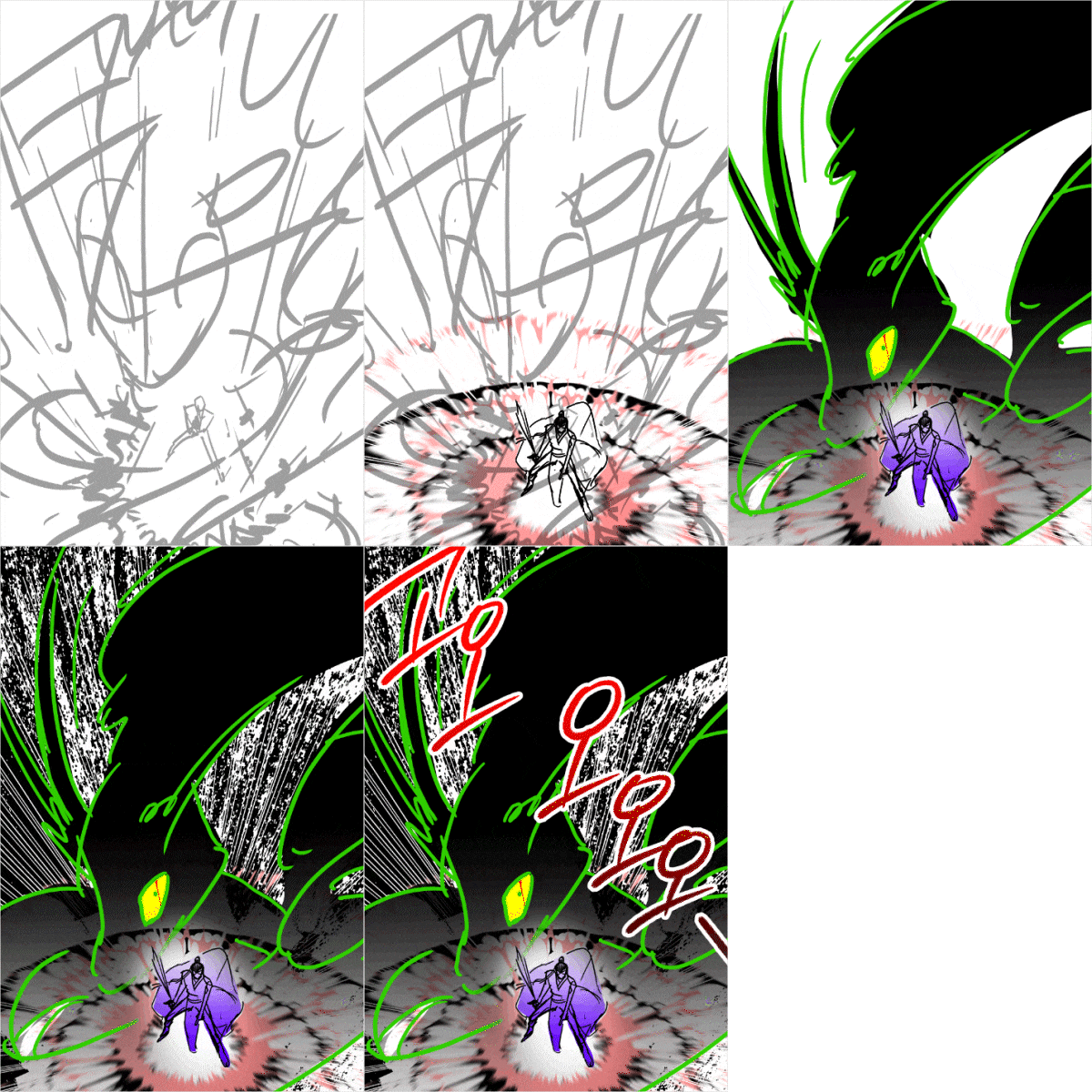 Characteristics and Direction of Genre 03: Martial Arts
-
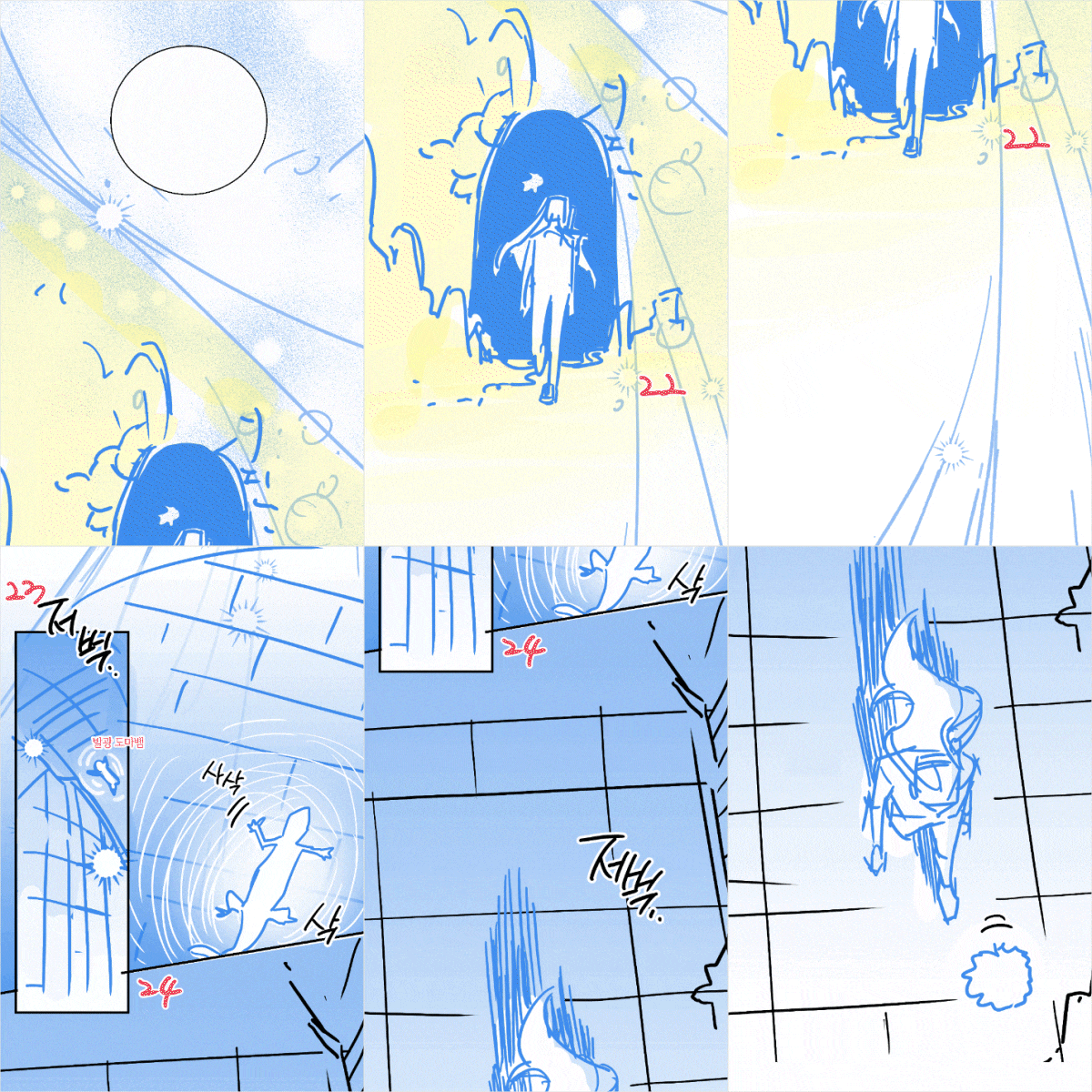 Use of Scroll Format
 -
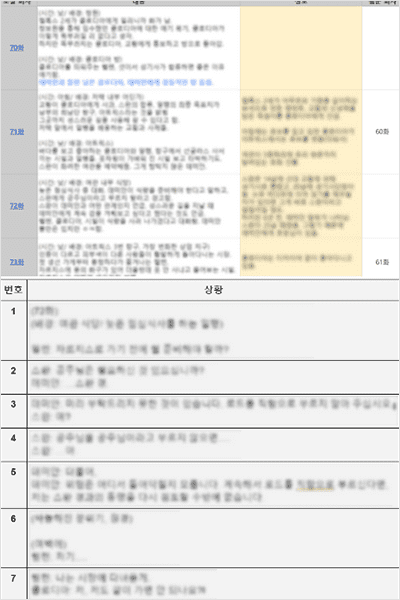 How to Write Effective Treatments and Storyboards
 -
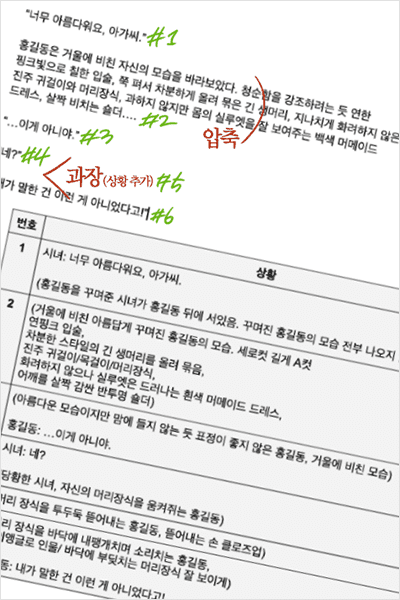 Compression, Omission, Exaggeration, and Plot Reconstruction in Adaptation
Speaker introduction
Webtoonist
Seammi
Hello, I am Saemmi, a webtoonist.
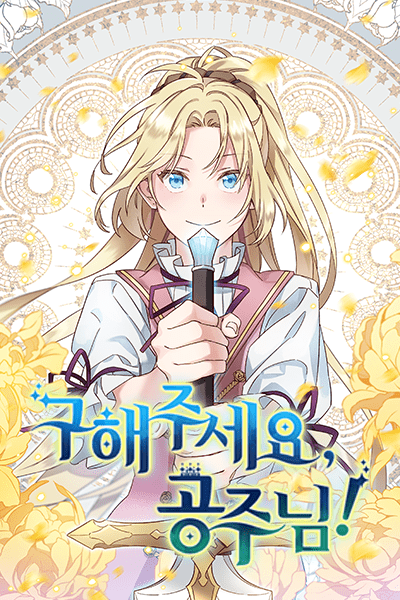
I participated as a storyboard writer for Season 2 of <I Became a Badass> and an adaptation and storyboard writer for <Please Save Me, Princess!>. Based on the practical know-how accumulated after his debut, he also taught <Web Novel Webtoon Adaptation Practice Class> as a special vacation lecture at the Cartoon Department of Chungkang University of Culture and Industry.
As webtoons based on web novels become mainstream, the importance of adaptation and directing work, which can be seen as setting the gist, is increasing. I will teach you all of my know-how so that anyone who takes the class can draw their own story into a completed cartoon.
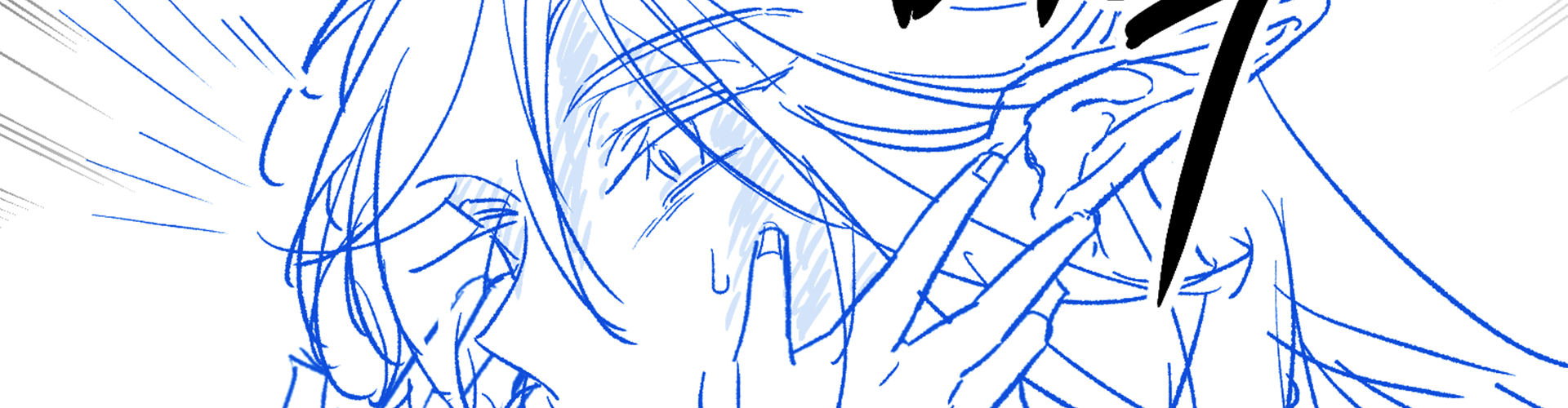

Webtoonist, Saemmi
[Current]
Webtoonist
Projects & Awards
[Participated Projects]
<Please Save me, Princess!> Adapted storyboard
<The Count Became a Bastard> Season 2 Picture Storyboard
[Lectures]
Chungkang University of Culture and Industry Vacation Special Lecture
<Web novel webtoon adaptation practice class>
class features
Class Highlights
Towards “Well-Read Comics”, from Taking Your First Steps to Running
You will learn everything from the basic elements of comics to application methods such as screen composition using video production, differences in production between webtoons and published comics, and production tips for making 100% use of webtoons' vertical scrolling.
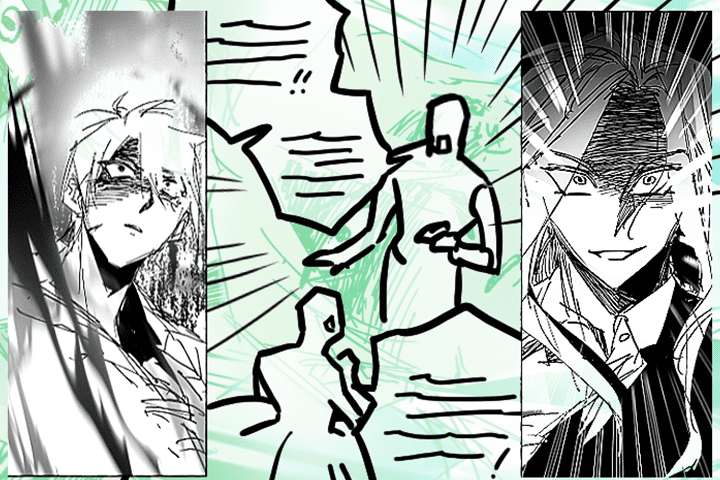
Directing a Cartoon That Focuses on Romance/Fantasy/Martial Arts Genres
We will learn about the different points of each of Noble Comics' representative genres - romance, fantasy, and martial arts - as well as the corresponding directing methods and know-how.
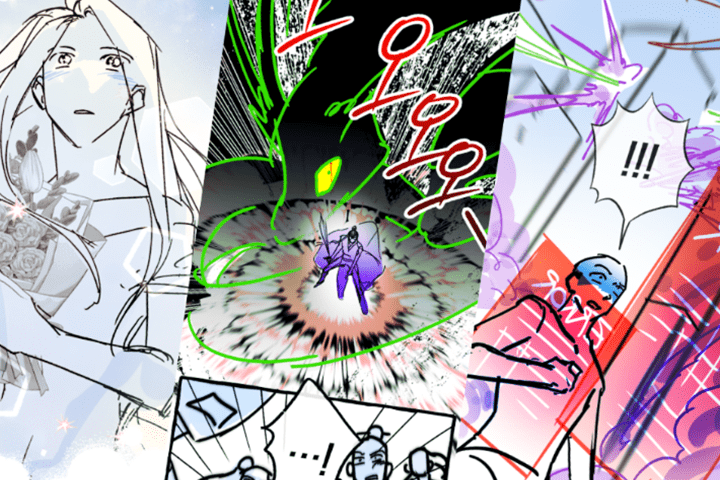
An Effective Adaptation Method without Any Awkwardness Even When Translated into Comics
You will learn not only the basic processes such as adaptation treatment and storyboard writing, but also attractive comic adaptation methods that take advantage of compression, omission, and exaggeration.
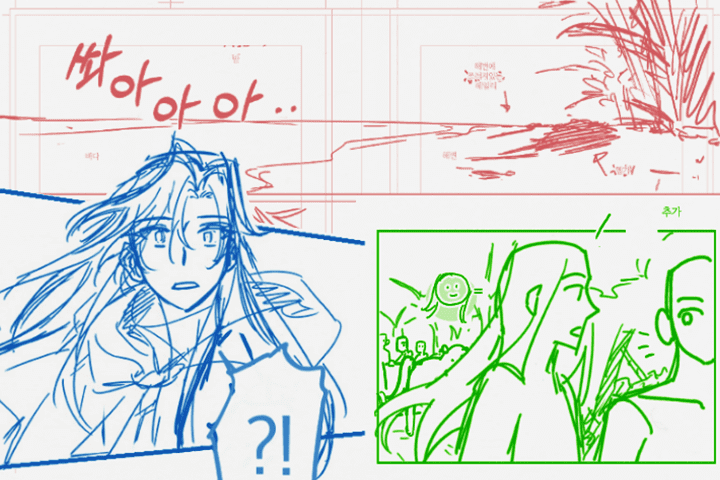
Class Details
You'll Learn
-
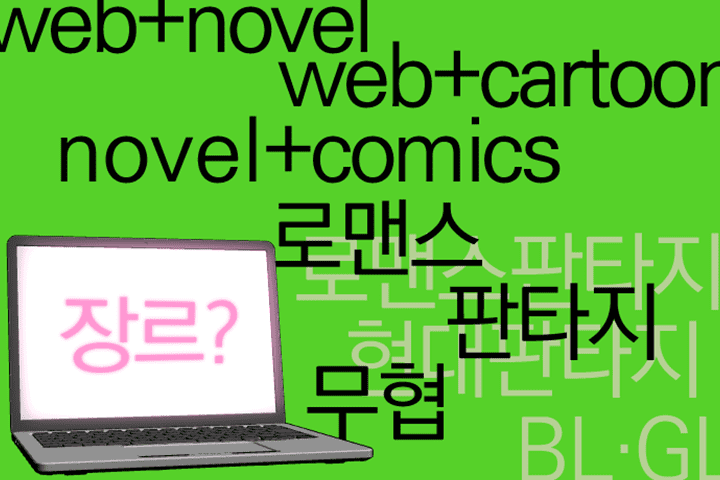 Understanding novel comics and web novel genresWe will learn about the relationship and characteristics of two genres, novel comics and web novels, which are inseparable from adaptation/storyboard writers.
 -
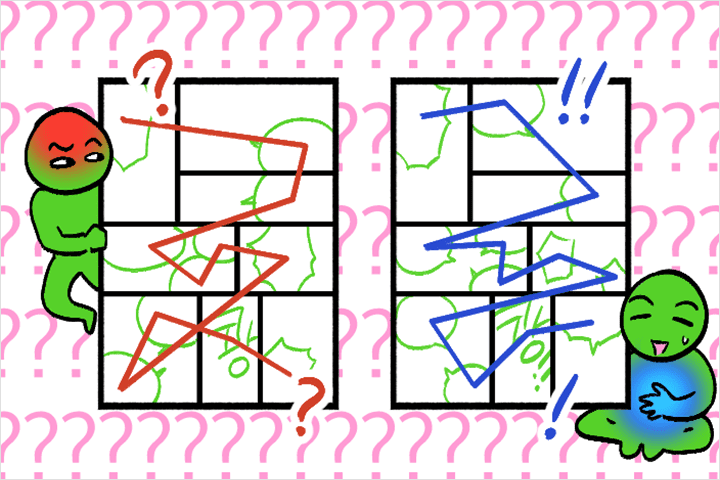 No more storyboarding based on intuition! Solid foundation of directingBased on an understanding of the elements of comics, you will learn how to direct a comic based on the reader's reading direction and screen composition methods learned through movies.
 -
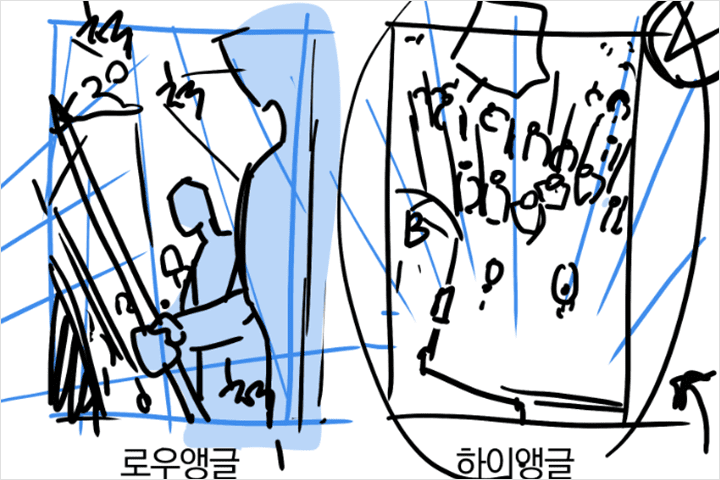 Characters, background, and action: directing method to highlight the pointLearn how to effectively direct characters, backgrounds, and action by connecting them to the directing characteristics of three representative genres (romance, fantasy, and martial arts).
-
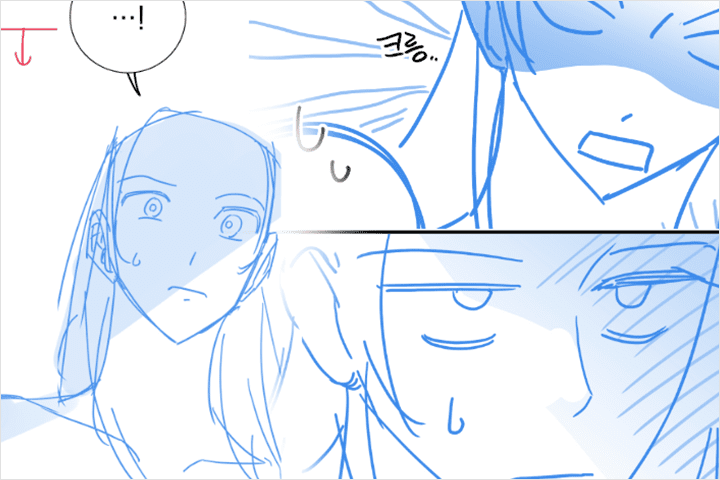 Toward an attractive adaptation: Compression/Exaggeration/OmissionLearn about the three points in the adaptation process: how to apply compression/exaggeration/omission at the right time and how to reconstruct the plot.
 -
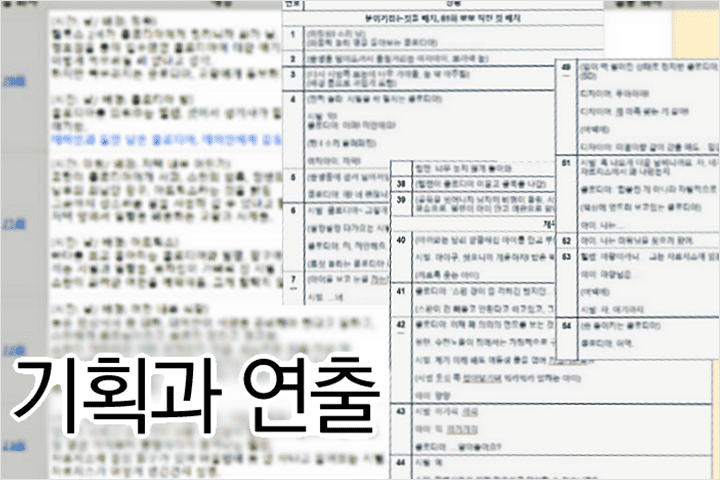 A Guide for Beginner Writers: How to Write Treatments and Writing StoryboardsAs a professional webtoonist, a well-organized plan is essential in order to work according to the weekly series! Learn how to efficiently write a treatment that will become the foundation of your work and a storyboard that will serve as a guide.
 -
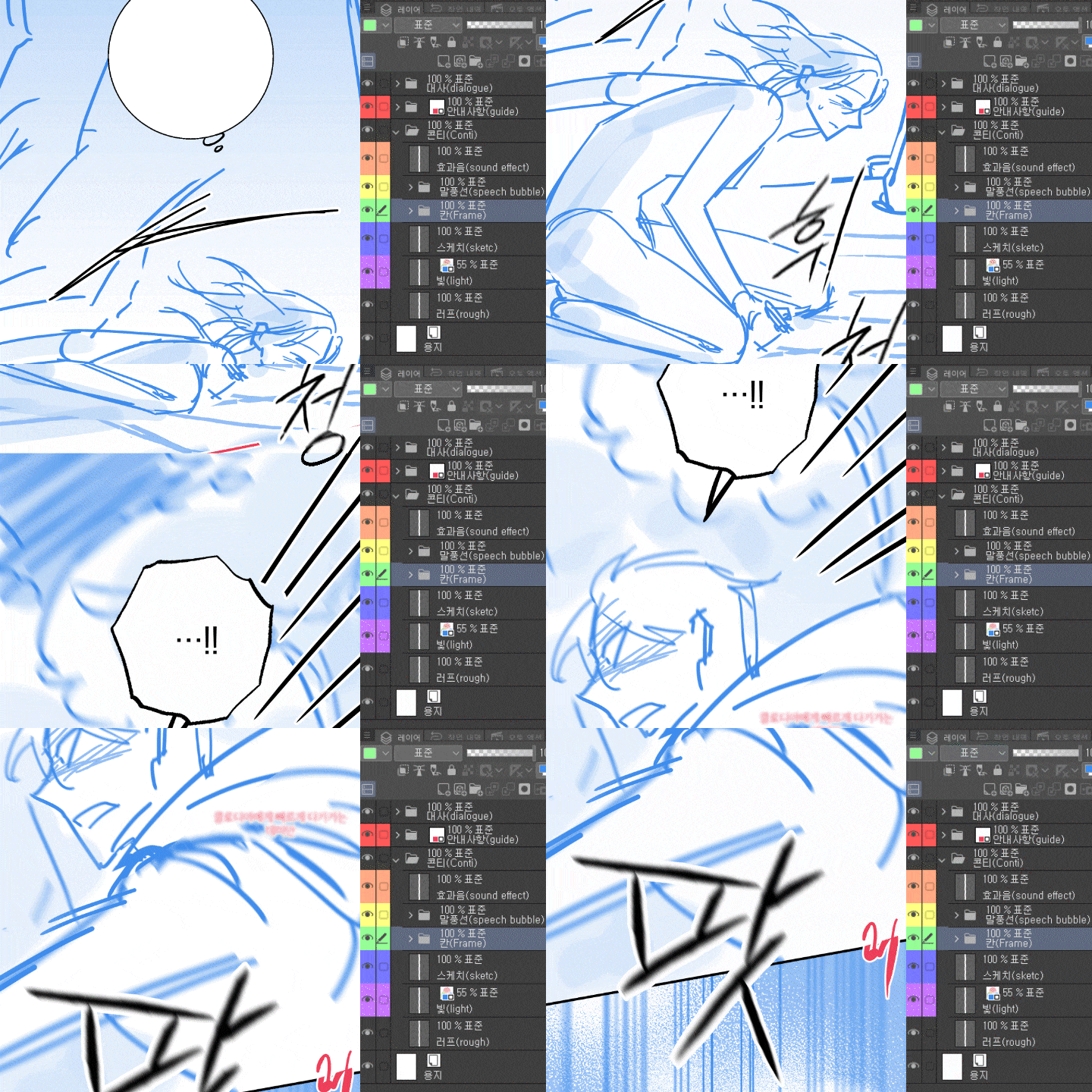 A story about a professional writer's practical process and self-study/debutA storyboard where you have no idea how to study because there are no correct answers! We look at the practical process of a professional writer and learn about a sustainable self-study process and how to create a portfolio for your debut.
curriculum
Curriculum
In-Depth Look
SECTION 01. Noble Comics? Dramatization?
01. Publishing Comics, Webtoons, Web Novels, Novel Comics
- What is the difference between webtoons and published comics?
- From web novels to comics: Noble Comics
02. Adapted Storyboard Production Corresponding to the Planning Stage
- Noble Comics production process
- What an adapter does and what he or she should pay attention to when working
03. Web Novels Are ‘Genre Novels’
- Characteristics of each web novel genre
- Web novel main genres: Romance, Romance Fantasy, BL/GL, Fantasy, Modern Fantasy, Martial Arts
- Characteristics of cartoon directing by genre
SECTION 02. You Need to Know Comics to Adapt Comics
04. Basic Components of Comics
- Basic unit of comics: khan
- Sound through images: speech bubbles and sound effects
- A space where the reader's imagination intervenes: Kansae
- Like moving a frozen image: motion lines
* Sound effect vector file provided
05. Basic Grammar That Is Good to Follow
- “Images within a given frame are read as a Z shape.”
- “The image inside the box is the world that someone is looking at.”
- The magic of the 180 degree rule
06. Learn about Composition Based on Movie Directing 01
- Similarities and differences between comics and movies
- Understanding thirds, high angle, and low angle
07. Learn about Composition Based on Movie Directing 02
- Extreme close-up, close-up, bust shot, waist shot, knee shot, full shot
- Long shot, extreme long shot
- Bird's eye view, over the shoulder shot
SECTION 03. There Is a Sense of Rhythm in the Storyboard
08. Directing That Highlights the Characters’ Emotions
- Producing a romance genre where the characters' emotions are important.
- Enhancing the sense of rhythm with character-centered zoom-in/zoom-out
- How to Maximize Emotions with Tone and Effects
09. How to Use Background to Thrill Readers
- Fantasy genre production that allows readers to experience an unknown world
- Camera walking unfolds in a three-dimensional space
- Expanding space within vertical scrolling
10. Action Production Possible with a Stickman
- The genre name contains 'martial arts': a martial arts genre production.
- Action is timing: double speed and slow motion
- Double the action effect with action lines
11. Situation or Character’s Emotions: What Should I Focus On?
- Let's first set the mood of the work and find out how to direct it.
- One situation → various productions
- Directing a cartoon with no right answer, learning effective directing patterns
12. There Is No Limit to Vertical Space in Webtoons
- Switch between page format and scroll format
- Front page design in page format! How about in webtoon?
- Compensating for the disconnection of webtoons caused by scrolling
13. Small but Big Tips to Keep In Mind
- Create big effects with small details
- You can create a variety of effects just by tilting the angle slightly.
- Differences in directing between color comics and black and white comics
SECTION 04. High-Quality Adaptation Considering Cartoon Production
14. Foundations of Adaptation, Treatment (Beginner)
- What is a treatment?
- Tips for writing treatments for adaptation work
15. Guide to Picture Storyboard, Text Storybook (Beginner)
- Why should I write a storyboard?
- How far is it okay to adapt?
- A production that can be completed within the deadline
16. Just Think about Three Things: Compression, Omission, and Exaggeration (Intermediate)
- In what areas does compression take place?
- Is it okay to carelessly omit another author's work?
- What things can be exaggerated?
17. When the Medium Changes, Restructuring Is Necessary (Advanced)
- Changing the plot structure of the original novel
- A series of developments within 60 cuts
- How do you create an interesting ending?
SECTION 05. Creating an Adapted Storyboard While Looking at the Practical Process
18. Step-by-Step Adaptation Process 01
- Take a look at the treatment/writing storyboard practical process
- Things that must be noted when working only up to the article storyboard
* Treatment storyboard and writing sheet provided
19. Step-by-Step Adaptation Process 02
- Take a look at the picture storyboard practical process
- Elements that must be included in a picture storyboard
- If I were you, I would have done it differently: change the direction.
*Image storyboard and layer template provided
20. The More You Know, the More Difficult It Is to Direct Cartoons, but the More Fun It Is
- How do you study on your own?
- The border between hobby, art, and commerce
- Comparison of original individual work, original collaboration, and adapted work.
- Concluding the lecture
Interview with
Webtoonist, Saemmi

Question.01
What is the planning point of this course?
What is the planning point of this course?
As the importance of adapted storyboard writers who specialize in directing has increased due to the growth of the novel comics market, we have prepared a lecture on producing high-quality storyboards . We have incorporated all of our know-how, from the basic grammar of comics to various screen compositions that take into account the differences between webtoons and publishing, directing with the characteristics of each genre, adaptation methods that make the original work more vivid, storyboard production tips obtained through practical work, and self-study and portfolio creation methods.
Question.02
What are the unique points of this course?
What are the unique points of this course?
When I read a comic, I think it's most important to keep the flow intact, and I like the grandeur of the background. So, I developed my style in a way that connects comics without breaking the overall flow while providing variety through space production with various compositions . From the basic grammar of comics to application/practical processes, I have incorporated my own know-how into the lecture.
Question.03
Is there anything you would like to say to the students?
Is there anything you would like to say to the students?
You will be able to break away from comics that were drawn only with feel and feel, and incorporate your own style into a more organized, easy-to-read comic that readers can read and communicate well. We hope you will gain the knowledge necessary to create a more solid and colorful storyboard, and find your own directing style based on this.
Required Programs
This course will use
- Clip Studio Paint EX.
Please purchase and install the latest versions of the programs for an optimized lecture experience.
*These programs and/or materials will not be provided with the course.