[Signature]illustrator,kunmang_건망KR Details
Intro

Now in Your Language, Only on Coloso!
Learn from Top Creative Experts Worldwide
-
 90% Re-Enrollment Rate
 -
 Structured Skill Progression
 -
 Hands-On Styling Techniques
Kunmang's Beginner Drawing Study for Complete Novices and Non-Art Majors
If you're overwhelmed by the endless amount of digital drawing beginner resources and don’t know where to start, Kunmang’s step-by-step beginner roadmap will guide you with only the essential skills and information you truly need. Build visible progress through a systematic, beginner-friendly learning path. This class will help you form effective drawing habits and grow quickly.

From a complete beginner to a professional illustrator in just three years, Kunmang shares the practical plan that helped achieve explosive growth and can rapidly boost a beginner’s skills. With over 100 people on the waitlist and classes that sell out in under a minute, Kunmang’s highly sought-after program is now available on Coloso. Take your first step into a clear, worry-free drawing roadmap today.
Class Preview
Still Not Sure?
Check Out Kunmang's Class Preview!
01. Tools for Digital Drawing
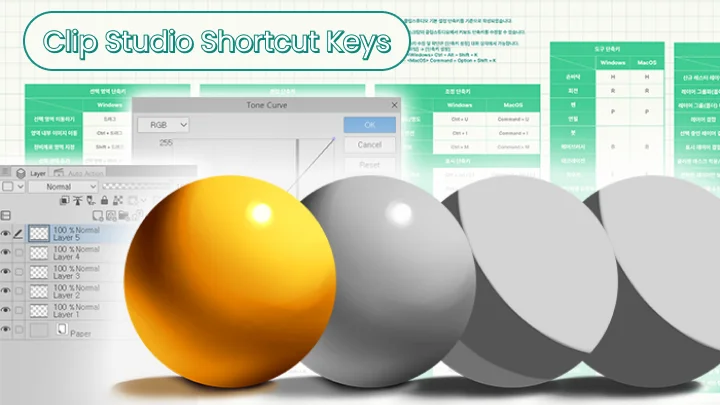
- Understanding the Basics: Introduction to key tools like Photoshop, Clip Studio, etc.
- Layer Management: How to use and organize layers effectively
- Brush Settings & Usage
- Optimizing Your Workspace: Setting up an efficient working environment
- Layer Management: How to use and organize layers effectively
- Brush Settings & Usage
- Optimizing Your Workspace: Setting up an efficient working environment
Class Perks
Special Gift from Kunmang
-
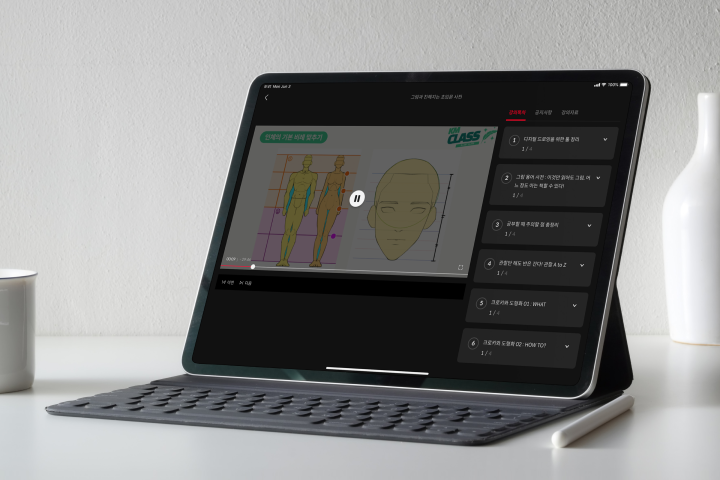 Beginner-Friendly, Step-by-Step CurriculumUnlimited Access to 22 Chapters
 -
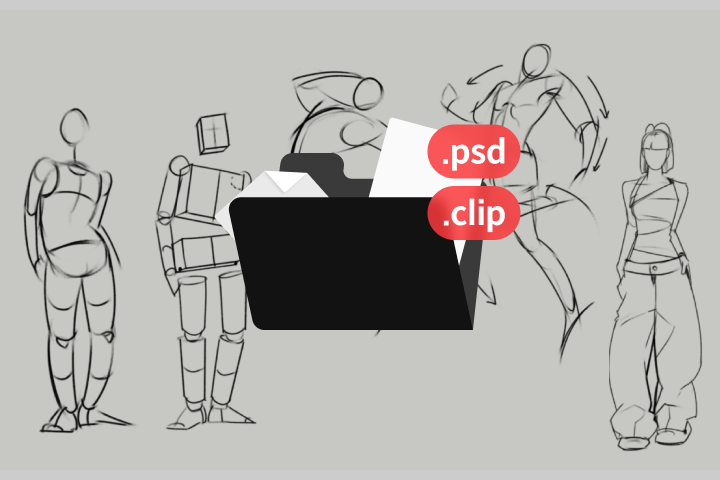 Start from the Basics:Layered Croquis Examples: (.psd, .clip)
 -
 Double Your Progress in the Same Time:Personalized study roadmap (.pdf)
-
 Make Your First Steps EasierIllustration Glossary: 149 essential terms
 -
 Common Beginner MistakesSolutions Guide
 -
Class Material Details
-
 Step-by-Step Fundamental Practice Files (.psd, .clip)- Basic Croquis Examples
- Simple Shape Exercises
- Complex Form Croquis

- Planar Croquis
- Planar Figure Croquis
- Proportion Practice Examples
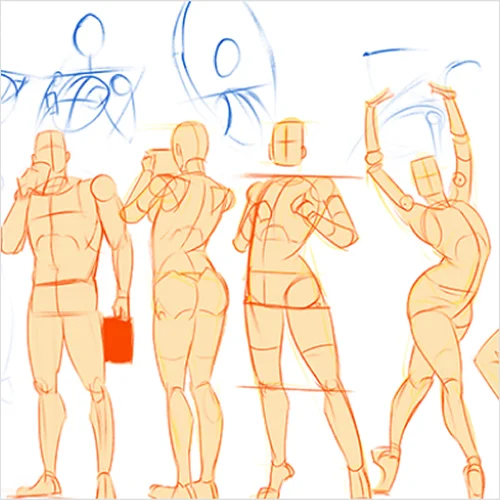
- Standing Pose Croquis
- Various Pose Croquis
- Facial Croquis
- Torso, Clothing, and Face Studies from Different Angles -
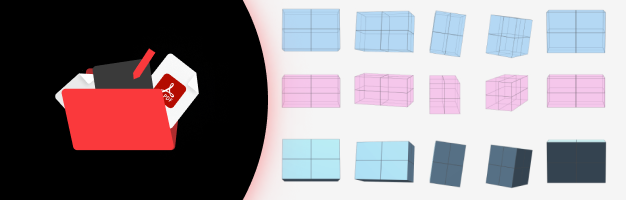 Personalized Study Roadmap for Students (.pdf)- Reference Materials & Time Management Guide
- Detailed Study Method Guide
- Study Task Layout Chart -
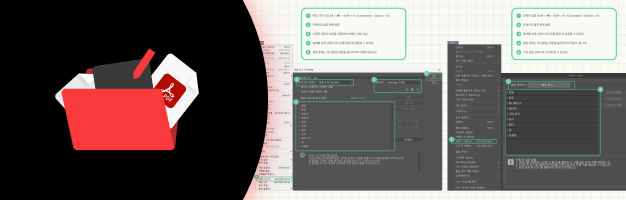 Supplementary Drawing Materials for Beginners (.pdf)- Clip Studio & Tablet Initial Setup Guide
- Basic Illustration Glossary
- Advanced Illustration Terms
- Resource Search Tips
- Checklist of Precautions
- Observation Techniques Guide
- Common Mistakes & How to Fix Them
Recommendation
Who should take this class?
Absolute beginners who want to start drawing but don’t know where to begin
Beginners lacking a structured approach, struggling to establish fundamentals
Learners overwhelmed by information who want to pick the right methods and steadily improve
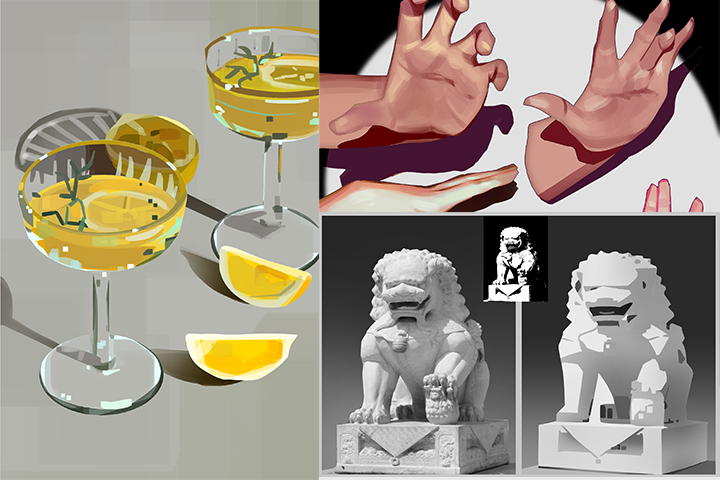
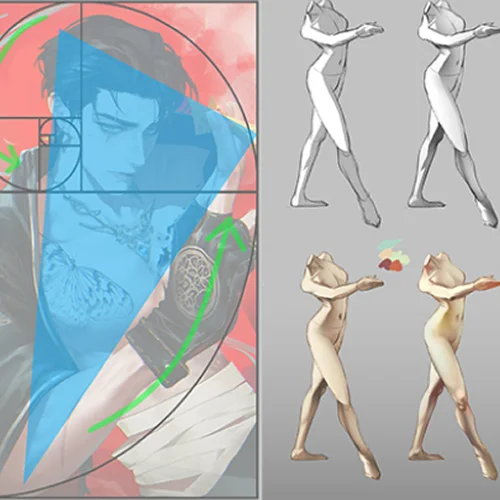
Expert Illustrator Kunmang's Portfolio






Why Take This Class?
Kunmang’s foundational master class is designed to double the progress of absolute beginners who are unfamiliar with basic art terms or drawing tools. You no longer need to take the long way around when learning to draw. From essential terminology and tool setup to study methods and step-by-step practice exercises, this beginner-friendly study program helps you quickly and easily build solid fundamentals.
If you’ve wanted to study drawing on your own but found it difficult to stay consistent or see improvement, this class is for you. You’ll learn foundational skills naturally through hands-on practice from the very basics, and then develop applied techniques you can freely use in your own work. More than just theoretical lessons, this class offers a structured study routine and self-feedback process that guide you toward your next steps - available only through Kunmang’s course.

Class Exercises
Illustration Study Starter for Absolute Beginners
-
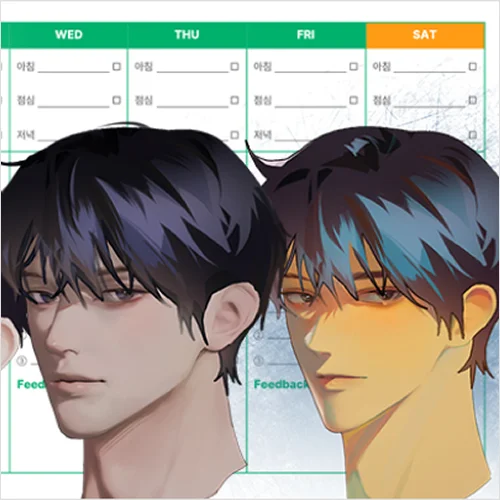 Create Your Personalized Study Plan
 -
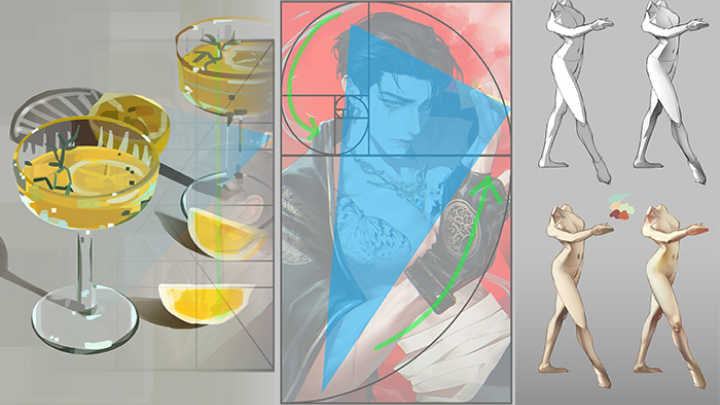
 The Fundamentals of Study: Observation & Analysis Techniques
 -
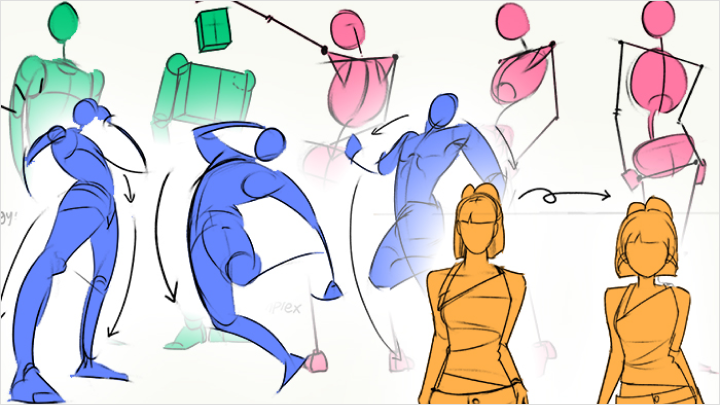
 Step-by-Step Croquis & Shape Practice
-
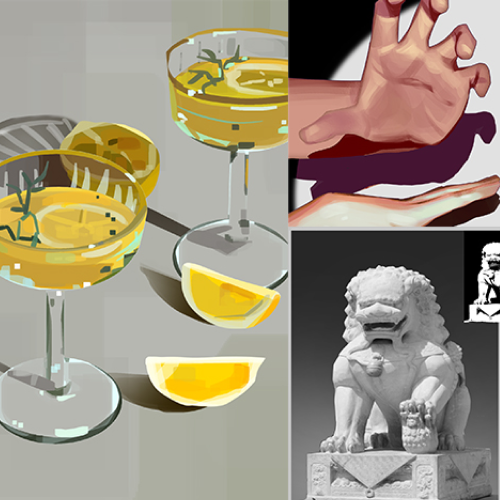 Instantly Applicable Croquis Tips
 -
 Planar Croquis Basics for 2x Faster Coloring
 -
 Density & Detail: Expressing Complex Curves
-
 Simplify Shapes with 3D and Real-Life Observation
 -
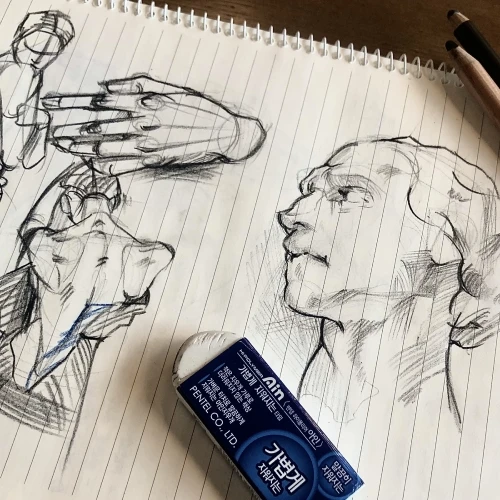 Quick & Easy Methods for Finding Reference Materials
 -
 From Study to Creation: Applying Your Skills
Highlights
Class Highlights
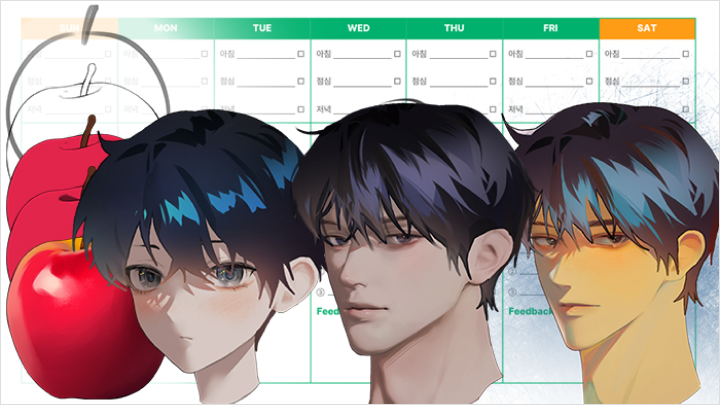
Unlock Next-Level Efficiency! Build a “Study Brain” to Level Up at 2x Speed
Feeling frustrated because no matter how hard you study, your skills don’t seem to improve? Go beyond simply learning drawing techniques and discover how to build your skills faster and more efficiently than others—even with the same amount of practice. Gain insights from Geonmang, a non-art-major who became a professional in just three years and has helped countless students level up, through a proven drawing study method.

Beginner-Friendly Guide: The Ultimate Drawing Starter Handbook
Overcome the first barriers to starting your drawing journey with ease. Learn essential art terminology and digital tool usage in a simple, organized way. Explore common beginner mistakes and practical solutions while building your confidence with clear, step-by-step guidance.
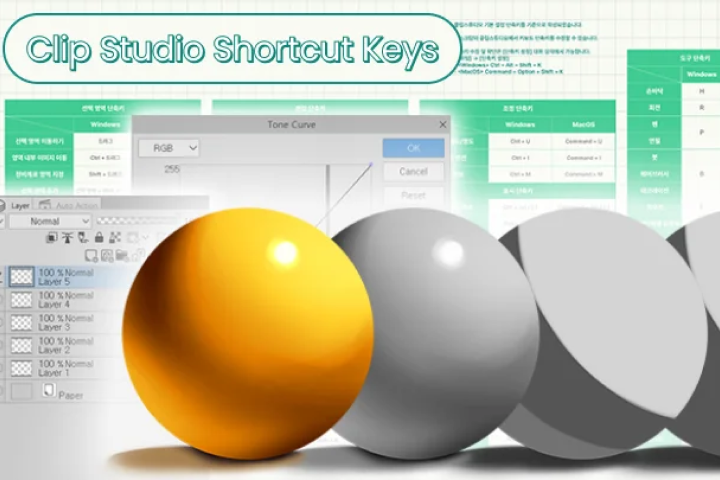
Build a Strong Foundation: Essential Practice Methods for Your First Drawings
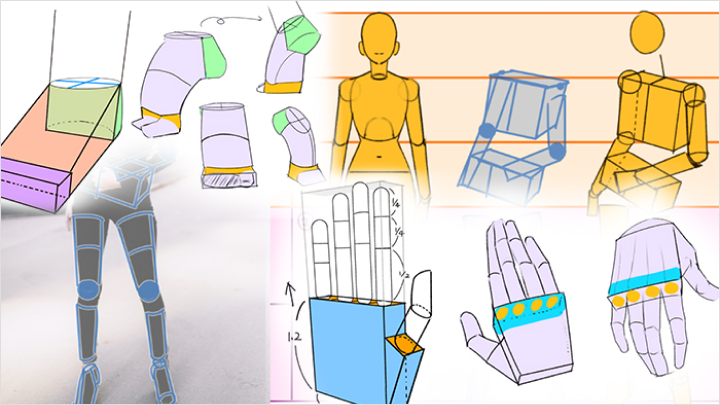
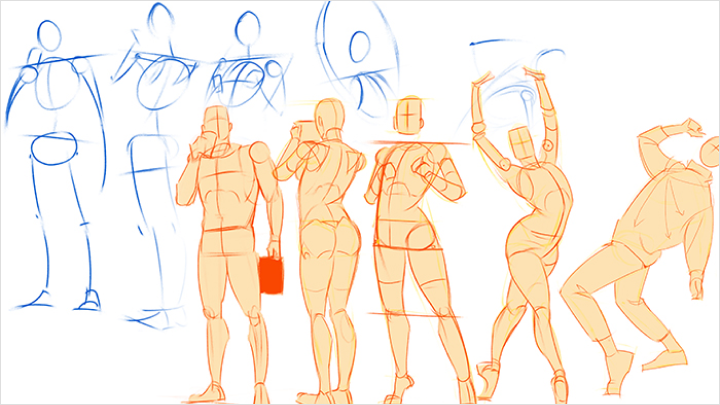
The secret to improving your drawing is a solid foundation. Explore a variety of exercises designed to strengthen your fundamentals, from basic drawing to croquis and shape studies. Systematically develop the core skills every artist needs and take your abilities to the next level—regardless of your preferred style.