ZH-illustrator,toshizo_토시조JP Details
Intro

Now in Your Language, Only on Coloso!
Learn from Top Creative Experts Worldwide
-
 Enhance Appeal Through Details
-
 Identify & Fix What Looks Off
-
 Anime-Style Anatomy and Pose
Master Anatomy, Perspective & Expression Corrections to Create More Captivating Anime-Style Characters
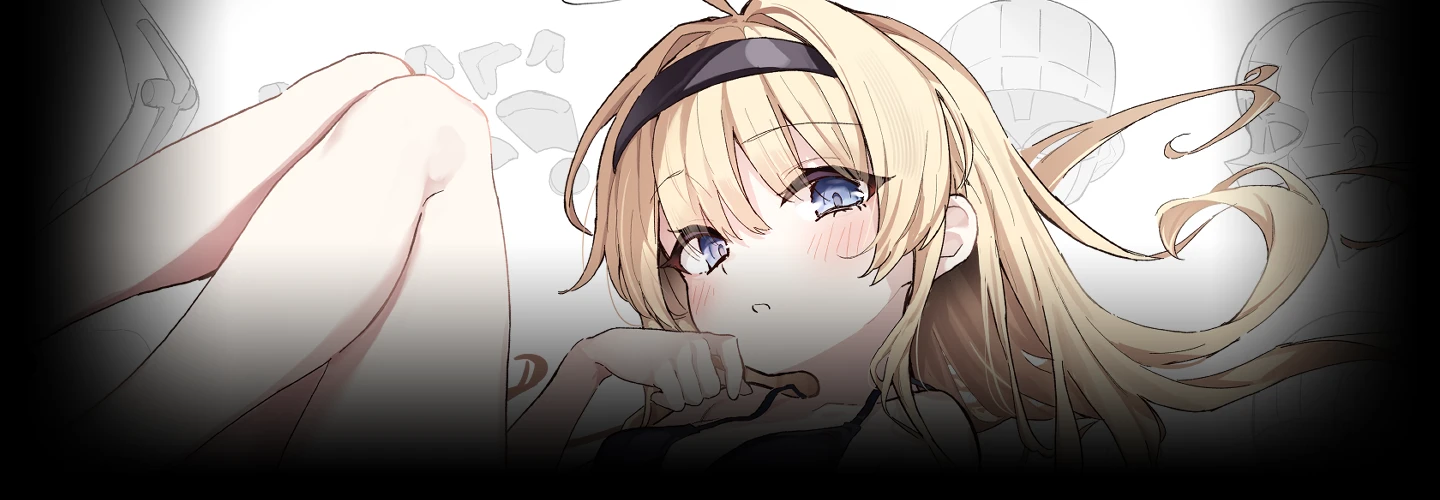
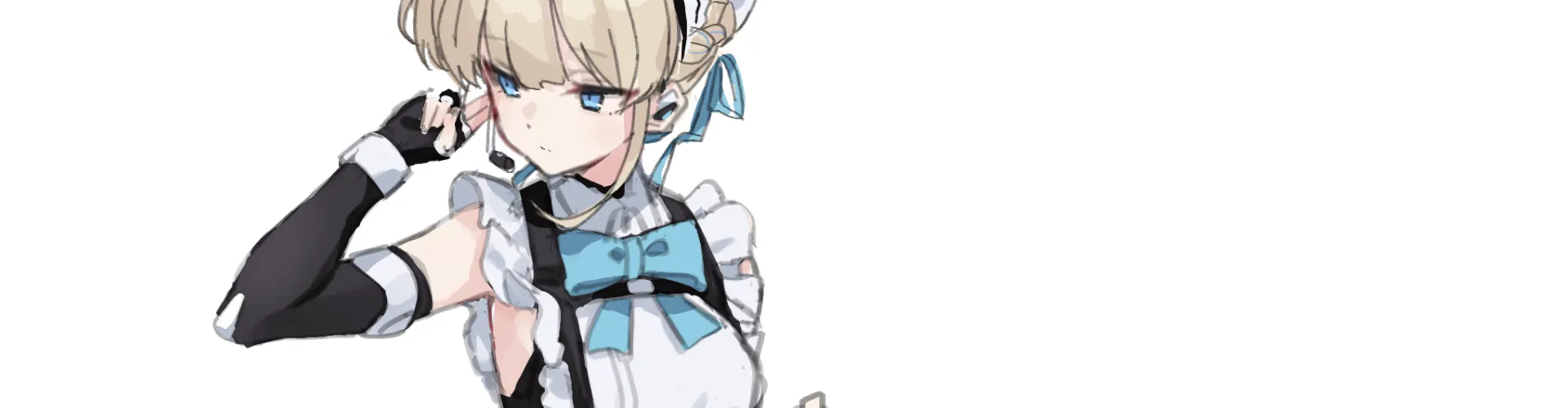
Illustrator Toshizo has worked on a wide range of projects, including fan art for Blue Archive, VTuber-related illustrations, and character art for independent audio dramas.
In this course, learn how to use foundational knowledge of perspective and anatomy to make Anime-Style characters more compelling. Through live demonstrations, you'll learn how to spot visual inconsistencies, refine expressions, gestures, and composition, and revise finished illustrations. Build practical skills to bring your characters closer to your ideal.
In this course, learn how to use foundational knowledge of perspective and anatomy to make Anime-Style characters more compelling. Through live demonstrations, you'll learn how to spot visual inconsistencies, refine expressions, gestures, and composition, and revise finished illustrations. Build practical skills to bring your characters closer to your ideal.

First, learn how to identify and correct visual inconsistencies without diminishing an illustration’s appeal. Discover how to spot issues with anatomy and perspective, make revisions that bring a character closer to your vision, and practice efficiently to retain what you learn.
Next, explore character proportions, facial ratios, and key anatomical features such as the rib cage, pelvis, arms, and legs. Learn to create expressive anatomy that balances convincing structure with appealing stylization.
Finally, create an original character from rough sketch and line art through coloring and finishing. Practice final adjustments for clarity, then review and improve your finished work to carry those insights into your next illustration.
Spot what feels off and turn it into a strength. Create more captivating characters with Coloso.
Class Preview
Still Not Sure?
Check Out Toshizo's Class Preview!
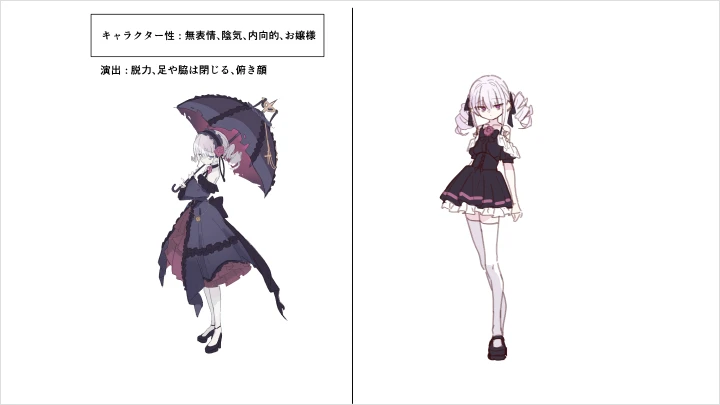
4. The Order of Constructing an Illustration
- Macro-level and micro-level knowledge
- Elements that should never be compromised (visual interest and clarity)
- Composition principles such as guiding the viewer’s eye
- Elements that should never be compromised (visual interest and clarity)
- Composition principles such as guiding the viewer’s eye
Class Perks
Special Gift from Toshizo
-
 Unlimited Access to 24 Chapters
-
 Complete One Illustration
-
 Reference Materials (PSD files)
Class Material Details
-
 Created Through the Course- Unmerged PSD files for illustrations
-
 Anatomy References by Body Part- 2D character proportions
- Upper-body structure and key points
- Lower-body structure and key points
- Arm structure and key points
- Leg structure and key points
- Foot structure and key points
- Character gestures and poses
Expert Illustrator Toshizo's Portfolio


* Fan arts are included.
Why Take This Class?
Something Still Looks Off? Not Sure How to Fix It
Learn from illustrator Toshizo, an artist active across diverse creative fields. Go beyond the fundamentals of anatomy and perspective to identify what feels off, apply effective corrections, and create anime-style characters closer to your ideal vision.
From facial proportions and expressions to poses and composition, learn how to balance believable anatomy with appealing stylization. Through complete illustration exercises and post-completion reviews, develop the ability to spot and fix issues on your own—turning every refinement into a step toward more polished, compelling characters.
Get Ready for the Real-World
Master the Fundamentals to Identify & Fix Character Drawing Issues
-
 Exercises to Develop Your Artistic Eye
-
 Standard Character Proportions
-
 Anatomy Fundamentals
-
 Anime-Style Character Faces
-
 Designing Poses That Reflect Personality
-
 Clear & Readable Light and Shadow
-
 Drawing Appealing Lines
-
 Reviewing Your Finished Work
-
 Applying Knowledge to Make Corrections
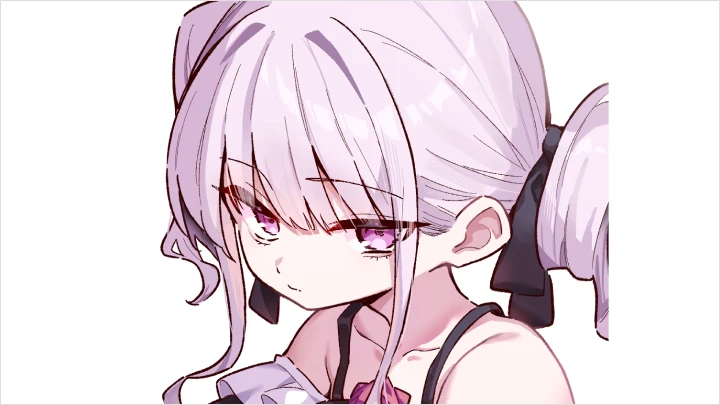
Final Product Example
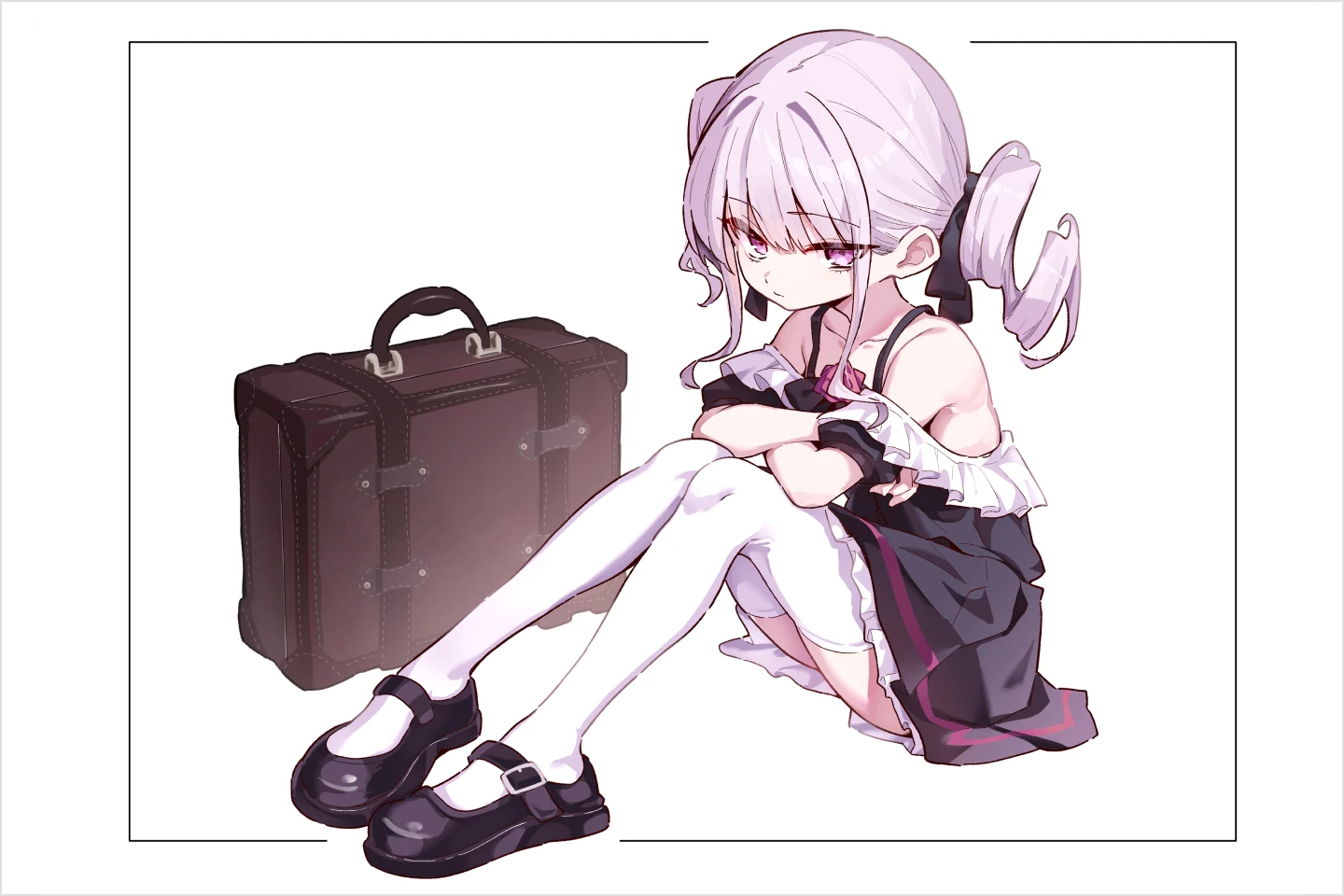
*The above images are sample images for a better understanding.
Highlights
Class Highlights
Spot & Fix What Looks Off to Create Your Ideal Characters
Do your characters look awkward, stiff, or lack appeal, but you’re not sure why? In this class, you'll learn to identify what feels off by comparing your work with your ideal illustrations. Apply your knowledge of anatomy, proportions, and perspective to understand the underlying issues and make effective corrections that bring your characters closer to your vision.

Turn Anatomy Knowledge into Appealing Anime-Style Characters
Applying anatomy directly to an Anime-Style character can sometimes make the result feel stiff. Learn how to use knowledge of the rib cage, pelvis, facial proportions, and limb structure as a foundation, then adjust and stylize those forms to bring out a character’s appeal. Develop character designs that preserve what matters in an illustration: visual interest and clarity.

Go Beyond Finishing: Practice & Review to Improve Your Art
Overcoming weaknesses and exploring new drawing techniques takes more than theory—it takes practice. Through studies and repeated exercises, learn to apply what you've learned, review your finished work, identify areas for improvement, and build a cycle of continuous growth with every new illustration.