illustrator,pill9_KR Details
Intro

Now in Your Language, Only on Coloso!
Learn from Korea's Top Master Creatives
-
 Draw Dynamic Poses With Ease
 -
 Break Out of Stiff, Frontal Drawings
 -
 Master Angles, Depth, & Flow Fast
Class Intro
Illustrator, PILL9
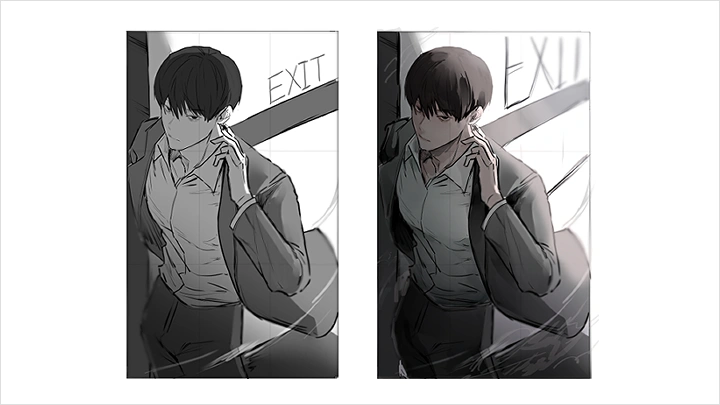
"Bring your male characters to life with dynamic angles and poses - it's completely within your reach!"
Step-by-Step Guide to Pose Drawing: Scaling Your Skills from Head to Toe and Utilizing Angles
"A Practical Guide to Character Pose & Composition!


We'll briefly cover the core principles of necessary theory, such as anatomy and perspective, before diving into varied real-world exercises to help you master a stylish sense of posing. Meet the pose drawing application and extension guide - organized by section that enables you to create more charming and dynamic character illustrations!"

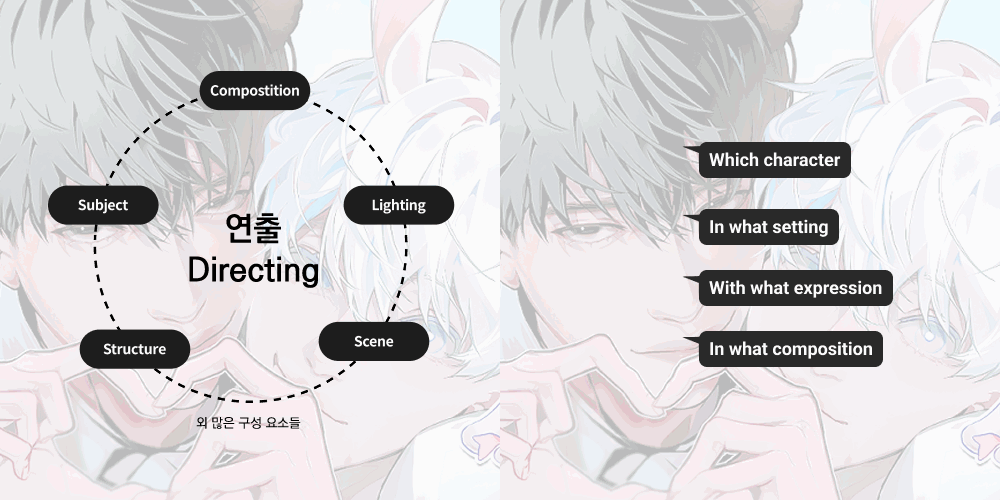
This class covers poses from head studies to the upper body, full figure, high angles, and low angles. Moving past basic imitation, you will utilize PILL9's exclusive observation and learning framework to design poses across various compositions and angles, enhancing your character direction skills to better convey motion and emotion.
Class Perks
Special Gift from PILL9
-
 Fast-Track Method for Pose Drawing GrowthUnlimited Access to 25 Chapters
 -
 Finished with Minimum TheoryClass Materials (.pdf)
 -
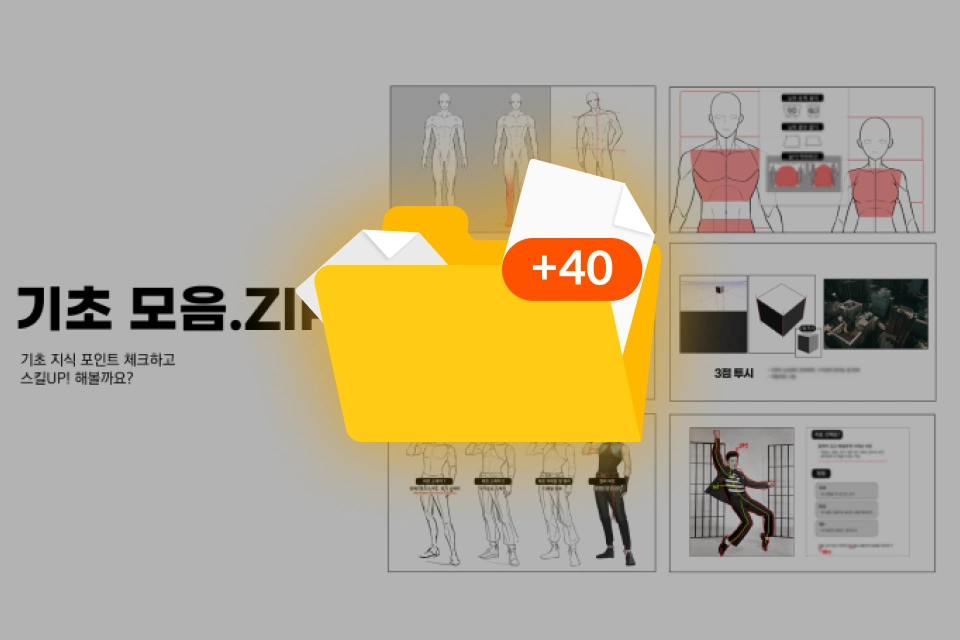 40 Original Practice Example FilesFrom Composition-Specific Examples to Tracing Materials
Class Material Details
-
 Class Materials (.pdf)- Illustration Directing/Staging Reference
- Natural Pose Reference
- Understanding Character Human Anatomy Reference
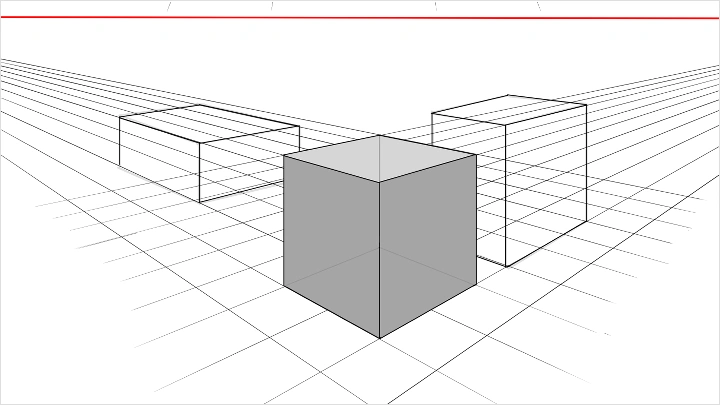
- Basic Composition and Perspective Reference

- Gesture Drawing and Rough Sketch Reference
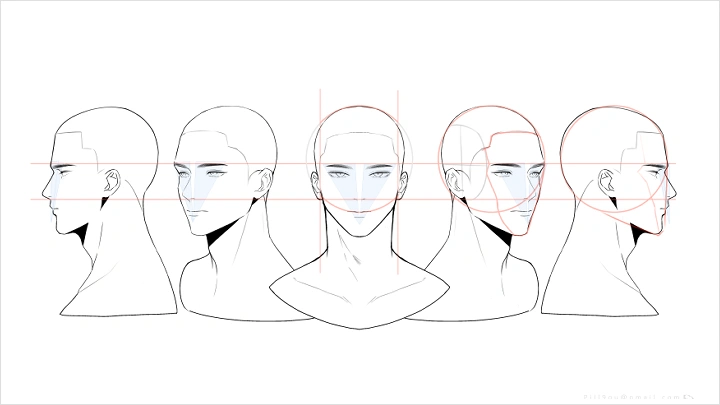
- Character Head Reference

- Poses Utilizing Head Tilt and Gaze/Line of Sight Reference

- Poses Utilizing Hand and Emotional Expression Reference
- Character Upper Body Reference
- Dynamic Upper Body Pose Reference
- Character Full Body Reference
- Standing Pose Reference
- Sitting Pose Reference
- Active/Action Pose Reference
- High-Angle and Low-Angle Reference
- Advanced High-Angle and Low-Angle Reference
- Cautions for Utilizing High-Angle and Low-Angle
- Foreshortening Reference for Maximizing Depth/Volume
- 3D Tool Cheat Sheet Reference
- Studies Utilizing 3D Tools
- Mental Management and Practice Routine Reference -
 Practice Example Original Files (.clip/.psd)- Pose Checklist File
- Geometricization Practice File
- Perspective Line File
- Gesture Croquis Practice File
- Rough Process Detail File
- Head Drawing Guide File
- Pose Tracing Files Utilizing Head Tilt and Gaze (3 Types)
- Pose Tracing Files Expressing Hand and Emotion (3 Types)
- Upper Body Silhouette Sketch Practice File
- Dynamic Upper Body Pose Tracing Files (3 Types)
- Full Body Silhouette Sketch Practice File
- Full Body Pose Observation Guide File
- Full Body Pose Tracing Files (3 Types)
- Sitting Pose Observation Guide File
- Sitting Pose Tracing Files (3 Types)
- Action Pose Observation Guide
- Active Pose Tracing Files (3 Types)
- High-Angle Perspective Line File
- Low-Angle Perspective Line File
- High-Angle/Low-Angle Pose Tracing Files (4 Types)
- Foreshortening Tracing Files for Maximizing Depth (2 Types)
- 3D Object Practice File
- 3D Coloring Study File
- Back View Tracing File
Recommendation
Who should take this class?
Beginner artists who find pose drawing utilizing composition and angles difficult.
Hobbyist artists stuck drawing only frontal or static compositions.
Those who want to quickly complete high-quality illustrations instead of boring studies.
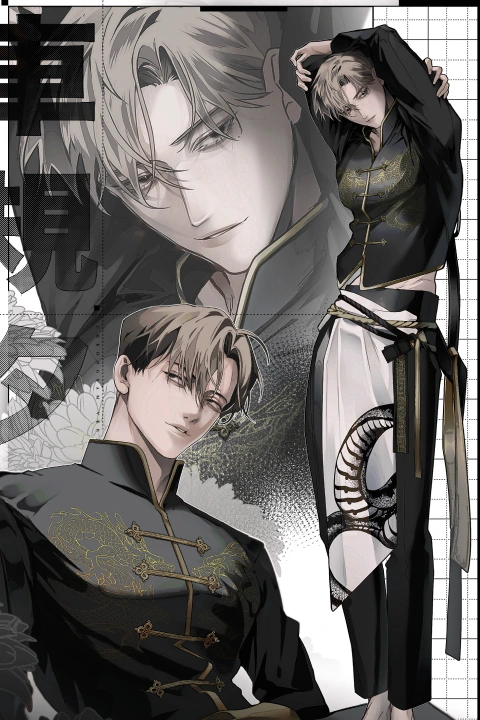
Expert Illustrator PILL9's Portfolio







Why Take This Class?
This is a pose drawing class powered by overwhelming practice materials! Instead of complex, theory-focused lectures, complete dynamic characters with your own hands using 40 practice examples and tracing materials. Rapidly build real-world skills and gain confidence in composition staging by learning pose drawing through imitation.
Move beyond drawings that warp and twist because they rely only on 'feel.' Experience the process of implementing natural character movement based on diverse tracing materials. Coloso delivers a method to freely draw poses from any angle using minimal theory and diverse practical exercises.

Get Ready for the Real-World
26 Class Exercises
Part 1. What is a Natural Pose?
-
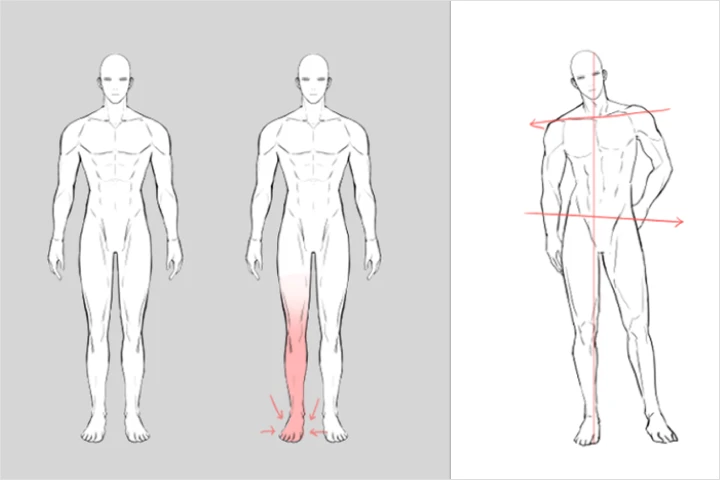 Checklist for Natural Poses
 -
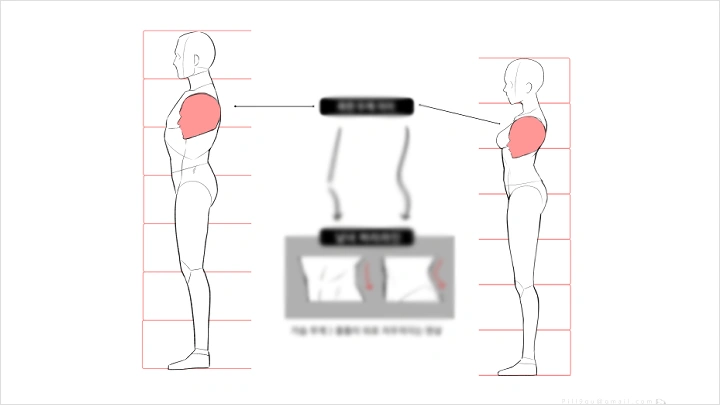
 Character Anatomy and Differences between Male and Female
 -
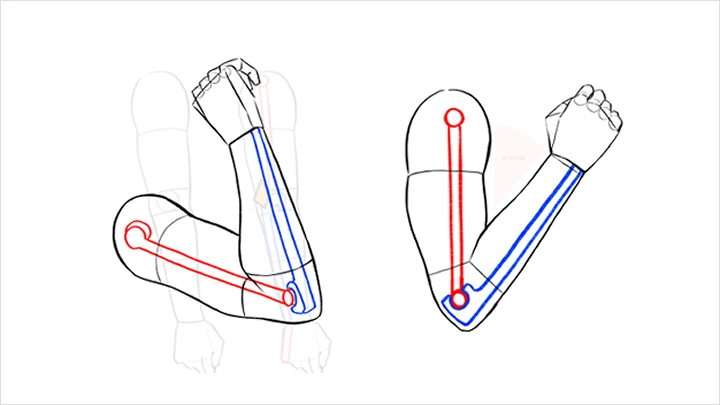
 Understanding Human Anatomy with Simple Geometric Shapes
-
 Basic Theory of Composition and Perspective
 -
 Gesture Drawing
 -
 Rough Sketch
Part 02. Character Head Poses
-
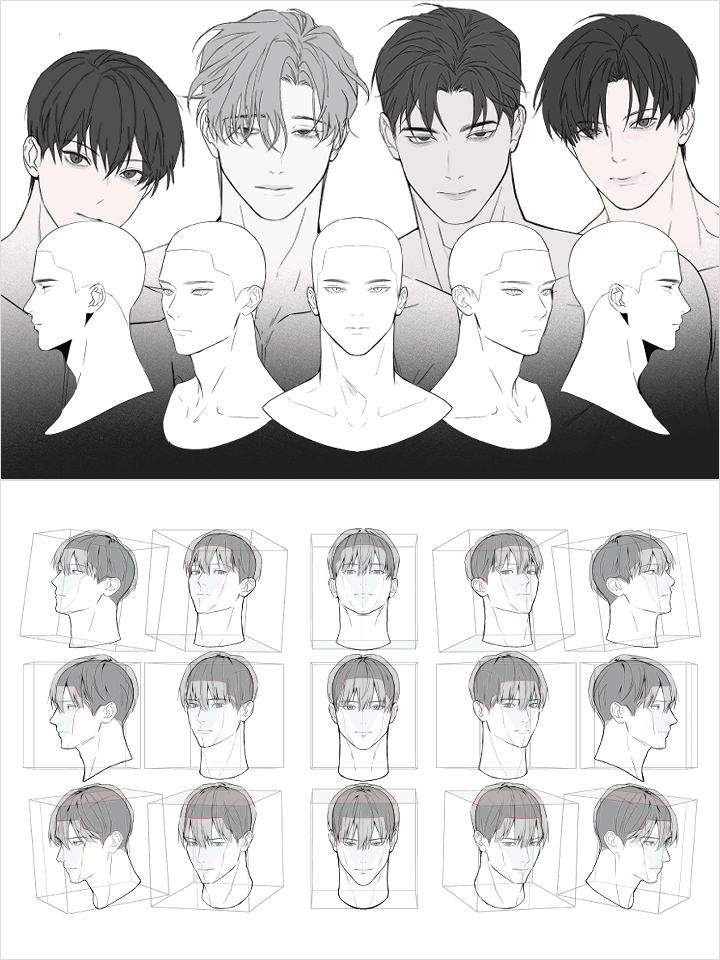 Drawing Character Heads
 -
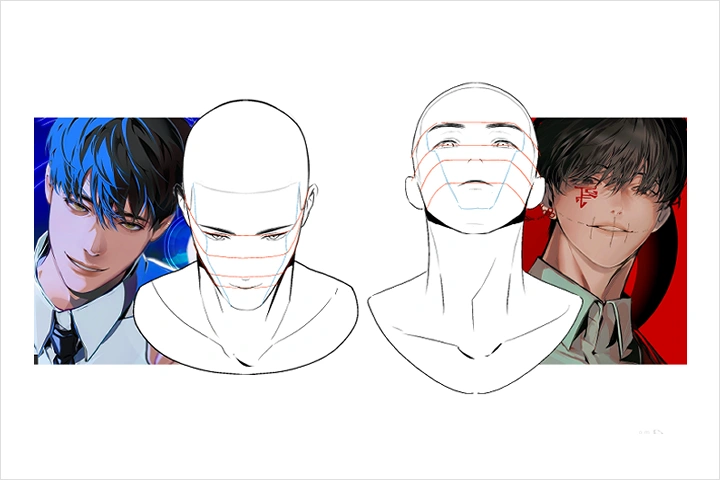 Utilizing Head Tilt and Gaze
 -
 Utilizing Hands and Emotional Expression
Part 03. Character Upper Body Poses
-
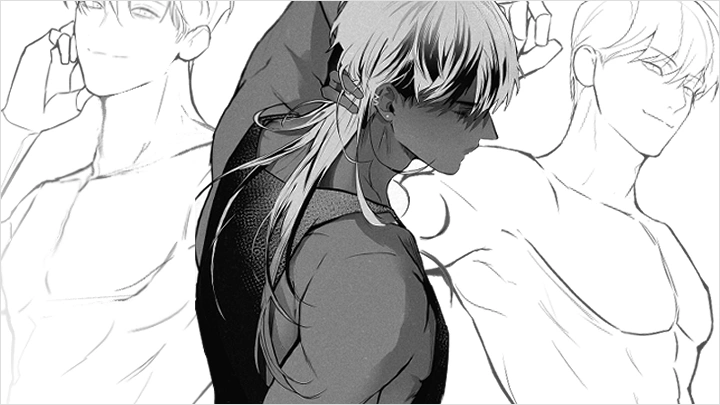
 Adding Muscle to the Upper Body Form
 -
 Checking the Movement of the Waist and Arms
 -
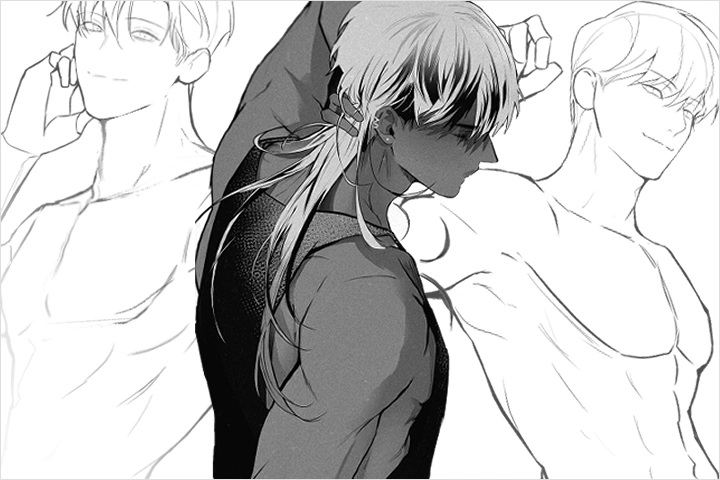 Dynamic Upper Body Poses
Part 04. Character Full Body Poses
-
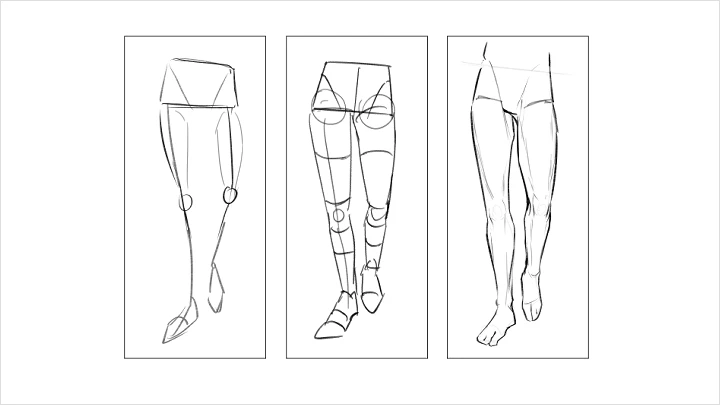
 Adding Muscle to the Lower Body Form
 -
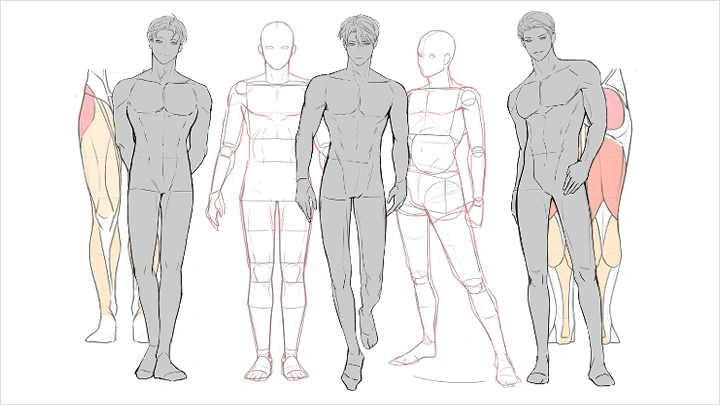
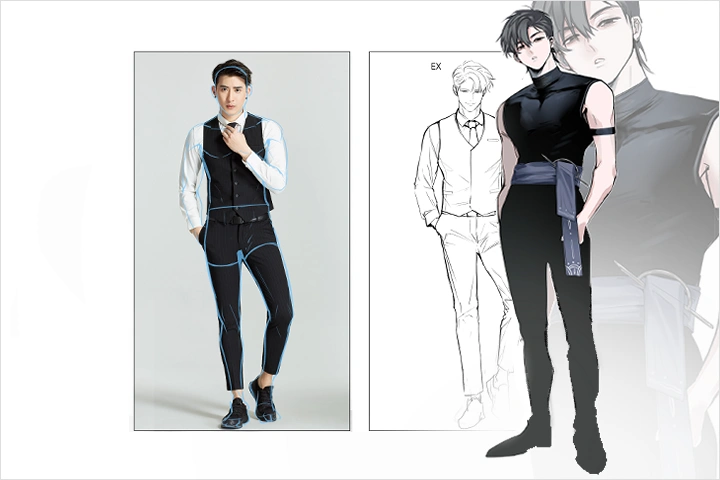 Standing Poses
 -
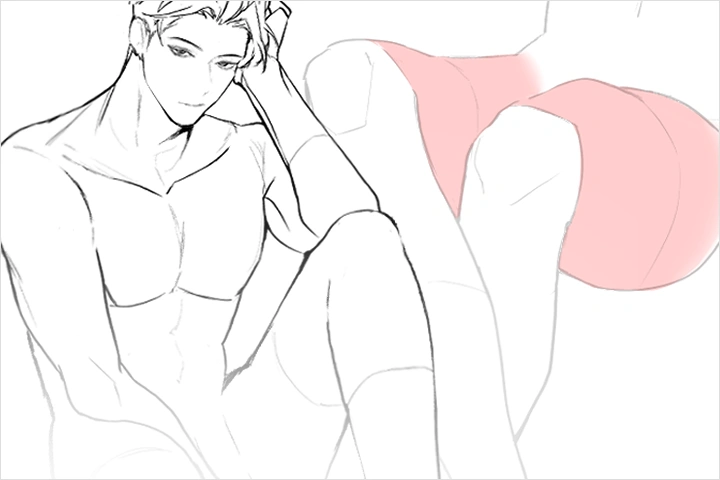 Sitting Poses
 -
 Active Poses
Part 05. High-Angle and Low-Angle
-
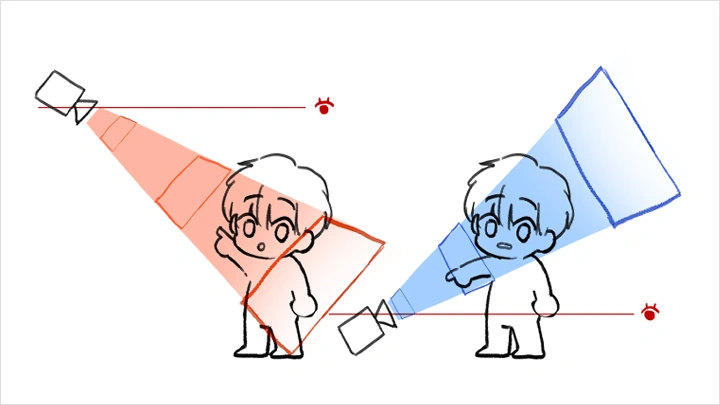
 Understanding High-Angle and Low-Angle
 -
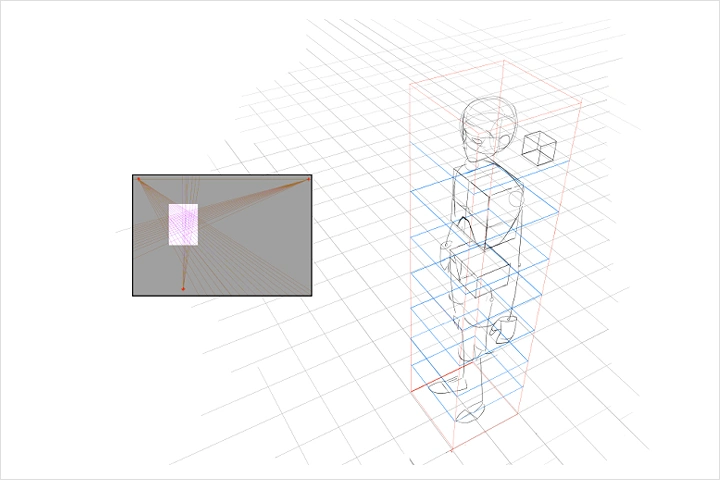 Placing the Human Body on Perspective Lines
 -
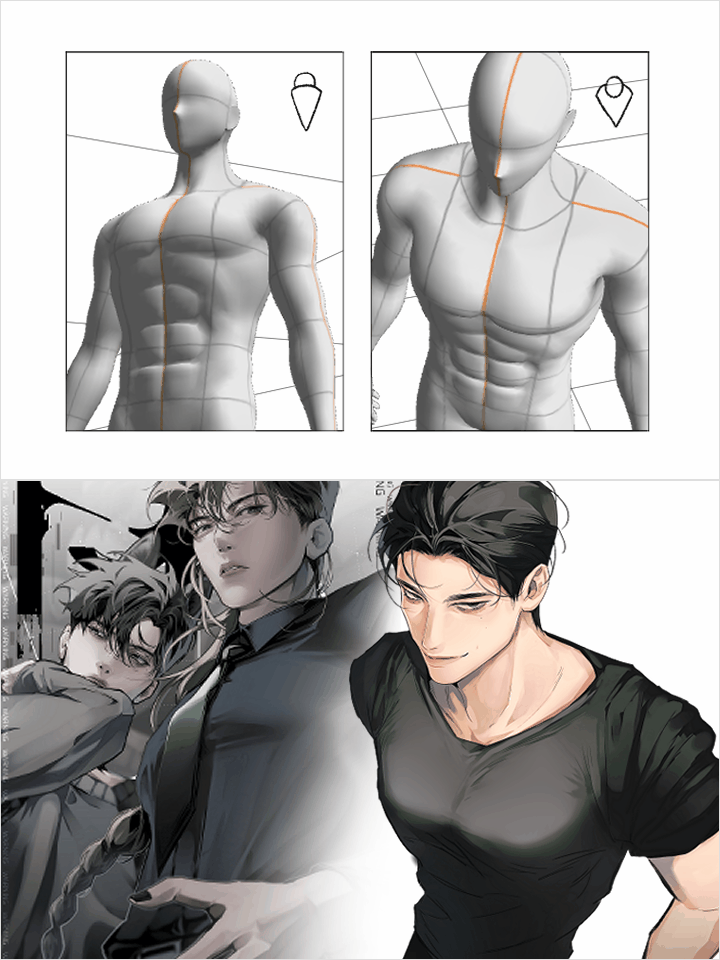 [Advanced] Poses by Angle
 -
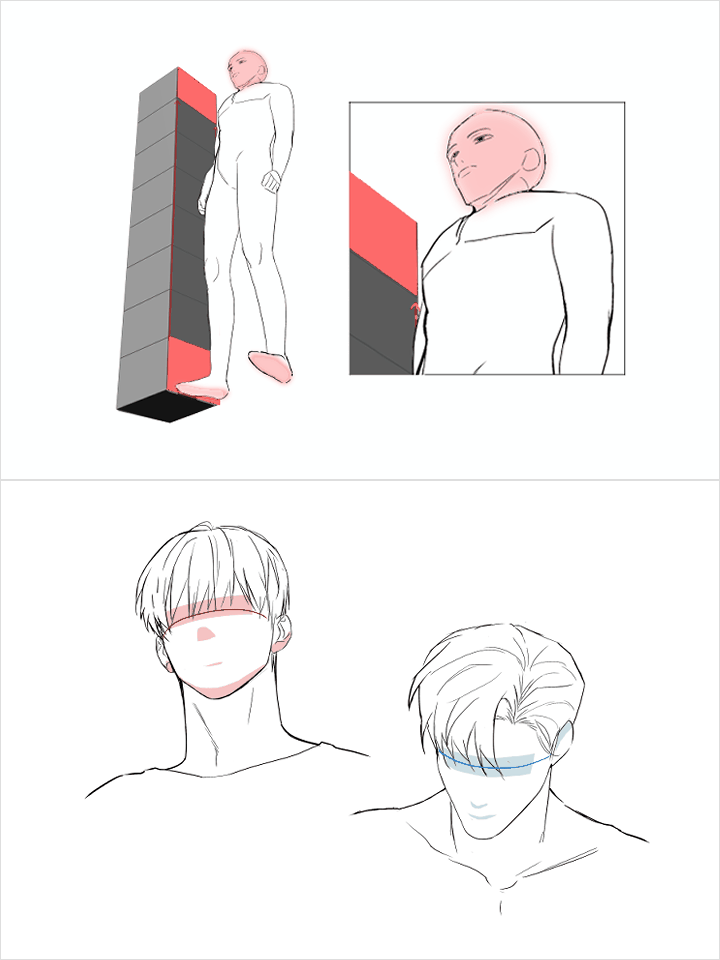 Cautions When Utilizing Angles
Part 06. Utilizing Clip Studio 3D Tools for Those Struggling with Poses
-
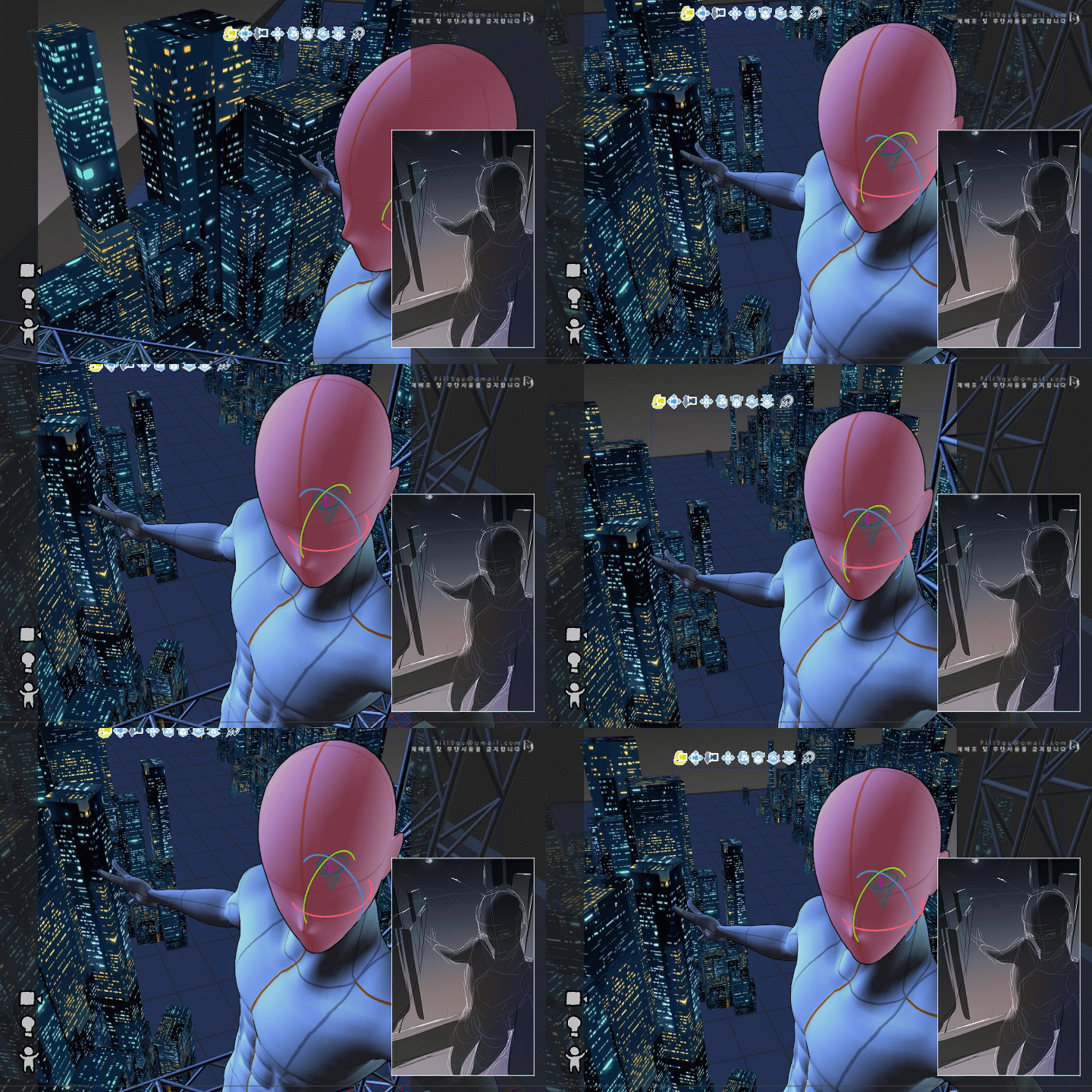 3D Tool Pose & Composition Auto-Completion
 -
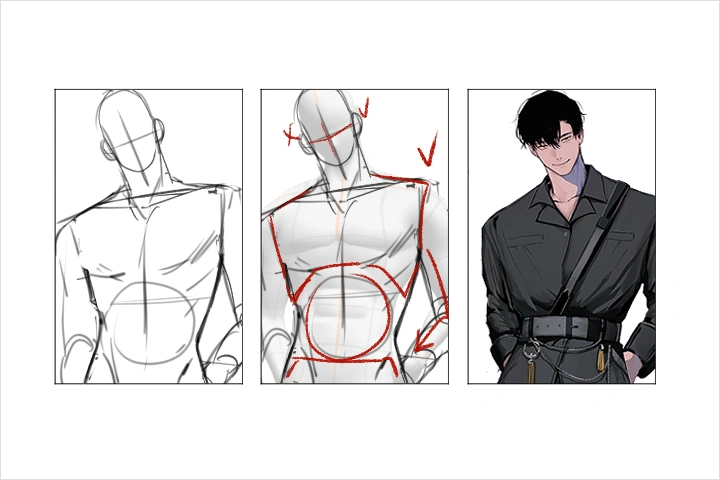 3D Tool Utilization Study
 -
 3D Tool Utilization Study - Coloring Edition
Part 07. Completing Illustrations using Reference-based Tools



Highlights
Class Highlights
5 Pose & Composition Directing Techniques Mastered with 40 Examples
If you find yourself only able to draw stiff, front-facing characters, this is for you! Learn to create characters with visible flow through 36 practical examples. Master essential pose-drawing theory for every angle, head, upper body, full body, and even high- and low-angle shots and bring your characters to life with dynamic movement using a wide range of practice references.
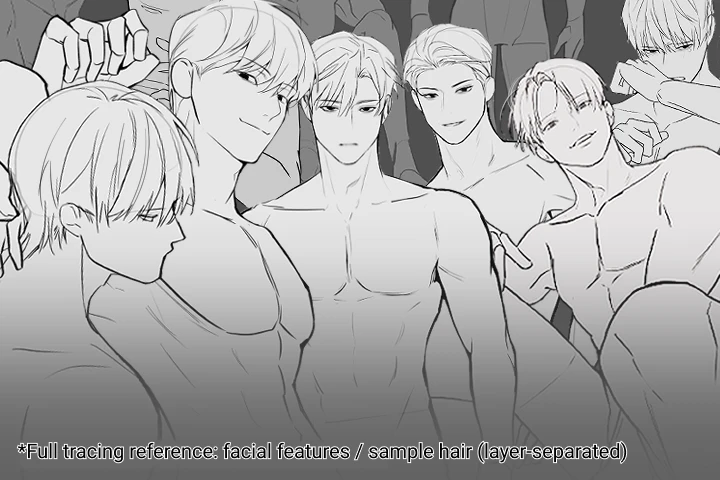
Natural Pose Drawing Foundational Theory in One Go
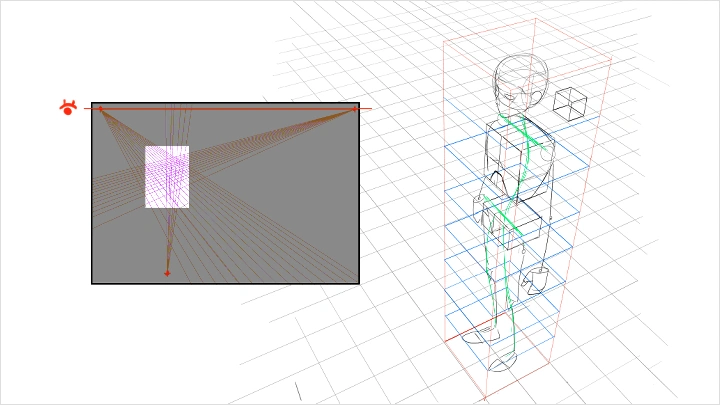
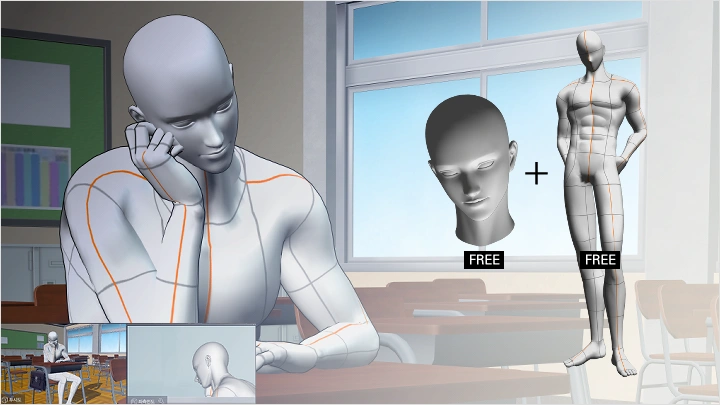
Essential theory for natural pose drawing: Human Anatomy & Perspective! If you've been drawing based on guesswork and feeling instead of through difficult, boring study, upgrade your drawing instantly with minimal theory. Apply simple theory to real-world pose drawing and even complete the plan for your future study direction, step-by-step.
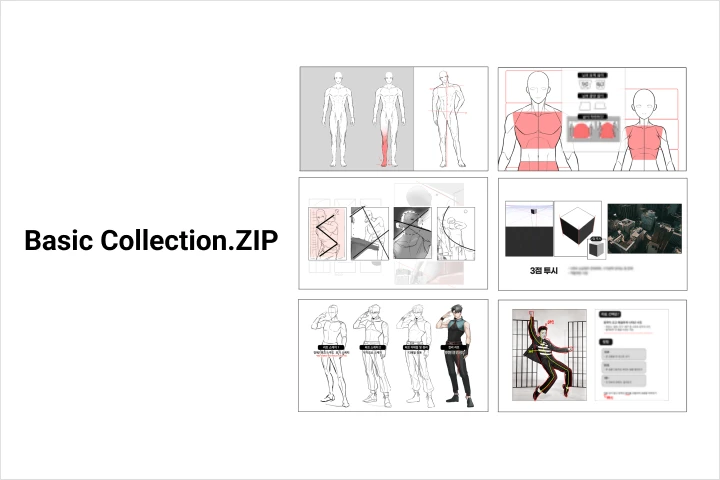
Intense Depth Completion Skills to Maximize Visual Impact
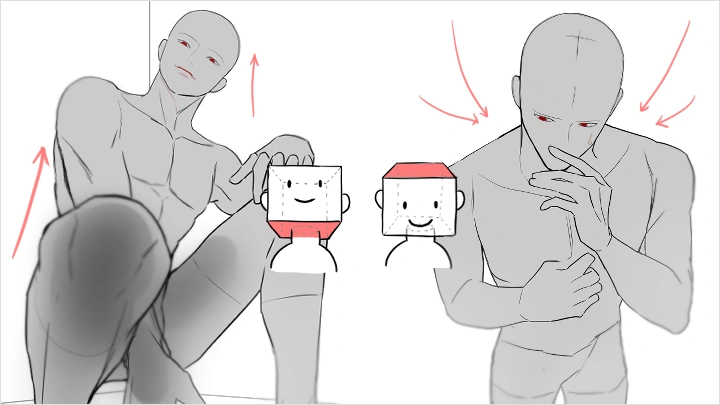
Are you disappointed when your drawings look flat despite practice? Complete drawings with rich depth using easier and more effective composition & angle basics. Learn various angle and composition utilization methods, as well as drawing skills that maximize visual impact, to create dimensional drawings you can be proud of.