Illustrator,RockheKim_김락희2 Details
Intro
Class Intro
Illustrator Rockhe Kim
Spatial perspective, which can be difficult for a lot of artists, will be explained through step-by-step exercises based on systematic theory.
Mastering Human Figure Drawing,
Perspective, and Space Composition
Embrace the Challenge of Perspective: Renowned author of 'Anatomy Drawing Class,' Rockhe Kim, confronts the complexities head-on. With his unique expertise, he seamlessly integrates characters and props into diverse backgrounds, offering invaluable insights for artists of all levels.

Unlock the Full Spectrum of Perspective: From 1-point to 5-point, encompassing high and low angles, discover how to seamlessly integrate characters into diverse backgrounds. Embark on a creative journey where perspective becomes your ally, empowering you to bring your artistic visions to life with freedom and precision.
Class Perks
Get These Coloso Exclusives
-
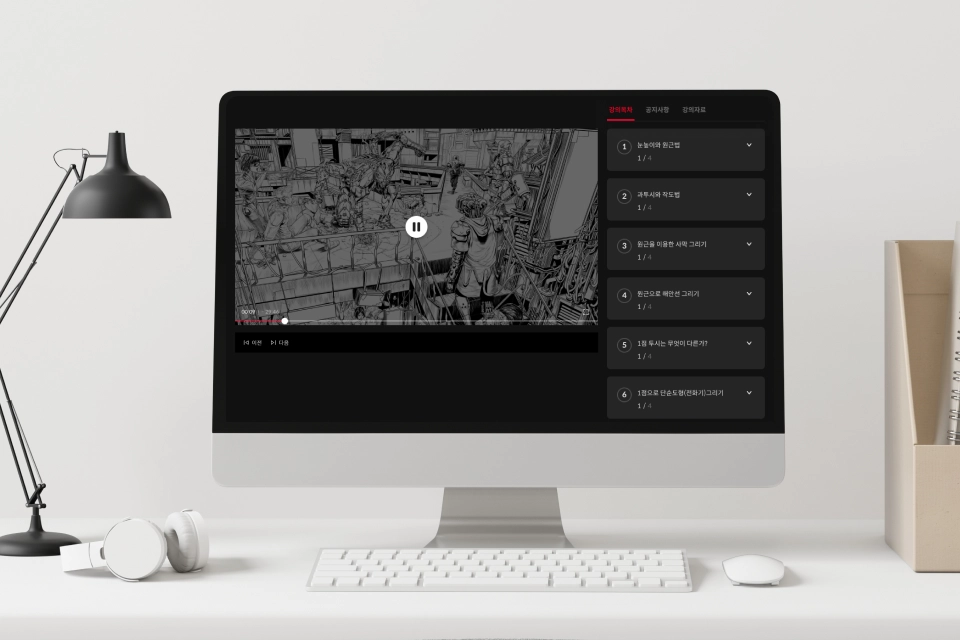
Unlimited Access to 20 Hrs & 32 Chapters of Content -
Various Screen Composition and Practice Files (PSD) to Elevate Your Skills -
A Comprehensive Summary of Rockhe Kim’s 20+ Years of Solid Experience in Perspective Drawing
Recommendation
Who Should Take This Class?
Artists Ready to Elevate Their Work: Moving Beyond Bland Characters & Awkward Backgrounds
Art Students & Junior Professionals Struggling with Perspective Despite Diligent Study
Professional Illustrators and Webtoon Artists Seeking to Enhance Depth in Their Creations
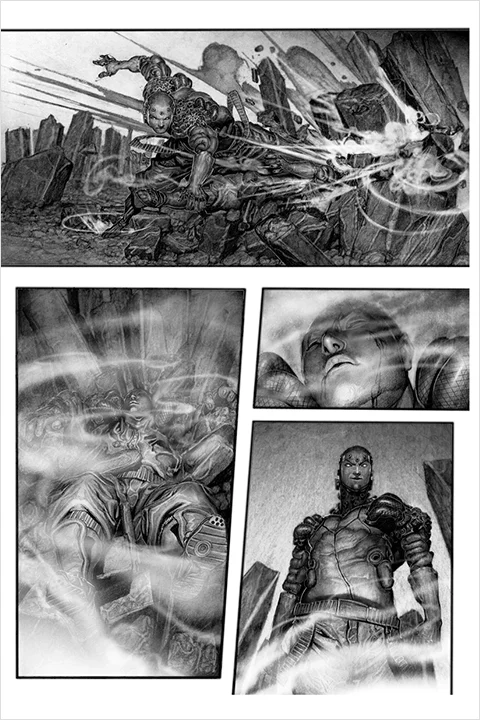
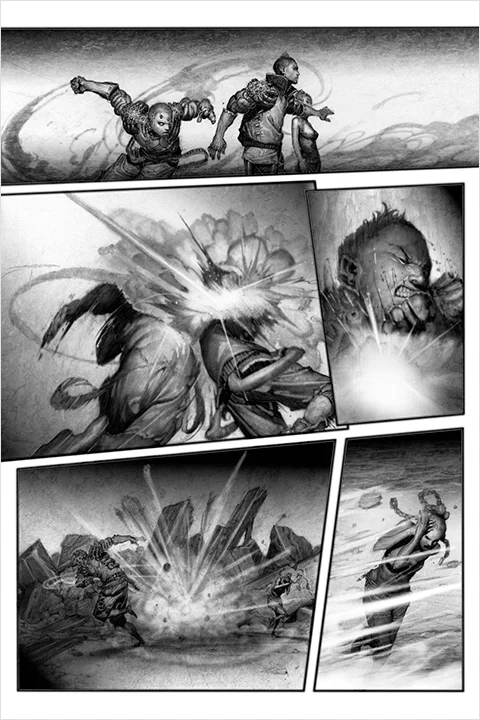
Expert Illustrator Rockhe Kim's Portfolio
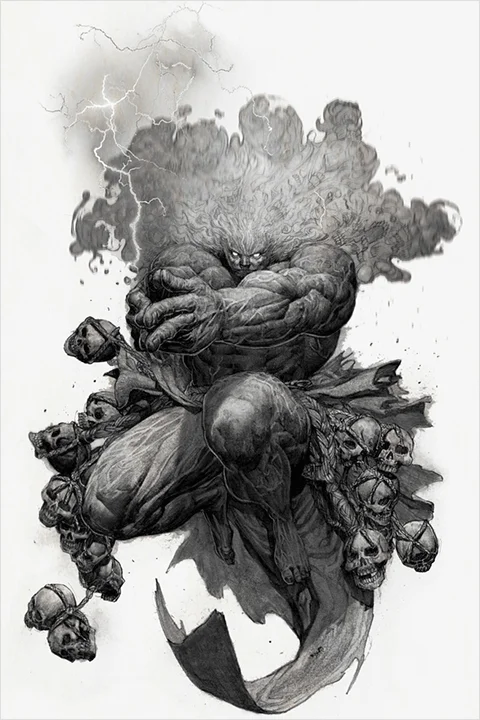
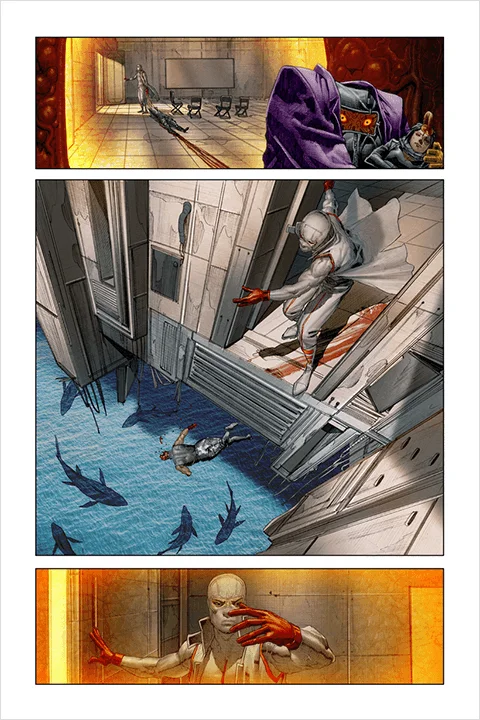
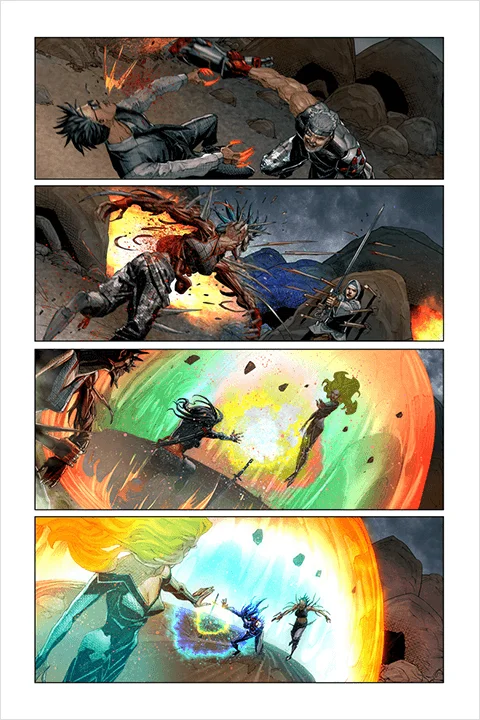
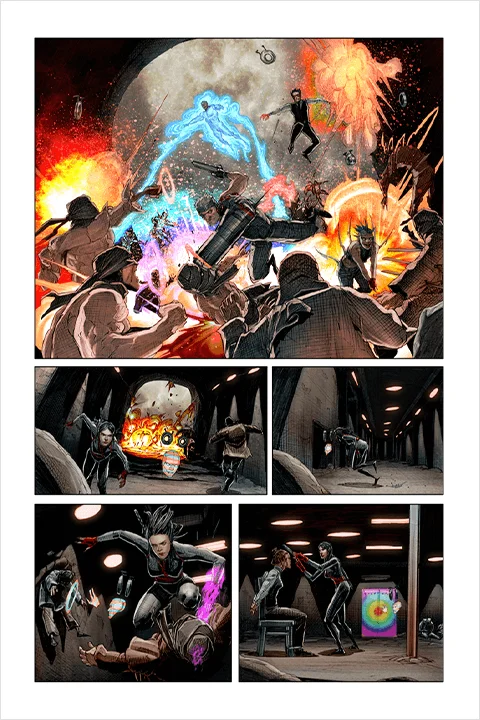
Why Take This Class?
For hobbyists, art students, and professionals alike, mastering the intricacies of human anatomy and perspective can be a daunting challenge. Relying solely on vague understanding and intuition can impede your progress. Unlock your full potential with precise theoretical knowledge.
This class is crafted to facilitate a seamless understanding of these concepts, beginning with a focus on mastering the fundamental principles of perspective drawing. You'll then swiftly apply these techniques by integrating diverse figures and props into both indoor and outdoor backgrounds. Progress steadily as you establish a robust foundation, evolving into a formidable creator.

20+ Class Exercises
Part 1. Basics: Understanding Eye Level and Depth
-
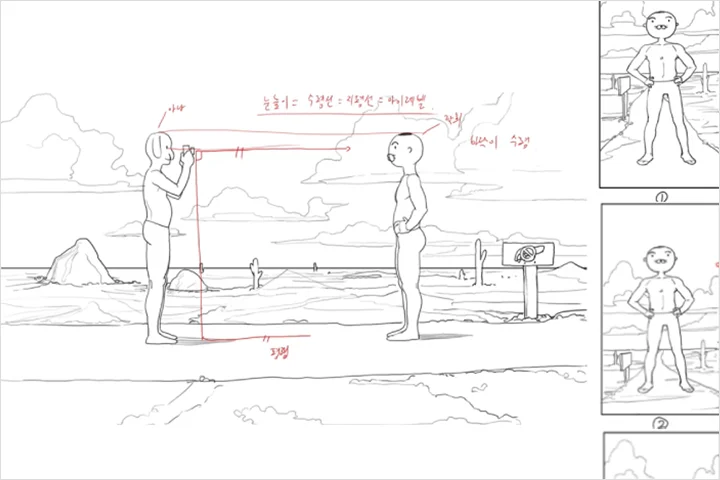 Understanding Eye Level through Examples
 -
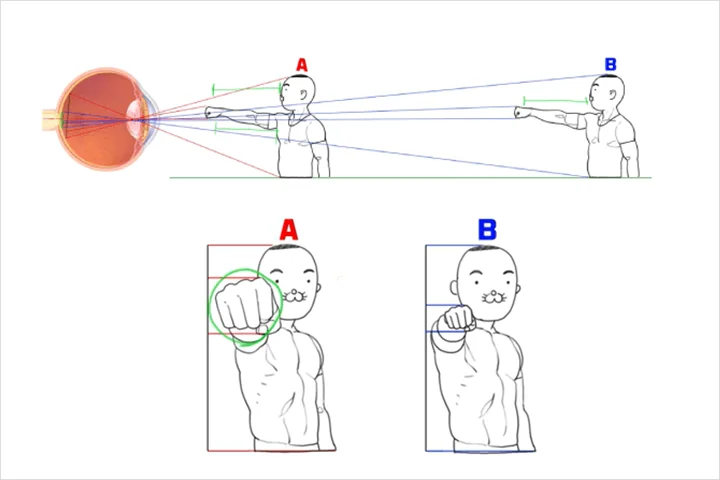 Techniques for Expressing Forced Perspective Based on Depth
 -
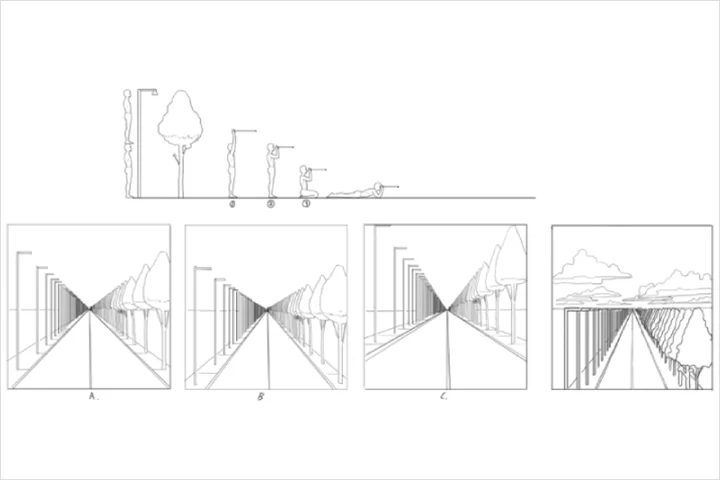 Applying Drawing Techniques Based on Eye Level
-
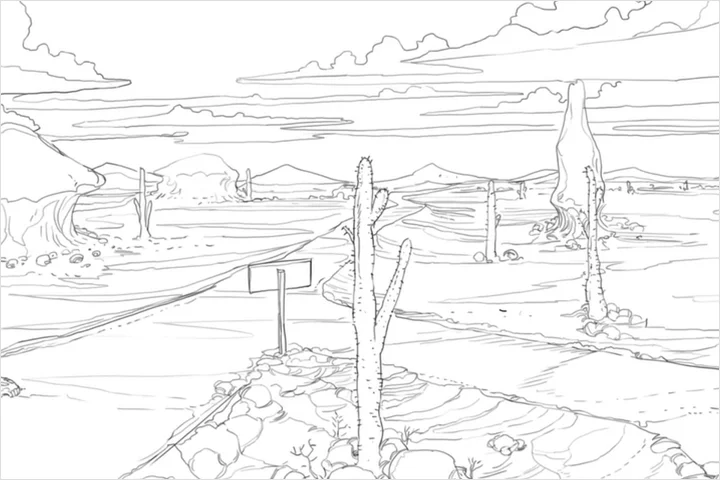 Drawing a Desert Using Depth
 -
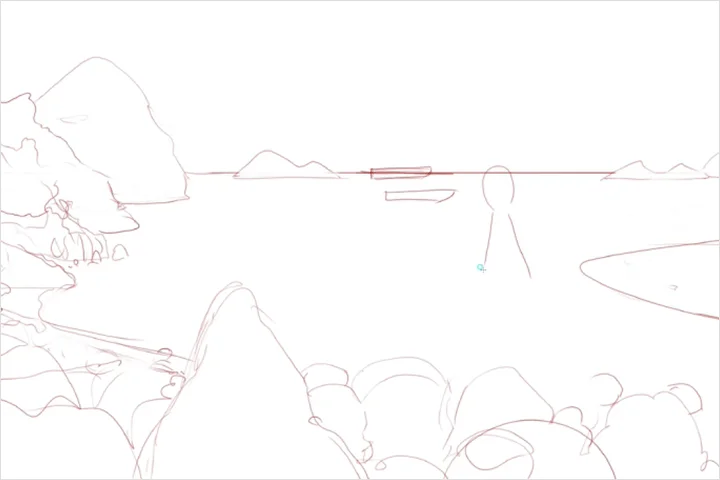 Drawing a Coastline Reflecting the Observer’s View
 -
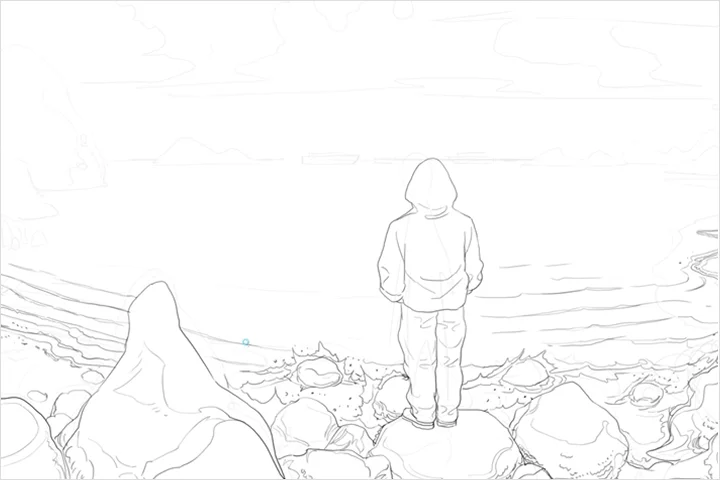 How to Depict Figures That Match the Background
Part 2. Basic to Intermediate: Practicing 1 and 2-point Perspective
-
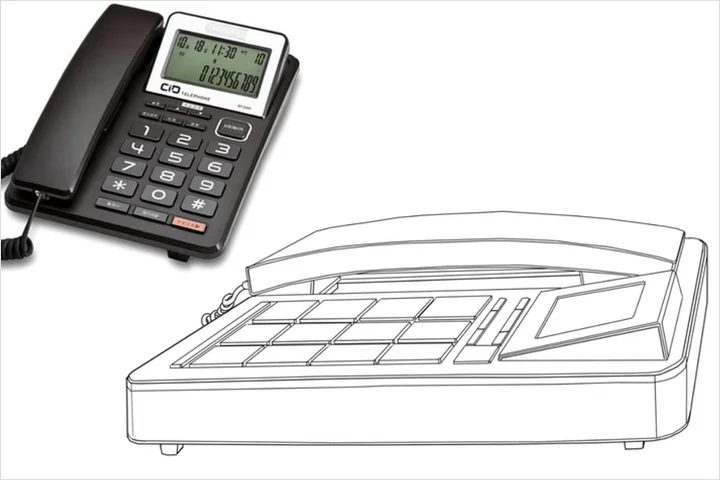 Applying 1-Point Perspective: Simple Shapes (Telephone)
 -
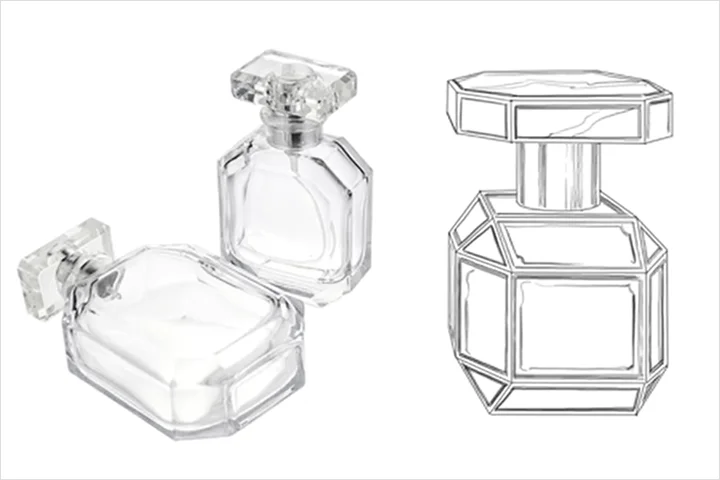 Applying 1-Point Perspective: Polygon Shapes (Perfume Bottle)
 -
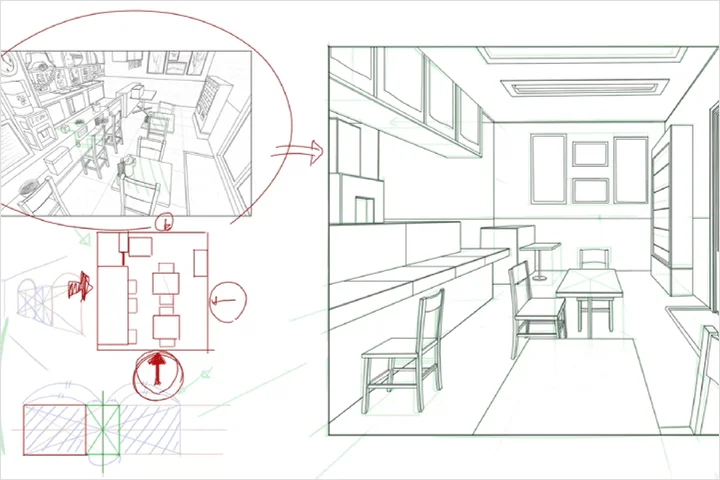 Applying 1-Point Perspective: Indoor Space (Japanese Restaurant)
-
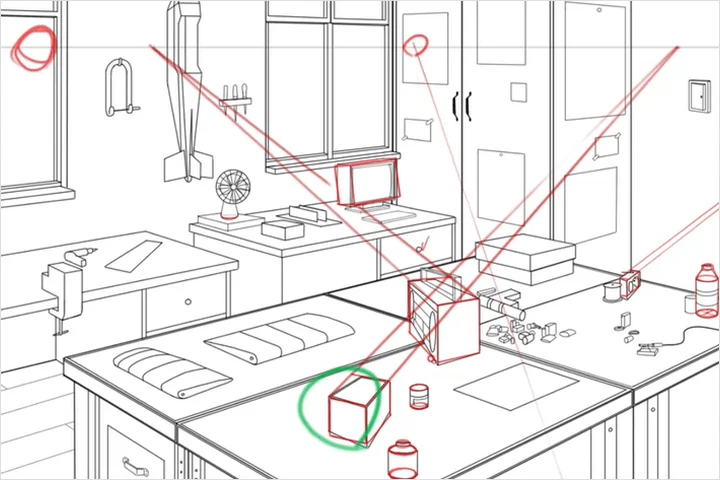 How to Find and Correct Incorrect Perspectives
 -
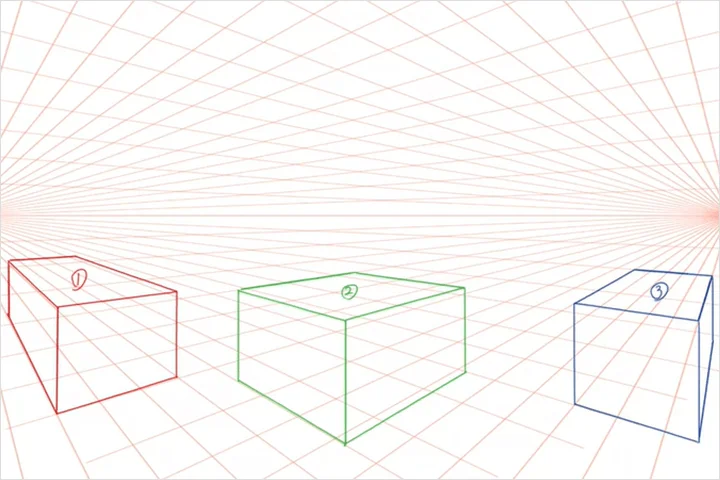 Applying 2-Point Perspective: Drawing Boxes from Various Angles
 -
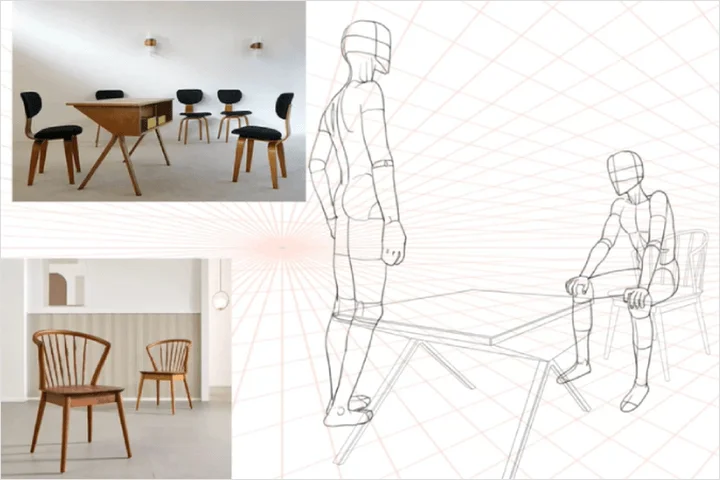 Applying 2-Point Perspective: Desk, Chair, and Figures
-
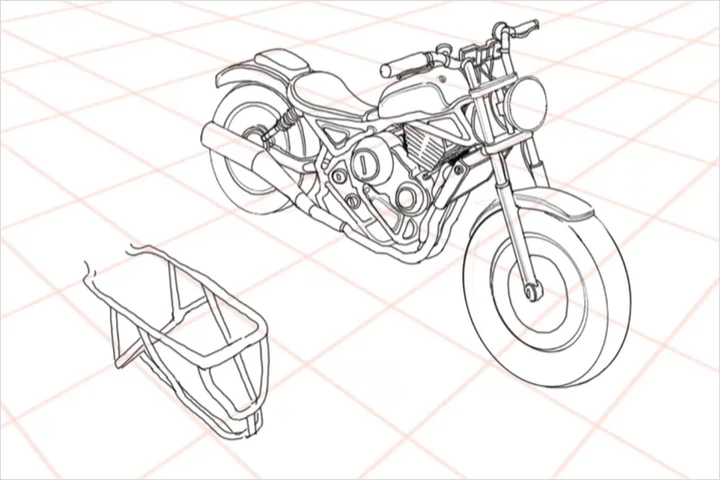 Applying 2-Point Perspective: Complex Objects (Bikes)
 -
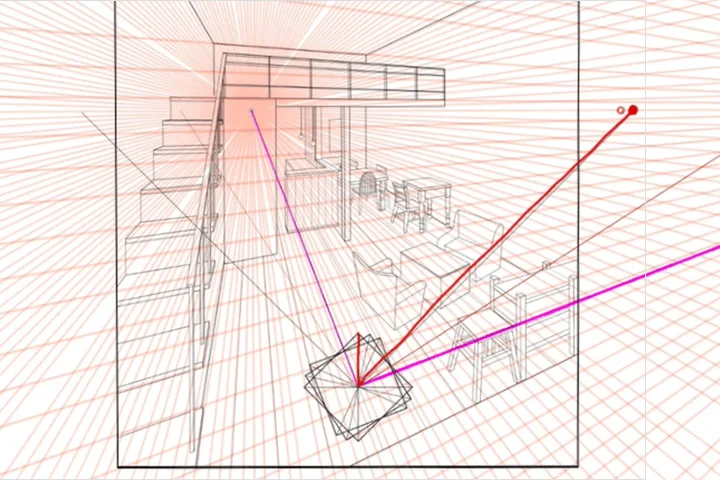 Applying 2-Point Perspective: Detailed Indoor Space
 -
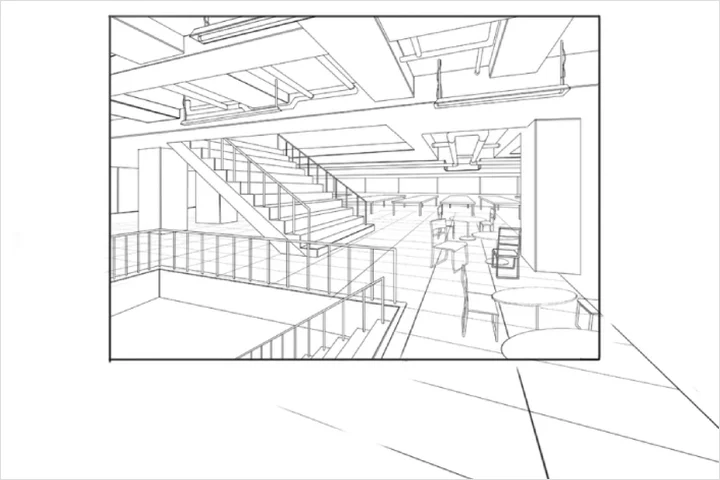 How to Express Uniform Patterns Like Floor Tiles
Part 3. Intermediate: Advanced Perspective Practice (Wide-Angle (4, 5-Point Perspective), High Angle, and Low Angle)
-
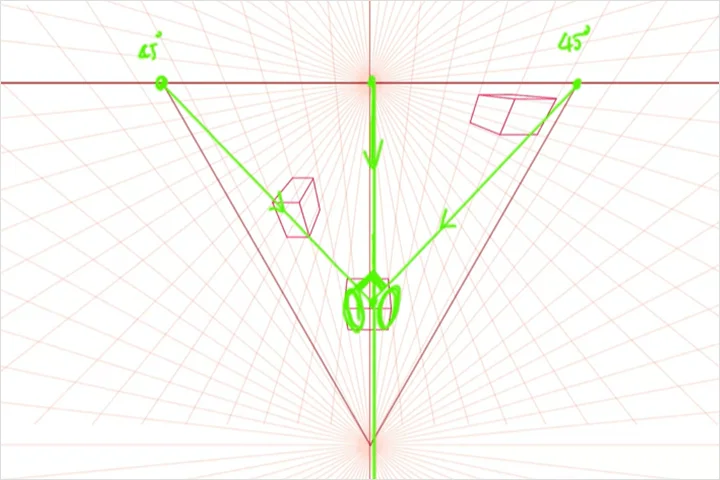 Practicing 3-Point Perspective: High/Low Angle (Hexahedron)
 -
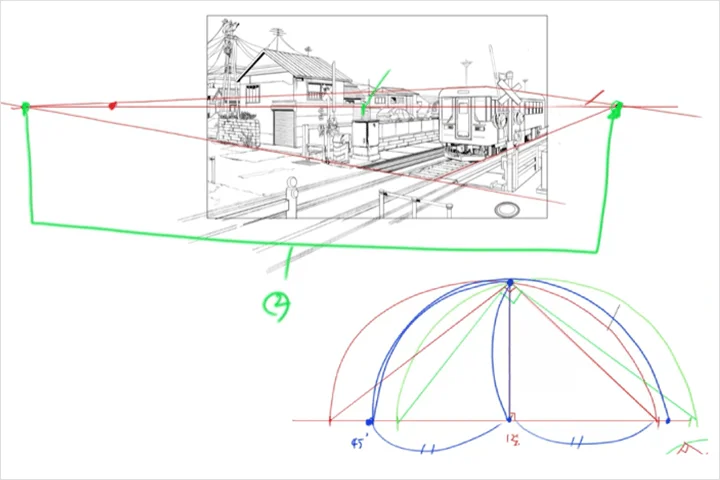 Developing Observational Skills to Analyze Angles
 -
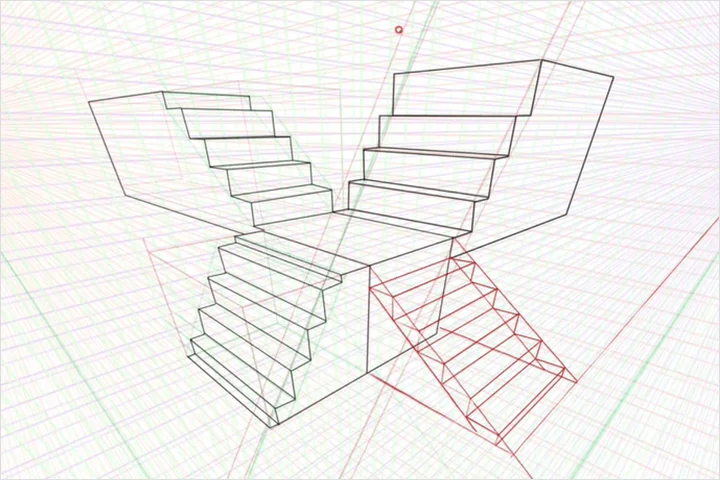 Practicing 3-Point Perspective: Calculating the Field of View (Stairs)
-
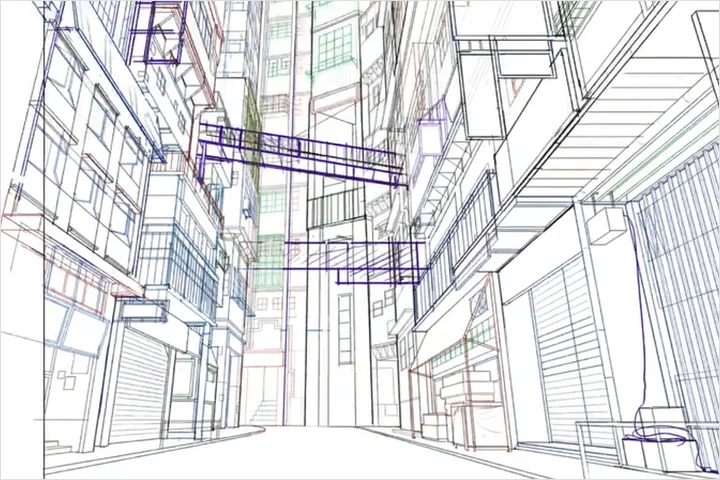 Analyzing Backgrounds Using High/Low Angles
 -
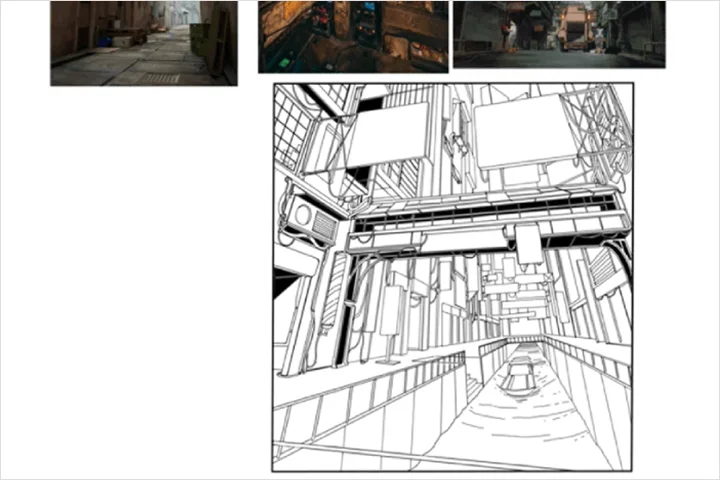 Practicing 3-Point Perspective: Outdoor Background
 -
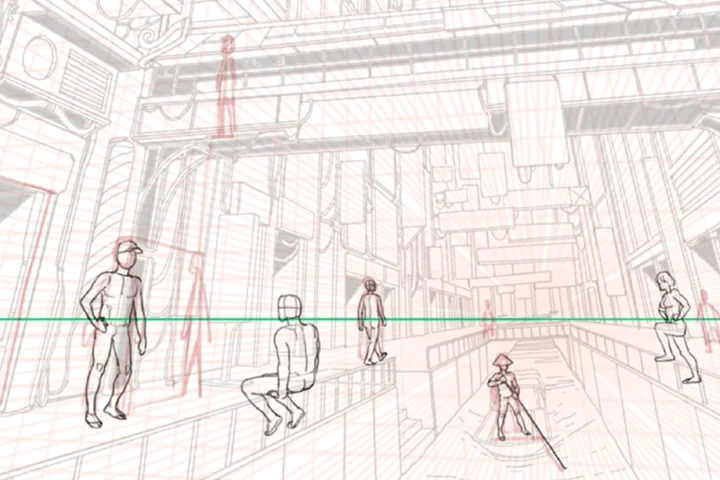 Practicing 3-Point Perspective: Applying Figures to Indoor/Outdoor Backgrounds
-
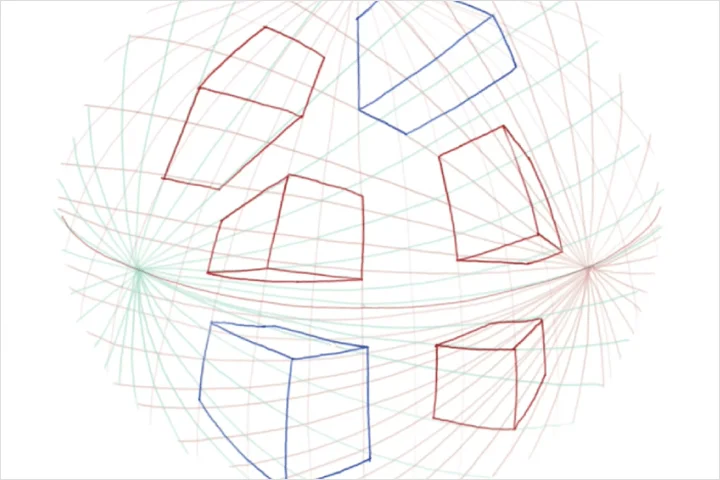 Planning and Expressing a Distorted Scene Using Wide-Angle
 -
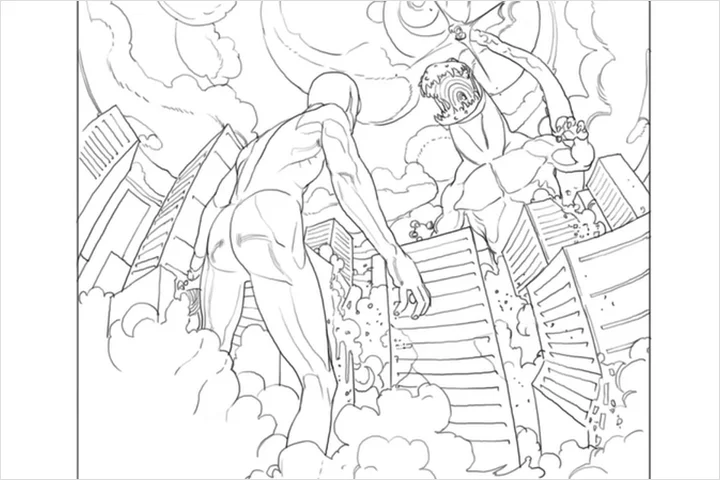 Applying Wide-Angle to an Outdoor Background: Low Angle
 -
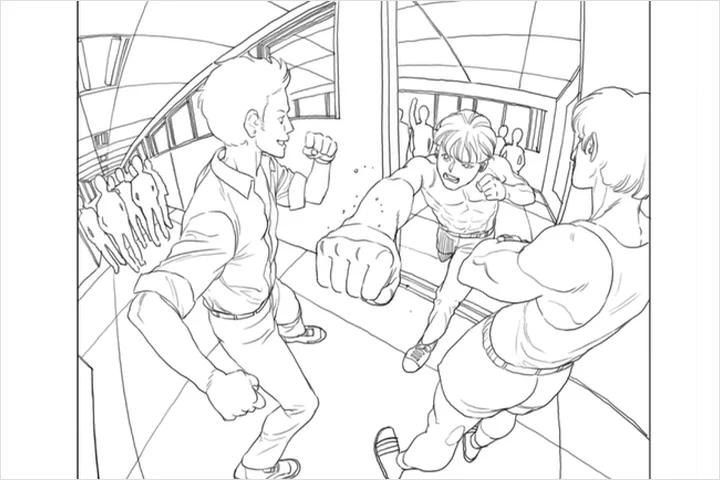 Applying Wide-Angle to an Indoor Background: Low Angle
Instructor
Illustrator
Rockhe Kim
Greetings, I'm Rockhe Kim. Following the success of "Rockhe Kim's Anatomy Drawing Class" with over 100,000 copies sold, I embarked on teaching Coloso classes and releasing new books aimed at empowering individuals with the essential skills for drawing, including simplification and perspective. In this course, I've distilled and compiled the fundamental concepts of background perspective that I've honed and mastered over two decades.
Perspective poses one of the greatest challenges for artists, yet I've structured these classes based on my six years of teaching experience to accommodate students at every level. By refraining from taking the obvious for granted and approaching complex concepts with ease, anyone can elevate their skills and become a proficient artist.

Illustrator Rockhe Kim
[Current]
Cartoonist/Illustrator
Projects & Awards
[Career]
2023: Published ""Rockhe Kim's Line Drawing Technique Vol. 1, 2"" (Sungandang)
2020: Special lecture on human anatomy for the Department of Comics & Animation Tech at Sejong University
2019: Published ""Rockhe Kim's Anatomy Drawing Class"" (Sungandang)
2012-2015: Serialized in Marvel, USA
- “Captain America: The Winter Soldier Infinite Comic #1”, “Infinity: the Silver Surfer: Against the Tide"" short films
- ""Age of Ultron,"" ""Venom,"" ""Black Panther and Agents of Wakanda,"" and many more cover artworks
- Long-term serialization of ""X-force""
- Illustrations for numerous global gaming companies
2009: Conti Brothers (Participated in films like ""Castaway on the Moon,"" ""Thirst,"" ""Blades of Blood,"" etc.)
2007: Dongwoo Animation & Entertainment, Key Animator (Batman, Ben 10, Turok, Superhero, etc.)
2003: Lotto Animation Company, Cleanup Artist
[Awards]
2012: Winner of the U.S. K-comics support project by the KOMACON
2011: SECAN AWARD Grand Prize in the graduate category at Sejong University (Title: Ogan)
2010: 8th Korea Creative Manhwa Contest Excellence Award in the Feature-Length Category (Title: Jeongseon Arirang)
2010: SECAN AWARD Popularity Prize at Sejong University (Title: Jeongseon Arirang)
Highlights
Class Highlights
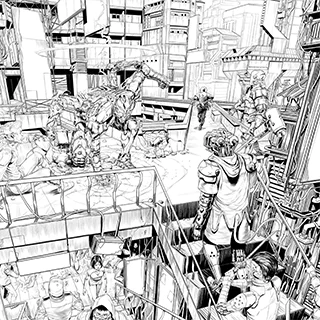
Creating Three-Dimensional Art Through Precision and Theory-Based Drawing
If you’ve ever experienced the frustration of not being able to draw what you see in your mind, know that you aren’t alone. Learn how to express your intentions efficiently and systematically rather than drawing out of impulse. Achieve satisfactory results by applying perspective-based plans and sketches.
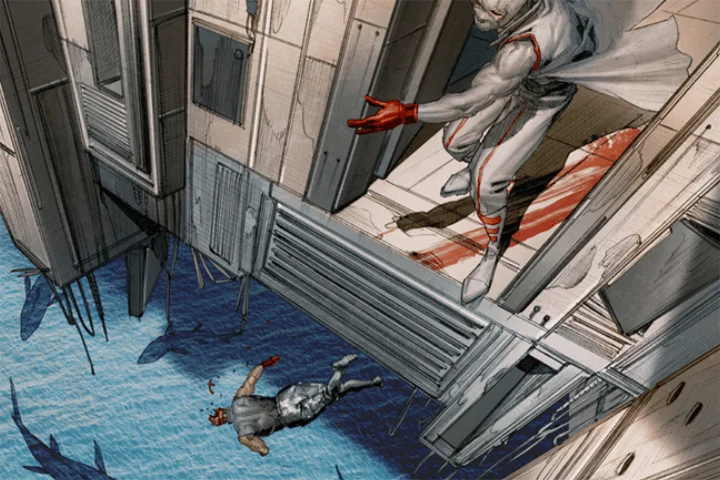
A Comprehensive Collection of Theory and Techniques Focused Solely on Perspective
Organize all the fragmented and complex concepts related to perspective in a systematic manner. Gain solid skills in drawing backgrounds that include shapes, objects, and figures, based on the observational skills developed from setting viewing angles and correcting incorrect perspectives.
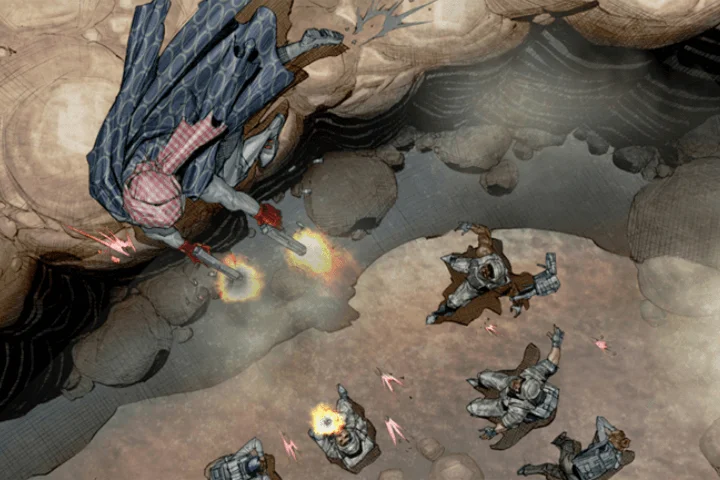
Capturing Scenes from Unique Perspectives
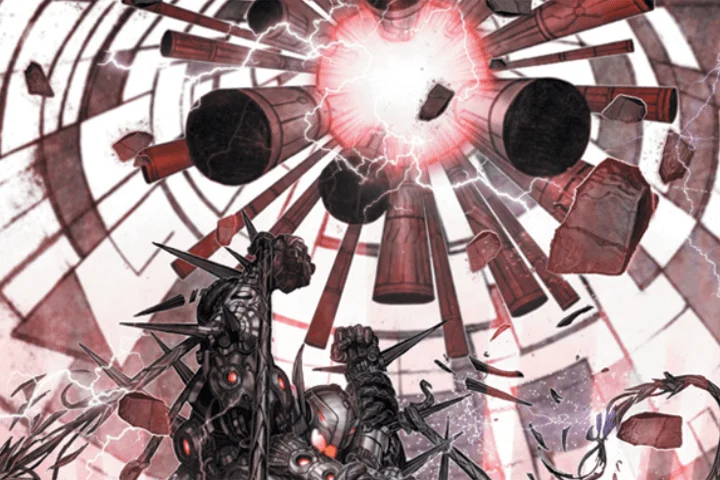
Move beyond repetitive, flat drawings. Use exciting angles and forced perspectives to add flavor and complete compelling spaces in your illustrations. Master the process of completing three-dimensional drawings step-by-step, from setting objects that match indoor and outdoor backgrounds to natural figure compositions.
Class Details
You'll Learn
-
 Perspective Essentials: Mastering the Basic Elements from Eye LevelStrengthen the basics of perspective drawing by understanding basic eye level and depth. Naturally grasp the depth and vanishing points by drawing deserts and coastlines using the horizon, and learn how to view difficult and vague perspectives accurately.
 -
 A Systematic Approach from Single-Point Perspective to Object DrawingLearn how to accurately depict shapes within various objects such as telephones and perfume bottles based on the theory of perspective. Develop the skills needed to analyze and draw shapes by breaking them down, thereby enhancing the accuracy of your drawings.
 -
 Foundations of Background Drawing: Planning with 1-Point PerspectiveFrom indoor space analysis to floor plan design and object placement, learn to plan scenes in advance through systematic practice and make it a habit. This will deepen your understanding of the importance of background drawing, effectively improving your skills.
-
 Adding Depth to Indoor Spaces: 2-Point Perspective Drawing and PracticePractice drawing indoor spaces that include more complex objects like desks, chairs, bikes, and stairs. Expand your basic understanding of 2-point perspective by drawing boxes from various angles, gradually increasing the difficulty to solidify your technique.
 -
 Exploring 3D Angles by Observing from High and Low ViewpointsExpress a scene from multiple angles by practicing stair drawing with high and low angles to complete the desired composition. After performing space analysis, practice placing figures and other details to create more three-dimensional illustrations.
 -
 Techniques for Wide-Angle Perspective in Backgrounds and FiguresSignificantly expand your drawing range through practicing indoor and outdoor backgrounds and 4, 5-point wide-angle perspective, allowing for more freedom in your art. Learn and perform the process of adjusting intensity and effectively expressing stories through distorted background and figure drawing practice.
- Unlimited Access
- Best Price
Buy now, get unlimited access.
09/21 (Mon) (UTC-7) Special offer ends soon.
This special offer ends soon.
Buy now and save!
Class Preview
CH. 2 of Rockhe Kim's Class: Now Available for Preview!
2. Forced Perspective and Drawing Techniques
- How to express forced perspective based on visible depth
- Practicing perspective using a tree-lined street according to eye level
- How to express forced perspective based on visible depth
- Practicing perspective using a tree-lined street according to eye level
Curriculum
Curriculum
In-Depth Look
SECTION 01. [Basics] Understanding Eye Level and Depth: Practice Background Drawing with the Horizon
01. Eye Level and Depth
- Why is perspective important?
- Understanding eye level
- Understanding depth in more detail through examples
02. Forced Perspective and Drawing Techniques
- How to express forced perspective based on visible depth
- Practicing perspective using a tree-lined street according to eye level
03. Drawing a Desert Using Depth
- Drawing a desert viewed with a lens parallel to the horizontal ground
- Adding objects that fit the desert motif
- Drawing clouds that fit the background
- Completing the desert background by adding detailed lines to the rough base
04. Drawing a Coastline with Depth
- Drawing the horizon while considering the observer's view
- Adding rocks that match the coastal terrain
- Adding objects while considering depth and vanishing points
SECTION 02. [Basics to Intermediate] Practicing Object and Background Drawing with 1-Point Perspective
05. How Is 1-Point Perspective Different?
- Conditions that create 1-point perspective
- Understanding 1-point perspective and eye level
- Example 1: Finding incorrect perspective via train tracks
- Example 2: Identifying and correcting objects not placed in 1-point perspective within a room
06. Drawing Simple Shapes with 1-Point Perspective (Telephone)
- Establishing guidelines for a telephone using shapes within 1-point perspective
- Observing details like the keypad and screen while making a rough drawing
- Drawing clean lines by following the initial sketch
07. Drawing Polygonal Objects with 1-Point Perspective (Perfume Bottle)
- Establishing the overall cuboid frame
- Trimming the outline to match the shape of the perfume bottle
- Finding the tilt and adding details by calculating lines and angles
08. Drawing the Interior of a Japanese Restaurant with 1-Point Perspective 1
- Why reference materials are important when drawing backgrounds
- Analyzing the space by looking at examples before drawing
- Establishing guides while calculating space between objects
09. Drawing the Interior of a Japanese Restaurant with 1-Point Perspective 2
- Thinking about brush size while drawing lines
- Enhancing detail and three-dimensionality by dividing small spaces within the background
SECTION 03. [Basics to Intermediate] Practicing 2-Point Perspective: Drawing Objects and Backgrounds
10. Understanding 2-Point Perspective
- Understanding 2-point perspective
- Finding parts of incorrect perspective through examples of spaces
11. Practicing Various Angles with 2-Point Perspective
- Drawing boxes from various angles within 2-point perspective
12. Drawing a Desk and Chair with 2-Point Perspective
- Establishing the main frame using a rectangle
- Capturing thickness with shapes
- Drawing human figures as simplified shapes to fit the space of a desk and chair
13. Drawing a Bike with 2-Point Perspective
- Establishing the three-dimensional shape of a bike with a large cuboid frame
- Practicing drawing the complex shapes within the bike while referencing different materials
14. Drawing Indoor Stairs with 2-Point Perspective
- Establishing guides for two stairs from different angles
- Adjusting details such as the width and slope of the stairs
15. Drawing an Indoor Space with Stairs Using 2-Point Perspective 1
- Establishing the field of view
- Drawing while considering the ceiling and floor lines
16. Drawing an Indoor Space with Stairs Using 2-Point Perspective 2
- Adding objects to decorate the space, such as tables
- Adding detailed elements such as ceiling pipes by calculating their placement
17. Drawing an Indoor Space with Stairs Using 2-Point Perspective 3
- Drawing lines based on the initial sketch
- Organizing lines to match the perspective of the floor tiles
18. Drawing Figures in an Indoor Space with 2-Point Perspective
- Reviewing the perspective of the floor tiles
- Placing figures using geometric shapes according to perspective and depth
19. Drawing a Car with 2-Point Perspective
- Establishing a guide with a large box to capture the car's silhouette
- Practicing while paying attention to the central section and symmetry
SECTION 04. [Intermediate-Advanced] Perspective Practice: Applying High, Low Angles, and Forced (Wide-Angle) Perspective
20. 3-Point Perspective, High and Low Angles
- Understanding 3-point perspective
- Understanding high and low angles based on a hexahedron
- Finding the direction of the point of view using examples of spaces
21. Analyzing Spaces with High and Low Angles
- Analyzing high and low angles while finding eye level and field of view
- Challenges of photo analysis: Distortion of curved lines from lenses
22. Practicing Drawing Stairs with 3-Point Perspective 1
- Drawing stair spaces by calculating angles
- Adding details while considering the width and depth of the stairs
23. Practicing Drawing Stairs with 3-Point Perspective 2
- Stairs viewed from a low angle
- Setting the guide for the field of view first
- Adding details of the stairs
24. Practicing Drawing Stairs with 3-Point Perspective 3
- Creating lines for stairs drawn from a low angle
- Enhancing details of the space while following the stairs
25. Analyzing Outdoor Spaces with High and Low Angles
- Reviewing of drawing stairs seen from high and low angles
- Analyzing angles through backgrounds with many buildings
26. Drawing Outdoor Backgrounds from a Low Angle 1
- Drawing an initial sketch of an outdoor background surrounded by buildings
27. Drawing Outdoor Backgrounds from a Low Angle 2
- Adding details while drawing lines based on the initial sketch
- Working by identifying areas to emphasize or de-emphasize
28. Adding Figures to Indoor and Outdoor Backgrounds with Low Angles
- Adding figures using shapes in indoor backgrounds with stairs
- Drawing figures using shapes in outdoor backgrounds
29. Wide-Angle (4, 5-Point) Perspective
- Why objects appear curved as they move away from the center of the lens in a wide-angle
- Drawing figures using shapes in distorted backgrounds
30. High and Low Angles in Wide-Angle (3, 4, and 5-Point Perspective)
- Setting eye level
- Drawing hexahedron shapes according to high and low angles
31. Drawing the Outdoors with Wide-Angle: A Hero Fighting a Monster (Low Angle)
- Setting eye level
- Drawing buildings only within the perspective guidelines
- Drawing exaggerated figures and monsters to create a feeling of surrealism
32. Drawing the Indoors with Wide-Angle: Classroom and Students (High Angle)
- Setting eye level
- Drawing a classroom with emphasized figures
- Adding action scenes in high angles
- Finishing up the class
*The release date of this class, curriculum images, and associated content can be changed without prior notice.
** Class videos may be seperated for a more streamlined viewing experience
Interview with
Illustrator Rockhe Kim

Question.01
What did you particularly focus on while creating this class?
The main reason why many people find perspective difficult is that they have been drawing based on intuition rather than accurate theory. In this class, you will learn and understand the precise theory of perspective and apply it to actual drawing. By combining theory and practice, anyone, even beginners, will be able to draw at an advanced level.
Question.02
What is the biggest difference between this class and your first class?"
The biggest differentiator of this class is its exclusive focus on perspective. While my first class is focused on the form of the human body, this second class details perspective from 1-point to 5-point, integrating backgrounds and figures. After systematically learning the core theories of perspective, you will go through practical exercises to build solid drawing skills.
Question.03
Why do people find perspective particularly difficult?
The first reason perspective is difficult is a lack of interest. Even those who have drawn quite a bit don’t fully appreciate the importance of background perspective and focus. The second reason is the misconception that drawing can be done based on intuition, leading people to think that they only need a rough understanding of theory. However, many aspects of drawing require the accurate application of scientific and quantitative theories. My hope is to grow together as artists by aiming to easily understand perspective theory systematically and sequentially.
Question.04
Please leave a message for any future students.
Many people think that being able to draw figures well is good enough, but without an understanding of space, no object can properly exist, which means the subject cannot be accurately depicted. Without a proper understanding of space, it is difficult to draw even a single cube accurately. My confidence and depth in drawing changed after I properly understood perspective. This is the experience I want to share with all of you.
Required Programs
This course will use
- Main tool: Adobe Photoshop CC
- Alternatives: Clip Studio, Procreate, paper and pen, any tool that allows you to draw will work.
Please purchase and install these program(s) for an optimized chapter experience.
*These programs and/or materials will not be provided with the chapter.