illustrator,ikegamikoki_이케가미코키JP Details
Intro

Don’t miss out, enroll now!
Enrollment closes in
0
d
0
h
0
m
0
s
2026-11-23T23:59

Now in Your Language, Only on Coloso!
Learn from Top Creative Experts Worldwide
-
 15+ Years of Illustration Expertise
-
 Perspective Distortion Correction
-
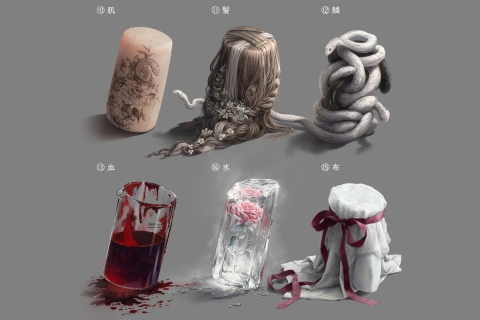
 Texture & Element Transformation
Design Background Art with Purpose and Precision
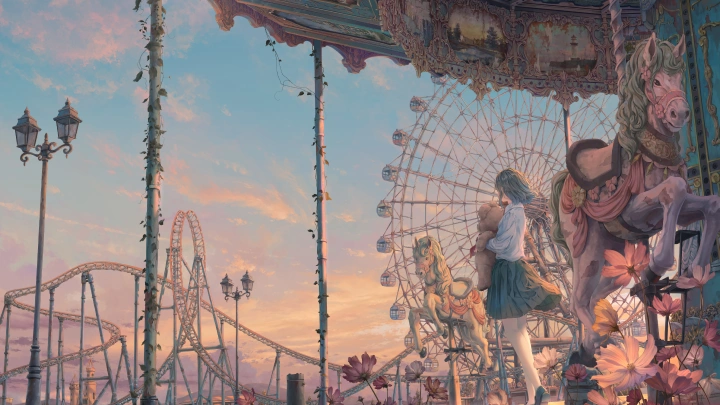
Illustrator Ikegami Koki, featured in pixiv VISIONS and author of The Secrets to Drawing Well, creates intricate worlds through game backgrounds, book covers, and more.
In this class, he shares his approach to creating convincing background illustrations where every element serves a clear purpose. Move beyond intuition and learn how composition, lighting, textures, and other elements shape the final image.
In this class, he shares his approach to creating convincing background illustrations where every element serves a clear purpose. Move beyond intuition and learn how composition, lighting, textures, and other elements shape the final image.

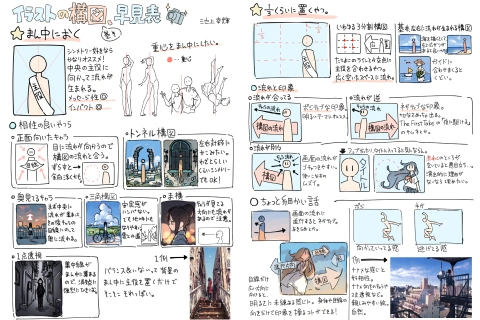
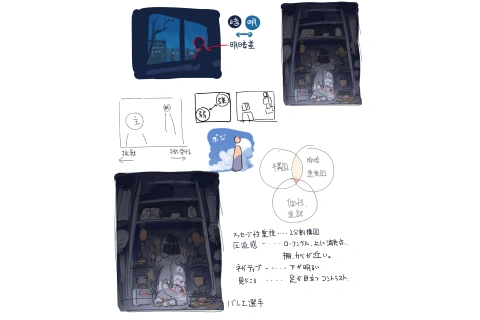
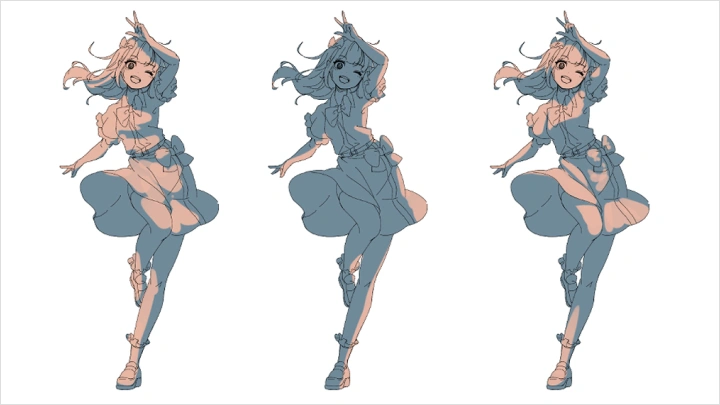
First, learn to design compositions and lighting that control how viewers perceive your work. Analyze how eye level and light direction affect an image, and develop the skills to convey your intended theme.
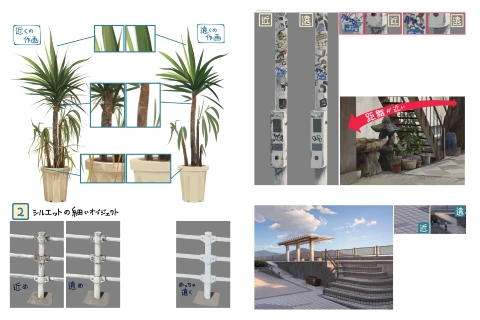
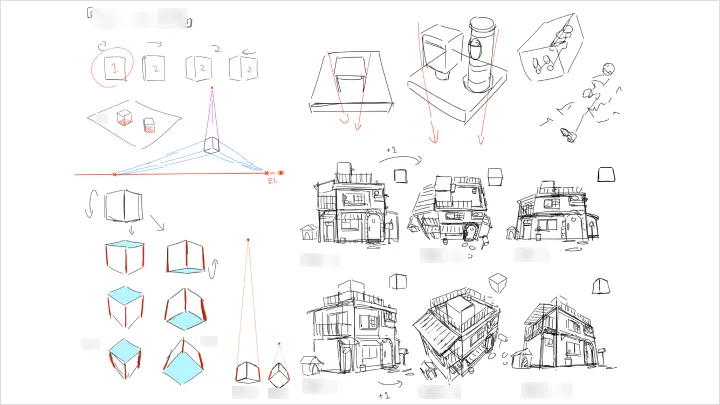
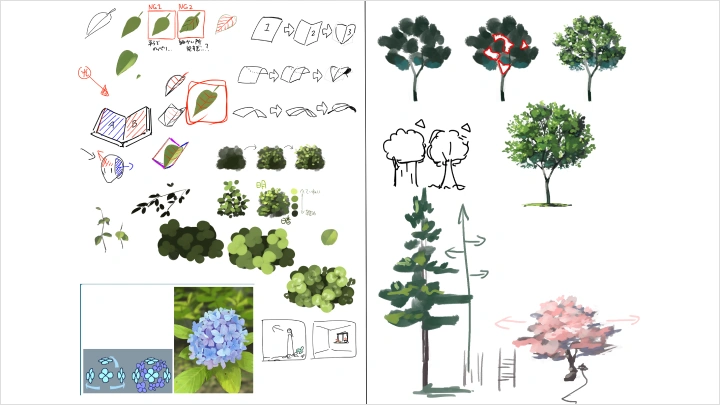
Next, create a greater sense of space and realistic materials. Learn to correct distortions caused by linear perspective and accurately render the distinct textures of water, metal, plants, and more.
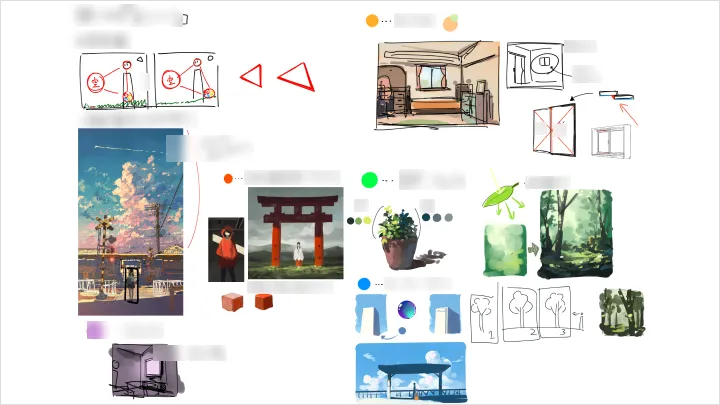
Finally, combine individual techniques into a cohesive illustration. Through exercises that integrate multiple elements, systematically learn how to improve artwork quality while keeping drawing time and effort manageable.
Discover how to create convincing background illustrations with intention behind every detail, only on Coloso!
Class Perks
Get These Coloso Exclusives
-
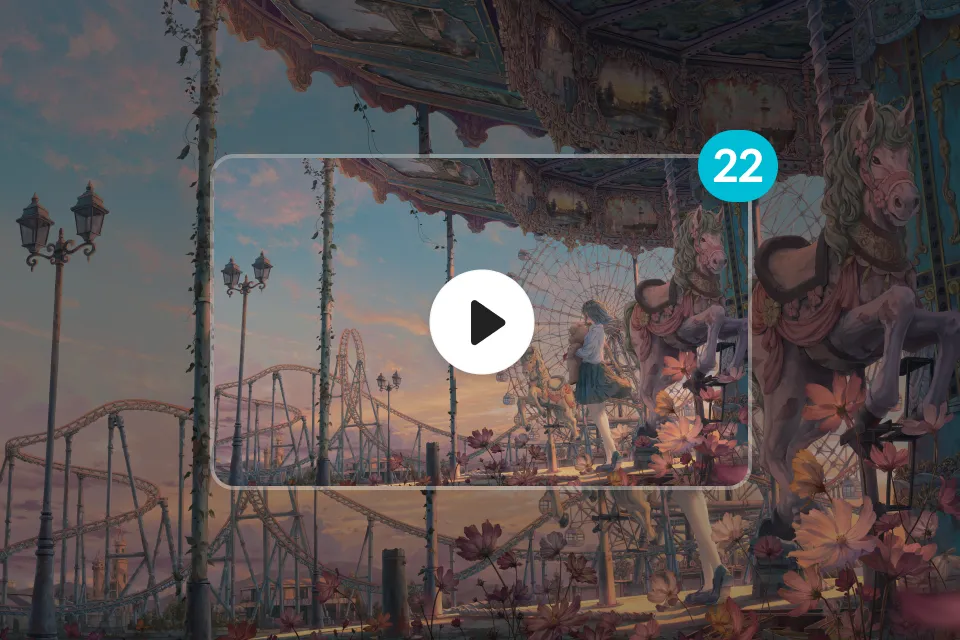 Unlimited Access to 22 Chapterson Ikegami Koki's background illustration techniques
-
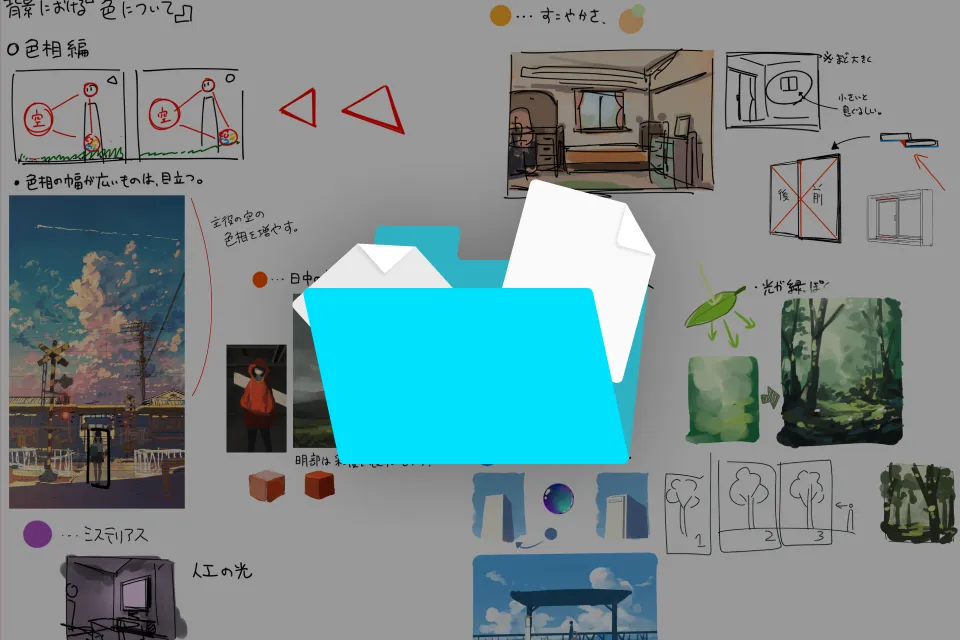 Diverse Examplesto create convincing backgrounds
-
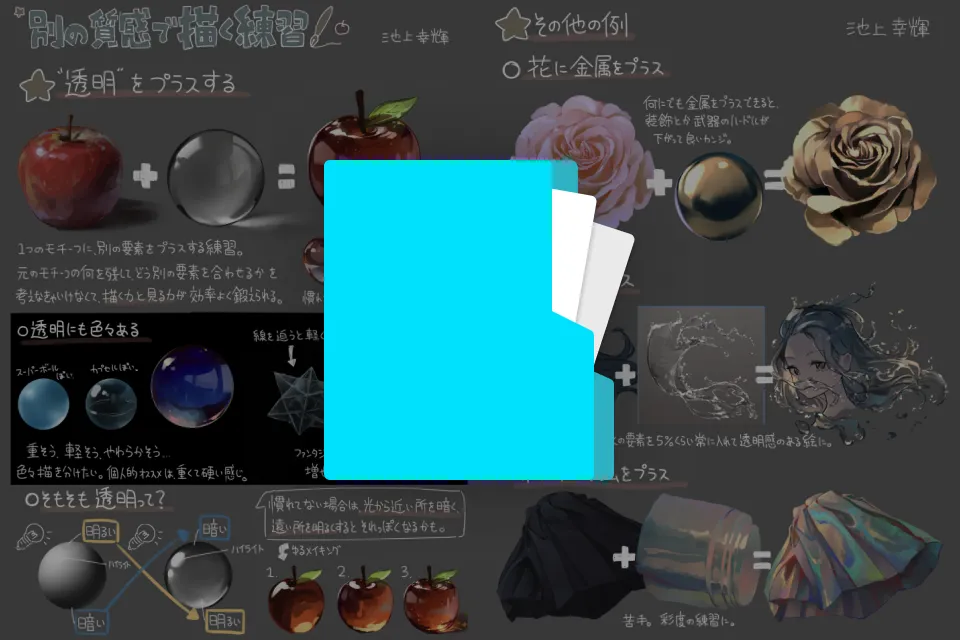 Additional Learning Materialsincluding class content files
Class Material Details
-
 Practice Materials- Illustration files used in the chapters
-
 Learning Materials- Class content files
Recommendation
Who should take this class?
Beginners struggling to draw convincing backgrounds
Illustrators looking to master composition, lighting, and perspective
Artists seeking to render realistic textures and detailed environments
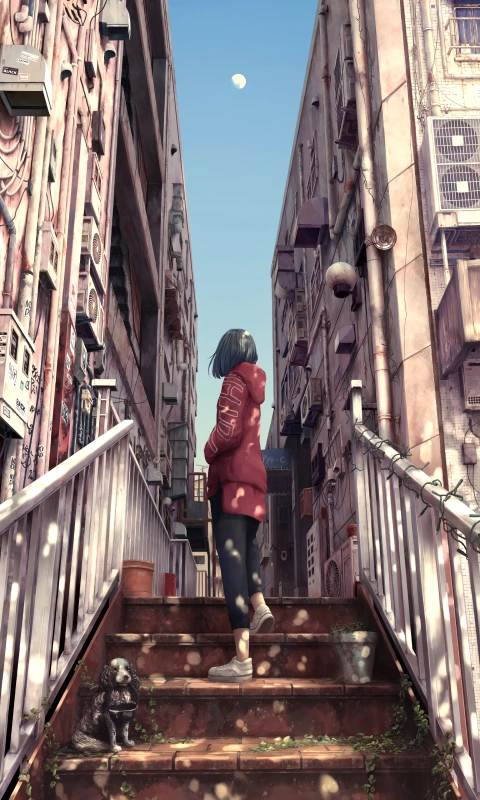
Expert Illustrator Ikegami Koki's Portfolio

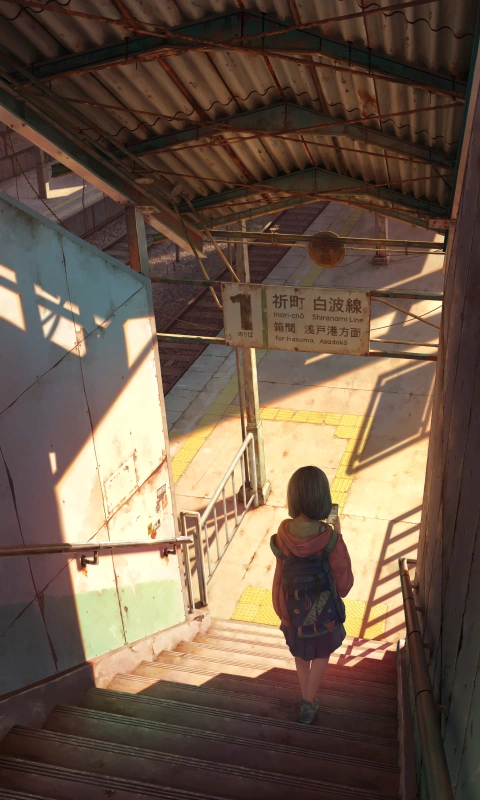
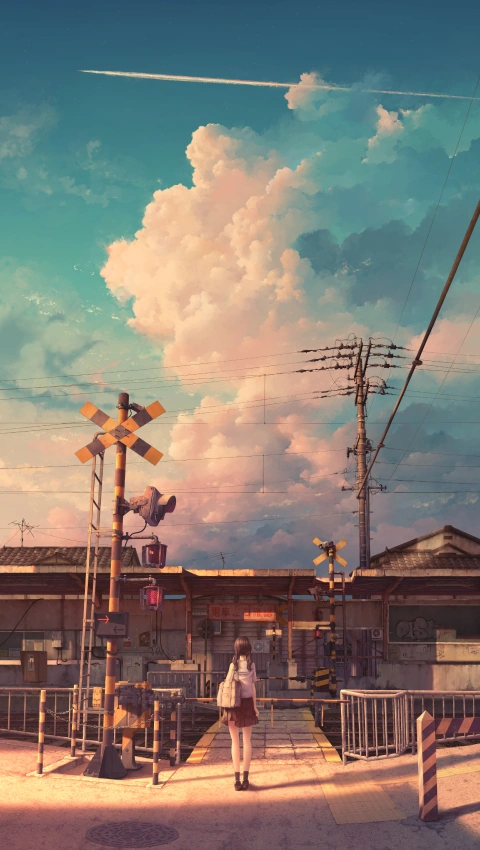

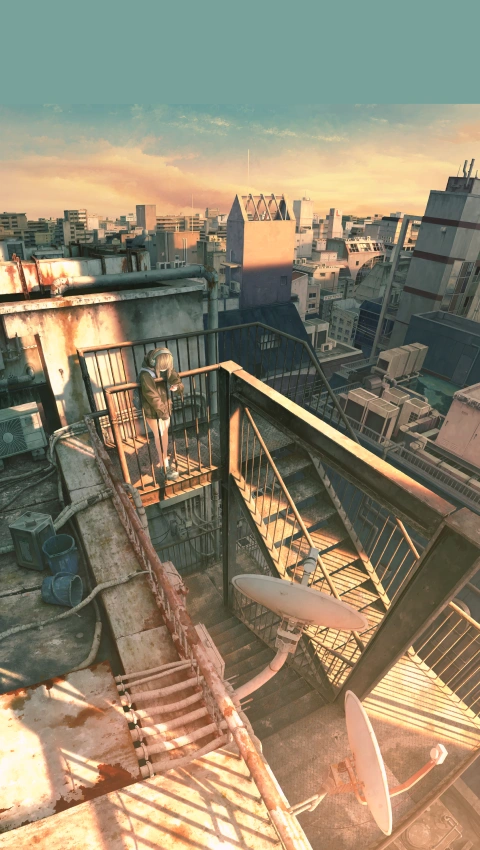

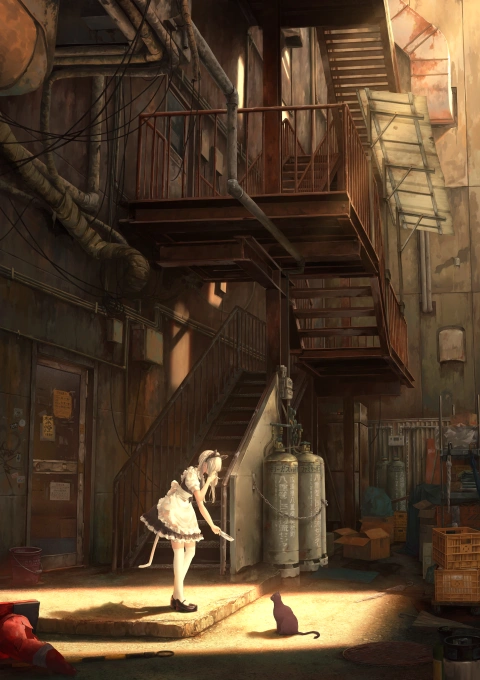

Why Take This Class?
Move beyond intuition and learn to create background illustrations with purpose and precision. Master composition and lighting techniques to control visual impact, guide the viewer's eye, and convey your intended mood and theme.
Build convincing environments through accurate perspective, spatial depth, and realistic textures. Learn to render materials like water, metal, and plants, then combine these techniques to create polished background illustrations while working more efficiently.

Get Ready for the Real World
Design Immersive Backgrounds with Depth, Lighting & Realistic Textures
-
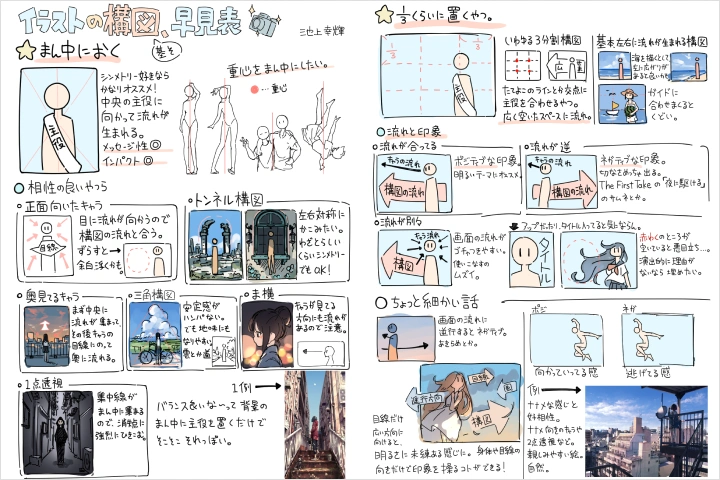 Element Placement in Composition
-
Visual Flow in Composition
-
Lighting in Composition 1
-
Lighting in Composition 2
-
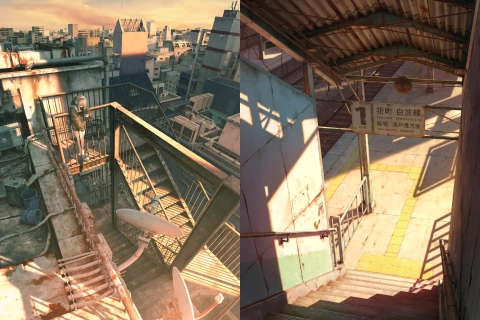
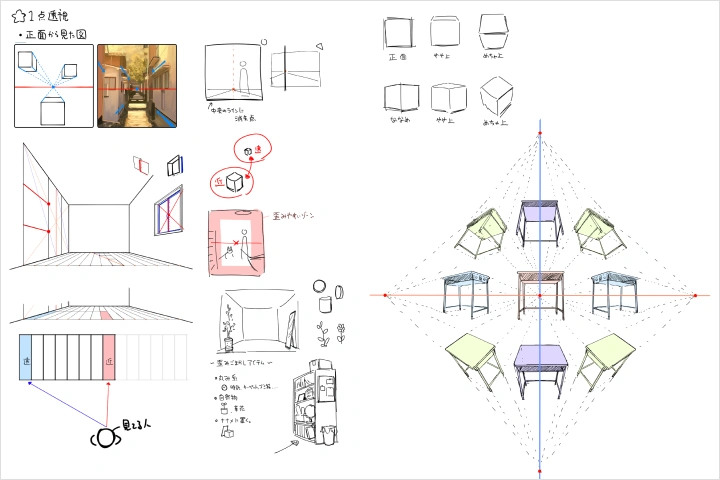 One-Point Perspective in Composition
-
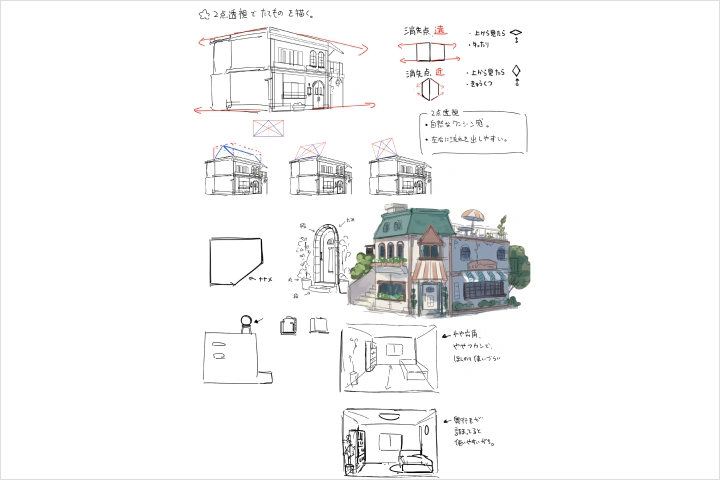 Two-Point Perspective in Composition
-
Three-Point Perspective in Composition
-
Drawing with a Sense of Volume
-
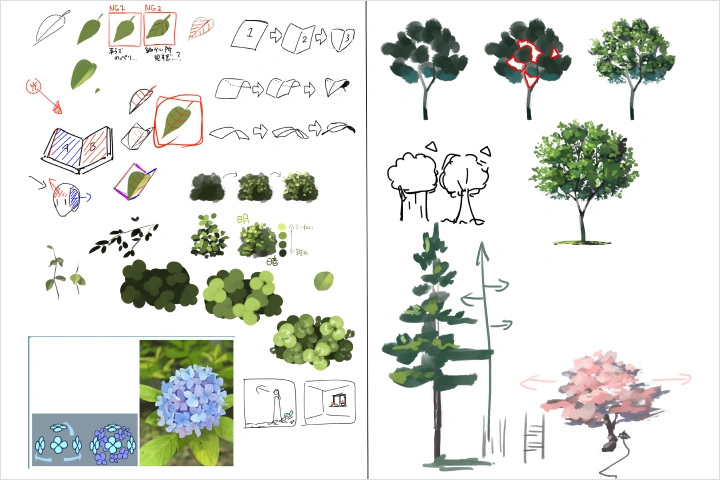 Rendering Grass, Flower, and Tree Textures
-
Rendering Stone, Rock, and Soil Textures
-
Rendering Water and Ice Textures
-
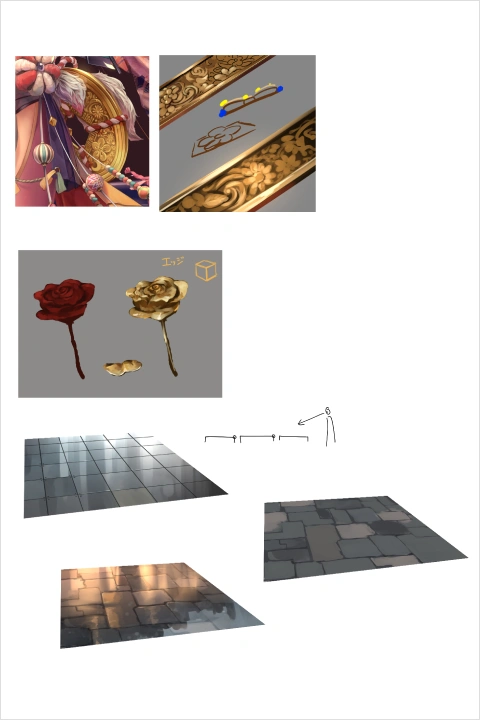 Metal and Wood Textures
-
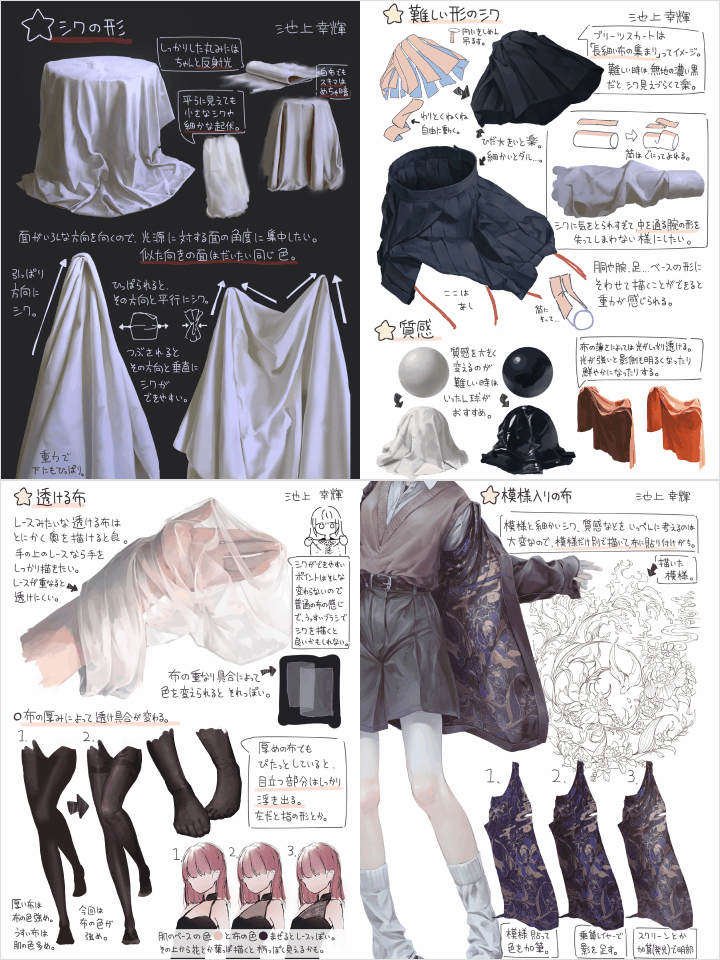 Fabric and Figure Textures
-
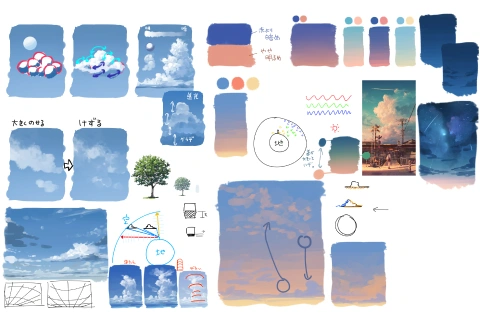
Sky Textures
-
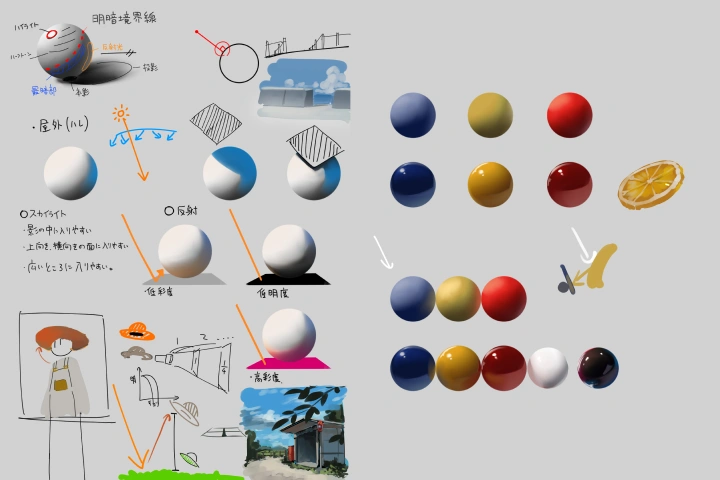 Rendering the Qualities of Light
-
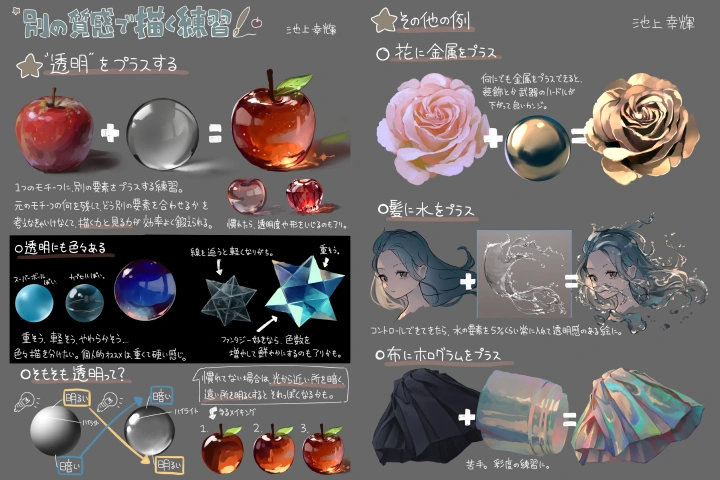 Practice: Extracting and Applying Textures
-
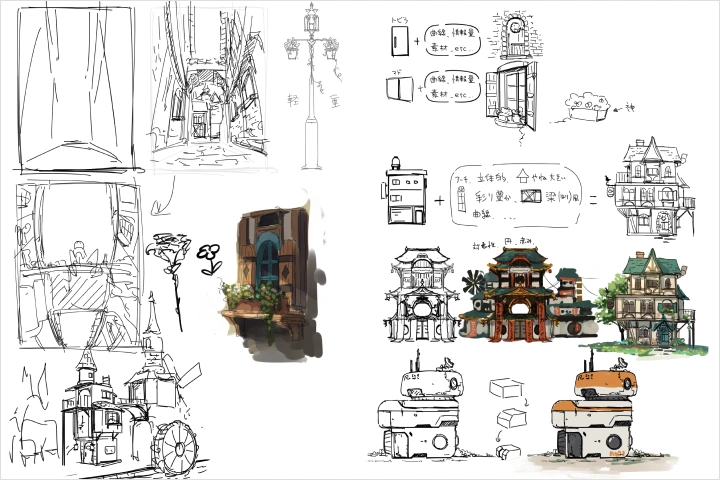 Practice: Extracting and Applying Elements
-
Color Techniques
-
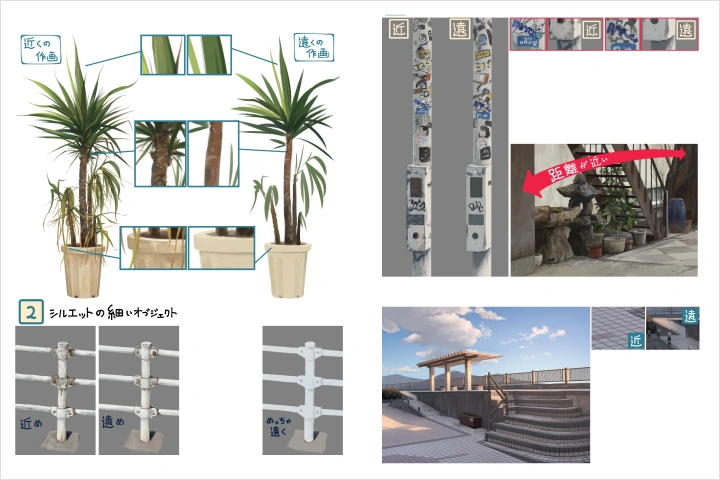 Creating a Sense of Distance
-
Establishing a Background Composition
-
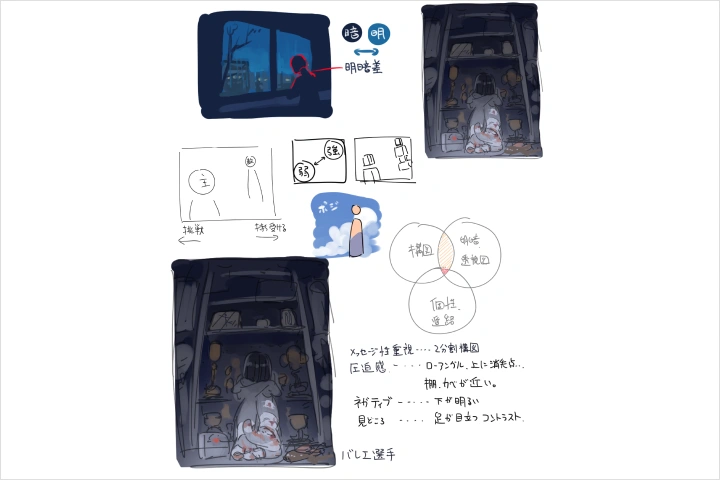 Background Illustration Techniques
*The above images are sample images for a better understanding.
Highlights
Class Highlights
Connecting Artistic Techniques with Emotions
Artistic techniques have the power to evoke emotions. From compositions that create a cheerful mood to colors that evoke fear and a sense of suffocation, illustrations use various visual techniques to influence how viewers feel. Learn which techniques can evoke specific emotions and how to apply them to create captivating artwork.
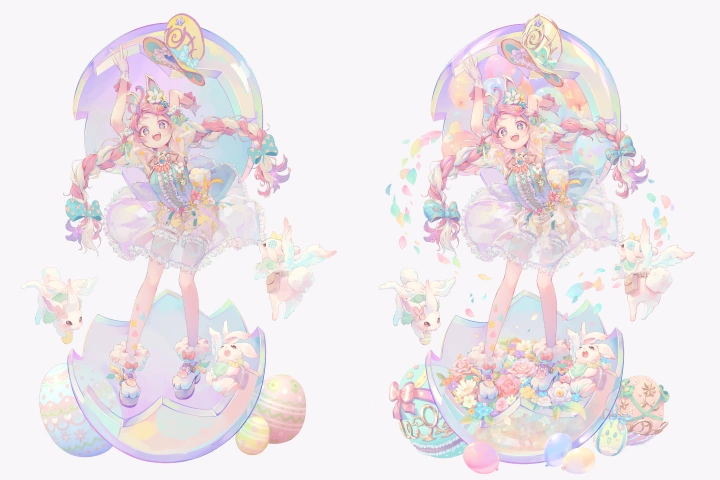
Applying Techniques to Fine Details
Poorly rendered details can stand out for the wrong reasons and undermine the overall impression of an illustration. Without knowing how to refine these details, improving your work can be challenging. Learn effective rendering techniques and ways to add visual information, enhancing the quality of your artwork down to the smallest details.
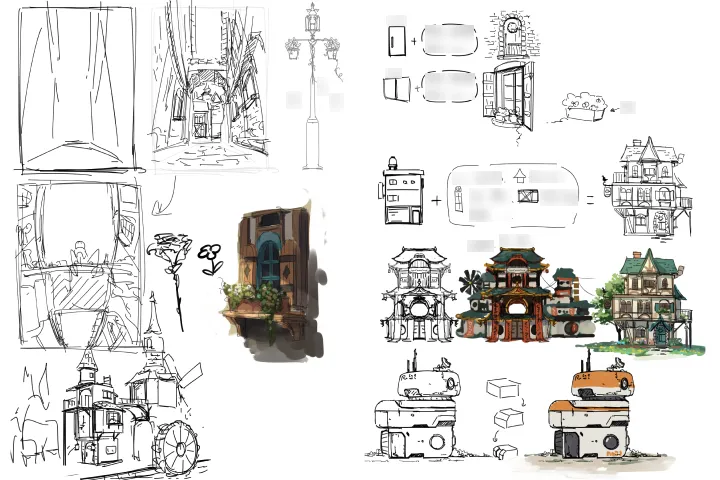
Controlling How & When to Use Techniques
Think of artistic knowledge and techniques as tools. Just as scissors can cause injury when used incorrectly, applying techniques in the wrong way can negatively affect the overall impression of your artwork. Learn where, when, and how to apply each technique effectively to achieve your intended results.