
Illustrator,Hidari_히다리 Details
Class Intro
Illustrator, Hidari
Hidari will guide you through the basic approaches to character design, such as character concepts and qualities, how to start from a broad description to add details and hone your focus, and approaches to coloring. Through his understanding of anatomy, Hidari will teach you the key points in drawing the human body by building from cross-sections and his unique way of drawing hands and feet.
You will also develop an understanding of how to utilize the characteristics of materials, such as metal, skin, cloth, and enamel, so that you can incorporate them into your own drawings. You will pick up on the process of producing illustrations through a character illustration demo, including a rough draft, line drawing, and coloring. Learn Illustrator Hidari’s unique skills to effectively create striking character designs. Only at Coloso!
Class Perks
Get These Coloso Exclusives
-
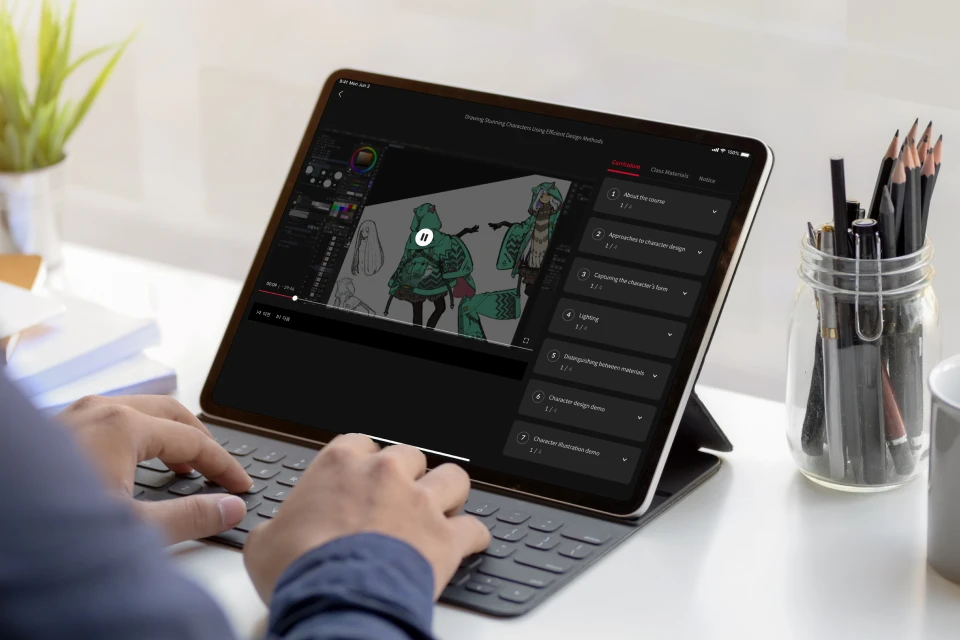
Unlimited Access to All 21 Classes -
Illustration PSD Files -
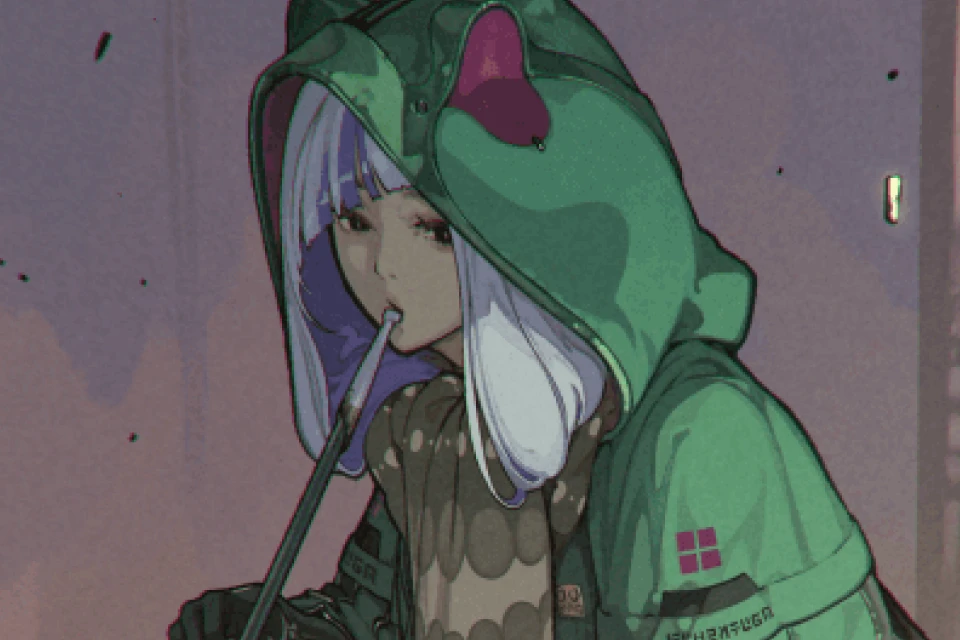
Hands-On Illustration Exercise
Class Material Details
-
 Illustration PSD Files for Practice- 13 PSD exercise files (.psd)
 -
 Detailed Illustration Exercise- 1 complete hands-on illustration exercise to create your own unique illustration from start to finish (.psd)
Expert Illustrator Hidari's Portfolio
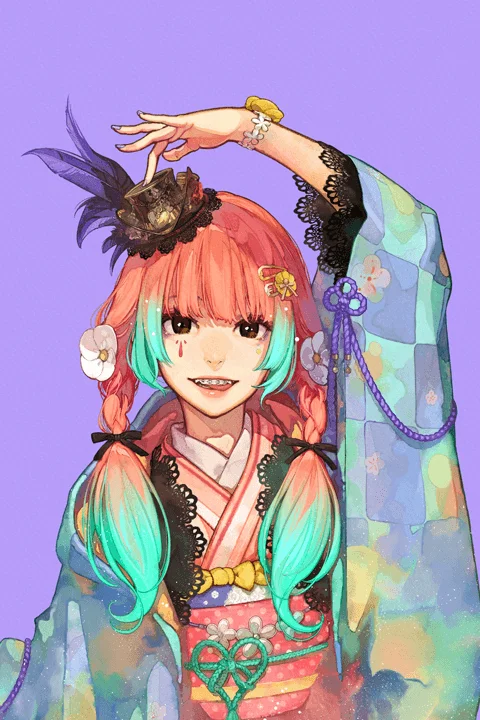
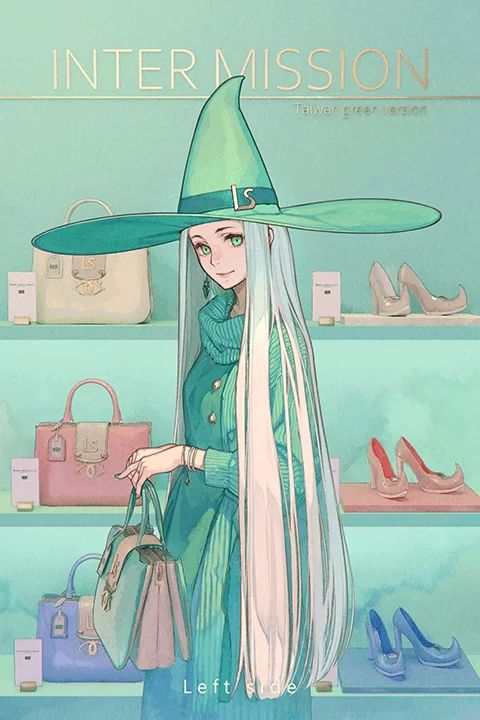
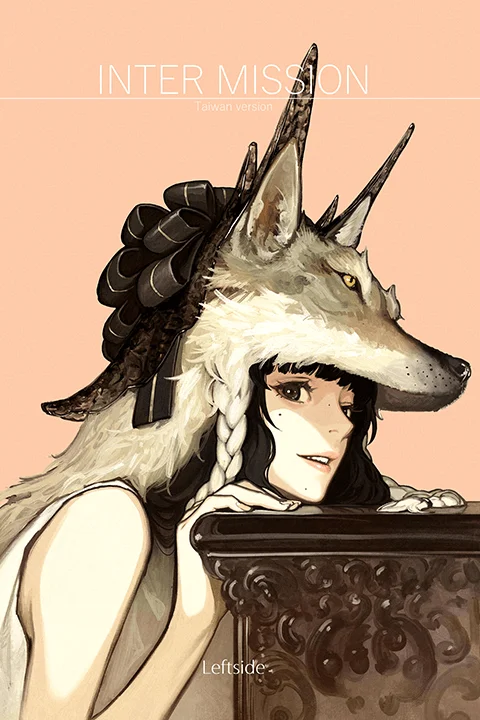
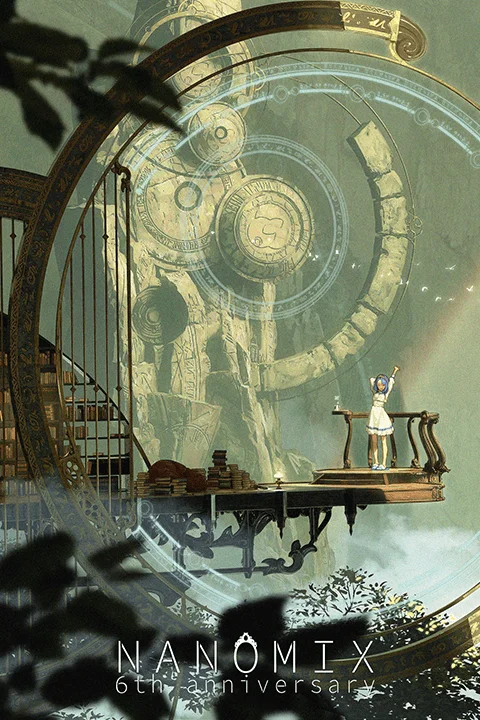
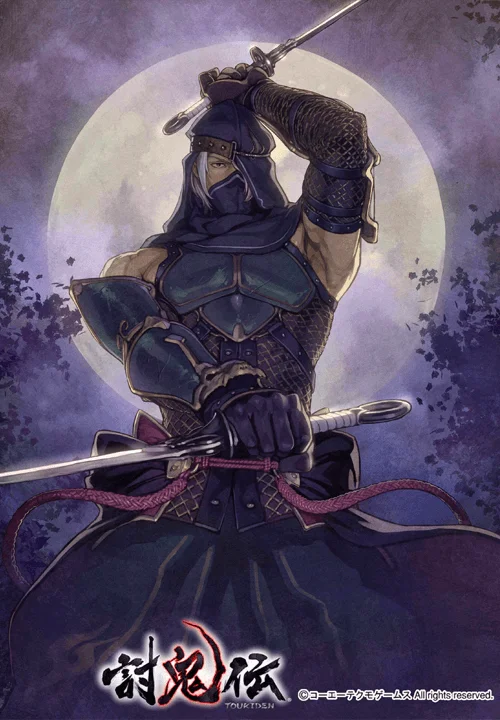
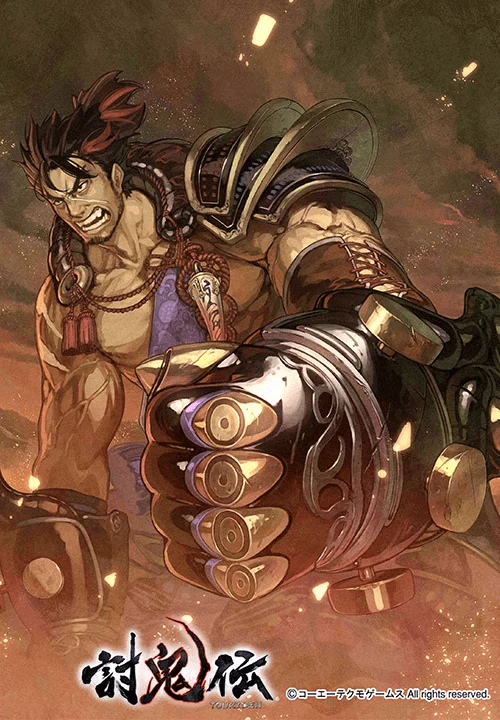
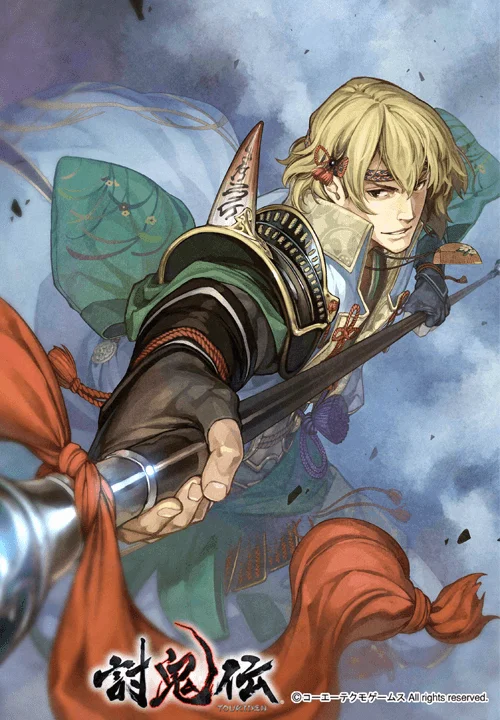
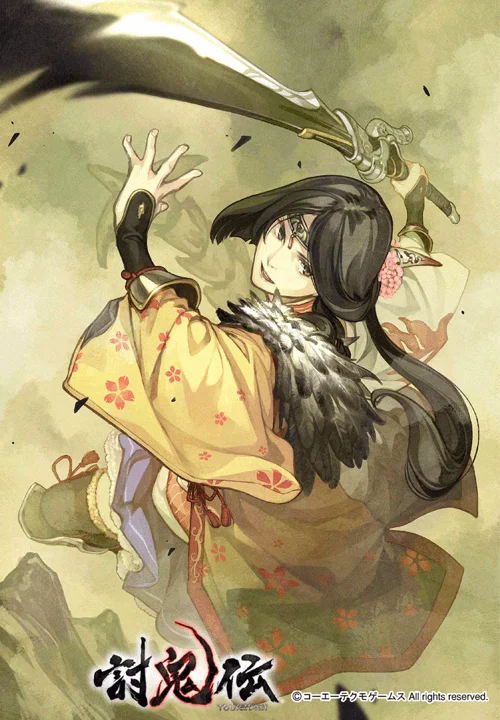
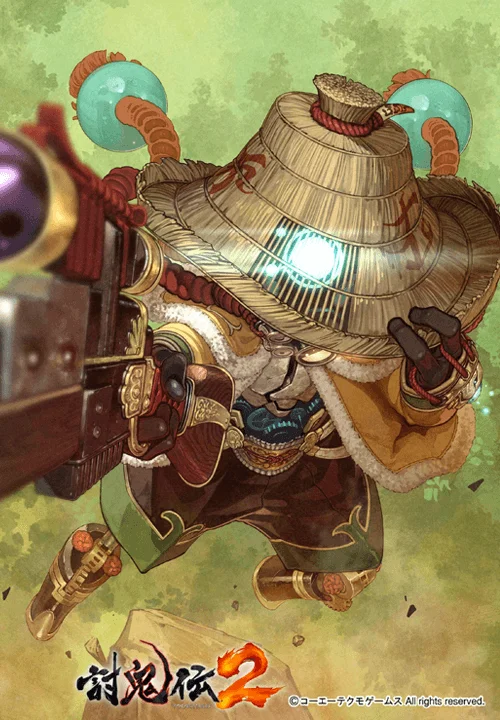
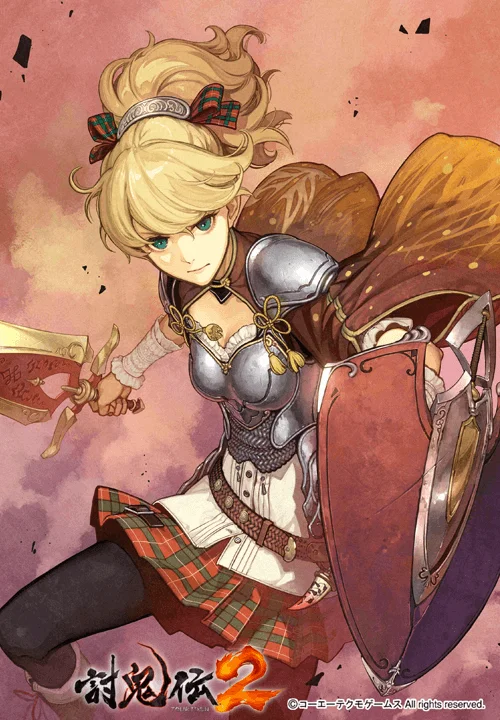
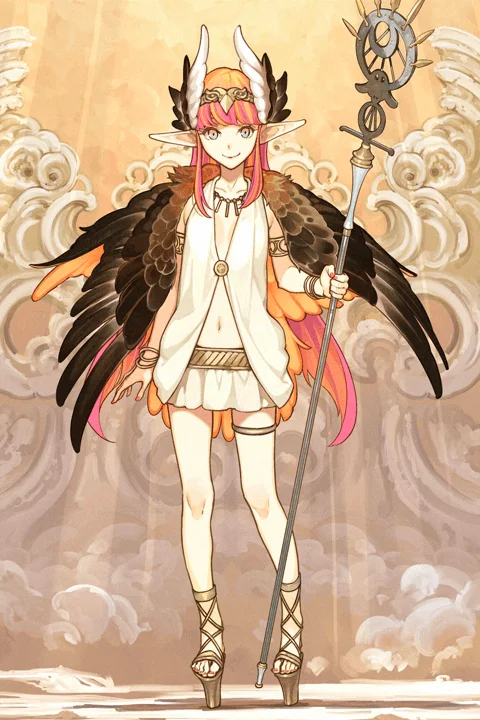
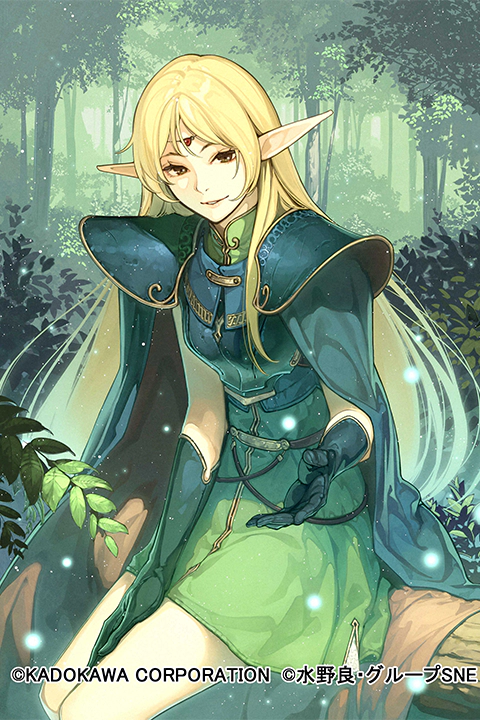
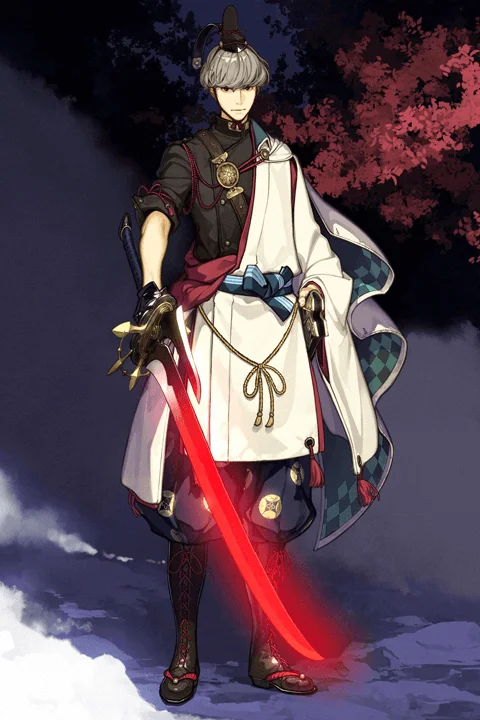
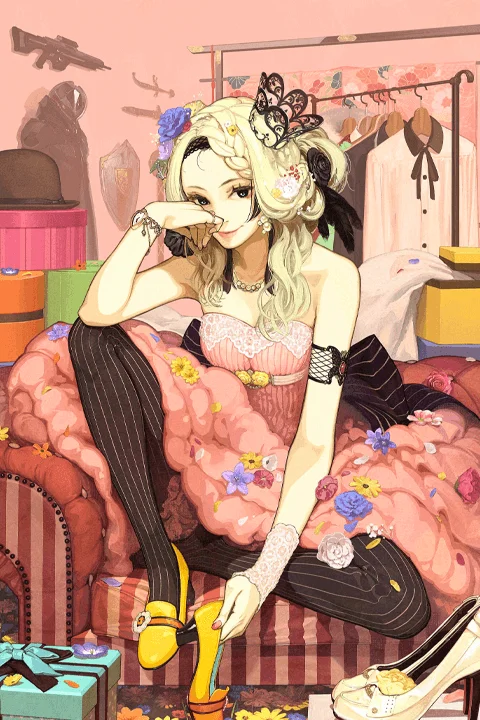
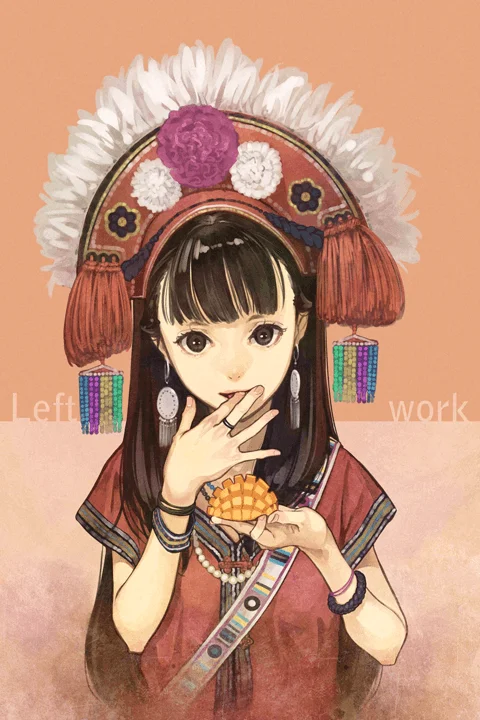
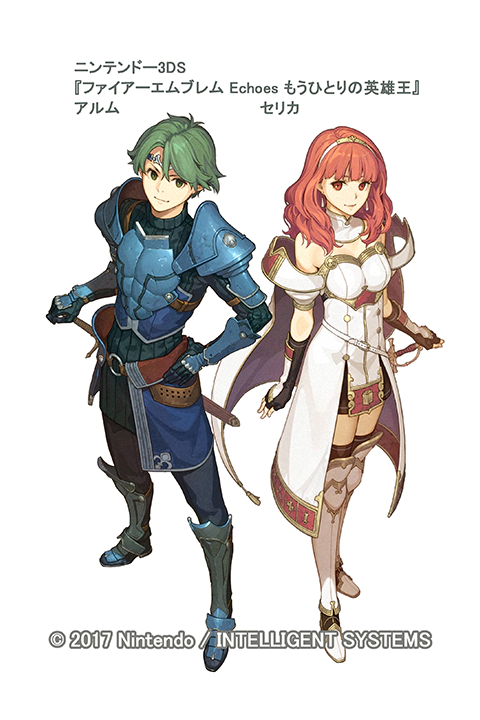
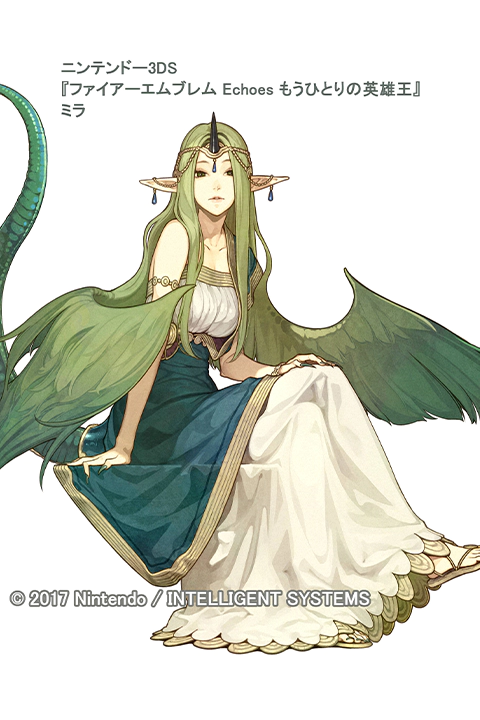
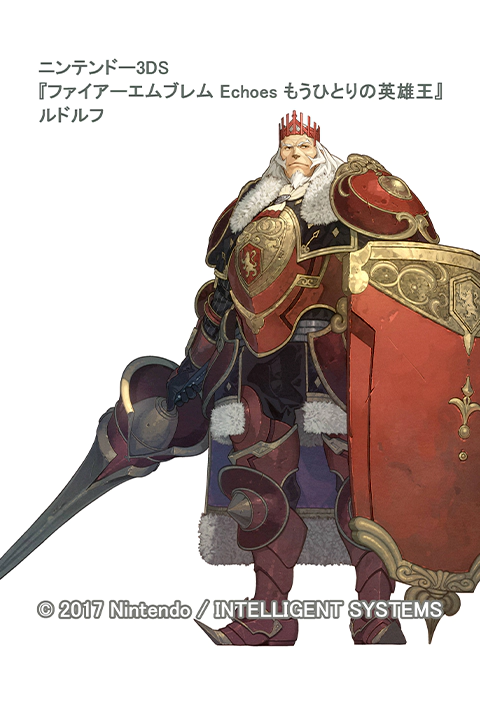
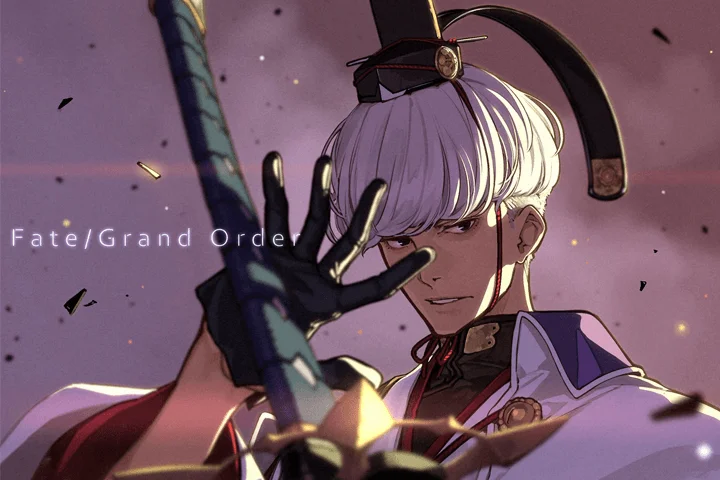
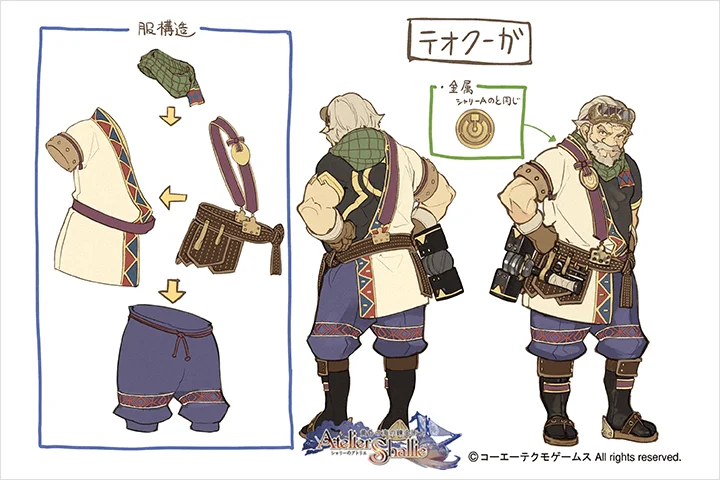
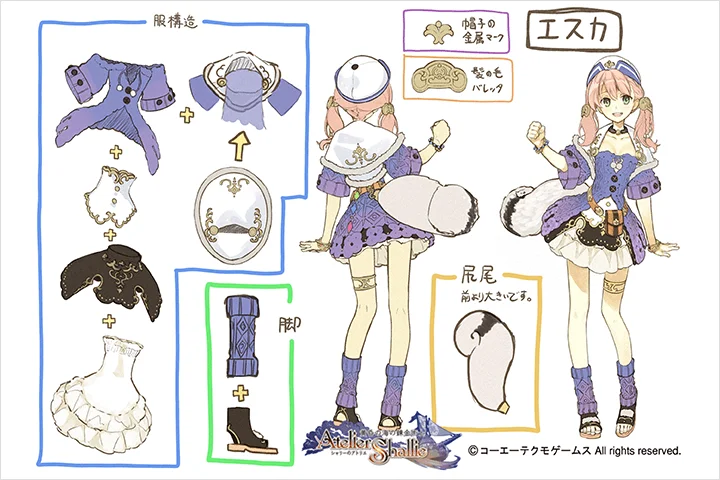
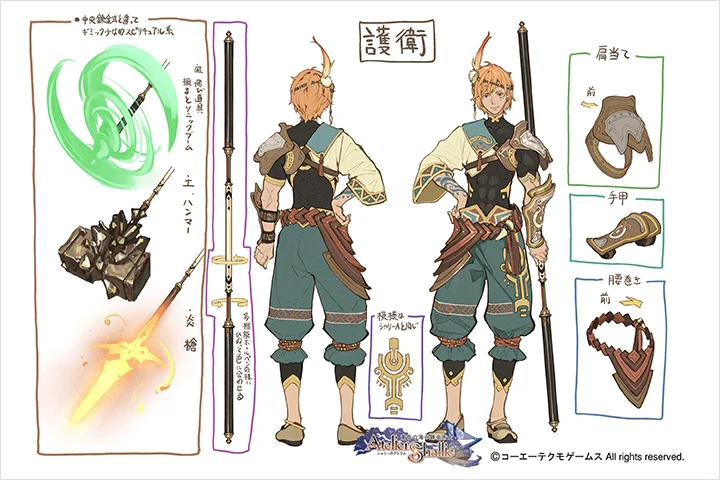
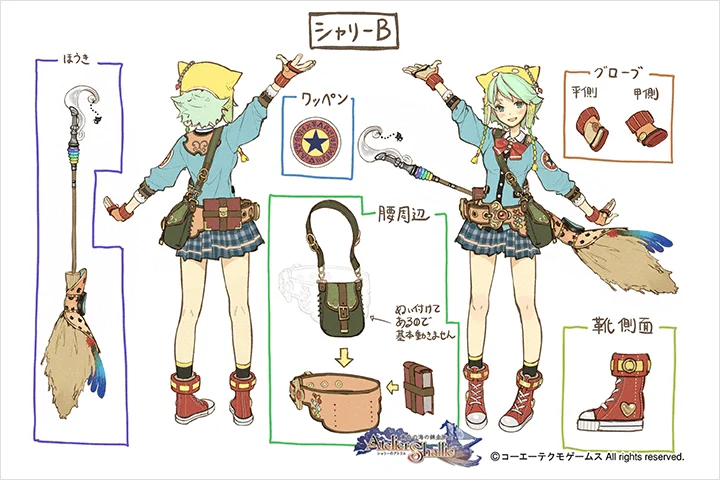
12 Class Exercises
-
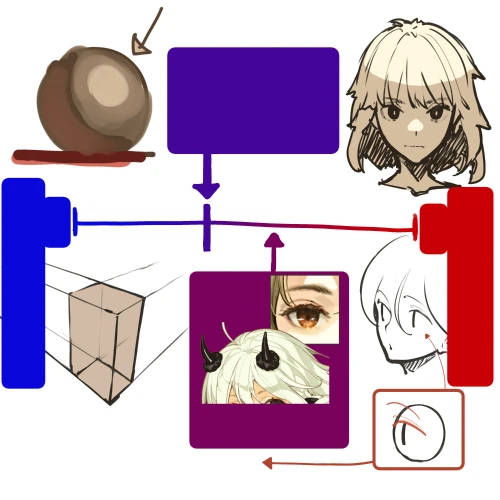 Technology trends and choosing the right programs
 -
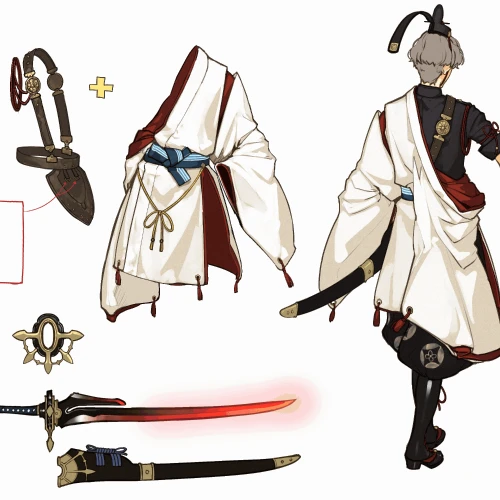 Approach to character design
 -
 Guidelines to set the shape
-
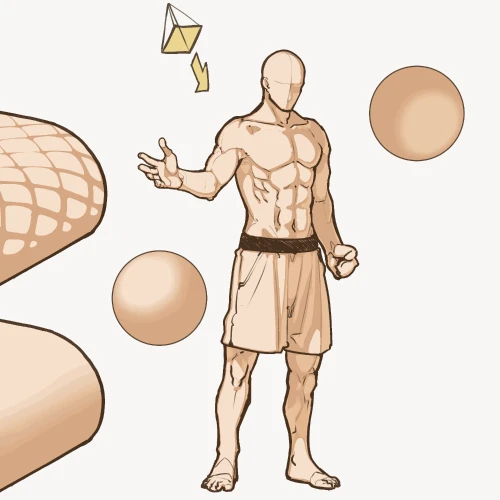 Arrange and control the amount of lighting
 -
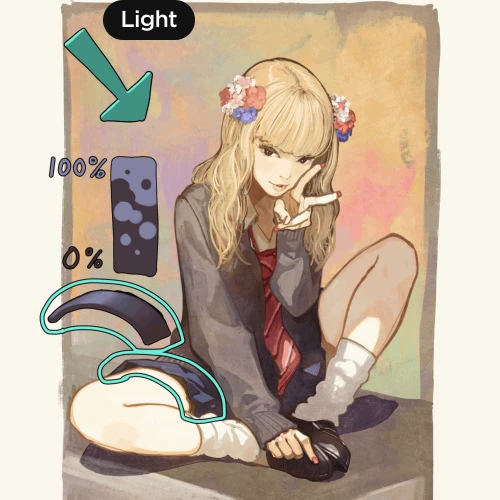 Stylization when creating gradients
 -
 Hard and soft edges
-
 Organize and differentiate materials
 -
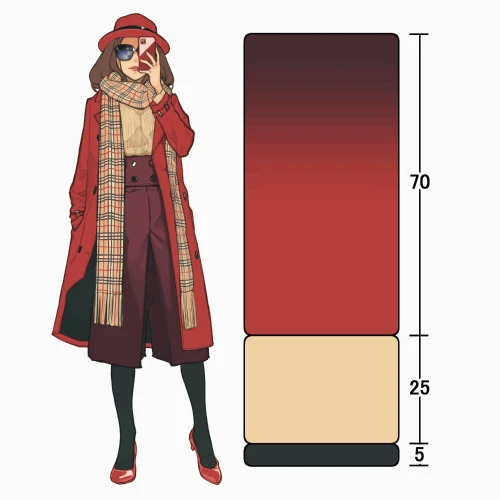 Coloring benchmarks
 -
 Incorporate individuality and taste
Examples of completed works
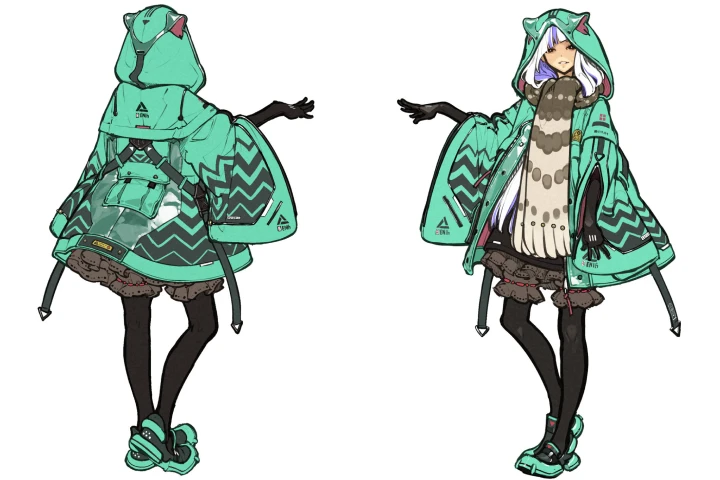
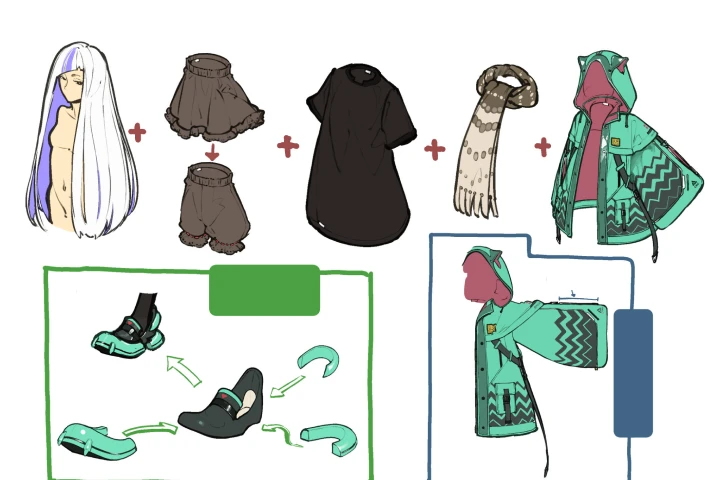
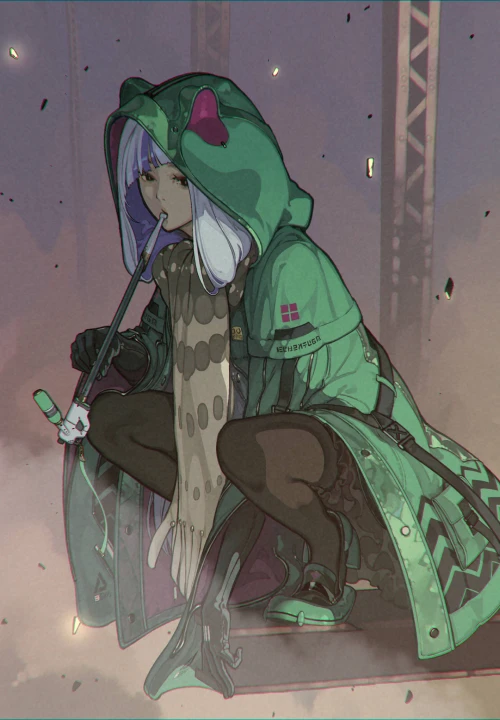
Hidari
Illustrator
Hello, I’m Hidari, a freelance illustrator.
I started in 2000, and this year is my 23rd anniversary as an illustrator.
I’ve gone through a lot of twists and turns in my career, from aspiring to make realistic drawings to trying to whittle things down to create good stylization.
I’ve worked on a lot of different projects, from magazine pin-ups, illustrations for light novels, character drafts for anime, and even character design for games.
Based on my experience, I’ve made it so that this class doesn’t just focus on theory, but also on ease of use and implementation.
It might be too much to call it the “Hidari way,” but I hope you can refer to the parts in it you find useful or that you can use it in times of need, while still keeping your current style and way of drawing.
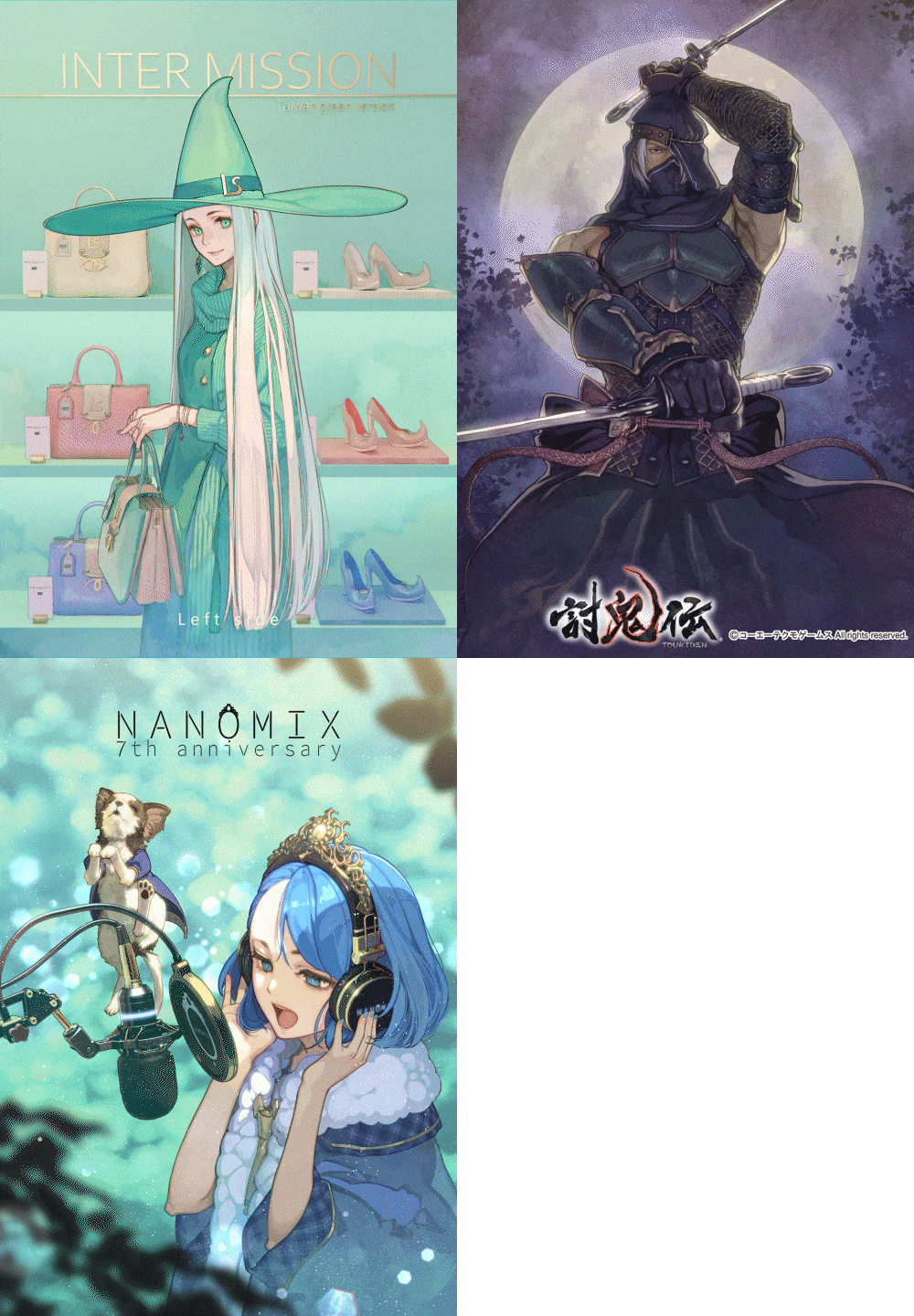
Please check out my portfolio.
If you like my work,
I encourage you to take this class, which is a deep dive into the world of character design and illustration.


Illustrator, Hidari
[Current]
Illustrator
Projects & Awards
Current position: Visiting professor at Kyoto Seika University
2015 to present: Part-time lecturer at Kyoto Seika University
2000 to present: Freelance illustrator
[Light Novels]
Usotsuki Mi-kun to Kowareta Ma-chan
Ms. Sasami@Unmotivated
[TV Anime]
Fractale
A Summer-Colored Miracle
Phantom in the Twilight
The Magnificent Kotobuki
[Games]
Atelier (Dusk series)
Toukiden series
Fate/Grand order
Fire Emblem Echoes: Shadows of Valentia
[Music-related]
Magical Mirai 2021
Halloween Family Mart x Miku
EXIT TUNES Jacket
Class Highlights
Learn Character Design Methods of a Popular Illustrator
This class is a culmination of the expertise of Illustrator Hidari, who has created numerous character designs loved by so many. The class organizes, breaks down, and combines the key elements in character design and drawing so that they are easy to understand. Through the class, you can learn a wide range of tricks for character design.
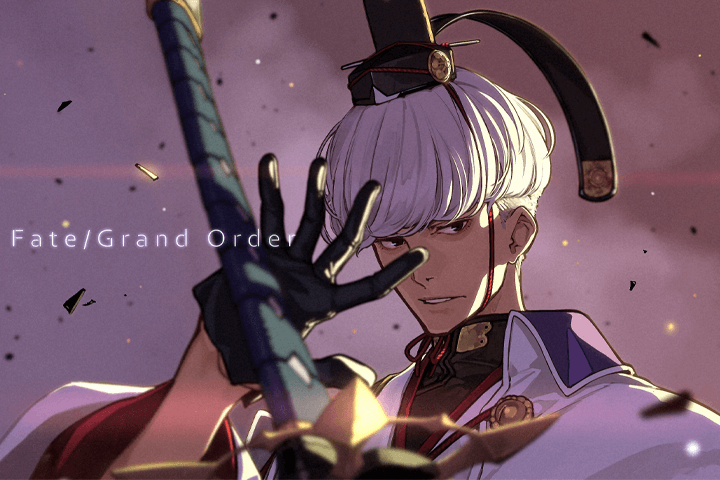

See How to Simplify Difficult Elements, Such as Lighting and Texture
Learn how to analyze and think about each element, such as lighting that suits the situation, the three-dimensionality of objects, direct light and indirect light, reflections of light, shadows, and textures, which are all difficult to consider simultaneously.
Master the Steps in Creating Striking Character Illustrations
Consider your illustrations from the perspective of the end-users of anime and games. The class not only focuses on the quality or the appearance of the design themselves, but also explains the steps to create the kind of appeal only a professional can achieve, from poses, movements, and situations.
Class Details
You'll Learn
-
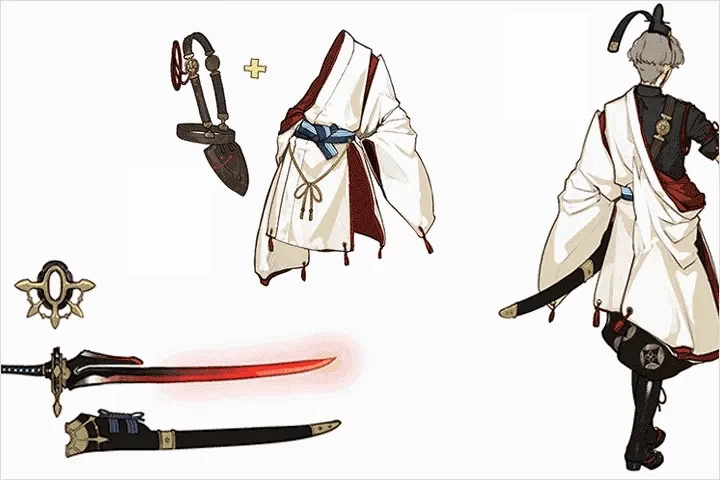 Secrets to Creating Compelling DesignsCharacter design is a fusion of original elements and existing designs, and the balance between the two is extremely important. You will learn the criteria when searching for existing designs.
 -
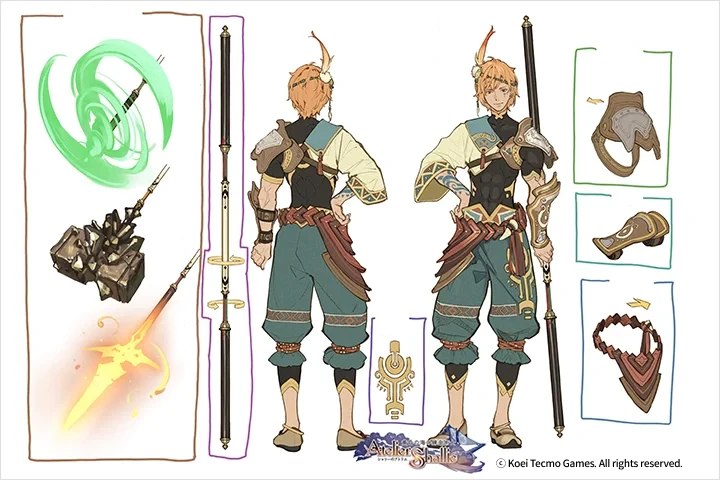 Classifying the Large and Small Elements of a CharacterCharacter design can lose its cohesiveness if you focus too much on the details. Similar to illustration, creating a general framework for character design will make it easier for you to come up with ideas for details. Through this class, you will learn how to organize ideas for details.
 -
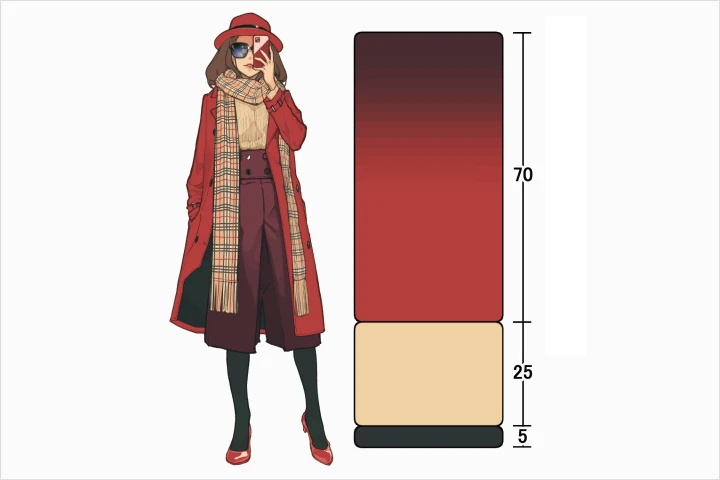 Popular Color CombinationsAlongside details, it’s important to use combinations that are always in fashion as stepping stones for coloring. You will learn how to organize elements, such as the number of colors, ratio of areas, and color combinations.
-
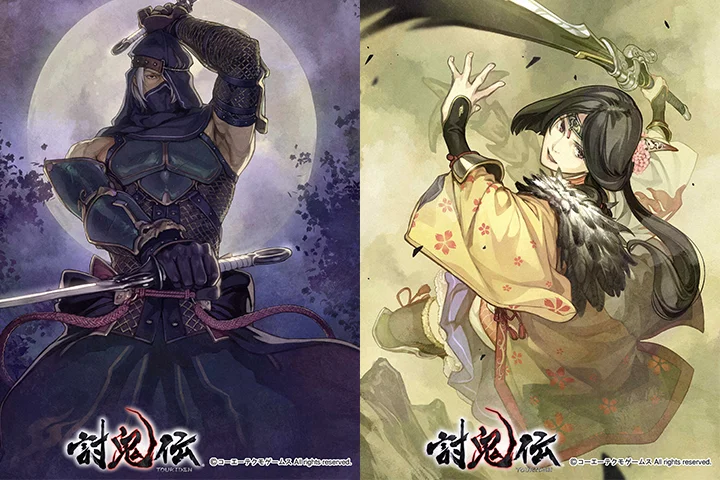 Use Guidelines to Effectively Check Character PosesIt’s difficult to create space on a two-dimensional piece of paper and set the character in your desired pose. Learn how to check for accurate poses using perspective guide lines when creating your rough draft.
 -
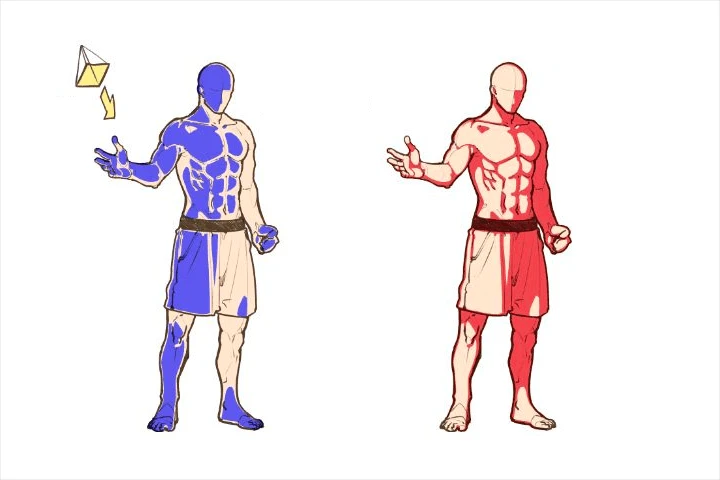 How to Handle Areas Exposed to Light and Areas in ShadowThe class will teach you how to divide areas, such as those exposed to light and those in shadow, and then make the final docking and adjustments.
 -

 Simplified Textural RepresentationWhen applying color, you need to consider not only shading, but also the reflection of light on each material. To reduce the effort you need in this difficult process, the class will teach you simplified textural representation.
- Unlimited Access
- Best Price
Buy now, get unlimited access.
10/26 (Mon) (UTC-7) Special offer ends soon.
This special offer ends soon.
Buy now and save!
Curriculum
In-Depth Look
SECTION 01. About the Course
01. Self-Introduction and Course Details
- Self-introduction
- Career and representative works
- Concepts and objectives in this course
- Overview of equipment and environment
SECTION 02. Approaches to Character Design
02. Composition for Character Design
- Overall approach to character design
- How to make compelling work
- Criteria when searching for ideas
03. Think About General Character Qualities
- Importance of setting a general framework
- Good and bad combinations
- Differences between original drawings and commissioned drawings
04. Fill in the Details
- Density of details
- Pacing of details
- Criteria for details
05. Coloring
- Criteria for coloring
- Number of colors
- Ratio of colored areas
- Layering concepts
06. Combining Multiple Character Designs
- Considerations when using multiple designs
- Balance when lined up
- Differentiation
SECTION 03. Capturing the Character's Form
07. Awareness of the Human Body
- Requirements to skillfully draw the human body
- Poses and center of gravity
- Awareness over memorization
08. Drawing Using Slices and Cross-Sections
- The importance of guide lines
- Understanding dimensionality using slices
- Detecting distortions at an early stage
09. Drawing Hands and Feet Using Slices
- Drawing hands using slices
- Drawing feet using slices
SECTION 04. Lighting
10. What is Lighting?
- Approach to lighting
- Classify the types of light
- Apply according to the situation
11. Stylization of Light Gradients
- Stylize shading to match the drawing
- Gradients using stylized shading
- Consider light and shadow based on space
12. Places Not Illuminated by the Main Light
- Simplify reflections and ambient light
- Work on hidden areas
- Consider them alongside areas with light
13. Examples and Comprehensive Adjustments Based on Your Understanding
- Real-life examples based on class content
- Processing according to art style
SECTION 05. Distinguishing Between Materials
14. Think About Simplifying How You Express Materials
- Properties of various materials
- Stylizing textures
- Express textures through distribution
15. Application Examples
- Check visibility through examples
- Example of how texture changes by changing distribution
SECTION 06. Character Design Demo
16. Character Sketch
- Generate character ideas
- Put together ideas using general concepts
- Fill in and hone the details
17. Character Reference Sheet
- Considerations when drawing designs
- Detail drawings that convey
SECTION 07. Character Illustration Demo
18. Rough Draft
- Make sure of the appealing points
- Composition
- Lighting
19. Line Drawing
- Use slices to arrange shapes
- Accentuate the lines to give character
20. Coloring
- Recreate the planned lighting in the rough draft
- Actual shading using the methods taught in the class
- Final touches
SECTION 08. Conclusion
21. Conclusion
- The importance of commitment
- To those pursuing a career as an illustrator
*SECTION 06-07 mainly consists of demonstrations.
*The release date of this class, curriculum images, and associated content can be changed without prior notice.
** Class videos may be seperated for a more streamlined viewing experience
Interview with
Illustrator Hidari

In creating this course, what are your strengths as an instructor, and what makes this class different from other classes?
It might be an exaggeration to say that what makes this class different is my unique methods, but I do plan to use my 23 years of experience to streamline the main points. In illustration production, you need to learn a wide range of things, such as character design, drawing, coloring, lighting, and painting. That’s why I think the selling point of this class is that it doesn’t specialize on only one area. Instead, it evenly covers tricks for learning each aspect in a cost-effective way.
When creating illustrations, where do you put in the most effort? What skills do you use to visualize your drawings?
I pay attention to the rawness and the luster of the characters. To express these, it’s essential to give the characters the rawness of real human beings, instead of using symbolic poses and expressions. If it’s over-stylized, the art will lose its rawness. But if it’s too realistic, it won’t be as cool or cute. While it’s important to fine-tune this balance, you need to have commitment and perseverance to repeatedly make adjustments.
What is your opinion of the marketability and prospects of the illustration field?
Nowadays, with the development of social networking sites, I believe the power of individual illustrators is stronger than ever before, since we can offer content not just through agencies. This isn’t limited to illustrations, but also includes a wide range of things, such as self-production skills, planning skills, and entertainment skills as YouTubers. While those who shine with their individuality are gaining attention, I believe that acquiring basic skills and improving your potential can lead to steady demand. Until the day you get your big break, keep that flame in your heart ablaze and be on the look out for chances to gain skills!
What message do you have for your students?
If you’ve just started drawing illustrations, there might be some content that you can’t immediately follow. But if you make note of it, later on when you start drawing something, you might say, “This must be what Illustrator Hidari was talking about,” which can help boost your understanding. Even if you don’t fully understand everything in one go, I hope you can take something useful from the class.
Required Programs
This course will use
- CLIP STUDIO
Please purchase and install these program(s) for an optimized chapter experience.
*These programs and/or materials will not be provided with the chapter.
*This course uses the latest version. However, the course can be completed using any version.
Recommended Class
Like this class?
Then check these out!