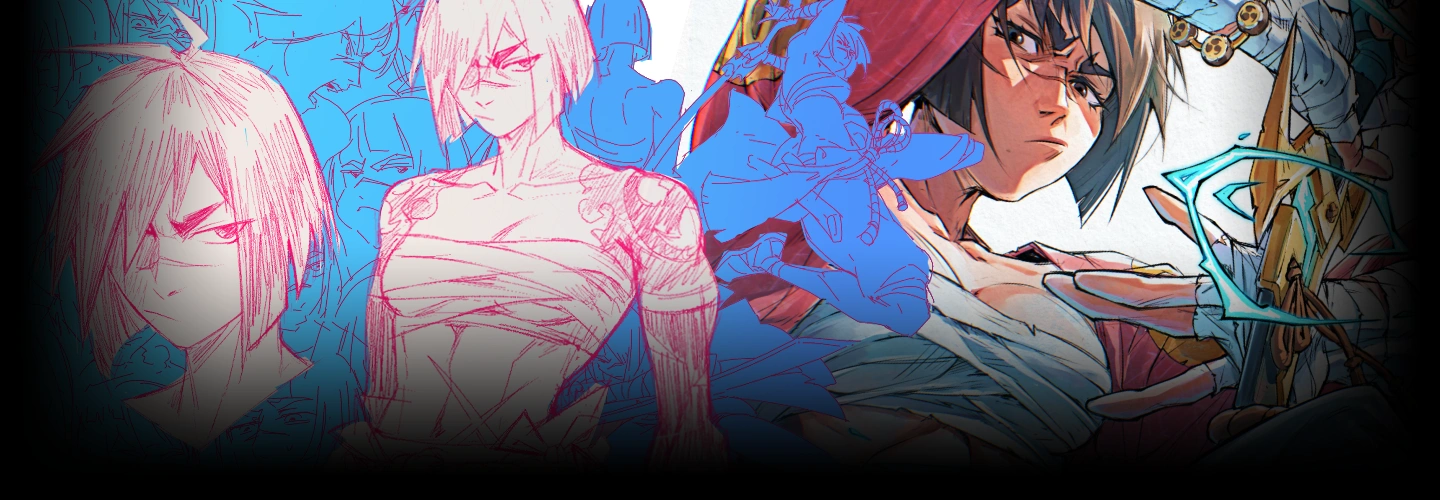
illustrator,duyan Details
Intro
Class Intro
Illustrator, Duy An
"Beyond just drawing better characters faster,
develop a simple, intuitive workflow
through iteration, self-critique, and refinement!"
Characters You Can’t Stop Drawing
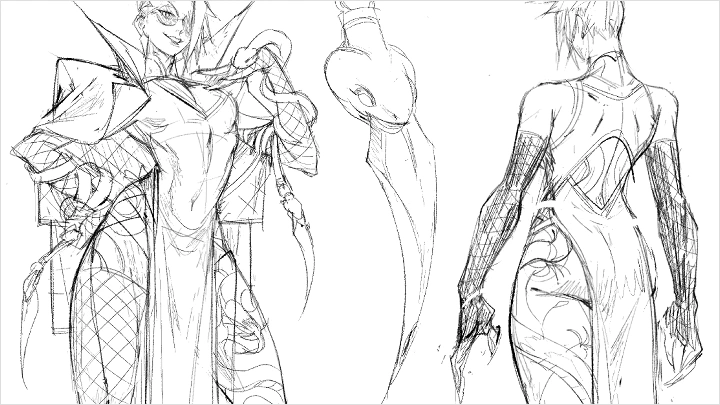
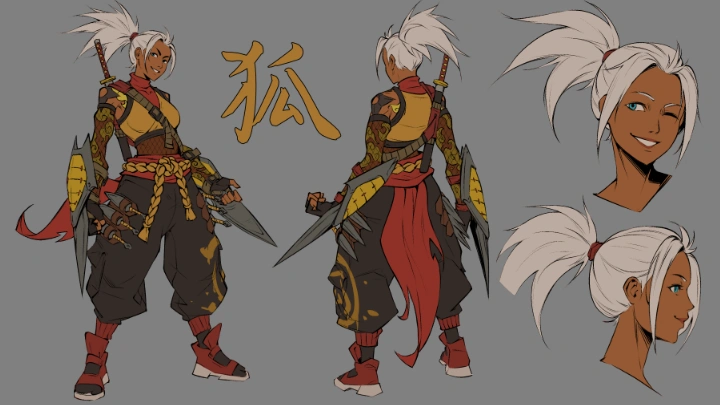
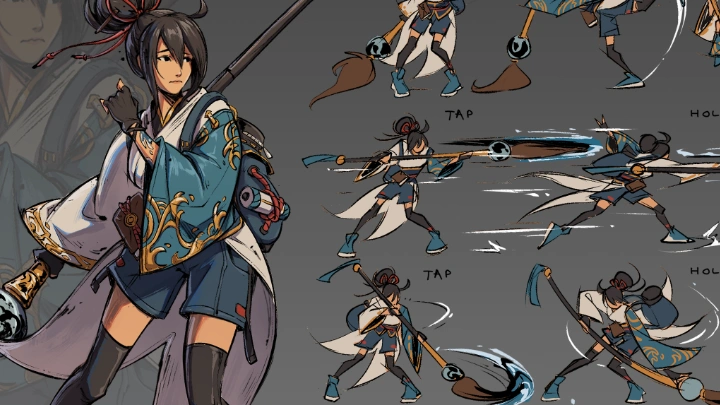
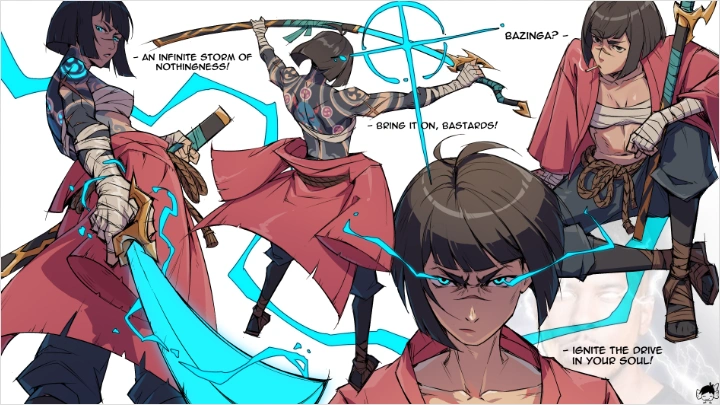
Reward yourself by turning ideas, emotions, and personal experiences into your very own characters. Experience the joy of bringing original worlds and personalities to life through drawing and design.
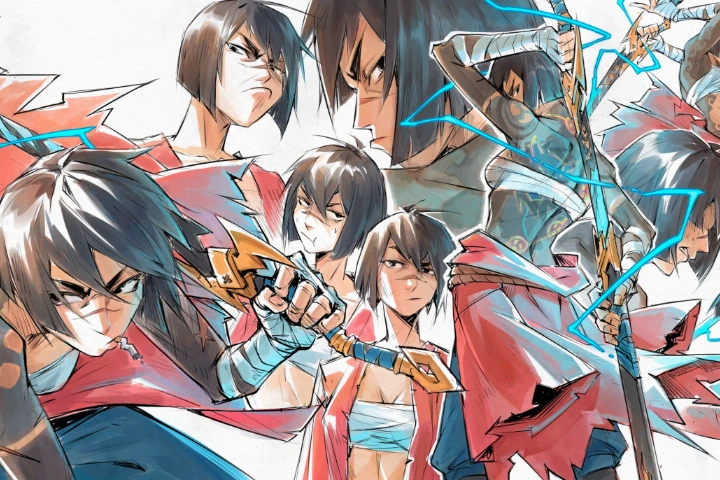
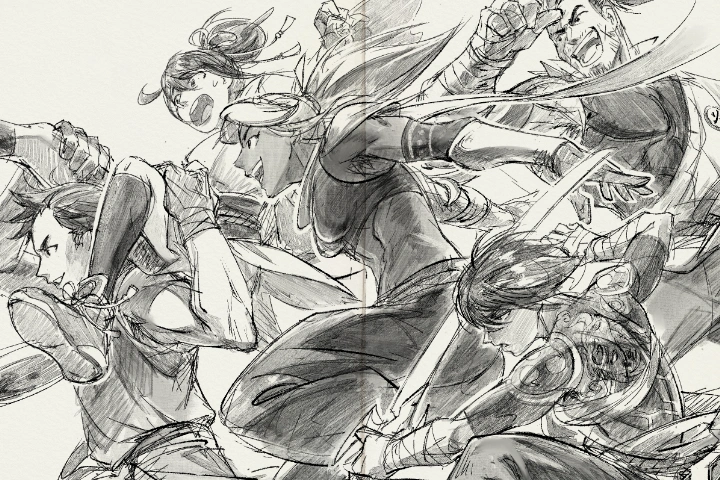
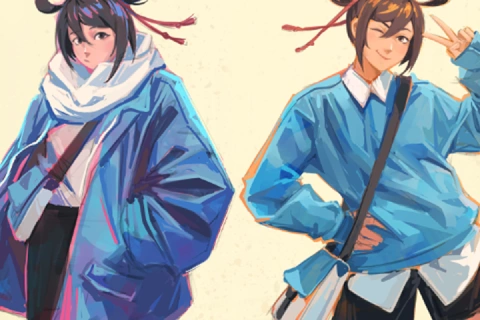
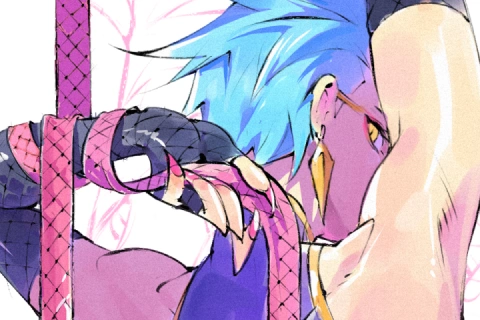
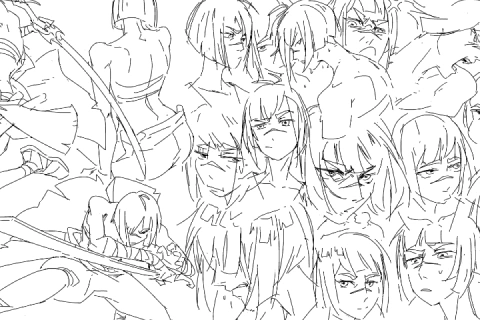
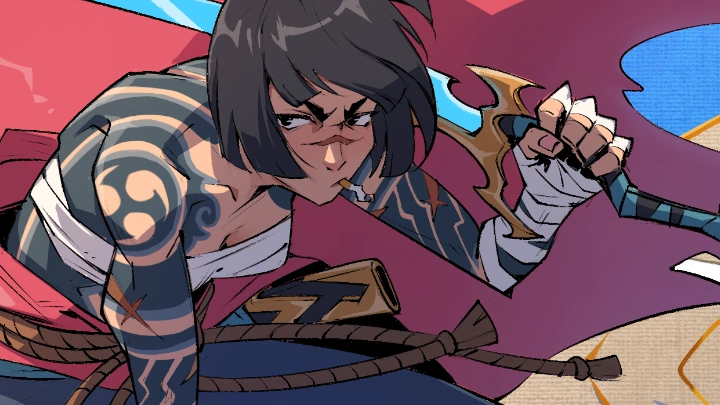
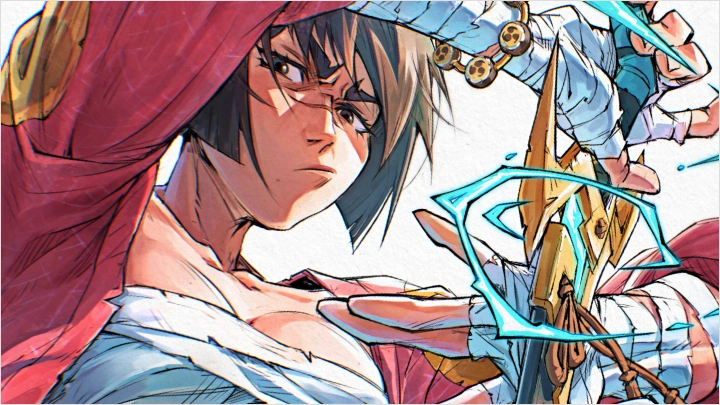
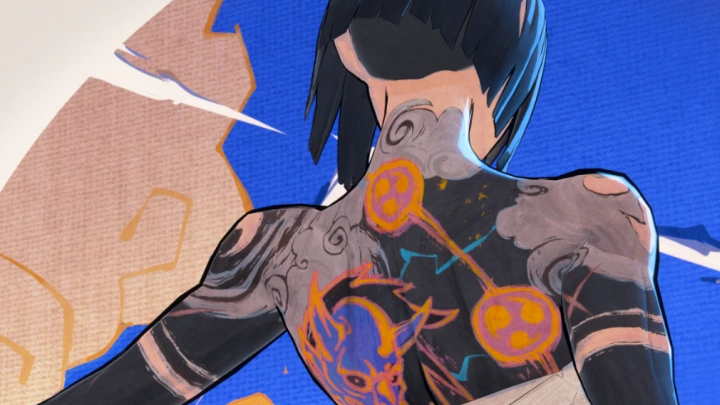
In this class, you’ll discover how to construct vivid and dynamic character designs through a creative and intuitive process. From brainstorming unique ideas to applying simple but effective design principles, the course explores how to shape characters with attitude, appeal, and authenticity. It also covers how to create expressive poses and bold facial expressions that leave a lasting impression.
Above all, this class focuses on making character illustration both sustainable and enjoyable. By continuously revisiting and redrawing your favorite characters, you’ll naturally strengthen your artistic skills while recognizing clear growth over time. Through this process, you’ll not only improve as an artist, but also build a more personal and rewarding connection with the characters you create.
Above all, this class focuses on making character illustration both sustainable and enjoyable. By continuously revisiting and redrawing your favorite characters, you’ll naturally strengthen your artistic skills while recognizing clear growth over time. Through this process, you’ll not only improve as an artist, but also build a more personal and rewarding connection with the characters you create.
Class Preview
Still Not Sure?
Check Out Duy An's Class Preview!
Chapter 06.Sketching Using Your Silhouettes
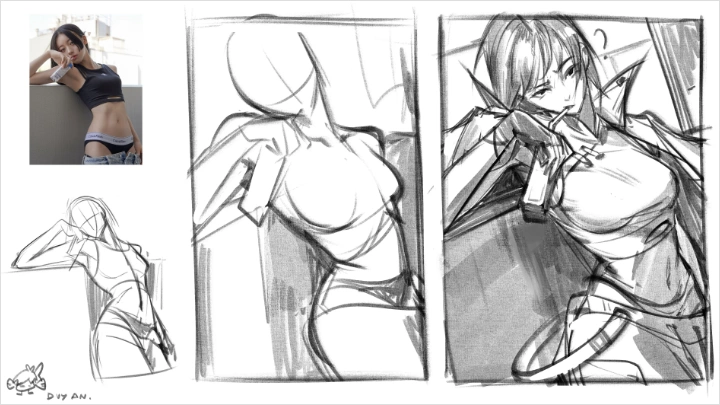
1. Use your moodboard and silhouettes to sketch out key design elements
Class Perks
Special Gift from Duy An
-
 Illustration FilesAccess Complete Character Design Files
 -
 Custom BrushesDraw with the Instructor’s Favorite Tools
 -
 Class MaterialsReview Every Lesson in Detail
Class Material Details
-
 Complete Character Design Files- All PNG and Clip Studio files used throughout the class
- Study research sketches, turnarounds, action sheets, and expression sheets -
 Key Brushes for Sketching & Line Art- 5 custom brushes used throughout the class workflow
- Designed for loose sketching, clean line art, and illustration work -
 Class Files & Visual Breakdowns- Includes PNG and Clip Studio files for every major lesson and demonstration
- Review the exact materials used to explain key concepts throughout the class
Recommendation
Who should take this class?
Beginner artists
Who seek motivation to draw consistently while building a stronger foundation in character illustration and design.
Aspiring Creators
Who want to develop original worlds and create characters that feel personal, meaningful, and uniquely their own.
Career-Focused Artists
Who want to looking to refine their character design and illustration skills in preparation for a professional career in the industry.
Expert Illustrator Duy An's Portfolio
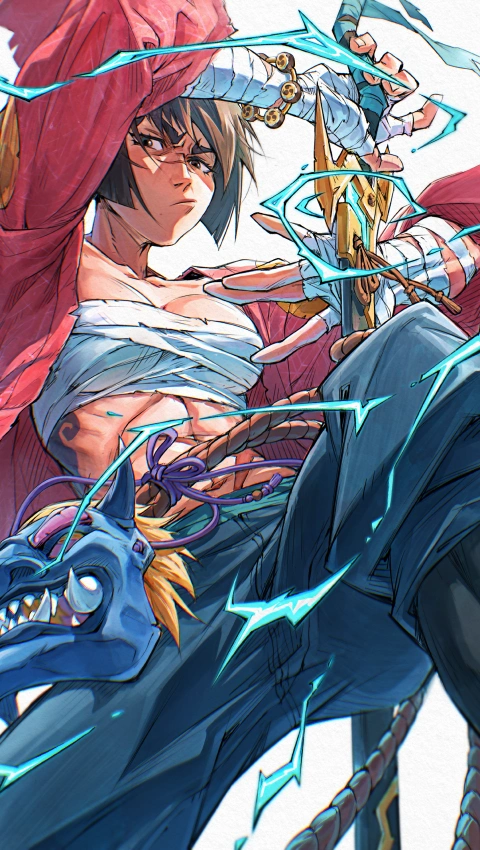
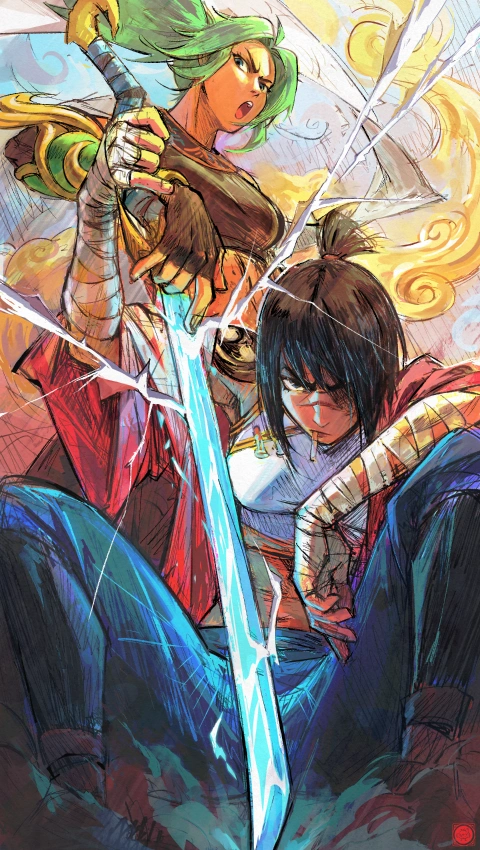
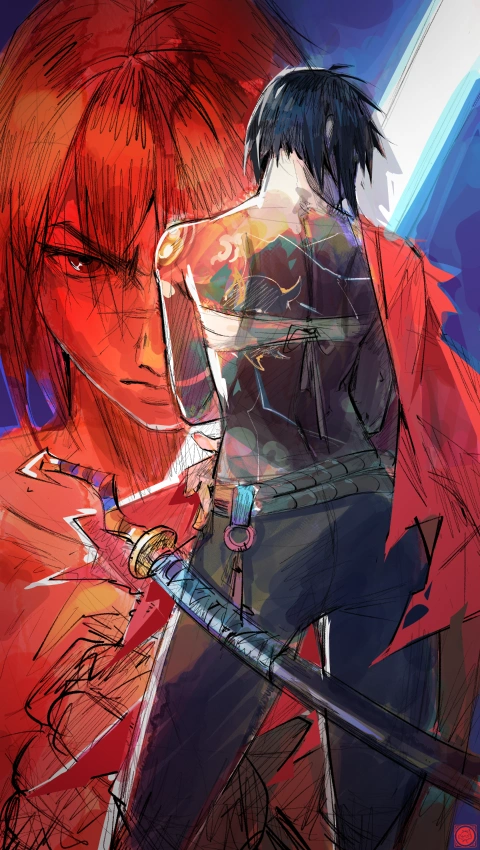
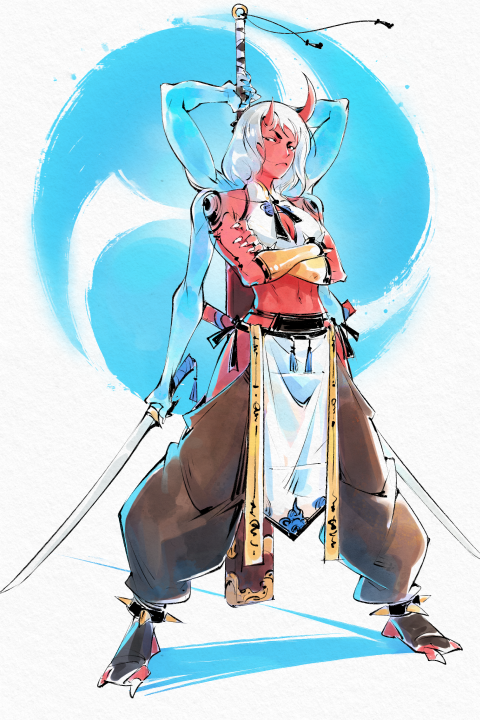
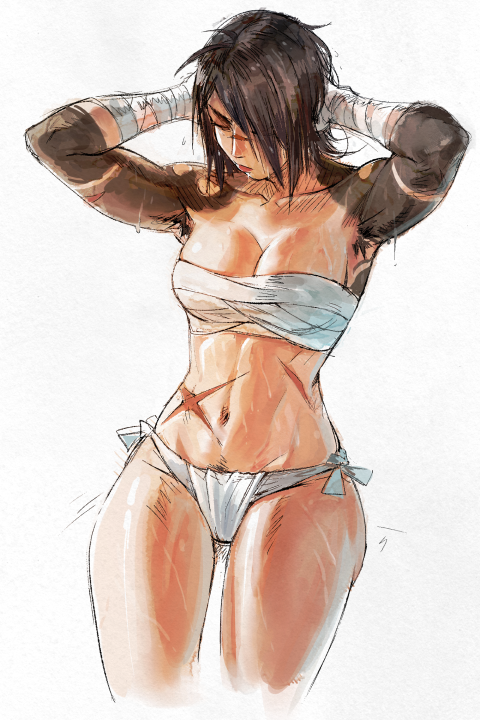
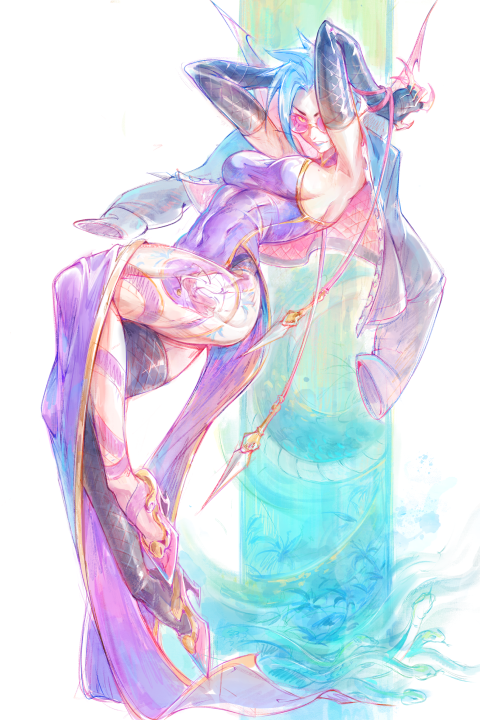
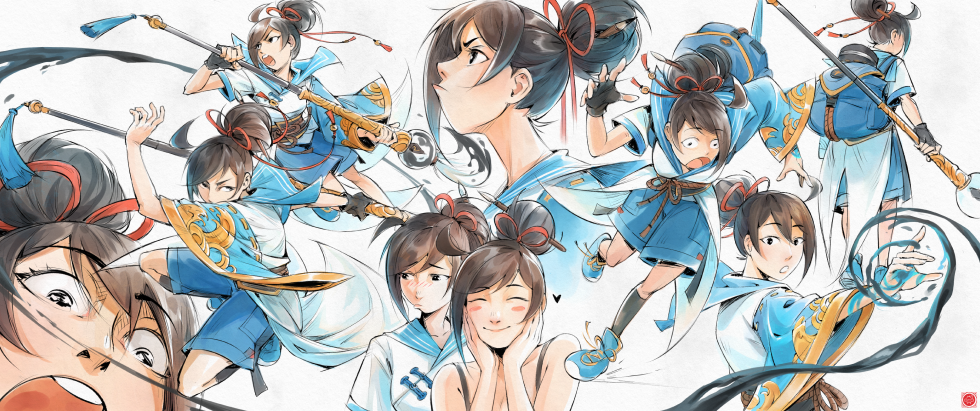
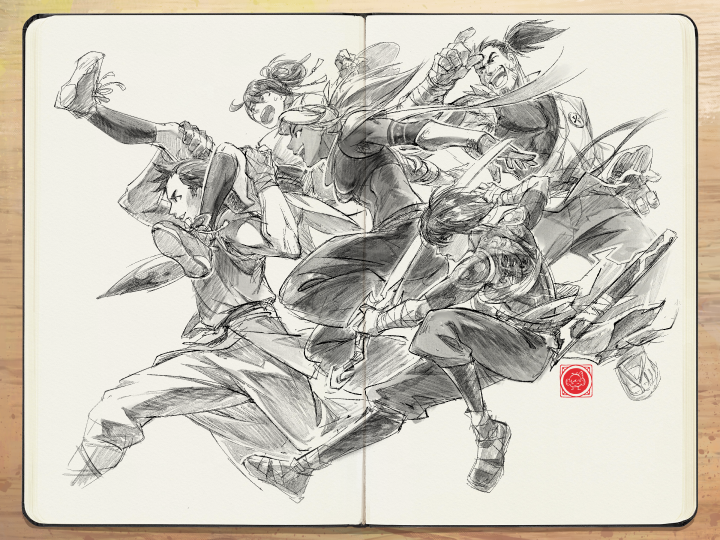
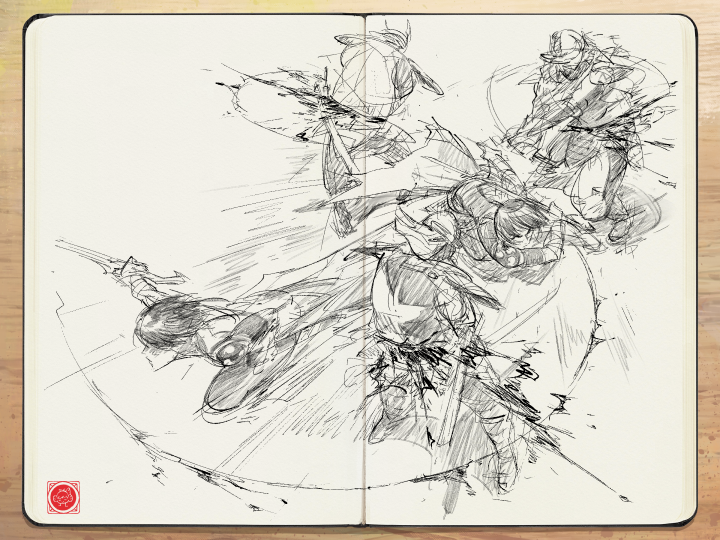
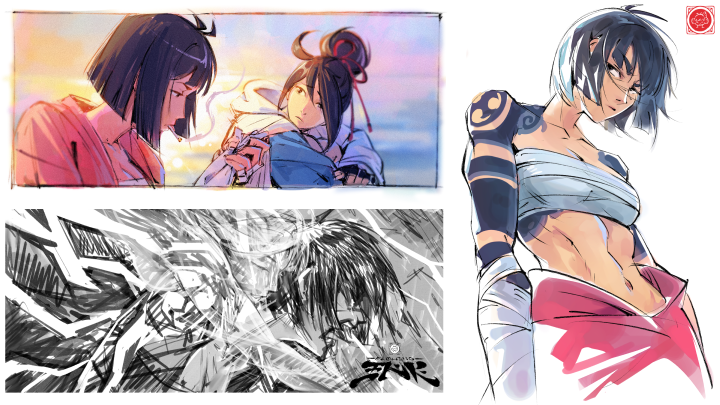
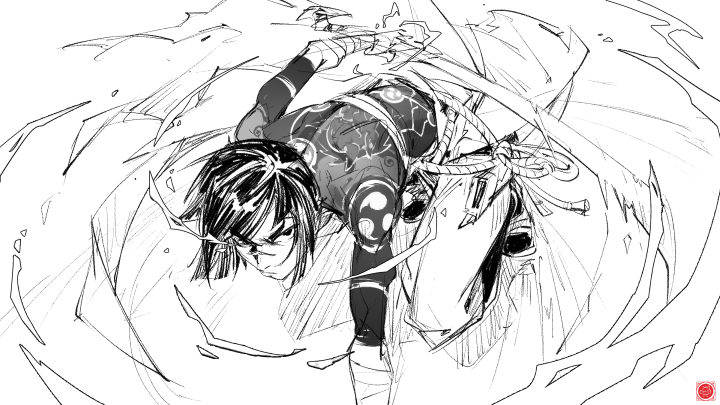
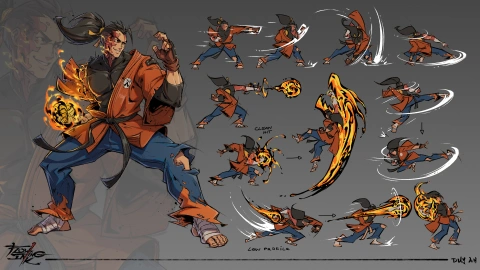
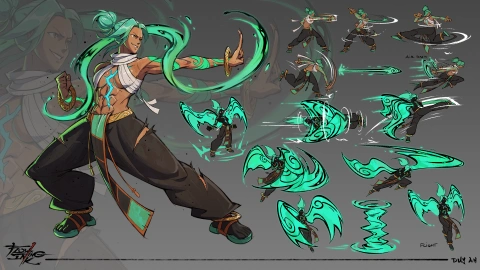
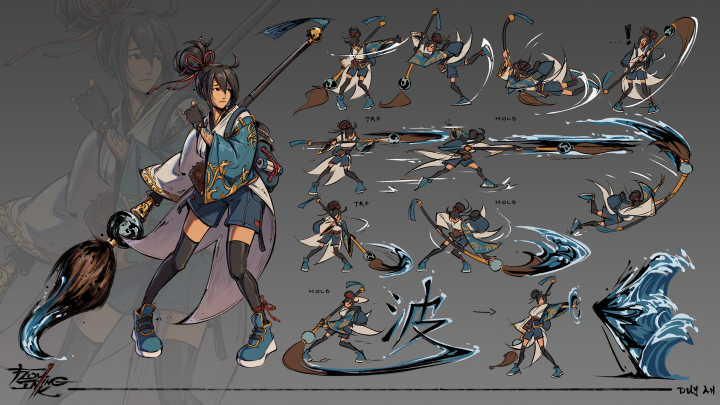
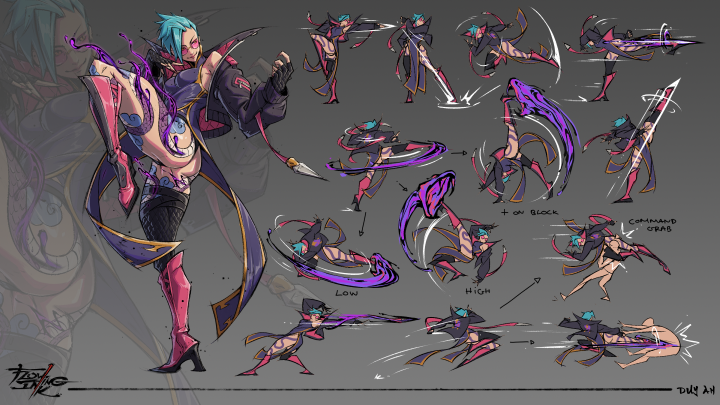

* This Portfolio includes fanart and client works.
Why Take This Class?
A More Intuitive Approach to Character Design
This class approaches character design through creativity, instinct, and personal expression rather than strict pipelines or overly technical workflows. You’ll begin drawing early and learn how to develop ideas through experimentation, sketching, and iteration. The goal is to help character creation feel engaging, approachable, and creatively fulfilling.
Throughout the course, you’ll build characters by focusing on personality, visual appeal, and emotional impact. Rather than creating designs that feel repetitive or overly structured, you’ll learn how to make choices that reflect your own artistic voice and interests. The flexible workflow encourages exploration while still giving you a strong foundation for developing polished and appealing character artwork.
By building a process that feels intuitive and enjoyable, it becomes easier to stay motivated, keep creating, and grow more confident in your own ideas. Alongside completing original character designs and illustrations, you’ll also develop a creative foundation and mindset that can continue supporting your work long after the course is finished.

Get Ready for the Real-World
18 Class Exercises
-
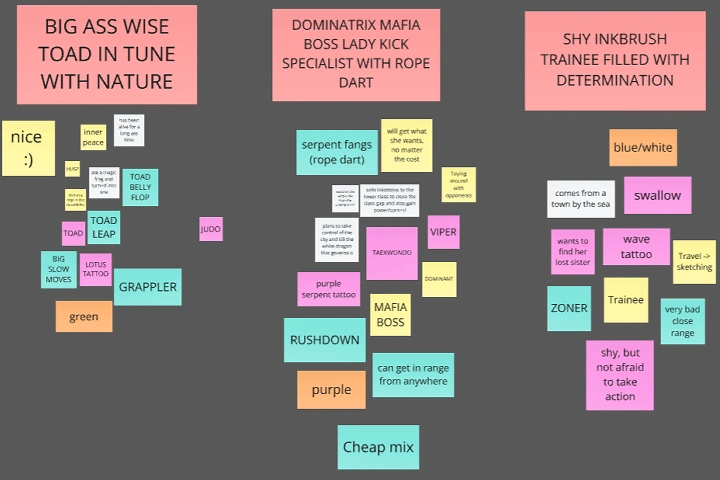 Define the Character ConceptDevelop a short written prompt that establishes the character’s role, setting, and overall direction.
 -
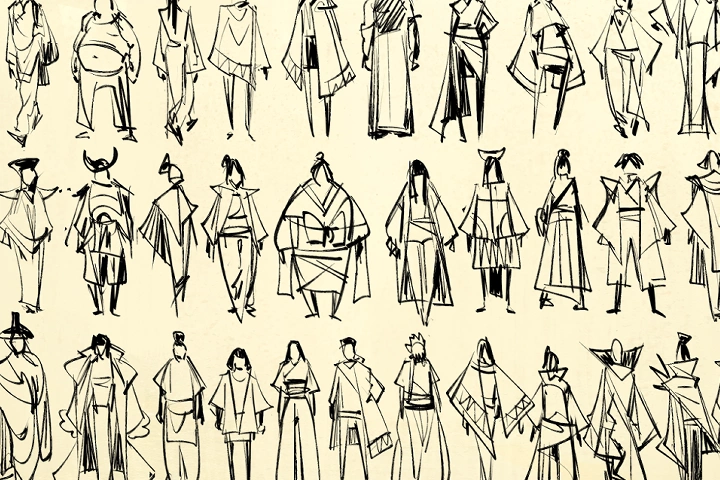 Create 5 Exploratory DoodlesProduce quick sketches to freely visualize the character’s personality, energy, and overall feel.
 -
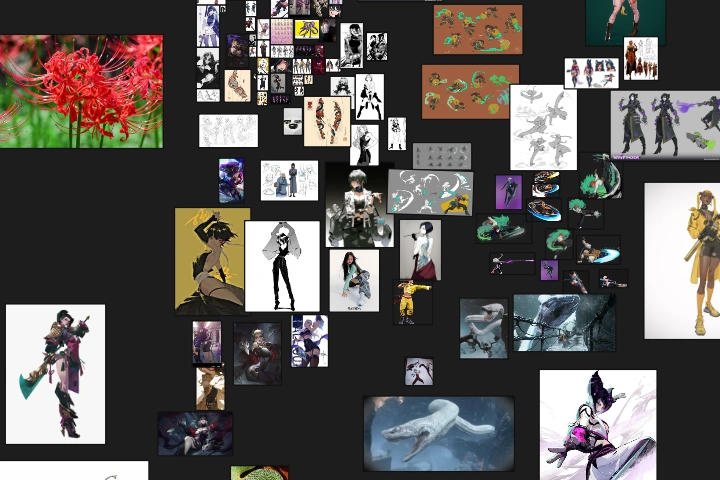 Build a Character MoodboardGather and organize visual references to refine the character’s style, tone, and design direction.
-
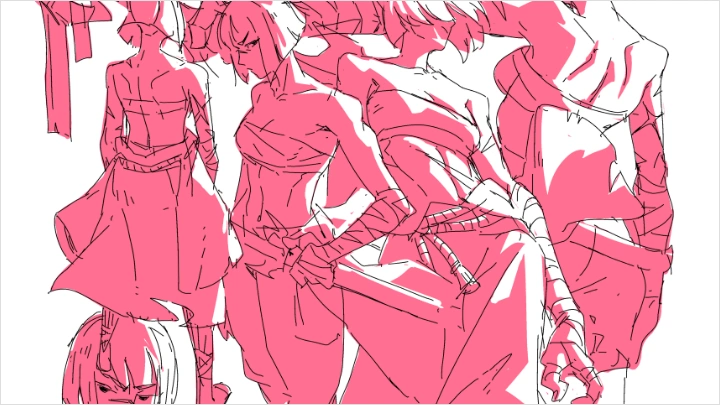
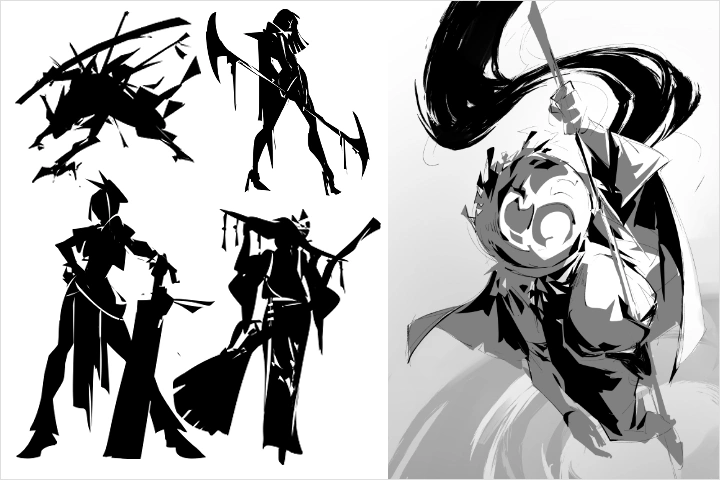 Design 10 Silhouette VariationsUse the lasso tool to explore different proportions, shapes, and readable designs.
 -
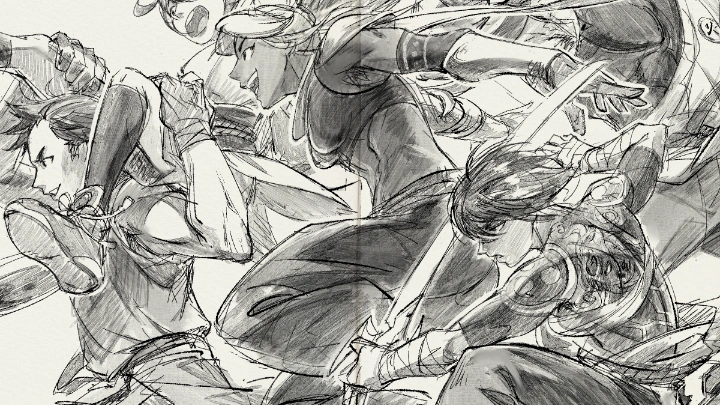
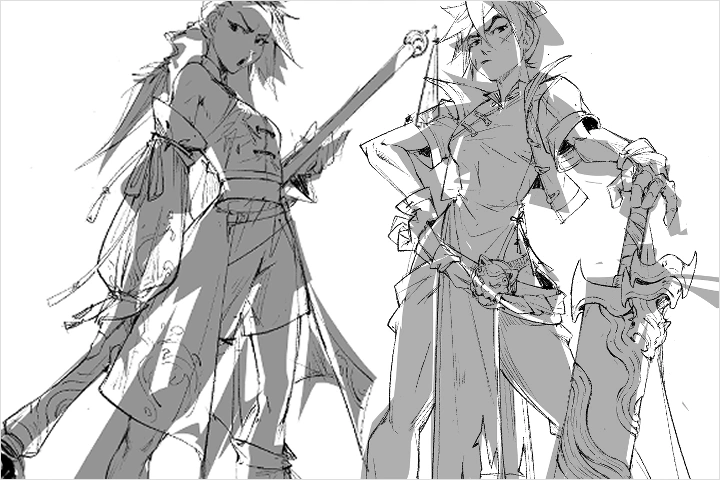 Develop Sketches from Selected SilhouettesExpand selected silhouettes into rough sketches using elements from the moodboard.
 -
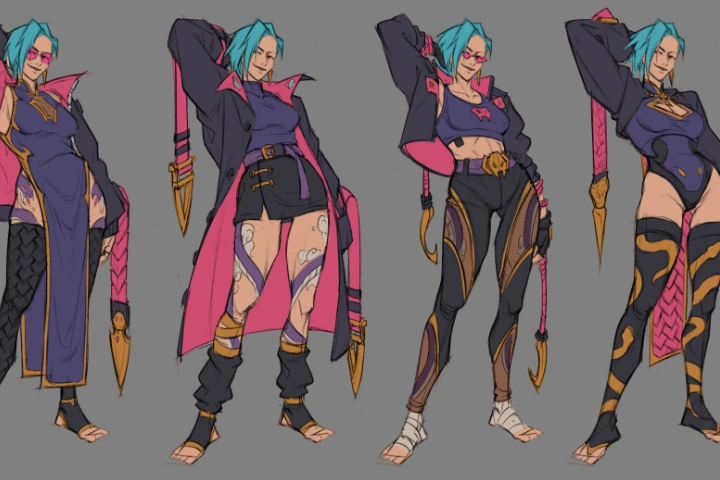 Create 4–5 Design IterationsDevelop multiple variations of one sketch to explore different design directions.
-
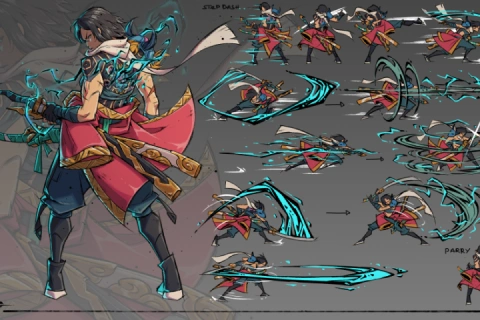
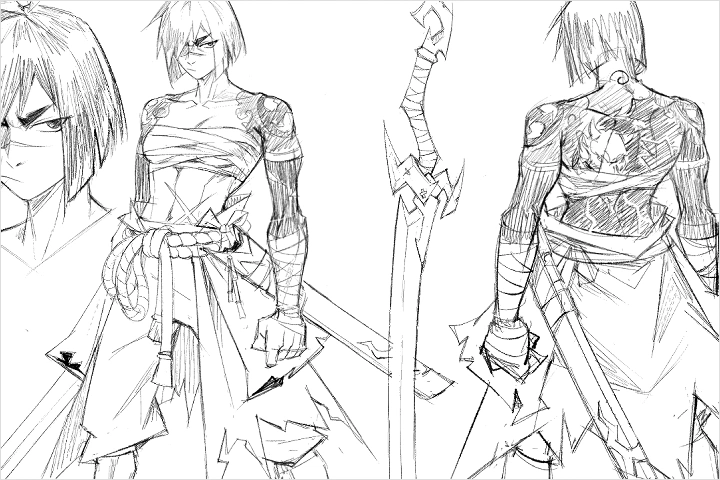 Draw a Character Turnaround SheetCreate 3/4 front and 3/4 back views with callouts highlighting key design features.
 -
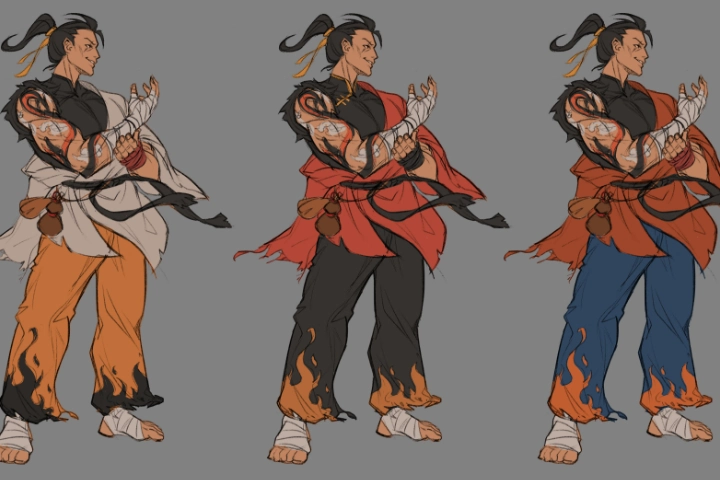 Explore 5 Color Palette VariationsExperiment with different color schemes, materials, and surface qualities to strengthen the design.
 -
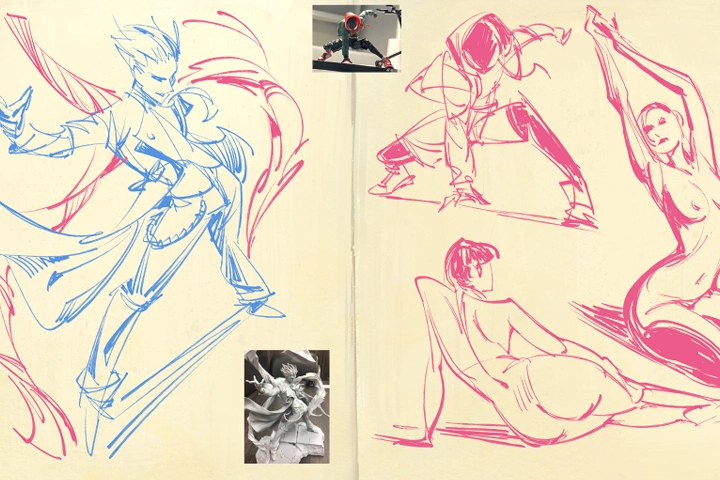 10-Minute Figure Warm-UP ChallengeSpend 10 minutes drawing a figure each day to build confidence, improve gesture, and warm up your creative muscles.
-
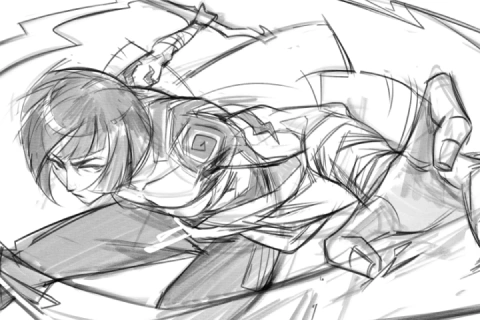
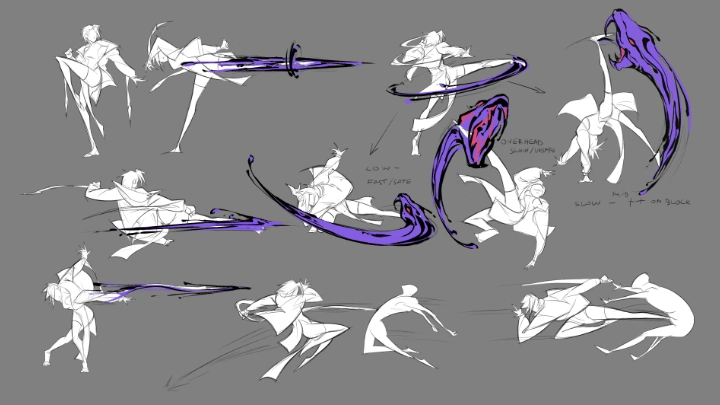
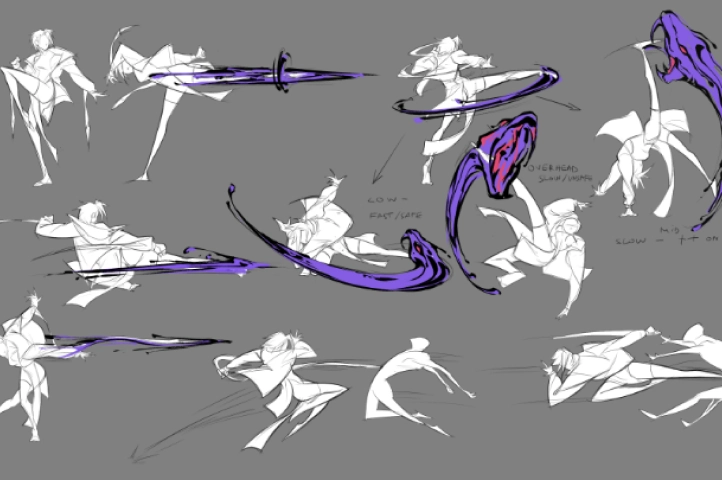 Draw 5 Dynamic Action PosesExplore movement and gesture through action poses that showcase the design in motion.
 -
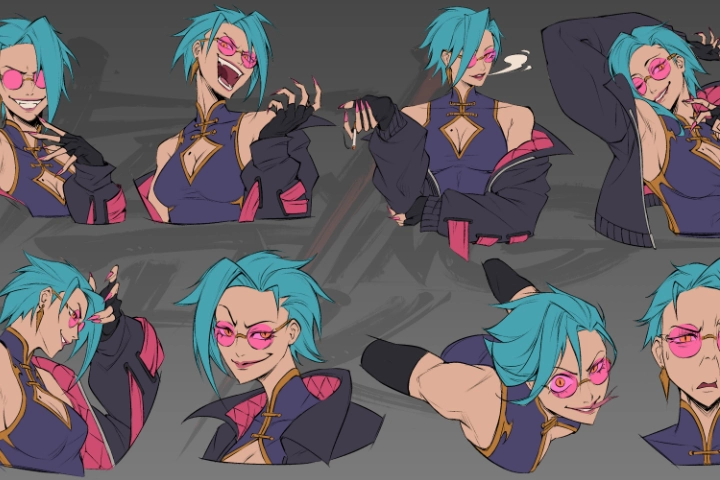 Draw 5 Facial ExpressionsExperiment with different color schemes, materials, and surface qualities to strengthen the design.
 -
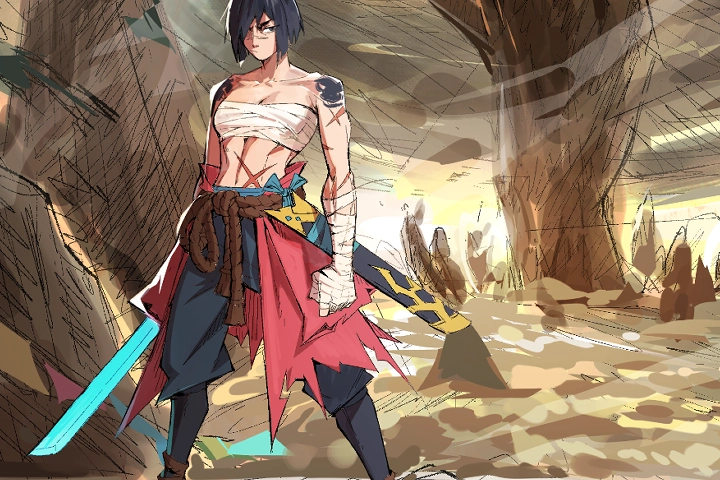 Place the Character in ContextTest the design within its intended setting or gameplay perspective to evaluate readability and visual impact.
-
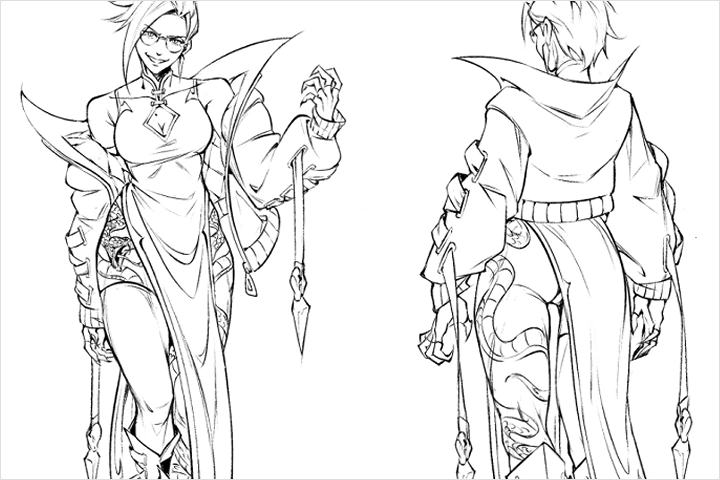 Practice Line Art for Your SketchRefine your line work by focusing on clean, confident strokes to enhance clarity and form.
 -
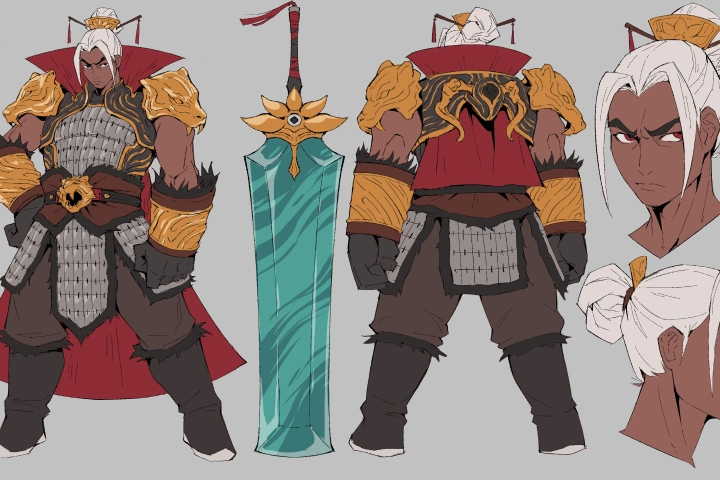 Refine Colors & MaterialsPractice cleaning and refining colors and materials to achieve consisntency, depth, and visual harmony.
 -
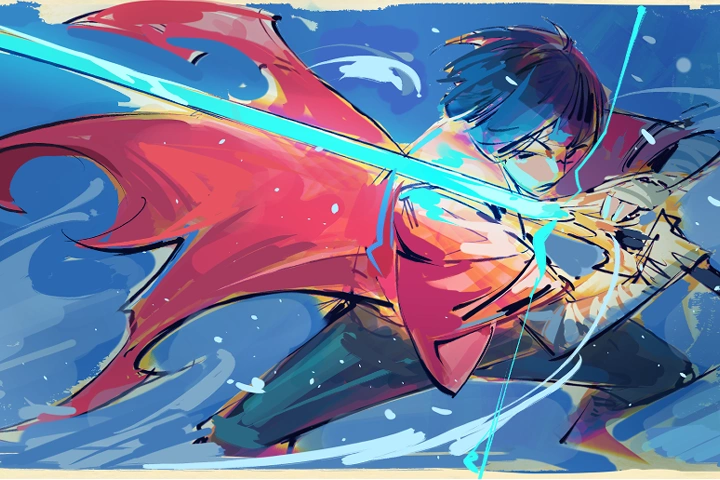 Create 4 Composition ThumbnailsDevelop small composition studies that explore storytelling, posing, perspective, and visual flow.
-
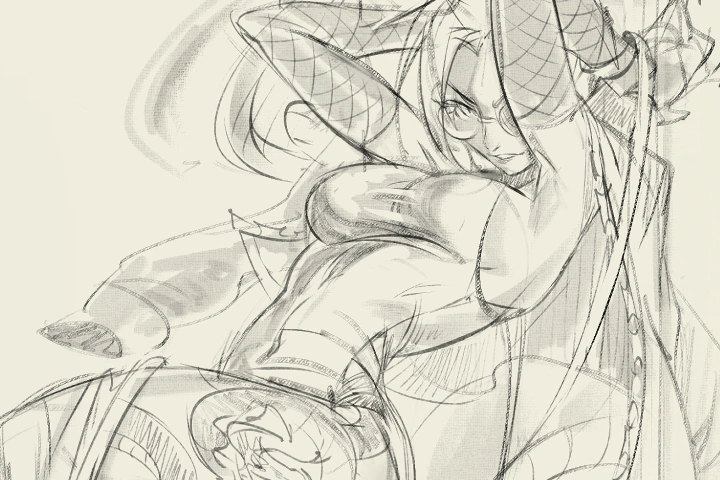 Produce a Refined Illustration SketchSketch out the full illustration using the selected composition, pose, and design elements.
 -
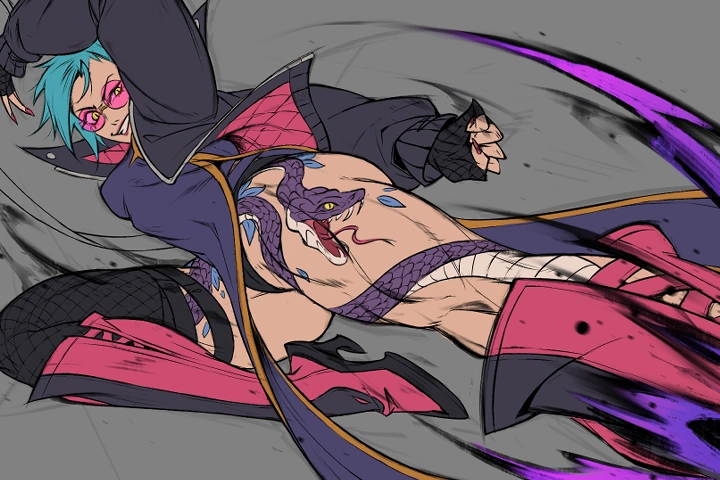 Apply Base Colors and LightingEstablish the base colors, lighting direction, and shadows to create depth and mood.
 -
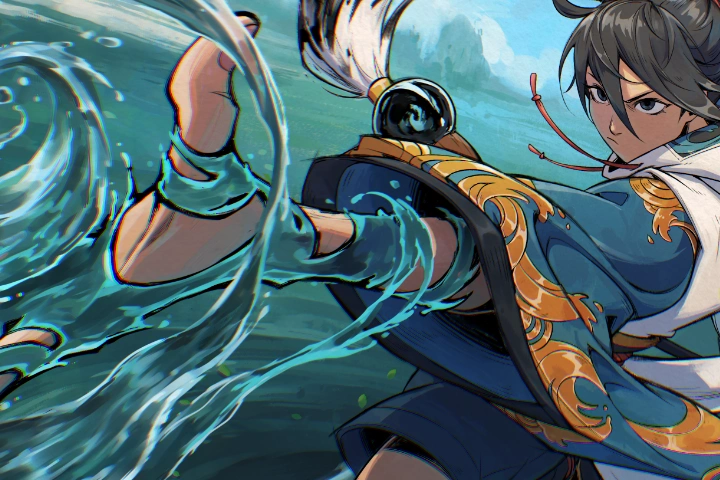 Fully Render the Final IllustrationRefine the illustration with polished rendering, materials, lighting, and finishing details.
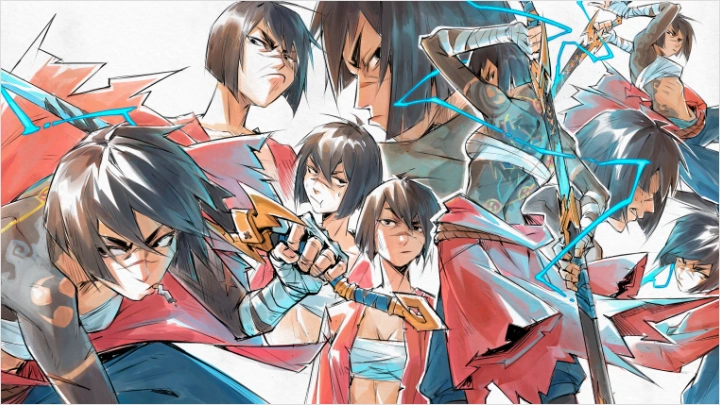
*The above images are sample images for a better understanding.
Final Products
-
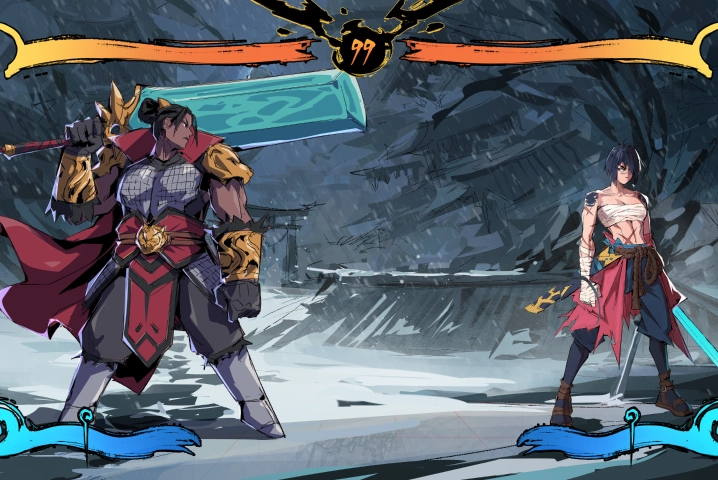 Fake ScreenshotSimulated in-game screenshot sheet for your character
 -
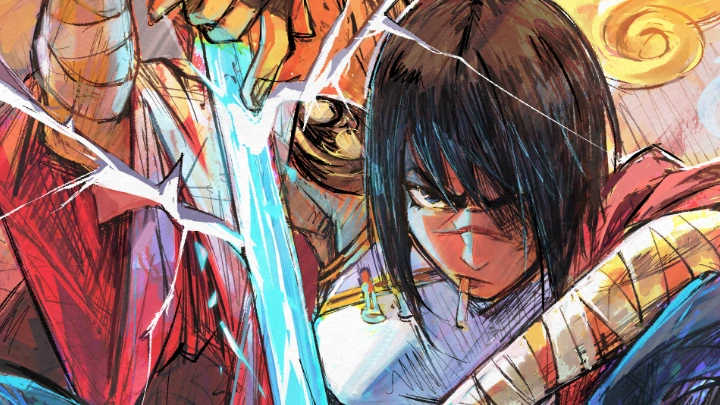
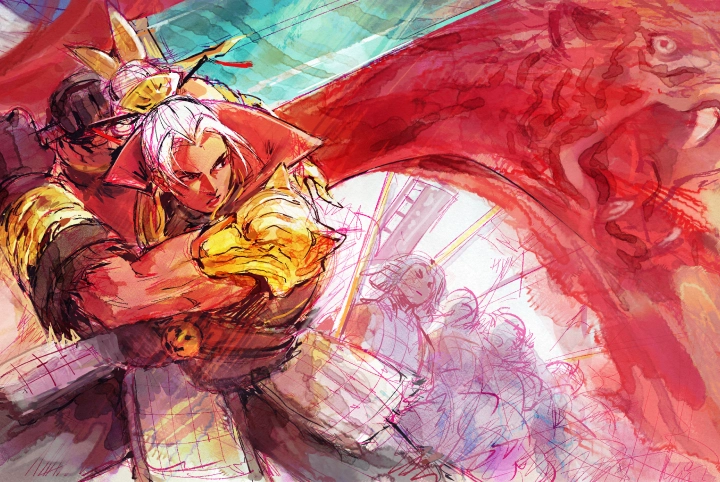 Character IllustrationSplash art to show off your character in their best light
3 Character Showcase Sheets
Character Turnaround Sheet, Action Sheet, and Expression Sheet for your character
Highlights
Class Highlights
Design and Illustration Flow
Learn core fundamentals like silhouette development, moodboarding, and iterative sketching to create strong, intentional designs. Each character is conceptually grounded before refinement begins. With a production-focused workflow, you’ll think like industry professionals by testing designs through simulated in-game screenshots and turnaround sheets.
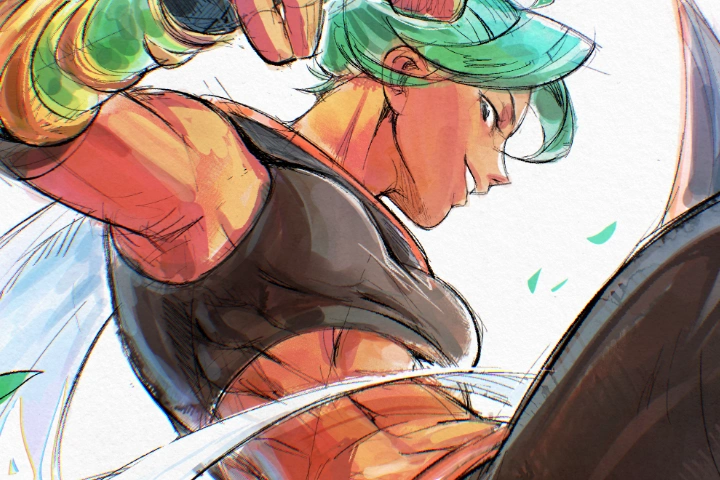
Core Character Design Principles
Use a complete professional toolkit for character creation, moving you from doodling to high-level rendering. You'll master critical skills in dynamic gesture, material logic, and color theory while gaining proficiency in industry-standard software workflows. Benefit from turnaround views, expression sheets, and a polished dynamic illustration.
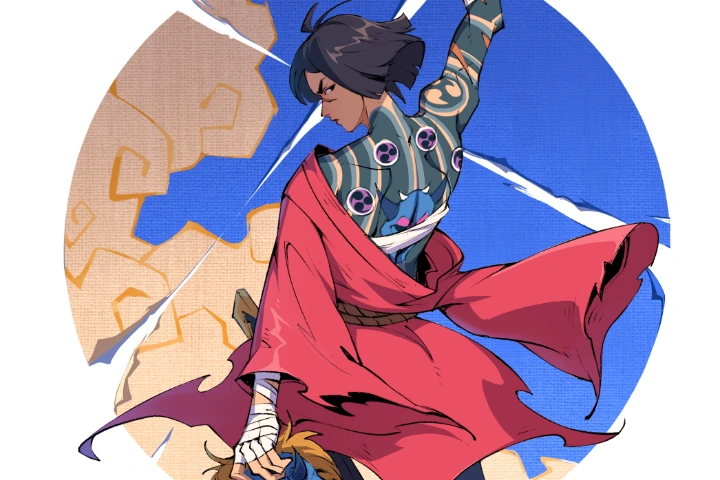
Emphasis on Process than the End Result
Rather than focusing on a single finished illustration, this course emphasizes a repeatable professional workflow. Through iteration, self-critique, and refinement, you’ll learn to diagnose design issues and overcome creative blocks. You’ll leave with more than polished work—you’ll build the analytical mindset and production habits needed for professional practice.