illustrator,c2 Details
Intro
A Manga Readers Can’t Stop Reading
A compelling comic starts before the first panel. Build the story and characters first, then make every page part of the experience.
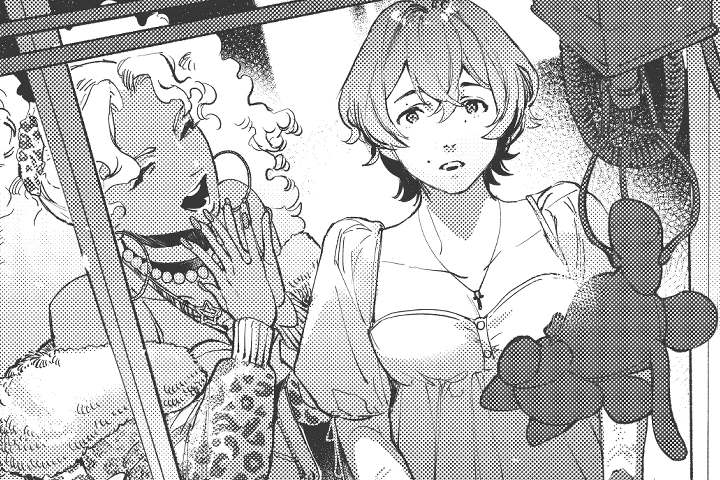
Drawing from her long-standing comic practice, illustration background, and academic work centered on the medium, C turns the lessons and insights gathered through trial and error into the structured guide she wishes she had when she first started.
Begin by shaping a clear story and designing characters that can carry it across the page. From there, learn how intentional choices in paneling, composition, and pacing can change the way a moment is read and felt. Through guided exercises, you’ll gradually turn your ideas into a cohesive comic experience, leaving with a character sheet that captures your cast’s identity and a finished short comic with a clear narrative and ending.
Begin by shaping a clear story and designing characters that can carry it across the page. From there, learn how intentional choices in paneling, composition, and pacing can change the way a moment is read and felt. Through guided exercises, you’ll gradually turn your ideas into a cohesive comic experience, leaving with a character sheet that captures your cast’s identity and a finished short comic with a clear narrative and ending.
Class Perks
Special Gift from C
-
 Inking and Hatching Brush PackBuild Your B&W Workflow Faster
-
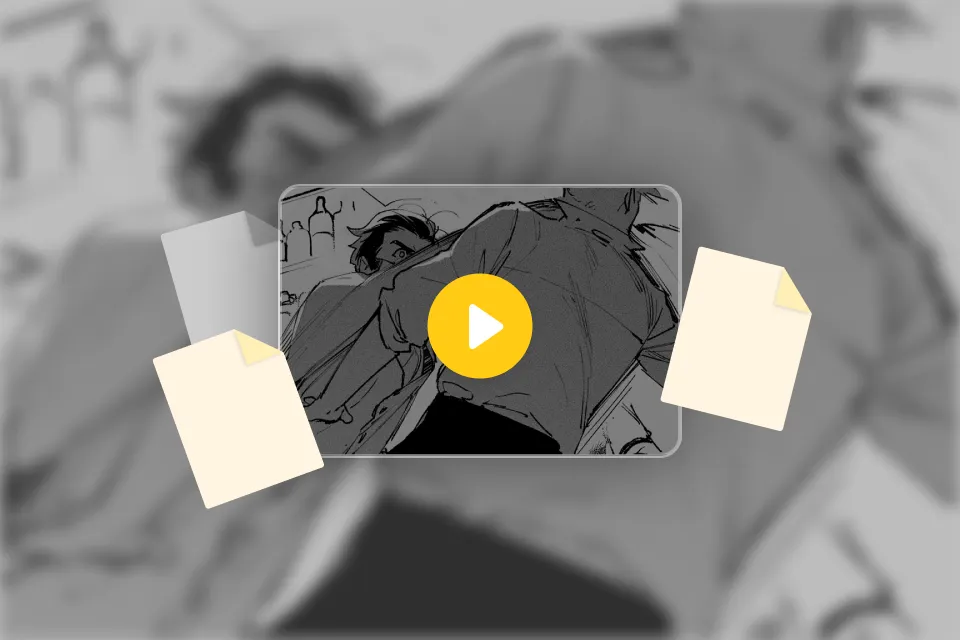 Full Inking and Toning Timelapse VideoSee the Full Page Come Together
-
 RAW Comic Page FileStudy the Page From the Inside
-
 Mini Class Materials BookletKeep the Key Lessons Close
Class Material Details
-
 C’s Recommended Brush Set- Use C’s recommended brushes for inking and hatching.
- Explore brush choices suited for B&W comic production.
- Apply them directly while practicing the class workflow.
- Format: SUT -
 Comic Page Process Timelapse- Follow C’s process from panel flow and ratios to finishing.
- Observe how text, inking, and toning are built step by step.
- Review the complete page-making process at your own pace.
- Format: MP4 -
 Layer-Separated Clip Studio Project File- Explore the complete layer structure of C’s comic page.
- See how different elements are organized within the file.
- Use the file as a reference while building your own pages.
- Format: CSP -
 Class Notes & Learning Materials- Review important notes from each chapter in one place.
- Revisit key learning materials after completing the lessons.
- Use the booklet as a compact reference throughout your practice.
- Format: PDF
Recommendation
Who should take this class?
Illustrators Ready to Make Their First Comic
For artists who can draw characters but struggle to turn ideas, OCs, or individual scenes into a complete story with a clear beginning, progression, and ending.
Aspiring Manga and Comic Artists
For artists looking for a structured roadmap through the full comic-making process, from story development and character design to storyboarding, paneling, and B&W production.
Comic Artists Struggling With Story and Pacing
For artists who have already experimented with comics but want to strengthen dialogue, pacing, reading flow, panel composition, and the way each moment is delivered to the reader.
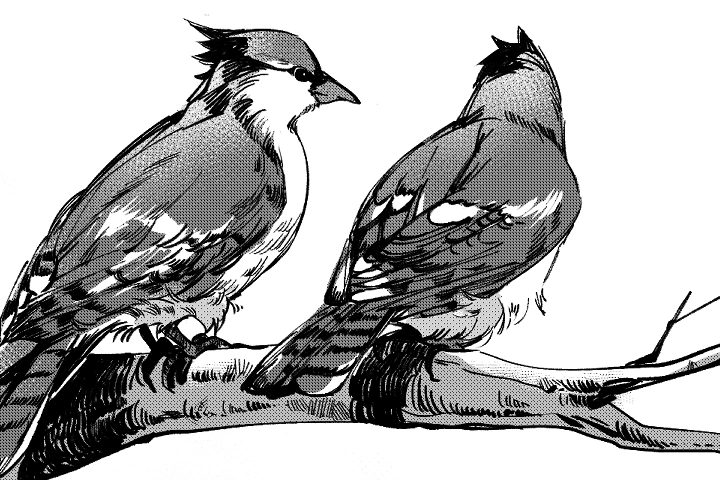
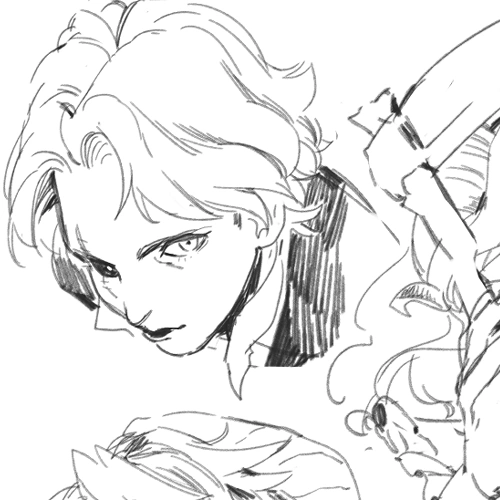
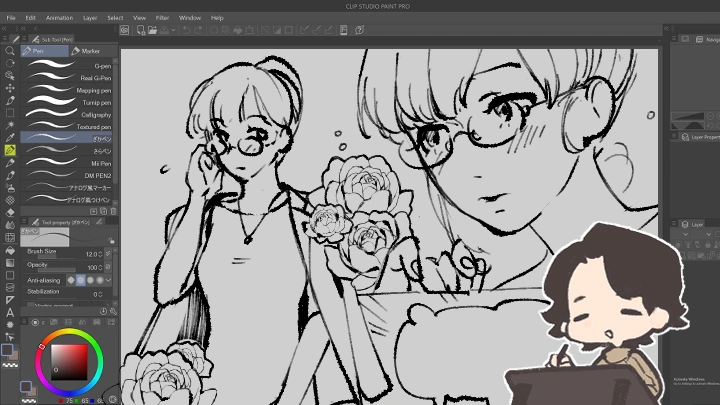
Expert Illustrator C's Portfolio
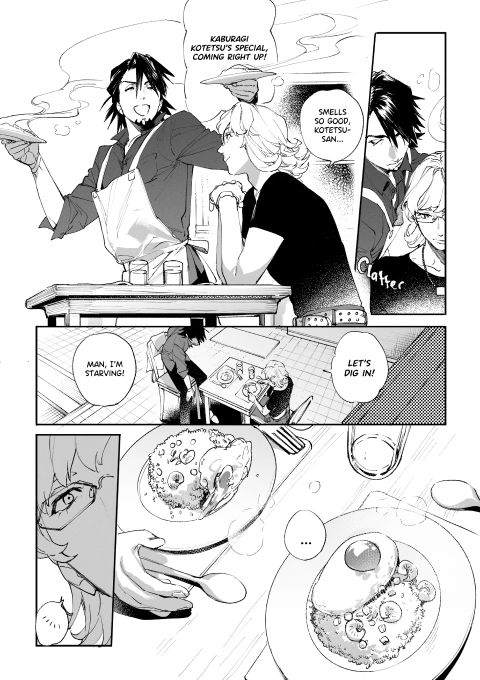
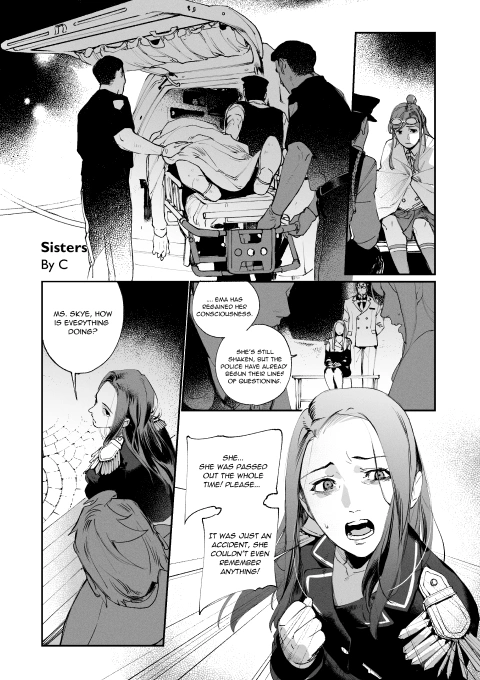
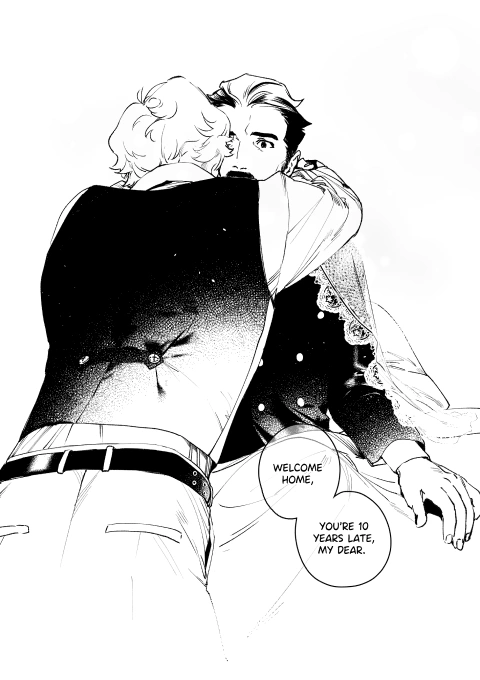
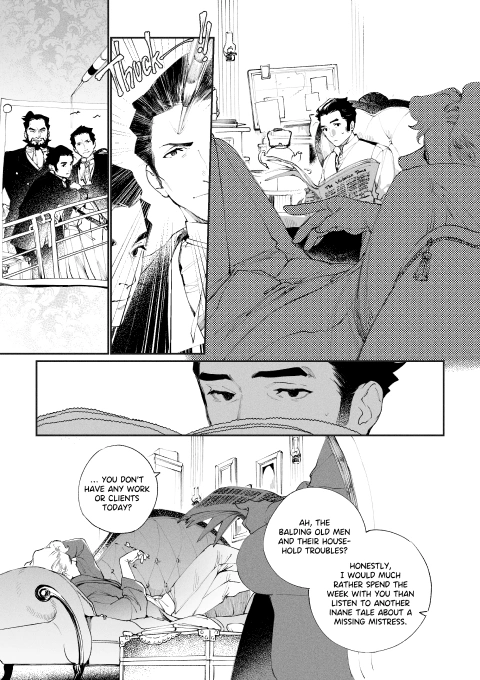
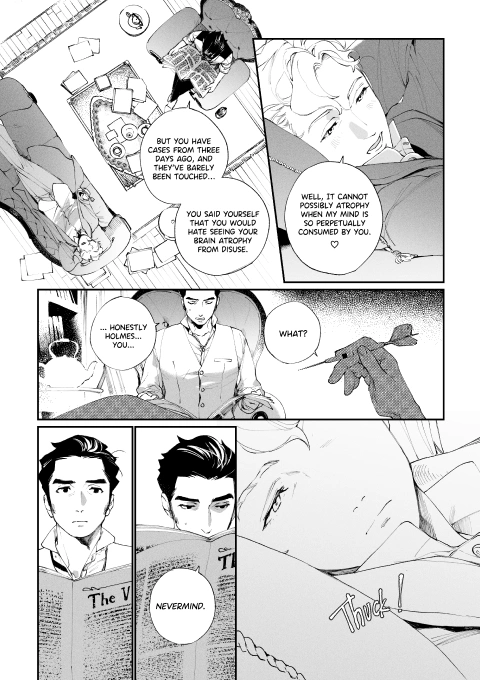
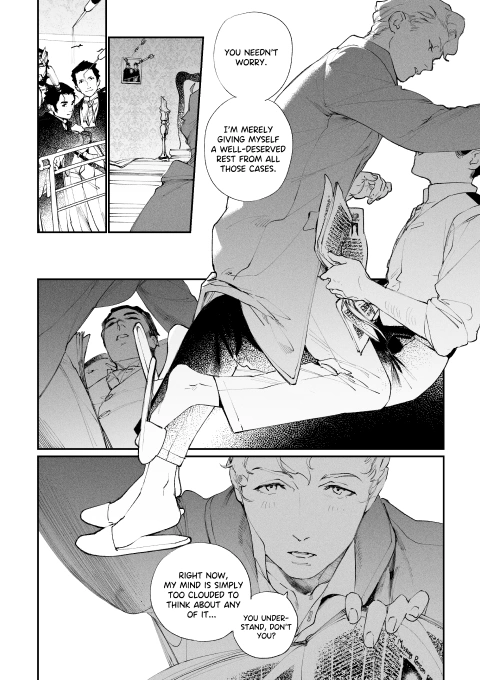
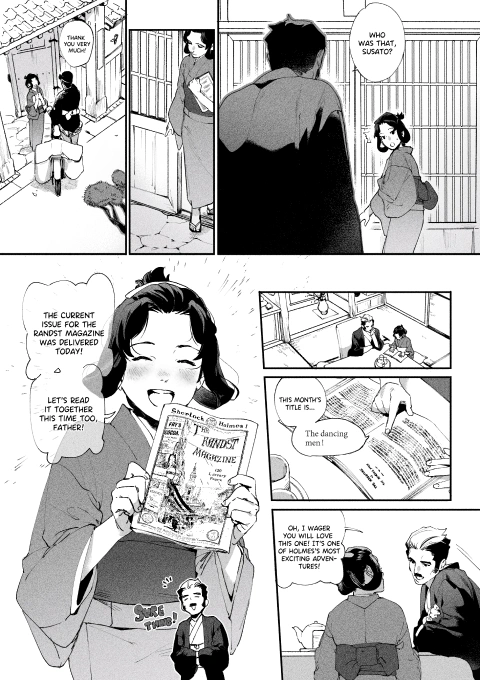
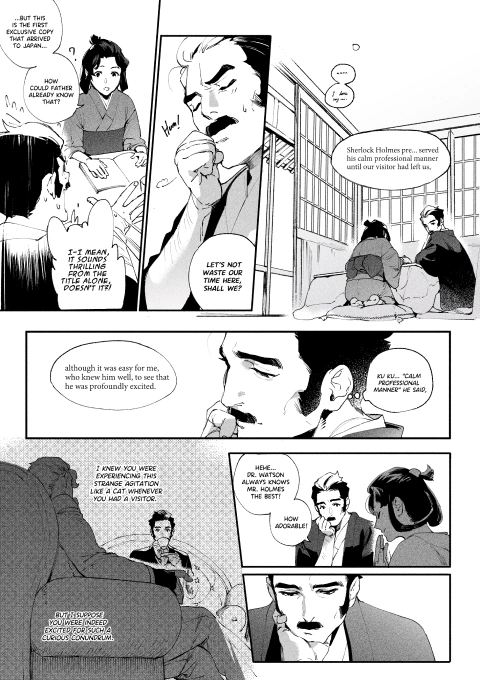
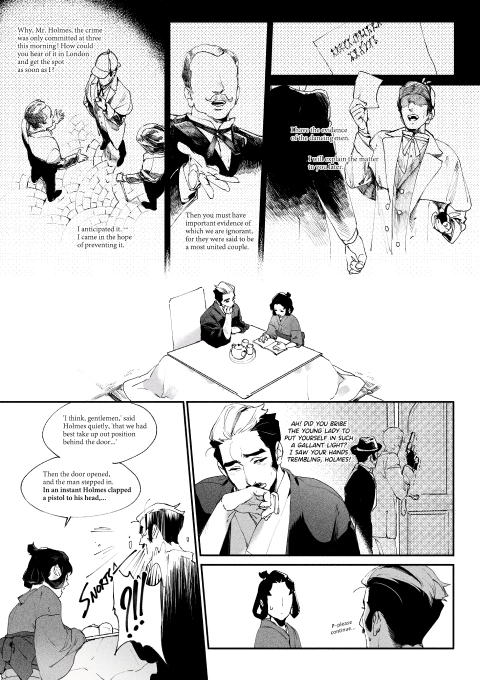
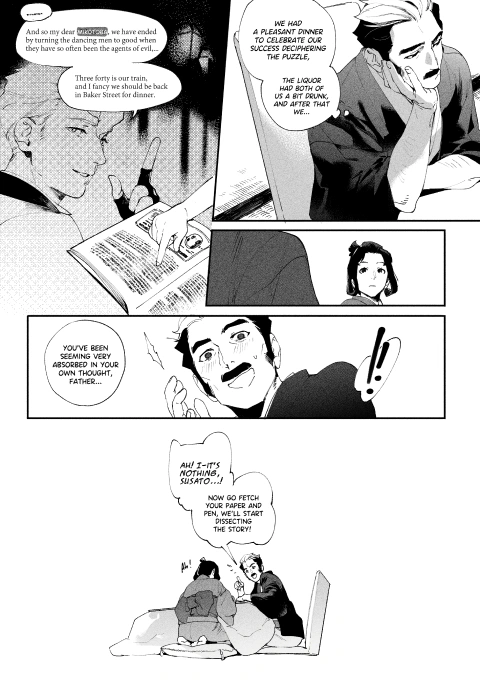
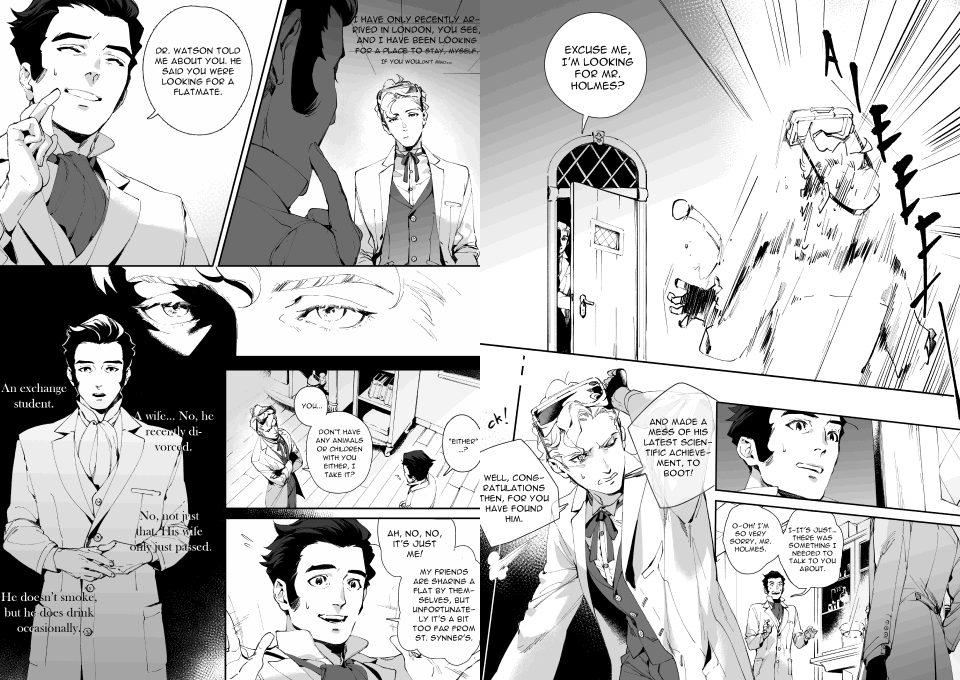
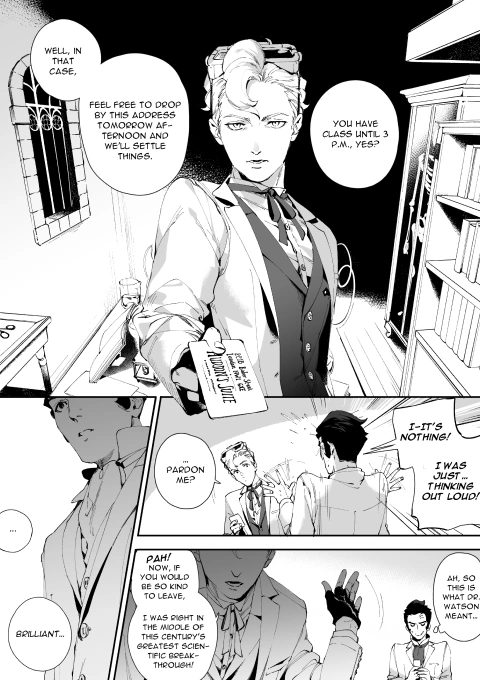
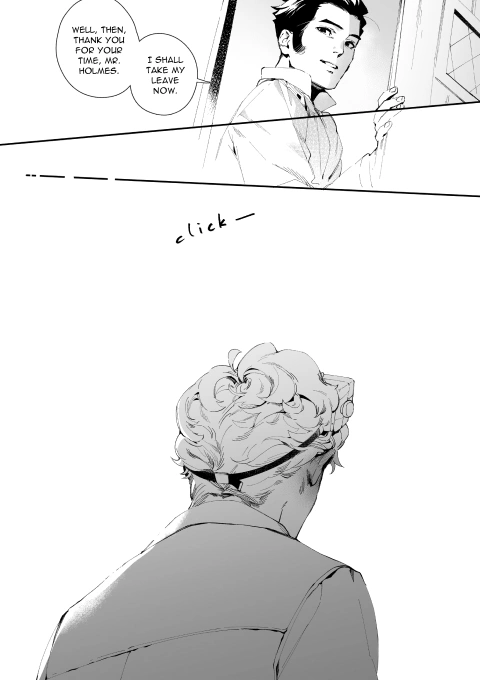
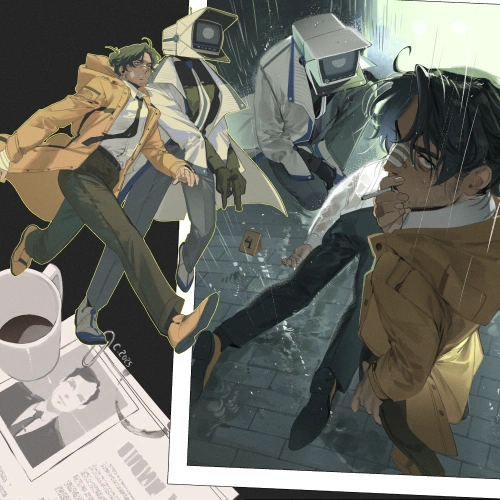



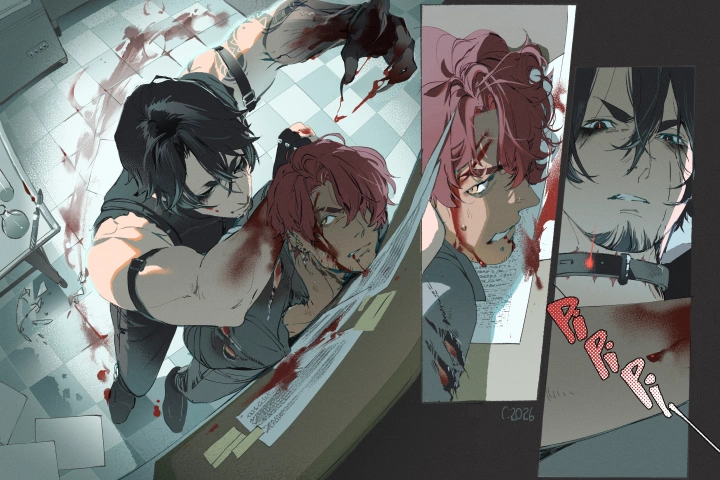


* This Portfolio includes fanart and client works.
Why Take This Class?
Manga Is More Than Beautiful Panels
A beautifully drawn panel can catch your attention, but manga comes alive when story, character, and visual choices work together from one moment to the next. C shows how artistic decisions can do more than make a page look polished: they can reveal personality, shape emotion, control rhythm, and guide the way a reader experiences your story.
That is why this class does not separate storytelling from the artistic process. You’ll see how a story gives direction to character design, how composition and panel choices shape the impact of a scene, and how inking and toning can push mood, atmosphere, and expression even further.
Designed to be approachable for artists who are new to manga-making, the class brings each stage into one connected process instead of leaving you to piece together scattered techniques on your own. From developing the story and characters to directing the page and bringing it to life in B&W, you’ll practice the full flow of manga-making so you can keep building on that process and continue bringing your own stories to life.

Get Ready for the Real-World
17 Class Exercises
Part 01. Build the Story and Characters
-
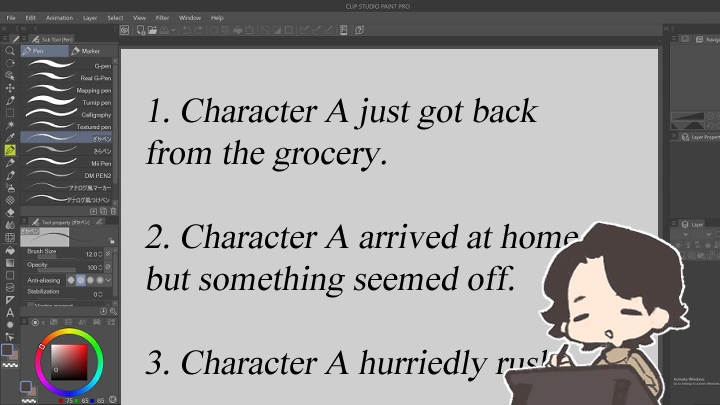
 Draft Your Short StorylineWrite a rough storyline for your short comic, establishing the basic narrative you will develop throughout the class.
-
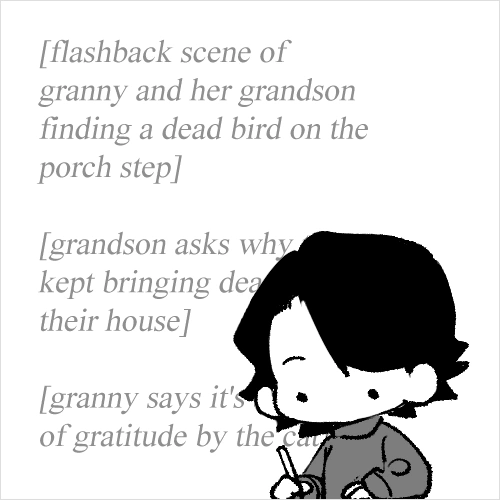 Break the Story Into Key MomentsExpand your storyline by identifying the key moments that shape the story’s main progression.
-
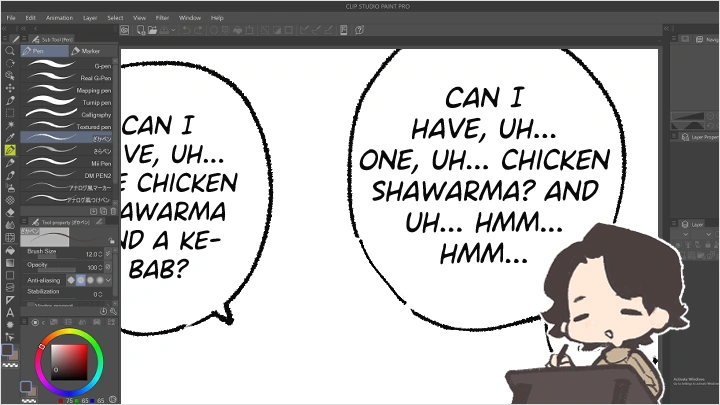
 Turn Key Moments Into DialogueDevelop dialogue based on your key story moments and begin shaping how the narrative will unfold across the comic.
-
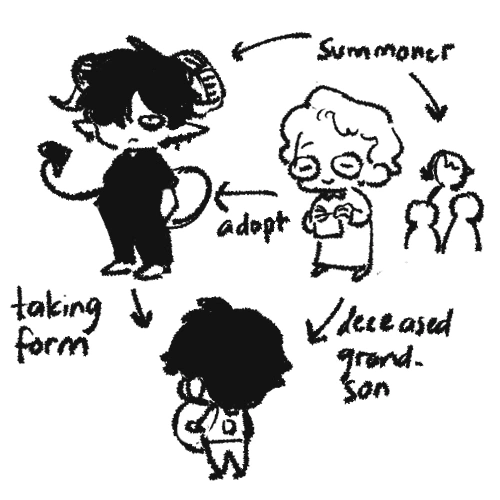
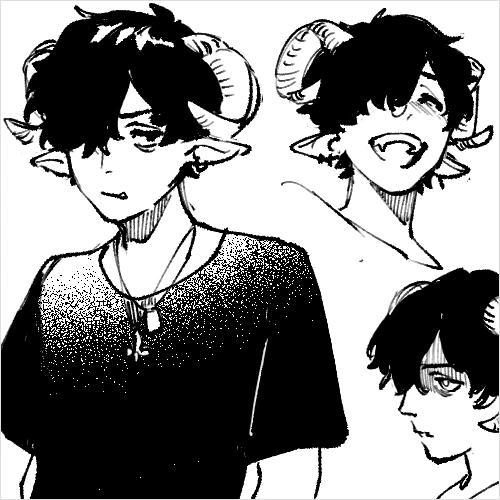 Build Your Character SheetCreate a character sheet with brief character lore and relationships based on the story you have established.
Part 02. Develop the Storyboard
-
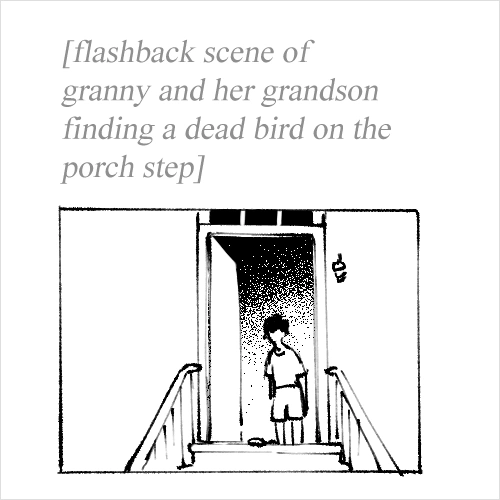 Visualize Your Key Story MomentsTranslate your key moments into visuals, then break them down further into smaller sequential moments.
-
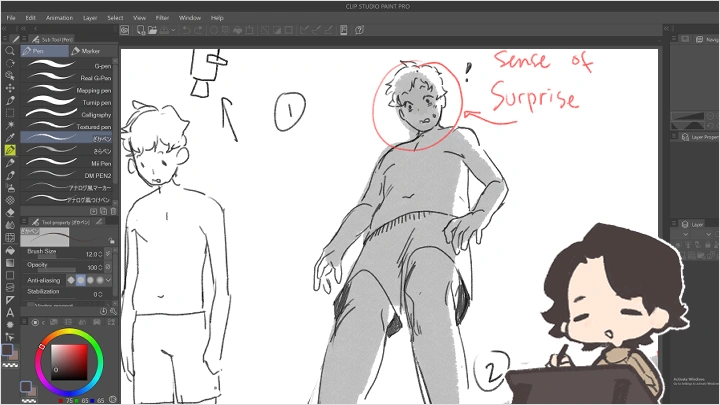
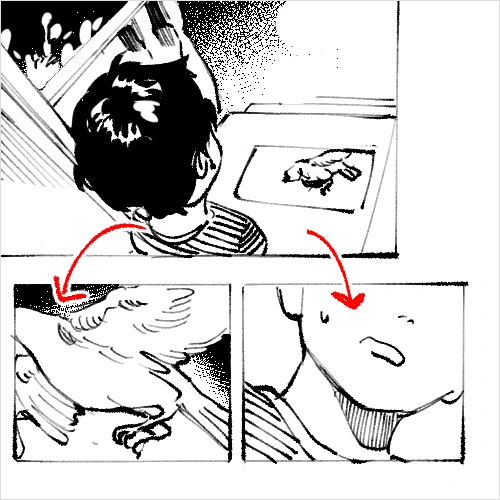 Storyboard I: Explore Angles and ShotsDevelop your storyboard using different camera angles and shot types to create more varied visual storytelling.
-
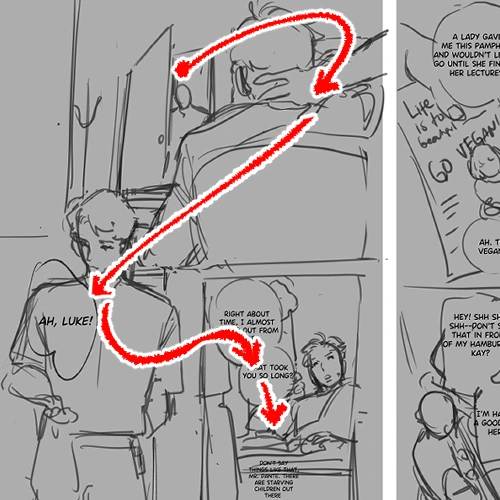 Storyboard II: Guide the Reader’s EyeRefine your storyboard by arranging visual elements to create a clear and natural reading flow.
-
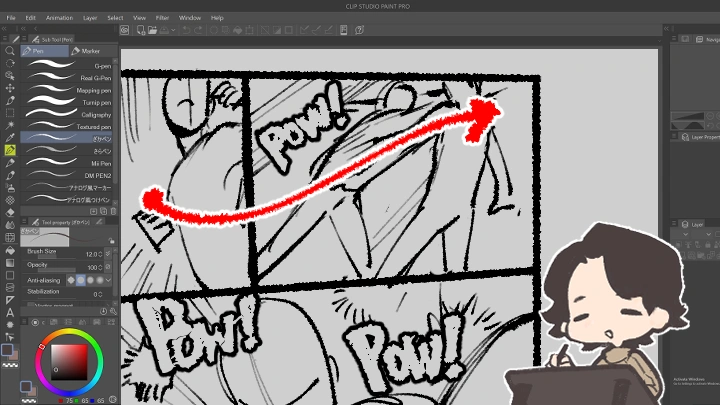
Storyboard III: Control Pacing Through PanelsExperiment with panel size and orientation to create panning effects and control the pacing of a scene.
Part 03. Shape the Comic Page
-
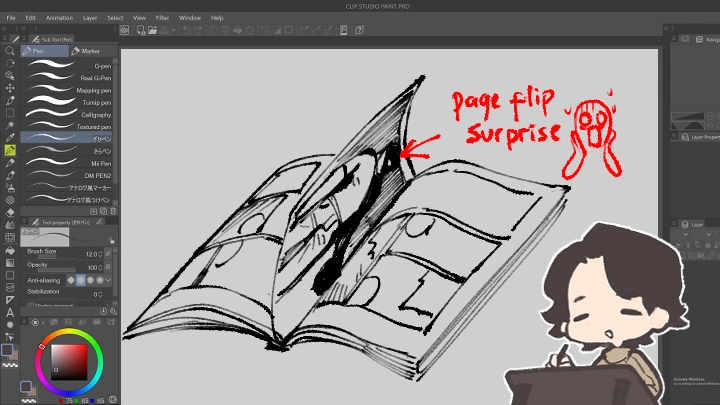
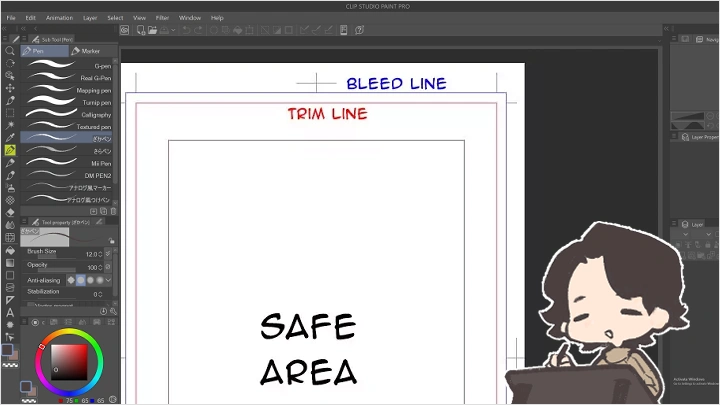
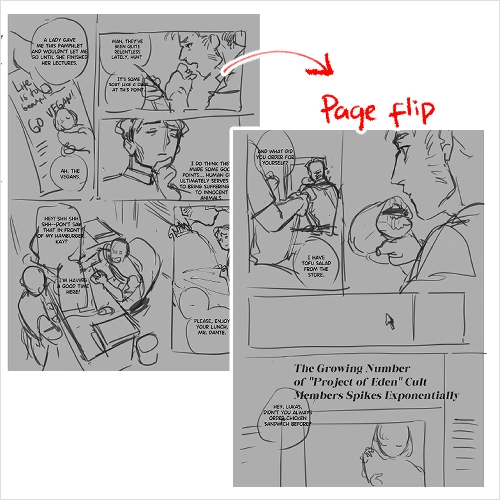 Storyboard IV: Turn Panels Into Complete PagesArrange your storyboard panels into page layouts and explore how individual moments work together across the page.
-
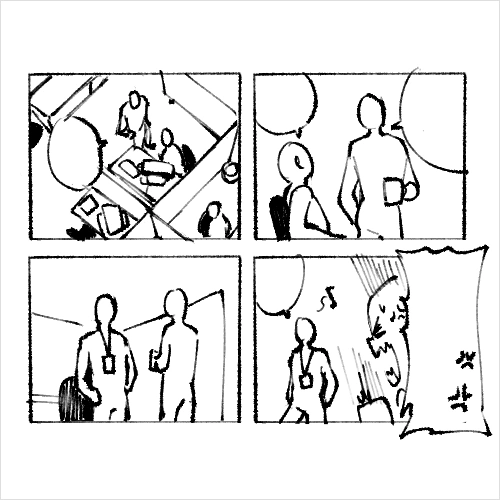 Create a 4Koma ComicApply comic timing and panel structure by creating a short 4-panel manga sequence.
-
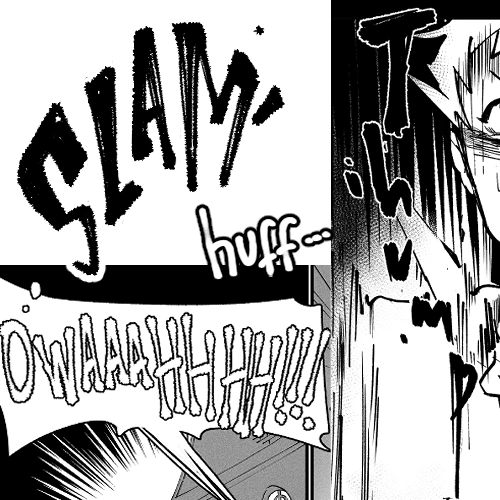
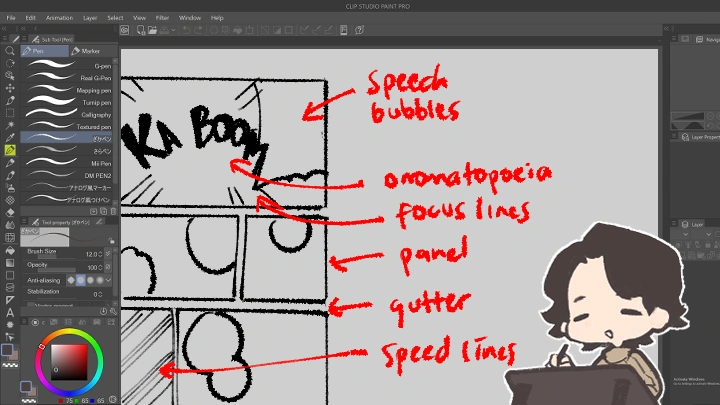
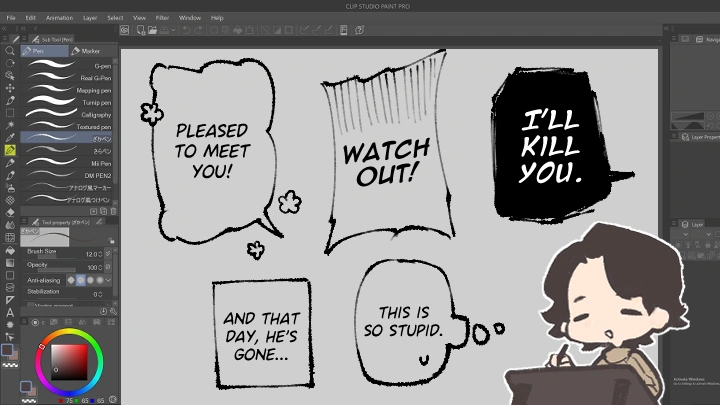
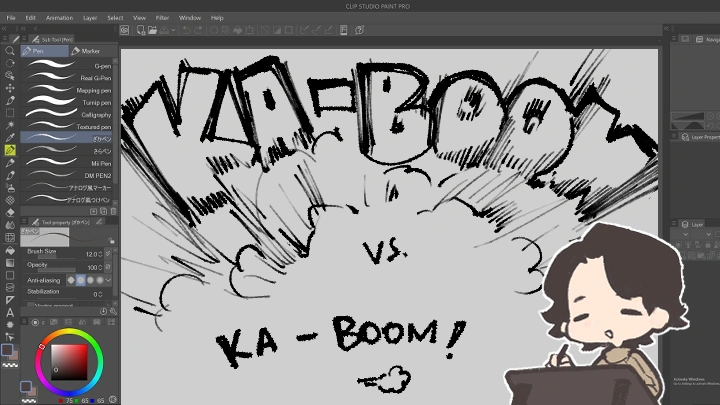
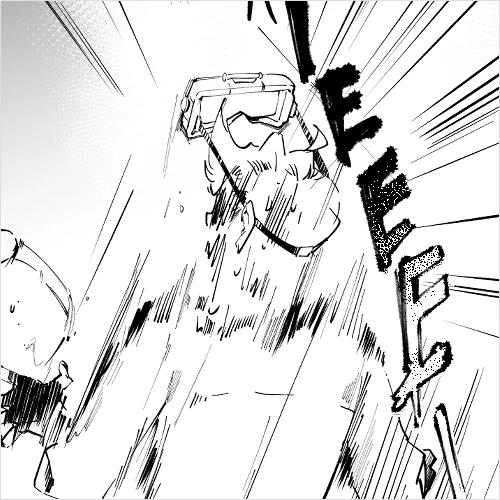 Design Your Sound EffectsCreate sound effects that visually support the action, atmosphere, and impact of your comic scenes.
Part 04. Build the B&W Comic Look
-
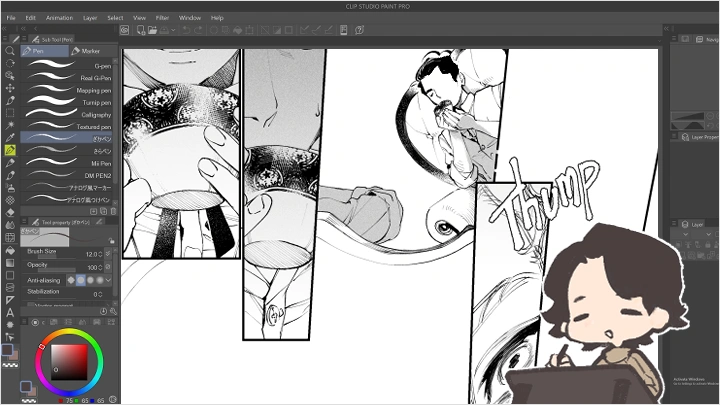
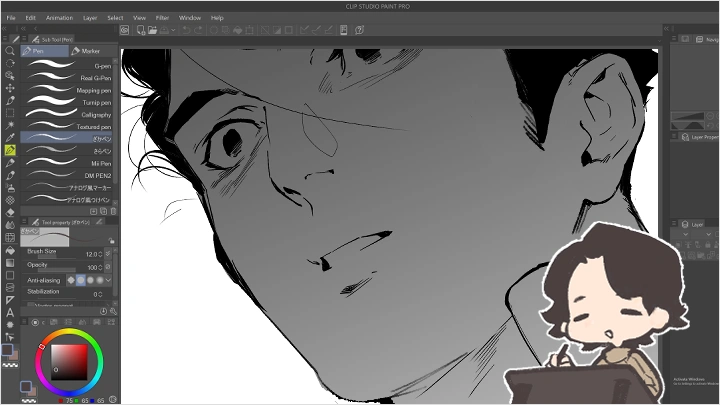
Practice Inking, Beta, and ToningApply inking, solid blacks, and screentone techniques to build the core B&W visual language of your comic.
-
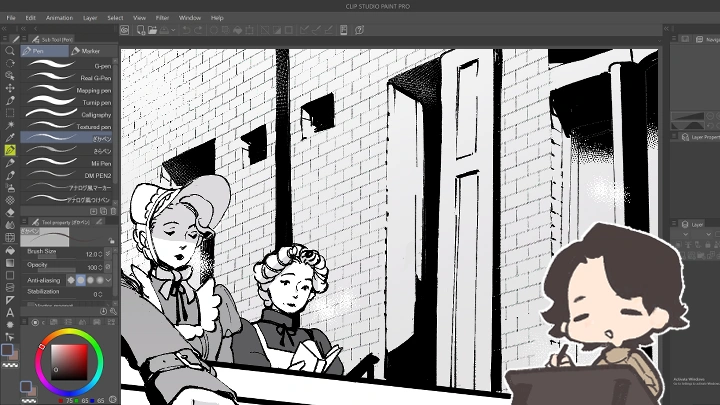
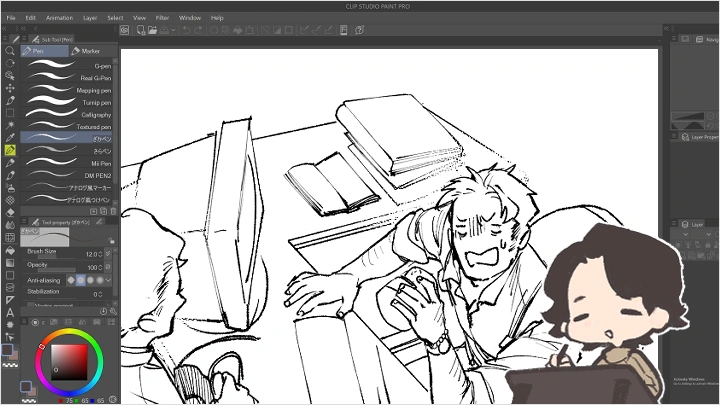
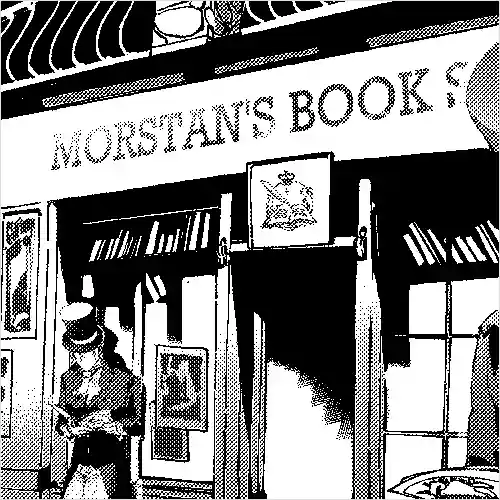 Create Comic BackgroundsPractice building backgrounds using both conventional drawing techniques and photobashing.
-
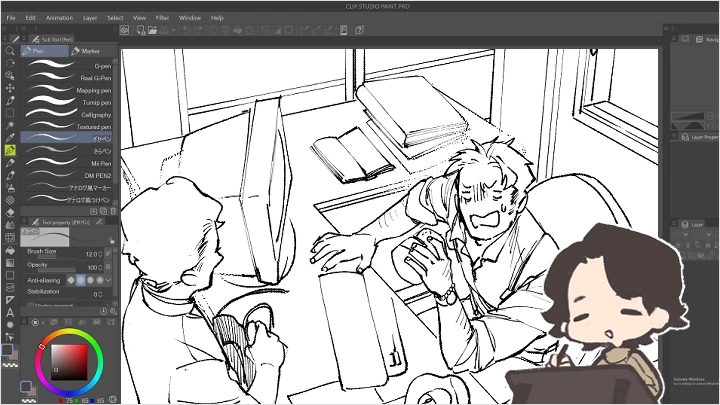
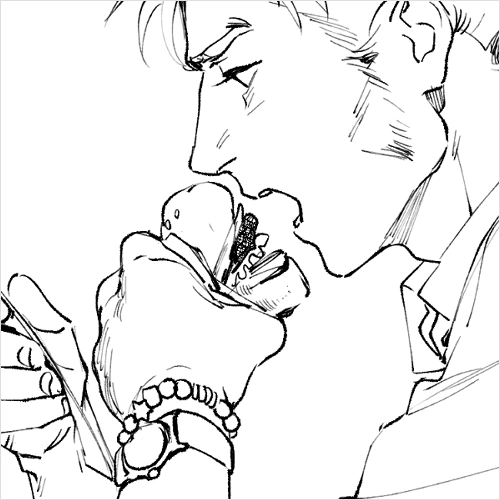 Ink Your CharactersApply C’s inking process to the character-focused elements of your final comic pages.
-
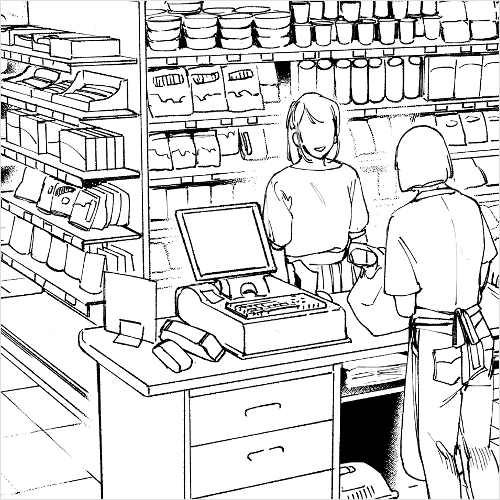 Ink the BackgroundComplete the background inking for your final comic while integrating it with the character artwork.
-
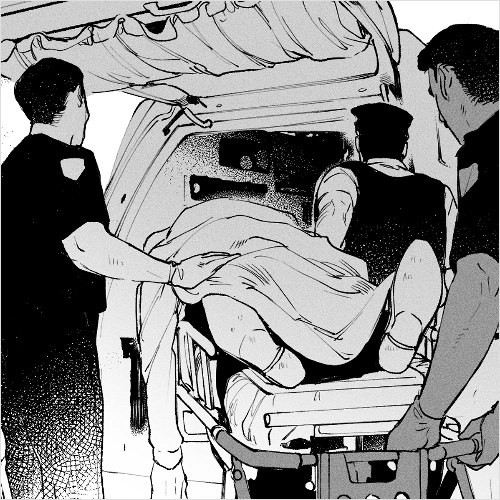 Add Screentone and Final TouchesApply screentone and refine your comic pages with the final visual details introduced throughout the class.
-
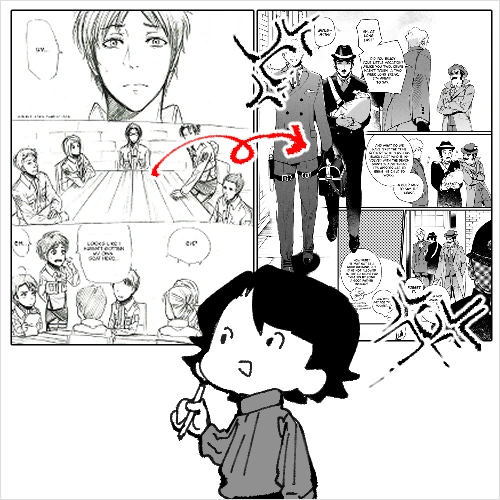 [Bonus Exercise] Rework an Older Comic PageChoose one page from a previous comic and revise it using what you have learned about storytelling, pacing, paneling, and production.
Final Product Examples
-
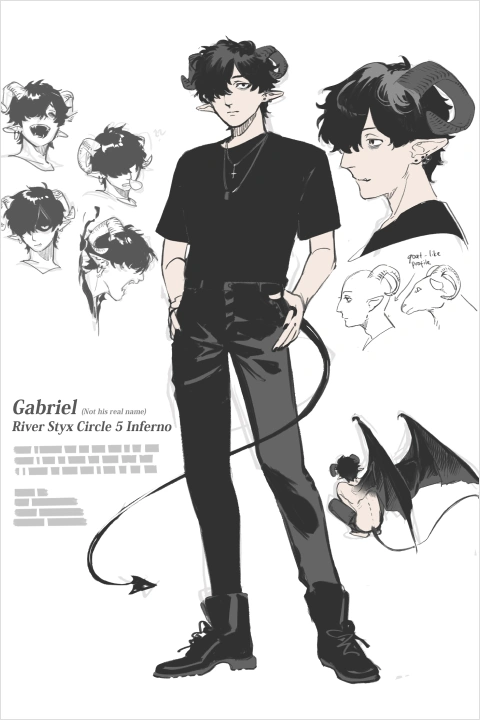 Character Sheet
-
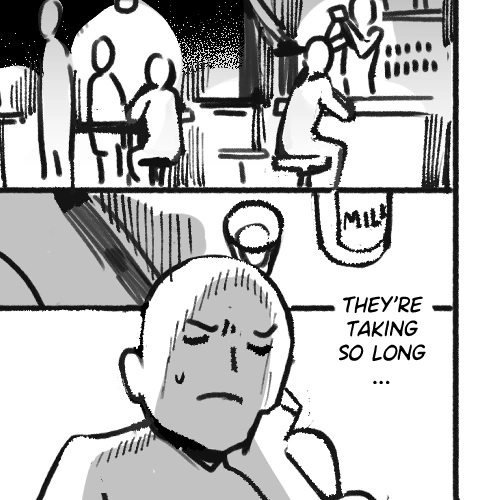
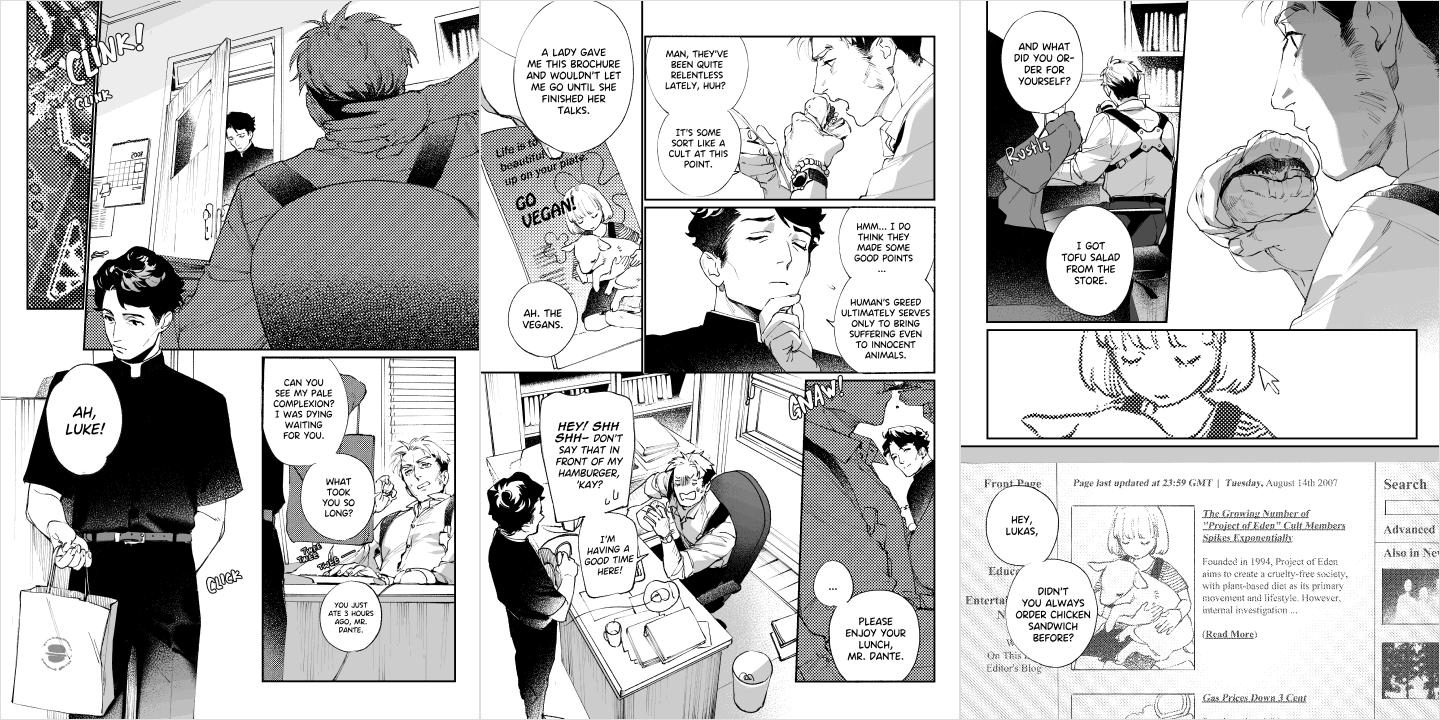 3–4 Page Short Comic
Highlights
Class Highlights
Build the Story Before the Page
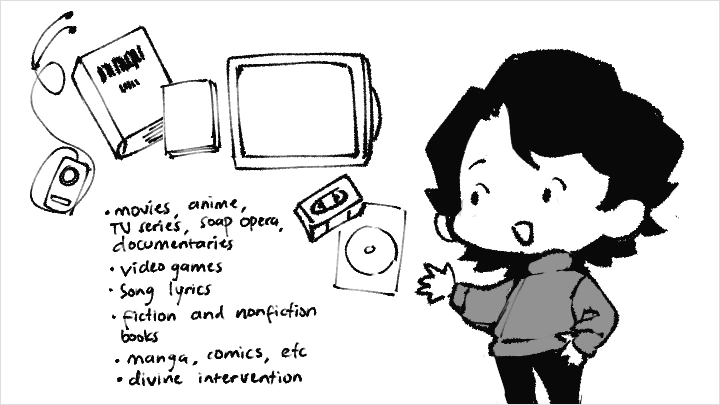
Learn how to shape an interesting story by gathering references across different media, expanding your perspective, and developing a clear storyline. Build key moments, dialogue, and narrative progression before moving into the visual production of your comic.
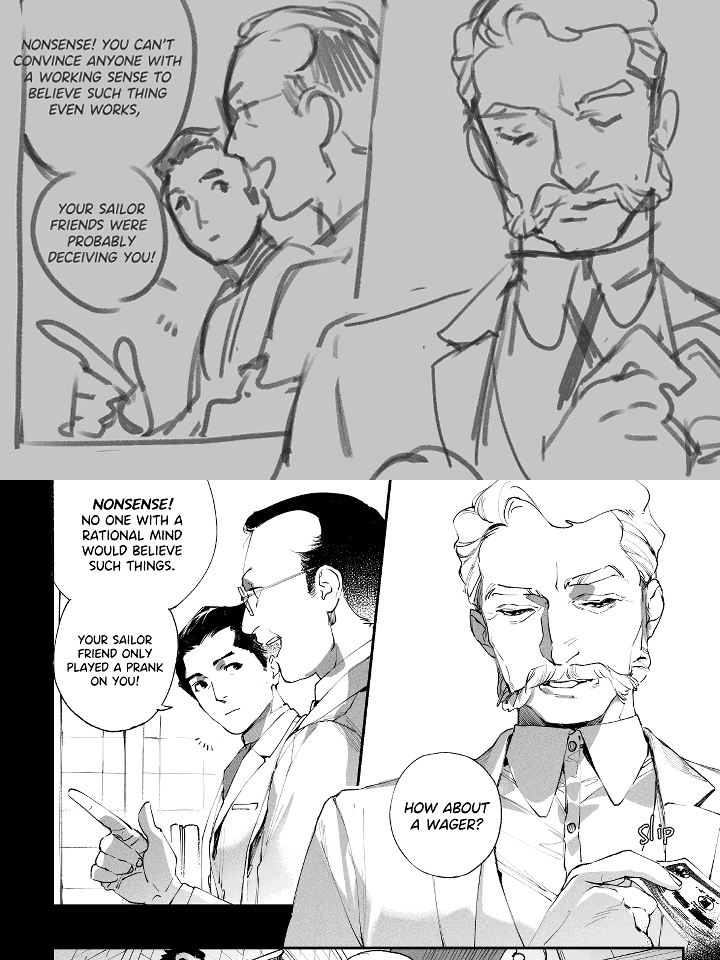
Characters: The Vessels of Your Story
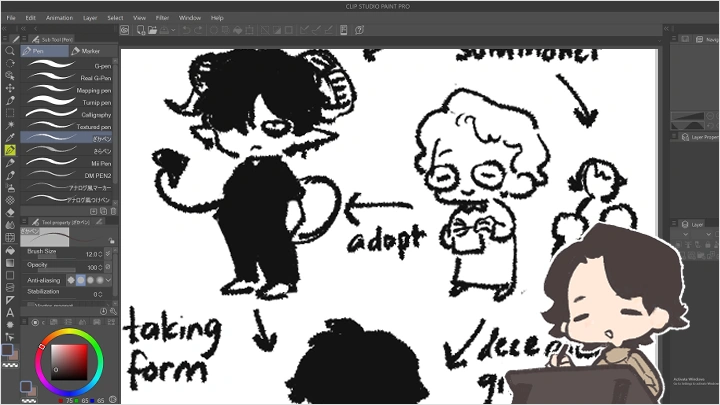
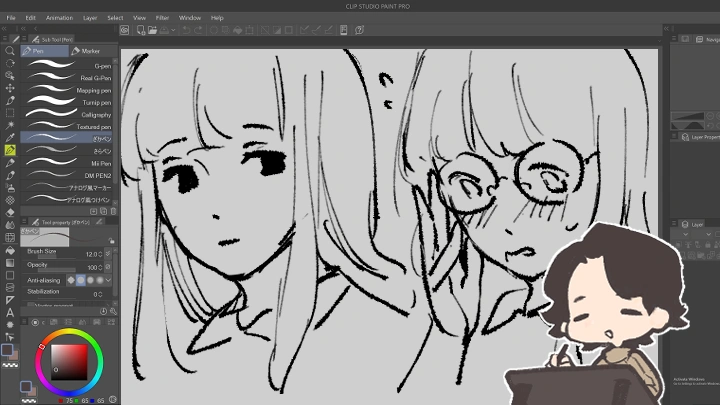
Design compelling characters that draw readers into their world and support the story you want to tell. Explore visual archetypes, personality, relationships, gestures, expressions, and speech patterns to create characters that feel connected to the narrative rather than designed in isolation.

Bring Your Comic to Life with Ink and Tone
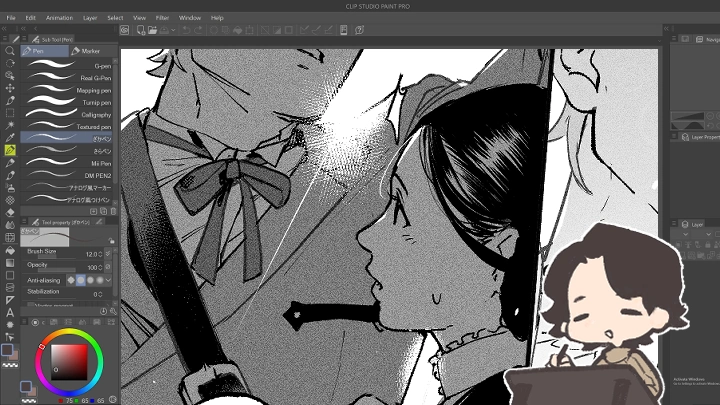
Take your storyboard into its final B&W form through C’s inking and toning process. Learn how line, contrast, texture, and tonal choices can shape the mood of a scene, guide the reader’s focus, and give your comic greater depth and visual impact.