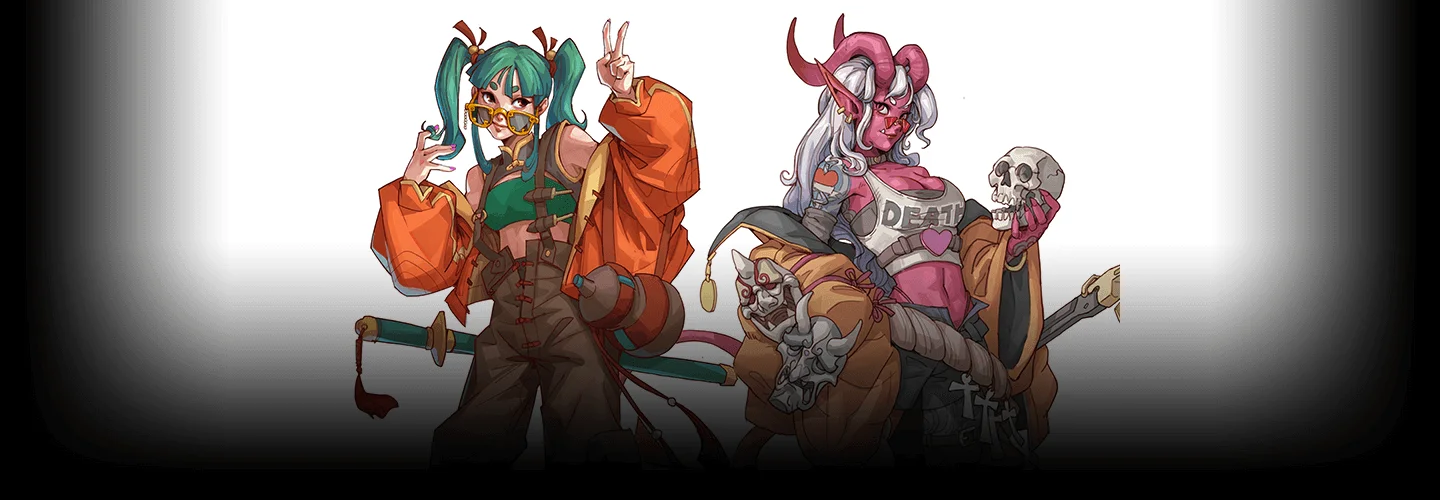
ConceptArtist,YishuCi Details
Intro
Class Intro
Illustrator, Yishu Ci
In my class, I'll be giving you practical tips and advice to elevate your portfolio in ways that I think are efficient and effective.
Practical Skills & Design Thinking of an Expert Character Designer
Yishu Ci has accumulated over 8 years of experience in the industry, working with major film and game companies around the world. This class is a compilation of the invaluable tools and skill sets accumulated over the years.

This class provides a rare opportunity to get an in-depth look into how you can equip yourself and be ready to work in the real world as a character designer. By learning the flows and shortcuts, unlock a new level of your artistic journey in the most effective and practical way possible.
The curriculum is meticulously designed by Yishu Ci, sharing exactly what you need to elevate your character design process. To delve even further, he offers full access to his unique referencing techniques and his designer mindset, strategies that have distinguished his work among others.
With Yishu’s hands-on guidance, confidently navigate your path in the dynamic landscape of character design.
The curriculum is meticulously designed by Yishu Ci, sharing exactly what you need to elevate your character design process. To delve even further, he offers full access to his unique referencing techniques and his designer mindset, strategies that have distinguished his work among others.
With Yishu’s hands-on guidance, confidently navigate your path in the dynamic landscape of character design.
Class Perks
Get These Coloso Exclusives
-

Artist Daily Brush Set -

Class Demo Layered Files -
Extra Bonus Video -
Previous Work PSD Files -
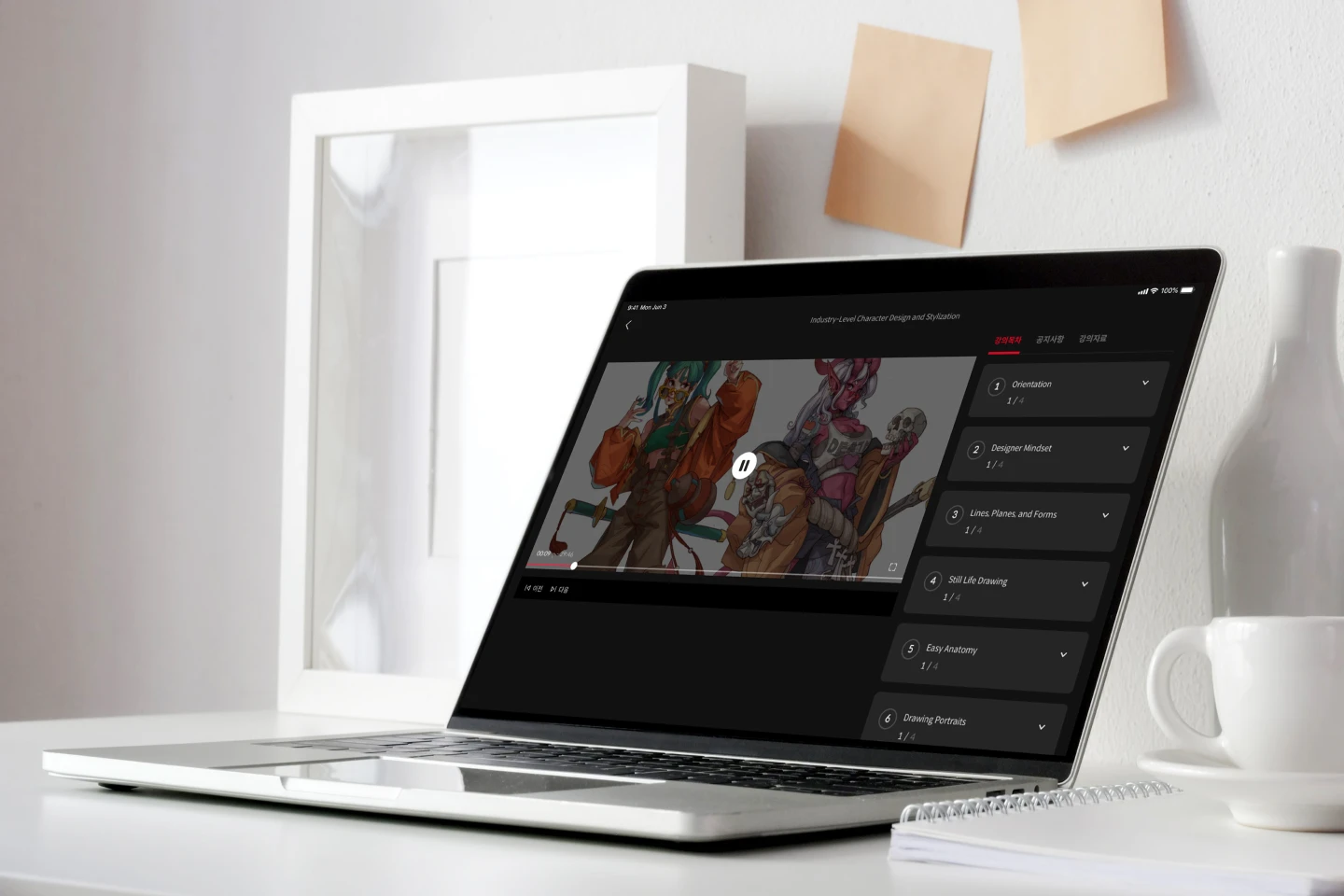
Full Timelapse Video
* Above are sample images for a better understanding.
Expert Concept Artist Yishu Ci's Portfolio
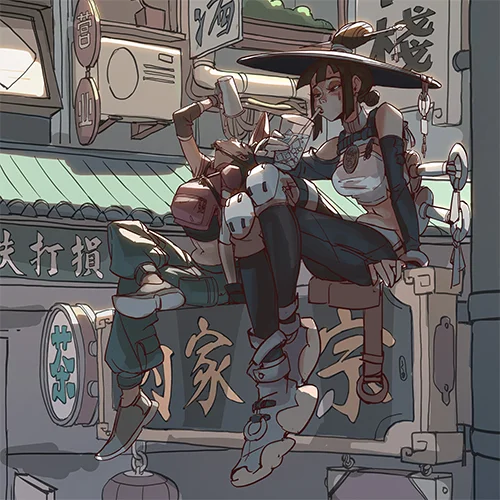

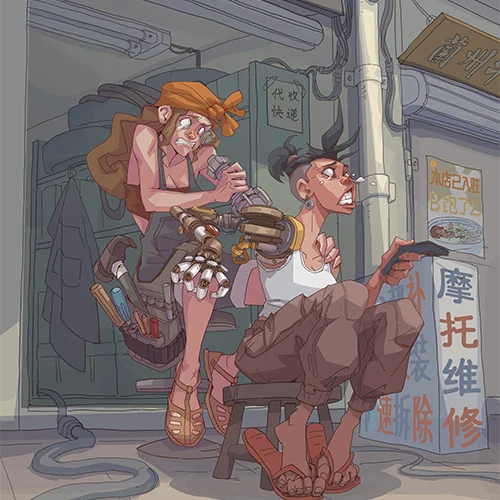

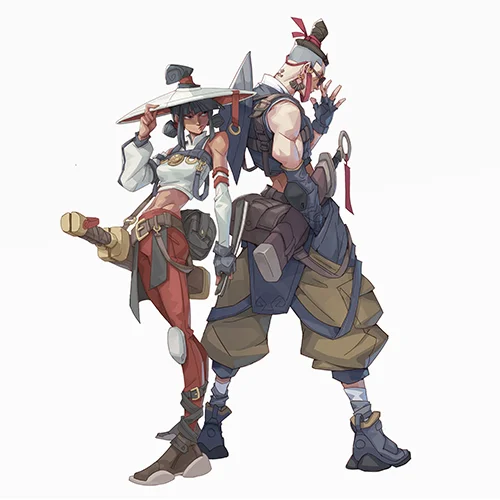

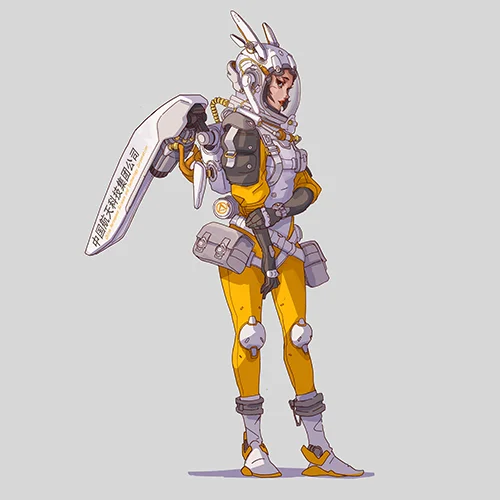
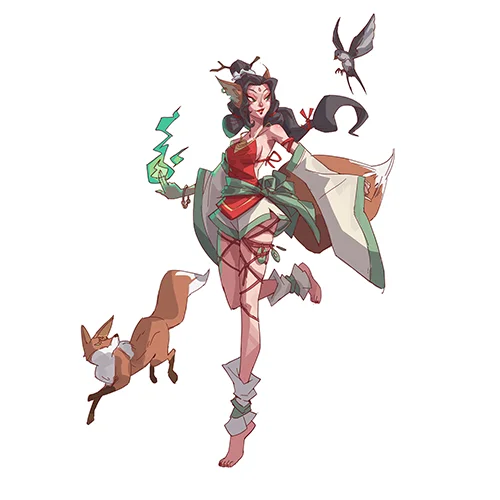
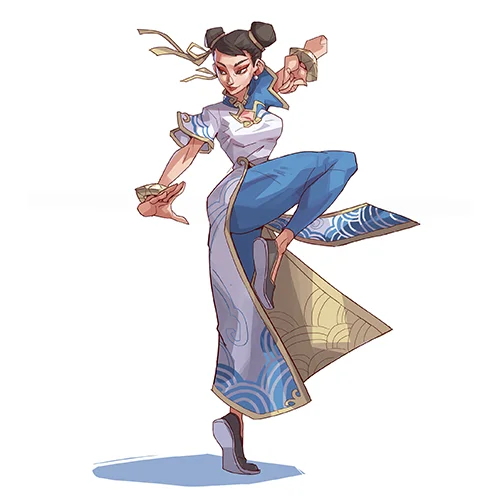
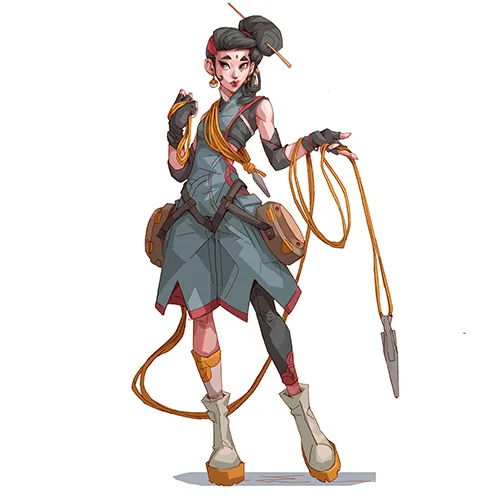
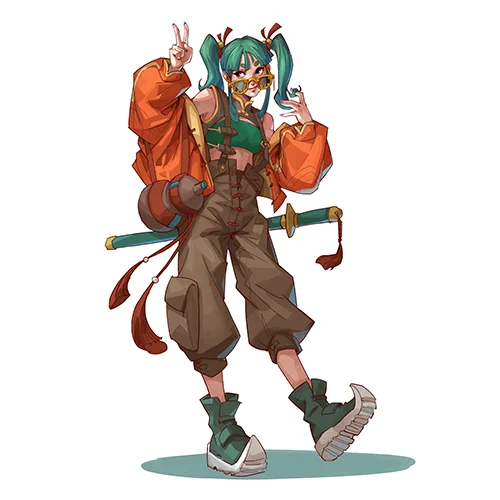
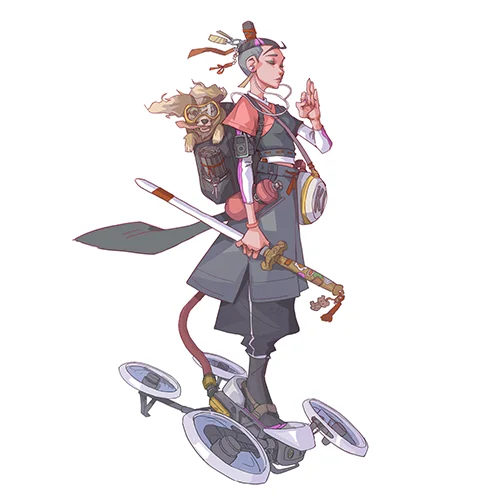
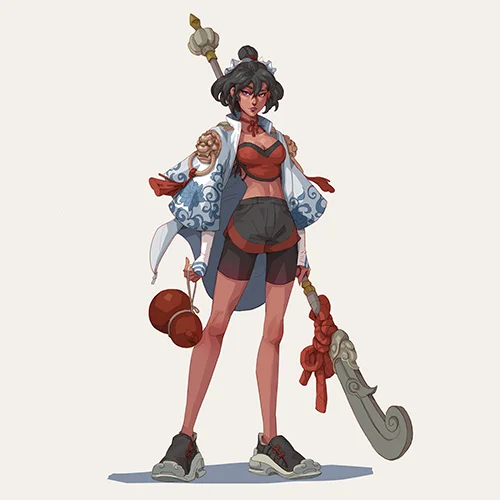
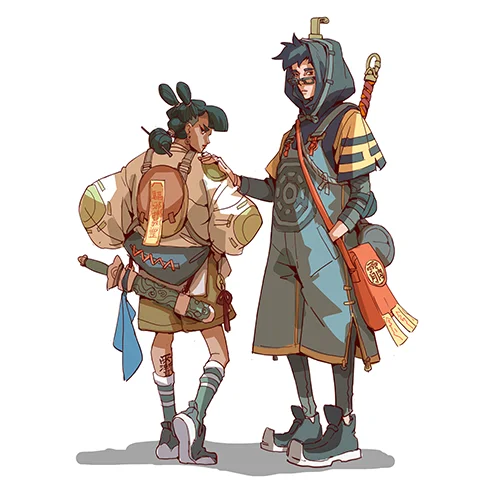
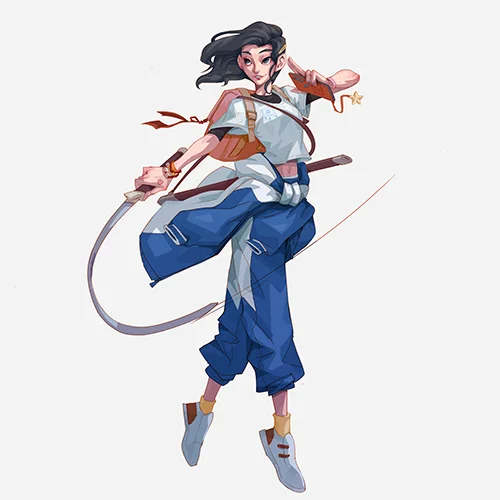
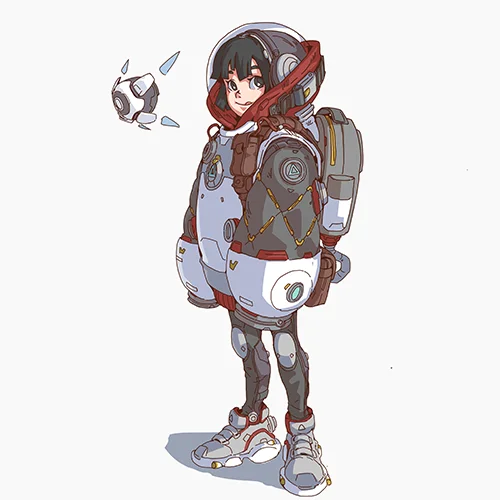
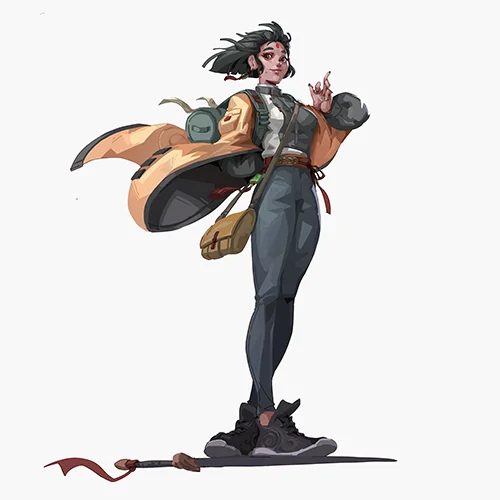
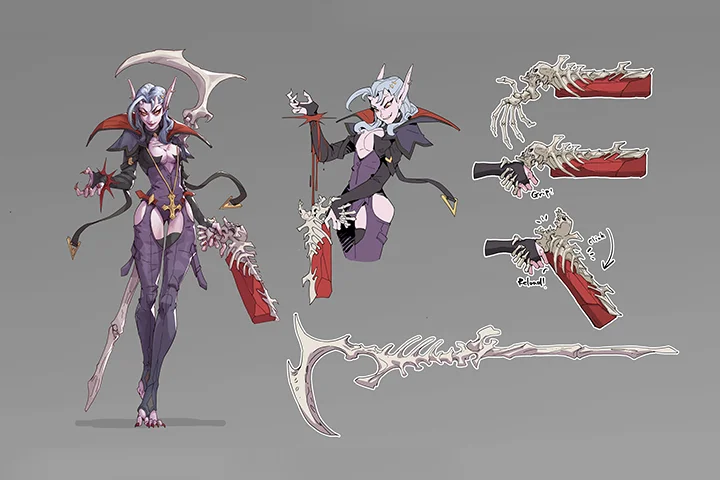
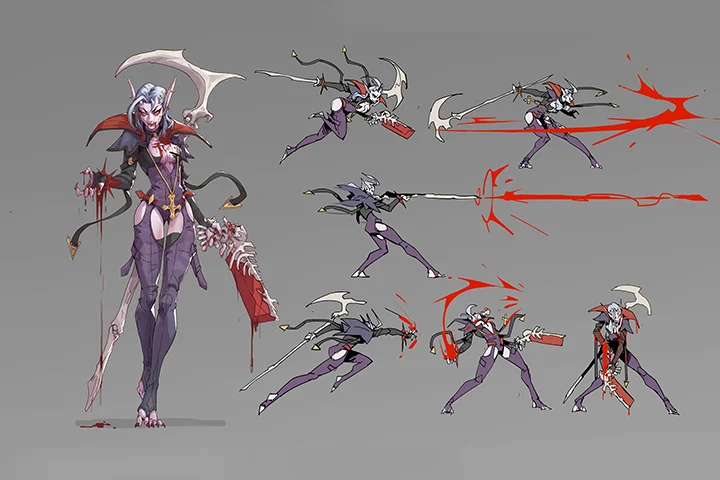

Why Take This Class?
Aspiring artists often feel the need to fit into trends to break into the industry. Yishu Ci is here to prove you don’t have to.
Following the trend may offer short-term benefits, but authenticity is the key to making a lasting impact in the industry. By encouraging students to cultivate their personal voice and create work that speaks to them, he empowers them to stand out in a competitive market.
Through thoughtful guidance and practical know-how, Yishu equips his students not only with technical skills but also with the mindset of a professional designer, setting them on a path to success.

10 Class Exercises
-
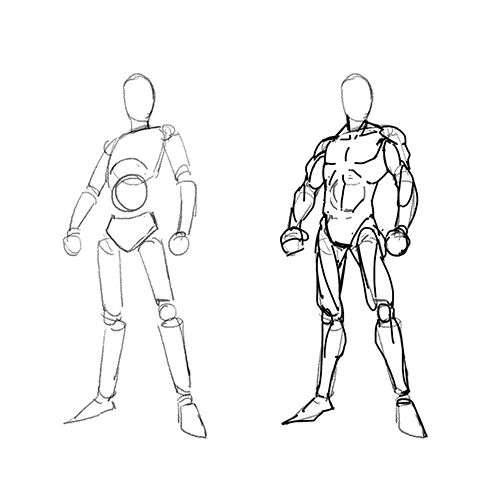 Basic Drawing Practice: Perspectives and Simplified Anatomy
 -
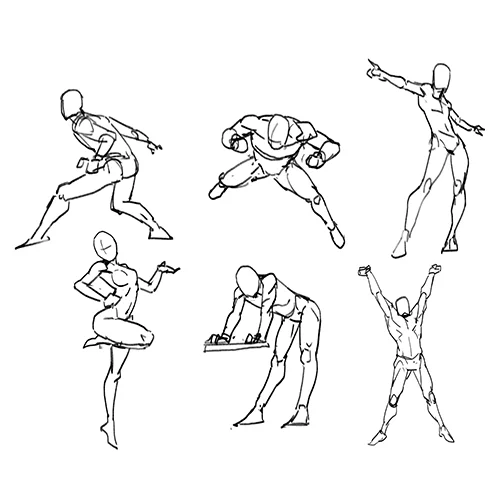 Freehand Pose Drawing
 -
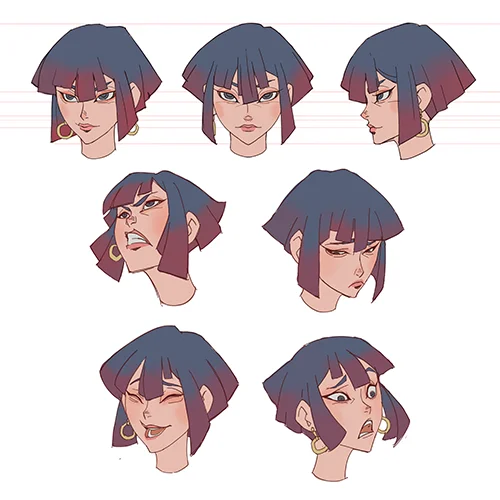 Portrait Drawing
-
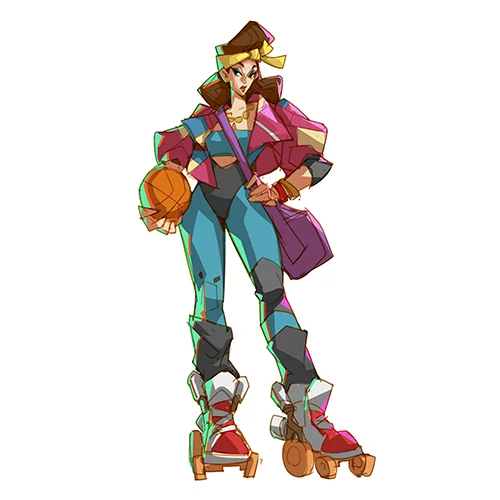 Stylize Your Characters
 -
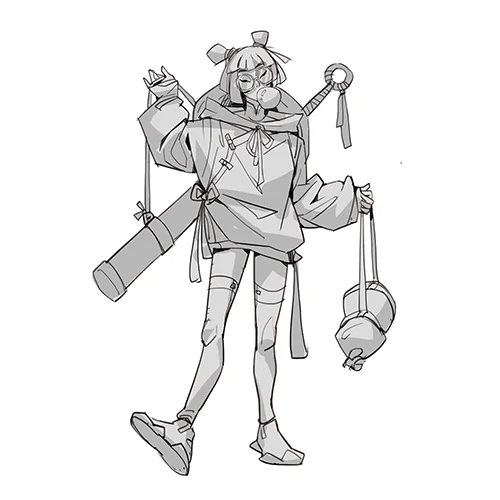 Drawing Clothing and Equipments
 -
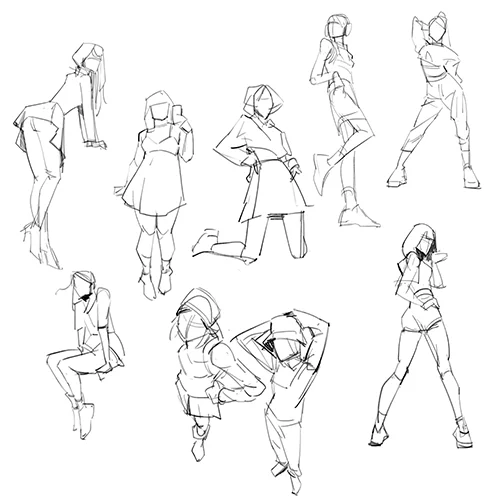 Daily Practice: Anatomy
-
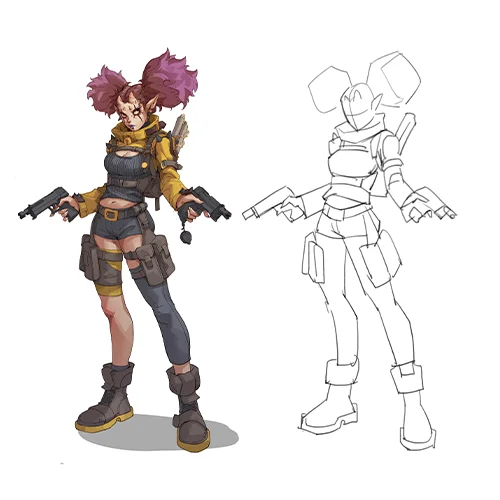 Daily Practice: Design Copy and Analysis
 -
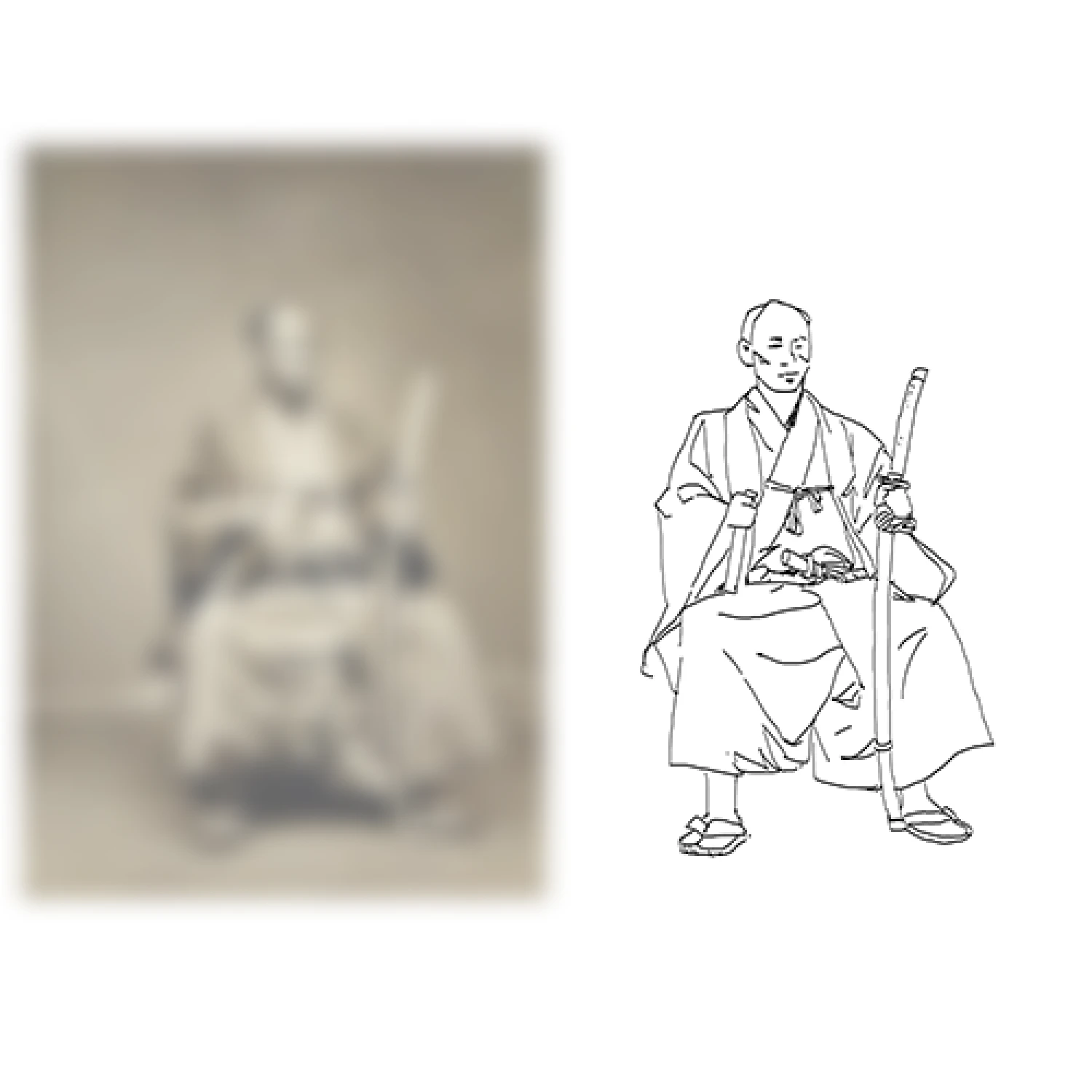 Daily Practice: Visual Library
 -
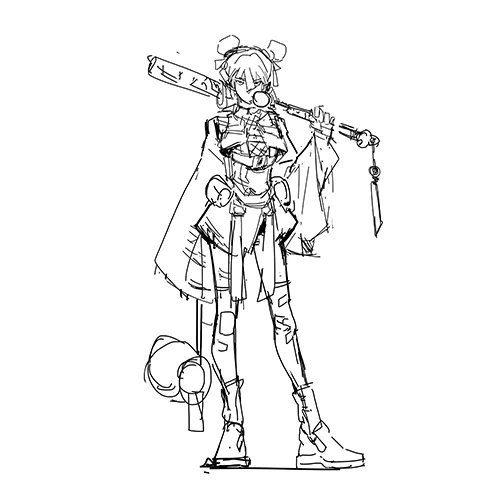 Sketching Out Your Ideas and Pushing the Design
 -
 Finishing the Design in a Stylized Fashion
* Above are sample images for a better understanding.
Final Product
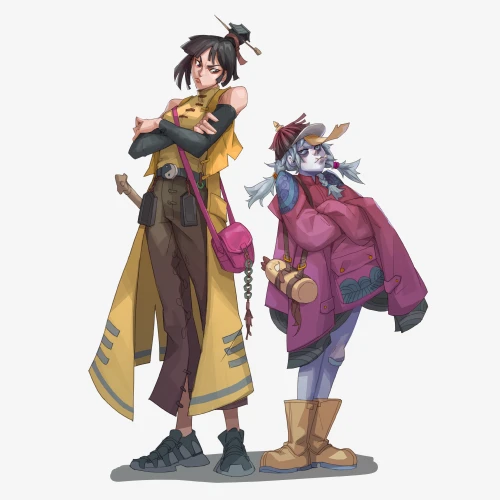
Final Character Design
Instructor
Concept Artist
Yishu Ci
Hello, My name is Yishu Ci, and I am currently located in Beijing, China. I've been in the industry for eight years or so, and I've set foot in many projects, mainly involving animation and concept design for films, animations, and video games.
I've worked with companies around the world, such as Tencent, Riotgames, Supercell, etc., and I've done much different stuff in the industry, but my main focus is stylized character concept design. I create many original characters, combining things that interest me and what I see around me, such as kung fu, fashion, and everyday people. I draw them in a thoughtful and methodical style. That's what we are going to talk about in this course!

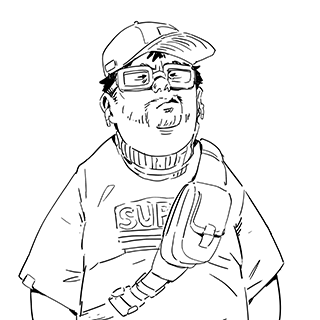
Concept Artist, Yishu Ci
[Current]
Freelance Concept / Comic Artist
[Previous]
VFX Concept Artist for Project L at Riot Games
Character Illustration/Animation for League of Legends at Riot Games
Lead Character Concept Artist at Ideomotore
Highlights
Class Highlights
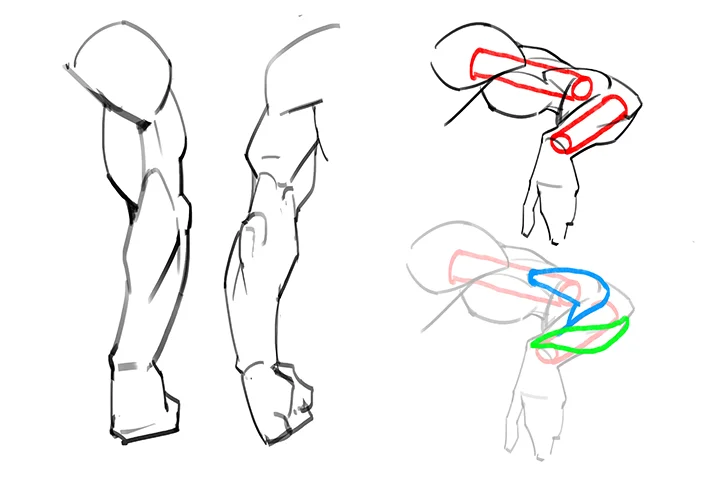
Easy-to-Digest Anatomy
Study functional anatomy tips with an experienced Character Designer. This simple anatomy mechanism will allow you to design with a wide range of motion and figures and create refined characters that will enrich your portfolio.
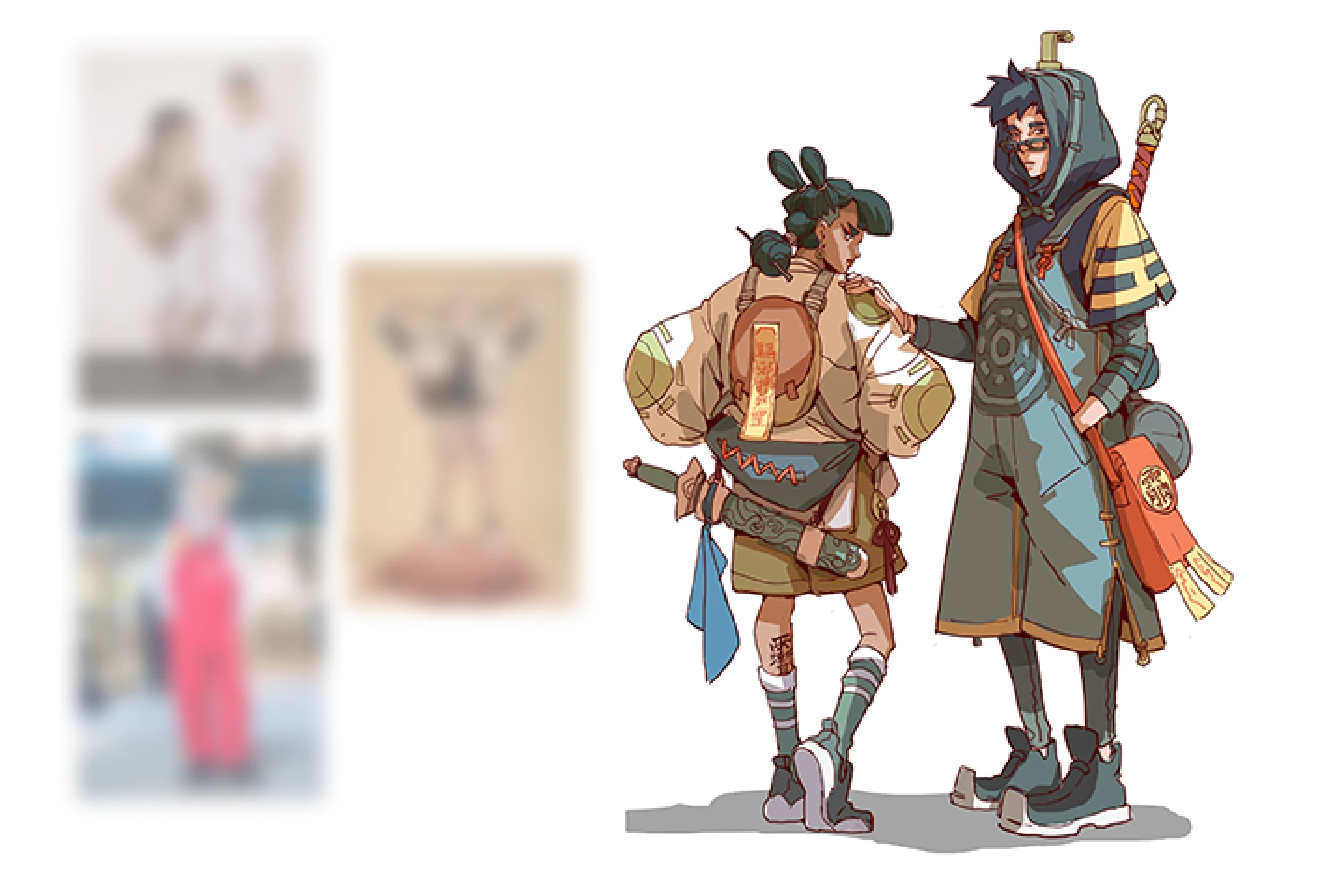
Use References Effectively
Think outside of the box when you are referencing. Yishu’s way of selecting and utilizing references will provide a transformative twist in the way you approach your work. This method sparked a breakthrough in Yishu’s journey, and he is here to share every detail with you.
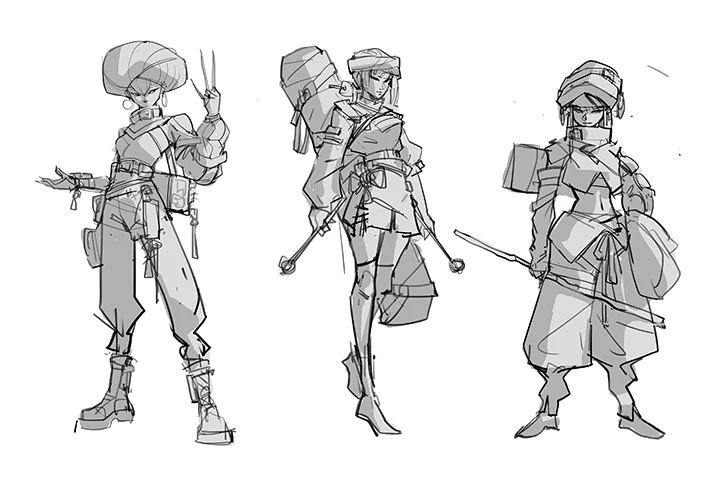
Design Characters with Confidence
You have the anatomy and the referencing sorted out, so what’s next? It’s time to breathe life into your characters that come alive at your fingertips. Aim high, envisioning the ability to design any character that comes to your mind. Learn to enjoy the highs and the lows and elevate your outcome to the next level. You won’t believe how satisfying it is.
Class Details
You'll Learn
-
 Simplified Anatomy for Stylized WorkContrary to common belief, extensive anatomical knowledge isn't necessary for stylized character work. This class pinpoints the essential mechanisms needed to master anatomy and perfect your character designs.
 -
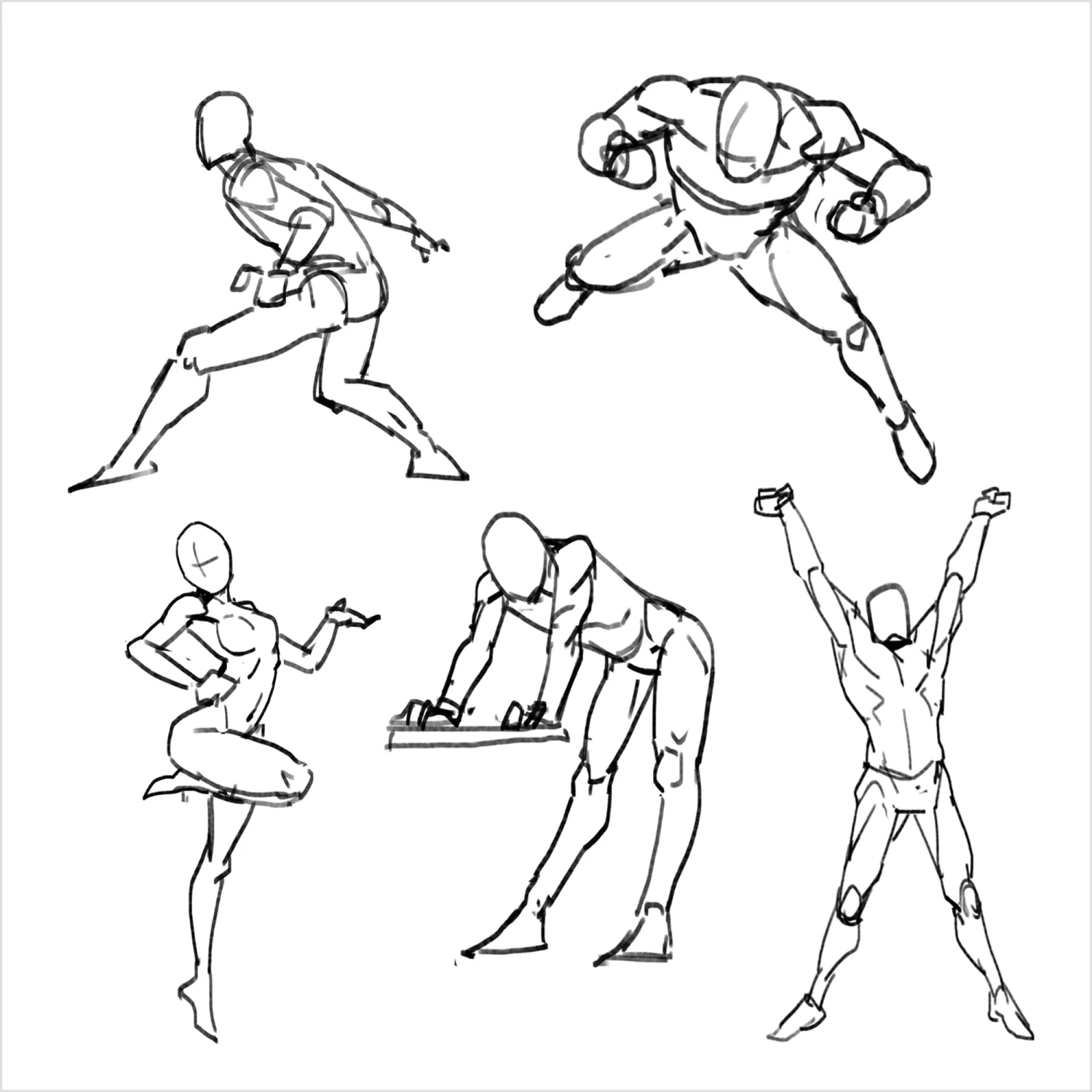 Come Up with Your Own PosesExpress your character's dynamic energy with various poses. Poses can establish a captivating personality in your designs and leave a lasting impression. Study the different perspectives and watch your characters come to life.
 -
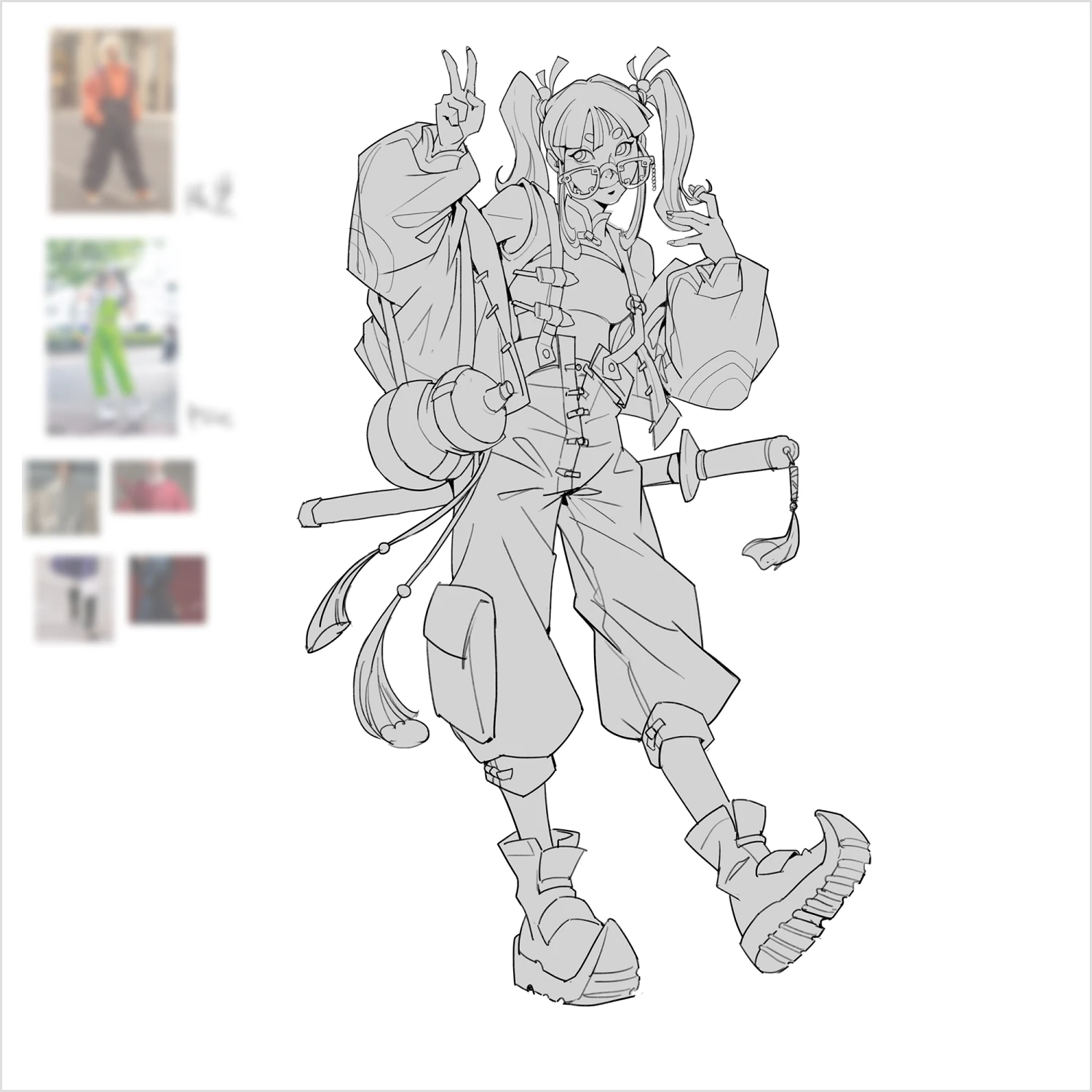 Gather and Use ReferencesStarting on your design with nothing but an idea? Make a habit of collecting references to design with purpose and maximize appeal.
-
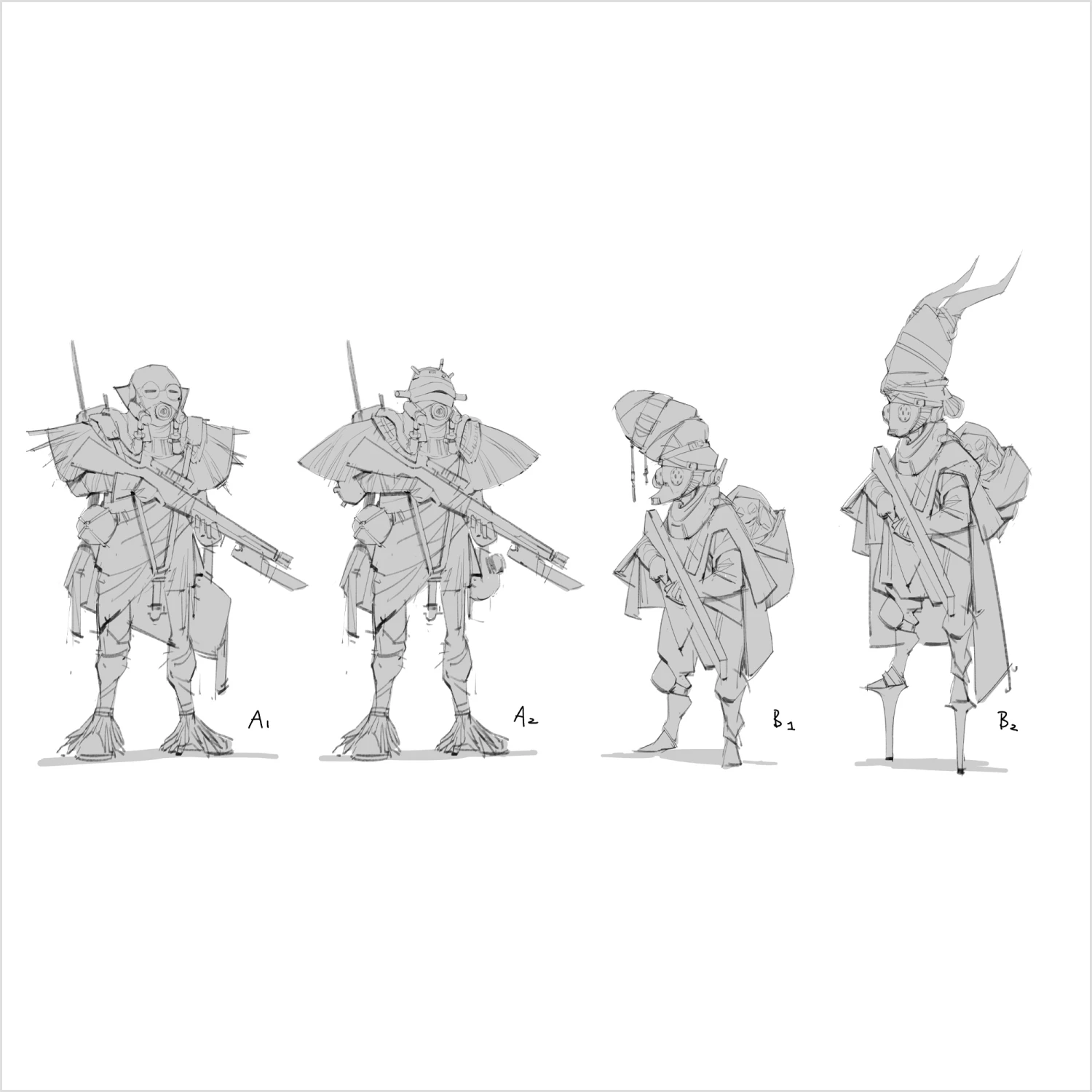 Integrate Your IdeasExplore and experiment with your design elements to ultimately integrate them cohesively. Understand which mood or style you wish to deliver, and find purpose in your ideas to create the foundation for your work.
 -
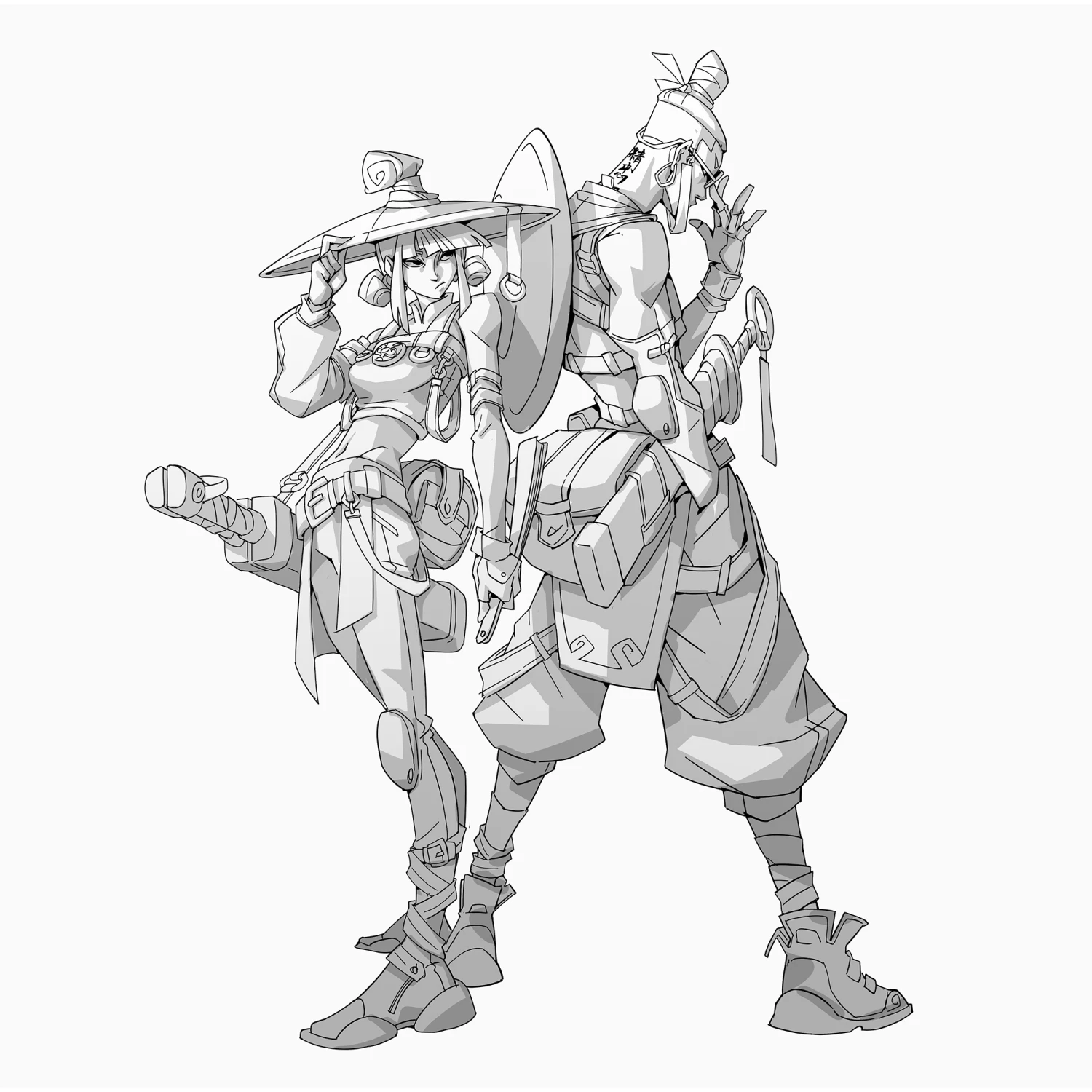 Draw with Crisp LinesAchieve clean and defined lines that will serve as a steady base for your character work. This initial step can in fact determine the quality of your final product, so you better tune in!
 -
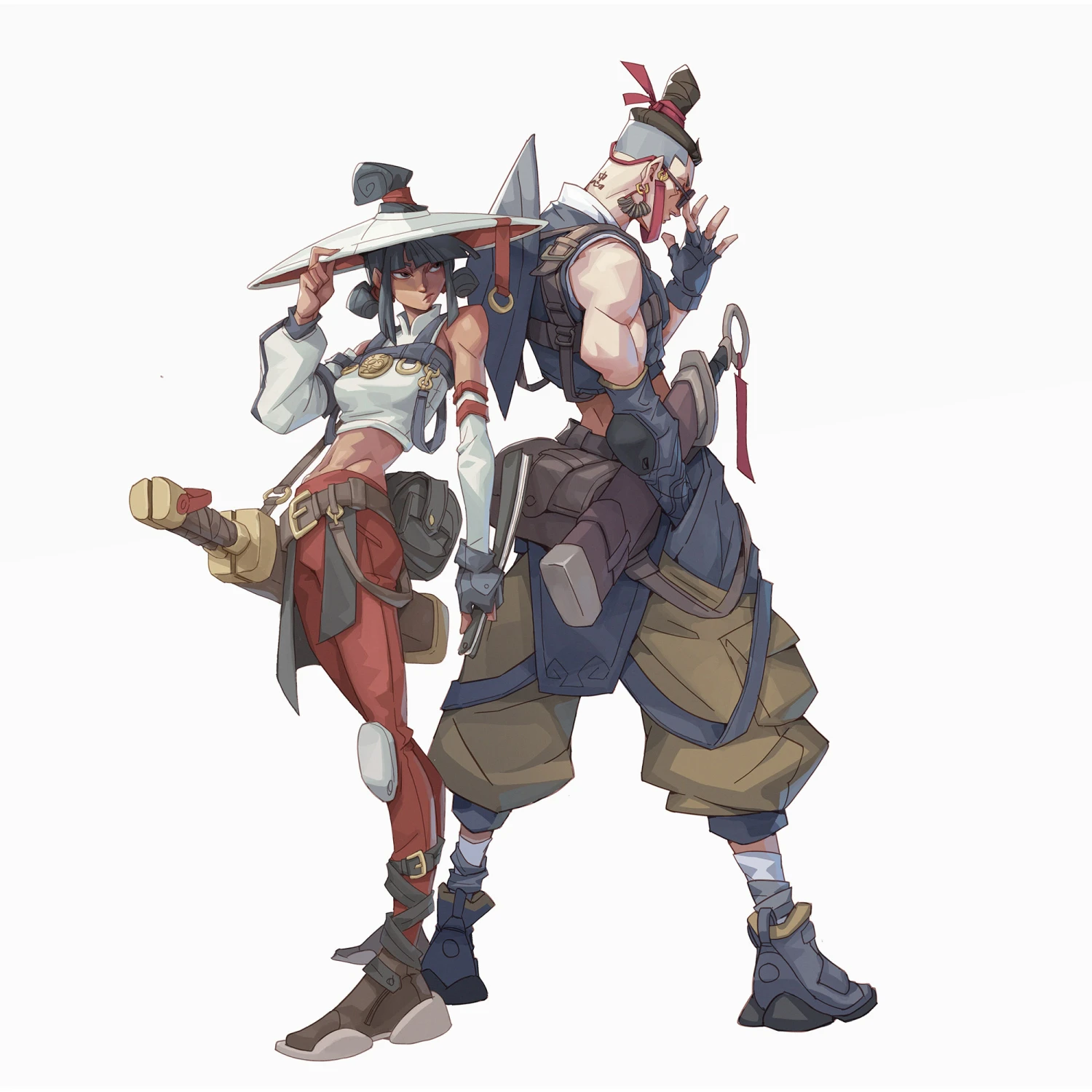 Procedural RenderingRendering marks the final step in unlocking your character's full potential. Finish strong, complete your character designs, and enhance your portfolio with professional-grade rendering skills.
- Unlimited Access
- Best Price
Buy now, get unlimited access.
09/21 (Mon) (UTC-7) Special offer ends soon.
This special offer ends soon.
Buy now and save!
Class Preview
Still Not Sure?
Check Out Yishu's Class Preview!
Chapter 01.
Orientation
1. Introducing your instructor
2. What you will learn
3. Helpful websites and software programs
Curriculum
Curriculum
In-Depth Look
SECTION 01. OT
01. Orientation
- Introducing your instructor
- What you will learn
- Helpful websites and software programs
SECTION 02. Designer Mindset
02. Designer Mindset
- Fine Art vs. Design: Commons and differences
- Expectations for a character designer
- Developing habits and be prepared to be a pro
SECTION 03. Drawing Basics
03. Lines, Planes, and Forms
- Line drawing tips
- Calculate and draw 2D shapes
- Understanding perspectives
04. Still Life Drawing
- Simplifying with simple shapes
- Calculate shadows
- Simpllifying forms with light and shadow
05. Easy Anatomy
- Simple anatomy to get you started (and it might be enough for pro work too!)
- Blocking out the human body and drawing from different angles
- Practice routines
06. Drawing Portraits
- Basic features and how I draw them
- Perspective of the head
- Basic facial expressions
07. Giving Your Character Something to Wear
- Analyzing folds
- Drawing attachments according to the body form
- Make sure things are connected naturally
08. Basic Color
- Understanding basic terms
- Arranging colors that won't blind people
- If you have no idea, just copy! But how?
09. Stylize Things in Different Ways
- Range of shapes
- Range of edge treatments
- Range of color & finish treatments
SECTION 04. Gathering and Using References
10. Importance of Photo References
- Focus Time: More important than actual 'design ideas'
- Find useful references
- Categorizing
11. Practice: With or without References
- Drawing without reference
- Drawing with reference
- Compare the differences
12. How to Use References
- Daily design practice using simple references
SECTION 05. WE GET TO DESIGN A THING NOW!
13. Pre-Production
- Mood Ref: Big picture
- Elements Ref: Design details and actual ideas
- Style and Finish Ref: Extract key points and combine
14. The Standard Design (1): Sketching
- Sketching from references and your head
- Draw various character silhouettes
15. The Standard Design (2): Iterations
- Big Things Have Been Decided: Now, mind the smaller parts!
- Same but different ideas on a more detailed scale
- Have some fun!
16. The Standard Design (3): Finishing
- Linework without thinking now!
- Color variations
- Simple shading to add forms
SECTION 06. Putting Everything Together
17. Pre-planning
- Find a Theme with A+B or the “Something But” Equation: The equation to what we call 'tropes'!
- Gathering references
18. Exploration A: Idea
- Understanding form languages
- Character archetypes
- Generate ideas based on the exploration
19. Exploration B: Look
- The anatomy of a visual style
- Copy! But not really!
- Road to your own unique style
20. Refining with Lines: Looks Better than It Actually Is
- Make your lines crisp!
- Make your lines crisp!
21. Colors
- Local values and how to decide
- Local colors based on the values
- Balancing the colors and adding some variations
22. Render and Finish
- Shade Layer (1): Forms
- Shade Layer (2): Darker dark, nuances and AO
- Lighter light, and then highlight!
SECTION 07. Professional Advice
23. Outro
- My journey
- Most asked questions and my takes
- Chicken soup for the character designers
*The release date of this class, curriculum images, and associated content can be changed without prior notice.
** Class videos may be seperated for a more streamlined viewing experience
Interview with
Concept Artist Yishu Ci

Question.01
Is there a specific reason why you chose this specific topic/themes?
The biggest thing that struck me when I talked to beginners or my students was how much they wanted to land a job. Everything they draw is a portfolio piece, but they keep chasing the trending styles and topics to make it easier for them to break into the industry. There's no problem with that, but it shouldn't be everything. I want to encourage people to make work for themselves for a change. If you have a personal voice, it is much easier to stand out, and it's much better for your career in the long run — AND you also get to have fun!
Question.02
Please share your thoughts on the industry's job market and what you see in the industry's future.
As of now, it is hard. I've always been saying it's hard but not as hard as becoming a rocket scientist, so we all need to stop complaining. Doing something you enjoy that is also super fun and cool, AND you get paid? It wouldn't be fair if it's that easy. So, I accept how hard it is and enjoy the difficulty. Every drawing and painting is intricate, and they never become easier when you get better because your bar also rises. It's where the fun is! I don't know the future, but the industry standard will keep growing. It would favor artists with their voices and statements instead of being very good with technical skills.
Question.03
Is there anything else you would like to share with your students?
I don't like to say things that sound like quotes, but I have a quote from myself that I kept for a long time. I always tell my students that you can't have the skills and knowledge of a great artist in just one day, but you can have the mindset of one in the next minute. We must see ourselves as professional designers the moment we start learning. Thus, we can evaluate our training and learning with such standards! It's just like how I'm not a teacher, but once I start this tutorial, I'll do my best to teach everyone everything I know so I can help you on your art journey.
Required Programs
This course will use Adobe Photoshop CC and PureRef.
Please purchase and install these program(s) for an optimized lecture experience.
*These programs and/or materials will not be provided with the lecture.
Recommended
Recommended Class
Like this class?
Then check these out!