
Concept Artist, Kaisar_카이사르 Details
Intro
Class Intro
Concept Artist, Kaisar
With this 50-chapter curriculum based on six different keywords, I will help you systematically develop your drawing process and routine.
*This trailer features dubbing in English. Please note that the course videos are not dubbed.
Exclusively Revealing the
Six Keys to Concept Art
Are you interested in learning the unique skills taught by Kaisar a professional concept artist known for dramatically improving students’ skills?

The course includes 50 chapters in its broad curriculum, along with teaching aids including assignment files, remarks on incorrect answers, and practical exercises.
Discover the principles of concept art, such as light theory, shading, perspective, three-dimensionality, movement, and accurate facial sketching.
Discover the principles of concept art, such as light theory, shading, perspective, three-dimensionality, movement, and accurate facial sketching.
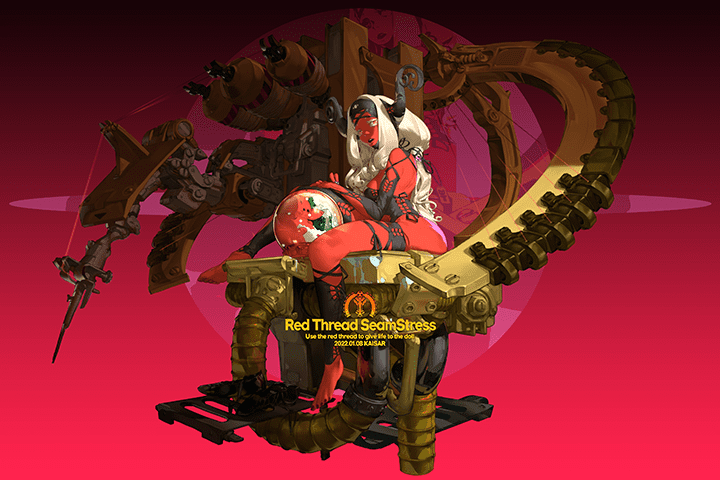
Seize the opportunity to evaluate your present knowledge, skill levels, and areas that need growth by gaining lifelong access to Kaisar's concept art course—available only on Coloso!
Class Perks
Get These Coloso Exclusives
-

Unlimited Access to 35+ Hrs & 50 Chapters of Content -
Study Materials from Professional Concept Artist -

Curriculum Plan Summary
Class Material Details
-
 Study Material Files Used in Class Exercises- PDF files
 -
 Answer notes, Assignment files- PSD files
 -
 Illustration Reference File- JPG files
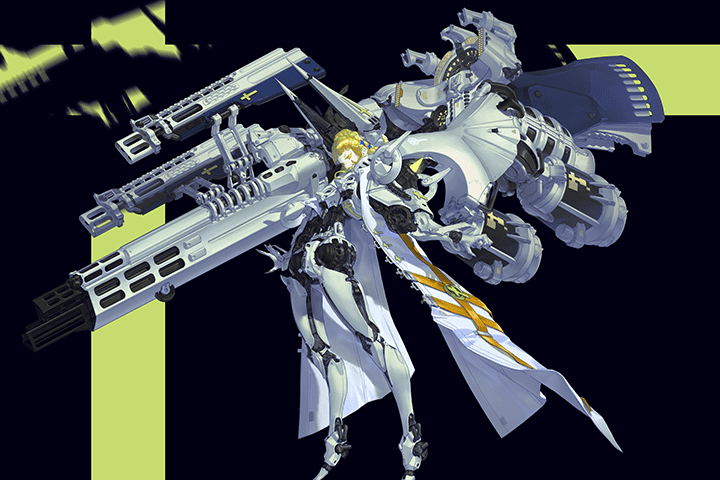
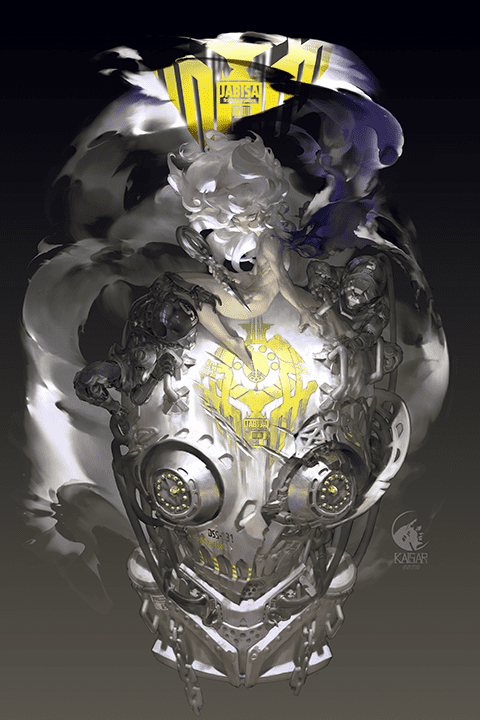
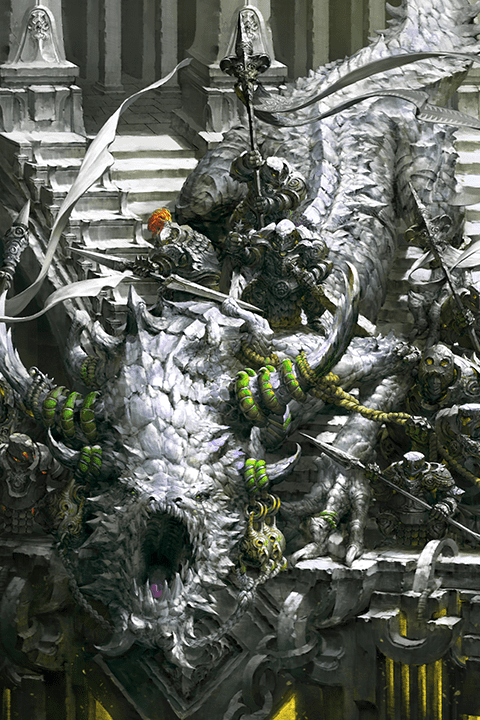
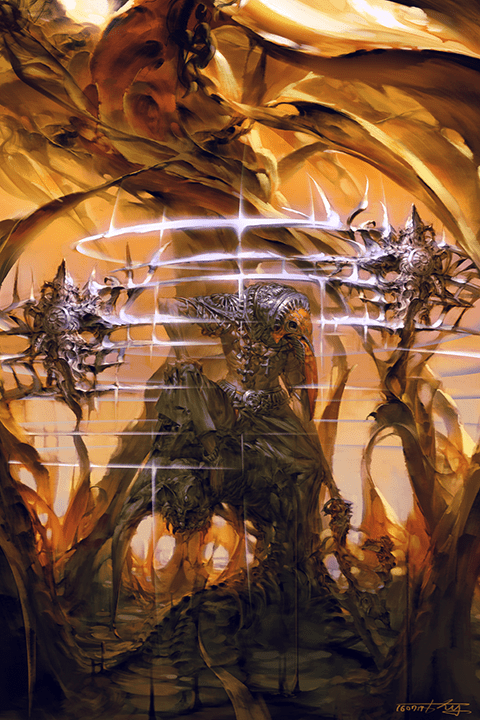
Expert Concept Artist, Kaisar's Portfolio
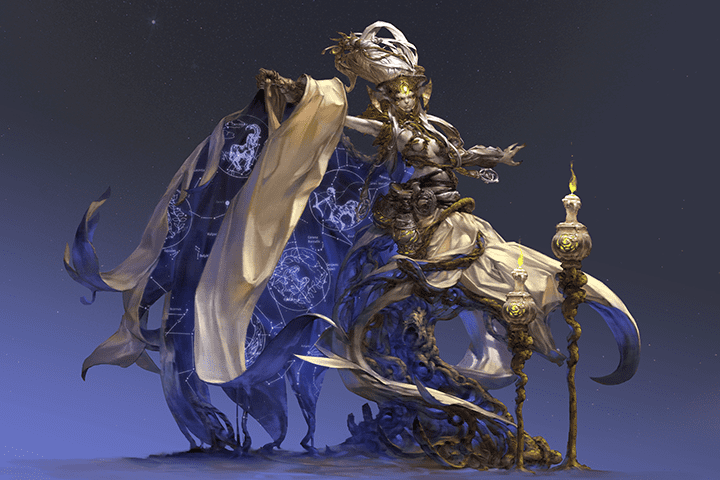

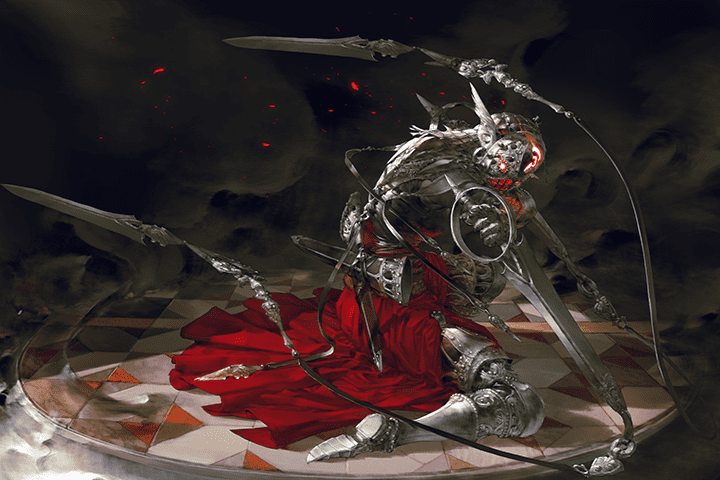
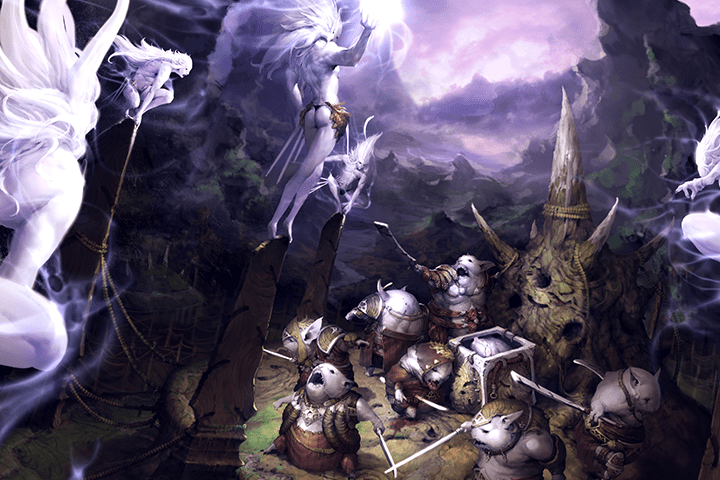
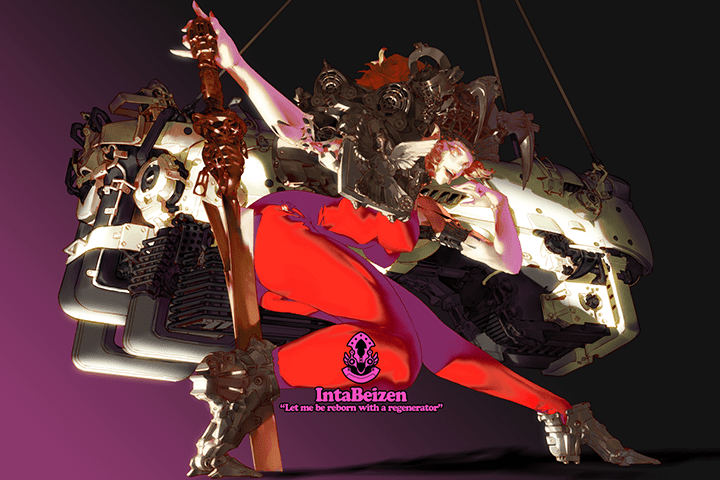
Why Take This Class?
Are you concerned that your drawings look different from day to day?
Designed for aspiring artists and junior game concept artists experiencing drawing slumps, this class will guide you toward achieving consistency.
Don't pass up this chance to assess your present knowledge, ability levels, and areas in need of development.
It's the only course that will help you pinpoint your areas of weakness and quickly advance your abilities to expand your painting possibilities!

13 Class Exercises
Part 1. Understanding Light and Shading
-
 Light Theory Based on Angle and Area
 -
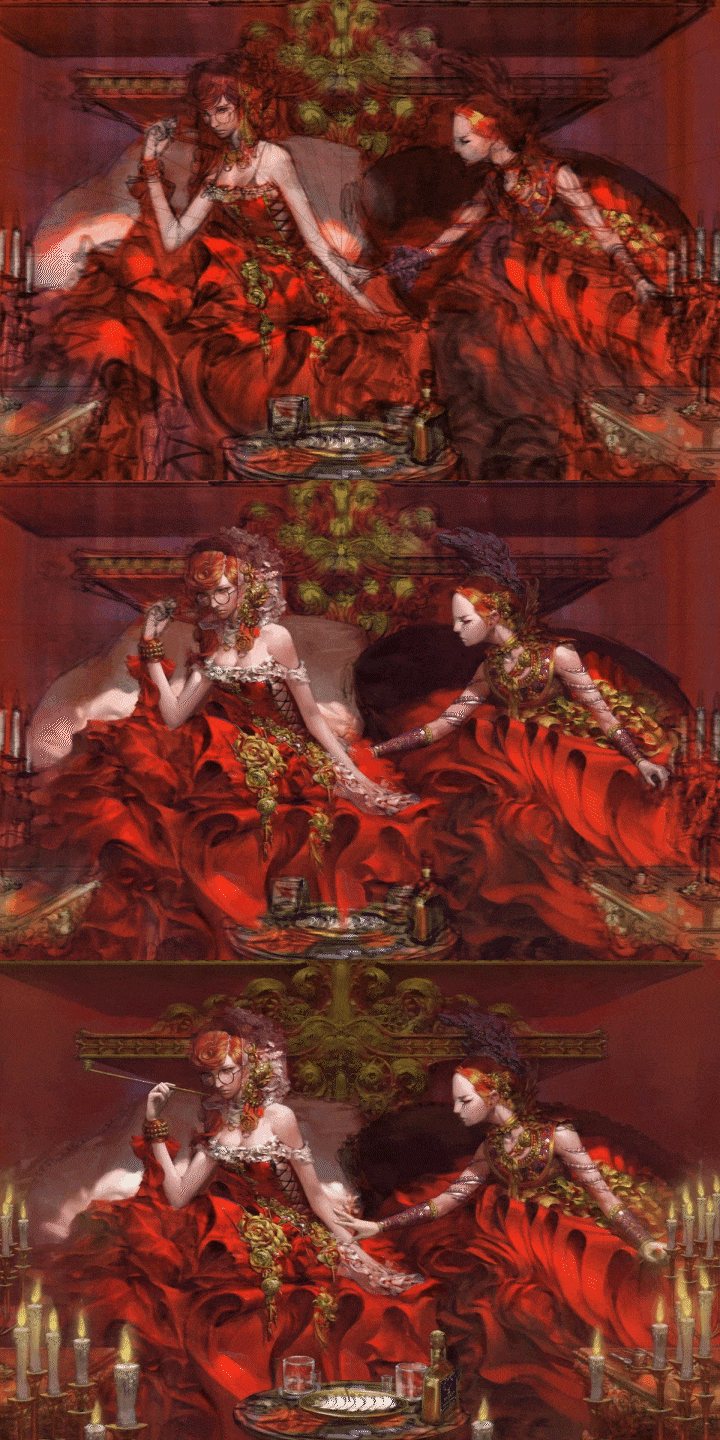 Understanding Inflection Points in Shading
 -
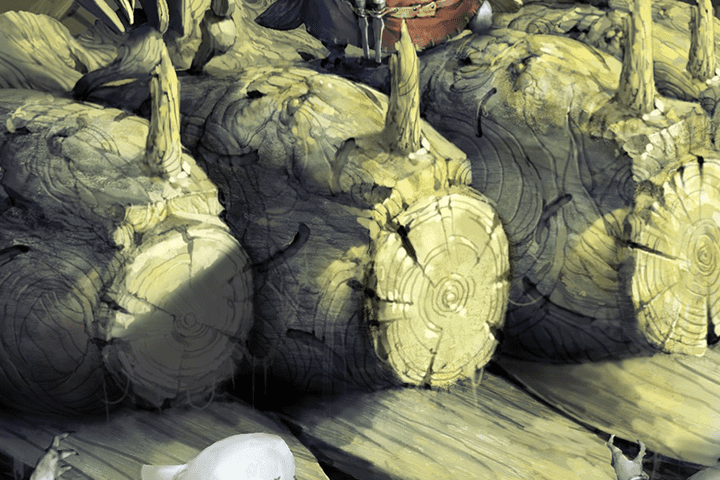 Shading Using the Three-Dimensionality Theory
Part 2. Understanding and Reinforcing Three-Dimensionality
-
 Reinforcing Three-Dimensionality: Helmet
 -
 Reinforcing Three-Dimensionality: Armor
 -
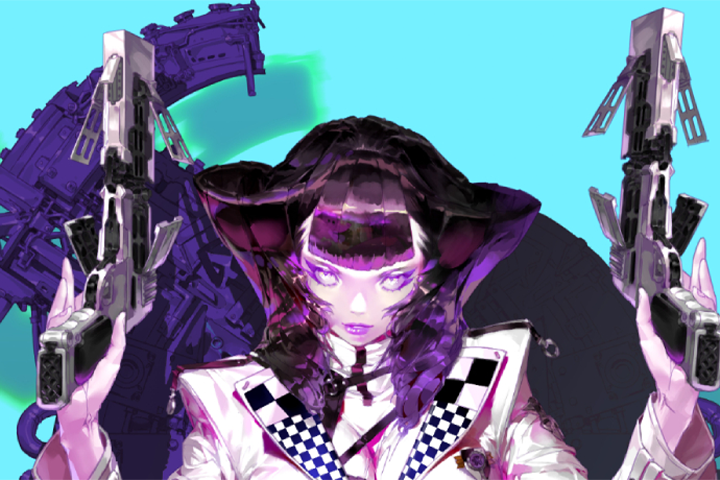 Shading Hands and Weapons
 -
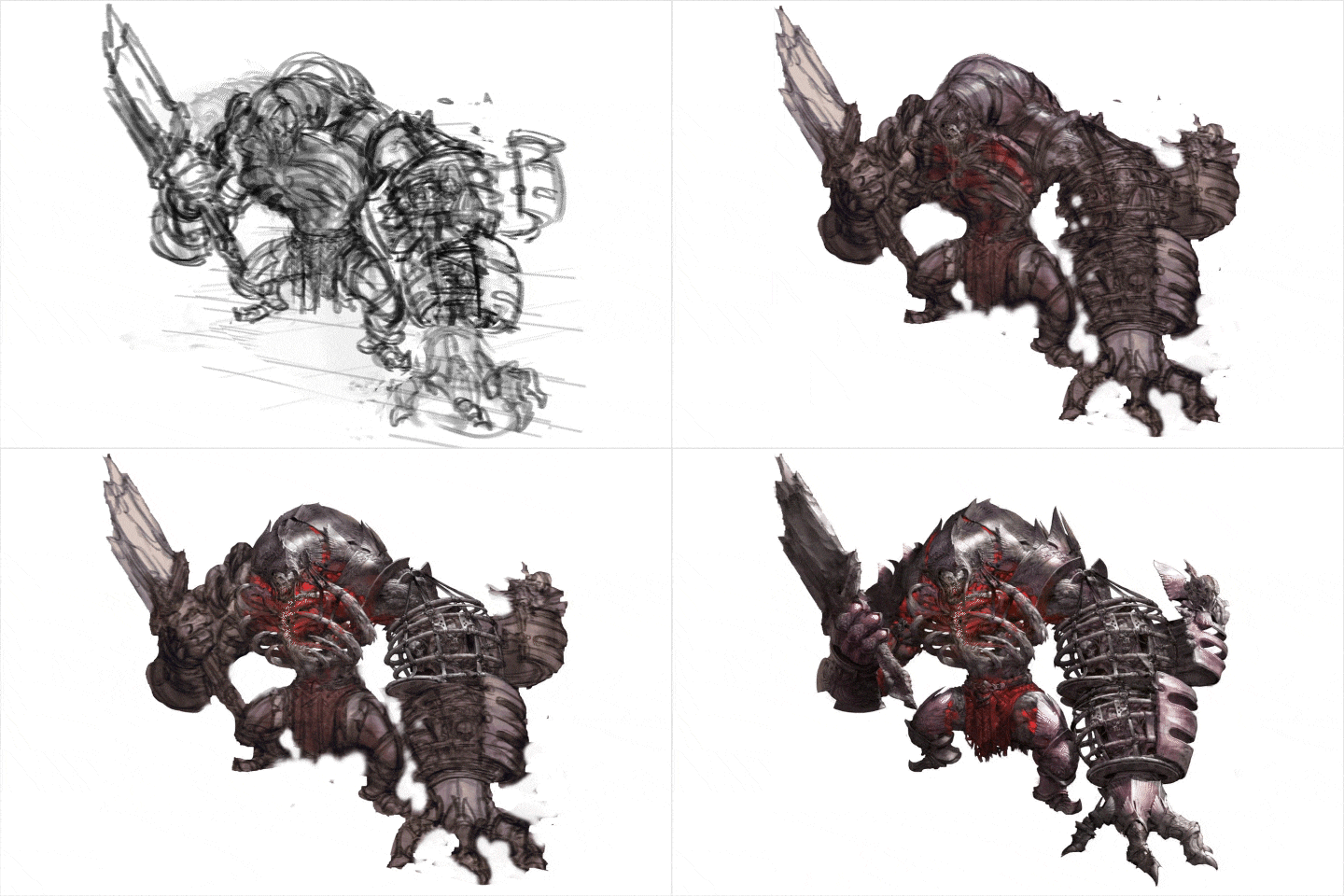 Expressing Depth on Floors from Different Perspectives
Part 3. Character Faces and Movement
-
 Facial Features from Different Angles
 -
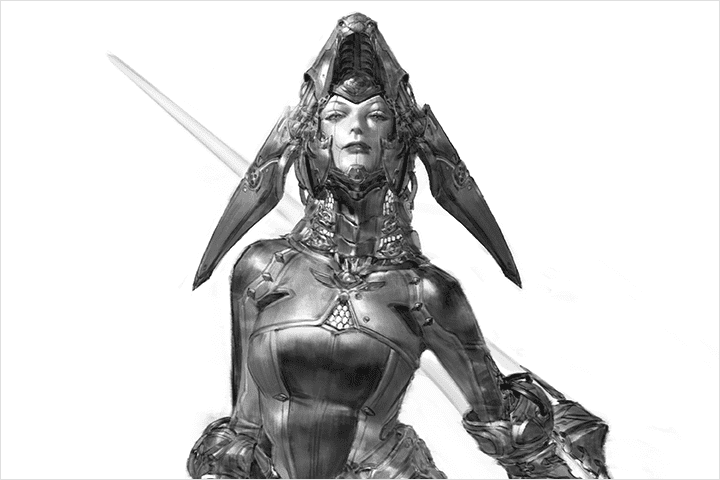 Detailed Face Drawing
 -
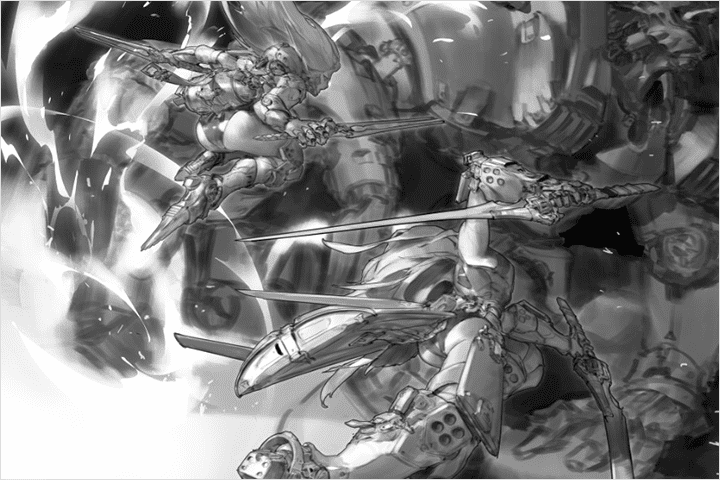 Movement Theory for Character Design
Part 4. Designs That Enhance Density, and Thumbnail Creation
-
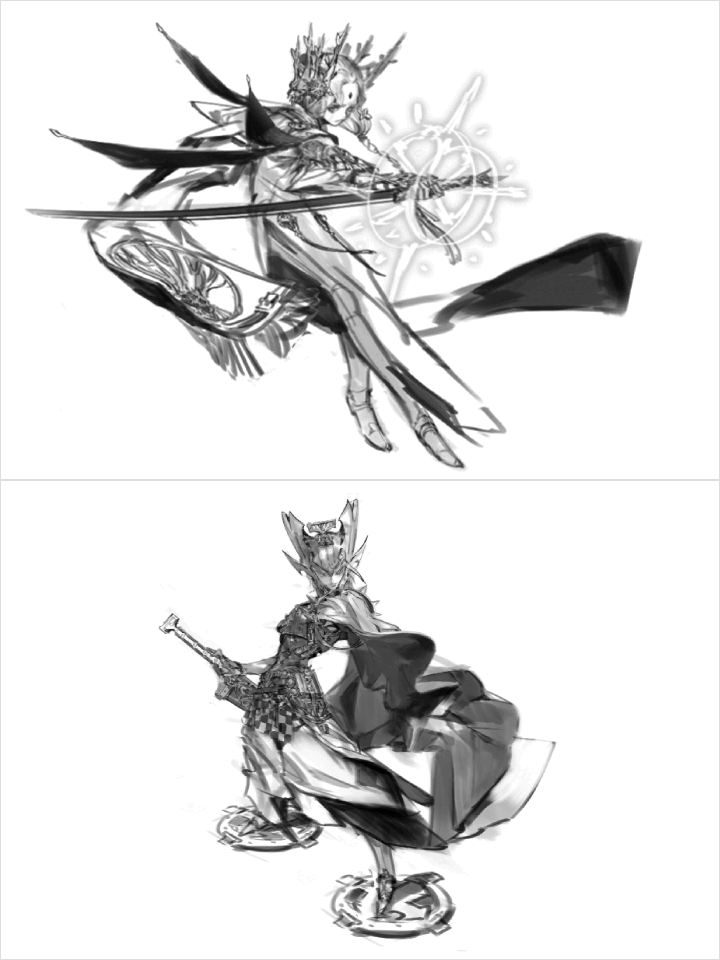 Design Theory for Natural-Looking Density
 -
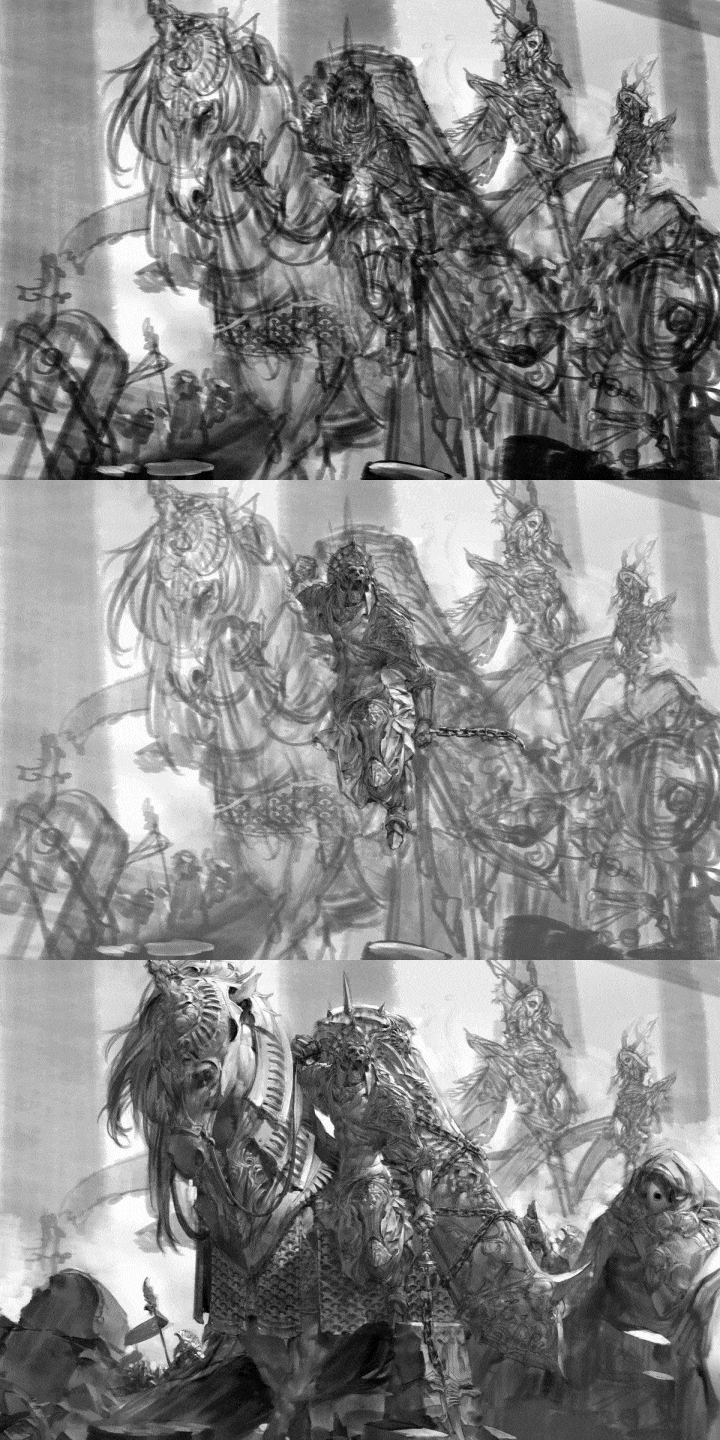 Creating Three-Dimensional Thumbnails
 -
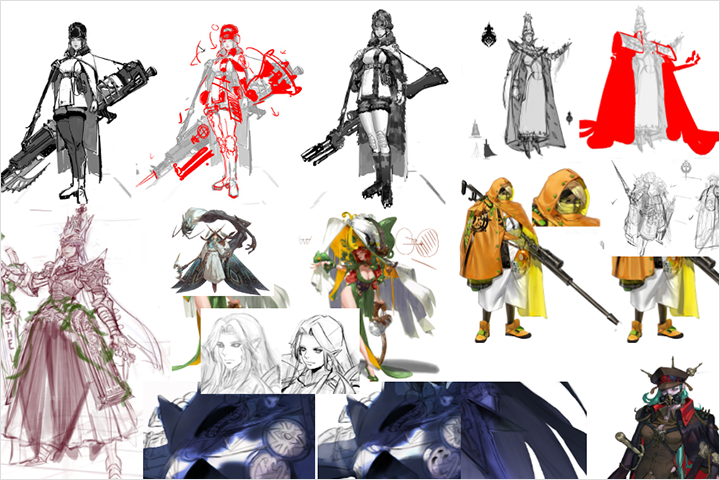 Things to Check and Notes on Wrong Answers
Instructor
Concept Artist
Kaisar
Hi there, I'm Kaisar. In addition to being the owner and instructor of Kassam Art, I am a conceptual artist.
When does one feel that drawing is challenging? It happens when you break up your drawing process into disconnected pieces.
You need to put these things together to make your own routine if you want to have a strong foundation for drawing.
Finally, you will have consistent art when you have a well-organized routine and workflow with necessary steps.
With the expertise I've gained from managing Kassam Art for the past ten years, I'll assist you in getting there.


Concept Artist, Kaisar
[Current]
CEO of Kassam Art
Freelance concept artist
Projects & Awards
2015 to Present: CEO of Kassam Art
2011 to 2014: Character concept art instructor at Inha University Vocational Training Center
2009 to 2011: Webzen’s MU Legend
2009: Liveplex’s Dragona Online
2007 to 2008: Goorm Interactive’s We Online
Highlights
Class Highlights
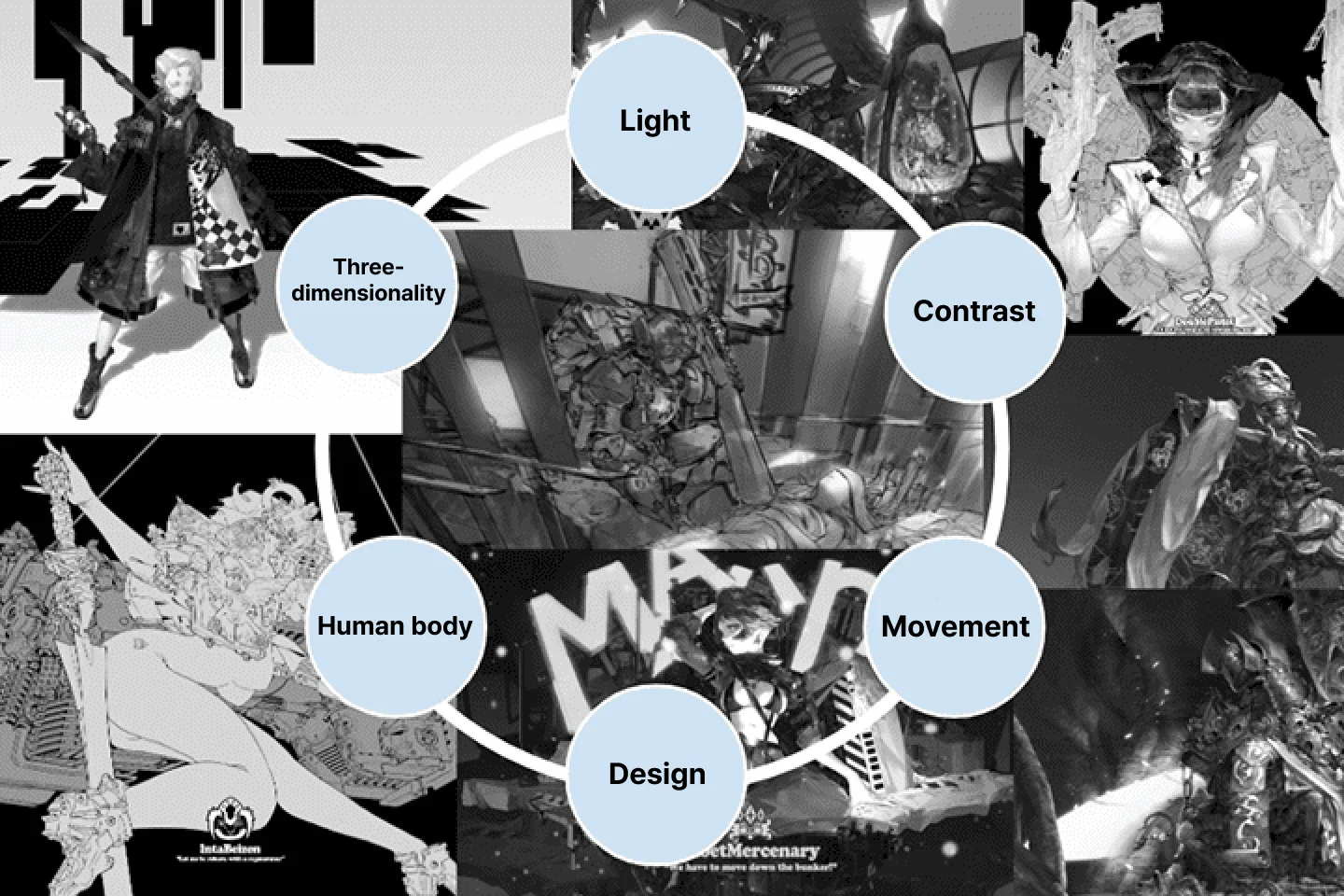
The Six Main Drawing Processes of Concept Art
Learn the six key elements of drawing–light, shading, three-dimensionality, the human figure, movement, and design–and review and apply them to develop your drawing skills.
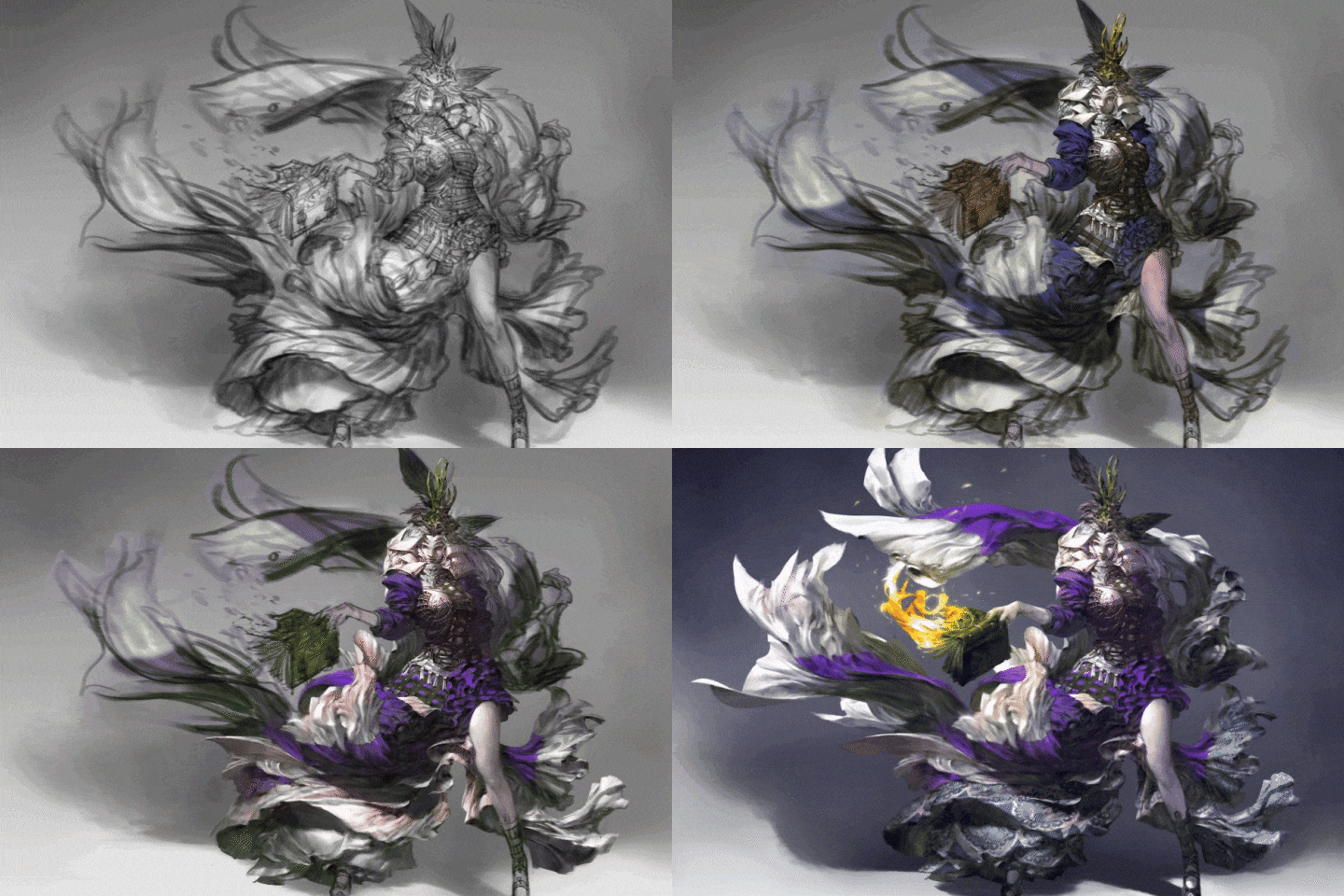
Build a Solid Self-Study Routine to Draw Consistently
If you want to draw consistently, you need a robust workflow. That’s why this class proposes detailed solutions for students to identify their drawing processes as well as what they can improve.
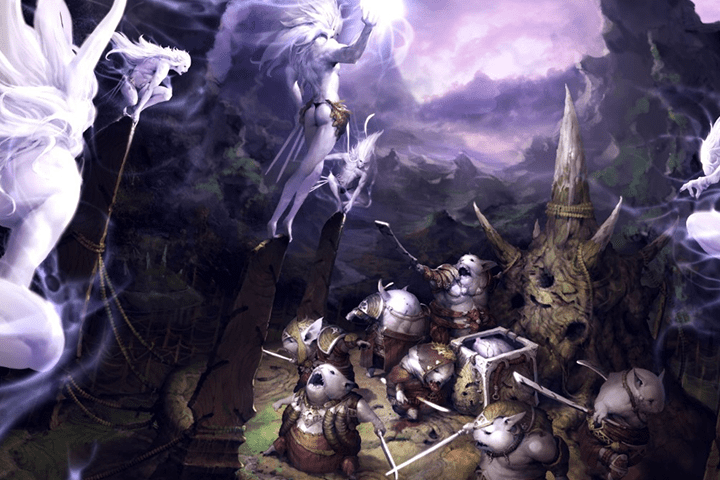
Access Kaisar's Educational Philosophy Online for Lifetime
Do you want to establish a solid drawing process while preserving your style? Gain lifetime access to Kaisar’s expertise through class videos and various materials, including the curriculum, images, and wrong answer notes.
Class Details
You'll Learn
-
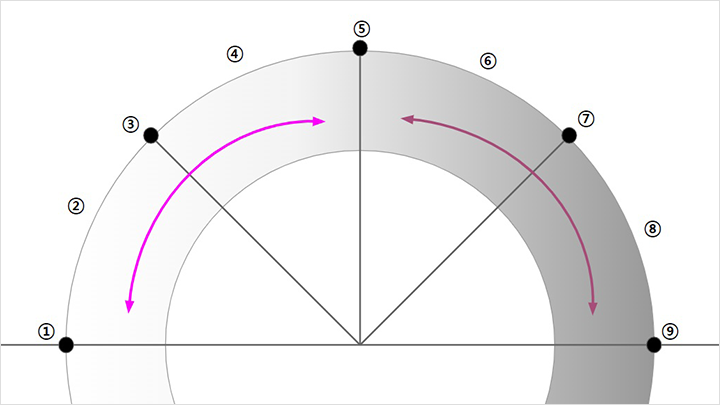
 Working with Light in Various Ways: The Start of Three-Dimensional DrawingExplore the relationship between light and three-dimensionality and how light affects slope to build an understanding of light’s angle and light frequently used in drawings.
 -
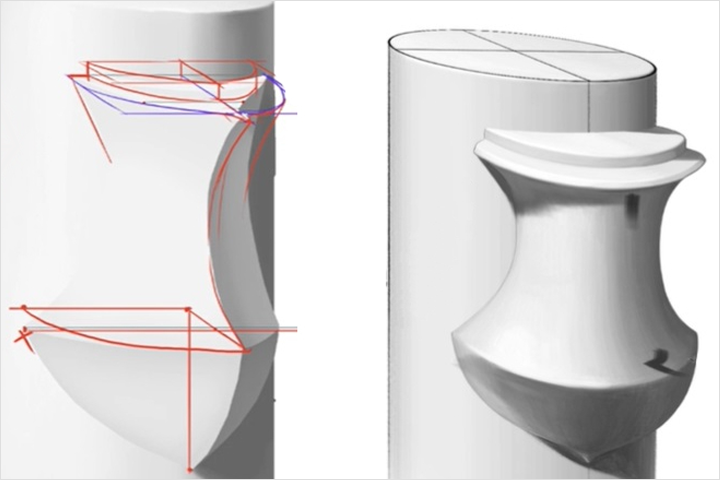 Hands-on Exercises Based on an Understanding of ShadingLearn about shading the sides of various basic shapes and how to accurately express shadows dropped by light, in addition to working on shading exercises and practical assignments.
 -
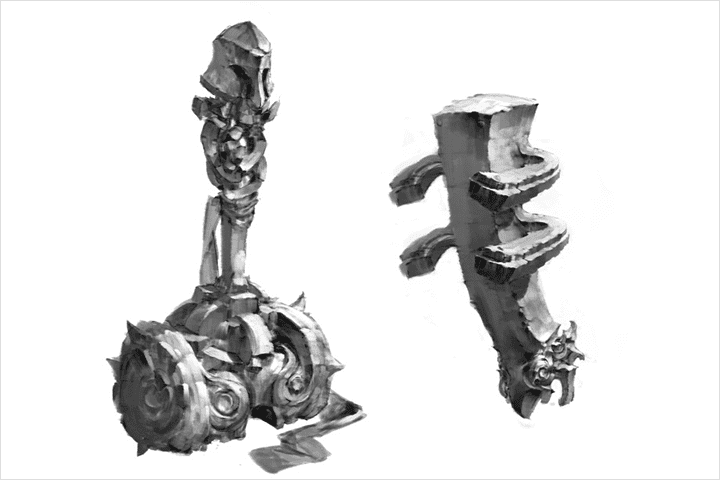 Create a Range of Three-Dimensional Objects Using Basic ShapesDiscover how angle affects form and length. Practice transforming shapes into simple objects such as helmets, chest armor, gloves, shoes, and weapons to understand their creation process.
-
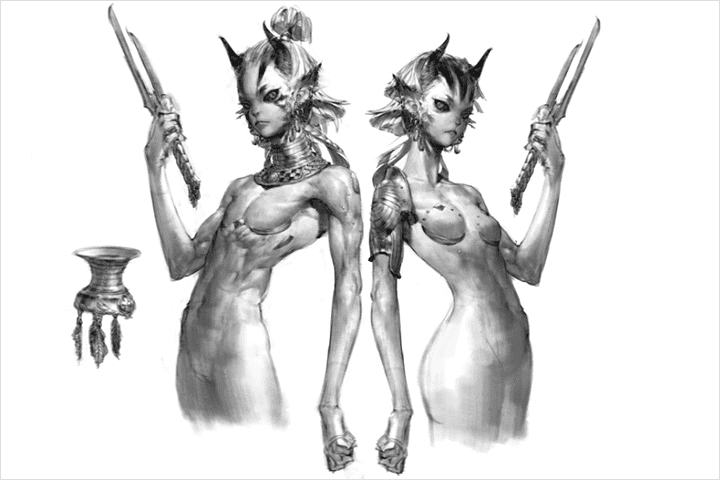 Understanding Natural-Looking Faces And the Three-Dimensionality of the Human FigureStudy the positions of different facial features and the proportions of the human figure, apply the key points in practice through copying exercises, and identify common mistakes made by students to take notes on incorrect answers.
 -
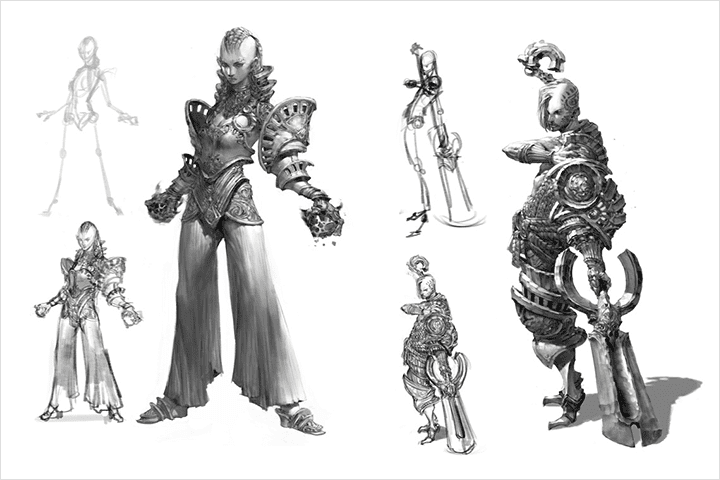 Attractive Movement For Characters of Different StylesDraw the structure of the human figure based on proportions and understand movement theory by applying common job attributes for game characters, such as the short-distance, long-distance, and wizard types.
 -
 Design Thumbnails That Make Your Character Stand OutLearn about key design theories that will help you understand important design concepts like permutations, circle stabilization, and the center of gravity, then experience the process of creating a drawing.
- Unlimited Access
- Best Price
Buy now, get unlimited access.
12/31 (Sat) (UTC-7) Special offer ends soon.
This special offer ends soon.
Buy now and save!
Curriculum
Curriculum
In-Depth Look
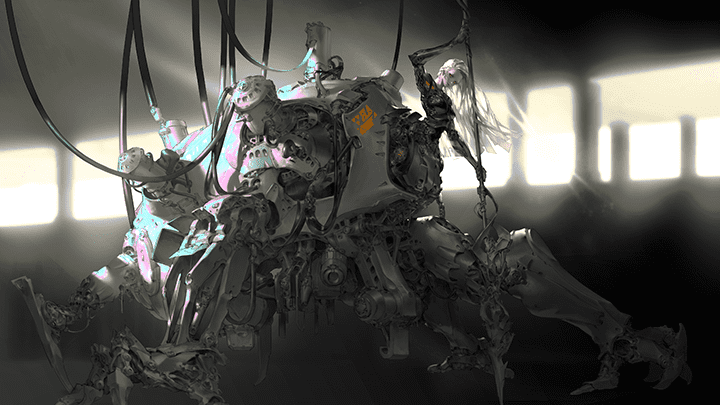
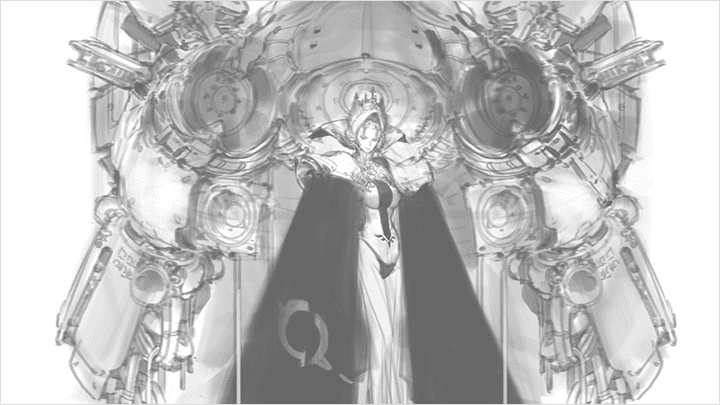
SECTION 01. Intro
SECTION 02. Understanding Light and Shading
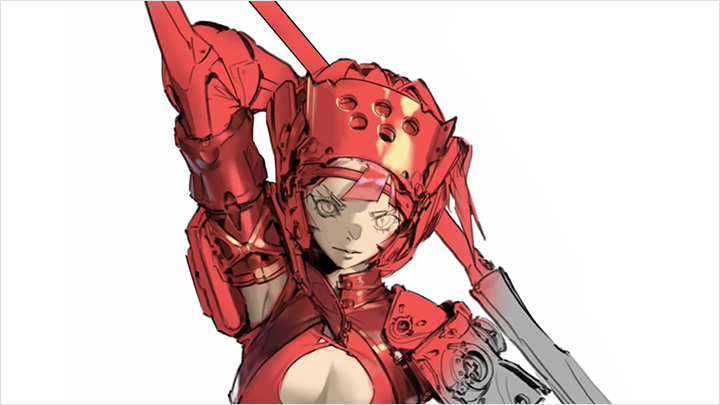
SECTION 03. Drawing 3D Shapes Based on an Understanding of Perspective
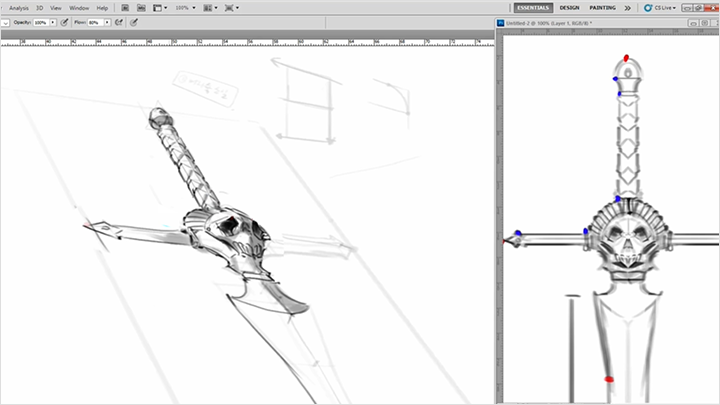
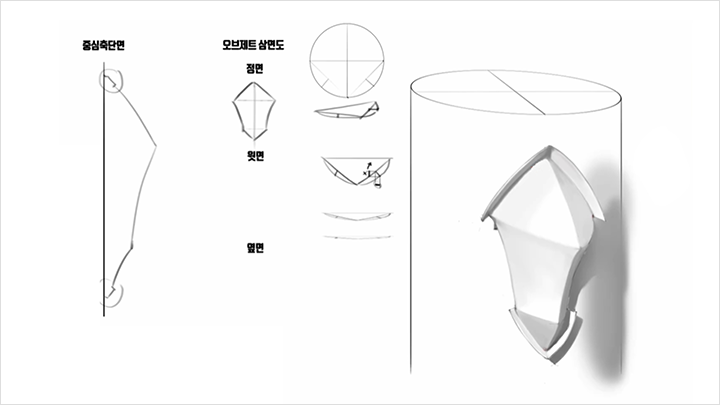
SECTION 04. Shading Shapes in Practice
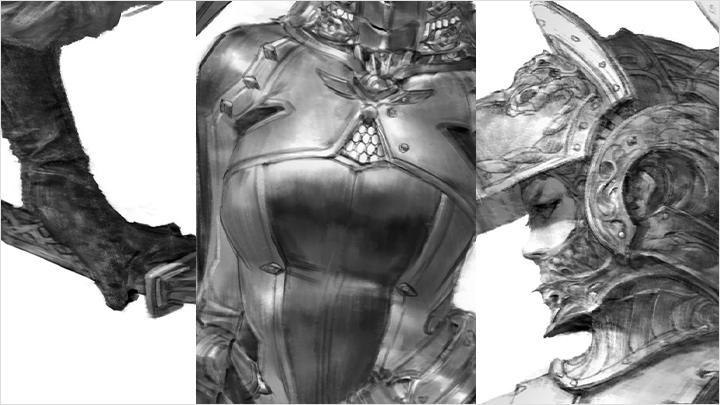
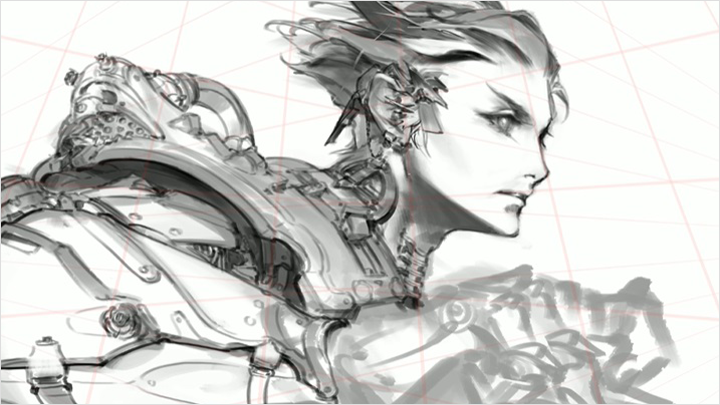
SECTION 05. Understanding Human Body Proportions and Movements
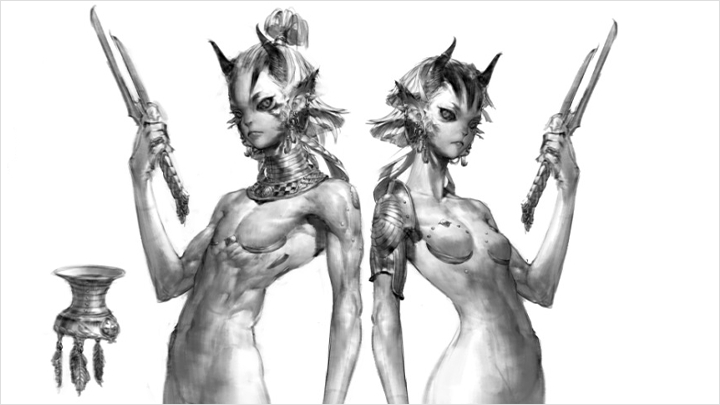
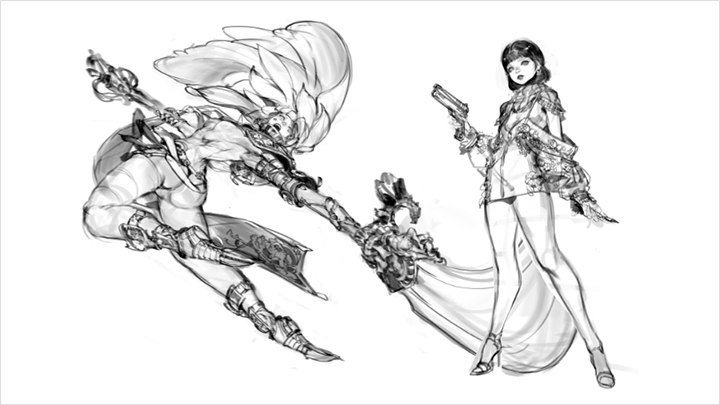
SECTION 06. Design Theory for Three-Dimensional Characters
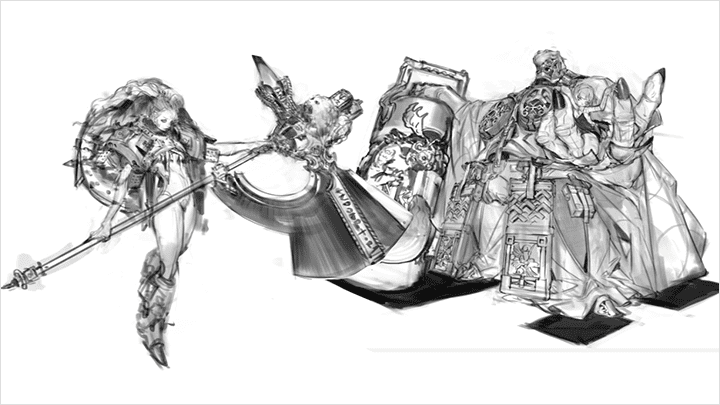

Interview with
Concept Artist, Kaisar

Question.01
What is the purpose
or focus of this class?
It offers a thorough curriculum that helps students organize their knowledge and identify and work on their weaknesses. Students can advance their skills and better understand themselves by learning about fundamental concepts such as light, shading, three-dimensionality, the human figure, movement, and design. This class aims to help students work on their weaknesses independently.
Question.02
What differentiates this class from others,
and what are its advantages?
The best part of this class is that it proposes a solution for students to identify and overcome their weaknesses by systematizing their work process. I’ve always considered my role as an instructor to be helping students piece together fragments of their skills rather than teaching them how to draw, which I think is also reflected in this curriculum.
Question.03
Who is the intended
target of this class?
To be honest, I don’t think beginners would find this class fun because a theoretical approach inevitably involves learning about structures, which may lead to losing interest in drawing, especially when you are a beginner. For this reason, I recommend this class to those who have some experience in drawing but feel lost as to what they’re doing. I’d like to help people who love drawing get back on track.
Required Programs
This course will use
- Adobe Photoshop CS5
(Allowed to use any version of Adobe Photoshop (Including CS and CC))
Please purchase and install these program(s) for an optimized chapter experience.
*These programs and/or materials will not be provided with the chapter.
Recommended
Recommended Class
Like this class?
Then check these out!