[enrolltounlock]BXDesigner,YoungwooJeong_BX 디자이너 정영우 Details
Class introduction
introduction video
Everything about BX design for beginners and practitioners
In this class, you will learn how to design a brand considering the company's core vision, business type, and industry type, to product launch.
We have prepared it so that you can learn by following the practical process.
The most perfect way to implement a brand design that is welcomed by a company that contains vision, core messages, and sustainability.
BX (Brand Experience) design cannot be sold just because it is pretty, and requires more careful consideration as it has an immediate impact on business.
From designers to heads of large corporations, startups, and agencies!
From designers to heads of large corporations, startups, and agencies!
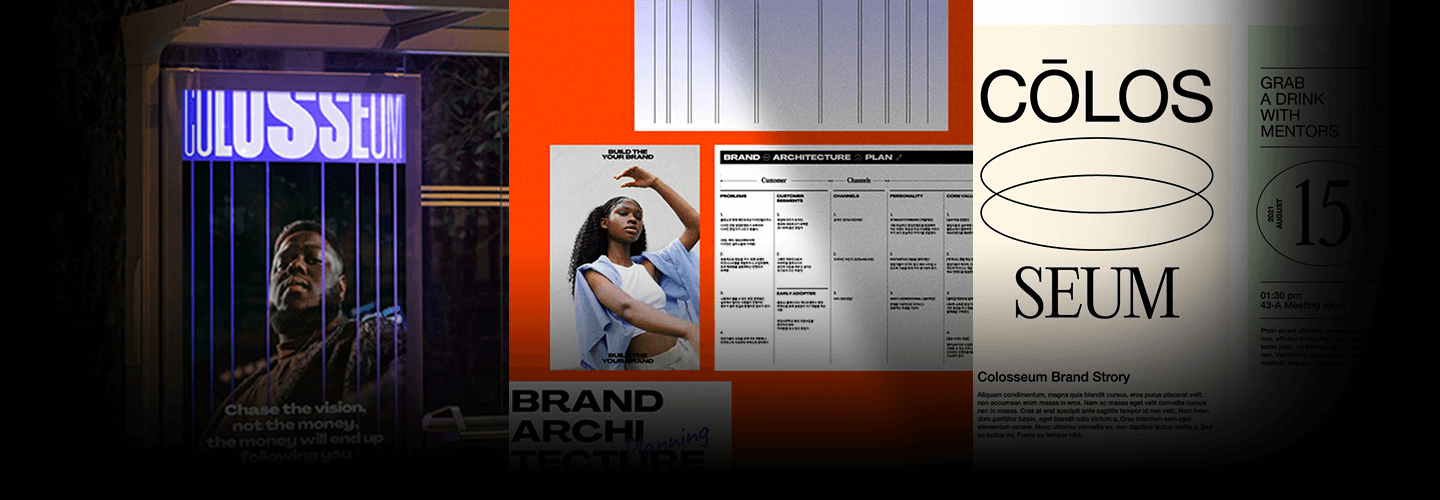
BX designer Jeong Young-woo, who has experienced a variety of companies based on his unusual background, is revealing his ‘brand design know-how that is welcomed by any company.’
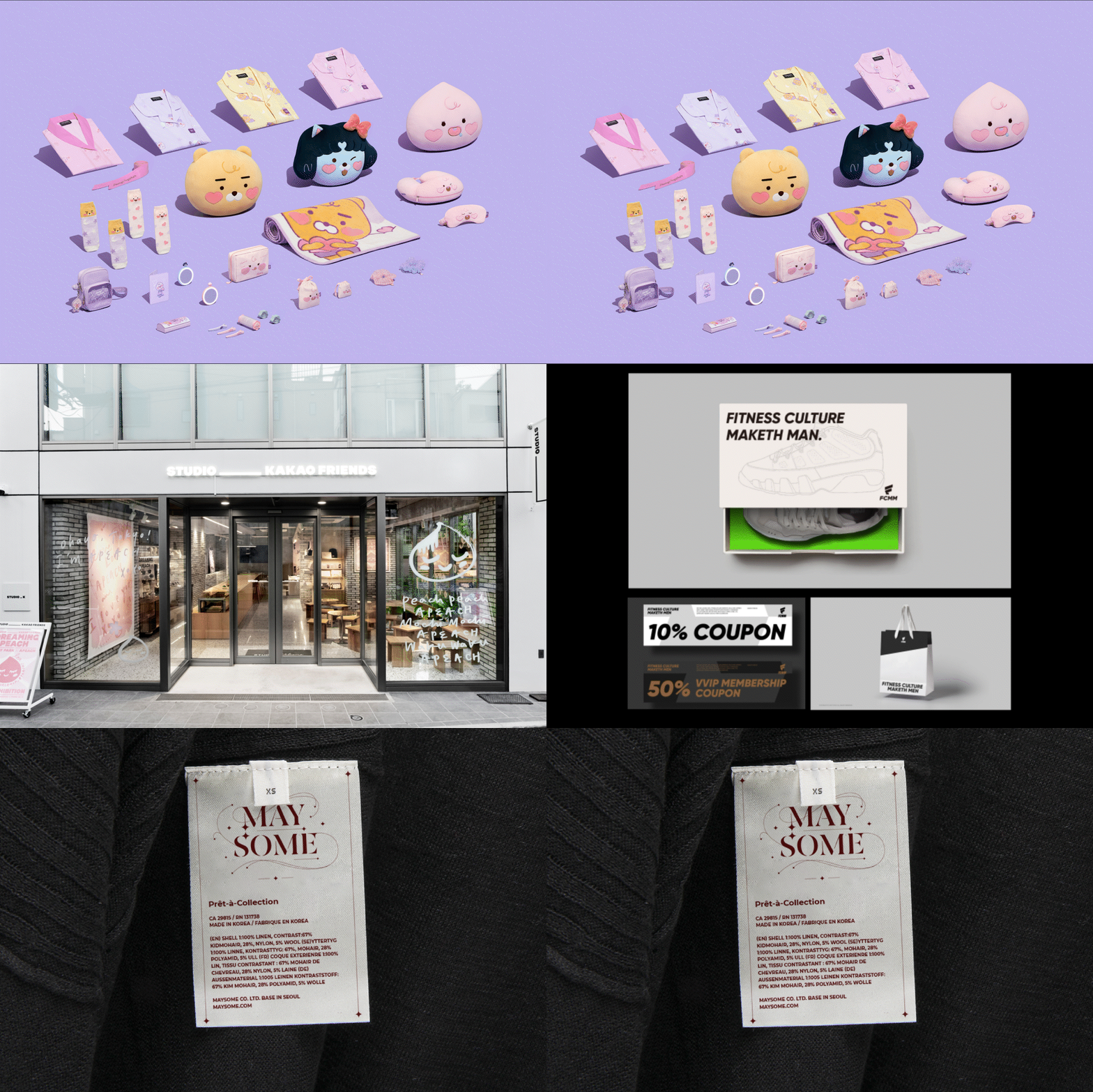
Learn experience-based design methods in a full-process manner through a product release mission for a virtual brand, and experience the actual work of a company through a case study dealing with an established brand.
An opportunity to get one step closer to becoming a company's preferred talent by learning everything from solid planning skills that connect companies and customers to practical work and portfolio creation!
This is possible through designer Youngwoo Jeong’s brand design class.
An opportunity to get one step closer to becoming a company's preferred talent by learning everything from solid planning skills that connect companies and customers to practical work and portfolio creation!
This is possible through designer Youngwoo Jeong’s brand design class.
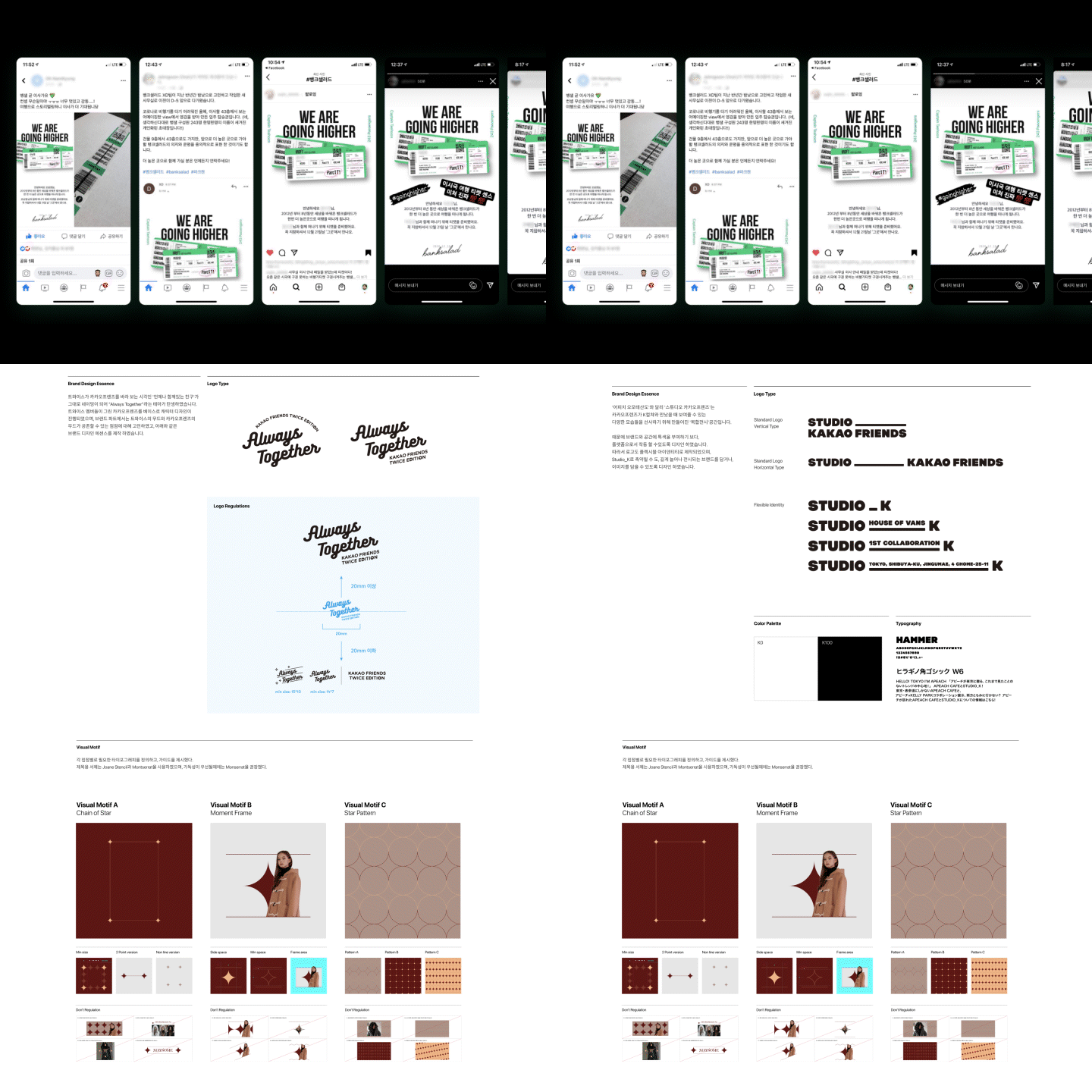
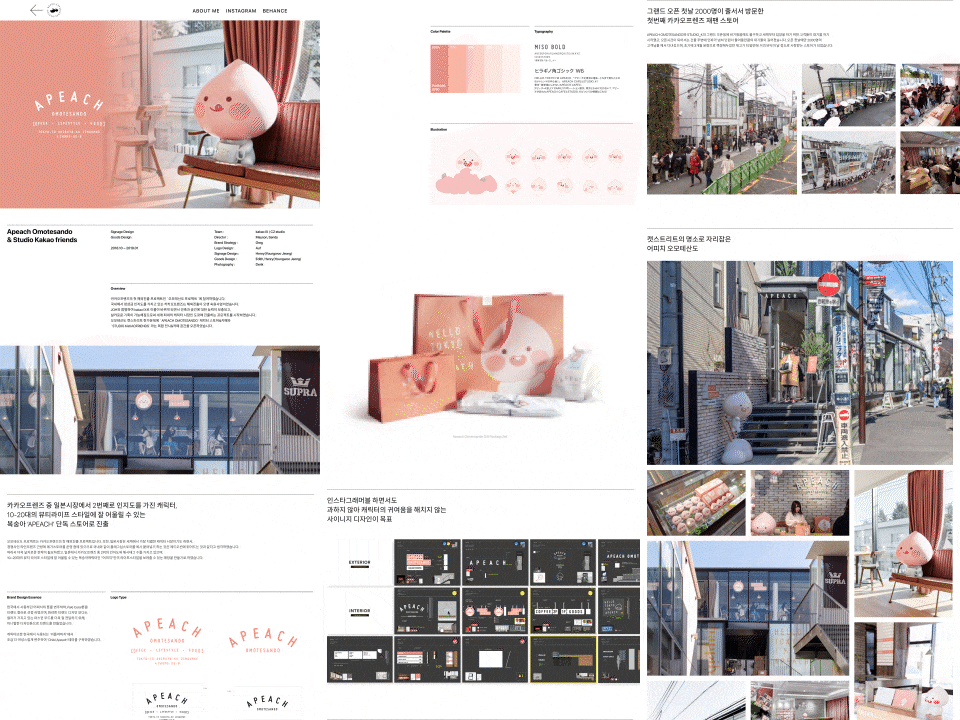
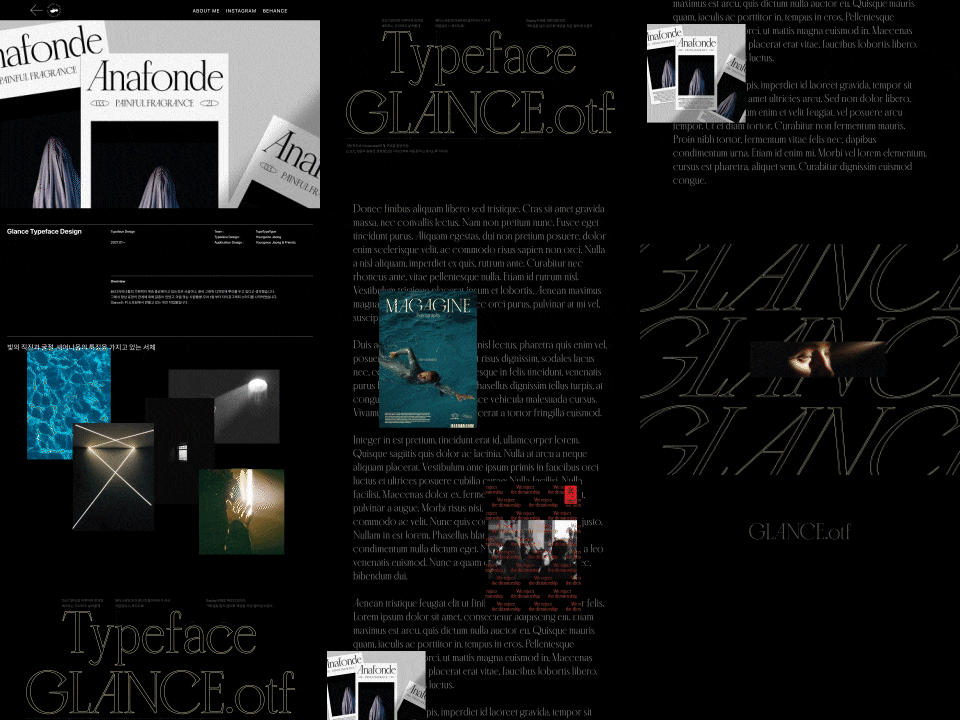
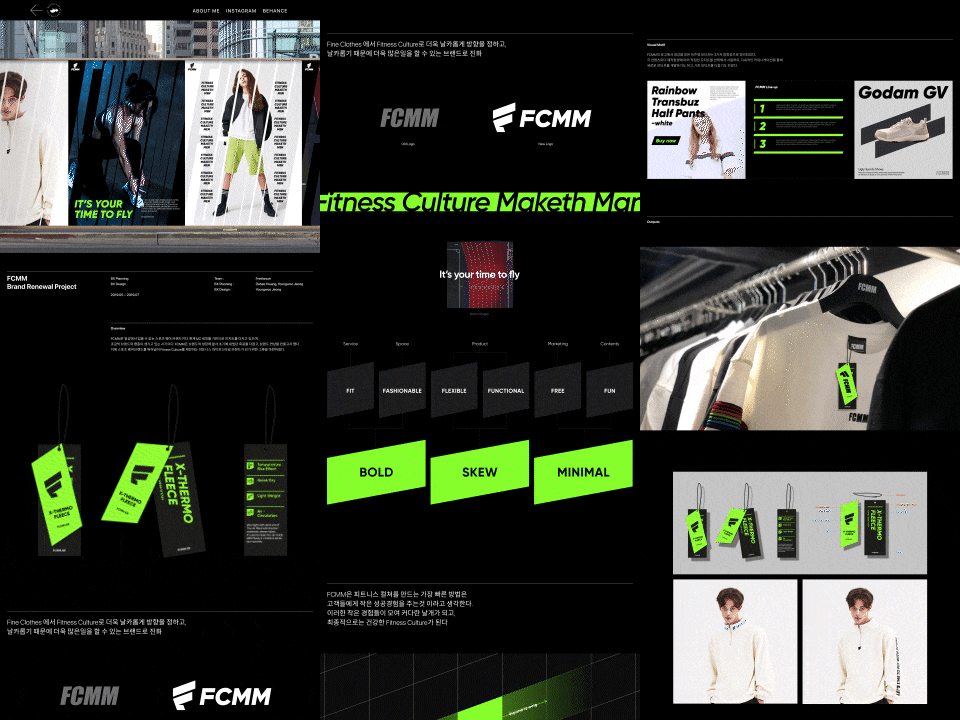
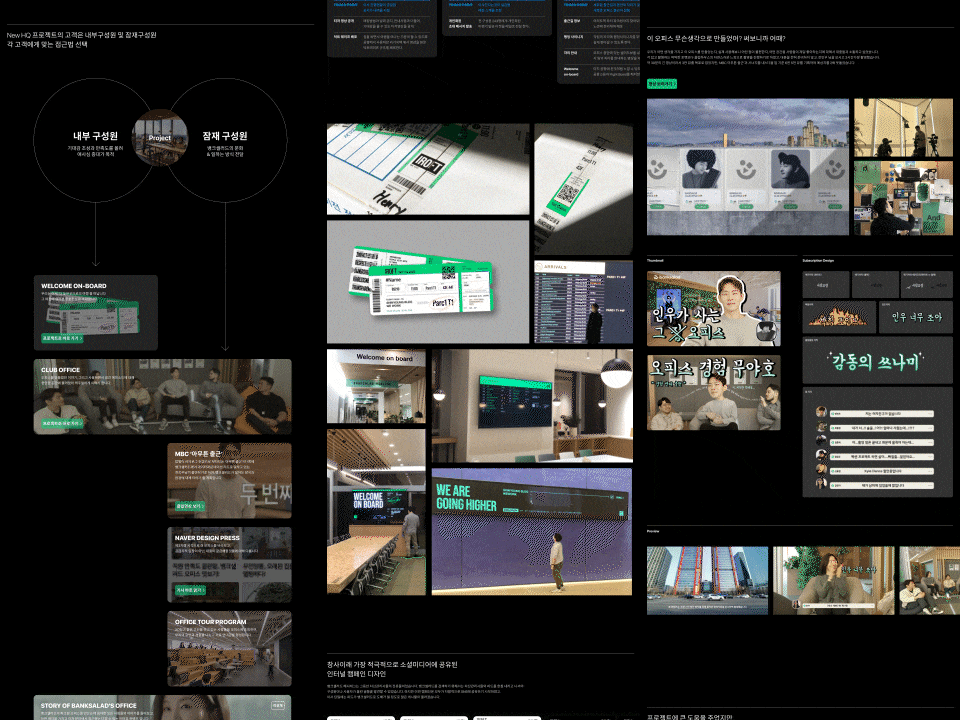
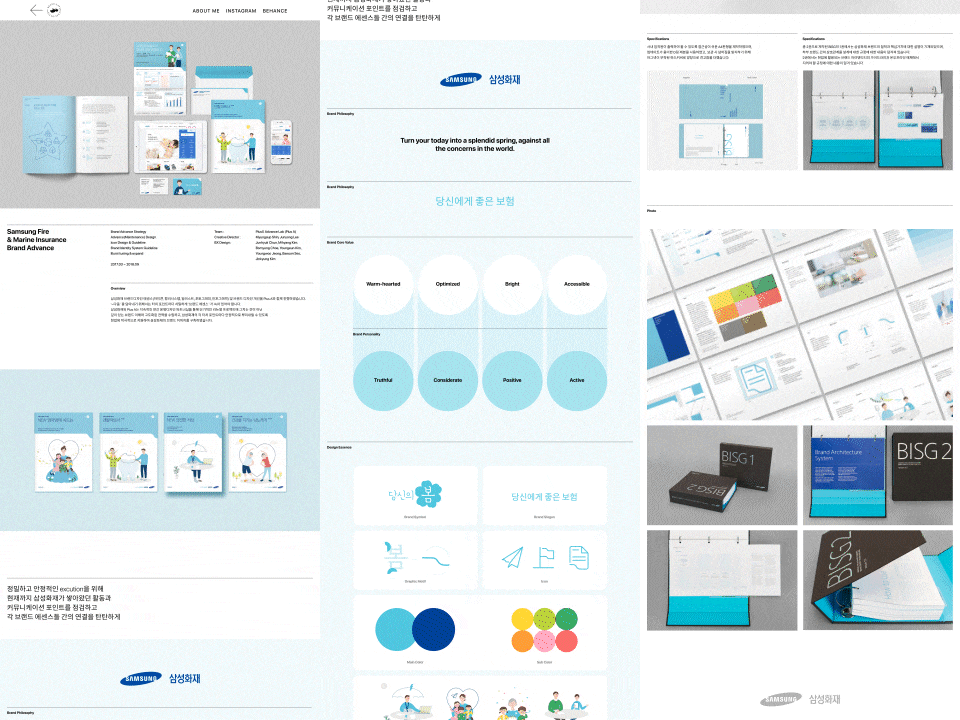
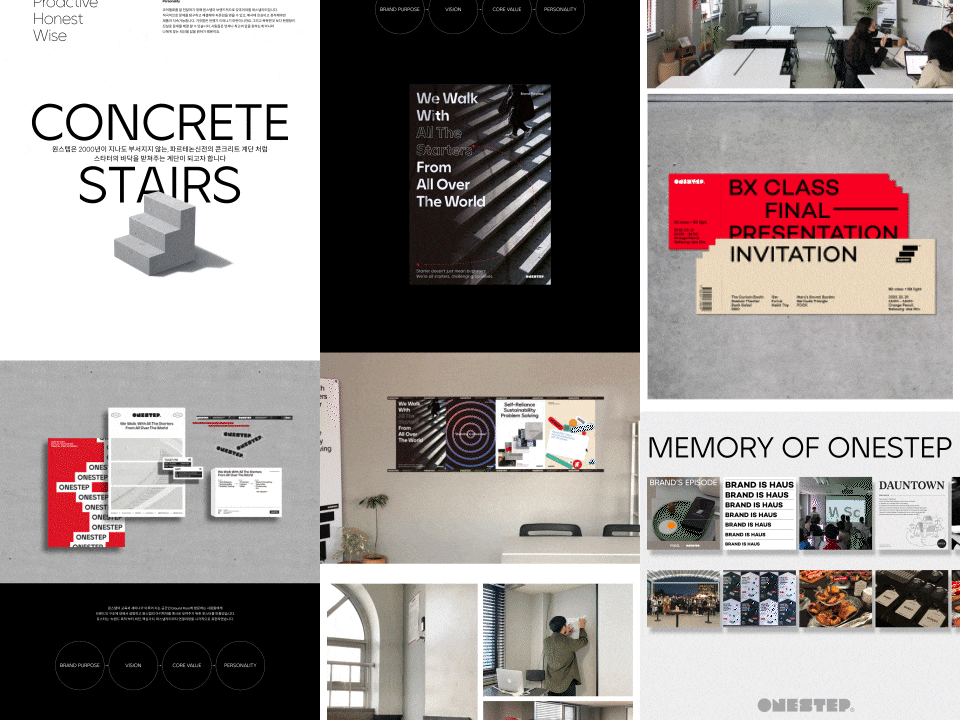
Youngwoo Jeong’s Portfolio
Why Take This Class?
You will learn the entire practical process from the basics with a virtual brand as a client, and even learn about case studies of established brands in one class.
Receive hands-on training on detailed elements such as typography, shapes and patterns, logos, icons, and color systems, as well as all original files for the project created in the class.
In addition, you will be able to share the experience of in-house designers who have worked at agencies, startups, and large corporations, which are difficult to obtain elsewhere, and will be able to help you develop your career by providing portfolio creation, employment, and prospects in the BX field.

Learn from sustainable branding planning to product completion.
-
Planning your brand -
Design Direction - Typography -
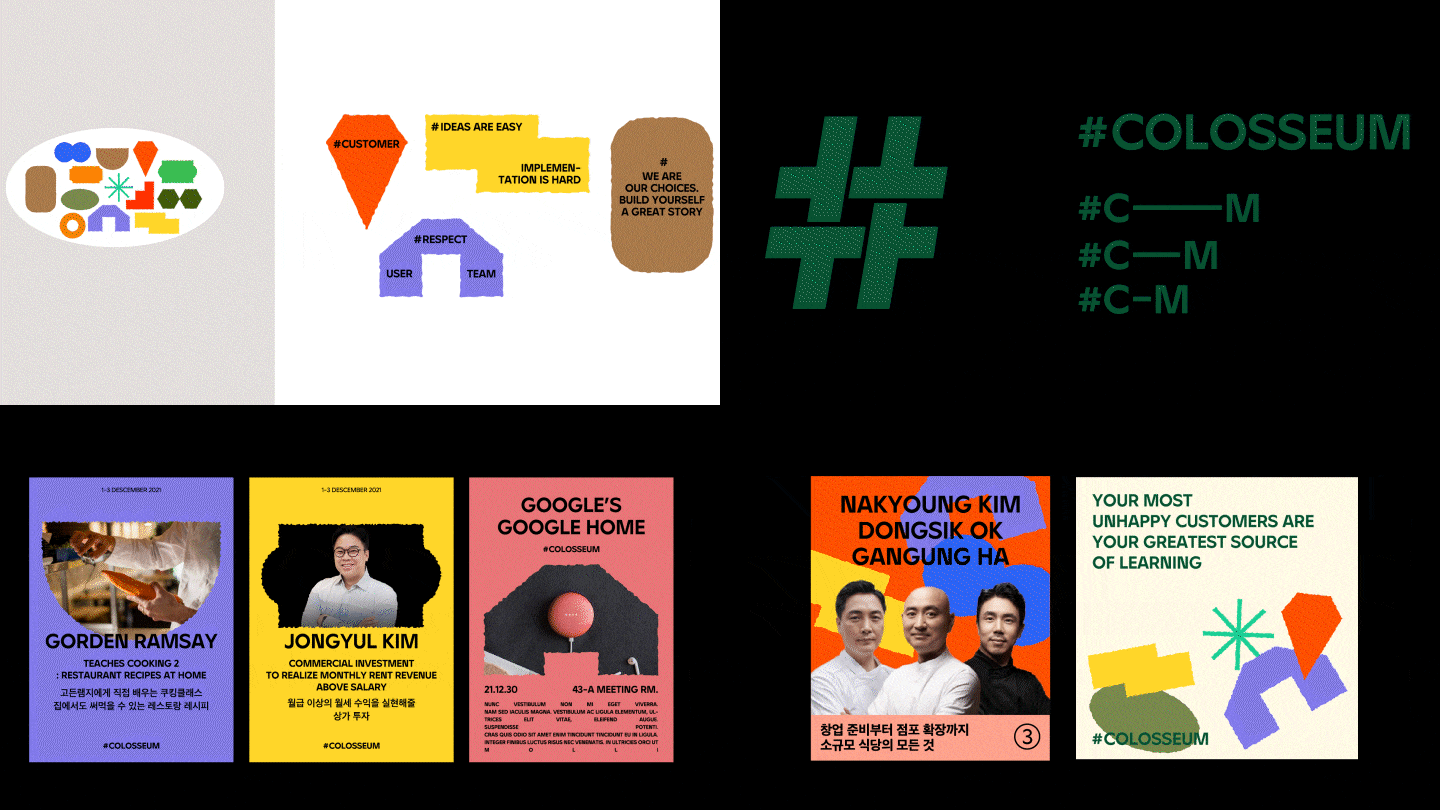
Design direction - shapes -

Design Direction - Mixed
-
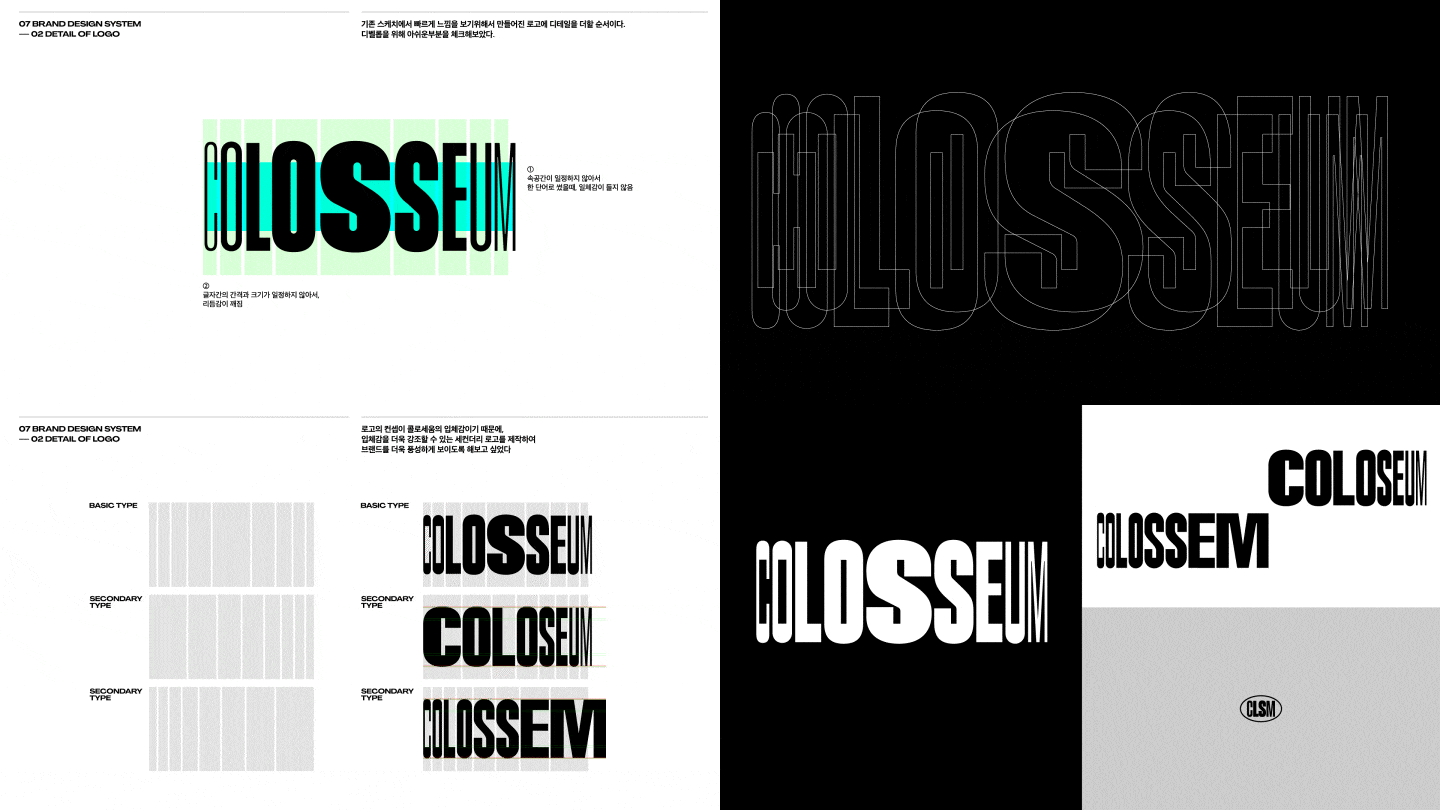
Add detail to your logo -
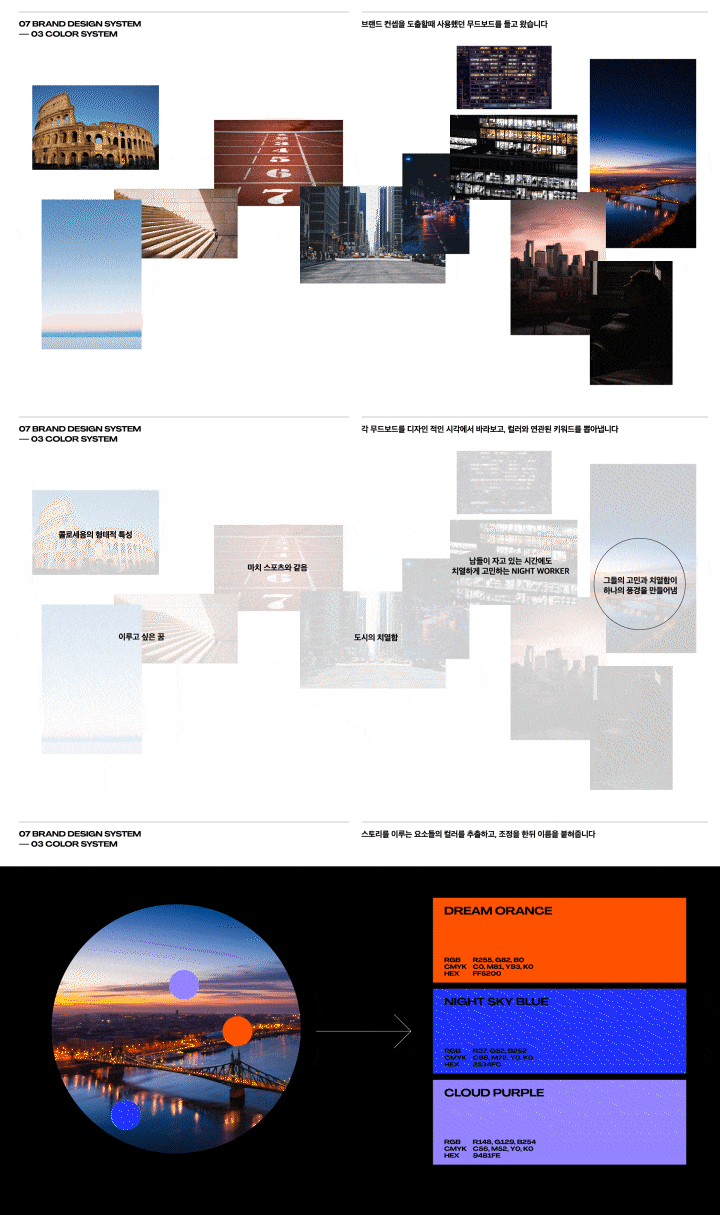
Creating a diverse yet consistent color system -
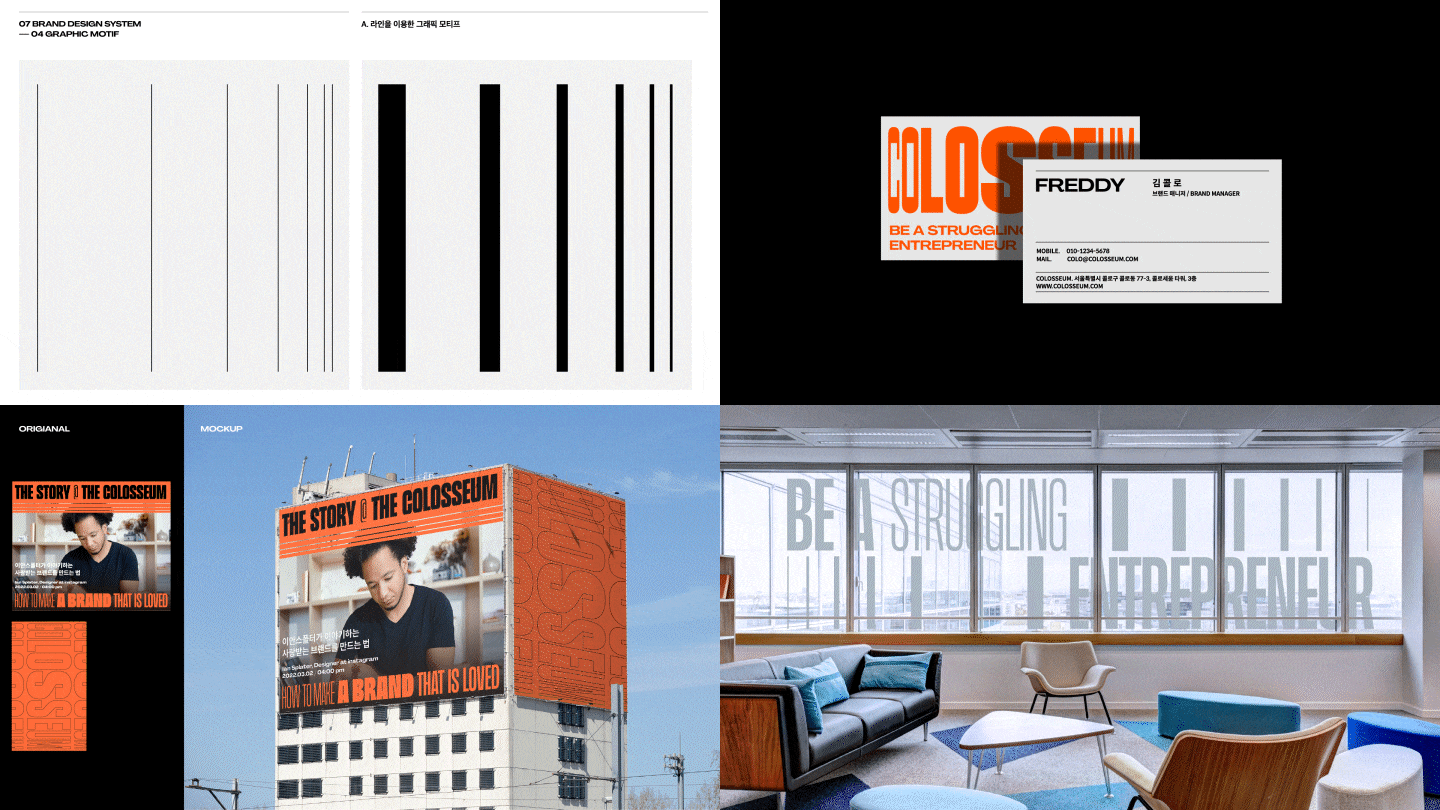
Create a graphic motif -
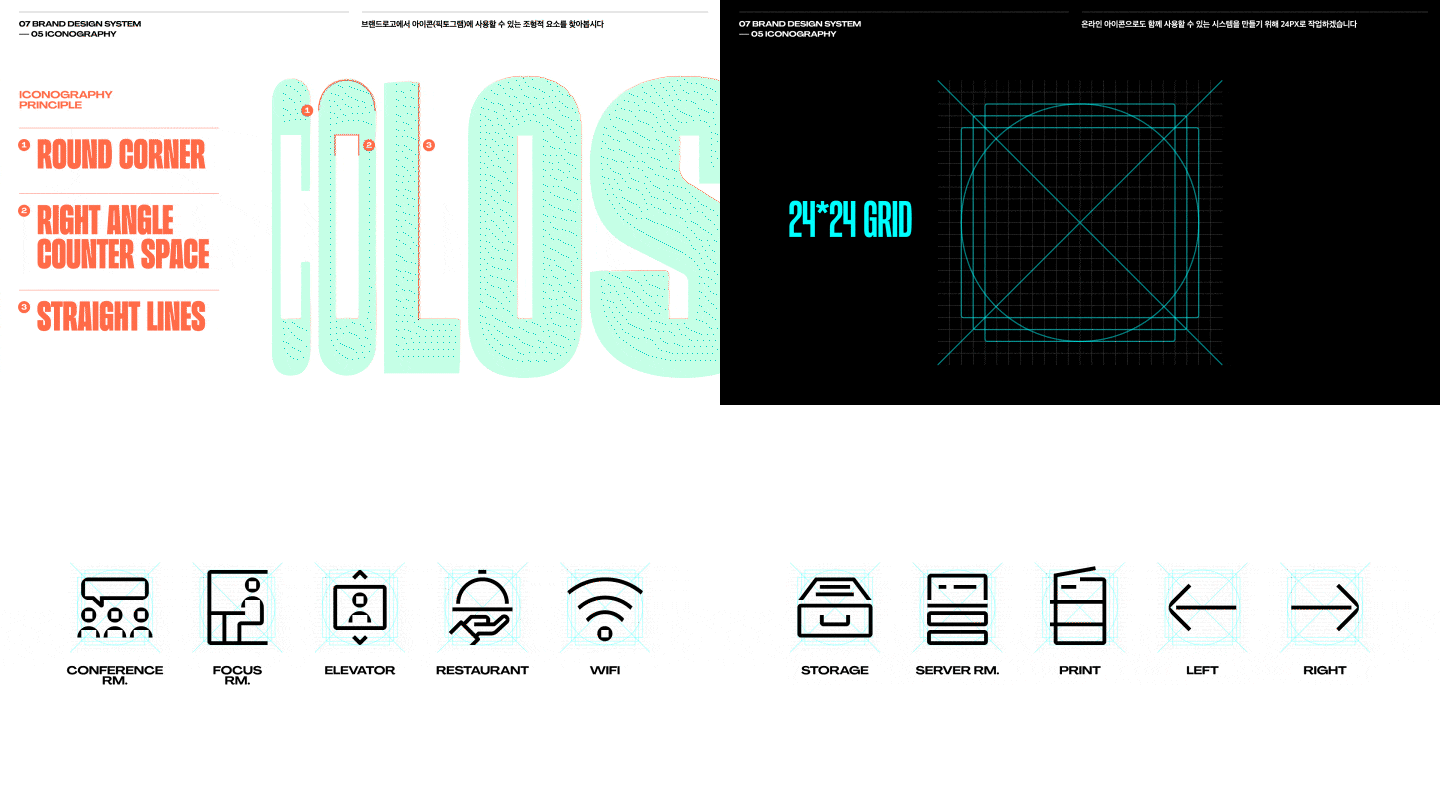
Show information implicitly through icons
Speaker introduction
BX Designer
Youngwoo Jeong
Hello, this is designer Youngwoo Jeong. I am currently the Head of BX Design at Bank Salad, a fintech company.
Among the BX projects I have been in charge of so far are the Kakao Friends global expansion project and F&B brands such as Second Kitchen and Ilhosik located in Sounds Hannam, and I am also working as a BX design mentor at Spectrum Con, DDP Young Designer Fair, and One Step hosted by Design Spectrum. .
As I have continued to design brands, I have thought about various things, such as what is sustainable branding, how to organically connect brands and customers, and how design planning can be highlighted.
Through this class, we would like to teach you how to grow into a 'talent that companies want' who knows how to develop designs from a consumer's perspective rather than a designer's perspective.


BX designer Jeong Young-woo
Current) Bank Salad Head of BX Design
Former) kakao IX - BX designer
Former) PlusX Advanced Lab (PlusA) - BX designer
Former) AMONG DESIGN - Co founder
View more history
[Main Project]
Apeach Omotesando
Banksalad New HQ
New HQ Marketing & Promotion Design
Studio Kakaofriends
Samsung-fire
One step
FCMM
Maysome
Glance
class features
class features
Planning a sustainable brand design based on an understanding of business
You will learn how to design experiences that take into account the company's core vision, business type, and industry type, and in some cases even the brand identity recognized by existing customers, to develop solid planning skills.
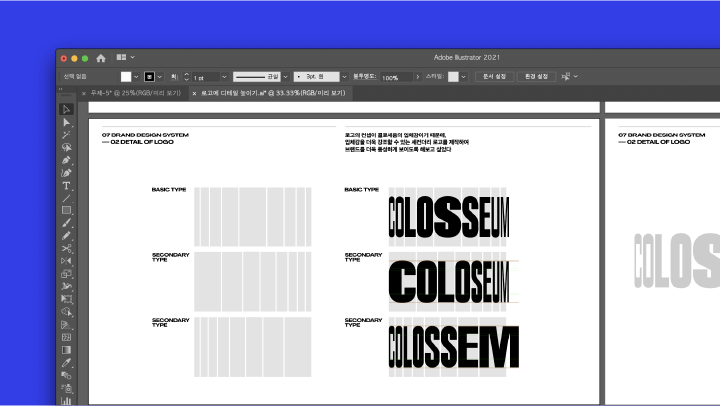
Experience the practical process of designing a virtual brand
We systematically learn what everyone from brand design beginners to practitioners need to know. By branding a virtual business, you learn how it actually works in practice, and learn details such as how to build a design system and define graphic motifs.
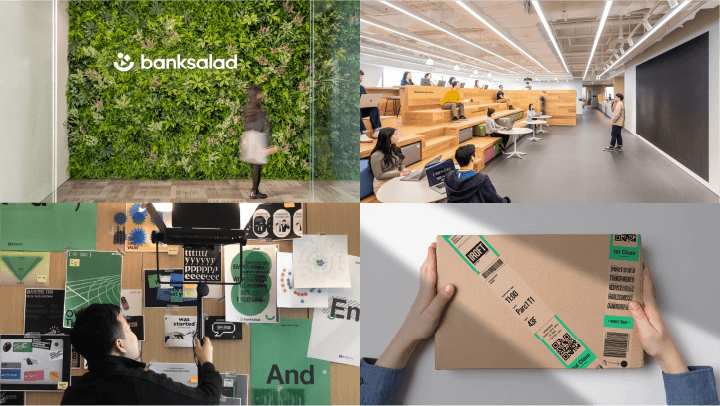
Detailed work of an in-house BX designer that you could not learn anywhere else
Learn the ins and outs of the work of a brand designer, which was difficult to understand because there was no specialized course. We will teach you how in-house designers, who were difficult to access, work through recruitment, onboarding, and practical work. You can also check through case studies to see how the company solves the problems it faces through design and whether the design actually solves the problem.
Class composition
learn this
-
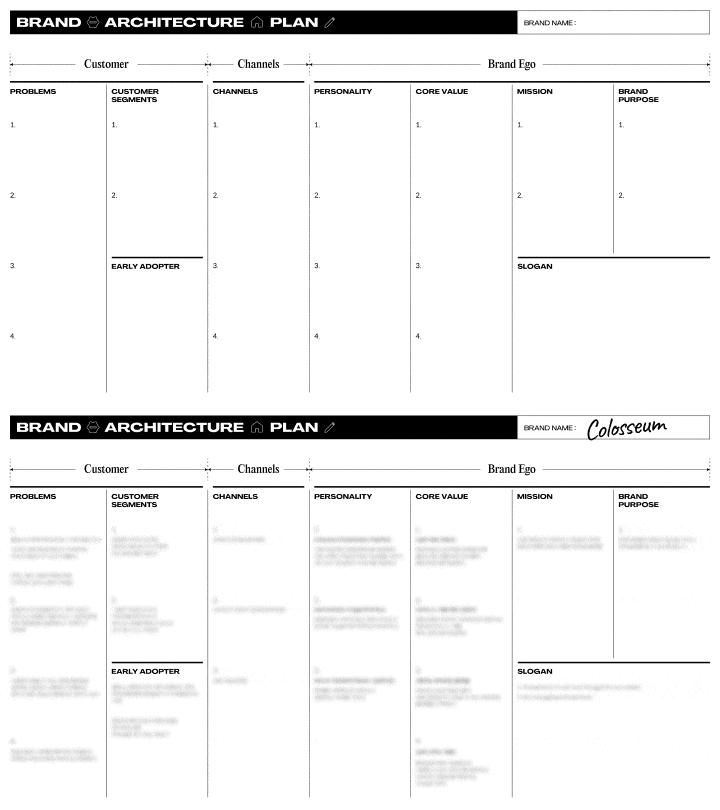
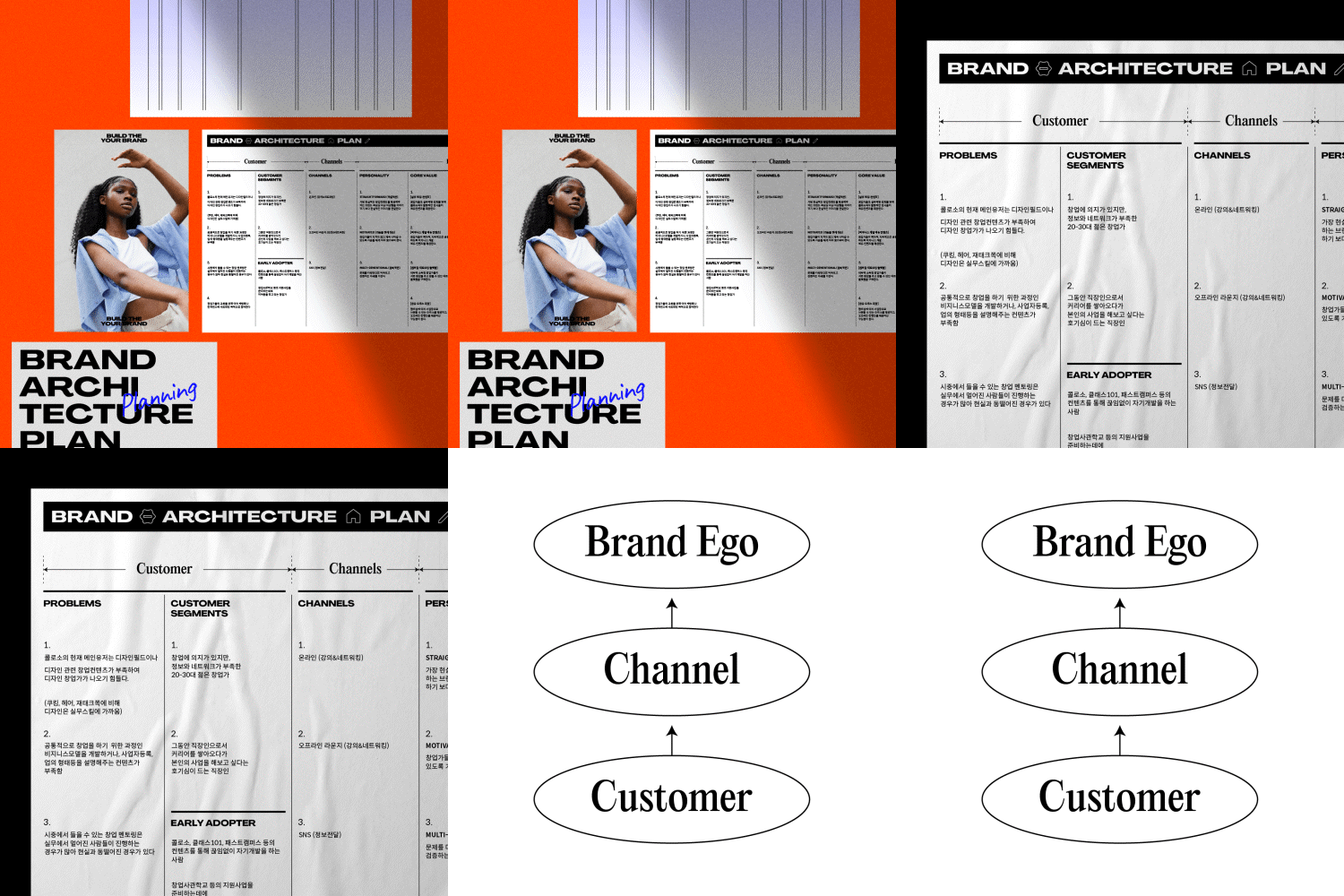 How to create a brand design blueprint (BAP) that fits your business modelLearn how to build and use a brand design blueprint based on the elements that make up a brand, such as the invisible brand's core values, identity, vision and mission, and purpose.
 -
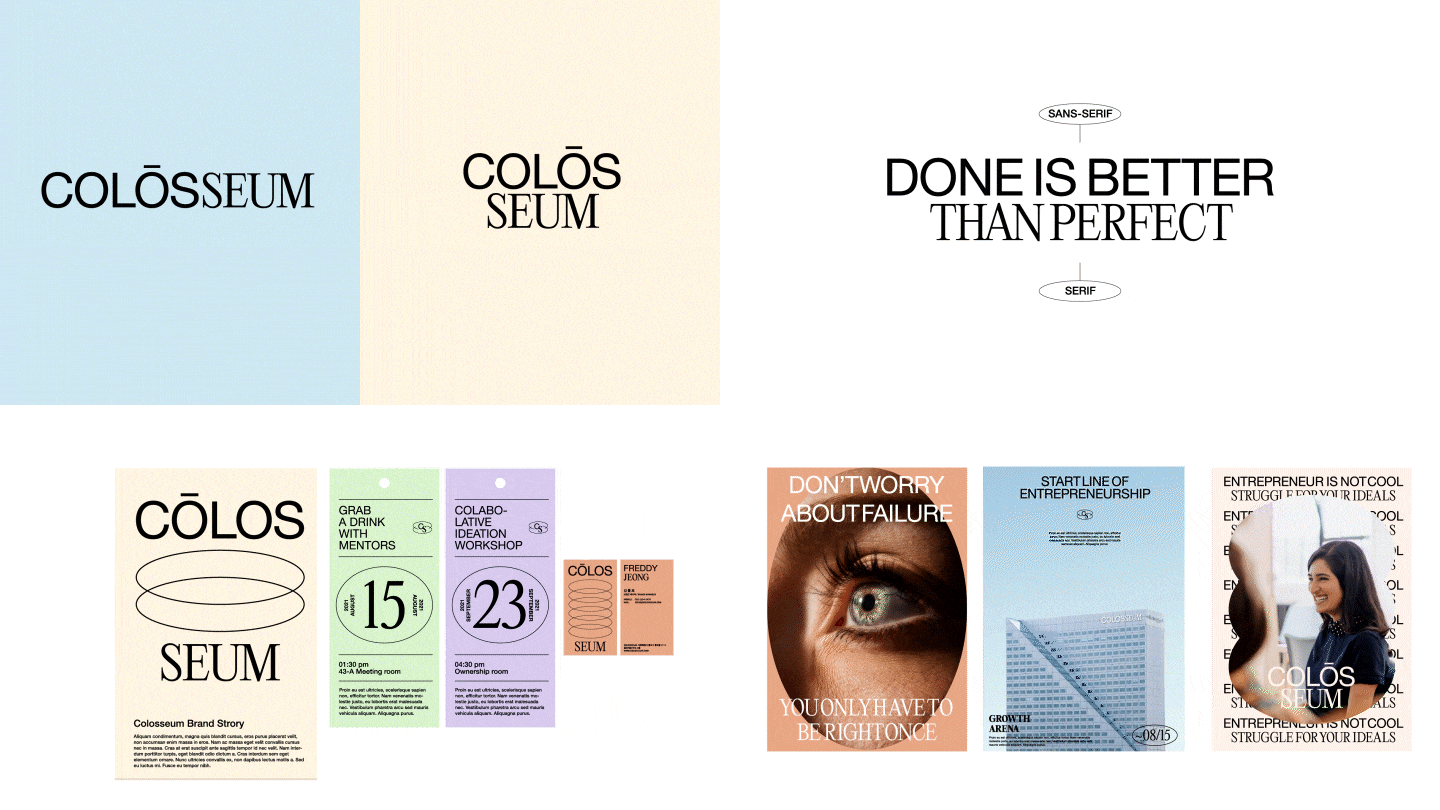
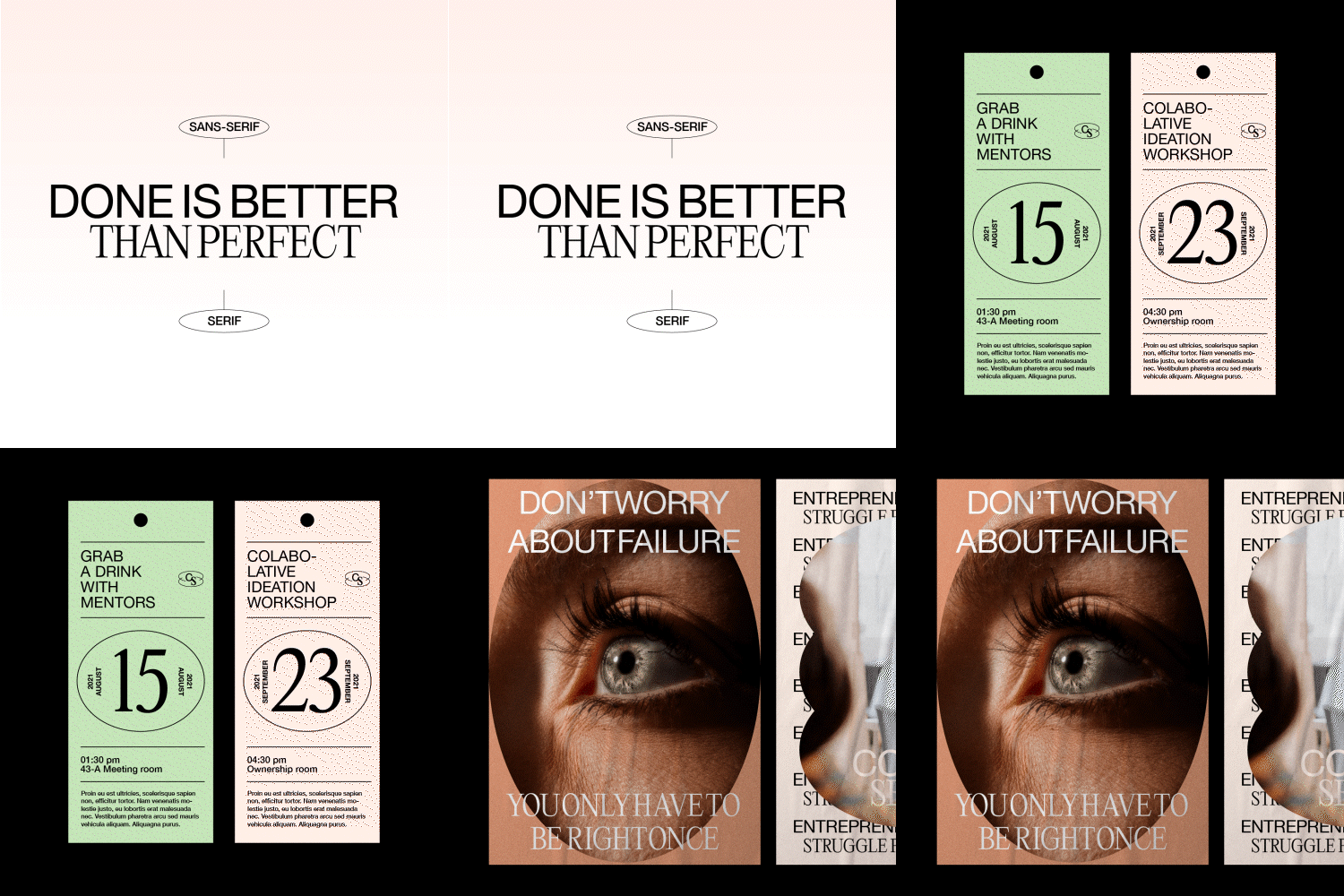 Typography-centered brand design that tells a storyWe decide on a brand name according to the design we have undertaken, and design the brand according to the mood board and tone and manner. Learn about the various elements that determine completeness when typography is the focus, such as fonts and letter spacing.
 -
 Atypical brand design created with a focus on patterns and shapesWe will design a brand using colorful, unstructured graffiti elements, and design with a focus on patterns and shapes that will highlight the brand identity and tell the brand's story.
-
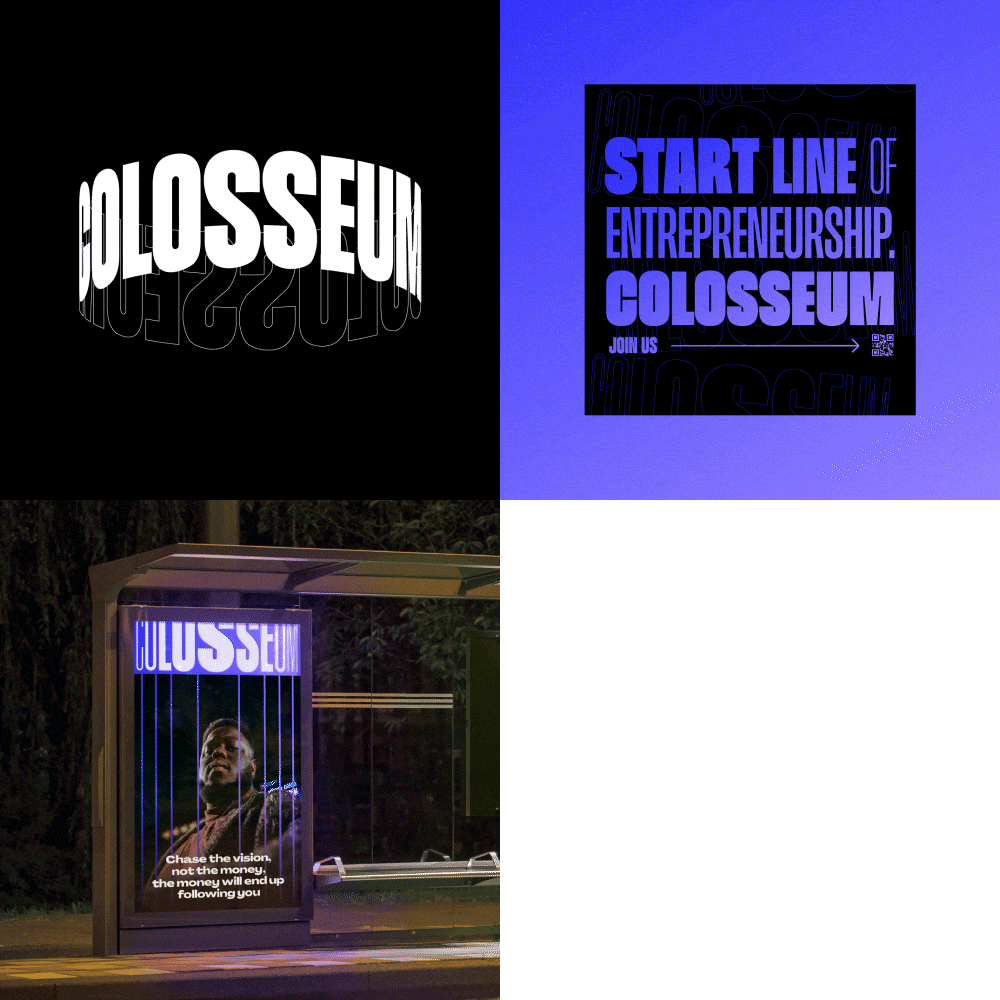 Hybrid brand design that maximizes the brand conceptLet's create a hybrid design that can convey the brand's message more effectively by combining the typography and shapes created previously. We will maximize the most important concept in brand design, derive a visual concept that fits the plan, and expand it into a graphic motif.
 -
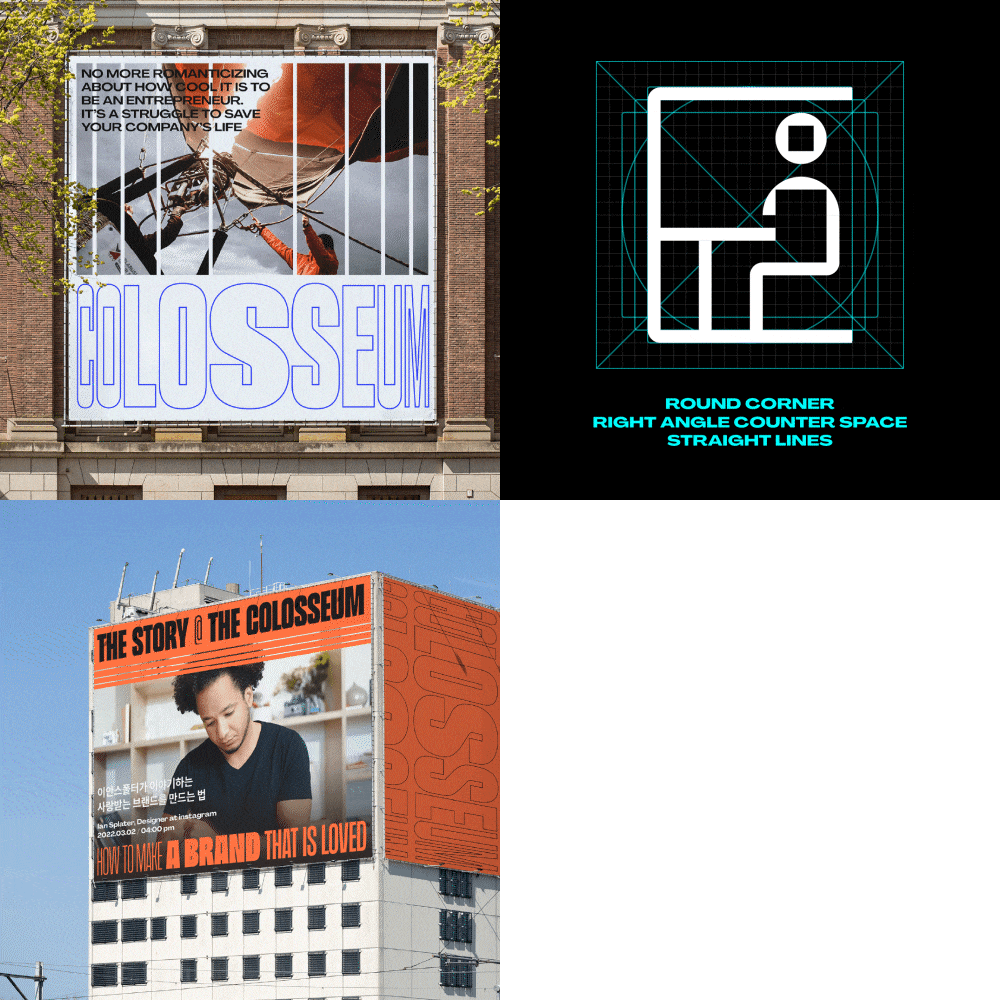 Production of detailed elements & applications and establishment of a brand design systemReview the pros and cons of the drafts created in the lab and select one. We build a brand design system that will reduce the decision-making process and make work more efficient, identify pitfalls that are easy to fall into, and create guidelines for preparing for various situations, a color system for a consistent experience, and elements such as graphic motifs and icons. see.
 -
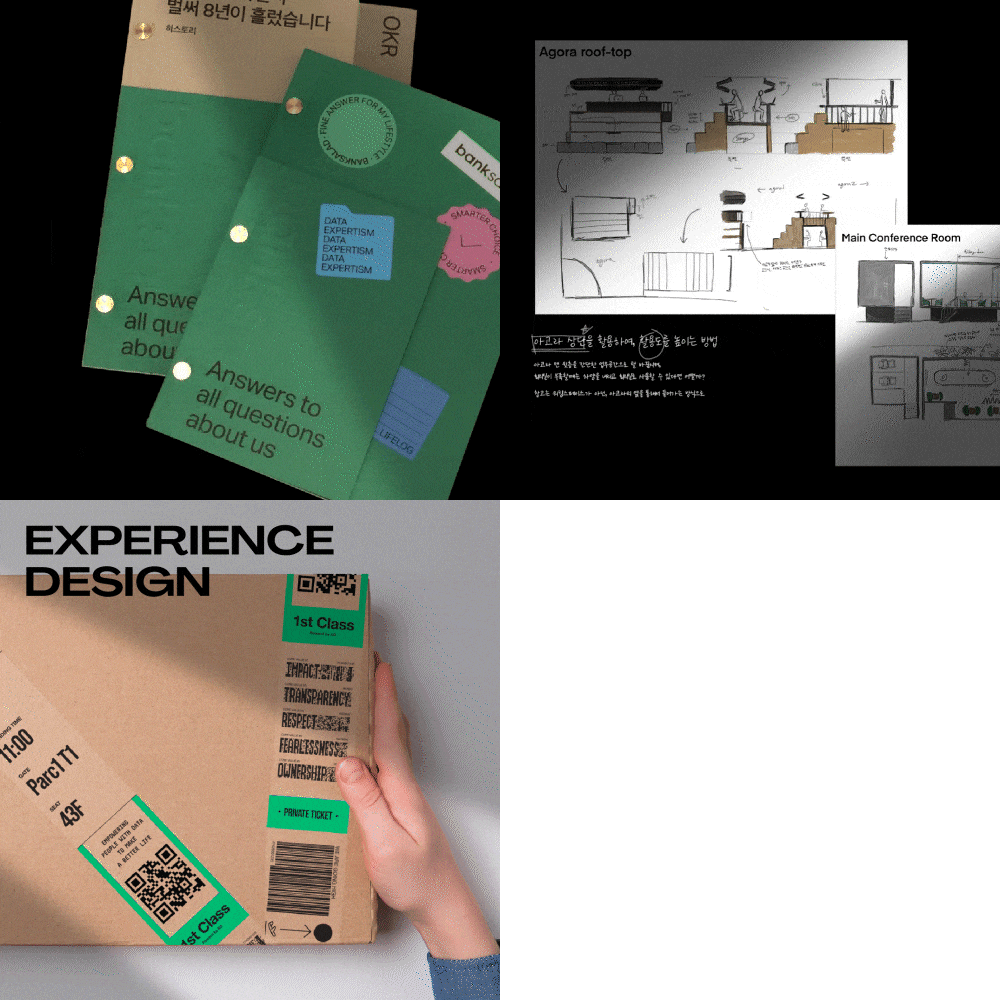 In-house BX team's work and employment storiesCheck out the various tasks carried out by BX designers who create not only the brand but also the company's office and organizational culture. Additionally, you can learn how to find employment, portfolio composition, and interview know-how for those considering a career as a brand designer.
curriculum
curriculum
Show me the curriculum
1. Lecture outline
- Introduction to the charms of brand design and what will be covered in this class
- A time to take an overall look at the BX designer's practice based on designer Youngwoo Jeong's career path and the projects he has carried out.
2. BAP (1)
- Introduction to BAP and how to use it
- Business Model: Canvas → Introduction to Lean Canvas
- Description of the overall structure of BAP, extracting only the elements necessary for brand design
3. BAP (2)
- Case study through established brands
- Filling BAP from 2 brands
4. BAP (3)
- Introduction to the business model, a virtual brand
- Description of the business model of the hypothetical brand we will be working with
5. BAP (4)
- Types of brand naming
- Create a brand name that suits your virtual brand
6. Typography (1)
- Creating storytelling with the theme of ‘Change’
- Creating a mood board that can represent ‘change’
7. Typography (2)
- Design a logo by combining two contrasting typography
- Expanding a typographic logo into a visual motif
8. Typography (3)
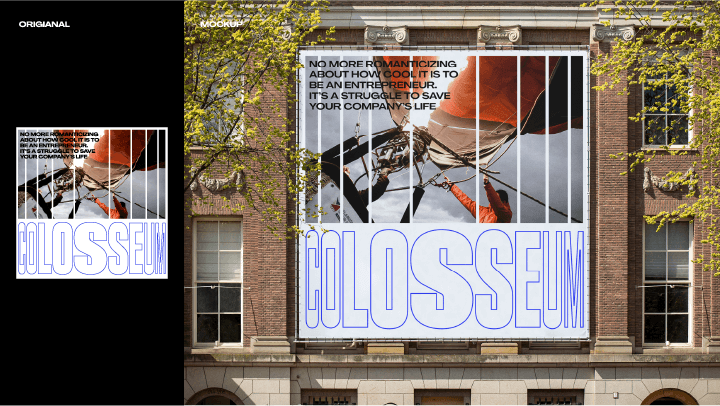
- Design a poster that combines typography and photography
- Poster and application design using only typography
9. Shapes and patterns (1)
- Creating storytelling with the theme of ‘disorder and order’
- Creating a mood board that can represent ‘disorder and order’
10. Shapes and patterns (2)
- Designing a Logo with Geometric Features
- Expanding logos with geometric features into visual motifs
11. Shapes and patterns (3)
- Designing patterns using shapes
- Design a poster that combines patterns and images
12. Hybrid (1)
- Making formative features reminiscent of ‘Colosseum’ into brand storytelling
- Create a mood board suitable for brand storytelling
13. Hybrid (2)
- Design a logo using both typography and geometric elements
- Expanding a logo design that combines several techniques into a visual motif
14. Hybrid (3)
- Designing a typography poster using visual motifs
- Designing applications using visual motifs
15. Intermediate summary
- Analyze the pros and cons of A/B/C and plan the next steps
- Compare designs using three techniques and select the design that you think is most appropriate.
- Production of BX guideline introduction based on the selected draft
16. Brand design system (1)
- Why you need a brand design system and the pitfalls you can easily fall into
- Discuss the purpose of using the brand system in-house.
- We talk about the pitfalls that occur when you are buried in the brand system.
17. Brand design system (2)
- Add detail to your logo
- We will create guidelines so that it can be used in various situations.
18. Brand design system (3)
- Let's create a diverse yet consistent color system.
19. Brand design system (4)
- Create a graphic motif
- Graphic motifs start from designs created through sketches.
- As I try out different designs, I collect good cases and bad cases.
- Let’s create guidelines based on useful graphic motifs.
20. Brand design system (5)
- Information is shown concisely through icons.
21. Brand design system (6)
- Let’s organize the brands we have created so far into a portfolio.
22. Inhouse - Bank Salad Story (1)
- How brand designers improve the onboarding process
23. Inhouse - Bank Salad Story (2)
- How a brand designer designs a company's office
24. Inhouse - Bank Salad Story (3)
- How a brand designer creates organizational culture
25. Portfolio (1)
- Employment direction for brand designers
26. Portfolio (2)
- Characteristics of a good BX design portfolio and how to create one
27. Portfolio (3)
- How to choose and create a good mockup
28. Portfolio (4)
- Brand designer’s interview know-how
* Curriculum details may change before or after the video is released.
interview
What designer Youngwoo Jeong wants to say

Question.01
What makes Youngwoo Jeong’s class special?
What makes Youngwoo Jeong’s class special?
There aren't many brand designers who have experience working at agencies, large corporations, and startups. I think I have a story that only I can tell about my experience with all companies. Now, as the leader of the BX design team, I plan to share what types of talent companies prefer. We hope that this class will be of great help to those preparing for employment as it allows you to develop practical skills that cannot be learned through theory, and also covers topics such as portfolios and recruitment.
Question.02
What is the most important thing in brand design?
What is the most important thing in brand design?
As a brand designer, you need to constantly reflect on whether your design is solving a real problem. Since designers have a visual-based job, they often get caught up in ‘pretty work’ that is far from the original purpose. Visual appeal is important, but I think defining the problem and verifying that it has actually been solved is most important.
Question.03
Please give some advice to those who dream of becoming brand designers.
Please give some advice to those who dream of becoming brand designers.
No school has a department that specializes in brand design. So many people are studying separately or visiting academies. We have included high-quality information that will be helpful to such people in this curriculum. I also think it will be helpful to juniors. I hope that through this class, you will learn planning, design, and expansion in one flow and become someone who can explain the reasons for the designs you create.
Required Programs
This class is conducted using the tools specified below.
– Adobe Illustrator CS4 or later
– Adobe Photoshop CS4 or later
To ensure smooth course participation, please install the corresponding version of the program separately.
* You can take classes from the CS4 version to the latest version, and even when using the CS version, you can practice most of the class content except for some functions.
* Programs and materials are not provided separately