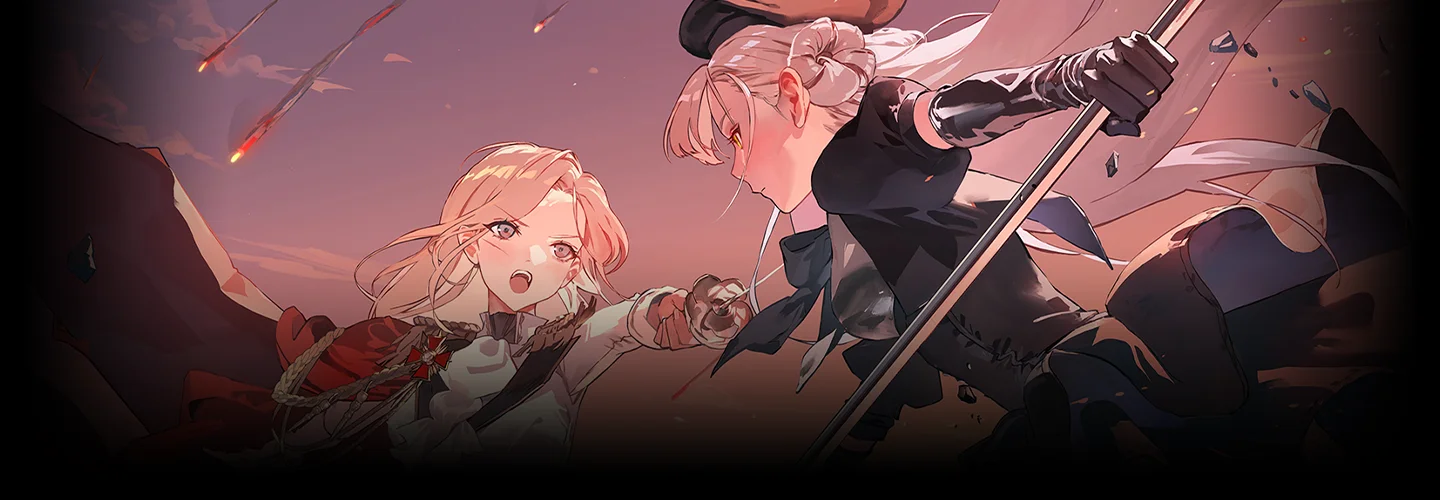
ConceptArtist,Okku_오쿠 Details
Intro
Class Intro
Concept Artist, OKKU
How to Create Trendy Character Art From a Popular Concept Artist
If you want to draw a character that attracts attention from a wide audience, that character requires a solid "concept." Designing a character without that understanding will result in artwork which incorporates meaningless details.

From art fundamentals essential for character design to planning concepts and settings, design elements for trendy characters, and the instructor's unique method of coloring sophisticated and delicate details!
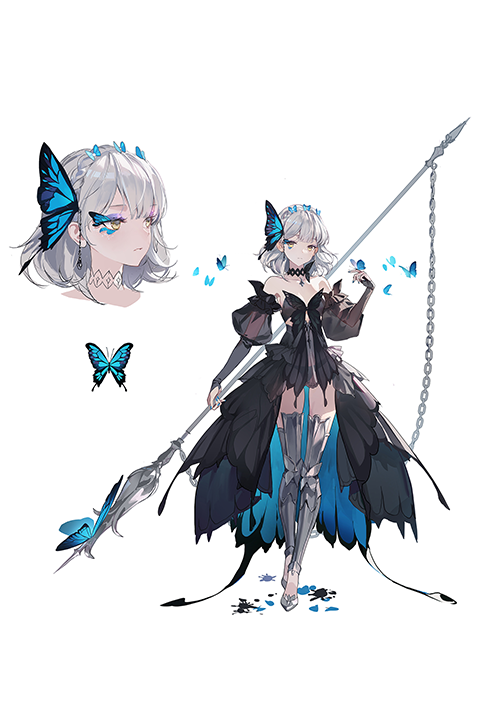
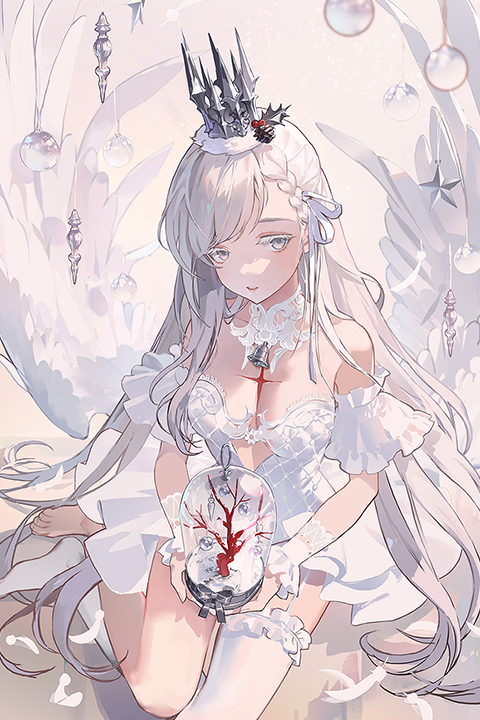
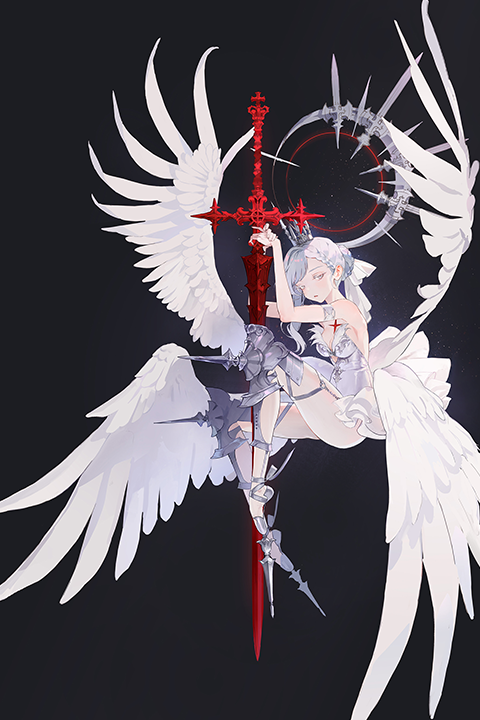
Expert Concept Artist OKKU'sPortfolio
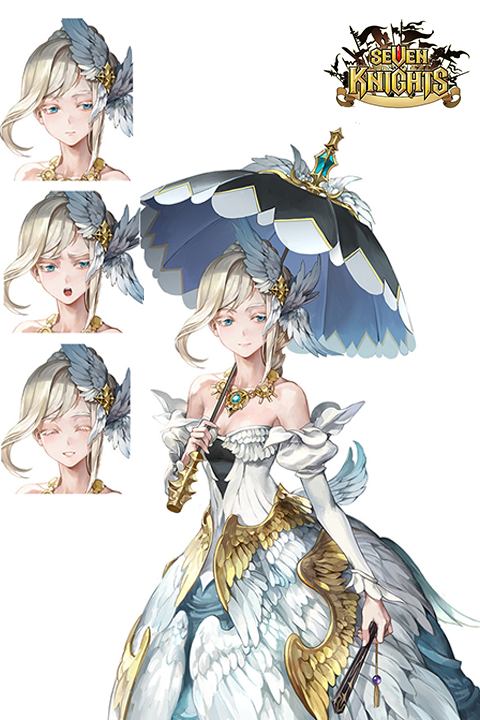
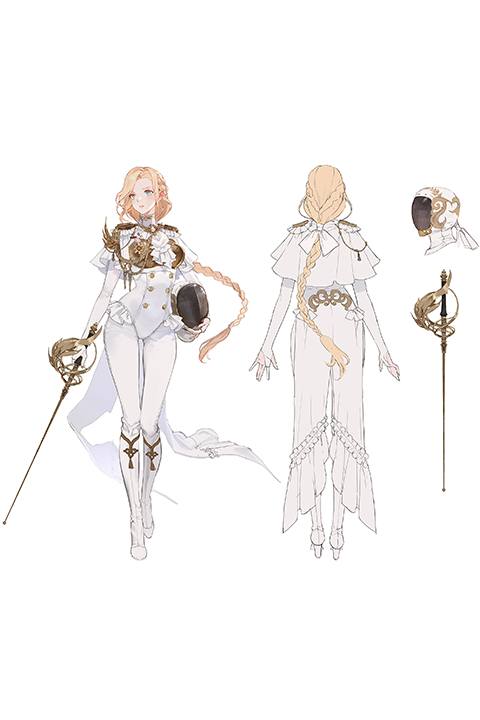
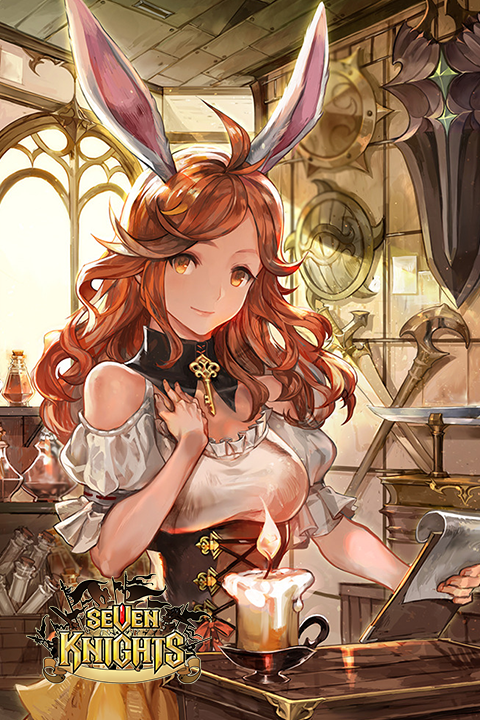
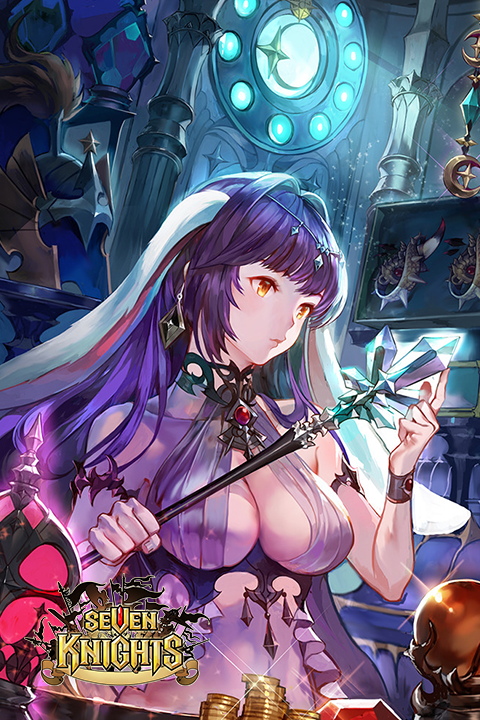
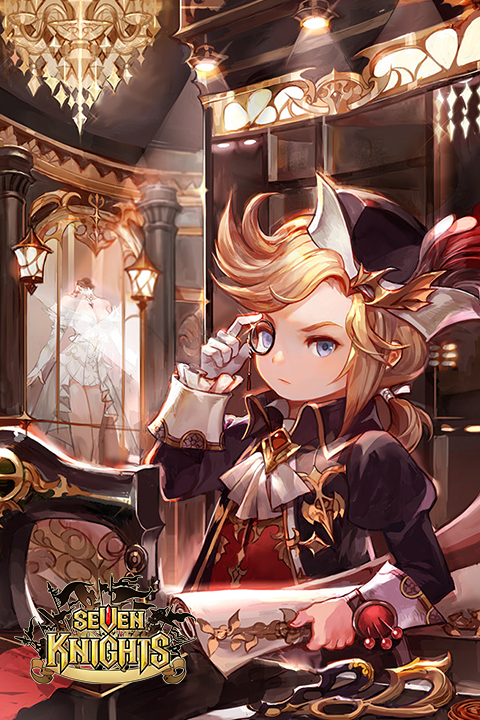
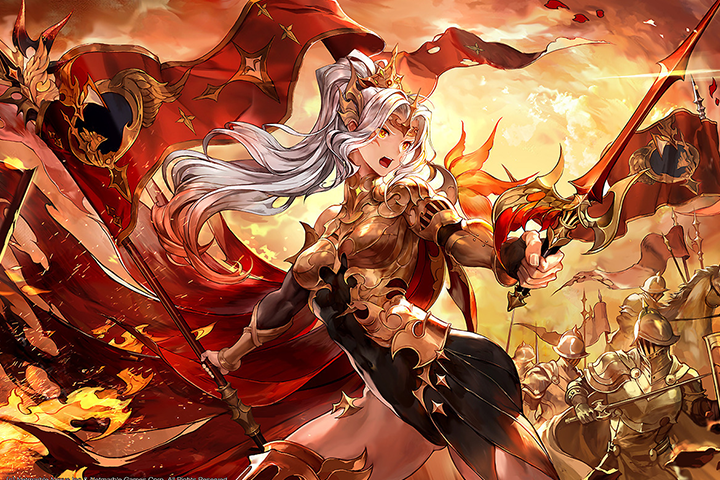
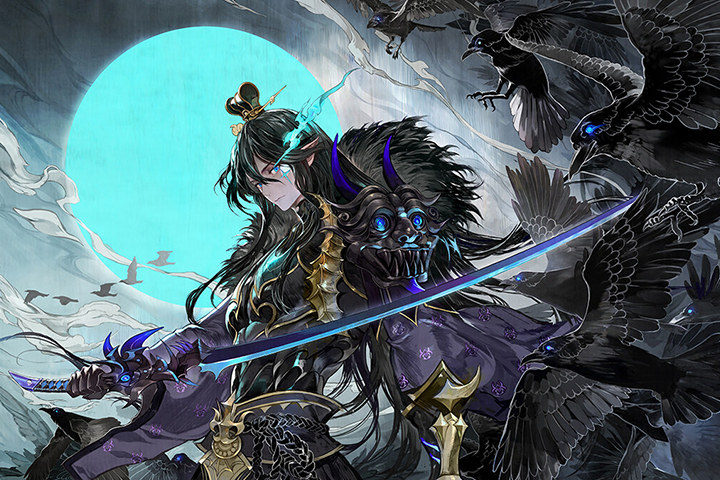
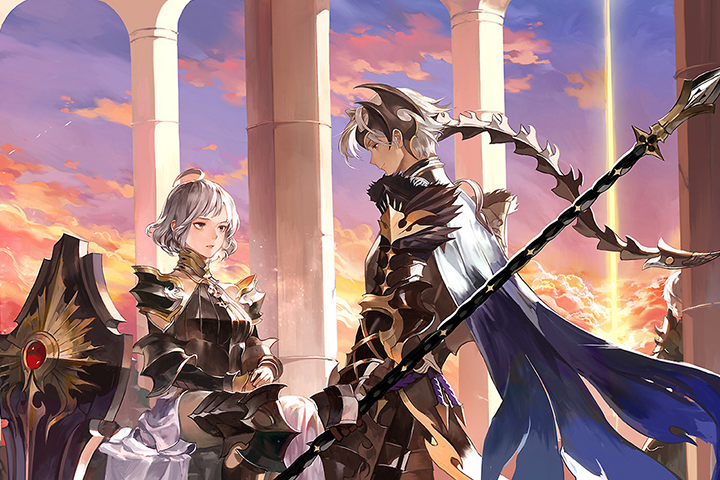
Instructor
Concept Artist
OKKU
Hello, I'm Concept Artist OKKU (Ryunkyeong Oh).
Over the years, I have participated in various videogame projects and worked on various character art and illustrations across stylized, Japanese-style, and semi-realistic art styles.
I'm sure we all have a hard time deciding what to draw, and how to draw it when we design a character.
Throughout this class, you will learn how to plan a character's concept, the overall design process, and the drawing and coloring techniques needed for your design. And as you draw a "fully completed illustration of your character" in the last section, you will learn advanced techniques such as lighting and composition.
I prepared this class for people who never made character art or illustrations and aspiring artists who are having a hard time making a portfolio. You can immediately implement the fundamentals taught in this class to create original artwork, so I hope
I can help as many students as possible.

Concept Artist,
OKKU
[Current]
Concept Artist
Recognizable
Projects & Awards
2018-2020 Smilegate "Lost Ark"
2015-2018 Frontline Manager of Netmarble Nexus "Seven Knights"
2011-2012 Enerve
[Other Projects]
Tencent (CrossFire Mobile)
Netease (Eternal City)
NPIXEL (Gran Saga)
Yostar (Azur Lane)
Vespa (Time Defenders)
Nimble Neuron (Black Survival)
Ateam (Three Kingdoms Smash)
Netmarble (Seven Knights)
Kingsoft (Seasun) and others
Student Reviews
Reviews and Portfolios of Actual Students
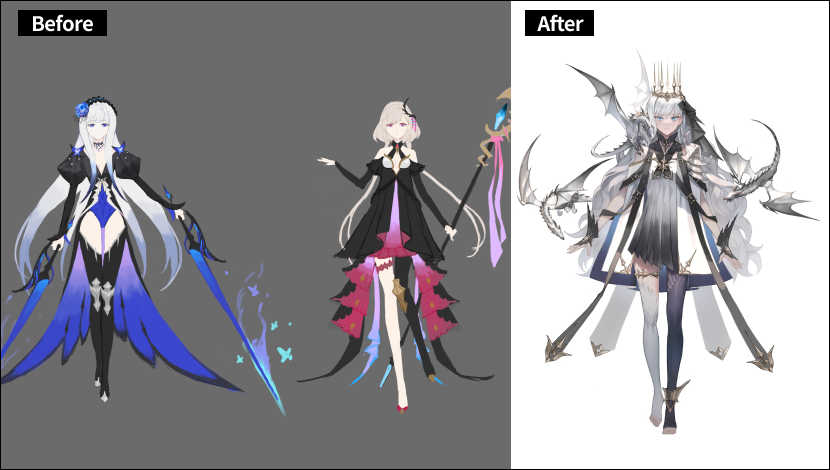
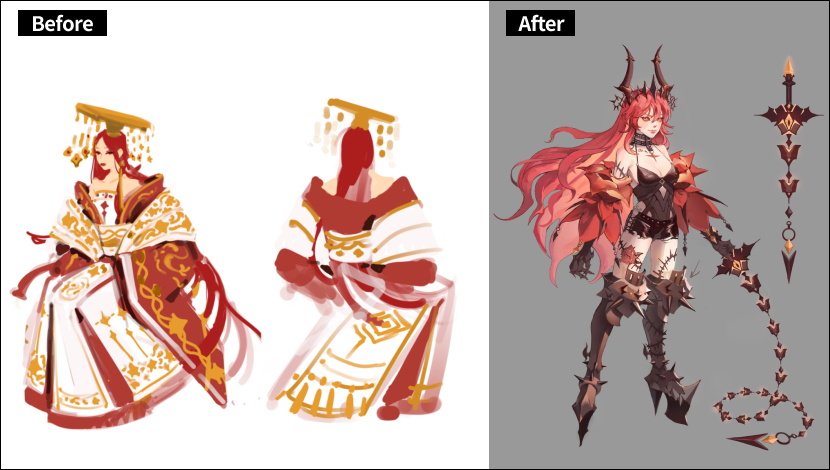
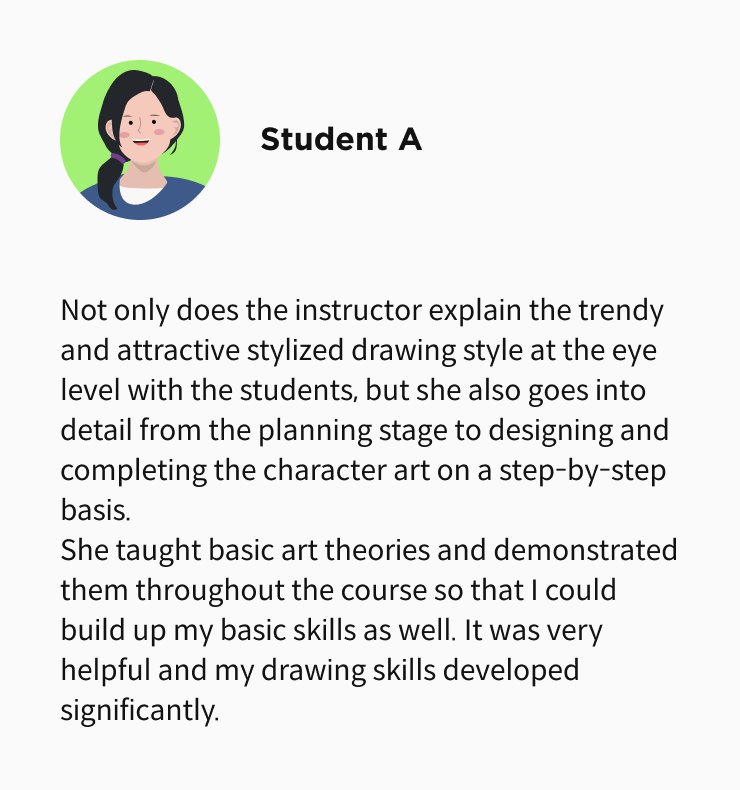
A Step-by-Step Guide to Creating Trendy, Eye-Catching Character Art
Part 1. Essential Art Fundamentals for Character Design
Understand the basic theories you need to know before creating characters and the characteristics of each genre such as realism, semi-realism, moe style, stylized, and chibi art style.
-
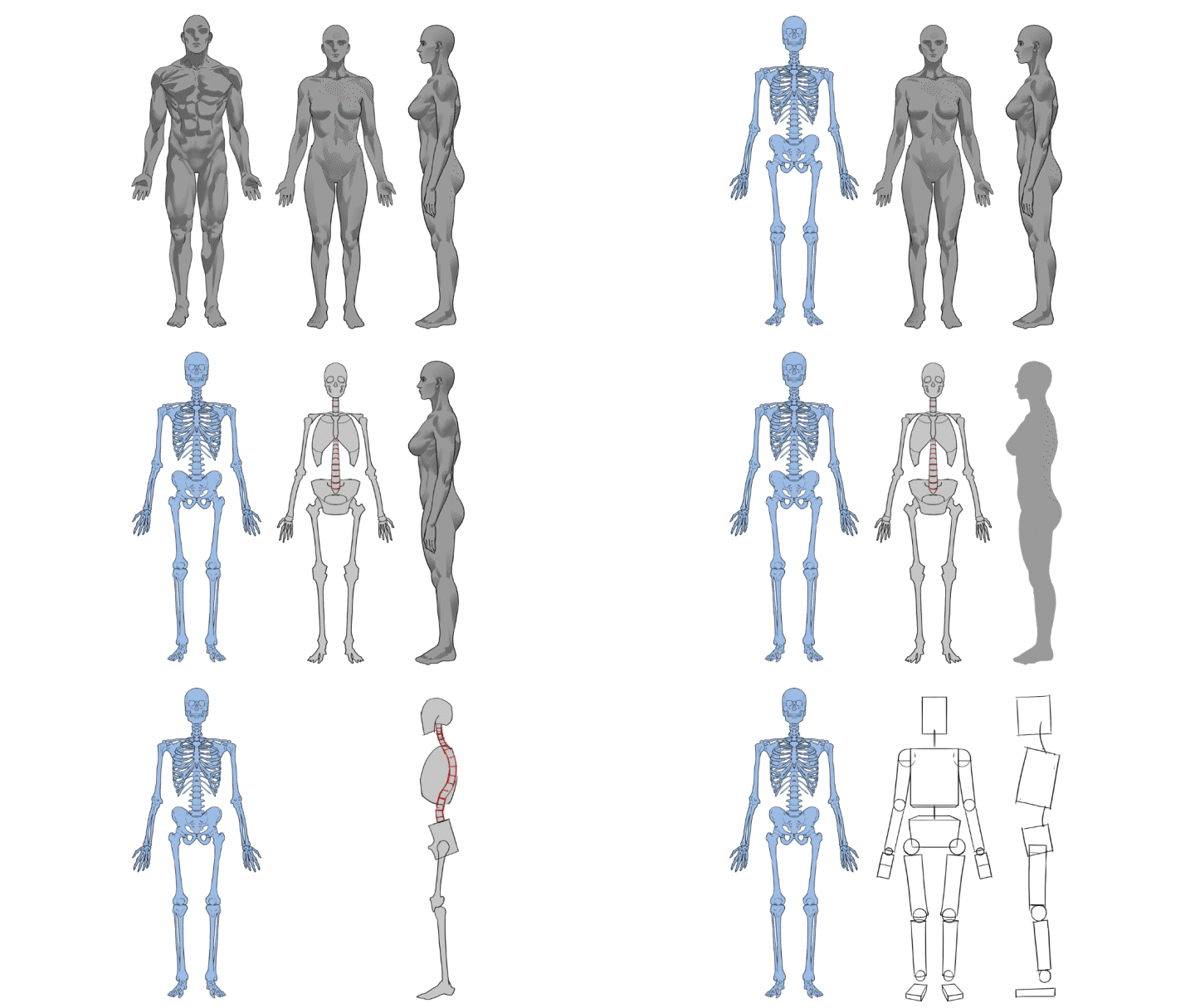 Simplifying the Human Body
 -
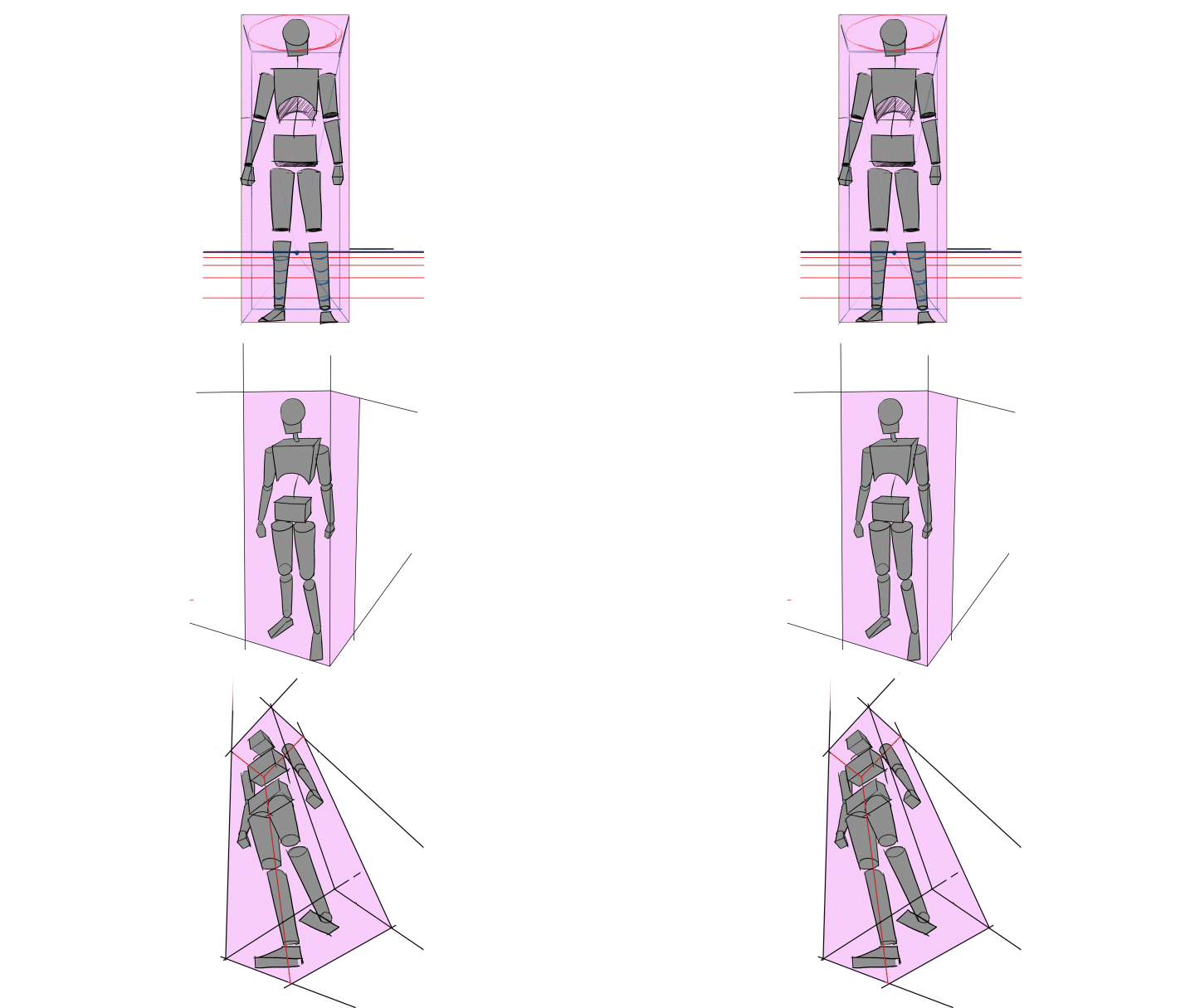 Perspective and Angle
 -
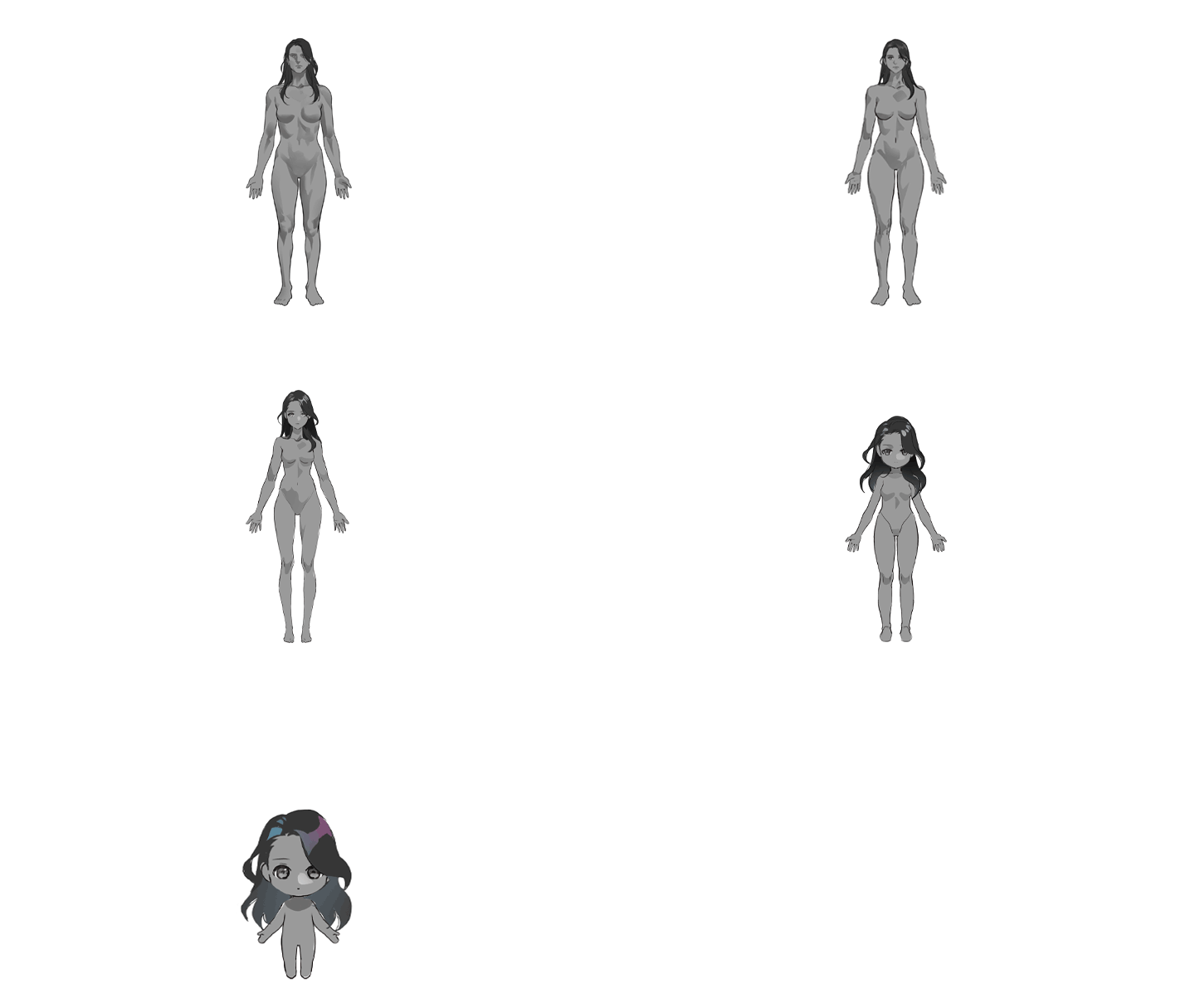 Drawing the Human Body in Different Art Styles
 -
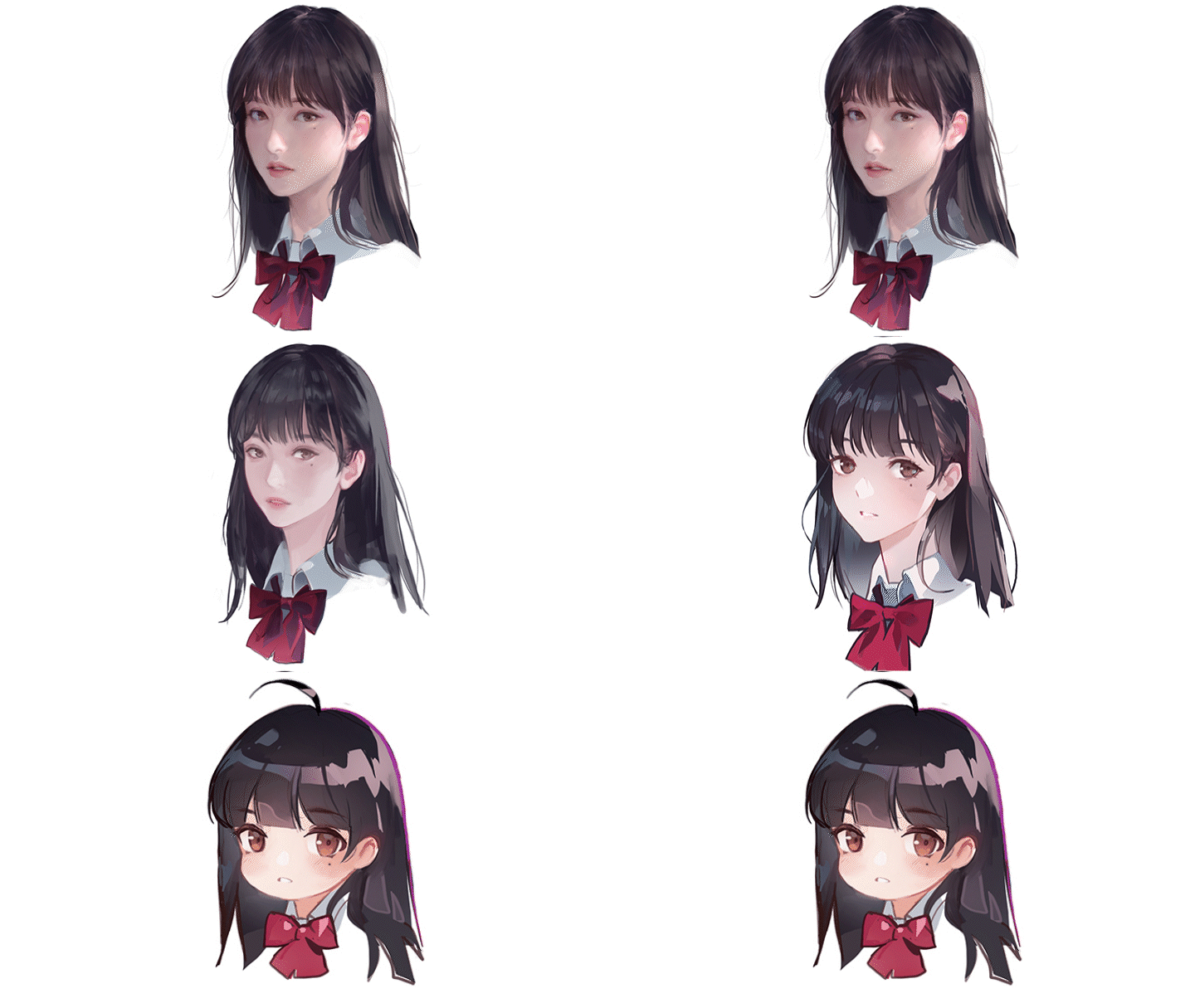 Different Degrees of Stylized Faces
Part 2. Character Design
From concept planning and drawing to lighting, color, and costume textures, we’ll craft a stylish character.
-
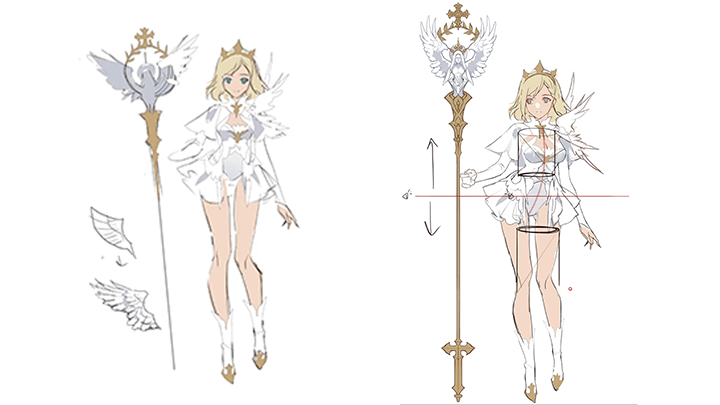 Character Drawing
 -
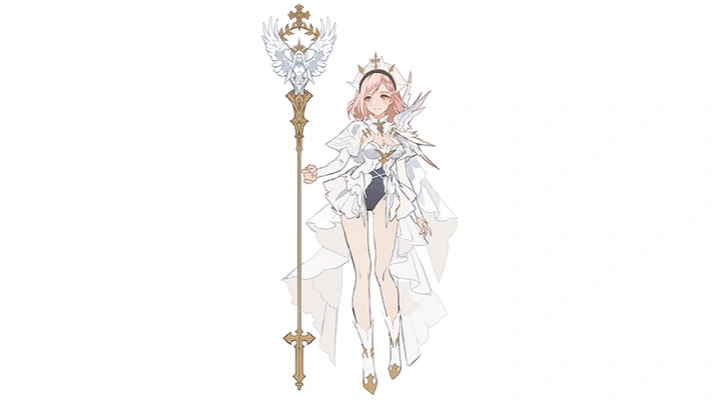 Goddess-Statue Style Coloring
 -
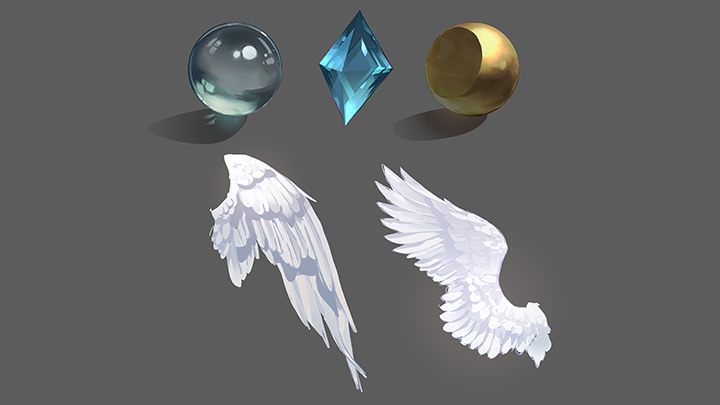 Drawing Techniques for Widely Used Materials
 -
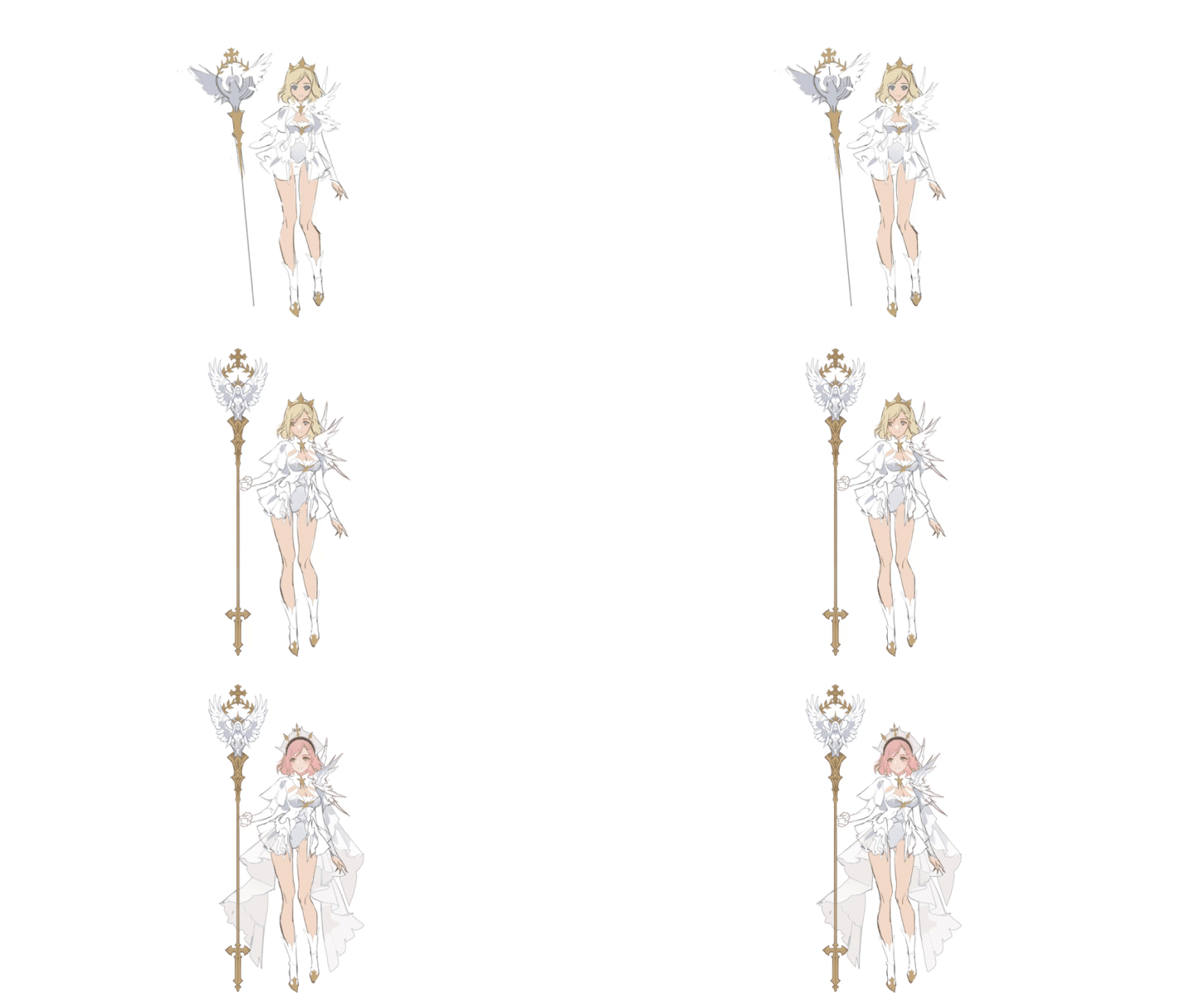 Final Character Art
Part 3. Creating Awakened Form Illustrations
Add effects and details to the character that fits the concept to create high-quality illustrations
-
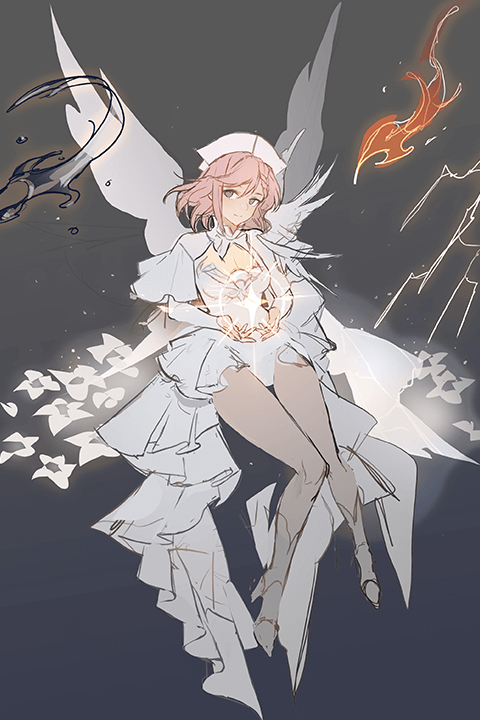 Adding Effects Based on Concept
 -
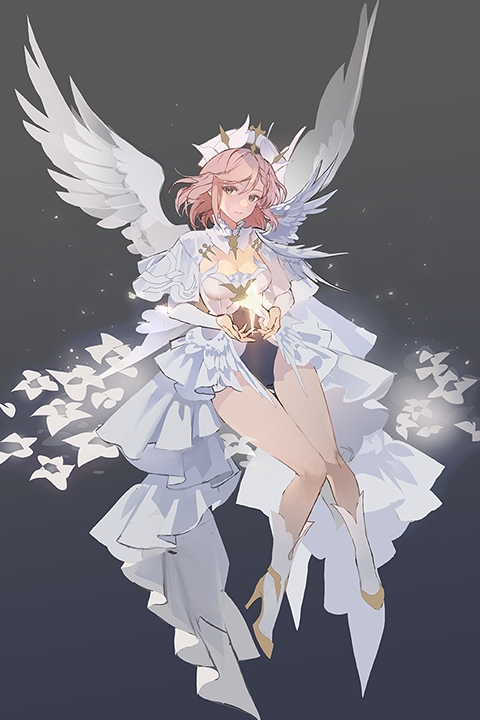 Stylized Light
 -
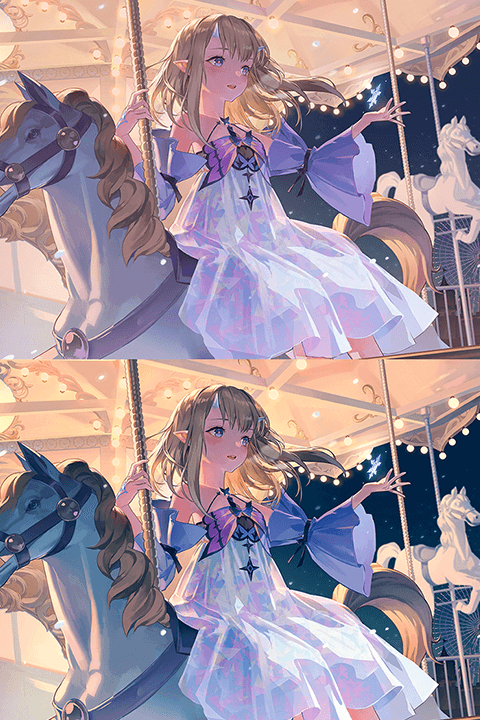 Layer Techniques and Post-Processing
 -
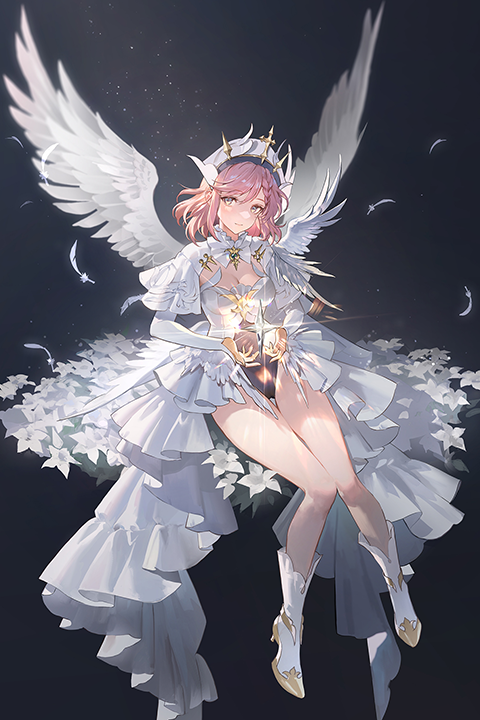 Finishing the Illustration
*Shown Images are examples to give a better understanding of this class.
Highlights
Class Highlights
Get the A to Zs of Industry-Level Character Design
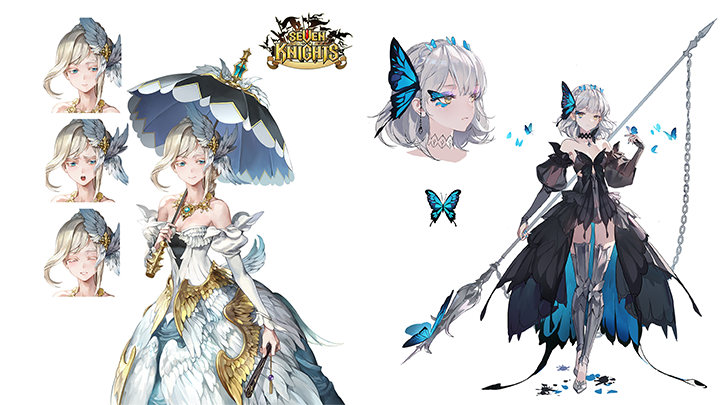
From "finding references" to "completing a character design" that stands out, experience the basics of character design. Along with industry-ready reference images provided by the instructor, you will learn OKKU's unique tips for gathering references and how to identify trends that appeal to the public and apply them to your character design. In addition, you can create your own character by devising a character concept and settings using a sample character design sheet.
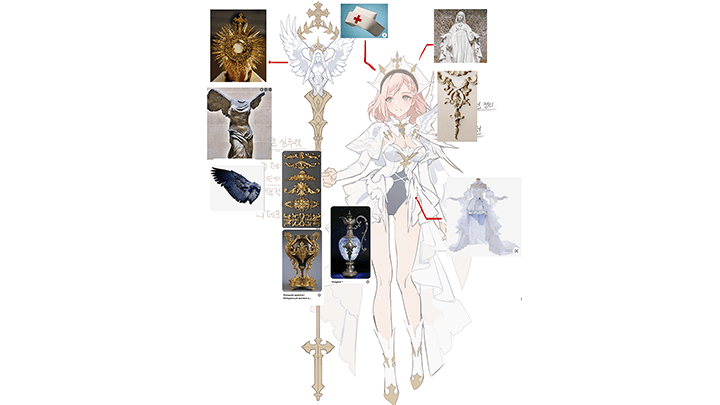
Learn the Step-by-Step Process Behind Game Character Art
Master the workflow of OKKU, a concept artist with a 10 year career who has worked on "Seven Knights," "Azur Lane," and many other popular games. You can learn to work step by step through the process of concept planning, making a draft, designing concept art, and bringing your designs to life with detailed explanations. You will also see the entire process of how concept art and character art get created in the industry from the beginning to the end.
Highlight a Character's Concept With Drawing & Color Choices
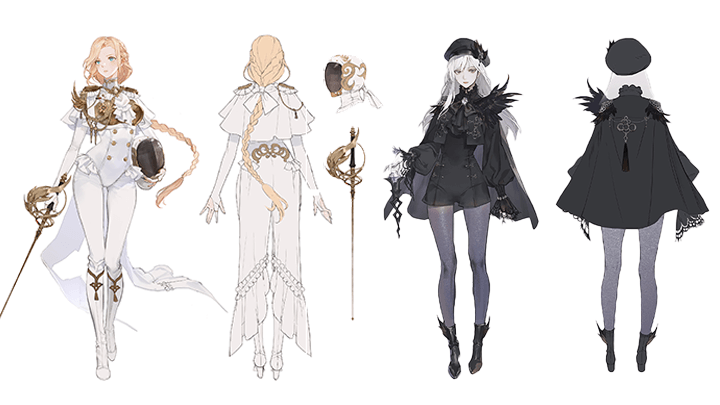
Express the characters that you've only imagined in detail and bring them into reality. We'll teach you how to express your design into illustrations, how to apply figure drawing to line art, stylized lighting, and coloring, and immediately start a hands-on exercise and complete a stylish character concept art and illustration.
Class Details
You'll Learn
-
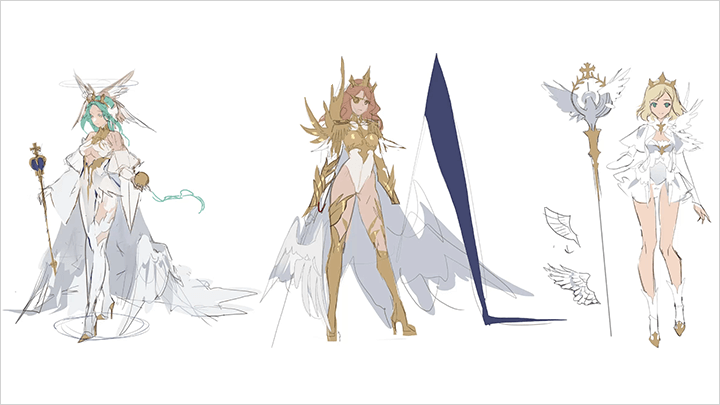 Concept Planning Through Proper Reference AnalysisYou will learn the techniques of selecting and combining good elements while excluding bad elements through reference analysis rather than blindly collecting references and how to plan character concepts based on the collected references.
 -
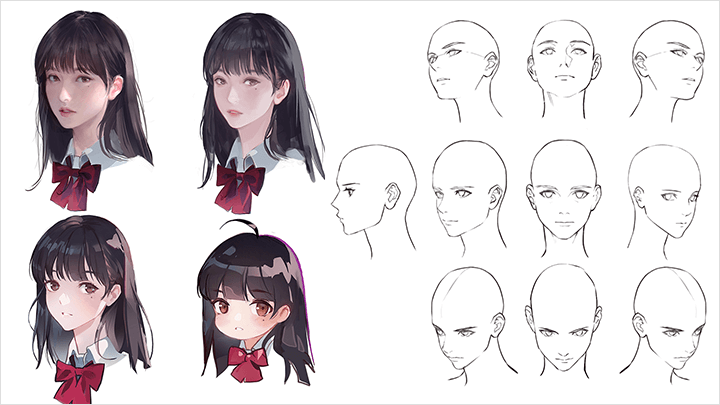 Different Degrees of Stylized Art StylesYou will understand different proportions of the human face and body stylization in realism/semi-realism/moe style/stylized/chibi art styles, and learn how "facial" proportions, angles, and expressions change depending on the art genre.
 -
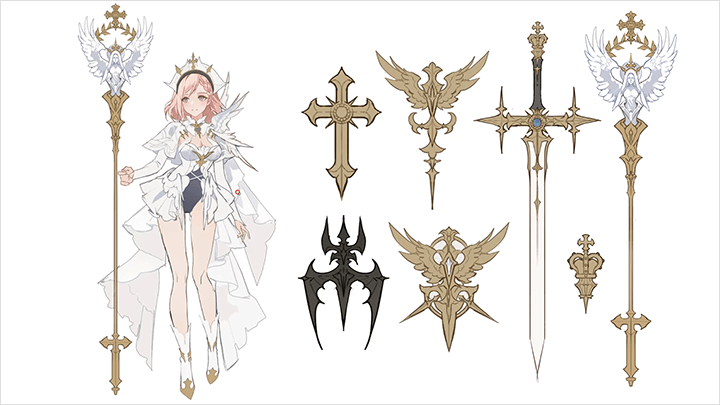 Line Art Techniques to Emphasize CharacteristicsLearn the most basic pose drawing methods to effectively reveal the planned concept and how to design metallic weapons and outfits by shaping large silhouettes and adding detailed patterns.
-
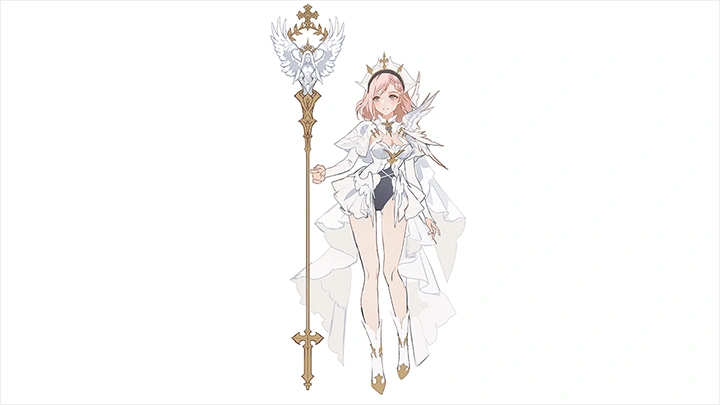 Colors and Textures that Reveal the Character ConceptYou’ll learn color schemes and refined coloring techniques that suit a goddess-statue mood, and practice depicting fabric folds and costume textures using materials commonly used in concept art.
 -
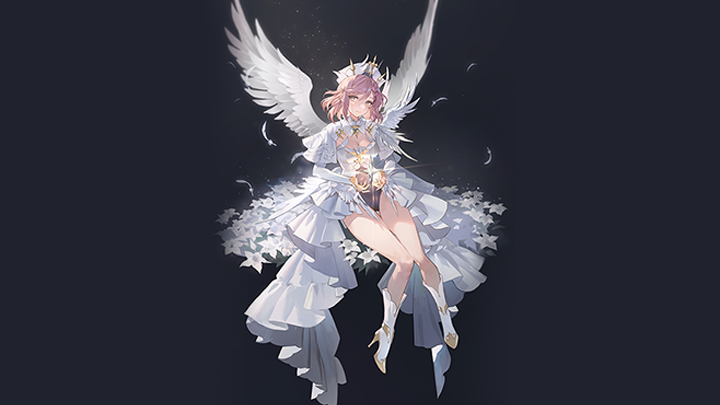 Planning an Illustration that Maximizes the Character's CharmsBased on advanced perspective views that draw attention and the understanding of composition, you will devise an illustration based on the character concept art and utilize lighting, layer, and brush techniques to boost the illustration's quality.
 -
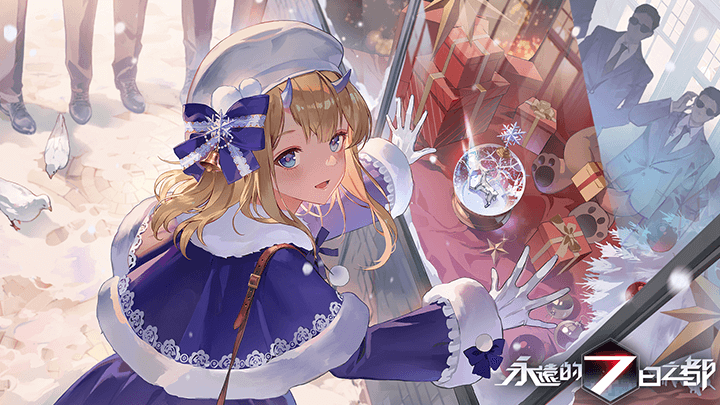 Preparing a Portfolio that Suits Your NeedsUnderstand the differences between two dream jobs commonly sought after by aspiring artists, "illustrators" and "character artists," and learn how to prepare for each career path, create a portfolio, and how to make popular drawings.
- Unlimited Access
- Best Price
Buy now, get unlimited access.
12/31 (Sat) (UTC-7) Special offer ends soon.
This special offer ends soon.
Buy now and save!
Curriculum
Curriculum
In-Depth Look
SECTION 01. How to Get The Most Out of The Class
01. Points to Focus on To Get The Most Out of The Class
- Overview of Curriculum and Key Goals
- Setting up Photoshop for The Class
02. What is a Commercial Illustrator?
- What is The Difference Between a Concept Artist and an Illustrator?
SECTION 02. The First Step for Trendy Characters: Planning a Character Concept
03. How to Start Character Concept Design
- How do we build up a story and character settings?
- The A to Z of finding inspiration and planning a character concept
04. Gather and Analyze References to Boost Trendiness
- Finding diverse and trendy references
- Planning characters based on the plan
* You will be provided a sample character design sheet
05. Basics of Simplifying the Human Body and Perspective
- Simple understanding of the shape of the human body
- Applying perspective and angles for drawing
06. Understanding the Different Degrees and Application of Stylization
- Learn the differences between chibi style, Japanese style, and semi-realism
- Analyzing and applying stylization to develop a unique art style
- Various angles and expressions of stylized faces
* You will be provided a JPG image exercise
07. Designing Your Own Trendy and Memorable Character
- How to use references to design trendy characters
- How to make a character draft based on a large silhouette
- Using lines or mass to form shapes
* You will be provided a link to the instructor's Pinterest reference collection
SECTION 03. Planning the Design Based on Character Concepts
08. Drawing the Pose that Fits the Concept
- Understand the flow of the human body for attractive gestures
09. Weapon Design to Make Your Character Stand Out
- Design eye-catching patterns and stylized metal accessories
- Applying the design to weapons
* You will be provided the related PSD resources
10. Smoothing Out the Design
- Smoothing out and editing the character art
- Developing and finalizing the design
- Designing the backside
11. Basics and Practical Application of Light and Color
- Understanding the color of light
- Understanding light scattering and perspective
- Understanding diffuse reflections and specular reflections
12. How Lighting Affects the Mood of the Character
- Understanding the light and shadow based on the position of the light source
- Learning commonly used lighting directions
13. Depicting Various Textures that Bring Out the Character
- Expressing commonly used materials such as metal, jewelry, cloth, leather, fur, etc.
- Understanding the folds and frills of clothes
- Depicting the texture to make the outfit stand out!
- Depicting the decoration with an embossing effect
14. Coloring to Match the Character Concept
- Detailing the Character’s Face
- Depicting Detailed Textures of Clothing and Accessories
15. Post-Processing and Finishing the Character Art
- Knowing where you should and shouldn't emphasize
SECTION 04. Creating an Awakened Form Illustration to Show the Character's Hidden Charm
16. Planning an Illustration that will Make Your Character Stand Out 1
- Learn more about 1-5 point perspectives and angles
- Planning charming poses and perspectives of the character
- Adding effects to decorate your character
17. Planning an Illustration that will Make Your Character Stand Out 2
- Forming shapes with lines and mass
- Smoothing outlines
18. Light and Colors for Eye-Catching Illustrations
- Intensity of light at different angles
- Light source and stylized light settings based on the concept
- Coloring methods suitable to the drawing style
19. Drawing and Finishing the Illustration 1
- Drawing systematically and improving the overall quality
- Boosting the details
- Smoothing out the effects
20. Drawing and Finishing the Illustration 2
- Layer techniques and post-processing tips
- Adding texture and finishing touches with a mixer brush
SECTION 05. Finishing Words : Sharing My Experiences as a Concept Artist
21. For All Students Who Want to Discover their Unique Art Style
- What is a good art style?
- How to get prepared for the industry and how to create a portfolio
- Advice to aspiring artists
Interview with
Concept Artist OKKU

Question.01
Why Should We Learn How to Design Character Concept Art?
Without an understanding of character concepts and simply focusing on pretty and cool character drawing, you'll make an artwork that's obsessed with meaningless details. On the other hand, if you work with all the elements that express the concept, you can create an appealing and impressive character. Moreover, the importance of character concepts and job opportunities has expanded as many foreign videogames that emphasize unique characteristics have been introduced in our country.
Question.02
Do You Have Any Tips or Insights on Finding Your Own Trendy Elements?
Encountering and analyzing many works is the basics of gaining insight, and collecting references is important for trendy character designs. Analyze the trend, but do not follow it as it is. Take only the good elements and exclude those that are not. In this class, I will share references I collected from 'Pinterest', and I hope you can learn how to collect and use references the right way.
Question.03
What Unique Traits and Efforts Are Needed to Become a Videogame Artist or Illustrator?
Working in a videogame company or as a freelance illustrator may have different requirements. But in the end, they both draw images that attract public attention, so you have to be able to draw unique illustrations that can stand out among many drawings. You should build basic drawing skills and use them as a cornerstone to find designs that fit your needs, and you must constantly study what the current trend is in the illustration industry.
Required Programs
This course will be conducted with Adobe Photoshop CC,
so please purchase and install the latest version
of the program on your own for better learning.
*These programs and/or materials will not be provided with the lecture.
※ Remarks
- It is recommended to use versions higher than Adobe Photoshop CC.
- Versions below Adobe Photoshop CC may not support the 'Paint Symmetry feature(brush feature that allows to paint symmetrical strokes)', but you can still follow the class.
- If you are using Clip Studio Paint, you will not have the 'Layer Style feature', but you can still follow the class.
- If you are using Procreate, you may find difficulties in following detailed drawing instructions.
Recommended
Recommended Class
Like this class?
Then check these out!