[Course]clazroominstructor,khaihung Details
Intro
Class Intro
Claz'room Instructor, Khai Hung
"This course is designed specifically for beginner to intermediate artists who want to learn how to create beautiful, game-ready stylized assets from the ground up."
Professional & Clear: From Blockout to Game-Ready
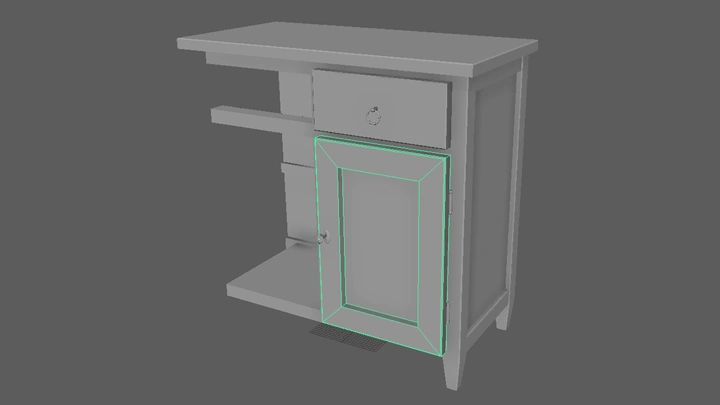
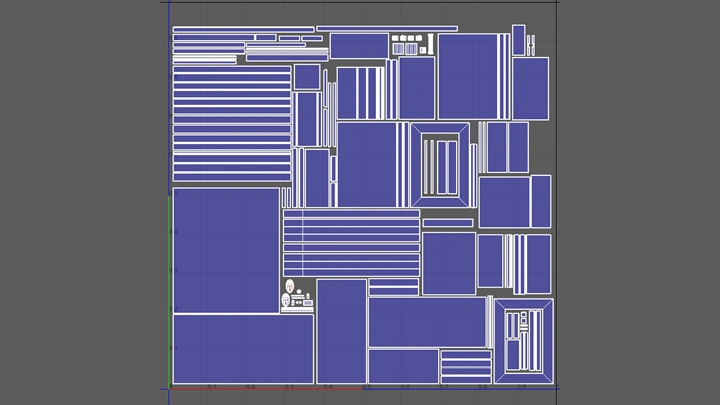
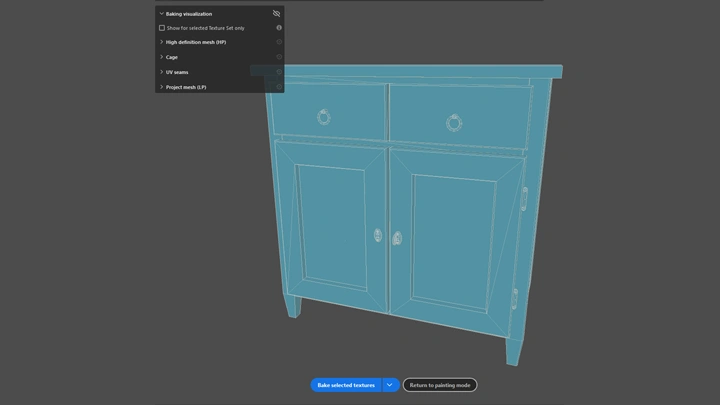
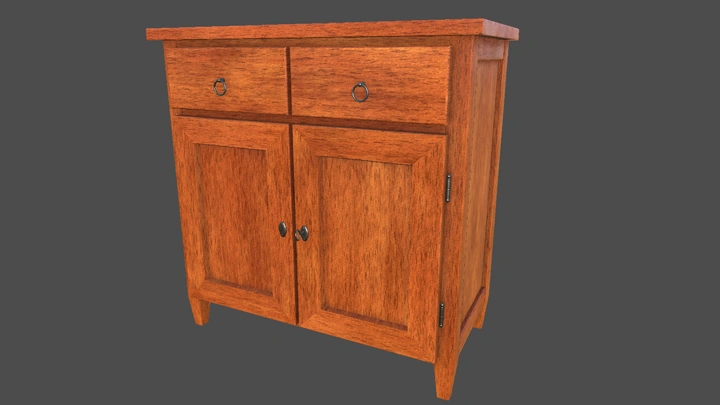
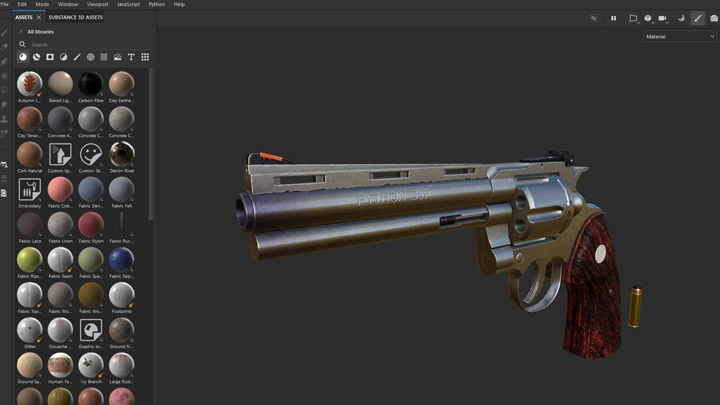
This course is designed to take you through the entire process of creating stylized hard surface game assets, from a blank scene all the way to a polished, real-time preview in Unreal Engine 5. You’ll follow a production-ready workflow, learning how to block out your model with clean shapes, build a detailed high-poly version using traditional modeling techniques, create an optimized low-poly, unwrap UVs efficiently, and apply both realistic and stylized textures using Substance Painter.
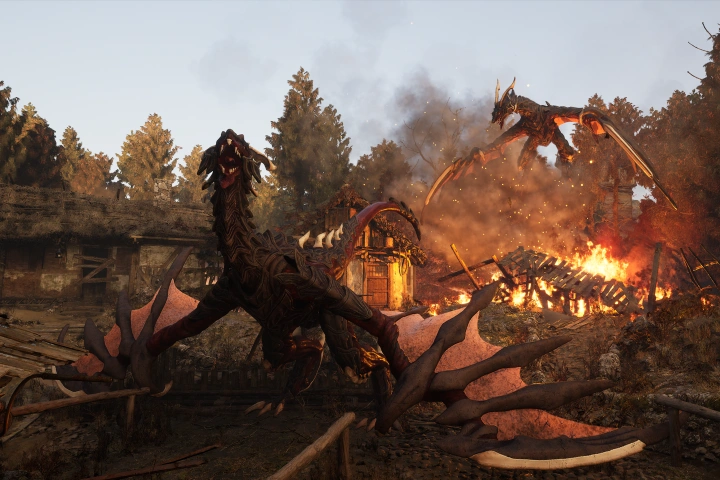
The focus is on giving you a strong foundation in industry-standard practices, while guiding you step-by-step so you always know what to do next. Whether you're just starting out or looking to level up your skills, this course will help you understand how each stage fits into a professional pipeline—and how to create game-ready assets with confidence.
By the end of the course, you’ll not only complete a fully textured asset ready for real-time rendering, but also gain the skills and mindset to create your own stylized models from start to finish.
By the end of the course, you’ll not only complete a fully textured asset ready for real-time rendering, but also gain the skills and mindset to create your own stylized models from start to finish.
Class Preview
Still Not Sure?
Check Out Khai's Class Preview!
Chapter 13.
Stylized Approach
1. Differences between realistic and stylized approach
2. How to tackle stylized approach
3. Tips when applying stylized textures
Class Perks
Special Gift from Khai Hung
-
 Discord Community Support- Connect with peers and share progress in a dedicated artist community
 -
 Full Access to Class Working Files- Provide all the class working files and final files
 -
 One-time Personalized Art Feedback- Recieve direct, tailored critique on your work from the instructor
- Identify strengths and areas for improvement with expert guidance -
 Class Notes & Slides-Slides for chapter outlines and learning points
-Annotations and notes made during lessons
Recommendation
Who should take this class?
Beginners who are just starting their 3D journey and want a solid foundation using industry tools and workflows.
Environment Artist who are curious about stylized art and want to expand their skill set
Props Artist who are looking to deepen their understanding of professional pipelines and learn how to make their work game-ready from start to finish
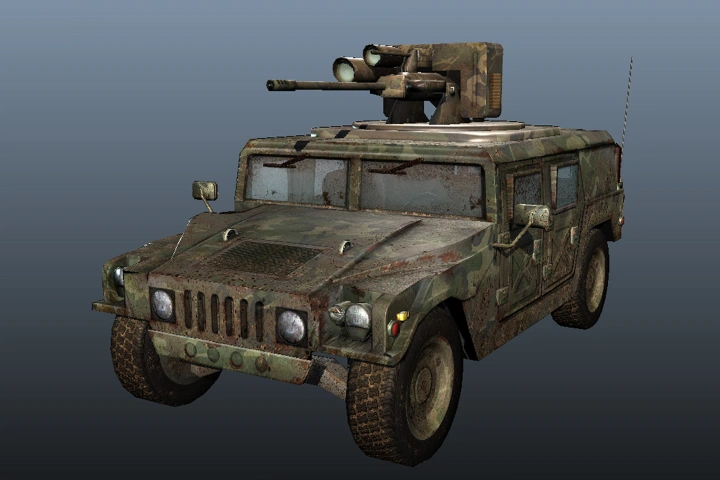
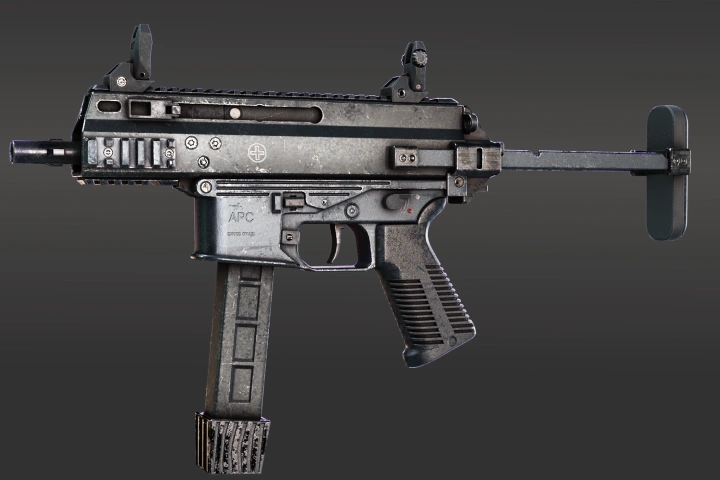
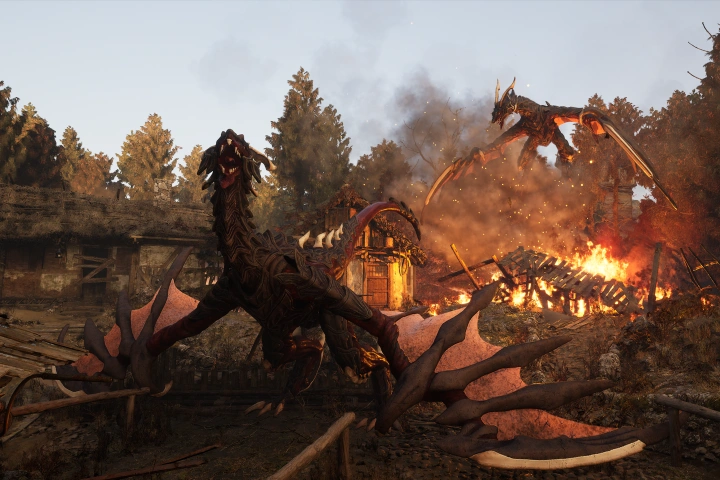
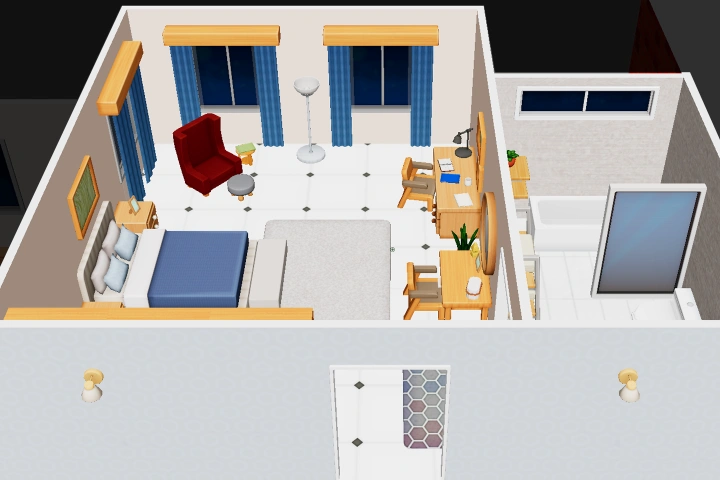
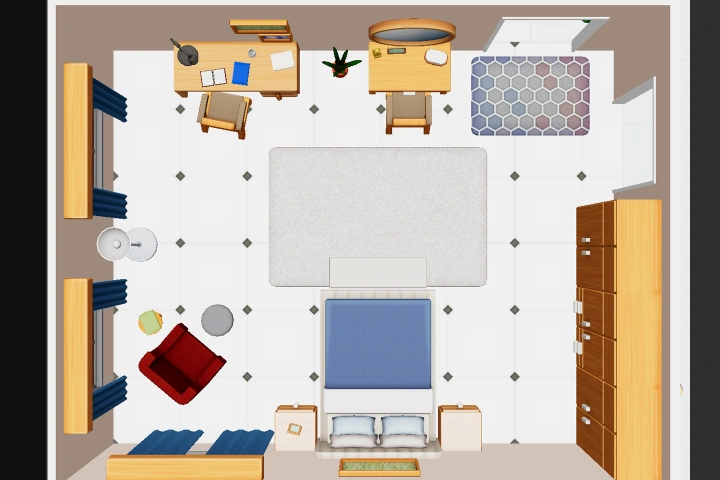
Expert 3D Environment Artist Khai Hung's Portfolio
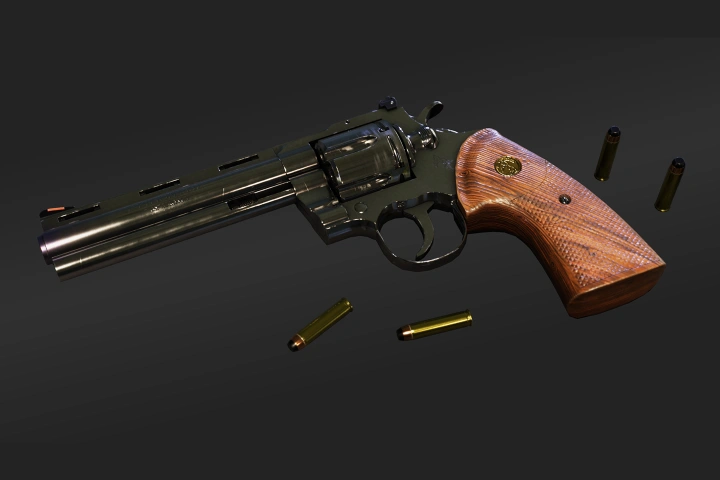
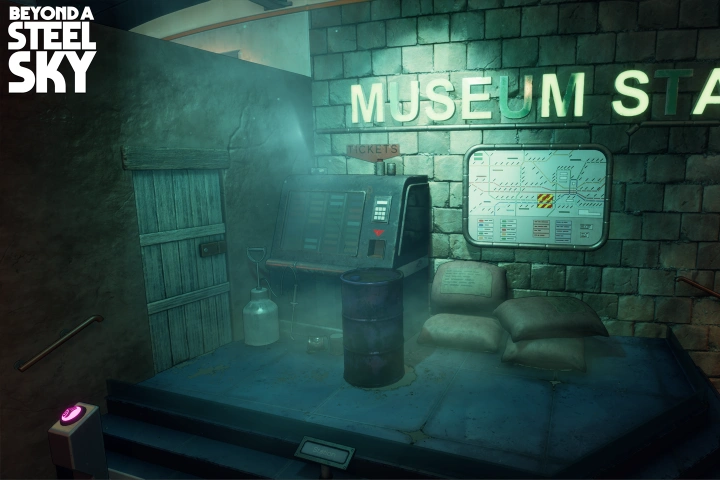
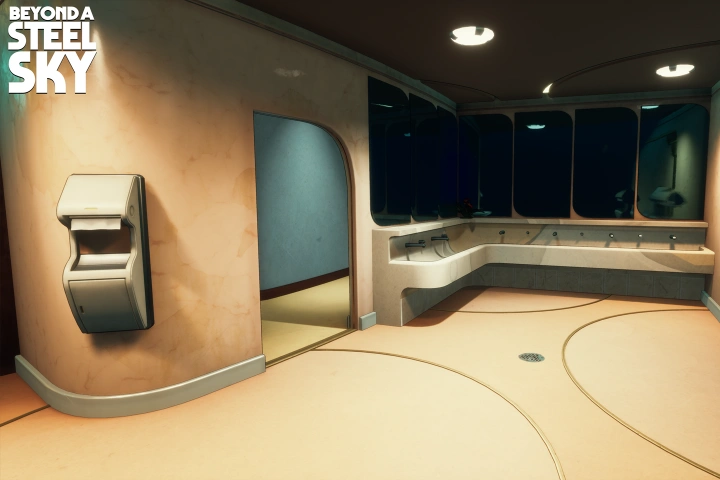
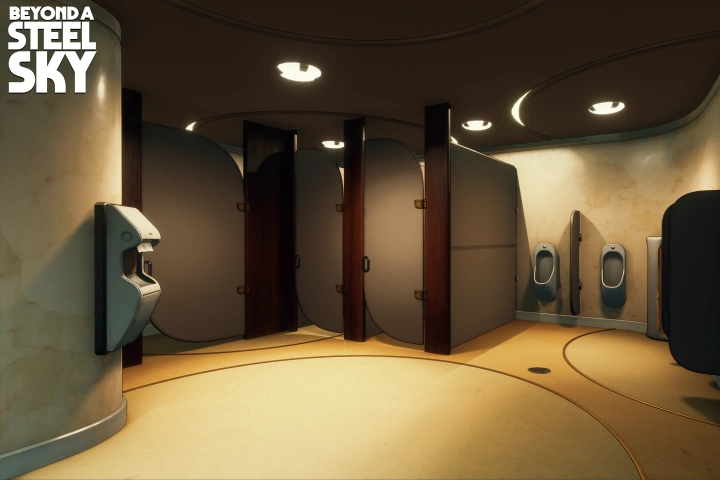
Why Take This Class?
Learn the Thought Process of the Pro
What sets this course apart is the combination of real industry insight and clear, structured guidance. Taught by a
seasoned 3D environment artist with over 10 years of experience in game development, this course is designed not
just to teach you the technical steps—but to give you the mindset and workflow of a professional.
You won’t just follow along with modeling and texturing exercises. You’ll understand why each stage matters, how to
make smart artistic and technical decisions, and how to create assets that are not only visually appealing, but truly
optimized for game production.
By the end, you’ll walk away with a fully textured, stylized 3D prop, previewed in Unreal Engine 5—plus the confidence
to apply what you’ve learned to your own creative projects or portfolio pieces.

24 Class Exercises
-
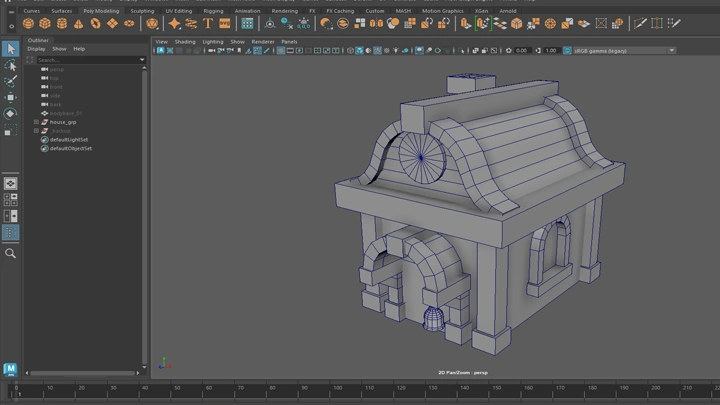
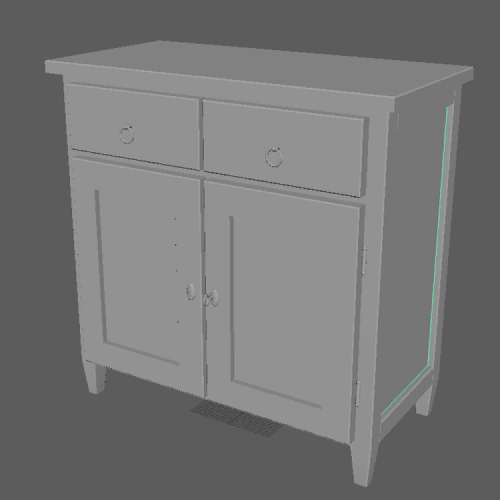 Create proxy model
 -
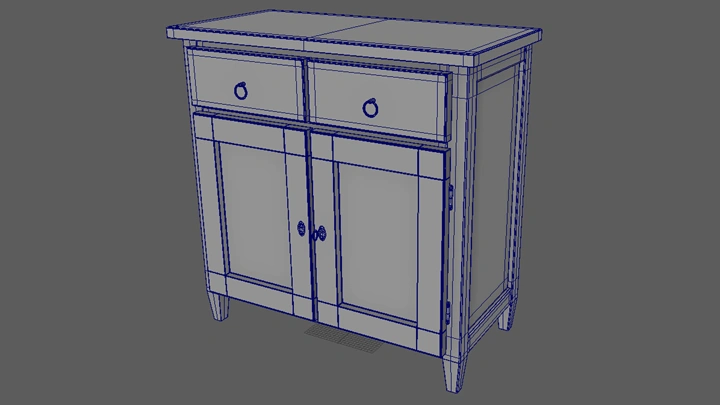
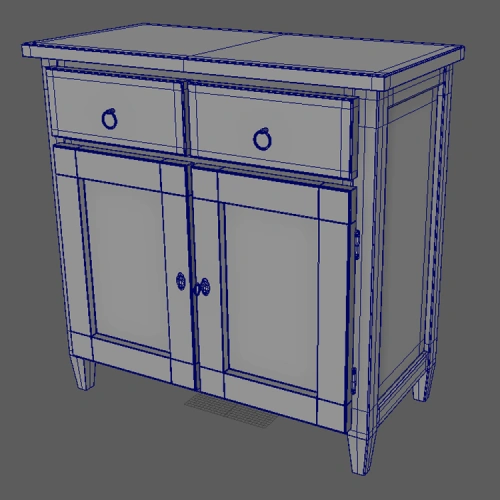 Complete highpoly model
 -
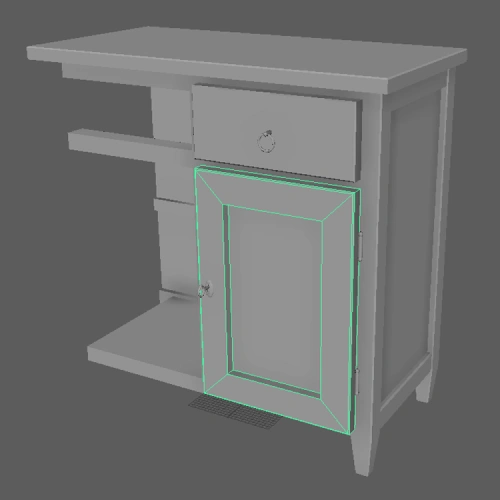 Create lowpoly model based on highpoly model
 -
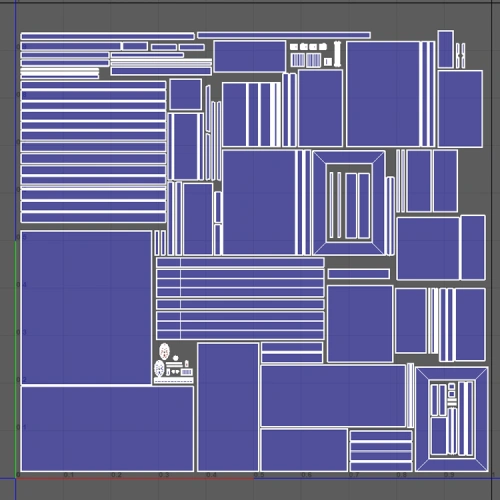 Unwrap UV
 -
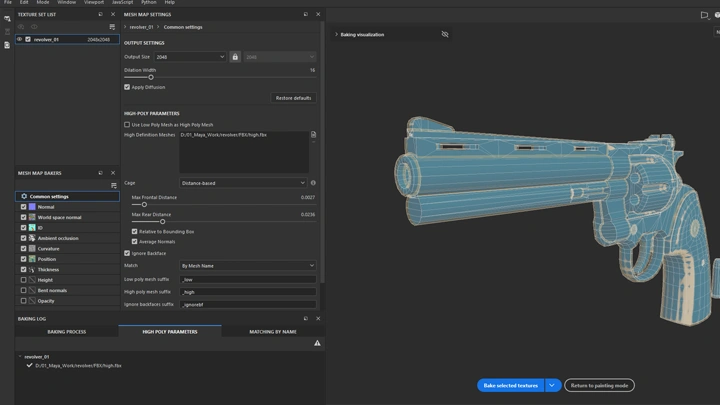
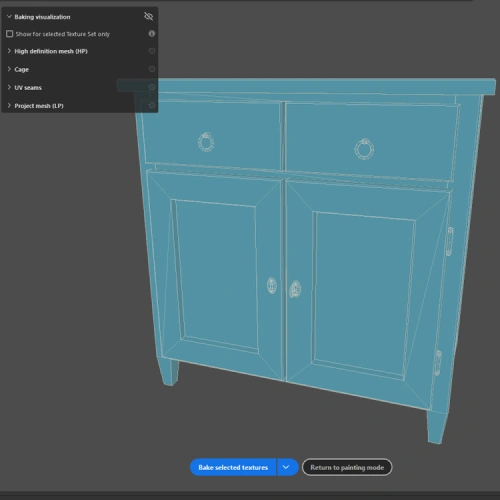 Baking in Substance Painter
-
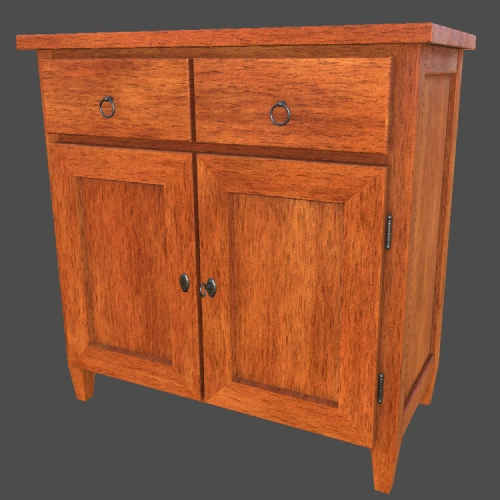 Apply basic materials
 -
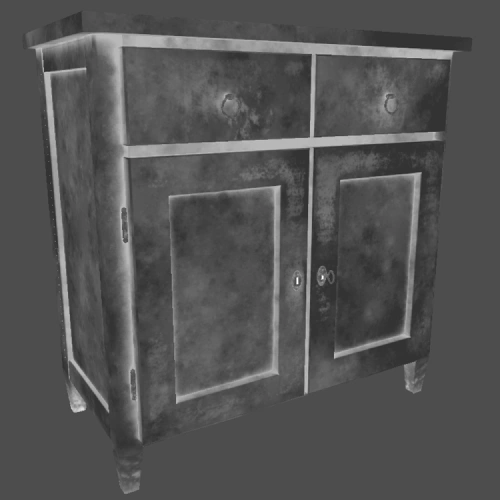 Adding details
 -
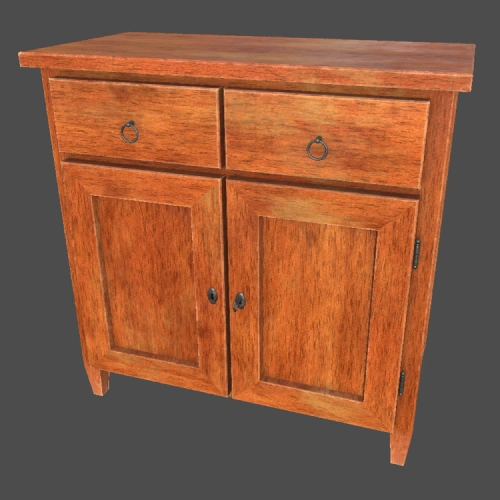 Add in overall effects
 -
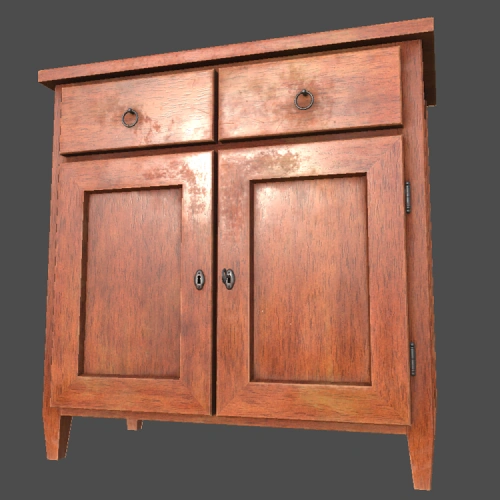 Final touch up on textures
 -
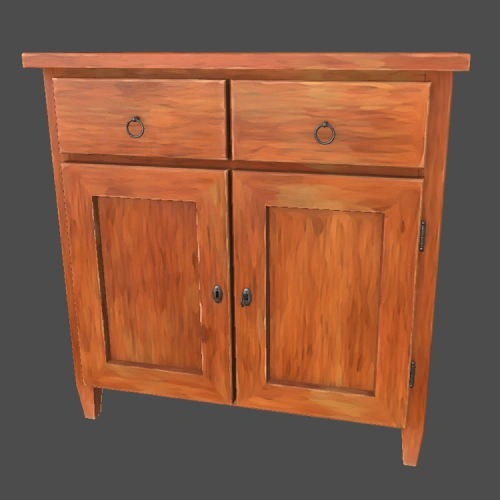 Story Ideation
-
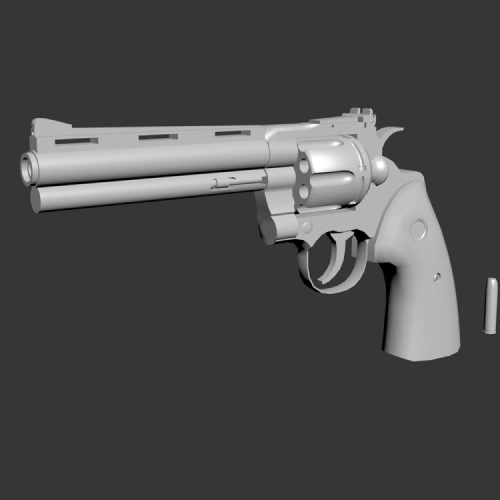 Create proxy model
 -
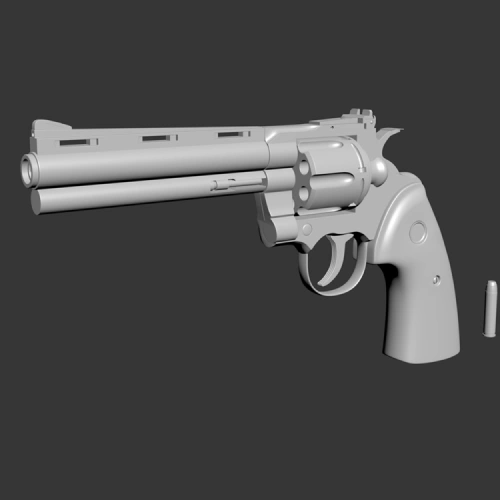 Complete highpoly model
 -
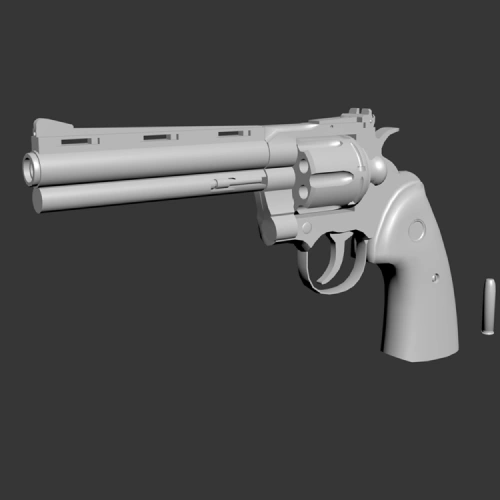 Create lowpoly model based on highpoly model
 -
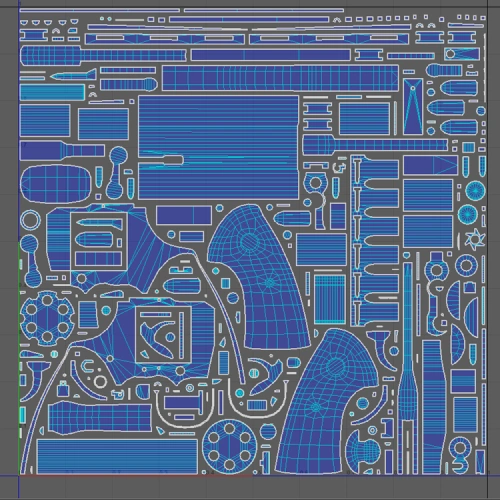 Unwrap UV
 -
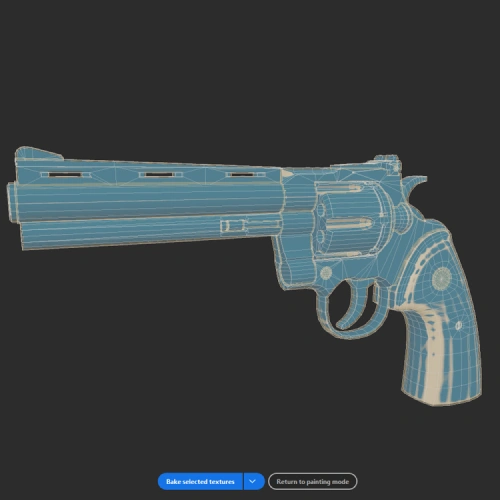 Baking in Substance Painter
-
 Apply basic materials
 -
 Adding details
 -
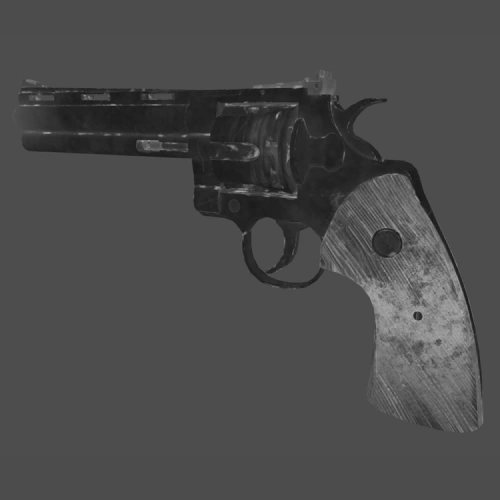 Add in overall effects
 -
 Final touch up on textures
 -
 Apply stylized texture to asset
-
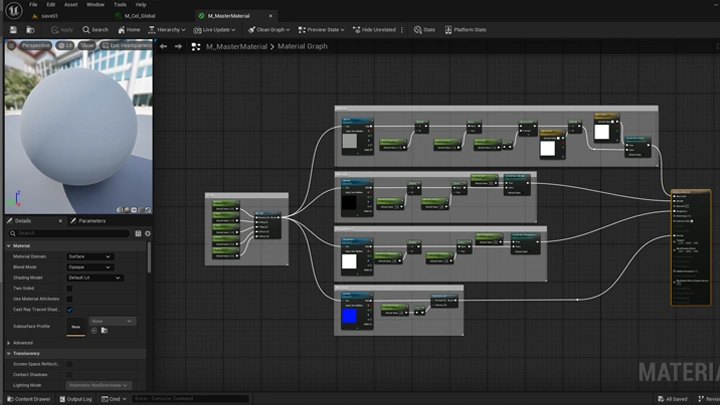
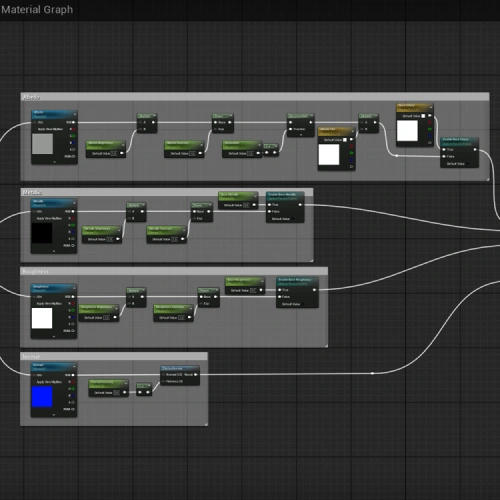 Setup a basic mater material
 -
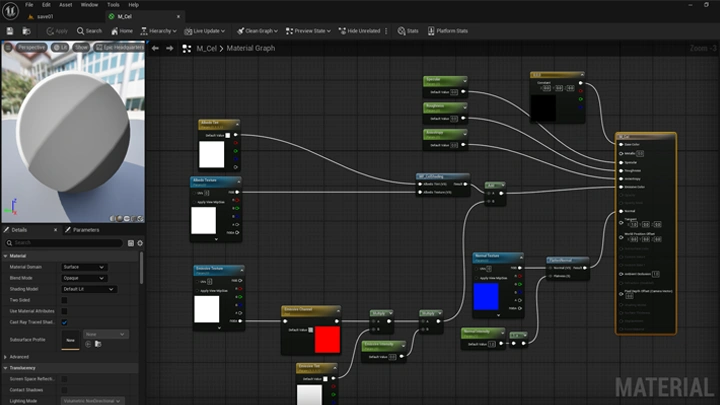
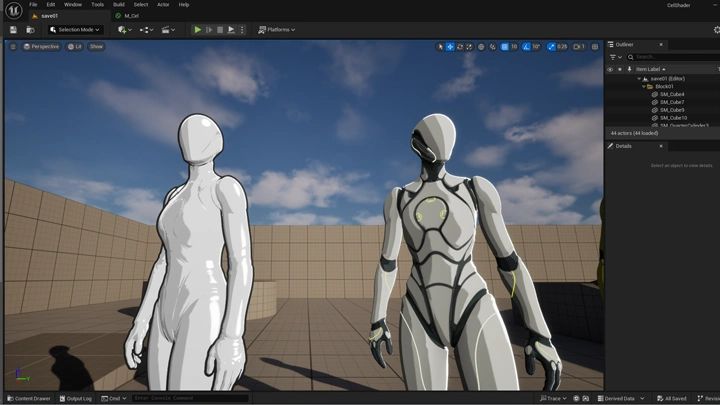
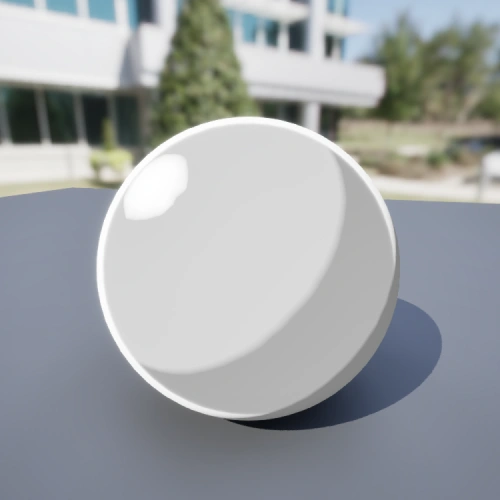 Setup cel-shade material
 -
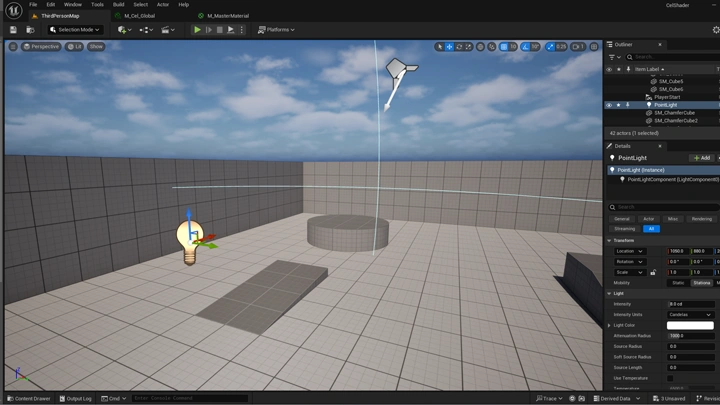
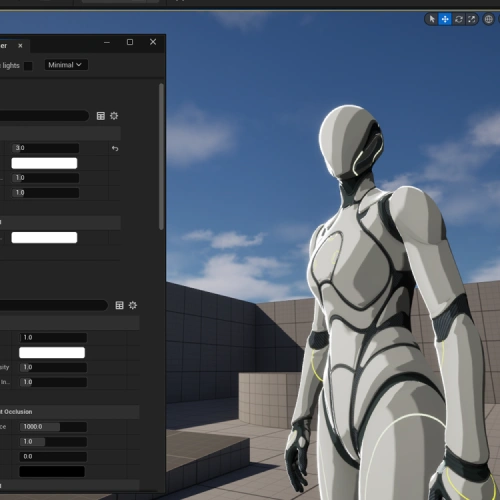 Setup lightings to the scene
 -
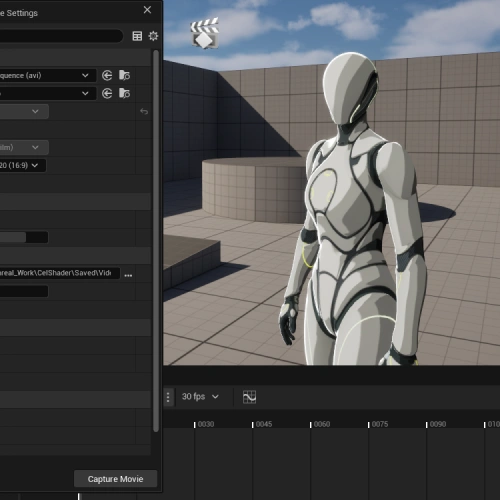 Render preview images
Final Product Examples
-
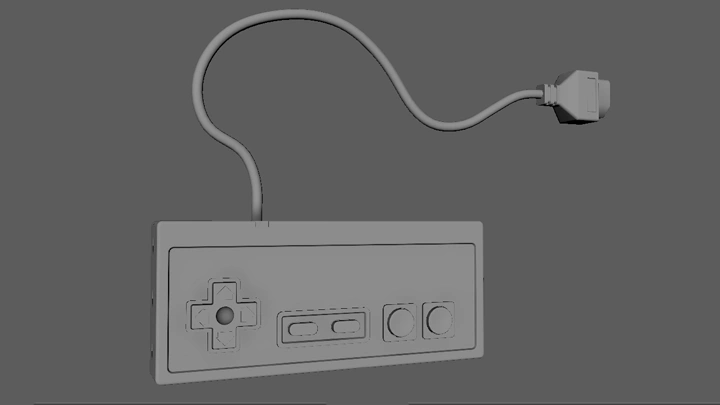
 Hard Surface Props
 -
 Background
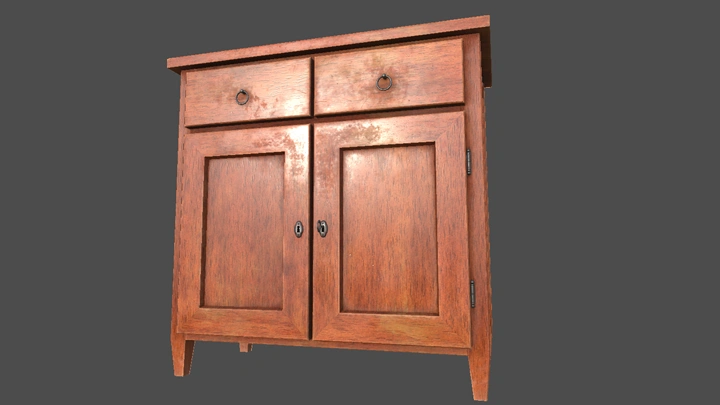
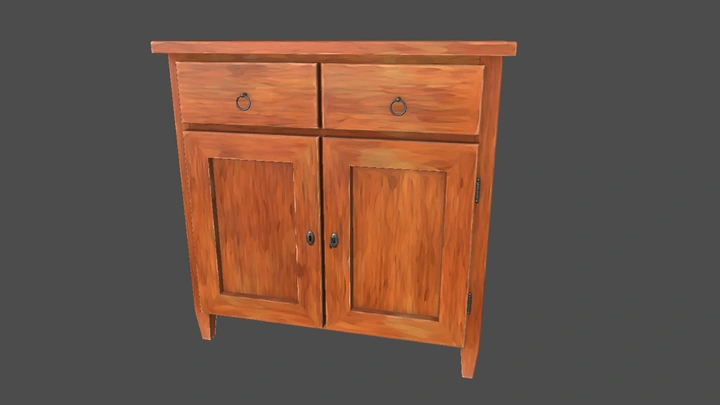
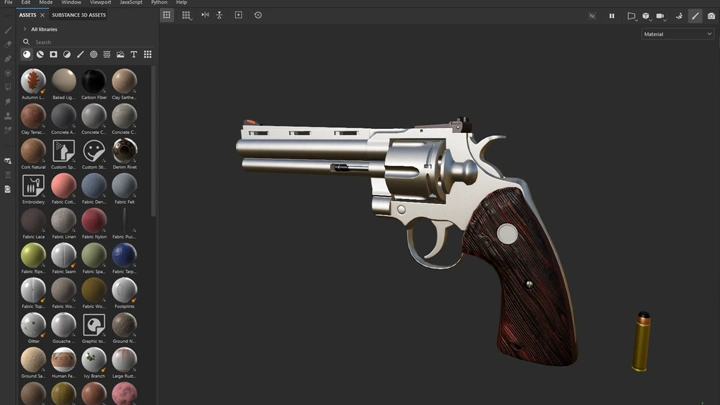
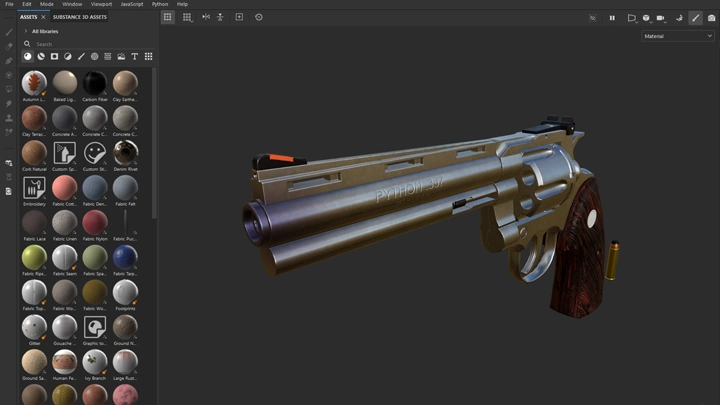
* Above are sample images for a better understanding
Instructor
3D Environment Artist
Khai Hung
Hello! I’m Khai Hung, a 3D Environment Artist with over a decade of industry experience. I began my career in an animation studio before transitioning into the game industry, where I’ve had the opportunity to work on a wide range of projects across multiple platforms. Currently, I’m a senior lecturer at Claz’room College, where I’ve been mentoring the next generation of artists and sharing my passion for game art.
In this course, I’ll walk you through the complete process of creating a stylized hard surface game asset from scratch. You’ll learn step-by-step—from initial blockout, highpoly and lowpoly modeling, to UV unwrapping, texturing and finally previewing your work in Unreal Engine. Along the way, I’ll share tips, techniques, and industry insights that I’ve gathered throughout my career to help you build clean, professional, and
game-ready assets with confidence.

We believe that every dream is precious and everyone has the ability to attain their goals.
We believe that a good school is a community full of culture, philosophy and good mentors.
Our environment embodies the dreams and will of all our students. They are the soul of this community.
They are here to tell us that passion, hard work, and commitment are more valuable than the carelessly-used word we call “talent”.

3D Environment Artist,
Khai Hung
[Current]
Senior Lecturer at Claz'room College
[Previous]
Enviornment Artist at Streamline Studios
3D Artist at Mediasoft Entertainment
3D Artist at PolyAssets United
Projects & Awards
[Projects]
- Spongebob Squarepants: Battle for Bikini Bottom Rehydrated
- Armored Core VI Fires of Rubicon
- Street Fighter VI
Highlights
Class Highlights
Creating High-Quality Props
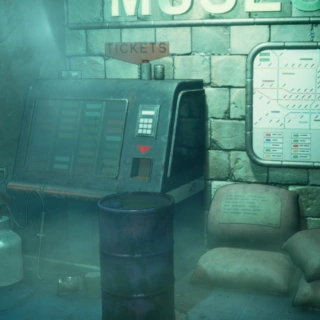

Students will learn how to design and model hard surface props with clean shapes and strong silhouettes. From the initial blockout to the final low-poly version, they'll gain a solid understanding of topology, form, and how to build assets that are both visually appealing and optimized for game engines.
Developing Professional-Quality Textures

This course covers how to texture props in both realistic and stylized styles using Substance Painter. Students will learn how to create believable materials, apply surface details, manage masks and layers effectively, and bring personality to their assets through texture work.
Setting Up Strong Previews in Unreal Engine

Presentation matters. Students will learn how to bring their assets into Unreal Engine 5 and set up clean, effective previews. This includes both realistic lighting setups and stylized cel-shaded looks, helping them showcase their work in the best possible light—literally and figuratively—for portfolios and future projects.
Class Details
You'll Learn
-
 Presenting Like Pro with Proper LightingStudents will learn how to bring their assets into Unreal Engine 5 and set up clean, effective previews. This includes both realistic lighting setups and stylized cel-shaded looks, helping them showcase their work in the best possible light—literally and figuratively—for portfolios and future projects.
 -
 Game-Ready Lowpoly OptimizationDiscover how to efficiently reduce your model's complexity while maintaining visual quality. Learn best practices for clean topology and optimal performance in-game.
 -
 UV UnwrappingMaster the art of unwrapping clean, distortion-free UVs with a focus on texel density and efficient layout—crucial for high-quality texturing.
-
 Realistic Texturing in Substance PainterExplore how to build realistic materials, surface wear, and fine details using a professional PBR workflow.
 -
 Stylized Texturing TechniquesLearn how to create bold, artistic textures with hand-painted appeal or stylized material approaches—perfect for non-photorealistic projects.
 -
 Real-Time Preview in Unreal Engine 5Bring your asset into UE5 and learn how to set up lighting, cameras, and materials for both realistic and cel-shaded (toon-style) renders that make your work stand out
- Unlimited Access
- Best Price
Buy now, get unlimited access.
12/31 (Sat) (UTC-7) Special offer ends soon.
This special offer ends soon.
Buy now and save!
Interview with
Claz'room Instructor, Khai Hung

Question.01
Why did you choose this specific topic?
Ever since I was young, I’ve really enjoyed playing video games—not just for fun, but because I was always curious about how they were made. I was especially fascinated by the environments and all the little props that filled up the game world. That’s actually what sparked my interest in game art.
I chose to focus on hard surface props because that’s where it all starts. Before you can create a full environment, you need to understand how to build individual assets properly. Learning how to block out, model, texture, and present these props is a key foundation—and once you get that down, you can start combining pieces to create much bigger, more complex scenes.
So in this course, we’re going back to basics, but with industry-level quality—focusing on the core skills that can really help you grow as a 3D artist.
I chose to focus on hard surface props because that’s where it all starts. Before you can create a full environment, you need to understand how to build individual assets properly. Learning how to block out, model, texture, and present these props is a key foundation—and once you get that down, you can start combining pieces to create much bigger, more complex scenes.
So in this course, we’re going back to basics, but with industry-level quality—focusing on the core skills that can really help you grow as a 3D artist.
Question.02
Please share your thoughts on the industry's job market and what you see in the industry's future.
The industry’s job market is definitely going through a shift, especially with the rise of AI tools. While it's true that some tasks are being automated, I actually see this as a positive change overall. What AI is doing is freeing up more time for artists to focus on the creative side—on ideas, storytelling, and artistic decisions that machines can’t replicate.
We're entering a time where creativity is more valuable than ever. More people now have access to tools that let them bring their own stories and worlds to life, even as solo creators or small teams. That means the industry is no longer just about big studios—it’s opening up opportunities for indie developers, personal projects, and fresh voices.
Going forward, the key will be to keep thinking outside the box, stay adaptable, and never stop learning. The tools might change, but the need for strong fundamentals, originality, and passion for creating—that’s only going to grow.
We're entering a time where creativity is more valuable than ever. More people now have access to tools that let them bring their own stories and worlds to life, even as solo creators or small teams. That means the industry is no longer just about big studios—it’s opening up opportunities for indie developers, personal projects, and fresh voices.
Going forward, the key will be to keep thinking outside the box, stay adaptable, and never stop learning. The tools might change, but the need for strong fundamentals, originality, and passion for creating—that’s only going to grow.
Question.03
Is there anything else you would like to share with your students?
If there’s one thing I’d like to leave you with, it’s this: never stop learning. This field is constantly evolving, and the best thing you can do for yourself is to keep growing—experiment with new techniques, study different workflows, and learn from other artists. There’s always something new to discover, and that curiosity will take you far.
I know there will be times when it feels tiring or even frustrating—that’s completely normal. But when that happens, take a moment to remember why you chose this path in the first place. Whether it was the love of games, the thrill of creating, or the dream of telling your own stories—hold on to that spark. It’s what keeps the passion alive and the progress going.
Stay curious, stay inspired, and most importantly—keep creating.
I know there will be times when it feels tiring or even frustrating—that’s completely normal. But when that happens, take a moment to remember why you chose this path in the first place. Whether it was the love of games, the thrill of creating, or the dream of telling your own stories—hold on to that spark. It’s what keeps the passion alive and the progress going.
Stay curious, stay inspired, and most importantly—keep creating.
Required Programs
This course will use Autodesk Maya, Adobe Substance 3D Painter, Unreal Engine 5
Please purchase and install these program(s) for an optimized chapter experience.
*These programs and/or materials will not be provided with the chapter.