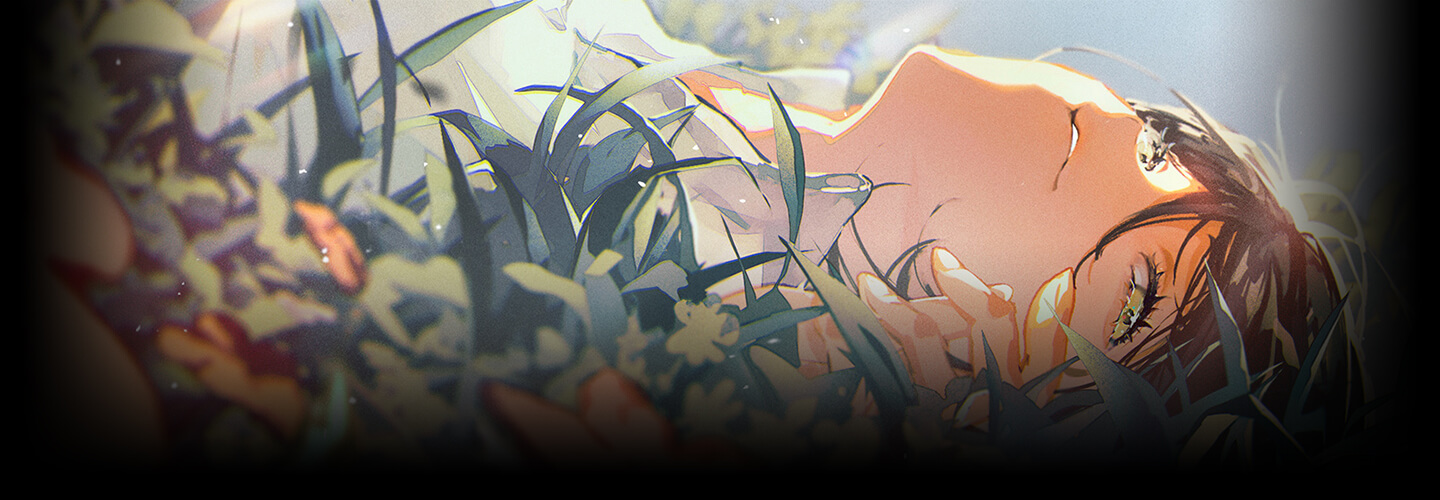
Illustrator,champi Details
Intro
Class Intro
Illustrator, champi
From understanding human body structure to light and color theory fundamentals, expressive character illustration using light and color theory fundamentals!
Discover the Secrets to Creating
Captivating Character Illustrations
Learn the secrets to creating compelling character illustrations using visual storytelling techniques like lighting and color expression from renowned Illustrator champi.

This course will walk you through the process of creating convincing character illustrations based on fundamentals such as human anatomy and light and color theory.
Class Perks
Get These Coloso Exclusives
-

Unlimited Access to 20+ Hrs & 21 Chapters of Content -
Essential Character Design Techniques from Professional Illustrator -

Study Material Files Used in Class Exercises
Class Material Details
-
 PDF Files with Details- PDF containing exclusive tips for character illustration
 -
 Hands-On PSD Exercise Files- PSD data files to complete hands-on illustration projects on your own
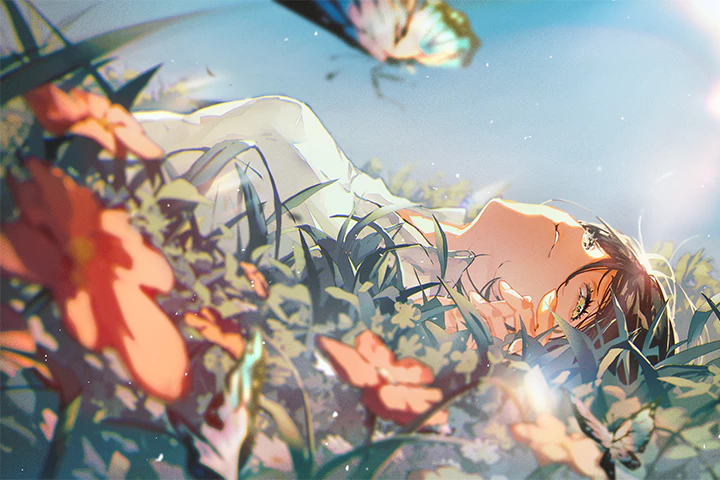
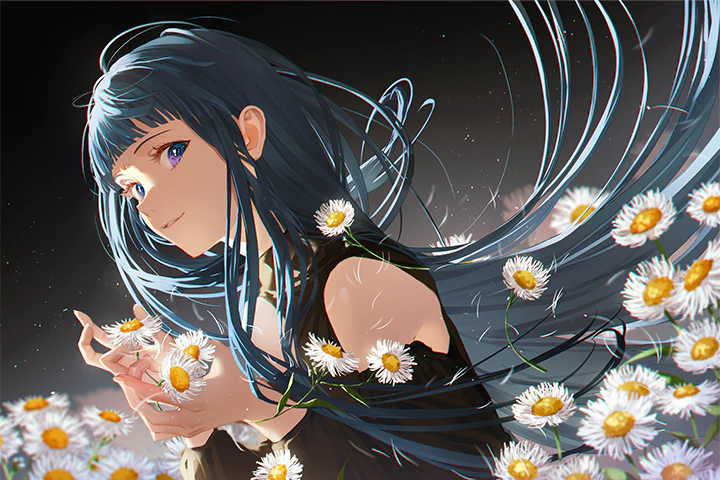
Expert Illustrator champi's Portfolio

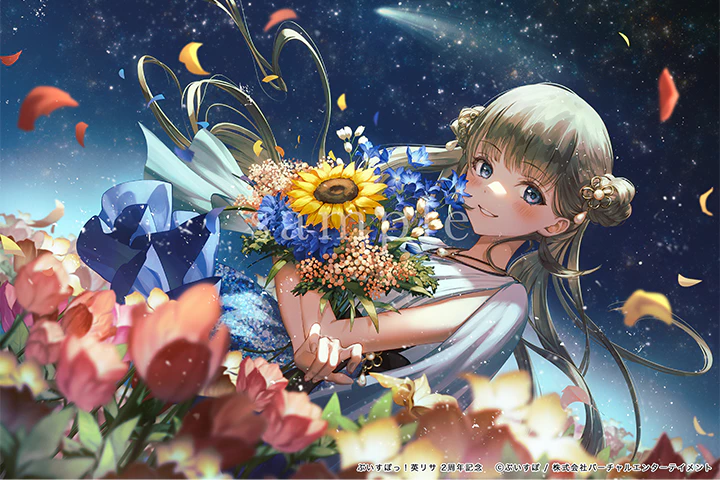
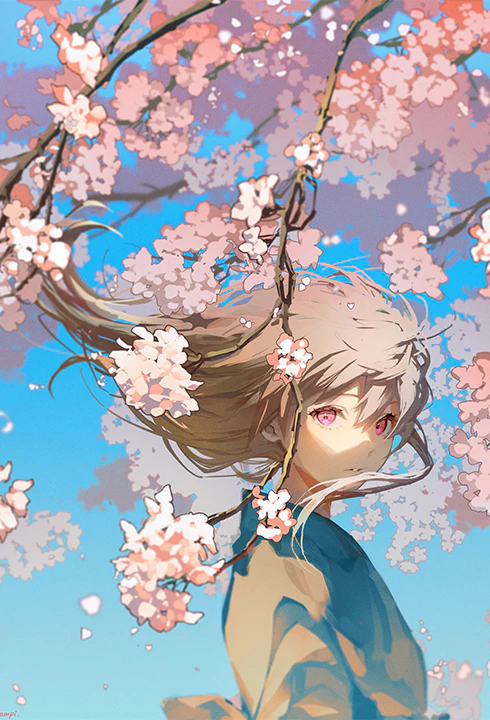
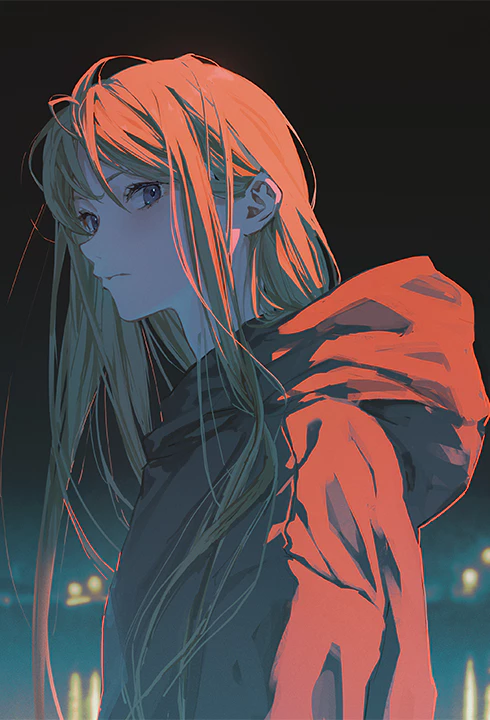
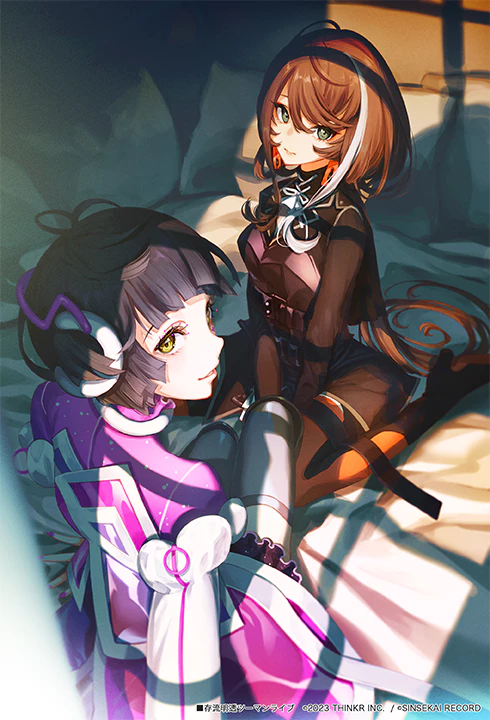


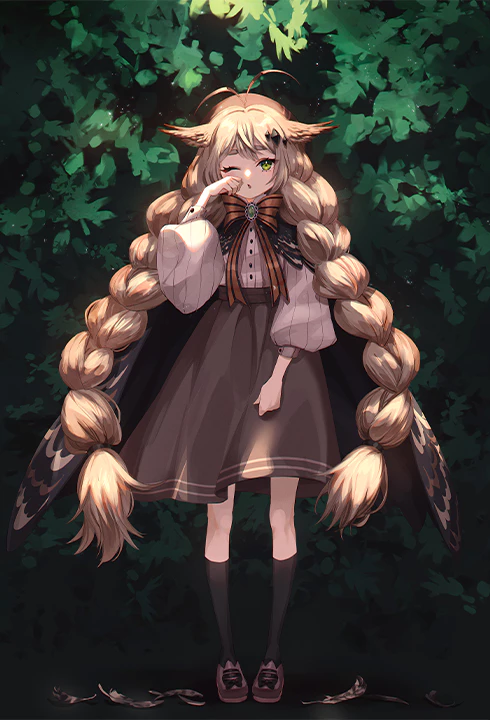
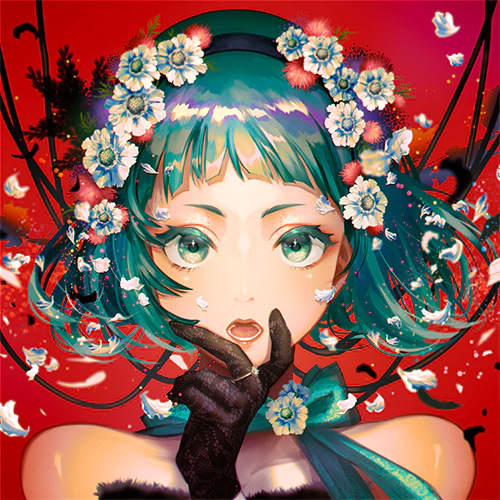
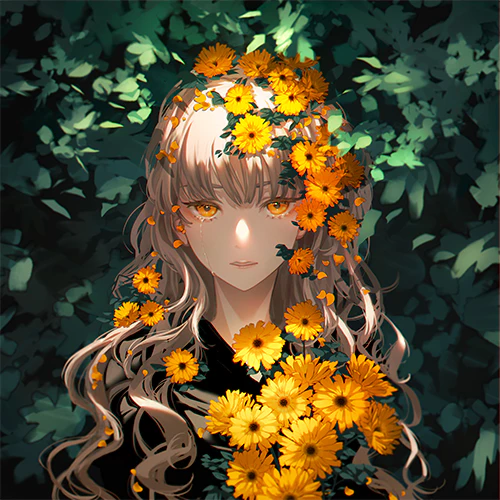
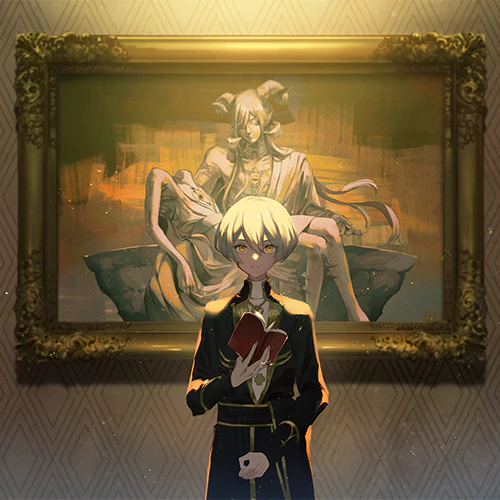
Why Take This Class?
First, you'll learn how to create captivating compositions, including how to apply the rule of thirds, balance image density, and guide the viewer's gaze through the use of motifs.
You will be introduced to carefully chosen elements required for character creation, such as the use of stylization in depicting human anatomy and proportions, portraying emotions, and orchestrating ambience through the eyes, all of which play an important role in character illustration.
Once you've mastered the fundamentals of character creation, you'll dive into explanations of lighting and color expression techniques." You will learn how to apply shadows based on light sources, texture differences, and the effect of color on perception. This knowledge is based on light and color theory principles and will be translated into practical skills. Finally, you will apply your newly acquired skills to complete a full illustration.
On Coloso, champi will show you how to use light and color theory to create dramatic and emotional illustrations.

10+ Class Exercises

Sketching Practice
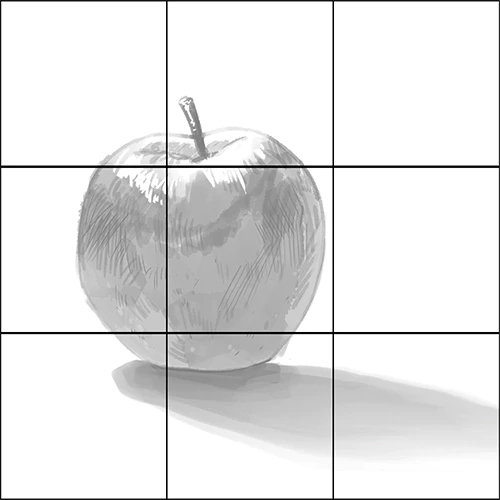
The Rule of Thirds
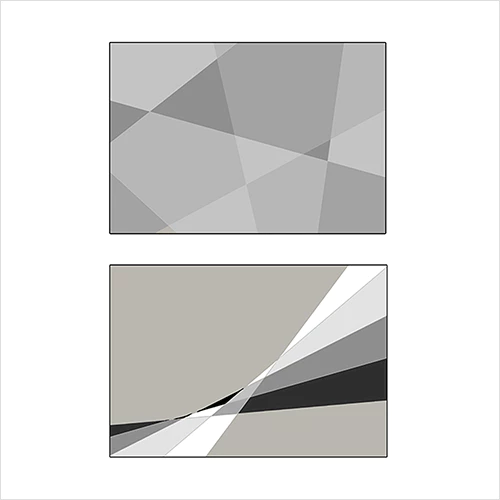
Maintaining Image Density Balance
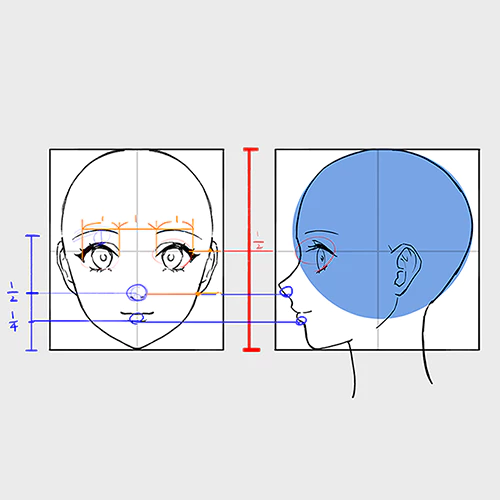
Drawing the Face
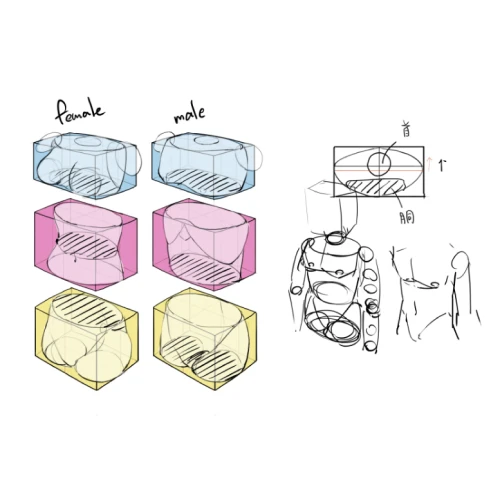
Understanding the Human Body
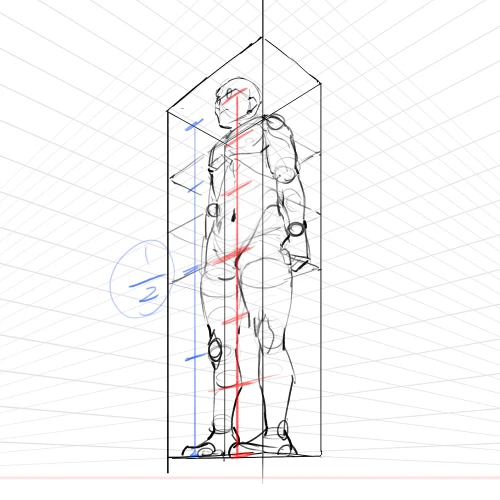
The Application of Perspective
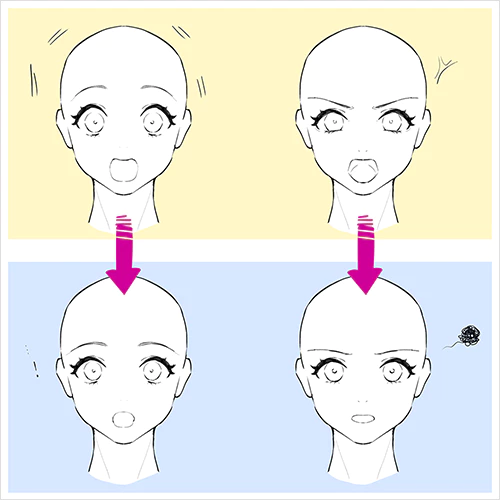
Creating Facial Expressions
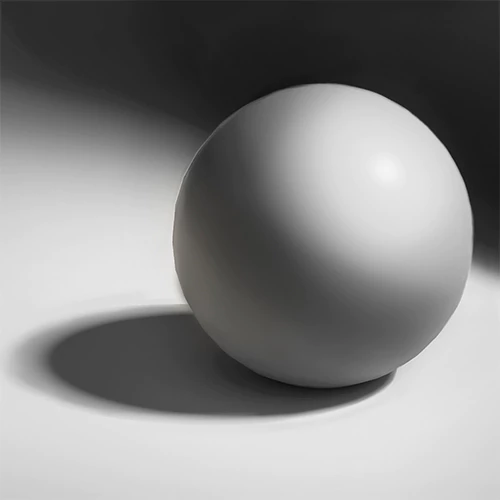
The Principles of Light
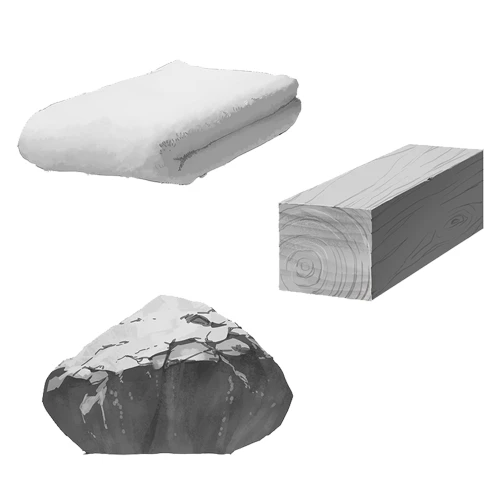
Demonstrate Texture
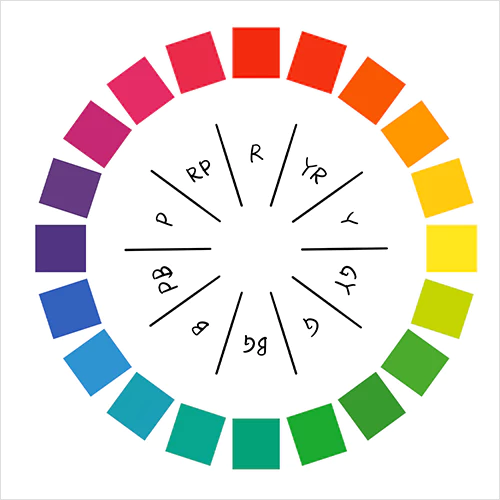
Knowledge Based on the Color Theory
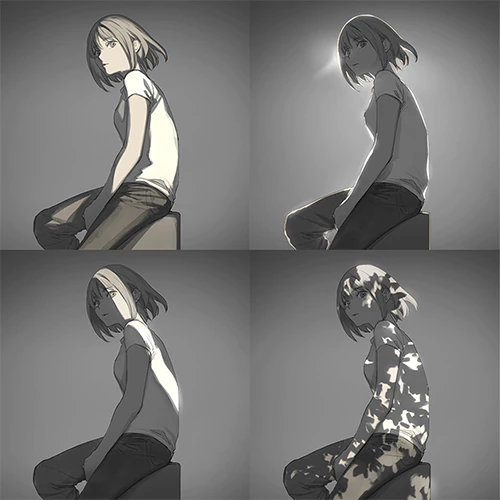
Effects of Lighting

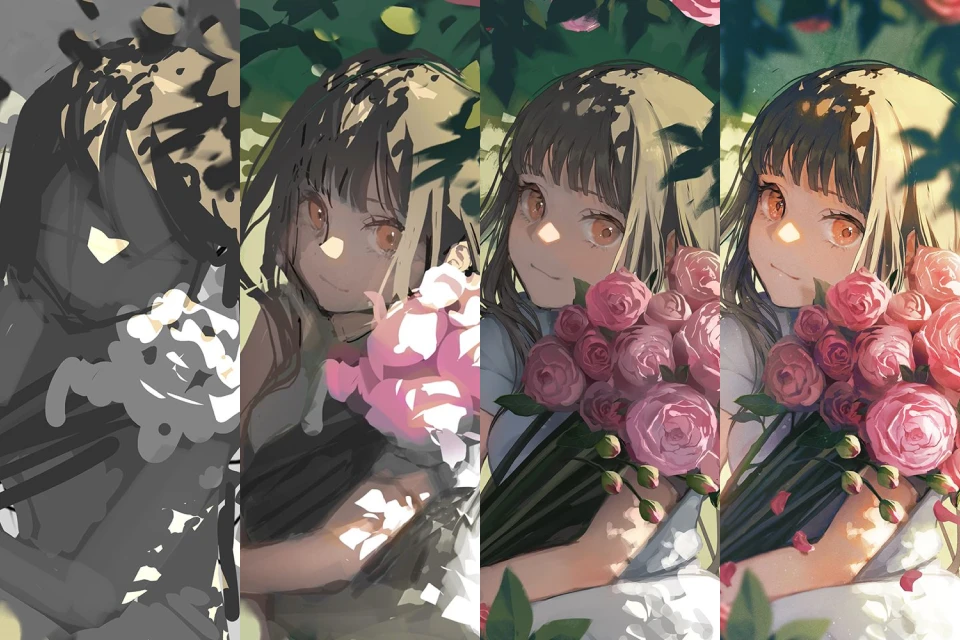
The Process of Creating a Full-Body Illustration
Instructor
Illustrator
champi
Hello. I am Illustrator champi. I create illustrations for video games, VTubers, and novels. I've been drawing for a long time, both professionally and as a hobby.
Based on the skills I've learned, such as how to improve the appeal of a character illustration and how to structure a composition, I've created a course to help you learn these skills more effectively.
Finally, I discuss mindset and technique for those interested in pursuing a career as an illustrator or expanding their knowledge.


Illustrator, champi
[Current]
Freelance Illustrator
[Previous]
Art Director
Illustrator
Illustrator at a game company.
Projects & Awards
[Participated Projects]
VTuber
Illustration for the 2nd Anniversary Promotional Products of Hanabusa Lisa
HACHI The Owl - The Owl Will Let You Know That a Guest Has Arrived cover illustration
HACHI Sleepy Town cover illustration
Akirato Light Years music video illustration
[Official Fan Art]
Tower of Fantasy
Goddess of Victory: Nikke
BanG Dream! - BanG Dream! Girls Band Party!
TWO-MAN LIVE Singularity Live
TWO-MAN LIVE Singularity Live vol.2
Ryumei Toru TWO-MAN LIVE
[Illustrations]
Dengeki Bunko's How Will You Judge This “Evil Me? ”
Highlights
Class Highlights
Discover Everything You Need to Know, From Anatomy to Stunning Compositions!
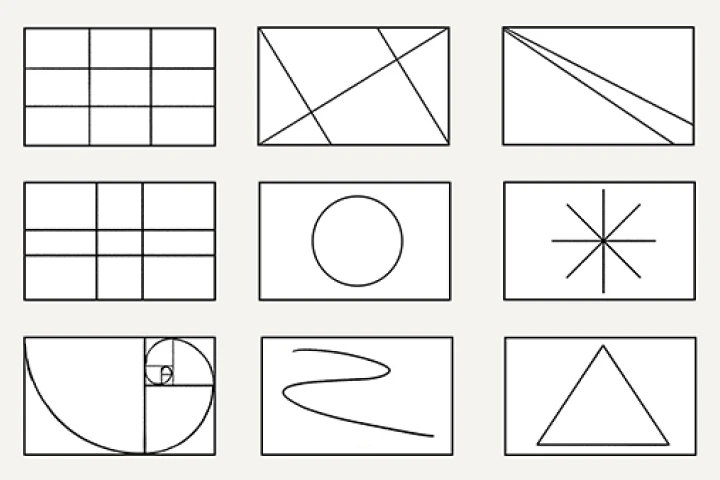
I will walk you through every aspect of creating a character illustration, including how to make eye-catching compositions by controlling the direction of the viewer's gaze and balancing the amount of information on screen, as well as how to make powerful depictions of the human body by utilizing the proportions of the head and torso.
Learn the Principles to Comprehend How Color & Lighting Are Expressed
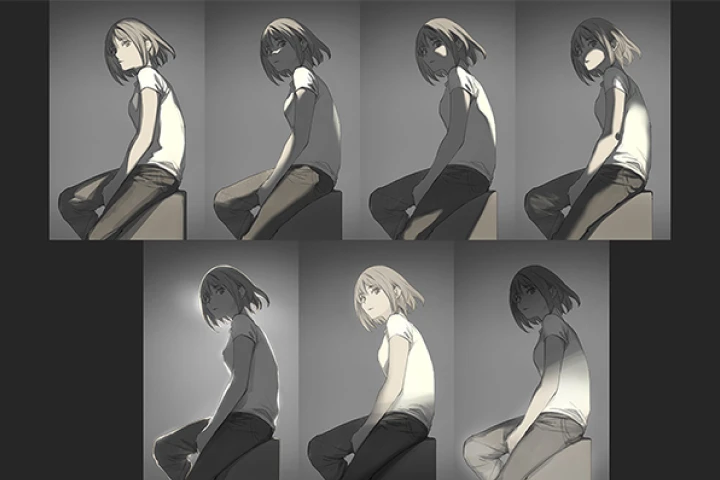
I will describe how to create illustrations using the two principles of light and color, and you will learn how to add shadows and appropriate color schemes. This kind of in-depth study of color and light will give you the ability to create a more dramatic atmosphere.
Have Fun While Learning How to Effectively Raise the Caliber of Your Illustrations
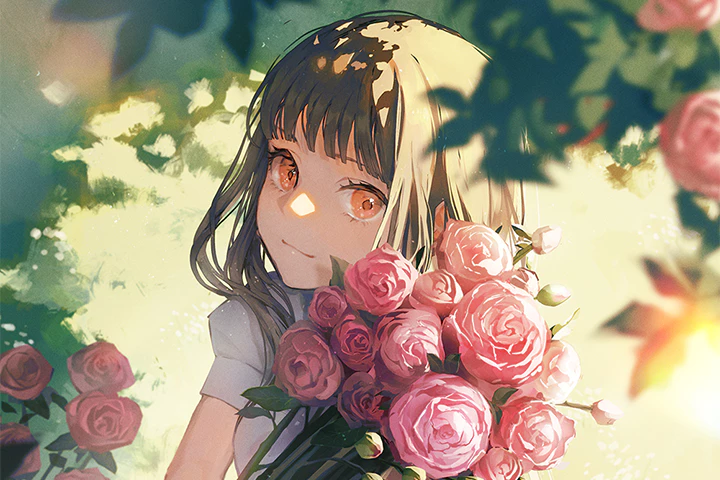
I'll share how to use keyboard shortcuts and actions to increase the efficiency of your workflow, from preliminary sketches to the finishing touches. As you advance, I'll also go over common finishing methods as well as enjoyable ways to add finishing touches with both basic and sophisticated color correction tools.
Class Details
You'll Learn
-
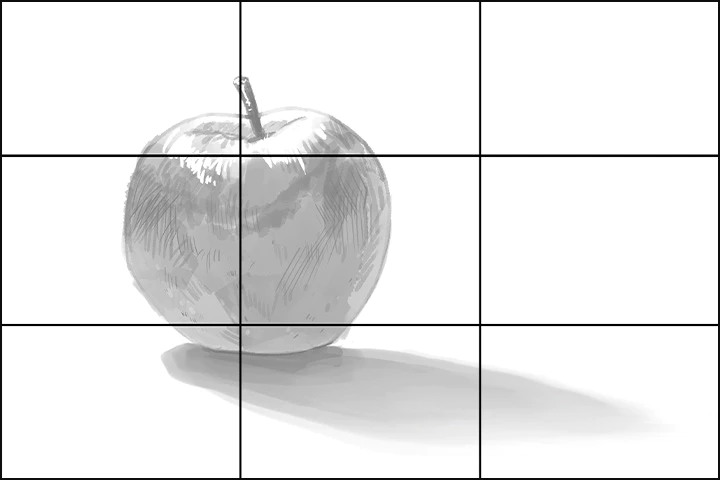 To Increase Visibility, Compose With a Silhouette in MindMy primary method of teaching composition will be the deliberate use of contour and shape, the application of the rule of thirds to create focal points, and the compositional process itself. In addition, I will describe how the screen is divided into dense and rough regions as well as the strategies used to direct the viewer's gaze.
 -
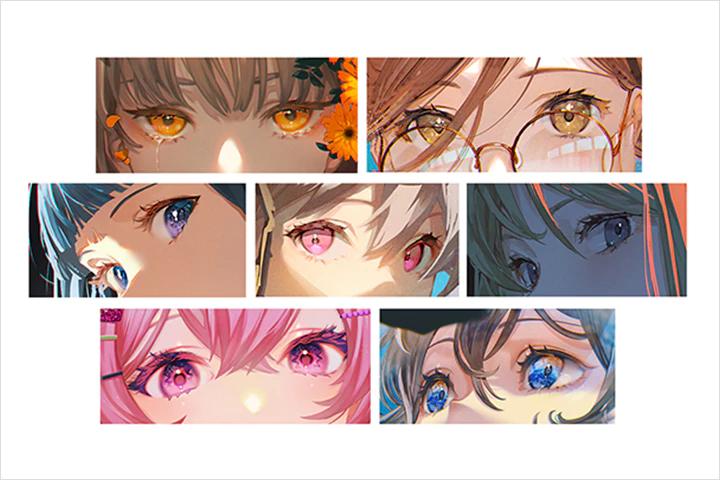 Understanding of Character Illustration ProductionI will enumerate and clarify the fundamentals of drawing the head (facial expressions, eyes, and hair) and the body that are necessary for character illustration. Specifically, you'll improve your understanding of how to create body illustrations from the upper torso and learn how to draw emotional expressions.
 -
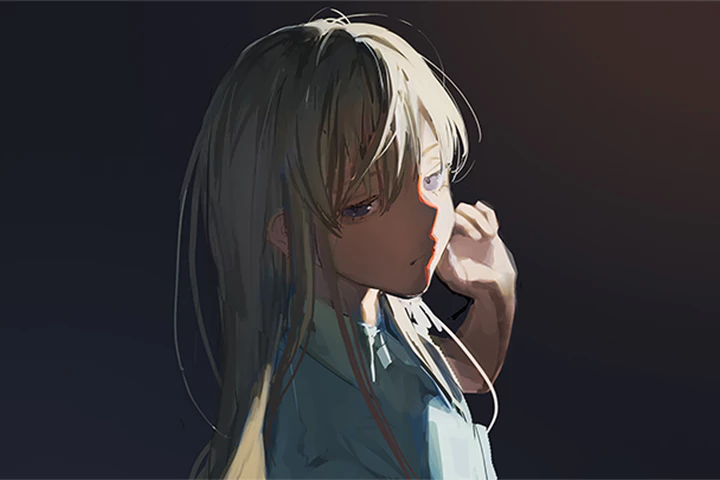 Theory-Based Shading TechniquesUnderstanding the Application of Shadows From a Theoretical Perspective Illustrating the True Nature of Light and Explaining Reflection and Absorption in a Logical Manner. I will specifically teach you how to create shadows, distinguish between impression-based light sources, and use transparency and reflections to create texture.
-
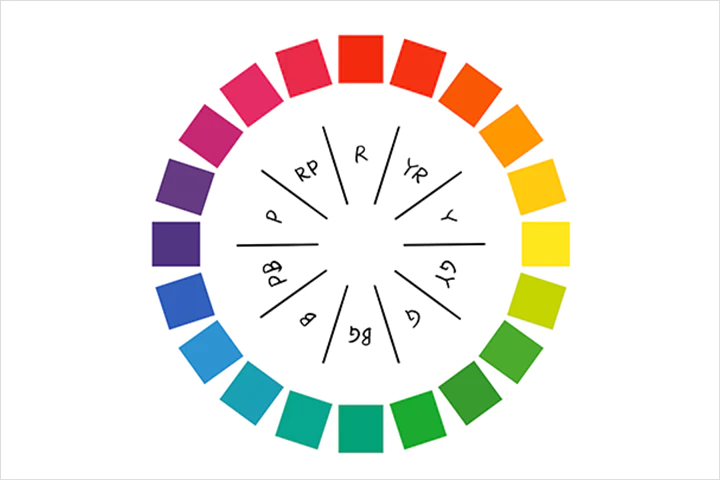 Understanding Colors and Color Theory-Based Coloring MethodsYou can gain knowledge of hue, saturation, brightness, and other basic color components as well as the psychological effects of color by studying color schemes that are based on color theory. All of this will provide you the ability to communicate the mood of your drawing.
 -
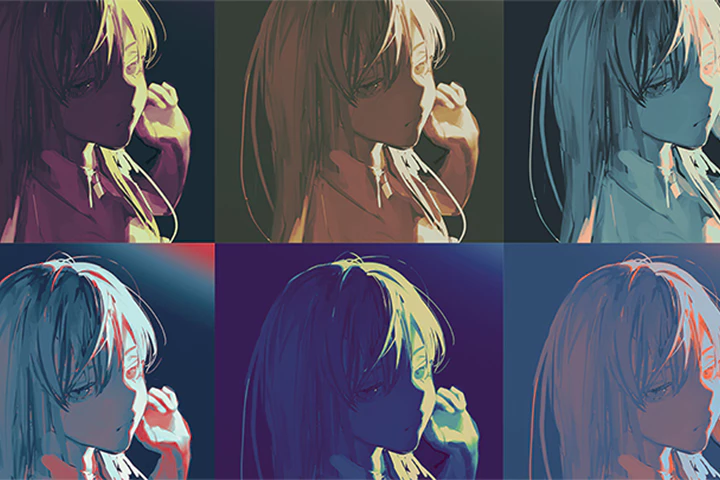 Changing the Atmosphere with Lighting Effects & Adjustment LayersI'll discuss how to use adjustment layers and lighting effects to change the mood and how to use different lighting effects to create different visual effects. In addition, I will describe how to use different color correction layers to improve the image quality.
 -
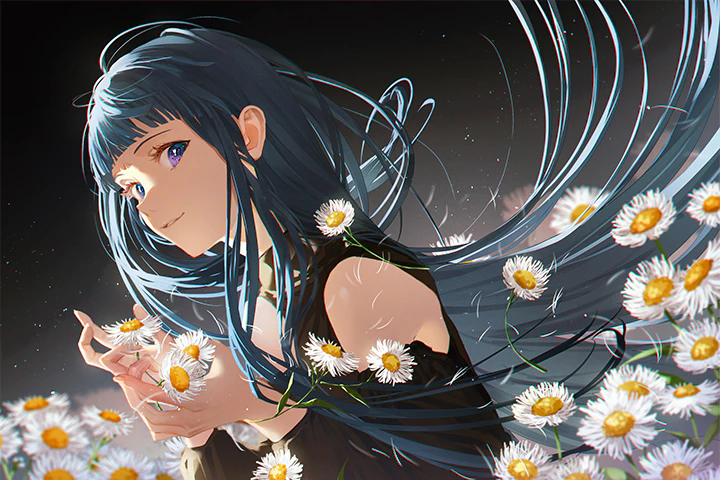 Important Considerations for Advancing as an IllustratorUse champi's unique approach to gain unique perspectives on things you should do and things you should avoid if you want to grow as an illustrator and succeed in the contemporary illustration scene.
- Unlimited Access
- Best Price
Buy now, get unlimited access.
12/31 (Sat) (UTC-7) Special offer ends soon.
This special offer ends soon.
Buy now and save!
Curriculum
Curriculum
In-Depth Look
SECTION 01. About the course
01. Self Introduction and What You Can Gain From This Course
- Self Introduction
- Becoming an Illustrator
- What You Can Gain From the Course
02. What Makes a Drawing Good?
- Exploring the Meaning of “Good”
- Three Points for Making a Drawing Stand Out
SECTION 02. Creating an illustration
03. Creating a Work Environment
- Building a Workspace
- Setting Up Keyboard Shortcuts
- Useful Items for Efficiency
04. Preparing Tools You Feel Comfortable Using
- Introduction to Brushes
- Tips for Creating Good Strokes
- Collecting and Utilizing Reference Materials
05. Sketching Practice
- 30- Second Sketches to Warm Up
- Sketching the Human Figure
- Sketching Natural Objects
SECTION 03. Creating captivating compositions
06. Creating Rough Sketches According to Your Scene
- Coming Up with Ideas
- Utilizing Mind Maps
- From Idea Generation to Drafting Rough Concepts
07. Designing Compositions Using the Rule of Thirds
- What is the rule of thirds?
- Variations in Composition
- Arranging the Image with the Rule of Thirds
08. Creating a Composition from Contour Shapes
- Balancing Coarse and Fine Elements
- Conscious Composition for Guiding the Viewer's Gaze
- Creating Rough Silhouettes
SECTION 04. Points to note when drawing the character
09. Trying to Draw the Face From Various Angles
- Understanding the Structure of the Skull
- Visualizing and Drawing the Head
- Trying to Draw the Head From Various Angles
10. Proportions of the Human Figure
- Using Guides to Understand Proportions
- Trying to Visualize the Human Body
- Adding Perspective Using Two- Point Perspective Drawing
11. Tips for Drawing Hair
- Three Points for Drawing Hair Easily
- When You Want It to Be More Detailed
12. Conveying Emotion Through Facial Expressions
- What Is an “Emotional Expression?”
- Five Points for Eye- Catching Drawings
- Trying to Draw the Head From Various Angles
13. Creating Impactful Details When Drawing Eyes
- Understanding the Structure of the Eyes
- Determining the Color of the Eyes
- Adding Highlights
- Drawing Eyelashes and the Waterline
SECTION 05. The principles of lighting and color
14. What Is the Principle of Light?
- Why Is Light Important?
- Types of Light Sources
- How to Add Shadows
- Differences in Texture Expression
15. Manipulating Colors
- Composing Colors: Hue, Saturation, and Brightness
- The Psychological Effects of Colors
- Utilizing the Color Wheel
- Basic Color Schemes
16. Choosing Highlight and Shadow Colors
- What Constitutes Appropriate Color Selection
- Differentiating the Uses of Various Layer Blending Modes
- Incorporating Transparency Effects
17. Achieving a More Dramatic Effect
- Effects of Different Lighting Setups
- Checking Image Contrast
SECTION 06. Final adjustments and finishing touches
18. The Concept of Subtraction to Avoid Overworking the Entire Composition
- Determining Where to Focus Attention
- Dealing with Overworked Illustrations
19. Further Enhancing the Degree of Completion
- Utilizing Adjustment Layers
- Appreciating Unpredictable Results
- Completing a Character Illustration
20. Things to Do After Finishing the Drawing
- Checking the Overall Balance
- Checking Using the Thumbnail Size
- Arranging a Portfolio
- The Importance of Taking a Break
SECTION 07. Summary
21. What Does an Illustrator’s Growth Curve Look Like?
- The Most Important Thing Is to Follow Through
- Setting the Final Goal
- How to Deal With Artist's Block
- How to Utilize Social Media
*The release date of this class, curriculum images, and associated content can be changed without prior notice.
** Class videos may be seperated for a more streamlined viewing experience
Interview with
Illustrator, champi

Question.01
What special qualities do you possess, and what distinguishing features make this course special?
A focus on honing the skill of designing eye-catching color and lighting schemes. I concentrate on bringing everything together, from a deeper comprehension of color and light to technically applicable practical elements. Furthermore, I apply strategies like finding focal points quickly and effectively, working at a faster pace, and keeping your motivation up throughout the process.
Question.02
What is the most difficult component for students pursuing this field of study, and how can this course address and overcome difficulties?
It might take some conscious effort to develop the ability to evaluate and explain what you find appealing in illustrations. Therefore, I think we should ask ourselves what tools we have at our disposal for self-expression and take a two-pronged approach, considering both the technical and critical aspects. I hope you focus on learning the fundamentals of color, light, and the human body in this course, but also on the practical aspects of how to think and move your brush from beginning to end in order to create a single illustration.
Question.03
Which area of an illustration do you concentrate on the most? What abilities are needed to express that, as well?
Regarding the technical side of things, I focus on things like screen density and producing striking lighting effects. But my main concern is to quickly turn the concepts that occur to me into concrete forms. To ensure that my ideas remain as new as possible, I especially make it a point to write down or draw anything that strikes a chord with me right away. Having a mental library of ideas helps me approach the task at hand with ease and the drive to begin sketching.
Question.04
What final words do you have for aspiring students?
There are a lot of talented people in the world, including those who are excellent artists, have an abundance of ideas, tell gripping tales, and more. Just take a look around. For drawing, there are a plethora of tools and technique books available, and sometimes the sheer volume of information can be daunting. In addition to covering basic techniques that every illustrator should be familiar with, this course will cover the mindset required for future growth. The content primarily concentrates on components like light and color that elicit a pleasing visual experience. It is my goal for everyone to be able to express themselves more fully through this course.
Required Programs
This course will use
[Required]
- Photoshop CC 2023 (Ver. 24.6.0)
- Minimum version: Photoshop CC (Ver. 22.0~)
[Sub tool]
CLIP STUDIO PAINT PRO (Ver. 2.0.0)
* Please purchase and install these program(s) for an optimized chapter experience.
*These programs and/or materials will not be provided with the chapter.

Recommended
Recommended Class
Like this class?
Then check these out!