illustrator,ttosom_또솜KR Details
Intro

Now in Your Language, Only on Coloso!
Learn from Korea's Top Master Creatives
-
 Step-by-step coloring
 -
 Light & shading mastery
 -
 Level up your illustration skills
A Guide to Overcoming a Creative Plateau: Coloring Direction & Problem-Solving
Are you worried your coloring isn't working? Stop guessing and start creating with a clear guide to coloring and composition from ttosom. This class will teach you to work with confidence, giving you the skills to master the look and atmosphere you want. We're opening the doors to a class designed to help you check your skills, upgrade your compositions, and finally break through your creative plateau.
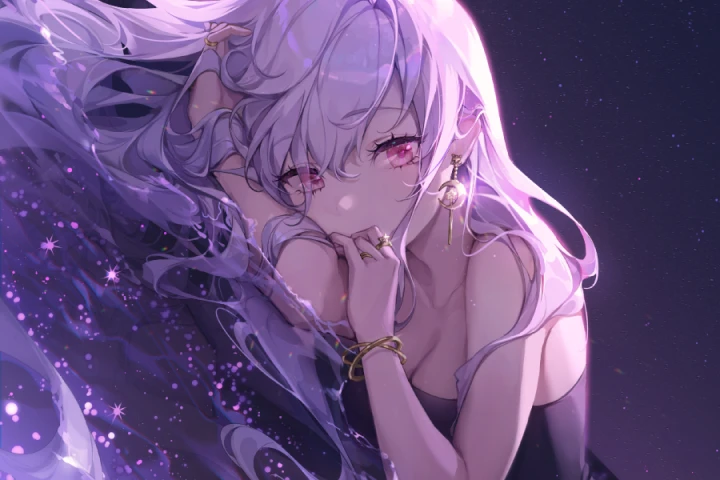
A class for leveling up your coloring skills by establishing a solid core with structured theory. Move past art that looks muddy and unclear and pinpoint the exact reason for your creative plateau. Veteran instructor ttosom will guide you through the process of creating clear, high-density coloring that perfectly matches your desired concept and atmosphere.
Thai subtitles will be available starting August 14, 2026.
Class Perks
Special Gift from ttosom
-
 A Coloring Guide Based on StandardsUnlimited Access to 30 Chapters
 -
 Find Out Your Coloring Skill Level3 Coloring Level Tests
 -
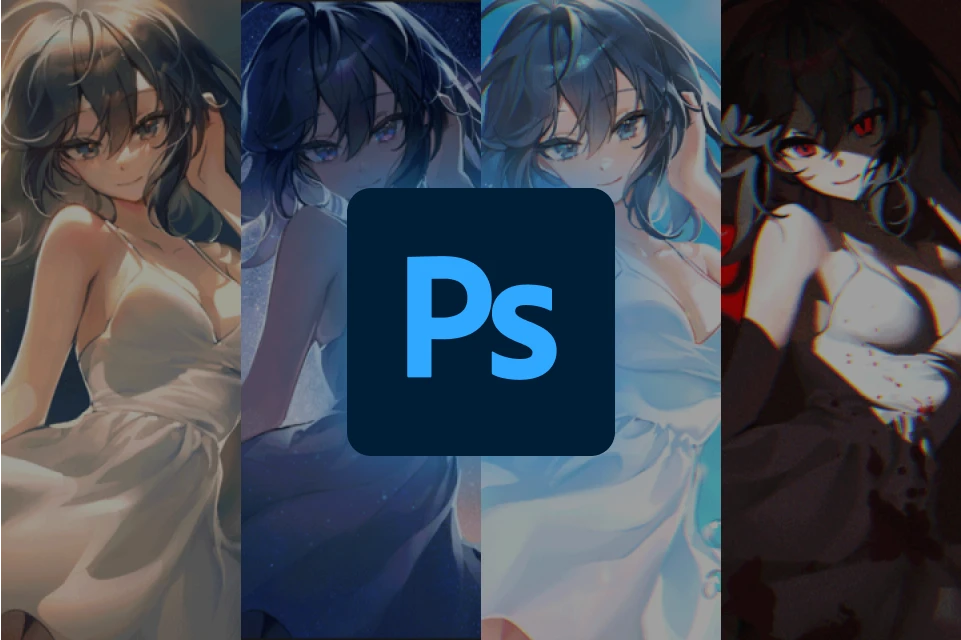 Draw the Kind of Art You Want4 Practice Examples (.psd)
Recommendation
Who should take this class?
Intermediate Learners With Experience Stuck on a Skill Plateau
Beginners Confident in Drawing Yet Struggling at the Coloring Stage
Artists Seeking to Elevate the Sensibility of Their Artwork
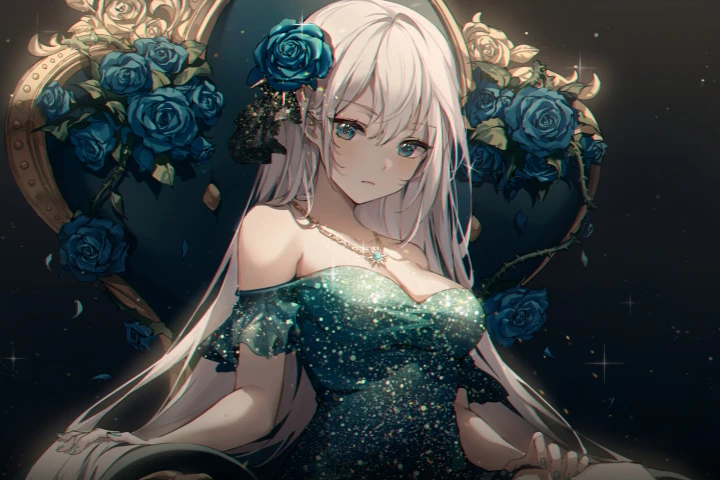
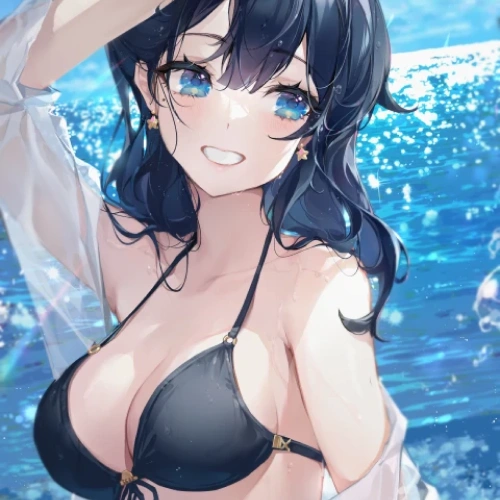
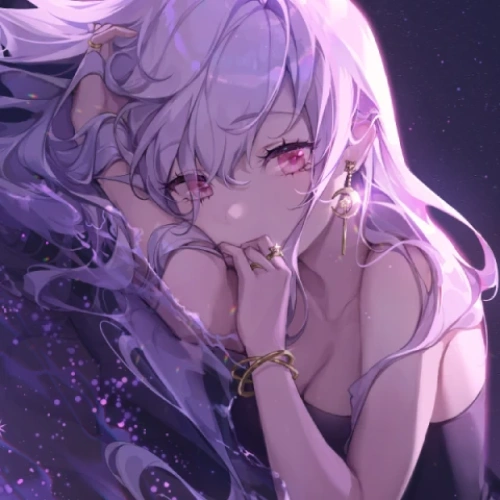
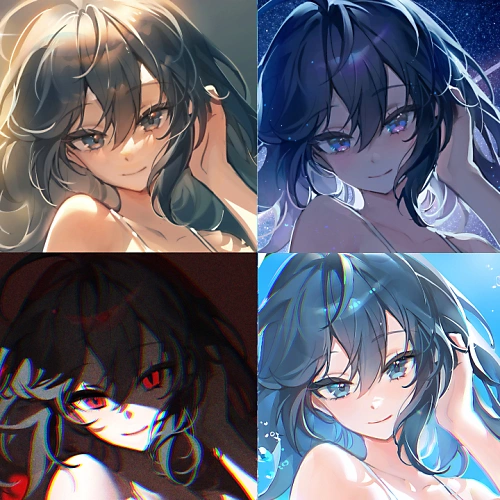
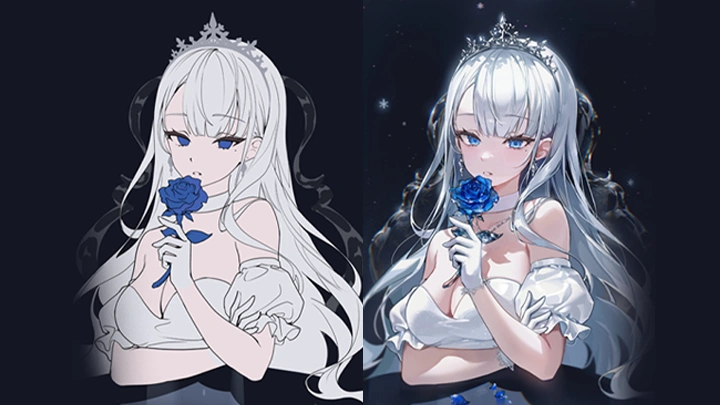
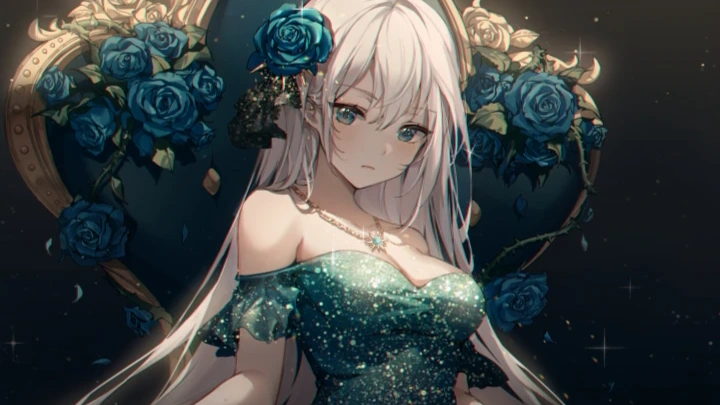
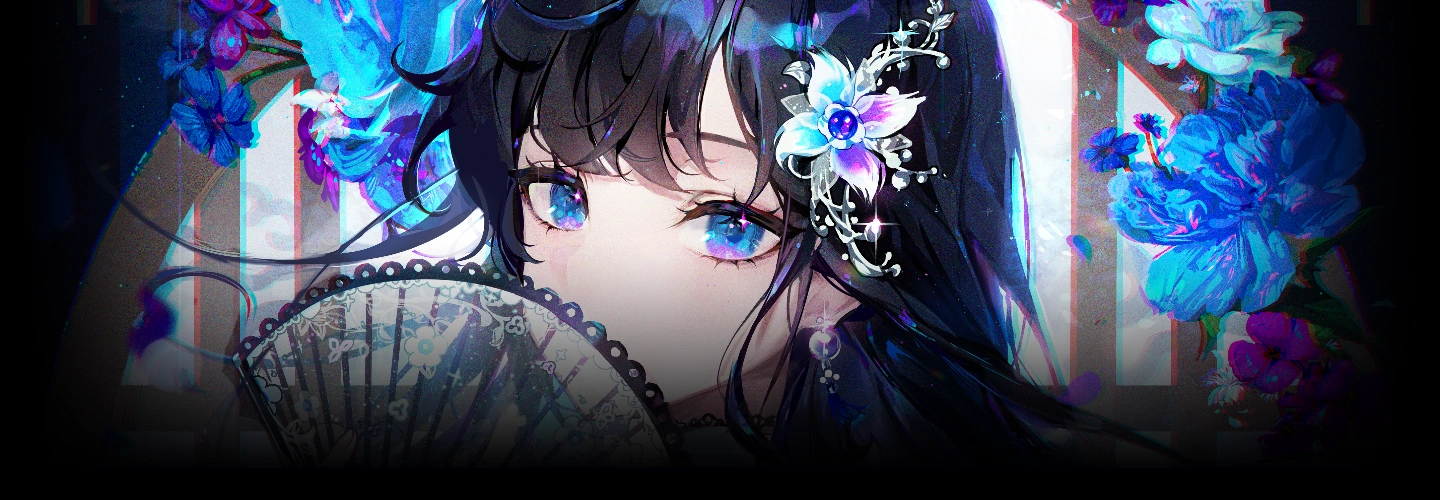
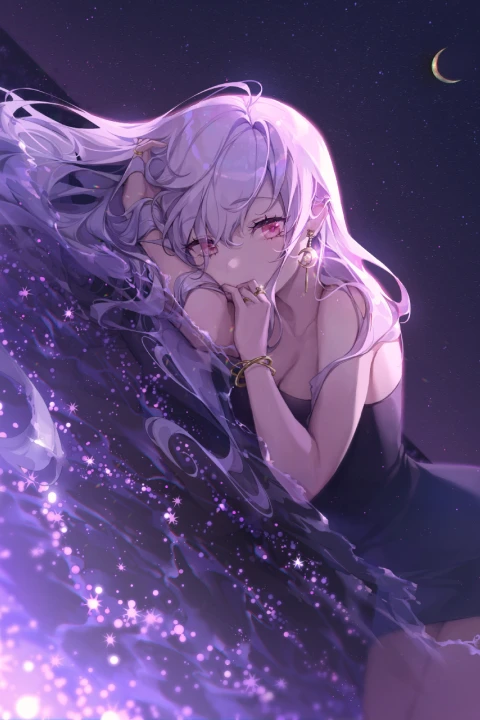
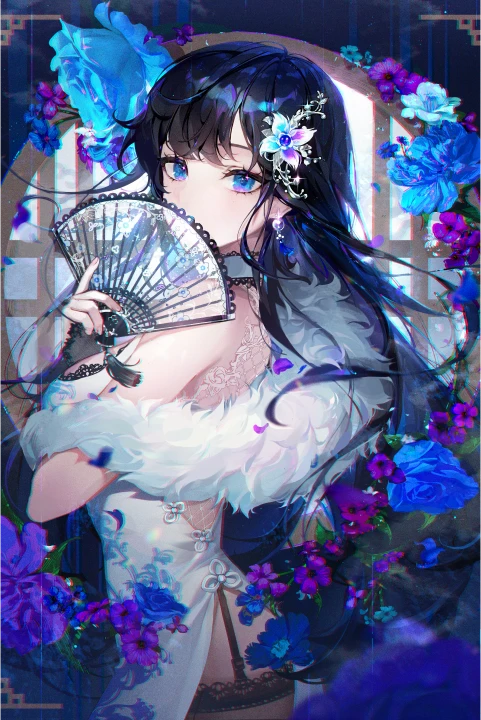
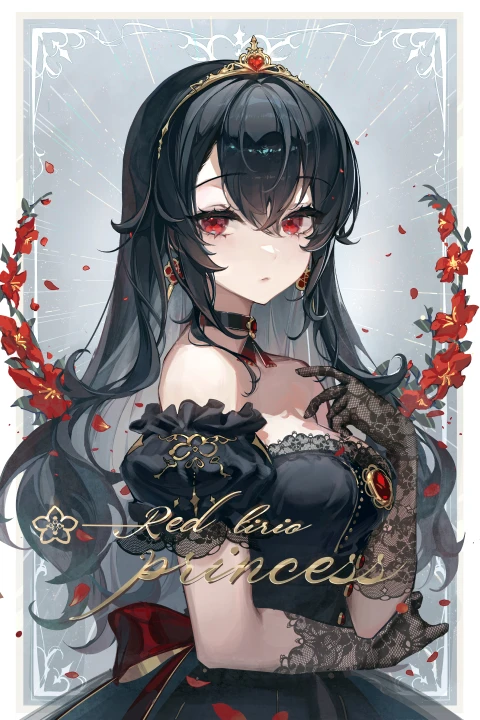
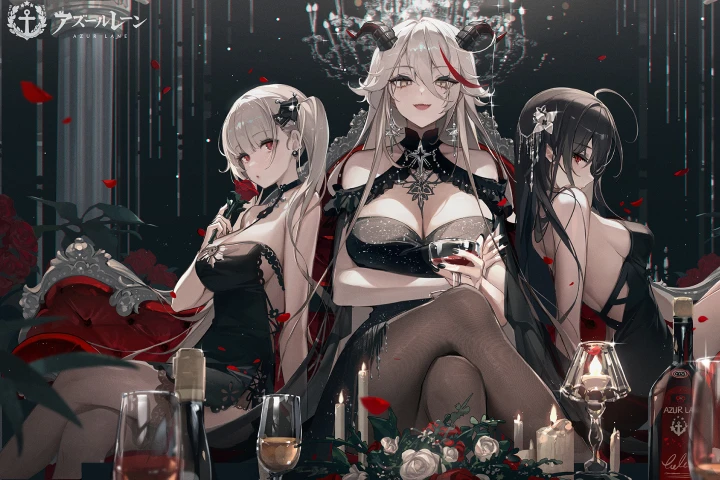
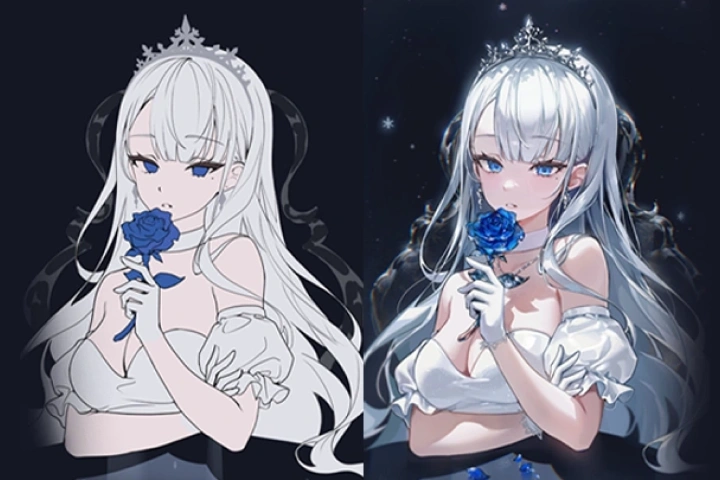
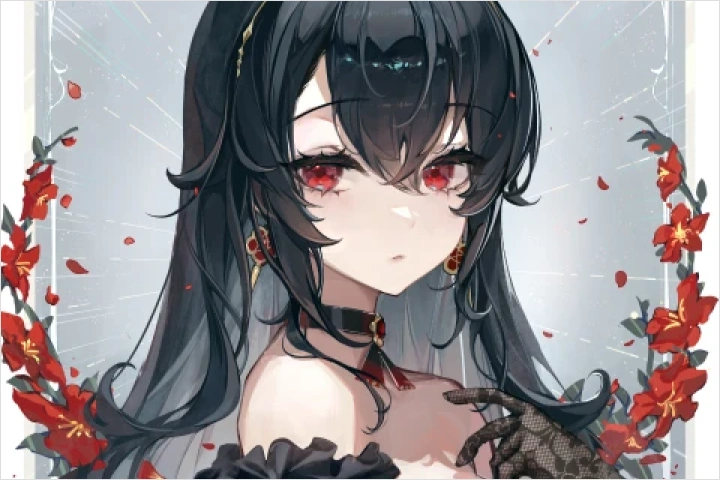
Expert Illustrator ttosom's Portfolio
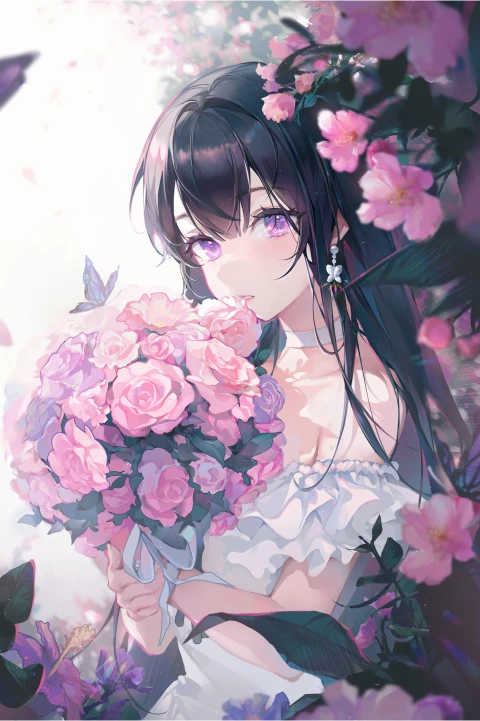
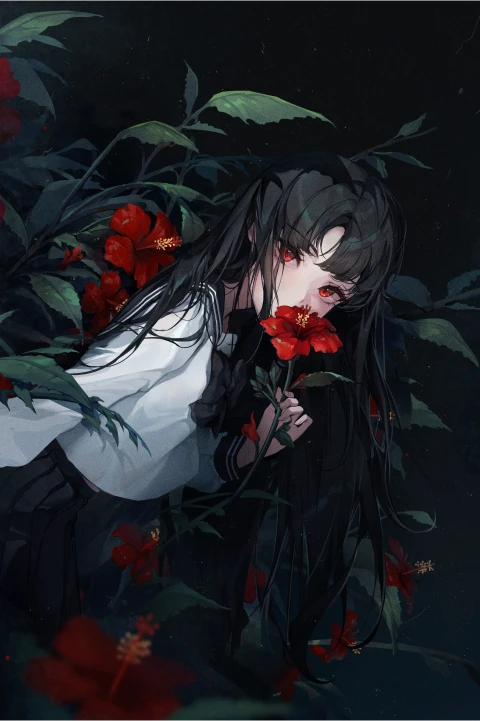
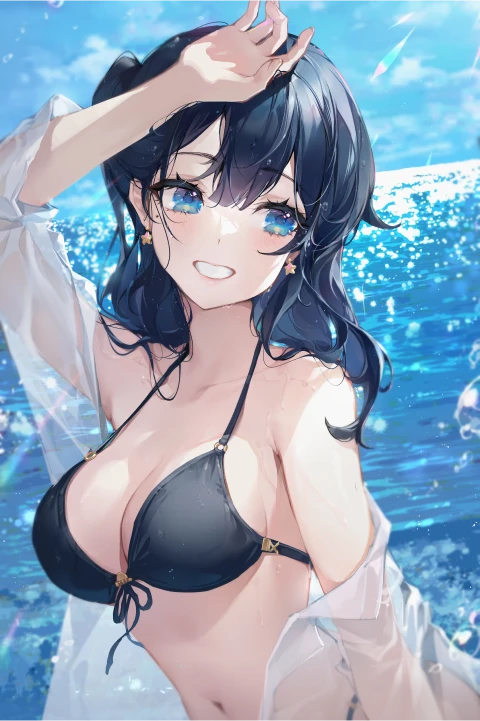
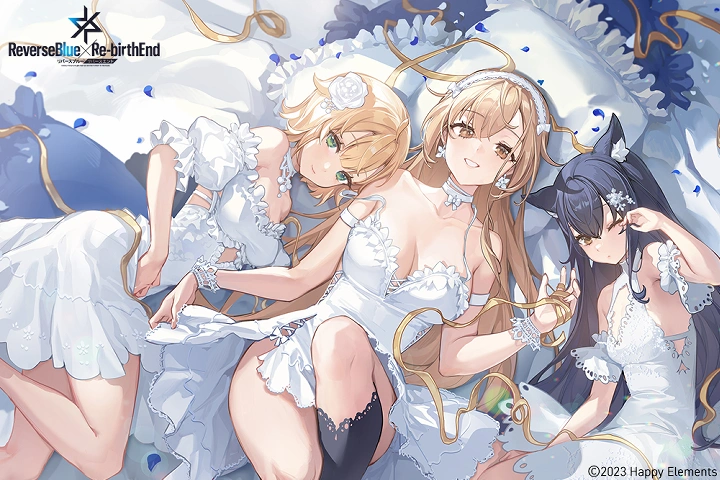
Why Take This Class?
Identify the root causes holding back your coloring skills and explore the most common challenges artists face. From low-finish drawings despite hours of work, to muddy colors, and uncertain levels of detail - discover solutions to six issues every illustrator encounters at least once in their journey. All of these are addressed in artist ttosom’s “Problem-Solving” Class.
This course goes beyond simply teaching you how to “color beautifully.” You’ll learn to diagnose your own weaknesses and apply a practical, problem-solving curriculum. Set clear standards for coloring, follow part-by-part guides to render characters delicately, and gain insights based on real experiences to overcome slumps and artistic blocks. Join ttosom now and take your coloring skills to the next level!

Get Ready for the Real-World
10+ Class Exercises
Part 1. Course Direction & Mindset
-
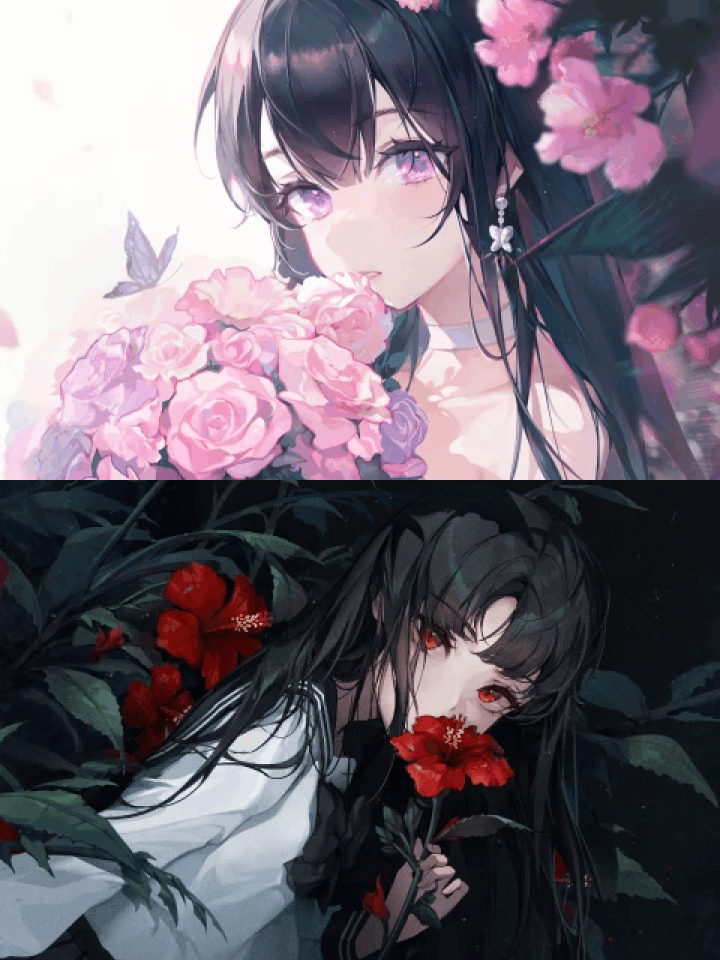 Growth Mindset for Skill Development
 -
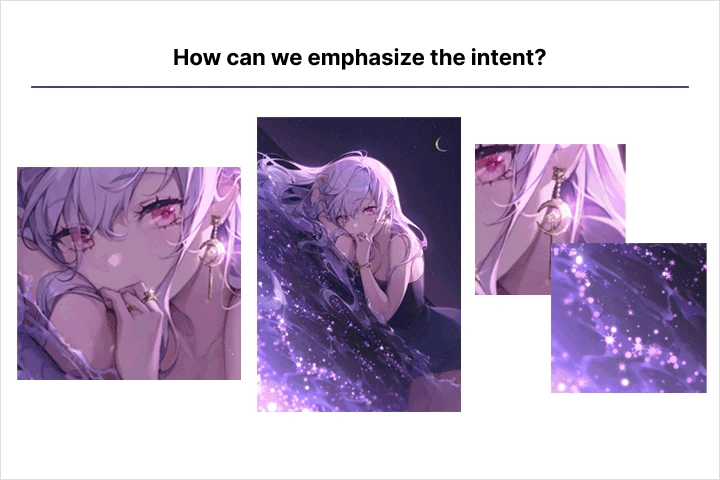 Observation & Practice Methods for Better Drawing
Part 2. Tool Usage & Core Coloring Theory
-
 Effective Brush Techniques
 -
 Choosing Colors Based on Theory, Not Just Intuition
 -
 Priority Checklist for the Coloring Process
-
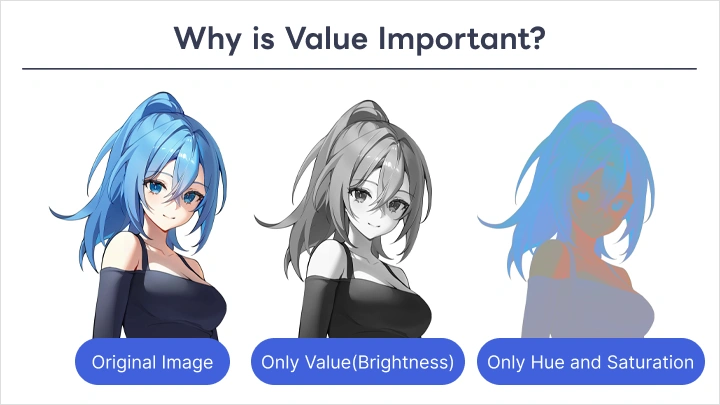
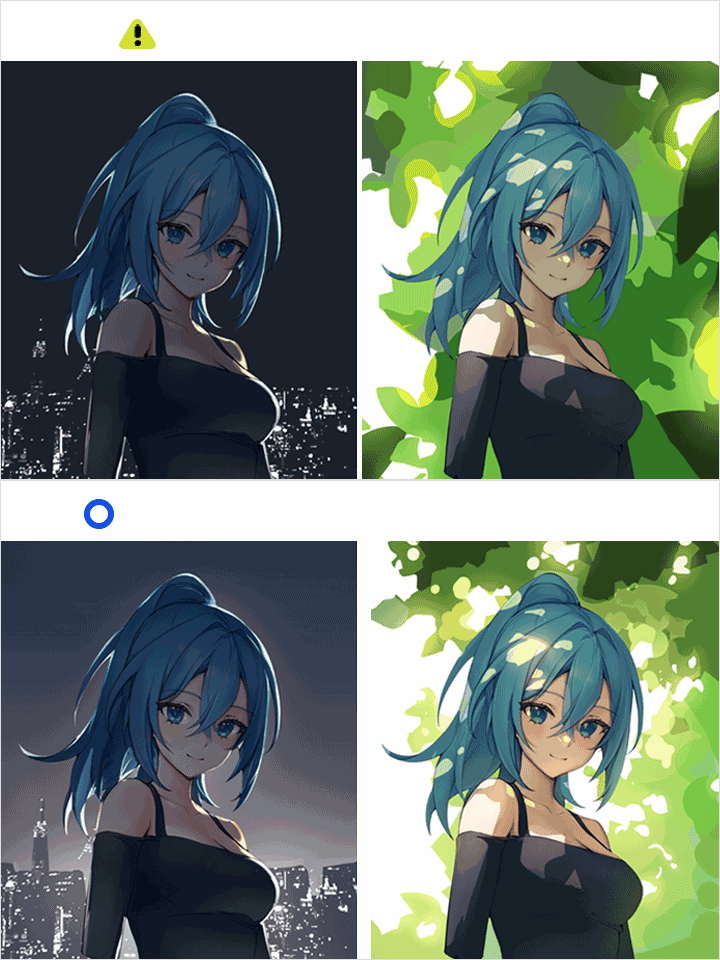 The Impact of Value on Illustration
 -
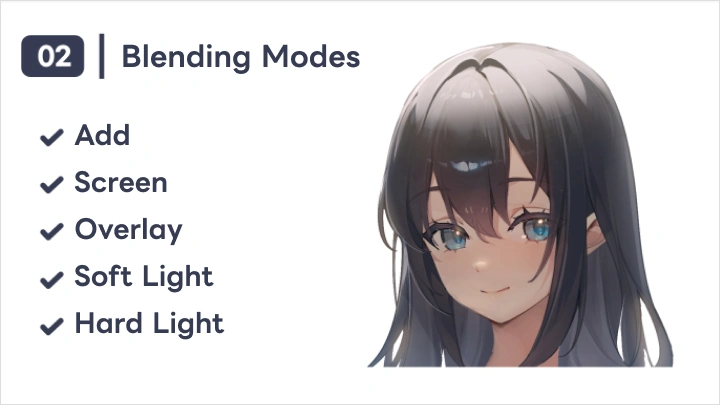
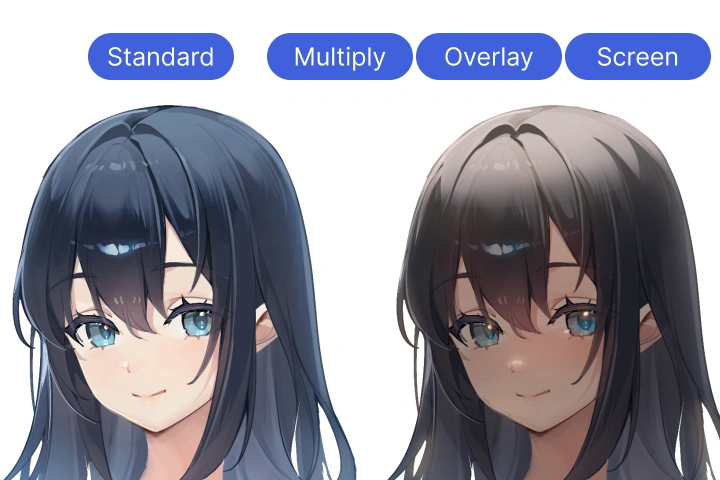 Layer Options & Blending Modes for Practical Coloring
 -
 Establishing a Correct Coloring Workflow
Part 3. Common Drawing Challenges & Practical Solutions
-
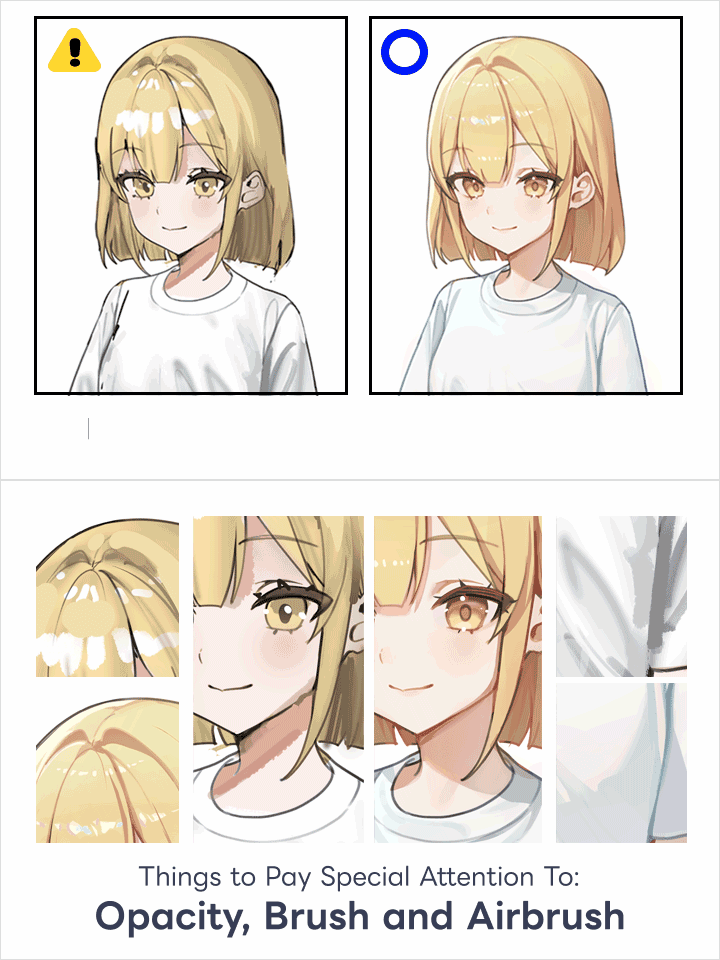 Why Colors Often Turn Muddy & How to Fix ItProper Tool Usage for Clean Strokes
 -
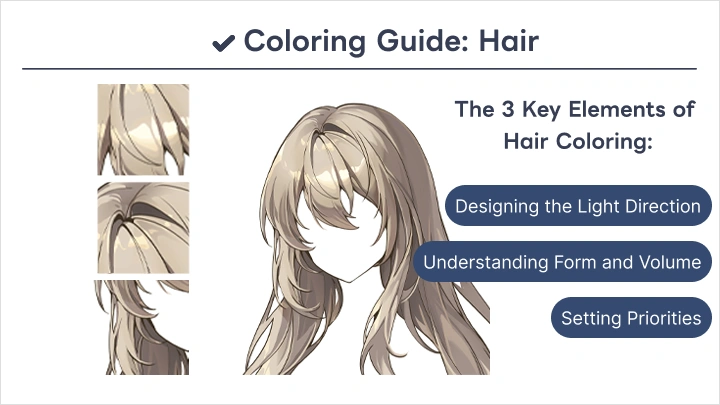
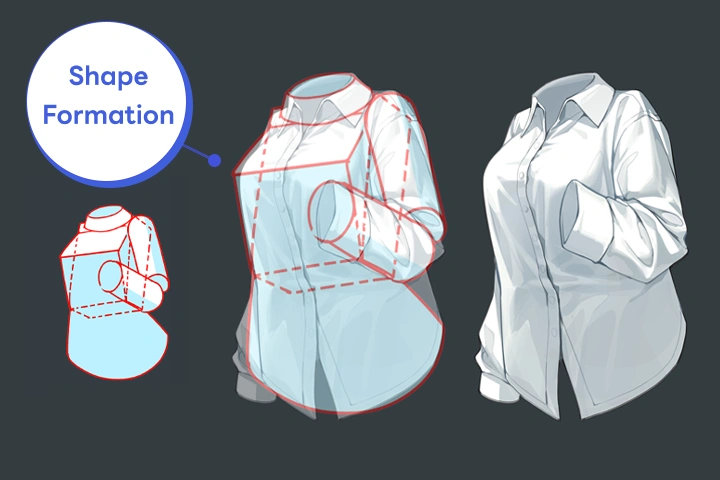 Why Doesn’t My Artwork Feel Three-Dimensional?Three Easy Ways to Understand Form
 -
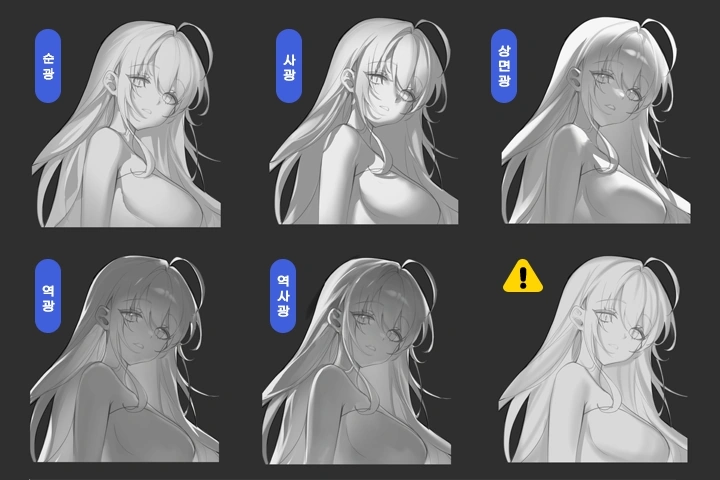 Common Mistakes Made During ColoringKey Points to Watch Out for When Depicting Light
-
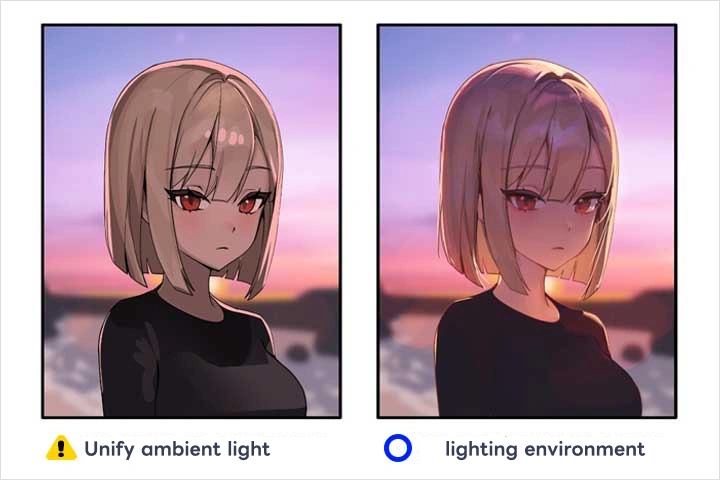 Why Do My Characters Look Disconnected from the Background?Why You Shouldn’t Finish the Character Before Drawing the Background
 -
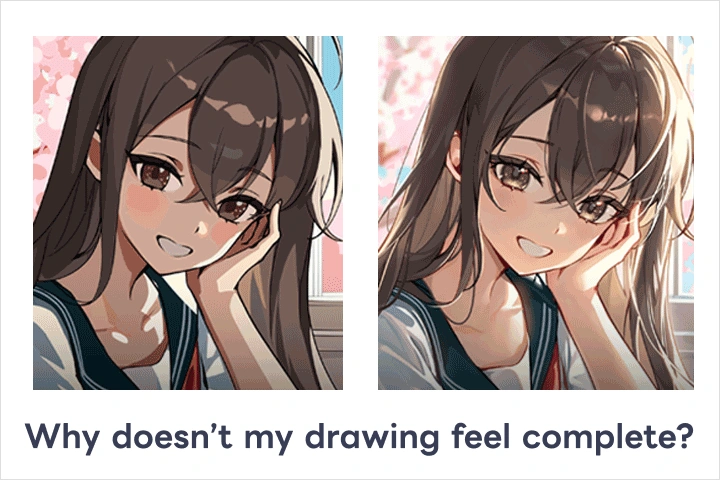 Why Your Artwork Lacks Quality Even After Adding DetailsQuality Checklist & Tips for Correcting Mistakes
 -
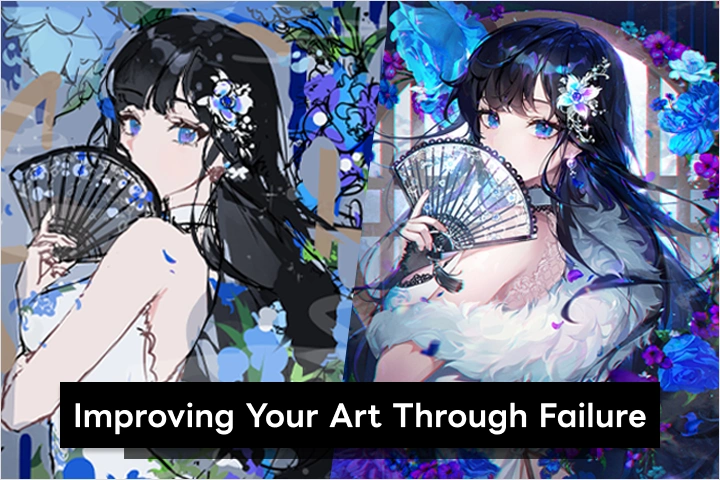 How to Overcome Skill Plateaus: Objectively Analyzing FailuresHow to Create an “Error Note” for Improvement
Part 4. Light Rendering Practice & Illustration Production
-
 Designing Light Effects According to Concept Intent
 -
 Practical Illustration Production Workflow
 -
 Techniques for Detailing Props
Part 5. Self-Study Guide for Continuous Growth
-
 Types of Art Monetization & Freelance Commission Tips
 -
 Self-Diagnosis & Overcoming Artistic Slumps
All Korean text in the images will be replaced with English upon the official course launch.
Highlights
Class Highlights
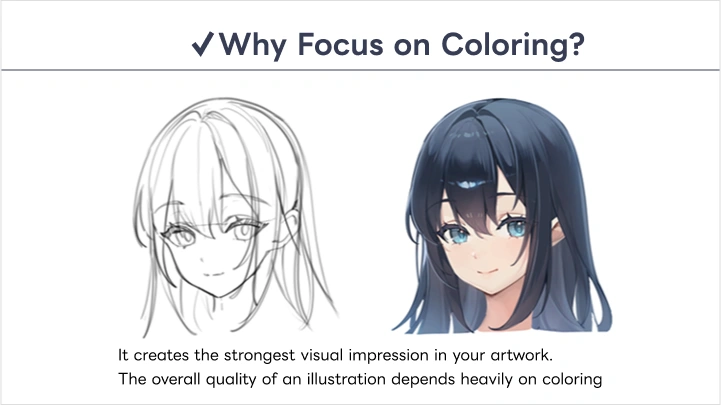
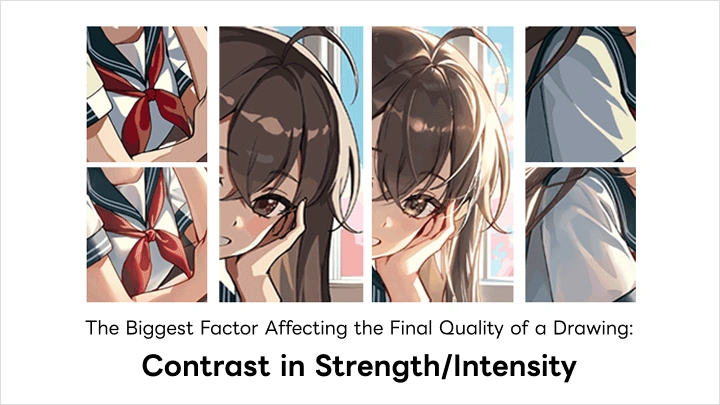
Clear and Radiant Coloring Without Overpainting
Do your colors always end up muddy no matter how hard you try? Learn Illustrator ttosom’s thoroughly researched coloring techniques. Set clear standards for objective judgment in coloring, analyze your own strengths and weaknesses, and quickly discover ways to improve.

Six Practical Solutions to Common Artistic Struggles
Frustrated with illustrations that never feel complete? From unclear levels of rendering to characters that feel disconnected from their backgrounds, discover solutions to six common challenges every artist faces. Replace vague worries with concrete criteria and problem-solving methods, and finally break free from long-standing frustrations.
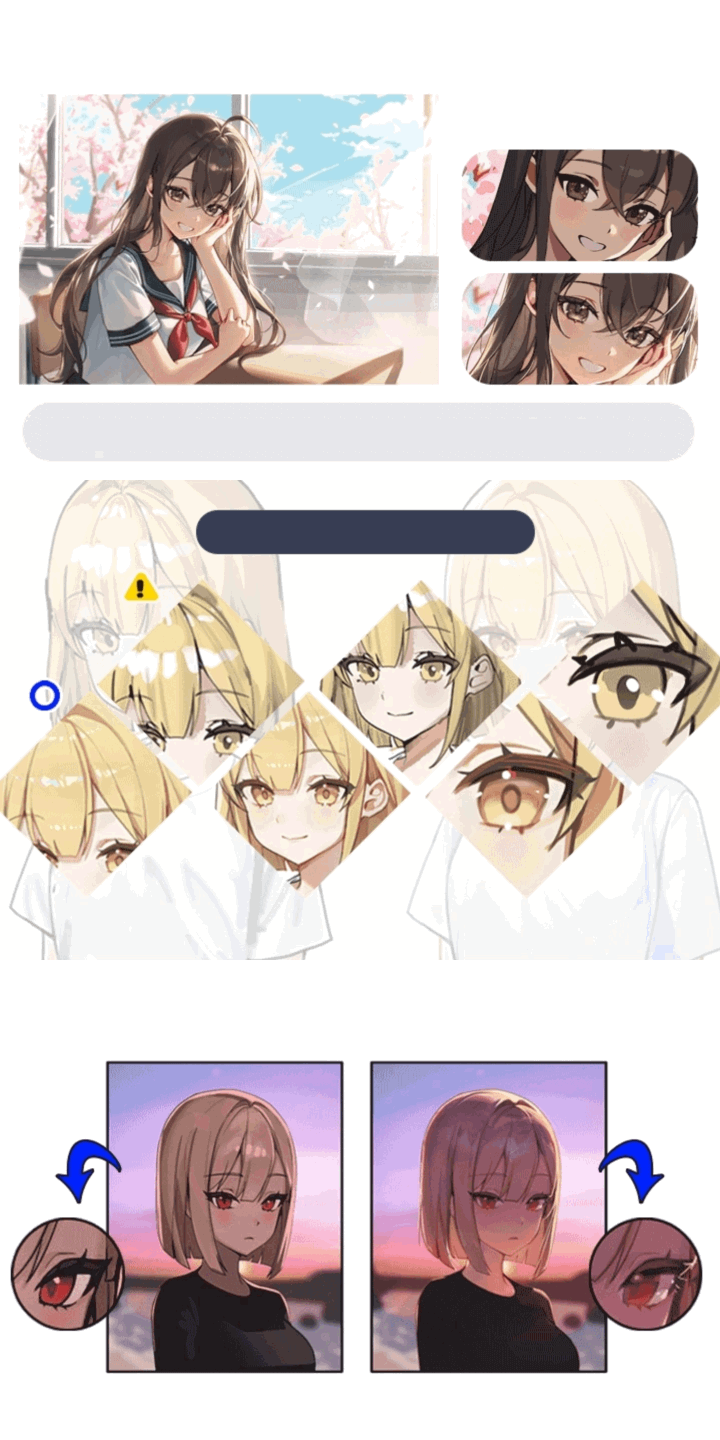
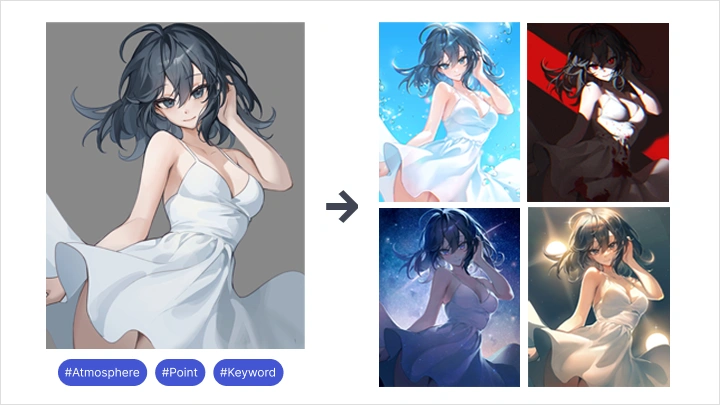
Upgrade Your Concept-Based Coloring & Rendering Skills
Go beyond basic coloring to design lighting and rendering that match your concept. Whether it’s dreamy, dramatic, or intense, learn how to direct the mood of your illustration through structured coloring. With both theory and practical techniques, you’ll work alongside ttosom to master advanced rendering practices that maximize atmosphere and storytelling.