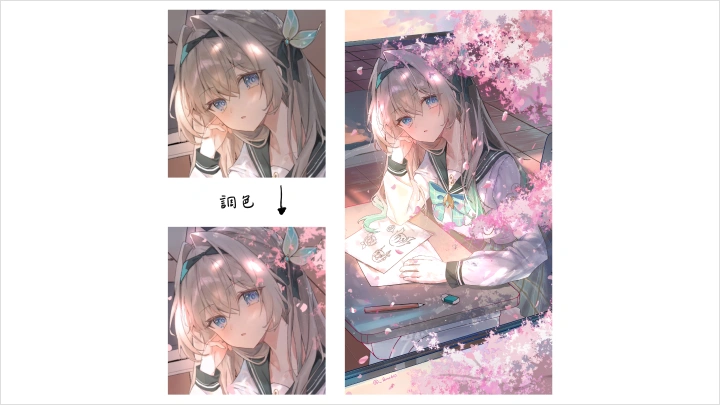
illustrator,luna_ZH Details
Intro
Class Intro
Illustrator, LUNA
What’s the real secret behind illustrations
that get chosen instantly?
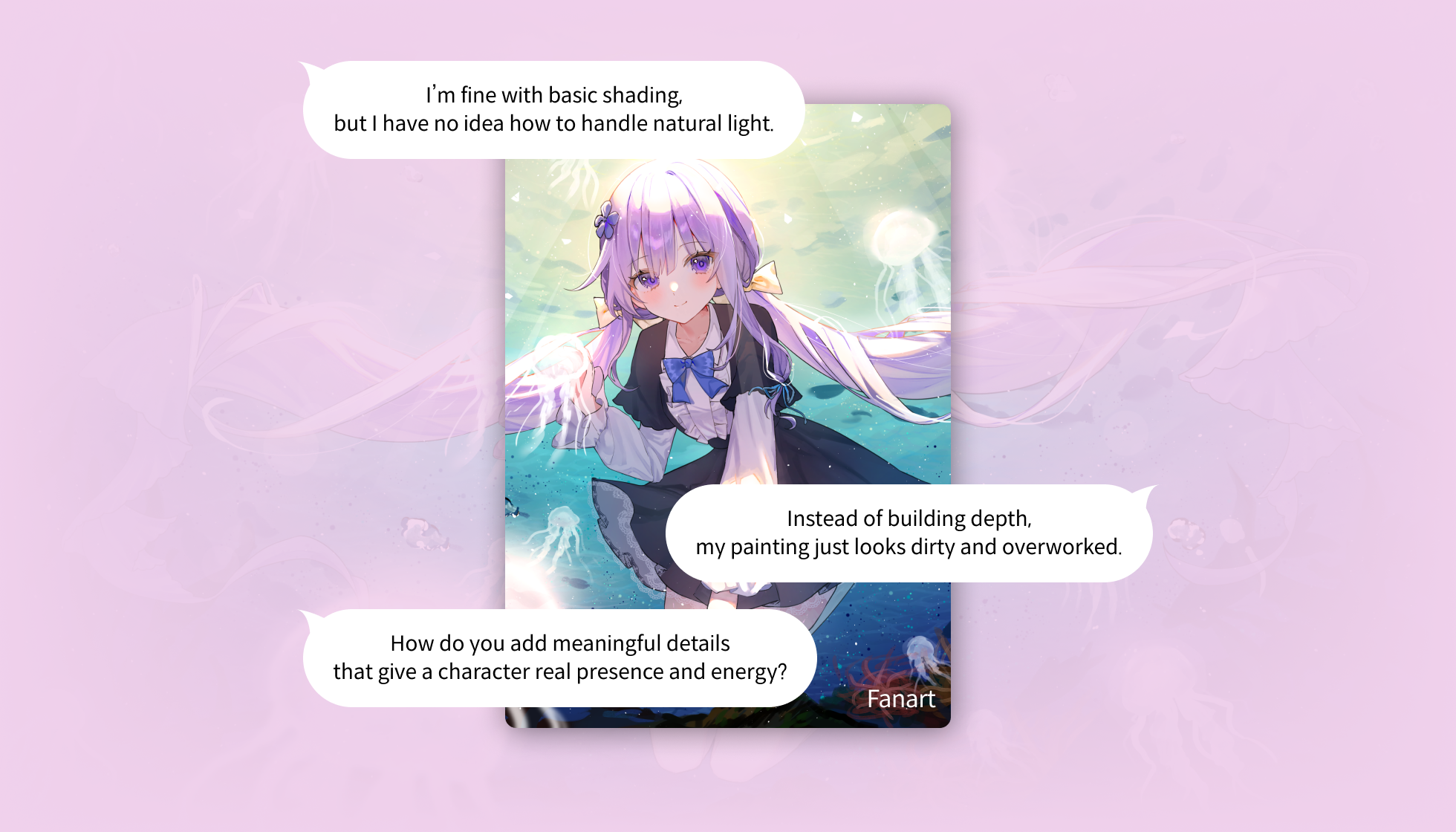
LUNA’s Signature Guide to Atmosphere & Color & Direction Strategy—The Formula That Attracts Clients
The ultimate secret to completing commercial illustrations that clients choose. Go beyond basic character artwork and learn LUNA’s core techniques for capturing irresistible charm, immersive atmosphere, and fresh, luminous color. Experience the high-efficiency professional workflow that makes LUNA’s illustrations consistently loved—and repeatedly commissioned—by the market.
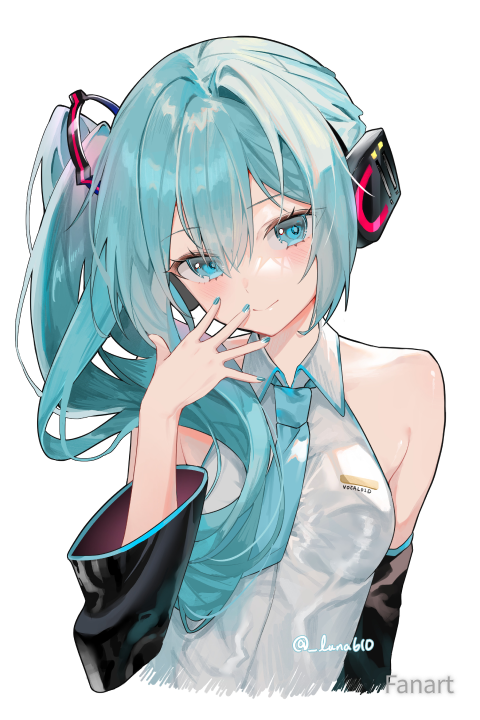
Core know-how to surpass the limits of illustration direction! Move beyond static images and learn how to create character illustrations filled with emotion and storytelling. Discover how to apply striking composition, dynamic movement, light, and color directly to real projects—without complex theory—and develop a distinctive signature style that strengthens your competitiveness in the commercial market.
Class Preview
Still Not Sure?
Check Out LUNA's Class Preview!
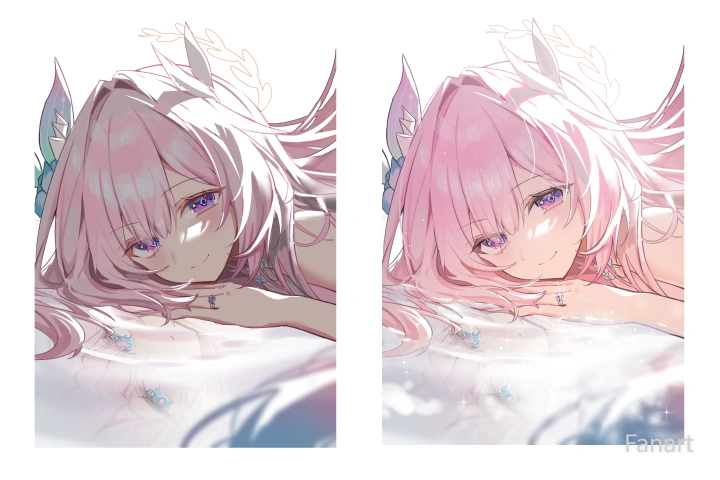
09. Linking Light and Emotion
- Influence of lighting types on character mood
- Narrative impact of warm and cool lighting
- Narrative impact of warm and cool lighting
Class Perks
Get These Coloso Exclusives
-
 Comprehensive lecture PDFs and original source files (PSD, CLIP)crafted to boost understanding and turn concepts into real, usable skills
 -
 Ready to use in real-world projects10 signature brushes personally created by LUNA, exclusive for enrolled students
 -
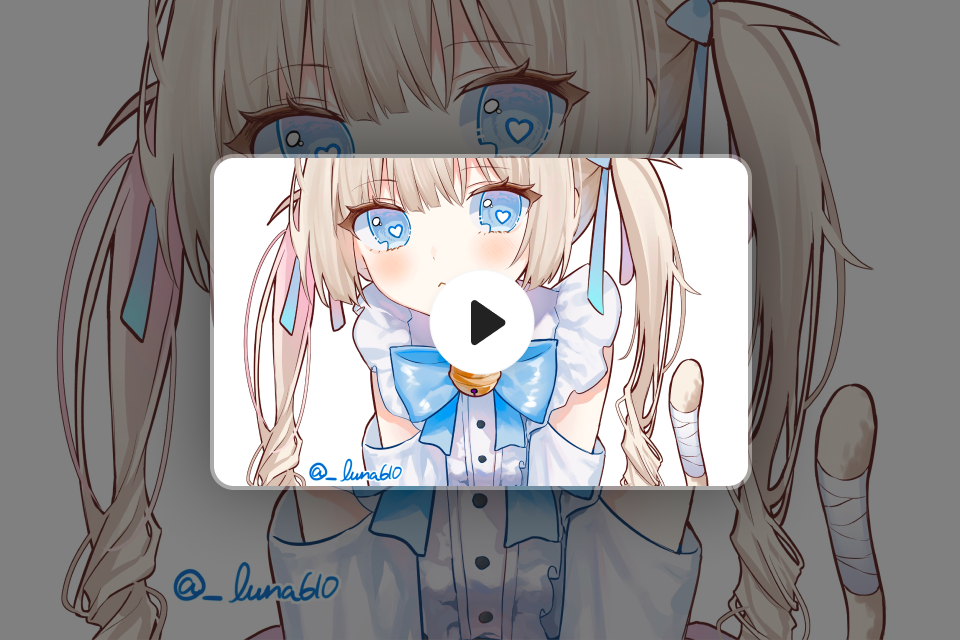 Unlimited access to course videosLearn freely with no time or viewing limits, and revisit lessons anytime at your own pace
Special Feedback from LUNA!
1-on-1 Redraw Giveaway
- Entry : Purchase the class and complete payment between 2026/01/14–2026/03/19 (PST) to be entered automatically.
- Winners : 5 winners will be randomly selected to receive a 1-on-1 redraw with LUNA.
- Submit : Winners must submit one character illustration as a fully editable layered PSD, and a brief note (bullet points OK) on what to improve.
- Winner Notification: After videos release on 2026/03/19 (PST), winners will be contacted via email with submission details.
Recommendation
Who should take this class?
For artists who want to create convincing atmospheres through dynamic lighting and master a fresh, luminous coloring style that truly stands out.
For artists who want to convey emotion and presence through vivid, lifelike character expression that truly feels alive.
For artists who want to create commercial illustrations that capture both quality and attention through an efficient, professional workflow.
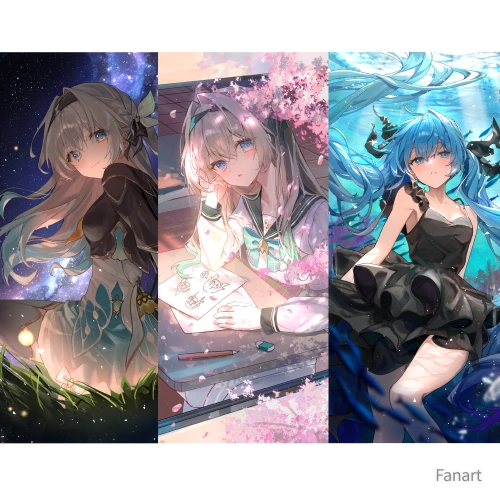
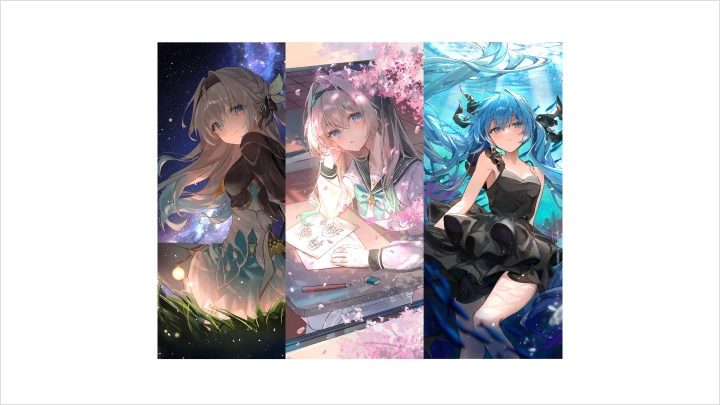
Expert Illustrator LUNA's Portfolio
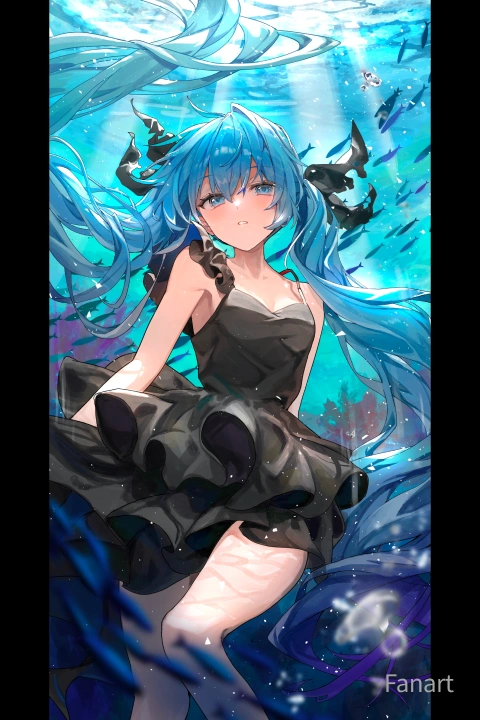
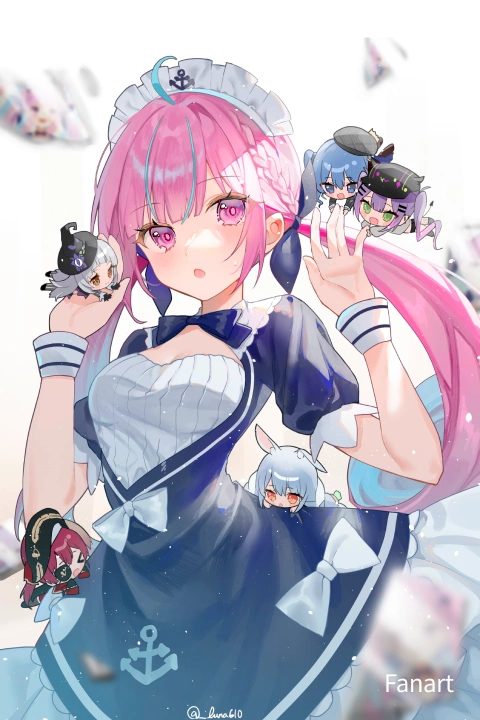
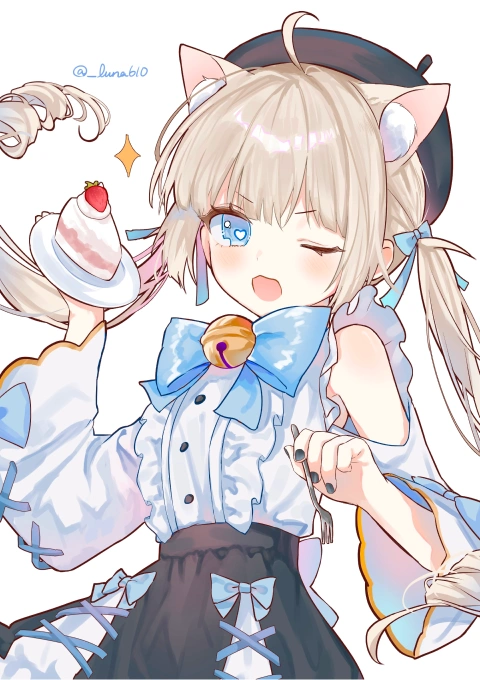
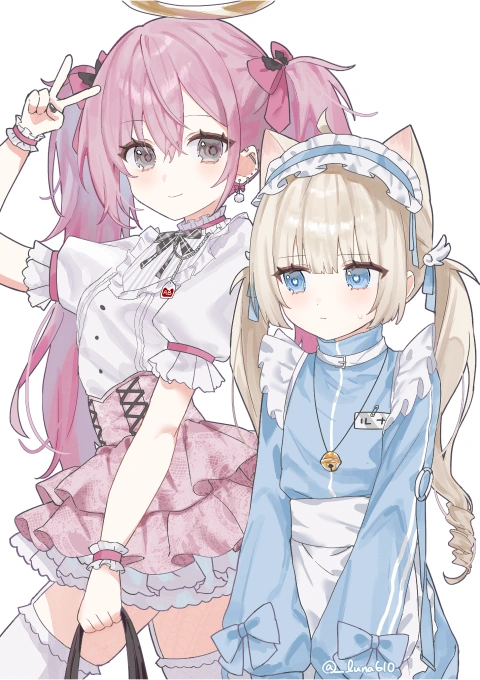
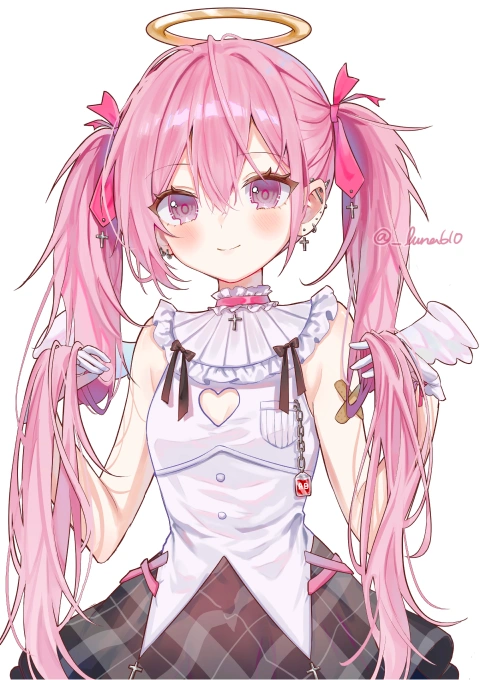

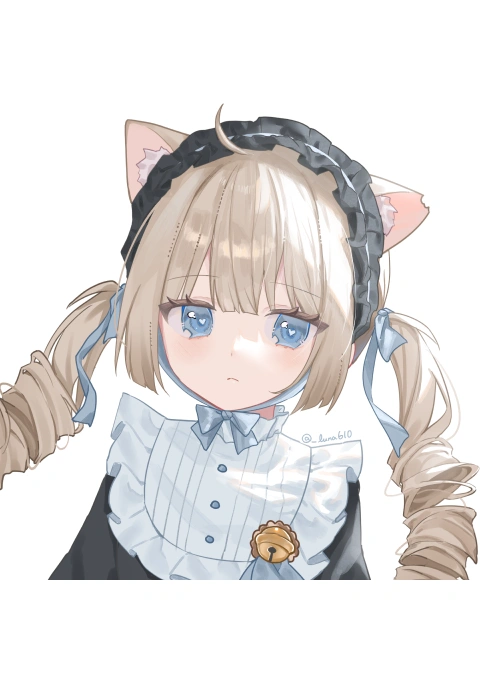
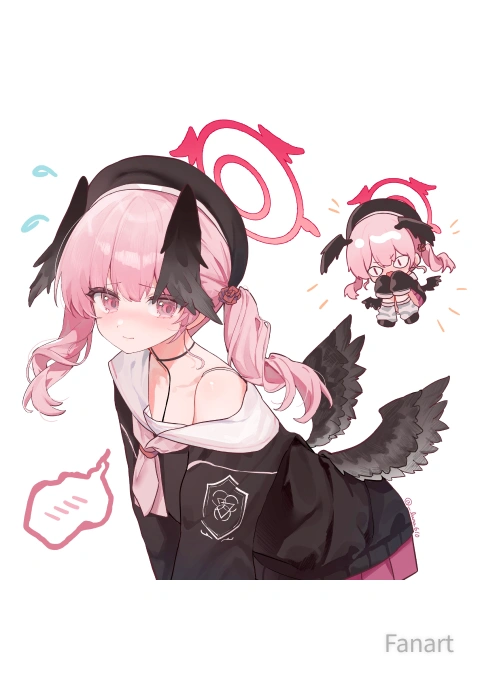
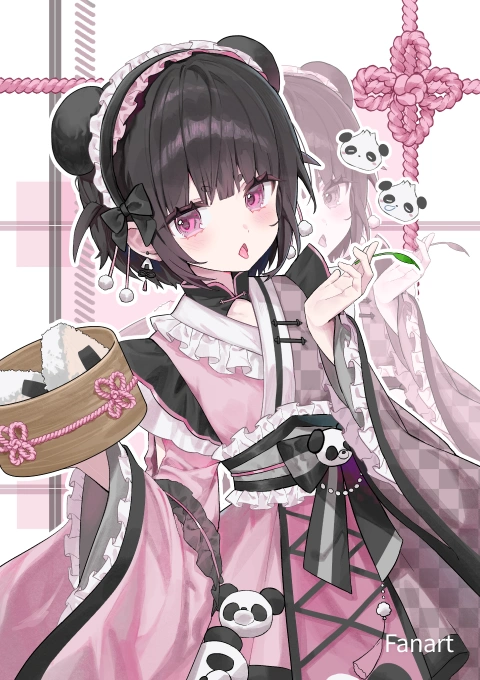

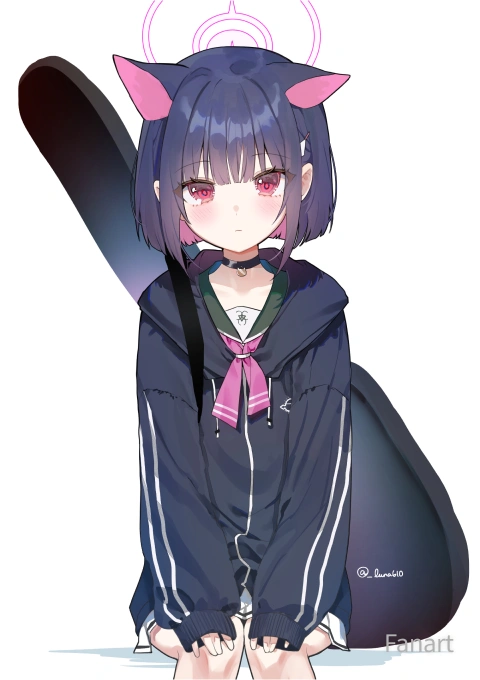
Why Take This Class?
The key secret to jumping straight into outsourcing without unnecessary steps. Focusing on character appeal, mood-driven lighting, and a clear, luminous style—key qualities valued in the Taiwan market—you’ll learn the visual approaches and high-efficiency workflows clients actually look for. Deliver confident, professional-level quality on time, even under tight deadlines.
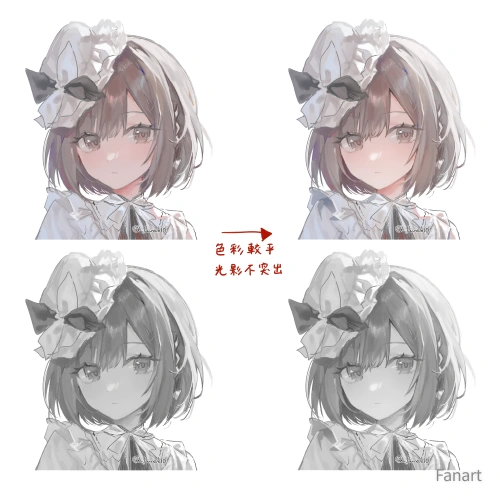
Do your illustrations lose their impact, even when you use bright, clean colors? Unlock LUNA’s signature coloring methods to achieve crisp, luminous tones that instantly set your work distinctive. Learn how to use three types of environmental lighting to create both mood and clarity, and apply production-proven direction techniques trusted in real freelance projects for VTubers, light novels, and game IPs—sharpening your competitiveness in the commercial illustration market.
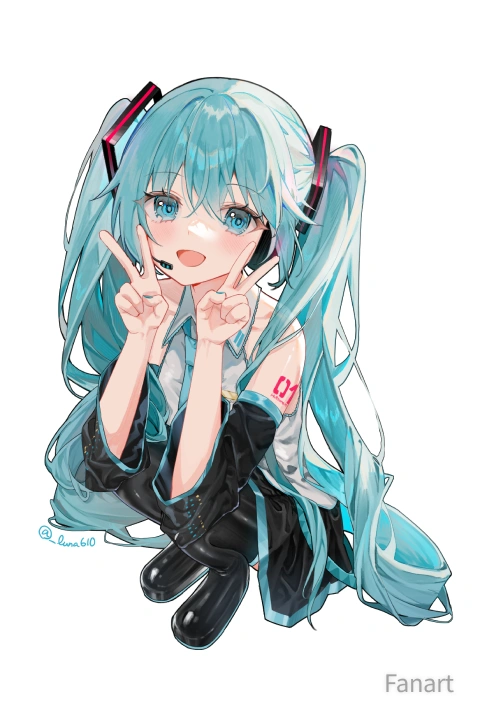
*The images used in this section are fan art and are not used for commercial purposes.

Get Ready for the Real-World
15 Class Exercises
-
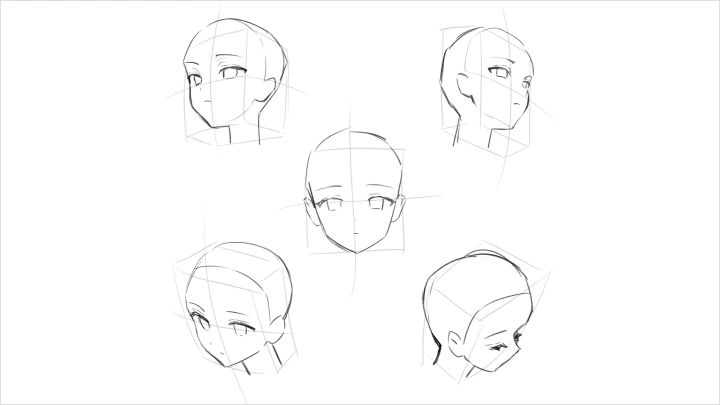
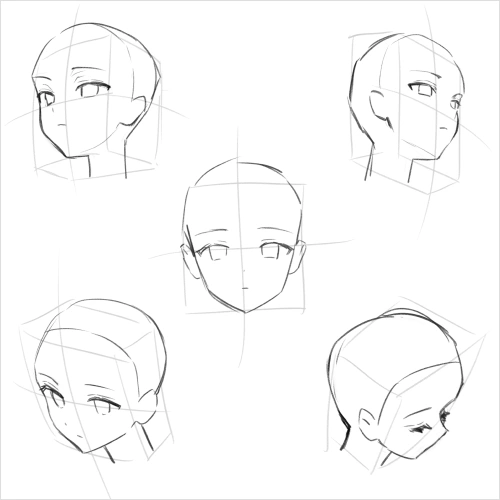 Understand human anatomy and perspective
 -
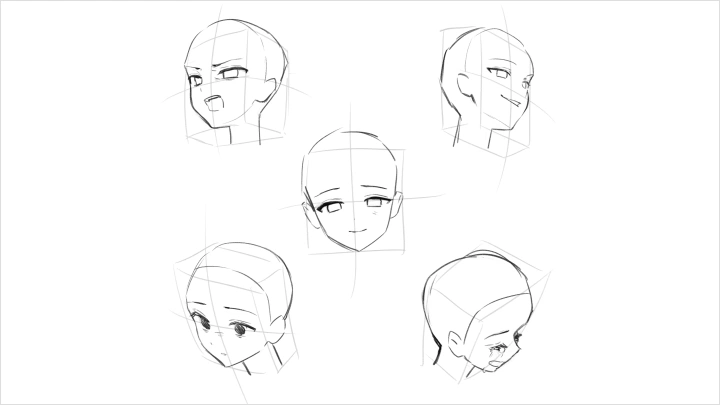
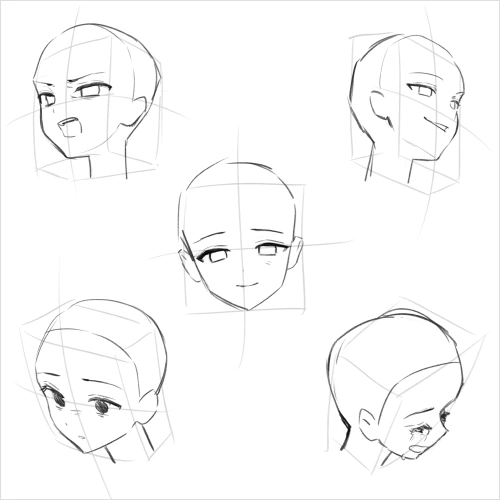 Observe facial expressions and emotions
 -
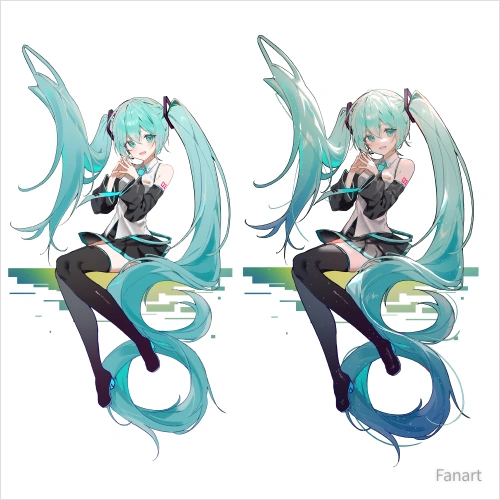 Character presentation within an atmosphere
-
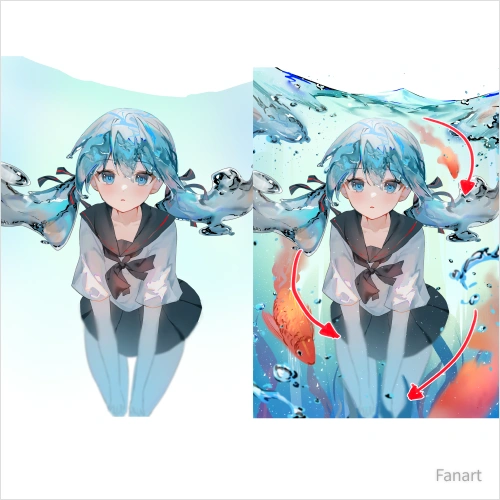 Sense of motion in a composition
 -
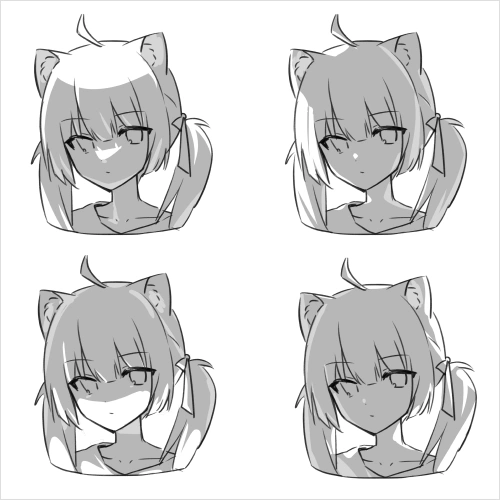 Basic sense of lighting
 -
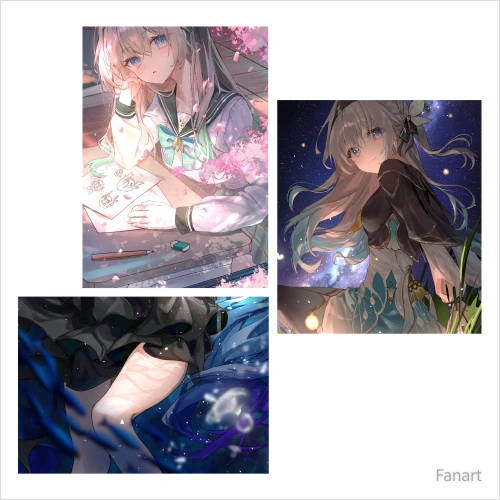 Special environmental lighting
-
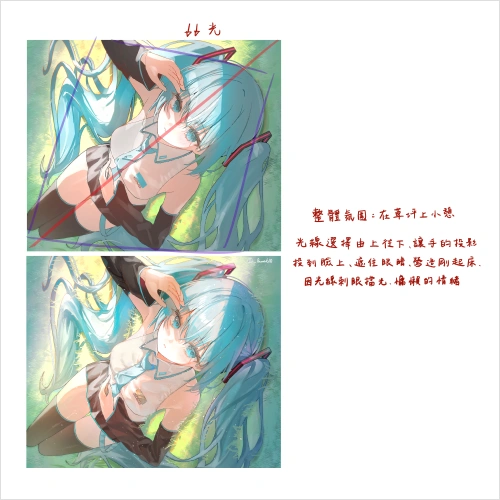 The interaction between lighting and emotion
 -
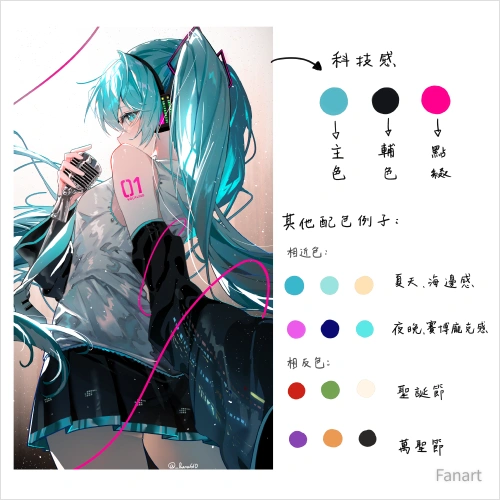 Color palette logic
 -
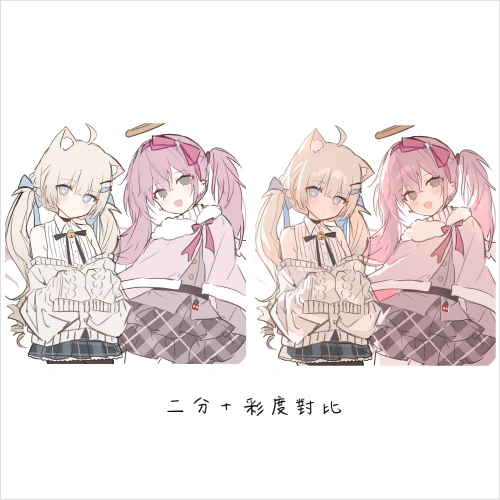 The visual impact of color in an image
-
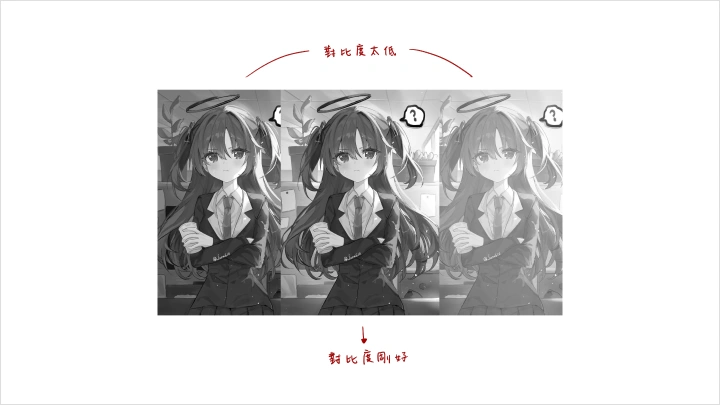
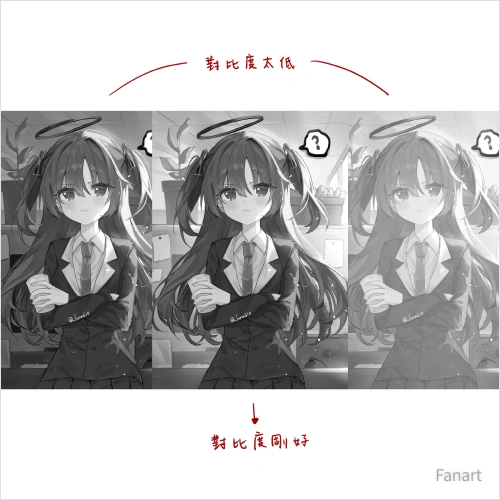 Control of values and tonal layering
 -
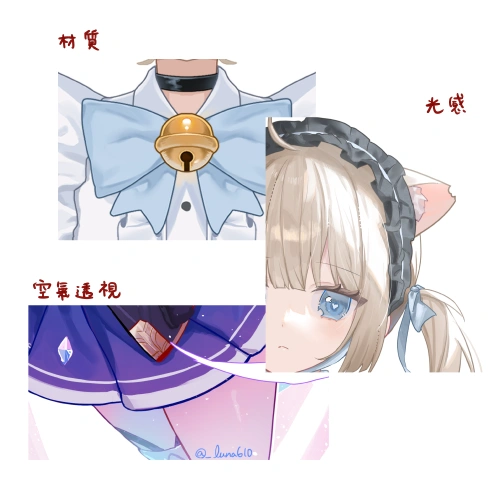
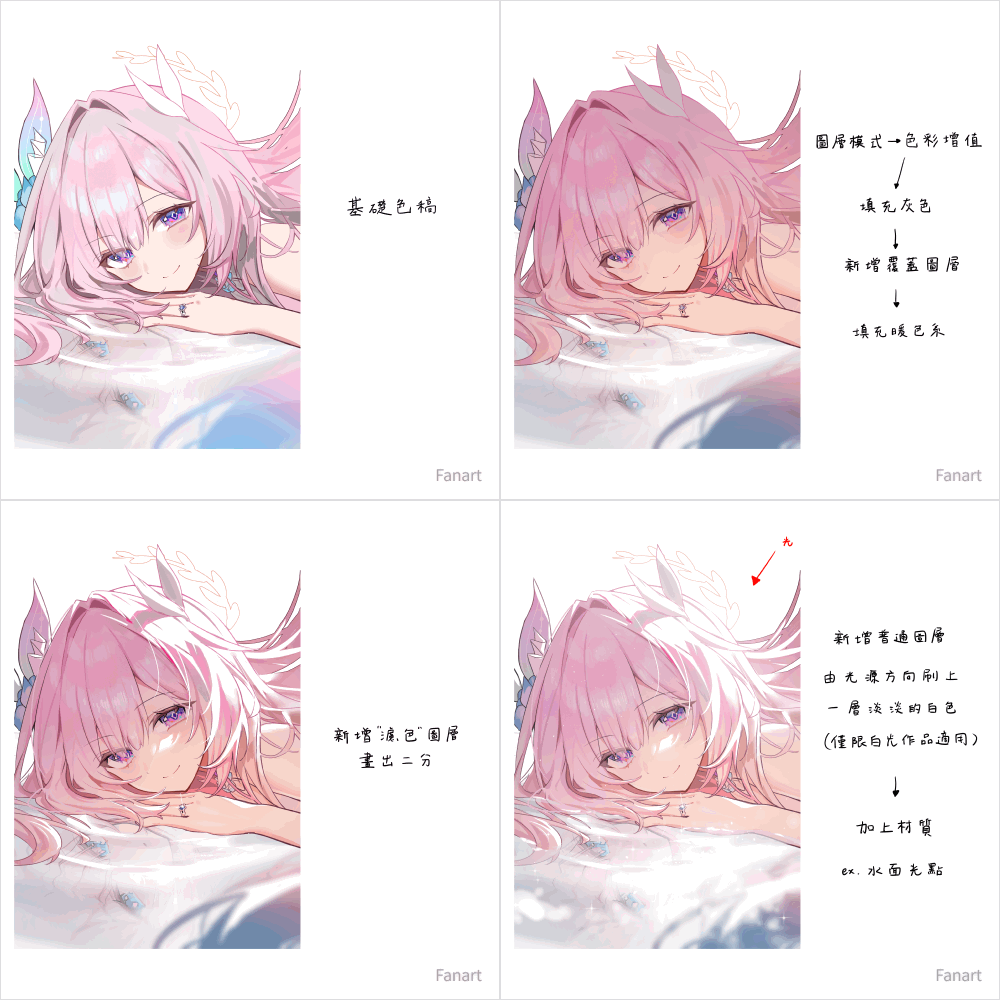 Details
 -
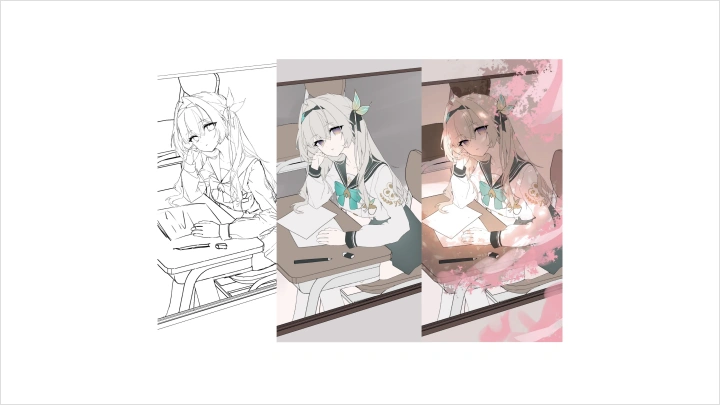
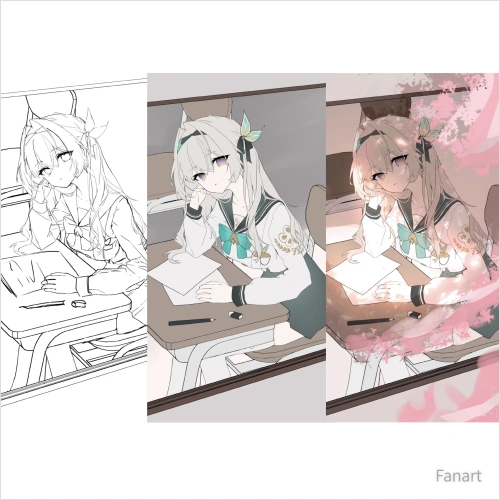 Workflow from sketch to final artwork
-
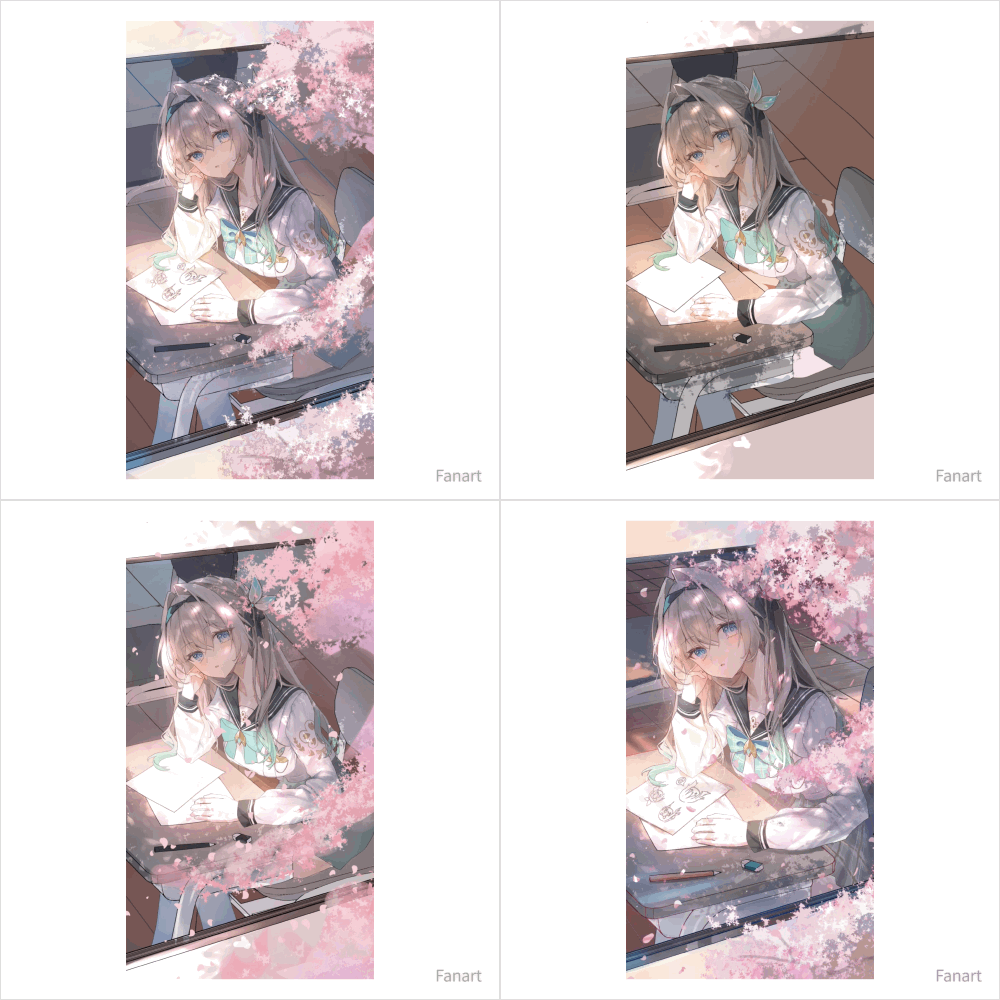 Increase the amount of visual information
 -
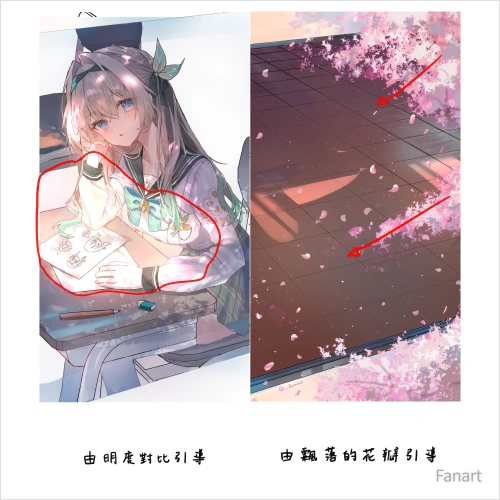 Overall cohesion of the image (1)
 -
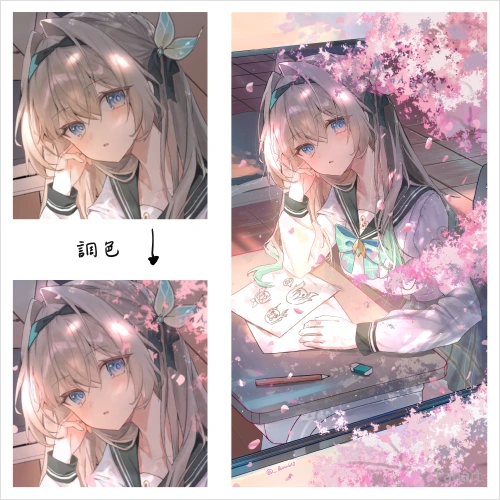 Overall cohesion of the image (2)
*The above images are for illustrative purposes only and will be replaced once the course videos are released.
Final Product Example
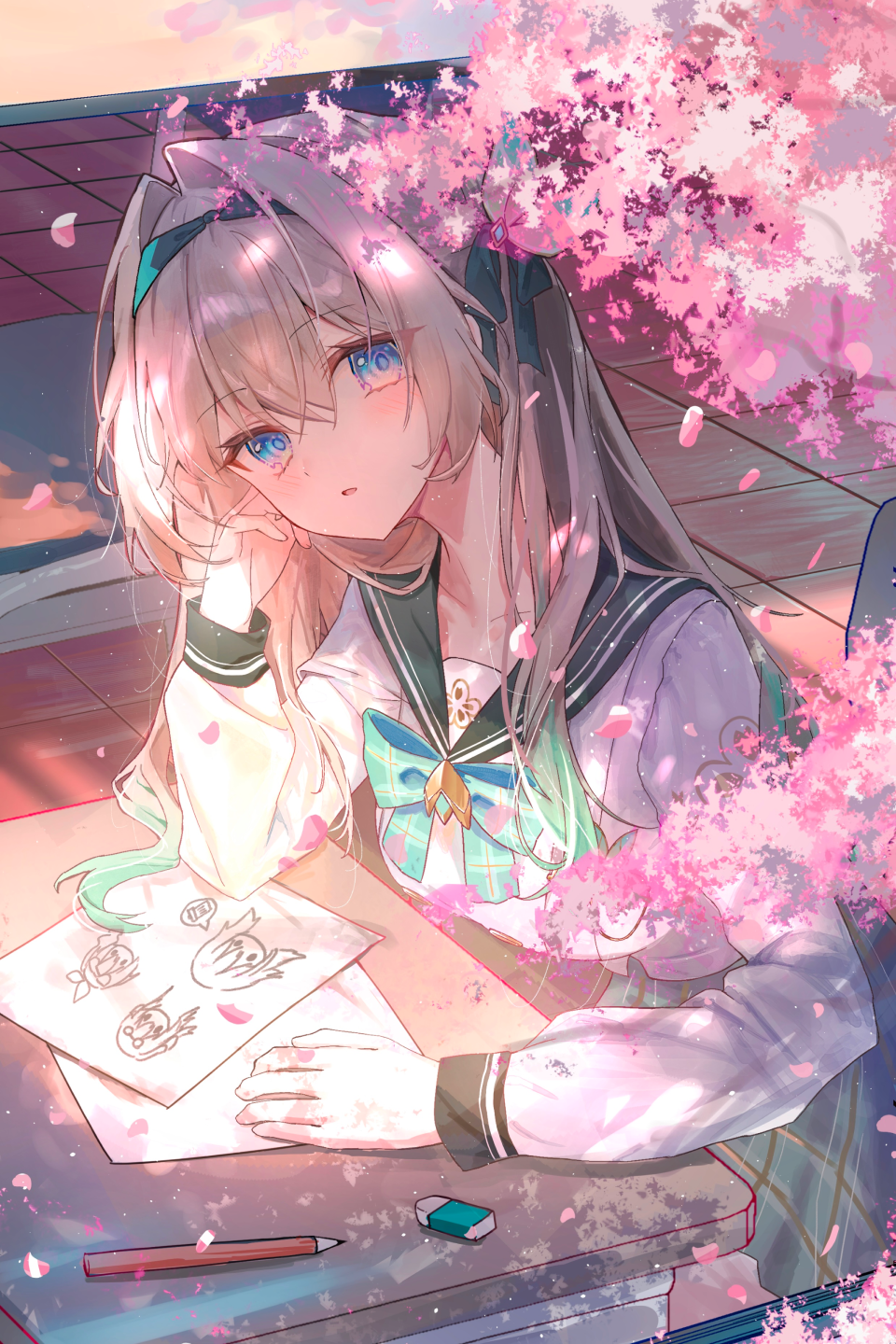
*The image used in this section is fanart, Used for illustrative purposes only and will be replaced once the course videos are released.
Highlights
Class Highlights
Direction Techniques That Bring Characters to Life
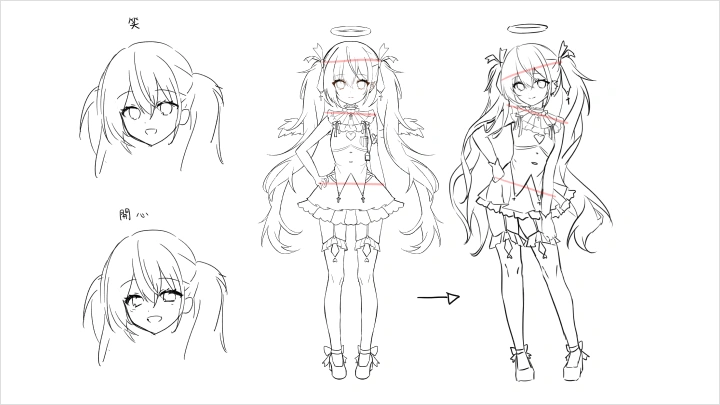
Go beyond just drawing a pretty face and learn how to express true storytelling and vitality in your characters. By starting with the character’s emotional core and translating it into expression and posture, you’ll craft characters whose personality and story are instantly communicated through the slightest shifts in gaze and muscle tension. Craft a distinctive atmosphere that leaves a lasting impression at first glance.
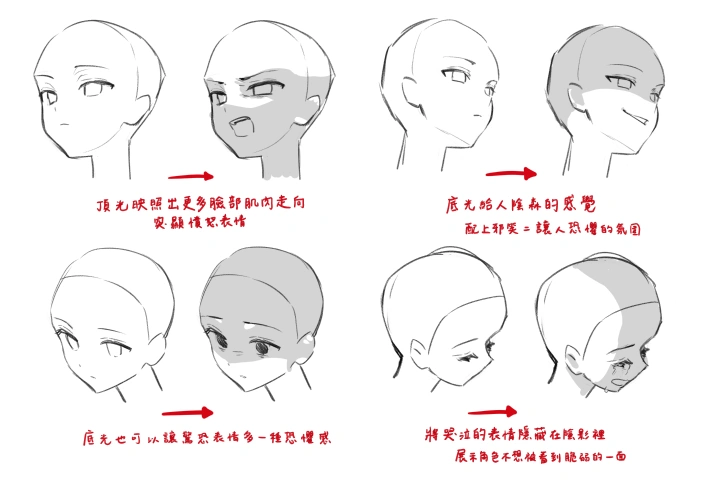
Creating Atmosphere and Emotion Through Light
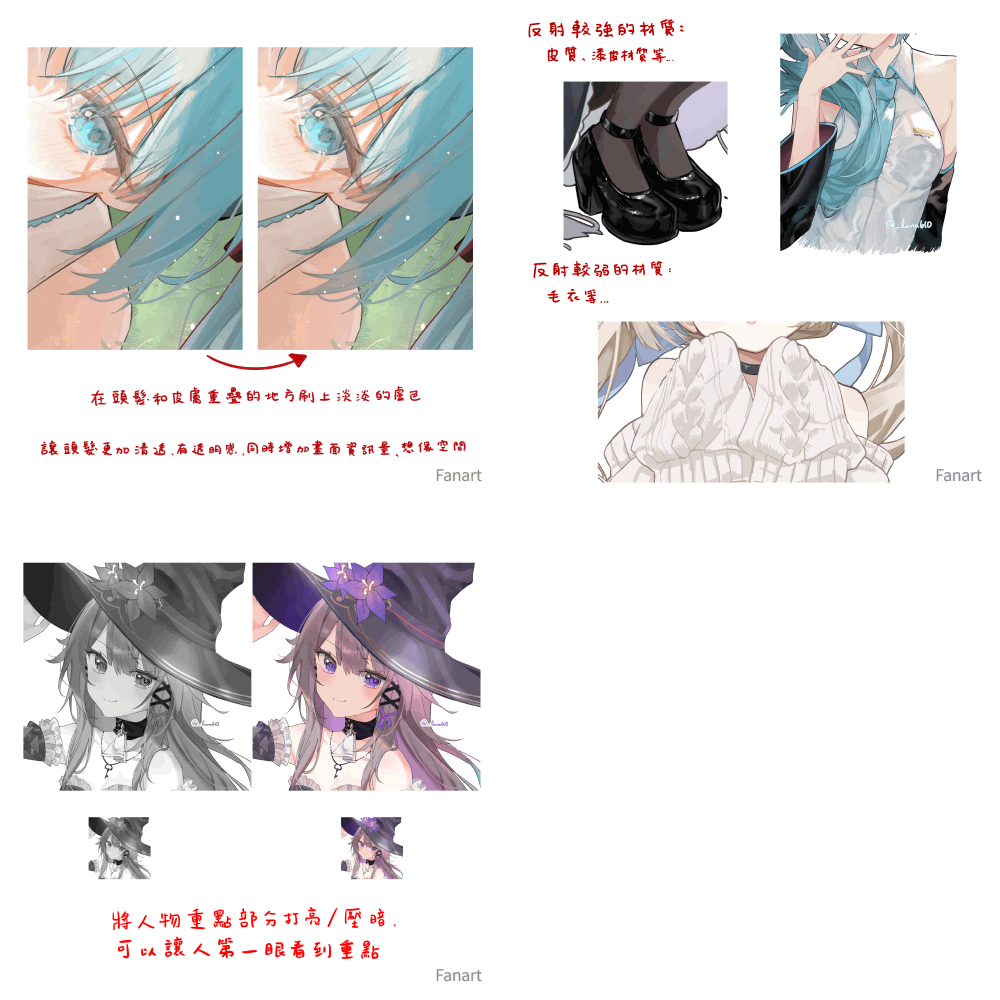
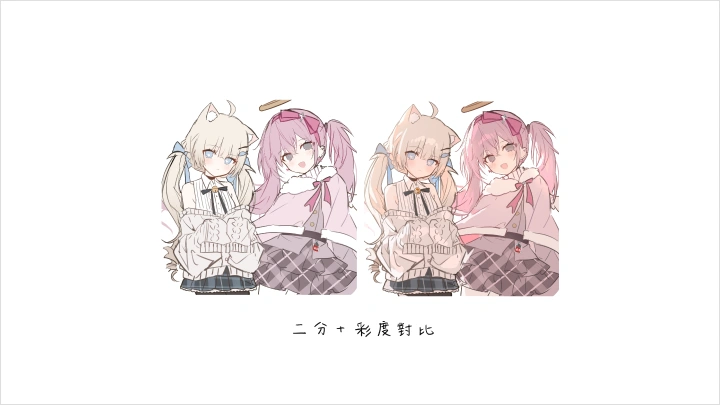
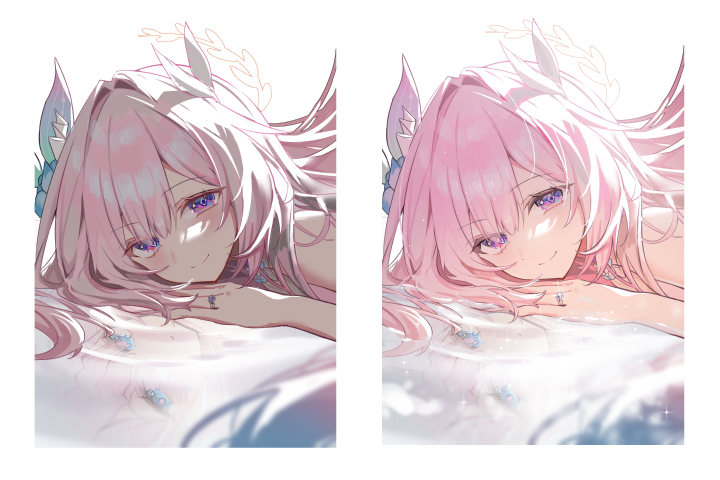
Learn how to use light not as a simple effect, but as a visual language that conveys emotion. Step by step, you’ll master techniques such as chiaroscuro, binary shading, and clean overlay methods to create lighting with depth, airiness, and transparency. Explore environmental lighting—from underwater light, shadow scattering light, and nighttime indirect light—to craft convincing, immersive atmospheres without relying on heavy post-processing.
Building a Clean, Luminous Drawing and Coloring Process
Move beyond isolated techniques and build a clear, your own unique tones and style. From visual-driven planning and composition to cohesive mood control, you’ll learn how to create illustrations that feel polished, consistent, and visually rich. With a production-tested workflow that reliably raises quality, you’ll develop a signature color style that stands out instantly—and stays memorable in a crowded market.