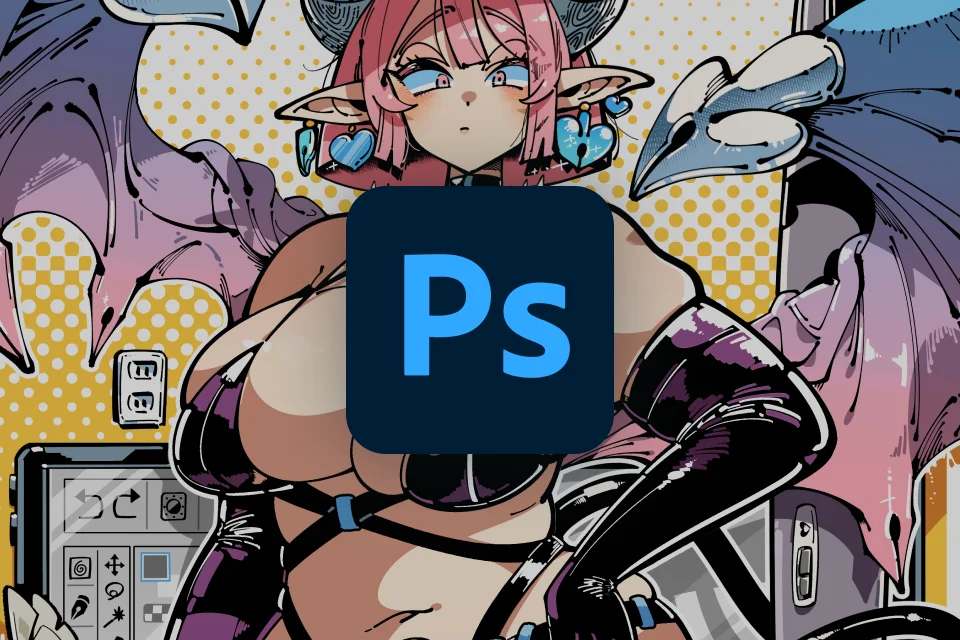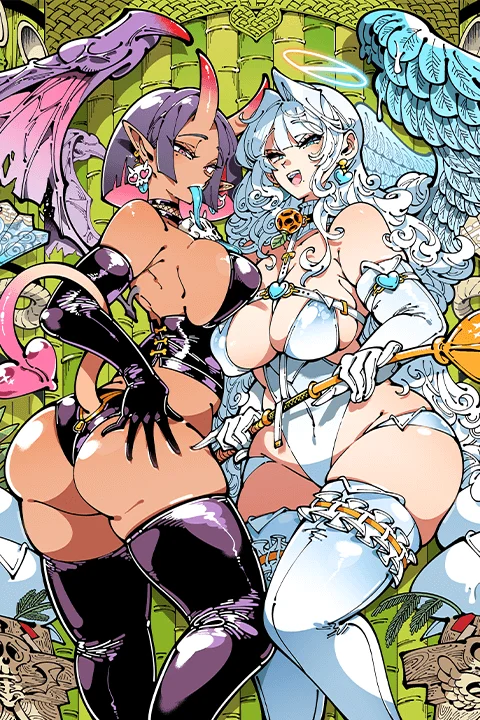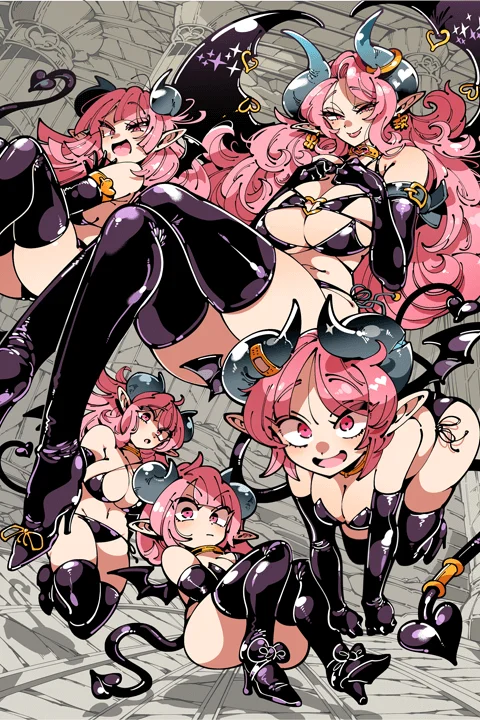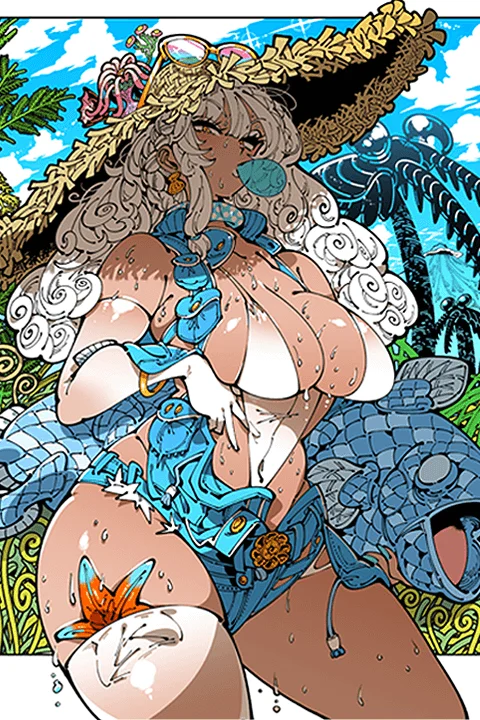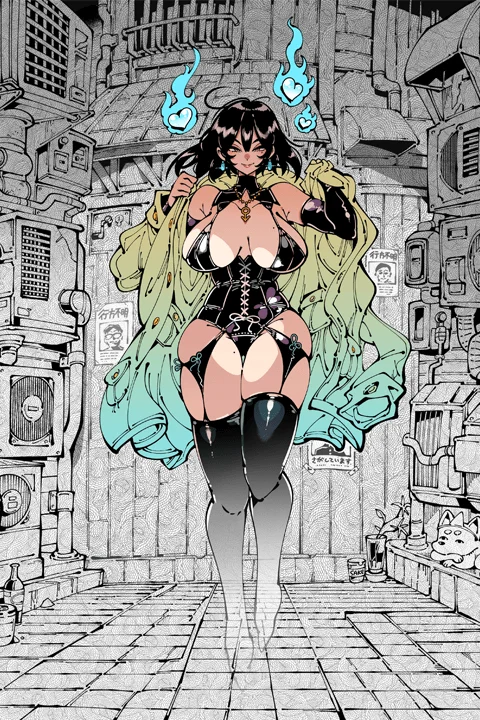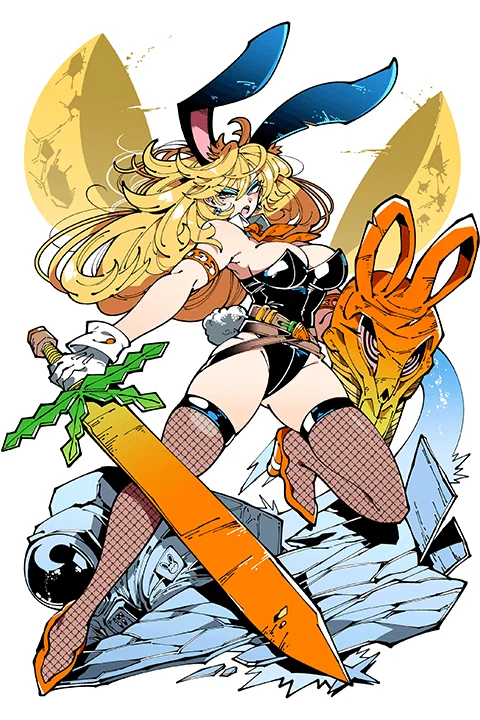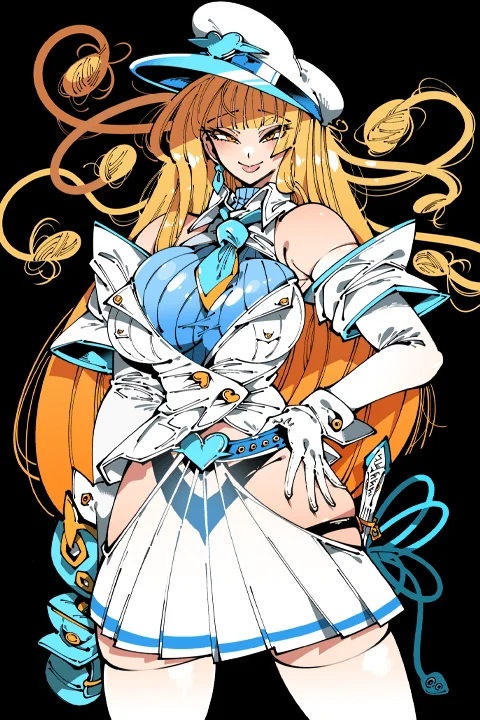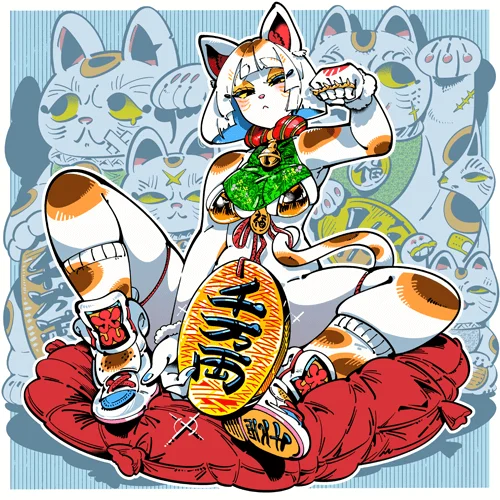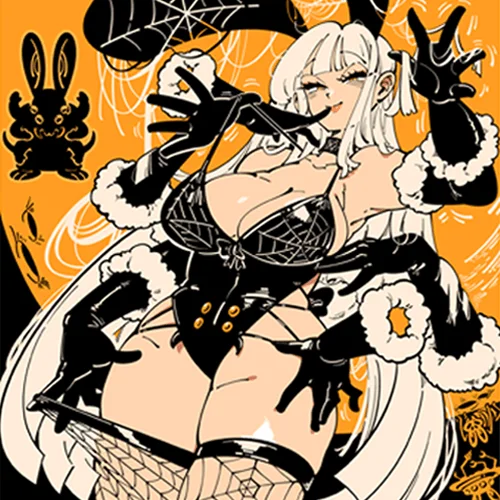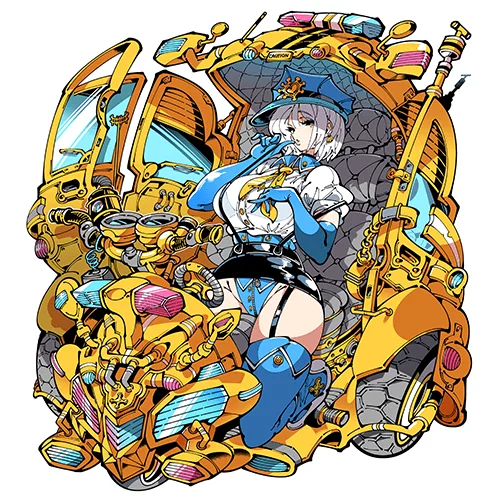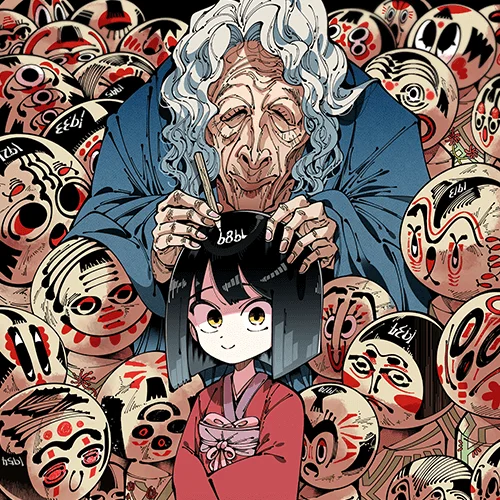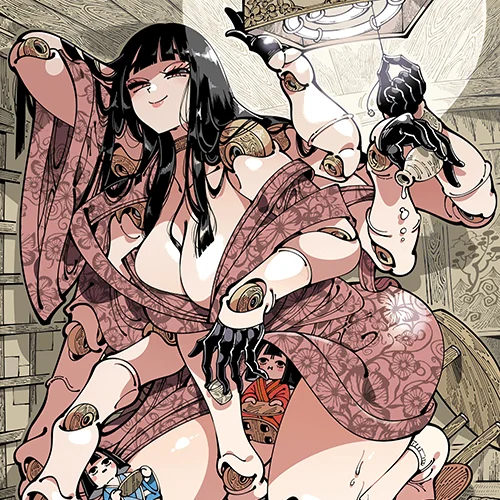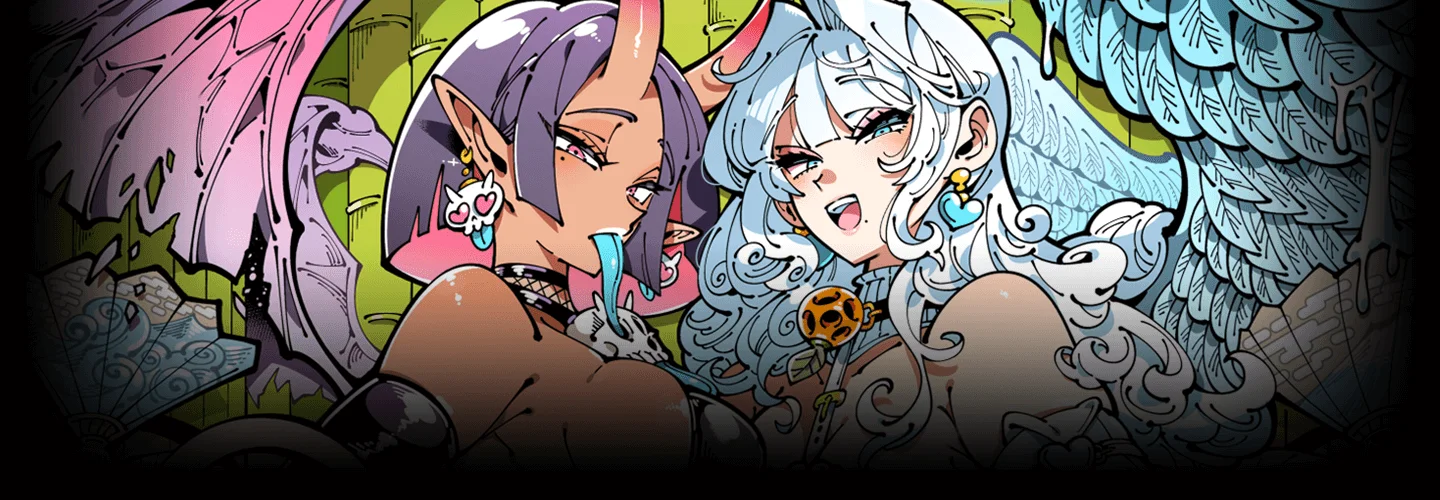
ZH-illustrator,kafun_카훈JP Details
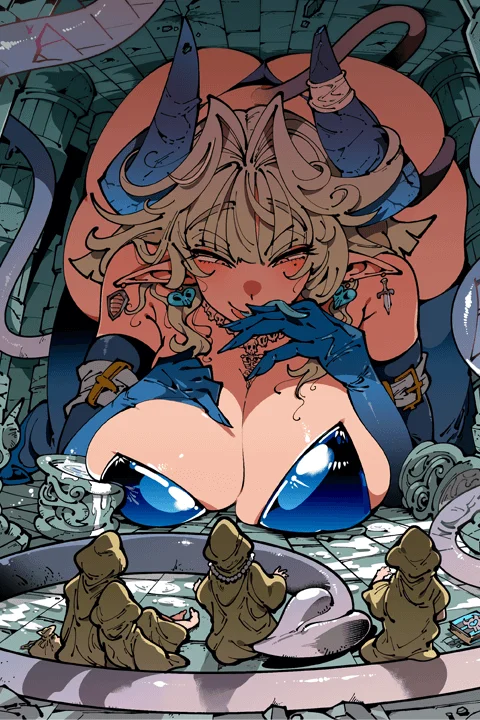
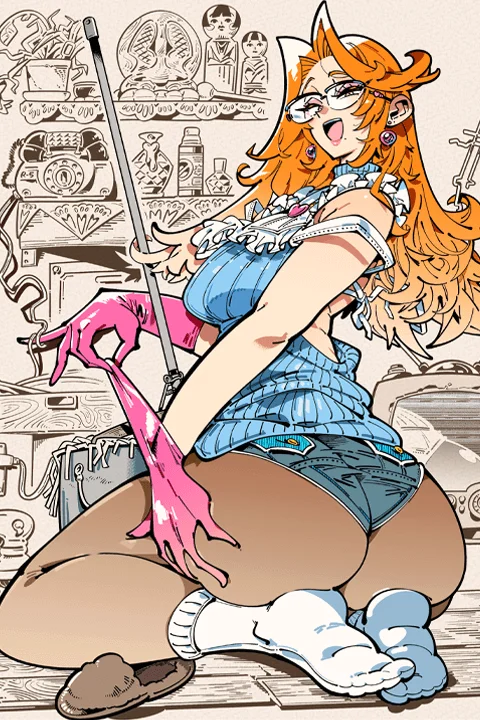
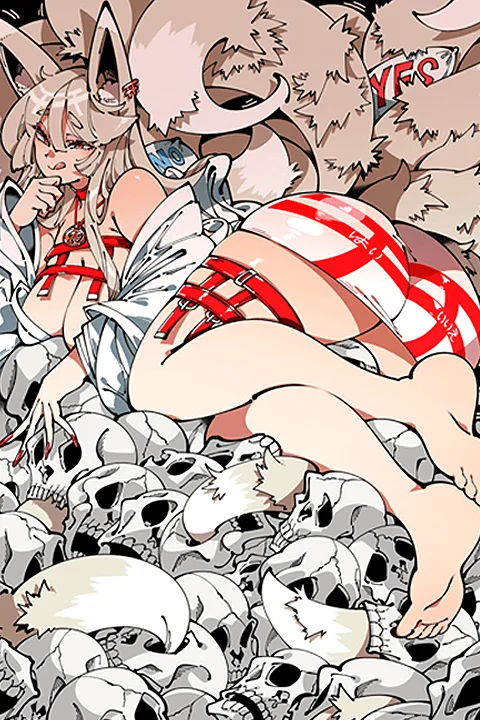
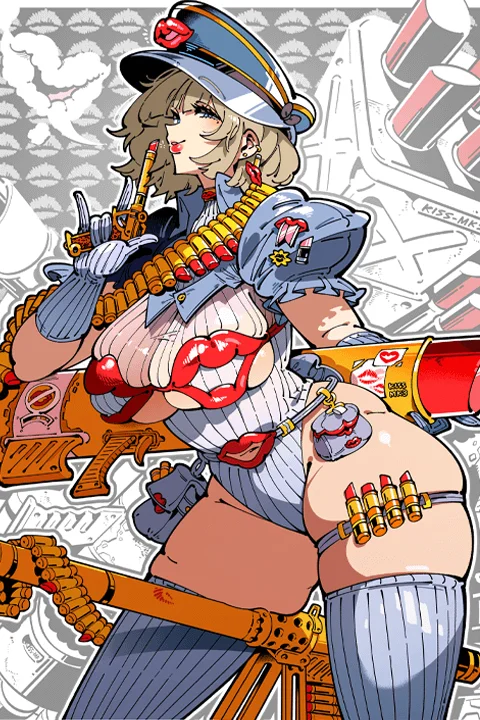
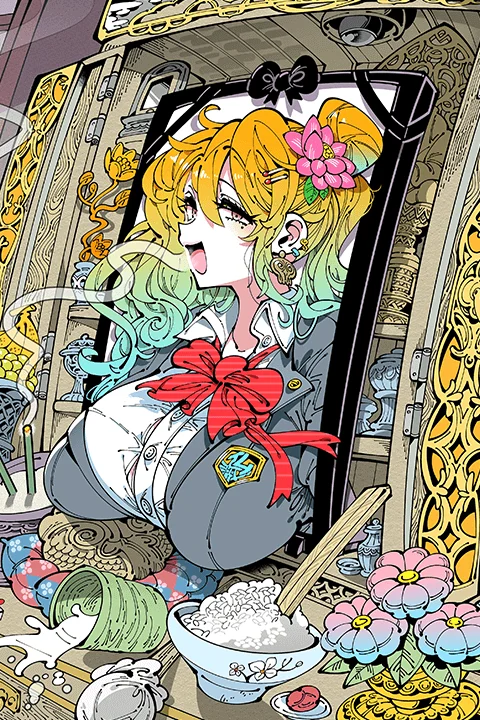
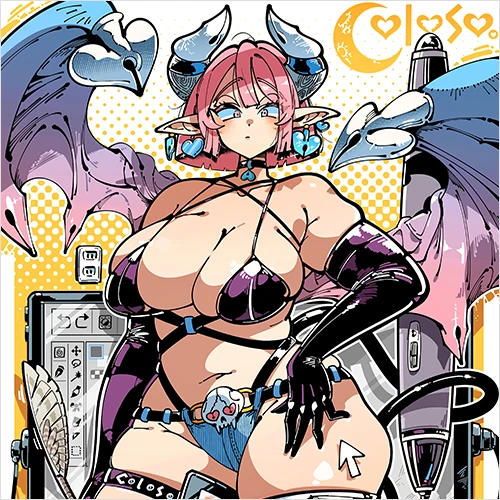
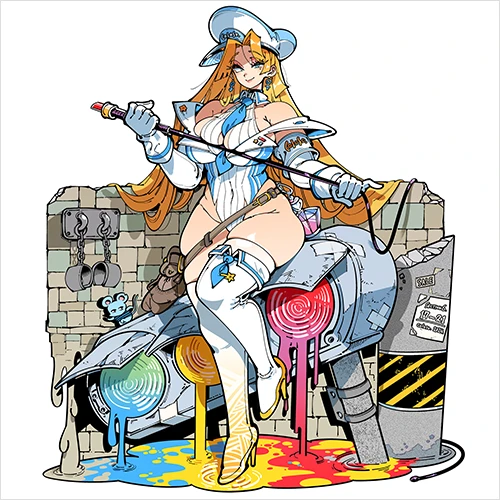
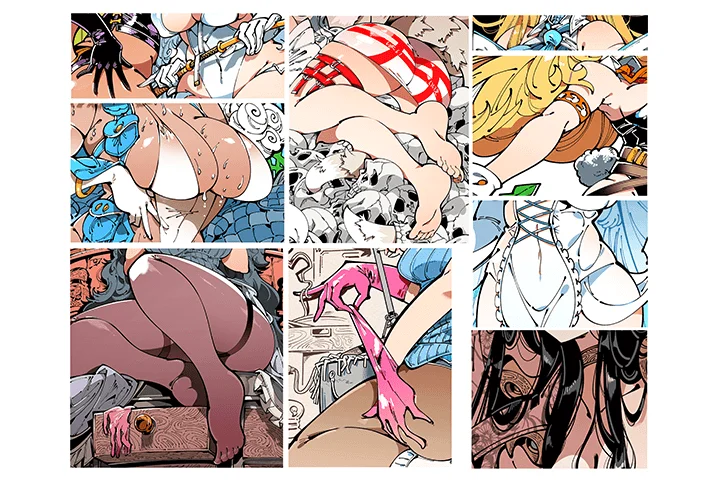
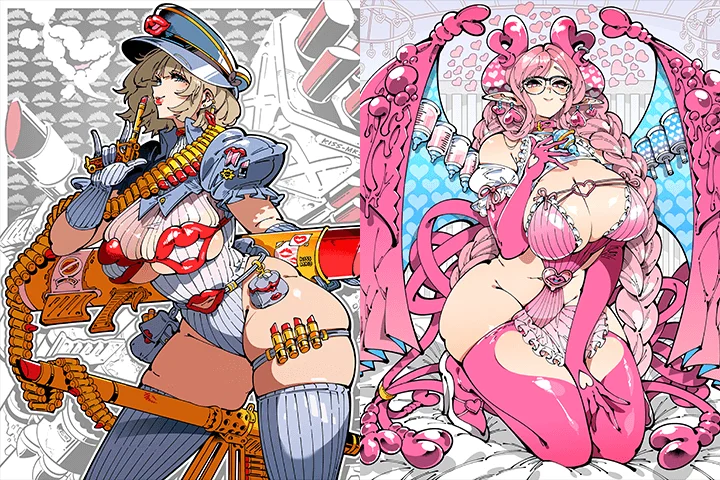
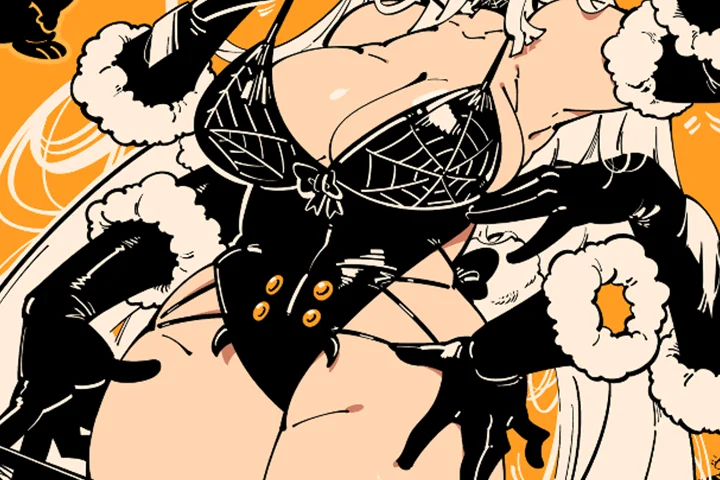
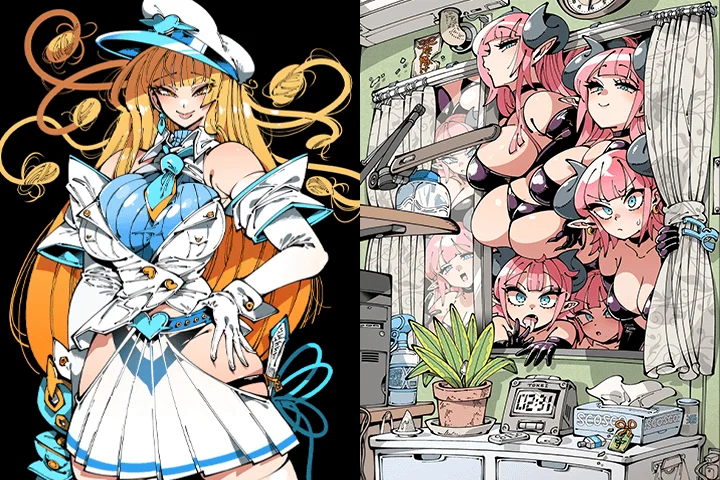
Hello, I’m Kafun, an illustrator and manga artist. I worked as a designer at a game development company for two years, then debuted as a manga artist and spent nearly five years working on a weekly serialization. I am currently active as a freelance creator.
In this course, I share illustration techniques and creative thinking based on over ten years of experience as an illustrator and manga artist. In today’s information-saturated world, I created this course to help you draw more freely and create the work you truly want to make.
Through hands-on practice, I hope this course helps you improve the overall quality of your work and express your unique interests and personal style to the fullest.
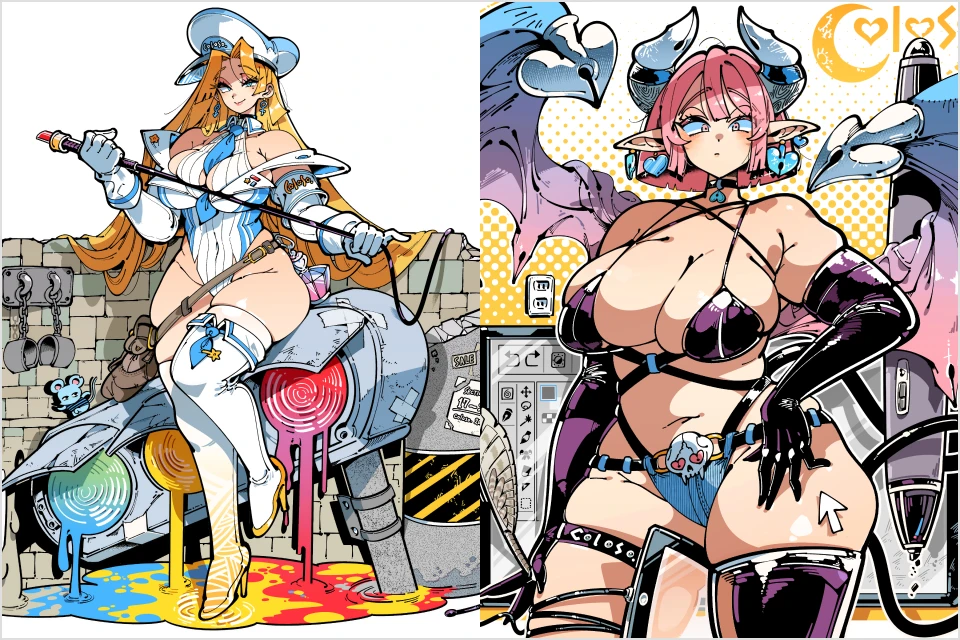
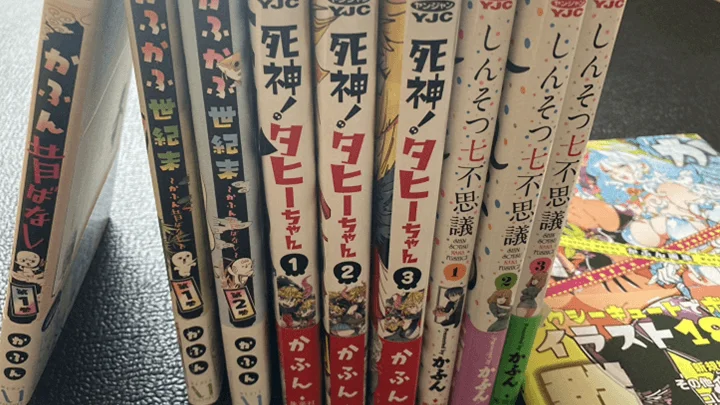
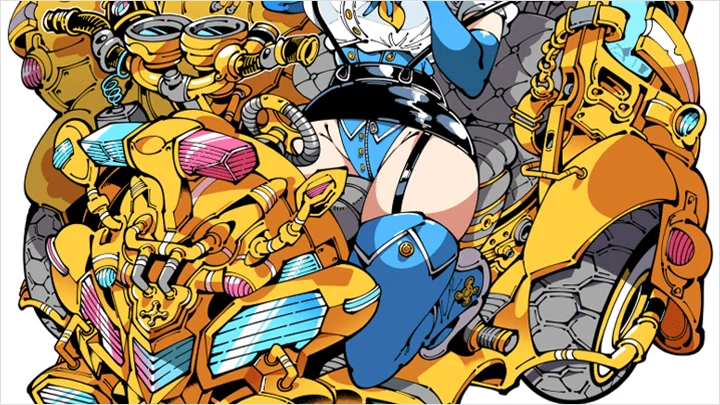
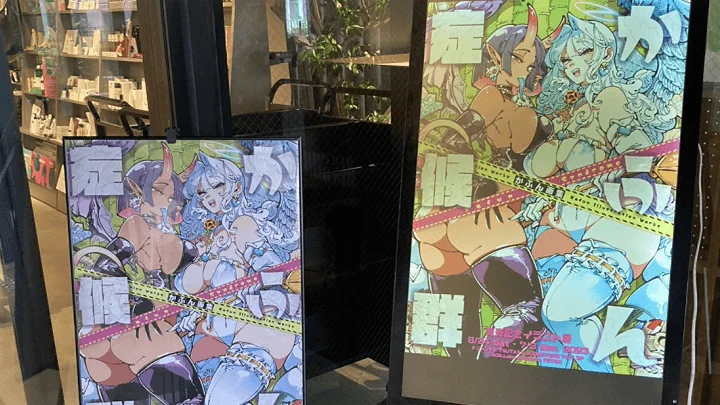
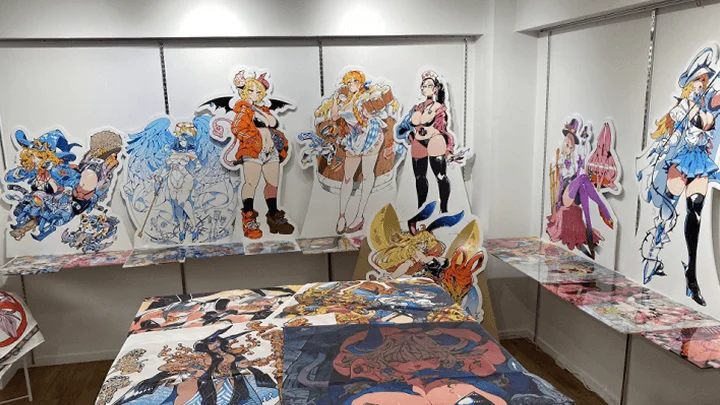
[Works] - Kafun Illustration Collection: Kafun Syndrome (Genkosha) - Shinigami! Tashi-chan — Serialized (Shueisha) - Seven Strange Tales of New Recruits — Serialized (Shueisha) - Kafun Old Tales and Odd Stories — Serialized (KADOKAWA) [Projects] - Azur Lane — April Fools’ Day commemorative illustration - ACG Shimokitazawa Mikan Illustration Exhibition, signing event, and live drawing - RAINBOW capsule toy: Kafun Big Keychain - RAINBOW capsule toy: Kafun Aurora Key Case - Monster Strike Exhibition — illustration And many other projects
[Works] - Kafun Illustration Collection: Kafun Syndrome (Genkosha) - Shinigami! Tashi-chan — Serialized (Shueisha) - Seven Strange Tales of New Recruits — Serialized (Shueisha) - Kafun Old Tales and Odd Stories — Serialized (KADOKAWA) [Projects] - Azur Lane — April Fools’ Day commemorative illustration - ACG Shimokitazawa Mikan Illustration Exhibition, signing event, and live drawing - RAINBOW capsule toy: Kafun Big Keychain - RAINBOW capsule toy: Kafun Aurora Key Case - Monster Strike Exhibition — illustration And many other projects
How are your unique strengths incorporated into the curriculum of this class?
The core of this course is to create an atmosphere that makes students genuinely want to pick up a pen and draw together. I center the lessons around my own strengths—namely, skipping overly complex techniques and instead focusing on how to create richness and strong visual impact in an illustration.
At the same time, I explain the act of drawing itself and the importance of becoming comfortable with your tools. I also share how to flexibly use various brushes, keyboard shortcuts, and action commands, making the drawing process feel lighter, smoother, and more enjoyable.
What do learners in this field find most difficult, and how does this course help overcome those challenges?
I believe many people feel that the biggest hurdle is simply trying things with their own hands, or drawing without worrying too much about the outcome. Some may even think, “If I could already do that, I wouldn’t be struggling this much.”
With that in mind, this course is designed to lower that psychological barrier as much as possible. I focus on explaining where the enjoyment of drawing comes from and how to discover that enjoyment, helping students feel more comfortable taking the first step.
When creating illustrations, what do you prioritize, and what skills are needed to achieve that?
I place the greatest emphasis on finishing a piece and improving its overall level of completion. To do so, it’s important to have a service-oriented mindset, the ability to view one’s work objectively, imagination, and the habit of consistently drawing by hand.
At the same time, I believe it’s just as important not to cling too tightly to these skills, and instead maintain a calm, balanced mindset toward creation.
Please leave a message for future students and aspiring creators.
Everything begins with taking action yourself. There are many things to think about—practice, techniques, goals, and fundamental skills—but please don’t become overly fixated on these concepts at the start. First, prepare some paper and a pen, and simply try drawing something.
Avoid judging things in purely black-and-white terms. Try observing from multiple angles and perspectives. Doing so will broaden your view and naturally enhance both your imagination and technical ability.
Most importantly, cherish that initial impulse that made you want to draw in the first place.

Expression That Combines Cuteness With Strong Visual Impact
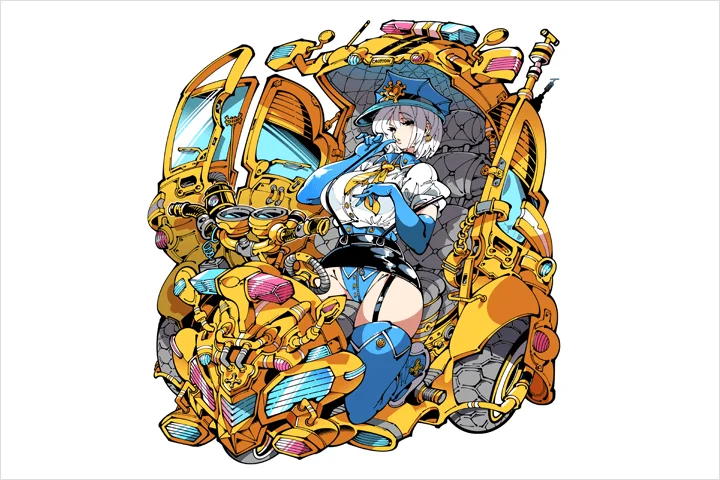
I will teach you how to combine object depiction, dynamic poses and movement, the use of shading and perspective, and atmosphere-building through backgrounds. You’ll learn how to integrate these elements while adjusting the overall balance of the composition to create a cohesive and compelling illustration.

Techniques for Increasing Visual Richness and Improving Overall Finish
I will share methods for increasing the amount of visual information in an illustration and enhancing its level of completion. You’ll also learn how to determine which areas need the strongest sense of persuasion by viewing the artwork from a distance and zooming in on details, then building the entire illustration around that focal point.

Methods for Lowering the Barrier to Illustration Creation
To help lower the entry barrier to illustration, I will introduce several core principles, including how to approach subjects you are not particularly interested in and where to look in order to discover the enjoyment of creating art.

Exaggeration Techniques That Enhance Character Appeal
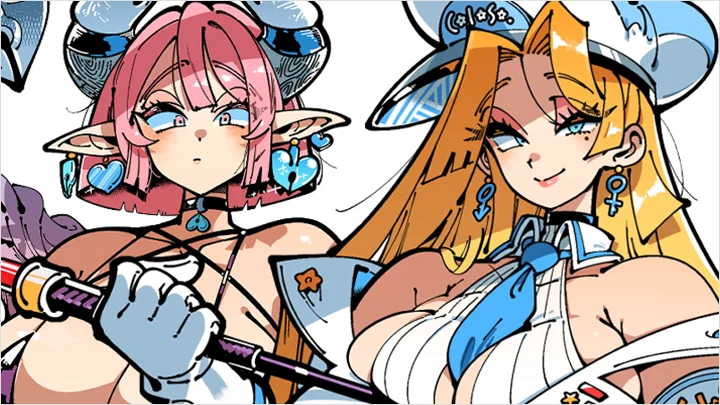
You’ll learn two highly practical techniques: first, how to improve visual persuasiveness through manga-style expression and repeated adjustments; second, how to use exaggeration and deformation to elevate a character’s charm.

Expanding Creative Ideas From Written Concepts
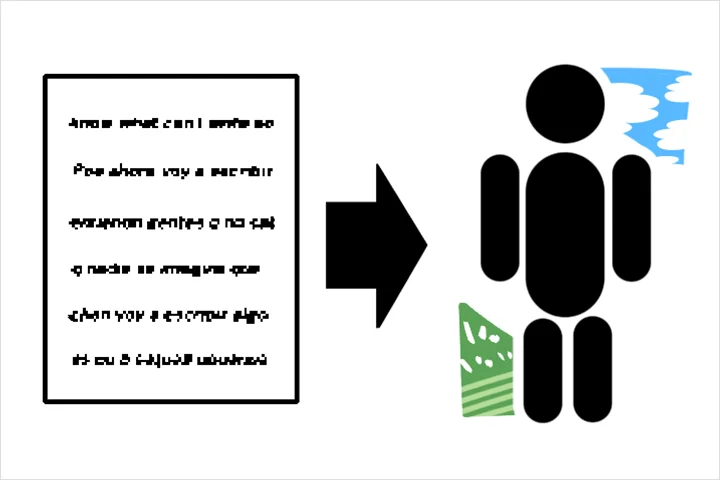
Starting from information provided in text form, I will guide you through a complete creative process—covering exaggerated interpretations of character personalities and habits, as well as ways to supplement and integrate ideas not explicitly stated in the text—to transform written concepts into engaging illustrations.

How to Start Drawing When Inspiration Runs Dry
We’ll begin by assuming a state of complete creative block. From there, you’ll learn how actually drawing—whether subjects you’re interested in or ones you’re not—can help you steadily build and enrich your reservoir of creative inspiration.
1st Release (Ch.01 - Ch.16) : 2026. 01. 19 18:00 (UTC-8)
2nd Release (Ch.17 - Ch.27) : 2025. 01. 26 18:00 (UTC-8)
- Section 01
About This Course
01. Self-introduction- What you will gain from this course - Introduction to tools and creative environment
- Section 02
Before Attending This Course
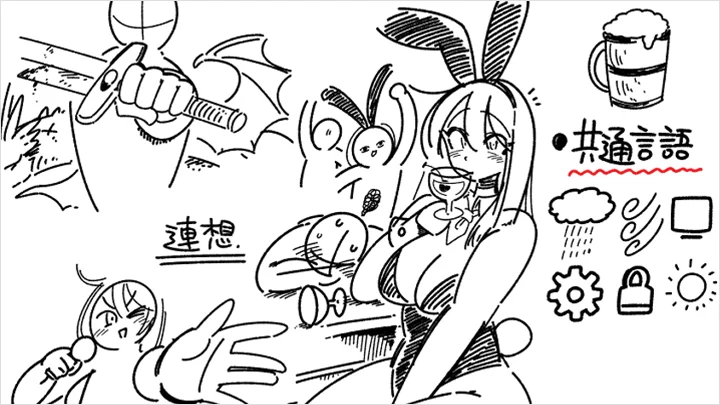
02. On the Sense of Presence in Flexible Drawing- The so-called "sense of presence" is a product of proficiency and breaking free from fixed mindsets. - This course does not require adherence to sketching or perspective techniques, but rather focuses on "completing a work" as the core of drawing practice. - First, let go of inhibitions; there's no need to set specific goals, just start drawing and try. - Drawing will be based on associative games.
03. On Creative Work versus Commercial Creation- Hobby-based creative work, commercial commissions, and fan fiction—all three are worth trying. - There are no absolute right or wrong answers in creative work. - A brief discussion of the influence of data (such as sales performance). - At each stage of the creative process, try to avoid handling multiple tasks simultaneously.
04. Regarding the Use of Tools- The Importance of Mastering Creative Tools - With consistent use, you'll eventually become proficient. - Introduction to the Main Brushes and Quick-Operate Devices
- Section 03
Character Drawing Methods Incorporating Hobbies (Through Sketching and Quick Drawing Practice)

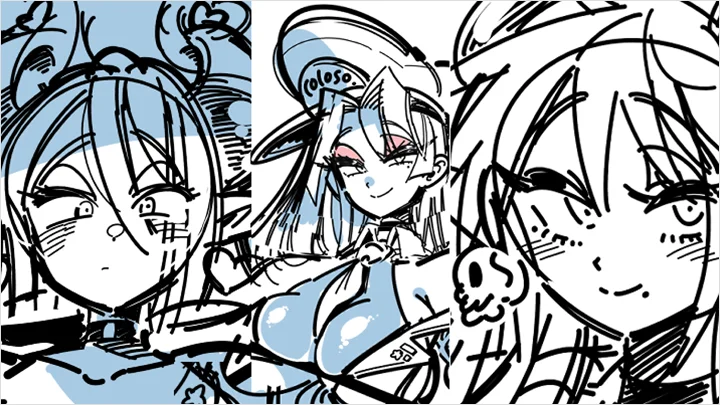
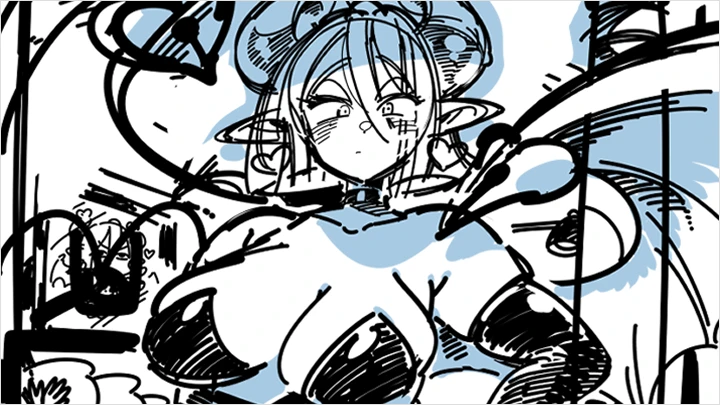
05. About the Sketch- Even if you only draw a face, it's okay. Try drawing something first. - Let your imagination expand as you draw. - Try drawing multiple line versions and decide on the main line method when tracing the line art. - First, roughly determine a light source. - Add shadows using a single color.
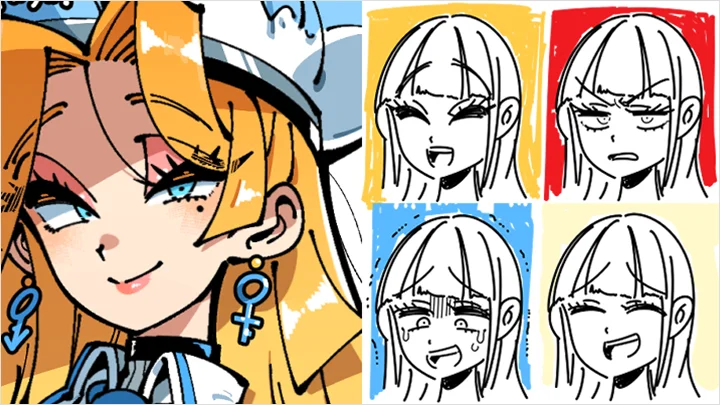
06. About Facial Expressions- Experiment with depicting a variety of facial expressions - Explore the differences between using and not using cartoon symbols - Think about methods for designing facial expressions from the perspective of context

07. About Different Parts of the Body- Methods to create a sensual effect by incorporating personal preferences into different parts of the body - Methods to express sensuality using accessories, clothing, and objects - Methods to adjust the overall balance of the image afterwards
08. Regarding Posture- Methods of conveying character personality through posture - Explaining that all postures, whether standing or otherwise, fall under the category of "posture" - Explaining why such postures can still create visual impact - Contrasting between entertainment and self-satisfaction in creative approaches
- Section 04
Planning Methods for Character Illustrations
09. Methods for Expanding Creative Inspiration Based on Written Content- A method of generating inspiration through associative games and building connections between elements - A method of exaggerating and distorting the personality of a target character - The contrast between orthodox methods and reverse thinking - A method of first generating multiple creative ideas, then selecting and discarding them - A method of supplementing and integrating creative points not mentioned in the text
10. Methods for Starting to Paint When Inspiration Runs Dry- A discussion of hobbies - A free yet structured approach to brainstorming - The more creative material you have, the better, of course - Exploring the advantages and disadvantages of repeatedly creating similar works - What to do when you have absolutely no subject matter to draw
- Section 05
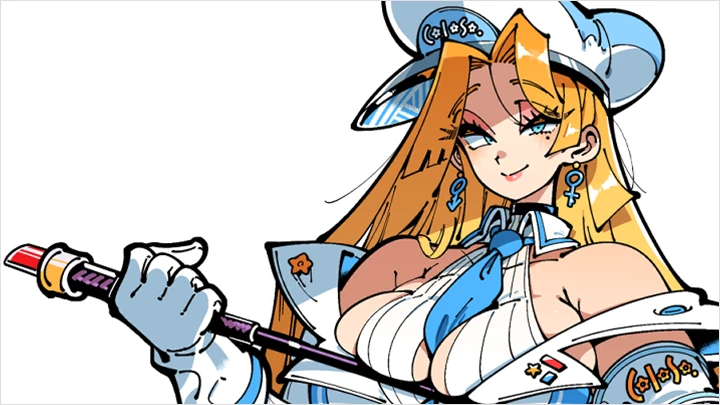
Techniques for Completing Illustrations (Bust Portraits)
11. About the Sketch- Don't force yourself; just sketch to the point of serving as a reference. - Methods for refining the sketch based on the above: - Methods for adding details and enriching the layers of the sketch - Methods for coloring the sketch
12. About Line Art- Techniques to Increase Visual Information - Creating a Fleshy Effect Through Line Contrast - A Brief Discussion of Line Strength Variation and Techniques for Creating a Sense of Depth - Exploring Areas Requiring Detail and Those That Can Be Omitted
13. On Color- Techniques for applying color using two base colors - Coloring methods that differentiate textures based on different areas being painted - Techniques for creating visual tension through color - Explanation of areas requiring detailed blending and areas suitable for omission - Coloring techniques that utilize gradient effects to increase visual information
14. About the Background- Background can be added later, without being limited to a specific form. - Explore the relationship between background and character. - Explain methods to make the character stand out more. - Explain methods to make the character blend seamlessly with the background. - Techniques for creating a sensual effect using background.
15. Regarding Objects- On the technique of exaggeration and distortion - On the selection and arrangement of image information - On the placement and arrangement of objects - Techniques for creating a fleshy effect using objects
16. Regarding the Finishing Touches and Completion Level- Emphasize the importance of thumbnails and the need to frequently check the overall composition during drawing. - Painting is perfected through continuous additions, corrections, and adjustments (addition and subtraction). - The relationship between the completion level of a painting and the refinement of details. - The importance of facial expression and detail depiction in close-up bust portraits.
- Section 06
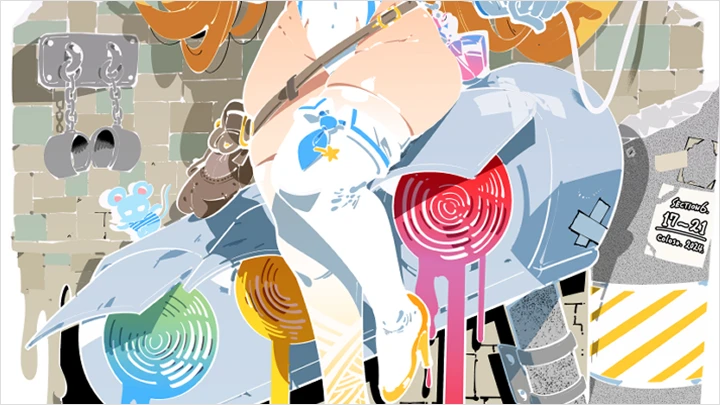
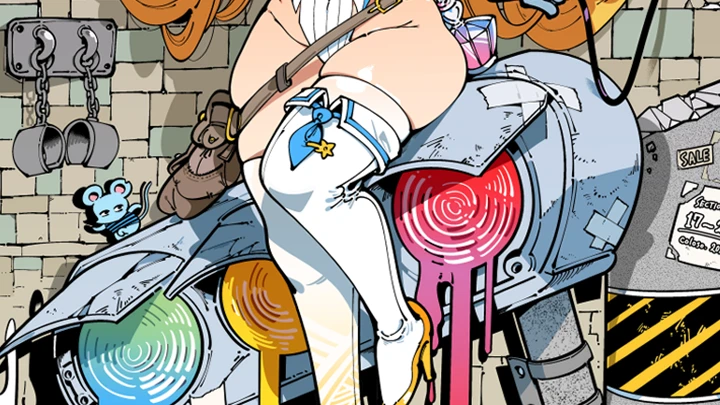
Techniques for Completing Illustrations (Full-Body Drawing)
17. About the Sketch- Compared to bust portraits, full-body portraits require a greater emphasis on overall compositional balance. - Methods for depicting and adjusting individual parts while maintaining overall balance. - Methods for setting highlights and focal points in the composition.
18. About Line Art- Exploring the differences between following a sketch and creating without one - Methods of emphasizing texture through the outlines of various parts - A method of creating a fleshy effect through contrasting lines - A brief discussion of variations in line strength and techniques for creating a sense of depth
19. On Color- Application of Two-Color Base and Gradient Techniques - Coloring Methods to Differentiate Textures Based on Different Areas of Painting - Techniques for Creating Visual Vibration Through Color
20. About the Background- Backgrounds can be added later, without being limited to a specific format. - Explore the relationship between background and character. - Analyze illustration types suitable for adding backgrounds and those suitable for using white space. - Techniques for creating a sensual effect using backgrounds.
21. Regarding the Finishing Touches and Completion Level- How to define the completion standard of an illustration - The relationship between the completion level of an illustration and the depiction of details - On hand fetishes - The importance of daring to try drawing - The satisfaction and possessiveness brought by creation
- Section 07
Methods for Drawing Illustrations with Contextual Setting (Application of Character Illustration)
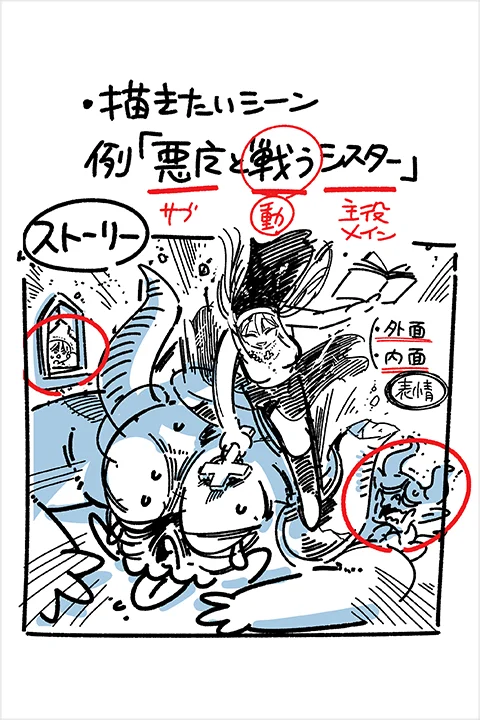
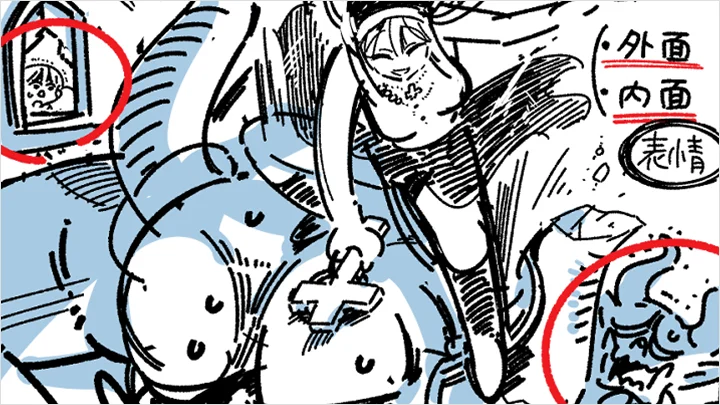
22. Possesses Comic Strip Composition Thinking- A creative concept that doesn't require obsessing over capturing the most dazzling moment - Techniques for creating a character's presence through shadows - Exaggeration and simplification of external appearance and internal emotions
23. Methods for Creating Narrative Illustrations- Techniques for enriching visual information by combining objects, backgrounds, other characters, and comic book symbols - Methods for selecting and omitting these elements - Methods for first establishing a visual focal point and then constructing the image around it
- Section 08
Methods for Improving Creative Skills and Persisting in Painting
24. Accumulate Creative Output, Take Good Notes, and Express Your Ideas- How to understand your own limits - On the parts of thinking that stagnate and those that don't - How to connect these elements to create works that feel real - Record your thoughts and discoveries - It's okay even if you don't have a specific message you want to convey through your art - Where to find enjoyment in painting
25. Input and Output, Self-Evaluation and Peer Evaluation- The Importance of Interest and Personal Persistence - The Potential Risks of Forcibly Absorbing New Knowledge - The Degree of Balance in Developing Hobbies - Exploring the Advantages and Disadvantages of Empathy
26. Regarding Rest Methods- A brief discussion of the current online environment - On digital detox - Exploring mental and physical fatigue, and appropriate stress relief methods - How to utilize past experiences and build new ones for the future - Understanding past events and history, and comparing them to our current situation
27. Summary- Exploring the difference between true thoughts and superficial statements - Technical summary - Reflection summary
This course will use
- CLIP STUDIO PAINT EX ver.2
Please purchase and install these program(s) for an optimized class experience.


![].webp](https://cdn.day1company.io/prod/uploads/202601/174907-1934/-.webp)