musicproducer,indrop Details
Intro
Class Intro
Music Producer, indrop
From Idea to Release, With All the Tools You Need.
Vocal synths are powerful, but building them into a complete track is unforgiving.
So here is the total pack from you, catered from start to finish, including MIDI files, Presets, STEM files, and Guides on the fundamentals. No prep needed, we got you.
So here is the total pack from you, catered from start to finish, including MIDI files, Presets, STEM files, and Guides on the fundamentals. No prep needed, we got you.
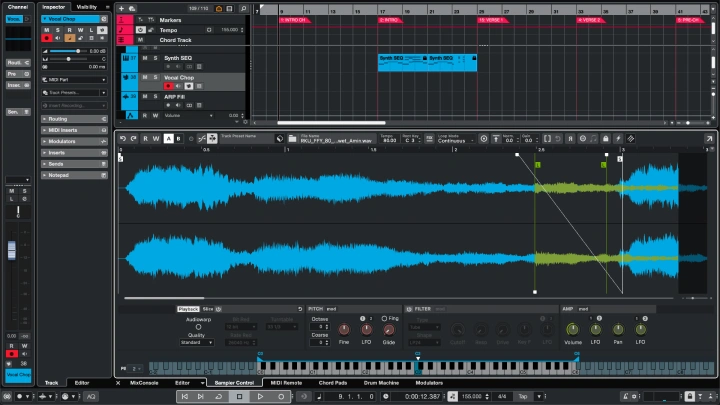
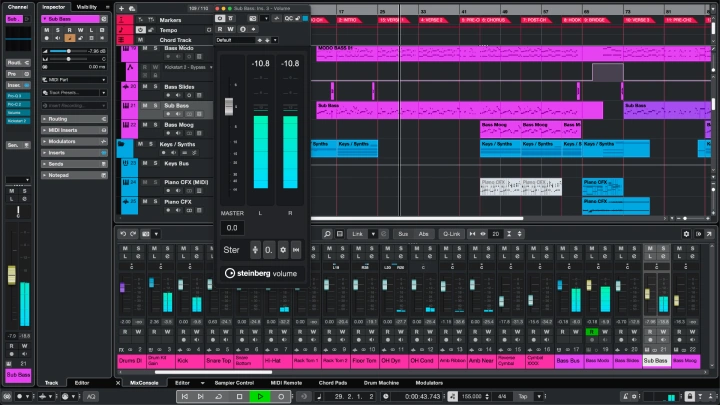
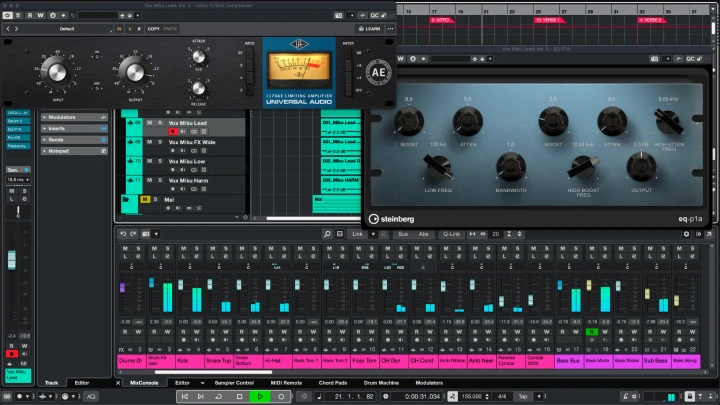
In this class, you’ll learn how to design around that reality. Writing melodies that sing naturally, choosing lyrics that sit in the pocket, and arranging with enough space for the voice to feel like the center of gravity. You’ll also learn the quiet details that make a track feel “done”: chord voicings that lift, transitions that guide attention, textures that create atmosphere, and a mixing approach that starts with balance before plugins.
You’ll finish with a complete track and a repeatable workflow that makes the next one easier to start, and much easier to finish.
You’ll finish with a complete track and a repeatable workflow that makes the next one easier to start, and much easier to finish.
Class Preview
Still Not Sure?
Check Out indrop's Class Preview!
Chapter 12: Synths & Sound Design Essentials
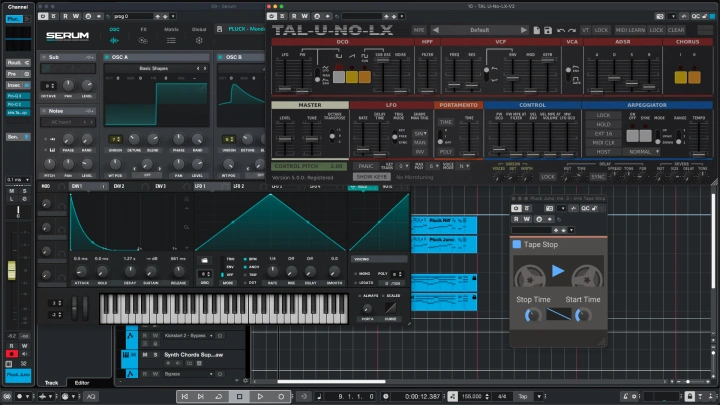
1. Designing or selecting synth sounds that support the song’s identity
2. Shaping timbre using envelopes, filters, and modulation
3. Knowing when to customize presets versus starting from scratch
2. Shaping timbre using envelopes, filters, and modulation
3. Knowing when to customize presets versus starting from scratch
Class Perks
Special Gift from indrop
-
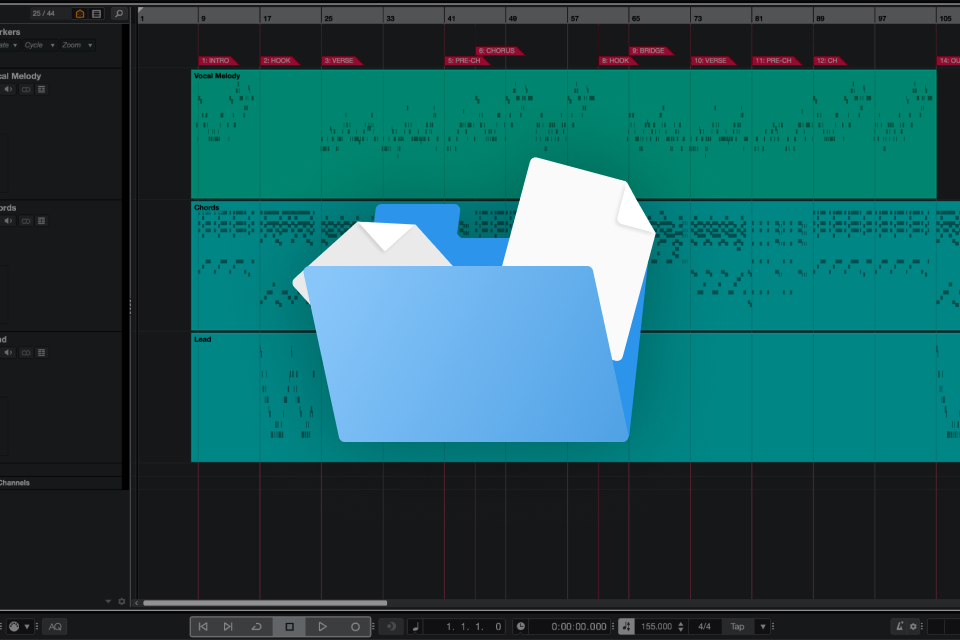 STEM FIles
 -
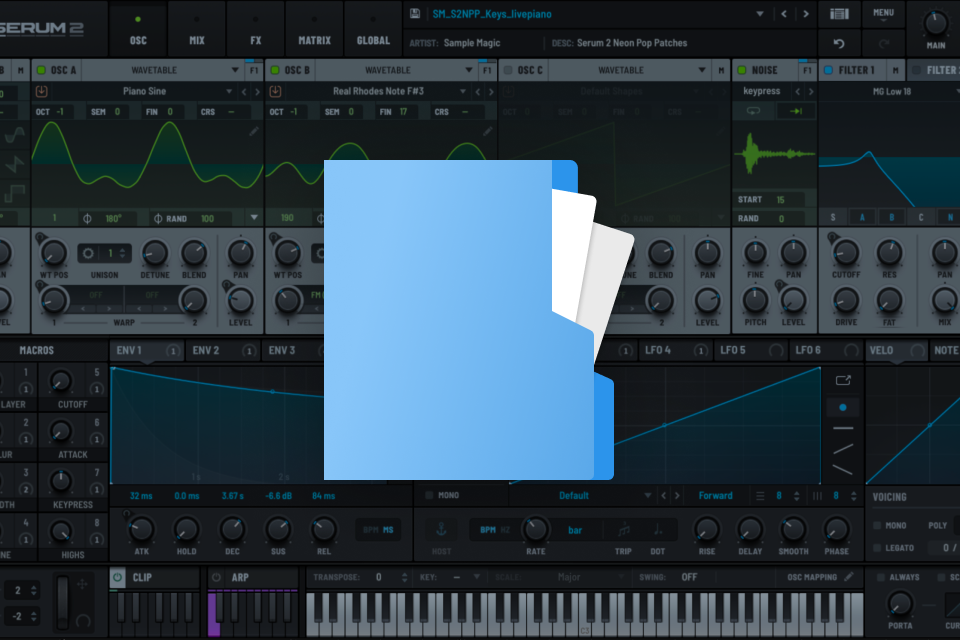 Custom Preset
 -
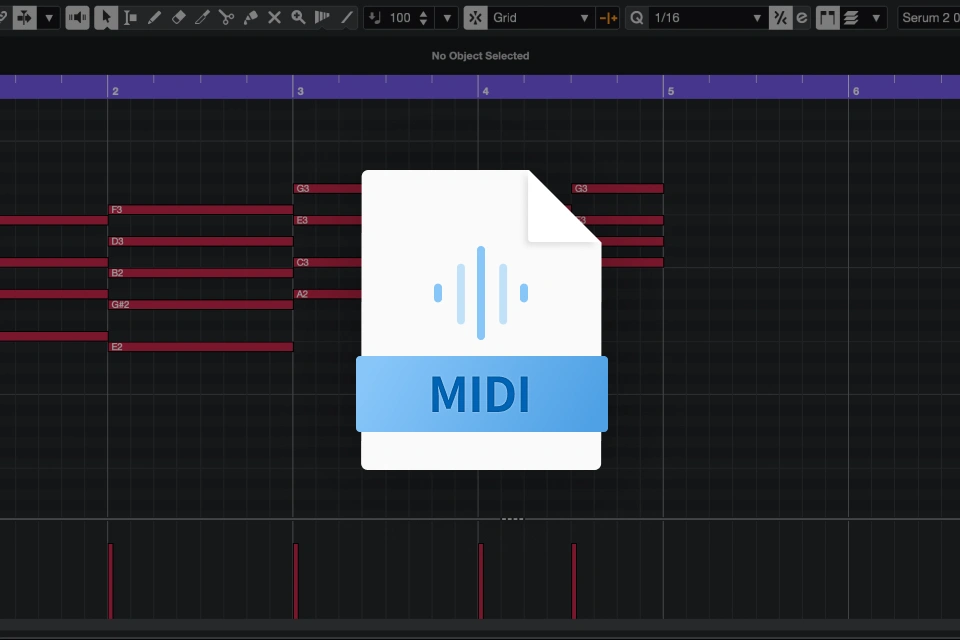 MIDI File
 -
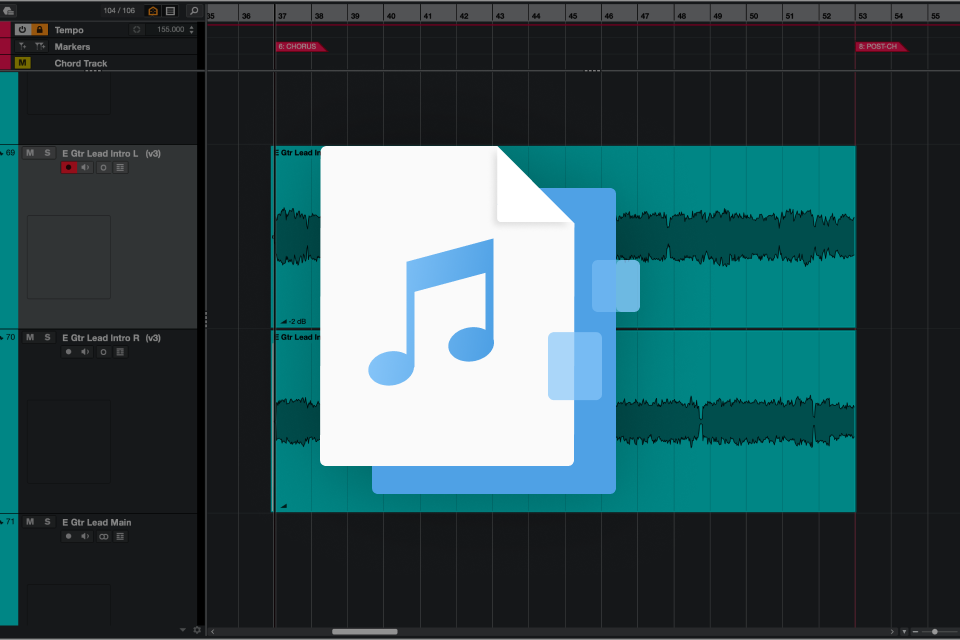 Guitar Loops
-
 Concept to Track
 -
 Music Theory Tips from Indrop
 -
 Professional Mixing Tips
Class Material Details
-
 Track STEMS-Get full multitrack stems
-Drums
-Bass
-Synths
-Guitars
-Vocals
-FX
-Practice mixing
-Experiment with your own ideas. -
 Serum 2 Custom Preset Selection by indrop-A curated pack of custom
-Serum presets designed for anime,
-Serum presets designedVocaloid
-Serum presets designed modern J-pop/rock production
-Basses
-Leads
-Pads
-Versatile synth sounds -
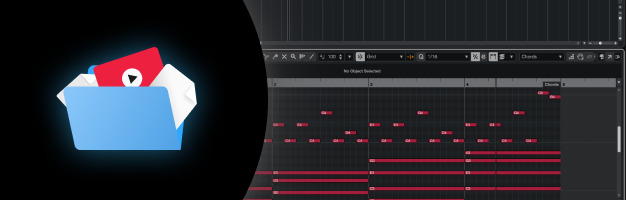 MIDI File Custom Selection by indrop-All MIDI files used in the class
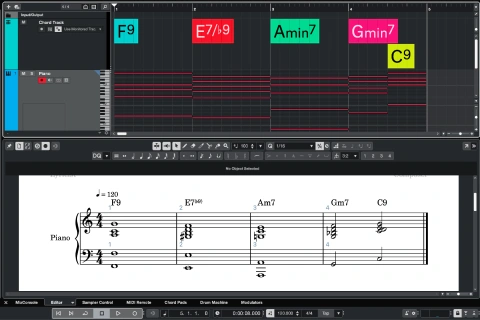
-Chord progressions
-Melodies
-Rhythmic ideas
-Reuse, modify, and learn directly from real songwriting sessions. -
 Guitar Loops Custom Selection by indrop-A collection of original guitar loops
-Signature tone
-Suitable for rock
-Suitable for pop
-Suitable for anime-style productions
-
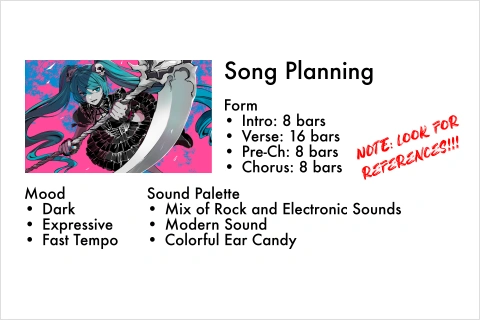
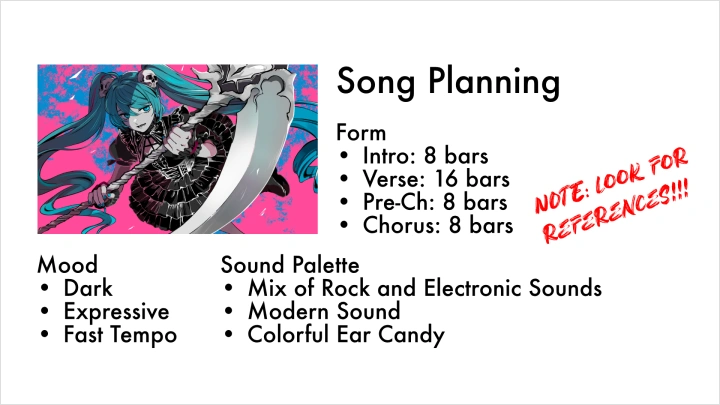
 Concept to Track Pipe Line sheetA step-by-step planning sheet that guides you from initial concept and references to structure, mood, tempo, and sound direction, helping you start songs with clarity and intention.
 -
 Music Theory Tips SheetA concise PDF reference covering essential music theory concepts used in the class, designed to help you quickly unblock ideas without getting overwhelmed by theory.
 -
 Mixing Tips SheetA practical PDF guide with mixing principles, workflow tips, and problem-solving approaches to help you achieve clean, balanced mixes and make confident decisions when you feel stuck.
Recommendation
Who should take this class?
J-Pop / Vocaloid Fans
Who want to start making music inspired by Japanese pop, rock, and vocal synths, even with little or no production experience.
Intermediate Producers
Those who have started making tracks but struggle with structure, songwriting, and finishing songs consistently.
Advanced Producers & Composers
Who wants to refine their workflow, work more efficiently, and approach music creation with a more professional, repeatable process.
Expert Music Producer indrop's Portfolio
indrop - しあわせガール / Shiawase Girl (feat. Hatsune Miku)
[Genshin Anniversary 2024] Deep Breath | Official Animated MV
[Zenless Zone Zero] Count Down - Ellen Fansong
脱税 / Tax Evasion (A.D.U.L.T.S.)
ブルー (feat. @vallyexe)
Andora - Ego (feat. Will Stetson) MV
Faceless Memories / AZALI & indrop feat AKA
Andora - Echo (feat. 梓川) MV 『エコー』

Why Take This Class?
With any DAW, whether if you’re an anime music person, a beginner producer who keeps restarting, or a Vocaloid fan chasing a more expressive vocal, this class is built to meet you right where you are.
You’ll follow a guided, start-to-finish path that turns “I love this sound” into actual decisions.
The goal is subtle but serious: We'll give you all the blocks needed, let's build together. You can be the architect, enough to finish a project if you are given the right blocks, and a streamlined guide.
You’ll come out with a finished track and a toolkit you can carry into every next project: a way to pick direction quickly, build sections that earn their payoff, arrange so the mix has room to breathe, and tune Vocaloid/SynthV with expression that reads as emotion, not just correct notes.

Get Ready for the Real-World
13 Class Exercises
-
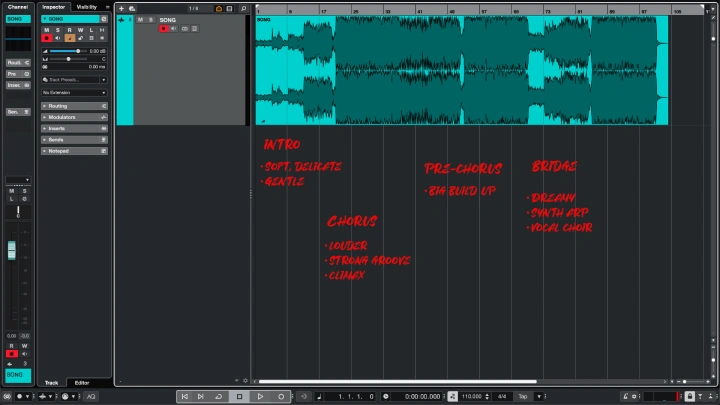
AnalyzeAnalyze the form of a song you love and identify section changes, repetition, build-ups, drops, and how instrumentation and intensity affect emotion
-
DefineDefine your song’s form, tempo range, groove type, harmonic mood, and emotional and visual tone to lock a clear creative direction.
-
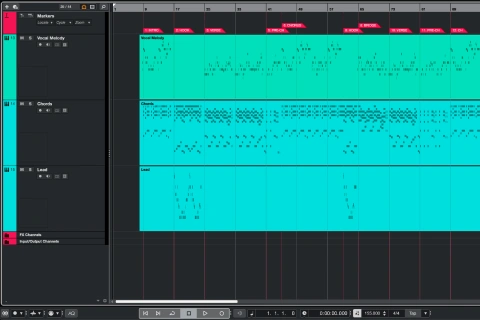
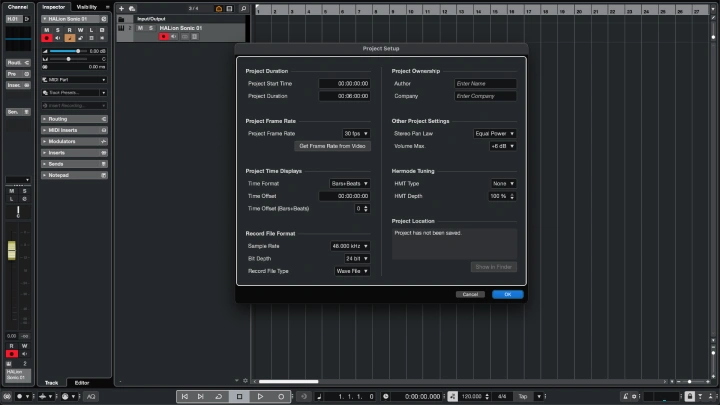
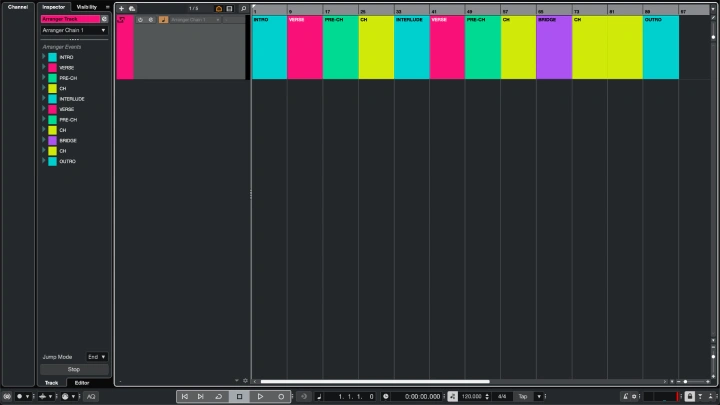
DAW sessionCreate a clean DAW session with tempo, key, time signature, and section markers based on your Song Vision Sheet.
-
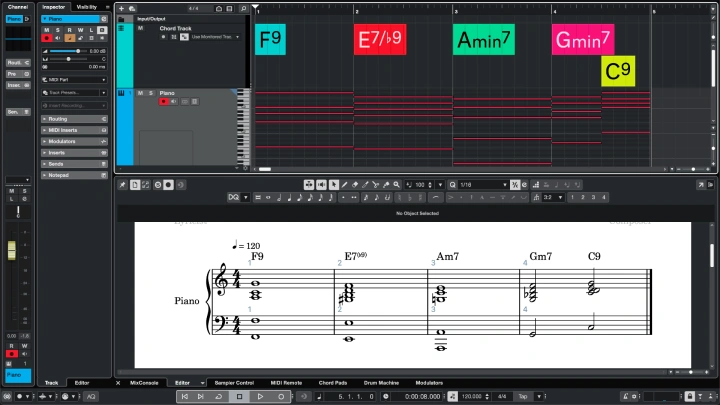
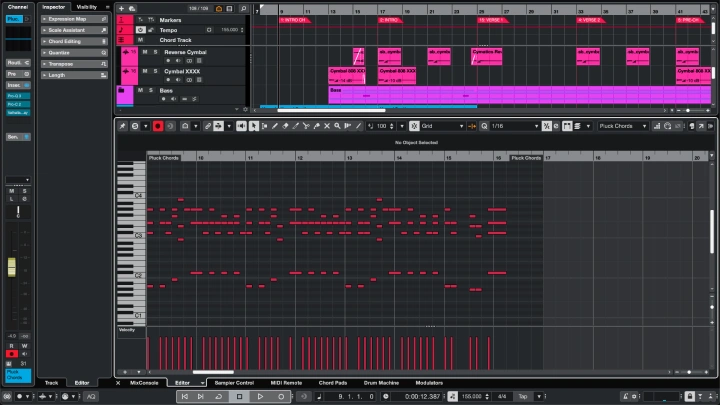
Chord ProgressionCreate your own chord progression for the different sections
-
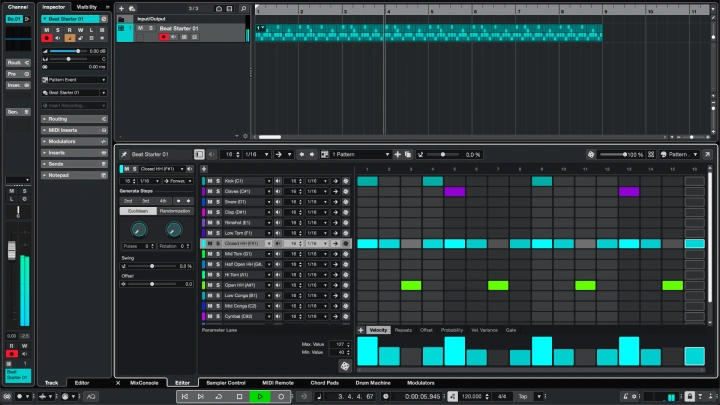
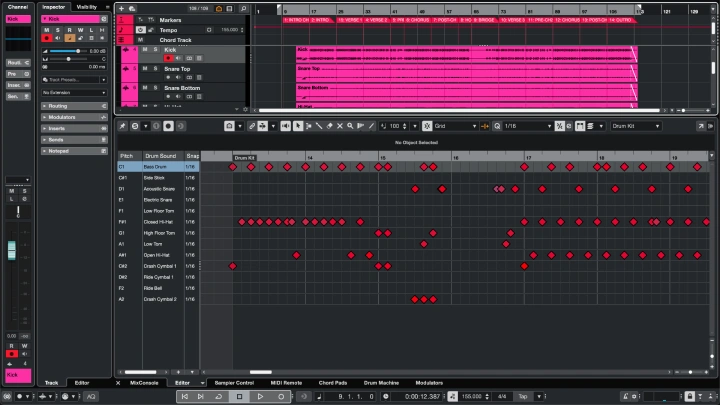
Drums / RhythmsCreate your own Drums / Rhythms and Grooves
-
Rough ExportExport a rough demo (no polish)
-
TexturingAdd 2–3 subtle texture or transition elements
-
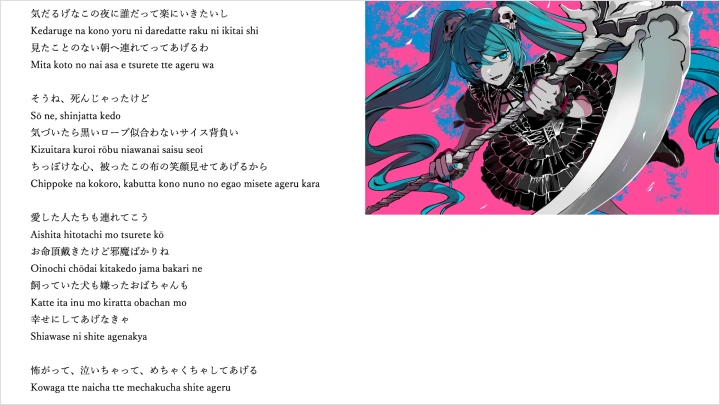
Writing the LyricsWrite a full set of lyrics that match the melody and emotional tone of the track.
-
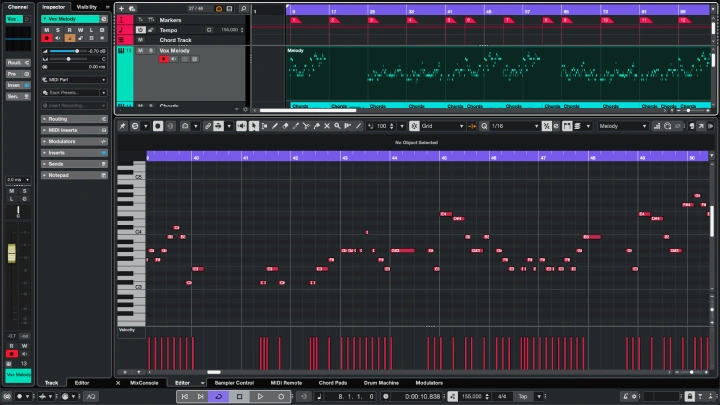
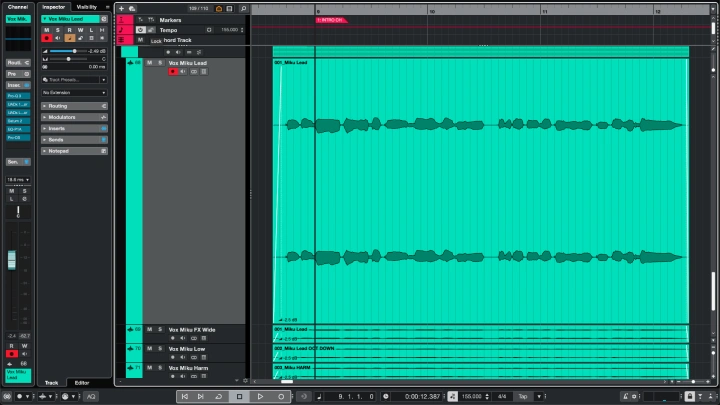
Tuning The VocalsApply your own vocal tuning to your Melody
-
Volume&PanningBalance volumes and panning
-
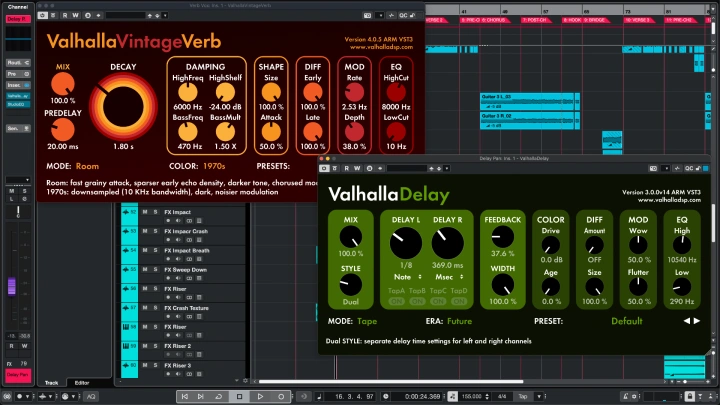
Reverb&DelayApply Reverb & Delay to your song
-
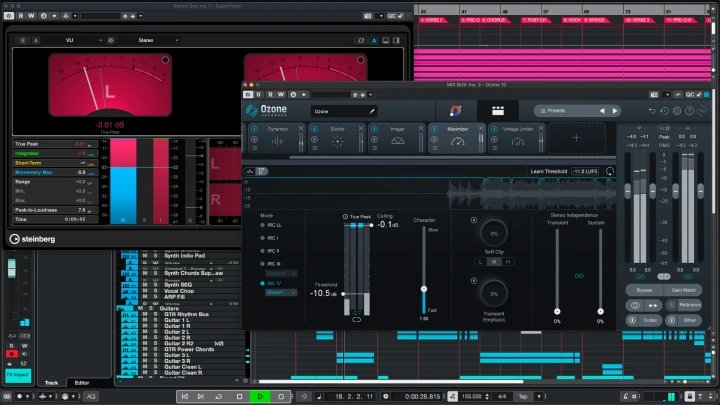
MasteringMaster your track using the template chain.
-
 Self-AssessmentSelf-Assessment Checklist
Final Product Example(s)
Final Track
Highlights
Class Highlights
Finish Songs with Clear Direction
Learn how to move beyond endless loops and unfinished ideas by planning song form, mood, and structure upfront, so you can confidently complete full tracks from start to finish.
Turn Ideas into Emotional, Expressive Music
Understand how rhythm, harmony, melody, and arrangement work together to support emotion, helping you write music that feels intentional, cohesive, and emotionally engaging.
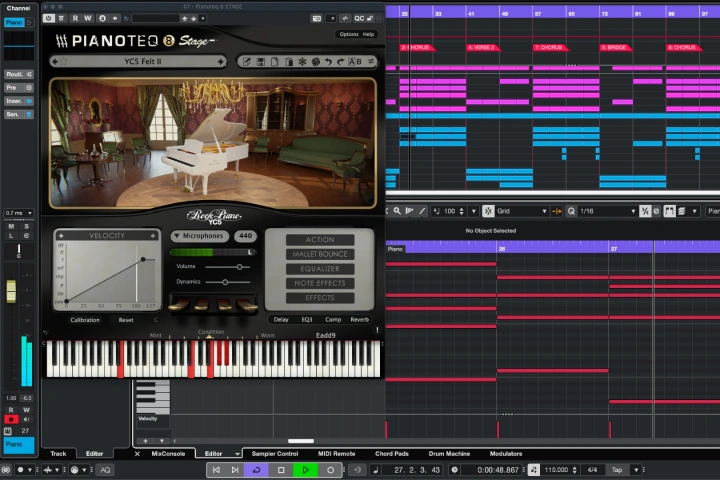
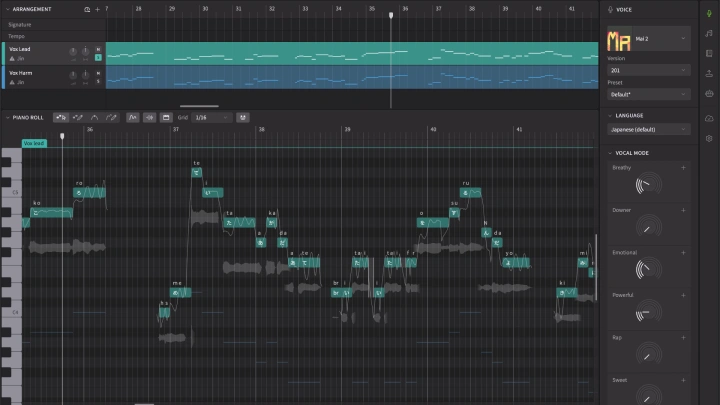
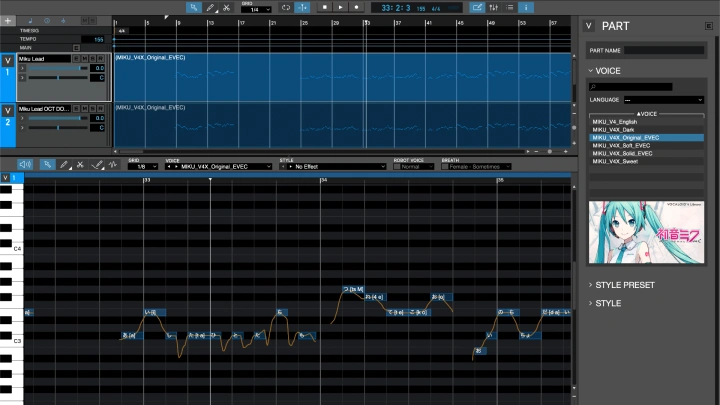
Build a Professional Vocaloid Track Step by Step
Follow a complete, real-world workflow from demo to production, vocals, tuning, mixing, and mastering to create a polished Vocaloid song ready for release or your portfolio.