illustrator,kandadone_칸다JP Details
Intro

Now in Your Language, Only on Coloso!
Learn from Korea's Top Master Creatives
-
 Create Dreamy Girl Characters
 -
 Refine Makeup, Hair & Outfit Details
 -
 Build Your Own Expressive Style
Class Intro
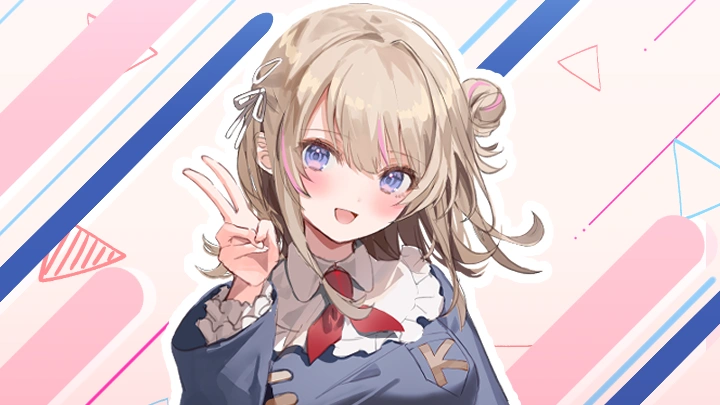
Illustrator, Kanda Done
"Explore the secrets of character design and coloring to produce illustrations that capture attention and charm."
From Makeup to Poses, Draw Cute Beautiful Girl Illustrations
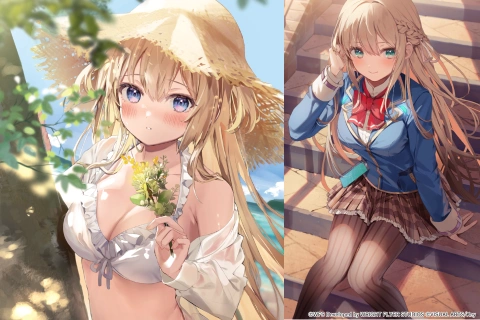
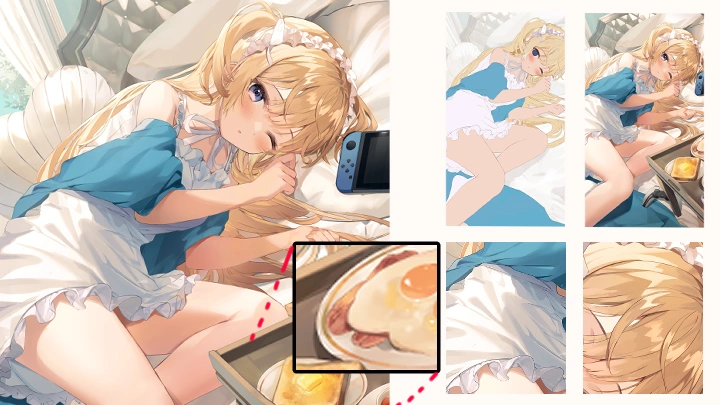
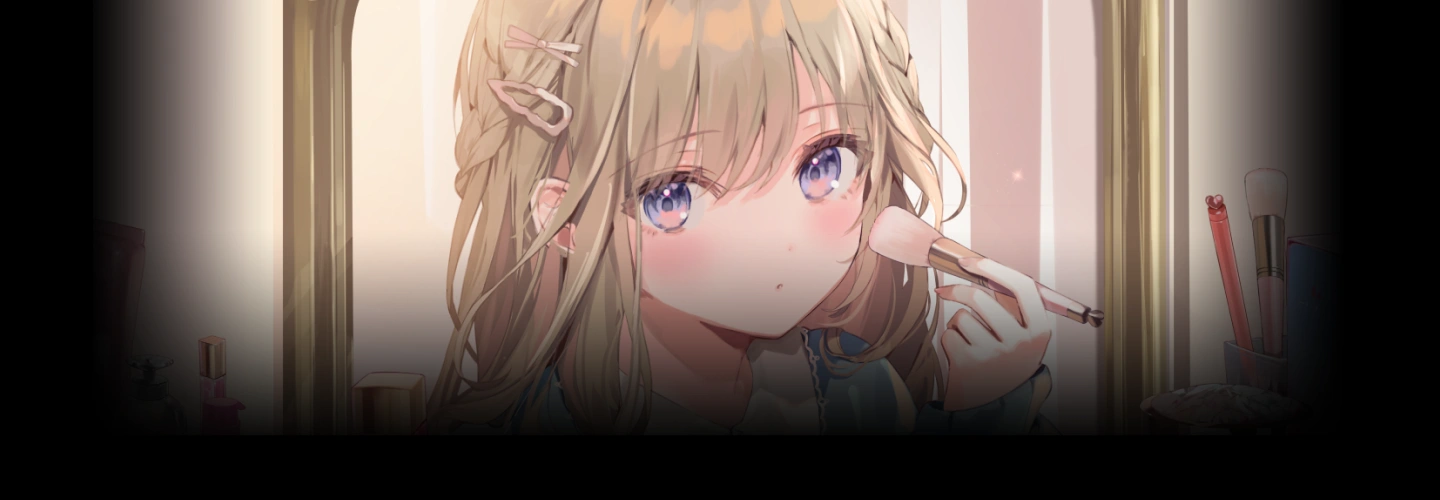
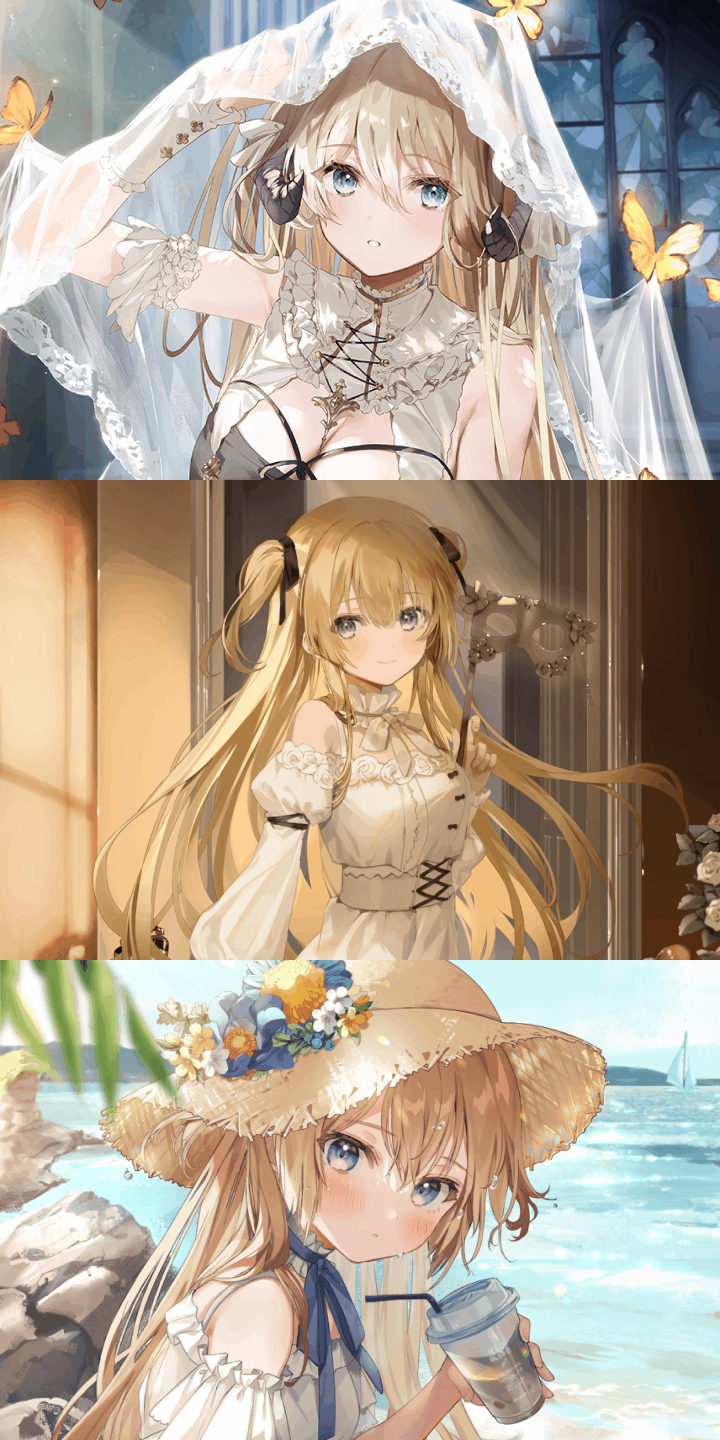
With over 450,000 followers on social media, illustrator Kanda’s drawings of beautiful women perfectly embody the essence of cuteness.
In this course, Kanda Done shares techniques for bringing out the full charm of female characters, covering everything from depicting makeup and drawing hairstyles to creating natural, expressive poses.
In this course, Kanda Done shares techniques for bringing out the full charm of female characters, covering everything from depicting makeup and drawing hairstyles to creating natural, expressive poses.
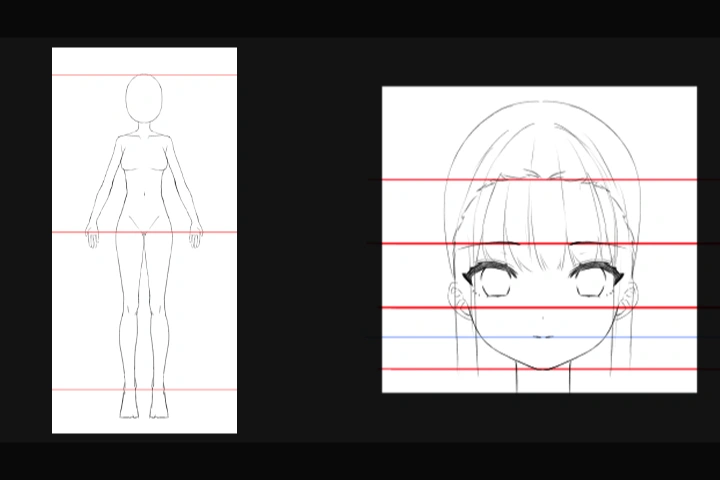
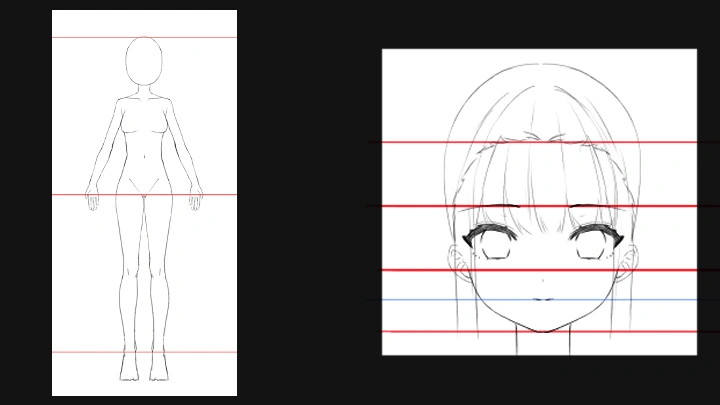
You’ll start with the fundamentals of character drawing by understanding body structure and achieving the right balance between the head and body.
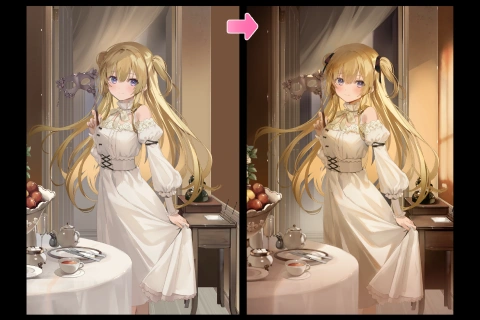
Once you’ve mastered the basics, you’ll learn step-by-step points for each stage of illustration, from rough sketches to line art to coloring. Kanda Done will also reveal personal tips to creating poses that fit the setting and using color effectively.
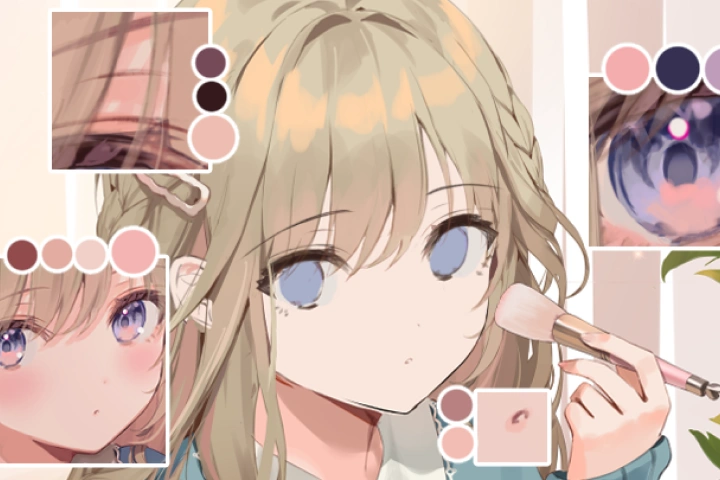
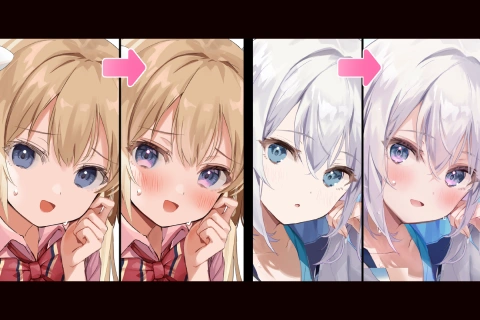
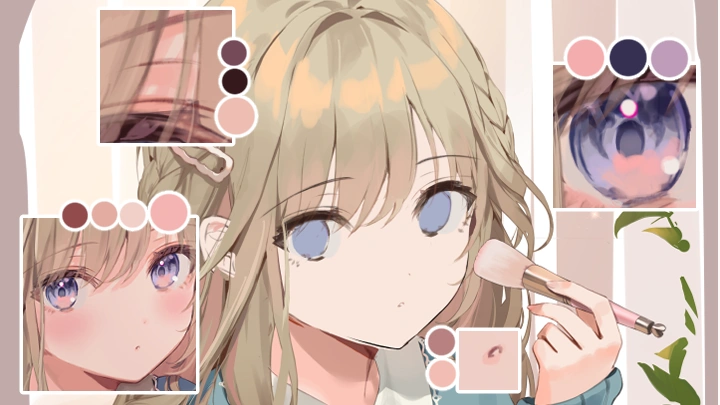
Finally, complete your illustration by learning digital makeup techniques like applying a base color, eyeshadow, highlights, and more, following the same process as real-life makeup.
Discover Kanda Done’s secrets to designing irresistibly cute female characters, only on Coloso!
Once you’ve mastered the basics, you’ll learn step-by-step points for each stage of illustration, from rough sketches to line art to coloring. Kanda Done will also reveal personal tips to creating poses that fit the setting and using color effectively.
Finally, complete your illustration by learning digital makeup techniques like applying a base color, eyeshadow, highlights, and more, following the same process as real-life makeup.
Discover Kanda Done’s secrets to designing irresistibly cute female characters, only on Coloso!
Class Preview
Still Not Sure?
Check Out Kanda Done's Class Preview!
06. Head Proportions
- Understanding the structure of the skull
- How the position of features affects impressions
- Drawing the head from various angles
- How the position of features affects impressions
- Drawing the head from various angles
Class Perks
Special Gift from Kanda Done
-
 Unlimited access to 24 chapters covering Kanda Done’s character illustration techniques
 -
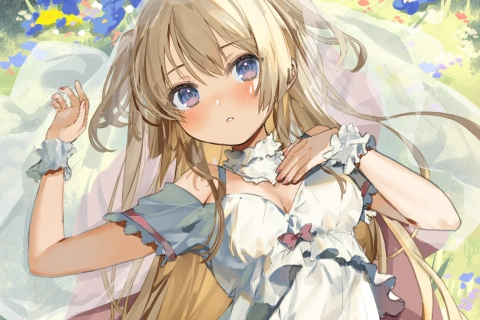 Complete a single artwork during the course
 -
 Includes exclusive illustrations and brushes
Class Material Details
-
 Exclusive Illustrations by Kanda Done- Limited-release illustrations
- Smartphone wallpaper (with signature) -
 References & Brushes for Illustration Creation- Checklist for drawing illustrations that exude cuteness
- Character makeup PSD file
- Guide to creating illustrations for social media and commercial use
- Drawing brushes
Recommendation
Who Should Take This Class?
Aspiring illustrators who want to learn how to create cute and appealing character illustrations
Beginner to intermediate artists looking to improve their character drawing, coloring, and design skills
Creative hobbyists and content creators who want to bring charming characters to life for personal projects or social media
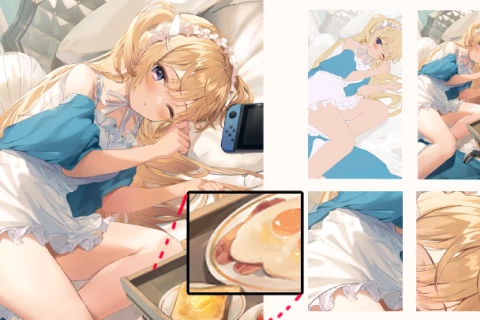
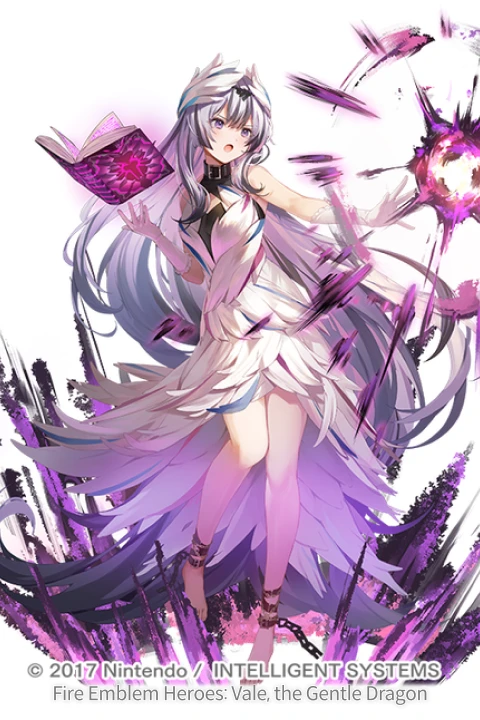
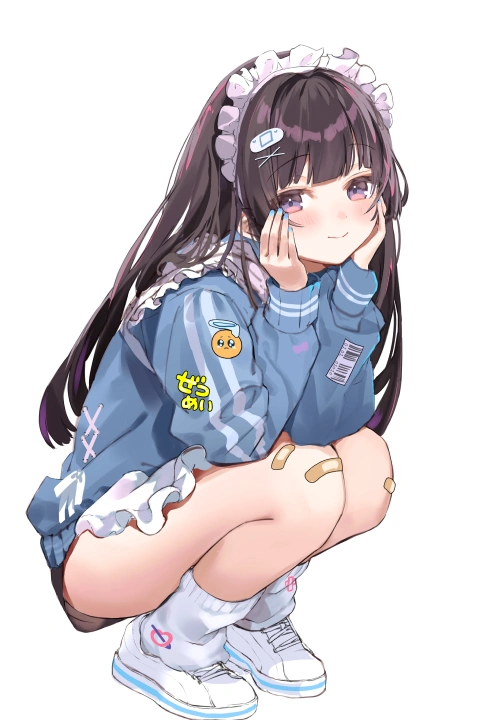
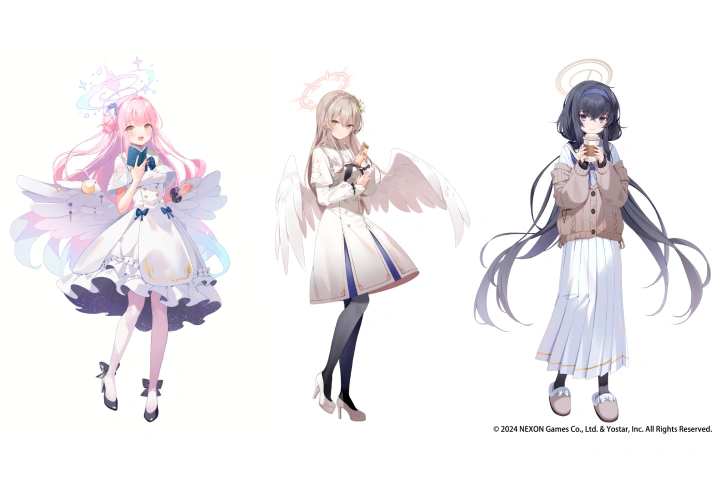
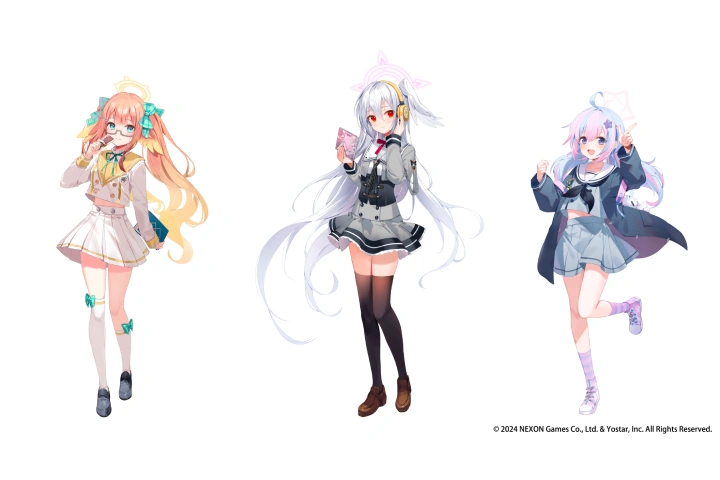
Expert Illustrator Kanda Done's Portfolio
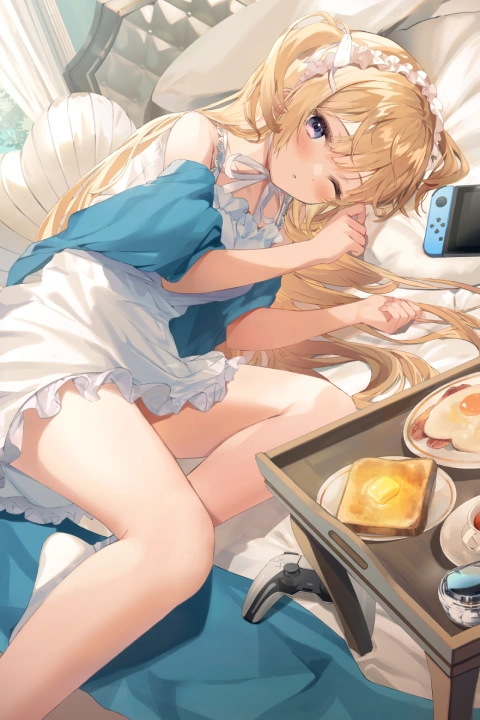
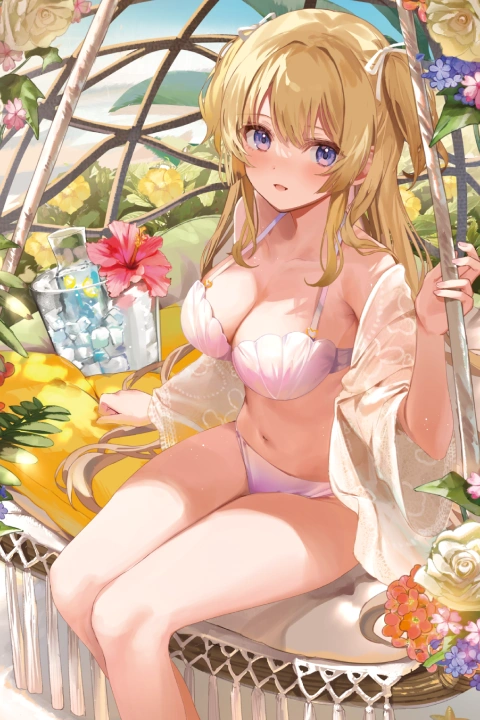
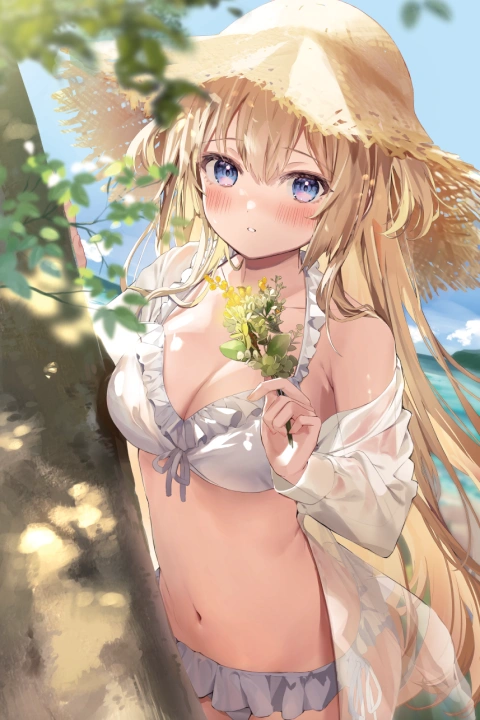
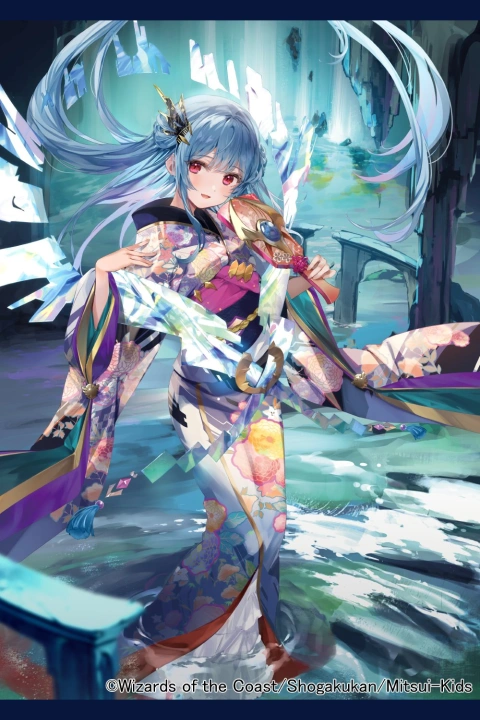
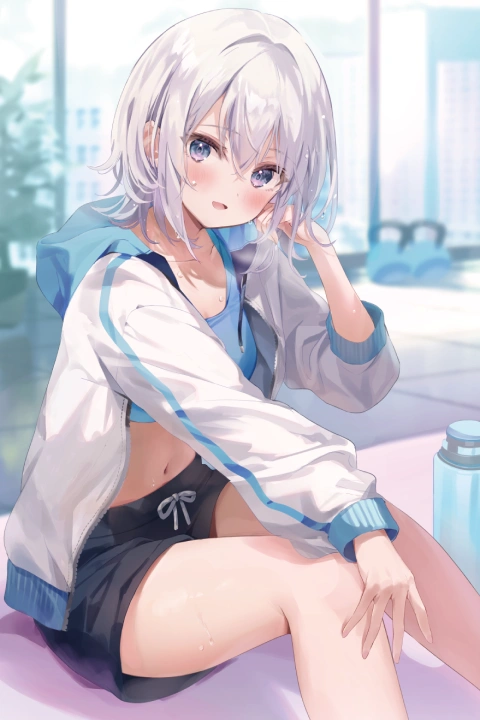
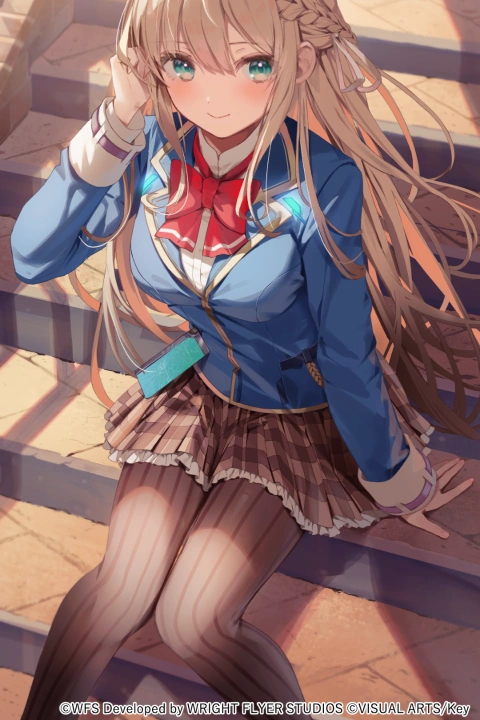
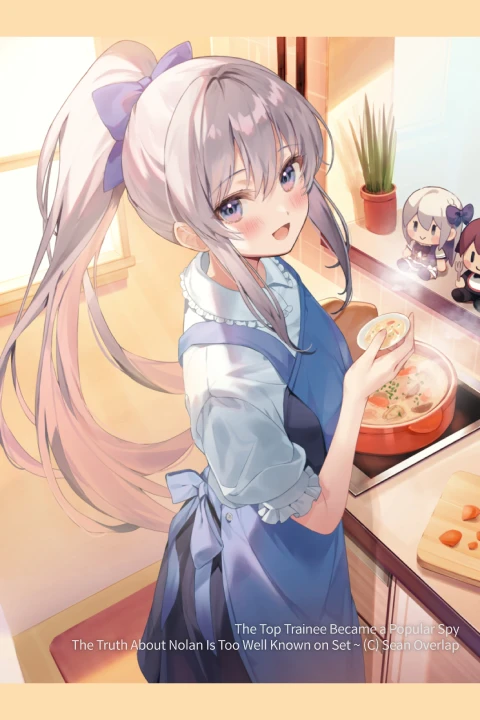
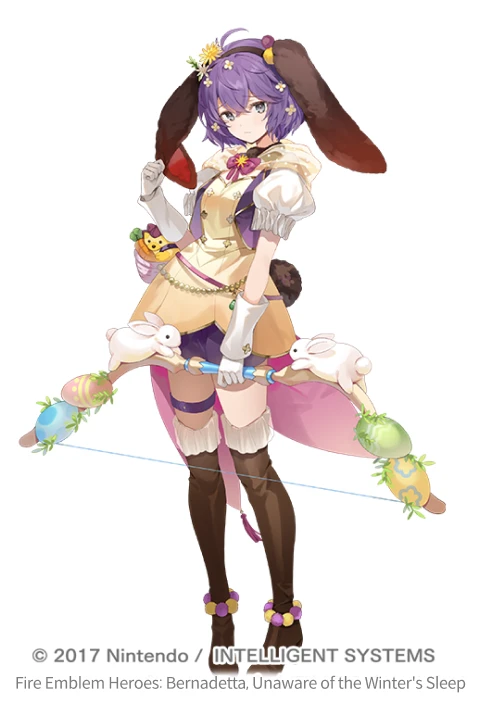
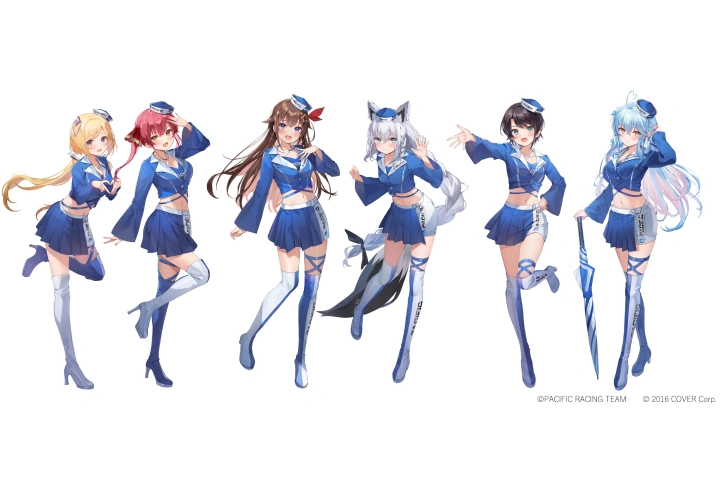
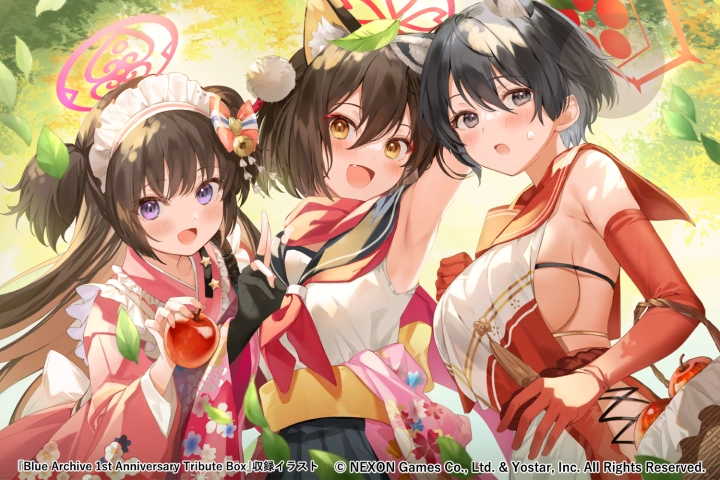
Why Take This Class?
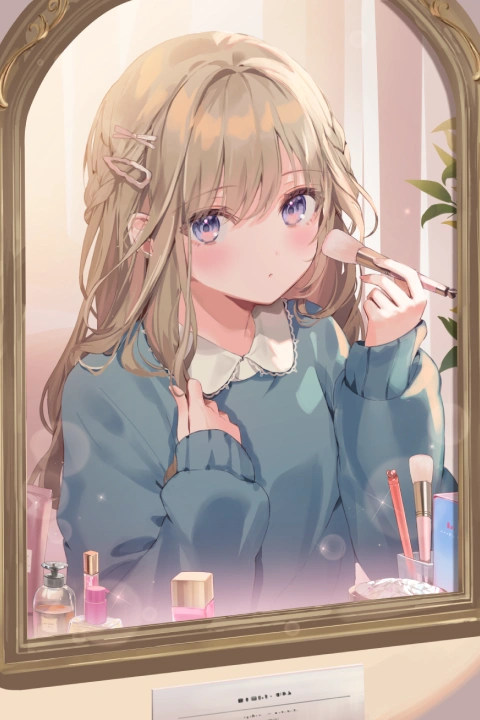
Master the art of creating irresistibly cute and expressive girl characters. Discover Kanda Dan’s signature workflow, where playful designs, delicate expressions, and charming proportions come together with vibrant colors and soft textures. Learn the core techniques behind achieving this style, including balanced facial and body proportions, nuanced coloring, and expressive poses.
From concept to finished illustration, explore every step of character creation, from rough sketches and line art to coloring, makeup, and posing. Complete your own artwork while gaining practical tips, exclusive brushes, and reference materials. Build a distinctive style that brings cuteness and personality to life, all guided by Kanda Done’s professional techniques.

Get Ready for the Real-World
Learn Character Illustration Techniques Through Hands-on Exercises
-
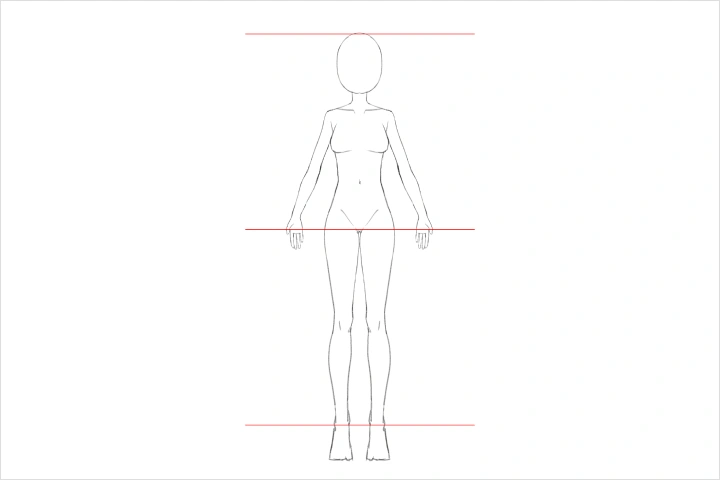 Simple Ways to Balance the Human Figure
 -
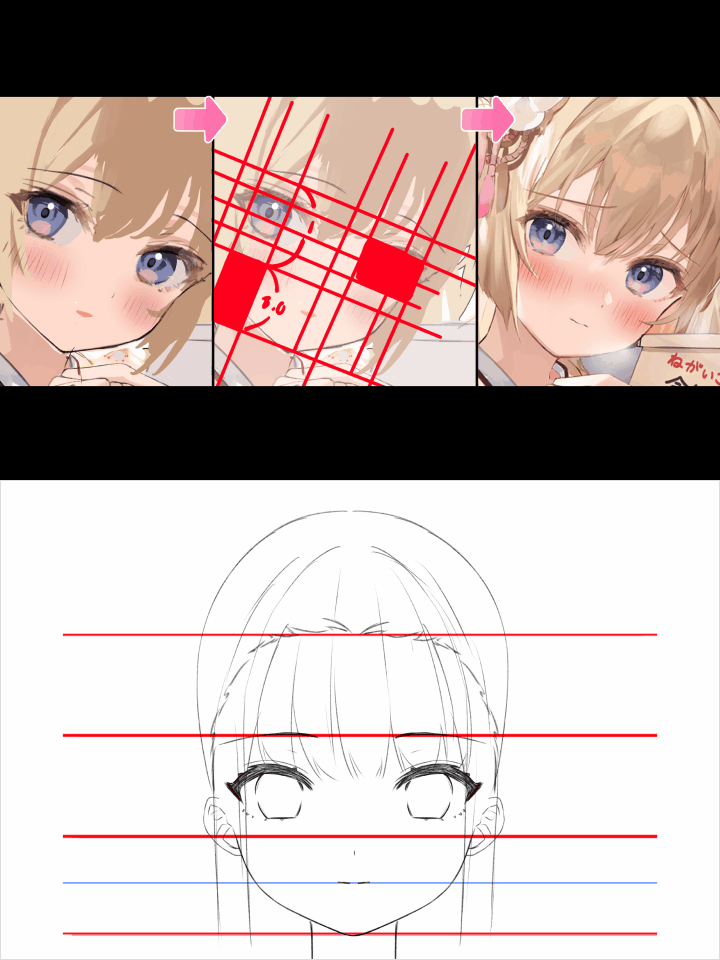 Understanding Facial Proportions
 -
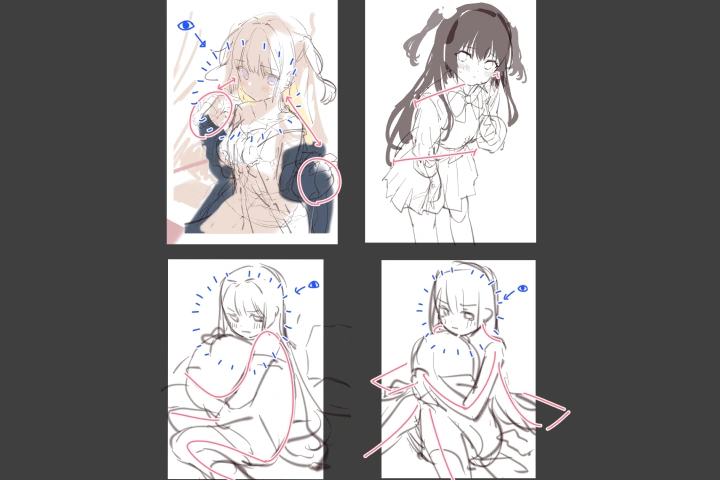 Creating Natural Poses
 -
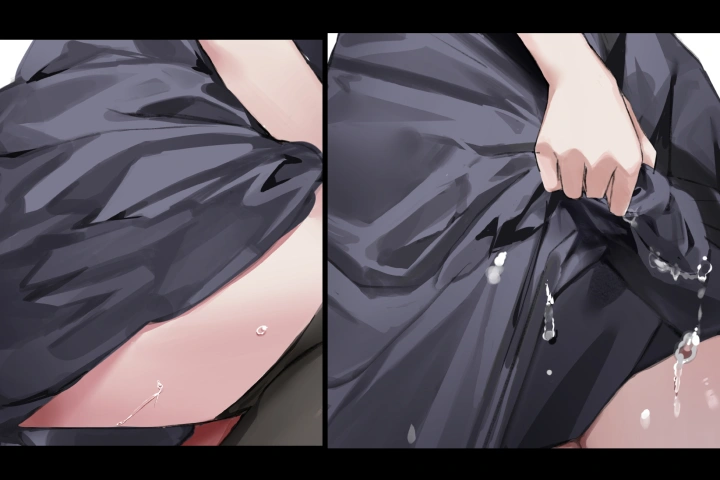 Enhancing Presence Through Clothing Coloring
-
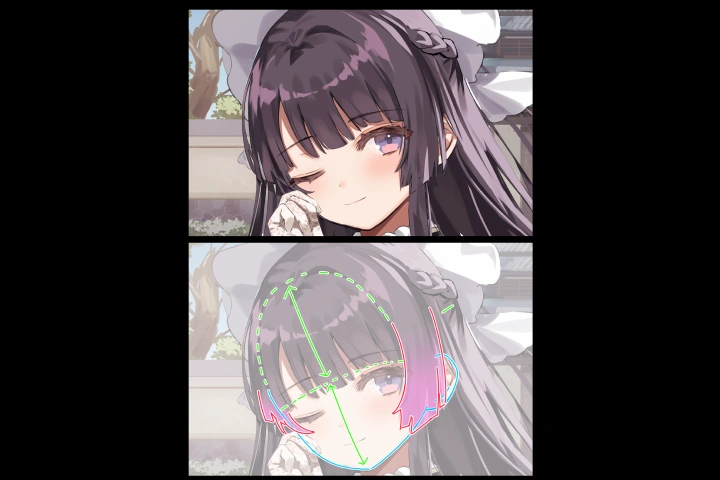 Hair and Makeup Techniques to Enhance Character Appeal
 -
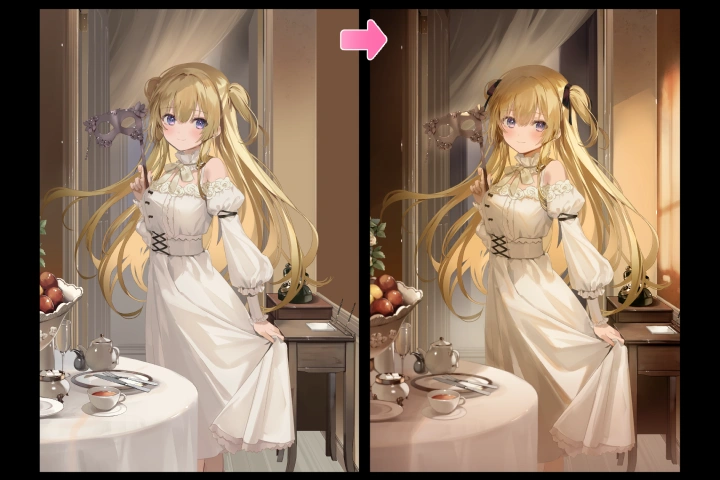 Methods to Improve the Overall Mood of Your Illustration
 -
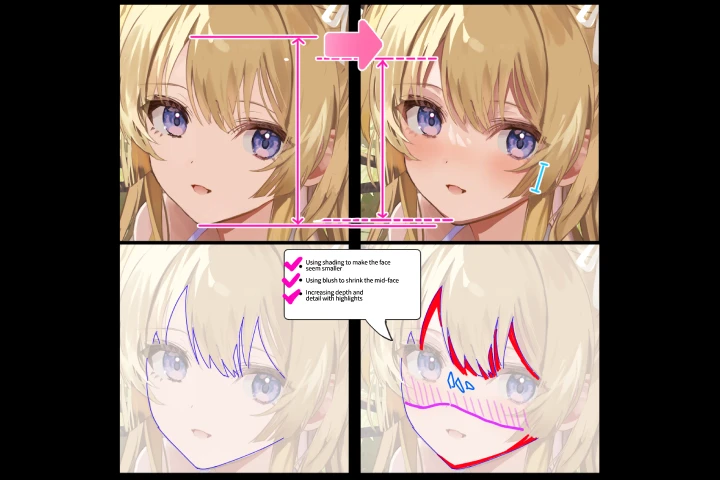 Using Makeup Principles to Draw More Attractive Faces
 -
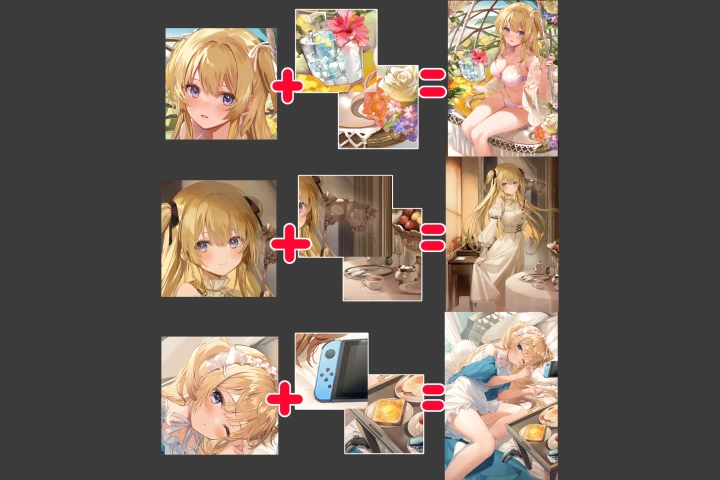 Worldbuilding Techniques to Capture Viewers’ Attention
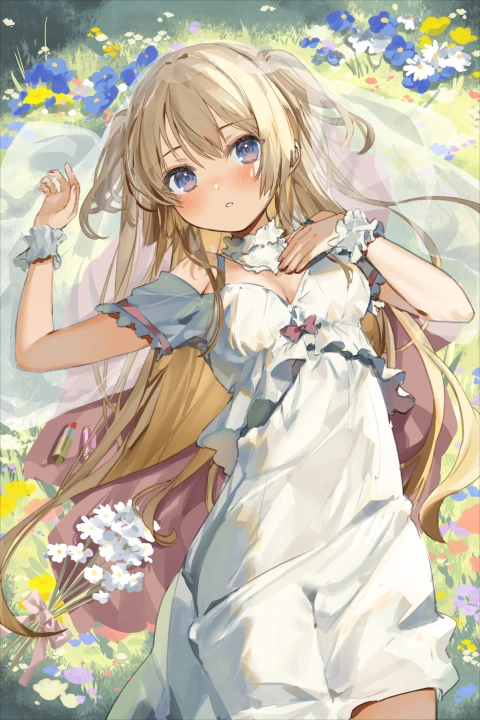
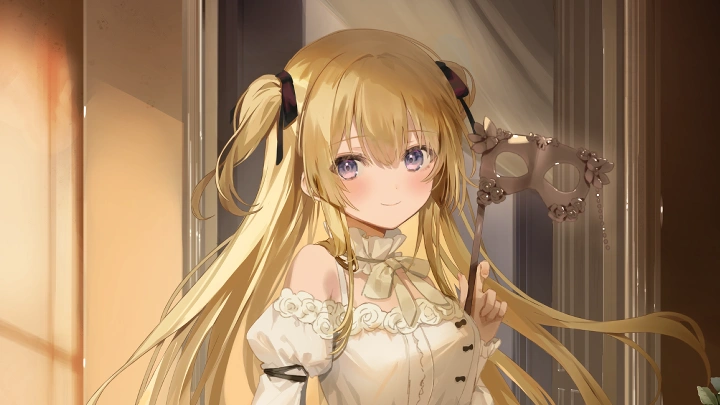
Final Artwork
Highlights
Class Highlights
Fundamentals of Character Illustration: Understanding Human Body Balance
Gain essential knowledge of human anatomy, the foundation of character drawing, and the proportions between the head and body. Understanding these principles will equip you with the skills to create convincing and well-balanced characters.
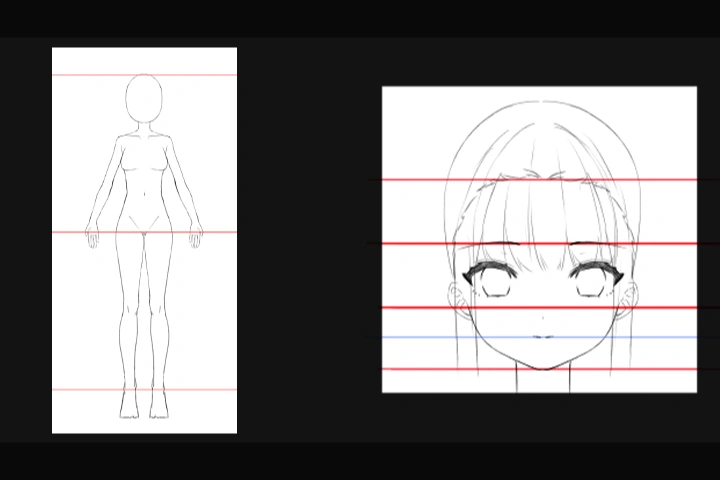
Keys to Creating Attractive Characters
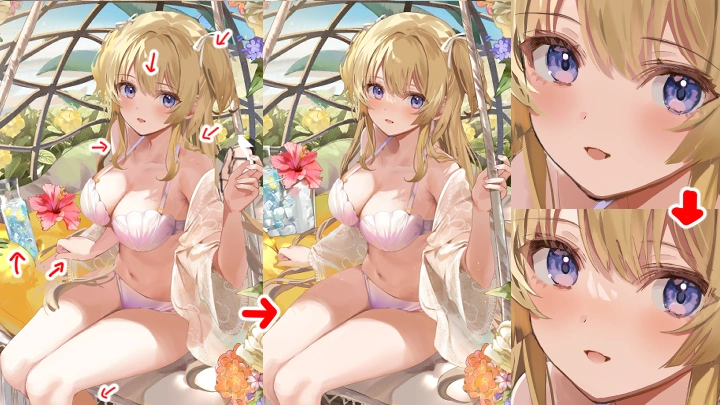
Learn how to draw natural poses and design appealing silhouettes that make your characters stand out. Discover Kanda Dan’s secrets for finishing eye-catching illustrations, including hair outlines, clothing structure, and other details that enhance visual appeal.
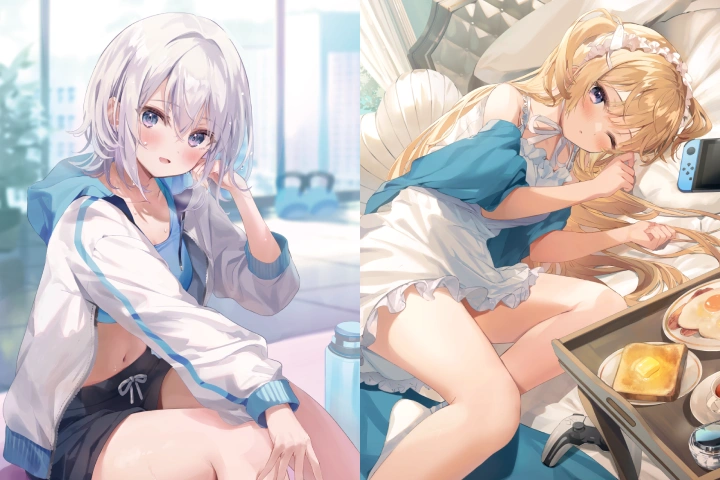
Digital Makeup Techniques for Charming Characters
Step by step, master how to apply base colors, blush, lips, and highlights to create adorable characters. You’ll also learn tips for achieving ideal facial balance and how subtle makeup techniques can change a character’s overall impression, making them more expressive and captivating.