illustrator,inhan_인한KR Details
Intro

Now in Your Language, Only on Coloso!
Learn from Korea's Top Master Creatives
-
 Expressive Linework Techniques
 -
 Dynamic Black&White Rendering
 -
 Narrative Comic Page Design
Class Intro
Illustrator, INHAN
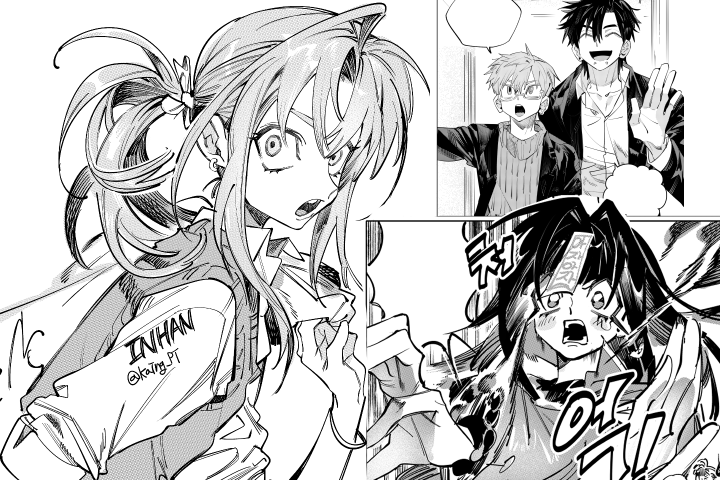
Create Distinctive Line Art for Black & White Comics with INHAN
A lot people dream of creating black-and-white comics for their own stories, but most times, it’s hard to draw a shot, or even a single line. Join INHAN as she guides you through the entire process of creating black-and-white comics, including basic line and pen drawing, storyboarding, and composition, page by page. Plus, you’ll discover beginner-friendly exercises that will ease you into drawing black-and-white comics!
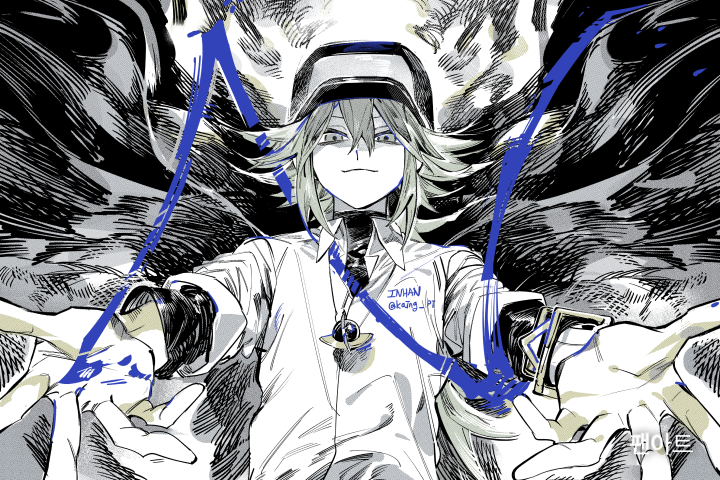
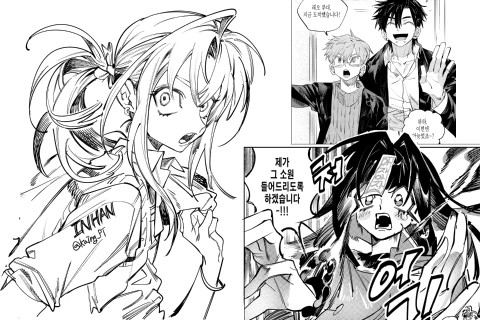
With this first online black-and-white comic class by INHAN, an illustrator known for sold-out in-person classes, you will learn how to create eye-catching line art just like she does, as well as techniques for drawing impressive black-and-white details and stylizing characters, with a focus on real-world work processes. End the struggle of studying on your own by setting clear standards for black-and-white comics, and discover new joys with the guidance of INHAN!
Class Perks
Get These Coloso Exclusives
-
 Unlimited Access to 24 Chapterson Creating Line Art and 3-Page Comics
 -
 2 Font & Printing Manualsfor Drawing Comics
 -
 22 Essential Exercise Filesfor Creating Comics Page by Page
Class Material Details
-
 Resources for Line Art/Tone/Ink Painting Practice- 2 character sketch/example files for line drawing practice
- 2 character line art/tone example files for practice
- 1 line drawing (for practice) and ink painting (example) file for different hair lengths
- 1 character/background file for different emotions
- Sketch, line, and ink painting file to practice drawing (3-page) -
 Resources for Page-by-Page Practice- 3 page-by-page sketch/line art example files
- 3 page-by-page line art/tone example files (3-page)
- 3 page-by-page line art/ink painting example files (3-page) -
 Resources for Background/Finishing Practice- 1 sound effect sketch/final drawing file
- 3 page-by-page blank/full background files
- 1 drafting manual (PDF)
- List of recommended fonts (PDF)
Recommendation
Who should take this class?
Beginners/hobbyists who want to create black-and-white comics for their own stories
Artists who want to create black-and-white comics with catchy line art and quality drawings
Comic artists/creators who want to add more individuality and fun to their works
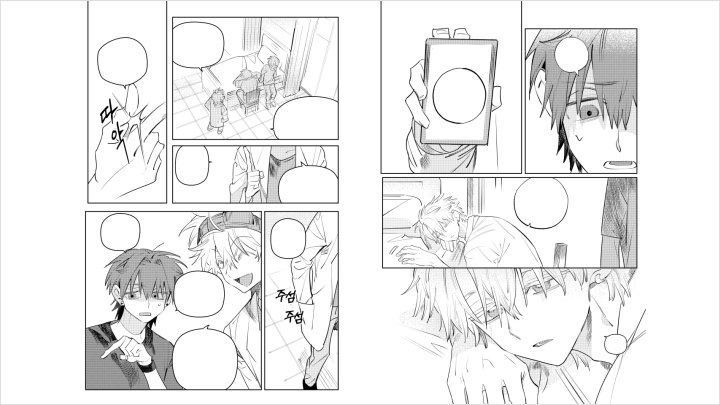
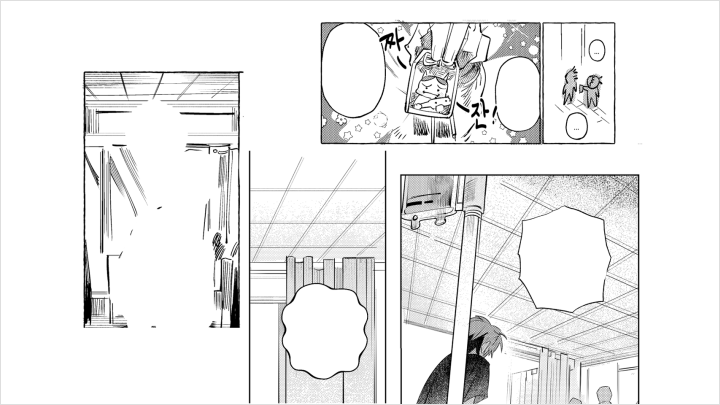
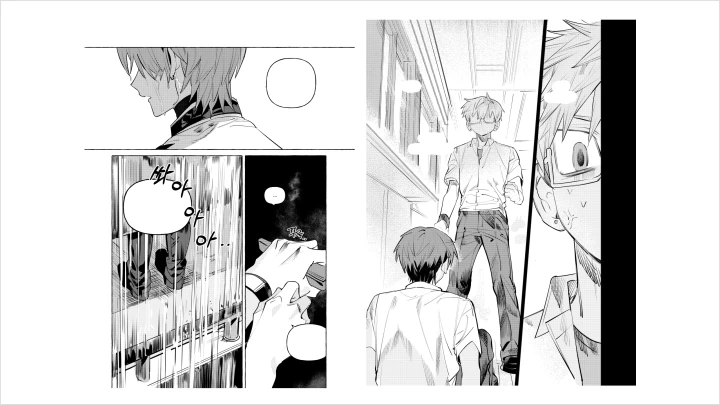
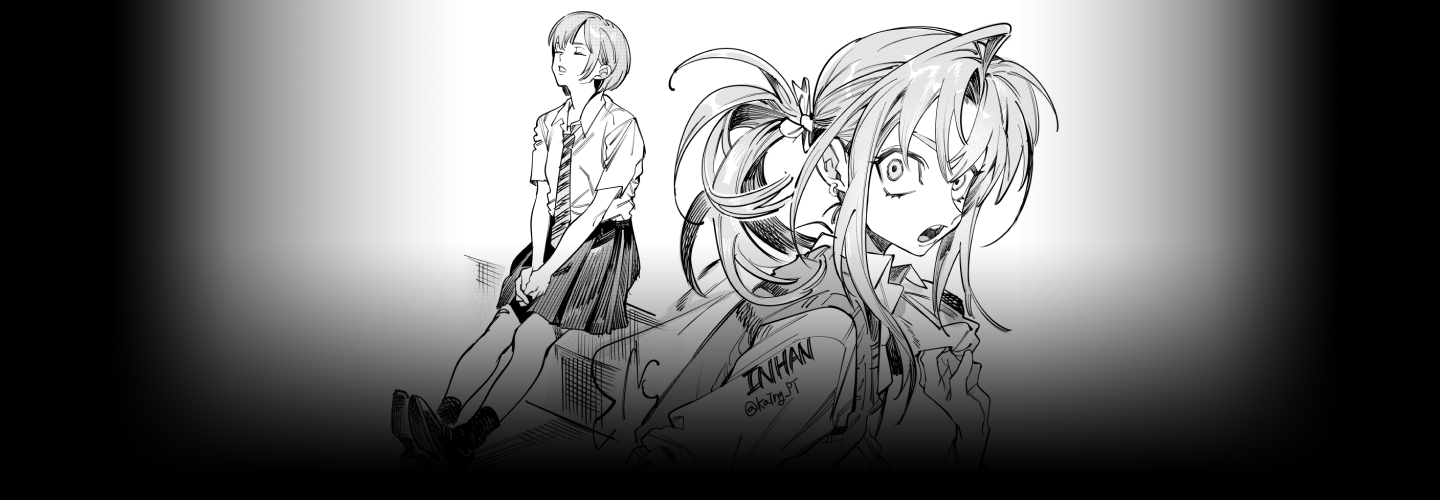
Expert Illustrator INHAN's Portfolio
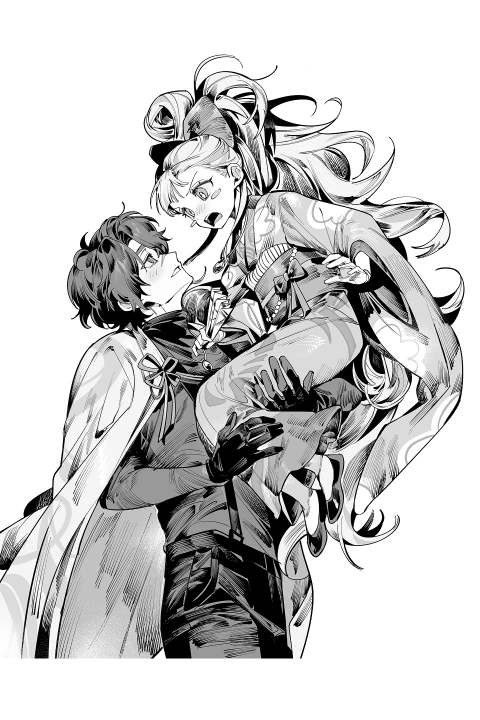
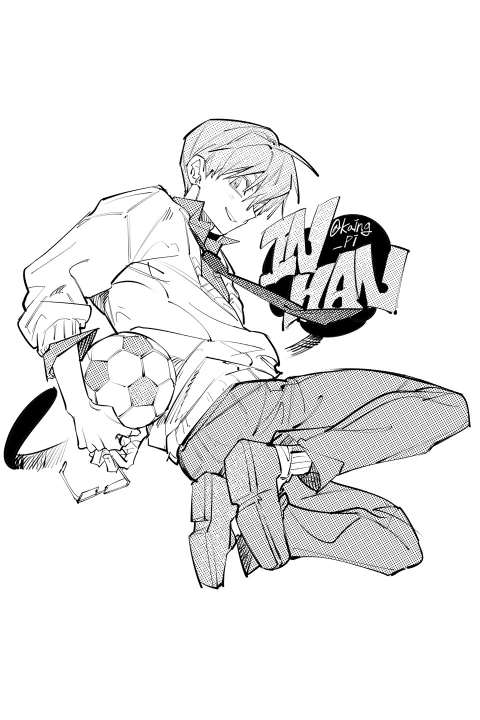
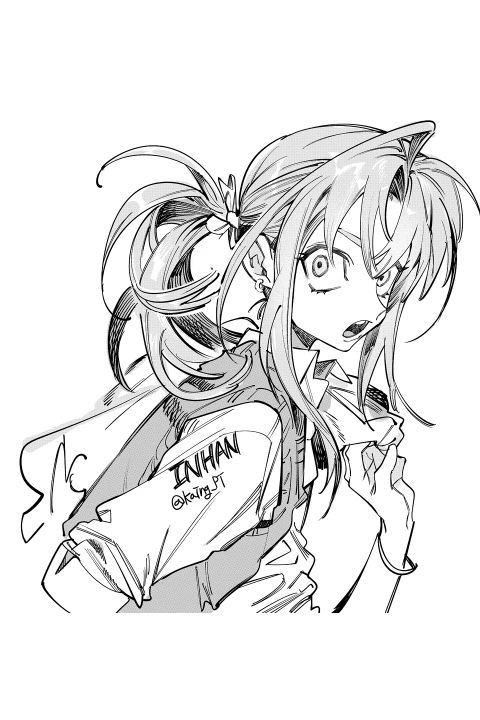
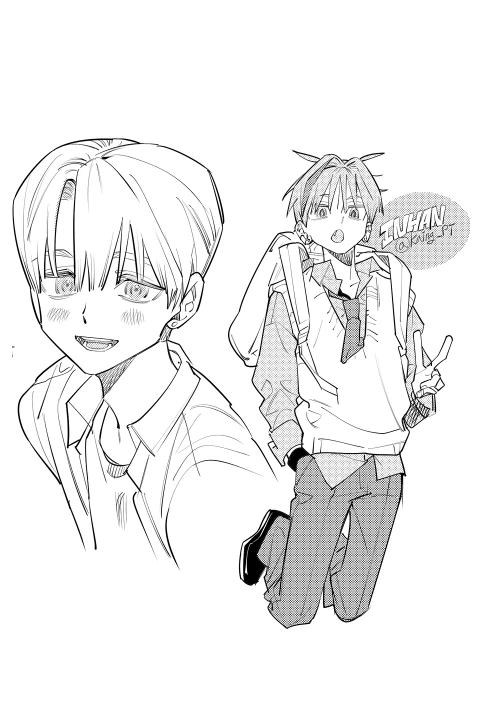
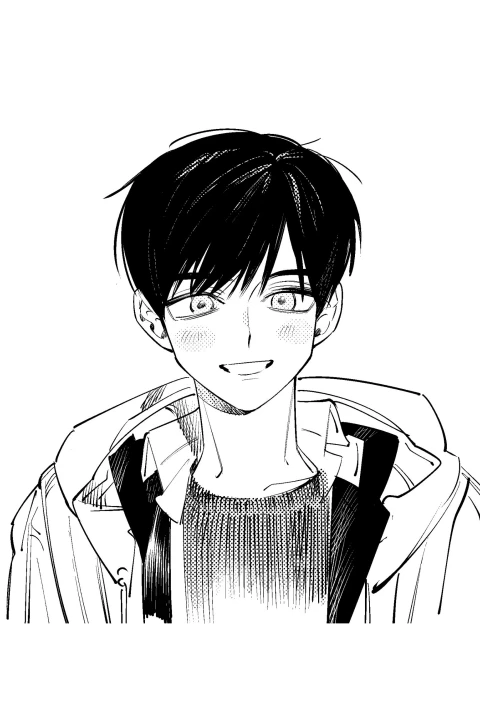
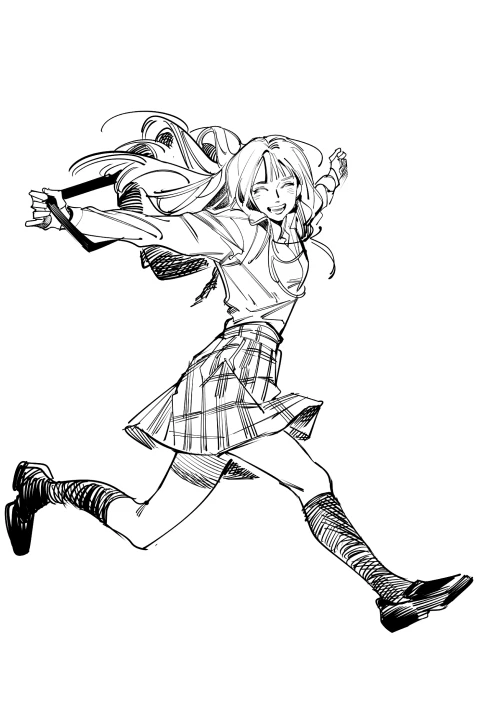
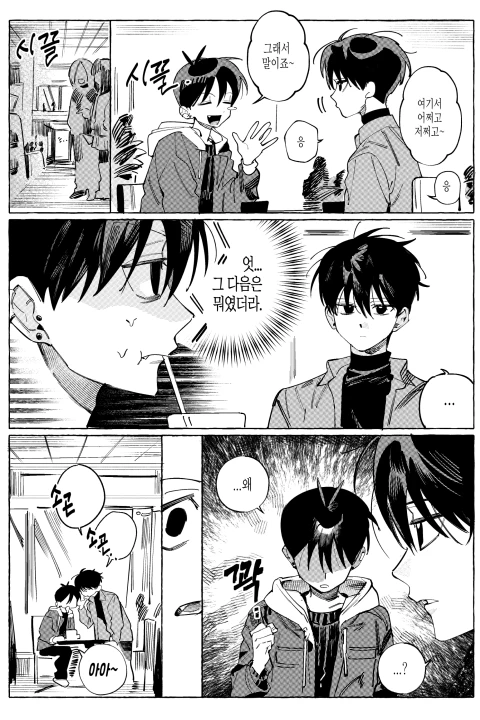
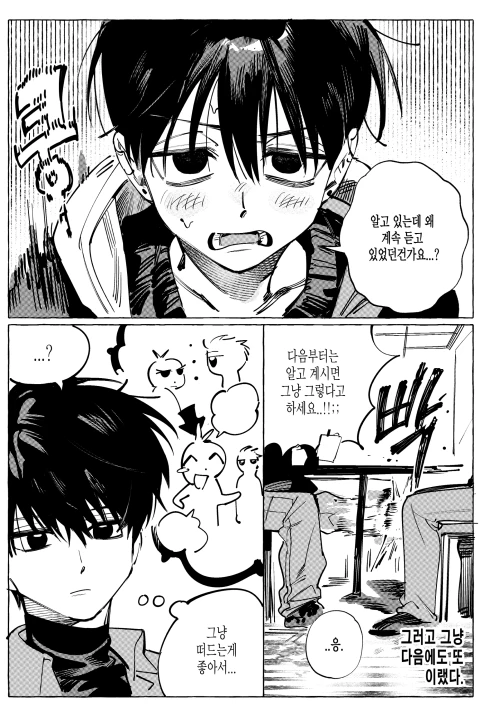
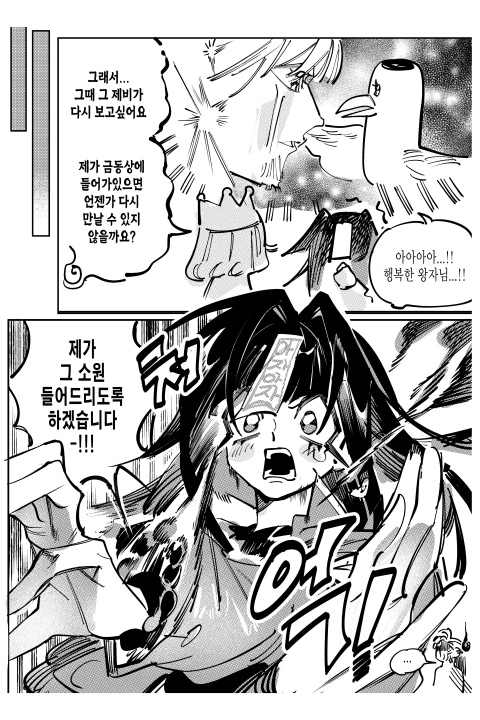
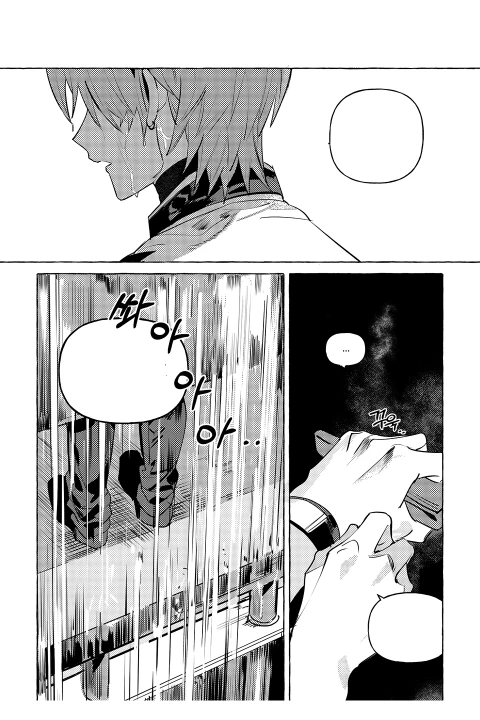
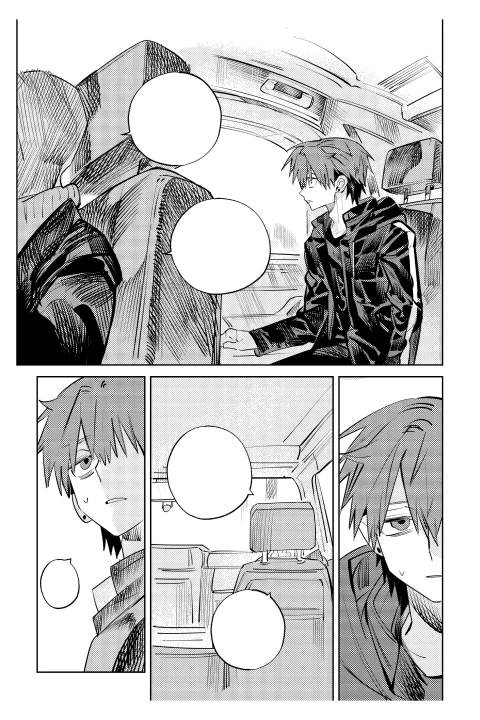
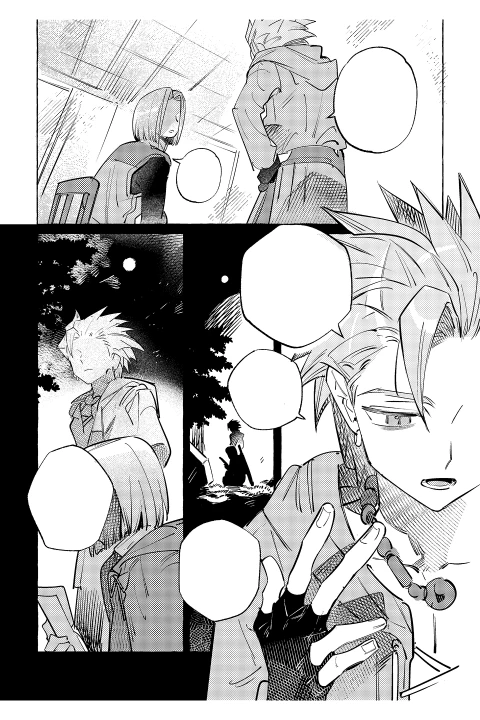
*The images include commissioned and derivative works.
Why Take This Class?
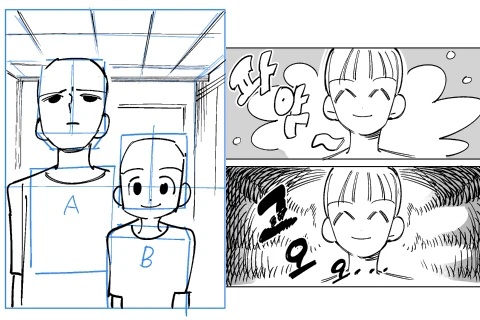
Drawing clean, appealing line art requires solid skills that go beyond tracing! Experience a practice-oriented curriculum for evolving a character sketch into line art by distinguishing types of lines. From pen strokes to setting up pages, discover a fun, easy guide to drawing refined black-and-white comics that is perfect for beginners.
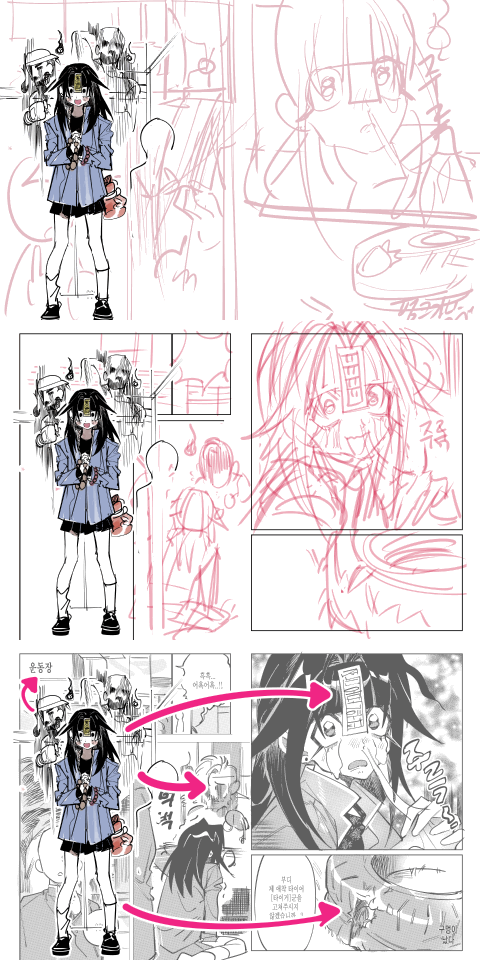
Overcome the fear of a blank page by filling it with high-quality black-and-white comics. Explore sketching, pen strokes, tones, ink, hatching, backgrounds, typesetting, and other elements required to draw comics of one to three pages. You will also learn how to create distinctive line art and black-and-white details like INHAN, producing comics page by page.

Get Ready for the Real-World
Create Unique Line Art for Black & White Comic Pages
Part 1. The First Step: Visualizing Your Imaginary World as Comics
-
 Basic Concepts and Components of Black-and-White Comics
 -
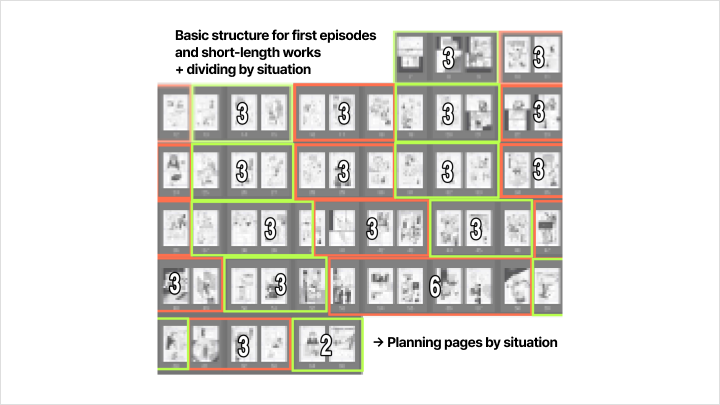
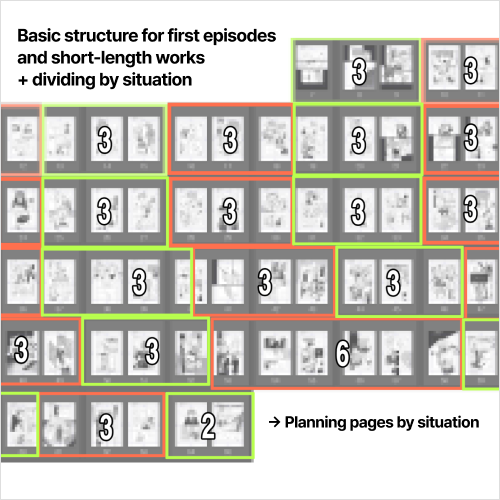 Situation Planning
 -
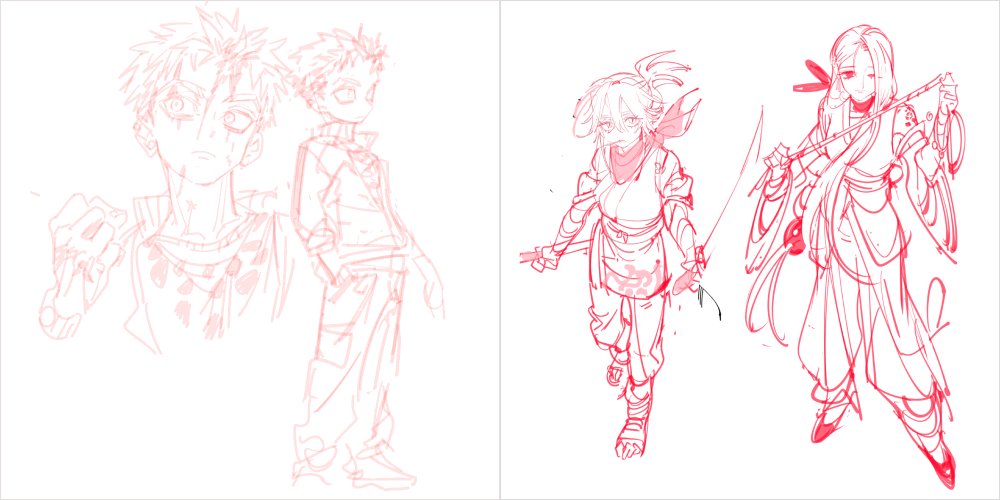 Character-Making Process
Part 2. Drawing Catchy Line Art and Appealing Characters
-
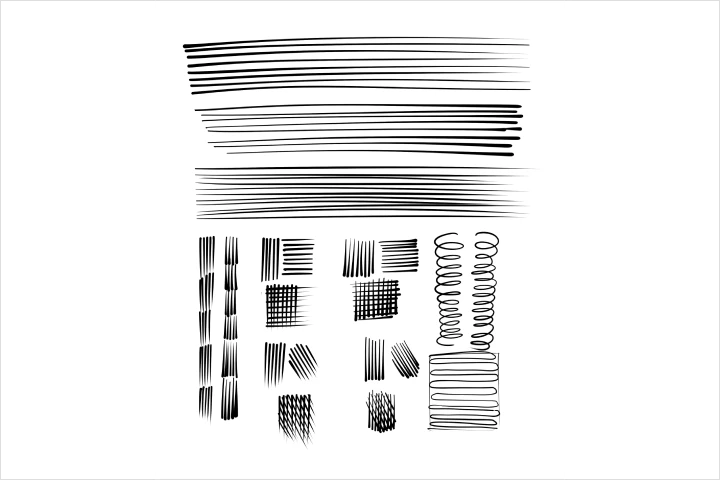 Drawing Lines in Different Pen Pressures
 -
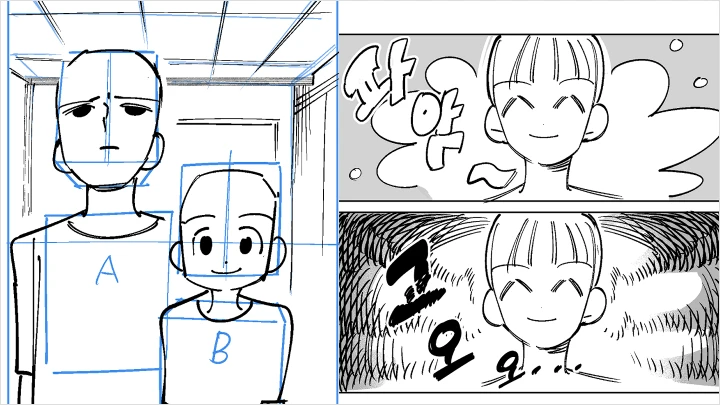
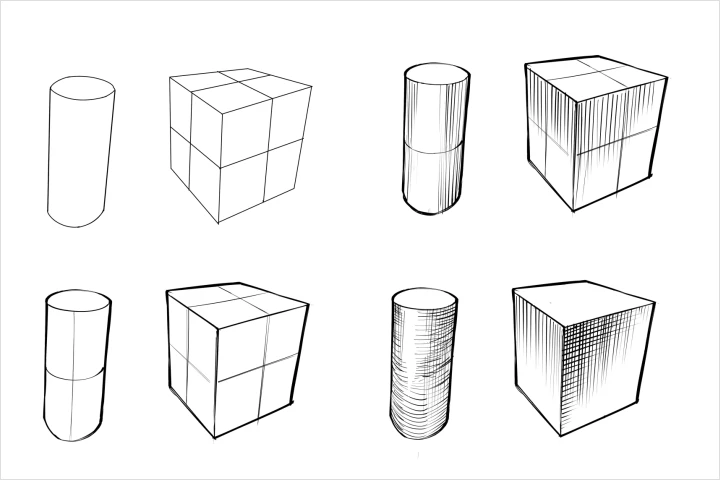 Learning Basic Forms Through Shapes
 -
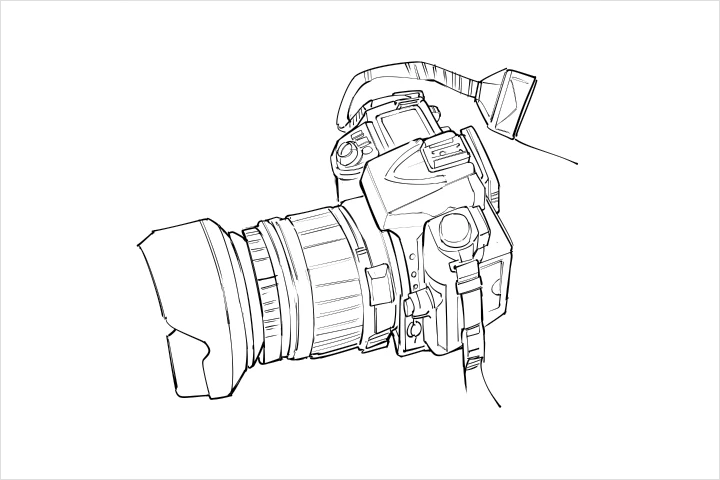 Creating Detailed Line Art Using Complex Elements
-
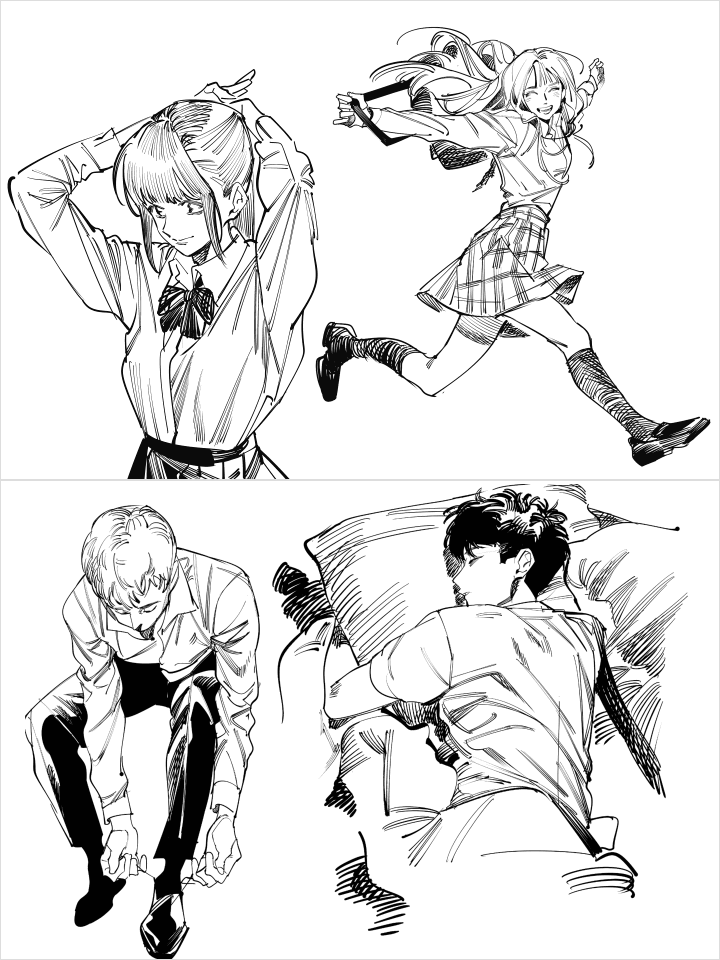 Practical Character Drawing:
Preserving Forms with Lines -
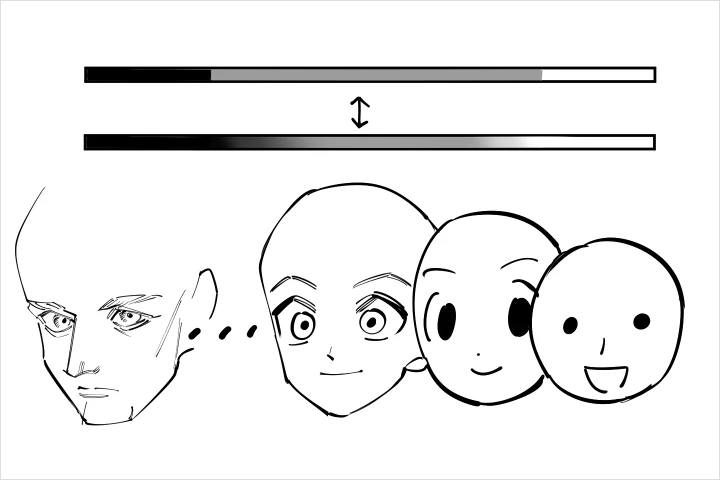 Drawing Characters for Comics:
Symbolization and Skeletal Proportions -
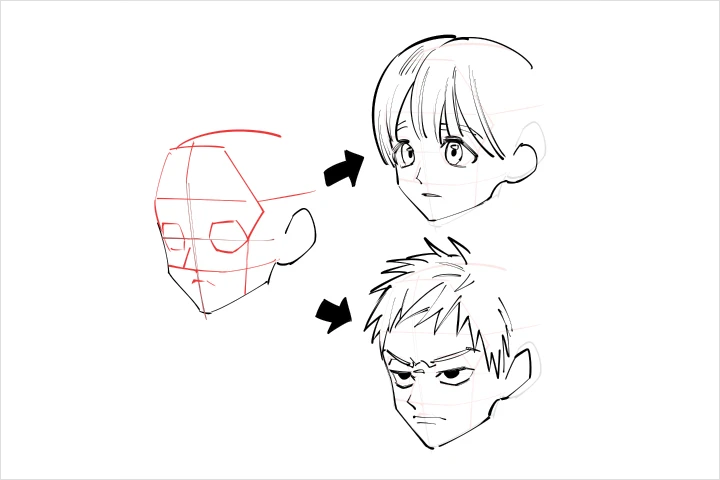 Appealing Character Stylization:
Changing a Character’s Impression by Simplifying Its Facial Features
Part 3. Adding Depth to Comics Through Black & White Drawing (Close-Up Comics, Tones, Ink, Hatching, Background)
-
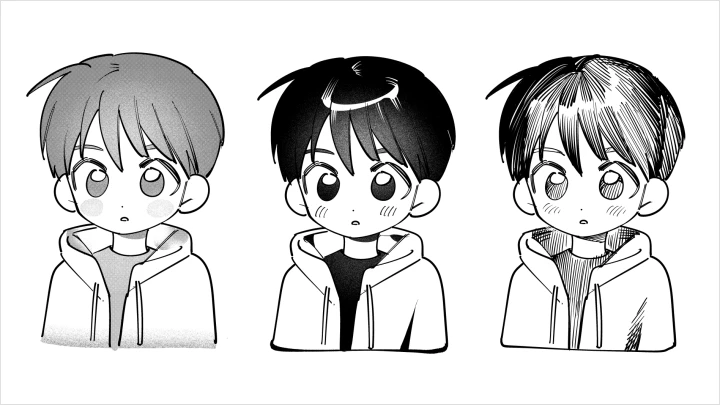
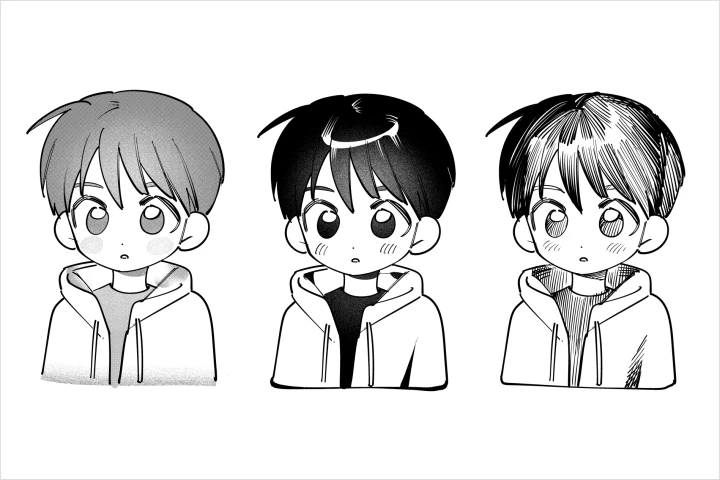 Styles Varying by Arrangement of Ink and Tones:
Understanding the Weight of Tones, Ink, and Hatching -
 Adding and Removing Tones with a Purpose
-
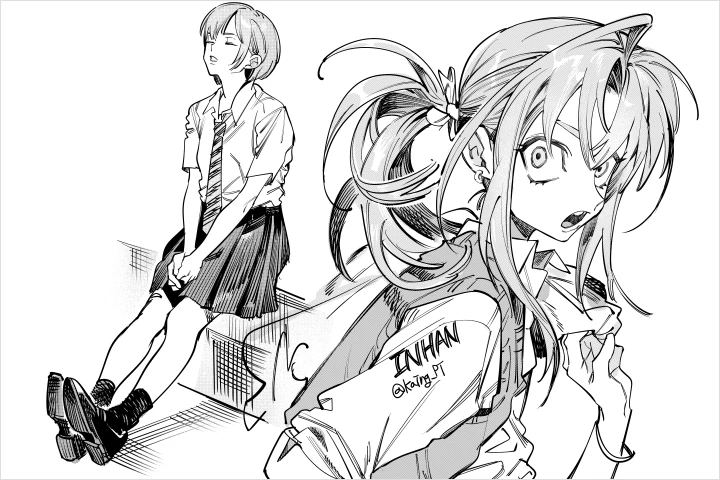 Ink Painting and Hatching:
Standards for Black-and-White Value and Categorizing Light and Shadow -
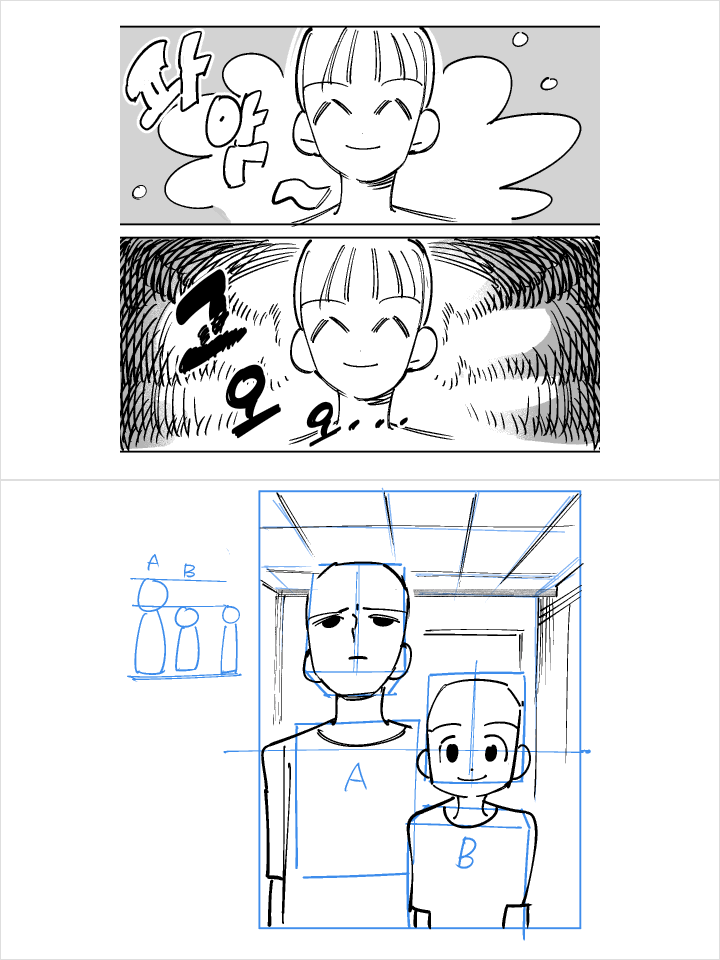 Background Drawing Made Easy:
Drawing in Perspective, Emotional Expressions, and Sound Effects
Part 4. Creating Comics Page by Page 1: Practical Everyday Scenes
-
 Storyboarding:
Dialogue and Narration -
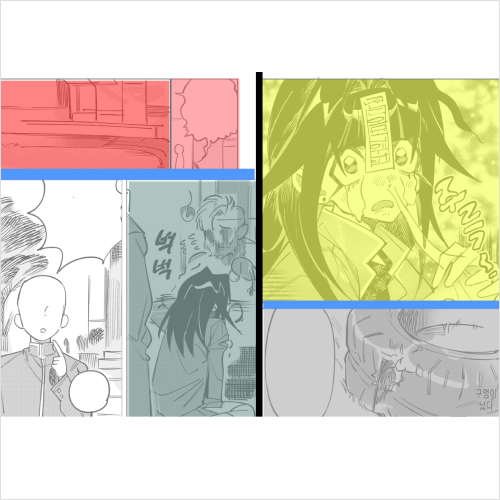 Easy-to-Read Layouts and Forms
 -
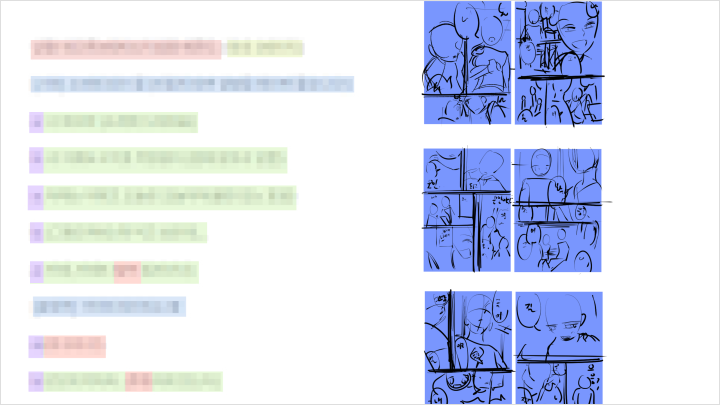
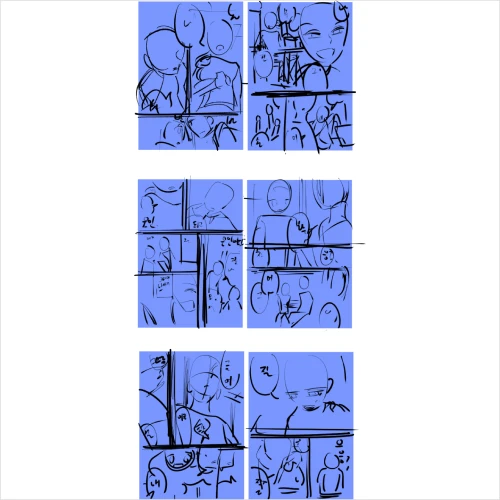 Creating Thumbnail Storyboards by Highlighting Dialogue
-
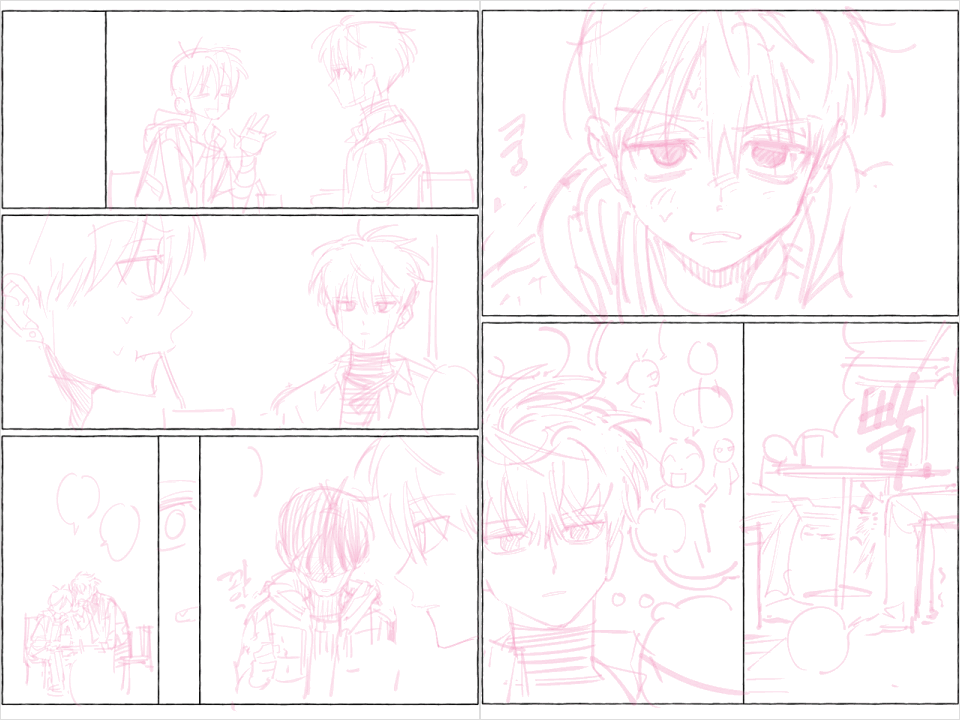 Effective Sketch Setups
 -
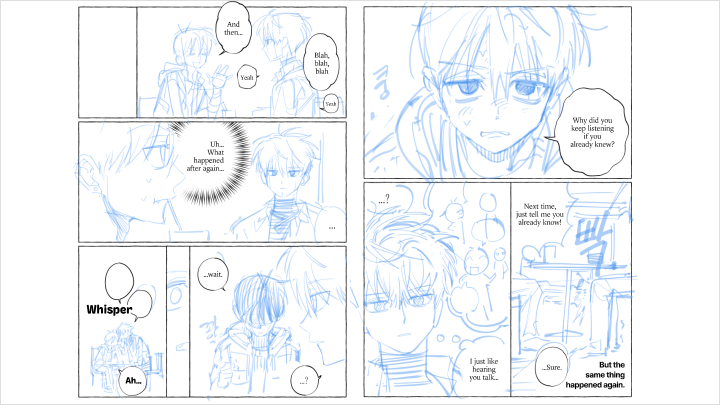
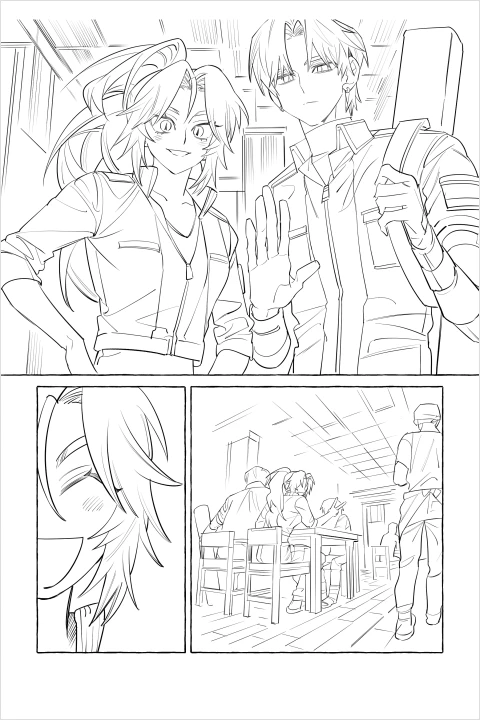 Drawing Harmonious Line Art Page by Page
 -
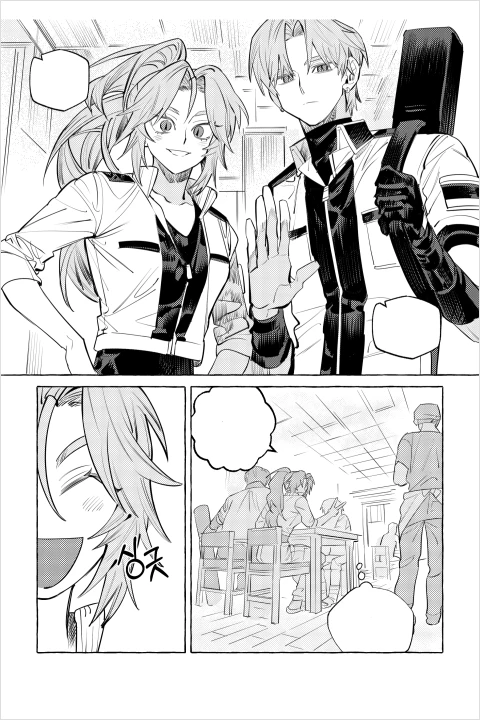 Adding Tones with a Purpose & Reasonable Ink Painting and Hatching
 -
Filling Backgrounds Based on the Scene’s Mood
-
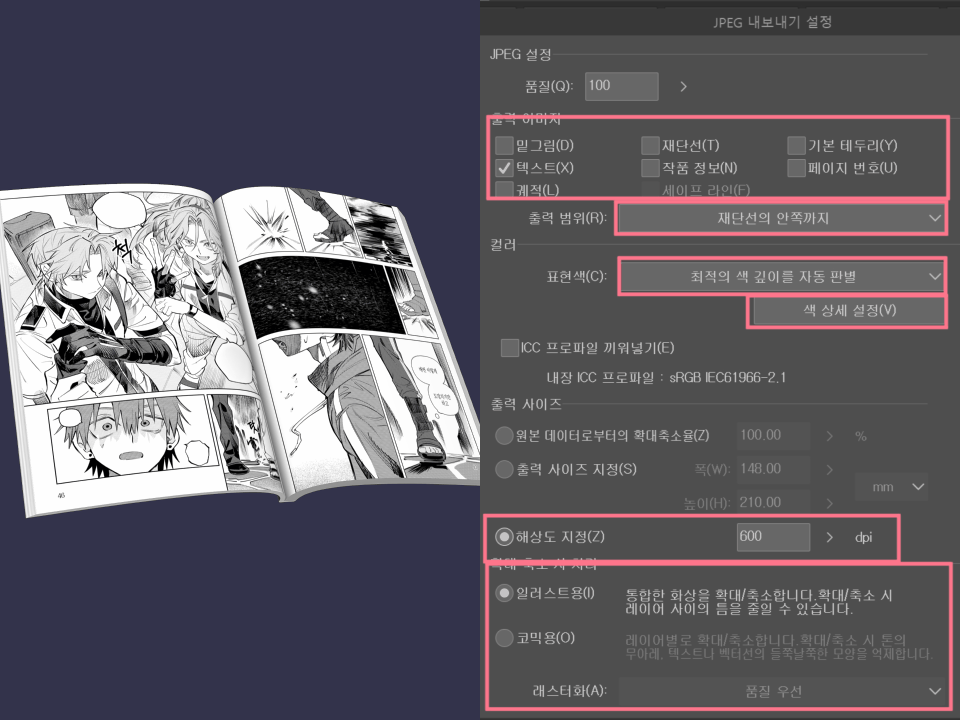 Sharing Your Comics
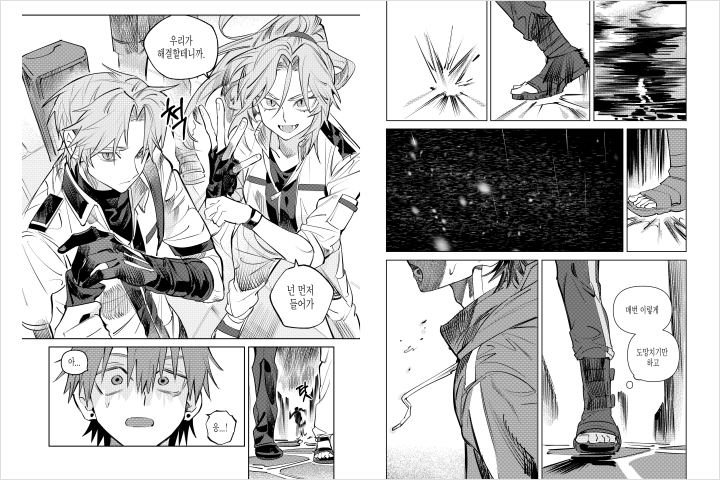
Creating Comics Page by Page
Part 5. Creating Comics Page by Page 2: Engaging the Reader with Dramatic Tension
-
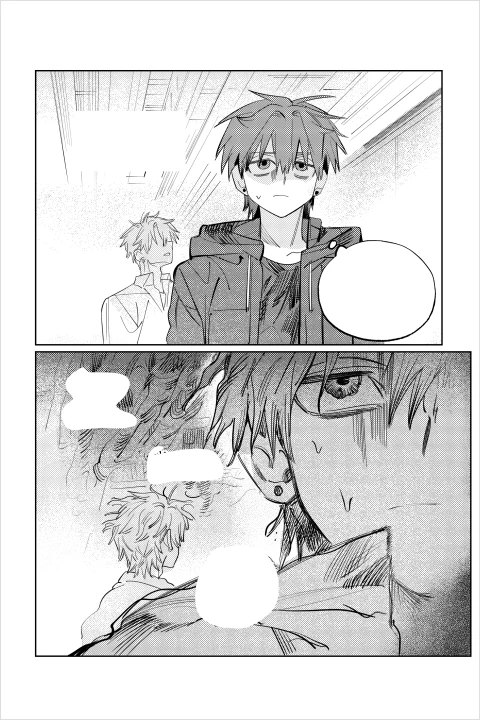 Evoking Dramatic Tension Through Dividing Panels and Composition
 -
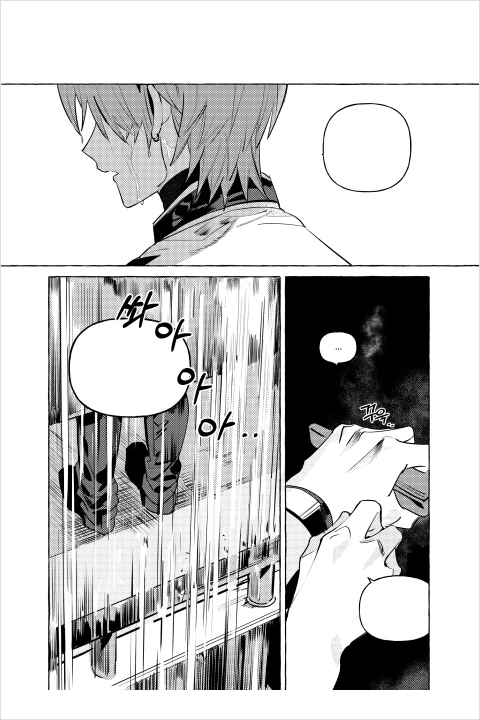 Drawing Pages of Line Art to Elevate Emotions
 -
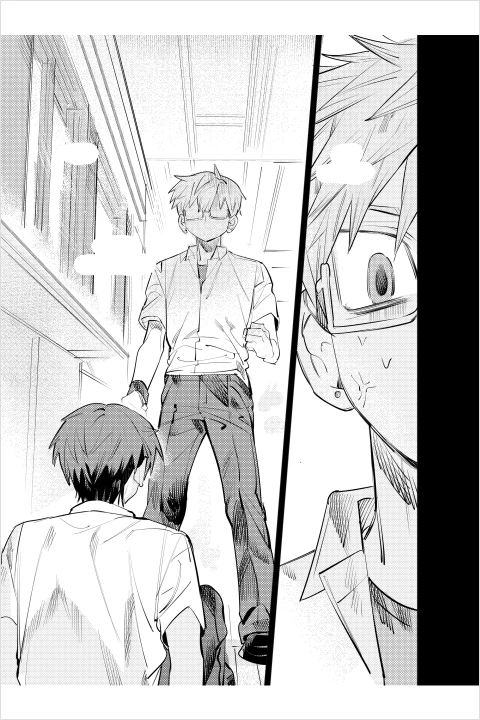 Adding Depth to Scenes with Black-and-White Details
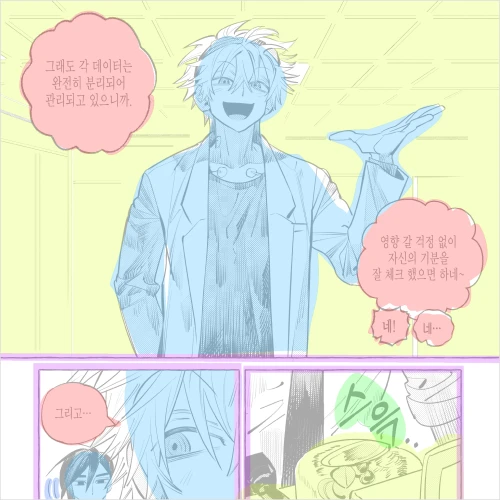
*The above images are sample images for a better understanding.
Student review
Drawing Lines with Form and Structure, Not Just Instinct
-
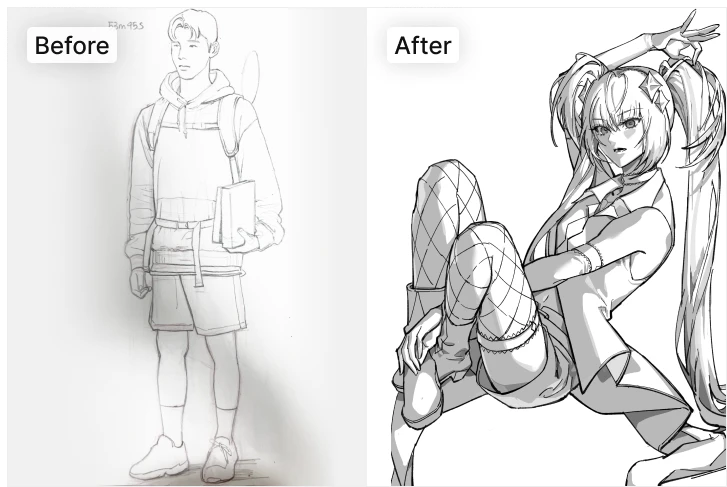 Student A
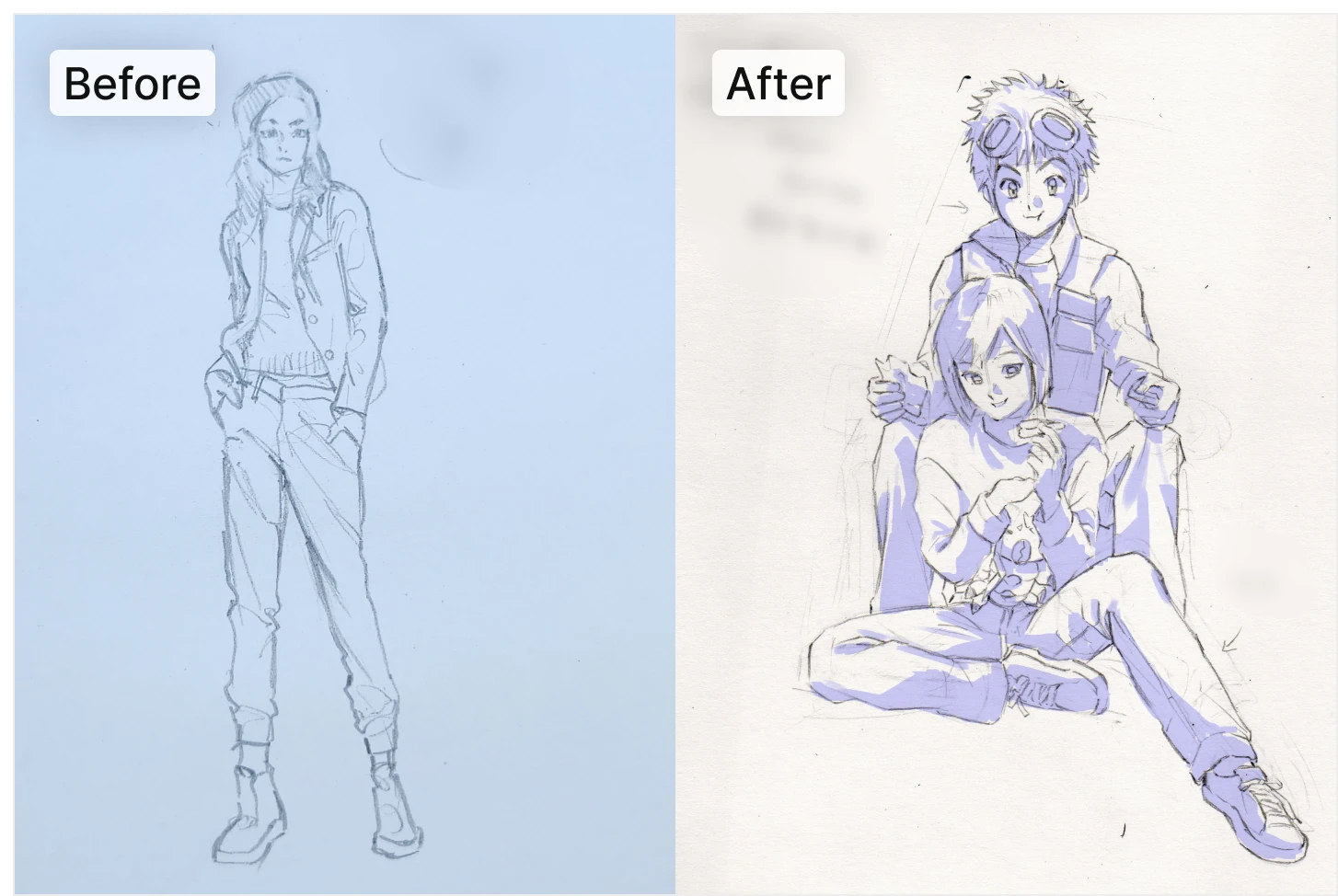
Before taking INHAN’s class, I didn’t feel confident about drawing forms and structures. I didn’t know what I should work on either, which eventually led me to lose interest in drawing. However, INHAN showed me the structural errors of my drawings and taught me how to understand theory, which allowed me to realize the importance of plans and processes and stop relying on my senses. Now I can analyze and address what hinders my work process, as I have the objective standards and problem-solving skills required to do so. Her class helped me reclaim my confidence in art and enjoy drawing again, which would have taken so much more trial and error and time had I studied alone!
-
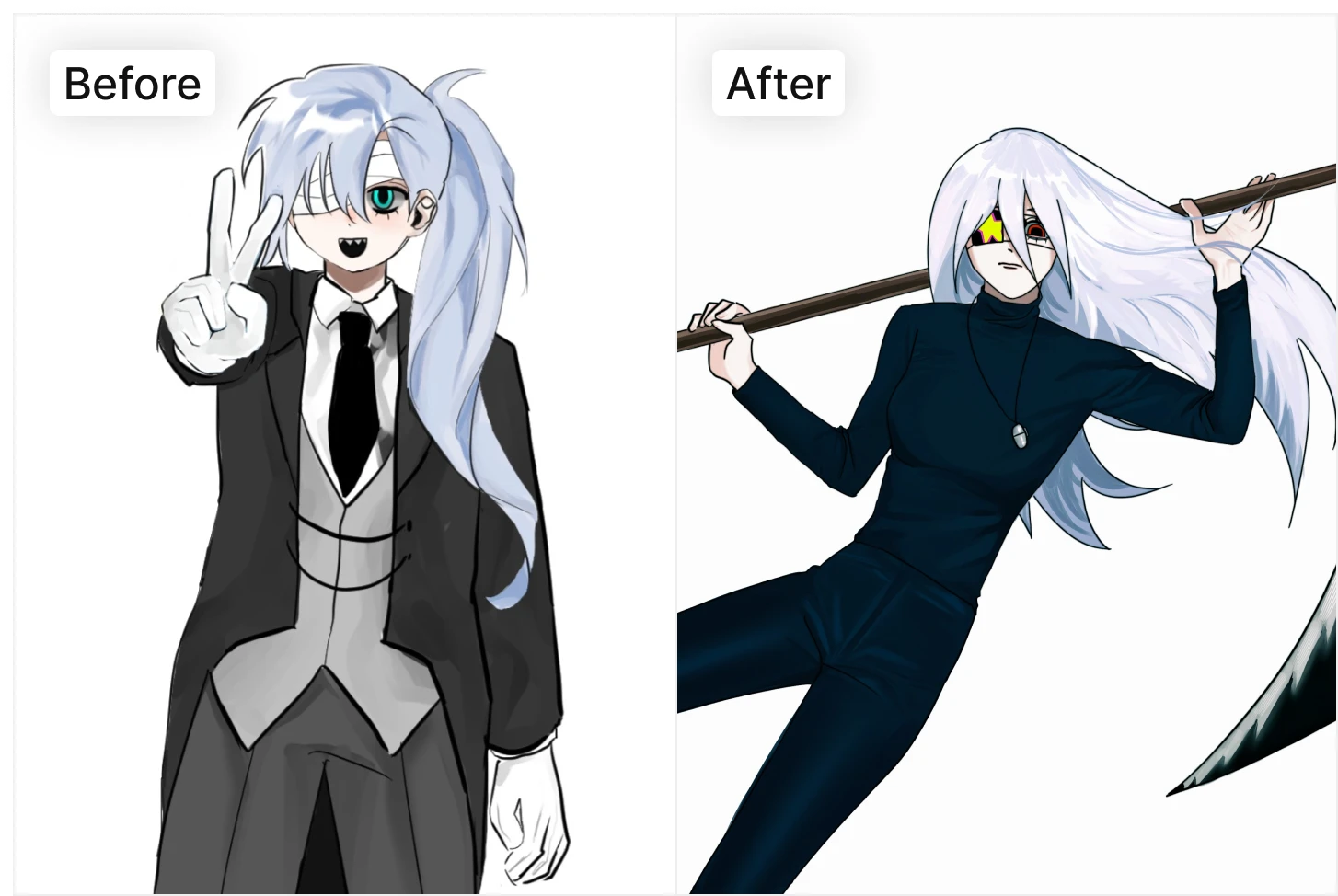 Student B
With INHAN’s guidance, the lines I draw, which used to look all shaky and wobbly, have become so much cleaner and more varied. I also learned how to stylize characters like INHAN, whom I’ve always looked up to, experimenting with new styles to revamp my unchanging art style. Her focus on facial proportions and composition, in particular, allowed me to broaden the scope of my character design, which led to me feeling much more satisfied with my works. Thanks to INHAN’s kind support, I was able to make various changes that I wouldn’t have dared to try on my own. I strongly recommend her class to anyone who wants to improve their art style as I did, or anyone who is going through a slump!
-
 Student C
Despite knowing how to simplify the human figure, I had always struggled with drawing varied poses and compositions. However, with the abundant resources and systematic explanations provided by INHAN, I finally gained a clear understanding of the necessary principles. Her demonstration of simplifying characters for stylization, in particular, gave me all the answers I needed to succeed. Plus, I learned how to use lines and control pen pressure in detail based on gesture lines, getting a clear grasp of these skills. Everything I learned in this class was so useful and fun that I couldn’t wait to apply it to my own creations. If you want to actually improve your drawing skills, I strongly recommend you take this class!
Highlights
Class Highlights
Drawing Catchy Pen-Drawn Lines That Determine the Work’s First Impression
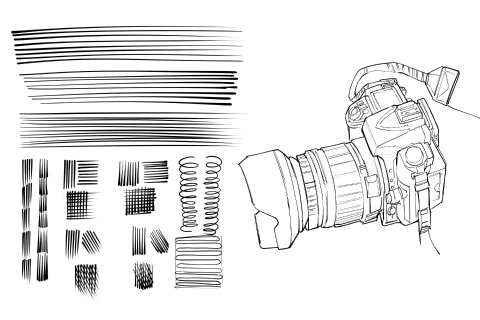
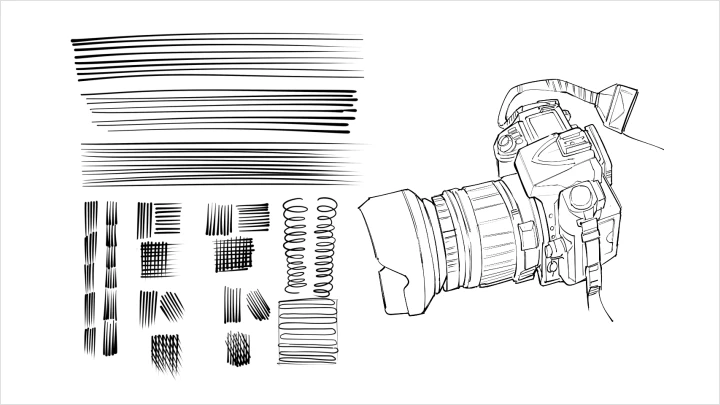
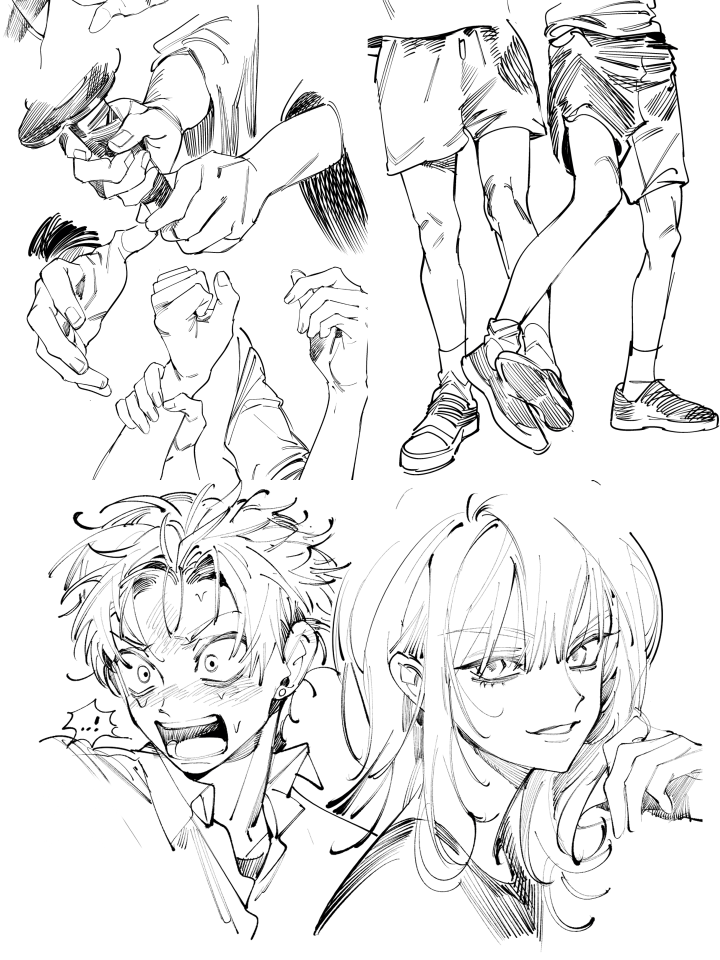
If your lines always look messy and fuzzy, it’s time to create clean pen strokes with a skillful sense of variety, just like INHAN. From adjusting pen pressure settings to identifying inflection points, practice key line drawing techniques for black-and-white comics to transform the quality of your works.
Enriching Black & White Comics with Highly Detailed Drawings
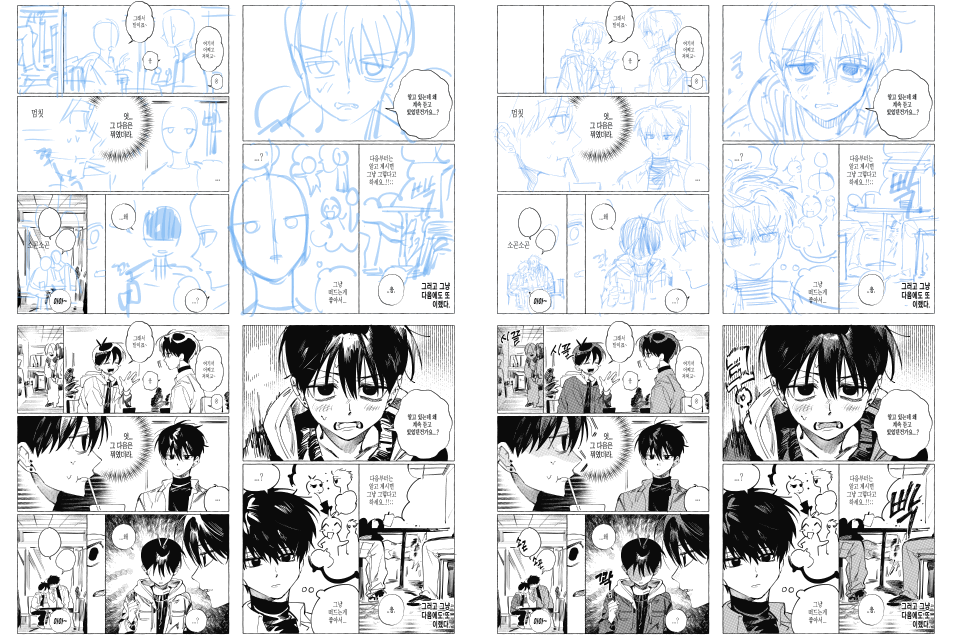
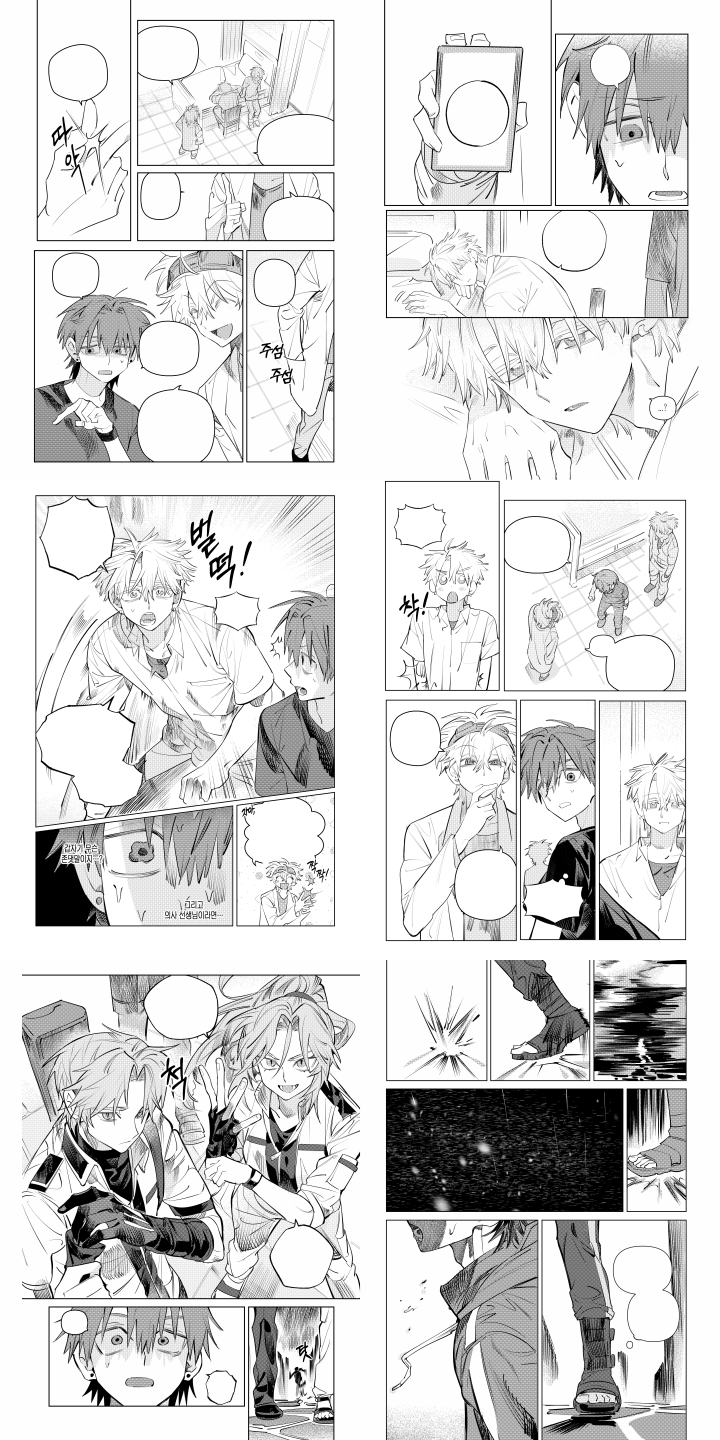
Discover drawing techniques for conveying moods and stories through light and darkness in black-and-white comics! Learn the steps to using ink, tones, and hatching to improve legibility, then set the center of gravity through ink painting. You will also explore various other ways to create highly detailed black-and-white comics, including removing tones to enhance depth, filling backgrounds with pen strokes, and using sound effects.
A Practice-Focused Curriculum for Everyone Who Wants to Create Comics
Delve into the A to Z of creating original three-page comics, which goes far beyond drawing characters. You will create storyboards, speech bubbles, backgrounds, and tones to produce works not just for practice but for actual publication, discovering the joyful and fulfilling experience of making comics.