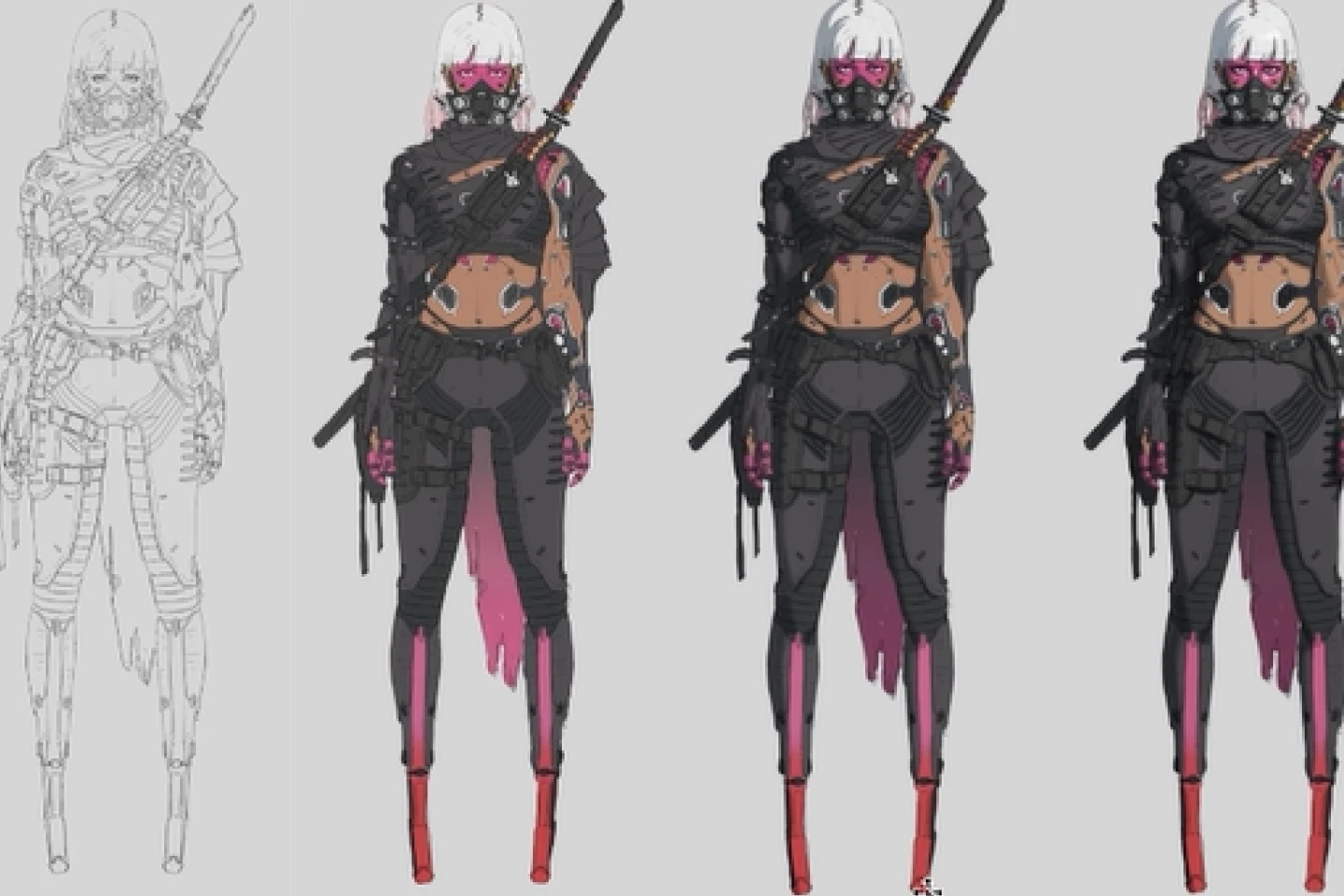
conceptartist,yuhongding Details
Intro
Class Intro
Concept Artist, Yuhong Ding
"With just one tool and my tips, we'll take your character illustration skills to the next level with ease."
Design, Pose, and Draw — Yuhong Ding’s Production-Ready Concept Art Class
In this all-inclusive class, you’ll learn how to build readable, pitchable keyframes and clean, collaborative with layer discipline, smart-object workflows, photo integration that doesn’t break, and variant management that makes an artist's life easier.
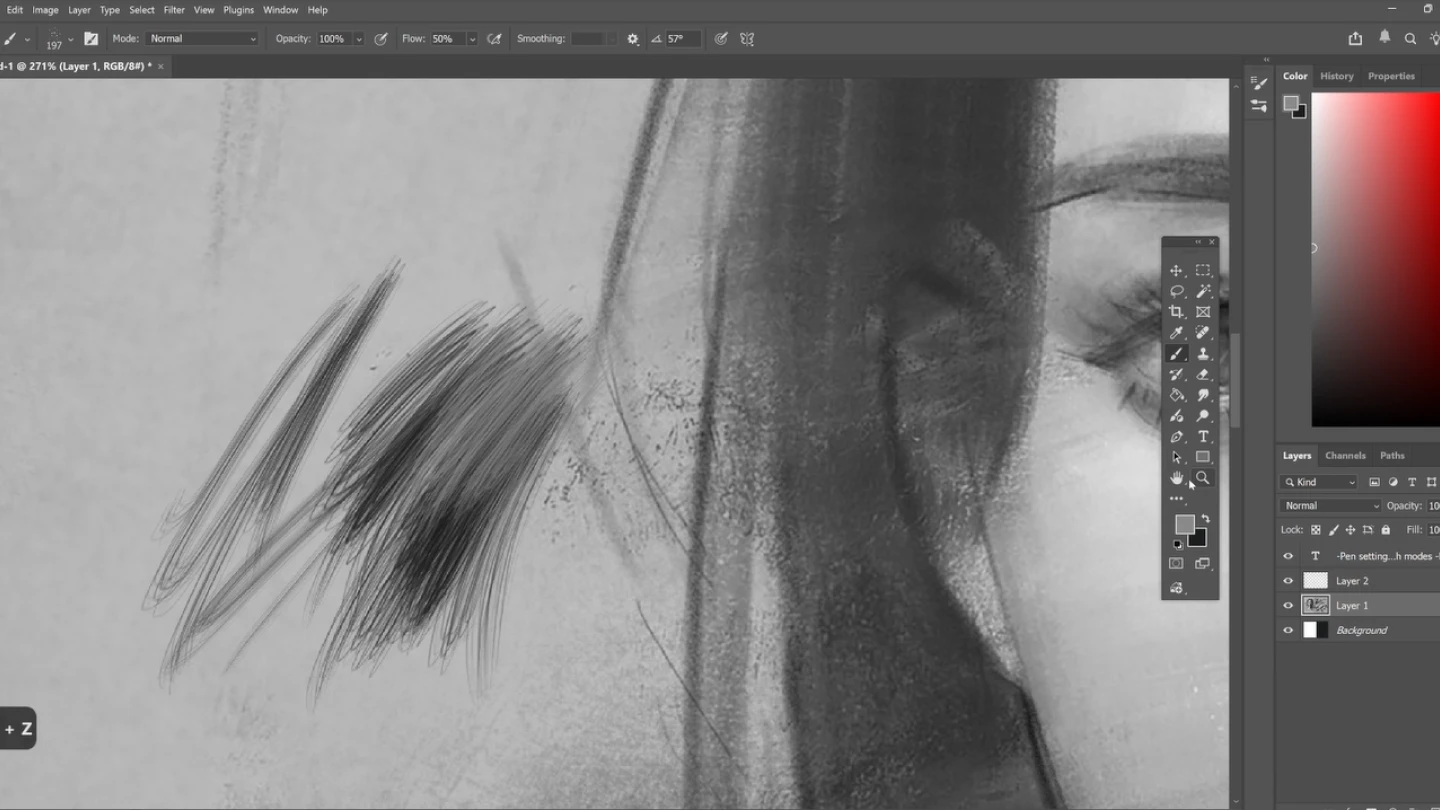
In this beginner-friendly class, we'll be learning techniques from simple to advanced, for painting highly-refined realistic character art, using just Photoshop!
In this beginner-friendly class, we'll be learning techniques from simple to advanced, for painting highly-refined realistic character art, using just Photoshop!
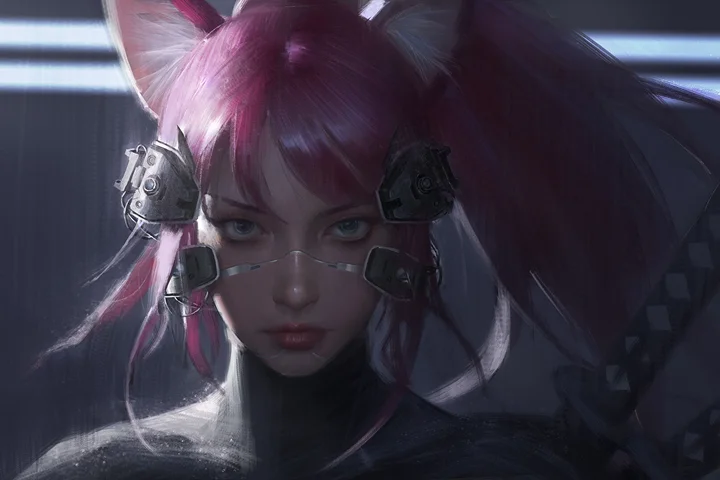
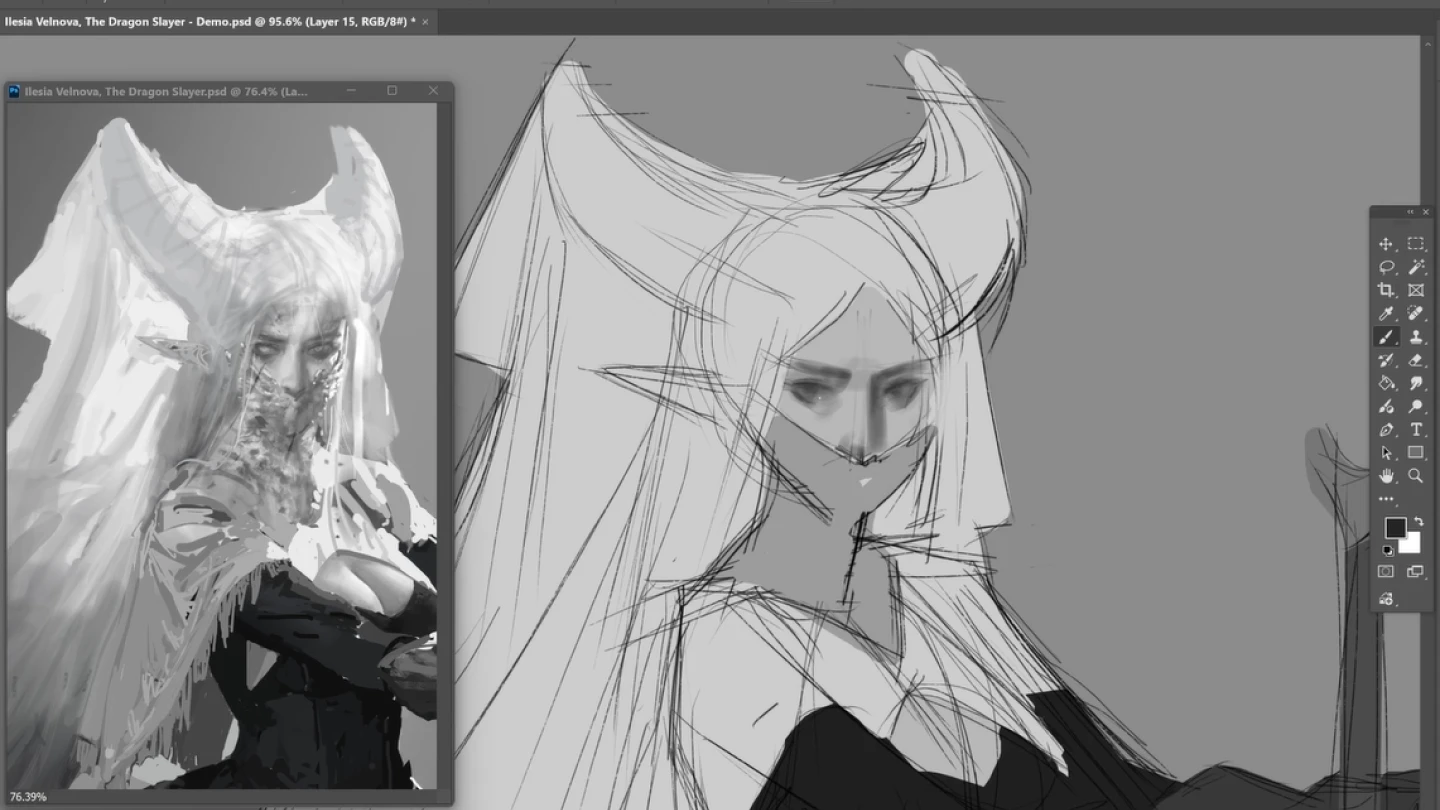
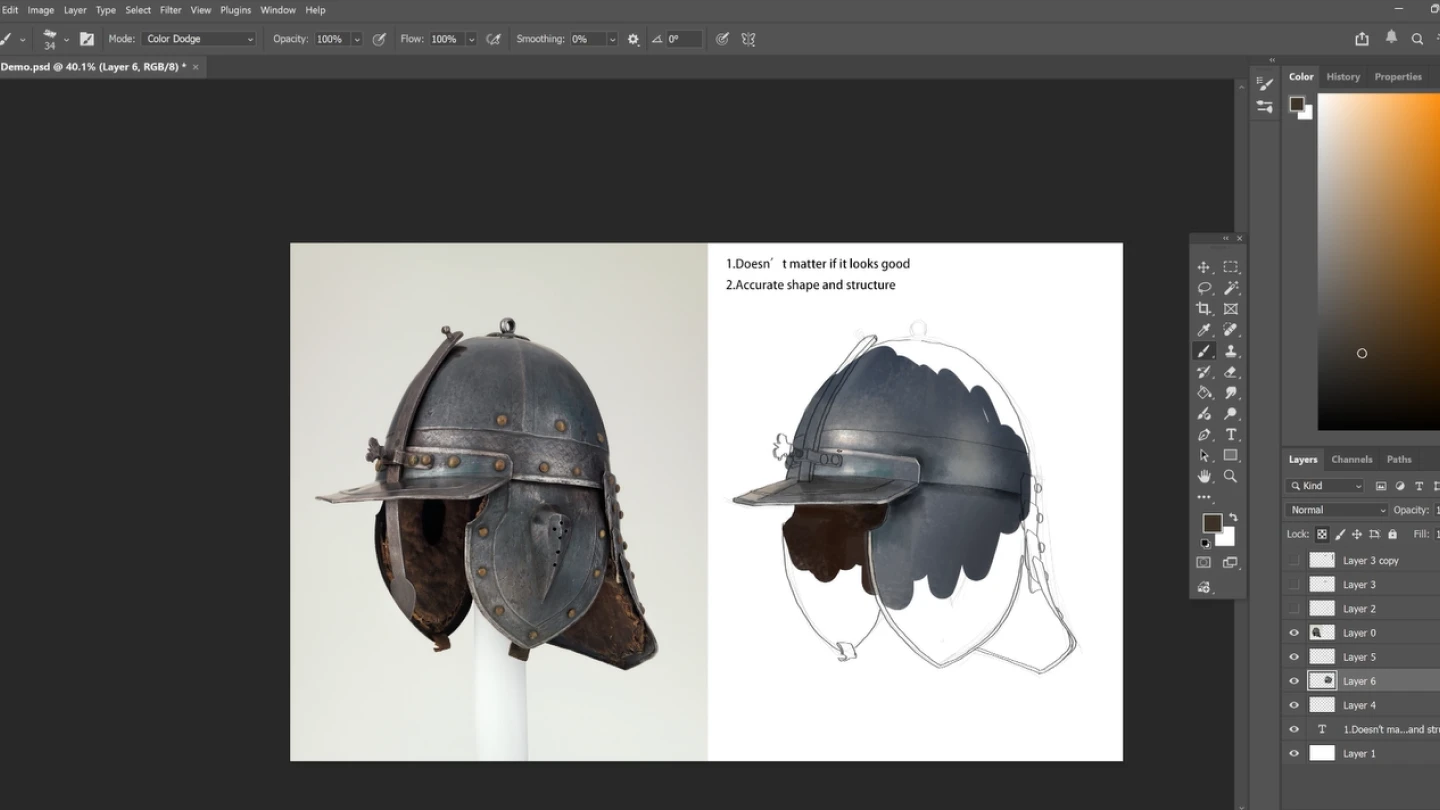
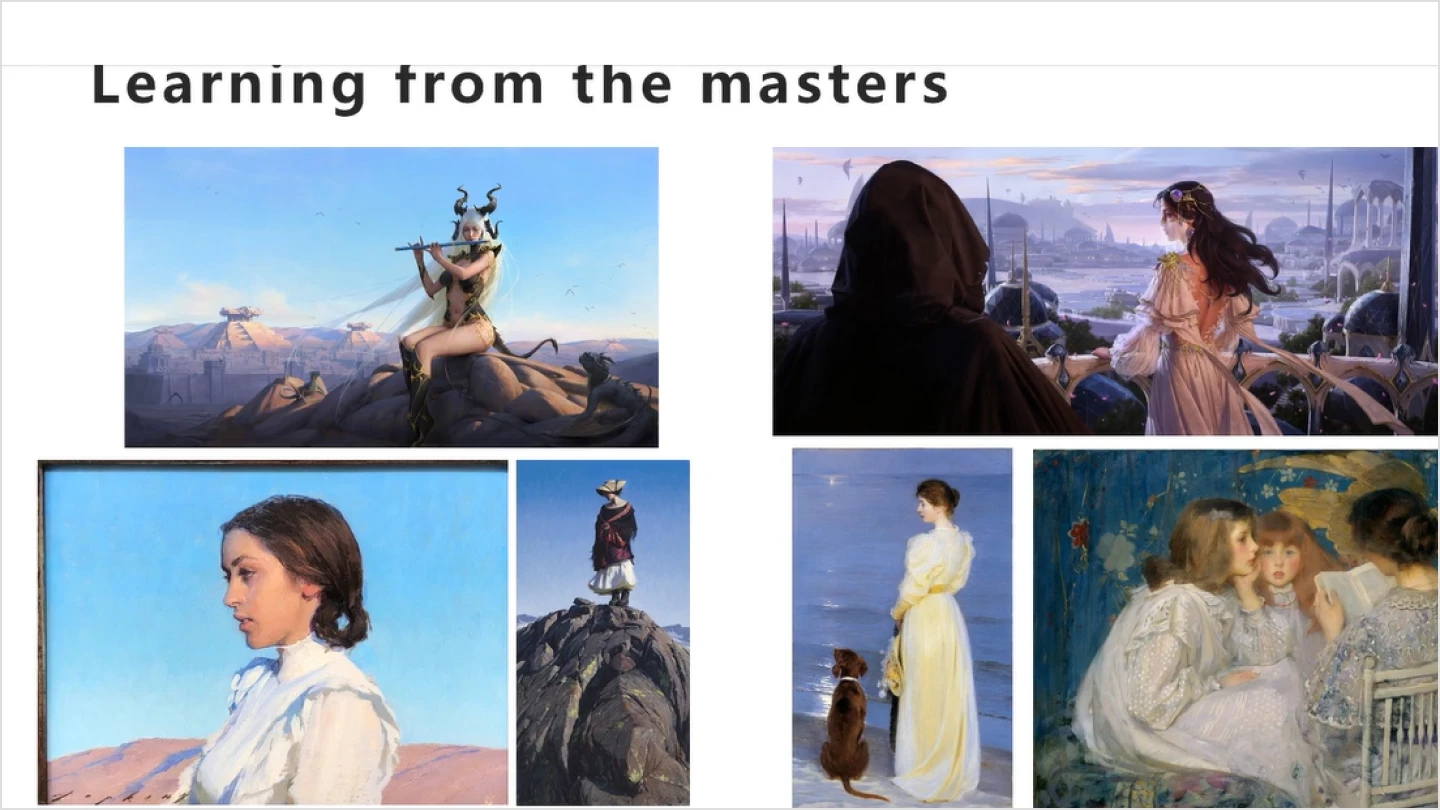
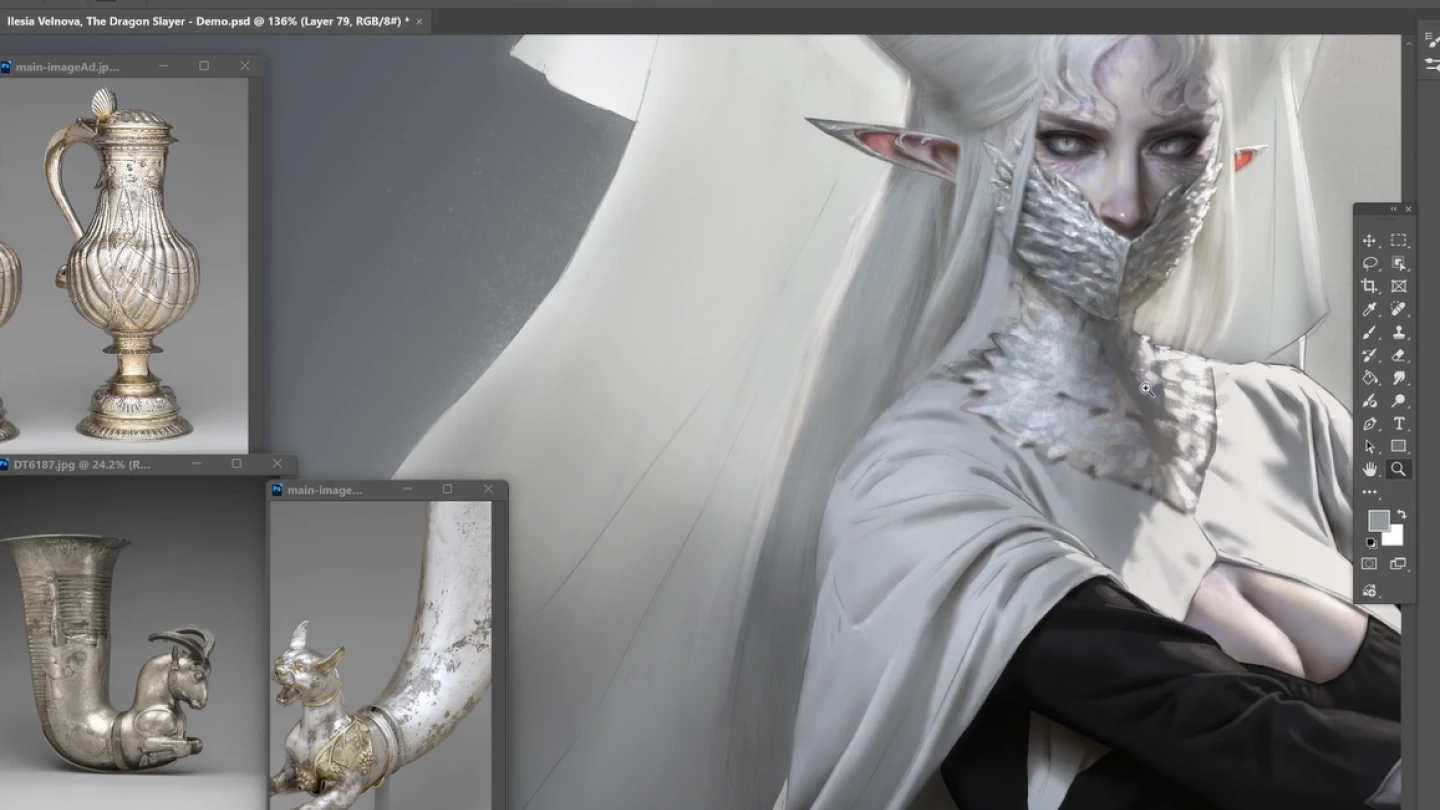
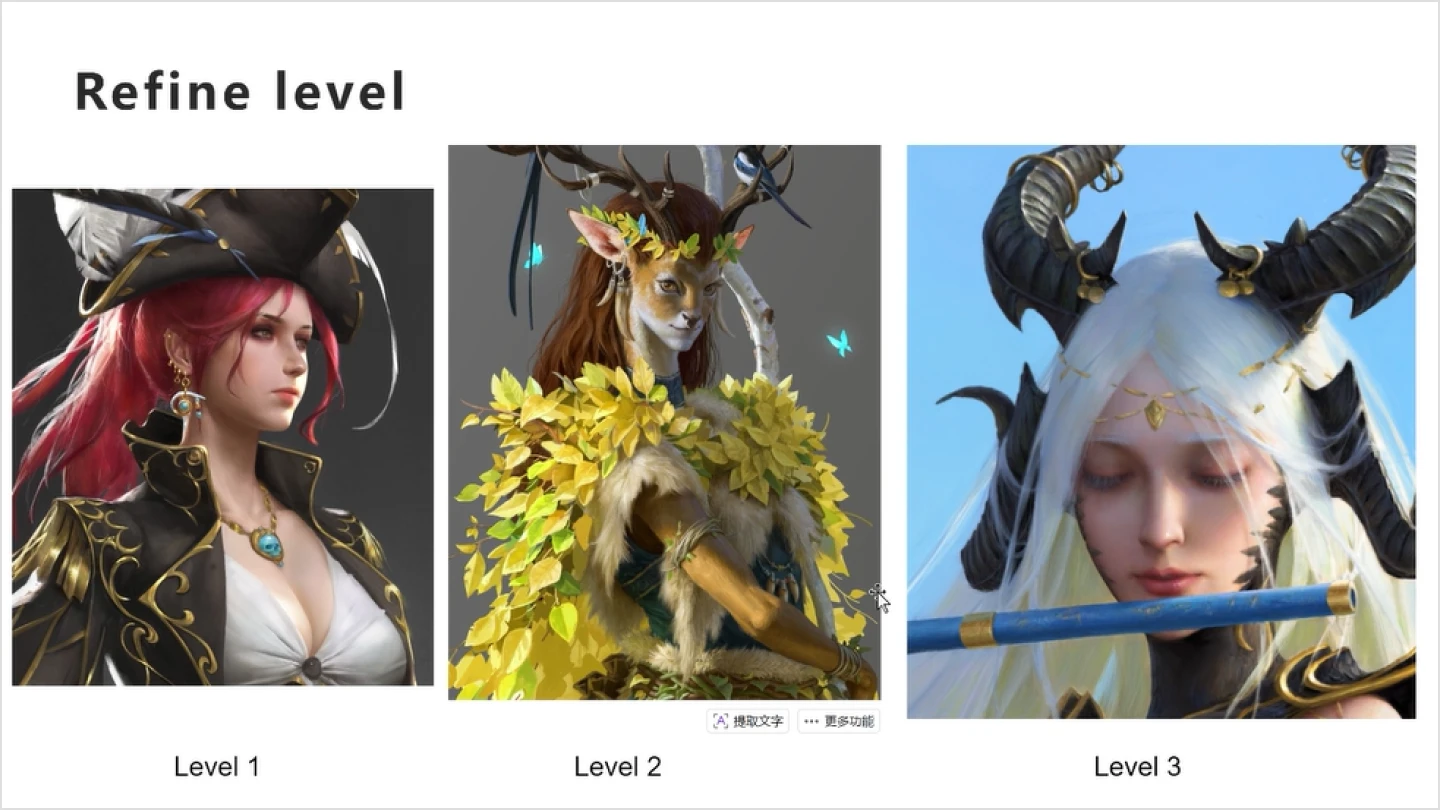
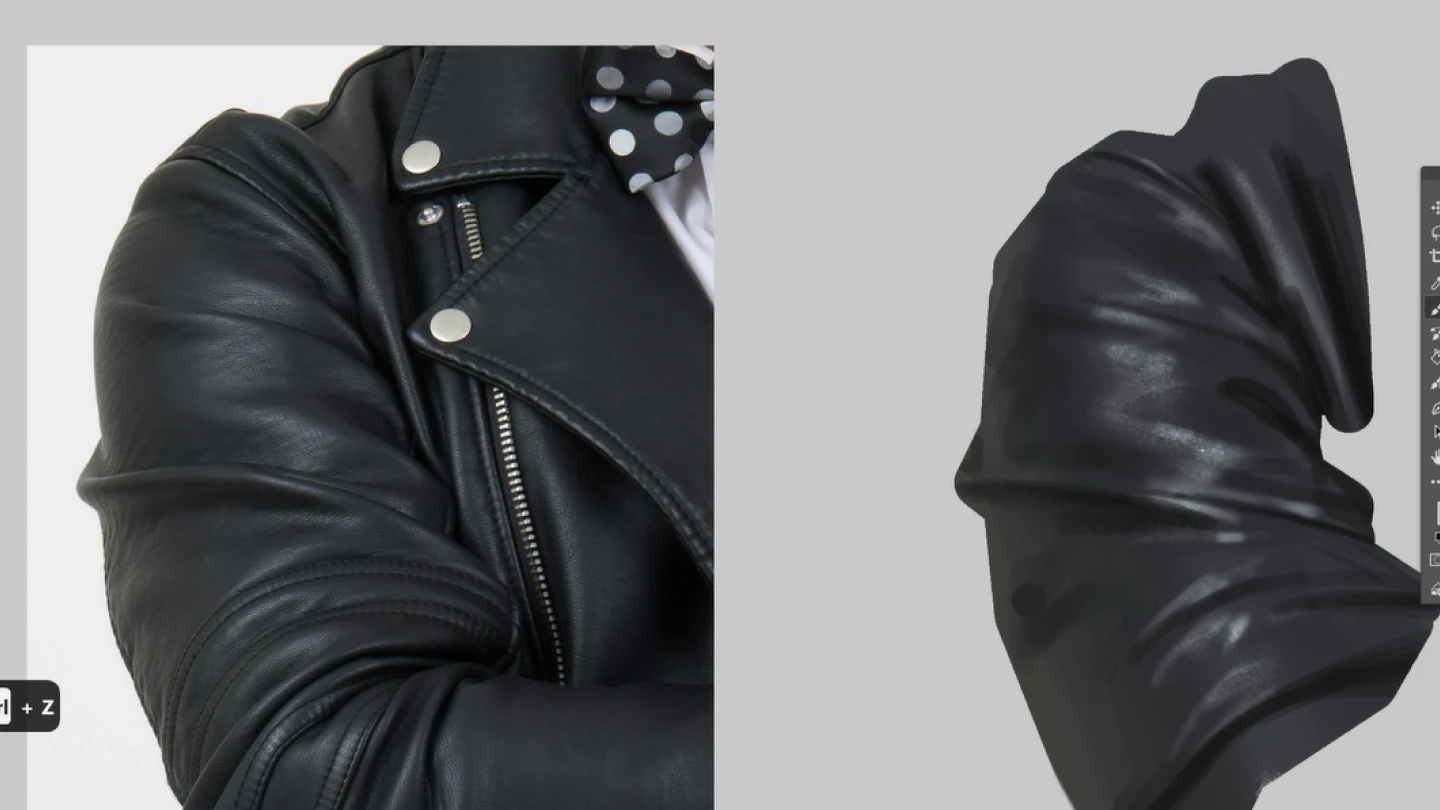
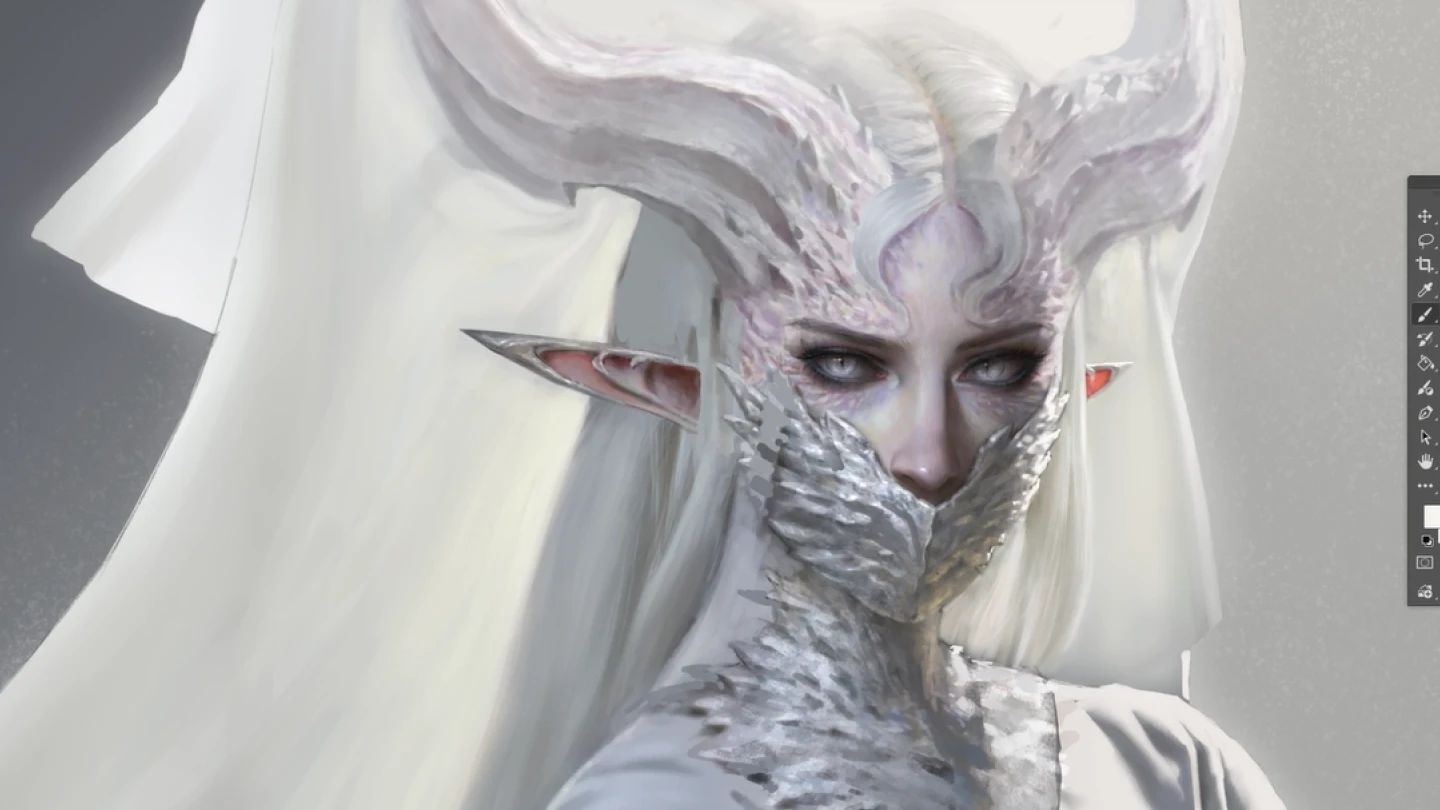
This class focuses entirely on painting characters, covering my approaches to the workflow, reference, shape design, lighting, values, color, texture, and refinement — everything that is necessary to bring your characters to life with brushwork. I will share my complete process from the rough sketch all the way to a fully refined, finished piece.
Expect rigorous demos, annotated PSDs, and decision frameworks that cut iteration and keep you moving at production speed.
The course includes handoff checklists, naming conventions, and rate/scope templates so you can quote, deliver, and scale without chaos. It’s aimed at serious learners—juniors to mid-levels, freelancers, and cross-discipline artists who want to raise rates, win pitches, and survive real feedback cycles. If you’re ready to turn aesthetic into outcomes and files into trust, this is the upgrade.
Expect rigorous demos, annotated PSDs, and decision frameworks that cut iteration and keep you moving at production speed.
The course includes handoff checklists, naming conventions, and rate/scope templates so you can quote, deliver, and scale without chaos. It’s aimed at serious learners—juniors to mid-levels, freelancers, and cross-discipline artists who want to raise rates, win pitches, and survive real feedback cycles. If you’re ready to turn aesthetic into outcomes and files into trust, this is the upgrade.
Class Preview
Still Not Sure?
Check Out Yuhong Ding's Class Preview!
Chapter 7. Shapes
1. Good shapes and bad shapes
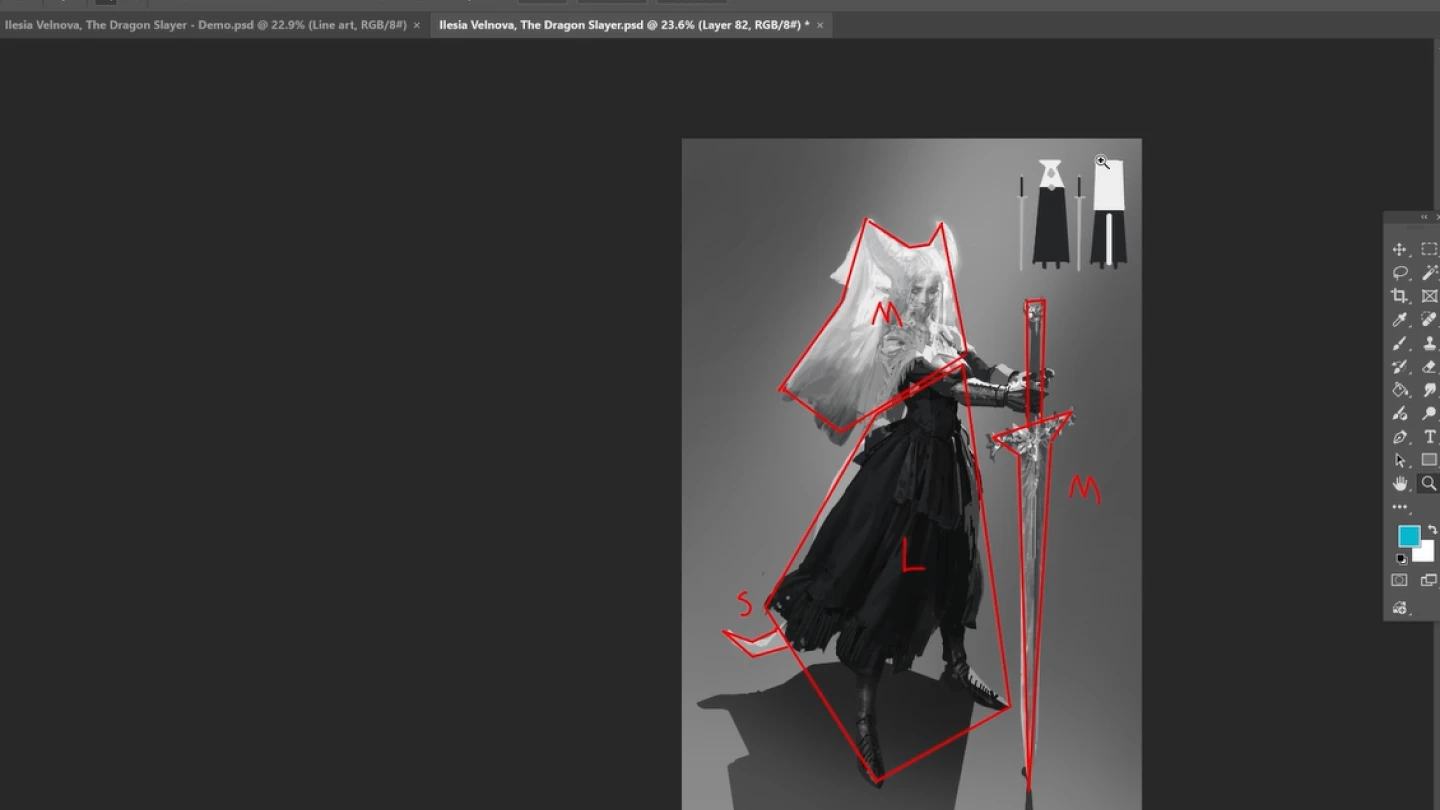
2. Large, medium and small shapes
3. Rythm of long and short lines
4. Real shapes and stylized shapes
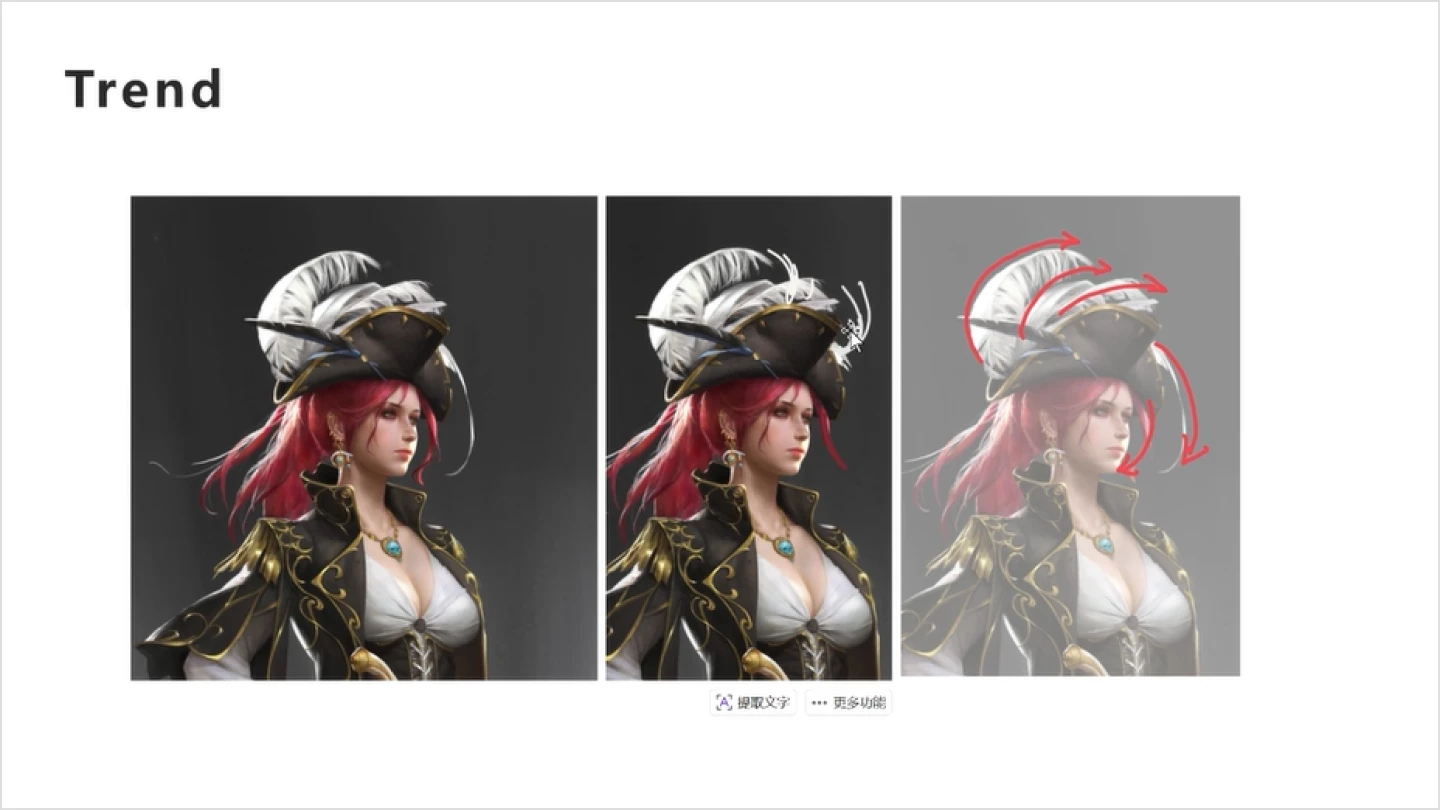
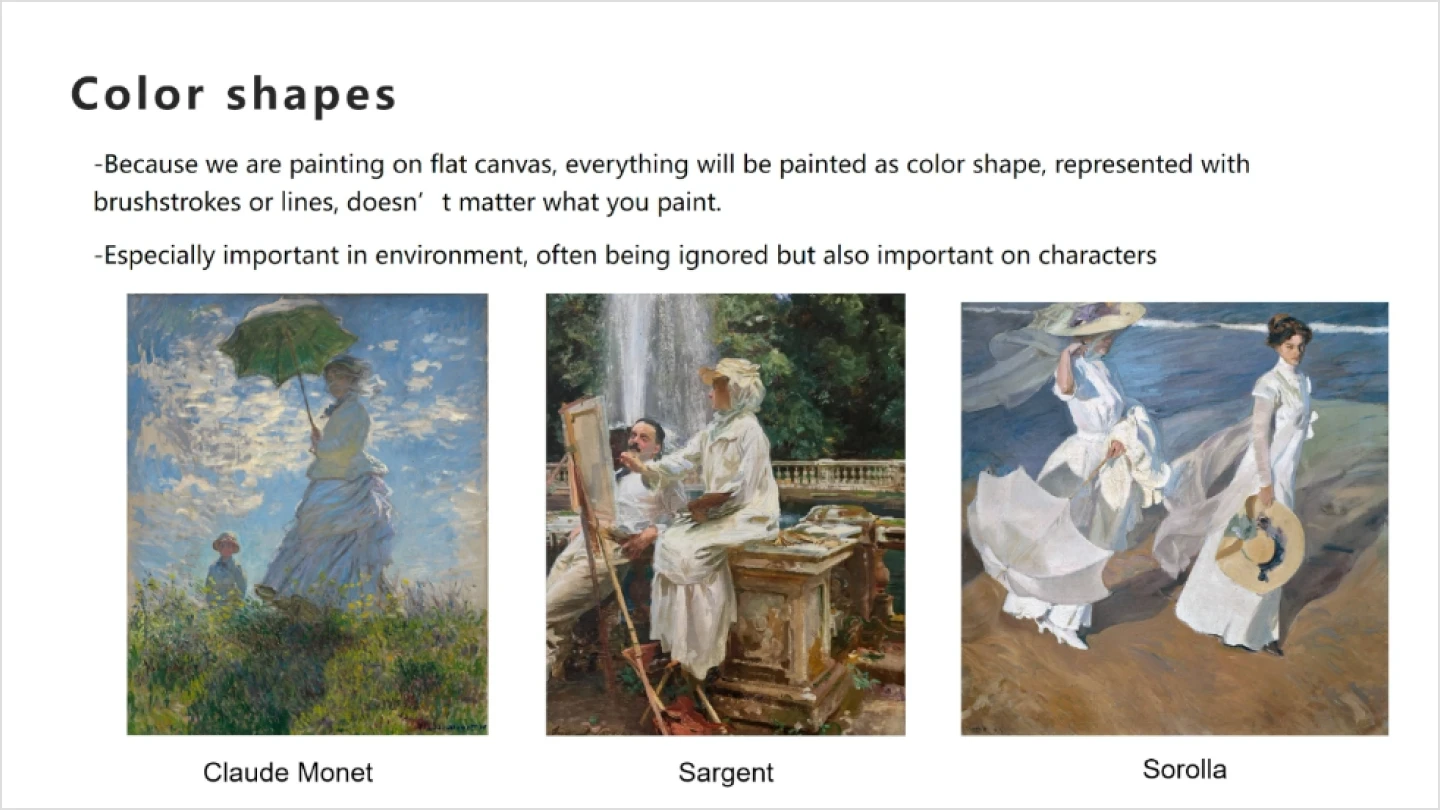
5. Use shapes to deliver more information
2. Large, medium and small shapes
3. Rythm of long and short lines
4. Real shapes and stylized shapes
5. Use shapes to deliver more information
Class Perks
Special Gift from Yuhong Ding
-
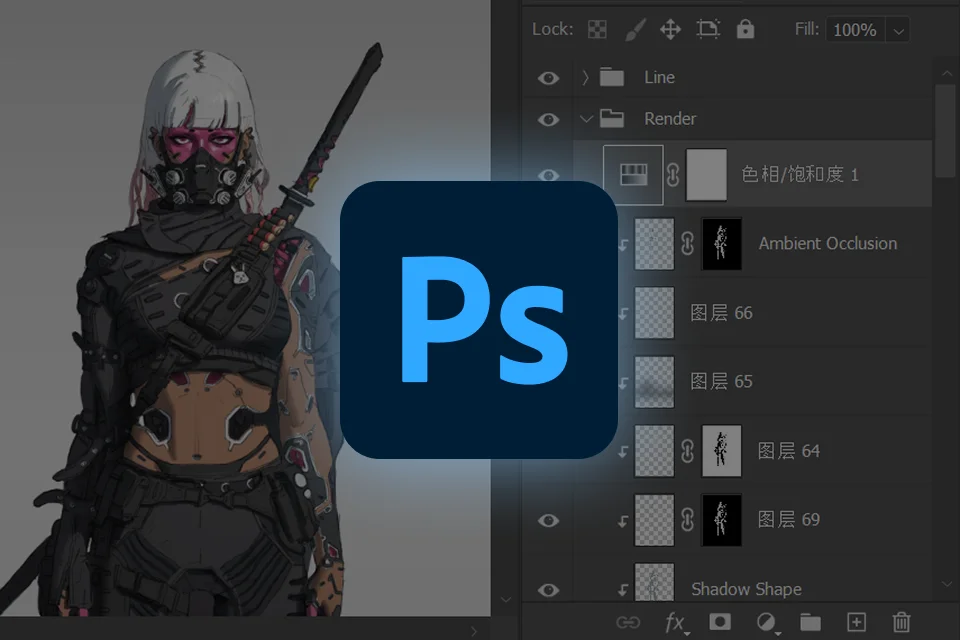 Complete Course PSD files
 -
 Yuhong's Brushes
 -
 Coloso Exclusive Class Sheets and Slides
 -
 BONUS-Career Insight Session
Class Material Details
-
 Entire PSD files with full layers-Layered progress — witness the full creative journey, from first sketch to final.
-Ultra-high resolution — zoom in and analyze every brushstroke with perfect clarity. -
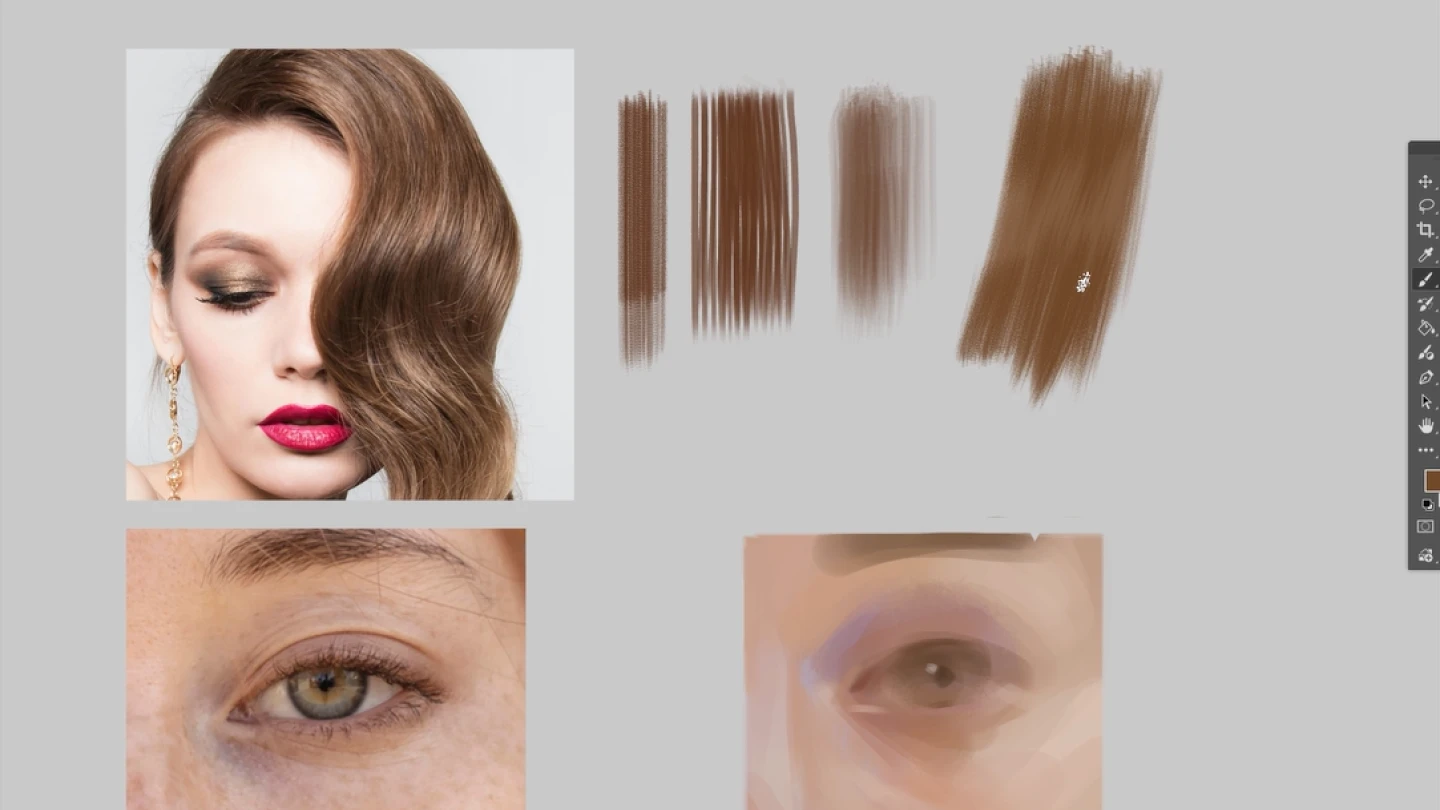
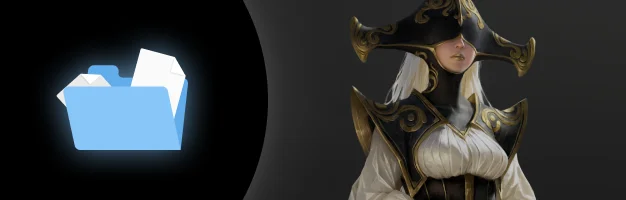 Yuhong's Top 10 brushes that made it to the end-Access a private brush set made exclusively for this course — never available to the public.
-Most of the brushes are personally adjusted by Yuhong to capture his signature painterly look with speed and precision.
-Includes an exclusive walkthrough video where Yuhong demonstrates how he uses these brushes to bring his characters to life. -
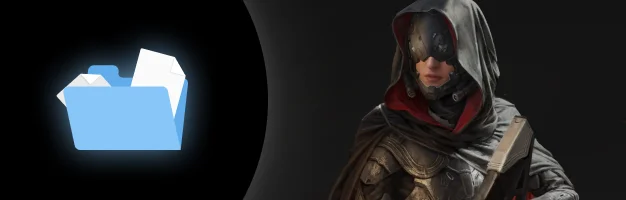 Sketches and Theory Slides- Get access to Yuhong’s complete course presentation, covering all key theories and workflows in a clear, visual format.
- Step-by-step visual guides to master, lighting, color, rendering details, and painting with confidence.
- Insider notes and pro tips from Yuhong that reveal the thought process behind every successful character piece. -
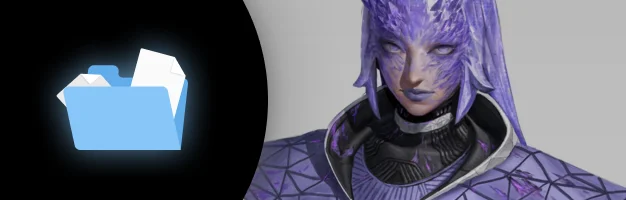 What it is like to be in the industry, and how to stay monetized for 10+ years-Learn from Yuhong’s real-world experience as he shares how to start and grow your career as a concept artist and illustrator from the very early stage.
-Perfect for beginners, this section reveals what it’s really like to work in today’s entertainment industry.
-Explore how an artist work across games, publishing, card art, and animation, and what studios look for.
Recommendation
Who should take this class?
Aspiring and early-career concept artists that want to build a character illustration portfolio
Ambitious Students & Self-Taught Artists that needs a systematic workflow on painting characters
Concept artists with foundation in design who want to take their rendering skills to the next level
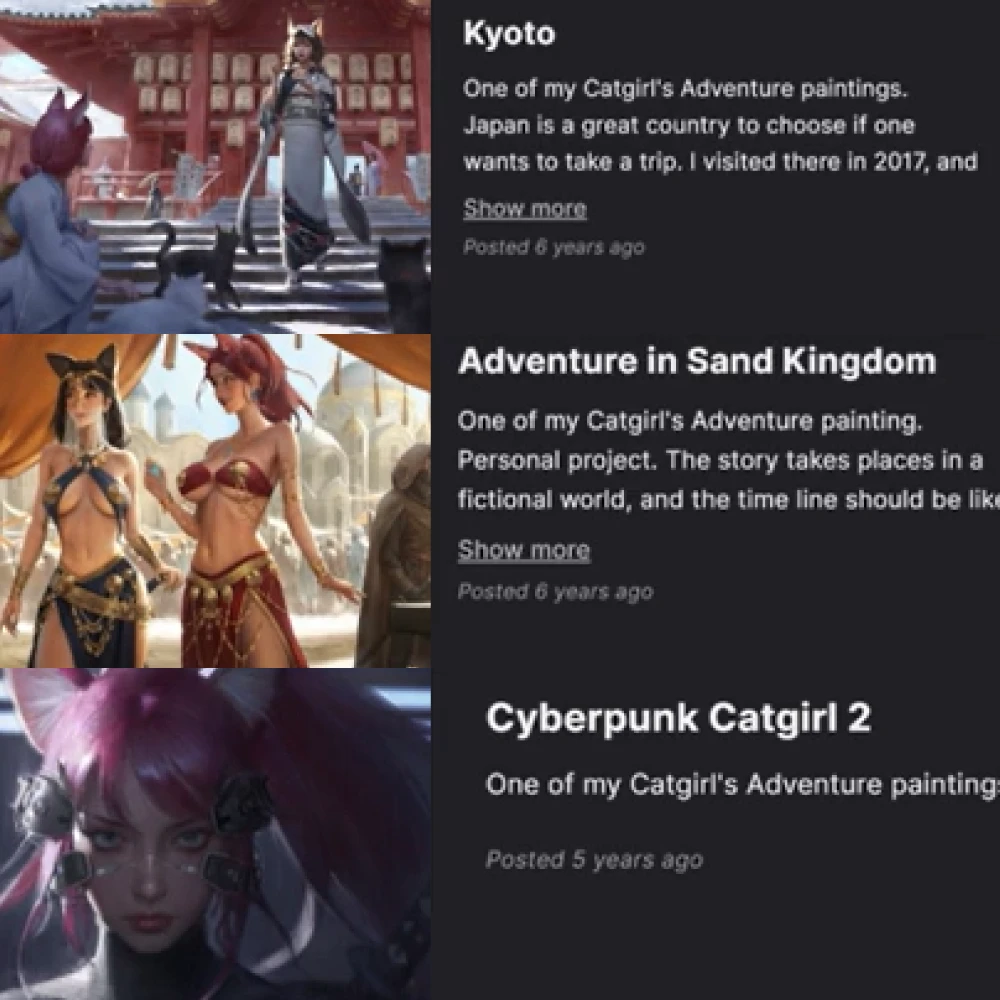
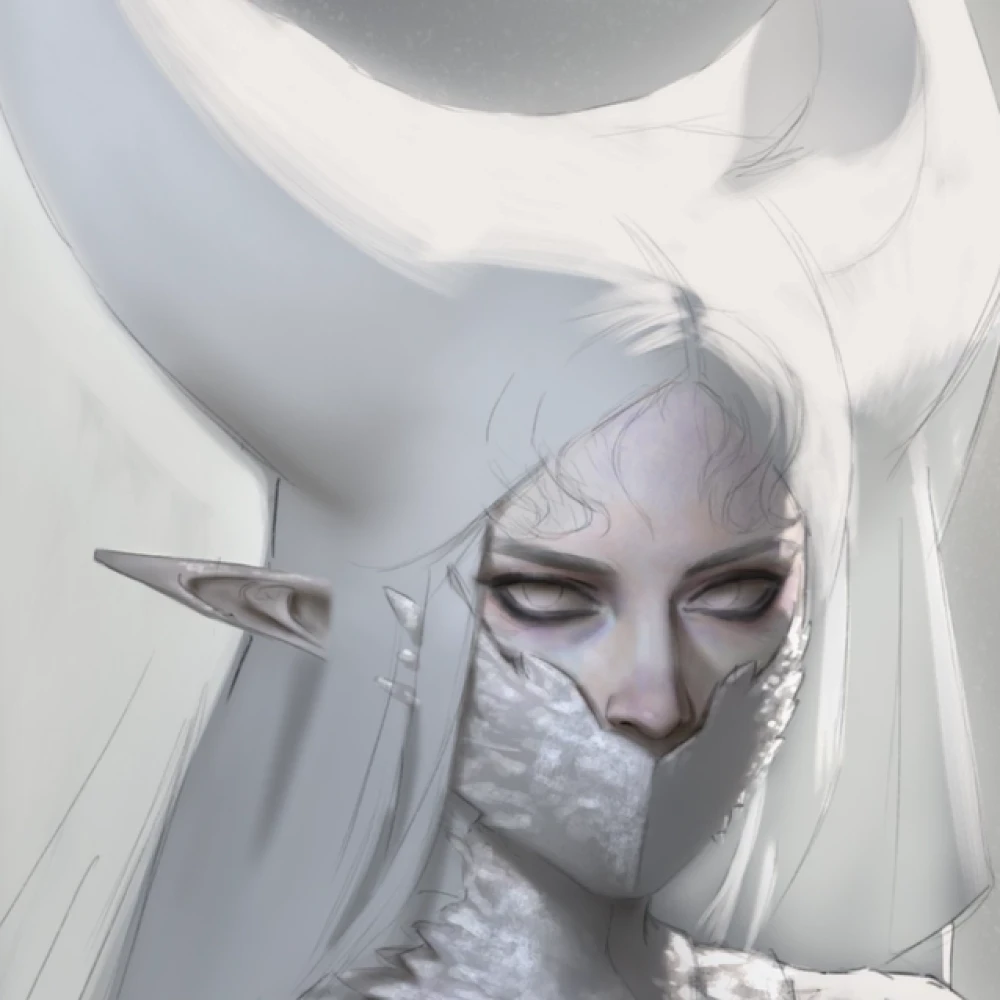
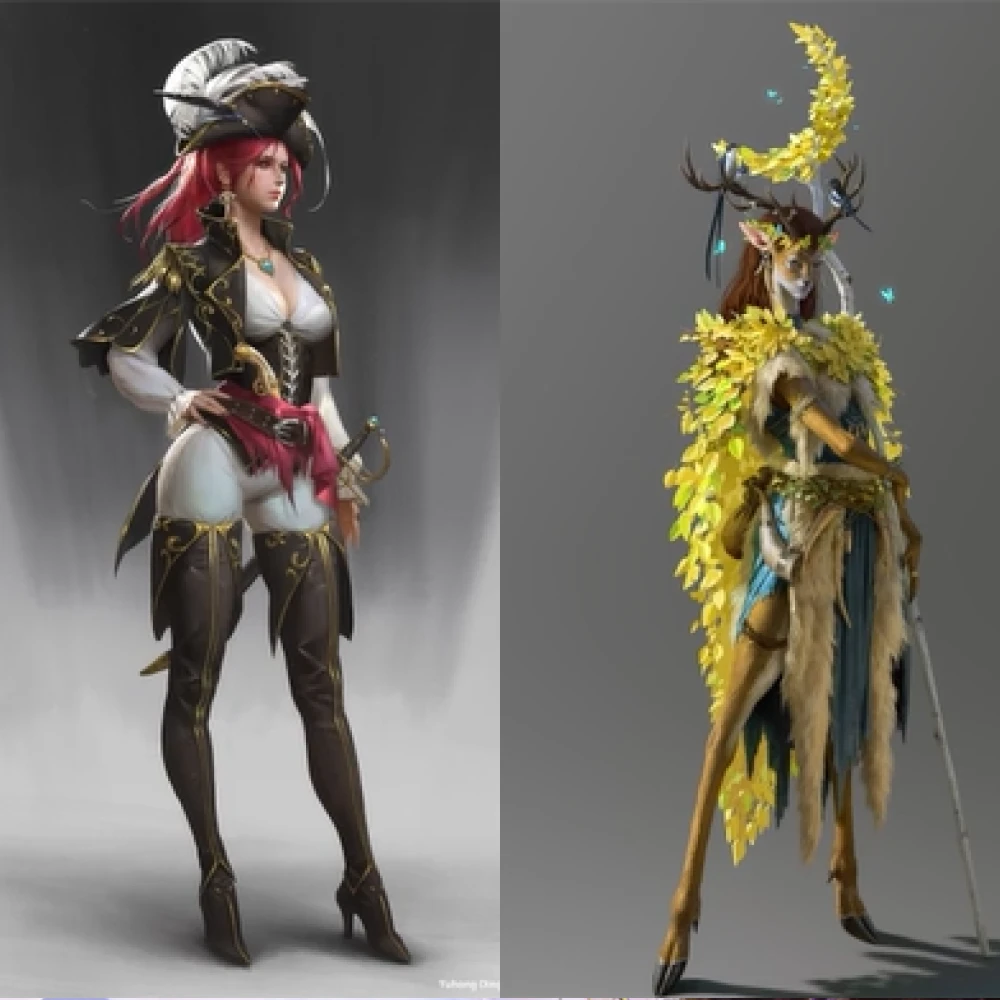
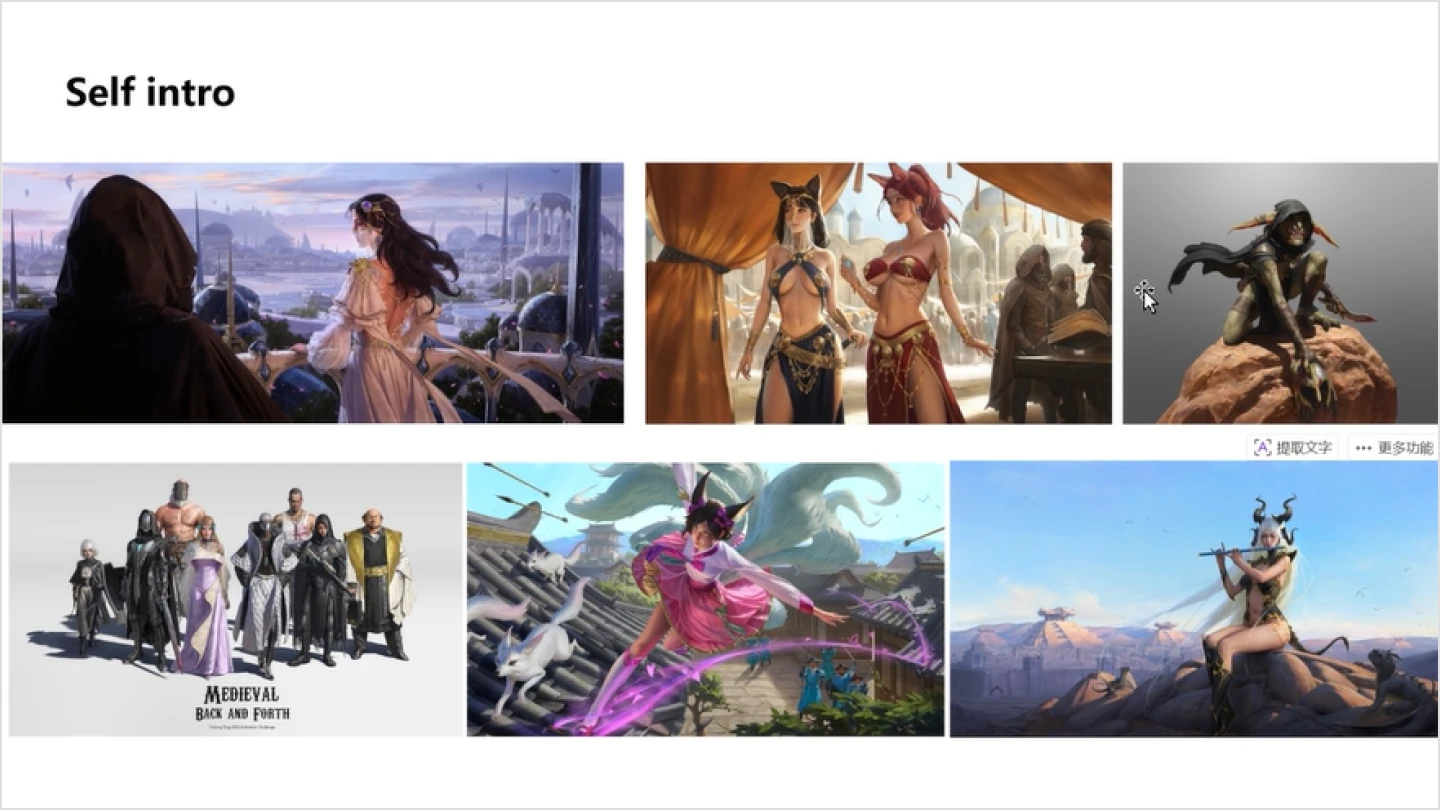
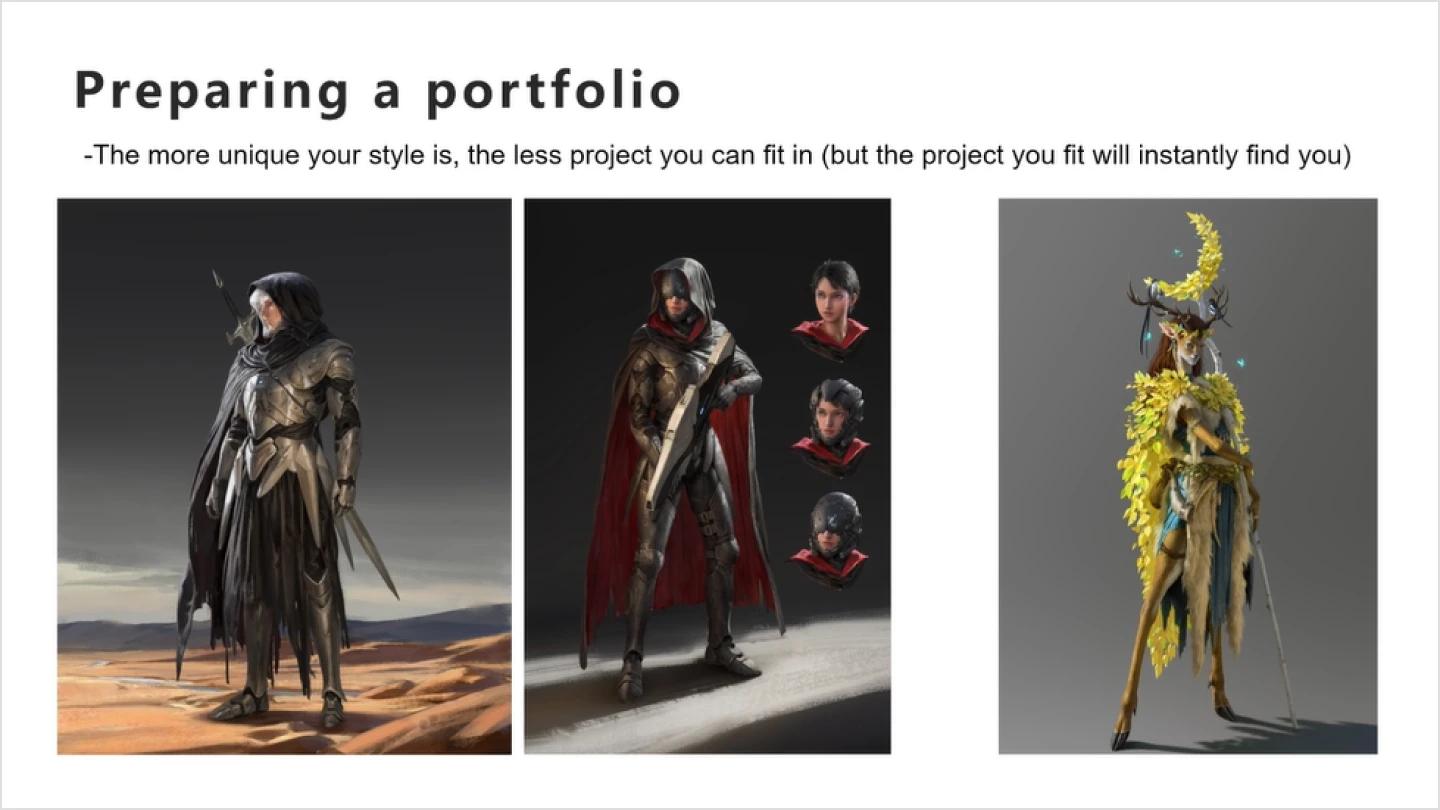
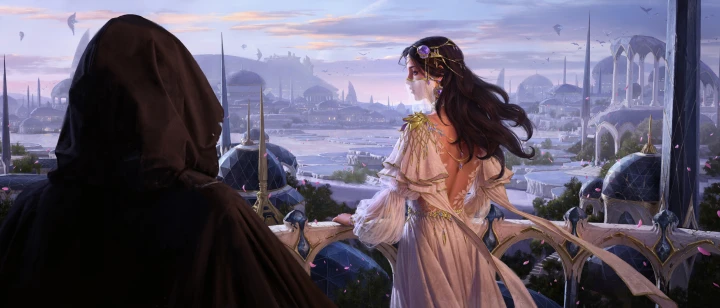
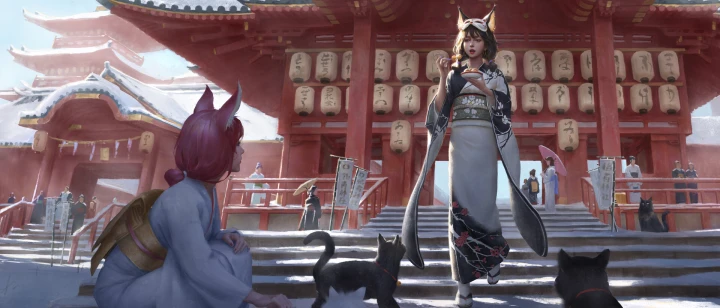
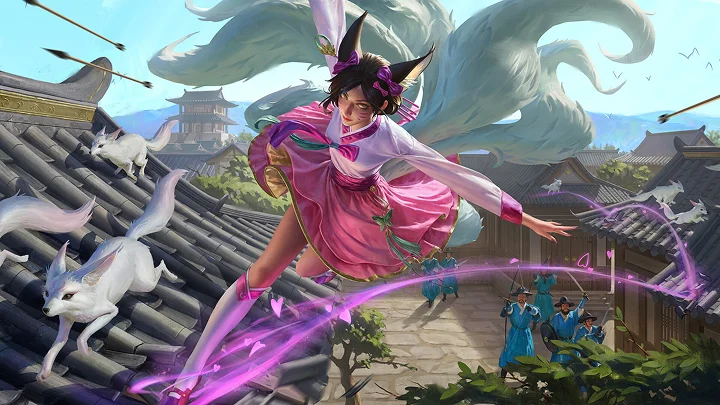
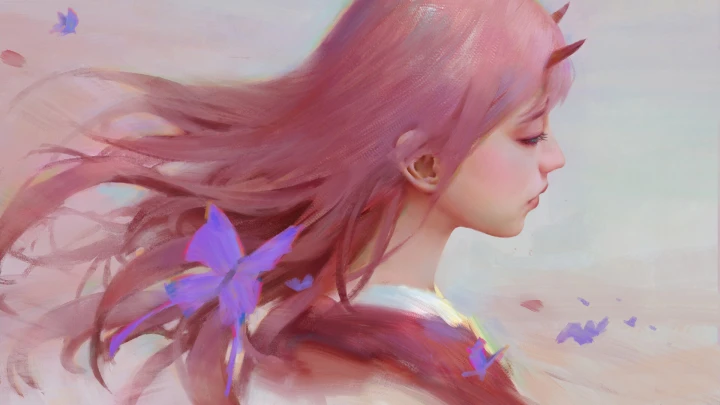
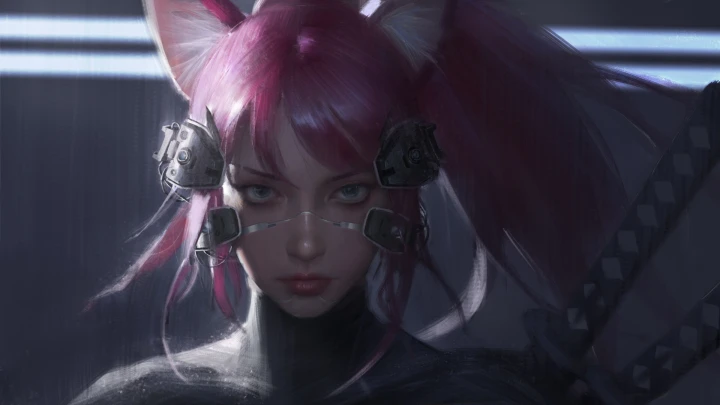
Expert Concept Artist Yuhong Ding's Portfolio

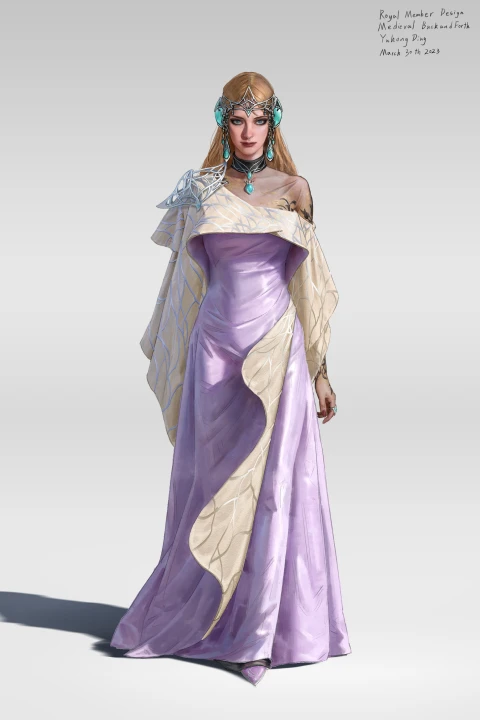
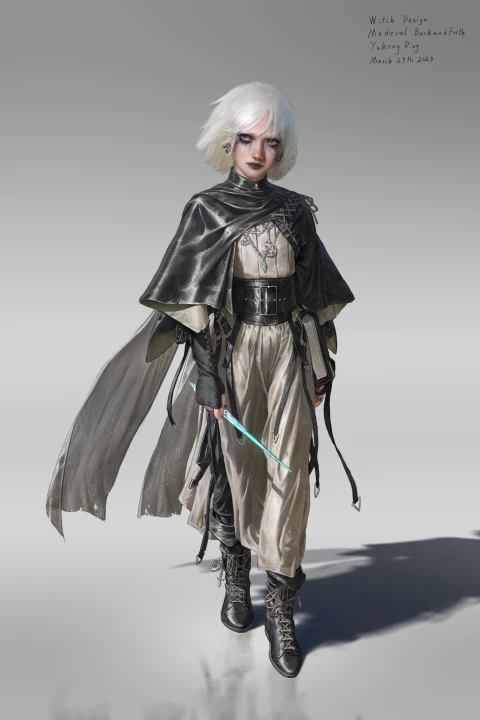
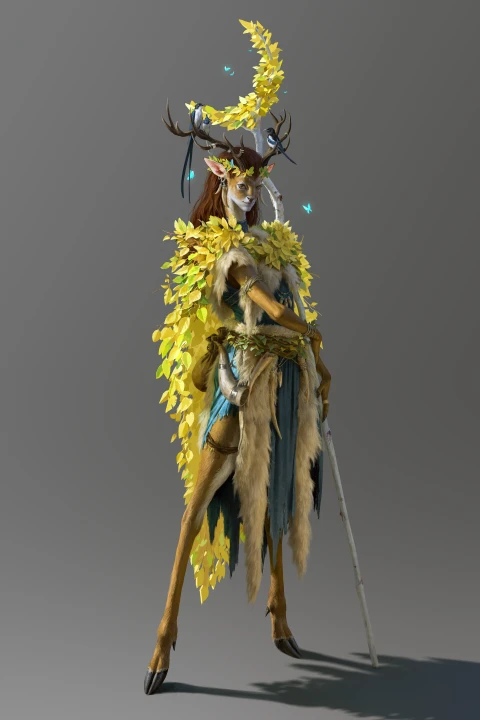
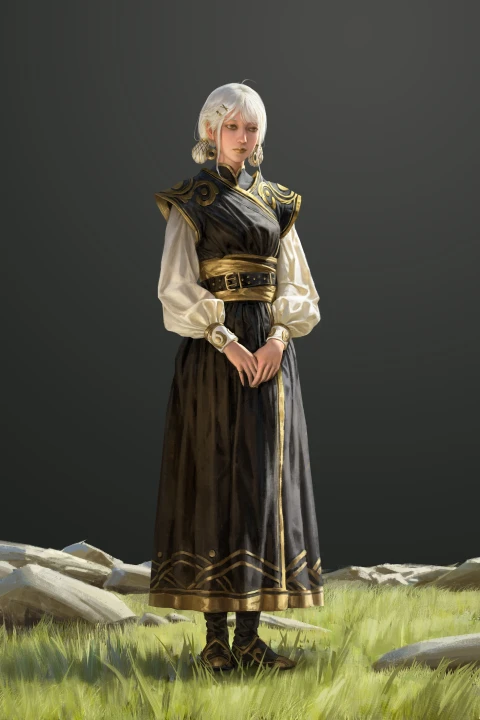

Why Take This Class?
If you've ever stared at a character painting wondering why the lighting feels flat, the colors look muddy, or the whole piece just doesn't hold up next to professional work.
This class breaks down exactly what's missing. Yuhong doesn't teach shortcuts or tricks; he walks you through the actual decision-making process professionals use when tackling complex light setups, translating messy photo references into clean design language, and rendering materials that look convincing instead of overworked.
You'll see how a Sony Pictures Animation artist approaches a piece from rough sketch to final render, learning the specific observation skills and color logic that make characters feel three-dimensional and alive rather than plasticky and lifeless. This is the practical knowledge that bridges the gap between ""pretty good"" and work that lands you freelance gigs or studio interviews.
If you're tired of feeling stuck between student work and professional quality, or wondering whether your art can actually translate into sustainable income, this class addresses both the craft problems (why does my rendering look overworked?) and the career questions (how do I actually get hired?) that keep artists spinning their wheels. You'll walk away with both stronger paintings and a clearer path forward.

Get Ready for the Real-World
13 Class Exercises
-
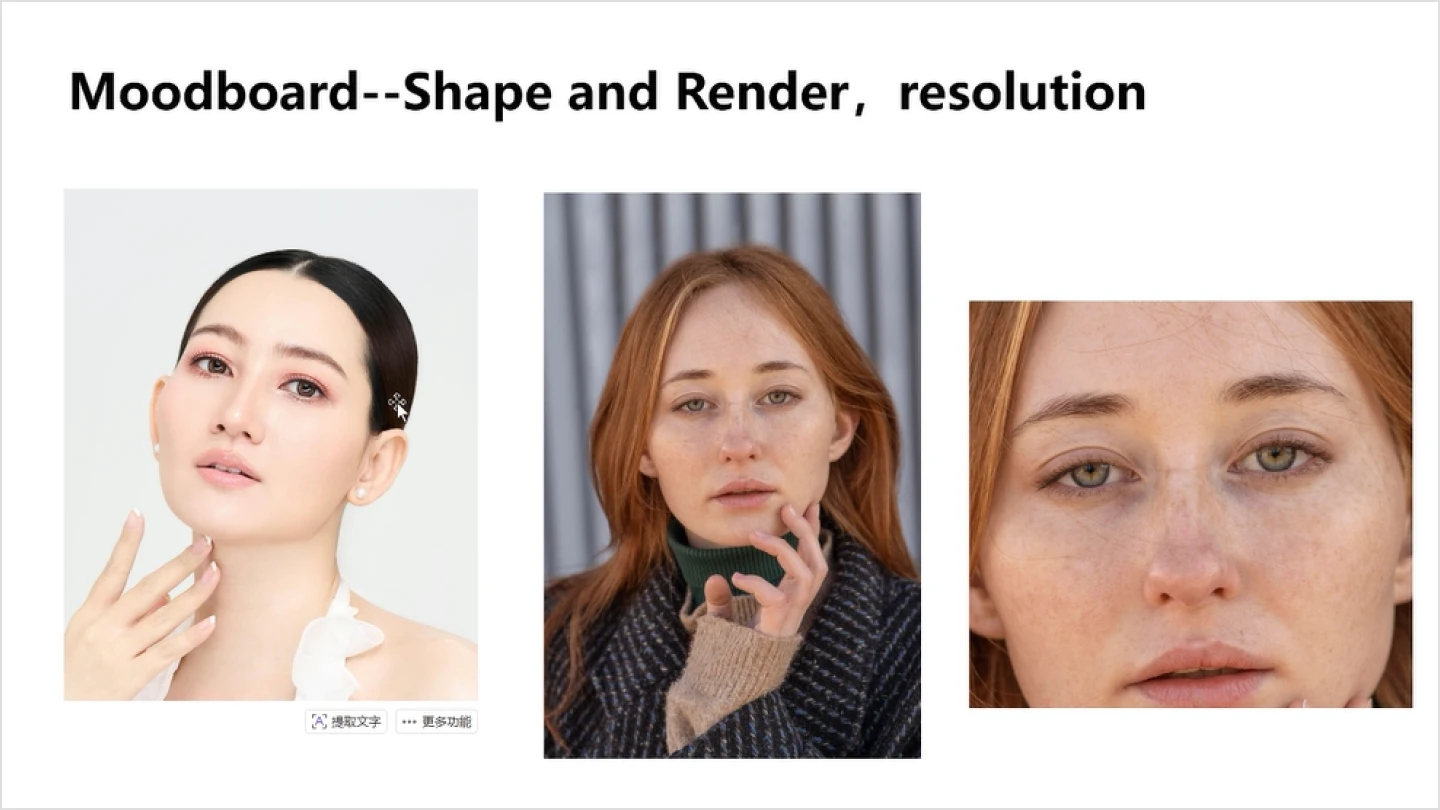
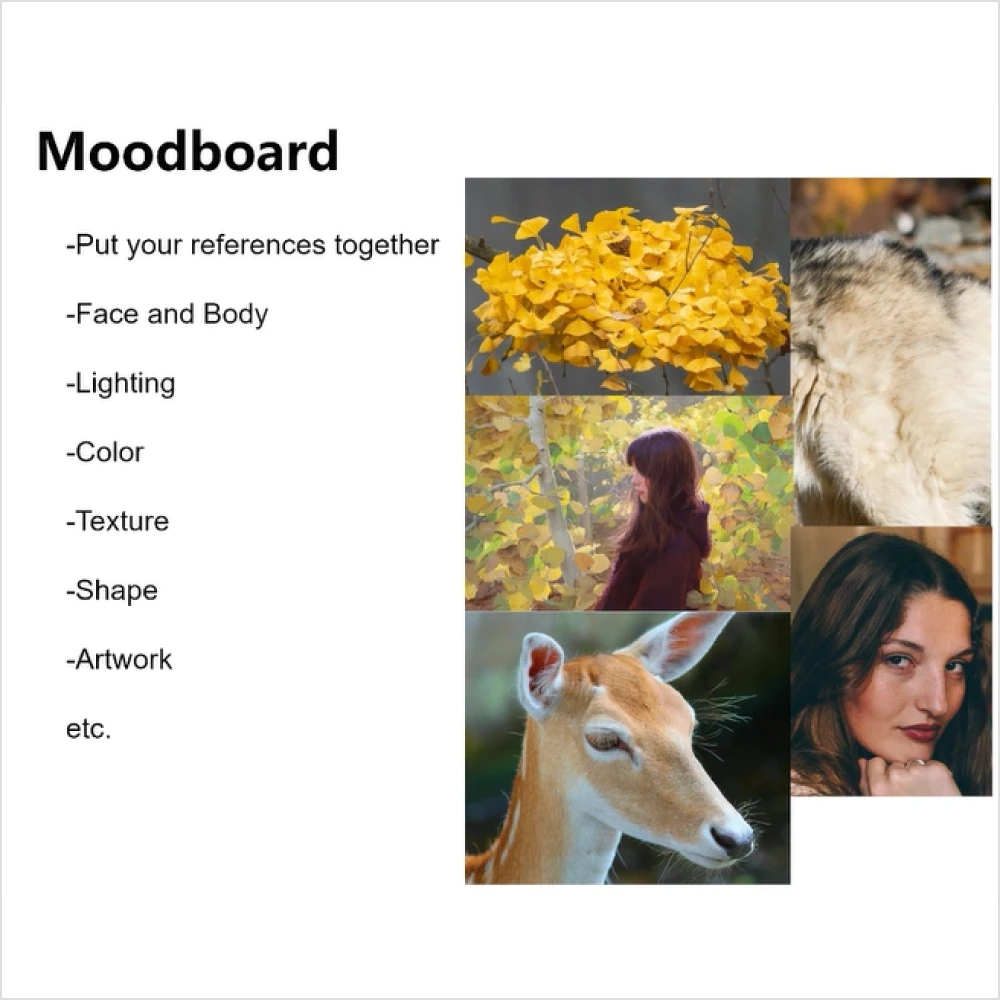 Moodboarding
 -
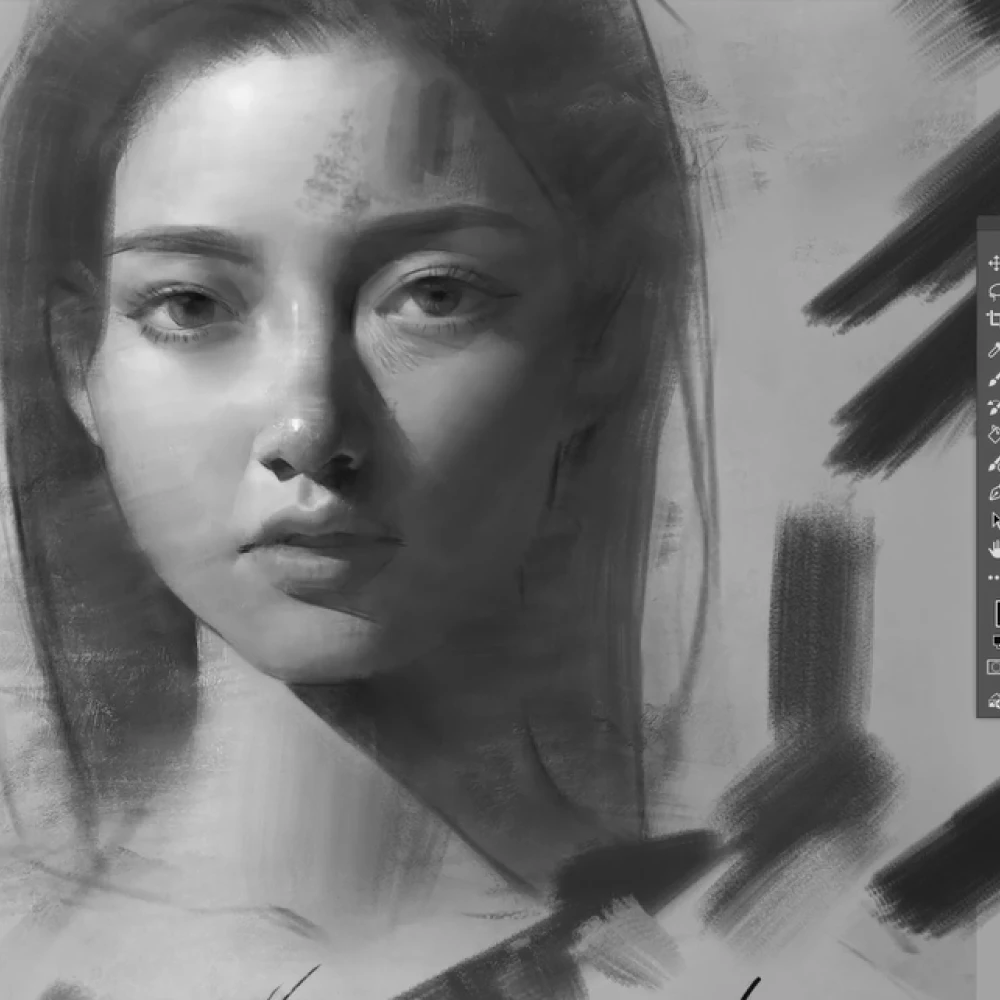 Brush Experiment
 -
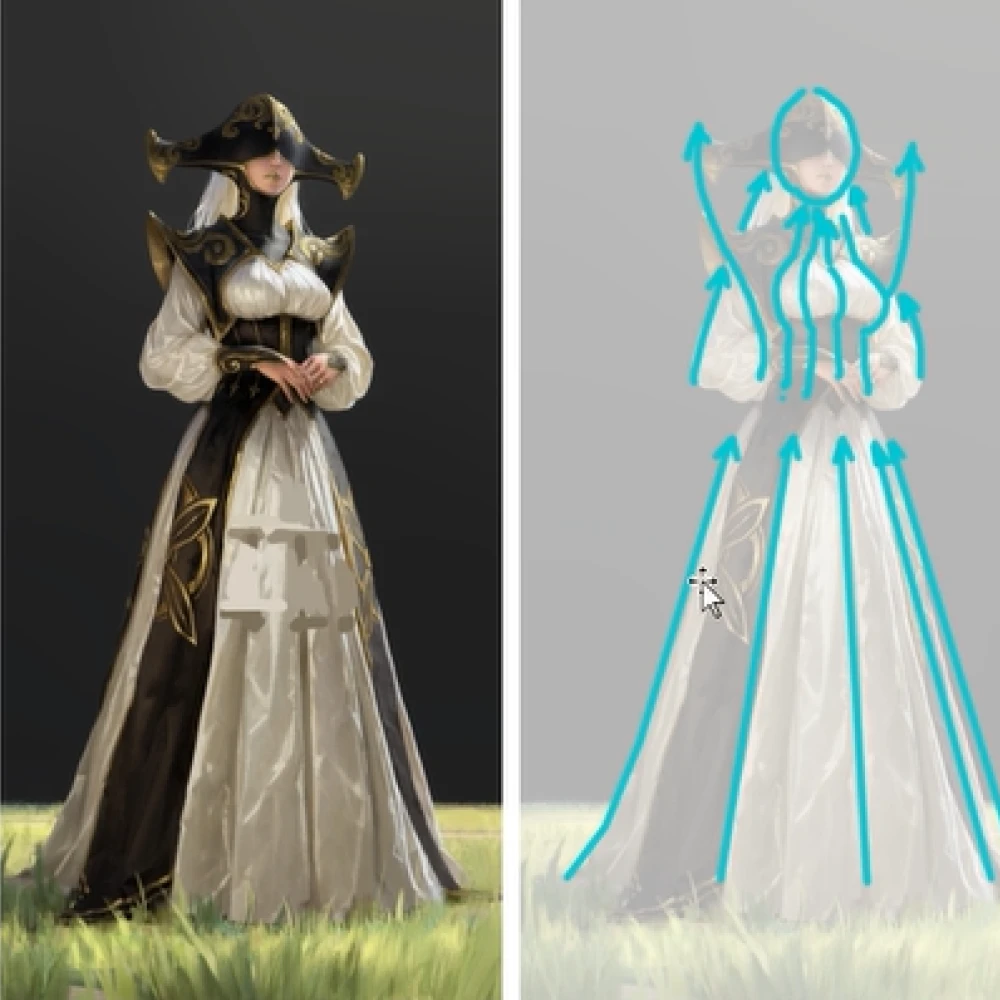 Analyzing Shapes
 -
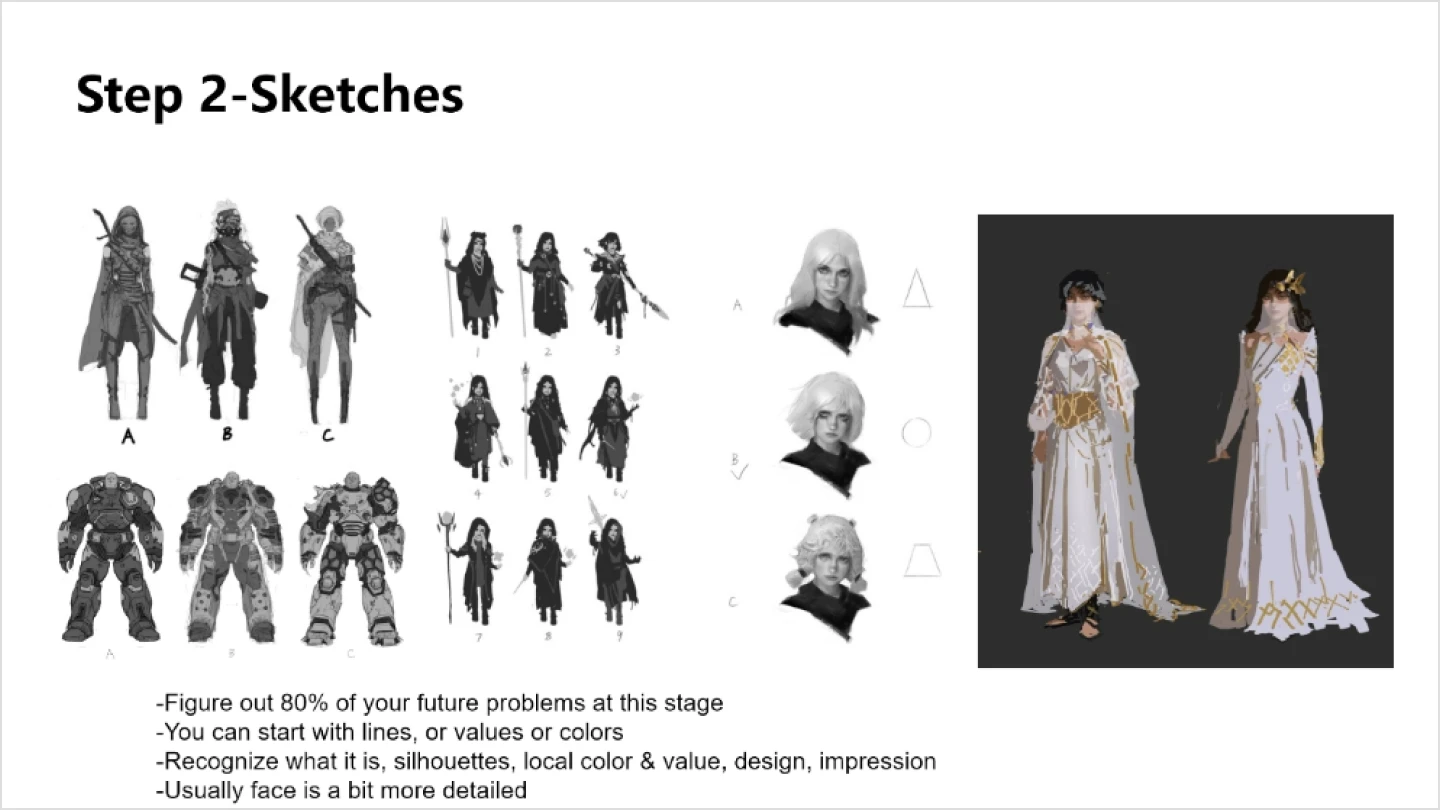
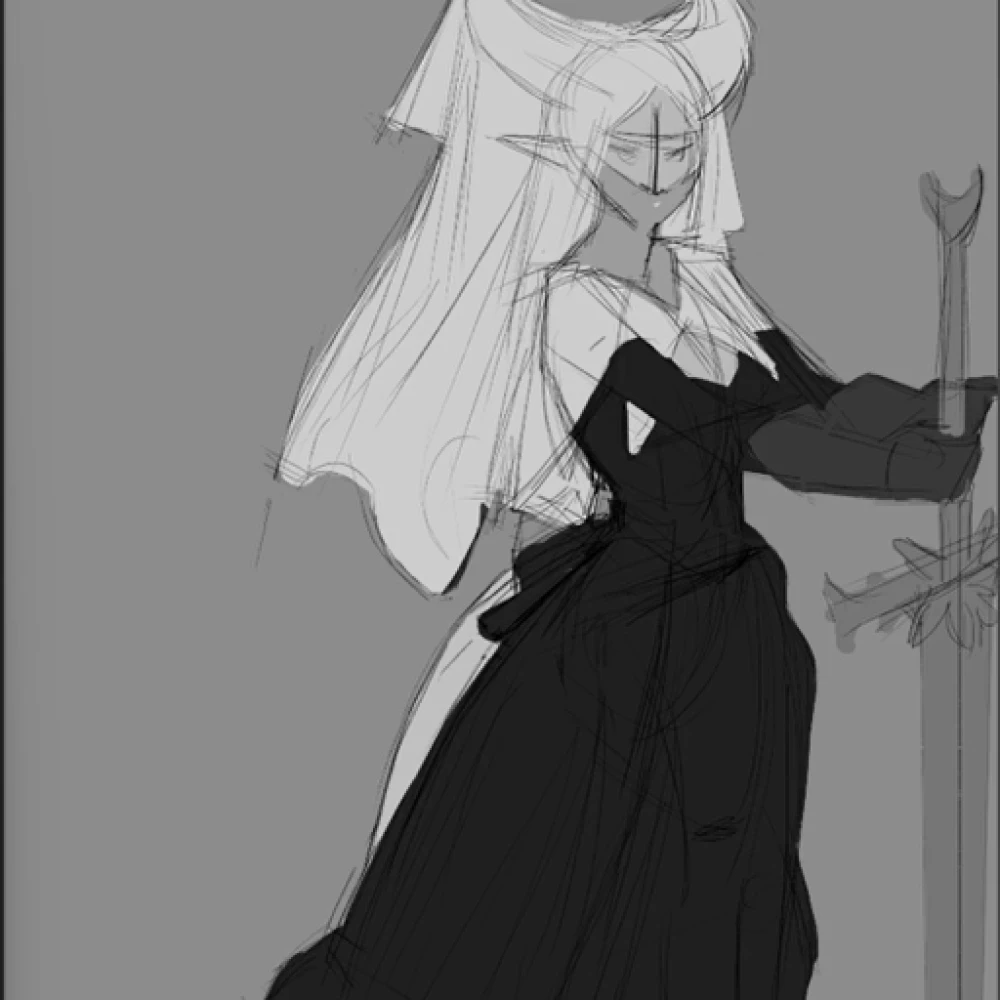 Sketches
-
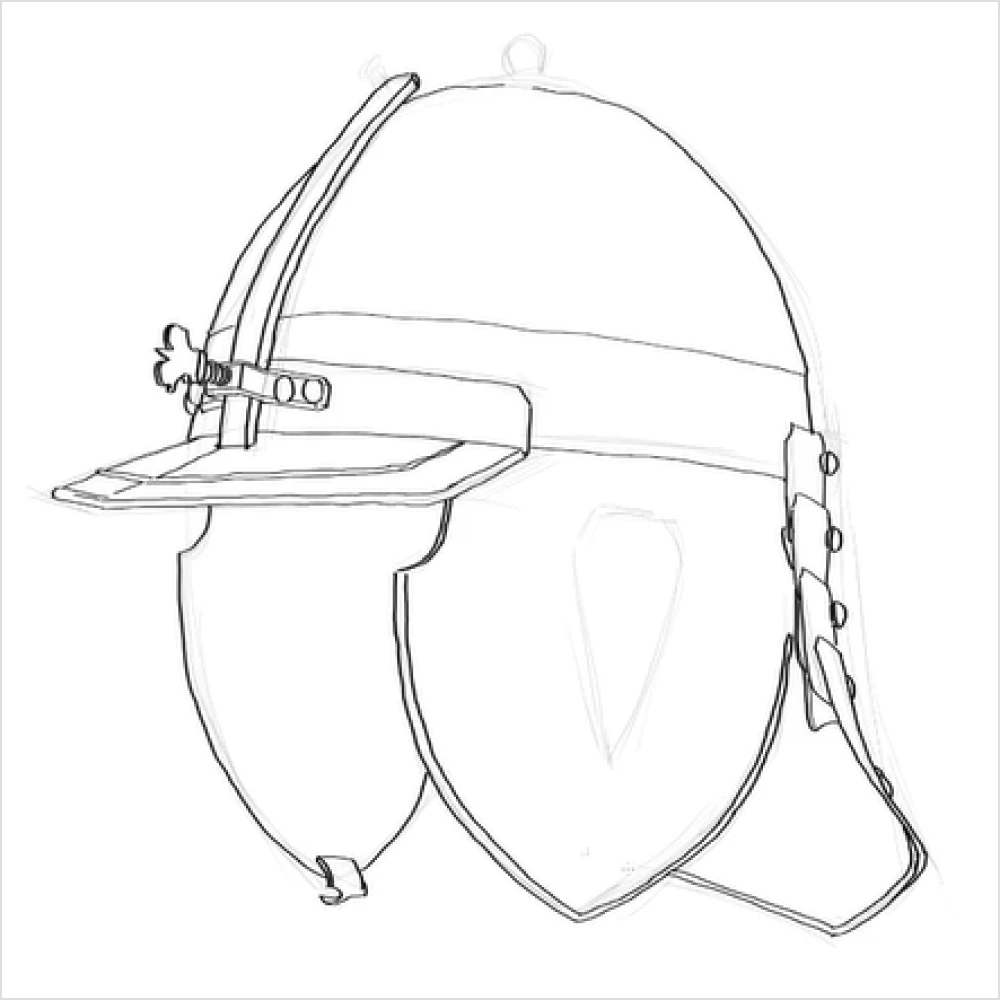 Line Art
 -
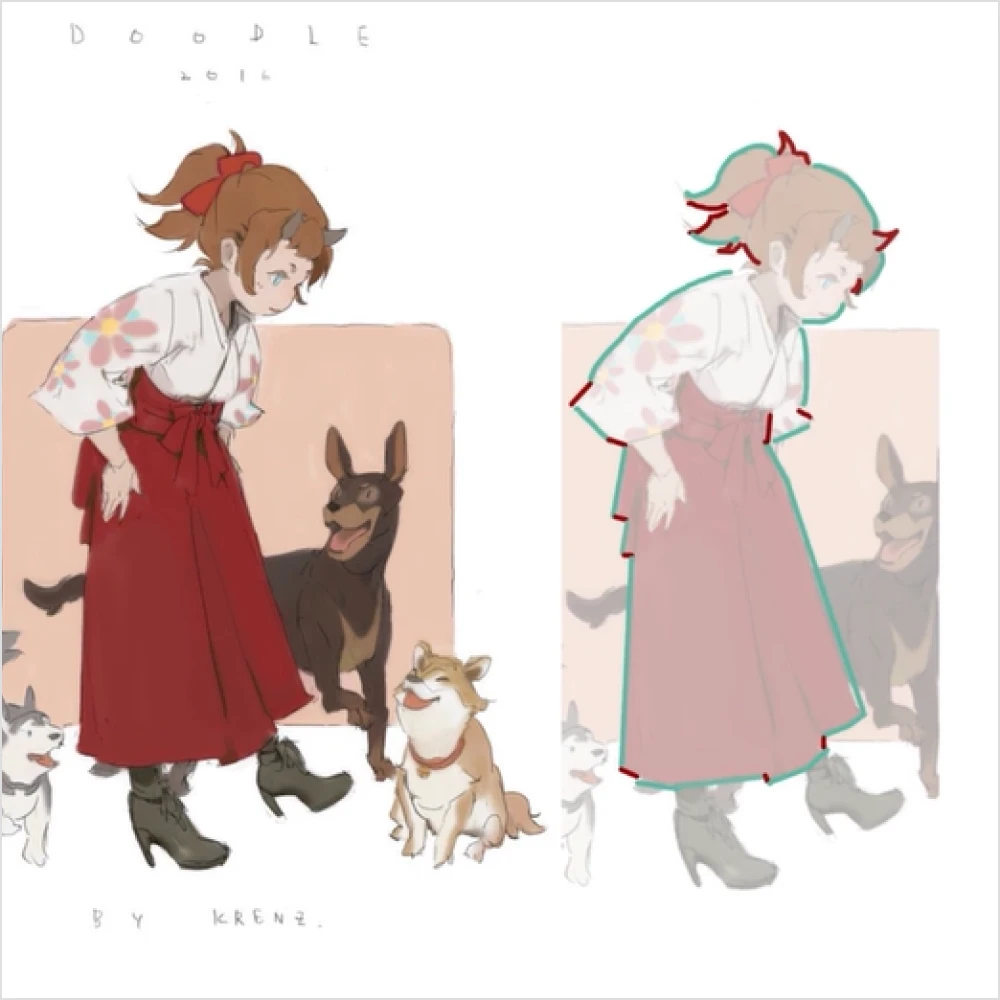 Anime/Cartoon Shape Study
 -
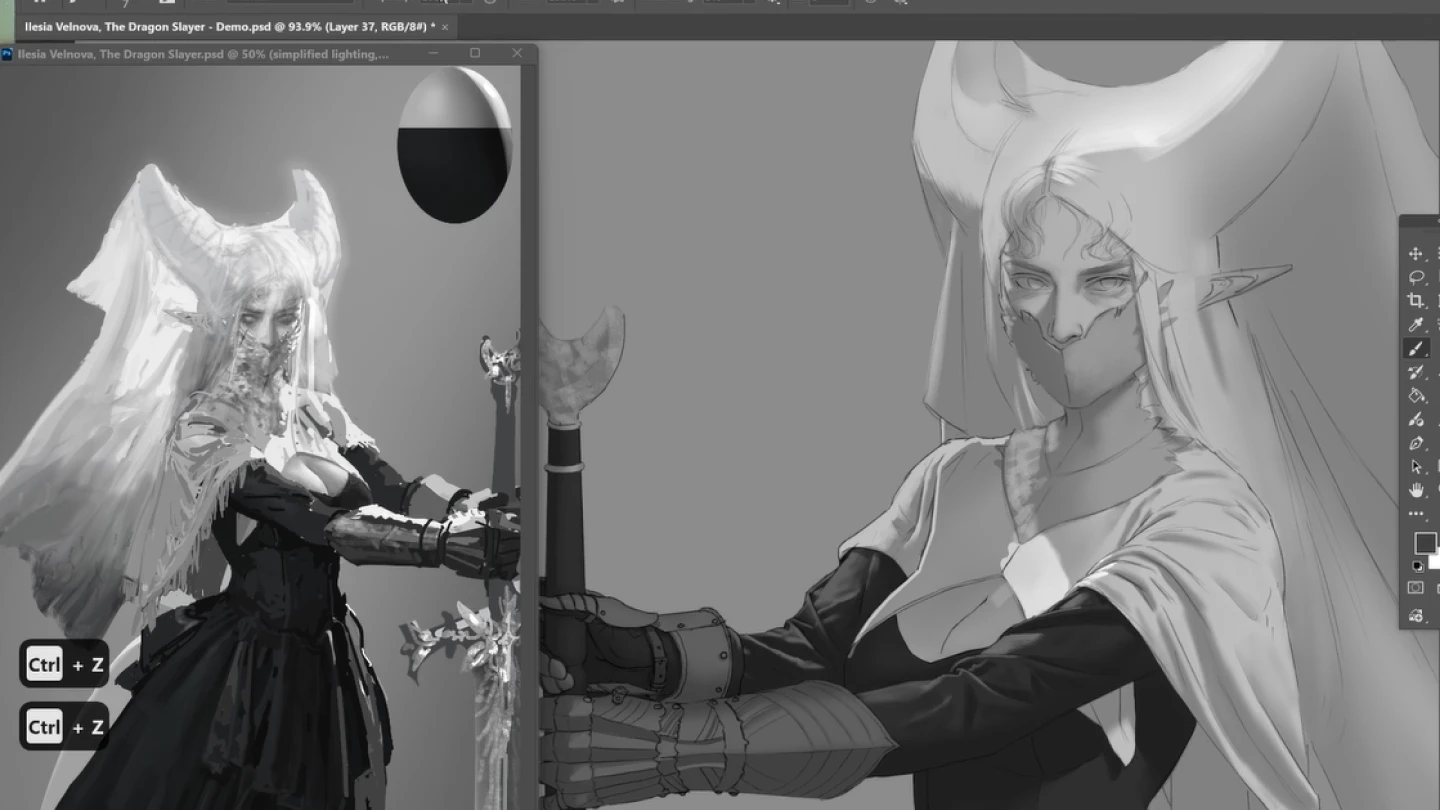
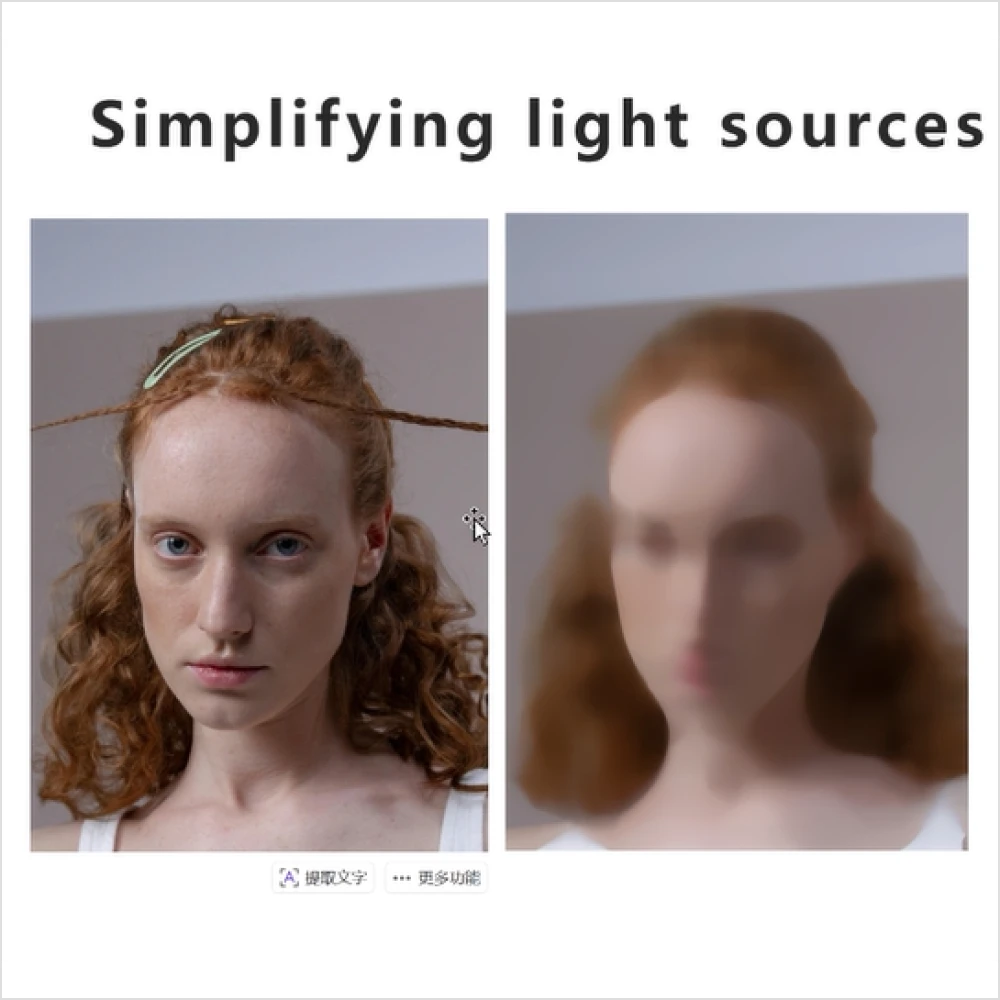 Simplifying Lighting and Form
 -
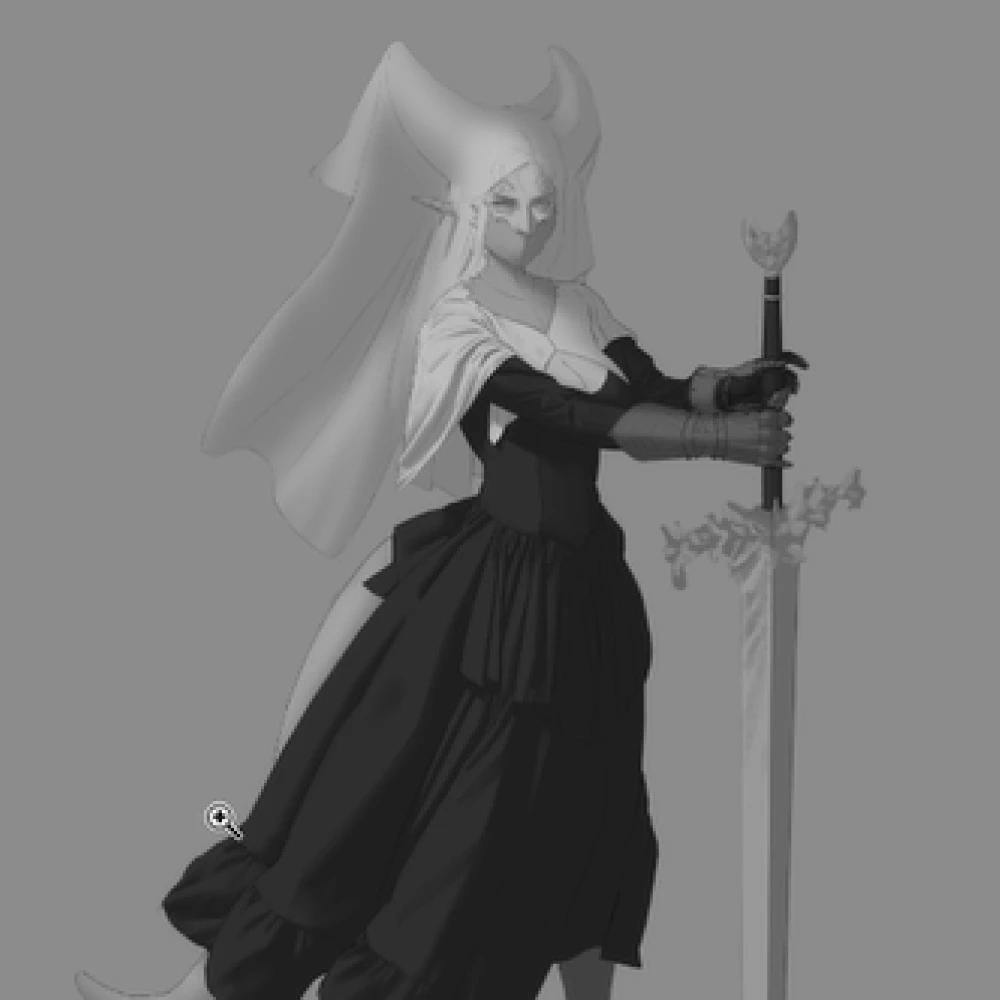 Block-in with Value Shapes
-
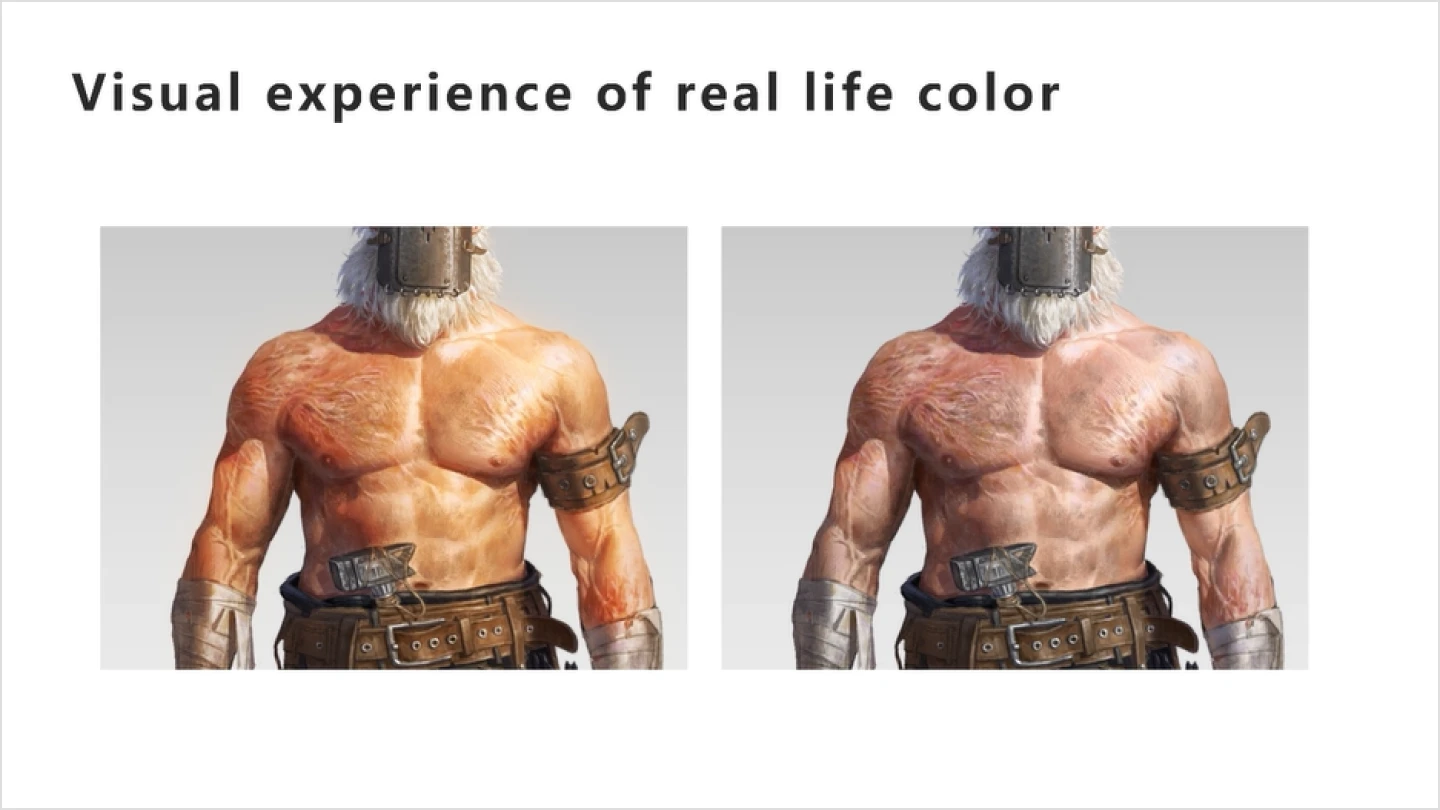
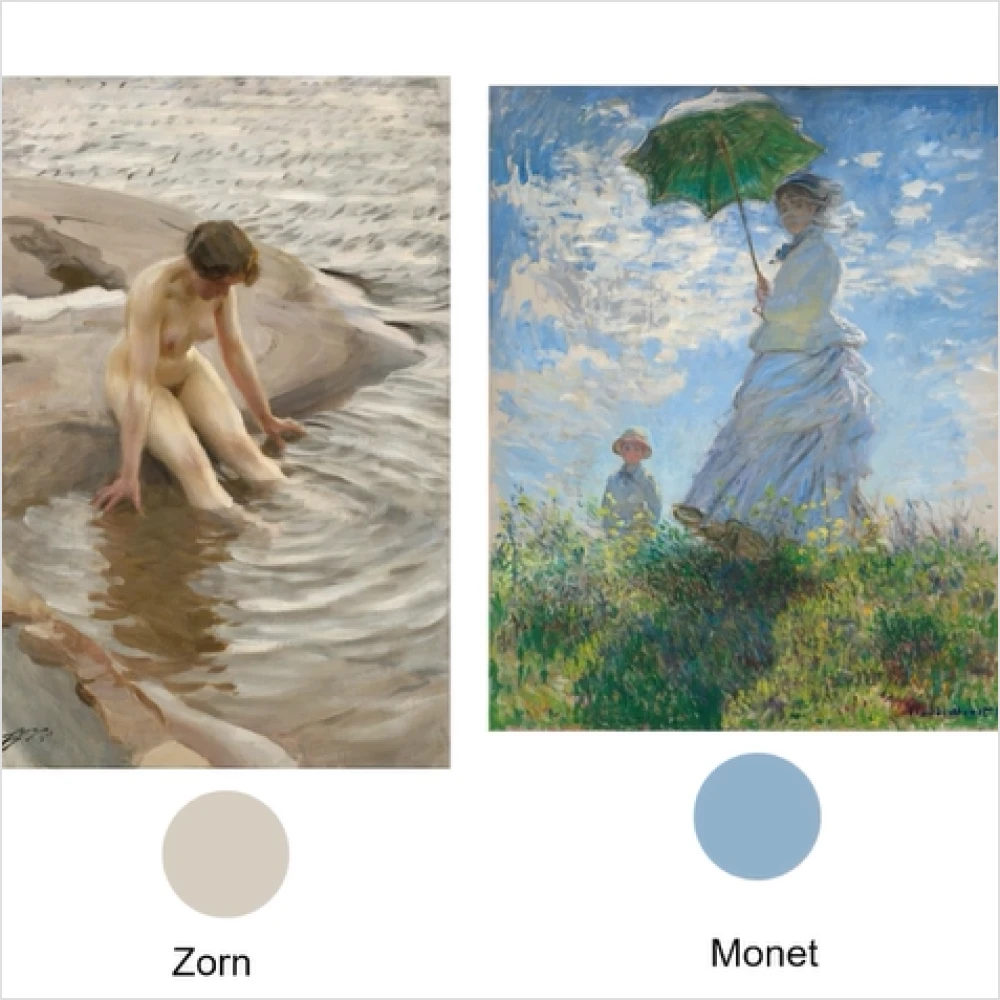 Observing Color
 -
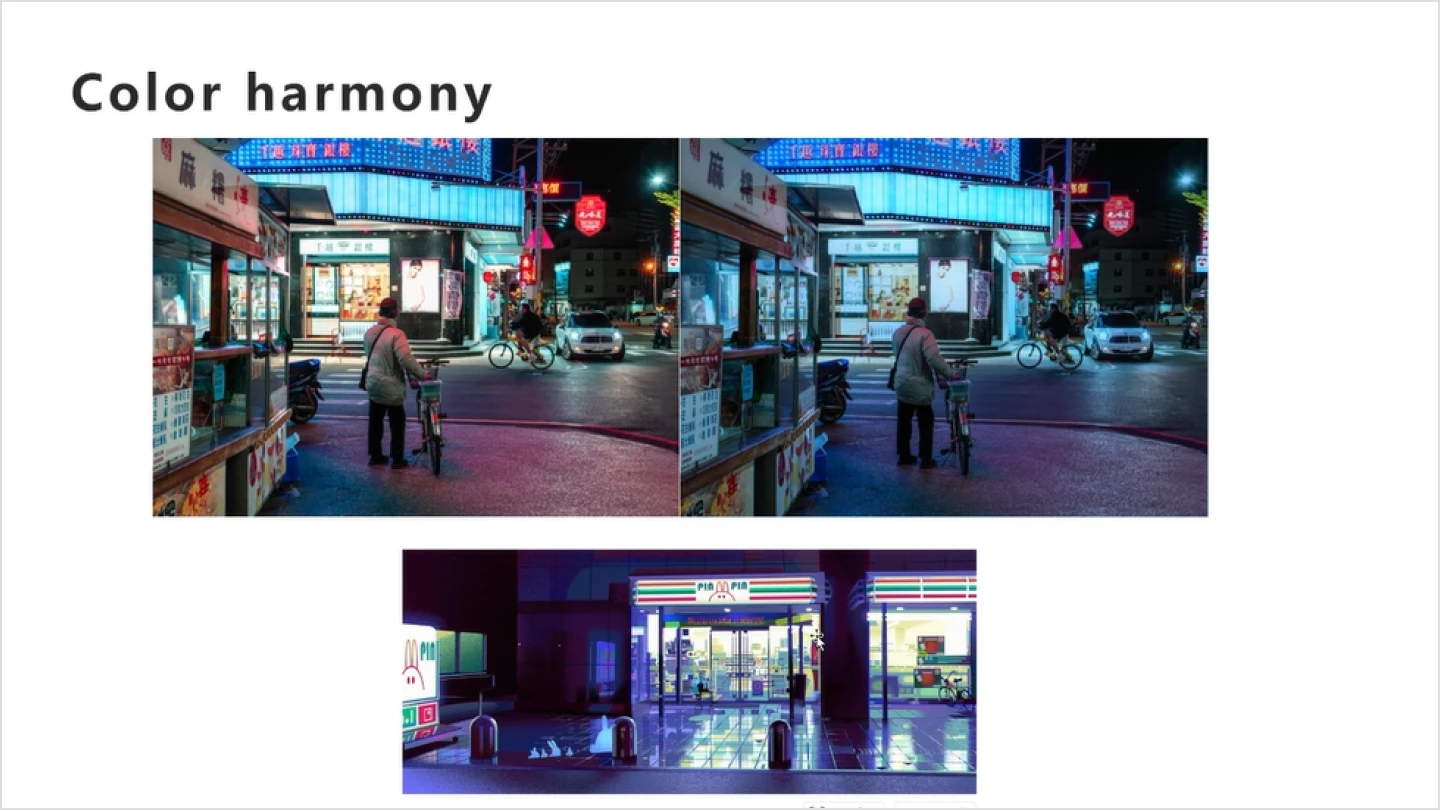
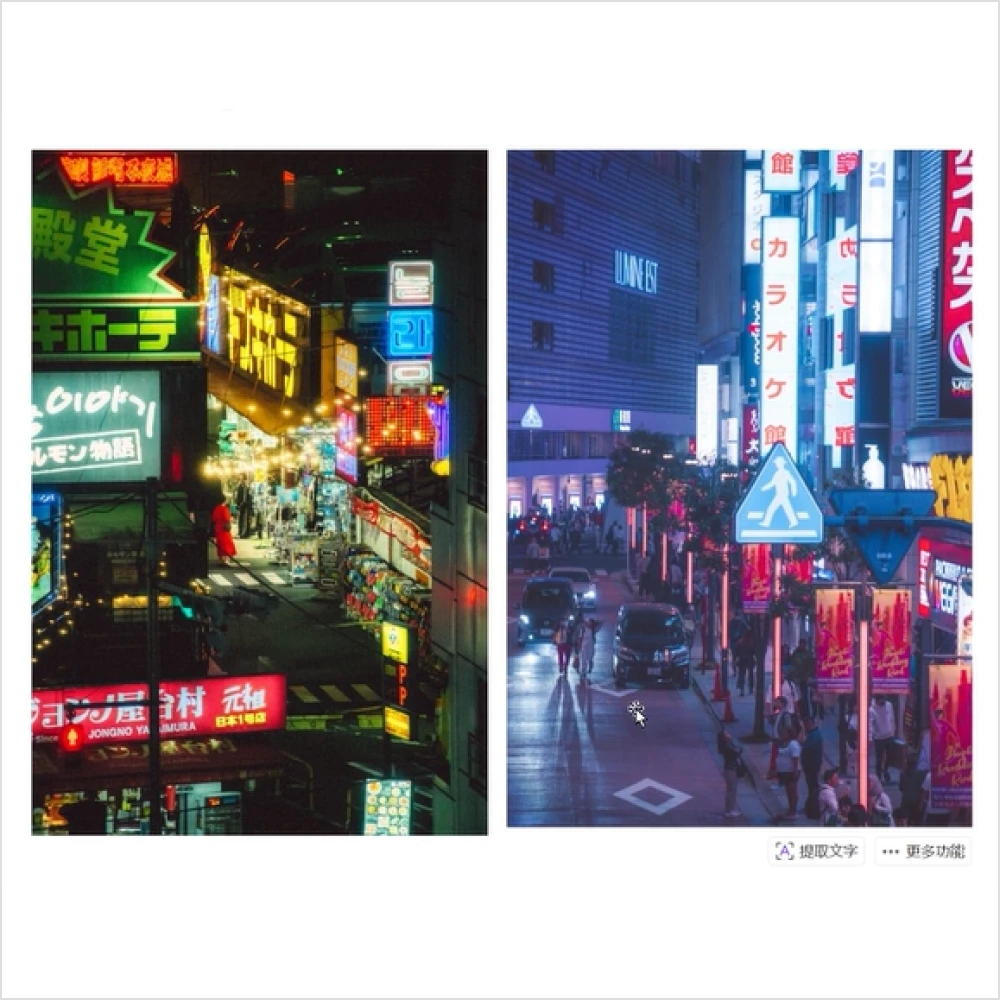 Color Harmony
 -
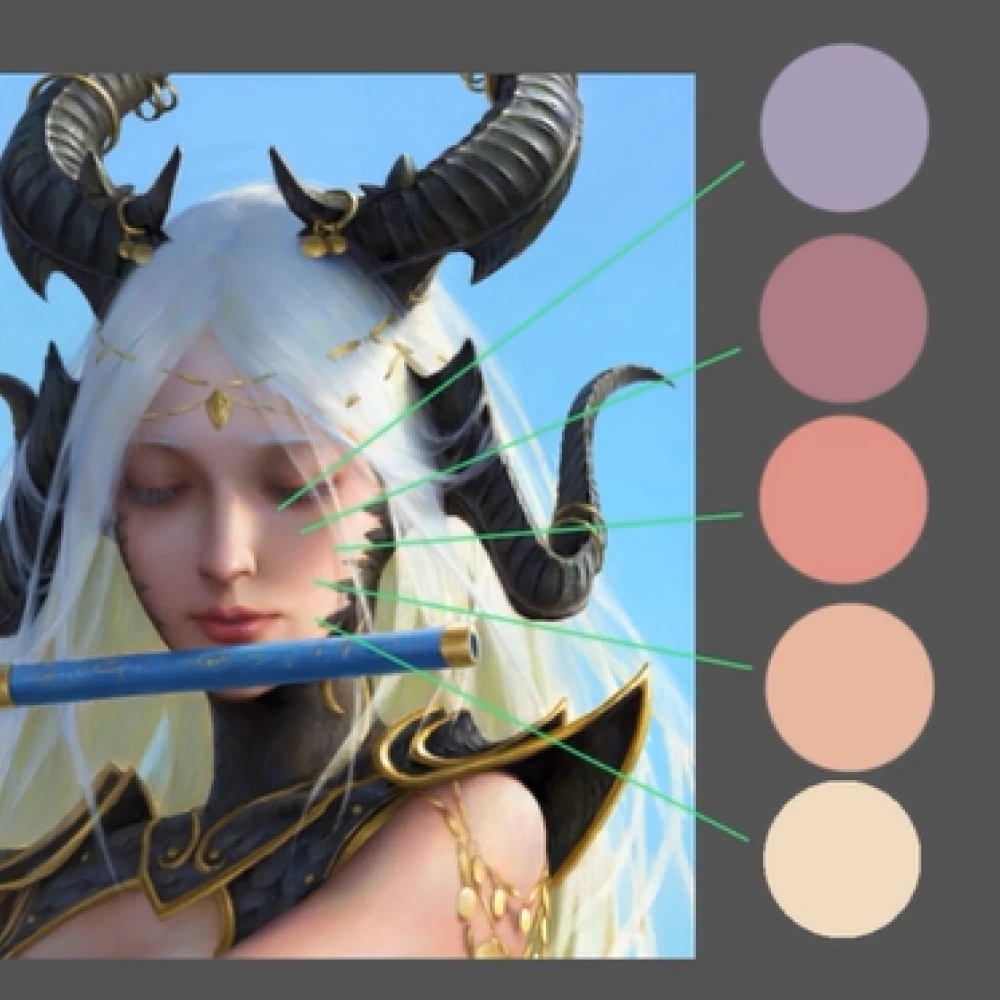 Color Study
 -
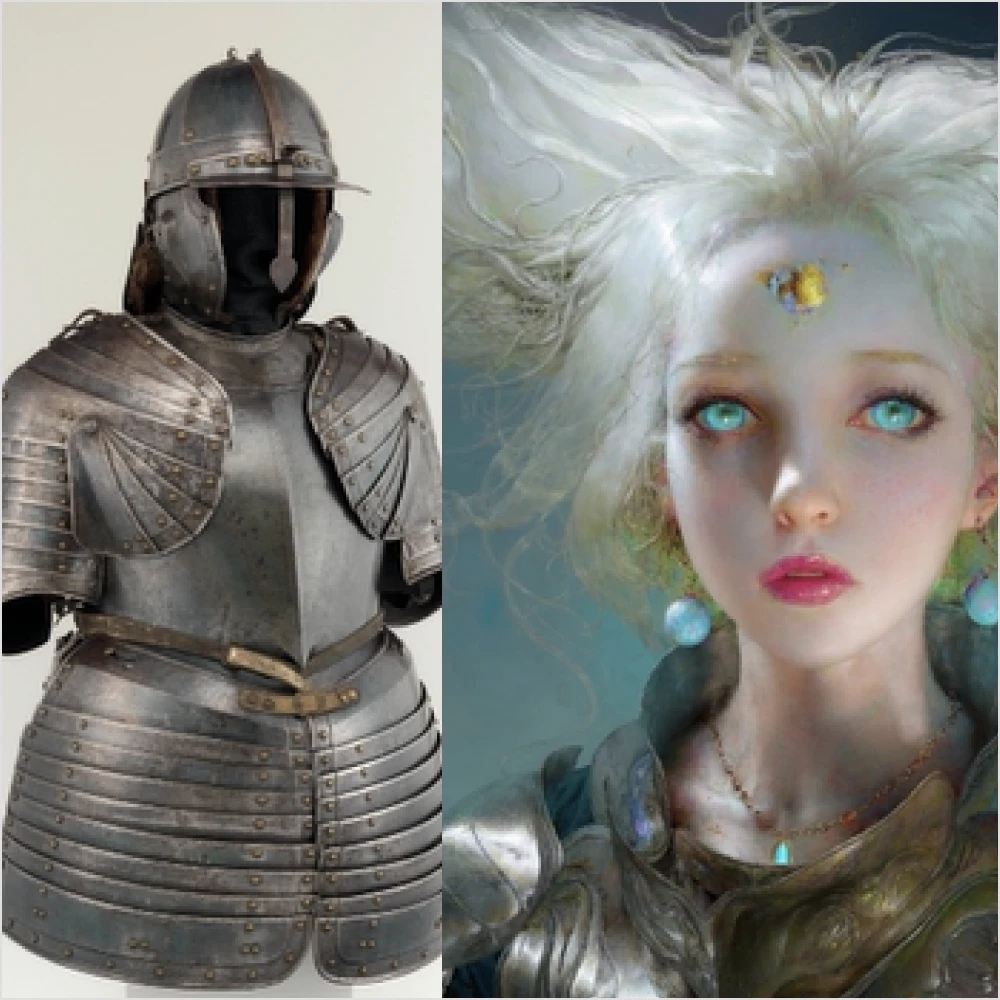 Observing Detail
 -
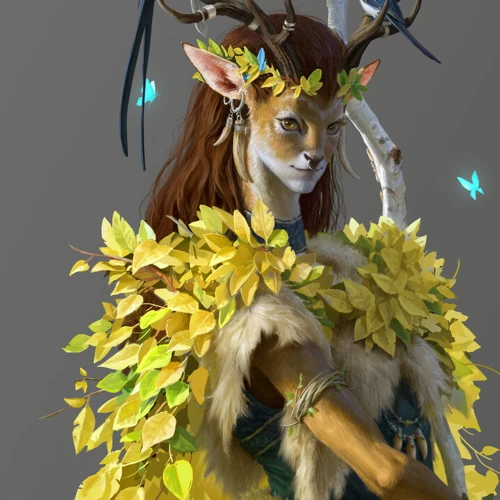 Refining
Final Product
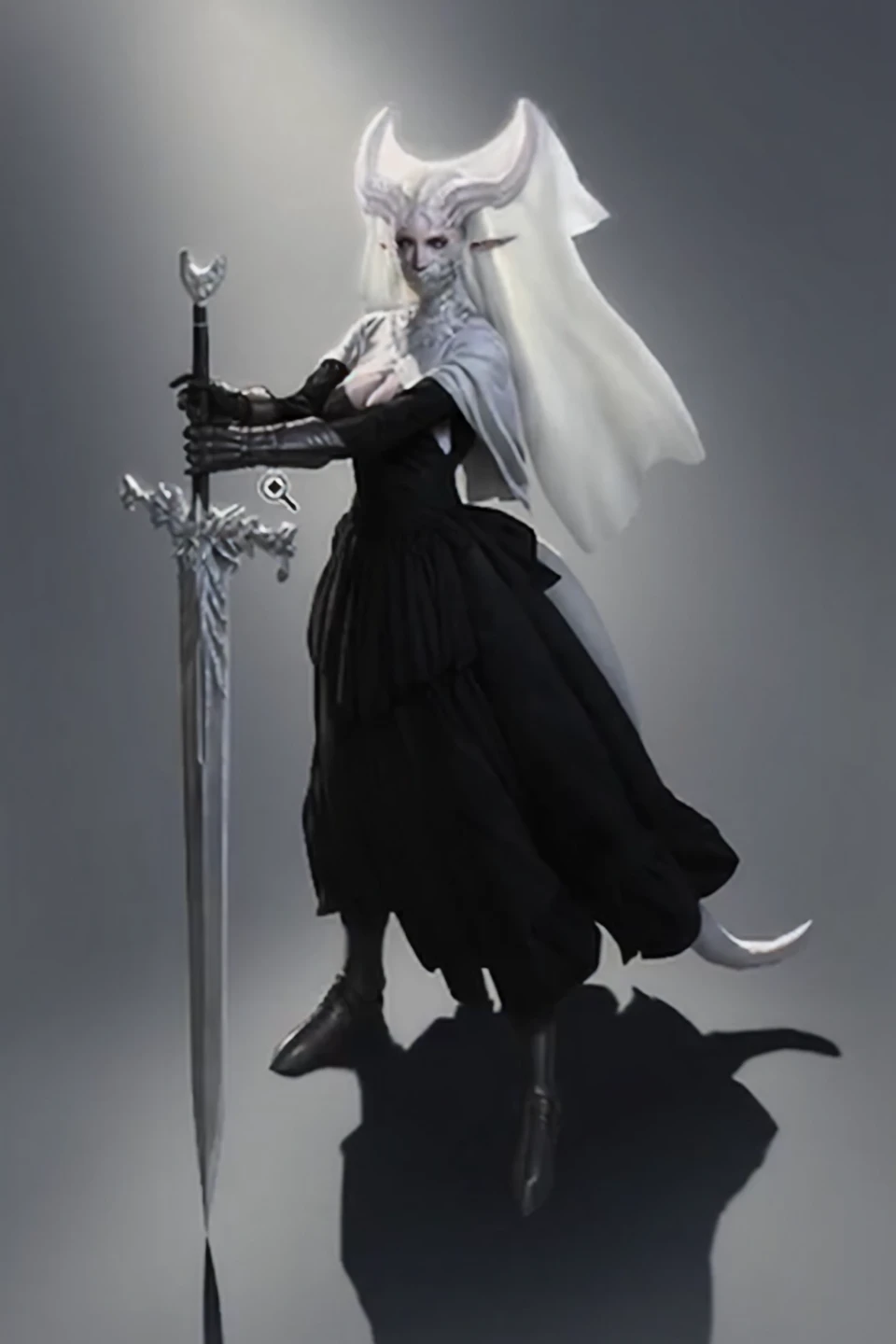
Character Illustration
Highlights
Class Highlights
Unlock the core painting theory behind realistic character illustration
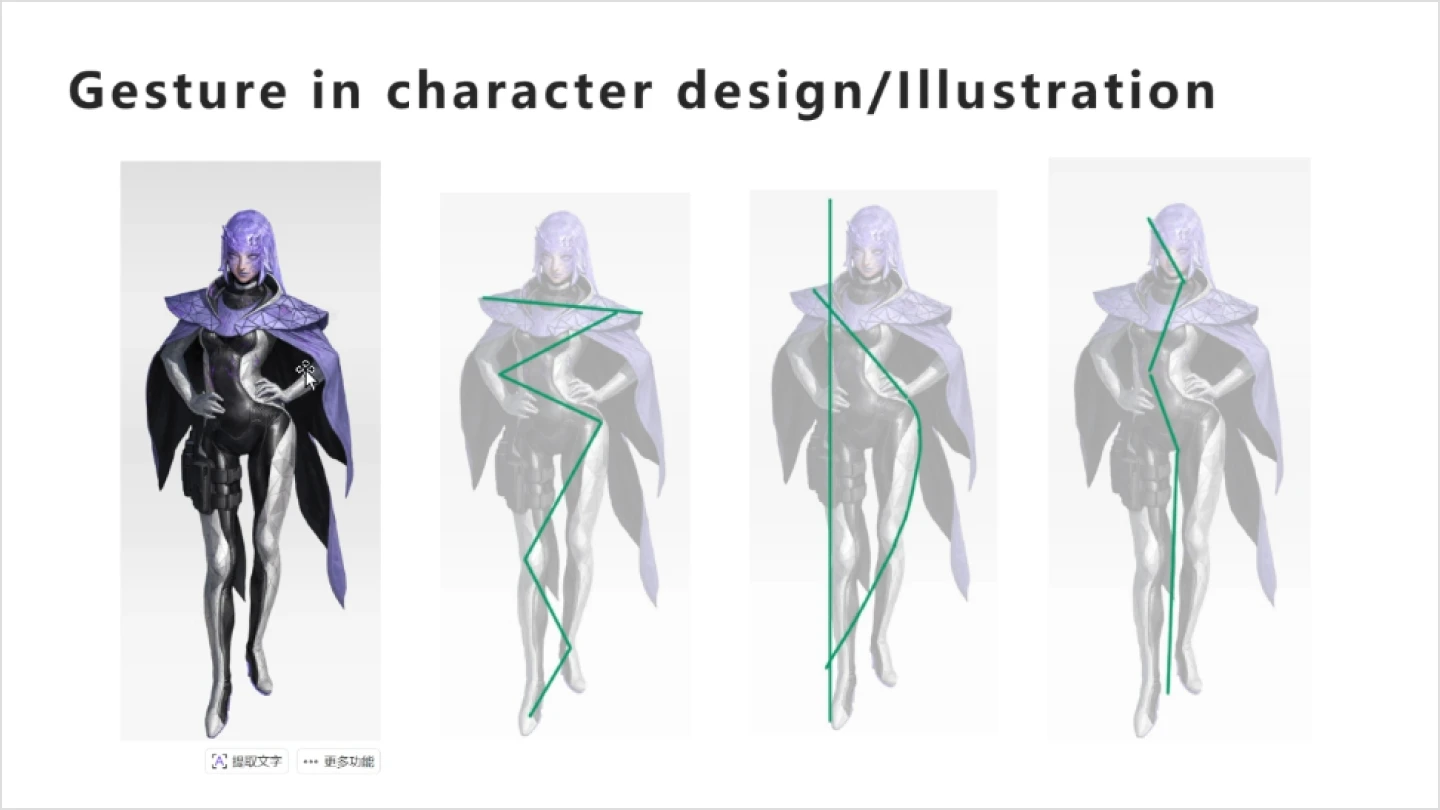
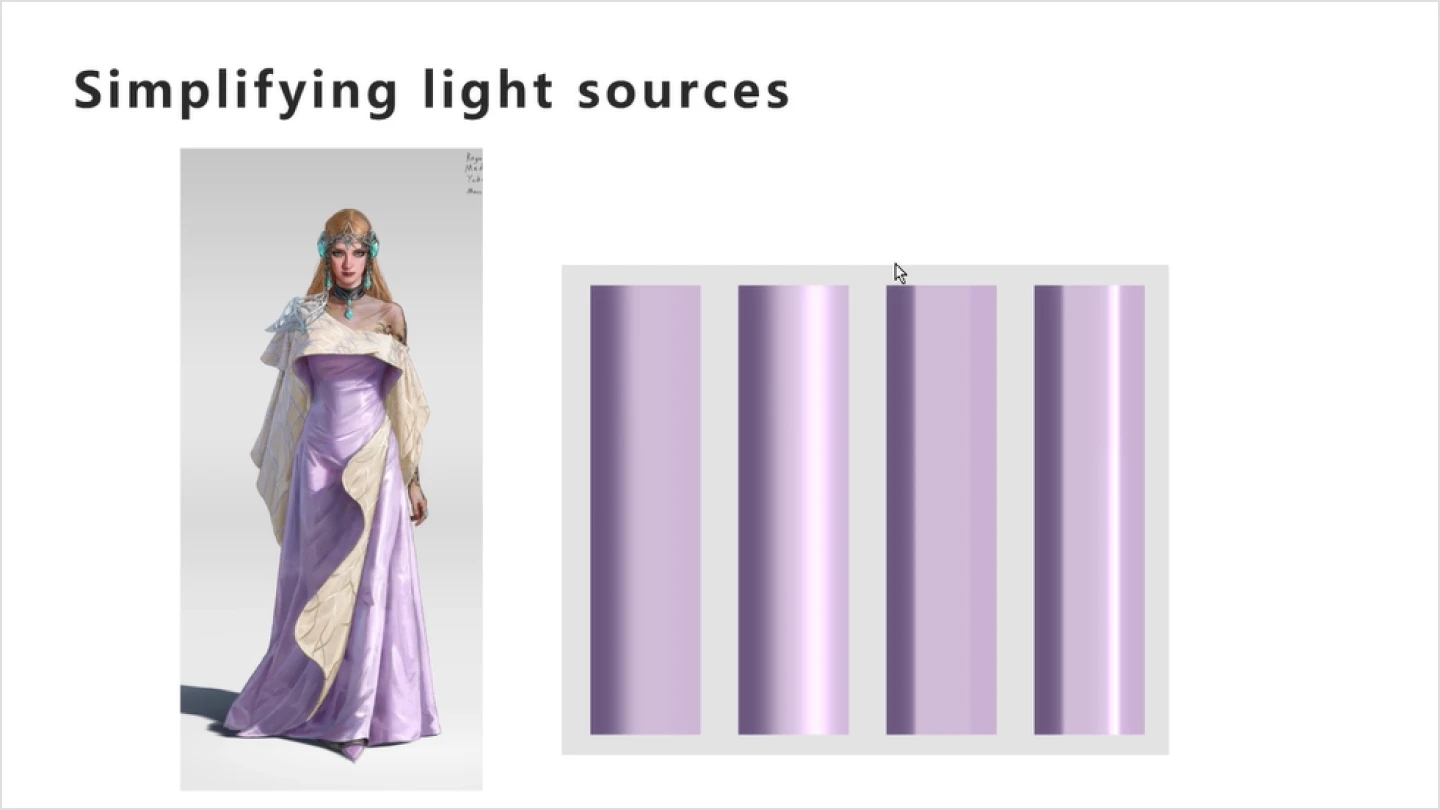
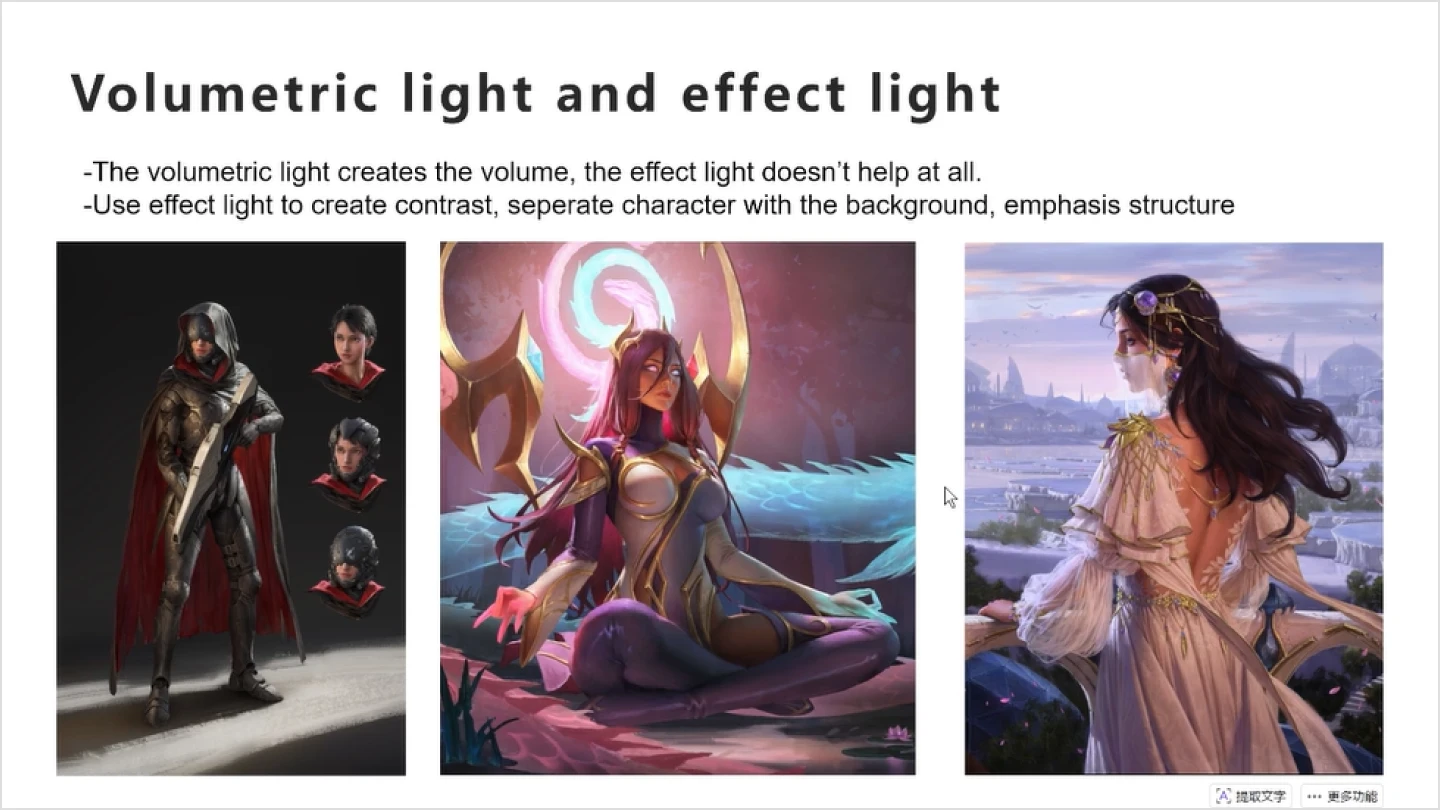
Discover the key foundations for creating believable characters — including lighting strategies with multiple light sources, building realistic color harmony, managing value structures, simplifying complex forms, and achieving dynamic gesture and refined finishes.
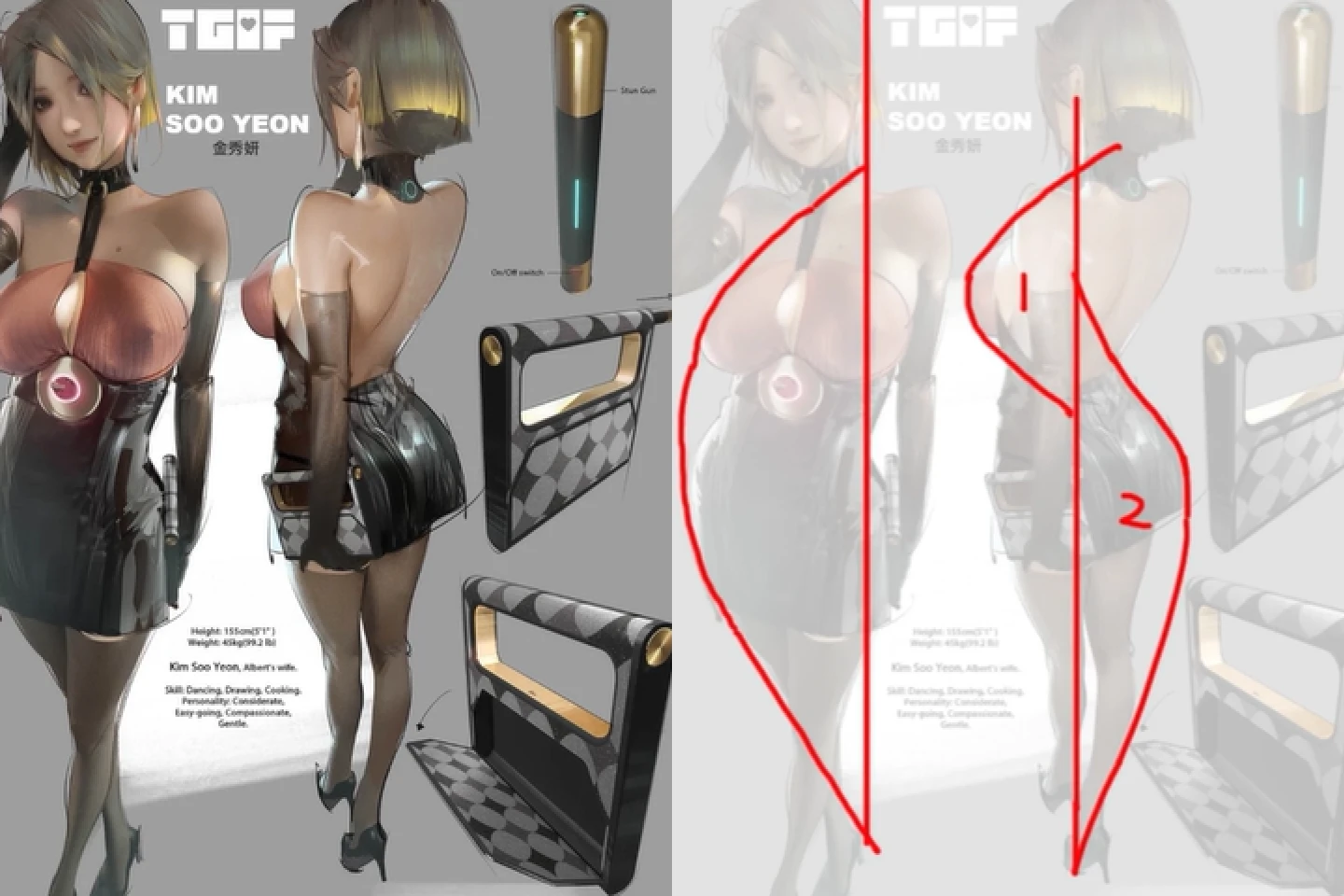
Deep dive into Yuhong’s refinement techniques
Through in-depth theory and demonstrations, Yuhong reveals his complete approach to bringing characters to a highly polished level. From analyzing references to the final rendered artwork, every step of his process is clearly explained.
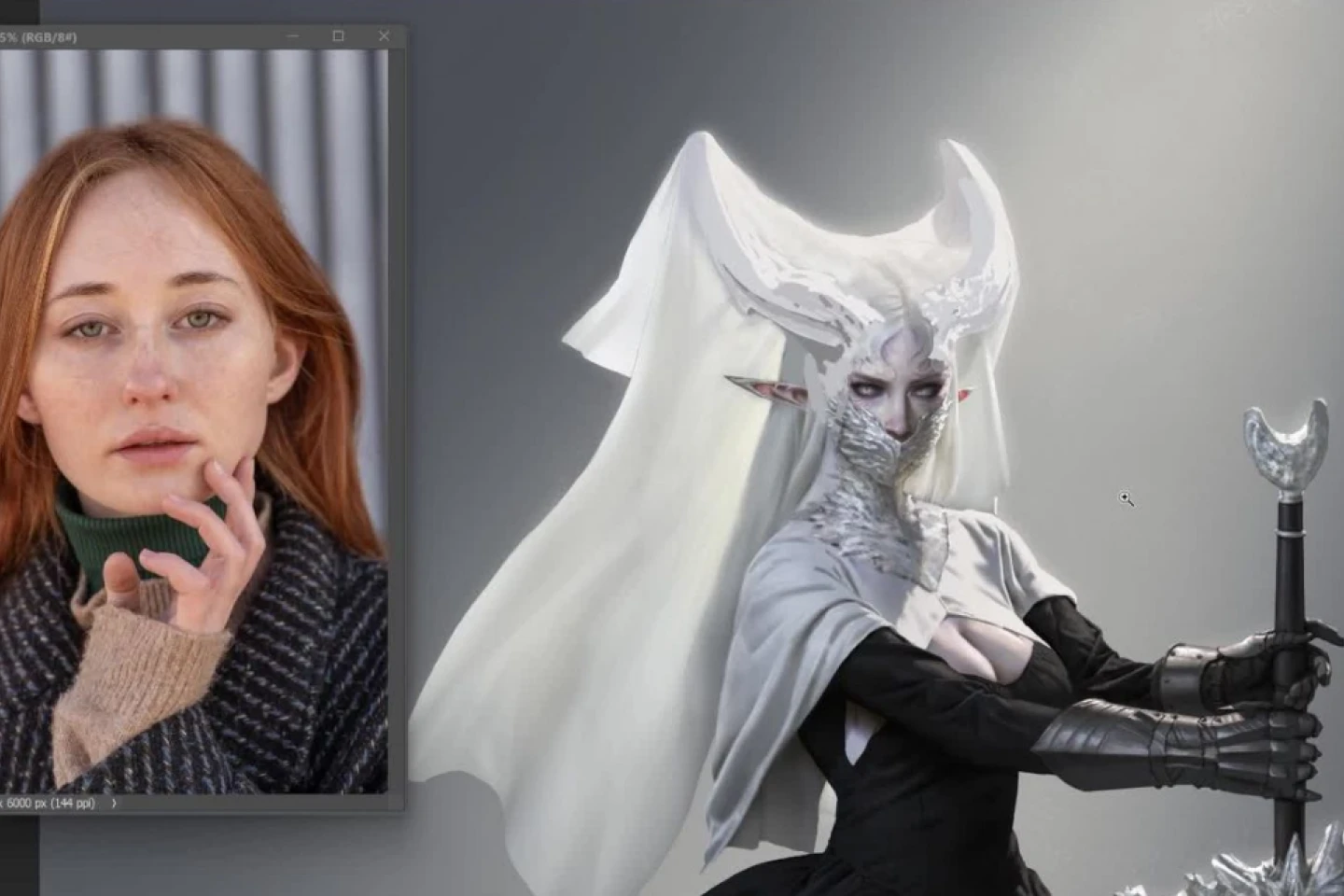
A professional workflow for both personal and commercial projects
Learn the efficient, structured process Yuhong has developed over years of real-world experience. This logical workflow minimizes unnecessary paint-overs and helps you deliver consistent, high-quality results for personal or commercial projects.