English [Auto], Traditional Chinese [Auto], Thai [Auto]
Class materials included
conceptartist,soonsang Details
Important Notice
- This product provides access to the video lectures online (Excluding products categorized as Assets).
- Under certain circumstances, discounts may end early or be extended without prior notice.
- For pre-ordered courses, the content and the lecture videos will be released sequentially according to the schedule. The Course Start Date will be set to the release date of the first lecture video.
- You will gain immediate access to the course through My Page upon completing registration and payment.
Total Course Duration:
- The Standard Access (Paid access) period lasts for the first 15 days and Unlimited Free Access period will begin from the 16th day. Both the Standard and Unlimited Free Access periods offer the equal viewing experience to the content.
- Course Start Date: The estimation of the Course Start Date will be based on the completion date of the payment. Immediate access to the lecture videos will be granted through My Page. (For pre-ordered courses, the start date will be the release date of the first lecture video.)
- In case the course start date is postponed due to extenuating circumstances on Coloso’s end, the start date will be adjusted accordingly.
*Please note that certain aspects of this course, including the release date, curriculum images, and associated content, are subject to change without prior notification.
*Would you like to learn more about our refund policy? Please check ▶ here
*Please check our ▶ FAQ for Copyright and Proprietary Rights, User-Generated Content, Security, and Violation information.
*Tenga en cuenta que la información de esta página está sujeta a cambios sin previo aviso.
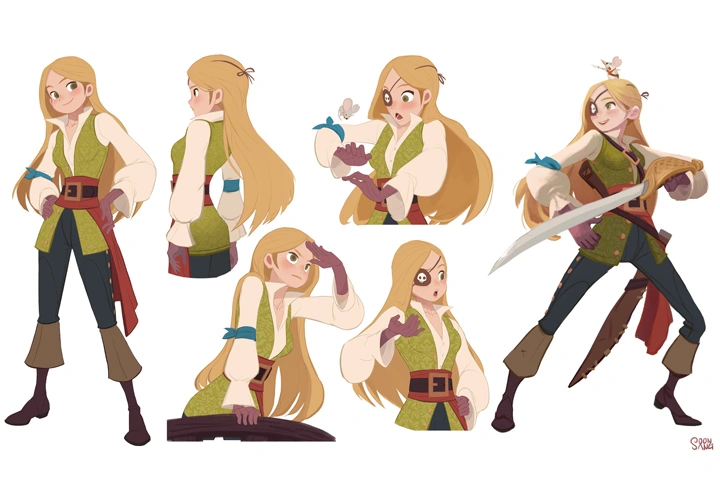
* ¿Le gustaría saber más sobre nuestra política de reembolso? Por favor, compruebe ▶ aquí
*Por favor, compruebe nuestras ▶ FAQ para los derechos de autor y derechos de propiedad, contenido generado por el usuario, seguridad e información de violación.
- This product is strictly prohibited to resell, redistribute, steal, or transfer.
- The original images and simple edited images of this product cannot be transferred, distributed, or sold.
- This product can be refunded only before the class video is released.
- You can find this product on [My Class] > [Class Materials]
Class Details
You'll Learn
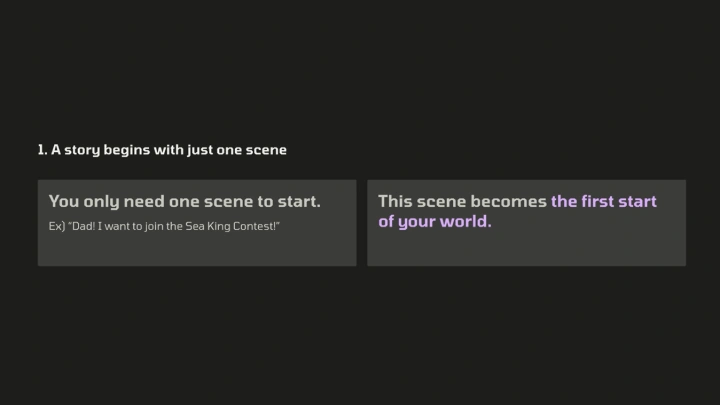
Starting from a Single Imagination: Setting the Theme
- “Dad, I’m going to compete in The Pirate King Selection Tournament.” - By setting a single scene, idea, or line like this, you’ll learn how to turn vague, overwhelming thoughts into a clear creative direction and narrative purpose.
Building a Working Framework with Three Key Reference Boards
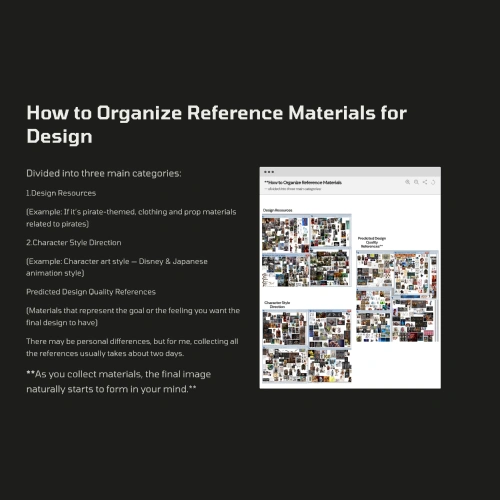
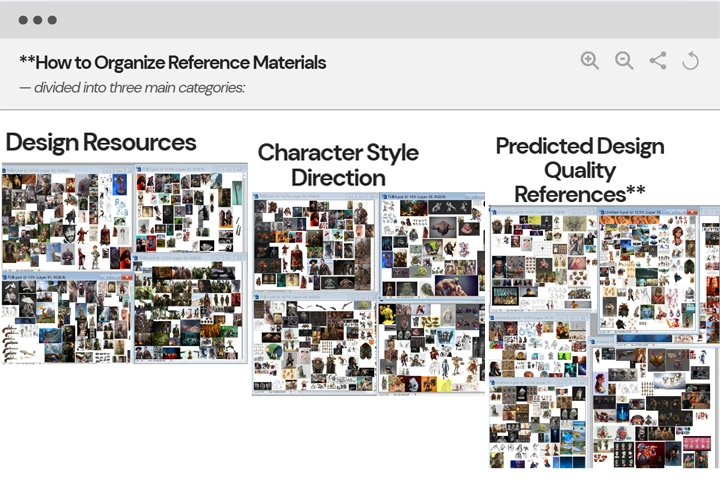
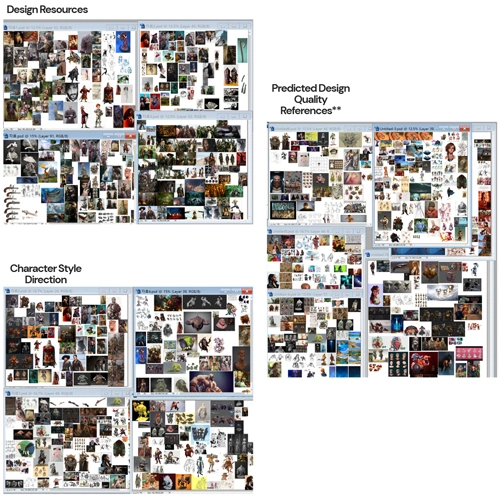
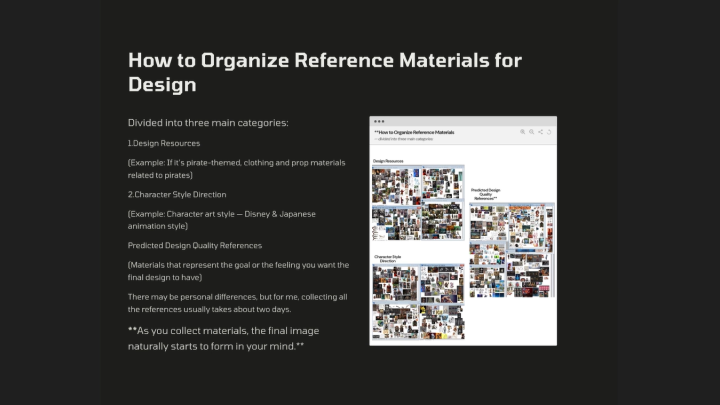
- You'll learn how to organize your ideas using three key reference boards that guide both direction and quality. - These boards define design materials, character style direction, and the target level of final polish. - By setting these references in advance, a clear image of the finished character forms naturally before you start drawing. - This framework helps you maintain consistent quality and make confident design decisions throughout the process.
Completing the Main Character: Role, Goal, Environment, and Flaw
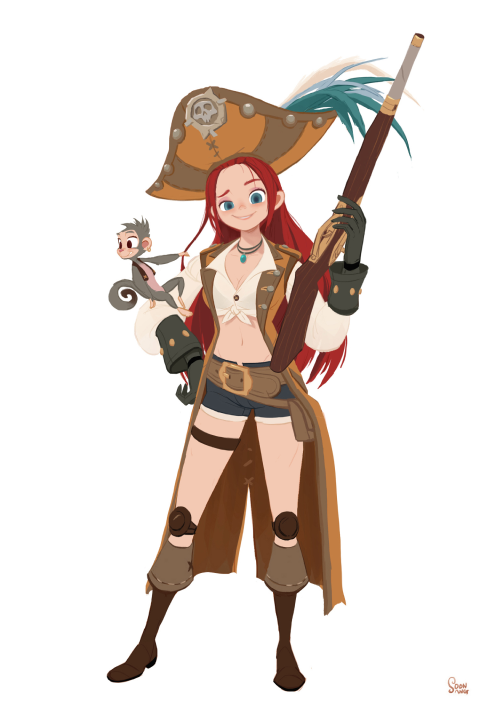
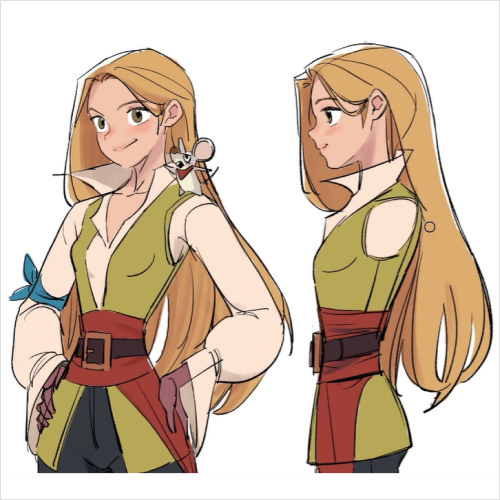
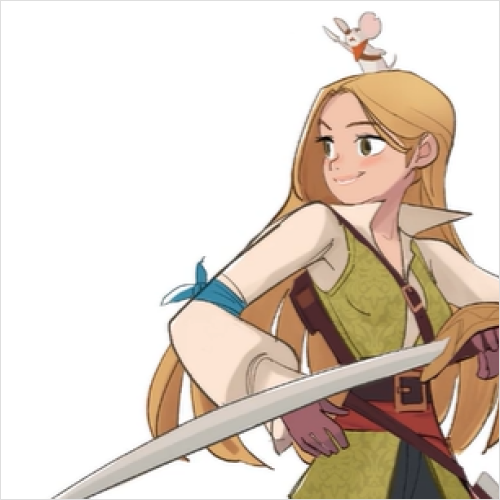
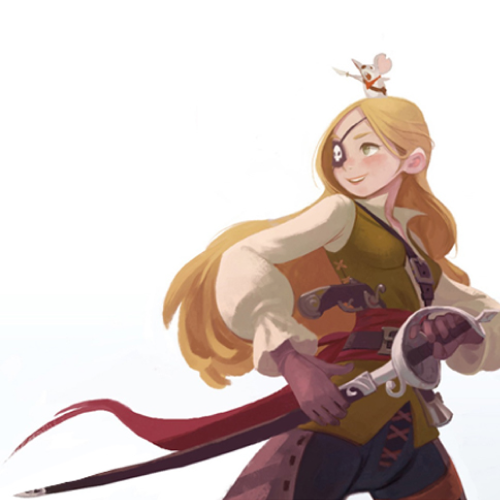
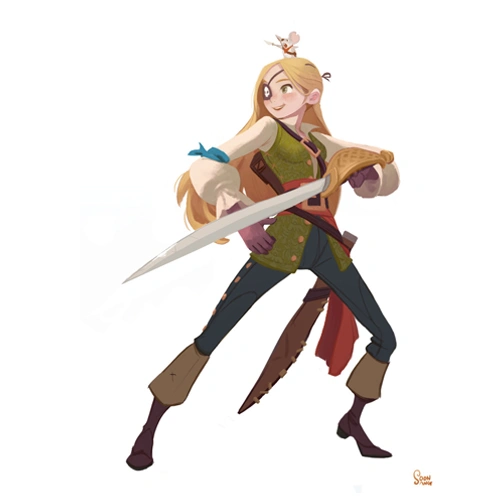
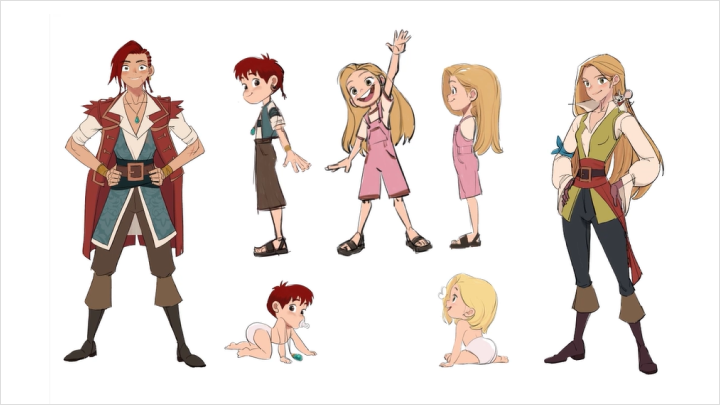
- Using structured references, you’ll move from rough sketches to a finalized main character. - By giving the character a name and simple setting, you'll define their personality, goal, upbringing, and flaws. - This process transforms the character from a simple drawing into a true protagonist with clear purpose and narrative depth. - These foundations naturally become the starting point for developing supporting characters around them.
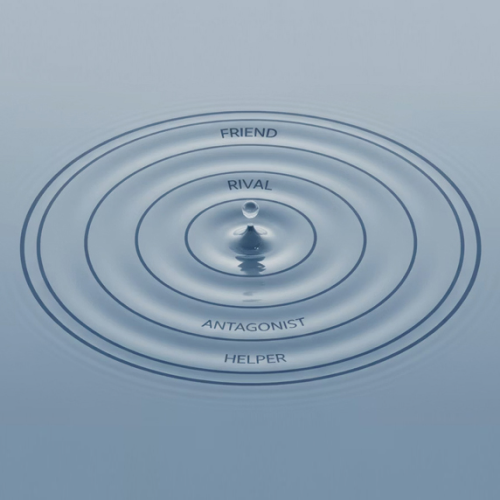
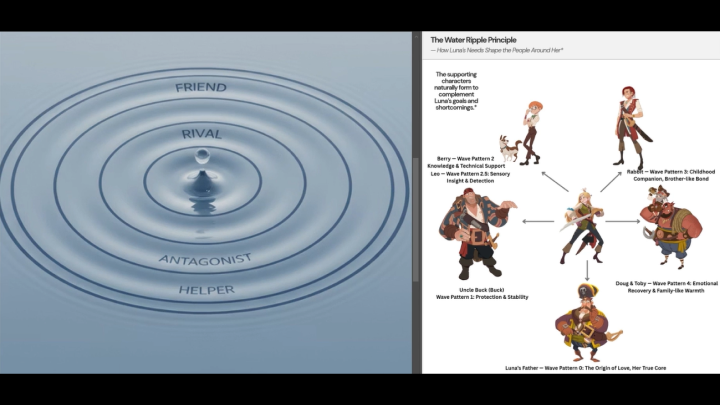
The Water Droplet Theory: How Supporting Characters Emerge Naturally
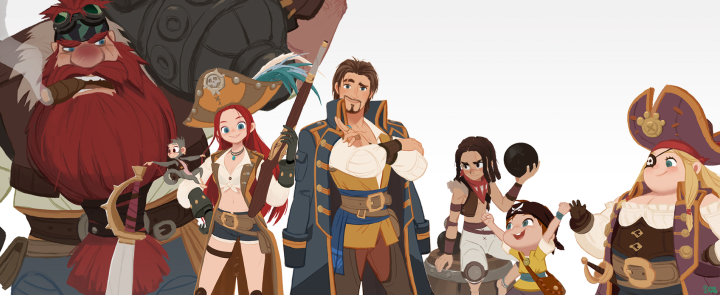
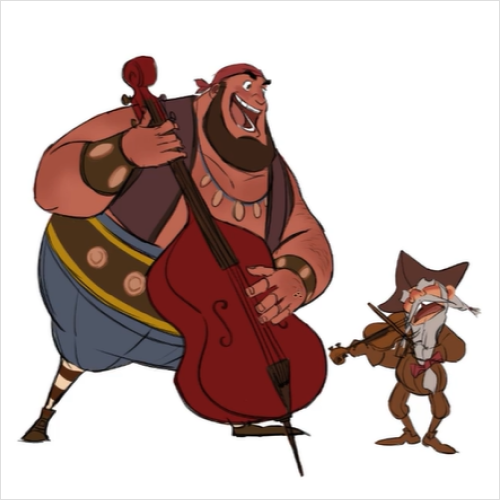
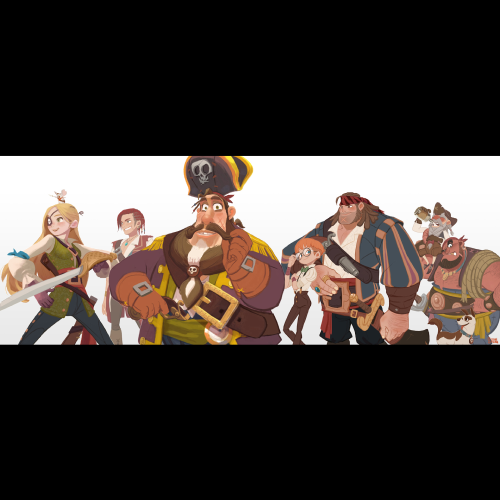
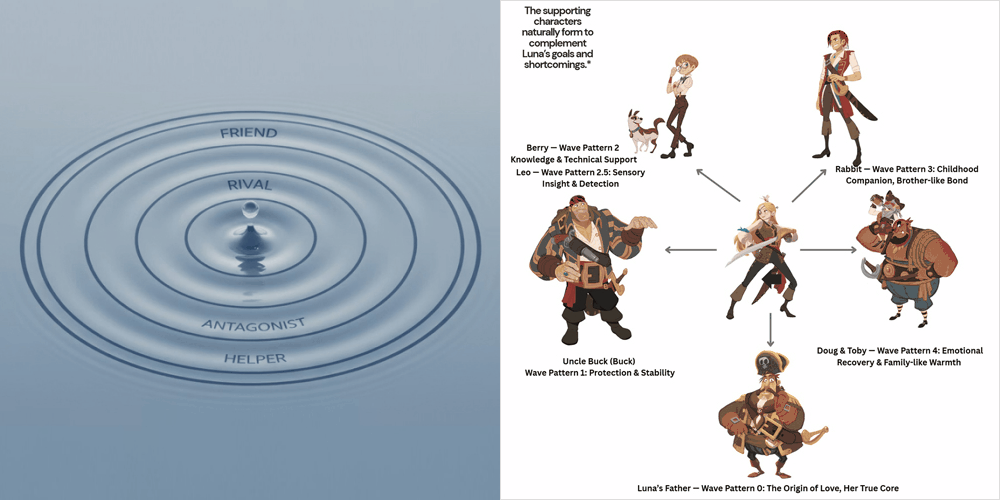
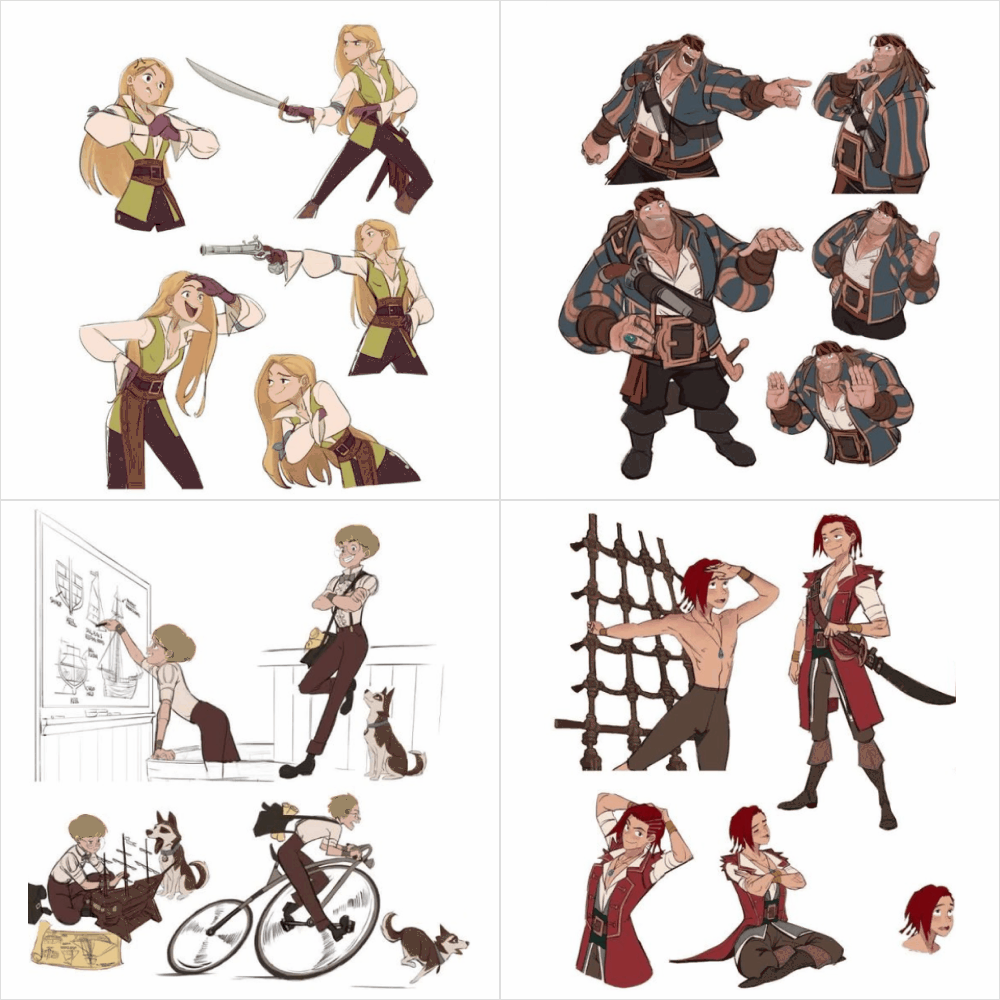
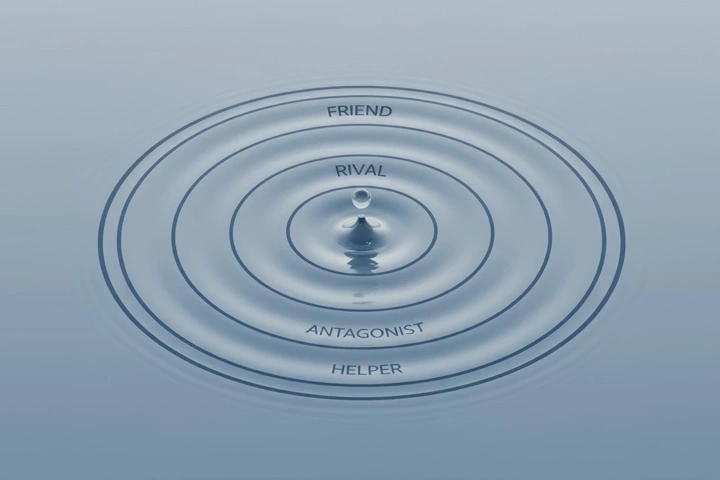
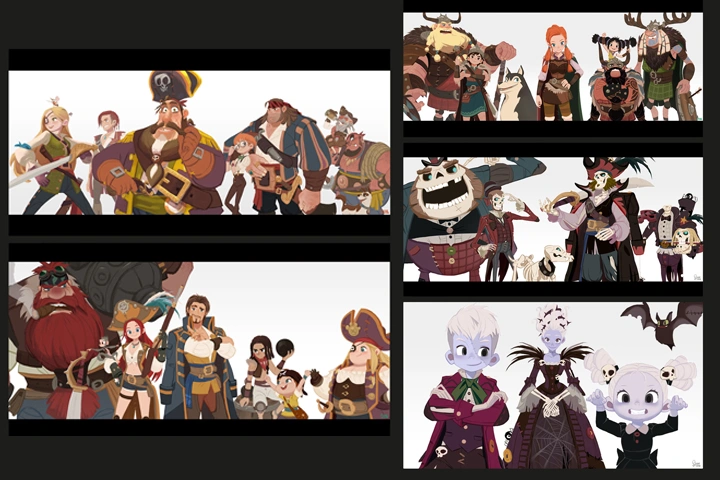
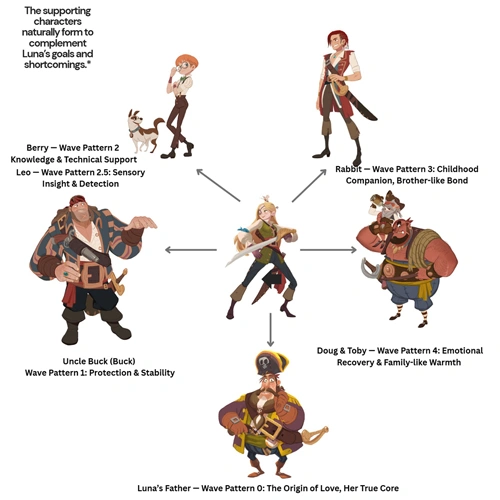
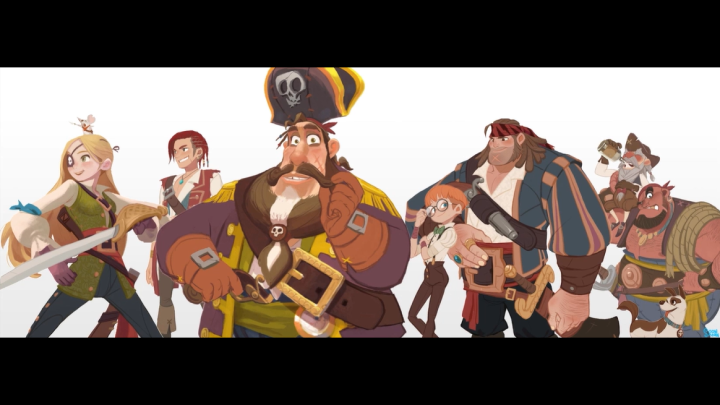
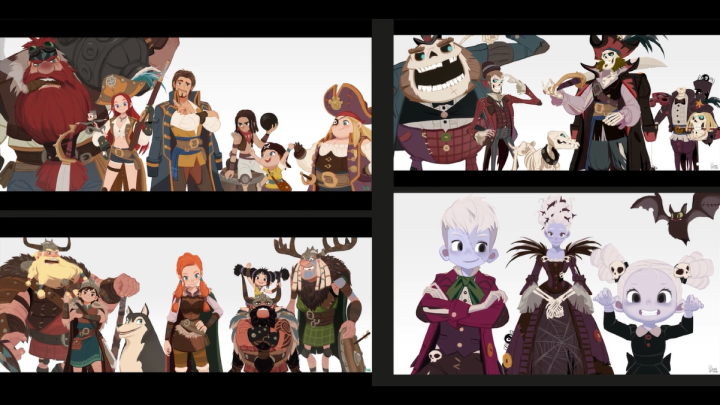
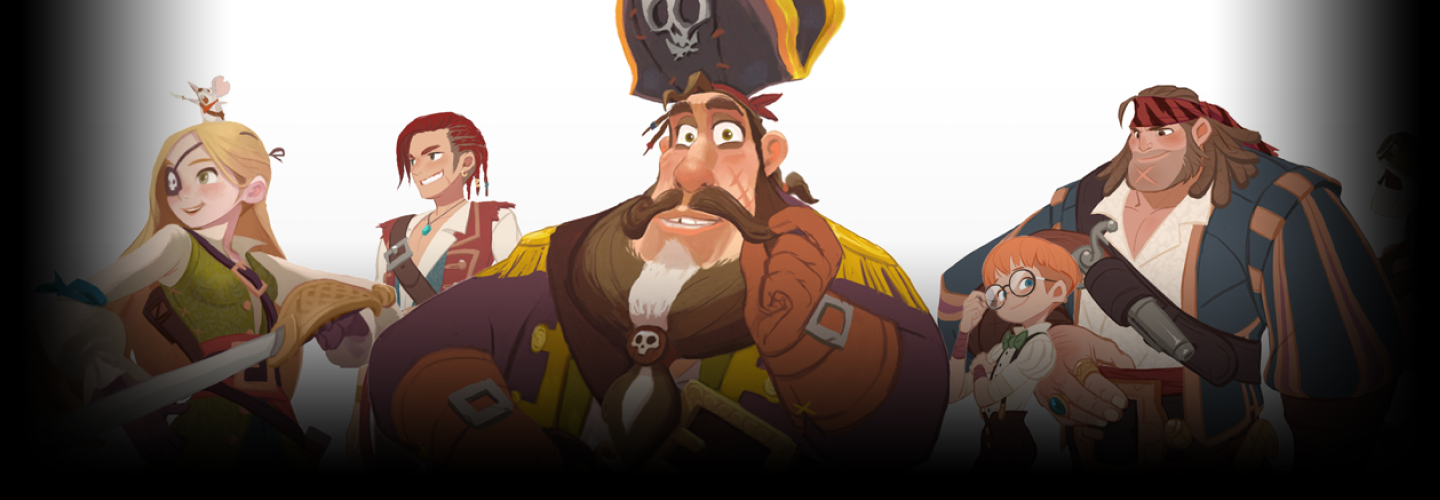
- Think of the protagonist as a water droplet, with surrounding characters as ripples spreading outward. - You’ll learn how a protagonist’s personality, goals, and flaws create the reason supporting characters exist. - Because Luna is not a perfect captain, she needs others: Uncle Buck as a trusted supporter, Rabbit as the navigator, Berry and Leo as genius ship mechanics, and Toby and Doug as the deck officers. - This imperfection gives every supporting character a clear and convincing purpose within the world.
From the Main Character to Supporting Characters: Expanding the World
- Each supporting character is defined by their personality, role, goal, and flaws. - You’ll organize these elements into character sheets, turning supporting characters into living, expandable figures. - At this stage, each supporting character could become the protagonist of a new story or spin-off. - If desired, these characters can naturally give rise to new figures, allowing the world and story to continue growing.
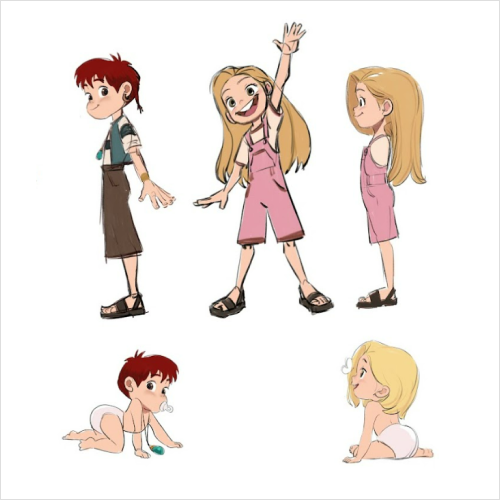
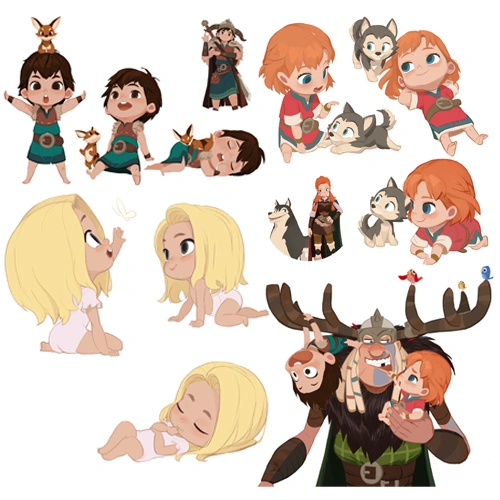
- You’ll learn how designing a character’s childhood adds emotional depth. - This process helps create a more dimensional narrative, strengthens audience connection, and shapes characters people can truly care about. - Ultimately, it becomes a powerful tool for making characters memorable, meaningful, and alive.
Curriculum
In-Depth Look
**Class release dates and content are subject to change without prior notice.
Section 01
Course Introduction and Preparation
01. Course Introduction and Theory Overview- Instructor introduction and an overview of the course theme, objectives, and learning outcomes
- A condensed look at the real character design workflow and the time, revisions, and effort it requires
- An introduction to iterative character development and why strong characters are not created in a single attempt
- A shared mindset for the course, based on the idea that every designer carries a director’s DNA and that the creation can begin comfortably and confidently
Section 02
From Scene to Protagonist: Where Creation Begins
02. Imagining the First Scene: A Motivational Scene- How IP world-building begins with a single imagined scene
- Using a simple narrative moment to establish the story’s direction and goal
- Focusing on imagination rather than drawing at the early concept stage
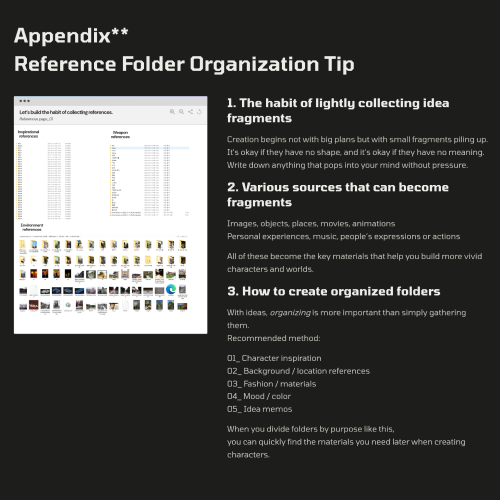
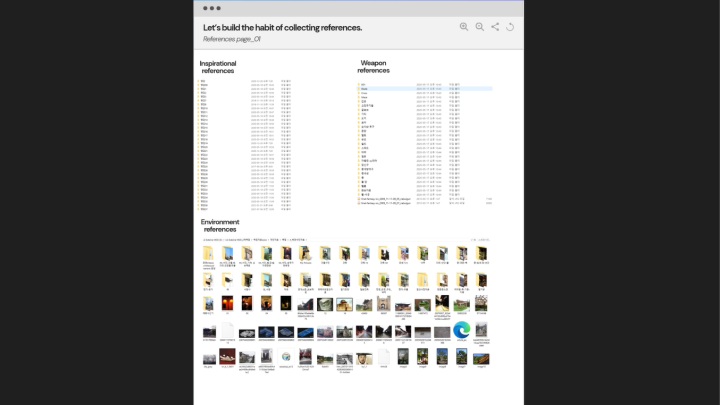
03. Gathering References- Why creative work should begin without aiming for perfect planning
- Building creative momentum by starting first and refining through action
- Developing the habit of casually collecting small idea fragments from everyday sources
- Organizing references through a practical folder structure for efficient character and world-building
Section 03
Designing the Core Protagonist
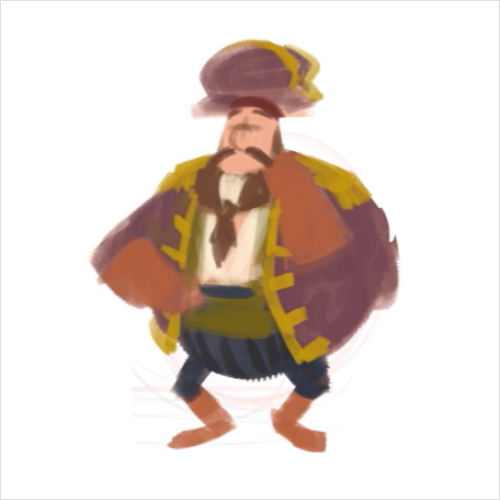
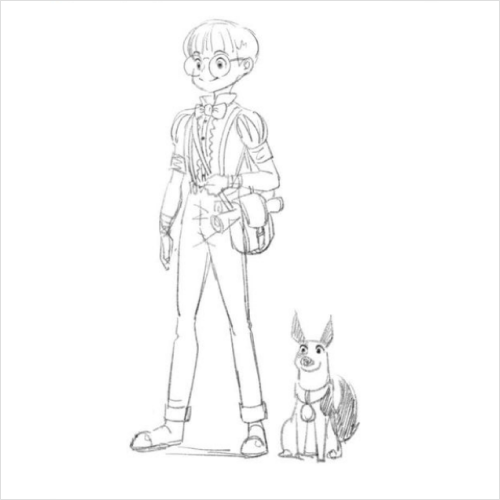
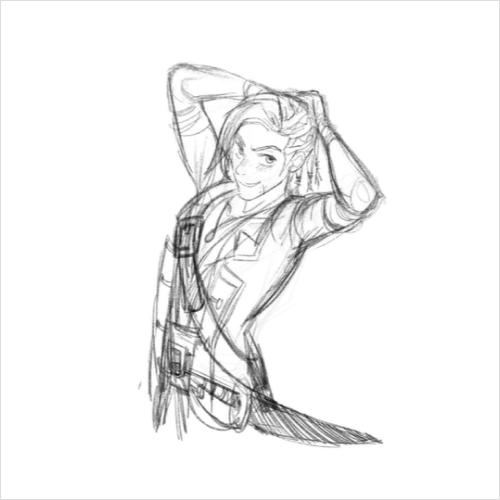
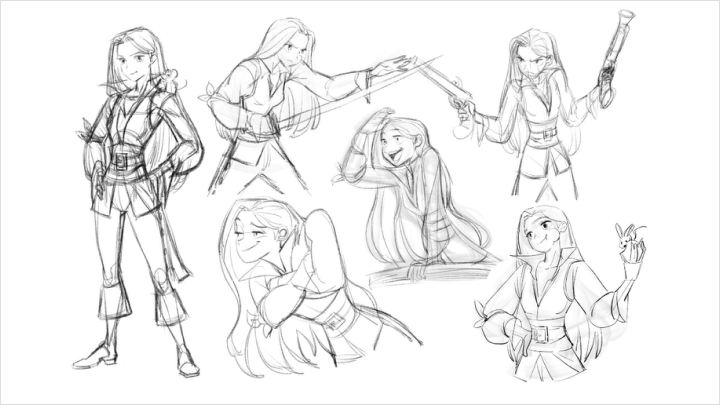
04. Rough Sketching the Protagonist- How a character’s personality, goals, flaws, and environment shape visual design decisions
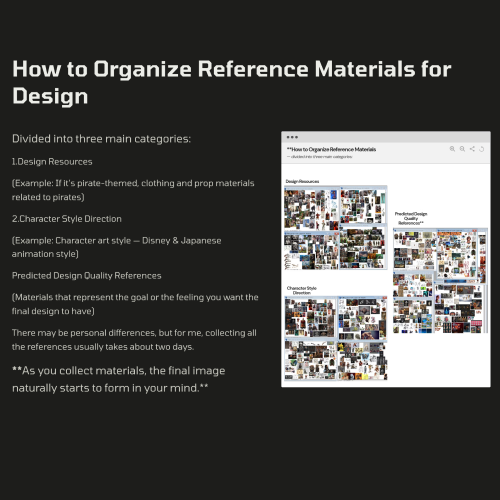
- Organizing references into three key categories: design materials, character style, and target level of finish designs
- Developing a clear mental image of the final character through focused reference gathering
- Beginning the design process with drawing the character at their current age
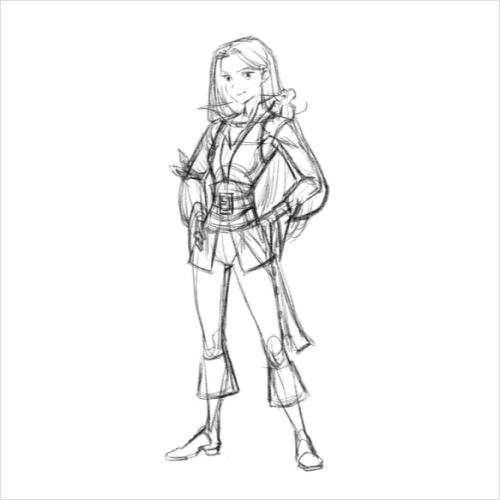
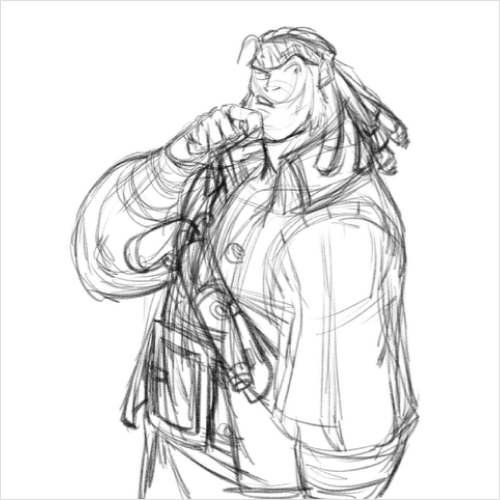
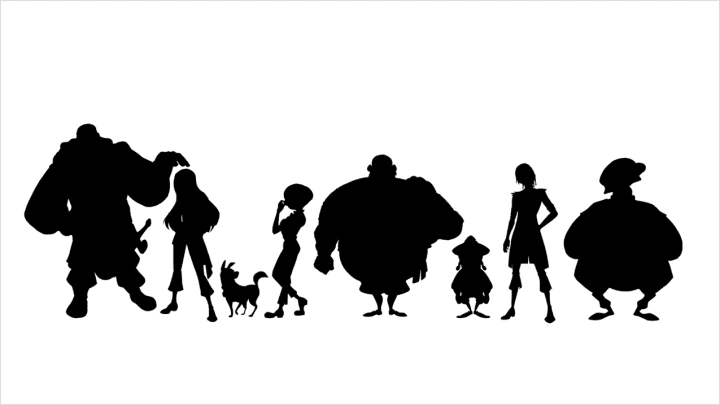
- Using silhouettes and rough sketches flexibly, focusing only on what is necessary as the concept becomes clearer
05. Developing the Protagonist Concept- Selecting the strongest rough sketch as the foundation
- Refining core proportions, body shape, hair, and costume at a basic level
- Introducing the concept of the “first droplet”
- Establishing the character as the central axis for all subsequent characters and stories
- Marking the true starting point of the world-building process
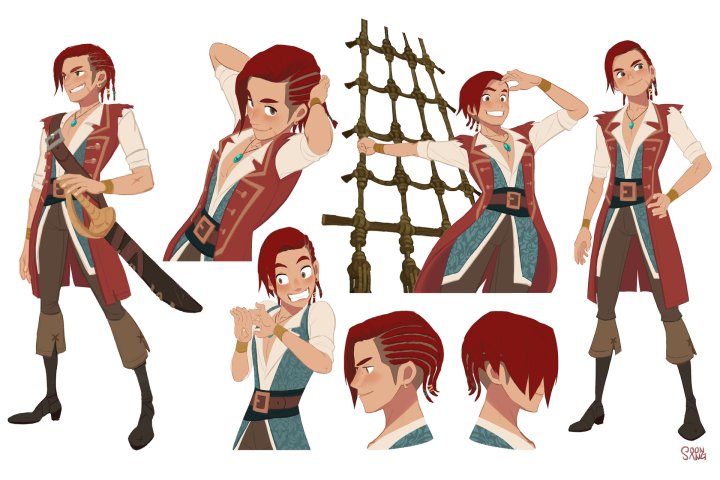
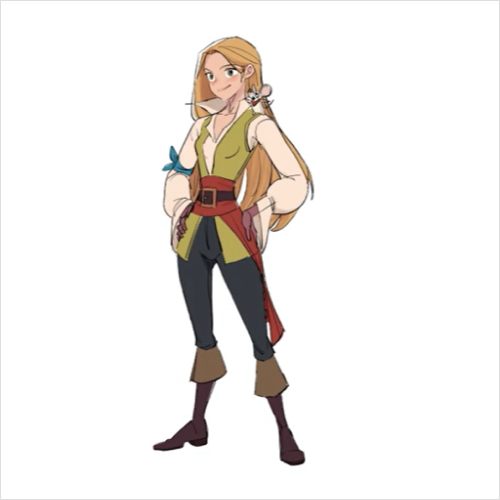
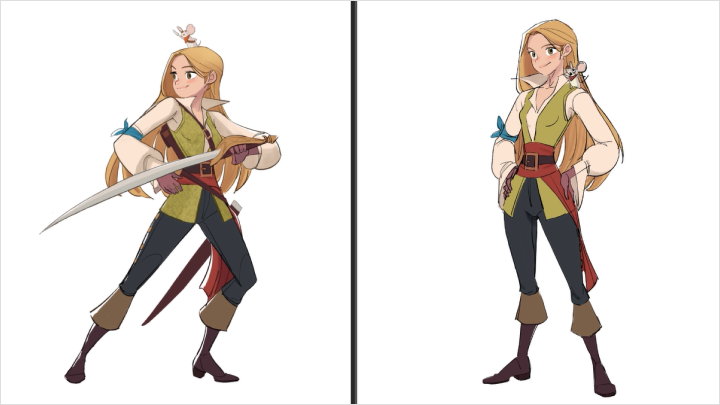
06. Refining the Protagonist Design: Design Fix- Defining the character’s basic pose
- Identifying key belongings and props
- Briefly summarizing the character’s personality
Section 04
Supporting Characters: Building a Balanced Team
07. Understanding the Water Droplet Theory- How the protagonist’s personality naturally gives rise to new characters
- Using contrasting traits to shape supporting roles, such as bravery, comfort, guidance, or conflict
- Demonstrating this process intuitively through the protagonist, Luna
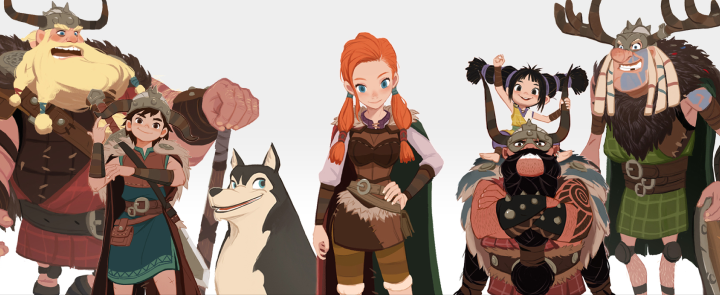
08. Balancing Characters Through Diverse Body Types- How characters naturally emerge based on story needs rather than a fixed number
- Defining roles such as friends, helpers, and specialists
- Creating a cohesive group through balance in size, proportions, and personality
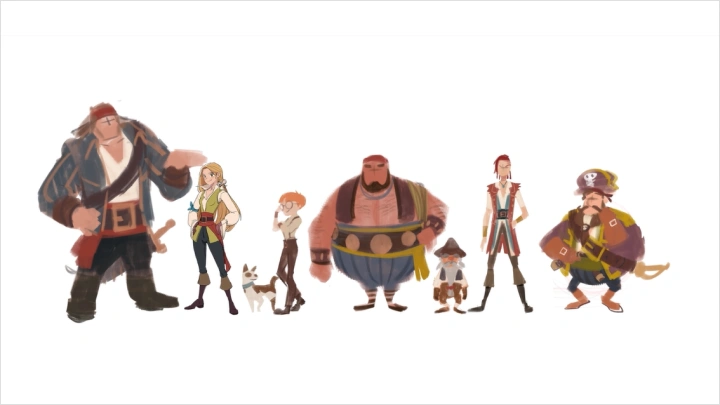
09. Rough Balance Pass for the Full Character Lineup- Reviewing all characters together on a single screen at the rough stage
- Differentiating height, body type, and silhouette
- Lightly organizing color schemes to enhance cohesion
- Establishing a unified feel and completing the full rough character set
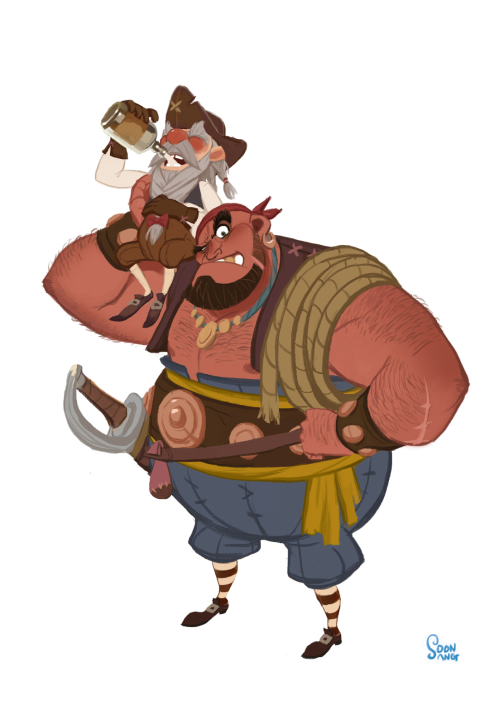
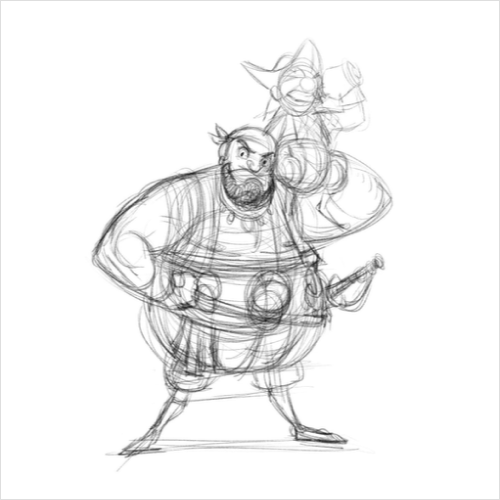
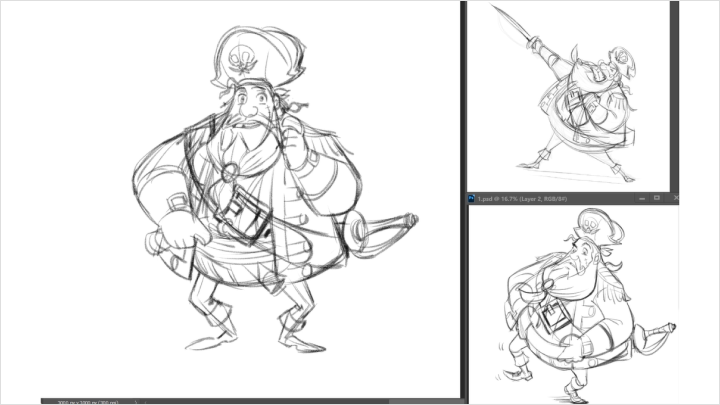
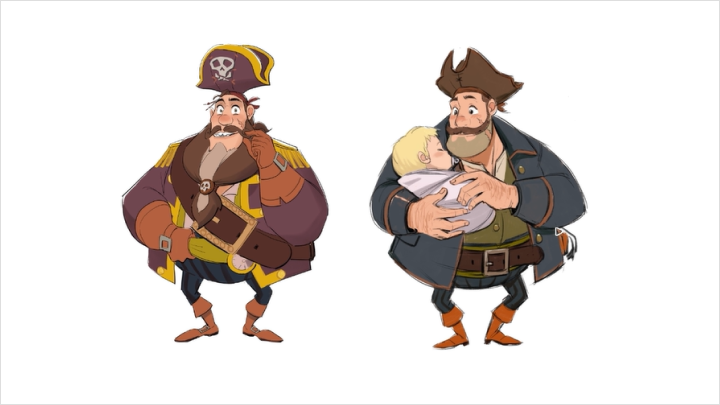
10. Rough Sketching Supporting Characters: Dad Dango- Applying a shared workflow across all characters, from reference gathering and rough sketches to silhouette and trait definition
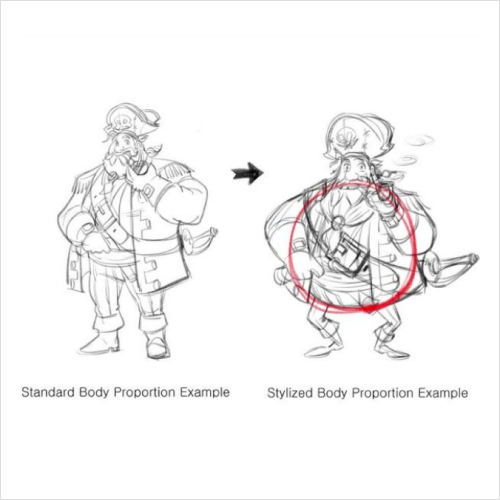
- Exploring deformation techniques tailored to each character’s personality and body type
- Demonstrating character-specific deformation approaches through practical examples
- Clarifying why each character is necessary within the world and story
- Assigning clear roles that support the overall narrative and group structure
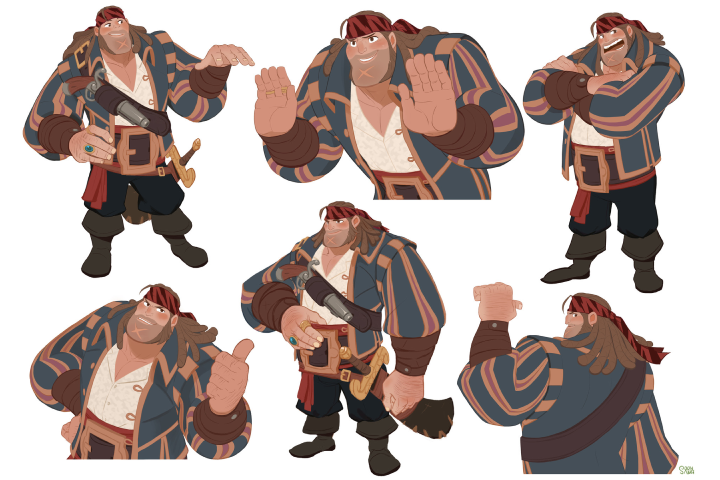
11. Rough Sketching Supporting Characters: Uncle Buck- Uncle Buck as the reliable, stable, and protective figure within the story
- A dependable character who supports Luna, helping her find balance and grounding her growth narrative
12. Rough Sketching Supporting Characters: Leo and Berry- Berry as a character who complements knowledge and technical skills within the crew
- A rational problem-solver who provides technical solutions and grounded judgment when Luna acts recklessly
- Leo as a sensory and detection-focused companion who guides the crew through dangerous or low-visibility situations
13. Rough Sketching Supporting Characters: Rabbit- Rabbit as Luna’s childhood companion, sharing a brother-like bond
- A seemingly clumsy character whose natural talent for navigation proves crucial in moments of crisis
14. Rough Sketching Supporting Characters: Doug and Toby- Doug and Toby as family-like figures who support Luna’s emotional recovery
- Comforting presences who help restore morale and uplift the crew’s mood
Section 05
Developing the Character Sheet
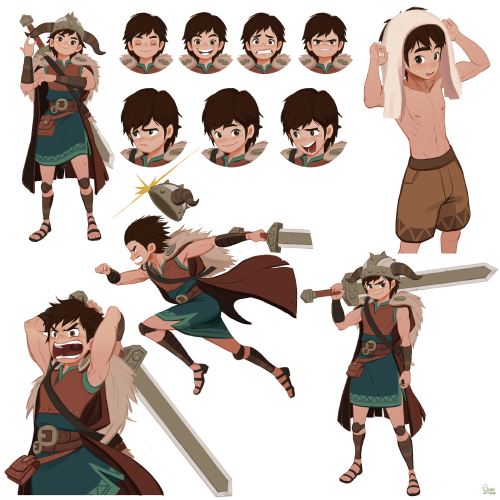
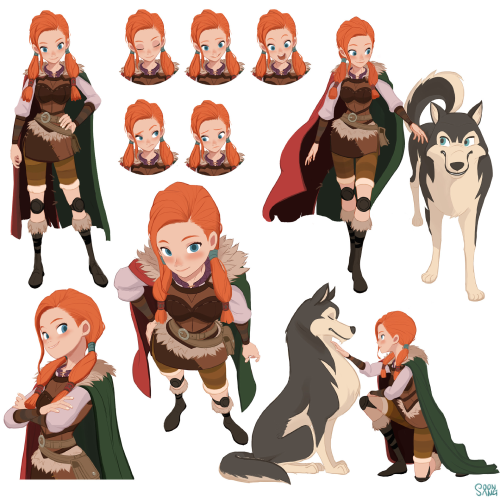
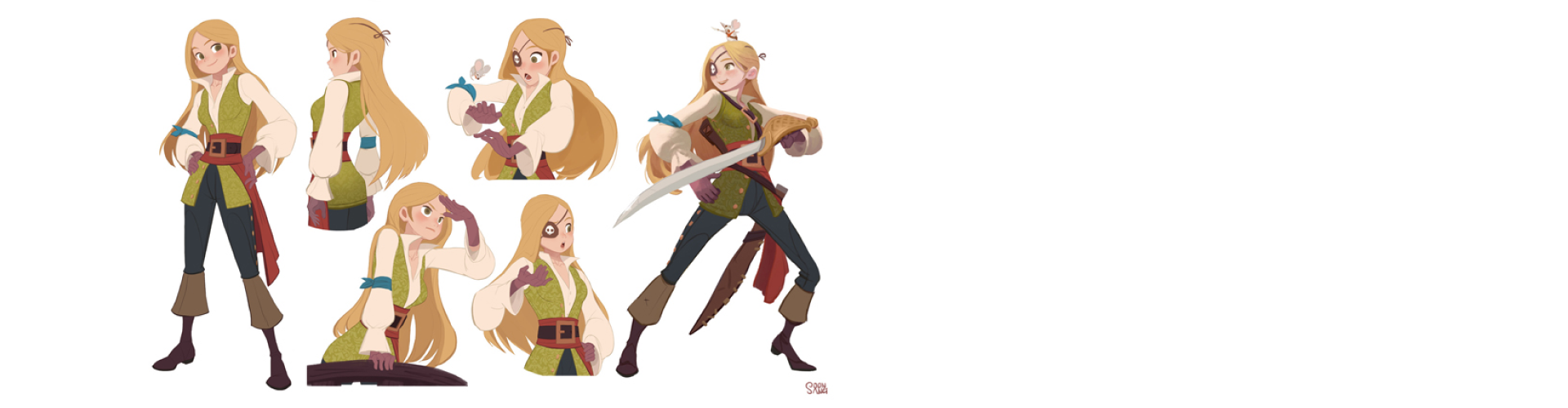
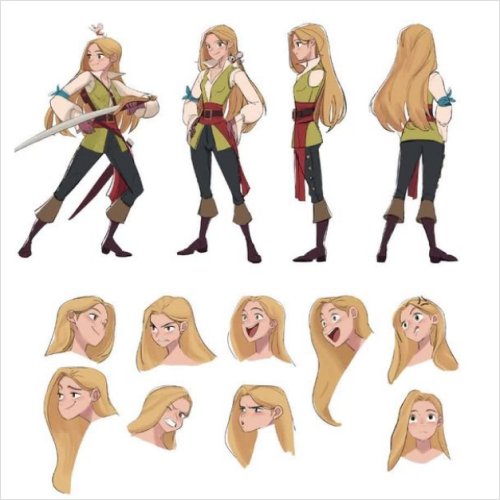
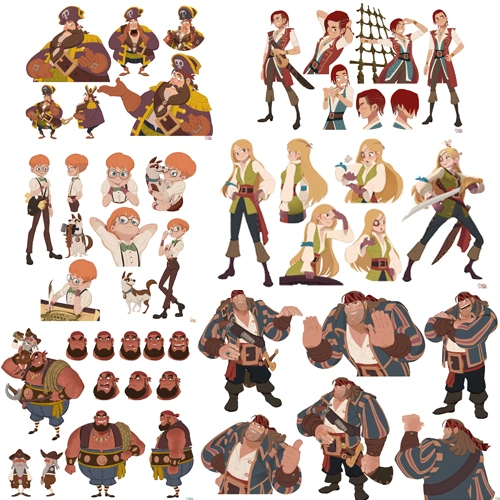
15. Understanding Character Sheet Structure- In the following chapters, we will be completing full character sheets for all planned characters, including front, side, and back views, expressions, and action poses
- Organizing key elements such as views, expression ranges, poses, props, material references, and brief personality notes
- Compiling all components into a single, practical character template to strengthen identity and usability
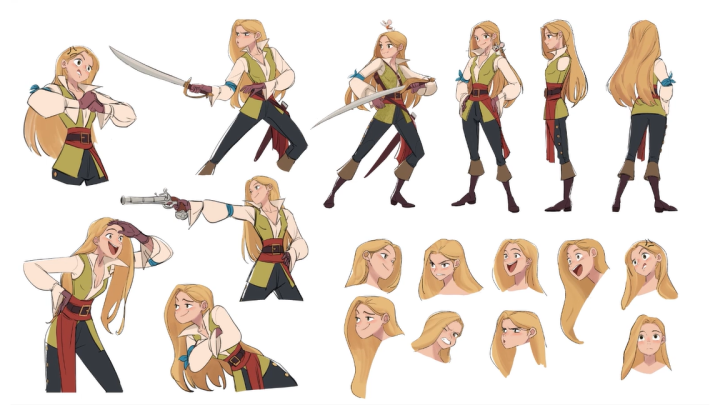
16. Protagonist Character Sheet (Luna): Front, Side, and Back Views- Establishing the foundational world and character settings to support more dimensional character sheet development
- Introducing Luna, a rookie pirate born into a traditional pirate family with ambitions to surpass her father, Dango
- Defining the incident of the Pirate King Selection Tournament and Luna’s irreversible decision to enter without telling her father
- Framing Luna as a bold, curious, and driven protagonist who takes command of the fleet and steps into her journey
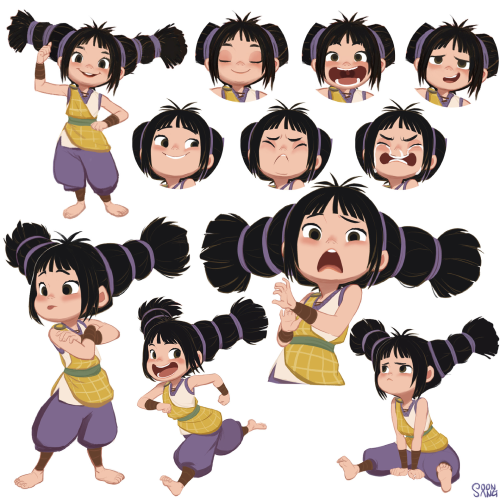
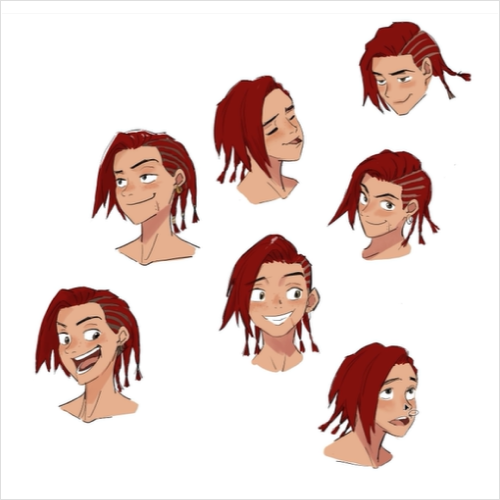
17. Protagonist Character Sheet (Luna): Expressions- Exploring facial expressions is the most direct way to reveal a character’s personality
- Considering each character’s unique emotional range when designing expressions
- Using Luna as an example of bold, exaggerated emotional expression driven by strong will and recklessness
18. Protagonist Character Sheet (Luna): Poses- Approaching pose design as a natural extension of facial expressions
- Connecting emotions to body posture to create believable and character-consistent poses
- Strengthening character authenticity by imagining expression and pose together while drawing
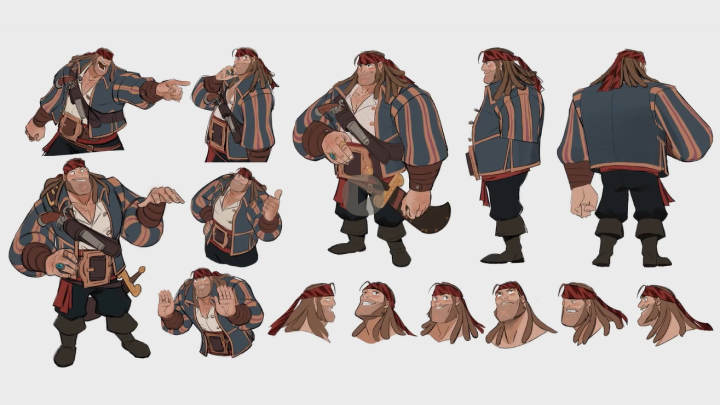
19. Supporting Character Sheet (Uncle Buck): Front, Side, and Back Views- Using guidelines to maintain accurate proportions across front, side, and back views
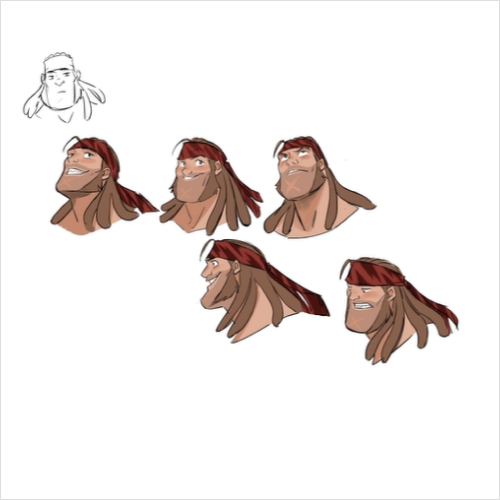
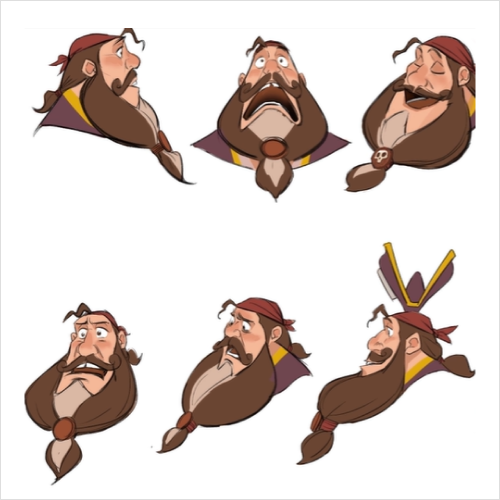
20. Supporting Character Sheet (Uncle Buck): Expressions and Poses- Introducing Uncle Buck, Dango’s younger brother, first mate of the pirate ship Wild Dango, and Luna’s uncle
- Defining his role as a serious and charismatic stabilizing force between Luna and the crew
- Designing expressions that convey reliability, leadership, and trust
21. Supporting Character Sheet (Leo and Berry): Front, Side, and Back Views- Using guide lines to maintain accurate proportions across front, side, and back views
- Keeping animal reference images nearby when designing animal characters
- Building familiarity with animal anatomy gradually through practice rather than aiming for perfection from the start
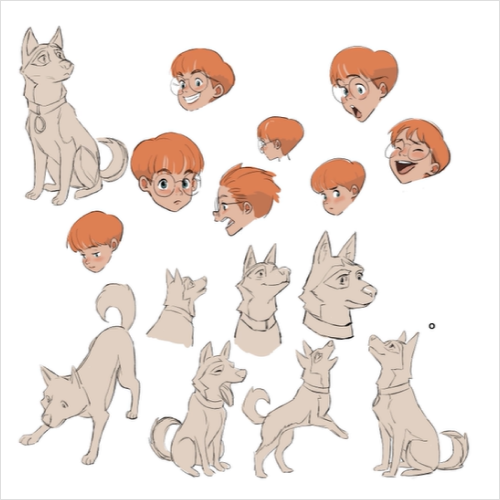
22. Supporting Character Sheet (Leo and Berry): Expressions and Poses- Introducing Berry, a young ship repair prodigy from the harbor town of Mahorn
- Defining Berry as a versatile and intelligent character whose expressions and poses reflect his quick wit
- Highlighting Leo’s role as a perceptive assistant, using scent and instinct to guide the crew and enrich their dynamic
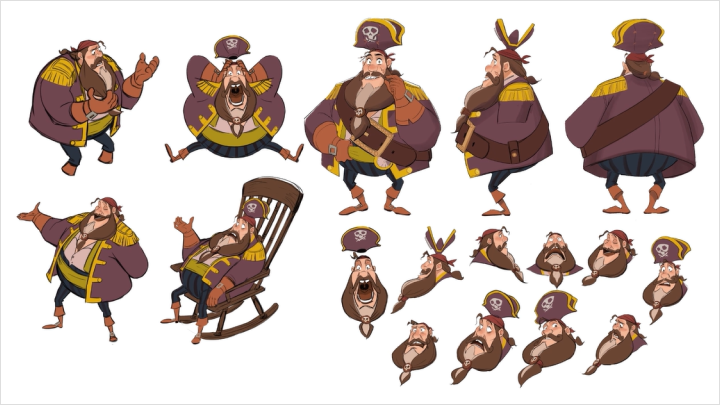
23. Supporting Character Sheet (Dad Dango): Front, Side, and Back Views- Using guide lines to maintain accurate proportions across front, side, and back views
24. Supporting Character Sheet (Dad Dango): Expressions and Poses- Introducing Dango, a former crew member and sole survivor of a past Pirate King Selection Tournament
- Defining his decision to raise the captain’s orphaned daughter, Luna, as his own
- Conveying Dango’s deep affection to Luna and the complex mix of worry, fear, and pride he feels upon learning of Luna’s secret entry into the tournament
25. Supporting Character Sheet (Doug and Toby): Front, Side, and Back Views- Using guide lines to maintain accurate proportions across front, side, and back views
26. Supporting Character Sheet (Doug and Toby): Expressions and Poses- Introducing Toby and Doug, the first and second mates of the Wild Dango who have cared for Luna like family
- Defining their role as longtime companions of Dango and steadfast supporters who quietly back Luna’s journey
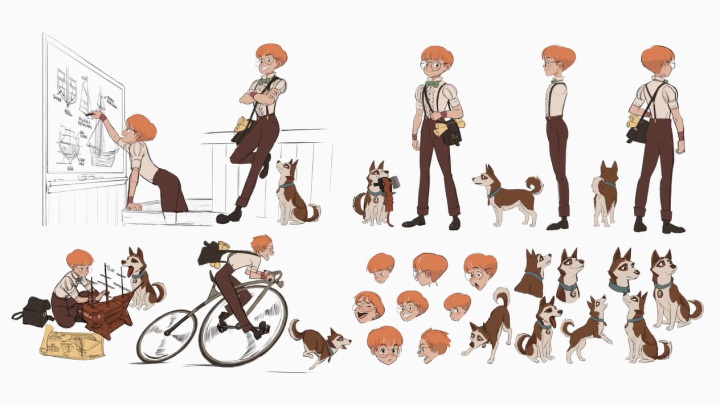
27. Supporting Character Sheet (Rabbit): Front, Side, and Back Views- Using guide lines to maintain accurate proportions across front, side, and back views
28. Supporting Character Sheet (Rabbit): Expressions and Poses- Introducing Rabbit, a seemingly clumsy young man with an ordinary build and a natural genius for navigation
- Defining his extraordinary ability to read waves and currents, recognized early by Dango
- Establishing his family-like bond with Luna and his role as a reliable ally during her journey
Section 06
Expanding the Story: Designing Character Childhoods
29. Why Childhood Versions Matter in Character Design- Enhancing emotional engagement by exploring a character’s childhood
- Building a fully dimensional backstory that supports the character’s present form
- Ensuring narrative plausibility and creating meaningful story connections
- Demonstrating these ideas through the protagonist Luna’s childhood as an example
30. Rough Childhood Designs for the Main and Supporting Characters- A process that brings characters to life in a highly three-dimensional and expressive way
Section 07
Final Overview: Reviewing Your Character Creation Journey
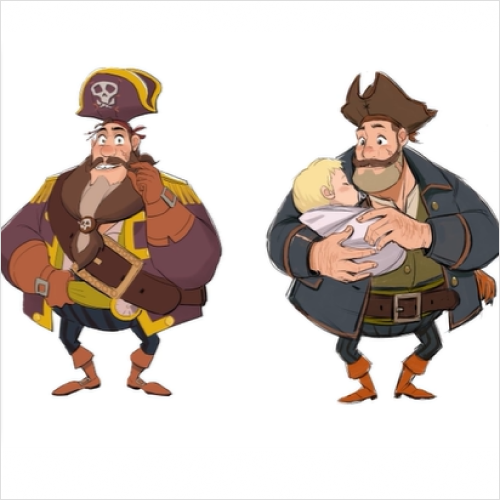
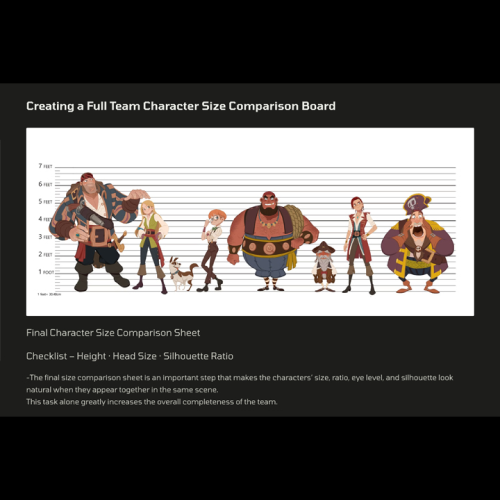
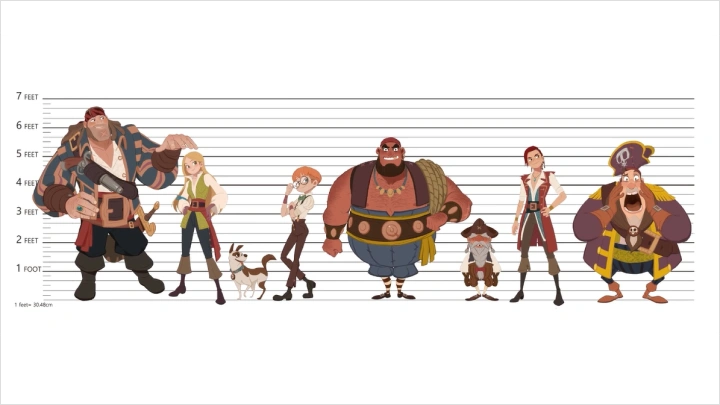
31. Character Size Comparison Board for the Entire Crew- Creating a final character size comparison sheet to check height, head size, and silhouette contrast
- Ensuring natural scale, proportions, and visual balance when all characters appear together
- Elevating the overall level of completion for the entire character group
32. Creating a Character Concept Summary Page- Crafting concise one-line story catchphrases to define the core premise and stakes
- Establishing the world name and overarching synopsis of the Pirate King Selection Tournament
- Outlining the tournament’s rules, trials, and cultural significance within the pirate world
33. Course Wrap-Up- Reflecting on a step-by-step system for gradually developing characters into a cohesive world
- Exploring how a single character can create ripples that naturally expand into new characters and stories
- Encouraging a light, pressure-free creative approach that values consistency, rest, and gradual growth
- Concluding with the idea of world-building evolving into a personal and sustainable IP
Required Tools
This course will use Adobe Photoshop and Clip Studio Paint. Please purchase and install these program(s) for an optimized chapter experience.
*These programs and/or materials will not be provided with the chapter.
Recommended Classes
Instructor
soonsang
Concept Artist
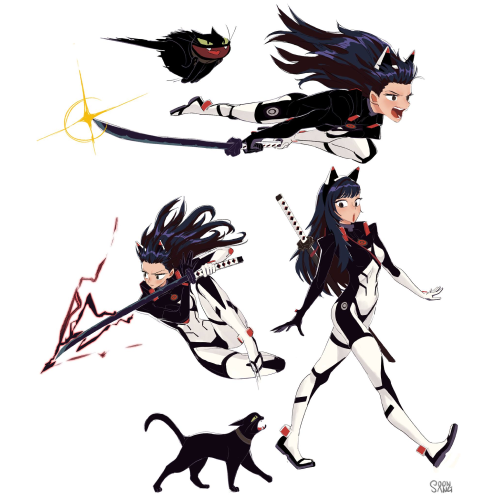
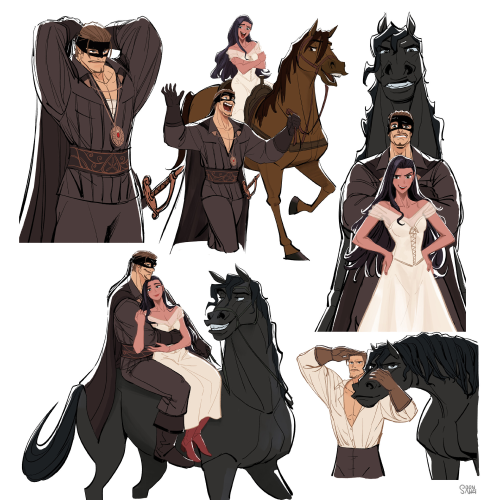
Hello, I'm soonsang hong, a character designer and illustrator with over 20 years of experience in animation, games, and character IP development.
I spent 10 years in the game industry working as a character and background designer, followed by another 10 years as a freelance artist. Throughout this journey, my focus has gone beyond simply drawing characters. I have consistently explored how characters connect with one another and expand into a cohesive world and IP.
In this class, I share a practical character-building system that begins with a single character and naturally grows into a larger world and a fully developed IP.
Interview
Meet the Instructor
Question 01
What led you to choose this topic and what sets this class apart from others?
I chose this topic because character IP development has always been at the core of my work. Through repeated trial and error in my own projects, I arrived at a character-driven approach to worldbuilding that is both efficient and intuitive. I created this class to share that workflow with other artists and to explain it step by step in a way that is easy to understand and apply.
What makes this class different is that it focuses on how to approach character design, not just on finished character designs. Instead of creating characters one by one, the course starts with a single main character and looks at how other characters naturally grow out of the protagonist’s role and relationships. This helps students understand how one character can expand into a larger world and eventually become a sustainable character IP.
Question 02
How did your industry journey begin, and how does your experience prepare students for the future?
I began my career at a game company, working on character and background design, where I learned the fundamental ways of thinking behind worldbuilding. After moving into freelance work, I started developing my own original character IPs based on that experience.
I believe the game and animation industries are in the early stages of AI influence, with the future direction still open. In this environment, it is important to stay focused on building something of your own rather than chasing changing trends. While tools will continue to evolve, the core of creative work remains. This class encourages a Director’s Mindset, helping students develop work that is truly theirs.
Question 03
What are the essential skills for this industry, and how do you define success?
I believe the most important skill in this industry is directing ability. It means being able to organize your work and your life, and to set clear standards for how you move forward. Every designer already has the mindset of a director, and this class is about bringing that instinct to the surface and helping students shape their own direction and world.
For me, success in this industry is not about drawing skill alone. To keep creating over the long term, you need more than steady work. You need a life structure that supports it. When daily life, finances, and health fall out of balance, even strong creative work becomes unstable. Success, in my view, is about building a foundation that allows creative work to continue, rather than chasing technical perfection.
Question 04
Do you have any advice for your students?
As advice to my students, I would say this. The more rapidly the world around you changes and becomes chaotic, the more the core remains simple. Just keep doing what you have been doing!
soonsang
Concept Artist
Profile
[Current]
- Freelance
- Animation & Game Industry
- Character Designer & Illustrator
[Previous]
- Game Industry
- Character Designer / Background Designer
[Notable Projects]
- Original IP Development
- Character Design Projects for Animation and Games
[Current]
- Freelance
- Animation & Game Industry
- Character Designer & Illustrator
[Previous]
- Game Industry
- Character Designer / Background Designer
[Notable Projects]
- Original IP Development
- Character Design Projects for Animation and Games